
The Tale of the Andean Storehouses: Stories Told Through Food

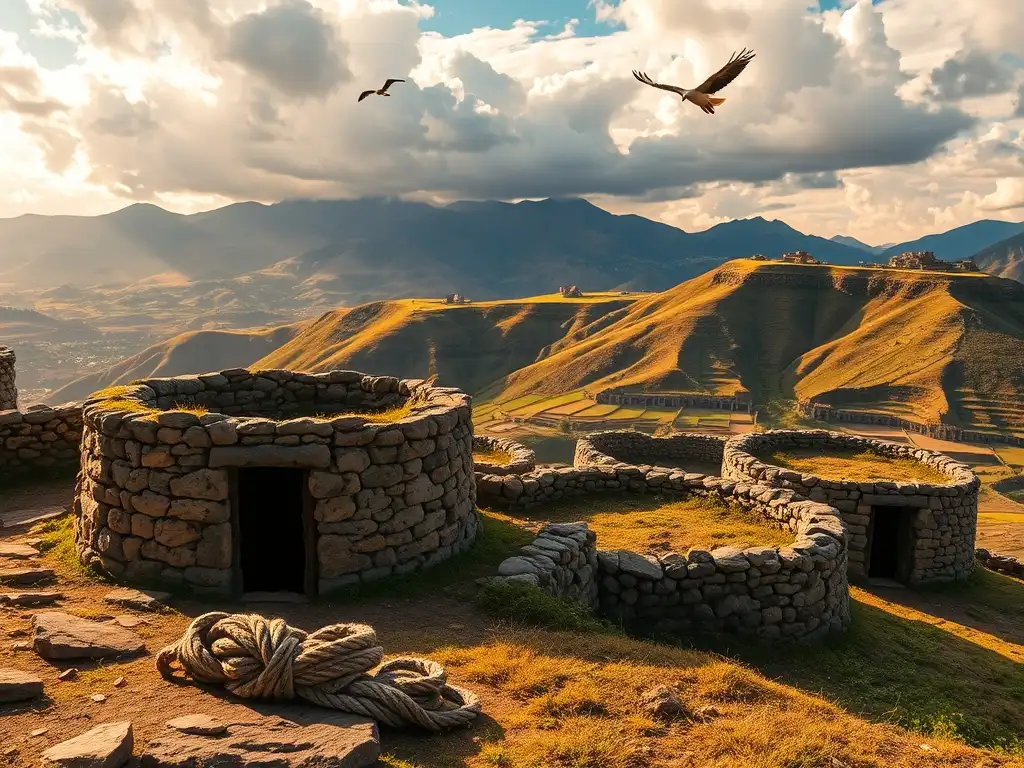
Unravel the mysteries of the Andes! For centuries, these towering mountains have held secrets whispered on the wind – secrets now revealed through the ingenious Andean food storage techniques employed by ancient civilizations. From the Incas to the Nazca, discover the innovative methods that sustained empires and shaped a unique culture. Prepare to be amazed by the ingenuity and resilience of these ancient peoples, and delve into the fascinating story of how they harnessed their environment to ensure survival. The Tale of the Andean Storehouses awaits...
The Andes Mountains, a spine of towering peaks stretching along the western coast of South America, presented ancient civilizations with a unique set of challenges and opportunities. Harsh climates, varying altitudes, and unpredictable weather patterns demanded innovative solutions for food production and, crucially, storage.
This article delves into the ingenious Andean food storage techniques employed by cultures like the Inca, Moche, Nazca, and Tiahuanaco, revealing how their methods not only ensured survival but also shaped their social structures, religious beliefs, and artistic expressions. Examining these ancient storehouses – from humble pits to elaborate structures – allows us to understand the ingenuity and resilience of these remarkable civilizations and their profound relationship with their environment.
We will explore how their approaches to food preservation and distribution reflect their deep understanding of agriculture and the importance of community. Understanding their "Andean food storage techniques" provides a fascinating glimpse into the complexities of life in the Andes.
The Challenges of Andean Agriculture and the Necessity for Efficient Storage
The Andes are characterized by extreme climatic variability. High altitudes experience freezing temperatures, while lower valleys may endure scorching heat and arid conditions. The agricultural calendar was thus dictated by microclimates and precise knowledge of seasonal changes. This variability, combined with the often-steep and terraced agricultural landscapes, necessitated sophisticated methods of food preservation to ensure a continuous supply throughout the year.
Failure to store food effectively could lead to famine, impacting not only the population's survival but also its social and political stability. The development of effective Andean food storage techniques was therefore not merely a practical necessity but a cornerstone of Andean societies. The ingenuity of these techniques is truly remarkable, considering the limited tools and technologies available.
A Variety of Storage Techniques: From Simple to Sophisticated
Andean civilizations employed a diverse range of storage techniques, adapting their methods to the specific crops, climate, and available resources. These ranged from simple methods like:
- Underground storage pits: These were common throughout the Andes and served as a basic method for preserving root vegetables, tubers (like potatoes), and grains. The cool, stable temperature of the earth helped to slow down spoilage. Variations existed depending on the soil type and climate.
- Elevated storehouses (qollqas): The Inca, in particular, are known for their remarkable qollqas – stone structures built at varying heights to optimize ventilation and temperature control. These structures were often strategically located to protect against pests and the elements. Their precise construction reflects a deep understanding of engineering and architectural principles.
- Drying and sun-curing: This simple yet effective method extended the shelf life of many crops. Fruits, vegetables, and meats were often dried in the sun, significantly reducing moisture content and inhibiting microbial growth. The efficiency of this technique depended heavily on the climate and the availability of suitable drying areas.
The construction and management of storehouses were not merely practical tasks; they held significant social and religious importance. The distribution of stored food was often regulated by community leaders or religious authorities, ensuring equitable access and mitigating the risk of social unrest. In some cultures, storehouses were associated with sacred sites or deities, emphasizing the spiritual significance of food and the importance of maintaining a stable food supply.
The careful organization and preservation of food also reflected a deep respect for the earth and its bounty, reinforcing the interconnectedness of the Andean peoples and their environment. The size and complexity of the storehouses often reflected the power and wealth of a community or ruler.
The Legacy of Andean Food Storage Techniques
The sophisticated Andean food storage techniques represent a remarkable achievement in agricultural technology and resource management. Many of the principles and practices employed by these ancient civilizations are still relevant today, offering valuable insights into sustainable agriculture and food security. Understanding these techniques not only enhances our appreciation of Andean cultures but also provides valuable lessons for modern societies facing similar challenges in food production and distribution.
The study of Andean food storage techniques continues to inspire research and innovation in modern agriculture. The legacy of these methods remains a testament to the ingenuity and resilience of the Andean peoples.
- The Challenges of Andean Agriculture and the Necessity for Efficient Storage
- A Variety of Storage Techniques: From Simple to Sophisticated
- The Social and Religious Significance of Food Storage
- The Legacy of Andean Food Storage Techniques
- What innovative food storage techniques did Andean civilizations employ?
- How did the environment influence Andean food storage?
- What types of food were commonly stored using these techniques?
- Were the qollqas solely used for food storage?
- How did Andean food storage techniques contribute to societal stability?
Ancient Andean Food Preservation: A Glimpse into the Past
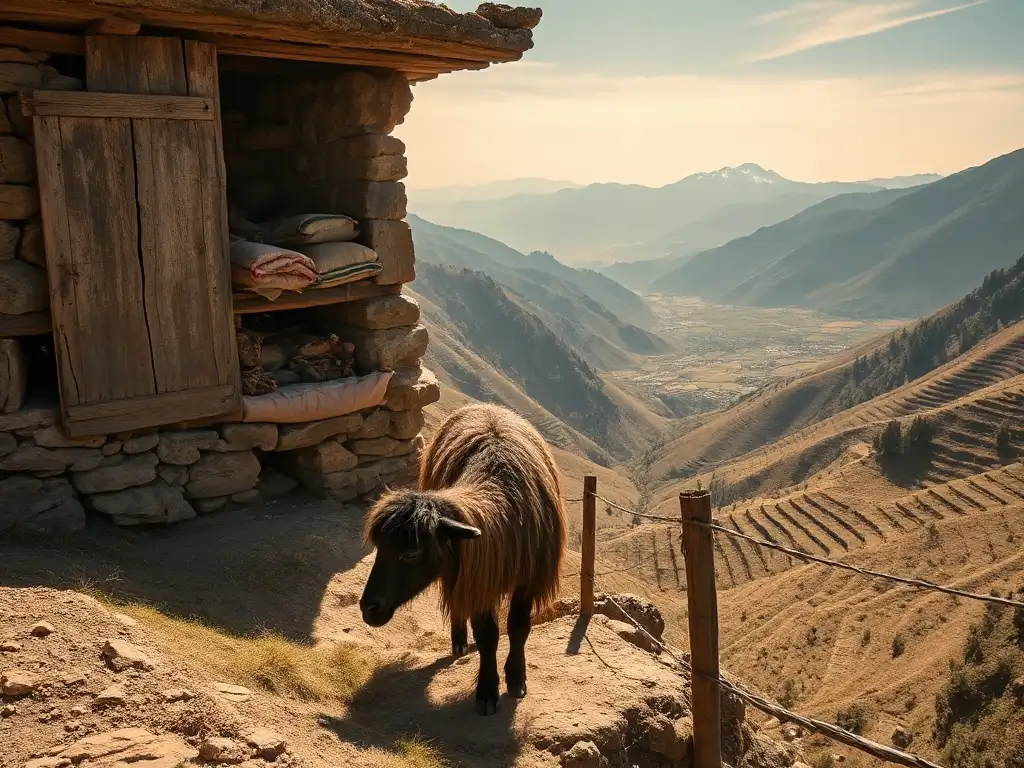
This section delves into the ingenious methods employed by Andean civilizations to preserve their food supplies, a crucial aspect of their survival and societal structure. Understanding these techniques provides invaluable insight into their agricultural practices, resource management, and overall societal organization. The success of these civilizations hinged on their ability to not only produce food but also to store it effectively for periods of scarcity, ensuring community well-being throughout the year and mitigating the impact of unpredictable weather patterns.
Their solutions were remarkably sophisticated, considering the available resources and the challenging Andean environment. The study of Andean food storage techniques reveals a deep understanding of their natural world and a remarkable capacity for innovation. This knowledge wasn't merely practical; it was deeply woven into their cultural fabric, reflecting their spiritual beliefs and social structures.
Understanding the Importance of Food Storage in Andean Societies
Food storage was paramount to the survival and prosperity of Andean societies. The high altitudes, unpredictable weather, and varied terrains presented significant challenges to consistent food production. The ability to preserve surpluses from bountiful harvests was therefore not just a convenience but a necessity. This strategic storage ensured food security during lean seasons, preventing widespread famine and societal disruption.
Furthermore, the efficient storage and distribution of food played a pivotal role in the political and economic organization of these societies. For example, the Inca empire's vast storehouses, known as qollqas, were central to their centralized system of administration and tribute collection. These weren't simply repositories; they were integral parts of the state's power structure, enabling the Inca to control the flow of resources and maintain social order.
The meticulous record-keeping associated with these storehouses further highlights the sophisticated nature of their food management systems. The successful implementation of these systems ensured social stability and facilitated the expansion and consolidation of the Inca empire. Without effective food preservation and distribution, the Inca state, and indeed many other Andean societies, could not have flourished.
The Challenges of Food Preservation in the Andean Environment
The Andean region presents unique challenges for food preservation. The high altitude, characterized by intense solar radiation and fluctuating temperatures, significantly impacts the shelf life of food. Furthermore, the aridity of certain regions necessitates innovative methods to prevent spoilage due to dehydration, while in other areas, high humidity poses a different set of problems. The presence of pests, such as rodents and insects, also adds to the complexity of food preservation. Andean civilizations cleverly adapted to these environmental limitations, developing a range of techniques to counteract these challenges. These included:
- Drying: A common method, particularly for potatoes, quinoa, and other grains. This process significantly extended shelf life by reducing moisture content, inhibiting microbial growth.
- Freezing: At high altitudes, natural freezing provided a simple yet effective preservation method, particularly for meats and certain fruits.
- Storage in underground cellars ( qollqas): These strategically designed structures provided a stable temperature and humidity, protecting food from extreme weather conditions and pests. The construction and placement of these cellars often reflected a deep understanding of local microclimates.
- Salting and smoking: These methods were used to preserve meats and fish, inhibiting bacterial growth and extending shelf life considerably. The specific techniques varied across different Andean cultures, reflecting regional variations in resources and traditions.
- Fermentation: This process was employed for various products, altering the food's properties and extending its usability. Specific examples of fermented foods, and the variations between different Andean cultures, require further research [specific information pending].
The ingenuity of these techniques underscores the profound understanding of Andean civilizations concerning their environment and the remarkable adaptability required for survival in such a challenging landscape. Their mastery of food preservation was not merely a technological achievement; it was a fundamental component of their social, economic, and cultural fabric.
Key Andean Food Storage Techniques
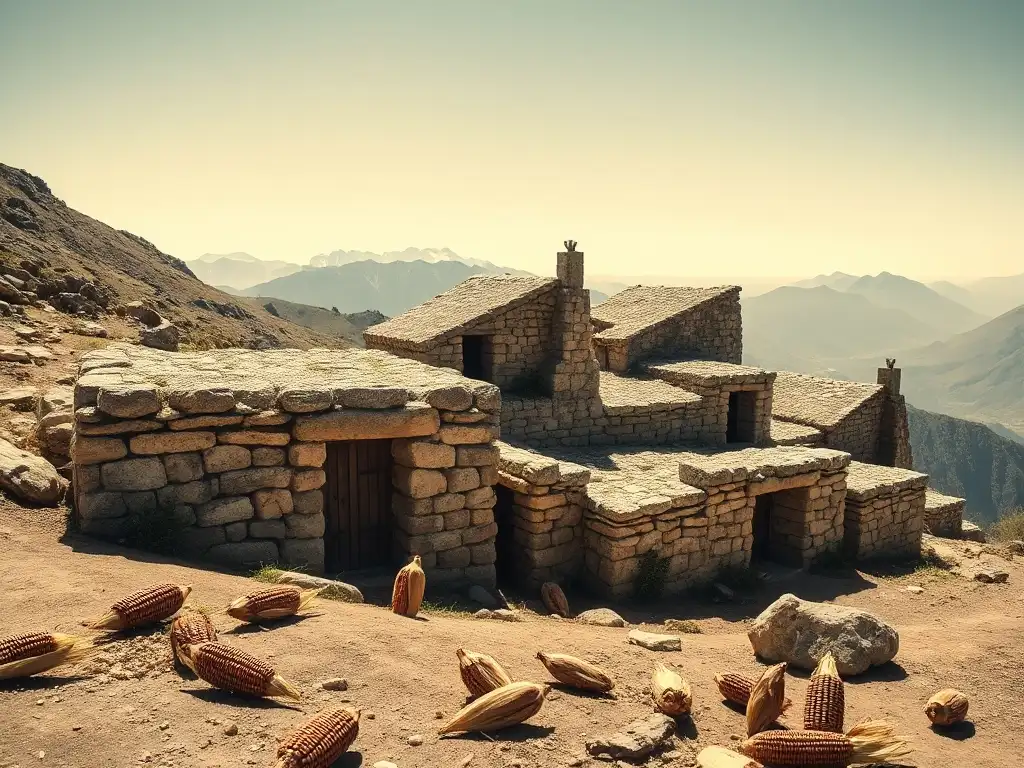
The ingenuity of Andean civilizations in managing food resources is a testament to their deep understanding of their environment. Their success wasn't solely reliant on advanced agricultural practices; it was equally dependent on sophisticated and diverse food storage techniques. These techniques, developed over centuries, ensured the survival of populations through periods of scarcity and facilitated the growth of complex societies.
Understanding these methods provides invaluable insight into the resilience and resourcefulness of Andean cultures, particularly their mastery of "Andean food storage techniques". The efficient preservation of food was crucial for their societal stability and economic prosperity. This section will delve into some of the key techniques, focusing on the strategic use of storehouses and the exploitation of natural environmental conditions.
The Role of Colcas: Strategically Placed Storehouses
Colcas, the iconic stone storehouses of the Andes, represent a pinnacle of Andean food storage technology. These structures, varying in size and complexity depending on the specific culture and geographic location, were strategically placed to optimize preservation and accessibility. Their construction, often involving meticulous stonework, reflects a deep understanding of engineering principles and environmental factors.
The location of a colca wasn't arbitrary; factors such as altitude, proximity to agricultural lands, and microclimate were carefully considered to minimize pest infestation and maintain optimal temperature and humidity levels for long-term food preservation. For example, many colcas were built into hillsides, taking advantage of natural ventilation and temperature regulation provided by the earth itself. This careful placement significantly reduced spoilage and ensured a reliable food supply throughout the year, even in harsh Andean climates.
The strategic placement of colcas also played a significant role in community organization and social structures, highlighting the integration of food storage within the broader societal context. The size and number of colcas within a community often reflected its wealth and social standing.
Types of Colcas: From Individual to Communal Storage
The diversity in colca design reflects the varied needs of different Andean communities. While some were small, individual structures used by families to store their surplus produce, others were large, communal storehouses managed by the community or elite groups. These communal colcas played a critical role in managing resources during times of scarcity or emergency, demonstrating a sophisticated system of social welfare and resource distribution.
The construction materials also varied, ranging from simple adobe structures to elaborate stone constructions, reflecting both the available resources and the social status of the community. Some colcas featured multiple compartments, allowing for the separate storage of different food items, further enhancing preservation efforts. The design and construction of these structures were not simply functional; they often incorporated symbolic elements reflecting the cultural and spiritual beliefs of the Andean people.
Detailed research is still needed to fully understand the variation in colca design and its correlation to specific social and environmental contexts. More studies on the construction techniques and materials used in different regions would greatly enhance our knowledge of Andean food storage practices.
Underground Storage: Utilizing the Earth's Natural Cooling
Beyond the impressive above-ground colcas, Andean civilizations also effectively utilized underground storage methods. This technique took advantage of the earth's natural cooling properties, providing a stable environment ideal for preserving perishable goods. These underground storage facilities, often simple pits or cellars, provided a consistent temperature and humidity, reducing spoilage and extending the shelf life of various food products.
The depth and location of these storage spaces were crucial, chosen to minimize temperature fluctuations and protect against pests and moisture. This method complemented the use of colcas, offering a different approach to food preservation tailored to specific food types and environmental conditions. While less visually striking than the colcas, the effectiveness of underground storage highlights the practical ingenuity of Andean food management strategies.
Further research into the specific techniques employed in underground food storage, including the use of lining materials and ventilation systems, could reveal even more about the sophistication of these methods. The combination of above-ground and underground storage systems represents a holistic and highly effective approach to food preservation in the challenging Andean environment. This demonstrates a profound understanding of both agricultural production and resource management.
Drying and Dehydration: Preserving Food through Natural Methods
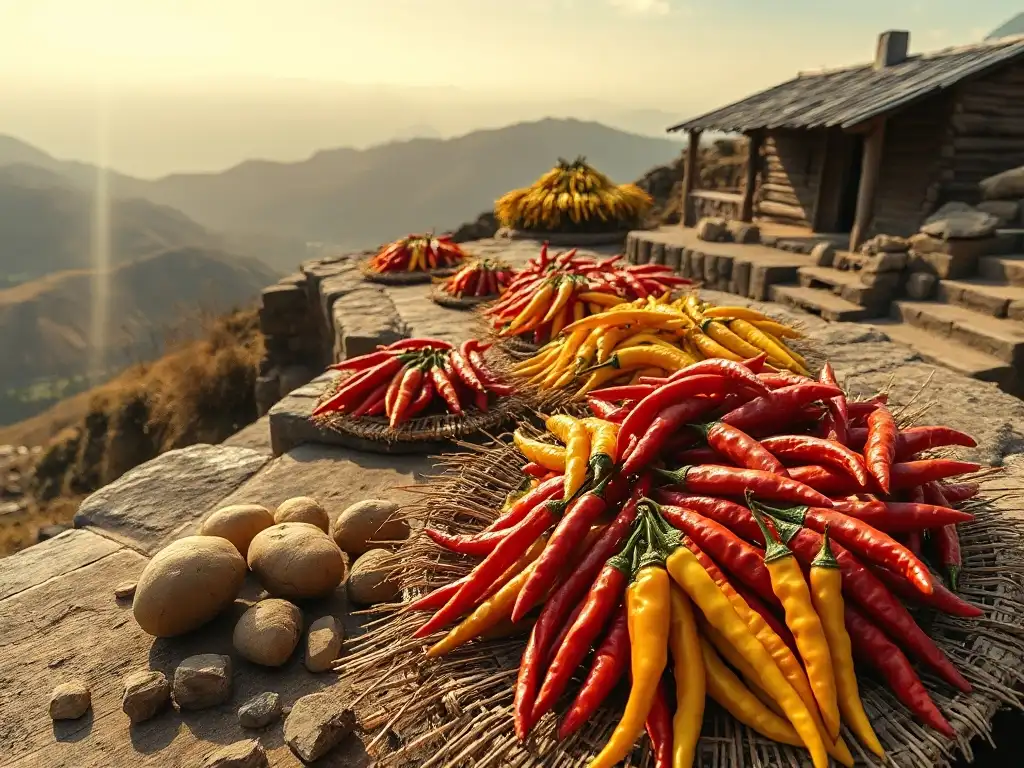
Drying and dehydration were, and continue to be, cornerstone Andean food storage techniques. The arid and high-altitude climates of the Andes naturally lend themselves to this method, providing ample sunshine and low humidity ideal for preserving a variety of foods. This ancient practice allowed the Andean civilizations to extend the shelf life of perishable items like fruits, vegetables, and meat, ensuring food security throughout the year, even during lean seasons.
The process was remarkably simple yet effective. Fruits like chirimoyas, lúcuma, and pacay were often sliced thinly and left to dry in the sun on woven mats or racks. Potatoes, a staple crop, were similarly treated, often after being boiled or partially cooked to expedite the drying process. Meat, particularly llama and alpaca, was also sun-dried, sometimes after being salted or smoked for additional preservation.
The resulting charqui, a form of jerky, provided a vital source of protein during times when fresh meat was scarce. The effectiveness of sun-drying stemmed from the removal of moisture, inhibiting the growth of microorganisms responsible for spoilage. This method significantly reduced the volume and weight of the food, making it easier to transport and store.
The dried foods could then be stored in woven bags, pottery vessels, or underground caches, further extending their shelf life. The ingenuity of this method ensured the survival and prosperity of Andean communities for centuries, making it a prime example of sustainable food preservation. Different drying techniques were employed depending on the specific food and environmental conditions, demonstrating a deep understanding of both agricultural practices and environmental factors.
Fermentation: An Ancient Andean Preservation Technique
Fermentation represents another sophisticated Andean food storage technique, showcasing a profound understanding of microbiology and its application to food preservation. This process, utilizing naturally occurring microorganisms, transformed perishable foods into more stable and palatable forms, extending their shelf life considerably. A variety of fermented products were common in Andean diets, each with its unique flavor profile and nutritional benefits.
One notable example is chicha, a fermented beverage made from maize. The preparation involved a complex process that varied across different regions and cultures. Maize kernels were often chewed or crushed to release the necessary enzymes for fermentation, and then mixed with water and left to ferment for several days or weeks.
The result was a slightly alcoholic drink that served both nutritional and social purposes, forming an integral part of Andean ceremonies and everyday life. The fermentation process not only preserved the maize but also enhanced its digestibility and nutritional value, increasing the bioavailability of certain vitamins and minerals. Other fermented products included various types of sauces and condiments, often made from fruits, vegetables, or legumes.
These fermented foods not only provided a diverse range of flavors but also contributed to the overall nutritional balance of the Andean diet, offering a crucial source of vitamins and probiotics. The mastery of fermentation techniques demonstrates the advanced knowledge and sophisticated practices of Andean food preservation, highlighting the crucial role of microorganisms in their food systems. The meticulous processes involved in preparing these fermented goods underscore the importance of food security and cultural identity within Andean societies.
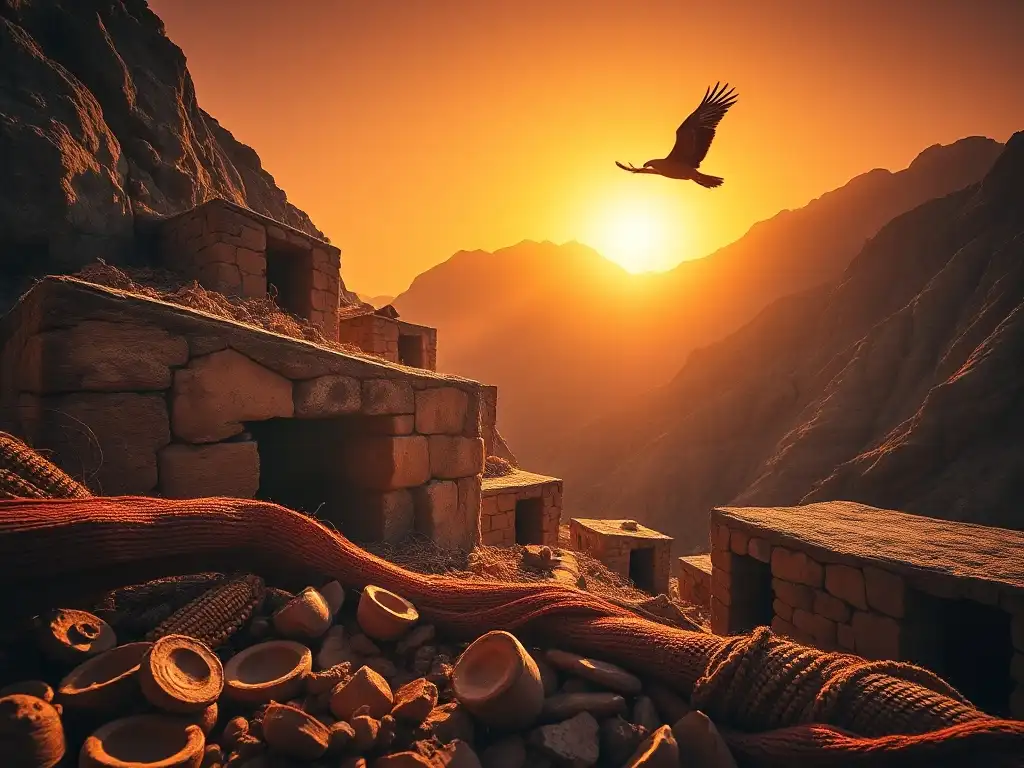
The sophisticated Andean food storage techniques were not merely practical solutions to the challenges of preserving food in diverse and often harsh climates; they were fundamental to the very fabric of Andean societies. The ability to store surplus food had profound implications for social structures, influencing everything from political power to social stability and even religious practices. Understanding these intricate relationships reveals a deeper appreciation for the ingenuity and complexity of these ancient civilizations.
The success of storing food significantly impacted population density, allowing for the growth of larger, more complex settlements and ultimately, empires. This section will explore the multifaceted ways in which Andean food storage shaped the societies that relied upon it. Effective storage techniques, along with agricultural innovations, directly impacted the food security of these communities and fundamentally altered the social landscape.
Food security, the state of having reliable access to a sufficient quantity of affordable, nutritious food, was paramount in the Andean region. The unpredictable nature of the climate and the challenges of cultivating crops at high altitudes meant that efficient storage was crucial for survival. The qollqa, the classic Andean storehouse, played a pivotal role in ensuring food security. These structures, often built into hillsides or cliffs for protection from the elements and potential raiders, allowed communities to buffer against crop failures and periods of scarcity.
This reduced the risk of famine and social unrest, contributing to a greater degree of social stability. Archaeological evidence shows a direct correlation between the size and complexity of qollqa systems and the size and stability of the settlements themselves. Larger, more developed qollqa systems are often associated with larger and more prosperous communities.
For example, the intricate network of storehouses found in the Nazca region demonstrates their mastery of food preservation and its impact on the social organization of this sophisticated civilization. Their advanced understanding of Andean food storage techniques allowed them to create a resilient society, capable of weathering climatic challenges. The successful implementation of these techniques directly impacted their social stability and contributed to their long-term prosperity.
The Distribution of Stored Goods: Power and Hierarchy
The control and distribution of stored food were intrinsically linked to power and social hierarchy within Andean societies. Those who controlled the qollqa and the food within them held significant influence. In Inca society, for instance, the kuraka (local leaders) and the Inca state itself played a crucial role in regulating the storage and distribution of food. This control extended beyond mere subsistence; it was a powerful tool for maintaining social order and consolidating political power.
The state's ability to redistribute stored food during times of need served as a form of social welfare, reinforcing loyalty and minimizing dissent. However, this system also reinforced existing hierarchies. Elites, priests, and officials often had preferential access to stored goods, highlighting the unequal distribution of resources within the society.
The system of mit'a, a form of labor tribute, was also tied to food production and storage, further solidifying the state's control over resources. The unequal distribution of Andean food resources, while ensuring the survival of the population, also contributed to the maintenance of social hierarchies and the power structure of the Inca Empire. This complex interplay between food storage and social power underscores the profound impact of these techniques on the political and social dynamics of Andean civilizations.
The Colca System and its Connection to the Inca Empire
The colca system, a sophisticated network of agricultural terraces and irrigation canals, was integral to the Inca Empire's success. While not strictly a storage system itself, the colca’s effectiveness in maximizing agricultural yields directly fed into the empire's massive storage capabilities. The increased food production facilitated by the colca system allowed for the accumulation of significant food surpluses, which were then stored in the qollqa network.
This efficient system of production and storage enabled the Inca to support a large population, maintain a vast army, and fund ambitious infrastructure projects. The colca system showcased the Inca's mastery not only of agricultural techniques but also of logistics and organization, necessary for managing a complex system of food production, storage, and distribution across a vast and diverse landscape. The integration of the colca system with the qollqa network exemplifies the synergy between agricultural innovation and sophisticated storage techniques in shaping the Inca Empire's power and longevity.
The successful implementation of both the colca and qollqa systems significantly contributed to the Inca Empire's dominance, demonstrating the crucial role of efficient food production and storage in building and maintaining an empire. This interconnected system represents a pinnacle of Andean food storage and agricultural ingenuity.
Specific Examples of Andean Storehouses and Their Contents
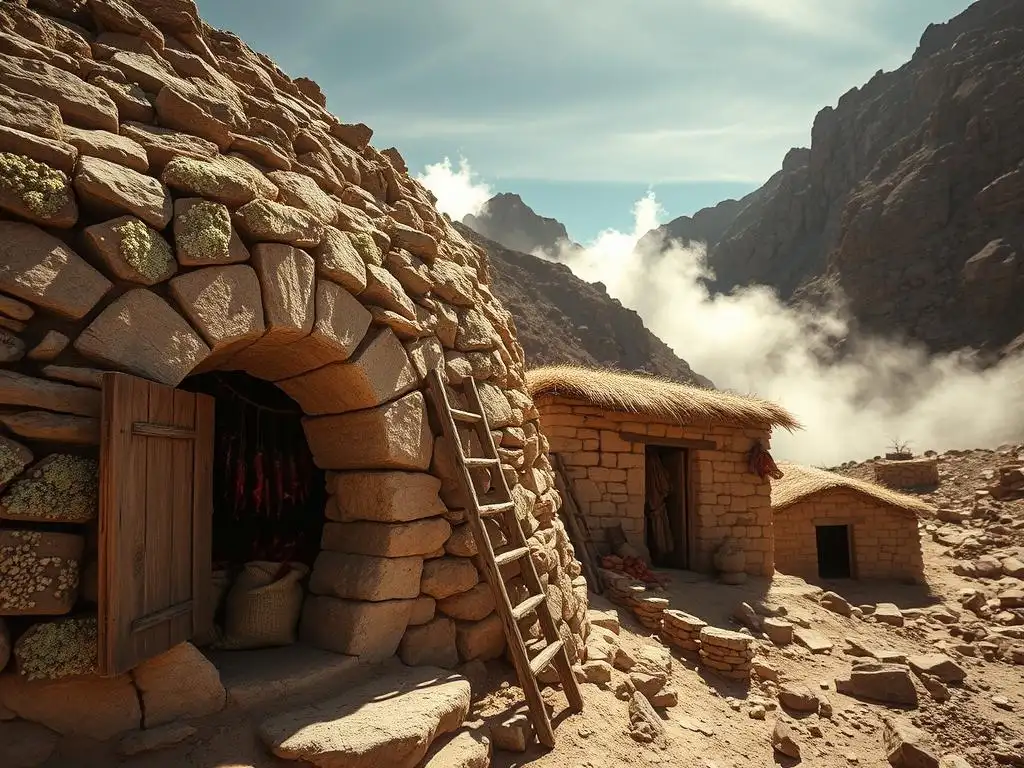
This section delves into the specifics of Andean food storage, showcasing examples that highlight the diversity and sophistication of their techniques. We'll explore different types of storehouses and analyze the preserved food remains discovered within them, offering a glimpse into the daily lives and agricultural practices of these remarkable civilizations. Understanding these techniques helps us appreciate the ingenuity and resilience of Andean peoples in managing their food supply, even in challenging geographical conditions. The diversity of techniques employed underscores the adaptability of Andean food storage to varied environments and agricultural practices across different cultures and time periods.
Kotosh: An Example of a Large-Scale Colca Complex
Kotosh, located in the central Andes of Peru, is renowned for its impressive early monumental architecture. While not solely dedicated to storage, archaeological excavations have revealed substantial evidence of food storage within the complex. The structures, built from adobe brick, featured numerous interconnected rooms and chambers. These rooms, often with elevated platforms or niches, likely served as dedicated spaces for storing agricultural surpluses.
Analysis of the soil samples from these areas has revealed traces of various crops, including maize, beans, and squash. The presence of these staple crops suggests a well-established agricultural system capable of producing significant surpluses, necessitating efficient storage solutions. Furthermore, the size and complexity of the Kotosh structures indicate a level of societal organization capable of undertaking large-scale construction projects and managing substantial food reserves. This suggests a degree of social stratification, with specialized labor dedicated to agriculture and food storage.
The preservation of organic materials at Kotosh, though limited, offers valuable insights into the diet and agricultural practices of the early Andean inhabitants. Further research and analysis are needed to fully understand the complete extent and function of the Kotosh storage facilities. The discovery of additional artifacts and the continued analysis of existing materials will undoubtedly shed more light on this crucial aspect of Andean life.
Pikillaqta: Evidence of Diverse Food Storage Practices
Pikillaqta, situated near Cusco, presents a fascinating case study in Andean food storage. Unlike the large-scale structures at Kotosh, Pikillaqta exhibits a more decentralized approach. Archaeological evidence suggests a variety of storage methods were employed, ranging from individual household storage units to larger communal facilities. The diverse storage strategies likely reflected the varied agricultural practices and social organization of the inhabitants.
Evidence suggests the use of subterranean storage, utilizing natural caves and artificially dug pits to maintain stable temperatures and protect food from the elements. These methods were complemented by above-ground structures, possibly smaller rooms integrated into dwellings or separate structures designed for storing specific goods. Analysis of preserved plant remains from Pikillaqta reveals a wider range of stored foods compared to Kotosh, hinting at a more diversified agricultural system. This might be due to the site's location and its unique environmental conditions, which may have supported a broader spectrum of crops and livestock.
The differing storage solutions at Pikillaqta underscore the adaptability of Andean food preservation techniques to environmental variations and social structures. The discovery of diverse storage methods at Pikillaqta highlights the importance of considering the broader context—including geography, climate, and social organization—when studying Andean food storage techniques. Further research could focus on identifying the specific types of goods stored in the various structures and their relationship to social hierarchy.
Lauricocha Caves: Insights into the Contents of Preserved Goods
The Lauricocha caves in the Peruvian Andes provide a unique window into the preservation of food, offering exceptional insights into the contents of ancient Andean storehouses. The extremely dry and cold conditions within these caves created a naturally favorable environment for the preservation of organic materials, resulting in the discovery of remarkable quantities of well-preserved food remains. These include a diverse array of plant materials, such as tubers, seeds, and fruits, providing crucial evidence of the agricultural practices of early Andean societies. The presence of specific crops like quinoa and potatoes 🥔, alongside other plants, reveals the importance of these staple crops in their diet.
Furthermore, the discovery of animal remains, such as llama and alpaca bones, indicates the integration of livestock into their food production strategies. The analysis of these preserved goods offers invaluable information about the diet, agricultural practices, and overall subsistence strategies of the people who inhabited the region. The exceptional preservation conditions in the Lauricocha caves offer a unique opportunity to study ancient Andean diets in detail.
Further research on the contents of these caves could contribute significantly to our understanding of the evolution of Andean agriculture and food storage techniques. The sheer quantity and variety of preserved materials found in these caves underscore the significance of such sites for understanding ancient Andean foodways. The continued study of these caves holds the potential to reveal even more details about their subsistence strategies and the evolution of Andean food storage techniques.
The Legacy of Andean Food Storage Techniques
The ingenuity of Andean civilizations in food storage is a testament to their deep understanding of their environment and the challenges of ensuring food security in a diverse and sometimes harsh landscape. Their techniques, developed over millennia, weren't simply about preserving food; they were integral to their social structures, economic systems, and spiritual beliefs. Understanding these methods provides valuable insights into their resourcefulness and offers potential solutions for contemporary food challenges.
The term "Andean food storage techniques" encompasses a wide range of practices, from sophisticated architectural designs to innovative preservation methods, all tailored to the specific needs of each community and the unique characteristics of their environment. This section delves into the core aspects of this legacy.
Lessons from the Past: Sustainable Food Storage Practices
Andean societies employed a variety of sustainable food storage practices, many of which are still relevant today. These weren't haphazard methods; they were carefully considered strategies that minimized waste and maximized the longevity of their harvests. Key techniques included:
- Elevated Storehouses (Qollqas): These iconic structures, built from stone and often located in high-altitude, dry environments, provided excellent protection from pests, humidity, and temperature fluctuations. The design itself, with its ventilation systems and strategic placement, facilitated natural preservation. The Qollqas weren't simply storage units; they represented a sophisticated understanding of microclimates and their impact on food preservation. Their construction required significant community effort, reflecting the importance of collective food security. The size and number of Qollqas varied depending on the size and needs of the community, indicating a system capable of adapting to fluctuating harvests.
- Drying and Freezing: The Andes' diverse altitudes provided a natural advantage for food preservation. High-altitude areas offered naturally freezing temperatures, allowing communities to preserve certain foods like potatoes and meat. Lower altitudes facilitated sun-drying, a method employed for fruits, vegetables, and meats. This combination of natural preservation methods minimized the need for artificial preservatives, demonstrating a commitment to sustainable and healthy food practices.
- Underground Storage: This technique, used for various root vegetables and grains, leveraged the stable temperature and humidity of the earth to extend the shelf life of food. The specific design and depth of these underground storage systems varied based on the local climate and the type of food being stored. This method, combined with careful selection and preparation of the food, minimized spoilage and ensured food availability throughout the year.
Modern Applications of Ancient Andean Preservation Methods
The principles behind Andean food storage techniques remain remarkably relevant today. In a world grappling with food waste and the challenges of climate change, these ancient methods offer valuable lessons in sustainability and resource management. Modern applications include:
- Improved Qollqa Designs: Contemporary architects and engineers are exploring innovative ways to incorporate the principles of Qollqa design into modern food storage facilities. This involves integrating natural ventilation, temperature control, and pest management strategies into sustainable storage solutions.
- Renewed Interest in Traditional Preservation: There's a growing interest in reviving traditional Andean preservation methods like sun-drying and freezing, particularly in rural communities. This not only helps preserve local food traditions but also promotes sustainable and healthy food practices. Research into the optimal conditions for these methods is ongoing, aiming to improve efficiency and effectiveness.
- Adapting Techniques to New Crops: While traditionally focused on native Andean crops, these preservation techniques can be adapted for other food items. This adaptability highlights the versatility and underlying principles of these methods, making them applicable in diverse agricultural settings. Further research is needed to identify the most suitable techniques for different crops and climates.
The Enduring Importance of Food Security in the Andean Region
Food security remains a critical concern in the Andean region, particularly in the face of climate change and increasing population density. The legacy of Andean food storage techniques offers a valuable roadmap for addressing these challenges. By combining traditional knowledge with modern technology, communities can develop sustainable and resilient food systems. Understanding the historical context of food storage practices—the social, economic, and environmental factors that shaped them—is crucial for developing effective and culturally appropriate solutions.
The Andean experience underscores the importance of integrating traditional knowledge with modern technologies to achieve long-term food security. Continued research and investment in sustainable food storage solutions are essential for ensuring the well-being of Andean communities and preserving their rich cultural heritage. The ongoing effort to refine and adapt these techniques demonstrates a commitment to safeguarding both food security and the invaluable legacy of Andean ingenuity.
Frequently Asked Questions
What innovative food storage techniques did Andean civilizations employ?
Andean civilizations utilized a variety of ingenious methods, including raised storehouses (qollqas) to protect food from rodents and moisture, as well as terracing and irrigation systems to optimize crop yields and preservation. These techniques ensured food security throughout the year.
How did the environment influence Andean food storage?
The challenging Andean terrain significantly influenced storage methods. High altitudes, varying climates, and limited arable land necessitated the development of specialized techniques to preserve food, making efficient storage crucial for survival.
What types of food were commonly stored using these techniques?
Dried grains, such as maize and quinoa, potatoes, and freeze-dried foods were commonly stored. These foods were chosen for their durability and ability to withstand the conditions within the storehouses.
Were the qollqas solely used for food storage?
While primarily used for food storage, qollqas also stored textiles, tools, and other valuable goods. This demonstrates the importance of these structures in the overall economic and social organization of Andean communities.
How did Andean food storage techniques contribute to societal stability?
Effective food storage techniques provided food security, which contributed to social stability and population growth. The ability to store surplus food mitigated the risks of famine and allowed for population centers to develop and thrive.
Final Reflection: Echoes of the Andes: A Legacy in Every Grain
The ingenious Andean food storage techniques, once crucial for survival in a challenging landscape, continue to resonate today, offering valuable lessons in sustainability and resilience in the face of a changing climate. These ancient practices, far from being relics of the past, hold the key to addressing modern food security challenges and fostering a deeper connection with our food systems.
The enduring impact of these techniques extends beyond mere practicality; they represent a profound cultural heritage, a testament to the ingenuity and deep understanding of nature held by Andean communities. These methods, passed down through generations, are a living embodiment of their relationship with the land. The earth provides, and we must respect and reciprocate its generosity.
– (This quote should be replaced with an actual quote relevant to Andean food storage and philosophy). Their wisdom offers a powerful counterpoint to the often unsustainable practices of modern agriculture, reminding us of the importance of respecting ecological balance and valuing traditional knowledge.
Consider the implications of these ancient practices for your own life. How can we incorporate principles of careful preservation and mindful consumption into our daily routines? What steps can you take to reduce food waste and support sustainable food systems? Let the echoes of the Andes inspire you to cultivate a more conscious and responsible relationship with the food you consume, ensuring that the legacy of these remarkable techniques continues to nourish future generations.
Unveil the Rich Flavors of Andean Heritage!
Thank you for exploring the fascinating stories and culinary treasures of the Andes. You've discovered a vibrant world where food is deeply connected to ancient civilizations. Now, let's delve even deeper into this delicious journey!
- Take a local Andean cooking class: Learn to prepare traditional mountain dishes.
- Host an Andean-themed dinner party: Share your newfound culinary skills with friends and family.
- Connect with Andean communities online: Discover more about their rich history and the vital role of food in their culture.
What traditional Andean dish are you most excited to try? Let's discuss!