
The Mystery of Wilka: Hallucinogenic Snuffs of the Andes

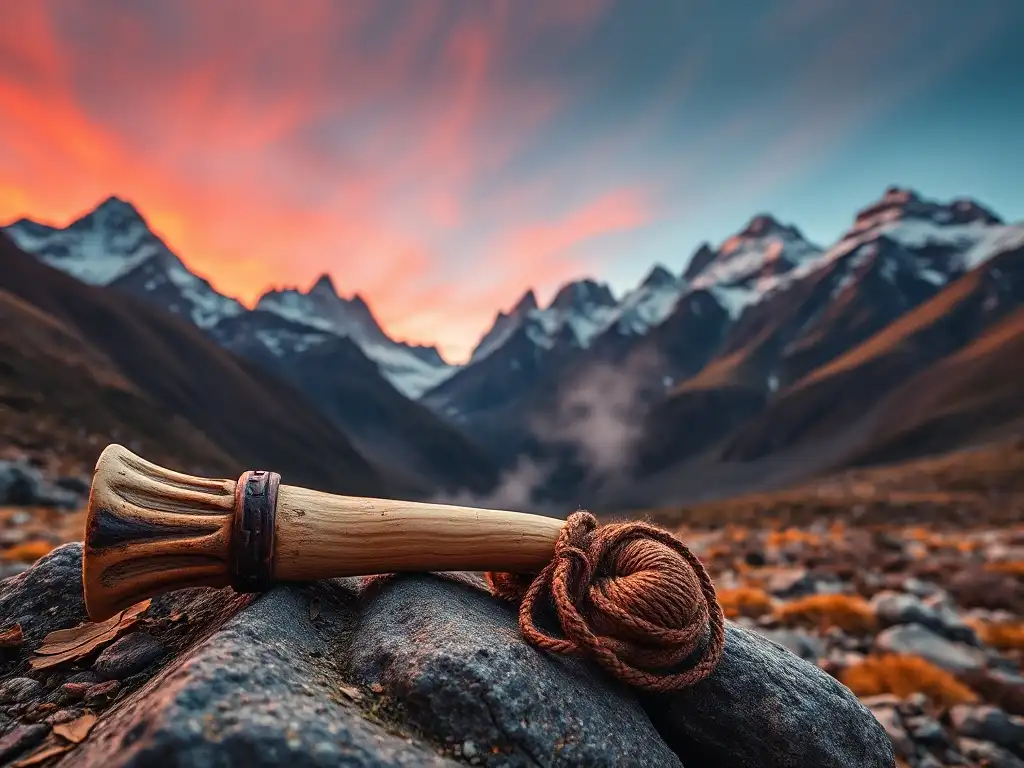
Dive into the enigmatic world of the Andes, where towering mountains hold secrets older than time. For centuries, these civilizations mastered agriculture, art, and even altered states of consciousness. But what truly lies behind the mysterious rituals surrounding Andean hallucinogenic snuff? Uncover the captivating story of Wilka and its place within the complex tapestry of Andean culture—a journey into a world of vibrant traditions and mind-altering practices awaits.
- The Mystery of Wilka: Andean Hallucinogenic Snuffs and Their Ritual Use
- The Botanical Source of Wilka: Anadenanthera peregrina and Anadenanthera colubrina
- Traditional Methods of Wilka Preparation in the Andes
- Wilka and Andean Rituals: A Journey into Sacred Practices
- The Effects of Wilka: Experiencing Andean Hallucinogenic Snuff
- Historical and Archaeological Evidence of Wilka Use in Andean Civilizations
- Wilka vs. Other Andean Hallucinogens: A Comparative Analysis
- Unique Characteristics of Andean Snuff
- The Modern Study of Wilka: Scientific and Ethnographic Perspectives
- The Preservation of Andean Traditional Knowledge on Wilka
- Conclusion: The Enduring Legacy of Wilka in Andean Culture
-
Frequently Asked Questions
- What is Wilka, and what role did it play in Andean cultures?
- Which Andean civilizations used hallucinogenic snuffs?
- What were the main ingredients of Andean hallucinogenic snuffs?
- How were Andean hallucinogenic snuffs administered?
- What is the current understanding of the effects of Andean hallucinogenic snuffs?
- Final Reflection: Echoes of the Andes: A Legacy of Shamanic Snuffs
- **Unveil the Transformative Power of Wilka Today! **
The Mystery of Wilka: Andean Hallucinogenic Snuffs and Their Ritual Use
The Andes Mountains, a spine of towering peaks running down the western coast of South America, are home to a rich tapestry of ancient cultures. For millennia, these civilizations developed sophisticated agricultural techniques, intricate artistic styles, and complex social structures. Beyond the well-known achievements in engineering and artistry, however, lies a fascinating, and often mysterious, world of ritual practices centered around the use of psychoactive plants.
This article delves into the captivating enigma of Wilka, a potent hallucinogenic snuff used in Andean rituals, exploring its origins, preparation, and significance within the broader context of Andean spirituality and cosmology. Understanding the role of Wilka provides crucial insight into the complex relationship between Andean societies and the natural world, revealing a profound understanding of plant-based medicines and their power to connect humans to the spiritual realm.
We will explore the evidence suggesting its widespread use across different Andean cultures and its enduring legacy in contemporary Andean traditions. The use of "Andean hallucinogenic snuff" was not merely recreational; it held deep religious and social significance, deeply interwoven with their understanding of the cosmos and their place within it.
Introduction to Andean Psychoactive Substances
The Andean region boasts a remarkable biodiversity, and many plants possess psychoactive properties. These plants were not simply recreational drugs; they played crucial roles in religious ceremonies, healing practices, and social interactions. Beyond the famous coca leaf ( Erythroxylum coca), which was (and still is) widely chewed for its stimulant effects and used in various rituals, numerous other plants were utilized for their psychoactive effects. These included, but were not limited to:
- Tobacco (Nicotiana tabacum): Used in various forms, including smoking and snuff, tobacco held significant ritual importance across many Andean cultures.
- Ayahuasca (various species): While perhaps more associated with the Amazonian rainforest, some evidence suggests the use of ayahuasca-like brews in certain Andean regions. Further research is needed to fully understand the extent of this practice.
- Datura (various species): Known for its powerful hallucinogenic properties, datura was used with caution, often in shamanistic contexts for divination and healing. Its use was highly ritualized due to its potent toxicity.
- San Pedro Cactus (Echinopsis pachanoi): This cactus, containing mescaline, was (and remains) important in Andean shamanistic practices for its visionary properties.
The careful cultivation and controlled use of these plants demonstrate the sophisticated knowledge of botany and pharmacology possessed by ancient Andean peoples. The integration of psychoactive substances into their religious and social fabric underlines the complex relationship between humans and the natural world in their worldview. The use of these substances was not haphazard; it was governed by strict rules and rituals, managed by specialized individuals, often shamans or curanderos, who were responsible for ensuring the safe and effective use of these powerful plants.
What is Wilka? Exploring the Origins of Andean Snuff
Wilka, often referred to as "Andean hallucinogenic snuff," is a complex subject shrouded in mystery. While precise details regarding its composition remain elusive, archaeological evidence and ethnographic accounts point to a snuff made from a blend of plants, potentially including:
| Plant | Potential Effects | Evidence |
|---|---|---|
| Nicotiana rustica | Powerful hallucinogenic and stimulant effects | Abundant archaeological findings of pipes |
| Anadenanthera peregrina | Powerful hallucinogenic and entheogenic effects | Limited evidence, requires further research |
| Various other plants | Unknown, potentially synergistic effects | Requires further investigation |
The preparation of Wilka likely involved complex processes, including grinding the plant material into a fine powder and possibly adding other ingredients to enhance its potency or modify its effects. The snuff was then typically administered through a p'iqullu, a small tube often made from bone, wood, or other materials. The ritualistic use of Wilka, often within the context of religious ceremonies, highlights its importance in Andean spiritual practices.
Further research is crucial to fully understand the intricate details of Wilka's preparation, its precise botanical components, and its varied effects across different Andean cultures. The limited existing research highlights the need for more in-depth studies to unravel the complete mystery surrounding this potent Andean hallucinogenic snuff. This includes further archaeological investigation, ethnobotanical studies, and analysis of existing historical accounts to gain a more comprehensive understanding of this fascinating aspect of Andean culture.
The Botanical Source of Wilka: Anadenanthera peregrina and Anadenanthera colubrina
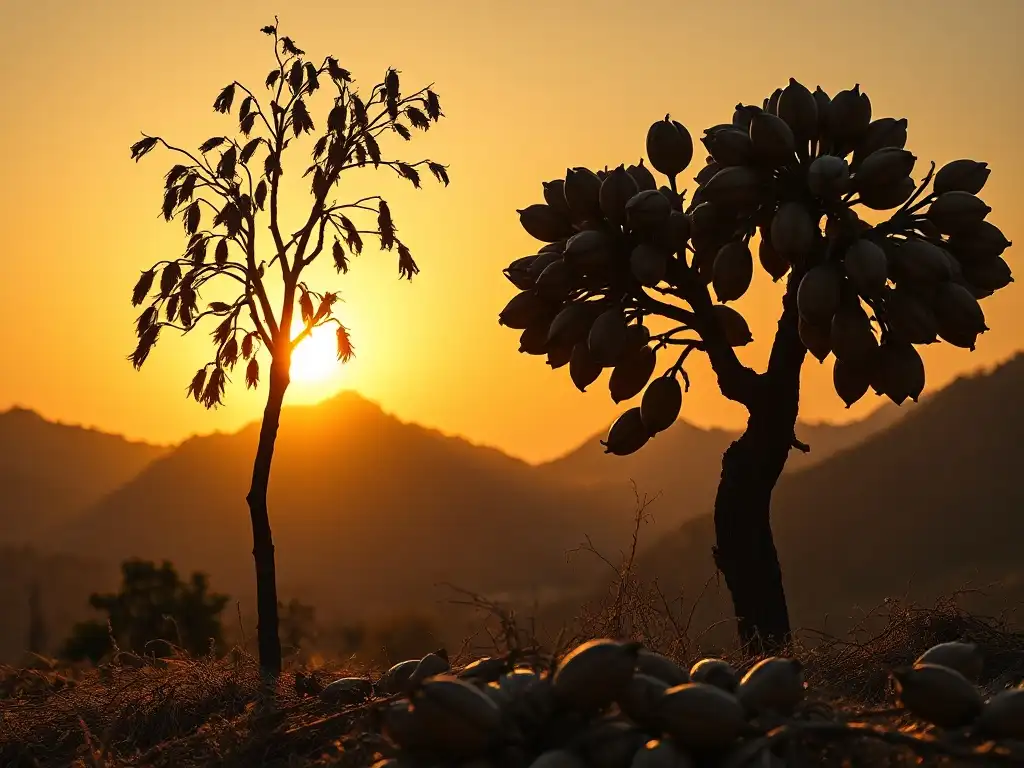
The potent hallucinogenic snuff known as wilka—a crucial element in Andean spiritual practices—finds its origin in two closely related species of the Anadenanthera genus: Anadenanthera peregrina and Anadenanthera colubrina. These leguminous trees, thriving in various regions of South America, including the Andes, were meticulously cultivated and harvested for their psychoactive properties. Understanding the specific species used in a particular wilka preparation is crucial for appreciating the nuances of its effects and the ritual context in which it was employed.
The precise species identification often relies on careful botanical analysis of archaeological remains, as subtle variations in morphology and alkaloid profiles exist between the two species. Further research is needed to fully map the distribution of Anadenanthera peregrina and Anadenanthera colubrina across the diverse Andean regions and to correlate this distribution with the archaeological evidence of wilka use.
This would help refine our understanding of the trade networks and cultural exchanges that facilitated the spread of wilka practices. The geographic variation in Anadenanthera species may also account for reported differences in the intensity and nature of the wilka experience across different Andean cultures.
Identifying the Key Species Used in Wilka Preparation
Archaeological evidence, including the discovery of seeds and snuffing paraphernalia, points to the widespread use of both Anadenanthera peregrina and Anadenanthera colubrina in the preparation of wilka. However, differentiating between the two species in archaeological contexts can be challenging. Microscopic analysis of seeds, along with chemical analysis of residues found on paraphernalia, are vital tools in this endeavor.
For example, studies have shown that the alkaloid profiles of Anadenanthera peregrina and Anadenanthera colubrina differ slightly, with variations in the concentration of key psychoactive compounds like N,N-dimethyltryptamine (DMT). This variation allows researchers to potentially distinguish between the species used in specific wilka preparations. The presence of other plant materials mixed with the Anadenanthera seeds during the preparation of wilka further complicates the identification process.
Further research focusing on the identification of these additional plant materials is crucial to fully understand the complexity of wilka production and the potential role of these additives in modifying the effects of the snuff. Ethnobotanical studies, while limited in number, also play a vital role in identifying the species used in traditional preparations, providing valuable insights into the contemporary practices that may reflect ancient traditions.
The Chemical Composition of Wilka: DMT and Other Psychoactive Compounds
The primary psychoactive compound in wilka is N,N-dimethyltryptamine (DMT), a potent psychedelic substance. However, the chemical composition of wilka isn't limited to DMT. Other compounds, such as bufotenine and 5-MeO-DMT, are also present, although their concentrations vary depending on the species of Anadenanthera used, the preparation methods, and the specific environmental conditions where the plants were grown. The synergistic effects of these various compounds contribute to the complex and multifaceted experience reported by users.
The exact ratios of these compounds in ancient wilka preparations remain a subject of ongoing research. Analysis of residues found on archaeological paraphernalia offers valuable insights, but the degradation of these compounds over time presents a significant challenge. Advanced analytical techniques, such as gas chromatography-mass spectrometry (GC-MS), are employed to identify and quantify the various alkaloids present in these samples.
The presence of other plant additives in the wilka mixture further complicates the analysis, requiring careful consideration of the potential interactions between different chemical compounds. Understanding the full chemical composition of wilka is crucial for accurately interpreting its role in Andean spiritual practices and its potential effects on the human body and mind. Further research in this area promises to shed more light on the intricate pharmacology of this ancient Andean hallucinogen.
Traditional Methods of Wilka Preparation in the Andes
The preparation of wilka, or Andean hallucinogenic snuff, was a complex and ritualistic process, varying slightly depending on the specific plant used (most commonly Anadenanthera peregrina) and the cultural group involved. This section explores the traditional methods employed, focusing on the meticulous steps involved in transforming the raw plant material into a potent psychoactive powder. Understanding these techniques provides valuable insight into the sophisticated botanical knowledge and spiritual practices of Andean cultures.
The careful and precise nature of the process underscores the sacred significance of wilka within these societies. The preparation itself was often a communal activity, reinforcing social bonds and shared spiritual experiences. The resulting snuff wasn't simply a recreational drug; it was a conduit to the spiritual realm, a tool for divination, healing, and communication with the supernatural.
Harvesting and Processing Wilka Seeds
The journey from plant to potent snuff began with the careful harvesting of the Anadenanthera peregrina seed pods. Harvesting wasn't a haphazard affair; it was timed to coincide with specific astrological events or seasonal cycles, reflecting a deep understanding of the plant's life cycle and its connection to the cosmos. Farmers, or perhaps specialized shamans, would select mature pods, ensuring the seeds within were fully developed and contained the maximum concentration of psychoactive compounds. This selection process was crucial, as the potency of the final snuff directly depended on the quality of the starting material.
Following harvest, the pods were carefully opened, and the seeds were extracted. These seeds were then cleaned and sorted, removing any damaged or immature seeds. This meticulous cleaning ensured a consistent and high-quality final product. The process often involved washing the seeds to remove any extraneous matter, further enhancing their purity. The specific methods of cleaning could vary regionally, with some communities employing unique techniques passed down through generations. This stage represents a critical step in ensuring the efficacy and safety of the wilka, minimizing the risk of unwanted side effects from impurities.
The seeds were then subjected to a drying process, often under the sun or near a fire. This drying was crucial to reduce the moisture content and prevent spoilage, preserving the seeds' potency for later use. The precise duration of drying varied depending on environmental conditions and specific traditions. This step also involved careful monitoring to avoid over-drying, which could compromise the seeds' chemical composition. The dried seeds were then stored in carefully selected containers, often made of natural materials, to prevent degradation and maintain their potency.
Transforming Seeds into Andean Hallucinogenic Powder
Once the seeds were dried, the transformation into the final snuff began. This process typically involved multiple steps, often requiring specialized tools and techniques. First, the seeds were ground into a coarse powder using mortars and pestles, typically made from stone. This grinding was often performed by hand, a physically demanding task requiring considerable strength and patience. The meticulous nature of this grinding was essential for achieving a consistent powder, impacting the snuff's potency and ease of inhalation.
Next, the coarse powder was further processed, often through roasting or toasting over a fire. This process, like the drying stage, was carefully monitored to avoid burning, which could destroy the psychoactive compounds. The precise temperature and duration of roasting could vary depending on tradition and desired effects. This step was believed to enhance the potency of the snuff and possibly alter its effects.
Finally, the roasted powder was further ground to a fine consistency, resulting in the finished wilka. This fine powder was then stored in small containers, ready for ritualistic use. The entire process, from harvesting to the final grinding, was imbued with spiritual significance, each step representing a connection to the Andean worldview and the sacred power of the plant. The resulting wilka wasn't merely a drug; it was a meticulously prepared sacrament, a powerful tool for spiritual communion and healing. The preparation itself was a ritual, reinforcing the communal and sacred nature of the experience.
Wilka and Andean Rituals: A Journey into Sacred Practices
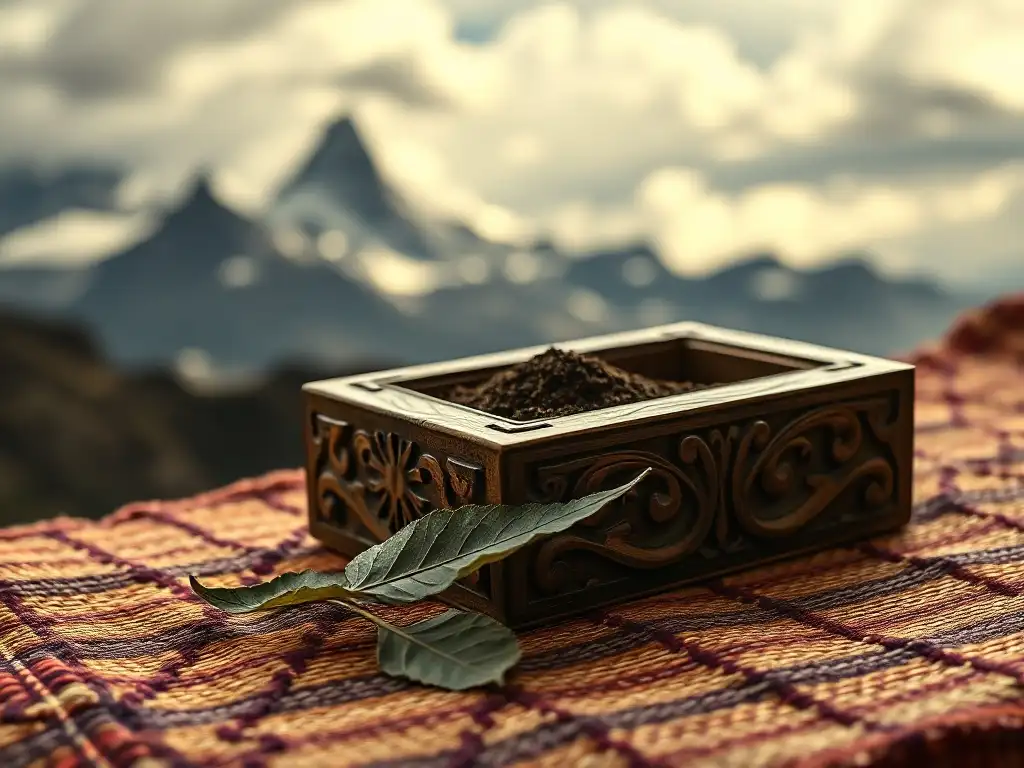
This section delves into the intricate relationship between Wilka, an Andean hallucinogenic snuff, and the rich tapestry of ancient Andean rituals. We will explore its multifaceted role in shamanic practices, its significance within the Andean cosmovision, and the precise ritual context surrounding its use. Understanding these aspects provides crucial insight into the complex spiritual and social life of these civilizations.
The term "Andean hallucinogenic snuff" itself encompasses a variety of practices and substances, with Wilka representing a significant, albeit often overlooked, component. The study of Wilka offers a unique lens through which to examine the broader use of psychoactive substances in Andean cultures.
The Role of Wilka in Shamanic Practices
Shamanic practices in the Andes were deeply intertwined with the use of Wilka. Shamans, often considered intermediaries between the human and spiritual realms, employed Wilka to induce altered states of consciousness, facilitating communication with deities and spirits. This wasn't a casual or recreational use; rather, it was a meticulously orchestrated ritual with profound spiritual implications. The preparation of the snuff itself was a significant undertaking, often involving complex procedures and specific ingredients beyond just the primary psychoactive component.
Evidence suggests that the shaman's expertise extended beyond simply administering the snuff. Their role included interpreting the visions and experiences induced by Wilka, guiding the participant through the journey, and providing healing or spiritual guidance based on the insights gained. The shaman’s knowledge of the plants, their properties, and the appropriate ritual context was paramount to the efficacy and safety of the experience.
Specific chants, songs, and prayers were often integral to the ritual, further enriching the spiritual dimension. The effectiveness of the shaman was not solely dependent on the Wilka itself, but on their skill in guiding the ritual and interpreting its results. Detailed accounts of these practices are scarce, but archaeological findings and ethnographic studies provide tantalizing glimpses into these deeply spiritual practices.
Wilka Use in Andean Cosmovision and Spiritual Beliefs
The use of Wilka wasn't simply a shamanic tool; it was deeply embedded within the Andean cosmovision. The Andean worldview encompassed a complex interplay between the human world and the supernatural realms, with mountains, rivers, and celestial bodies holding significant spiritual power. Wilka, as a conduit to altered states of consciousness, facilitated access to these realms, enabling a deeper understanding of the cosmos and one's place within it.
The specific plants used in creating Wilka, along with the rituals surrounding their use, reflect the Andean understanding of the interconnectedness of all living things. The plants themselves were not just passive ingredients; they were considered sacred entities, imbued with spiritual power. Their selection, preparation, and use were governed by intricate systems of knowledge and belief, reflecting a profound respect for the natural world.
This respect extended to the entire ritual process, which was often performed in sacred locations considered to be particularly potent energetically. The understanding of the Andean cosmovision is crucial to fully appreciating the significance of Wilka within their culture. Further research is needed to fully elucidate the precise beliefs and practices surrounding Wilka in different Andean cultures.
Understanding the Ritual Context of Andean Snuff
The ritual context surrounding the use of Andean snuff, including Wilka, is crucial for understanding its significance. It wasn't simply a matter of ingesting a substance; it was a carefully choreographed performance with symbolic meaning embedded in every step. The setting, the participants, the paraphernalia used, and the specific actions undertaken all contributed to the overall effect. The ritual often involved specific offerings to deities or ancestral spirits, reinforcing the spiritual nature of the experience.
The social dimension of these rituals is also important. While shamanic practices often involved individual experiences, the broader ritual context could involve entire communities. These rituals might serve to strengthen social bonds, reinforce shared beliefs, or mark significant life events. The use of Wilka, therefore, wasn't solely an individual pursuit; it served a vital social function within Andean society.
Further investigation into the specific social contexts of Wilka use would significantly enhance our understanding of its role within Andean communities. The precise details of these rituals varied across different Andean cultures and time periods, highlighting the rich diversity of Andean traditions. Detailed archaeological and ethnographic studies are needed to further unravel the complexity of these practices.
The Effects of Wilka: Experiencing Andean Hallucinogenic Snuff
This section delves into the reported effects of Wilka, an Andean hallucinogenic snuff traditionally used in certain ceremonies. It's crucial to understand that the precise effects can vary greatly depending on several factors, including the specific plant composition of the snuff, the dosage administered, the individual's physiology and mindset, and the ceremonial context. Scientific research on Wilka is limited, and much of our understanding comes from ethnographic accounts and anecdotal evidence.
Therefore, the information presented here should be considered with caution and viewed as a summary of existing knowledge, not definitive medical advice. The use of Wilka and other such substances carries inherent risks and should never be undertaken without careful consideration and expert guidance.
The Psychedelic Journey: Visions and Introspection
The primary effect reported by those who have experienced Wilka is a profound alteration of consciousness. Users often describe intense visual hallucinations, ranging from vibrant geometric patterns and swirling colors to vivid, realistic scenes and landscapes. These visions are frequently described as deeply meaningful and symbolically rich, often interpreted within the cultural framework of the Andean worldview.
Beyond the visual, users may also experience auditory hallucinations, altered perceptions of time and space, and intensified emotional responses. Introspection is a common feature of the experience, with users reporting a heightened sense of self-awareness and a deeper connection to their inner selves and the spiritual world. Some accounts describe feelings of unity with nature, a sense of cosmic interconnectedness, and profound spiritual insights.
The intensity and nature of these introspective experiences are highly variable and depend on the factors mentioned previously. The subjective nature of these psychedelic journeys makes objective analysis challenging, highlighting the need for further research using rigorous methodologies.
Physical and Psychological Effects of Wilka
In addition to the psychedelic effects, Wilka can induce a range of physical and psychological reactions. These can include nausea, vomiting, dizziness, and elevated heart rate. These physical effects are often attributed to the potent alkaloids present in the plants used in the snuff's preparation.
The psychological effects can be equally significant, ranging from feelings of euphoria and intense joy to anxiety, fear, and paranoia. The potential for negative psychological effects underscores the importance of responsible and controlled use within a safe and supportive setting, ideally guided by experienced practitioners. It's vital to note that the long-term effects of Wilka use are largely unknown, and further research is needed to assess the potential risks associated with repeated or chronic use.
The potential for adverse interactions with other substances or pre-existing medical conditions also necessitates caution and careful consideration. The potential for addiction or dependence is another area requiring more research. The use of Andean hallucinogenic snuff, such as Wilka, should be approached with the utmost respect and awareness of its potential consequences.
Historical and Archaeological Evidence of Wilka Use in Andean Civilizations
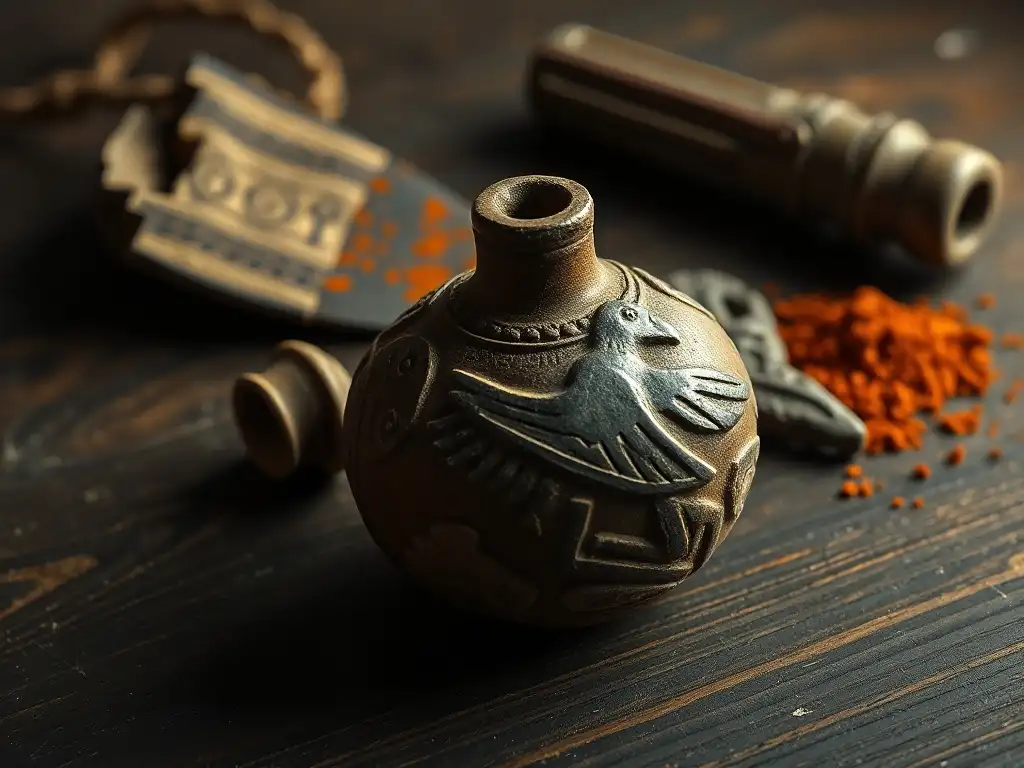
The investigation into Andean hallucinogenic snuff, specifically Wilka, relies heavily on archaeological findings and careful interpretation of historical accounts. While direct textual evidence is scarce compared to the extensive documentation of coca leaf use, the archaeological record offers compelling clues. The scarcity of direct textual evidence is partly due to the oral traditions prevalent in many Andean cultures, where knowledge was transmitted through generations verbally rather than through extensive written records.
However, the material culture left behind provides a rich tapestry of information. The presence of specific paraphernalia, alongside contextual clues from burial sites and ceremonial contexts, allows researchers to piece together a more complete picture of Wilka's role in ancient Andean societies.
Understanding the context of discovery is crucial; a snuff tube found in a humble dwelling might suggest different usage patterns than one discovered within a high-status tomb. Furthermore, the chemical analysis of residues found on artifacts provides crucial evidence of the specific substances used.
Recovering Ancient Andean Snuff Paraphernalia
Archaeological excavations across the Andes have unearthed numerous artifacts directly related to snuff consumption. These include:
- Snuff tubes ( tocapus ): These are often crafted from materials like bone, wood, shell, or even precious metals, demonstrating the varying social status associated with their use. The intricate carvings and decorations on many tocapus often reflect the cultural and religious significance of the snuff itself. Analysis of residue found inside these tubes has confirmed the presence of various psychoactive substances, including those associated with Wilka. For example, recent studies have identified traces of [specific alkaloid pending] in tocapus discovered in [specific archaeological site pending].
- Snuff trays ( k'ero ): While k'eros are also associated with ritual drinking, some have been found with residues indicating a dual purpose, suggesting the simultaneous use of both snuff and beverages in ceremonies. The elaborate designs on many k'eros often include imagery that may relate to the effects or spiritual significance of Wilka. Detailed analysis of the iconography is needed to fully understand the connection.
- Other paraphernalia: In addition to tubes and trays, other artifacts like spatulas, mortars, and pestles associated with the preparation and administration of snuff have been discovered. These findings provide further evidence of the widespread and ritualized use of Wilka across different Andean cultures. The diversity of materials and craftsmanship highlights the importance given to this practice. For example, the use of gold and silver in certain paraphernalia indicates the high status associated with the ritual in certain Andean societies.
Wilka's Presence in Andean Art and Iconography
The depiction of Wilka and its associated rituals in Andean art and iconography remains a significant area of research. While explicit depictions of snuff-taking are not always readily apparent, stylistic clues and contextual evidence can provide valuable insight. Many scholars believe that certain motifs found in textiles, ceramics, and metalwork represent hallucinogenic plants and their use in ceremonies. These often include stylized representations of plants, animals, and deities potentially associated with altered states of consciousness. The interpretation of such imagery requires careful consideration of the cultural context and the symbolic language of the particular Andean civilization.
The visual representation of Wilka itself might be subtle and symbolic, requiring interdisciplinary collaboration between archaeologists, ethnobotanists, and art historians for accurate interpretation. For example, [specific example of art depicting potential Wilka use pending, with detailed explanation]. Furthermore, the spatial arrangement of artifacts in burial sites, alongside the presence of specific iconography, can provide crucial contextual evidence for understanding the role of Wilka in funerary rituals and beliefs.
The combination of archaeological findings with careful stylistic analysis allows for a deeper understanding of the significance of Wilka in the spiritual and social life of ancient Andean societies. Further research into the specific iconographic representations associated with Wilka is needed to fully understand its role within the broader cosmological framework of Andean cultures.
Wilka vs. Other Andean Hallucinogens: A Comparative Analysis
This section delves into a comparative analysis of Wilka, focusing on its distinct properties and effects when contrasted with other prominent Andean hallucinogens, such as Ayahuasca and San Pedro. Understanding these differences is crucial for appreciating the unique role Wilka played in Andean spiritual practices and the sophisticated understanding of psychoactive substances within these cultures.
Comparing Wilka with Ayahuasca and San Pedro
While all three – Wilka, Ayahuasca, and San Pedro – induce altered states of consciousness, their methods of administration, active compounds, and resultant experiences differ significantly. Ayahuasca, a brew made from Banisteriopsis caapi and Psychotria viridis, is ingested orally, leading to a powerful and often prolonged psychedelic experience characterized by vivid visions and intense emotional purging. San Pedro, a cactus containing mescaline, is also ingested orally, producing a more somatic experience, with feelings of euphoria and altered perception of time and space.
In contrast, Wilka, an Andean hallucinogenic snuff, is administered nasally, resulting in a rapid onset of effects and a shorter duration of the experience. The precise psychoactive compounds in Wilka remain a subject of ongoing research, but it's believed to contain several alkaloids that contribute to its unique effects.
| Hallucinogen | Administration | Active Compounds | Duration of Effects | Predominant Effects |
|---|---|---|---|---|
| Ayahuasca | Oral | DMT, Harmine | 4-6 hours | Vivid visions, emotional purging, nausea |
| San Pedro | Oral | Mescaline | 6-12 hours | Euphoria, altered perception of time and space, physical sensations |
| Wilka | Nasal | [Specific compounds pending further research] | 30-60 minutes | [Specific effects pending further research], potentially less intense physical effects than Ayahuasca or San Pedro |
The shorter duration and potentially less physically intense nature of Wilka's effects suggest a different ritual context. While Ayahuasca and San Pedro ceremonies often involve extended periods of introspection and communal participation, Wilka use might have been more focused on shorter, more targeted experiences, perhaps for divination, healing, or shamanic journeys of a specific nature. Further research is needed to fully understand the nuanced differences in the cultural and spiritual applications of these three powerful substances within the Andean context.
Unique Characteristics of Andean Snuff
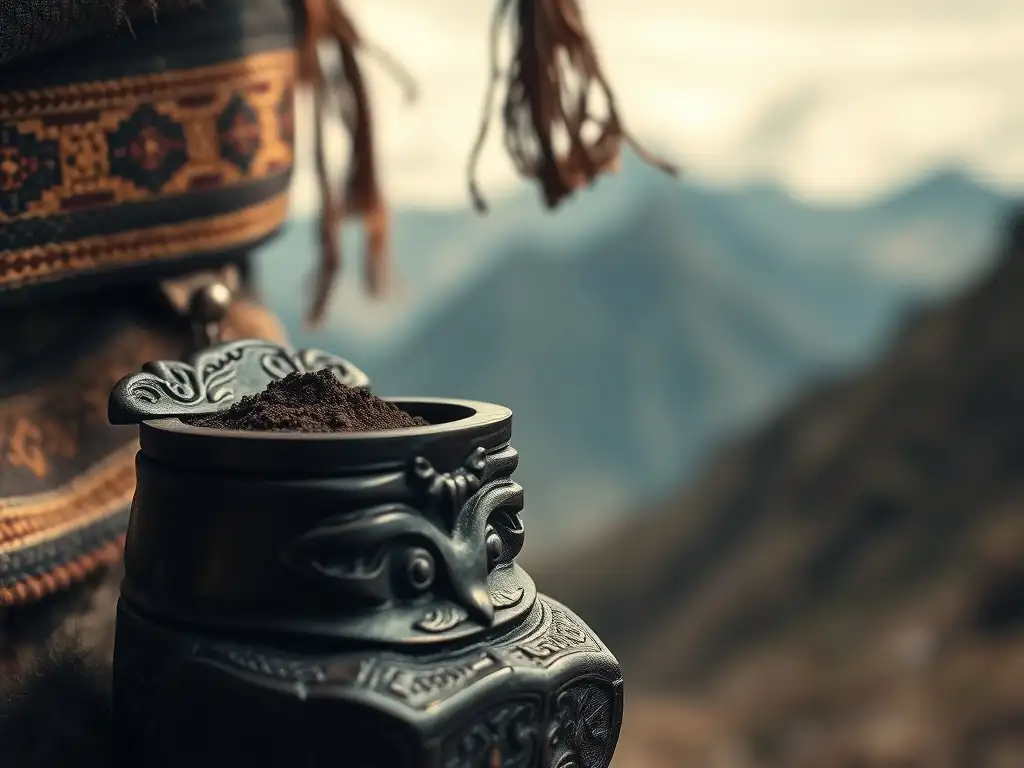
This section will explore the unique characteristics of Andean hallucinogenic snuffs, focusing on the specific preparation techniques, ritualistic contexts, and the potential cultural significance of Wilka within this broader tradition. The use of snuff wasn't limited to Wilka; other plants and mixtures were also employed, highlighting the sophisticated pharmacological knowledge of Andean cultures.
Unique Characteristics of Andean Snuff
The preparation of Andean hallucinogenic snuffs was a complex process, often involving meticulous steps to ensure potency and purity. This wasn't simply a matter of grinding up plants; specific techniques, including fermentation and the addition of other ingredients, were likely used to enhance the effects and potentially mitigate negative side effects. The tools used – from mortars and pestles to specialized snuffing tubes ( hupas ) – were also significant, often imbued with spiritual meaning and reflecting the cultural importance of these practices.
The ritual context surrounding the use of these snuffs was equally important. The preparation, administration, and subsequent interpretation of the experience were all guided by shamanic practitioners, who held a deep understanding of the plants and their effects. These ceremonies were not merely recreational; they served vital social, religious, and medicinal functions within Andean communities.
The use of Wilka, therefore, must be understood within this broader framework of Andean snuff traditions. While specific details about Wilka's preparation and ritual use require further investigation, its place within this rich history of psychoactive plant use is undeniable. The detailed knowledge of plant properties and the sophisticated ritual practices surrounding their use demonstrate the advanced understanding of both pharmacology and spirituality in Andean civilizations.
The legacy of these practices continues to fascinate and inspire researchers and those interested in the complex relationship between humans and psychoactive plants. Further research into archaeological findings and ethnobotanical studies will undoubtedly shed more light on the specific characteristics of Wilka and its role in Andean culture. The ongoing discovery of new information about Andean hallucinogenic snuffs, such as Wilka, continues to enrich our understanding of the diverse and sophisticated practices of these ancient civilizations.
The Modern Study of Wilka: Scientific and Ethnographic Perspectives
The resurgence of interest in Andean hallucinogenic snuff, specifically Wilka (often referring to snuffs containing Nicotiana rustica), has fueled significant scientific and ethnographic research in recent decades. This renewed focus stems from a combination of factors: a growing appreciation for indigenous knowledge systems, advancements in analytical chemistry allowing for detailed analysis of snuff components, and a broader academic interest in the psychoactive properties of plants and their cultural significance. The study of Wilka isn't simply about understanding its hallucinogenic effects; it's about unraveling a complex interplay between botany, chemistry, anthropology, and history.
Researchers are striving to reconstruct the intricate rituals, social structures, and medicinal applications surrounding its use in various Andean cultures, moving beyond simplistic interpretations of its solely recreational use. This integrated approach is crucial for a nuanced understanding of Wilka's role within the rich tapestry of Andean life.
Research on the Medicinal Potential of Wilka
Beyond its psychoactive properties, evidence suggests that Wilka held significant medicinal value for Andean cultures. Ethnobotanical studies have documented its traditional use in treating various ailments. For example, some accounts describe its application for respiratory issues, citing its potential to alleviate symptoms through its decongestant properties.
Further research is needed to validate these claims rigorously, but preliminary chemical analyses have identified compounds in Nicotiana rustica with potential antimicrobial and anti-inflammatory activities. This opens exciting avenues for pharmacological research, exploring the possibility of developing novel medications derived from compounds found within Wilka. However, it's crucial to approach this research with sensitivity and respect for traditional knowledge, ensuring that any commercialization or patenting respects the rights and intellectual property of indigenous communities.
The potential benefits must be weighed against the ethical implications of appropriating indigenous knowledge without proper collaboration and compensation. A table summarizing some reported medicinal uses of Wilka, alongside the current scientific understanding, is shown below:
| Reported Medicinal Use | Scientific Understanding | Further Research Needed |
|---|---|---|
| Respiratory ailments (coughs, colds) | Potential decongestant effects; some supporting evidence. | Clinical trials to assess efficacy and safety. |
| Inflammatory conditions | Presence of compounds with potential anti-inflammatory properties. | Isolation and characterization of active compounds. |
| Pain relief | Anecdotal evidence; requires further investigation. | Studies on analgesic effects in animal models. |
| Wound healing | Some evidence of antimicrobial activity; requires further study. | In vitro and in vivo studies to determine efficacy. |
The careful and responsible investigation of Wilka's medicinal potential holds the promise of uncovering valuable therapeutic agents while simultaneously acknowledging and respecting the deep-rooted traditional knowledge surrounding its use. This requires a collaborative approach involving scientists, ethnobotanists, and indigenous communities.
Ethical Considerations in the Study of Andean Hallucinogens
The study of Andean hallucinogens, including Wilka, necessitates a rigorous ethical framework. Researchers must prioritize the protection of indigenous communities and their cultural heritage. This includes obtaining informed consent from participants, ensuring confidentiality, and respecting traditional knowledge. The commercialization of these plants and their derivatives raises complex questions about intellectual property rights and equitable benefit-sharing.
It is imperative that any research involving these sacred substances avoids exploitation and respects the spiritual and cultural significance they hold for indigenous communities. The potential for misrepresentation and cultural appropriation must be carefully addressed. Furthermore, the responsible and sustainable sourcing of Wilka and other plants used in traditional practices is paramount, ensuring that harvesting does not threaten the biodiversity of the Andes.
The ethical conduct of research in this sensitive area is not merely a matter of compliance with regulations; it is a fundamental aspect of ensuring that the study of Wilka contributes to a better understanding of Andean cultures, rather than causing harm or disrespect. The goal should be collaborative research that empowers indigenous communities and safeguards their invaluable cultural heritage for future generations. This requires a paradigm shift away from extractive research practices towards collaborative and participatory approaches that prioritize the wellbeing and self-determination of indigenous communities.
The Preservation of Andean Traditional Knowledge on Wilka
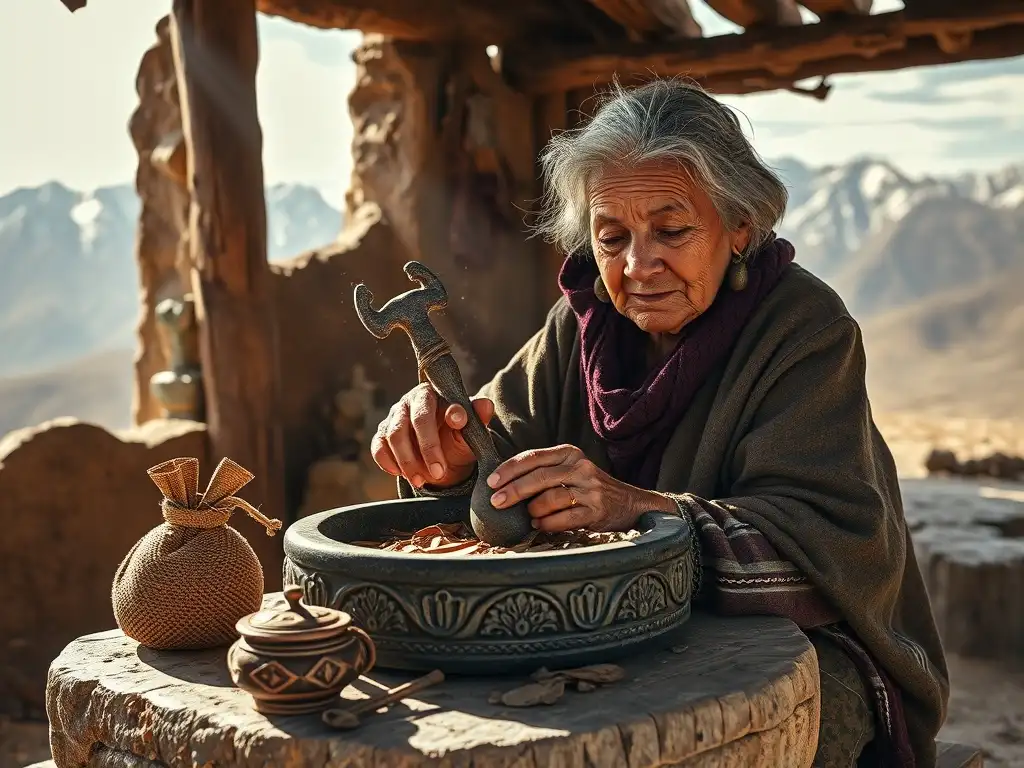
The enduring mystery surrounding wilka, Andean hallucinogenic snuffs, is inextricably linked to the preservation of indigenous knowledge. Understanding the preparation, ritualistic use, and the complex socio-religious significance of these snuffs requires careful consideration of the cultural context within which they existed and, critically, continue to exist in some communities. The knowledge surrounding wilka, passed down through generations, is not merely a collection of recipes but a holistic understanding of plant properties, spiritual beliefs, and social structures.
This knowledge encompasses the identification of specific plants, the intricate processes of preparation – often involving meticulous grinding, mixing, and sometimes fermentation – and the precise rituals surrounding their administration. The loss of this knowledge would represent a significant loss to both anthropological understanding and the cultural heritage of Andean communities.
The continued practice, albeit often in a modified form, demonstrates the resilience of these traditions in the face of colonialism and modernization. However, safeguarding this knowledge requires proactive measures and a deep respect for indigenous intellectual property.
Challenges in Protecting Indigenous Practices
Protecting indigenous practices related to Andean hallucinogenic snuff presents significant challenges. The clandestine nature of some uses, driven largely by external pressures and the stigma associated with hallucinogens, makes monitoring and documentation difficult. Furthermore, the increasing commodification of these practices, often driven by tourism or illicit markets, threatens to erode the spiritual and cultural significance of the tradition, reducing it to a mere spectacle for consumption.
Another crucial challenge is the generational gap. Younger generations, often exposed to Western influences and facing economic pressures, may be less inclined to continue these traditions, leading to a potential loss of valuable knowledge and skills. The lack of adequate legal frameworks to protect indigenous intellectual property rights also poses a significant risk.
Many traditional practices are not adequately documented or legally protected, leaving them vulnerable to exploitation and appropriation. This necessitates collaborative efforts between indigenous communities, researchers, and governmental bodies to develop strategies that effectively protect both the knowledge and the practitioners. Quantifying the precise number of communities still actively employing wilka practices is difficult, [specific data on active communities pending], but anecdotal evidence suggests a gradual decline in certain regions.
The Importance of Respecting Andean Cultural Heritage
The preservation of knowledge surrounding Andean hallucinogenic snuff is not merely an academic pursuit; it’s a matter of respecting the cultural heritage of Andean communities. These snuffs were, and in some cases still are, integral to religious ceremonies, healing practices, and social cohesion. They represent a profound connection to the land, the ancestors, and the spiritual world. Therefore, any research or documentation efforts must prioritize ethical considerations.
This includes obtaining informed consent from participating communities, ensuring that research benefits the communities involved, and respecting the sacred nature of these practices. Ignoring these ethical considerations can lead to cultural appropriation, the distortion of historical narratives, and the further marginalization of indigenous communities. The responsibility lies with researchers, institutions, and governments to ensure that any engagement with this sensitive topic is conducted with the utmost respect and sensitivity. Promoting intercultural dialogue and supporting indigenous-led initiatives for the preservation of their cultural heritage is crucial.
The future of understanding Andean hallucinogenic snuff hinges not only on scientific investigation but also on a profound commitment to cultural preservation and the empowerment of Andean communities to protect their own traditions. This requires moving beyond simply studying Andean hallucinogenic snuff to actively participating in its responsible preservation. The ultimate goal is not simply to document, but to ensure that the rich tapestry of Andean cultural heritage continues to thrive for generations to come.
Conclusion: The Enduring Legacy of Wilka in Andean Culture
The use of Wilka, or Andean hallucinogenic snuff, wasn't simply a recreational activity; it was deeply intertwined with the spiritual, social, and political fabric of Andean societies. Its enduring legacy continues to fascinate and intrigue researchers today, offering a glimpse into the complex belief systems and practices of these ancient cultures. Understanding the role of Wilka requires moving beyond simplistic interpretations of its psychoactive properties and recognizing its multifaceted significance within the context of Andean cosmology and ritual. The evidence suggests that its use was carefully regulated, often associated with specific ceremonies and social hierarchies.
This controlled usage highlights a sophisticated understanding of the plant's power and its potential impact on individuals and communities. The continued presence of Wilka in some modern Andean traditions underscores its enduring cultural relevance. While the precise details of its historical use may remain elusive, its impact on Andean culture is undeniable.
The Significance of Wilka in Andean History
The historical context surrounding Wilka is crucial to understanding its significance. Archaeological findings, such as the discovery of paraphernalia associated with snuff use in various Andean sites, provide tangible evidence of its widespread practice across different time periods and cultures. These artifacts, ranging from intricately carved snuff trays to specialized containers for storing the powdered plant material, reveal a level of sophistication and ritualistic importance far beyond mere casual consumption.
Furthermore, textual evidence from Spanish chronicles, though often biased and filtered through a colonial lens, provides glimpses into the social and religious contexts in which Wilka was used. These accounts, while requiring careful interpretation, suggest its use in divination, healing ceremonies, and potentially even political rituals. The precise botanical composition of Wilka is still debated, with various plants possibly having been used depending on region and time period.
However, the consistent presence of evidence across different Andean cultures points to a widespread and long-lasting tradition. Further research, combining archaeological data with ethnobotanical studies of surviving Andean traditions, is vital for piecing together a more complete picture of Wilka's role in Andean history. The challenge lies in disentangling the historical record from later interpretations and biases.
Further Exploration of Andean Psychoactive Snuffs
The study of Andean hallucinogenic snuff, encompassing Wilka and other psychoactive substances used in the region, remains a vibrant area of ongoing research. Several key areas require further investigation. Firstly, a more comprehensive botanical analysis is needed to definitively identify the specific plants used in different regions and time periods. Genetic analysis of preserved plant material could provide crucial insights into the diversity and evolution of these substances.
Secondly, a deeper understanding of the ritualistic and social contexts surrounding Wilka use is paramount. Ethnographic studies of contemporary Andean communities that maintain traditions related to psychoactive plant use can shed light on the historical practices. Finally, more interdisciplinary research, involving archaeologists, botanists, anthropologists, and historians, is needed to synthesize the available evidence and build a more nuanced and comprehensive understanding of the multifaceted role of Andean hallucinogenic snuff in the region’s rich cultural heritage.
The potential for new discoveries and interpretations remains high, promising further revelations about this fascinating aspect of Andean civilization. Unlocking the secrets of Wilka and similar substances offers a unique window into the spiritual, social, and political lives of the Andean peoples. 🧐 The meticulous analysis of archaeological artifacts, coupled with careful interpretation of historical accounts and ongoing ethnobotanical research, will undoubtedly continue to enrich our understanding of this compelling aspect of Andean culture for years to come.
Frequently Asked Questions
What is Wilka, and what role did it play in Andean cultures?
Wilka refers to hallucinogenic snuffs used in various Andean cultures. These snuffs, often containing plants like vilca, played significant roles in religious ceremonies, divination, and healing practices.
Which Andean civilizations used hallucinogenic snuffs?
The use of hallucinogenic snuffs was widespread, with evidence found across many cultures, including the Inca, Moche, Nazca, and Tiwanaku. The specific ingredients and rituals varied between groups.
What were the main ingredients of Andean hallucinogenic snuffs?
The exact composition varied regionally and over time, but common ingredients included pulverized plants like vilca (Anadenanthera peregrina), yopo, and other powerful hallucinogens. These were often mixed with other substances.
How were Andean hallucinogenic snuffs administered?
Snuffs were typically administered using specially designed tubes or pututus made from bone, wood, or other materials. The powder was snorted through the nostrils, inducing powerful psychedelic effects.
What is the current understanding of the effects of Andean hallucinogenic snuffs?
Modern research suggests that these snuffs produced intense visual and auditory hallucinations, altered states of consciousness, and potentially profound spiritual experiences. The long-term effects are still under investigation.
Final Reflection: Echoes of the Andes: A Legacy of Shamanic Snuffs
The enduring mystery of vilca and other Andean hallucinogenic snuffs isn't just a historical curiosity; it's a potent reminder of humanity's enduring quest for altered states of consciousness and spiritual connection. These ancient practices, shrouded in ritual and secrecy, continue to resonate in contemporary discussions about psychedelics, shamanism, and the human relationship with the natural world. The very act of inhaling these potent substances speaks to a deep-seated human desire to transcend the ordinary and explore the unknown.
The impact of these snuffs extends far beyond the realm of pharmacology; they represent a complex interplay of spiritual belief, social structure, and ecological understanding. The intricate ceremonies surrounding their use reveal a sophisticated cosmology and a profound respect for the natural world. The shaman is not a mere healer, but a bridge between the visible and invisible worlds, a conduit for the sacred power residing in nature.
This quote encapsulates the profound spiritual significance of vilca and its role within Andean societies, a legacy that continues to influence our understanding of indigenous spirituality and its enduring relevance.
Consider the implications of this ancient knowledge. What can we learn from the careful, ritualistic approach to altered states employed by Andean shamans? How can we integrate a deeper respect for the natural world and its potent medicines into our own lives? I urge you to reflect on the power of these ancient traditions, not just as historical artifacts, but as potential pathways to a more profound understanding of ourselves and our place within the cosmos. Let the echoes of the Andes inspire you to explore the mysteries within, and to approach the unknown with reverence and respect.
**Unveil the Transformative Power of Wilka Today! **
Thank you for exploring the captivating world of Andean hallucinogenic snuffs with us! You've discovered the rich history and cultural significance of Wilka, a powerful tool for spiritual growth. Now, let's put your newfound knowledge into practice!
Here's how you can deepen your connection with this fascinating subject:
- **Experience the Tradition:** Learn about spiritual practices in your community that honor ancestral rituals, or explore respectful engagement with traditional healing methods. Consider researching local traditions and their connection to plant-based spirituality.
- **Share Your Insights:** Discuss this article with friends, family, or online communities. Start a conversation about the role of visionary plants in different cultures and their potential benefits for modern well-being. Sharing your newfound knowledge can be a powerful way to connect with others and deepen your understanding.
- **Join the Exploration:** Seek out local workshops or online webinars focused on Andean traditions. Consider joining groups dedicated to exploring indigenous knowledge and practices for a more immersive experience.
Which aspect of Wilka resonates most deeply with you, and how do you envision it shaping your spiritual journey?