
The Andean Challenge: How to Travel Responsibly in a Changing World

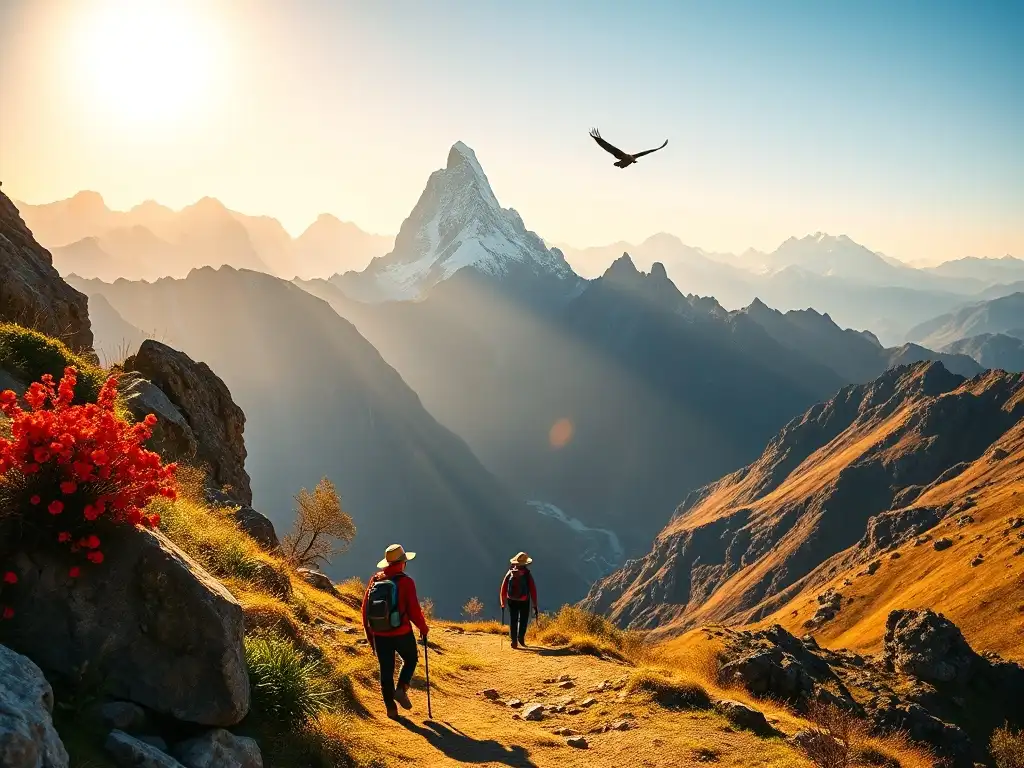
Step into a world lost to time, yet echoing in the breathtaking landscapes of the Andes. For centuries, the Incas, Moche, Nazca, and Tiahuanaco shaped a legacy of unparalleled artistry and innovation. But what does it mean to experience this heritage responsibly in today's world? The Andean Challenge awaits—discover how you can explore these ancient civilizations while contributing to their preservation and the well-being of the communities that call the Andes home. Dive into the world of Responsible Andean Travel and uncover the secrets of a sustainable future.
The Andes Mountains, a spine of majestic peaks stretching along the western coast of South America, are home to a breathtaking array of ecosystems and a rich tapestry of ancient civilizations. From the Inca Empire's sophisticated engineering to the vibrant artistry of the Moche and the enigmatic Nazca Lines, the region boasts a cultural heritage of unparalleled richness. However, this incredible legacy is increasingly threatened by the impacts of tourism.
This article explores the challenges of responsible Andean travel, examining the environmental, cultural, and economic considerations that must be prioritized to ensure the long-term preservation of this invaluable region for future generations. We'll delve into the delicate balance between experiencing the wonders of the Andes and minimizing our footprint, emphasizing the crucial role of responsible tourism in safeguarding this unique and vulnerable landscape.
Learning to travel responsibly in the Andes is not just about minimizing our impact; it's about actively contributing to the well-being of the communities and the environment that make this region so extraordinary. Understanding the complexities of sustainable travel in the Andes is key to ensuring that future travelers can also experience its magic.
Understanding the Impact of Tourism on the Andes
The surge in tourism to the Andes, while bringing economic opportunities, presents significant challenges. Balancing the benefits of tourism with its potential negative consequences requires a nuanced understanding of the region's fragility and the needs of its communities. This section examines the multifaceted impact of tourism, focusing on its environmental, cultural, and economic dimensions. Responsible travel demands careful consideration of these interconnected factors.
The Delicate Ecosystems of the Andes: A Traveler's Responsibility
The Andes boast exceptional biodiversity, encompassing everything from high-altitude páramo ecosystems to cloud forests teeming with unique flora and fauna. These ecosystems are incredibly sensitive to environmental pressures. Unsustainable tourism practices, such as improper waste disposal, habitat destruction through uncontrolled trekking, and the introduction of invasive species, can cause irreparable damage. Responsible travelers must prioritize minimizing their environmental impact by adhering to Leave No Trace principles, supporting eco-friendly accommodations, and choosing tour operators committed to sustainability.
This includes careful consideration of water usage, energy consumption, and waste management. The preservation of these delicate ecosystems is paramount for the region's future and the well-being of its inhabitants. Careful planning and responsible choices can make a significant difference.
Cultural Preservation and the Impact of Mass Tourism in Andean Regions
The Andes are rich in cultural heritage, with indigenous communities maintaining vibrant traditions and customs passed down through generations. Mass tourism, however, can lead to the commodification of these traditions, eroding their authenticity and cultural significance. The influx of tourists can disrupt traditional ways of life, leading to a loss of cultural identity and the erosion of traditional practices.
Responsible tourism necessitates respecting local customs, supporting local artisans, and avoiding activities that contribute to the exploitation of cultural heritage for profit. Learning about the local culture, engaging respectfully with the communities, and supporting initiatives that promote cultural preservation are crucial aspects of responsible travel.
The Economic Realities: Ensuring Fair Benefit for Local Communities
Tourism revenue should benefit local communities directly and fairly. Often, the economic benefits of tourism are unevenly distributed, with a large portion of the profits going to international corporations rather than local businesses and individuals. Responsible travelers should actively seek out and support locally owned businesses, choose accommodations that employ local staff, and participate in tours that directly benefit local communities.
This ensures that the economic benefits of tourism contribute to the long-term prosperity and well-being of the Andean people, rather than exacerbating existing economic inequalities. Supporting fair trade practices and community-based tourism initiatives is essential for ensuring equitable distribution of tourism revenue.
Problems Faced by Andean Communities Due to Unsustainable Travel
The consequences of unsustainable tourism practices in the Andes extend beyond environmental damage. Local communities often bear the brunt of the negative impacts, facing challenges related to environmental degradation, cultural commodification, and economic inequality.
Environmental Degradation: The Threat to Andean Biodiversity
Uncontrolled tourism poses a significant threat to the Andes' unique biodiversity. Habitat destruction, pollution, and the introduction of invasive species directly impact the delicate balance of these ecosystems. The loss of biodiversity not only diminishes the aesthetic beauty of the region but also threatens the livelihoods of communities that depend on these resources. Sustainable tourism practices are essential to mitigate these threats and protect the region's rich biodiversity for future generations. This requires a collective effort from tourists, tour operators, and local governments.
Loss of Cultural Authenticity: The Commodification of Andean Traditions
The commodification of Andean traditions for tourist consumption can lead to a loss of cultural authenticity and undermine the cultural identity of indigenous communities. The pressure to cater to tourist demand can result in the simplification or distortion of traditional practices, leading to a superficial and inauthentic representation of Andean culture. Respectful engagement with local cultures, recognizing their intrinsic value beyond commercialization, is vital to preserve the richness and integrity of Andean traditions. This requires a conscious effort from tourists to learn about and respect local customs and traditions.
Economic Inequality: Uneven Distribution of Tourism Revenue
The economic benefits of tourism are not always evenly distributed, often exacerbating existing economic inequalities in Andean communities. A significant portion of tourism revenue can flow to international corporations and outside investors, leaving local communities with minimal benefits. This can lead to resentment and social unrest, undermining the potential for sustainable and equitable tourism development. Responsible travel requires supporting local businesses, fair trade practices, and community-based tourism initiatives to ensure that the economic benefits of tourism are shared equitably among Andean communities. This is crucial for fostering a positive and sustainable relationship between tourism and local communities.
Solutions for Responsible Andean Travel: Practical Steps
Responsible Andean travel requires a multifaceted approach, encompassing environmental consciousness, cultural sensitivity, and economic fairness. It's about minimizing your negative impact while maximizing the positive contributions you make to the region and its people. This isn't just about ticking boxes; it's about a genuine commitment to sustainable tourism. By actively engaging in responsible practices, you become a vital part of preserving the Andes' unique beauty and cultural heritage for future generations.
The journey itself becomes an opportunity for personal growth and understanding, enriching your travel experience in profound ways. Small changes in your travel habits can contribute significantly to a larger, positive impact. Remember, even seemingly insignificant actions can collectively make a world of difference.
Choosing Eco-Conscious Tour Operators in the Andes
Selecting the right tour operator is paramount for responsible Andean travel. Look for companies with transparent sustainability policies, actively involved in community development projects, and committed to minimizing their environmental impact. Research their certifications, such as those related to sustainable tourism practices. Read reviews from other travelers focusing on their experiences with the operator's commitment to responsible tourism.
Avoid companies that promote unsustainable practices, such as excessive waste generation or disregard for local customs. Consider smaller, locally-owned operators who are more likely to reinvest profits directly into the community and environment. Prioritize operators who prioritize the well-being of the local population and the preservation of the natural environment. Remember, your choice of tour operator directly influences the sustainability of Andean tourism.
Reducing Your Environmental Footprint in the Andean Mountains
Minimizing your environmental impact in the Andes requires conscious effort. Pack light to reduce fuel consumption during transportation. Opt for reusable water bottles and refuse single-use plastics. Support initiatives that promote waste reduction and recycling within the communities you visit.
Respect the fragile Andean ecosystems by staying on marked trails, avoiding disturbing wildlife, and leaving no trace behind. Choose accommodations with sustainable practices, such as energy-efficient designs and water conservation measures. Consider the carbon footprint of your travel choices, opting for less carbon-intensive modes of transportation whenever possible. Even small actions, like properly disposing of waste, contribute significantly to environmental preservation.
Supporting Local Communities Directly Through Ethical Consumption
Supporting local communities is a cornerstone of responsible Andean travel. Patronize locally-owned businesses, restaurants, and artisan shops, ensuring that your spending directly benefits the community. Engage in fair trade practices, ensuring that the producers receive a fair price for their goods and services. Learn a few basic phrases in the local language to show respect and facilitate better communication.
Participate in community-based tourism initiatives, allowing you to experience local life authentically while contributing directly to the community's economy. Avoid contributing to exploitative labor practices by supporting businesses that treat their employees fairly. Your conscious consumption choices have a tangible positive impact on the lives of Andean communities.
Respecting Andean Culture and Traditions
Respecting Andean culture and traditions is essential for responsible travel. Dress modestly when visiting religious sites or communities. Ask permission before taking photographs of people, especially in sensitive situations. Learn about the local customs and traditions, and strive to adhere to them during your visit.
Avoid actions that could be perceived as disrespectful or intrusive. Engage in cultural exchanges respectfully, showing genuine interest in learning about the local way of life. Remember, you are a visitor in their home, and respecting their culture is a sign of appreciation and respect. By understanding and respecting local customs, you create a more enriching and positive travel experience for both yourself and the community.
Recommended Products and Services for Sustainable Andean Adventures
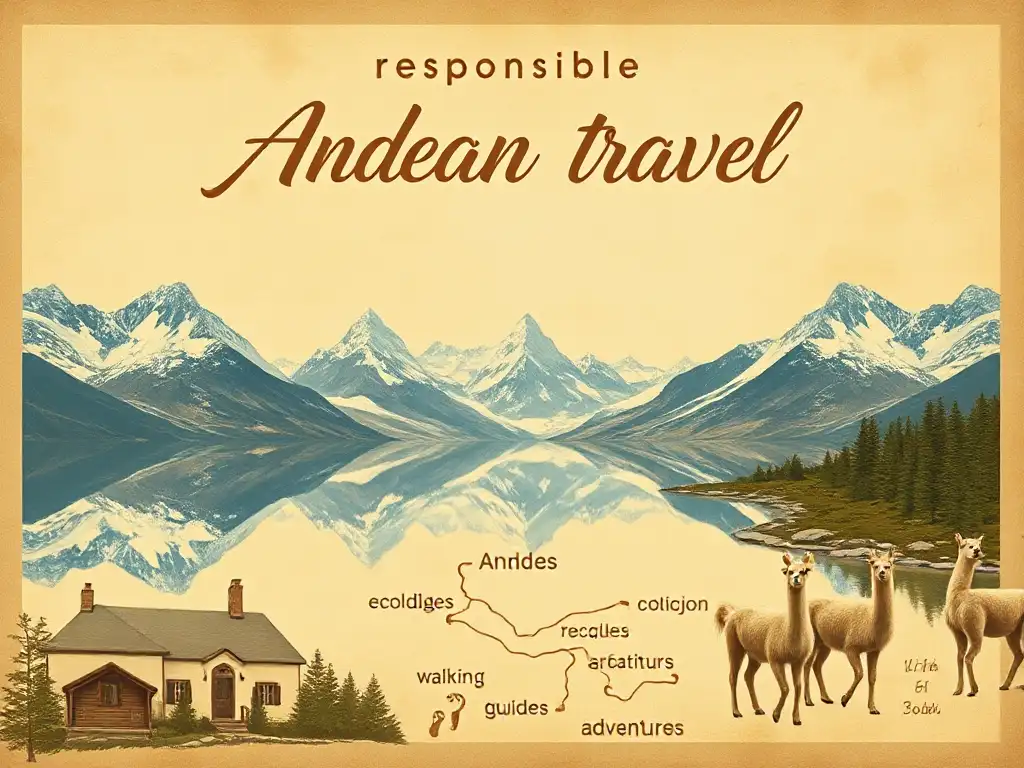
Choosing sustainable products and services enhances your responsible travel experience. This conscious selection directly supports ethical practices and minimizes your environmental impact.
Sustainable Hiking Gear for Andean Treks
Invest in durable, high-quality hiking gear to minimize waste and extend the lifespan of your equipment. Look for brands committed to sustainable manufacturing practices and ethical sourcing of materials. Prioritize lightweight gear to reduce the environmental impact of transportation. Choose gear made from recycled or sustainable materials. Consider renting equipment instead of purchasing new items, especially if you are only traveling once. Proper maintenance of your gear extends its life, reducing the demand for new products.
Responsible Travel Guides and Resources for the Andes
Utilize responsible travel guides and resources to plan your trip ethically. Research organizations dedicated to sustainable tourism in the Andes. Seek out guides that highlight cultural sensitivity and environmental responsibility. Use online resources to find eco-friendly accommodations and tour operators. Utilize maps and guides that promote responsible hiking and exploration of the Andes. Inform yourself about the region's history, ecology, and culture to better understand the importance of responsible travel.
Affiliate Opportunities: Links to Book Sustainable Tours and Accommodation [Specific information pending]
This section would ideally contain affiliate links to reputable companies offering sustainable tours and accommodations in the Andes. These links would allow readers to easily book their trips while supporting responsible tourism initiatives. The inclusion of these links would require further investigation into suitable affiliate programs. [Specific affiliate program details pending]
Conclusion: Embracing Responsible Travel in the Andes
Responsible Andean travel isn't just a trend; it's a necessity. The delicate ecosystems and rich cultural heritage of the Andes are under pressure from the increasing influx of tourists. By adopting responsible practices, we can ensure that future generations can also experience the magic of this incredible region. This means actively choosing sustainable accommodations, supporting local communities, and respecting the environment.
It's about minimizing our impact and maximizing our positive contributions. Remember, the beauty of the Andes is a shared responsibility. Our actions today will directly impact the future of this breathtaking landscape and its vibrant cultures. Let's work together to protect it.
The Long-Term Benefits of Ethical and Sustainable Tourism
The benefits of ethical and sustainable tourism extend far beyond the immediate experience. For the Andean communities, responsible tourism provides economic opportunities that are less exploitative and more equitable. This often translates to improved infrastructure, better access to education and healthcare, and the preservation of traditional crafts and knowledge. Furthermore, sustainable practices help to protect the environment, mitigating the negative impacts of climate change and preserving biodiversity. This is crucial for the long-term health of the Andes, ensuring that the region’s natural beauty remains a source of wonder and inspiration for years to come.
Investing in responsible travel is an investment in the future of the Andes. It's a win-win situation for both travelers and the Andean communities. The economic benefits are sustainable, bolstering local economies without compromising the environment or cultural heritage. Think of it as a symbiotic relationship, where both parties thrive.
A Call to Action: Choosing Conscious Travel in the Andean Region
Choosing responsible travel is not just about ticking boxes on a checklist; it's about a conscious shift in mindset. It's about understanding the impact of our actions and actively seeking ways to minimize our footprint. Before you embark on your Andean adventure, research your options thoroughly. Look for accommodations and tour operators that prioritize sustainability and community engagement.
Support local businesses, learn a few basic phrases in the local language, and engage respectfully with the local culture. Remember that the Andes are not just a backdrop for your holiday photos; they are the home of vibrant communities with rich histories and traditions. By choosing conscious travel, you're not just experiencing a destination; you're contributing to its preservation and prosperity.
Let's make responsible Andean travel the norm, not the exception. Let's protect this incredible region for generations to come. 🌎 Let's be responsible travelers and become ambassadors for sustainable tourism in the Andes!
- Understanding the Impact of Tourism on the Andes
- Problems Faced by Andean Communities Due to Unsustainable Travel
- Solutions for Responsible Andean Travel: Practical Steps
- Recommended Products and Services for Sustainable Andean Adventures
- Conclusion: Embracing Responsible Travel in the Andes
- What does "responsible Andean travel" mean?
- How can I support local communities during my trip?
- What are some ways to minimize my environmental impact in the Andes?
- Are there any specific cultural sensitivities I should be aware of when visiting Andean communities?
- How can I find responsible tour operators in the Andes?
Frequently Asked Questions
What does "responsible Andean travel" mean?
Responsible Andean travel means minimizing your negative impact on the environment and local communities while maximizing the positive effects of your visit. This includes respecting local customs, supporting local businesses, and protecting the environment.
How can I support local communities during my trip?
Support local communities by staying in locally-owned accommodations, eating at local restaurants, and buying handicrafts directly from artisans. Avoid businesses that exploit local workers or resources.
What are some ways to minimize my environmental impact in the Andes?
Reduce your environmental impact by reducing waste, conserving water, and choosing eco-friendly transportation options. Support tour operators committed to sustainability.
Are there any specific cultural sensitivities I should be aware of when visiting Andean communities?
Yes, it's crucial to respect local customs and traditions. Ask permission before taking photos, learn a few basic Quechua phrases, and be mindful of your attire and behavior.
How can I find responsible tour operators in the Andes?
Look for tour operators who are certified by sustainable tourism organizations, emphasize community involvement, and promote environmental protection. Read online reviews and do your research before booking.
Final Reflection: Echoes of the Andes: A Legacy of Responsible Travel
The urgent need for responsible tourism in the Andes is not merely a trend; it's a critical imperative for preserving this breathtaking region's unique biodiversity and cultural heritage for generations to come. The interconnectedness of environmental sustainability, community empowerment, and authentic cultural exchange has never been clearer, demanding a shift in how we approach travel in these fragile yet vibrant ecosystems.
The impact of tourism on the Andes, both positive and negative, is a powerful testament to the influence we, as travelers, wield. The echoes of past exploitative practices still resonate, reminding us of the responsibility we bear. Yet, alongside these challenges, I've witnessed firsthand the transformative power of conscious travel – the smiles of community members benefiting from fair trade practices, the preservation of ancient trails, and the revitalization of traditional crafts. The world is a book and those who do not travel read only one page.
– Saint Augustine. This quote resonates deeply, highlighting the enriching experience of responsible travel and the profound understanding it fosters.
Now, it's your turn. Consider how your next adventure can contribute to a more sustainable and equitable future for the Andes. Choose accommodations and tour operators committed to ethical practices, support local businesses, learn a few Quechua phrases, and leave only footprints, taking only memories. Let your journey be a testament to the transformative power of responsible travel, echoing through the mountains for years to come.
Embrace Your Adventure: Travel Responsibly Today!
Thank you for joining us on this journey. Your commitment to responsible travel enriches your experience and helps preserve the beauty and culture of incredible destinations worldwide. Let's turn that inspiration into action!
Here are a few meaningful steps you can take:
- **Plan your next trip** mindfully, choosing eco-friendly accommodations and local guides committed to conservation. Research options thoroughly to ensure they align with your values.
- **Share your experiences** with friends and family, emphasizing the importance of responsible travel and inspiring others to explore the world sustainably.
- **Support local conservation efforts** during your travels. Volunteer for environmental projects or participate in community initiatives that protect the local environment and culture.
As you plan your next adventure, consider how you can make a positive impact on the places you visit. Responsible travel is not just about seeing the world; it's about actively contributing to its well-being.