
From Caves to Communities: The Development of Andean Social Structures

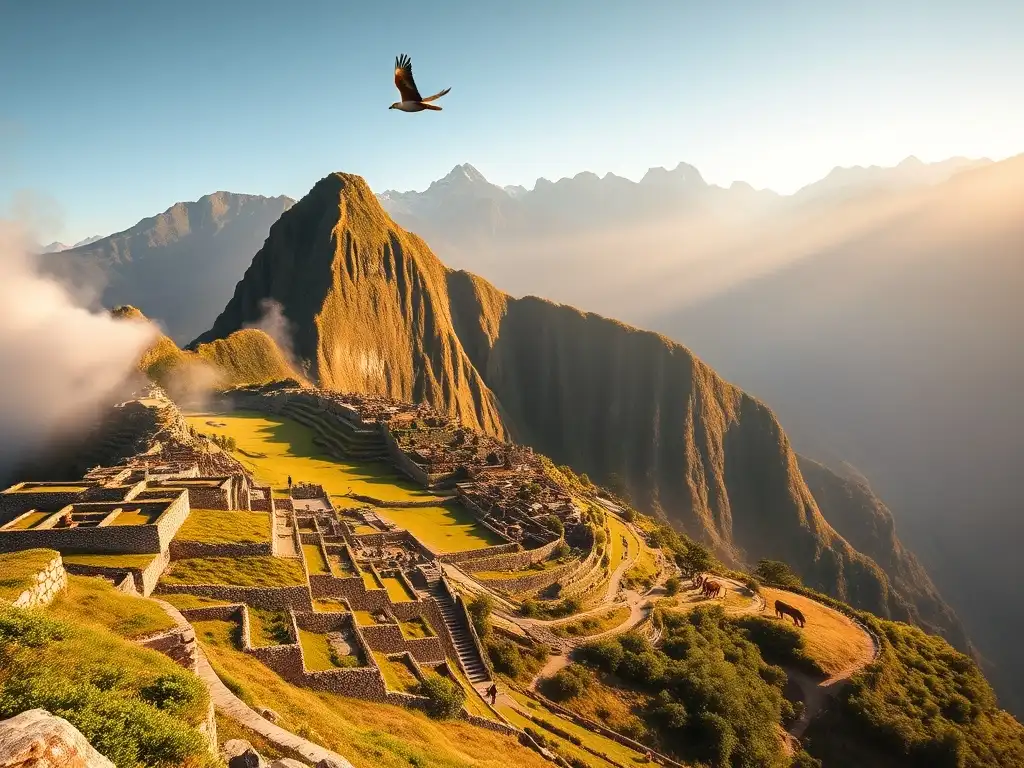
Unravel the mysteries of the Andes! Journey through millennia of captivating history, uncovering the astonishing evolution of Andean civilization social development. From humble beginnings in hidden caves to the sophisticated empires of the Incas, Moche, and Nazca, discover how these remarkable societies shaped their world. Prepare to be amazed by their ingenuity and the intricate tapestry of their cultures – a story waiting to be explored.
The dramatic landscapes of the Andes Mountains, with their towering peaks, fertile valleys, and arid coastal plains, profoundly shaped the development of the Andean civilizations. This article explores the fascinating journey of Andean social structures, tracing their evolution from small, scattered groups inhabiting caves and rudimentary shelters to the complex, hierarchical societies that would later flourish.
We will examine the key factors that drove this transformation, focusing on the interplay between environmental adaptation, technological innovation, and the emergence of increasingly sophisticated social organization. Understanding this evolutionary process is crucial to appreciating the richness and complexity of Andean cultures, from the earliest hunter-gatherers to the Inca Empire.
This exploration of Andean civilization social development will reveal how these communities adapted, innovated, and ultimately built some of the most remarkable societies the world has ever known. We'll delve into the specifics of early settlements and the gradual development of intricate social hierarchies, highlighting the ingenuity and resilience of the Andean peoples.
The earliest Andean societies, predating the rise of large-scale civilizations, were characterized by small, mobile groups focused primarily on subsistence activities. Archaeological evidence suggests a reliance on hunting, gathering, and early forms of agriculture, adapted to the diverse ecological zones of the Andes. These groups likely possessed relatively egalitarian social structures, with limited evidence of significant social hierarchies.
However, as populations grew and agricultural techniques improved, the foundations for more complex social organization began to emerge. The development of irrigation systems, for instance, required cooperation and coordination on a larger scale, leading to the formation of larger, more settled communities. This shift towards sedentary lifestyles fostered the development of specialized labor, with individuals taking on specific roles within the community.
The emergence of leadership figures, possibly based on skill, experience, or kinship ties, also marks a significant step in the evolution of Andean social structures. The transition from nomadic hunter-gatherer societies to settled agricultural communities represents a fundamental shift in the Andean way of life, laying the groundwork for the spectacular civilizations that would follow. The development of pottery, weaving, and other crafts further contributed to social complexity, creating new forms of social interaction and exchange.
Early Andean Settlements: Adapting to the Landscape
The physical environment of the Andes played a crucial role in shaping early Andean settlements. Communities were strategically located to take advantage of available resources, such as fertile valleys, water sources, and suitable building materials. Early settlements often consisted of small, clustered structures built from readily available materials like mud bricks (adobe) or stone. The construction techniques varied depending on the local environment and available resources.
In some areas, cave dwellings continued to be used, especially in regions with limited suitable building materials. The size and layout of these early settlements reflect the social organization of the time. Smaller settlements suggest smaller, less complex social structures, while larger settlements indicate a greater degree of social organization and cooperation. The development of sophisticated irrigation systems, particularly in the arid coastal regions, was essential for supporting larger, more densely populated settlements.
These systems required significant engineering skills and collective effort, demonstrating the growing capacity for cooperation and social organization within Andean communities. The careful planning and construction of these settlements showcase the ingenuity and adaptability of the Andean peoples in their interactions with their environment. The location and design of these settlements reflect a deep understanding of the Andean landscape and its resources, highlighting the close relationship between humans and their environment in the development of early Andean societies. The study of these early settlements provides invaluable insights into the processes that led to the development of more complex social structures and the rise of powerful Andean civilizations.
The Shift from Nomadic Life to Sedentism
The transition from nomadic hunter-gatherer lifestyles to settled agricultural communities represents a pivotal moment in Andean civilization social development. This profound shift, occurring gradually over millennia, wasn't a sudden event but a complex process driven by several interconnected factors. The increasing availability of reliable food sources, particularly through the domestication of plants like potatoes and quinoa, played a crucial role.
These crops, uniquely adapted to the diverse Andean terrains, provided a stable food supply, reducing the need for constant movement in search of sustenance. This stability allowed for population growth and the development of more permanent settlements. Furthermore, environmental factors, such as favorable climatic conditions in certain regions, facilitated the adoption of agriculture and sedentism.
Archaeological evidence, including the discovery of early agricultural tools and the remains of domesticated plants in various Andean sites, provides compelling support for this transformative period. The change wasn't uniform across the Andes; some groups transitioned earlier than others, reflecting the diverse ecological niches and varying rates of technological and social innovation. Understanding this transition is crucial to grasping the subsequent development of complex social structures in the Andes.
Initial Agricultural Practices and their Social Impact
Early Andean agricultural practices were remarkably sophisticated, considering the challenging environmental conditions. Techniques like terracing, irrigation canals, and raised fields were developed to maximize crop yields in mountainous and arid regions. These innovations weren't merely technological advancements; they had profound social implications.
The construction and maintenance of irrigation systems, for example, required collective labor and cooperation, fostering a sense of community and shared responsibility. The increased food production facilitated population growth and led to the emergence of specialized labor. Individuals could now dedicate themselves to tasks beyond food production, such as crafting tools, pottery, or textiles.
This specialization contributed to the development of social hierarchies and the gradual emergence of leadership roles within communities. The control over water resources, essential for agriculture, often became a source of power and influence, shaping early social structures and power dynamics. The surplus of food also allowed for the accumulation of wealth, leading to greater social inequality in some regions.
Emergence of Early Villages and Communities
The shift to sedentism facilitated the growth of early villages and communities. These settlements, initially small and relatively simple, gradually increased in size and complexity over time. Archaeological sites across the Andes reveal evidence of these early settlements, including the remains of houses, storage facilities, and communal areas.
The layout and architecture of these early settlements often reflected the social organization of the communities. For instance, the presence of larger, more elaborate structures might indicate the existence of a social hierarchy or religious leadership. The location of settlements also played a significant role, often chosen based on factors such as proximity to water sources, fertile land, and defensive advantages.
These early communities laid the foundation for the later development of more complex urban centers and states in the Andean region. The growth of these settlements also led to increased interaction between different groups, fostering cultural exchange and competition, influencing further social development.
The Rise of Complex Andean Societies
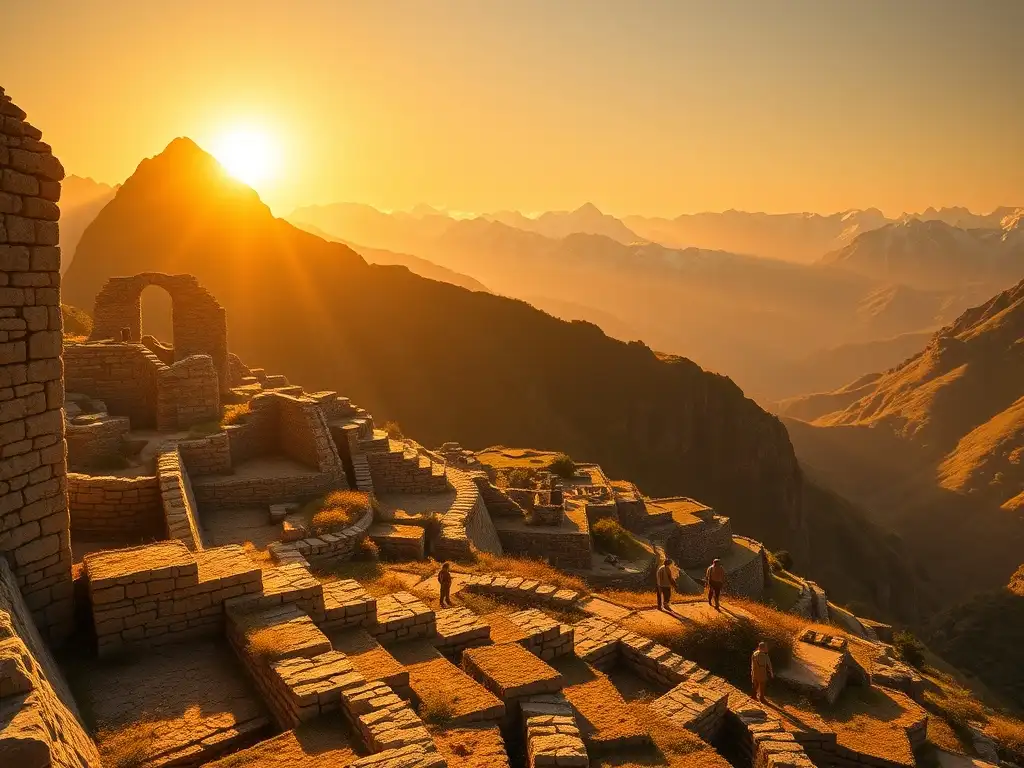
The development of complex Andean societies was a gradual process spanning centuries, built upon the foundations laid by earlier agricultural communities. The increasing population density, technological advancements, and the control over vital resources like water and fertile land all contributed to the rise of powerful states and empires. Several pre-Inca cultures, such as the Moche, Nazca, and Tiwanaku, developed sophisticated social structures, political organization, and monumental architecture.
These societies were characterized by hierarchical social structures, with specialized labor, religious elites, and powerful rulers. The development of sophisticated irrigation systems and other infrastructure projects required extensive organization and planning, demonstrating the capacity of these societies for large-scale cooperation and social engineering.
The control and distribution of resources became crucial factors in maintaining social order and consolidating political power. The rise of these complex societies was not always peaceful; warfare and competition between different groups were also important factors shaping the political landscape of the Andes.
Social Stratification in Pre-Inca Cultures
Pre-Inca Andean societies exhibited varying degrees of social stratification. While the precise nature of social hierarchies differed between cultures, a common pattern was the presence of elites, commoners, and potentially marginalized groups. Elites, often composed of religious leaders, political rulers, and their families, controlled access to resources and held significant power.
Commoners were involved in agriculture, craft production, and other essential activities. Archaeological evidence, such as elaborate burials and the presence of monumental architecture, suggests the existence of significant social inequalities. The Moche culture, for example, is known for its elaborate tombs containing rich grave goods, indicating a highly stratified society.
The nature of social mobility in these societies is still a subject of ongoing research, with some evidence suggesting limited social mobility and others indicating opportunities for advancement based on merit or achievement. The study of social stratification in pre-Inca cultures provides invaluable insights into the complexities of Andean social organization and power dynamics.
The Role of Religion and Ritual in Andean Society
Religion and ritual played a central role in shaping Andean social structures and maintaining social order. Religious beliefs and practices permeated all aspects of life, from agriculture and warfare to daily routines and social interactions. Religious elites, often priests or shamans, held considerable power and influence, mediating between the human world and the supernatural realm.
Rituals and ceremonies served as important social events, reinforcing social bonds and reaffirming the legitimacy of rulers and elites. The construction of monumental structures, such as temples and pyramids, served both religious and political functions, signifying the power and prestige of the ruling class. The use of religious symbols and iconography in art and artifacts provided a powerful means of communicating social values and beliefs.
The study of Andean religion and ritual provides crucial insights into the social dynamics of these civilizations and their understanding of the world around them. The intricate relationship between religion, power, and social organization is a key element in understanding Andean civilization social development.
The development of complex social structures in the Andes wasn't a linear process; rather, it was a dynamic interplay of several crucial factors. Understanding these factors is key to appreciating the remarkable achievements of Andean civilizations. The unique geography of the Andes, with its diverse ecosystems ranging from arid coastal deserts to high-altitude mountains and lush rainforests, presented both opportunities and challenges. These environmental pressures, coupled with technological innovations and the establishment of extensive trade networks, shaped the social organization and political systems of these societies.
The constant need for adaptation and innovation fueled a remarkable capacity for social change and cultural development. The interplay between these factors created a complex tapestry of social evolution, leading to the emergence of sophisticated states and empires. We can observe this complex interplay across different Andean cultures, revealing both common threads and unique adaptations.
Environmental Challenges and Adaptations
The Andes presented formidable environmental challenges. Harsh climates, unpredictable weather patterns, and the need to cultivate diverse terrains necessitated innovative agricultural techniques. The development of sophisticated irrigation systems, terracing, and specialized crops, such as potatoes and quinoa, allowed Andean populations to thrive in otherwise inhospitable environments. These adaptations weren't merely technological; they also had profound social consequences.
The construction and maintenance of irrigation systems, for instance, required coordinated labor and social organization, fostering cooperation and potentially leading to the emergence of more centralized authority. The successful adaptation to these varied environments led to a mosaic of unique cultures, each with its own distinct social structures shaped by the specific environmental constraints and possibilities of their region. This constant adaptation to their surroundings is a testament to the resilience and ingenuity of Andean peoples.
Technological Innovations and their Societal Impact
Technological advancements played a crucial role in shaping Andean social structures. The development of advanced agricultural techniques, like the aforementioned irrigation systems and terracing, increased food production, supporting larger and more densely populated settlements. Similarly, advancements in textile production, metallurgy (particularly bronze and later gold and silver), and pottery facilitated trade, social stratification, and the development of complex symbolic systems.
The mastery of these technologies not only improved the quality of life but also led to the emergence of specialized labor and social hierarchies. For example, skilled artisans and metallurgists held positions of prestige and influence, contributing to the development of an increasingly stratified social order. The creation of intricate textiles, for example, often held symbolic meaning and were used to denote social status.
Trade Networks and Inter-Community Relations
Extensive trade networks connected Andean communities, facilitating the exchange of goods, ideas, and technologies. The movement of resources, such as obsidian, metals, and textiles, fostered economic interdependence and cultural exchange between different groups. These networks weren't simply economic; they also played a vital role in creating social connections and alliances between communities.
The establishment of trade routes often led to the development of larger, more integrated social systems, and the exchange of goods and ideas likely contributed to the spread of cultural practices and beliefs. The development of these networks points to a sophisticated understanding of geography and logistics, highlighting the advanced organizational capabilities of Andean societies. The importance of these trade routes is evidenced by the archaeological discoveries of various artifacts found far from their origin points.
The Evolution of Andean Governance and Hierarchy
The evolution of Andean governance and hierarchy reflects a gradual process of increasing complexity and centralization. Early Andean societies were characterized by relatively egalitarian social structures, with leadership often based on kinship ties and personal charisma. However, as populations grew and societies became more complex, the need for more centralized forms of governance arose. This transition wasn't uniform across all regions; different Andean cultures developed unique political systems, reflecting their specific environmental and social contexts. Understanding this evolution requires careful consideration of the diverse range of political structures that emerged across the Andean region.
From Chiefdoms to States in the Andes
The transition from relatively small-scale chiefdoms to larger, more complex states in the Andes was a gradual process spanning centuries. As populations increased and agricultural productivity improved, the need for more centralized authority to manage resources, resolve conflicts, and organize large-scale public works projects became increasingly apparent. This led to the development of more hierarchical social structures, with a ruling elite controlling access to resources and power.
This shift toward centralized authority was often accompanied by the development of elaborate religious and ideological systems that legitimized the power of the ruling class. The development of monumental architecture, such as temples and palaces, also played a significant role in reinforcing the authority of the state.
The Development of Political and Administrative Systems
The development of sophisticated political and administrative systems was crucial for the success of the larger Andean states. These systems often involved complex bureaucratic structures, with specialized officials responsible for managing different aspects of society, such as agriculture, taxation, and public works. The Inca Empire, for example, developed a highly efficient administrative system that allowed them to effectively govern a vast territory.
The use of quipu, a system of knotted strings used for record-keeping, is a testament to the advanced administrative capabilities of the Inca. The development of these systems demonstrates a remarkable level of organizational capacity and reflects the sophisticated social engineering necessary to manage large populations and complex economies. The effectiveness of these systems varied across different Andean cultures, but their existence reflects a shared need for efficient governance in increasingly complex societies.
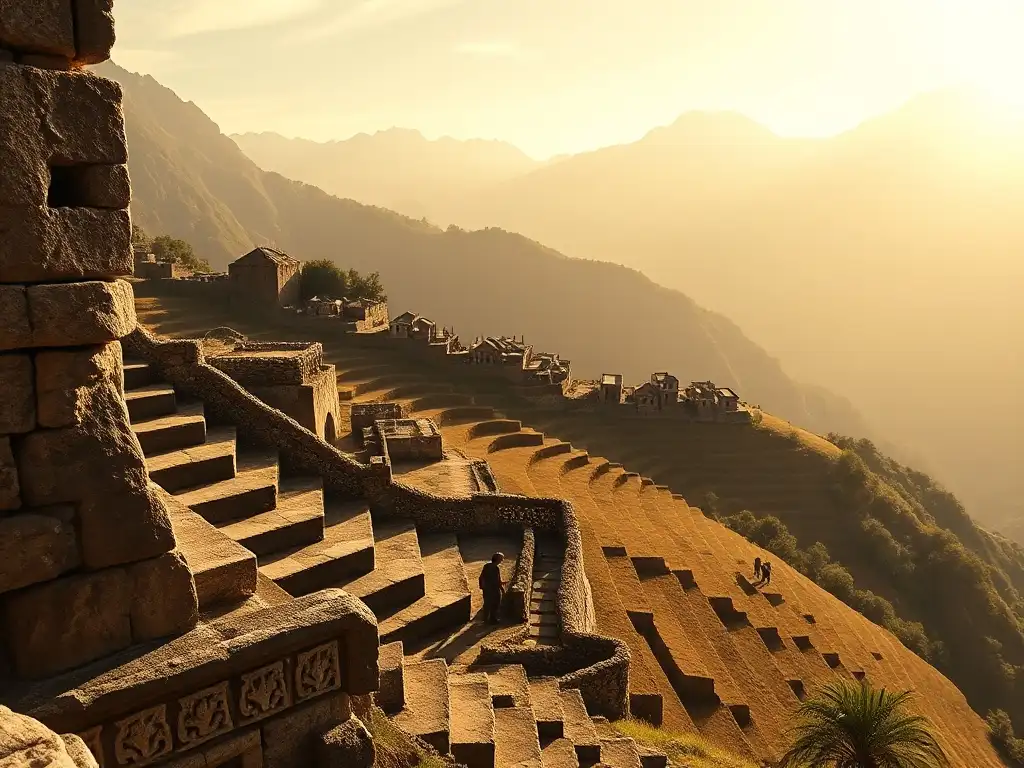
The sophisticated social structures developed by early Andean civilizations profoundly impacted the societies that followed. The intricate systems of kinship, reciprocity, and hierarchical organization laid the groundwork for later, more complex societies like the Inca Empire. For instance, the concept of ayllu, a community-based social organization characterized by collective land ownership and reciprocal labor, existed in various forms across different Andean cultures long before the Inca.
The Inca refined and expanded upon this pre-existing model, adapting it to their vast empire and using it as a cornerstone of their administrative and economic systems. The legacy of these early social structures is evident in the Inca's ability to effectively manage a large, diverse population and extensive territory. The Inca’s success wasn’t solely due to military might; their social engineering, built upon centuries of prior Andean social experimentation, played a crucial role.
Understanding the evolution of Andean social structures allows us to appreciate the continuity and innovation present in their societal development, highlighting how seemingly disparate cultures contributed to a shared societal framework. This long-term influence underscores the importance of studying the social dynamics of early Andean groups to fully comprehend the rise and fall of later Andean empires.
Continuity and Change in Andean Social Patterns
Examining the evolution of Andean social structures reveals a fascinating interplay of continuity and change. While core principles like kinship ties and reciprocal labor persisted across millennia, the specific forms these principles took varied significantly among different cultures. For example, while the ayllu system remained a significant social unit, its structure and function differed between the pre-Inca societies and the Inca Empire.
Early ayllus may have been smaller, more localized units, with a less rigid hierarchical structure than those found under Inca rule. The Inca centralized power significantly, integrating numerous ayllus into a vast imperial administrative system. This demonstrates how a fundamental social structure could adapt and evolve to meet the needs of a changing political landscape.
The shift from smaller, more autonomous communities to larger, more centralized units reflects the increasing complexity and scale of Andean societies over time. This dynamic relationship between continuity and change is key to understanding the complexities of Andean social development, illustrating the adaptive capacity of Andean cultures in responding to environmental and political pressures.
Legacy of Andean Social Organization in Inca Society
The Inca Empire, at its zenith, controlled a vast territory and a diverse population. Their effective governance and social organization were not built in a vacuum but rather inherited and adapted from preceding Andean cultures. The Inca social structure, while impressive in its scale and sophistication, was fundamentally rooted in pre-existing Andean social patterns.
The ayllu system, already established in previous Andean societies, became a cornerstone of Inca administration. The Inca expanded upon this system, integrating ayllus into their vast bureaucratic structure, using them to organize labor, manage resources, and maintain social order. The Inca's highly centralized state, with its elaborate system of roads, storehouses, and officials, built upon and refined the pre-existing social foundations laid by prior Andean civilizations.
This demonstrates the remarkable continuity in social organization across the different phases of Andean history. The Inca's success highlights the enduring power of social structures that successfully adapt to changing circumstances and scale.
Understanding the "Andean civilization social development" requires a nuanced approach, examining the social structures of individual cultures. Each civilization, while sharing some common threads, displayed unique characteristics in its social organization. This section focuses on two significant examples: the Moche and the Tiahuanaco. The diversity of social structures across the Andes underscores the rich tapestry of cultural development and highlights the need for detailed investigation into specific cultures to fully grasp the complexities of Andean social evolution. Examining these diverse social structures allows for a more complete understanding of the entire Andean region's social development.
Social Structure of the Moche Civilization
The Moche civilization (circa 100-800 CE) is renowned for its impressive artistic achievements and sophisticated irrigation systems. Their social structure was hierarchical, with a ruling elite at the top, followed by priests, warriors, artisans, and farmers. Evidence suggests a strong centralized government, possibly led by a hereditary elite, as indicated by monumental architecture and elaborate burial practices of the elite class.
The Moche’s sophisticated irrigation systems, which enabled them to support a dense population, probably played a significant role in sustaining their social hierarchy. The complex organization necessary to build and maintain these systems implies a high degree of social coordination and control.
The elaborate artwork depicting warfare and ritual suggests a society where military prowess and religious authority were important factors in maintaining social order. The Moche's social structure, while hierarchical, was likely quite complex, with multiple layers and various levels of social mobility, though the exact details are still under research.
Social Structure of the Tiahuanaco Civilization
The Tiahuanaco civilization (circa 500-1000 CE) left behind a remarkable legacy of monumental architecture and sophisticated agricultural practices. Their social structure is less well understood than that of the Moche, but evidence suggests a complex, stratified society with a powerful ruling class. The impressive scale of Tiahuanaco’s monumental structures, such as the Akapana pyramid and the Gate of the Sun, points towards a highly organized society capable of mobilizing significant labor resources.
Their sophisticated agricultural techniques, including raised fields and terracing, allowed them to cultivate crops in challenging environments, supporting a large population. The distribution of artifacts and the style of architecture suggests a degree of regional integration and control, indicating a centralized power structure.
However, the exact nature of their political and social organization remains a topic of ongoing research and debate among archaeologists. The Tiahuanaco’s legacy lies not only in their impressive accomplishments but also in the questions they raise about the nature of power and social organization in the Andes.
The trajectory of Andean social development, from small, dispersed hunter-gatherer groups to the sophisticated, highly organized empires of the Inca, represents a remarkable testament to human adaptability and ingenuity. The evolution wasn't linear; it involved periods of growth, decline, and adaptation to diverse environmental challenges. The intricate interplay of factors – environmental pressures, technological innovation, and ideological shifts – shaped the unique social structures we see reflected in the archaeological record and surviving traditions.
Understanding this evolution provides crucial insights into the resilience and complexity of human societies, particularly those facing challenges of resource management, territorial control, and societal cohesion in diverse and often unforgiving landscapes. The legacy of Andean social evolution continues to resonate today, informing our understanding of societal development and offering valuable lessons for navigating the complexities of modern life.
This rich history reminds us of the enduring human capacity for innovation and adaptation, even in the face of adversity. Furthermore, the sophisticated systems of social organization developed in the Andes, including intricate kinship networks, sophisticated agricultural techniques, and complex political structures, offer valuable case studies for researchers across multiple disciplines.
Key Takeaways on Andean Civilization Social Development
- Gradual Evolution: Andean social development wasn't a sudden leap but a gradual process spanning millennia, marked by incremental changes in social organization, technology, and ideology.
- Environmental Influence: The diverse and challenging Andean environment played a crucial role in shaping social structures, prompting innovations in agriculture, water management, and settlement patterns.
- Technological Advancements: Technological advancements, such as irrigation systems, sophisticated ceramics, and advanced textile production, were key drivers of social complexity and population growth.
- Social Hierarchy: The development of increasingly complex social hierarchies, from egalitarian bands to stratified states, reflects evolving power dynamics and resource control.
- Resilience and Adaptation: Andean societies demonstrated remarkable resilience and adaptability, successfully navigating environmental changes, political upheaval, and external pressures.
- Cultural Continuity: Despite periods of upheaval and conquest, significant cultural continuity persisted, evidenced by the enduring traditions and practices found in contemporary Andean communities.
The Significance of Studying Andean Social History
The study of Andean social history is vital for several reasons. Firstly, it challenges Eurocentric narratives of societal development, offering alternative models of social evolution that highlight the ingenuity and complexity of non-European societies. Secondly, it provides valuable insights into the interplay between environment, technology, and social organization, offering valuable lessons for contemporary societies grappling with similar challenges such as climate change and resource management.
The sophisticated systems of social organization developed in the Andes, including intricate kinship networks and complex political structures, offer valuable case studies for researchers across multiple disciplines, including anthropology, archaeology, sociology, and political science. Finally, understanding the long-term social dynamics of the Andes helps us appreciate the rich tapestry of human experience and the remarkable capacity of human societies to adapt, innovate, and thrive in diverse and challenging environments.
The study of Andean civilization social development offers a unique and valuable perspective on the broader human story, enriching our understanding of the past and informing our approach to the future. Ignoring this rich history would be a significant loss to our collective knowledge and understanding of human civilization.
- Understanding the Roots of Andean Social Organization
- Early Andean Settlements: Adapting to the Landscape
- The Shift from Nomadic Life to Sedentism
- The Rise of Complex Andean Societies
- Key Factors Influencing Andean Social Development
- The Evolution of Andean Governance and Hierarchy
- The Impact of Andean Social Structures on Later Civilizations
- Analyzing the Social Dynamics of Specific Andean Cultures
- Conclusion: The Enduring Legacy of Andean Social Evolution
Frequently Asked Questions
Early Andean societies were organized into small, kin-based groups often living in caves or simple settlements. These groups gradually developed into more complex village structures with rudimentary forms of leadership. Subsistence farming and resource management were central to their survival.
Andean social structures underwent a significant transformation, evolving from small bands to large, complex states such as the Inca Empire. This involved the development of specialized labor, hierarchical social classes, and sophisticated systems of governance and infrastructure. Technological advancements fueled this growth.
Religion played a pivotal role, shaping social structures and influencing daily life. Andean religions often involved ancestor veneration, elaborate rituals, and powerful priestly classes who held significant social influence. Religious beliefs justified social hierarchies and political power.
How did the Inca Empire organize its society?
The Inca Empire was characterized by a highly centralized political system with the emperor at its apex. Society was divided into distinct classes, including the ruling elite, priests, farmers, and artisans. The mita system of labor provided a framework for organizing large-scale projects.
What factors contributed to the decline of Andean civilizations?
The decline of Andean civilizations was a complex process resulting from a variety of factors, including internal conflicts, environmental pressures, and disease introduced by European contact. Spanish conquest played a decisive role in the collapse of the Inca Empire and subsequent transformations of Andean societies.
Final Reflection: Echoes of the Andes: Shaping Our Understanding of Society
The intricate social structures forged in the Andes Mountains centuries ago continue to resonate in our modern world, offering invaluable lessons in adaptation, resilience, and the enduring power of community. Understanding the sophisticated systems of governance, agriculture, and social organization developed in the Andean region is not merely an academic exercise; it's a crucial lens through which to examine the complexities of human societal development and the challenges we face today. The ingenuity and adaptability demonstrated by Andean civilizations provide a powerful counterpoint to simplistic narratives of progress and highlight the diverse paths societies can take.
The legacy of Andean social development is not confined to history books; it continues to shape our understanding of sustainable living, resource management, and the importance of collective action. The intricate network of ayllus, the communal land tenure systems, and the sophisticated understanding of Andean ecology offer compelling examples of sustainable practices that are increasingly relevant in our era of climate change and resource scarcity. The mountains are our mother, the rivers are our veins, and the land is our sustenance.
This ancient Andean proverb encapsulates a deep connection to the environment that we, in our increasingly urbanized world, are only beginning to rediscover and appreciate.
Consider the remarkable achievements of the Inca Empire, its vast road network, and its intricate system of record-keeping. These were not simply feats of engineering; they were manifestations of a deeply interconnected society, capable of remarkable feats of organization and cooperation. You, the reader, are now equipped with a deeper understanding of these achievements.
Reflect on the parallels between the challenges faced by Andean societies and those we confront today. How can we learn from their successes and failures to build more equitable, sustainable, and resilient communities for the future? Let the echoes of the Andes inspire you to create a world where cooperation and community thrive.
Uncover the Richness of Andean Heritage!
Thank you for exploring the fascinating evolution of Andean social structures with us! We hope you've gained valuable insights into the development of these communities, from their ancient origins to the vibrant societies they became. Now, let's delve even deeper into this incredible history.
Here are a few ways you can continue your exploration:
- Explore our interactive timeline of Andean civilizations to witness key moments in their development. Click here to begin!
- Share your thoughts on how these ancient structures continue to influence modern communities. Join the discussion on our forum or social media platforms.
- Experience this rich heritage firsthand by visiting local museums or attending cultural events that showcase Andean artifacts and stories.
What aspects of Andean social evolution resonate most with you, and how do you see their influence in today's society? We'd love to hear your perspectives!