
The Art of the Trade: Exploring Exchange Networks in the Inca Empire

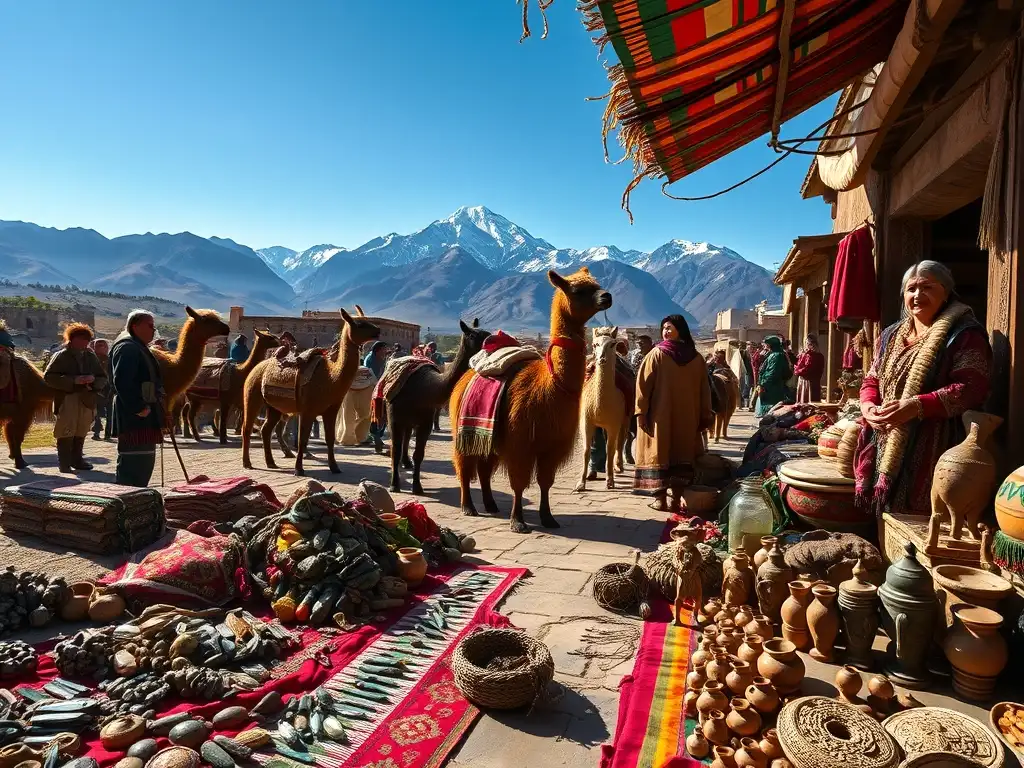
Unravel the mysteries of the Andes! Journey through millennia of captivating history, breathtaking artistry, and ingenious engineering as we delve into the vibrant tapestry of Andean civilizations. But what truly fueled this empire's astonishing growth? Prepare to be amazed by the intricate Inca trade networks—a sophisticated system that shaped the very fabric of this remarkable society. Discover how these vital arteries of exchange fueled innovation and power, and unlock the secrets of their enduring legacy. Explore further to uncover the full story...
The Inca Empire, a marvel of ancient engineering and societal organization, extended its influence across a vast and diverse landscape encompassing modern-day Peru, Bolivia, Ecuador, Colombia, Argentina, and Chile. This geographically challenging terrain, however, far from hindering the Inca, fostered a sophisticated and remarkably efficient system of trade and exchange that underpinned the empire's economic and political power. This article delves into the intricate workings of the Inca trade networks, examining the diverse goods exchanged, the logistical systems employed, and the broader social and cultural implications of this vital aspect of Inca life. Understanding the Inca's approach to trade provides crucial insight into their remarkable ability to unify and govern such a sprawling empire, highlighting the ingenuity and organizational prowess that characterized their civilization. We will explore how these "Inca trade networks" facilitated not only economic prosperity but also the dissemination of ideas, technologies, and cultural practices throughout the empire.
The Goods in Motion: What was Traded?
The Inca trade network wasn't simply about the movement of goods; it was a complex system that reflected the empire's diverse geography and specialized production. From the high Andean highlands to the coastal deserts, different regions specialized in producing specific goods. The highlands, for instance, were renowned for their llama wool, used to create warm textiles, while the coastal regions provided fish, cotton, and other valuable resources.
Agricultural products such as potatoes, maize, and quinoa formed the backbone of the food supply, moving along established routes to satisfy the needs of the population. Precious metals like gold and silver, highly valued for their symbolic and ritual significance, also traveled along these networks, often destined for the imperial center at Cusco. The system wasn't solely focused on material goods; knowledge, skills, and even people moved along these routes, contributing to the cultural integration of the empire.
Detailed records of the quantities and types of goods exchanged are unfortunately scarce, but archaeological evidence and ethnographic accounts offer valuable glimpses into this dynamic system. Further research is needed to fully quantify the scale of this impressive network.
The Infrastructure of Exchange: Roads, Runners, and Warehouses
The success of the Inca trade network hinged on a remarkable infrastructure. The Qhapaq Ñan, or Great Inca Road, is a testament to their engineering prowess. This extensive network of roads, spanning thousands of kilometers, connected all corners of the empire.
These roads were not merely paths; they were strategically planned routes, often traversing challenging terrain with meticulously constructed bridges and tunnels. Alongside the roads, strategically placed tambos (roadside inns) offered rest and supplies for travelers and messengers. The movement of goods relied heavily on the chasquis, a relay system of runners who could swiftly transmit messages and transport smaller items across vast distances.
Finally, a network of qollqas (warehouses) acted as storage facilities, ensuring a steady supply of goods and preventing shortages. This efficient logistics system, facilitated by the Inca's sophisticated administrative structure, is a key factor in understanding the scale and efficiency of their trade. The precise number of tambos and qollqas remains a subject of ongoing research, but the sheer scale of the infrastructure is undeniable.
Beyond Barter: The Role of Reciprocity and Tribute
While barter undoubtedly played a role in Inca trade, the system was far more complex than simple exchange. Reciprocity and tribute were central to the Inca economic system. The ayllu (community) system encouraged reciprocal exchange within communities, while tribute – goods and labor offered to the emperor – constituted a significant portion of the goods moving through the imperial network.
This system ensured a steady flow of resources to the capital and supported the vast imperial bureaucracy. The Inca state carefully managed the distribution of these resources, using them to support public works, religious ceremonies, and the needs of the population.
The precise mechanisms of tribute collection and redistribution are still being researched, but the evidence strongly suggests a highly organized system that ensured both the empire's economic stability and the well-being of its citizens. The system cleverly blended economic efficiency with social cohesion, reflecting the Inca's holistic approach to governance.
The Legacy of Inca Trade Networks: A Lasting Impact
The Inca trade networks represent a remarkable achievement in ancient engineering and economic organization. Their sophisticated infrastructure, efficient logistics, and well-structured system of reciprocity and tribute created a unified economic system that supported the growth and stability of a vast empire. While the Inca Empire itself ultimately fell, the legacy of their trade networks continues to resonate today.
The remnants of the Qhapaq Ñan are a powerful testament to their engineering skills, and the principles of reciprocity and community-based exchange continue to hold relevance in contemporary discussions about sustainable economic models. The study of Inca trade networks provides invaluable insights into the complexities of ancient civilizations and offers lessons that remain relevant in the modern world. Further research into the specifics of trade routes, volume of goods exchanged, and the social dynamics of the system will continue to illuminate this significant aspect of Inca history.
- The Goods in Motion: What was Traded?
- The Infrastructure of Exchange: Roads, Runners, and Warehouses
- Beyond Barter: The Role of Reciprocity and Tribute
- The Legacy of Inca Trade Networks: A Lasting Impact
Understanding Inca Trade and Economy
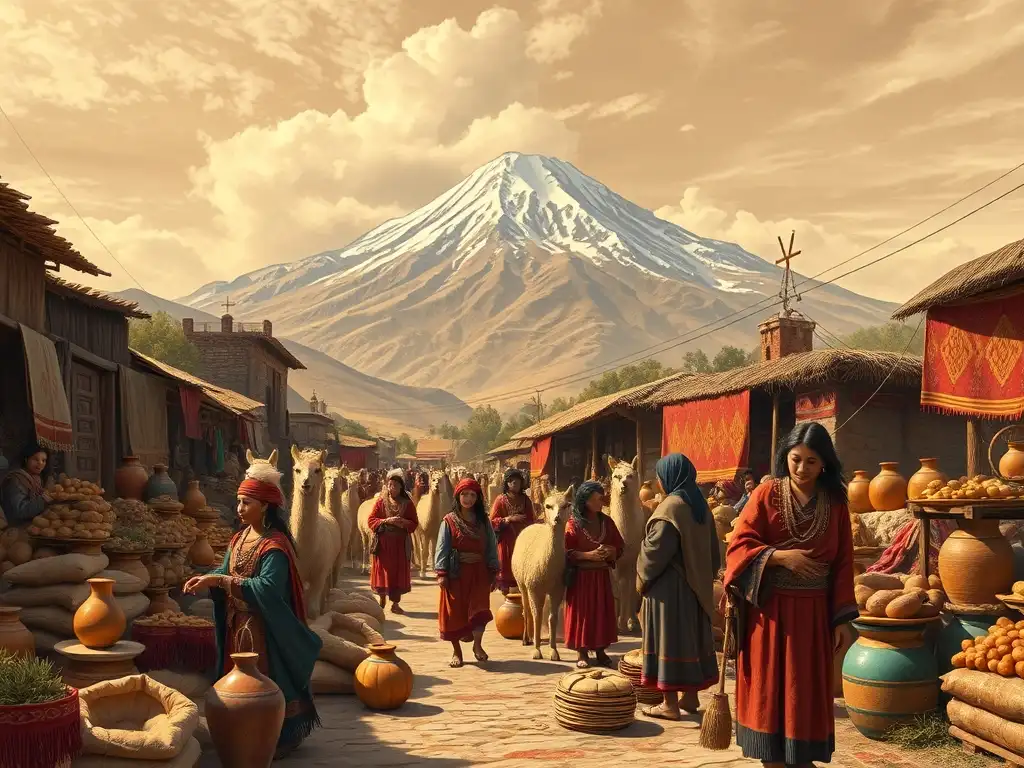
This section delves into the intricacies of the Inca economic system, a complex network built upon principles of reciprocity, redistribution, and, importantly, extensive trade networks. Understanding this system is crucial to appreciating the Inca Empire's remarkable achievements and its lasting impact on Andean culture. The Inca's sophisticated approach to resource management and distribution, far from being a simple barter system, involved a multifaceted strategy that ensured the stability and prosperity of their vast empire. The keyword "Inca trade networks" will be explored in detail, revealing the scale and significance of their commercial activities.
The Foundations of the Inca Economic System
The Inca economic system wasn't solely based on market exchange as understood in modern capitalism. Instead, it relied heavily on a system of ayllu, a form of communal organization where land and resources were collectively owned and managed. This communal structure facilitated the redistribution of goods and labor, ensuring that resources were allocated according to the needs of the community. The Inca state played a central role, collecting surpluses from productive regions and redistributing them to areas with deficits.
This wasn't mere charity; it was a strategic mechanism maintaining social stability and political control. The effectiveness of this system depended heavily on efficient record-keeping and logistical capabilities, which the Inca mastered remarkably well. Evidence suggests a sophisticated system of accounting, using quipus (knotted cords) to record quantities of goods and tribute obligations. This detailed record-keeping allowed for precise planning and monitoring of resource allocation across the vast empire.
This system fostered a level of economic stability unseen in many contemporary societies. The empire's vast infrastructure, including roads and storehouses, further supported this efficient distribution network. The sheer scale of the Inca's logistical prowess is a testament to their understanding of resource management and its importance to their political and social stability.
The Importance of Reciprocity and Redistribution in Inca Society
Reciprocity and redistribution were cornerstones of the Inca economic system, interwoven with their social structure. Reciprocity operated at various levels, from familial obligations to inter-community exchanges. Individuals were expected to contribute their labor and goods to their ayllu and the state. In return, they received access to resources and protection.
This system fostered a strong sense of community and mutual dependence, reinforcing social cohesion. The redistribution system, managed by state officials, ensured that resources were channeled to where they were most needed, mitigating the effects of droughts, natural disasters, or other disruptions. This involved the collection of tribute (often in the form of agricultural products, textiles, and labor) from different regions. The state then stored these goods in strategically located storehouses and redistributed them based on need, demonstrating a remarkable level of centralized planning and control.
The Inca system was designed to ensure social stability and to prevent the accumulation of wealth in the hands of a few. This contrasts sharply with many other ancient civilizations where wealth concentration often led to social unrest and instability. The Inca's emphasis on reciprocity and redistribution served as a crucial mechanism for maintaining social harmony and political control within their vast empire, showcasing a unique approach to economic and social organization. Furthermore, this system, while not a free market, facilitated the movement of goods across the Inca trade networks, ensuring the flow of vital resources throughout their realm.
Mapping the Inca Trade Networks
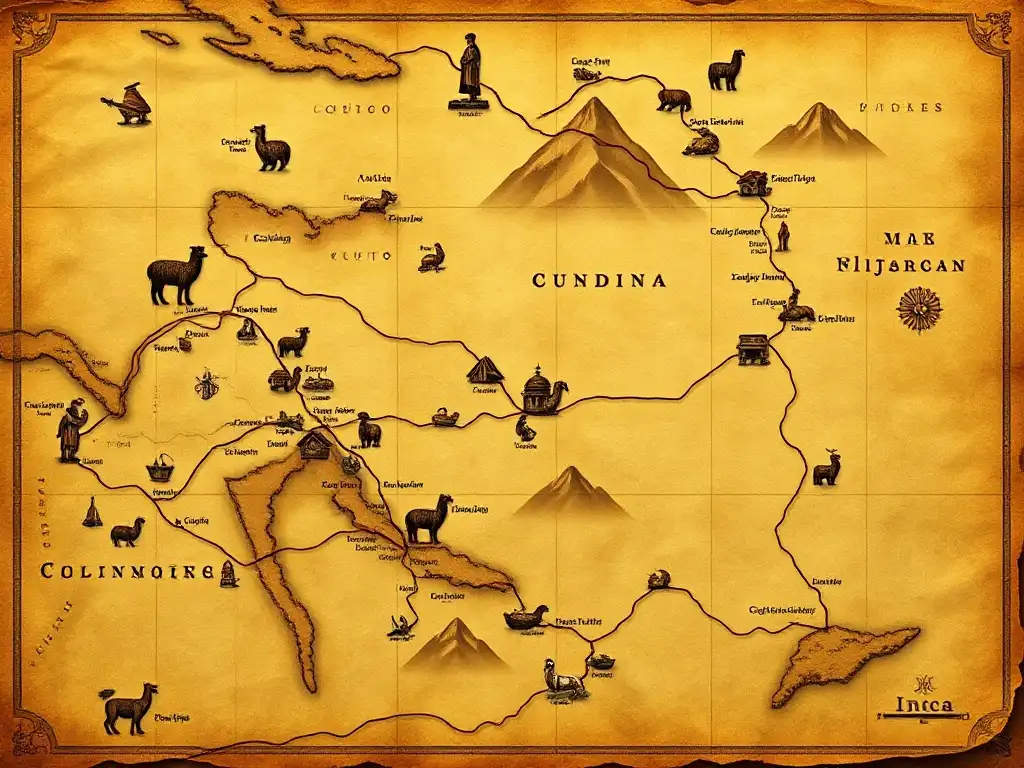
The Inca Empire, renowned for its sophisticated organization and vast territorial expanse, relied on a complex network of trade routes to facilitate the exchange of goods and resources across its diverse regions. Understanding these networks is crucial to comprehending the empire's economic strength and social cohesion. The efficient movement of goods, from luxury items to essential provisions, was integral to the Inca’s ability to maintain control and sustain a large, diverse population.
This section delves into the key components of the Inca trade infrastructure, highlighting its ingenuity and impact on the empire's development. Analyzing the "Inca trade networks" reveals a sophisticated system that went beyond simple barter; it was a carefully managed operation supporting the entire empire's functioning.
The Qhapaq Ñan: The Inca Road System and its Role in Trade
The Qhapaq Ñan, often translated as the "Royal Road" or "Great Inca Road," formed the backbone of the Inca trade network. This extensive road system, spanning thousands of miles across mountainous terrain, facilitated the movement of goods, people, and messages across the empire. Its strategic design, incorporating bridges, tunnels, and strategically placed waystations (tambos), allowed for efficient and relatively rapid transportation, even in challenging geographical conditions.
The Qhapaq Ñan wasn’t just a network of paths; it was a logistical masterpiece, meticulously planned and maintained to ensure the smooth flow of commerce. The roads themselves were not only crucial for trade, but also for military movements, administrative control, and religious pilgrimages, highlighting the multifaceted importance of this remarkable infrastructure.
The construction of the Qhapaq Ñan is a testament to Inca engineering prowess and its impact on the empire's economic and political stability is undeniable. The availability of this infrastructure significantly reduced the time and cost of transporting goods, thereby increasing trade volume and boosting the overall economy.
Key Trade Routes and Transportation Methods
Beyond the Qhapaq Ñan, numerous subsidiary routes branched off, connecting specific regions and centers of production. These routes were tailored to the local geography, utilizing existing trails and adapting to the varied landscapes. Transportation methods were diverse, reflecting the terrain and the nature of the goods being transported.
Llamas, known for their endurance and ability to navigate difficult terrain, were the primary pack animals, carrying goods over long distances. Human porters, organized in relay systems, also played a significant role, particularly for transporting goods that were too valuable or delicate for llamas. River systems, where navigable, were also utilized, with rafts and canoes used to transport goods along waterways.
The efficient use of these various transportation methods showcases the Inca's adaptability and their understanding of logistical optimization within their unique environment. The choice of transportation method was strategic, considering factors like distance, terrain, and the fragility of the goods. For example, precious metals and textiles would likely have been transported by human porters or along more carefully maintained sections of the Qhapaq Ñan to minimize risk of damage or loss.
Regional Trade Centers and Markets within the Inca Empire
The Inca Empire wasn't a monolithic entity; it comprised diverse regions, each with its own specialized production. Key trade centers and markets emerged at strategic locations along the Qhapaq Ñan and its branches, facilitating the exchange of goods between different regions. These markets weren't just places for simple barter; they were regulated hubs where goods were assessed, taxed, and redistributed according to the empire's needs.
Evidence suggests the existence of large-scale storage facilities (qollqas) in these centers, where surplus goods were stored to ensure a steady supply during times of scarcity. The Inca state played a significant role in managing these markets, ensuring fair prices and preventing monopolies. This centralized control was crucial in maintaining economic stability and preventing social unrest.
Some of the most important regional trade centers included [Specific examples of regional trade centers pending]. Further research is needed to fully understand the specific dynamics of each of these regional markets, but their existence highlights the sophisticated nature of Inca trade networks and their vital role in the empire’s economic and political strength.
The careful study of Inca trade networks reveals a system of remarkable organization and efficiency. The integration of the Qhapaq Ñan, diverse transportation methods, and strategically located markets allowed the Inca Empire to thrive economically, fostering both regional specialization and empire-wide integration. The detailed analysis of "Inca trade networks" allows us to appreciate the sophisticated planning and management that underpinned the economic success of this remarkable civilization.
Products and Goods Exchanged in the Inca Empire
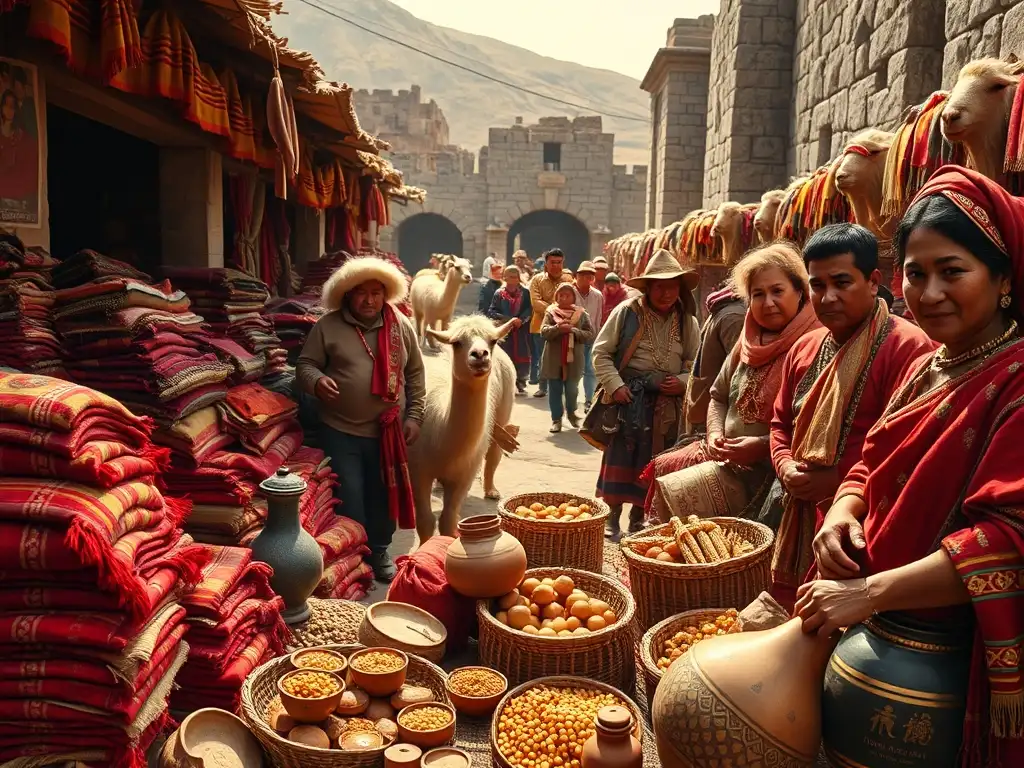
The Inca Empire, renowned for its sophisticated organization and vast territorial reach, possessed a complex and extensive system of trade networks that facilitated the exchange of a diverse range of goods. This internal exchange, largely based on a system of tribute and redistribution rather than direct market transactions, ensured the flow of essential resources and luxury items across the empire.
Understanding the types of products involved is crucial to grasping the intricacies of Inca economic organization and the power dynamics inherent within their society. The "Inca trade networks" were not simply routes; they were arteries of power, reflecting the empire's central control and resource management.
Agricultural Products and Food Exchange
Agricultural products formed the backbone of the Inca trade network. The varied geography of the empire, ranging from coastal deserts to high-altitude Andean valleys, allowed for the cultivation of a wide array of crops. This agricultural diversity was actively managed to ensure a steady supply of food for the entire population. The mita system, a form of labor tax, played a significant role in agricultural production. Communities were obligated to contribute a portion of their harvest to the state, which then redistributed it to other regions or stored it in state-controlled warehouses called qollqas.
The exchange of agricultural goods wasn't solely a matter of necessity; it also reflected the empire's efforts to standardize food consumption and ensure social stability. For example, maize, a staple crop across the empire, was carefully cultivated and distributed to ensure food security. Other important crops, such as potatoes, quinoa, beans, and various fruits, flowed through the network, supplementing the diet and enriching the culinary landscape of different regions.
The efficient movement of these goods highlights the sophisticated logistical capabilities of the Inca state. Detailed records, although limited, suggest a high degree of organization in tracking and managing the flow of agricultural products. Further research could shed light on the specific quantities and routes involved in this vital aspect of Inca trade.
Craft Goods and Artisanal Production
Beyond agricultural products, the Inca trade networks facilitated the exchange of a wide array of craft goods, reflecting the empire's high level of artisanal skill and specialization. Textiles, pottery, and metalwork were particularly important commodities. The Inca’s renowned textile production, using alpaca and llama wool, involved complex weaving techniques and intricate designs. These textiles, ranging from everyday clothing to elaborate ceremonial garments, were highly valued and circulated throughout the empire, often as tribute or gifts.
Pottery, another significant craft good, varied greatly in style and function depending on the region of origin. Certain styles and forms became associated with specific locales, indicating a degree of regional specialization. This regional diversity, however, didn't preclude the wider circulation of pottery through the trade networks.
The exchange of pottery not only satisfied practical needs but also served as a means of cultural exchange and the dissemination of artistic styles. Similarly, metalwork, particularly in gold and silver, was a highly prized commodity, often used in religious ceremonies and royal adornment. The movement of these luxury craft items further illustrates the extent and importance of the Inca trade networks.
Precious Metals and Luxury Items in Inca Commerce
Precious metals, especially gold and silver, played a significant role in Inca commerce, though not as a medium of exchange in the same way as currency in later societies. Instead, these metals held primarily symbolic and ritualistic value. They were used to create elaborate objects for religious ceremonies, royal adornment, and prestigious gifts. The Inca's mastery of metallurgy allowed them to create intricate and visually stunning artifacts. These objects, often depicting religious figures or mythical creatures, were not simply exchanged as commodities but served as symbols of power, prestige, and religious authority.
The acquisition and distribution of precious metals were tightly controlled by the Inca state, reflecting the central government's power and influence. Mines were often operated through the mita system, with communities contributing labor to extract these valuable resources. The finished products, crafted by skilled artisans, then flowed through the trade networks, primarily towards the imperial center and other important religious and administrative sites.
The movement of these luxury goods underscores the hierarchical nature of the Inca economy and the role of the state in controlling the flow of resources. Further investigation into the specific locations of mines and the routes used to transport precious metals could provide invaluable insights into the logistical complexities of this aspect of Inca trade.
The Role of Barter in Inca Trade
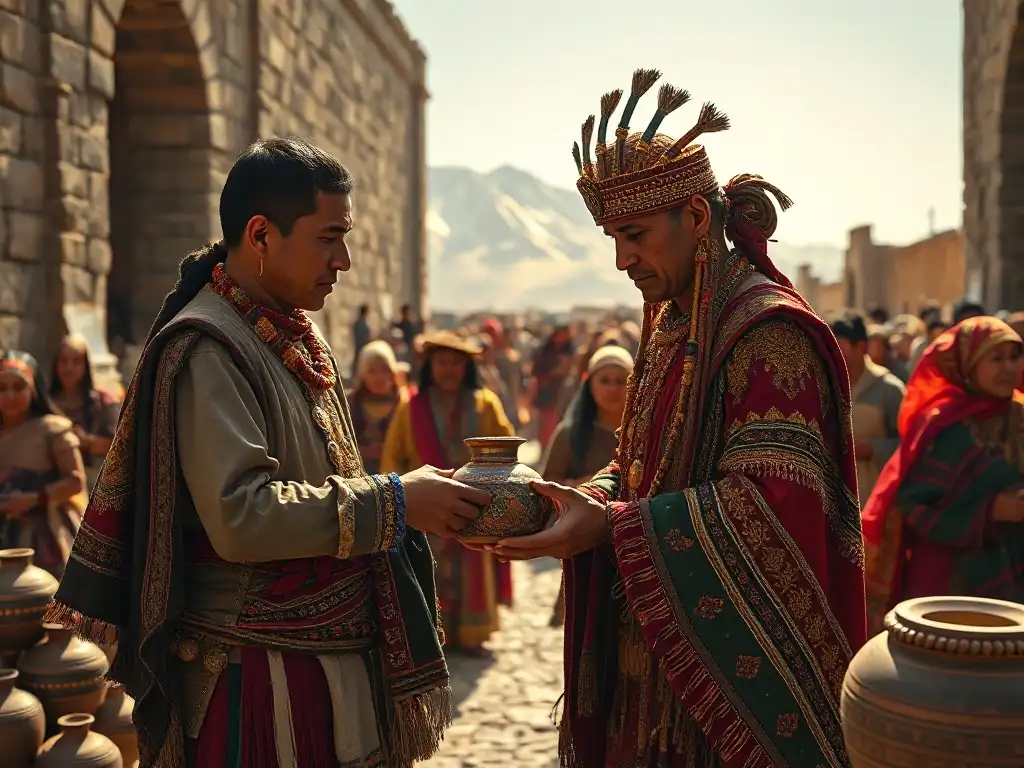
The Inca Empire, renowned for its sophisticated infrastructure and centralized administration, relied heavily on a system of reciprocal exchange and bartering, rather than a formalized monetary system. Understanding the intricacies of Inca trade networks requires acknowledging the central role of barter in facilitating the movement of goods and resources across vast distances.
This wasn't simply a haphazard system; it was a carefully managed process integrated into the empire's social and political structure, reflecting the Inca worldview and their understanding of community and reciprocity. The effectiveness of this system is a testament to the Inca's organizational skills and their ability to manage complex logistics across diverse ecological zones.
The scale of their trade networks, fueled by barter, is a striking example of how a sophisticated economy could function without a universally accepted currency. Analyzing Inca trade networks through the lens of barter provides crucial insights into their economic strategies and their social organization.
Bartering Practices and Exchange Rates
While the Inca did not utilize a standardized currency like coins or bills, they developed a complex system of bartering that involved careful assessment of value. Items exchanged weren't arbitrarily valued; instead, a system of relative worth, understood and accepted within the community, governed transactions. This system was likely influenced by factors such as the scarcity of goods, the labor required for production, and the perceived utility of the item. For example, a finely woven lliclla (a type of shawl) might be exchanged for a certain quantity of maize or potatoes, depending on the season and regional availability.
Similarly, specialized crafts like pottery or metalwork likely commanded higher value in barter than readily available agricultural products. The absence of written records makes precise quantification of exchange rates challenging, but archaeological evidence suggests a sophisticated understanding of relative value and a system of standardized weights and measures to ensure fair exchanges. Further research is needed to fully reconstruct these valuation practices.
Ethnohistoric accounts, while sometimes limited, offer valuable insights into the cultural context of these transactions. The Inca state likely played a significant role in regulating these exchange rates, ensuring fair trade and preventing exploitation. This involved strategically managing the distribution of resources and maintaining a balance in the network.
The Absence of a Formal Currency System in the Inca Empire
The lack of a formal currency in the Inca Empire is a significant aspect of their economic system. Unlike many other civilizations that developed coinage or other forms of standardized currency, the Inca relied on a system of direct exchange and redistribution. This absence of a formal currency system isn't indicative of a primitive economy, but rather reflects a different economic philosophy prioritizing communal well-being and reciprocal obligations over individual profit maximization. The mita system, a form of labor tribute, played a critical role in resource allocation and distribution, supplementing the barter system.
The empire's vast network of storehouses ( qollqas) facilitated the storage and redistribution of goods, ensuring that resources were readily available to support the population, especially during times of scarcity. The absence of a currency also minimized the potential for inflation or economic instability, which often plagued societies with monetary systems. The system, however, presented its own challenges, particularly concerning record-keeping and the potential for imbalances in exchange.
However, the Inca’s success in managing resources and maintaining social cohesion for centuries suggests that their system, though different from ours, was remarkably effective. The absence of a formal currency system in the Inca Empire stands as a powerful example of an alternative economic model, highlighting the diversity of economic strategies across different cultures and historical periods. Further investigation into the complexities of this system is needed to fully understand its strengths and limitations.
Inca Trade and its Impact
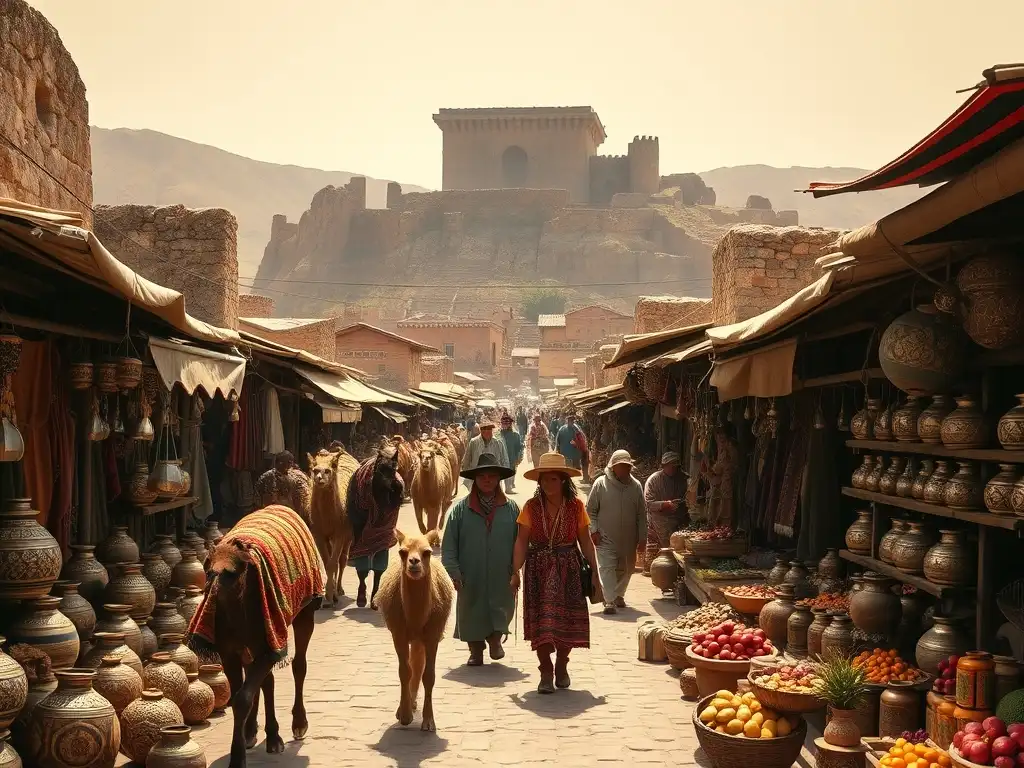
The Inca Empire, renowned for its sophisticated organization and impressive infrastructure, relied heavily on a vast and intricate network of trade to maintain its power and prosperity. Understanding the intricacies of Inca trade networks is crucial to grasping the empire's overall success and its lasting impact on the Andean region.
This robust system, far from being a simple barter system, involved complex logistical operations, standardized weights and measures, and a sophisticated understanding of resource management. The effective functioning of these networks was instrumental in consolidating Inca power, fostering cultural exchange, and facilitating economic growth across the vast territory under their control.
Analyzing these networks reveals not only the economic prowess of the Inca but also the ingenious strategies they employed to manage their resources and maintain control over such a diverse population. The scale and efficiency of Inca trade networks stand as a testament to the advanced organizational capabilities of this remarkable civilization.
The Influence of Trade on Inca Cultural Exchange
Inca trade networks served as powerful conduits for cultural exchange, disseminating ideas, technologies, and artistic styles across the empire. The movement of goods was inextricably linked to the movement of people, knowledge, and artistic expression. Artisans, traveling along established trade routes, not only transported their wares but also shared their skills and techniques.
This facilitated the dissemination of distinctive artistic styles, weaving techniques, and metalworking practices. For example, the distinctive ceramics of the Tiahuanaco culture influenced pottery styles in distant regions reached by Inca trade routes. Similarly, the intricate textile designs from the coastal regions found their way into the highlands, enriching the diversity of Andean artistic expression.
This cross-cultural fertilization, fueled by the efficient movement of goods and people, resulted in a vibrant cultural landscape that reflected the empire's vast and interconnected nature. The standardization of weights and measures, itself a cultural artifact, further facilitated this exchange by providing a common framework for interaction and understanding across diverse regions. This cultural blending, a direct consequence of Inca trade networks, contributed significantly to the unique cultural identity of the Inca Empire.
The Economic Impact of Inca Trade Networks
The economic impact of the Inca trade networks was profound, underpinning the empire's remarkable wealth and stability. The system facilitated the redistribution of resources, ensuring that essential goods reached even the most remote regions. This efficient distribution system prevented widespread scarcity and fostered economic stability, contributing to the empire's longevity.
The Inca employed a system of mit'a, a form of mandatory labor, to maintain and operate the extensive network of roads and storage facilities that supported trade. This ensured the consistent flow of goods across vast distances, minimizing disruption and maximizing efficiency. Agricultural surpluses, meticulously managed and strategically distributed, formed the backbone of the Inca economy.
This surplus, facilitated by the trade network, supported the large population centers and the empire's extensive military and administrative apparatus. The control over key resources, such as precious metals, textiles, and agricultural products, solidified the Inca's economic dominance and political power. Quantitative data on the volume of traded goods is unfortunately scarce, but archeological evidence and ethnohistorical accounts strongly suggest a remarkably efficient and productive system.
Inca Trade and the Empire's Expansion
Inca trade networks were not merely a consequence of empire; they were a crucial instrument in its expansion and consolidation. The control over vital trade routes provided the Inca with strategic advantages, allowing them to exert influence and control over neighboring populations. The establishment and maintenance of these trade routes frequently preceded military conquest, suggesting a deliberate strategy of economic penetration to pave the way for political dominance.
Access to key resources and trade routes often became a pretext for incorporating new territories into the empire. The construction of the Qhapaq Ñan, the extensive Inca road system, directly facilitated trade and military movement, enabling rapid response to threats and efficient mobilization of resources. The empire's ability to efficiently move troops and supplies along these routes was a critical factor in their military successes.
This symbiotic relationship between trade and expansion highlights the strategic foresight of the Inca leadership, demonstrating how economic control translated directly into political power and territorial expansion. The very structure of the Inca trade networks, therefore, served as a foundation for the empire's impressive growth and longevity.
The Legacy of Inca Trade Networks
The Inca Empire, at its zenith, boasted a remarkably sophisticated system of trade and exchange, a testament to its advanced administrative and logistical capabilities. This wasn't simply a matter of bartering goods; it was a carefully orchestrated network that facilitated the movement of resources across vast distances, contributing significantly to the empire's stability and prosperity.
The legacy of these Inca trade networks continues to fascinate and inform researchers today, offering valuable insights into ancient economic strategies and societal organization. The sheer scale of the undertaking is impressive, considering the challenging Andean terrain and the lack of wheeled vehicles or draft animals.
The Decline of Inca Trade After the Spanish Conquest
The Spanish conquest brought a swift and devastating end to the Inca Empire's intricate trade network. The introduction of European diseases decimated the population, disrupting established routes and patterns of exchange. The Spanish colonial administration, focused on extracting wealth for the crown, implemented a radically different economic system, prioritizing the extraction of precious metals like silver and gold over the pre-existing, more balanced system of reciprocal exchange.
Traditional Inca markets were replaced by colonial-style marketplaces, often controlled by Spanish merchants. The mita, a form of mandatory labor service under the Inca system, was repurposed and exploited for the benefit of the Spanish, further disrupting agricultural production and the availability of goods for trade. The destruction of Inca infrastructure, including roads and storage facilities, further hampered the ability of local communities to engage in trade.
The shift from a largely internal system of reciprocal exchange to an externally-oriented extractive economy profoundly altered the economic landscape of the Andes, leaving a lasting impact on Andean societies. The consequences of this disruption are still felt today in the uneven distribution of resources and economic disparities across the region.
Lessons from Inca Economic Practices
Despite the devastation wrought by the conquest, the Inca trade system offers valuable lessons for modern economic thinking. Their emphasis on reciprocity and redistribution, as opposed to pure profit maximization, suggests a more sustainable and equitable approach to resource management. The Inca's meticulous record-keeping, using quipus (knotted strings), allowed for efficient tracking of goods and resources, a practice that highlights the importance of data management in economic planning.
Their extensive road network and strategically placed storehouses demonstrate the crucial role of infrastructure in facilitating trade and ensuring food security. Analyzing these practices can illuminate alternative models of economic development, emphasizing community well-being and environmental sustainability.
The Inca's understanding of resource distribution and their ability to maintain a large, diverse empire through effective trade strategies offer a compelling counterpoint to modern capitalist models. Further research into these practices may reveal innovative solutions for addressing contemporary challenges like food insecurity and equitable resource allocation.
Modern Relevance of Inca Trade Principles
Understanding Inca trade networks provides valuable insights for modern-day economic and logistical planning. The Inca's emphasis on building resilient infrastructure, such as their extensive road system, remains highly relevant in today's world. Their system of regional specialization and inter-regional exchange highlights the benefits of diversification and collaboration.
Moreover, the Inca's approach to resource management, emphasizing sustainability and community well-being, offers a powerful counterpoint to current models of economic growth that prioritize short-term profits over long-term sustainability. Studying their system of redistribution and reciprocal exchange could inform the development of more equitable and sustainable economic systems. For example, contemporary supply chain management could draw inspiration from the Inca's efficient storage and distribution systems.
The ingenuity and effectiveness of the Inca trade networks serve as a compelling case study in the importance of infrastructure, organization, and sustainable practices in creating a thriving economy. The echoes of their strategies resonate even today, prompting reflection on alternative economic models that prioritize both efficiency and equity. The study of Inca trade networks continues to offer valuable lessons for navigating the complexities of modern global trade.
Frequently Asked Questions
What was the extent of the Inca trade network?
The Inca Empire boasted a vast trade network spanning thousands of miles, connecting the diverse regions of the Andes from modern-day Colombia to Chile and Argentina. This facilitated the exchange of goods and resources across varied ecosystems.
How did the Incas manage such a large trade network?
The Incas employed a sophisticated system of state-controlled infrastructure, including roads, storehouses (qollqas), and relay runners (chasquis) to efficiently manage the movement of goods and information across their empire.
What types of goods were traded within the Inca Empire?
The Inca trade network facilitated the exchange of a wide variety of goods, including textiles, ceramics, metals (gold, silver, copper), agricultural products (potatoes, maize, coca), and luxury items. This ensured the distribution of essential resources and wealth.
What role did the Inca road system play in trade?
The extensive and well-maintained road system was crucial to the Inca trade network, enabling the swift and reliable transportation of goods and people across mountainous terrain and diverse climates.
How did Inca trade impact other Andean cultures?
Inca trade networks led to significant cultural exchange, spreading Inca customs and beliefs, as well as integrating diverse Andean societies into a larger economic and political system. This integration influenced the development of other Andean cultures.
Final Reflection: The Enduring Legacy of Inca Exchange
The intricate web of Inca trade networks, far from being a relic of the past, offers crucial insights into the power of sophisticated logistical systems and their enduring impact on modern infrastructure and globalized economies. Understanding how the Inca managed to connect such a vast and diverse empire through meticulously planned routes and reciprocal exchange remains a powerful lesson in efficient resource management and sustainable development.
The Inca's commitment to reciprocal exchange, a system far removed from our modern capitalist models, fostered a sense of community and shared prosperity that is increasingly relevant in a world grappling with inequality and resource scarcity. The Inca system was not merely about the movement of goods, but the movement of people, ideas, and cultures, creating a vibrant tapestry of interconnectedness.
This interconnectedness, though achieved through different means, echoes the need for global collaboration in addressing contemporary challenges. The echoes of their ingenuity continue to resonate, prompting us to reconsider our own approaches to trade and resource allocation.
Consider the ingenuity of the Inca road system, the qhapaq ñan, and how its design principles – adaptability, resilience, and community integration – could inform the development of sustainable infrastructure today. You, the reader, are now equipped with a deeper understanding of the Inca's remarkable achievements. Take this knowledge and apply it to your own life – consider how you can foster connection, collaboration, and sustainable practices within your own community. Let the legacy of the Inca inspire you to build a more equitable and interconnected world.
Unveil the Treasures of Inca Exchange Networks!
Thank you for exploring the fascinating world of Inca Empire exchange networks with us! You've gained valuable insights into how these intricate systems shaped both trade and culture. Now, let's build on that knowledge. Here are some ways you can continue your exploration:
- Dive Deeper: Expand your understanding of Inca trade by exploring our curated list of resources, including documentaries and scholarly articles.
- Join the Conversation: Share this article with friends and on social media to spark interest in the fascinating trade practices of ancient civilizations.
- Experience It First-hand: Visit a local museum or exhibition featuring Andean cultures. Seeing artifacts up close will bring the story of Inca trade networks to life.
What aspect of Inca trade intrigues you most, and how can you integrate that knowledge into your daily life?