
The Use of Repetition: Symbolism in Andean Art Motifs

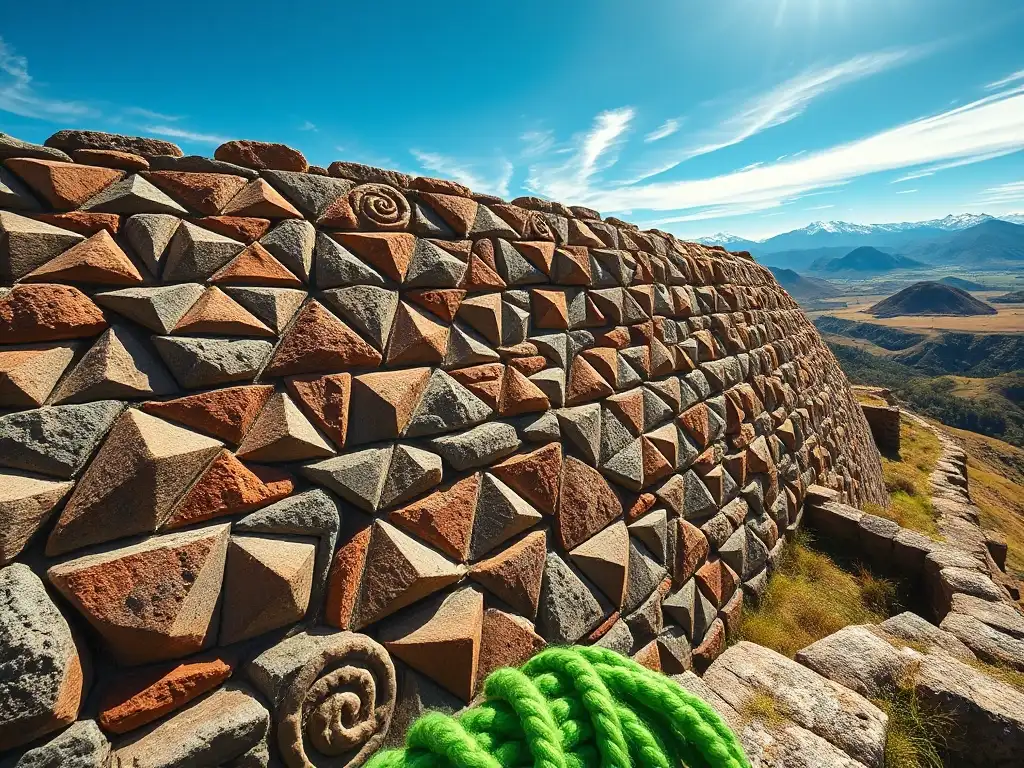
Unravel the mysteries woven into the vibrant tapestries of the Andes! Prepare to be captivated by the intricate world of Andean art motifs symbolism, where repeating patterns whisper secrets of ancient power and spirituality. Discover how seemingly simple designs held profound meaning for the Incas, Moche, and other remarkable Andean civilizations. Dive into a world of breathtaking artistry and unlock the hidden language of their iconic imagery – the answers are waiting within.
The vibrant tapestry of Andean art, spanning millennia and encompassing diverse cultures like the Inca, Moche, Nazca, and Tiahuanaco, is rich with symbolic meaning. Understanding this symbolism is key to unlocking a deeper appreciation of these ancient societies and their worldview. This article delves into a crucial aspect of Andean artistic expression: the pervasive use of repetition in motifs and patterns.
We will explore how the deliberate repetition of specific symbols within textiles, ceramics, and architecture wasn't merely decorative, but rather a powerful tool for conveying complex narratives, reinforcing social structures, and expressing spiritual beliefs. By examining the frequency and context of these repeated motifs, we can gain valuable insights into the beliefs, values, and social organization of these fascinating Andean civilizations.
This exploration will focus on how the repetition itself enhances the symbolic power of the motifs, transforming simple images into potent statements of cultural identity and cosmological understanding. We will analyze specific examples from different Andean cultures to demonstrate the diverse ways in which repetition functioned as a fundamental element of Andean art's symbolic language, ultimately contributing to our understanding of "Andean art motifs symbolism".
Understanding Andean Art: Repetitive Patterns and Their Significance
Andean art is characterized by a striking use of repetitive patterns and motifs. These aren't simply aesthetic choices; they are integral to the symbolic meaning embedded within the artwork. Consider, for example, the intricate textiles of the Inca. Repeated geometric designs, such as stepped frets, zigzags, and chevrons, were not randomly placed.
Each motif held a specific meaning, often related to cosmology, agriculture, or social hierarchy. The repetition of these motifs amplified their significance, creating a visual rhythm that reinforced their symbolic power. Furthermore, the meticulous execution of these repetitive patterns demonstrated the skill and dedication of the artisan, underscoring the importance of the artwork within the community.
This careful repetition served as a visual testament to the cultural values and beliefs being expressed. The frequency of a particular motif could even indicate its relative importance within the Andean worldview. For instance, the more frequently a symbol appeared, the more significant its meaning might have been.
The use of repetition wasn't limited to textiles. Ceramics from cultures like the Moche and Nazca also showcase a strong emphasis on repeated motifs. These motifs often depicted animals, plants, and mythical creatures, each with its own symbolic significance. The repeated depiction of these figures, particularly in contexts like funerary pottery, suggests that these symbols were believed to have power in the afterlife.
The repetition reinforced the desired outcome, whether it be protection, fertility, or a successful journey to the underworld. Archaeological evidence reveals that the placement and arrangement of these repetitive motifs were carefully considered, suggesting a deeper understanding of their symbolic power. These repetitive elements were not merely decorative; they were essential components of the artwork's overall meaning.
The Power of Repetition in Andean Visual Language
The repetition of symbols in Andean art functioned as a powerful visual language. It served to emphasize key concepts and beliefs, making them easily recognizable and memorable within the community. This visual reinforcement was crucial for transmitting cultural knowledge across generations and reinforcing social structures. Consider the repeated depiction of deities or ancestral figures in Andean art. This constant visual reminder served to reinforce their importance and authority within the society. The repetition wasn't just about visual impact; it was about embedding these figures firmly in the collective consciousness.
Furthermore, the repetition of geometric patterns often reflected the Andean understanding of the cosmos. These patterns, often mirroring the landscape or celestial bodies, served as a visual representation of their worldview. The repetition of these patterns in various contexts—from textiles to architecture—reinforced this cosmological understanding, connecting the everyday world to the sacred realm.
The meticulous replication of these patterns, often across vast surfaces, highlights the profound significance the Andean people attributed to these cosmic representations. The very act of repetition was a ritualistic reaffirmation of their beliefs and connection to the universe. The consistency and precision of the repetitive patterns further emphasize the importance and sacredness of these cosmological symbols.
This deliberate repetition in Andean art serves as a powerful testament to the enduring strength of their beliefs and cultural identity. The use of repetition, therefore, was not a stylistic choice but a fundamental aspect of Andean visual communication, a way to encode and transmit profound cultural and spiritual meaning.
Common Andean Motifs and Their Symbolic Meanings
Andean art is replete with recurring motifs, each carrying profound symbolic weight. Understanding these recurring images is crucial to deciphering the complex narratives and beliefs of these ancient cultures. The consistent repetition of these motifs isn't merely decorative; it reinforces their significance and underscores their importance within the Andean worldview.
The most prevalent motifs include stylized representations of animals (serpents, felines, birds), geometric shapes (triangles, stepped pyramids, spirals), and anthropomorphic figures. These motifs are not static; their meaning could shift subtly based on context, location, and the specific artistic style. For example, a serpent motif might represent fertility in one context and underworld forces in another.
Careful analysis of the surrounding elements and the overall composition is essential for a nuanced understanding of the symbolism. The deliberate repetition of these motifs strengthens their symbolic power, emphasizing their central role in Andean cosmology and belief systems. This repetition also highlights the interconnectedness of different aspects of Andean life, from the natural world to the spiritual realm.
The Serpent Motif: Repetition and Transformation in Andean Iconography
The serpent, a symbol of transformation and renewal, frequently appears in Andean art. Its repeated depiction often signifies the cyclical nature of life, death, and rebirth, mirroring the Andean understanding of the cosmos. The serpent's ability to shed its skin symbolizes the constant renewal of the earth and its resources.
In some contexts, multiple serpents intertwined represent the interconnectedness of different aspects of the natural world or the cyclical flow of time. The Moche culture, for instance, frequently depicted serpents in their ceramics, often associated with water sources and agricultural fertility. The repetition of the serpent motif in these contexts reinforces its connection to life-giving forces and the cyclical nature of Andean agriculture.
The size and positioning of the serpent within the artwork can also subtly alter its meaning. Larger, more prominently displayed serpents might represent powerful deities or ancestral spirits, while smaller, less prominent ones may represent lesser forces or aspects of nature.
The Feline Motif: Power and Repetition in Andean Art
Feline imagery, particularly that of the puma, holds a prominent position in Andean iconography. Repeated depictions of pumas and other felines frequently symbolize power, strength, and control, often representing rulers or deities. The puma, in particular, was associated with both earthly and spiritual power, acting as a mediator between the two realms. The repetition of feline motifs, particularly in textiles and ceramics, reinforces this idea of power and authority.
The style of the feline depiction can also vary, with certain stylistic choices suggesting different levels of power or different aspects of the feline's symbolism. For example, a stylized puma with exaggerated features might represent a powerful deity, while a more naturalistic depiction might represent a specific animal or a more earthly aspect of power. The consistent use of feline imagery across diverse Andean cultures highlights its importance as a symbol of power and authority.
The Bird Motif: Repetition and Spiritual Significance in Andean Cultures
Birds, especially condors and hummingbirds, frequently appear in Andean art, often representing spiritual connection and communication with the divine. The condor, for example, was often associated with the sun and the upper world, representing the power of the sky and the high altitude. The hummingbird, with its swift movements and bright colours, was often associated with messengers of the gods, capable of bridging the gap between the earthly and spiritual realms.
The repetitive use of bird imagery in textiles, ceramics, and metalwork reinforces their connection to the spiritual world and the Andean belief in a vibrant afterlife. Different bird species carried different symbolic meanings, reflecting the diversity of the Andean ecosystem and the spiritual significance attributed to the natural world. The repetition of these motifs highlights the importance of these creatures as intermediaries between the human and spiritual worlds.
Geometric Shapes: Repetitive Patterns in Andean Art and Their Cosmic Meanings
Geometric shapes are another prominent feature of Andean art, with repetitive patterns conveying complex cosmic meanings. Triangles, stepped pyramids, and spirals are frequently found in textiles, ceramics, and stone carvings. These shapes often represent the Andean understanding of the cosmos, with triangles symbolizing mountains and the connection between the earthly and spiritual realms. Stepped pyramids often represent the layers of the cosmos, while spirals symbolize the cyclical nature of time and the universe.
The repetition of these geometric patterns reinforces their cosmic significance and emphasizes the Andean worldview. The precise arrangement and combination of these shapes can significantly influence their meaning, leading to intricate and nuanced interpretations. The intricate and often repetitive nature of these patterns suggests a deep understanding of mathematics and geometry, reflecting a sophisticated knowledge system.
Repetition as a Tool for Storytelling in Andean Art
The repetition of motifs in Andean art isn't just symbolic; it's a crucial tool for storytelling. By repeating key figures and symbols, Andean artists created visual narratives that conveyed complex stories and beliefs. The repetition acts as a visual emphasis, highlighting the central themes and characters of the narrative. This technique allowed artists to communicate complex ideas effectively, even without a written language.
Repeating Motifs to Convey Narratives: Examples from the Moche Culture
The Moche culture is a prime example of this storytelling technique. Their pottery often features elaborate scenes depicting battles, rituals, and mythological narratives. The repetition of key figures and symbols within these scenes helps to clarify the narrative and emphasize its central themes. For instance, the repeated depiction of specific warriors or deities highlights their importance in the story, while the repetition of certain actions or events emphasizes their significance. The Moche's use of repetition wasn't arbitrary; it was a carefully considered artistic choice intended to enhance the narrative's impact and memorability.
The Use of Repetition to Emphasize Key Themes in Andean Art
Throughout Andean art, repetition is used strategically to emphasize key themes and beliefs. The repeated depiction of specific motifs, such as the serpent or the feline, reinforces their symbolic significance and underscores their importance within the Andean worldview. This repetitive emphasis helps to solidify these themes in the viewer's mind and makes the underlying message clear and memorable. The consistent use of these motifs across different artistic styles and mediums further strengthens their symbolic power and their cultural importance.
Repetition and Ritual: How Motifs Were Repeated in Andean Ceremonies
Repetition wasn't limited to visual art; it was also a central feature of Andean ceremonies and rituals. The repeated performance of specific actions, the chanting of specific phrases, and the use of repeated symbols all reinforced the power and significance of the ritual. These repeated actions helped to create a sense of community and shared experience, strengthening the bonds between participants and reinforcing the cultural beliefs being enacted.
The repetition of specific motifs in ceremonial objects also mirrored and amplified the actions and themes of the ritual itself. The connection between visual repetition in art and ritualistic repetition further illustrates the importance of repetition in Andean culture.
Analyzing Specific Examples of Repetitive Motifs in Andean Art
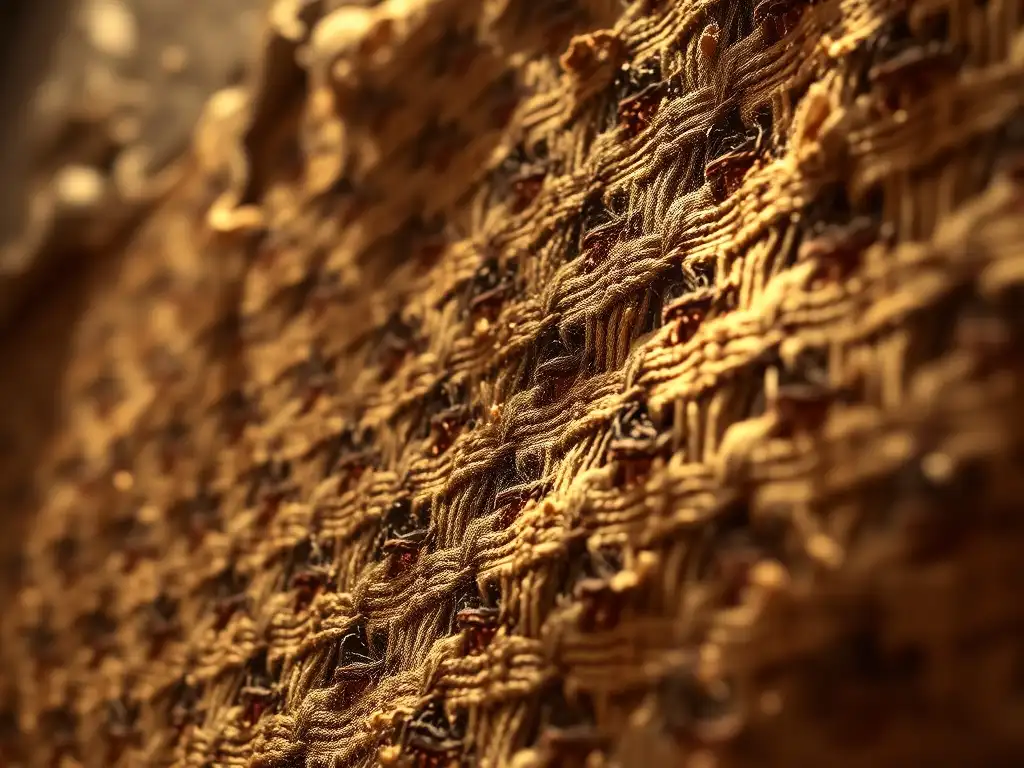
The power of repetition in Andean art isn't merely aesthetic; it's deeply symbolic. By analyzing specific examples, we can unravel the layers of meaning embedded within these seemingly simple patterns. The consistent recurrence of motifs underscores their importance within the cultural context, reinforcing their symbolic weight and conveying a sense of continuity and permanence.
This repetition isn't random; it's a deliberate artistic choice that speaks volumes about the beliefs and values of the Andean civilizations. Understanding this intentional repetition is key to unlocking a deeper understanding of Andean art and its symbolism. The deliberate and consistent use of these motifs highlights their significance, acting as visual anchors that connect different aspects of Andean life and belief.
Case Study 1: Repetitive Patterns in Paracas Textiles
Paracas textiles, renowned for their intricate designs and vibrant colors, are prime examples of the use of repetitive motifs in Andean art. The textiles, often featuring complex geometric patterns and stylized figures, frequently employ repetition to emphasize key symbols. For instance, the repeated depiction of stylized birds, feline figures, or geometric designs like stepped frets or zigzags might represent cyclical processes, celestial events, or shamanic journeys.
The meticulous repetition in weaving techniques, such as the intricate tapestry and embroidery, further highlights the symbolic importance of these motifs. The sheer time and effort invested in repeating these patterns underscores their sacred significance within Paracas culture. Analysis of individual motifs and their placement within the overall textile design reveals deeper layers of meaning, often referencing cosmological concepts or social hierarchies.
Case Study 2: Repetitive Motifs in Nazca Ceramics
Nazca pottery is equally rich in repetitive motifs. The iconic Nazca lines, though not directly on the pottery itself, are mirrored in the repetitive patterns found on their ceramics. We often see repeated depictions of stylized plants, animals (especially birds and felines), and geometric designs. These repetitive elements aren't just decorative; they frequently appear in specific combinations that suggest complex narratives or symbolic associations.
For example, the repeated depiction of a specific bird species alongside a particular geometric pattern might represent a specific deity or a cosmological event. Studies of Nazca ceramic styles across different time periods show how these repetitive motifs evolved, reflecting changes in beliefs and practices. The continued use of certain motifs across generations highlights their enduring cultural significance. The meticulous detail and consistent application of these motifs in the creation of the ceramics further emphasize their symbolic importance.
Case Study 3: Repetition in Inca Architectural Design
While less overtly pictorial than textiles or ceramics, Inca architecture also utilizes repetition to powerful effect. The repeated use of specific architectural elements, such as trapezoidal doorways, niches, and intricate stonework, creates a sense of unity and order. This repetition isn't just aesthetic; it reflects the Inca worldview, emphasizing the importance of balance, harmony, and cosmic order.
The precise placement and repetition of these elements in Inca structures like Machu Picchu or Sacsayhuamán reinforce their symbolic meaning. The meticulous craftsmanship and consistent application of these architectural features across diverse structures highlight their fundamental role in Inca society and belief. Further research into the precise measurements and alignments of these repeated elements could reveal further insights into Inca cosmology and engineering.
The Cultural Context of Repetitive Motifs: Interpreting Andean Art Symbols
Understanding the cultural context is crucial for interpreting the symbolism embedded within these repetitive motifs. The seemingly simple repetition of a design holds deeper meanings that resonate with the beliefs, rituals, and social structures of the Andean civilizations. Ignoring this context risks reducing the art to mere decoration, neglecting the rich tapestry of symbolism woven into its fabric. A holistic approach, considering the social, religious, and cosmological aspects of Andean culture, is essential for accurate interpretation.
How Andean Beliefs Shaped the Repetitive Patterns in Their Art
Andean beliefs, deeply rooted in nature worship and a complex cosmology, profoundly influenced the repetitive patterns in their art. The cyclical nature of agriculture, the movements of celestial bodies, and the importance of ancestor veneration all found expression in these repetitive motifs. The repetition itself often symbolized the cyclical nature of life, death, and rebirth, reflecting the Andean understanding of the interconnectedness of the cosmos and the human world.
The use of specific colors and materials further enhanced the symbolic meaning of these repetitive patterns, tying them to specific deities, rituals, or cosmological events. Detailed studies of Andean mythology and religious practices reveal the profound connection between their beliefs and the visual language of their art.
Repetitive Motifs and Their Connection to Andean Cosmology
The connection between repetitive motifs and Andean cosmology is undeniable. Many motifs directly represent celestial bodies, constellations, or mythological beings associated with the Andean worldview. The repetition of these motifs reinforces their cosmological significance, highlighting their role in the Andean understanding of the universe.
The precise arrangement and combination of these repeated elements might reveal deeper layers of meaning, pointing to specific cosmological narratives or beliefs. Further research into the astronomical alignments of Andean sites and the symbolic meaning of constellations sheds light on the connection between the motifs and the broader Andean cosmological system. The consistent use of these motifs across diverse artistic media highlights their enduring cosmological significance.
The Role of Repetition in Andean Religious Practices and Symbolism
Repetitive motifs played a significant role in Andean religious practices. These motifs were not merely decorative; they were integral to rituals, ceremonies, and shamanic practices. The repetition of specific symbols on textiles, pottery, or architecture might have served to activate their magical or spiritual power. The use of repetitive patterns in funerary contexts suggests their importance in the Andean understanding of the afterlife.
Analyzing the context in which these motifs appear—whether in temples, tombs, or everyday objects—provides crucial insights into their religious significance. Further research into Andean religious texts and archaeological findings would reveal a more complete picture of the role of repetition in their religious beliefs and practices. The consistent appearance of specific repetitive motifs across different religious contexts underscores their central role in Andean religious life.
The Lasting Legacy of Repetitive Motifs in Andean Art
The persistent use of repetitive motifs in Andean art wasn't merely a stylistic choice; it held profound symbolic and cultural significance. These repeated patterns, often intricate and meticulously crafted, served as powerful visual narratives, conveying complex messages about cosmology, social structures, and the relationship between humans and the natural world. The repetition itself amplified the meaning, reinforcing the importance of the depicted symbols.
For example, the repeated depiction of jaguars in Moche pottery not only emphasized the animal's power and importance in their worldview but also potentially signified concepts like rulership, fertility, and the cyclical nature of life and death. The consistent use of these motifs across different mediums—pottery, textiles, architecture—further cemented their significance, creating a cohesive and recognizable visual language across vast geographical areas and time periods.
This visual consistency fostered a sense of shared cultural identity and understanding among diverse Andean communities. The enduring power of these repetitive motifs is evident in their continued presence in modern interpretations of Andean art and culture.
Influence of Andean Art Repetition on Modern Artistic Expressions
The impact of repetitive motifs in Andean art extends far beyond its historical context. Contemporary artists continue to draw inspiration from these ancient patterns, incorporating them into their own works to explore themes of identity, heritage, and cultural continuity. The repetition inherent in these designs acts as a powerful tool, allowing artists to explore concepts of rhythm, texture, and visual impact.
We see echoes of Andean repetitive motifs in textiles, ceramics, and even digital art, demonstrating the timeless appeal and adaptability of these ancient visual languages. For instance, contemporary Peruvian artists often incorporate traditional Andean patterns into their work, blending ancient techniques with modern aesthetics to create visually stunning and culturally resonant pieces.
This demonstrates the enduring relevance of Andean art motifs and their capacity to inspire creativity across generations and artistic mediums. The use of repetition in modern art often serves as a commentary on globalization and the preservation of cultural heritage in a rapidly changing world.
Understanding the Enduring Significance of Andean Motifs Through Repetition
The repetition of motifs in Andean art wasn't arbitrary; it was a deliberate strategy to convey meaning and reinforce cultural values. Scholars continue to unravel the complex symbolism embedded within these patterns, using a combination of archaeological evidence, ethnographic studies, and art historical analysis. Understanding the significance of these repeated elements requires careful consideration of the context in which they appear—the specific artifact, its location, and its associated cultural practices.
For example, the repeated depiction of stylized birds in Nazca lines might represent a connection to the spirit world or celestial bodies, reflecting their sophisticated astronomical knowledge. Similarly, the repetitive use of geometric designs in Inca textiles could encode social status, clan affiliation, or specific rituals.
By understanding the repetition as a key element of communication, we gain a deeper appreciation for the richness and complexity of Andean art and its ability to convey profound cultural narratives across time and space. Further research is crucial to fully unlock the secrets held within these captivating repeated motifs.
Preserving and Interpreting Andean Art Motifs for Future Generations
The preservation and interpretation of Andean art motifs are crucial for safeguarding cultural heritage and fostering a deeper understanding of these ancient civilizations. Efforts to preserve these motifs involve meticulous documentation, careful conservation of artifacts, and the development of educational programs that promote awareness and appreciation of Andean art. Museums and cultural institutions play a vital role in this process, exhibiting artifacts, conducting research, and making this knowledge accessible to the public.
Digital technologies, such as high-resolution imaging and 3D modeling, offer new opportunities for preserving and disseminating information about Andean art motifs, making them available to a wider audience. The ongoing interpretation of these motifs requires a collaborative approach, bringing together archaeologists, art historians, anthropologists, and community members to ensure a holistic and culturally sensitive understanding.
This collaborative approach is essential to avoid misinterpretations and to ensure that the voices and perspectives of indigenous communities are central to the process of preserving and sharing their rich cultural heritage. The future of Andean art motif preservation hinges on continued research, collaboration, and a commitment to sharing these invaluable pieces of history with the world.
- Understanding Andean Art: Repetitive Patterns and Their Significance
- The Power of Repetition in Andean Visual Language
- Common Andean Motifs and Their Symbolic Meanings
- Repetition as a Tool for Storytelling in Andean Art
- Analyzing Specific Examples of Repetitive Motifs in Andean Art
- The Cultural Context of Repetitive Motifs: Interpreting Andean Art Symbols
- The Lasting Legacy of Repetitive Motifs in Andean Art
Frequently Asked Questions
What are Andean art motifs?
Andean art motifs are recurring visual designs found in the art of ancient Andean civilizations. These motifs include geometric shapes, stylized animals, and human figures, often carrying symbolic meaning. They appear across various art forms, from textiles to pottery.
What is the significance of repetition in Andean art?
Repetition of motifs in Andean art wasn't merely decorative; it held deep symbolic importance. Repeating a motif could emphasize its power or meaning, reinforcing its connection to the spiritual or social world. It also showcased the artist's skill and mastery.
What are some common symbols found in Andean art motifs?
Common symbols include the condor, representing power and strength; the puma, symbolizing the earthly realm; and serpents, often associated with water and fertility. Geometric shapes like triangles and stepped pyramids also carry significant meaning.
How did Andean artists use symbolism in their work?
Andean artists skillfully integrated symbolism into every aspect of their art. The choice of colors, the arrangement of motifs, and even the materials used all contributed to the overall meaning and message conveyed. Context was crucial to understanding the symbolism.
Where can I learn more about Andean art motifs and their symbolism?
To delve deeper into Andean art motifs and their symbolism, explore museums with Andean collections, academic journals, and reputable online resources. Books specializing in Andean art history and iconography are excellent starting points.
Final Reflection: Echoes of the Andes: Enduring Symbolism in Andean Art
The enduring power of Andean art motifs resonates deeply with contemporary society, offering a powerful lens through which to understand the complexities of cultural identity and resilience. These intricate designs, passed down through generations, are not mere decorations; they are living narratives, whispering stories of ancient beliefs, social structures, and the profound connection between humanity and the natural world. Their continued presence in modern art and design speaks volumes about their timeless appeal and enduring significance.
The exploration of Andean art motifs has profoundly impacted my understanding of the relationship between art and spirituality. The meticulous detail and symbolic layering within these designs reveal a deep-seated reverence for the cosmos and a sophisticated understanding of the interconnectedness of all things. Art washes away from the soul the dust of everyday life.
– Pablo Picasso. This quote, while not directly about Andean art, perfectly encapsulates the transformative power of these ancient motifs, their ability to transport us beyond the mundane and connect us to something larger than ourselves. Their continued use in contemporary Andean communities underscores their vital role in maintaining cultural heritage and identity.
Consider the intricate weaving patterns, the vibrant colors, the carefully chosen symbols – each element speaks to a rich history and a vibrant cultural legacy. You, the reader, are now invited to look at the world with a new perspective, noticing the subtle symbols and patterns that surround you. Seek out the stories embedded within the art you encounter, and allow yourself to be moved by the enduring power of human creativity and the timeless beauty of cultural expression. Let the echoes of the Andes inspire you to explore the rich tapestry of symbolism that shapes our world.
Unveil the Power of Repetition in Andean Art!
Thank you for exploring the fascinating world of Andean art motifs with us! We hope you've discovered the profound significance of repetition as a powerful symbolic element within this rich cultural tapestry. Let's build on this knowledge and deepen your connection with Andean artistry.
Here's how you can continue your journey:
- Dive Deeper: Visit a local museum or explore online galleries showcasing Andean art to experience these motifs firsthand.
- Share Your Insights: Discuss your newfound understanding of the symbolism of repetition in Andean culture with friends, family, or online communities.
- Create Your Own Motif: Experiment with creating artwork inspired by the repeated patterns you've discovered, expressing your own interpretation of their meaning.
We'd love to hear your thoughts! Which motif resonates most strongly with you, and how might you incorporate its essence into your own creative work?