
A Land of Contrasts: How the Spanish Perceived the Diversity of Andean Societies

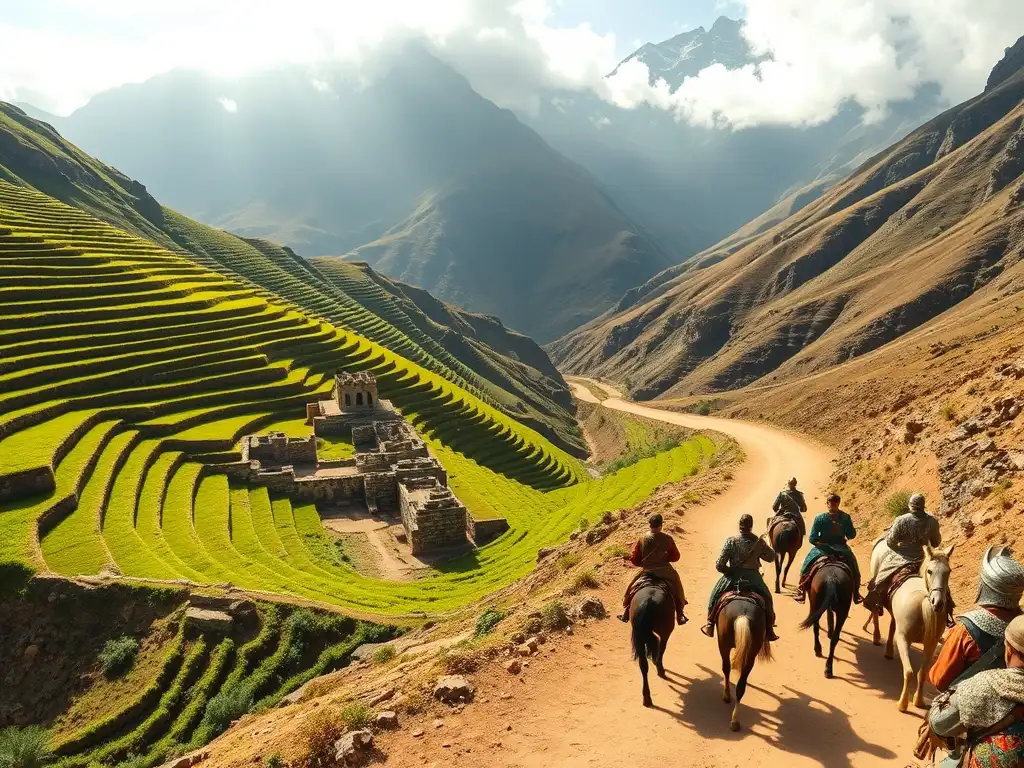
Step into a world lost to time, yet echoing through the ages. Imagine a landscape sculpted by empires, where the sun-drenched peaks of the Andes held the secrets of sophisticated civilizations. This is the realm of the Incas, Moche, Nazca, and Tiahuanaco – and much more. But what happened when these vibrant societies collided with the Spanish conquistadors? Our exploration of the Spanish perception of Andean civilizations reveals a fascinating – and often contradictory – story, one that challenges preconceptions and unveils the true complexity of a vanished world. Dare to uncover the truth behind the myths.
The arrival of the Spanish in the Andes marked a pivotal moment in the history of South America, irrevocably altering the course of Andean civilizations. This encounter, however, wasn't a simple clash of two monolithic cultures. The Spanish encountered a diverse tapestry of societies, each with its unique customs, beliefs, and political structures.
This article explores how the Spanish perceived this multifaceted reality, focusing on their initial impressions and how those perceptions, often shaped by preconceived notions and biases, influenced their actions and ultimately, the fate of the Andean world. We will examine the Spanish perspective on the Inca Empire, highlighting both their accurate observations and their significant misunderstandings, revealing a complex interplay between cultural contact, misinterpretation, and the power dynamics inherent in colonial encounters. Understanding the Spanish perception of Andean civilizations is crucial to grasping the full scope of the conquest and its lasting legacy.
This analysis will delve into the Spanish chronicles and accounts to illuminate the nuances of this historical interaction, revealing a fascinating, and often troubling, picture of cultural exchange and subjugation. The keyword "Spanish perception of Andean civilizations" will be explored throughout, showing the multifaceted nature of their viewpoints.
Initial Encounters: The First Spanish Impressions of Andean Culture
The initial encounters between the Spanish conquistadors and the various Andean societies were marked by a mixture of awe and bewilderment. Chroniclers describe cities of impressive scale and artistry, sophisticated agricultural techniques, and a complex social hierarchy. However, these early impressions were often filtered through the lens of European cultural norms and expectations.
The Spanish, accustomed to feudal societies in Europe, struggled to fully comprehend the nuances of Andean political structures, often misinterpreting them through the framework of their own societal models. For example, the concept of a divine emperor, like the Inca Sapa Inca, was initially met with a mixture of fascination and suspicion, as it differed significantly from the European understanding of kingship. The Spanish were also struck by the abundance of gold and silver, fueling their insatiable greed and ultimately driving the conquest.
Early accounts often highlight the perceived opulence and sophistication of the Andean civilizations, juxtaposing it with their own preconceived notions of "civilization" and "barbarism." This initial phase of cultural contact laid the groundwork for the subsequent interpretations and misinterpretations that would shape the Spanish conquest.
The Inca Empire Through Spanish Eyes: Unity and Complexity
The Inca Empire, at the time of the Spanish arrival, presented a unique challenge to Spanish comprehension. While the Spanish recognized the empire's vast territorial extent and impressive organizational capabilities, their understanding of its internal dynamics remained incomplete. The Inca Empire, far from being a monolithic entity, was composed of diverse ethnic groups, each with their own traditions and languages, incorporated into a complex system of control and administration.
Spanish Observations on Inca Administration and Social Structure
The Spanish chroniclers documented the Inca system of administration, noting its intricate network of roads, messengers (chasquis), and administrative centers. They observed the strict social hierarchy, with the Sapa Inca at its apex, and the division of society into distinct groups. However, the Spanish often interpreted this structure through the lens of feudalism, failing to fully grasp the nuances of Inca social organization, which differed significantly from the European model.
They saw parallels, but frequently missed the crucial distinctions. For example, while recognizing the importance of ayllu communities, their understanding of the reciprocal obligations and communal land ownership within these structures was limited. [Specific information pending] on the extent of Spanish understanding of the mit'a system, a form of labor tribute.
The Spanish View of Inca Religion and Rituals
Inca religion, with its pantheon of gods, elaborate rituals, and human sacrifice, presented a significant challenge to the Spanish worldview. The Spanish, deeply rooted in their Catholic faith, viewed Inca religious practices with suspicion and hostility. Human sacrifice, in particular, was seen as barbaric and abhorrent, further fueling their determination to convert the Inca population to Christianity. They struggled to comprehend the complex cosmology and spiritual beliefs of the Inca, often interpreting them through the lens of their own theological framework.
Detailed accounts of specific rituals and ceremonies are available, but their interpretations were heavily influenced by the Spanish biases. [Specific data on interpretations of specific Inca rituals pending]. The contrasting views of religious practices fueled many conflicts.
Misunderstandings of Inca Technology and Agriculture
The Spanish were impressed by Inca agricultural techniques, particularly terracing, which allowed for efficient farming in mountainous terrain. However, their understanding of the underlying principles and sophisticated knowledge involved was limited. Similarly, while acknowledging the Inca's mastery of metallurgy and stonework, the Spanish often failed to appreciate the technical expertise and intricate processes involved in creating such magnificent structures as Machu Picchu. They focused more on the readily apparent aspects like the use of gold and silver, while neglecting the broader context of Inca engineering and technological advancements.
The Spanish often attributed Inca achievements to supernatural forces rather than recognizing the underlying scientific and engineering principles. [Further data needed on specific examples of technological misunderstandings]. The lack of a complete understanding hampered the colonial projects.
Beyond the Inca: Recognizing the Variety of Andean Peoples
The Spanish conquest of the Andes wasn't a simple clash between two monolithic entities. The Spanish encountered a complex tapestry of diverse Andean societies, each with its unique social structures, political systems, and cultural practices. While the Inca Empire dominated a significant portion of the Andes at the time of contact, numerous other powerful and independent groups existed, often possessing sophisticated technologies and complex belief systems.
The Spanish chroniclers, initially focused on the Inca, gradually came to recognize this diversity, though their understanding was often limited by their own biases and preconceptions. Their initial accounts often focused on the Inca, portraying them as the dominant power, oversimplifying the intricate political landscape and overlooking the significant contributions of other Andean civilizations. This initial lack of understanding would have significant repercussions in the years to come, shaping the policies and practices of colonial rule.
The Spanish gradually came to understand that the Andean world was far more complex than they initially believed, leading to a more nuanced—though still often biased—view of the region's peoples. The sheer variety of clothing, agricultural practices, and social hierarchies presented a challenge to the Spanish, who struggled to reconcile their observations with their own European frameworks.
Spanish Accounts of Coastal Societies and Their Customs
Coastal societies, such as the Chimú and the Moche, presented a stark contrast to the highland Inca. Spanish accounts often described their sophisticated irrigation systems, elaborate metalwork, and impressive urban centers. These coastal cultures, with their distinct artistic styles and religious practices, challenged the Spanish perception of Andean uniformity.
Chroniclers noted the intricate details of Moche pottery, depicting scenes of daily life and religious rituals, showcasing a level of artistic sophistication that impressed even the conquistadors. The Chimú's advanced urban planning, reflected in the layout of their capital city of Chan Chan, also stood out in Spanish accounts.
However, these descriptions were often interwoven with interpretations shaped by European biases, with attempts to categorize these customs within a familiar framework, sometimes leading to misinterpretations or a failure to fully grasp the nuances of coastal Andean culture. The Spanish often focused on aspects that aligned with their own cultural values while overlooking or downplaying others.
Perceptions of Highland Groups and Their Unique Traditions
Beyond the Inca and the coastal societies, the Andes were home to numerous highland groups, each with its own unique traditions and customs. Spanish accounts reveal a fragmented understanding of these diverse populations, often grouped together under broad categories that obscured their individual identities. These groups, while often less centralized than the Inca, possessed sophisticated agricultural techniques adapted to the challenging high-altitude environment, along with unique religious beliefs and social structures.
The Spanish often struggled to comprehend the intricate system of reciprocity and communal labor that characterized many highland communities, interpreting them through the lens of their own individualistic societal values. Their accounts, therefore, often lacked the depth and detail necessary to fully capture the richness and complexity of these highland cultures. The Spanish often emphasized the differences between these groups and the Inca, highlighting the perceived “backwardness” of certain communities in comparison to the Inca’s more centralized structure.
The Spanish Struggle to Classify Diverse Andean Languages
The linguistic diversity of the Andes presented a significant challenge to the Spanish. The Inca Empire itself encompassed a multitude of languages, and beyond the Inca realm, the linguistic landscape was even more varied. The Spanish struggled to classify and understand this complexity, often grouping unrelated languages together or failing to appreciate the subtle nuances within language families.
Their attempts to impose Spanish as the dominant language led to the suppression of indigenous tongues and the loss of invaluable cultural knowledge embedded within them. The lack of systematic linguistic study during the early colonial period resulted in a significant loss of information about Andean languages and their evolution.
This linguistic confusion further complicated the Spanish understanding of Andean societies, hindering their ability to fully grasp the cultural and social structures that were deeply intertwined with language. The incomplete linguistic record left by the Spanish greatly hampered future research into the linguistic diversity of the pre-Columbian Andes.
The Impact of Spanish Preconceptions on Their Understanding
The Spanish perception of Andean civilizations was profoundly shaped by their own cultural biases and preconceptions. Their worldview, grounded in European norms and values, heavily influenced how they interpreted the unfamiliar customs and beliefs they encountered in the Andes. This led to both misinterpretations and a failure to fully appreciate the sophistication of Andean societies.
The Spanish, accustomed to a hierarchical social structure centered around a powerful monarchy, often struggled to understand the more decentralized political systems of many Andean groups. Their religious beliefs, deeply rooted in Catholicism, also heavily colored their perceptions of Andean spirituality, often leading to the dismissal or demonization of indigenous religious practices.
How Spanish Colonial Mindsets Shaped Their Interpretations
The Spanish colonial mindset, characterized by a sense of superiority and a desire to impose their own culture and values, significantly impacted their interpretations of Andean societies. The belief in the inherent inferiority of indigenous populations fueled a tendency to portray Andean cultures as “primitive” or “uncivilized,” even in the face of overwhelming evidence to the contrary. This ethnocentric perspective led to a systematic devaluation of Andean achievements in areas such as agriculture, engineering, and art, often minimizing or ignoring their complexity and sophistication.
The desire to justify the conquest and colonization of the Andes further influenced the Spanish narrative, creating a biased account that served to legitimize their actions. This inherent bias permeated the official records, shaping the historical narrative for centuries to come.
The Role of Religious Bias in the Spanish Perception of Andean Beliefs
Religious bias played a crucial role in shaping the Spanish perception of Andean beliefs. The Spanish, deeply committed to Catholicism, viewed Andean religious practices as pagan and idolatrous. They often interpreted Andean deities and rituals through the lens of their own religious framework, leading to misunderstandings and misrepresentations. The destruction of Andean temples and the suppression of religious practices were justified by the Spanish as a necessary step in the conversion of the indigenous population to Christianity.
This religious intolerance resulted in the loss of invaluable knowledge about Andean cosmology, mythology, and spirituality. The Spanish accounts frequently focused on the perceived "superficial" aspects of Andean religion, missing the deeper philosophical and social significance of these practices. The systematic destruction of religious sites and artifacts constitutes a significant loss for our understanding of Andean civilizations.
The Distortion of Andean History Through Spanish Chronicles
Spanish chronicles, while providing valuable insights into the Andean world, are often characterized by bias and distortion. The accounts written by conquistadors and other colonial officials frequently served to legitimize the conquest and solidify Spanish control over the region. These chronicles often exaggerated the power of the Inca Empire while downplaying the agency and resilience of other Andean societies. The Spanish accounts frequently presented a simplified and often inaccurate picture of Andean history, shaping the dominant narrative for centuries.
The selective presentation of information and the deliberate omission of certain facts contributed to a distorted understanding of the Andean past. Later historical interpretations have had to grapple with the biases embedded in these primary sources, seeking to reconstruct a more accurate and nuanced picture of Andean history. The task of disentangling fact from fiction in these chronicles remains a significant challenge for historians today.
Spanish Views on Andean Art, Architecture, and Craftsmanship
The Appreciation and Misinterpretation of Andean Art Forms
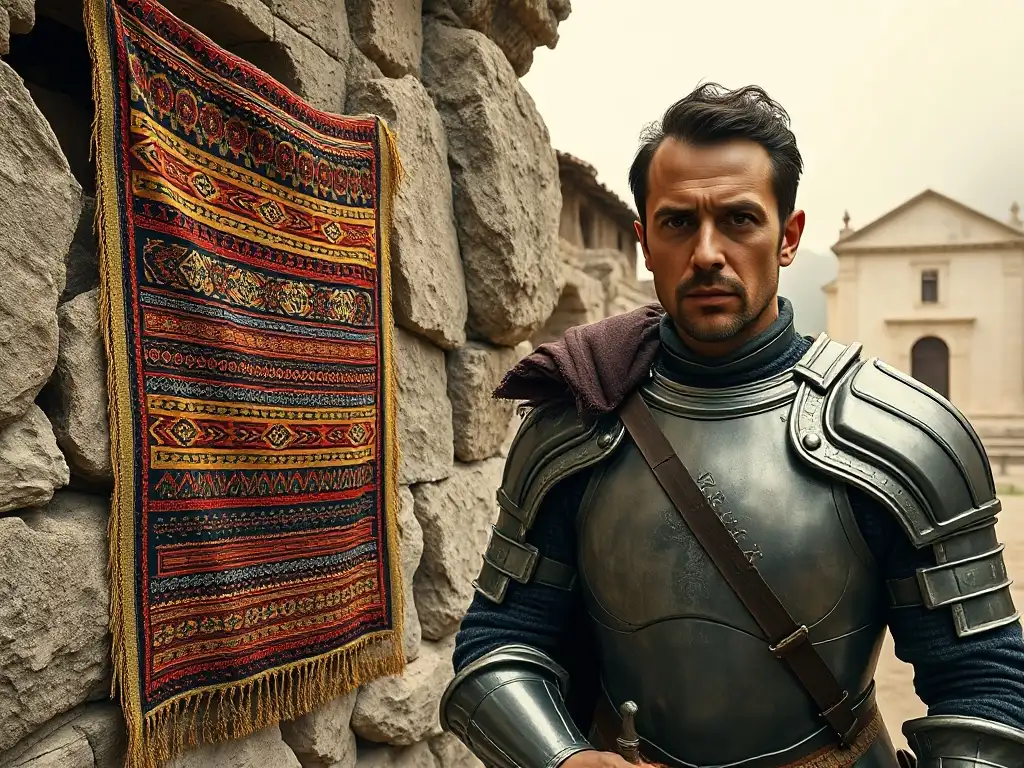
Spanish chroniclers, while often driven by a desire to categorize and judge Andean art through a European lens, nonetheless recorded a fascination with its unique forms. They described the vibrant colors of Nazca pottery, noting its intricate designs and depictions of daily life and mythical creatures.
However, their interpretations were often limited by their own cultural understanding. For instance, the symbolic meaning behind many Andean art forms, such as the Moche's elaborate gold and silver work, was often lost in translation, leading to misinterpretations and a focus on the material value rather than the spiritual significance.
The intricate weaving techniques and the complex iconography of textiles, for example, were admired for their technical skill, yet the narratives embedded within these textiles remained largely undeciphered until much later scholarly work. The Spanish often viewed these artifacts through a prism of religious symbolism familiar to them, neglecting the unique cosmological perspectives embedded within Andean art.
Spanish Descriptions of Andean Architectural Marvels
The monumental architecture of the Andes, particularly the Inca stonework, captivated the Spanish conquistadors. They marveled at the precision of the Inca's construction, the seamless fit of stones in structures like Machu Picchu and Sacsayhuamán, often describing it as "miraculous" or "unnatural."
However, their accounts often lacked a deep understanding of the engineering principles involved. While they noted the scale and grandeur of the structures, the sophisticated knowledge of astronomy, engineering and social organization reflected in the design was often overlooked in favor of attributing the achievements to either divine intervention or the exploitation of a vast workforce.
The Spanish chroniclers frequently focused on the practical aspects of the buildings — their defensive capabilities or their suitability for royal residences — rather than their broader social and religious significance within Andean societies. Descriptions of Tiahuanaco's monumental structures, for example, often focused on their imposing size rather than their complex religious and social functions.
The Spanish Perspective on Andean Textiles and Metalwork
Spanish accounts frequently highlighted the advanced textile production and metalworking skills of Andean societies. They noted the fine quality of Inca textiles, the intricate designs, and the use of diverse materials like alpaca and vicuña wool. Similarly, the Spanish were impressed by the sophisticated metalworking techniques, particularly the Inca's mastery of gold and silver, documenting the creation of elaborate jewelry and ceremonial objects.
These descriptions, however, often lacked a nuanced understanding of the social and economic roles of these crafts. While acknowledging the technical skill involved, they failed to fully grasp the social status associated with certain textiles or the complex ritual practices connected to the use of precious metals. The Spanish often focused on the economic potential of these crafts, viewing them as sources of wealth to be exploited rather than as integral parts of Andean social and spiritual life.
The Legacy of Spanish Perceptions: Shaping Our Understanding of the Andes
How Colonial Accounts Influence Modern Interpretations
Spanish colonial accounts, despite their biases and limitations, remain a crucial source of information for understanding Andean civilizations. These chronicles, often written by conquistadors, missionaries, and other officials, provide invaluable insights into the social structures, political systems, and religious beliefs of the Andean peoples. However, it's essential to approach these sources critically, acknowledging the inherent biases and perspectives of the authors.
The Spanish worldview, shaped by their own cultural context and their colonial agenda, inevitably influenced their observations and interpretations of Andean societies. Their accounts often reflected a Eurocentric bias, judging Andean practices and beliefs against European standards. Modern historians must therefore carefully analyze these accounts, considering the context in which they were written and comparing them with other available sources, including archaeological evidence and indigenous oral traditions.
The Ongoing Debate About the Accuracy of Spanish Records
The accuracy and reliability of Spanish colonial records are a subject of ongoing scholarly debate. Some scholars argue that these accounts provide a relatively accurate, albeit incomplete, picture of Andean societies, while others emphasize the limitations and biases inherent in these sources. The debate often centers on the question of whether the Spanish intentionally distorted or misrepresented their observations to serve their own political and economic interests.
The inherent power imbalance between the Spanish conquerors and the Andean populations inevitably shaped the nature of the information recorded. Moreover, the limitations of the Spanish language and their lack of understanding of the Quechua language and other Andean languages contributed to misinterpretations and inaccuracies. Reconciling these disparate perspectives requires a multi-faceted approach, integrating archaeological findings, linguistic analysis, and a careful contextualization of the Spanish accounts.
Moving Beyond Spanish Bias: Towards a More Nuanced View of Andean Societies
To achieve a more comprehensive and nuanced understanding of Andean civilizations, it is crucial to move beyond a reliance solely on Spanish colonial accounts. Scholars are increasingly incorporating indigenous perspectives, drawing on archaeological evidence, linguistic studies, and ethnohistorical research to counterbalance the Eurocentric biases present in the Spanish chronicles. This involves examining pre-Columbian Andean art, architecture, and technology on their own terms, without imposing external frameworks of interpretation.
It also requires engaging with indigenous oral traditions and reinterpreting the available historical records through a decolonial lens, recognizing the power dynamics and inherent biases that shaped the creation and transmission of knowledge. This ongoing process of reevaluation is essential for constructing a more accurate and respectful representation of the rich and complex history of Andean societies.
Conclusion: Reinterpreting the Spanish Perception of Andean Civilizations
The Spanish chronicles, while undeniably biased, offer a crucial, albeit flawed, window into the perceptions of the diverse Andean societies during the early colonial period. Their accounts, often shaped by preconceived notions of European superiority and a drive to justify conquest, present a complex and often contradictory picture. The Spanish struggled to comprehend the intricate social structures, sophisticated technologies, and deeply rooted belief systems of the Andes.
Their descriptions, frequently framed in terms of comparison with European societies, often failed to capture the nuances and unique characteristics of each Andean civilization. For example, the Inca's highly centralized empire was starkly contrasted with the more decentralized political structures of other groups, leading to a generalized and often inaccurate understanding of Andean societies as a whole. This resulted in a simplified narrative that overlooked the significant cultural and technological achievements of these civilizations.
However, a careful and critical examination of these chronicles reveals more than just the biases of the conquistadors. By analyzing the discrepancies and contradictions within the accounts, and by cross-referencing them with archaeological evidence and other historical sources, we can begin to reconstruct a more nuanced and accurate picture of the Spanish perception of Andean civilizations. This involves recognizing the limitations of the Spanish worldview and acknowledging the inherent power dynamics that shaped their observations.
It also requires a careful consideration of the agency of Andean populations themselves, whose resistance and adaptation to Spanish rule played a crucial role in shaping the colonial encounter. The Spanish perception, therefore, is not simply a monolithic entity but a multifaceted and evolving construct, shaped by both the observers and the observed.
Understanding the Spanish perception of Andean civilizations is not just an exercise in historical analysis; it is essential for a complete understanding of the colonial encounter and its lasting consequences. By critically engaging with these historical sources, we can gain a deeper appreciation of the complexity of the Andean world and the enduring impact of the Spanish conquest on the region's cultural landscape. The Spanish perception, even in its limitations, helps us to understand the processes of cultural exchange, adaptation, and resistance that shaped the Andes in the centuries following the arrival of Europeans.
Ultimately, reinterpreting this perception requires a nuanced approach that acknowledges both the biases inherent in the sources and the richness and diversity of the Andean civilizations themselves. This approach allows us to move beyond simplistic narratives of conquest and towards a more complete and accurate understanding of this pivotal moment in history. 🌎
- Initial Encounters: The First Spanish Impressions of Andean Culture
- The Inca Empire Through Spanish Eyes: Unity and Complexity
- Beyond the Inca: Recognizing the Variety of Andean Peoples
- The Impact of Spanish Preconceptions on Their Understanding
- Spanish Views on Andean Art, Architecture, and Craftsmanship
- The Legacy of Spanish Perceptions: Shaping Our Understanding of the Andes
- Conclusion: Reinterpreting the Spanish Perception of Andean Civilizations
- What was the initial Spanish reaction to the Andean civilizations?
- How did the Spanish view the Inca Empire compared to other Andean societies?
- Did the Spanish understand the complex social structures of Andean societies?
- How did religious differences impact the Spanish perception of the Andes?
- How did the Spanish perception of Andean civilizations shape their colonization strategies?
Frequently Asked Questions
What was the initial Spanish reaction to the Andean civilizations?
The Spanish were initially overwhelmed by the scale and sophistication of the Andean empires, particularly the Inca. However, this awe quickly gave way to a desire for conquest and exploitation of the land and its resources.
How did the Spanish view the Inca Empire compared to other Andean societies?
The Spanish saw the Inca as the dominant power, but recognized the existence of other, often smaller and less centralized groups. They often categorized these groups based on their perceived level of "civilization" compared to the Inca.
No, the Spanish largely failed to grasp the nuances of Andean social organization. Their understanding was often filtered through their own cultural biases and a desire to impose their own hierarchical systems.
How did religious differences impact the Spanish perception of the Andes?
Religious differences were a major source of conflict. The Spanish viewed Andean religions as pagan and idolatrous, leading to the destruction of temples and suppression of religious practices. This was a key aspect of their colonization efforts.
How did the Spanish perception of Andean civilizations shape their colonization strategies?
The Spanish perception, a mixture of awe and disdain, directly influenced their brutal colonization strategies. They exploited the existing social structures to establish control and extract resources, often leading to the destruction of Andean culture.
Final Reflection: Echoes of Conquest, Whispers of Understanding
The Spanish perception of Andean civilizations continues to shape our understanding of colonialism and its enduring legacy, profoundly impacting how we view both the conquerors and the conquered. The stark contrasts between the sophisticated Inca Empire and the diverse array of pre-Columbian societies, often overlooked in simplified narratives, highlight the complexity of this historical encounter. Understanding this nuanced perspective is crucial to dismantling harmful stereotypes and fostering a more accurate and empathetic historical consciousness.
The enduring power of the Spanish gaze, both in its romanticized and brutal depictions, continues to influence how we interpret Andean history. This biased lens, often prioritizing the European perspective, has obscured the rich tapestry of Andean cultures and their agency in the face of conquest. As the historian, Felipe Fernández-Armesto, eloquently stated: History is not what happened, but what is remembered.
This reflection underscores the importance of actively challenging these ingrained narratives and seeking out alternative voices to create a more complete and just historical record.
You, the reader, are now equipped with a deeper understanding of the multifaceted Spanish perception of Andean societies. Consider how this knowledge reframes your understanding of colonialism and its lasting impact. Challenge yourself to seek out diverse perspectives, question established narratives, and actively participate in the ongoing conversation surrounding this crucial period in history. Let us strive to build a future where the voices of the Andes resonate as powerfully as the echoes of conquest.
Embrace the Richness of Andean Diversity!
Thank you for exploring the fascinating contrasts of Andean societies with us! You've gained insights into the Spanish perspective on this vibrant tapestry of cultures. Now, let's delve deeper into this rich heritage.
Here are some ways you can continue your journey of discovery:
- Attend a local Andean cultural event or festival to immerse yourself in the traditions and stories of these communities. Experience the vibrant music, dance, and food firsthand.
- Share this article with friends and family or on social media to inspire others to learn about the diverse cultures of the Andes.
- Read a book or watch a documentary that explores Andean history and innovations. Discover the remarkable stories and achievements that have shaped this region.
What aspect of Andean culture most surprised you, and how will this new knowledge enrich your perspective?