
The Art of Andean Instrument Making: Craftsmanship and Tradition

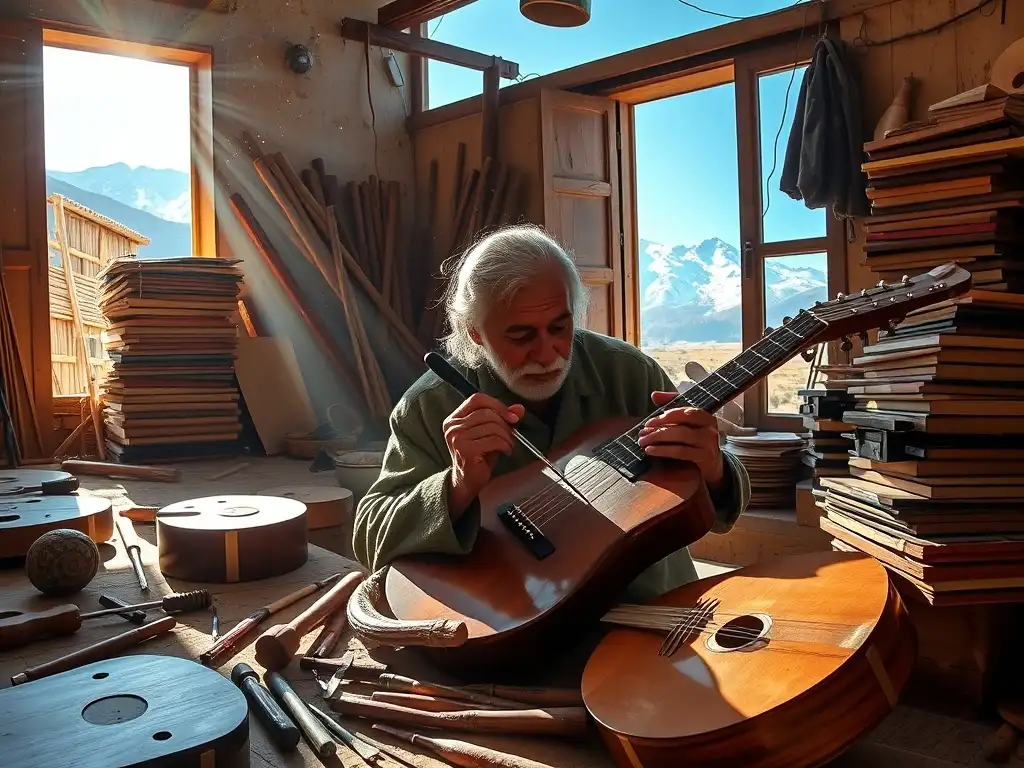
Step into a world lost in time, yet echoing with vibrant rhythms and ancient whispers. Journey with us as we unravel the captivating story of Andean civilizations, revealing their mastery of art, culture, and technology. But prepare to be amazed by something truly unique: the intricate secrets behind Andean instrument making techniques. Discover the ingenuity and tradition woven into every note, a legacy that continues to resonate today. Are you ready to explore the craftsmanship that shaped the sounds of a lost empire?
The Andes Mountains, a spine of towering peaks running down the western coast of South America, are not only a breathtaking geographical feature but also the cradle of vibrant and diverse ancient civilizations. These cultures, including the Incas, Moche, Nazca, and Tiahuanaco, left behind a legacy far richer than just impressive architecture and intricate textiles.
Their musical traditions, expressed through a fascinating array of instruments, offer a captivating window into their spiritual beliefs, social structures, and daily lives. This article delves into the art of Andean instrument making, exploring the intricate techniques and enduring traditions that shaped the soundscapes of these remarkable societies.
We will examine the craftsmanship involved, the materials used, and the symbolic significance imbued within each instrument, uncovering the deep connection between music, culture, and the Andean landscape. Understanding Andean instrument making techniques provides invaluable insight into the ingenuity and artistry of these ancient peoples, highlighting their sophisticated understanding of acoustics and their profound appreciation for music as a vital aspect of their existence.
Introduction to Andean Musical Instruments
Andean musical instruments are incredibly diverse, reflecting the varied geography and cultures of the region. Many instruments were, and still are, crafted using readily available materials from the environment. This close relationship with nature is reflected in the instruments themselves. Some of the most common instruments include:
- Panpipes (antara): These iconic instruments, made from a series of graduated pipes bound together, produce a haunting and ethereal sound. The number of pipes and their precise lengths determine the melody. The craftsmanship involved in creating perfectly tuned antaras is remarkable, requiring both skill and a deep understanding of acoustics.
- Flutes (quena): Simple yet elegant, the quena is a vertical end-blown flute typically made from wood or cane. Its mellow tone frequently accompanies other Andean instruments. Variations in length and crafting techniques produce a wide range of sounds.
- Drums (tinku): Various types of drums were used, often made from animal hides stretched over wooden frames. The tinku, a cylindrical drum, is particularly significant in certain Andean rituals and dances. The size and tension of the hide significantly affect the pitch and timbre of the drum.
- Stringed Instruments (charango): The charango, a small lute-like instrument, is known for its distinctive, bright sound. Traditionally made from the shell of an armadillo, today it is often constructed from other materials, yet the intricate craftsmanship remains a testament to Andean artistry. The construction of the charango demonstrates a high level of both musical and woodworking skills.
The Significance of Andean Music in Ancient Cultures
Andean music wasn't merely entertainment; it played a vital role in the social, religious, and agricultural life of these ancient societies. Music accompanied ceremonies, rituals, and celebrations, serving as a powerful tool for communication and social cohesion.
The creation of musical instruments themselves was often imbued with spiritual significance. Certain materials were considered sacred, and the process of crafting an instrument might involve rituals and prayers, ensuring that the finished product was not just a musical tool but also a conduit for spiritual energy. For example, the selection of specific woods for flutes or the careful preparation of animal hides for drums were not arbitrary choices but rather deeply symbolic actions.
The intricate designs and decorations often found on Andean instruments further highlight their cultural importance. These visual elements, often incorporating geometric patterns or zoomorphic motifs, reflect the beliefs and artistic sensibilities of the creators. The artistry involved in decorating these instruments demonstrates the high level of skill and dedication possessed by the artisans.
The detailed carvings and inlays served not only as aesthetic enhancements but also as potent symbols of power, status, or spiritual connection. Further research is needed to fully understand the specific meanings behind all the decorative elements found on various instruments. [Specific information pending on the symbolic meaning of specific decorations]
- What materials were traditionally used in Andean instrument making?
- How did Andean instrument makers shape and carve their instruments?
- What role did music and instruments play in Andean societies?
- Are traditional Andean instrument making techniques still practiced today?
- Where can I learn more about Andean instrument making techniques?
Andean Instrument Making Techniques: A Deep Dive
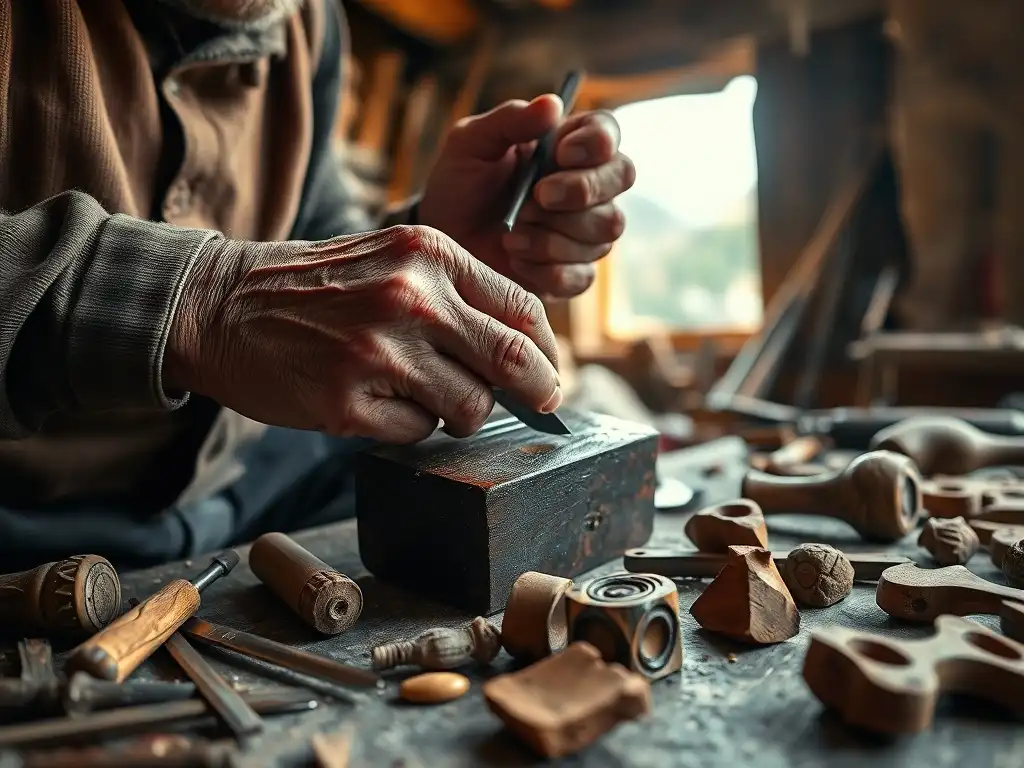
This section delves into the intricate techniques employed in crafting the diverse musical instruments of the Andean civilizations. Understanding these methods reveals not only the artistry involved but also the deep connection between Andean cultures and their environment. The ingenuity displayed in utilizing readily available materials showcases a sophisticated understanding of acoustics and material science. We'll explore the sourcing, preparation, and assembly of these instruments, highlighting the unique characteristics of each. Mastering these "Andean instrument making techniques" was crucial to the vibrant musical landscape of the region.
Traditional Materials Used in Andean Instrument Crafting
The creation of Andean instruments relied heavily on the natural resources available in the diverse Andean ecosystem. From the high altitudes of the Andes to the coastal regions, materials were carefully selected and processed to achieve specific sonic qualities and aesthetic effects. The choice of material often dictated the instrument's design and its ultimate sound.
Sourcing and Preparation of Wood for Andean Instruments
Wood selection for Andean instruments was a meticulous process. Specific tree species were chosen for their density, resonance, and workability. For example, queuña (Polylepis) wood, known for its strength and durability, was frequently used for flutes and panpipes. The wood was often sourced from sustainable forests, with careful consideration given to the environmental impact. Preparation involved felling, seasoning (allowing the wood to dry slowly to prevent cracking), and often, meticulous carving to remove knots and imperfections before shaping. The process could take months, ensuring the longevity and quality of the finished instrument.
Selection and Treatment of Animal Hides and Bones
Animal hides and bones played a significant role in Andean instrument making. Hides, primarily from llama or alpaca, were meticulously cleaned, stretched, and cured to create drumheads. The curing process often involved tanning using natural plant-based substances, enhancing the hide's durability and sound-transmitting properties. Bones, typically from camelids, were used to create flutes, whistles, and percussion instruments. They were carefully shaped and polished, sometimes intricately carved with decorative motifs.
Use of Plant Fibers and Reeds in Andean Instrument Making
Plant fibers and reeds were essential materials for constructing various Andean instruments. Strong fibers like those from the agave plant were used to create strings for stringed instruments, or to bind parts of other instruments together. Reeds, especially from various grasses, were crucial for creating aerophones like panpipes and flutes. The reeds were carefully selected for their uniformity and responsiveness, ensuring a consistent and pleasing tone. The preparation of these reeds involved meticulous trimming and shaping to achieve the desired pitch and tone.
Andean Instrument Making: The Role of Minerals and Stones
Minerals and stones also played a vital role, adding aesthetic value and sometimes influencing the sound. Stones were used as weights in percussion instruments, their size and weight affecting the instrument's pitch and resonance. Certain minerals might have been incorporated into pigments used to decorate instruments, showcasing the craftsmanship and artistic skill of the makers. The use of specific stones might also have held symbolic or ritualistic significance, adding another layer to the cultural context of Andean instrument making.
Andean Instrument Construction Methods
The construction techniques used in Andean instrument making were highly specialized, passed down through generations. Each instrument type demanded specific skills and knowledge, reflecting a profound understanding of acoustics and materials science. The level of craftsmanship evident in these instruments is a testament to the artisans' skill and dedication.
Carving and Shaping Techniques for Wooden Instruments
Carving and shaping wooden instruments involved specialized tools and techniques. Simple tools like knives and chisels were used to create intricate designs and precise shapes. The process demanded a high level of skill and precision, ensuring both the structural integrity and the aesthetic appeal of the instrument. The techniques varied depending on the specific instrument, with some requiring more elaborate carving than others. For instance, creating a detailed animal figure on a flute would require a different level of skill than shaping a simple panpipe.
Methods for Creating Aerophones in Andean Cultures
The creation of aerophones, such as panpipes and flutes, required a deep understanding of acoustics. Panpipes, for instance, involved carefully selecting and tuning reeds of varying lengths to produce a harmonious range of notes. Flutes were often carved from a single piece of wood, requiring precise bore drilling to achieve the desired pitch and tone. The artisans’ knowledge of acoustics and their ability to manipulate the airflow within the instrument were crucial to creating instruments with a pleasing sound.
Stringing and Tuning Techniques for Andean Stringed Instruments
Stringed instruments, though less common than aerophones and membranophones in Andean music, still played a role. The strings were often made from plant fibers, animal sinew, or even hair, reflecting the use of readily available materials. Tuning these instruments involved stretching the strings to the desired tension, often using pegs or other mechanisms. The artisans' ability to accurately tune the strings was crucial to the instrument's overall sound quality. The exact techniques varied depending on the specific design of the instrument.
Assembling and Finishing Andean Percussion Instruments
Assembling and finishing percussion instruments required different techniques. Drums, for example, involved stretching and securing the hide over a carefully carved wooden frame. This process needed skill to ensure a taut and resonant drumhead. The final finishing involved polishing the instrument and sometimes decorating it with paint, carvings, or other embellishments. The final stage was crucial in determining the instrument's aesthetic appeal and its overall durability. The techniques used varied based on the specific percussion instrument being crafted.
Specific Andean Instruments and Their Creation
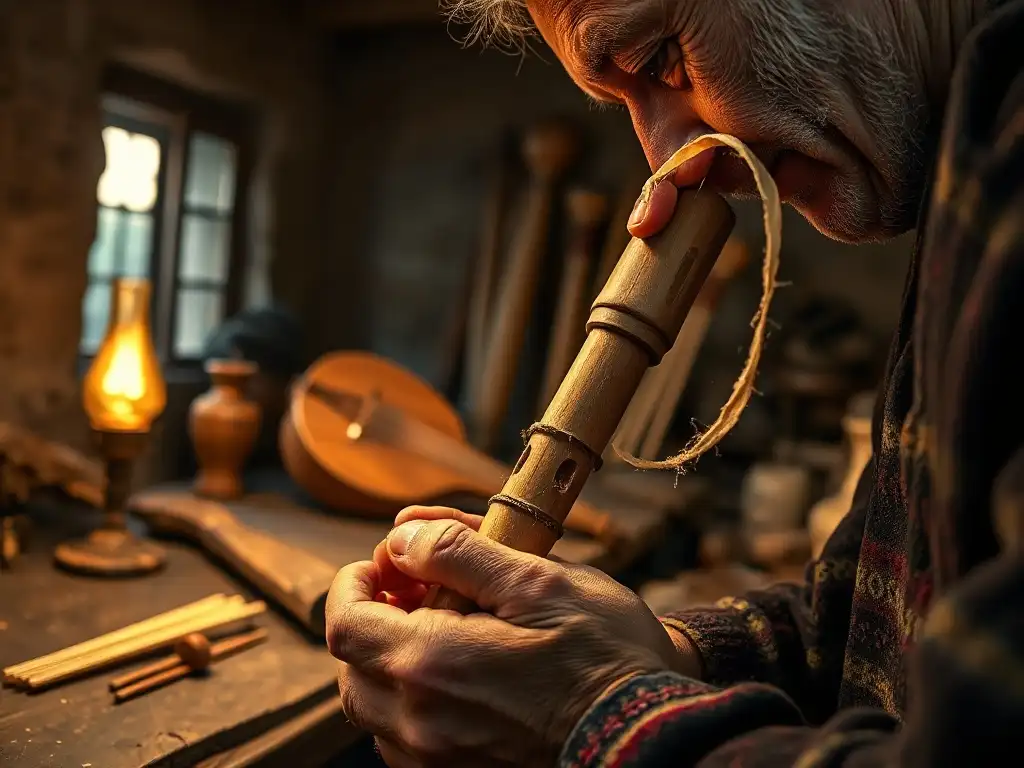
This section delves into the intricate craftsmanship involved in creating some of the most iconic Andean instruments. We'll explore the techniques, materials, and artistry behind the creation of these musical treasures, showcasing the deep connection between Andean instrument making techniques and the cultural heritage of the region. Understanding these processes reveals not only the skill of the artisans but also the profound spiritual and symbolic significance imbued in these instruments. The detailed descriptions below will highlight the nuances of Andean instrument making, providing a glimpse into this fascinating world.
The Making of the Andean Flute: The Quena
The quena, a simple yet expressive vertical end-blown flute, holds a central place in Andean music. Its creation is a testament to the artisan's skill and understanding of acoustics. The process, passed down through generations, involves several crucial steps.
Selecting the Right Bamboo for Quena Making
The choice of bamboo is paramount. Artisans carefully select specific types of bamboo known for their density, straightness, and evenness of nodes. The ideal bamboo should be mature but not overly dry, possessing a resonance that promises a rich and clear tone.
Often, the bamboo is harvested during specific times of the year, following traditional practices believed to enhance the instrument's sound quality. Experienced artisans can identify the ideal bamboo by its weight, flexibility, and the subtle sound it produces when tapped. The diameter and length of the bamboo stalk are also crucial factors, determining the flute's final pitch and range.
Carving and Tuning the Quena
Once the bamboo is selected, the meticulous process of carving begins. Using sharp knives and chisels, the artisan carefully removes material to create the playing holes, ensuring precise spacing and depth. This requires both skill and a deep understanding of acoustics – the slightest variation can drastically alter the flute's tone.
The tuning process is iterative, involving careful adjustments to the holes until the desired pitch is achieved. This often involves subtle adjustments to the length of the bamboo itself, achieved through careful trimming. The artisan may use a variety of tools, including files and sandpaper, to refine the holes and ensure a smooth, consistent airflow.
Decorative Techniques for the Quena
While functionality is key, Andean artisans often embellish their quenas with decorative techniques. These can include intricate carvings, inlaid materials, and painted designs. These embellishments are not merely aesthetic; they often reflect regional styles, spiritual beliefs, or representational imagery. For example, certain designs might symbolize Andean deities or natural elements, adding a layer of cultural and symbolic significance to the instrument. These decorative elements often involve dyes made from natural sources, reflecting a commitment to sustainable practices. The use of specific colors and patterns can also indicate the skill level and even the lineage of the artisan.
Crafting the Andean Panpipes: The Siku
The siku, a panpipe instrument, is another cornerstone of Andean musical tradition. Its creation involves a more complex process, demanding precision and patience.
Cutting and Assembling the Siku Pipes
The siku typically consists of two parts: an arka (higher-pitched) and a iri (lower-pitched). Each part is composed of several bamboo or cane pipes of varying lengths. The pipes are carefully cut to precise lengths to create the desired harmonic intervals. The artisan uses a variety of tools, from simple knives to specialized cutting instruments, ensuring each pipe is perfectly tuned.
The pipes are then meticulously assembled, often bound together with string or other natural materials. The precision required in this process is extraordinary, demanding a keen ear and steady hand. Slight variations in length can significantly impact the overall harmony of the instrument.
Tuning Techniques for the Siku
Tuning the siku is a delicate process that can take considerable time and expertise. The artisan uses a combination of techniques, including trimming the ends of the pipes and adjusting the air column within each pipe. The process involves frequently testing the instrument to ensure each pipe is in perfect harmony with the others. This often involves fine adjustments, requiring patience and a highly developed sense of pitch. The final tuning is crucial, ensuring the siku produces a harmonious and resonant sound. Many siku makers use a combination of traditional methods and modern technologies for fine-tuning.
Regional Variations in Siku Design
The design and construction of the siku vary across different Andean regions. These variations reflect not only differing aesthetic preferences but also unique musical traditions and the availability of local materials. For example, the number of pipes, the type of material used, and the specific tuning systems can vary significantly between different communities. These variations demonstrate the diverse and rich musical landscape of the Andes, where each region boasts its own unique style of siku making and playing. Further research into [specific regional variations pending] would provide a more comprehensive understanding of this fascinating aspect of Andean instrument making.
The Process of Making Andean Drums: The Wankara
The wankara, a cylindrical drum integral to Andean musical traditions, showcases the intricate craftsmanship passed down through generations. Its creation is a testament to the ingenuity and resourcefulness of Andean artisans, utilizing readily available materials and time-honored techniques. The process, while seemingly simple, requires skill, precision, and a deep understanding of the properties of the materials used.
The resulting instrument not only produces a distinctive sound but also serves as a powerful symbol of Andean cultural heritage. The creation of a wankara is a deeply respectful process, often imbued with ritualistic significance depending on the community and intended use of the drum.
The Preparation of the Drum Head
The drumhead, traditionally made from animal hide (often llama or alpaca), is crucial to the wankara's sound quality. The preparation process is meticulous. First, the hide is carefully cleaned and cured to remove any excess fat and moisture. This often involves a lengthy process of stretching, scraping, and treating with natural substances to ensure its durability and elasticity.
The curing process can take several days or even weeks, depending on the climate and the artisan's specific techniques. The goal is to achieve a taut, resonant surface that will produce a clear, resonant sound when struck. Any imperfections in the hide can significantly affect the final sound, highlighting the importance of this initial stage. The artisan's experience and knowledge are crucial to achieving the desired result.
Construction of the Wankara Drum Body
The wankara's body is typically constructed from a single piece of wood, often a lightweight yet robust variety readily available in the Andes. The wood is carefully selected and shaped to create a cylindrical form. Traditional tools, such as hand-carved chisels and adzes, are often employed, showcasing the skill and precision of the artisan. The precise dimensions of the drum body influence the instrument's pitch and resonance.
The artisan's knowledge of acoustics plays a vital role in determining the final shape and size of the drum. Once shaped, the drum body is often smoothed and polished using natural materials, giving it a polished and aesthetically pleasing finish. Careful attention is paid to ensuring the drum body is perfectly cylindrical to allow for even tensioning of the drumhead.
Traditional Methods of Drum Decoration
The decoration of the wankara is an art form in itself. Traditional methods often involve intricate carvings, paintings, and the application of vibrant dyes derived from natural sources. These decorations not only enhance the instrument's aesthetic appeal but also often hold symbolic meaning, representing specific Andean deities, animals, or cultural motifs.
The designs are frequently passed down through generations, reflecting the rich artistic heritage of the Andes. The use of natural pigments derived from plants and minerals ensures the colors remain vibrant and durable, echoing the enduring nature of Andean traditions. The careful application of these decorations demonstrates the artisan's skill and their connection to their cultural heritage.
The Andean Charango: A Stringed Instrument's Creation
The charango, a small, lute-like instrument, holds a prominent place in Andean music. Its creation is a complex process, demanding both technical skill and artistic sensitivity. The charango's distinctive sound and compact size make it a beloved instrument across the Andes. The process of crafting a charango is a blend of traditional techniques and modern adaptations, resulting in an instrument that is both functional and aesthetically pleasing.
Selecting Wood for the Charango
The selection of wood is paramount in charango making. Traditional charangos utilize various woods, often chosen for their acoustic properties and aesthetic appeal. The type of wood significantly impacts the instrument's tone and resonance. Artisans often favor woods known for their resonance and durability, such as certain species of hardwoods found in the Andean region. The wood's grain and density are carefully considered, as these factors affect the instrument's overall sound. The selection process reflects the artisan's deep understanding of the relationship between wood properties and the desired sound of the instrument.
Shaping the Charango's Body and Neck
Shaping the charango's body and neck requires considerable skill and precision. Traditional techniques often involve hand-carving and meticulous shaping using specialized tools. The artisan carefully shapes the wood to create the characteristic rounded body and slender neck of the charango. The precise dimensions and curves of the body and neck are crucial to the instrument's resonance and playability. The intricate process involves careful attention to detail and a deep understanding of the instrument's acoustic properties. Often, templates are used to ensure consistency and accuracy in the shaping process, although variations are common, reflecting the artisan's individual style and preferences.
Stringing and Tuning the Charango
The final stage involves stringing and tuning the charango. Traditional charangos typically have ten strings, although variations exist. The strings are meticulously placed and secured in the bridge and tuning pegs. The artisan's skill in achieving proper tension and intonation is crucial to the instrument's playability and overall sound quality.
The tuning process requires a keen ear and a delicate touch, ensuring that each string is accurately tuned to produce the desired pitch. The final tuning and adjustment of the strings reflect the artisan's expertise and their commitment to creating a high-quality instrument. The completed charango is then ready to be played, carrying the legacy of Andean musical tradition.
The Cultural Significance of Andean Instrument Making
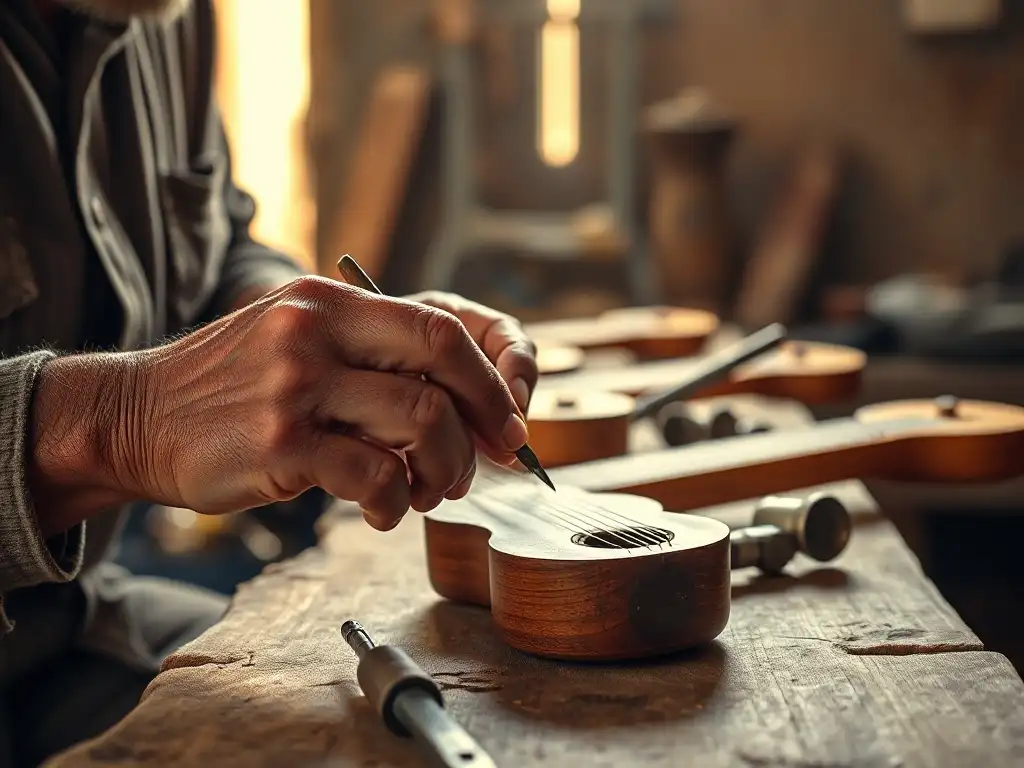
Andean instrument making transcends mere craftsmanship; it's deeply interwoven with the cultural fabric of the Andes. The creation of instruments isn't simply a profession; it's a practice steeped in tradition, representing a vital link to ancestral knowledge and spiritual beliefs. The sounds produced by these instruments—from the haunting melodies of the panpipes to the resonant tones of the tarka—are integral to Andean identity, shaping social interactions, religious practices, and artistic expression for centuries.
The techniques themselves, passed down through generations, embody a profound understanding of both the natural world and the spiritual realm. Understanding these techniques is key to understanding the rich tapestry of Andean culture. This section will delve into the societal role of instrument makers, the transmission of their knowledge, and the profound connection between instrument making and ritual.
The Role of Andean Instrument Makers in Society
Andean instrument makers, often members of specific communities or families, held—and continue to hold—significant social standing. They weren't just artisans; they were keepers of tradition, cultural custodians whose skills ensured the continuation of musical heritage. Their expertise was highly valued, and their instruments were often considered sacred objects.
For example, the creation of a pututu (a conch shell trumpet) required not only technical skill but also an understanding of the spiritual significance associated with the shell itself. The maker's role extended beyond the purely technical; they were responsible for imbuing the instrument with its cultural and spiritual essence. This elevated status is reflected in the respect accorded to these individuals within their communities and the importance attached to their craft.
In many communities, the skill of instrument making is passed down through family lines, creating a unique lineage of artisans. Unfortunately, precise data on the socio-economic status of instrument makers across different Andean cultures throughout history is limited, requiring further research. [Specific socio-economic data pending].
Transmission of Andean Instrument Making Knowledge
The transmission of Andean instrument making knowledge is primarily oral and experiential, passed down through generations within families and communities. This process involves years of apprenticeship, where aspiring makers learn not only the technical skills but also the cultural context and spiritual significance of their craft. The learning process is holistic, encompassing the selection of materials, the specific techniques involved in shaping and carving the instruments, and the understanding of the sounds produced.
This knowledge is not merely a set of instructions but a body of experience, passed on through observation, imitation, and hands-on practice. Younger apprentices observe master artisans, gradually mastering the techniques through repetition and mentorship. This intimate and personal method of knowledge transfer ensures the preservation of traditional techniques and the continuation of the cultural legacy.
While some written documentation exists, it is often incomplete, highlighting the importance of preserving the oral tradition. The use of visual aids such as diagrams or models is limited, emphasizing the tactile and experiential nature of the learning process. This oral tradition also contributes to the diversity of techniques and styles found across different Andean regions.
Andean Instrument Making and its Connection to Ritual and Ceremony
Andean instrument making is inextricably linked to ritual and ceremony. Many instruments are not simply musical tools; they are considered sacred objects, imbued with spiritual power. The materials used—often sourced from specific locations or possessing symbolic significance—contribute to this sacred quality. For instance, the wood used for a zampoña (panpipes) might be chosen for its particular resonance or its association with specific deities.
The creation of the instrument itself becomes a ritualistic act, reflecting the maker's connection to the spiritual world. The instruments are then used in ceremonies and rituals, accompanying religious practices, festivals, and celebrations. Their sounds are believed to connect the human world with the spiritual realm, facilitating communication with deities and ancestors. The use of these instruments in ceremonies reinforces their cultural and spiritual importance, thereby strengthening the link between instrument making and the Andean worldview.
The precise rituals and ceremonies associated with specific instruments vary across different Andean cultures, underscoring the diversity of Andean traditions and beliefs. Further research is needed to fully document the specific rituals associated with the creation and use of each instrument. [Specific ritual details pending].
The Preservation of Andean Instrument Making Traditions
The legacy of Andean instrument making, a vibrant tapestry woven from centuries of cultural exchange and adaptation, faces a complex web of challenges in the modern era. Understanding these challenges is crucial to ensuring the survival and continued evolution of these unique artistic practices. The techniques, passed down through generations of artisans, are more than just methods of construction; they represent a profound connection to ancestral knowledge and spiritual beliefs.
This intricate relationship between craft and culture is what makes the preservation of Andean instrument making techniques so vitally important. The instruments themselves, from the haunting panpipes to the resonant tarka, are not simply musical devices, but tangible embodiments of Andean identity. Their creation is a living tradition, a dynamic process that constantly adapts while retaining its core essence.
The meticulous detail involved in crafting these instruments—the selection of materials, the precise shaping, the intricate decoration—reflects a deep respect for both the craft and the music it produces. This deep-rooted connection ensures that the artistry involved is not merely a skill, but a cultural imperative.
Modern Challenges to Traditional Craftsmanship
The encroachment of mass-produced, cheaper instruments poses a significant threat to traditional Andean instrument making. The allure of readily available, inexpensive alternatives is undeniable, particularly for younger generations less connected to the historical significance of handcrafted instruments. This shift in consumer preference directly impacts the livelihoods of artisans who rely on the sale of their meticulously crafted instruments. Furthermore, the accessibility of modern materials often tempts artisans to abandon traditional methods, leading to a dilution of the authentic techniques.
The use of synthetic materials, while offering convenience and cost-effectiveness, often compromises the tonal quality and overall aesthetic of the instruments. Another challenge is the lack of formal training and apprenticeship programs designed to preserve and transmit these skills. Oral traditions, while effective for generations, struggle to keep pace with the demands of a rapidly changing world.
The loss of master artisans often results in a critical gap in knowledge transfer, jeopardizing the continuity of these invaluable techniques. The dwindling interest among younger generations in learning these intricate crafts further exacerbates this predicament. [Specific data on the number of active artisans and apprentices needed].
Efforts to Revive and Promote Andean Instrument Making
Despite the challenges, significant efforts are underway to revitalize and promote Andean instrument making techniques. Many non-profit organizations and cultural institutions are actively involved in supporting artisan communities through workshops, training programs, and initiatives to market and sell their handcrafted instruments. These initiatives often focus on fostering collaboration among artisans, encouraging knowledge sharing, and promoting the cultural significance of their craft.
Documenting these techniques through detailed videos, written manuals, and digital archives is also a key strategy for preservation. This digital preservation allows for wider dissemination of the knowledge, making it accessible to a broader audience, including those outside of the Andean region. Furthermore, the integration of Andean instrument making into school curricula and community programs helps to foster a new generation of artisans and enthusiasts.
These programs not only teach the technical skills but also emphasize the cultural context and historical significance of the craft. The increased tourism in Andean regions also presents opportunities to showcase and promote the work of artisans directly, offering a sustainable income stream and encouraging the continuation of these valuable traditions. [Specific examples of successful initiatives and their impact].
The Future of Andean Instrument Making Techniques
The future of Andean instrument making techniques hinges on a multifaceted approach that combines the preservation of traditional methods with the adoption of innovative strategies. The successful integration of technology, without compromising the authenticity of the craft, is crucial. This could involve using digital tools for design and documentation, but maintaining the handmade aspect of the final product. Furthermore, fostering greater collaboration between artisans, researchers, and educators is essential for the development of sustainable practices.
By combining traditional knowledge with modern approaches, we can ensure that the unique artistry of Andean instrument making thrives for generations to come. The emphasis should be on creating a balance between safeguarding the cultural heritage and adapting to the evolving needs of the modern world. This involves not only preserving existing techniques, but also encouraging innovation and creativity within the framework of the tradition.
The continued support of artisan communities, through fair trade practices and access to markets, is paramount. Ultimately, the future of Andean instrument making depends on a collective commitment to preserving this invaluable cultural legacy. [Predictions and potential future scenarios for Andean instrument making].
Frequently Asked Questions
What materials were traditionally used in Andean instrument making?
Andean instrument makers traditionally used readily available materials, including wood from various trees, animal hides for membranes, and fibers such as cotton or llama wool for strings and bindings. The specific materials varied depending on the region and the instrument.
How did Andean instrument makers shape and carve their instruments?
The shaping and carving techniques varied greatly depending on the instrument. Simple hand tools like knives, chisels, and adzes were primarily used, demonstrating a high level of skill and precision.
What role did music and instruments play in Andean societies?
Music and instruments played a vital role in Andean societies, serving religious, social, and ceremonial purposes. They accompanied rituals, celebrations, and daily life, reflecting the rich cultural tapestry of the civilizations.
Are traditional Andean instrument making techniques still practiced today?
Yes, while some aspects have evolved, traditional techniques are still practiced by many artisans today, ensuring the survival of this important cultural heritage. Many communities actively preserve and teach these skills.
Where can I learn more about Andean instrument making techniques?
You can find more information through ethnomusicology research, museum exhibits, and workshops offered by Andean communities and cultural centers. Many books and documentaries also cover this fascinating topic.
Final Reflection: Weaving the Threads of Andean Musical Heritage
The meticulous craftsmanship of Andean instrument making isn't merely a historical practice; it's a vibrant, living tradition that continues to shape musical landscapes worldwide. The techniques detailed in this article, passed down through generations, represent not just skill but a deep connection to the land, culture, and spiritual beliefs of the Andes. This legacy deserves our continued attention and support, ensuring its preservation for future generations.
The enduring power of Andean music, deeply intertwined with its instrument-making traditions, continues to resonate globally. Its influence can be heard in contemporary genres, inspiring musicians and artists across continents. Music is the universal language of mankind.
– Henry Wadsworth Longfellow. This quote, while not specifically about Andean music, perfectly captures the transcendence of musical expression, a quality deeply rooted in the artistry of Andean instrument creation. The passion and dedication poured into each instrument, from the careful selection of wood to the intricate carving, speaks volumes about the cultural significance embedded within each note.
Consider the impact of your own choices. Will you actively seek out and support artisans who uphold these ancient techniques? Will you delve deeper into the rich history and cultural context behind the music you listen to? By appreciating the artistry and dedication behind Andean instrument making, we not only celebrate a rich cultural heritage but also contribute to its ongoing survival. Let the echoes of these ancient sounds inspire you to connect with the world through the power of music and craftsmanship.
Uncover the Craft Behind Andean Instrumentation!
Thank you for exploring the fascinating world of Andean instrument making! You've gained valuable insights into the rich traditions and skilled craftsmanship behind these unique musical creations. Let's build on this knowledge and take practical steps to celebrate and preserve this incredible art form.
Here's how you can get involved:
- Attend a local workshop to experience the art of Andean instrument making firsthand. Connect with master artisans who can guide you through the process.
- Share your knowledge with friends and family, inspiring them to appreciate the beauty of Andean music and its instruments.
- Join online communities or social media groups dedicated to Andean music and culture to connect with other enthusiasts.
What Andean instrument are you most curious about, or perhaps even interested in trying to make yourself? Let's start a conversation!