
Moche Art and Sacrifice: Rituals of Blood and Belief

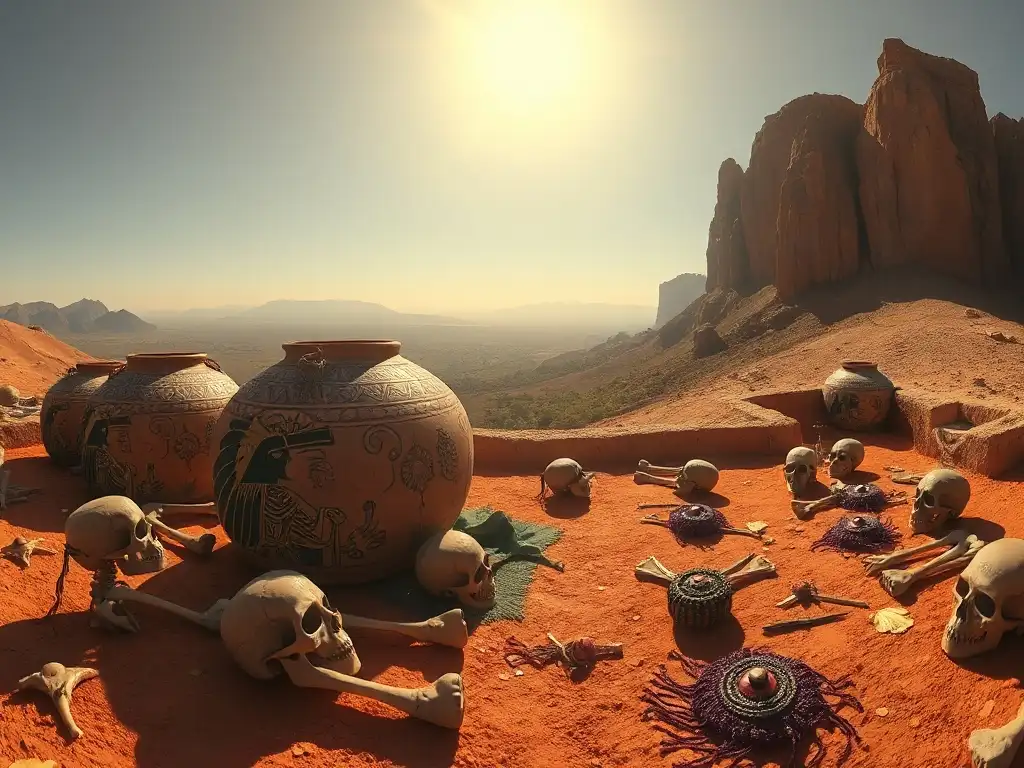
Step into a world lost to time, where vibrant artistry intertwined with profound sacrifice. Uncover the secrets of the ancient Andes, a realm of breathtaking landscapes and enigmatic civilizations. Prepare to be captivated by the Moche pottery sacrifice rituals, a chilling yet mesmerizing glimpse into the beliefs and practices of one of the most fascinating cultures of South America. Dare to delve deeper and unravel the mysteries hidden within these intricate vessels – the stories they tell are far more complex than you might imagine.
The Moche civilization, flourishing along the northern coast of Peru from approximately 100 CE to 800 CE, left behind a remarkable legacy of artistic achievement and complex religious practices. Their artistry, particularly in pottery, offers a unique window into their worldview, revealing a society deeply intertwined with ritual sacrifice and a sophisticated understanding of the natural world.
This article delves into the fascinating intersection of Moche art and sacrificial rituals, exploring how these practices are vividly depicted in their ceramics and what they reveal about Moche beliefs and social structures. We will examine specific examples of Moche pottery showcasing sacrificial scenes, analyzing the iconography and symbolism employed to understand the significance of these rituals within their culture.
Understanding Moche pottery sacrifice rituals provides crucial insight into the complexities of this enigmatic civilization and their relationship with their deities and the environment. Prepare to be captivated by the intricate details and powerful imagery preserved in these ancient artifacts, offering a glimpse into a society profoundly shaped by its beliefs.
The Role of Sacrifice in Moche Society
The Moche people practiced various forms of sacrifice, including human sacrifice, which played a significant role in their religious and political life. Evidence suggests that these sacrifices weren't random acts but rather carefully orchestrated rituals, often involving individuals of high social standing. While the exact reasons for these sacrifices remain debated among scholars, prevalent theories suggest they were performed to appease deities, ensure successful harvests, or maintain cosmic balance.
The sheer number of sacrificial victims found in Moche tombs and burial sites underscores the importance of these practices within their society. These weren't isolated events; they were integral to the Moche worldview, reflecting a complex relationship between the living and the supernatural.
Furthermore, the meticulous preparation and burial of the sacrificed individuals, often accompanied by elaborate grave goods, indicate a level of reverence and ritualistic significance. The scale and organization of these sacrifices suggest a highly structured society with a centralized power capable of mobilizing resources and personnel for these elaborate ceremonies.
Depictions of Sacrifice in Moche Pottery
Moche pottery provides invaluable insights into their sacrificial rituals. The artisans meticulously depicted scenes of sacrifice, often portraying the victims, the priests performing the rituals, and the onlookers. These depictions are not merely illustrative; they are imbued with symbolic meaning, conveying the Moche understanding of the cosmos and their relationship with the supernatural.
For example, certain motifs, such as specific types of weaponry or the positioning of the victims, may represent particular deities or specific rituals. The detail in these ceramic pieces is astonishing; facial expressions, clothing, and even the tools used in the sacrifices are often rendered with remarkable precision. The vibrant colors and sophisticated techniques employed further emphasize the importance of these scenes.
Many pieces show scenes of both human and animal sacrifice, suggesting a complex system of interconnected beliefs and practices. The presence of these depictions on everyday pottery items suggests that these rituals were not confined to the elite but were known and understood throughout the society.
Analyzing the Iconography and Symbolism
The iconography and symbolism in Moche pottery depicting sacrifices are rich and complex. Researchers have identified various recurring motifs, such as specific animals, plants, and human figures, each carrying its own symbolic significance. These symbols often represent deities, natural forces, or specific aspects of the Moche worldview.
For example, the presence of a particular type of bird might represent a specific deity associated with the harvest or rainfall. Similarly, certain plants or flowers could symbolize fertility or rebirth. Understanding these symbols is crucial to deciphering the meaning of the sacrificial scenes depicted in the pottery.
The meticulous attention to detail in these representations suggests that the artisans possessed a deep understanding of the religious beliefs and practices they were portraying. Further research is needed to fully understand the nuances of this complex iconography, but existing analyses offer valuable insights into Moche religious thought. The combination of careful observation and advanced archaeological techniques continues to unlock the secrets hidden within these remarkable artifacts.
The Significance of Moche Pottery Sacrifice Rituals
The study of Moche pottery sacrifice rituals offers a unique opportunity to understand the beliefs, social structures, and worldview of this remarkable ancient civilization. The detailed depictions on their ceramics provide tangible evidence of their complex religious practices and reveal a sophisticated understanding of the relationship between the human world and the supernatural. These artifacts are not just beautiful objects; they are historical documents that shed light on a fascinating and enigmatic culture.
The continued study and analysis of these pieces are essential to further our understanding of the Moche and their place in the broader history of Andean civilizations. The enduring power of their artistry continues to resonate with us today, providing a powerful reminder of the complexities and richness of human culture throughout history. The meticulous craftsmanship and symbolic depth of Moche pottery ensure its continued relevance in the study of ancient Andean societies.
- The Role of Sacrifice in Moche Society
- Depictions of Sacrifice in Moche Pottery
- Analyzing the Iconography and Symbolism
- The Significance of Moche Pottery Sacrifice Rituals
Understanding Moche Society Through Art
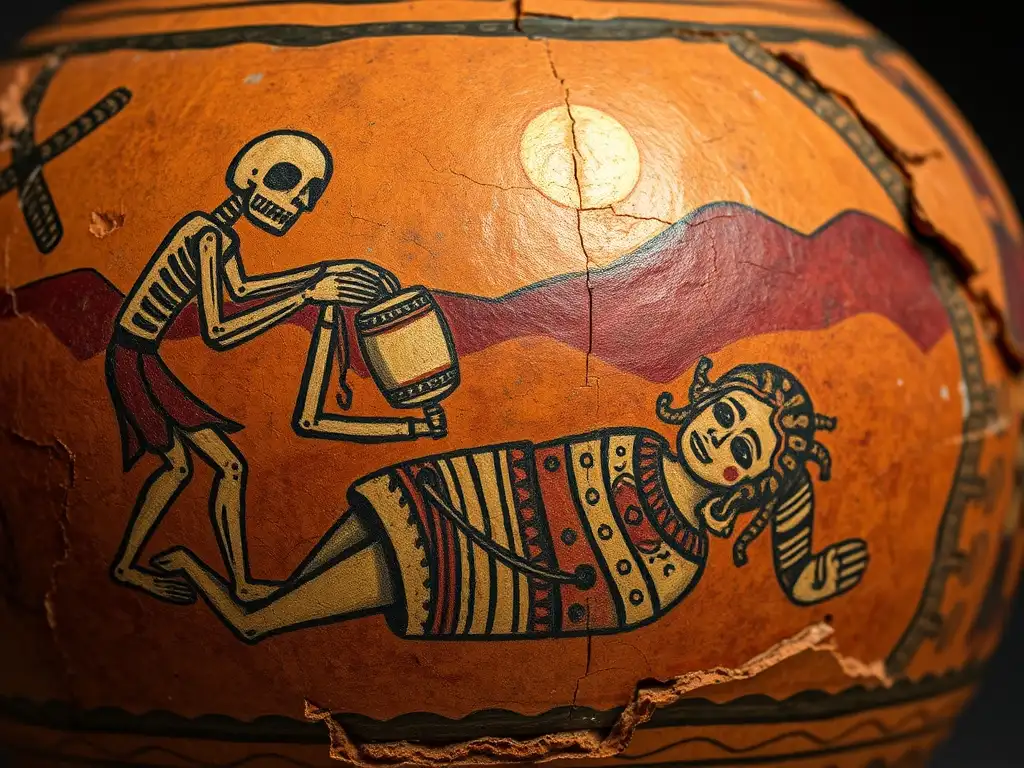
The Moche civilization (c. 100-800 CE), flourishing along the northern coast of Peru, left behind a remarkable legacy of art, particularly in their exquisite pottery. These aren't simply decorative pieces; they are invaluable windows into their complex social structure, religious beliefs, and daily life. Studying Moche pottery provides unparalleled insight into their rituals, social hierarchy, and worldview, offering a glimpse into a society deeply intertwined with the supernatural.
The intricate detail and vibrant colors of Moche ceramics allow us to reconstruct aspects of their culture that might otherwise remain lost to time. Through careful analysis of the imagery and scenes depicted, archaeologists and art historians gain a deeper understanding of Moche pottery sacrifice rituals and their significance within the broader context of Moche society. The sheer volume of surviving artifacts, including both elaborate portrait vessels and everyday utilitarian wares, offers a remarkably comprehensive picture of their culture.
The Role of Moche Ceramics in Depicting Rituals
Moche pottery frequently depicts scenes of ritual sacrifice, warfare, and religious ceremonies. These depictions aren't abstract; they're often highly realistic, showing details of clothing, adornments, and even facial expressions. For example, many vessels show individuals participating in complex ceremonies, often involving the offering of blood or human sacrifice.
These scenes are not simply decorative; they serve as a form of visual record, transmitting knowledge and beliefs across generations. The careful craftsmanship and the level of detail in these depictions suggest the importance of these rituals in Moche society. The prevalence of such imagery across various types of pottery, from large ceremonial vessels to smaller, more personal pieces, indicates the pervasive nature of these beliefs.
We see a clear connection between the Moche pottery sacrifice rituals and the everyday lives of the people, suggesting a deeply integrated system of religious and social practices. Furthermore, the variations in the depictions across different pottery styles and time periods provide clues about the evolution of these rituals and the changing social dynamics within Moche society. Analysis of the depicted rituals, combined with archaeological evidence from sacrificial sites, allows for a more complete understanding of Moche religious practices.
Moche Iconography: Decoding Symbols of Power and Sacrifice
The iconography found on Moche pottery is crucial for understanding their Moche pottery sacrifice rituals and broader worldview. Specific symbols, motifs, and figures recur throughout their artistic output, allowing scholars to decipher their meaning and significance. For instance, certain figures, possibly representing deities or shamans, are consistently depicted in positions of power and authority, often associated with sacrificial offerings. The use of specific colors, such as red (often associated with blood and sacrifice) and yellow (potentially symbolizing the sun or maize), further enhances the narrative and symbolic meaning within the scenes.
The repetition of these symbols across different types of pottery reinforces their importance and allows for broader interpretations. Analyzing these visual elements alongside textual evidence (where available from related cultures) helps build a more complete picture of the Moche cosmology and its relationship to their social structure. The intricate detail and symbolic richness of Moche iconography demonstrate the sophistication of their artistic and religious systems.
Understanding the nuances of these symbols is key to deciphering the meaning behind the depicted Moche pottery sacrifice rituals and gaining a deeper appreciation for the complexities of Moche culture. The systematic study of these symbols reveals the subtle power dynamics and religious beliefs that shaped Moche society. Further research into the iconography could potentially uncover even more intricate details about their rituals and beliefs.
The Significance of Sacrifice in Moche Culture
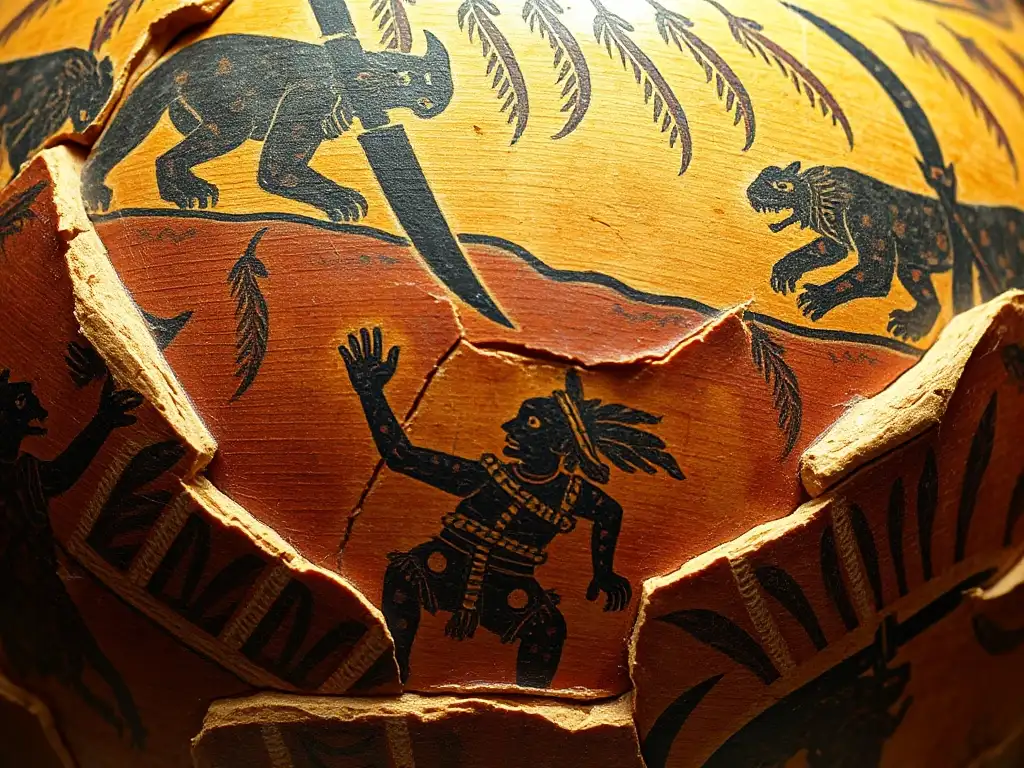
The Moche civilization (c. 100-800 CE), renowned for its sophisticated artistry and complex social structures, placed immense importance on ritual sacrifice. This wasn't merely a gruesome practice; it was deeply interwoven with their worldview, agricultural cycles, and political power. Understanding Moche sacrifice is crucial to comprehending their beliefs and the intricate workings of their society. The act of sacrifice, whether human or animal, was believed to maintain cosmic balance, ensure bountiful harvests, and appease powerful deities.
The elaborate nature of these rituals, often depicted vividly in their iconic pottery, underscores their central role in Moche life. Evidence suggests that sacrifice was not a random act but a carefully planned and orchestrated event, involving specialized priests and a significant investment of resources. Furthermore, the selection of victims, whether human or animal, likely carried symbolic weight, reflecting the Moche understanding of social hierarchy and the cosmos.
The sheer volume of archaeological evidence – including sacrificial remains and artistic representations – demonstrates the pervasive influence of sacrifice on all aspects of Moche culture. Analyzing this evidence provides invaluable insights into the Moche worldview and their unique approach to religious practice. The frequency and scale of these rituals speak to the central role that sacrifice played in the everyday lives of the Moche people, underpinning their social order and cosmological beliefs.
Human Sacrifice: A Core Practice in Moche Rituals
Human sacrifice formed a significant part of Moche religious practice. While the exact details remain debated, archaeological discoveries, such as the Huaca de la Luna and Huaca del Sol sites, have revealed compelling evidence. Skeletal remains, often showing signs of violence and ritualistic treatment, have been unearthed alongside elaborate grave goods, indicating a deliberate and ritualistic nature to these deaths. Moche pottery frequently depicts scenes of human sacrifice, offering visual representations of the rituals.
These depictions often show individuals being sacrificed in various ways, including decapitation, strangulation, and even ritual killings involving the removal of hearts. The victims were not necessarily prisoners of war; some evidence suggests that sacrifices could include individuals from all social strata, including elites, reflecting a complex relationship between sacrifice and social control. The precise reasons for human sacrifice in Moche society remain a topic of ongoing research and scholarly debate. Some theories suggest that it was linked to maintaining the fertility of the land, ensuring successful harvests, or appeasing powerful deities in times of crisis.
Others propose that human sacrifice was a way to consolidate political power or to reinforce social hierarchies. Regardless of the specific reasons, the prevalence of human sacrifice in Moche society cannot be overstated; it was a deeply ingrained practice that played a crucial role in their religious and social life. The careful study of skeletal remains and the iconography found on Moche pottery continue to provide crucial insights into the nature and significance of this practice.
Animal Sacrifice and its Symbolic Meanings
Alongside human sacrifice, the Moche also practiced animal sacrifice on a significant scale. Archaeological evidence suggests that a wide range of animals were sacrificed, including llamas, dogs, birds, and even fish. The choice of animal likely held symbolic meaning, reflecting the animal's role in Moche society and its association with specific deities or natural forces. For example, llamas, crucial to Moche economy and transportation, might have been offered to ensure the continued prosperity of their herds.
Similarly, the sacrifice of birds could have been related to celestial deities or weather patterns. Moche pottery provides valuable insight into these rituals, depicting scenes of animal sacrifice alongside human sacrifices, suggesting a connection between the two. These artistic representations often show the animals being ritually prepared before sacrifice, emphasizing the ceremonial aspects of the practice. The careful depiction of the animals and the contexts in which they are shown in the pottery suggests that these sacrifices were not simply a matter of expediency, but rather deeply imbued with religious significance.
The analysis of animal remains alongside human remains in specific burial contexts further strengthens the link between animal and human sacrifice within a broader ritualistic framework. The symbolic meanings embedded in these animal sacrifices are complex and nuanced, reflecting the Moche's intricate understanding of the natural world and their relationship with the supernatural. Further research, combining archaeological findings with detailed analysis of Moche iconography, will continue to illuminate the significance of animal sacrifice within their broader religious system.
Moche Pottery Sacrifice Rituals: A Visual Narrative
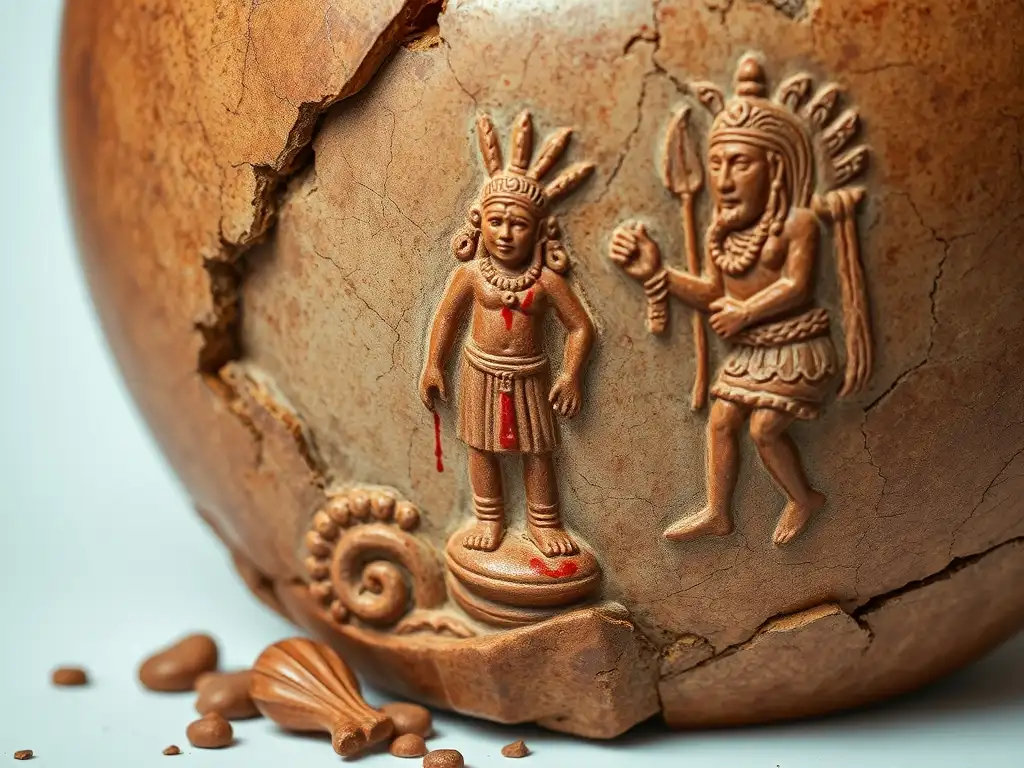
The Moche civilization (c. 100-800 CE) of northern Peru left behind a remarkable artistic legacy, particularly in their intricately decorated pottery. These aren't simply decorative pieces; they're powerful visual narratives that offer invaluable insights into their complex religious beliefs and sacrificial practices. Moche pottery, often depicting scenes of ritual sacrifice, provides a window into a world steeped in both brutality and reverence.
The detailed depictions on these vessels, far from being mere decoration, serve as a crucial record of their socio-religious activities, offering a unique perspective on Moche culture and their understanding of the cosmos. Analyzing these artifacts allows us to reconstruct, to a degree, the rituals that shaped their society.
Depictions of Ritual Combat and Captivity on Moche Ceramics
Moche pottery frequently portrays scenes of intense ritual combat and the subsequent captivity of sacrificial victims. These depictions are not haphazard; they're meticulously rendered, showcasing the elaborate costumes, weaponry, and the emotional intensity of the events. We see warriors, often adorned with elaborate headdresses and body paint, engaging in fierce battles. The defeated are then shown bound and presented to figures of authority, often priests or rulers, who preside over the ceremony.
The level of detail is astonishing. We can observe the different types of weapons used, the expressions on the faces of both the warriors and the captives, and the overall staging of the events. For example, some vessels depict scenes where captives are shown kneeling or bound, their bodies adorned with symbolic markings, suggesting a ritualistic preparation for sacrifice. This careful attention to detail suggests the profound importance of these rituals within Moche society.
The narrative flow across the pottery's surface, from the initial combat to the eventual presentation of the captive, is a testament to the artists’ skill and their understanding of the ritual sequence. Further research into the iconography might reveal more nuanced interpretations of these scenes and their underlying significance. The use of color and composition further enhances the dramatic narrative, emphasizing the power dynamics and the significance of the event.
The Presentation of Sacrificial Victims in Moche Art
The presentation of sacrificial victims is a recurring theme in Moche pottery. These depictions are often highly stylized, emphasizing the ritualistic aspects of the sacrifice. The victims are frequently shown in a submissive posture, often bound and adorned with specific ornaments or markings. These markings might symbolize their role in the ritual or their connection to the supernatural realm. The context of these depictions, often within a larger narrative of ritual combat or ceremonial processions, highlights the importance of sacrifice within the Moche worldview.
Furthermore, the manner in which the victims are presented varies across different vessels. Sometimes they are shown being led to a sacrificial site, while in other cases they are depicted already being sacrificed. This variation suggests a range of sacrificial practices, perhaps reflecting different rituals or social contexts.
The careful observation of these variations in Moche pottery provides crucial information for understanding the complexity of their sacrificial system. [Specific information pending] on the types of sacrifices and the social status of the victims would further clarify our understanding. The use of specific colors, like the prevalence of red pigment, is also noteworthy, potentially symbolizing blood and its significance in the rituals.
Moche Pottery: Vessels Used in Blood Rituals
Beyond the depictions of sacrifice, the Moche also created specific types of pottery directly used in blood rituals. These vessels often feature spouts or channels designed for the collection and/or pouring of liquids, likely blood. The shapes and designs of these vessels vary, suggesting that different types of vessels may have been used for different rituals or ceremonies. Some vessels are highly decorated, while others are more plain, hinting at possible distinctions in ritual importance or social status.
The presence of residue on some of these vessels, which can be analyzed using [specific information pending] techniques, would help confirm the use of these vessels in bloodletting rituals. The analysis of these residues could also provide insights into the types of substances used in the rituals. The study of these vessels, combined with the analysis of iconographic representations, offers a multifaceted approach to understanding Moche sacrifice rituals.
The meticulous craftsmanship of these vessels, even those used for potentially gruesome purposes, highlights the deep significance placed on the rituals themselves and their role in Moche society. The careful study of Moche pottery sacrifice rituals offers a compelling glimpse into the religious beliefs and practices of this remarkable ancient civilization.
The Context of Moche Sacrificial Practices
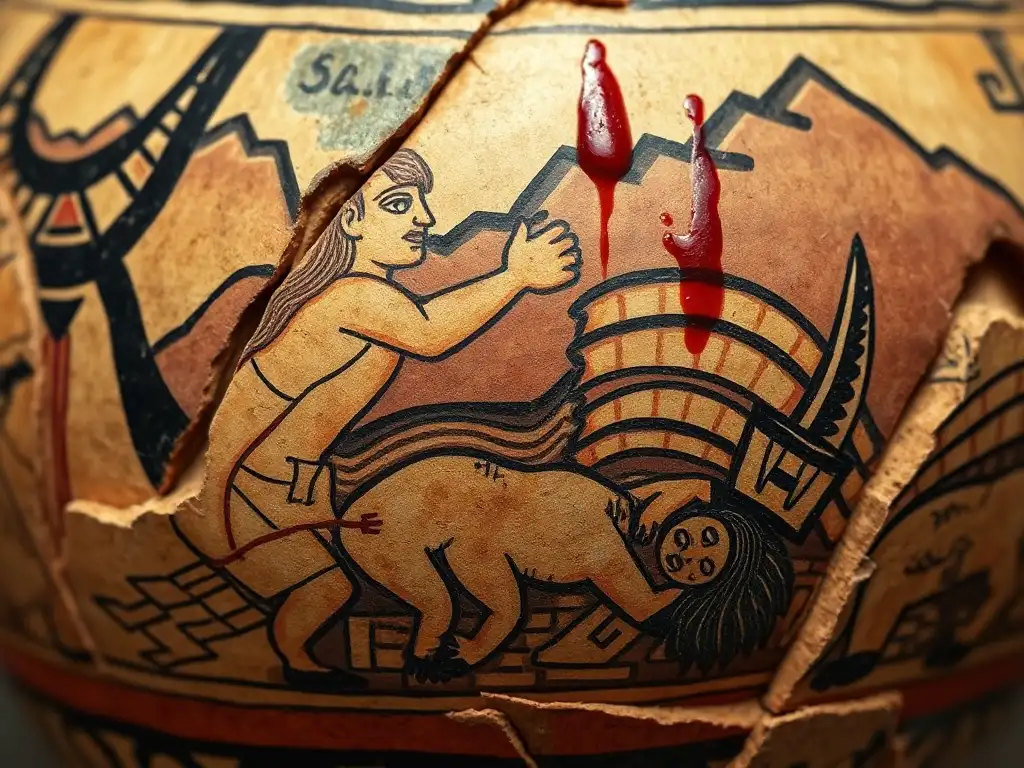
The Moche civilization (c. 100-800 CE), flourishing along the arid north coast of Peru, left behind a remarkable legacy of sophisticated artistry and complex social structures. Central to understanding Moche society is their deeply ingrained religious beliefs, which manifested powerfully in elaborate sacrificial practices. These rituals, often involving human sacrifice, weren't simply acts of violence but intricately woven into the fabric of their worldview, influencing their political landscape and shaping their artistic expressions, particularly in their renowned pottery.
Understanding the context of these sacrifices illuminates the Moche worldview and its profound impact on their culture. The motivations behind these sacrifices remain a subject of ongoing scholarly debate, with various interpretations emerging from the rich archaeological evidence.
This section explores the religious underpinnings, political ramifications, and archaeological confirmation of Moche sacrificial rituals, focusing specifically on their connection to Moche pottery. The intricate depictions on Moche pottery provide invaluable insights into these often gruesome yet culturally significant events.
Moche Religious Beliefs and the Cycle of Life and Death
Moche religious beliefs revolved around a complex interplay of deities, ancestors, and the natural world. Their cosmology emphasized the cyclical nature of life and death, with a deep reverence for both. Evidence suggests a belief in a powerful creator god and a pantheon of lesser deities associated with natural forces like the sea, rain, and mountains.
The cyclical nature of their agricultural society, heavily reliant on unpredictable rainfall and fertile lands, likely contributed to their preoccupation with life's fleeting nature and the importance of ensuring a continued flow of resources. Death was not viewed as an absolute end but as a transition to another realm, with ancestors playing a significant role in maintaining the balance of the cosmos. Sacrifice, therefore, served as a crucial mechanism to appease these deities, honor ancestors, and ensure the continuation of life-giving cycles, often depicted in vivid detail on Moche pottery.
These ceramics portray a wide range of sacrificial scenes, offering glimpses into the beliefs and rituals surrounding these practices. For example, some vessels depict scenes of ritualistic bloodletting, while others show human sacrifices being offered to deities or placed in elaborate tombs. The meticulous detail in these depictions suggests a strong societal understanding and acceptance of these practices.
The Connection Between Sacrifice and Moche Political Power
The Moche state was characterized by a hierarchical social structure with a powerful ruling elite. Sacrifice played a crucial role in consolidating and legitimizing this power. The rulers, often depicted in elaborate Moche pottery as powerful figures, likely used sacrificial rituals to demonstrate their control over both the natural and supernatural worlds.
By performing sacrifices, they reinforced their divine authority and maintained social order. The scale and complexity of some sacrificial events, as evidenced by large-scale burial sites, suggest that these rituals were important state-sponsored events, demanding significant resources and manpower. The elite’s control over these rituals further solidified their power and prestige within the Moche society.
The production of Moche pottery itself may have been closely tied to these rituals, with the creation of specialized vessels for sacrificial purposes demonstrating the elite’s control over both religious and artistic production. The imagery of rulers participating in or overseeing these sacrifices, often depicted on ceremonial pottery, serves as a powerful visual representation of their authority and divine connection.
Archaeological Evidence Supporting Moche Sacrifice Rituals
Extensive archaeological excavations have unearthed compelling evidence of Moche sacrificial practices. The discovery of numerous human remains in various contexts, including elaborate tombs and sacrificial pits, provides clear confirmation of human sacrifice. Many of these burials contain grave goods, including fine Moche pottery, reflecting the social status of the sacrificed individuals.
The presence of skeletal remains showing signs of violence or ritualistic mutilation further strengthens the evidence for sacrificial practices. Furthermore, the iconography on Moche pottery provides crucial contextual information, depicting scenes of sacrifice with remarkable detail, including the ritualistic preparations, the act of sacrifice itself, and the aftermath. The sheer volume of Moche pottery depicting such scenes underscores the importance of sacrifice in their culture.
Analysis of these ceramics, combined with the skeletal remains and other archaeological findings, offers a multi-faceted understanding of Moche sacrificial rituals, their significance, and their complex relationship with Moche religious beliefs and political power. The detailed depictions on the pottery are not mere artistic flourishes; they are invaluable primary sources providing insight into this fascinating and often brutal aspect of Moche culture. The ongoing research and analysis of these artifacts continue to refine our understanding of "Moche pottery sacrifice rituals," revealing further intricacies of this ancient civilization.
Interpreting Moche Art and Sacrifice: Different Perspectives
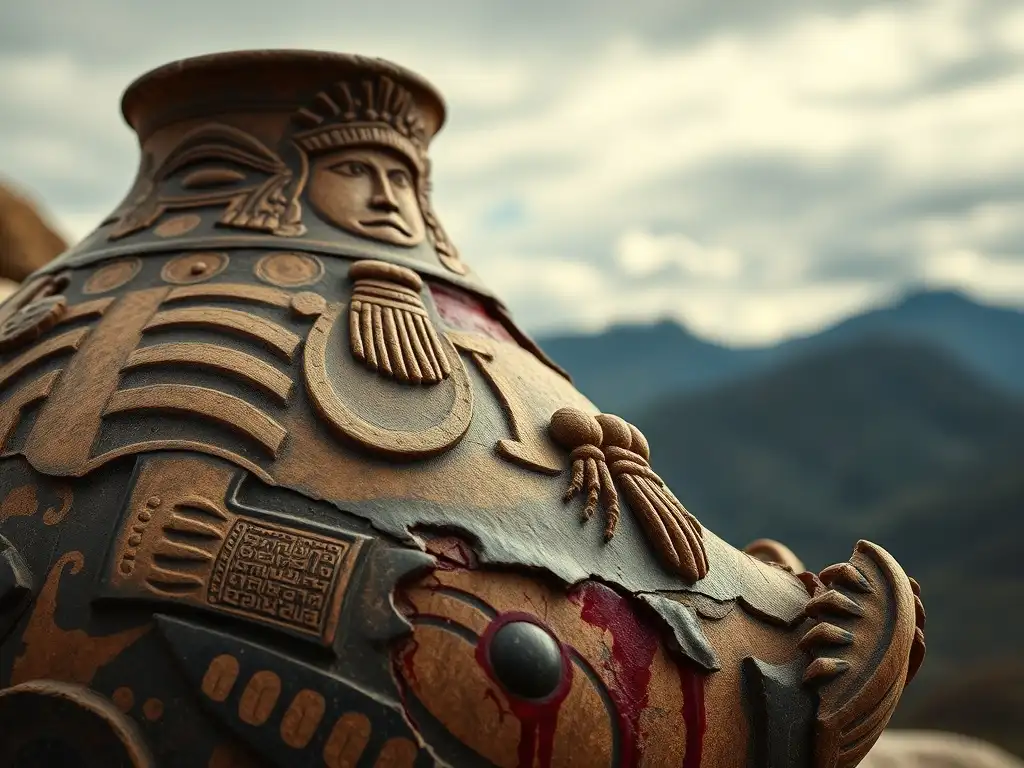
The vibrant and often gruesome imagery depicted on Moche pottery provides invaluable insights into their complex sacrificial rituals. However, interpreting these scenes requires careful consideration of various perspectives, moving beyond a simple reading of the images as literal representations. Scholars have debated the meaning and significance of these rituals for decades, offering diverse interpretations based on archaeological evidence, anthropological theories, and art historical analyses.
Understanding the nuances of Moche belief systems is crucial for accurately interpreting the artistic representations of sacrifice. The Moche didn't leave behind written texts, so our understanding is built painstakingly from the material culture they left behind, particularly their stunning ceramics. This section delves into some key interpretations and the ongoing debates surrounding Moche sacrificial practices as depicted in their art.
The Role of Moche Priests and Elites in Sacrificial Ceremonies
Moche pottery frequently showcases figures in elaborate headdresses and attire, often associated with priestly or elite status. These individuals are frequently depicted overseeing or participating directly in sacrificial ceremonies. Their role wasn't simply that of passive observers; they were active participants, potentially wielding considerable power and influence within the Moche social structure.
The elaborate costumes and regalia depicted in the pottery suggest a complex hierarchical system where religious leaders played a central role in maintaining social order and legitimizing political authority through ritual performances. The sheer scale of some of these ceremonies, as suggested by the number of individuals depicted in some ceramic pieces, implies significant organization and planning, underlining the importance of these priestly figures in coordinating these large-scale events. Analysis of individual pottery pieces reveals variations in the depiction of priestly figures, suggesting different ranks or specializations within the priesthood.
Further research is needed to fully understand the internal structure and hierarchy of the Moche priesthood and the precise roles they played in sacrificial rituals. For example, [specific information pending] regarding the symbols and iconography associated with particular priestly roles.
The Moche sacrifice rituals, as depicted on pottery, were not isolated events; they had profound social implications. These rituals reinforced social hierarchies, maintained political power, and possibly served to manage resources and population control. The sacrifices, often involving human victims, might have been seen as a necessary offering to ensure the prosperity and fertility of the land and its people.
The depiction of these events on pottery suggests a deliberate attempt to publicize and legitimize these practices within Moche society. The widespread presence of similar imagery across various Moche sites suggests a degree of standardization and possibly even a centralized control over religious practices. The artistic representations of sacrifice also served as a powerful tool for social control, reminding the population of the power and authority of the ruling elite.
Furthermore, the detailed depictions of the sacrifices—the costumes of the participants, the instruments used, and the expressions on the faces of the victims—suggest a deep engagement with the rituals and their significance in Moche culture. The social impact of these rituals was far-reaching and complex, shaping Moche society in ways we are only beginning to fully understand. A quantitative analysis of Moche pottery depicting sacrificial scenes, examining the frequency of specific types of sacrifices and the contexts in which they are depicted, could further illuminate the social impact of these rituals.
Analyzing Moche Sacrifice Through Gender Studies
Analyzing Moche sacrificial rituals through a gender lens reveals fascinating insights into the roles and status of women and men within Moche society. While male victims are frequently depicted in Moche pottery, the inclusion of female victims suggests that gender did not solely determine participation in these rituals. The depiction of women in these ceremonies, sometimes in positions of power or authority, challenges traditional interpretations that might have overlooked the agency and importance of women within Moche society.
Further research is needed to investigate the specific roles of women in these rituals and to understand how their participation might have been interpreted within the context of Moche beliefs and social structures. [Specific information pending] on the frequency of male versus female victims depicted in Moche pottery and a deeper analysis of the iconography associated with each gender in these scenes. This could help us understand the symbolic meaning of gender in the context of Moche sacrifice and offer a more nuanced understanding of gender roles within Moche society.
A comparative study of the representation of gender in Moche pottery with other Andean cultures could provide further insights into the unique characteristics of Moche sacrificial practices. The study of Moche pottery, therefore, offers a unique opportunity to challenge traditional gender biases in the interpretation of ancient societies and to gain a more comprehensive understanding of the complex social dynamics of the Moche civilization.
The Legacy of Moche Ritual Practices
The Moche civilization, flourishing along the northern coast of Peru from approximately 100 CE to 800 CE, left behind a rich archaeological record that reveals a complex society with sophisticated artistic traditions deeply intertwined with ritual practices, particularly human sacrifice. Understanding the legacy of these practices requires examining not only their immediate impact on Moche society but also their enduring influence on subsequent Andean cultures and the ongoing ethical debates surrounding their study.
The sheer artistry of Moche pottery, often depicting these sacrificial rituals in vivid detail, provides invaluable insights into their beliefs and worldview. The intricate details, the vibrant colors, and the realistic portrayal of human figures engaged in these ceremonies all contribute to a profound understanding of Moche culture, making the study of Moche pottery sacrifice rituals a crucial aspect of Andean archaeology.
Moche Artistic Influence on Later Andean Cultures
Moche artistic styles, particularly their ceramic work depicting sacrificial rituals, significantly impacted subsequent Andean cultures. The realistic depictions of figures, the masterful use of color and form, and the symbolic imagery found in Moche pottery served as a model for later artisans. While the specific rituals might have evolved or been adapted, the underlying aesthetic principles and the emphasis on portraying powerful scenes, including those of sacrifice and divinity, continued to influence artistic expression across various Andean societies.
For instance, the use of vibrant colors and detailed depictions of human figures can be observed in the pottery of later cultures like the Chimú and Inca, suggesting a clear lineage and ongoing appreciation for the Moche artistic legacy. The enduring appeal of Moche artistic conventions highlights the profound impact of their culture and its ritualistic practices on the broader Andean artistic tradition.
This continuity underscores the importance of studying Moche pottery sacrifice rituals not only in isolation but also within a broader Andean context. Analysis of stylistic similarities across different periods and cultures provides valuable evidence of cultural exchange and the transmission of artistic ideas.
The Enduring Fascination with Moche Blood Rituals
The Moche's practice of human sacrifice, as vividly depicted in their pottery, continues to fascinate and intrigue scholars and the public alike. The sheer scale of these rituals, the apparent social significance of the victims, and the detailed representations in the ceramic artifacts all contribute to this enduring interest. Many theories attempt to explain the motivations behind these practices, ranging from appeasing deities to maintaining social order or demonstrating power.
The graphic nature of the depictions, often showing scenes of violence and death, challenges modern sensibilities yet simultaneously provides a unique window into the Moche worldview. The study of Moche pottery sacrifice rituals offers a glimpse into a culture significantly different from our own, forcing us to confront our own biases and assumptions about human behavior and belief systems.
The ongoing research and debate surrounding these rituals highlight the complex and multifaceted nature of the Moche civilization and the enduring power of their artistic legacy. Further research, including interdisciplinary studies involving anthropology, archaeology, and history, is crucial for a more nuanced understanding of these practices.
Ethical Considerations in Studying Moche Sacrifice
The study of Moche sacrifice rituals raises important ethical considerations. The artifacts depicting these events represent the remains of individuals who were subjected to violence and death. Respecting the dignity of these individuals and their cultural heritage is paramount.
Archaeologists and researchers must approach the study of Moche pottery sacrifice rituals with sensitivity, ensuring that the investigation does not trivialize or exploit the human suffering depicted. Ethical guidelines should prioritize the preservation of the artifacts and the avoidance of any actions that could be considered disrespectful or exploitative. This includes careful consideration of the context of the findings and the potential impact on descendant communities.
The ethical handling of these artifacts and the interpretation of their meaning are essential for responsible scholarship. Transparency in research methodologies and open communication with relevant stakeholders are critical aspects of addressing these ethical concerns effectively. A commitment to responsible stewardship of the cultural heritage of the Moche people is crucial for ensuring that the study of their rituals contributes to a deeper understanding and appreciation of their culture rather than perpetuating harmful stereotypes or disrespecting their legacy.
Frequently Asked Questions
What were the Moche people known for?
The Moche civilization, flourishing on Peru's north coast, is renowned for its exceptional artistic achievements, particularly its elaborate pottery depicting scenes of daily life, warfare, and religious rituals. They were also skilled metalworkers and builders.
What role did pottery play in Moche sacrifice rituals?
Moche pottery frequently depicts human sacrifice scenes, providing invaluable insights into their beliefs and rituals. Vessels often show depictions of ceremonies, victims, and priests, shedding light on these complex practices.
What kind of sacrifices did the Moche perform?
The Moche engaged in human sacrifice, often involving elite individuals or war captives. These sacrifices were likely tied to agricultural cycles, ensuring fertility and appeasing the gods.
How are Moche sacrifice rituals depicted in their art?
Moche pottery and metalwork vividly illustrate sacrifice rituals, showcasing detailed depictions of the events and often displaying a high level of realism and emotional intensity. The scenes provide a window into their worldview.
Why is the study of Moche pottery important for understanding their culture?
Moche pottery serves as a primary source of information about their society, beliefs, and practices. The detailed depictions in their art offer unique insights into daily life, warfare, religion, and their complex societal structures, including their ritualistic sacrifices.
Final Reflection: Echoes of Sacrifice, Whispers of Belief
The intricate artistry of Moche pottery, far from being mere decoration, serves as a chillingly vivid testament to a civilization grappling with profound spiritual beliefs. These ancient rituals, meticulously depicted on ceramic vessels, continue to resonate today, forcing us to confront uncomfortable questions about the nature of faith, power, and the human cost of belief. The enduring power of these images challenges our modern sensibilities and compels us to examine our own relationship with ritual and sacrifice.
The Moche's dedication to their beliefs, as evidenced by the scale and intensity of their sacrificial practices, leaves an indelible mark on our understanding of ancient Andean cultures. Their legacy transcends the physical remains of their pottery; it speaks to the enduring human need for meaning and the lengths to which we will go to find it. The past is never dead. It's not even past.
- William Faulkner. This quote perfectly encapsulates the enduring relevance of the Moche and their rituals, reminding us that their stories, etched in clay, continue to shape our understanding of the human experience.
Consider the intricate details of these sacrificial scenes, the expressions on the faces of the figures, the symbolism embedded within the designs. Let these images provoke you to question the nature of your own beliefs and the sacrifices you make, both big and small, in the pursuit of meaning. What are the rituals, both overt and subtle, that shape your life? What sacrifices are you willing to make for your beliefs? Engage with the legacy of the Moche, not just as a historical curiosity, but as a mirror reflecting the enduring complexities of the human spirit.
Unveil the Mysteries of Moche Rituals Today!
Thank you for exploring the fascinating world of Moche art and sacrifice with us! We hope you've gained valuable insights into their complex rituals and beliefs, which profoundly shaped their civilization. Now, let's continue your journey of discovery.
Here are some suggestions to further your exploration:
- **Delve deeper** into the intricacies of Moche civilization by exploring our extensive collection of articles on Andean art and culture. You'll find a wealth of information on their unique artistic styles and societal structures.
- **Share your perspectives**! Join the discussion by commenting below – what aspects of Moche rituals captivated you the most?
- **Enrich your understanding:** Visit a local museum or gallery featuring Andean art to see firsthand the remarkable artifacts of the Moche civilization. Many museums offer guided tours or educational programs that can enhance your appreciation.
Which aspects of Moche rituals resonated most with you, and how do you believe they continue to influence our understanding of ancient art and culture?