
Inca Art and the Spanish Chroniclers: Different Perspectives

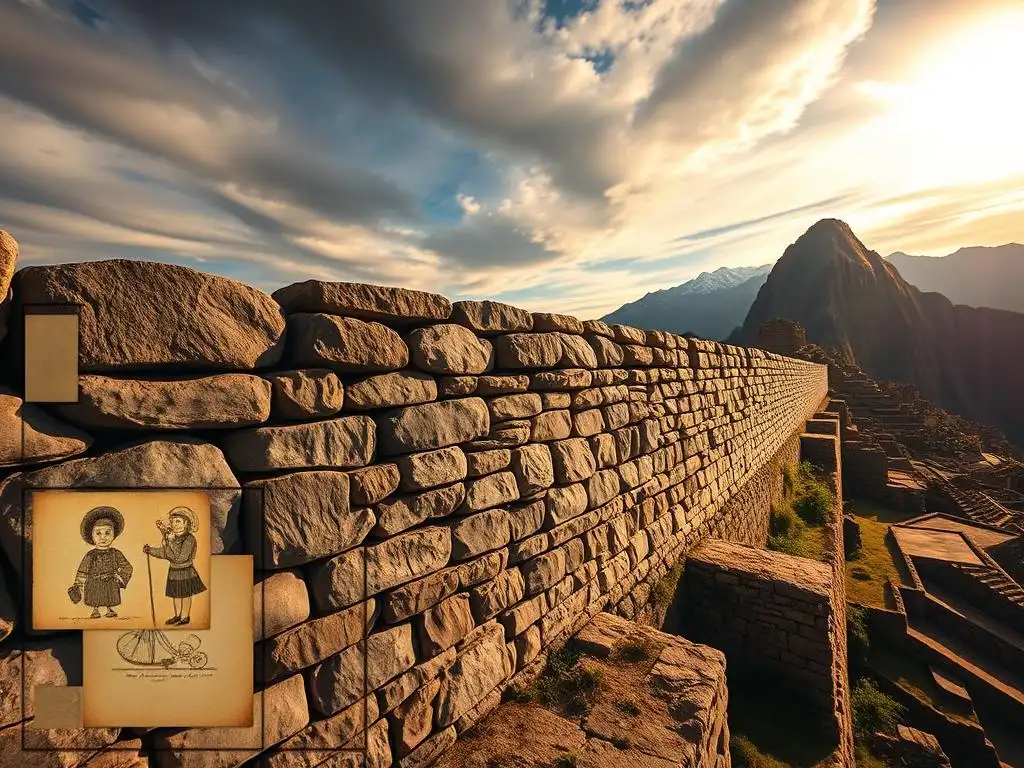
Step into a world lost to time, yet echoing with vibrant life. Imagine the breathtaking artistry of the Inca Empire, not just through its magnificent creations, but also through the often-conflicting lenses of the Spanish chroniclers who first encountered it. Prepare to unravel the mysteries surrounding Inca art, as we delve into fascinating accounts that reveal both the dazzling achievements and the complex interpretations shaped by conquest and cultural clash.
Discover how these different perspectives shaped our understanding of a civilization that continues to captivate us today. Dive into the world of "Inca art Spanish chroniclers perspectives" and uncover a story far richer than you ever imagined.
The conquest of the Inca Empire by the Spanish in the 16th century irrevocably altered the course of Andean history. This dramatic event not only resulted in the downfall of a sophisticated civilization but also profoundly impacted the way we understand Inca art today.
While the Inca themselves left behind a rich legacy of material culture—exquisite textiles, intricate metalwork, and monumental architecture—our understanding of its meaning and significance is significantly shaped by the accounts of Spanish chroniclers who witnessed, and participated in, this pivotal moment. This article explores the fascinating, and often conflicting, perspectives offered by these chroniclers, examining how their biases, cultural backgrounds, and individual experiences influenced their interpretations of Inca art and its cultural context.
We will delve into how these written accounts, while invaluable, must be critically analyzed alongside the surviving artifacts themselves to paint a more complete and nuanced picture of Inca artistic expression. Understanding these different perspectives is crucial for a truly comprehensive appreciation of Inca art and its place within the broader tapestry of Andean civilization.
The Chroniclers' Accounts: A Window into Inca Art
Spanish chroniclers, often driven by religious zeal, economic interests, or a desire to legitimize the conquest, left behind a wealth of written accounts describing Inca society and culture. These chronicles, however, weren't objective ethnographic studies. They were often colored by the chroniclers' own prejudices and interpretations, reflecting the prevailing European worldview of the time.
For instance, some chroniclers viewed Inca art through a lens of religious judgment, interpreting certain motifs as pagan symbols requiring eradication. Others focused on the practical aspects of Inca artistry, detailing the techniques employed in metalworking or textile production. This diversity in focus, however, also provides a richer, albeit more complex, understanding of Inca art.
Some chroniclers, like [Specific chronicler's name pending], provided detailed descriptions of Inca ceremonies and the artistic elements integral to them, offering valuable insights into the ritual significance of certain artifacts. Others, like [Specific chronicler's name pending], focused more on the material aspects, detailing the techniques and materials used in creating Inca art. These differing approaches highlight the need for a multi-faceted analysis of these historical sources.
Interpreting Inca Symbolism: A Clash of Cultures
The interpretation of Inca symbolism presents a particularly challenging area where the perspectives of chroniclers clash with modern scholarly interpretations. Inca art is replete with intricate designs and motifs often deeply embedded in their cosmology and religious beliefs. However, the chroniclers, lacking a deep understanding of Inca worldview, often imposed their own cultural frameworks onto their interpretations. What might have been a sacred symbol to the Inca, for example, could be misinterpreted as a mere decorative element by a Spanish chronicler.
This is exemplified by [Specific example of misinterpretation pending]. Furthermore, the destruction of many Inca artifacts and the suppression of Inca traditions during the conquest resulted in the loss of crucial contextual information, making accurate interpretation even more difficult. Modern scholars, utilizing archaeological findings and a more nuanced understanding of Andean cultures, are now re-evaluating these interpretations, offering fresh perspectives on the meaning and significance of Inca art.
Reconciling Perspectives: A Modern Approach to Inca Art Studies
Reconciling the perspectives of the Spanish chroniclers with the material evidence of Inca art requires a critical and multidisciplinary approach. It necessitates a careful examination of both written accounts and surviving artifacts, acknowledging the biases inherent in the former while utilizing the latter to fill the gaps and challenge preconceived notions. This integrated approach involves analyzing the linguistic nuances of the chroniclers' writings, considering the socio-political context of their accounts, and correlating their descriptions with archaeological discoveries.
By adopting such a nuanced approach, scholars can begin to unravel the complexities of Inca art, moving beyond simplistic interpretations and towards a more comprehensive and accurate understanding of its cultural significance. The challenge lies in weaving together these disparate threads of information to create a richer, more nuanced narrative of Inca artistic achievement.
This requires a constant dialogue between textual analysis and material culture studies, constantly refining our understanding of this remarkable civilization's artistic legacy. The pursuit of this understanding continues to this day, fueled by new discoveries and ongoing scholarly debate.
- The Chroniclers' Accounts: A Window into Inca Art
- Interpreting Inca Symbolism: A Clash of Cultures
- Reconciling Perspectives: A Modern Approach to Inca Art Studies
- What is the main focus of the article "Inca Art and the Spanish Chroniclers: Different Perspectives"?
- How do the perspectives of Inca people and Spanish chroniclers differ regarding Inca art?
- What sources did the article use to understand Inca artistic perspectives?
- Why is it important to consider both Inca and Spanish perspectives on Inca art?
- How does the article address the issue of bias in historical accounts of Inca art?
Understanding Inca Art Through Colonial Eyes
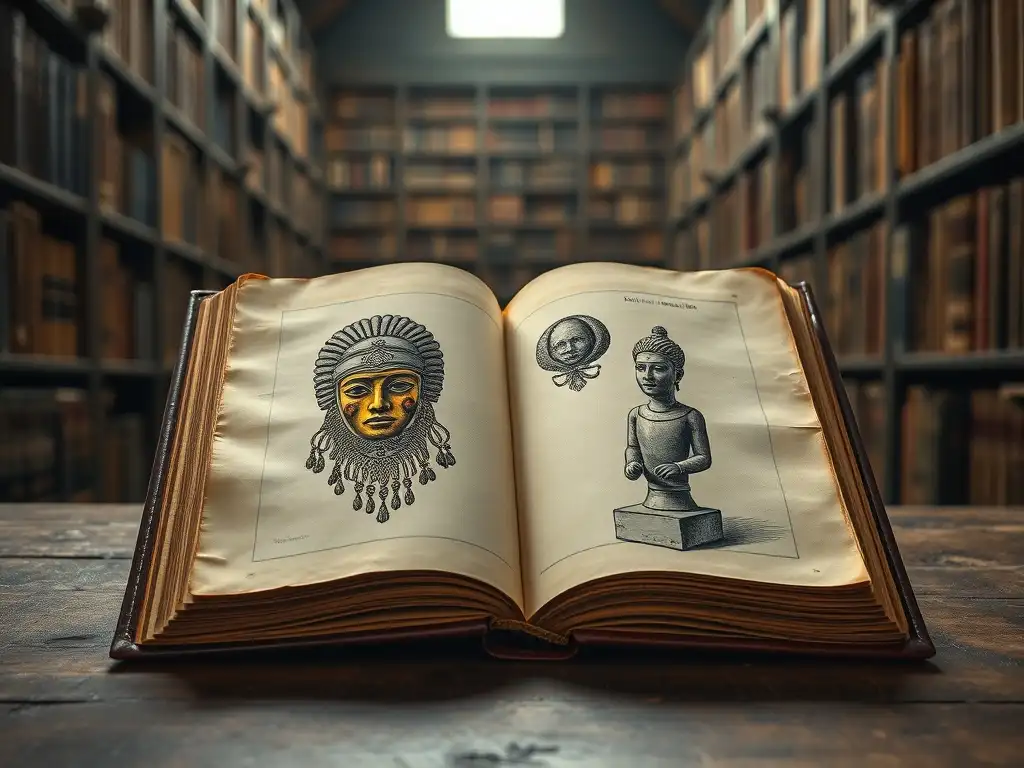
The arrival of the Spanish in the 16th century dramatically altered the landscape of Andean studies, irrevocably shaping our understanding of Inca art. Prior to the conquest, Inca artistic expression existed within its own vibrant cultural context, a context largely lost to us due to the destruction and subsequent reinterpretations imposed by the colonial era. However, the writings of Spanish chroniclers, despite their inherent biases and limitations, provide invaluable, albeit filtered, glimpses into the Inca worldview and their artistic achievements.
Analyzing these accounts critically is crucial for a nuanced understanding of Inca art, allowing us to move beyond simplistic narratives and appreciate the complexity of its creation and meaning. We must remember that these chronicles are not objective records but rather products of their time, influenced by the colonial agenda and the chroniclers' own cultural perspectives. Understanding these biases is key to interpreting their descriptions of Inca art accurately.
The Arrival of the Spanish and its Impact on Inca Art Interpretation
The Spanish conquest had a profound and devastating impact on Inca art and its interpretation. The destruction of countless artifacts, temples, and palaces – often melted down for their gold and silver – resulted in an irreplaceable loss of artistic heritage. The systematic suppression of Inca religion and culture further complicated the situation.
Many Inca artworks were interpreted through a distinctly European lens, often failing to grasp their original symbolic meanings. For instance, depictions of Inca deities were often misconstrued as representations of pagan idols or demonic figures, reflecting the Spanish colonial worldview that aimed to demonize indigenous beliefs and justify the conquest. The sheer scale of destruction and the immediate imposition of a new cultural framework meant that the transmission of knowledge regarding Inca art was significantly disrupted.
Oral traditions, which played a vital role in preserving cultural memory, were suppressed, further obscuring the true nature and significance of Inca artistic practices. This resulted in a significant gap in our understanding of Inca art, forcing us to rely heavily on the often-incomplete and biased accounts left by the Spanish chroniclers. The surviving artifacts themselves, while offering valuable insights, are often devoid of their original context, making their interpretation challenging.
Early Spanish Chroniclers' Views on Inca Artistic Expression
Early Spanish chroniclers, such as Pedro Cieza de León, Garcilaso de la Vega (Inca Garcilaso), and Bernabé Cobo, offer diverse perspectives on Inca art, reflecting their varying backgrounds and motivations. While their accounts are invaluable, it's crucial to acknowledge their biases.
For example, Cieza de León, an eyewitness to the Inca Empire, provided detailed descriptions of Inca architecture and metalwork, often emphasizing the scale and technical prowess of Inca artisans. However, his perspective was inevitably shaped by the colonial context, reflecting the Spanish admiration for grandeur and technical skill while often overlooking the spiritual and symbolic dimensions of Inca art.
In contrast, Garcilaso de la Vega, the son of a Spanish conquistador and an Inca noblewoman, offered a more nuanced perspective, drawing on both his Spanish and Inca heritage. His Royal Commentaries of the Incas provides insights into Inca cosmology and the symbolic meanings embedded in their art, offering a glimpse into the Inca worldview that is often missing from other accounts. Nevertheless, even Garcilaso's work is not free from bias, reflecting the complexities of his own identity and the limitations of his access to pre-conquest Inca knowledge.
Bernabé Cobo, a Jesuit missionary, offered a different perspective still, focusing on the religious aspects of Inca art and often interpreting them within the framework of Christian theology. His writings, while valuable, reflect the missionary aim to understand and ultimately convert the Inca population.
The following table summarizes some key differences in their perspectives:
| Chronicler | Perspective | Focus | Bias |
|---|---|---|---|
| Pedro Cieza de León | Eyewitness account, emphasis on grandeur | Architecture, metalwork | Colonial admiration, overlooking symbolism |
| Inca Garcilaso de la Vega | Mixed heritage, nuanced perspective | Cosmology, symbolic meaning | Potential for romanticization, limited access |
| Bernabé Cobo | Jesuit missionary | Religious aspects, Christian interpretation | Missionary agenda, theological framework |
Analyzing these differing perspectives allows for a more complete, albeit still incomplete, understanding of Inca art. By comparing and contrasting their observations, we can begin to reconstruct a more comprehensive picture of Inca artistic practices and their significance within their own cultural context. Further research, including archaeological findings and the ongoing study of surviving artifacts, is essential to continue enriching our understanding of this fascinating and complex artistic legacy.
The task of piecing together a complete picture remains a work in progress, a testament to the profound loss caused by the conquest and the ongoing challenges in interpreting historical sources. 🌴
Contrasting Perspectives: Inca Art in Inca Society vs. Spanish Accounts
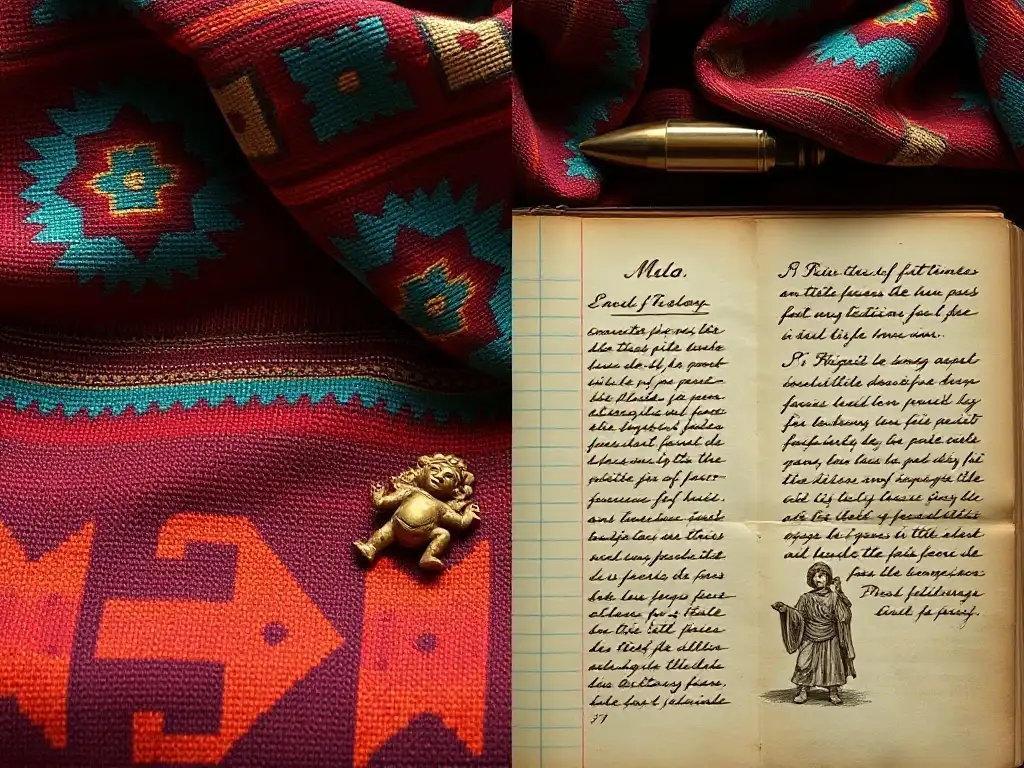
This section delves into the starkly different viewpoints on Inca art presented by Inca society itself and the accounts left by Spanish chroniclers following the conquest. Understanding these contrasting perspectives is crucial for a nuanced appreciation of Inca artistic achievements and their true significance. The Inca worldview, deeply intertwined with religious beliefs and social structures, shaped the creation and purpose of art in profound ways, differing significantly from the materialistic and often exoticized lens through which Spanish chroniclers viewed it.
The discrepancies highlight the limitations of relying solely on colonial sources for interpreting pre-Columbian cultures and emphasize the importance of archaeological evidence and indigenous perspectives when available. Analyzing these differing perspectives allows for a more complete and accurate understanding of Inca art’s true value and meaning.
Inca Art's Function and Meaning within the Inca Empire
Inca art wasn't merely decorative; it served vital roles within the complex social and religious fabric of the empire. Textiles, for example, weren't simply clothing; intricate designs and techniques signified social status, clan affiliation, and religious significance. The vibrant colors and symbolic patterns woven into cumbi (tunics) and other garments communicated far more than just aesthetic preferences. Similarly, gold and silver objects, meticulously crafted into intricate figures and vessels, held deep religious meaning, often representing deities or embodying cosmological concepts.
These artifacts were not just commodities; they were integral components of religious ceremonies, royal power displays, and ancestor veneration. The creation of these objects involved highly specialized artisans, often working under the patronage of the Inca state, indicating the immense cultural value placed upon artistic production. Archaeological findings consistently reveal the importance of art in reinforcing Inca power and ideology.
For instance, the monumental stonework of Machu Picchu, with its precise engineering and sophisticated design, served not only as a practical structure but also as a powerful symbol of Inca imperial might and control. The intricate carvings and placement of structures further reinforced the Inca's connection to the sacred landscape. Understanding the Inca worldview, with its emphasis on reciprocity, cosmic order, and ancestor worship, is paramount to comprehending the true significance of their artistic expressions.
Spanish Chroniclers' Focus: Value, Materiality, and Exoticism
Spanish chroniclers, writing in the aftermath of the conquest, presented a drastically different perspective on Inca art. Their accounts, often driven by a desire to document the "New World's" riches and "exotic" cultures, frequently focused on the material value of Inca artifacts, particularly gold and silver. Chroniclers like Pedro Cieza de León and Garcilaso de la Vega, while providing valuable descriptions, often prioritized the sheer quantity and preciousness of materials over the artistic techniques and cultural meanings embedded within the objects. Their accounts, naturally, were colored by their own cultural biases and the economic priorities of the Spanish crown.
The sheer volume of gold and silver confiscated and melted down by the Spanish underscores this materialistic perspective. The chroniclers' accounts often lacked the nuanced understanding of the Inca's own interpretations of their art. For example, descriptions of intricate textiles often concentrated on the sheer volume of material and the vibrant colors, rather than the complex iconography and symbolism woven into the fabric.
This perspective, though providing valuable historical context, must be critically evaluated, recognizing the inherent limitations of viewing Inca art through a colonial lens. The focus on material value often overshadows the artistic skill, cultural significance, and spiritual meaning that Inca artisans imbued in their work. To gain a complete picture, it's crucial to juxtapose these accounts with archaeological evidence and, whenever possible, integrate surviving indigenous knowledge and perspectives.
Key Elements of Inca Art and Their Representation in Spanish Chronicles
This section delves into the fascinating interplay between Inca artistic achievements and the interpretations offered by Spanish chroniclers who witnessed, albeit often through a biased lens, the splendor of the Inca civilization. We'll explore key elements of Inca art – textiles and metalwork – and analyze how these were documented and perceived by the Spanish conquistadors and subsequent chroniclers.
Understanding these differing perspectives is crucial for a complete appreciation of Inca artistry and its lasting legacy. The keyword phrase "Inca art Spanish chroniclers perspectives" is central to this analysis, illuminating how subjective accounts shaped our understanding of this rich cultural heritage.
Inca Textiles: Weaving Techniques and Symbolic Significance
Inca textiles represent a pinnacle of Andean artistry. Their intricate designs, vibrant colors, and sophisticated weaving techniques reflected not only exceptional craftsmanship but also deep symbolic meaning. From simple everyday garments to elaborate ceremonial cloths, textiles served various social and religious functions within Inca society. The use of camelid fibers like alpaca and vicuña, combined with cotton, allowed for a wide range of textures and colors.
Advanced techniques like tapestry weaving, brocade, and sumptuary weaving created stunning visual effects, often incorporating intricate geometric patterns, stylized animals, and representations of deities. These weren't merely decorative items; they were powerful symbols of status, identity, and religious beliefs. The quality of the textile often indicated the wearer's social standing, with the finest pieces reserved for the elite.
Spanish Descriptions of Inca Textile Quality and Decoration
Spanish chroniclers, while often captivated by the sheer volume and beauty of Inca textiles, frequently lacked a nuanced understanding of their cultural significance. Descriptions found in chronicles like those of Pedro Cieza de León and Bernabé Cobo often focus on the technical aspects of the weaving, noting the fineness of the thread, the brilliance of the colors, and the complexity of the patterns. However, their interpretations often fell short of grasping the symbolic depth embedded within the designs.
For example, while they might detail the intricate geometric patterns, they rarely deciphered their meaning within the Inca worldview. Many accounts emphasize the abundance of textiles as a sign of Inca wealth and power, overlooking the intricate social and religious contexts in which these textiles were created and used.
This highlights a critical limitation in interpreting historical accounts: the chroniclers' perspective, shaped by their own cultural biases and lack of understanding of the Inca worldview, inevitably influenced their descriptions and interpretations. Further research is needed to fully correlate specific textile designs documented by the Spanish with their actual symbolic meaning within Inca culture.
Inca Metalwork: Gold, Silver, and the Skill of Inca Artisans
Inca metalworking stands as a testament to the ingenuity and artistic skill of Andean artisans. The mastery of techniques like hammering, casting, and alloying allowed them to create breathtaking objects from gold, silver, and copper, often inlaid with other precious stones. These objects ranged from intricate jewelry and ceremonial vessels to monumental sculptures and architectural elements. The Inca's ability to create seamless, highly detailed pieces, demonstrates a profound understanding of metallurgy. The use of gold, in particular, held significant religious and symbolic meaning, often associated with the sun god Inti.
How Spanish Chroniclers Viewed Inca Metalworking Techniques
Spanish chroniclers were overwhelmingly impressed by the sheer quantity of gold and silver objects in the Inca Empire. Their accounts frequently emphasize the vast wealth of the Inca rulers, focusing on the material value of the metal rather than the artistry involved in its creation. Chronicles often describe the scale of the Inca's gold and silver holdings in terms of weight and volume, providing detailed accounts of the plunder of these treasures following the conquest.
While they acknowledged the technical skill involved, they rarely attempted to analyze the specific techniques employed by Inca artisans. For instance, while they might describe the intricate detail of a gold mask, they often failed to explain the processes used to achieve such precision. This lack of detailed technical analysis reflects a broader pattern: the Spanish chroniclers were primarily interested in the economic and political implications of Inca metalwork, rather than its artistic and cultural significance.
This perspective, understandably shaped by the context of conquest and colonization, often overshadowed the artistic achievements themselves. A deeper analysis comparing the chroniclers' descriptions with surviving Inca artifacts could reveal valuable insights into the lost techniques of Inca metalworking.
Inca Architecture: Monumentality and Religious Symbolism
Inca architecture stands as a testament to the civilization's advanced engineering skills and deeply ingrained religious beliefs. Their structures weren't merely functional; they were imbued with profound spiritual significance, reflecting a worldview intimately connected with the Andean landscape and its deities. The monumental scale of many Inca buildings, such as Sacsayhuamán near Cusco, speaks to the power and organization of the empire.
The precise stonework, with blocks fitted together so tightly that a knife blade couldn't be inserted between them, showcases a mastery of engineering unmatched in the Americas at that time. This meticulous construction wasn't simply about aesthetics; it was a demonstration of the Inca's ability to harness resources and mobilize labor on a massive scale, reinforcing their authority and control. The integration of architecture with the natural environment—terracing slopes to maximize agricultural potential, aligning structures with celestial events—further underscores the profound connection between the Inca worldview and the physical world.
Temples, palaces, and storage facilities weren't isolated structures but components of a larger, carefully planned urban landscape, reflecting a sophisticated understanding of urban planning and social organization. The use of specific materials, like locally sourced stone, also speaks to a deep respect for the environment and a practical approach to construction. Many structures, even seemingly simple ones, likely held intricate religious meaning, reflecting the Inca's polytheistic beliefs and their worship of various deities associated with the sun, mountains, and agricultural fertility.
Spanish Accounts of Inca Architectural Marvels
Spanish chroniclers, arriving in the Andes after the conquest, offered their perspectives on Inca architecture, though often through a lens shaped by European aesthetics and biases. While some, like Pedro Cieza de León, attempted relatively objective descriptions of Inca cities and structures, highlighting their impressive scale and engineering prowess, their accounts were inevitably colored by their own cultural background. The chroniclers' fascination with the monumental scale of Inca structures is evident in their writings; however, their understanding of the religious and symbolic significance of these buildings often fell short.
Many Spanish accounts focused on the practical aspects of Inca architecture, detailing the construction techniques and materials used, but often failed to grasp the deeper spiritual meaning embedded within these structures. For example, the intricate system of canals and irrigation networks, crucial for Inca agriculture, was documented, but its connection to Inca cosmology and their reverence for water might have been overlooked or misinterpreted. Moreover, the destruction of many Inca structures during the conquest and subsequent colonial period resulted in a loss of information and context, making it challenging for modern scholars to fully understand the original meaning and function of these buildings based solely on Spanish chronicles.
The subjective nature of these accounts, influenced by the biases of the chroniclers and the disruptive impact of the conquest, necessitates a critical approach to their interpretation, especially when considering the religious and symbolic aspects of Inca architecture. Comparing multiple chronicles helps to build a more complete picture, however, the absence of Inca perspectives presents a significant limitation in our understanding.
The Bias of Colonial Records: Limitations in Interpreting Inca Art
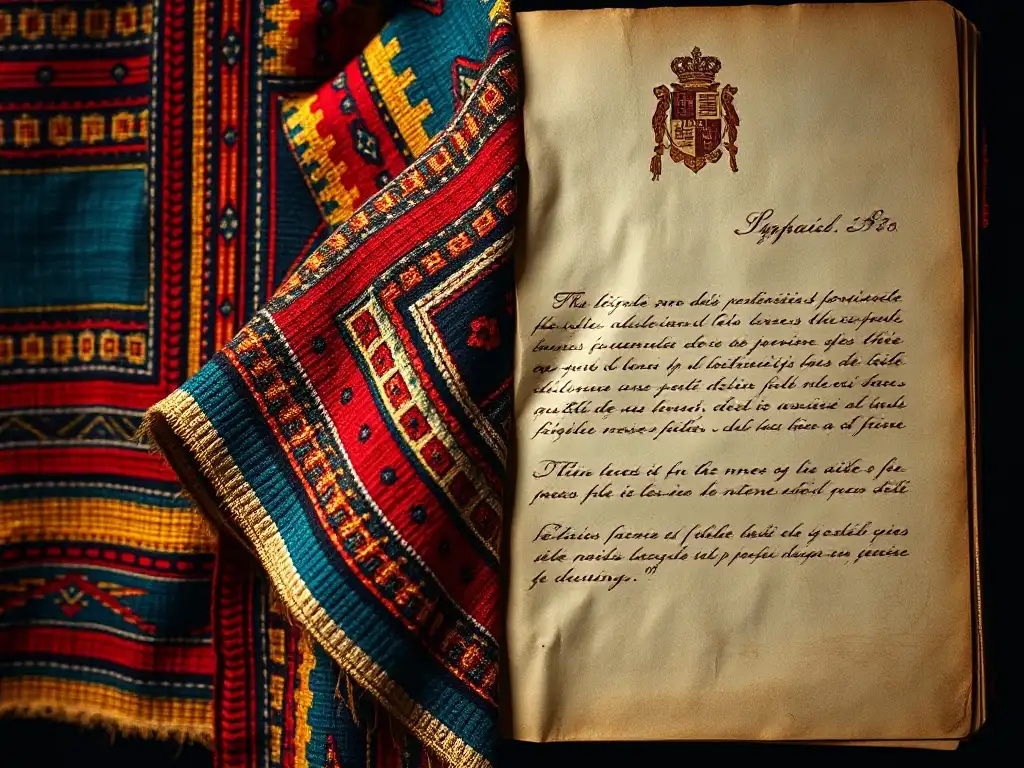
The study of Inca art is inextricably linked to the surviving records left by Spanish chroniclers following the conquest. However, understanding these accounts requires a critical eye, acknowledging inherent biases that significantly shape our perception of Inca artistic practices. These biases stem from several factors, rendering a purely objective interpretation impossible. The very act of conquest created a power imbalance, influencing the narrative and shaping the lens through which the Spanish viewed Inca art.
Their worldview, deeply rooted in European aesthetics and religious beliefs, inevitably colored their observations and interpretations. This section will explore the limitations imposed by these colonial records and suggest methods for mitigating their inherent biases when analyzing Inca art. Understanding these limitations is crucial for a more nuanced and accurate appreciation of Inca artistic achievements.
The Influence of Spanish Preconceptions on Art Descriptions
Spanish chroniclers often described Inca art through the filter of their own cultural understanding. Objects and practices unfamiliar to them were frequently categorized and interpreted according to their existing frameworks. For instance, the intricate textiles, with their complex iconography and vibrant colors, were often described in terms of European tapestries or religious imagery, rather than within their specific Andean context.
This led to misinterpretations of symbolic meanings and artistic techniques. Furthermore, the Spanish emphasis on realism and representational art often failed to grasp the abstract and symbolic nature of much Inca art. The use of geometric patterns, stylized figures, and symbolic motifs, integral to Inca artistic expression, were sometimes dismissed as crude or lacking sophistication, reflecting a Eurocentric bias.
For example, the sophisticated knot-work in Inca textiles, a highly developed form of communication and record-keeping, might have been seen simply as decorative, overlooking its deep cultural significance. This highlights the crucial need to consider the cultural context and indigenous perspectives when analyzing descriptions provided by Spanish chroniclers.
Cultural Differences and Misinterpretations of Inca Art
The stark cultural differences between the Inca and the Spanish further complicated the accurate recording and interpretation of Inca art. The Spanish, unfamiliar with the Inca worldview and religious beliefs, often failed to comprehend the deeper meanings embedded within Inca artistic expressions. Religious iconography, for example, was frequently misinterpreted or dismissed as pagan idolatry.
The sophisticated system of Inca record-keeping, which integrated art with administrative and religious practices, was largely misunderstood. The use of quipu, complex systems of knotted strings used for recording numerical data and transmitting information, was often poorly documented and its significance underestimated. Similarly, the symbolic representations in Inca pottery and metalwork, often imbued with religious or cosmological meanings, were frequently misinterpreted or dismissed as lacking artistic merit, judged solely by European standards.
The lack of a shared cultural framework resulted in significant misinterpretations and a loss of vital contextual information, emphasizing the need for a multi-faceted approach to understanding Inca art that goes beyond the limited perspective of the Spanish chroniclers. Careful cross-referencing with archaeological findings and ethnohistorical studies can help to mitigate these biases and reconstruct a more complete picture of Inca artistic achievements. The challenge lies in disentangling the observer's bias from the artistic expression itself.
Analyzing the Value of Spanish Chroniclers' Accounts
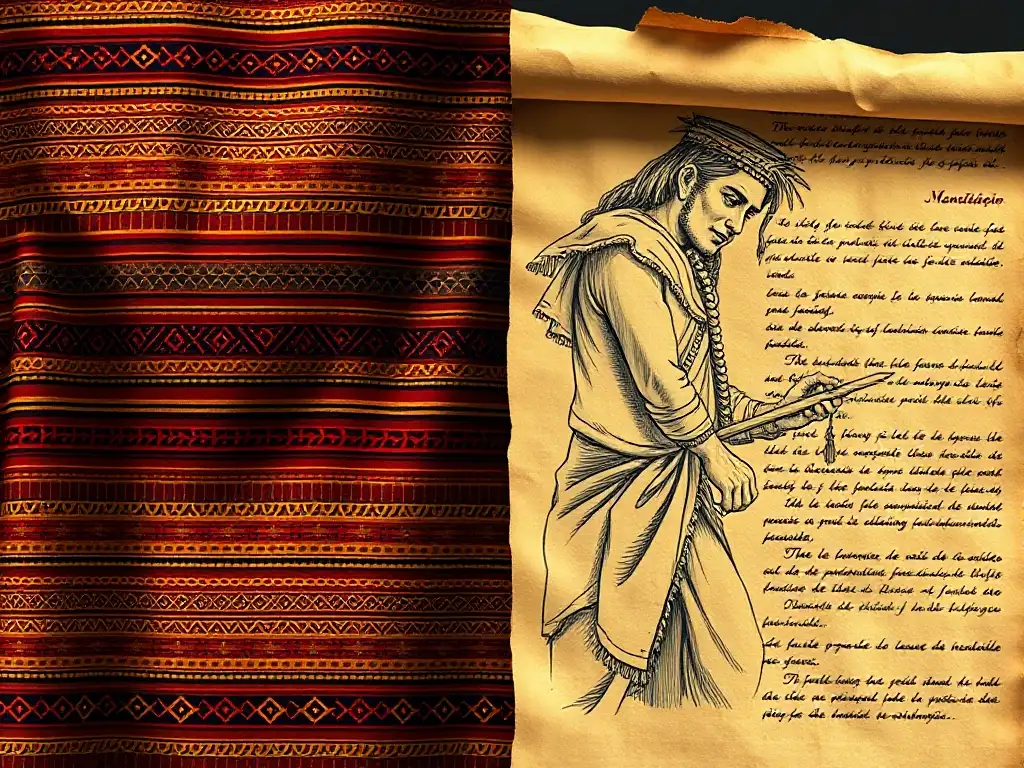
The arrival of the Spanish in the 16th century dramatically altered the course of Andean history, leaving behind a complex legacy that includes invaluable, albeit biased, accounts of Inca civilization. Spanish chroniclers, often conquistadors or missionaries themselves, documented aspects of Inca life, including their art, in ways that would otherwise be lost to history. Their writings, while undeniably filtered through their own cultural lens and motivations, offer crucial insights into Inca artistic practices, beliefs, and societal structures.
These accounts provide a window into the materials used, the techniques employed, and the symbolic meanings attributed to various Inca art forms. For instance, the detailed descriptions of goldwork by chroniclers like Pedro Cieza de León offer unparalleled insights into the Inca's mastery of metallurgy and their elaborate use of gold in religious and royal contexts. Analyzing these texts requires a critical approach, acknowledging both their inherent limitations and their irreplaceable value as primary sources for understanding Inca art.
Without them, our understanding of Inca aesthetics and artistic production would be significantly impoverished. The challenge lies in discerning fact from interpretation, and separating the chronicler's biases from the objective reality of Inca artistic achievements. This necessitates a comparative approach, cross-referencing different chronicler accounts and correlating them with archaeological findings whenever possible.
How Spanish Chroniclers Provide Essential Historical Context
Spanish chroniclers, despite their biases, provide essential historical context crucial for interpreting Inca art. Their accounts offer invaluable information on the social and political structures that shaped artistic production. For example, chroniclers detail the Inca's highly centralized system of production, where specialized artisans worked under royal patronage, creating objects for religious ceremonies, royal adornment, and elite consumption.
This information is vital for understanding the scale and organization of Inca artistic endeavors. Furthermore, their descriptions of Inca religious beliefs and rituals shed light on the symbolic meanings embedded within Inca art. The detailed accounts of religious festivals and ceremonies, often involving elaborate displays of art, provide crucial context for interpreting the iconography and stylistic choices found in surviving artifacts.
Many pieces of Inca art, such as textiles and ceramics, are far better understood when viewed through the lens of the social and religious practices described by the chroniclers. Understanding the specific rituals and beliefs associated with these objects enhances our comprehension of their purpose and significance. This contextual information is essential for moving beyond a purely aesthetic appreciation of Inca art to a deeper understanding of its cultural and social significance within Inca society.
Recognizing the Subjectivity in Spanish Accounts of Inca Art
While Spanish chroniclers offer valuable information, it is crucial to acknowledge the inherent subjectivity in their accounts of Inca art. Their perspective was shaped by their own cultural background, religious beliefs, and personal experiences, leading to biases and interpretations that may not accurately reflect Inca realities. For example, the chroniclers' emphasis on gold and silver objects, often highlighting their value in terms of European standards, may overshadow other significant Inca art forms, such as textiles or ceramics.
Their accounts were often colored by their desire to portray the Inca empire as either a powerful, sophisticated civilization or a barbaric society ripe for conquest, influencing their descriptions of Inca art accordingly. The conquistadors' focus on the plunder of gold and other precious metals significantly skewed their perception of Inca artistic values, leading to a disproportionate emphasis on these materials and a possible neglect of other artistic mediums. Moreover, the imposition of the Christian worldview often led to misinterpretations of Inca iconography and religious practices, resulting in skewed descriptions of the symbolic meanings embedded in Inca art.
Therefore, a critical approach is necessary, recognizing the limitations and biases inherent in these primary sources and supplementing them with archaeological evidence and anthropological insights for a more balanced understanding. Careful analysis, cross-referencing multiple accounts, and employing a multidisciplinary approach are vital for navigating the complexities and biases embedded within the Spanish chroniclers' descriptions of Inca art.
Modern Scholarly Perspectives on Inca Art
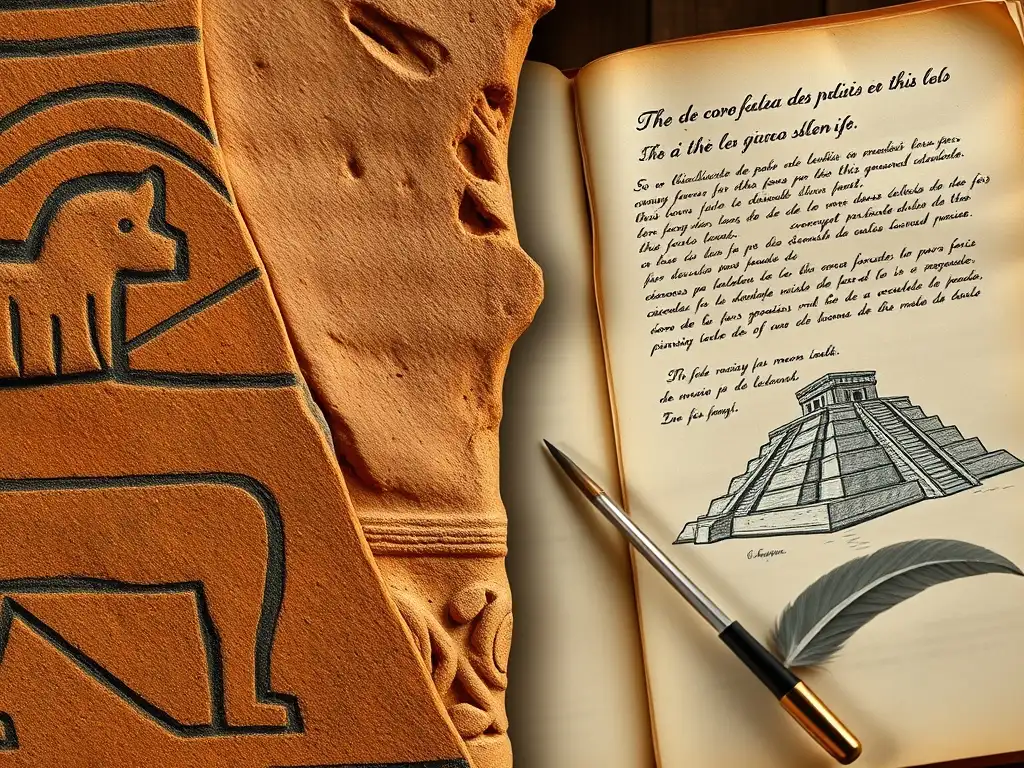
This section delves into how modern scholars approach the study of Inca art, moving beyond the often biased accounts left by Spanish chroniclers. We'll explore the methodologies and interpretations used to understand Inca artistic heritage in a more nuanced and complete way. The field has evolved significantly, incorporating new archaeological discoveries and theoretical frameworks to challenge and reinterpret older assumptions.
Understanding these shifts is crucial for a comprehensive appreciation of Inca artistic achievements. The keyword phrase "Inca art Spanish chroniclers perspectives" is central to this discussion, as we examine how contemporary scholarship attempts to correct for the limitations of early colonial accounts.
Contemporary Approaches to Interpreting Inca Artistic Heritage
Contemporary approaches to Inca art are characterized by interdisciplinarity and a commitment to decolonizing the narrative. No longer relying solely on the often ethnocentric interpretations of Spanish chroniclers, scholars now integrate archaeological evidence, ethnohistorical research, and anthropological perspectives to create a more holistic understanding. This includes analyzing the context of discovery, considering the materials used, and understanding the social and political functions of the art.
For example, the analysis of textile production techniques now incorporates detailed study of the fibers, dyes, and weaving styles, revealing sophisticated knowledge of technology and artistry. Furthermore, the placement of artifacts within specific sites informs interpretations of their intended purpose and social significance. This move towards a multi-faceted approach allows for a more nuanced appreciation of Inca artistry, going beyond superficial observations of aesthetics to explore the intricate interplay of technology, society, and belief systems.
The shift in focus reflects a broader trend in the field of Andean archaeology, emphasizing the agency and complexity of Inca culture rather than simply presenting it as a conquered people. The vibrant colors and intricate designs of Inca textiles, for example, are no longer merely seen as decorative elements, but as carriers of significant social and religious meaning.
Reconciling Spanish Chronicles with Archaeological Evidence
The Spanish chroniclers, while providing invaluable primary source material, often viewed Inca art through a Eurocentric lens, interpreting it based on their own cultural biases. Their accounts frequently lacked the detail and context necessary for a full understanding. Modern scholarship actively works to reconcile these accounts with the wealth of archaeological evidence unearthed in recent decades.
For instance, the chroniclers often emphasized the grandeur of Inca architecture, but archaeological excavations reveal much more about the construction techniques, the logistical challenges, and the social organization involved in these monumental projects. Similarly, while chroniclers described Inca goldwork, archaeological findings offer more precise information about the metallurgical processes, the sourcing of materials, and the symbolic meanings embedded in the objects. The challenge lies not in dismissing the chroniclers entirely, but in critically evaluating their accounts, recognizing their limitations, and supplementing them with the more objective data provided by archaeology.
This critical engagement allows scholars to build a more accurate and comprehensive picture of Inca artistic practices and their significance. A key part of this process involves identifying and correcting biases present in the chroniclers' narratives, resulting in a more equitable and nuanced understanding of Inca art and culture. The comparison reveals the power of interdisciplinary research in achieving a more complete interpretation of the past.
| Source Type | Strengths | Weaknesses | Example |
|---|---|---|---|
| Spanish Chronicles | Primary source; provides contemporary perspective | Biased; incomplete; lacks technical detail | Descriptions of Inca goldsmithing techniques |
| Archaeological Data | Objective; detailed; provides material evidence | Can be limited in interpretation without context | Analysis of textile fiber and dye composition |
The ongoing dialogue between these perspectives – the historical accounts and the archaeological discoveries – remains essential for a continuously evolving and more accurate understanding of Inca art. The rich tapestry of Inca artistic heritage continues to unfold as scholars refine their methodologies and integrate new discoveries into a more complete and nuanced narrative.
Conclusion: A Multifaceted Understanding of Inca Art
The study of Inca art presents a fascinating challenge: piecing together a comprehensive understanding from fragmented evidence. While archaeological finds offer tangible glimpses into Inca artistic practices, the perspectives of Spanish chroniclers, though often biased, provide invaluable contextual information. By critically analyzing both sources, we can construct a more nuanced and complete picture of Inca artistic achievements.
The limitations of each approach must be acknowledged. Archaeological discoveries can be incomplete or misinterpreted, while chronicler accounts are filtered through the lens of the Spanish conquest and their own cultural biases. However, the synergy between these two sources allows for a richer and more accurate understanding than either could provide alone.
For instance, while archaeological evidence reveals the stunning craftsmanship of Inca textiles, the chroniclers' descriptions of their societal significance—their use in rituals, ceremonies, and social status—add depth and meaning. The combination offers a more holistic view of Inca art than either could achieve alone. This integrated approach is crucial for a proper interpretation of Inca artistry and its place within the broader context of Andean civilization.
Integrating Different Perspectives for a Complete Picture of Inca Art
Reconciling the perspectives of archaeologists and Spanish chroniclers requires a careful and critical approach. We must acknowledge the inherent biases present in both. Archaeological findings can be subject to various interpretations, depending on the methodology used and the pre-existing assumptions of the researchers. Similarly, the Spanish chroniclers, often motivated by religious or political agendas, may have selectively presented information or exaggerated certain aspects of Inca culture.
For example, descriptions of Inca goldsmithing might be amplified to highlight the perceived wealth and sophistication of the empire, potentially overlooking other artistic forms. Therefore, a successful integration requires careful cross-referencing of information. Where archaeological evidence corroborates chronicler accounts, it strengthens the narrative; where discrepancies arise, further investigation is necessary to resolve the inconsistencies. This process of triangulation—using multiple sources to verify information—is essential to achieving a more objective and accurate understanding of Inca art.
The goal is not to simply combine the accounts but to critically evaluate them, identifying areas of agreement and disagreement, and ultimately building a more holistic and nuanced interpretation of Inca artistic practices. This process is crucial for developing a robust and accurate understanding of Inca art and its cultural significance. The result is a richer, more complete, and more accurate representation than either source could provide independently.
The Enduring Legacy of Inca Art and its Study
The study of Inca art continues to evolve, with new discoveries and reinterpretations constantly shaping our understanding. The legacy of Inca artistic production is undeniable, spanning various media, including textiles, ceramics, metalwork, and stone carving. However, the challenges in interpreting these artifacts remain. The impact of the Spanish conquest significantly altered the course of Inca art, leading to the suppression of traditional practices and the adoption of European artistic styles.
Understanding this transition requires careful consideration of both pre- and post-conquest artistic expressions. Ongoing research, employing advanced technologies like 3D scanning and spectral imaging, allows for a more detailed analysis of artifacts, revealing previously hidden details about their creation and use. Furthermore, the increasing collaboration between archaeologists, art historians, and anthropologists is fostering a more interdisciplinary approach to the study of Inca art, leading to a deeper understanding of its cultural, social, and religious significance.
The enduring fascination with Inca art stems from its exquisite craftsmanship, unique aesthetic qualities, and the rich cultural context in which it was produced. The continued exploration and analysis of both archaeological evidence and the writings of Spanish chroniclers will undoubtedly unveil further insights into this remarkable artistic heritage, enriching our understanding of Inca civilization and its lasting impact on Andean art. The ongoing pursuit of knowledge ensures that our comprehension of Inca art will remain dynamic and ever-evolving.
Frequently Asked Questions
What is the main focus of the article "Inca Art and the Spanish Chroniclers: Different Perspectives"?
The article explores the contrasting viewpoints on Inca art, comparing the aesthetic appreciation of the Incas themselves with the interpretations offered by Spanish chroniclers following the conquest. It highlights the biases and limitations inherent in both perspectives.
How do the perspectives of Inca people and Spanish chroniclers differ regarding Inca art?
Inca perspectives, sadly largely lost to history, likely focused on ritual significance and craftsmanship, while Spanish accounts often reflected Eurocentric values, judging Inca art based on European standards and frequently downplaying its artistic merit. Their interpretations were often shaped by their colonial agenda.
What sources did the article use to understand Inca artistic perspectives?
While direct Inca accounts are scarce, the article likely draws upon archaeological evidence such as surviving artifacts and structures, alongside ethnohistorical studies which analyze post-conquest accounts with a critical eye to uncover the obscured Inca viewpoints.
Why is it important to consider both Inca and Spanish perspectives on Inca art?
Considering both perspectives provides a more complete and nuanced understanding of Inca art. It allows us to move beyond a solely European-centric view and appreciate the cultural context and intrinsic value of Inca artistic creations.
How does the article address the issue of bias in historical accounts of Inca art?
The article acknowledges the inherent biases present in both Inca and Spanish perspectives, highlighting the limitations of surviving sources. It advocates for a critical approach, employing methods to identify and mitigate biases in order to reach a more objective understanding.
Final Reflection: Echoes of Empire, Whispers of Resistance
The clash between Inca artistry and the Spanish chroniclers' interpretations remains a potent symbol of the power dynamics inherent in colonial encounters. The vibrant tapestry of Inca art, meticulously crafted and imbued with deep spiritual meaning, was often reduced to simplistic narratives by European observers, highlighting the inherent biases and limitations of historical documentation. This distortion continues to shape our understanding of pre-Columbian civilizations, reminding us of the crucial need for critical analysis and diverse perspectives.
The enduring legacy of Inca art, despite the attempts to erase or reinterpret it, speaks volumes about the resilience of a culture. It forces us to confront the limitations of a single, dominant narrative and to seek out the voices that were historically marginalized. The past is never dead. It's not even past.
– William Faulkner. This quote perfectly encapsulates the ongoing relevance of understanding the Inca perspective, not just through the lens of the conquerors, but through the surviving artifacts and the painstaking efforts of modern scholars to reconstruct a more complete picture.
Consider the implications of this historical distortion. How does our understanding of the past shape our present? You, the reader, are now equipped with a deeper appreciation for the complexities of historical interpretation. Challenge the narratives you encounter, seek out diverse voices, and actively participate in the ongoing conversation surrounding the representation of marginalized cultures. Let the vibrant legacy of Inca art inspire you to seek truth, to question assumptions, and to build a more inclusive and nuanced understanding of our shared history.
Unveil the Rich Tapestry of Inca Art Today!
Thank you for exploring the fascinating world of Inca art and the unique perspectives offered by Spanish chroniclers. Your interest demonstrates a deep appreciation for Andean civilizations and contributes to a broader understanding of this rich culture. Let's delve even deeper!
To further explore and share the beauty of Inca art, consider these actions:
- Deepen your understanding: Research a specific Inca artifact that captivates you, exploring its historical context and cultural significance. For example, investigate the intricate details of a particular textile or the symbolic meaning behind a specific ceramic design.
- Share your insights: Join our community! Participate in discussions through comments or on social media, sharing your thoughts on how diverse perspectives shape our understanding of Inca history. Your unique interpretations are valuable.
- Explore visually: Create a vision board showcasing your favorite Inca art pieces or images inspired by the themes explored here. This is a fantastic way to personalize your learning experience.
What aspect of Inca art resonates most with you, and how does it inform your understanding of cultural narratives?