
Rituals in Motion: Uncovering the Symbolic Meaning Behind Andean Dance Steps

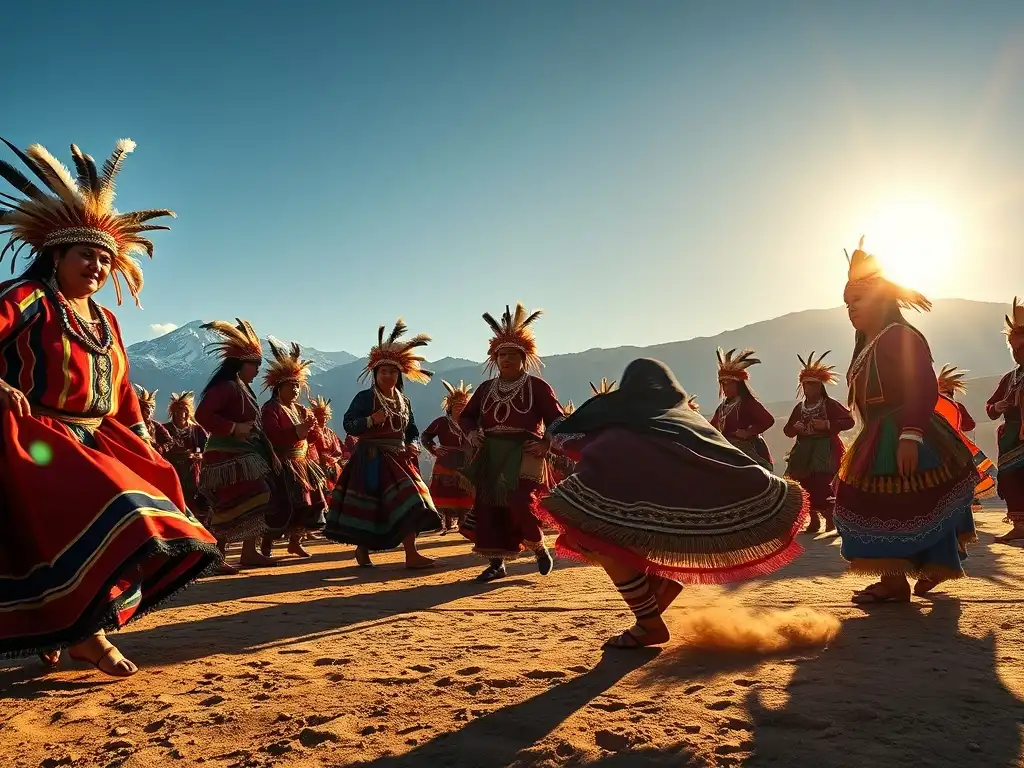
Step into a world lost to time, yet echoing with vibrant life. Imagine the soaring peaks of the Andes, the rhythmic beat of drums, and the mesmerizing movements of ancient Andean dancers. This is more than just dance; it's a window into a complex cosmology. Unlock the secrets behind the Andean dance rituals meaning, and discover how these captivating performances held the key to Andean life, belief, and power. Prepare to be enthralled as we delve into the fascinating world of Immersive Andean Experiences.
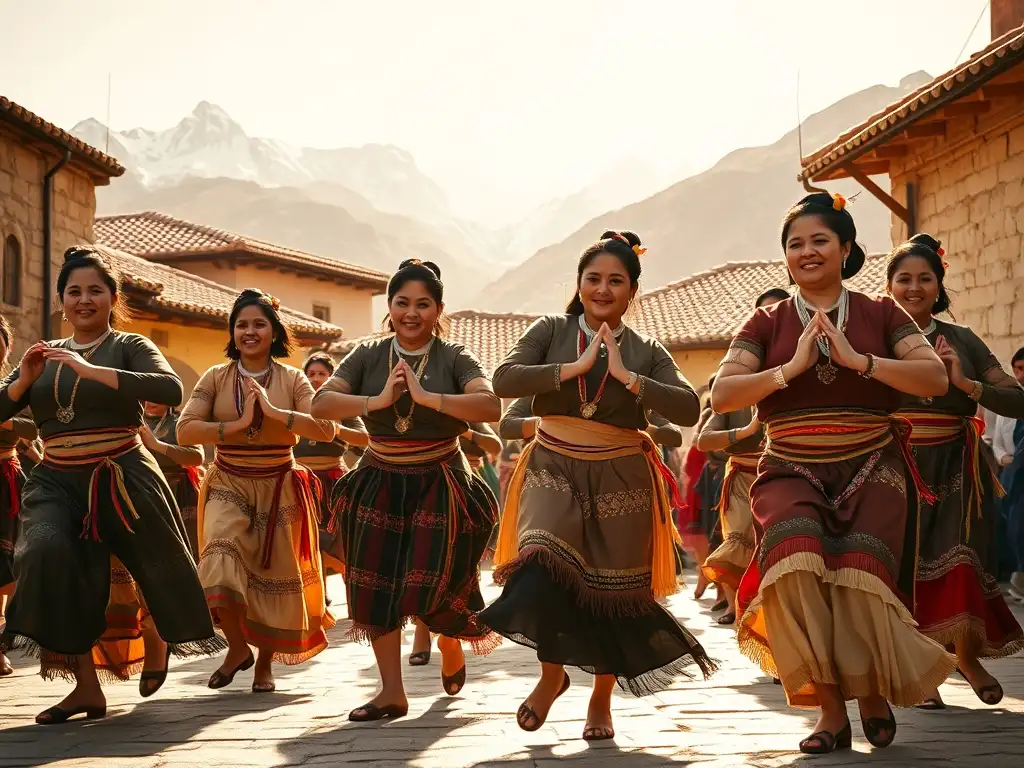
The vibrant tapestry of Andean culture is richly woven with threads of music, art, and intricate rituals. Nowhere is this more evident than in the mesmerizing world of Andean dance. These aren't simply choreographed movements; they are living narratives, powerful expressions of spirituality, social structure, and the deep connection between the Andean peoples and their environment.
This article delves into the symbolic heart of Andean dance, exploring the rich meanings embedded within each step, turn, and gesture. We will uncover how these seemingly simple movements communicate complex stories, preserving ancient traditions and offering a window into the beliefs and values of these remarkable civilizations. Understanding the symbolic meaning behind Andean dance rituals provides a deeper appreciation for the cultural legacy of the Andes and illuminates the enduring power of tradition in the face of time.
We will be focusing on the diverse rituals and their meanings across various Andean cultures, including but not limited to the Inca, Moche, Nazca, and Tiahuanaco traditions. Prepare to be captivated by the artistry and the profound significance of Andean dance.
Introduction: More Than Just Movement - Exploring the Heart of Andean Dance
Andean dance is far more than mere entertainment; it's a dynamic form of communication, a powerful expression of cultural identity, and a conduit to the spiritual world. For centuries, these dances have served as vehicles for storytelling, preserving historical events, mythological narratives, and agricultural cycles. Each movement, each step, is imbued with symbolic meaning, reflecting the deep connection between the dancers, their ancestors, and the sacred forces of nature.
The intricate steps, often mimicking the movements of animals or the rhythms of nature, are not arbitrary; they are carefully crafted to convey specific messages and evoke particular emotions. Consider, for example, the graceful movements of a particular dance that might represent the flowing river, while sharp, quick steps could symbolize the powerful energy of a mountain. The costumes, too, play a crucial role, often incorporating vibrant colors and intricate designs that further enhance the narrative.
The use of specific instruments, such as panpipes or drums, adds another layer of meaning, setting the tone and rhythm of the performance. Understanding these nuances unlocks a deeper appreciation for the profound spiritual and social significance of Andean dance. The study of Andean dance therefore requires a multi-faceted approach, considering not only the physical movements but also the context, costumes, music, and the overall cultural significance within the specific Andean community.
Understanding the Roots: Andean Dance as a Form of Storytelling
Andean dances often serve as living archives, preserving and transmitting stories, myths, and historical events across generations. Many dances recount creation myths, the exploits of legendary heroes, or significant moments in the history of a particular community. For instance, some dances depict the agricultural cycle, celebrating the harvest or commemorating the planting season.
These performances are not merely theatrical representations; they are active participations in the ongoing narrative of the community's relationship with its environment and its ancestors. The use of specific gestures, formations, and costumes within the dance adds layers of meaning, enriching the storytelling and providing a more holistic understanding of the cultural values and beliefs of the Andean people. The dances themselves often vary significantly across different Andean cultures, reflecting their unique histories and traditions.
Detailed ethnographic studies are essential to accurately interpret the specific meanings embedded within each dance, as subtle variations in steps, costumes, or musical accompaniment can significantly alter the narrative. Further research is needed to fully document the rich diversity of Andean dance traditions and their underlying symbolic systems. The preservation of these intricate dances is crucial for safeguarding the intangible cultural heritage of the Andean region and maintaining a vital link to the past.
The Significance of Andean Dance Rituals: A Cultural Tapestry
Andean dance rituals are far more than mere entertainment; they are a vibrant tapestry woven from threads of spirituality, history, and social cohesion. These dances, performed across various Andean cultures—from the Incas to the pre-Columbian societies—serve as powerful mediums for communicating with the divine, preserving ancestral knowledge, and reinforcing community bonds. The intricate steps, rhythmic movements, and symbolic costumes all contribute to a rich and layered meaning, often reflecting the cyclical nature of life, the importance of agriculture, and the reverence for the Andean landscape. Understanding these dances requires delving into the complex interplay of these cultural elements, recognizing that each movement, each gesture, holds a significant and often deeply spiritual meaning. The gestures are not arbitrary; they are carefully choreographed expressions of a worldview deeply connected to the natural world and the ancestral past. The intensity and emotional investment of the dancers themselves further underscore the ritual's profound significance.
Communicating with the Gods: Andean Dance and Spirituality
Many Andean dance rituals served as direct forms of communication with the gods and spirits. For instance, dances dedicated to the harvest often involved mimicking the growth cycle of crops, imploring the deities for bountiful yields. The movements would represent the planting of seeds, the nurturing of plants, and the eventual harvest, all performed with fervent prayer and offerings.
Similarly, dances honoring mountain spirits (apus) often involved mimicking the movements of animals associated with those mountains, such as condors or llamas, reflecting the deep respect for the natural world and its powerful forces. The costumes themselves frequently incorporated symbolic elements related to specific deities or spirits, further emphasizing the ritual's spiritual purpose.
These dances weren't simply performances; they were active participations in the spiritual realm, a way for the community to connect with and influence the supernatural forces that shaped their lives. The rhythmic chanting and musical accompaniment further amplified the spiritual intensity of these rituals.
Preserving History Through Movement: The Narrative Power of Andean Dance
Andean dances often served as powerful vehicles for transmitting historical narratives and cultural knowledge across generations. Many dances reenact legendary events, mythical stories, or historical battles, preserving important aspects of the culture's past. Through carefully choreographed movements, dancers convey complex stories and teachings, ensuring that these traditions are passed down through time.
The costumes, masks, and props used in these dances often symbolize specific characters or events, enriching the narrative and making it more accessible to participants and spectators. This oral tradition, embedded within the physicality of dance, provided a unique and engaging way to educate younger generations about their cultural heritage and ancestral history, long before the widespread availability of written records. The meticulous preservation of these dance traditions highlights the importance placed on continuity and remembering the past within Andean cultures.
Community and Identity: Andean Dance as a Social Bond
Beyond their spiritual and historical significance, Andean dance rituals play a crucial role in fostering community and reinforcing social identity. Participation in these dances is often a communal activity, bringing people together to celebrate shared traditions and strengthen social bonds. The collaborative nature of the dances emphasizes the importance of collective action and shared responsibility within the community.
The intricate patterns and formations often reflect the social structure of the community, highlighting the interconnectedness of its members. Furthermore, these dances serve as a powerful means of expressing cultural identity, allowing members of the community to assert their heritage and celebrate their unique traditions. The vibrant costumes and music used in these dances often reflect the diversity and richness of Andean cultures, serving as powerful symbols of community pride and cultural continuity.
The shared experience of participating in these rituals strengthens social bonds and promotes a sense of belonging. The rhythmic movements and shared experience create a powerful sense of unity and collective identity.
- Introduction: More Than Just Movement - Exploring the Heart of Andean Dance
- Understanding the Roots: Andean Dance as a Form of Storytelling
- The Significance of Andean Dance Rituals: A Cultural Tapestry
- What is the significance of dance in Andean cultures?
- How did Andean dance connect to agriculture and the environment?
- What role did costumes and masks play in Andean dance rituals?
- Were all Andean dances ritualistic in nature?
- How can I learn more about the specific meanings behind different Andean dance steps?
Decoding the Steps: Unveiling the Meaning Behind Common Andean Dance Movements
Andean dance rituals meaning is deeply embedded within the choreography itself. The movements, often appearing simple at first glance, are meticulously crafted, carrying layers of symbolic weight reflecting cosmology, social structures, and historical narratives. Understanding these nuances requires looking beyond the surface beauty of the performance to the intricate details of each step. This section delves into the symbolic interpretation of common Andean dance movements, exploring how seemingly simple steps communicate complex ideas.
Specific Dance Styles and Their Symbolic Interpretations
The diverse geography and rich history of the Andes have resulted in a wide array of dance styles, each with its own unique vocabulary of movement and symbolism. Let's explore some prominent examples, examining how their steps convey meaning.
The Huayno: Steps of Courtship and Community
The huayno, a popular Andean dance, uses flowing, graceful movements to represent courtship and community bonds. The subtle shifts in weight, the intertwining of partners, and the gentle swaying of the hips all contribute to the dance's romantic narrative. Furthermore, the huayno's circular formations often symbolize the cyclical nature of life and the interconnectedness of community members.
The rhythmic clapping and stamping of feet reinforce this sense of collective participation and shared experience. The steps themselves often mimic the flirting and playful interactions between courting couples, emphasizing the importance of courtship rituals within Andean culture. Variations in the huayno across different Andean regions reflect local customs and traditions, further enriching the dance's symbolic depth.
The Saya: Rhythmic Expressions of Afro-Andean Heritage
The saya, a vibrant and energetic dance originating from the Afro-Andean communities, utilizes sharp, rhythmic steps that reflect the resilience and cultural richness of its origins. The powerful stamping of the feet and the energetic hip movements are not just aesthetically pleasing; they represent the strength and perseverance of the Afro-Andean people. The complex footwork often incorporates syncopated rhythms, reflecting the influence of African musical traditions on Andean culture.
The saya's energetic movements also serve as a form of communal expression, bringing together dancers and spectators in a shared celebration of heritage and identity. The use of bright, colorful costumes further emphasizes the vibrant energy and cultural pride associated with this dance.
The Danza de las Tijeras: A Test of Skill and Spiritual Connection
The Danza de las Tijeras (Dance of the Scissors), a spectacular display of athleticism and spiritual devotion, involves incredibly complex and demanding footwork. The rapid, precise steps, often performed on a raised platform, represent a test of skill and a connection to the spiritual realm. The dancers' agility and control over their bodies mirror their ability to navigate the challenges of life and maintain a connection with the sacred.
The intricate footwork, often involving jumps and rapid changes in direction, reflects the dancer's spiritual journey and their commitment to mastering their craft. The use of large, ornate scissors adds another layer of symbolism, representing the power of creation and the ability to cut through obstacles.
The Morenada: A Satirical Dance Reflecting Colonial History
The Morenada, a powerful and dramatic dance, utilizes a unique style of steps to satirize the colonial past. The heavy, stomping steps and the imposing costumes represent the weight of colonial oppression. However, the dance also incorporates elements of resistance and pride, reflecting the resilience of the Andean people in the face of adversity.
The synchronized movements and the powerful expressions of the dancers communicate a sense of collective strength and determination. The Morenada's narrative is communicated not only through the steps but also through the costumes and the music, creating a layered and nuanced portrayal of a complex historical period. The use of specific gestures and facial expressions further enhances the satirical nature of this dance.
Interpreting the Costumes: The Language of Andean Attire
Costumes are not mere adornments in Andean dances; they are integral to the performance, acting as visual cues that enhance the symbolic meaning of the movements.
The Aguayo: Woven Stories on the Dancer's Back
The aguayo, a traditional Andean shawl, often adorns dancers, carrying symbolic weight through its intricate weaving patterns. The colors, designs, and materials used tell stories of the dancer's community, ancestry, and social status. The aguayo acts as a visual narrative, adding another layer of meaning to the dance performance. The patterns woven into the aguayo are often deeply symbolic, representing local beliefs and traditions. For instance, certain colors might represent specific deities or natural elements.
Masks and Headdresses: Revealing the Dancer's Role
Masks and headdresses play a crucial role in defining the dancer's character and role within the narrative of the dance. They can represent deities, animals, ancestors, or historical figures, enriching the symbolic meaning of the performance. The specific design and materials of these accessories often carry cultural and historical significance. For example, a feathered headdress might signify a high-ranking figure or a connection to the spiritual realm. The use of masks allows dancers to embody different roles and perspectives, enhancing the storytelling aspect of the dance.
The Montera: A Symbol of Status and Regional Identity
The montera, a distinctive type of hat, is frequently used in Andean dances as a symbol of status and regional identity. The style, color, and decoration of the montera can indicate the dancer's social standing, geographic origin, and even their role within the dance itself. The montera acts as a visual marker, instantly communicating important information about the dancer and adding to the richness of the overall performance. Variations in montera design across different Andean regions emphasize the diversity of Andean cultures and traditions. The meticulous craftsmanship of these hats further underscores their importance as cultural symbols.
Experiencing Andean Dance Rituals: How to Immerse Yourself
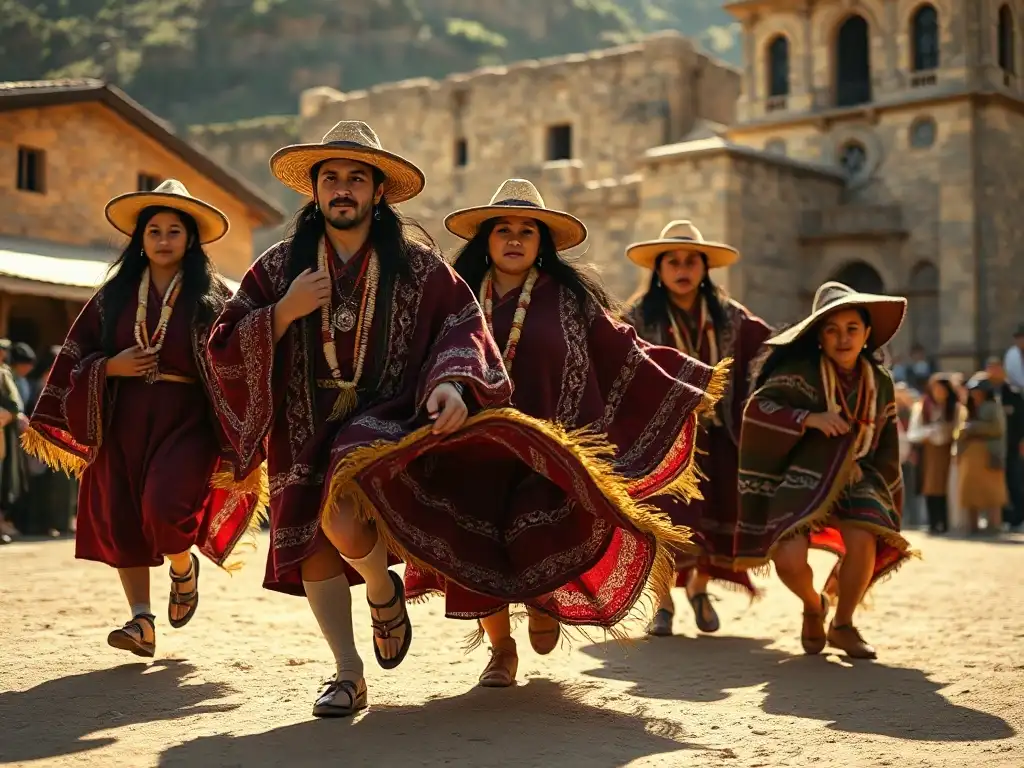
This section delves into the practical aspects of experiencing the profound symbolism embedded within Andean dance rituals. Understanding the context and nuances of these performances is crucial to appreciating their true meaning and significance. We'll explore how to find authentic performances, participate respectfully, and even learn some basic steps yourself. This will allow you to move beyond mere observation and engage with the rich cultural heritage of the Andes on a deeper level, truly grasping the power behind "Andean dance rituals meaning."
Finding Authentic Andean Dance Performances: Beyond Tourist Traps
Finding truly authentic Andean dance performances requires a discerning eye and a willingness to go beyond the readily available tourist options. While tourist-oriented shows offer a glimpse into Andean traditions, they often prioritize spectacle over genuine cultural expression. To experience the true meaning behind the movements, look beyond the staged performances. The heart of Andean dance rituals lies in community and tradition.
Attending Local Festivals: A Journey into Andean Culture
Local festivals provide an unparalleled opportunity to witness Andean dance in its most authentic form. These vibrant celebrations often feature traditional dances performed by community members, not professional dancers. The energy is palpable, the connection to ancestral traditions is strong, and the meaning behind each step resonates deeply within the community.
Look for smaller, less advertised festivals in rural areas for a truly immersive experience. Participating in these events offers a chance to connect with local people, learn about their customs, and witness the profound spiritual significance imbued in the rituals. The Fiesta de la Virgen de Copacabana in Bolivia, for example, is a powerful example of this.
The Inti Raymi Festival in Cusco: A Celebration of the Sun
While a large-scale event, the Inti Raymi festival in Cusco, a celebration of the Inca sun god, offers a powerful experience of Andean dance and ritual. Though heavily attended by tourists, the sheer scale and intensity of the performances still convey a significant aspect of the traditions.
However, remember to approach this event with respect for the cultural significance, and be aware that the large crowds might somewhat diminish the intimate connection found in smaller, community-based festivals. The elaborate costumes and synchronized movements during the Inti Raymi are visually stunning and offer a glimpse into the complex choreography associated with Andean dance rituals meaning.
Seeking Out Community Celebrations: Discovering Genuine Expressions
Beyond large-scale festivals, seeking out smaller, community-based celebrations offers the most profound connection to the heart of Andean dance rituals. These events, often tied to local patron saints or agricultural cycles, provide a more intimate and authentic experience. Researching local calendars and contacting community centers or cultural organizations can help you uncover hidden gems. These smaller gatherings allow for a deeper understanding of the intricate symbolism and the communal participation inherent in Andean dance. The subtle nuances of the movements and the emotional intensity of the performers become far more accessible in these settings.
Learning the Basics: Participating in Andean Dance
While observing is valuable, active participation enhances the understanding of Andean dance rituals meaning. Learning the basics allows for a deeper appreciation of the physicality and the cultural significance embedded within each step.
Workshops and Classes: An Introduction to Andean Dance Fundamentals
Many communities and cultural centers offer workshops and classes in traditional Andean dances. These provide a structured introduction to the fundamental steps, rhythms, and musical accompaniment. These classes often incorporate cultural context and historical background, enriching the learning experience and fostering a deeper understanding of the significance of these ancient traditions. This hands-on approach allows you to connect with the physicality of the dance, experiencing firsthand the energy and the emotional expression inherent in the movements.
A Virtual Andean Dance Class: Learn the Huayno from Home
For those unable to attend in-person classes, online resources increasingly offer virtual Andean dance lessons. These can provide a basic introduction to styles like the huayno, a lively and popular Andean dance. While not a replacement for immersive, in-person experiences, these online classes offer accessibility and a convenient way to begin exploring the fundamentals. Remember to seek out reputable instructors who emphasize cultural sensitivity and accuracy in their teaching.
Respectful Participation: Understanding the Cultural Significance
Participating in Andean dance rituals requires respect and sensitivity. Remember that these are not mere performances but deeply rooted cultural expressions with spiritual significance. Observe proper etiquette, dress modestly, and avoid disruptive behavior. Engage respectfully with the community members and show appreciation for their traditions. Understanding and respecting the cultural context is crucial in appreciating the full meaning and power of "Andean dance rituals meaning." Approaching these rituals with humility and genuine interest will ensure a meaningful and enriching experience.
Monetization Opportunities: Enhancing Your Andean Cultural Journey
Understanding the symbolic meaning behind Andean dance rituals opens doors to a richer, more immersive cultural experience. But this journey can be enhanced further through carefully curated opportunities that support both the preservation of Andean traditions and the personal enrichment of travelers. This section explores avenues for monetization that align with responsible and ethical cultural tourism.
Recommended Resources for Deeper Understanding
Engaging deeply with Andean dance rituals requires dedicated study and exploration beyond the surface level. Several resources exist to facilitate a more profound understanding, offering valuable insights into the intricate symbolism and historical context. These resources offer not only knowledge but also contribute to the preservation of these vital cultural traditions.
Books on Andean Dance and Culture: Andean Folk Dance: A Comprehensive Guide
A comprehensive guide like Andean Folk Dance: A Comprehensive Guide (a hypothetical title) would provide detailed explanations of various dance forms, their regional variations, and the specific movements carrying symbolic weight. Such a book might include detailed illustrations, transcriptions of musical scores, and interviews with master dancers and cultural experts. The focus would be on providing accurate and respectful information, avoiding simplistic interpretations or romanticized portrayals.
This type of resource is crucial for serious students of Andean culture and allows for a more informed appreciation of the dance rituals. The inclusion of historical context, anthropological analysis, and the perspectives of local communities would elevate the book beyond a mere instruction manual.
Documentaries Exploring Andean Rituals: Pachamama: The Rhythms of the Andes
A documentary like Pachamama: The Rhythms of the Andes (a hypothetical title) could offer a visually engaging and emotionally resonant exploration of Andean dance rituals. Beyond showcasing the beauty and dynamism of the dances themselves, a high-quality documentary would delve into the social, religious, and ecological significance of these traditions. Interviews with community leaders, shamans, and dancers would provide firsthand accounts of the rituals' meaning and importance in their lives.
The documentary could also explore the challenges faced by these traditions in the modern world, highlighting the need for preservation and responsible tourism practices. High-quality cinematography, evocative music, and a thoughtful narrative would be essential to create a compelling and informative viewing experience.
Enhancing Your Experience with Authentic Products
Supporting the Andean communities that maintain these vital traditions is crucial. Several avenues exist for ethically and responsibly enriching your Andean cultural journey through the purchase of authentic products, directly contributing to the economic well-being of the artisans and communities involved.
Handmade Andean Instruments: Traditional Charangos and Zampoñas
Purchasing handmade Andean instruments, such as charangos and zampoñas, directly from artisans supports their livelihoods and helps preserve traditional craftsmanship. These instruments are not merely musical tools; they are imbued with cultural significance, representing generations of artistry and knowledge. Choosing ethically sourced instruments ensures that the purchase contributes positively to the communities that create them, rather than fueling exploitative practices. The unique sounds and craftsmanship of these instruments can further enrich the experience of understanding Andean music and dance. Consider seeking out instruments with detailed provenance information to ensure authenticity and ethical sourcing.
Traditional Andean Textiles and Clothing: Ethically Sourced Alpaca Shawls
Ethically sourced alpaca shawls and other textiles represent a tangible link to Andean cultural heritage. The intricate designs and weaving techniques often carry symbolic meaning, reflecting the beliefs and values of the communities that create them. Supporting artisans who utilize sustainable practices and fair labor standards ensures that the purchase contributes to the economic empowerment of Andean communities. Alpaca wool, known for its softness and warmth, is a sustainable and luxurious material, making these textiles desirable and valuable items. Consider seeking out textiles with certifications that guarantee ethical sourcing and sustainable practices.
Immersive Andean Cultural Tours: Experience Authentic Dance Rituals with Local Communities
Participating in immersive cultural tours that prioritize respectful interaction with local communities offers an unparalleled opportunity to experience Andean dance rituals firsthand. These tours should be designed in collaboration with local communities, ensuring that tourism benefits them directly and promotes cultural preservation. Such tours might include workshops where participants learn basic dance steps, guided visits to significant cultural sites, and opportunities to interact with artisans and community members.
The focus should be on respectful observation and learning, prioritizing the cultural integrity of the traditions over superficial entertainment. Choosing tours that prioritize ethical practices and community engagement is crucial for ensuring that your experience contributes positively to the preservation of Andean culture.
Conclusion: The Enduring Power of Andean Dance Rituals
Andean dance, far from being mere entertainment, serves as a potent conduit to understanding the enduring spiritual and social fabric of these ancient cultures. The intricate steps, vibrant costumes, and rhythmic music are not simply aesthetically pleasing; they are carefully choreographed expressions of deeply held beliefs, historical narratives, and community bonds. The preservation and performance of these dances represent a living legacy, a testament to the resilience and adaptability of Andean traditions in the face of time and change. Understanding the symbolic meaning behind each movement allows for a richer appreciation of the Andean worldview, fostering a deeper connection with the cultural heritage.
The continuation of these traditions is crucial, not only for cultural preservation but also for the ongoing vitality of Andean communities. These dances aren't just steps; they are stories, prayers, and celebrations woven into motion, passed down through generations, carrying with them the weight of history and the promise of a vibrant future. The enduring power of Andean dance rituals lies in their ability to transcend time, connecting the past with the present and shaping the future through the continued practice and appreciation of this rich cultural heritage.
The preservation of these rituals is therefore paramount for understanding and appreciating the richness and depth of Andean civilization. It's a vital element in ensuring the continuation of a cultural legacy that has shaped the region for centuries. By actively engaging with these dances and their meanings, we actively participate in keeping this vital cultural heritage alive.
Frequently Asked Questions
What is the significance of dance in Andean cultures?
Andean dance wasn't mere entertainment; it held profound spiritual and social meaning. Ritual dances were integral to communicating with deities, ensuring successful harvests, and maintaining social order. They reflected the close relationship between humans and the sacred landscape.
How did Andean dance connect to agriculture and the environment?
Many dances mimicked agricultural activities or natural phenomena, symbolizing harmony with nature. For example, dances celebrating rain or fertility directly impacted their relationship with the land and guaranteed successful harvests. This connection underscores their deep respect for the environment.
What role did costumes and masks play in Andean dance rituals?
Costumes and masks were crucial in transforming dancers into supernatural beings or ancestors. These visual elements helped to bridge the gap between the human and spiritual realms, enhancing the ritual's power and effectiveness. They were carefully crafted and highly symbolic.
Were all Andean dances ritualistic in nature?
While many dances held strong ritualistic significance, not all were strictly religious. Some dances served social and celebratory functions, like marking life cycle events or community gatherings. However, even these often incorporated elements of traditional beliefs and symbolism.
How can I learn more about the specific meanings behind different Andean dance steps?
Researching specific Andean cultures (Inca, Moche, Nazca, etc.) will reveal the unique meanings of their dances. Look for scholarly articles and ethnographic studies focusing on dance iconography and ritual practices. Museums and cultural centers often offer valuable resources.
Final Reflection: The Enduring Legacy of Andean Dance
The intricate steps of Andean dances are not merely movements; they are living archives, echoing centuries of history and belief, and remaining powerfully relevant in today's world. These vibrant expressions of culture continue to shape communities, offering a profound connection to ancestral wisdom and a powerful resistance against cultural homogenization. Their survival in the face of globalization speaks volumes about the enduring strength of tradition.
The exploration of Andean dance has profoundly impacted my understanding of the relationship between movement, spirituality, and cultural identity. It's a testament to the power of nonverbal communication, a language spoken through the body that transcends linguistic barriers. Dance is the hidden language of the soul,
Martha Graham once wrote, and this rings truer than ever when considering the rich symbolism embedded within each step, each turn, each gesture of Andean dance. The emotional depth and spiritual resonance these dances evoke are undeniable, a legacy passed down through generations, shaping not only individual lives but the very fabric of Andean society.
Consider the stories woven into these movements, the prayers whispered with each footfall. Let the rhythm of the music resonate within you, a call to connect with something larger than yourself. You, too, can find meaning in movement, in ritual, in the stories that dance tells. Embrace the power of tradition, explore the beauty of cultural expression, and allow the legacy of Andean dance to inspire you to discover the hidden languages within your own life and community.
Embrace the Andean Dance: Take Your Next Steps!
Thank you for exploring the vibrant world of Andean dance and uncovering the rich symbolism within its movements. Your interest in this cultural tradition not only enhances your understanding but also helps preserve its spirit for future generations. Now, let's take this journey further and connect even more deeply with this beautiful heritage!
- Join a local dance class: Experience the rhythm and energy of Andean dance firsthand – feel the joy and movement in your own body!
- Share your newfound knowledge: Inspire others to explore the beauty of Andean culture by discussing this fascinating tradition with friends, family, or online.
- Deepen your cultural understanding: Attend a festival or performance showcasing Andean or other cultural traditions to broaden your appreciation for diverse heritage.
How has Andean dance resonated with you, and how will you integrate its spirit into your life?