
Weaving Trade: Textiles as a Barter Commodity in Ancient Andes

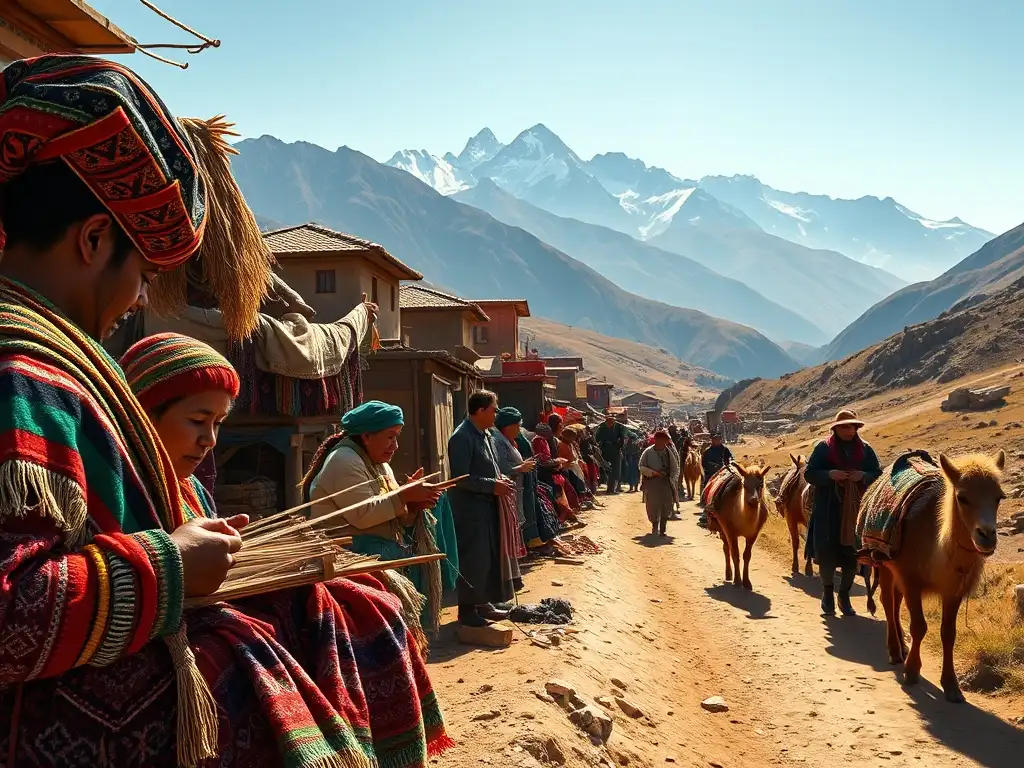
Unravel the mysteries of the Andes! Journey through time and discover a world woven in vibrant threads and intricate designs. For centuries, the ancient Andean civilizations, from the Incas to the Nazca, built empires not just on conquest, but on a sophisticated system of exchange. Prepare to be amazed by the story of Ancient Andean textile trade, a complex network of barter and artistry that shaped the very fabric of these remarkable societies. Dive in and explore the captivating details!
The vibrant tapestry of Andean civilization wasn't woven solely with threads of alpaca and llama wool; it was also intricately stitched together by a sophisticated system of textile trade. This article delves into the crucial role textiles played as a primary barter commodity in the ancient Andes, exploring how these intricately crafted fabrics facilitated economic exchange and social interaction across diverse cultures and vast geographical distances.
From the intricate designs of the Nazca to the luxurious textiles of the Inca, we will unravel the complex story of how textile production and trade shaped the economic and social landscape of these remarkable societies. Understanding this ancient trade network offers invaluable insights into the ingenuity, artistry, and interconnectedness of the Andean world, enriching our comprehension of "Ancient Andean textile trade" and its impact on the development of these civilizations.
The Significance of Textiles in Andean Society
Textiles were far more than mere clothing in ancient Andean societies; they were deeply embedded in the social, religious, and economic fabric of life. Woven fabrics held profound symbolic meaning, representing status, power, and spiritual significance. The intricate designs, vibrant colors, and the very act of weaving itself were imbued with cultural meaning, making textiles highly valued items within Andean communities.
The quality of the textiles, the type of fiber used (alpaca, llama, vicuña, cotton), and the complexity of the weaving techniques directly correlated with their economic worth. Furthermore, the production of textiles often involved specialized labor, with skilled artisans holding positions of prestige and influence within their communities. This high social value directly translated into their worth as a medium of exchange.
Types of Textiles Used in Barter Systems
The Andean region boasted a diverse range of textiles, each with its own unique characteristics and value. High-quality alpaca and vicuña textiles, characterized by their softness and warmth, were highly prized and often reserved for elites. Llama wool, while less luxurious, was still widely used and formed the basis of many everyday textiles. Cotton, cultivated in warmer regions, provided a lighter and more breathable alternative, also contributing significantly to the textile trade.
The variety in fiber types and weaving techniques meant that there was a wide spectrum of textile goods available for exchange, catering to different needs and preferences across the vast Andean landscape. Different types of textiles were traded for different goods, reflecting their relative value and the specific needs of the trading partners. For example, fine vicuña cloth might be exchanged for agricultural goods or precious metals, while simpler cotton cloth might be traded for everyday necessities.
Trade Routes and Networks
The exchange of textiles wasn't confined to local communities; it spanned vast distances, connecting different Andean cultures through intricate trade networks. Evidence suggests that textiles were transported along established routes, often utilizing existing trails and pathways through the mountainous terrain. These trade routes facilitated the movement of not only textiles but also other goods, creating a complex web of economic interconnectedness across the Andes.
The sheer volume of textiles discovered in archaeological sites across the region speaks to the scale and importance of this trade. The presence of specific textile styles in geographically distant locations indicates the existence of long-distance trade relationships and the widespread circulation of goods.
The quality and type of textiles owned and worn often served as markers of social status and power within Andean societies. Elites adorned themselves in fine vicuña and alpaca textiles, often with elaborate designs and intricate embellishments. The possession of these luxurious textiles served as a visual display of wealth and status, reinforcing social hierarchies.
The use of particular textile motifs and colors also held symbolic meaning, indicating membership in specific social groups or religious affiliations. The control and distribution of high-quality textiles were often wielded by powerful individuals and institutions, further solidifying their authority and influence. The trade in textiles, therefore, not only facilitated economic exchange but also played a significant role in shaping and maintaining social structures.
- The Significance of Textiles in Andean Society
- Types of Textiles Used in Barter Systems
- Trade Routes and Networks
- Textiles as Indicators of Social Status and Power
- What role did textiles play in the ancient Andean economy?
- How did the ancient Andean textile trade operate?
- What types of textiles were most commonly traded?
- Were there any specialized textile production centers in the Andes?
- How did textile trade reflect the social and political structures of Andean societies?
The Significance of Textiles in Ancient Andean Economies
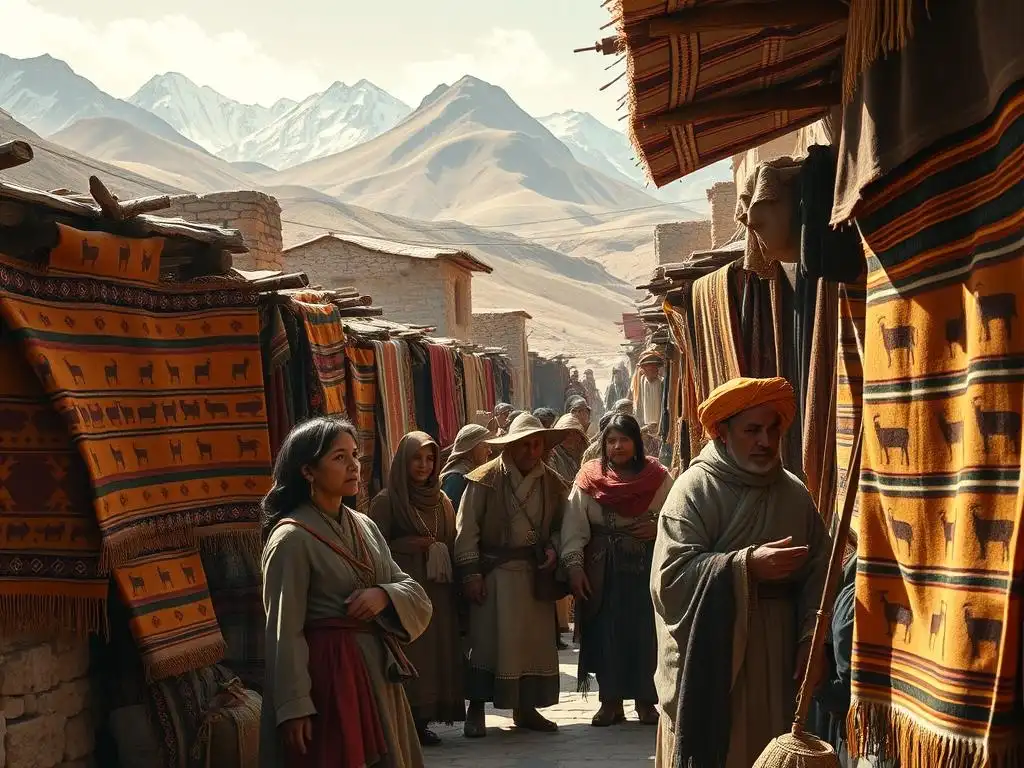
The Ancient Andean textile trade played a pivotal role in the economic and social fabric of pre-Columbian societies. Far from being merely clothing, textiles served as a crucial medium of exchange, a symbol of status, and a vital component of religious practices. Understanding the significance of textiles in these ancient economies requires examining their multifaceted uses and the complex networks that facilitated their distribution.
This section will delve into the various aspects of this trade, highlighting its importance in shaping Andean civilizations. The sheer volume of surviving textiles, from intricately woven mantles to finely spun threads, attests to the scale and sophistication of this ancient industry.
The production and trade of these goods were integral to the economic structures of groups such as the Inca, Nazca, and Moche, demonstrating a sophisticated understanding of both production and commerce. Analyzing this ancient Andean textile trade reveals much about the social hierarchies, economic systems, and cultural values of these fascinating civilizations.
Beyond Clothing: The Multifunctional Role of Andean Fabrics
Andean fabrics transcended their utilitarian function as clothing. They served multiple purposes within the societies that produced them. Consider the chumpi, a woven belt often adorned with intricate designs, which served not only as a practical garment but also as a symbol of social standing and marital status.
The complexity of the weave, the quality of the materials (such as alpaca or vicuña wool), and the symbolic imagery woven into the fabric all contributed to its value. Furthermore, textiles were used in religious ceremonies, adorning idols, shrouding mummies, and serving as offerings to the gods. This multifunctional nature significantly increased the demand for textiles and elevated their position within the barter system.
The sheer variety of textile types further emphasizes their importance. From finely woven tapestries used for ceremonial purposes to sturdy cloths used for everyday wear, the spectrum of textiles reflects the diverse needs and cultural practices of Andean societies. The use of different fibers, such as cotton, llama wool, alpaca wool, and vicuña wool, each with its own unique properties and value, added another layer of complexity to the textile trade.
The use of natural dyes derived from plants and minerals further enhanced the value and artistry of these fabrics, creating a vibrant and diverse range of colors and patterns. These natural dyes, often sourced from specific regions, contributed to regional specialization and inter-regional trade networks.
The Value of Woven Goods in Pre-Columbian Societies
The value of woven goods in pre-Columbian societies was not solely determined by the cost of production. Factors such as the skill of the weaver, the rarity of the materials, and the symbolic significance of the designs all played a significant role in determining their worth. Highly skilled artisans, often associated with specific communities or lineages, commanded high prestige and their textiles were highly sought after.
The intricate designs woven into the fabrics often carried symbolic meaning, representing deities, ancestors, or important events. This symbolic value added to the economic value, making these textiles precious commodities in the barter system.
Consider the intricate designs found on Paracas textiles, renowned for their elaborate embroidery and vibrant colors. These textiles, often used in funerary contexts, represent a significant investment of time, skill, and resources, highlighting their high value within the society. Similarly, the textiles produced by the Inca empire, characterized by their standardized designs and high-quality materials, served as a powerful symbol of imperial authority and were used to reward loyal subjects and consolidate power.
The distribution of these textiles throughout the empire further solidified the Inca's control and facilitated trade within their vast territories. The meticulous record-keeping systems of the Inca, although not directly related to textile trade in the same way as written records, indirectly support the idea of a highly regulated and important textile economy within their empire.
Further research into the Inca quipu system might reveal more details about the scale and organization of ancient Andean textile trade. The evidence suggests that the value of these textiles extended beyond their practical uses, representing a complex interplay of economic, social, and religious factors.
Ancient Andean Textile Trade: A Barter System
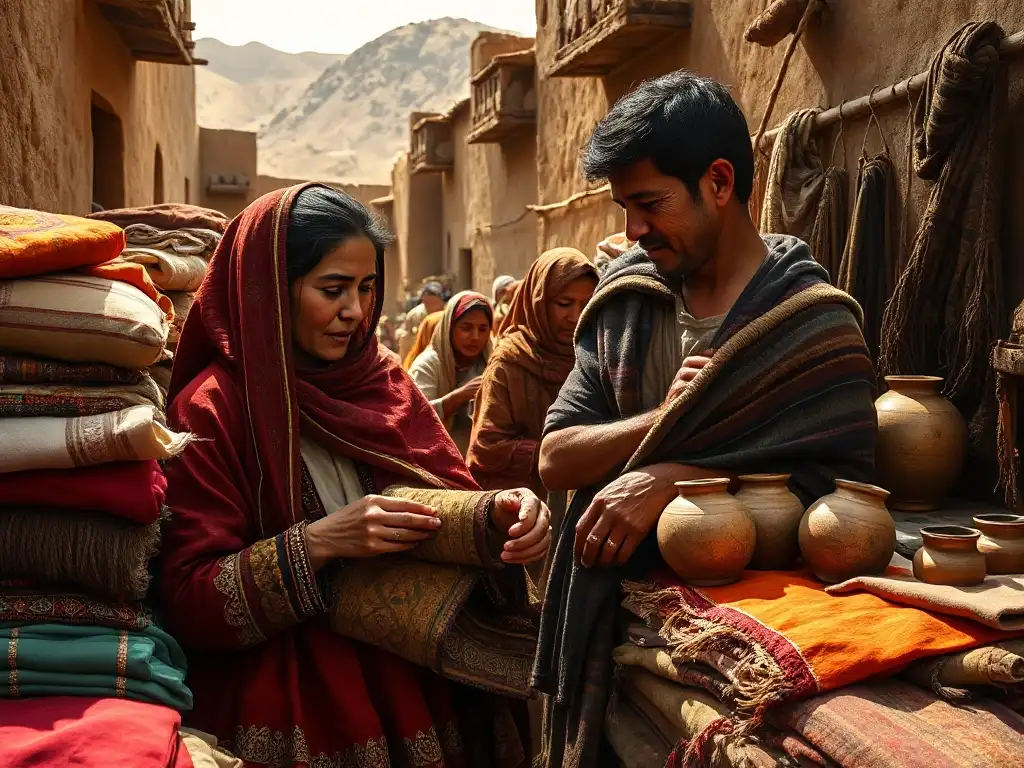
This section delves into the intricacies of the ancient Andean textile trade, focusing on its role as a vital barter system within the complex economic networks of pre-Columbian South America. We will explore the production methods, the goods exchanged, and the significance of textiles in the social and economic fabric of Andean societies. The thriving Ancient Andean textile trade wasn't just about commerce; it was a reflection of sophisticated artistry, technological prowess, and intricate social structures.
Textile Production and Regional Specialization
Textile production in the Andes wasn't a monolithic enterprise. Instead, it was characterized by remarkable regional specialization, with different communities excelling in specific techniques and using unique materials. The availability of raw materials – such as alpaca, llama, vicuña, and cotton – dictated the types of textiles produced in each area. For instance, the coastal regions, with their access to cotton, produced lighter, finer fabrics ideal for warmer climates, while the highlands, with their abundance of camelid fibers, specialized in warmer, more durable textiles.
This specialization fostered a vibrant exchange network. Communities lacking certain resources or possessing exceptional weaving skills actively participated in trade, exchanging their specialized products for those they needed. The intricate designs and techniques often served as identifying markers, indicating the origin and quality of the textiles, adding another layer of complexity to this sophisticated system. Archaeological evidence, such as the discovery of distinct textile styles in geographically distant sites, strongly supports this theory of regional specialization and inter-regional exchange. The consistency of certain motifs across vast distances further emphasizes the extensive reach of the Ancient Andean textile trade.
For example, the intricate tapestry weaving of the Paracas culture stands in stark contrast to the simpler, utilitarian fabrics of other regions. This difference not only reflects the unique artistic sensibilities of the Paracas but also highlights the specialized role they played within the broader Andean exchange network. Their highly prized textiles likely commanded a premium in barter transactions, reflecting their exceptional quality and artistry.
The Exchange of Woven Goods for Essential Resources
Textiles weren't merely decorative items; they functioned as a crucial form of currency in the Andean barter system. Woven goods, ranging from simple cloths to elaborate ceremonial garments, were exchanged for essential resources like food, tools, and precious metals. The value of a textile varied based on several factors: the type of fiber used (vicuña being more valuable than alpaca), the complexity of the weaving technique, the intricacy of the design, and the overall quality of the finished product.
Consider the exchange of high-quality vicuña textiles for agricultural products from lower-lying regions. Communities in the highlands, with their flocks of vicuña, could trade their luxurious textiles for maize, quinoa, or other essential foodstuffs not readily available at higher altitudes. This reciprocal exchange ensured the survival and prosperity of communities across diverse ecological zones. The meticulous record-keeping, though not written, implied in the organization of these trade networks points to a highly developed understanding of economic principles and resource management. The Ancient Andean textile trade, therefore, was a cornerstone of their sophisticated economic system.
Types of Textiles Used in Andean Trade and Exchange
The Andean textile trade involved a wide variety of woven goods, each with its own specific purpose and value. These ranged from simple, everyday fabrics used for clothing and household items to highly elaborate ceremonial textiles used in religious rituals.
- Cumbi: A plain-woven fabric typically made from cotton, often used for clothing and everyday items. Its value was lower compared to more intricate textiles.
- Lliclla: A rectangular shawl, often woven with intricate designs, used for both everyday wear and ceremonial purposes. The complexity of the design directly impacted its value in barter.
- Unku: A type of woven belt, sometimes highly decorated, often used as a status symbol. Elaborately decorated unku were likely highly valued in exchange.
- Tapestries: Large, intricately woven textiles, often depicting scenes from mythology or daily life. These were among the most valuable items in the Andean trade network, frequently used in ceremonial exchanges and as gifts for elite members of society.
The diversity of textiles used in trade reflects the multifaceted nature of Andean society and its sophisticated understanding of the economic value of different types of goods. The Ancient Andean textile trade wasn't simply a system of bartering goods; it was a complex interplay of artistic expression, economic strategy, and social status, all intertwined within the rich tapestry of Andean civilization. 🇿🇦
The Importance of Weaving Techniques in Trade Value
The value of textiles in the Ancient Andean textile trade wasn't solely determined by the raw materials used, but significantly by the intricate weaving techniques employed. The Andean peoples, including the Inca, Moche, Nazca, and Tiahuanaco, developed incredibly sophisticated techniques, each with its own level of complexity and prestige. This complexity directly impacted the barter value of the finished textile. The more intricate the weave, the more time and skill it required, leading to a higher value in exchange.
Understanding the Complexity of Ancient Andean Weaving
Ancient Andean weaving wasn't a simple craft; it was a highly specialized skill passed down through generations. Techniques varied significantly across different cultures and regions. For example, the Nazca were renowned for their intricate tapestry weaving, using hundreds of colors and incredibly fine threads to create breathtakingly detailed designs. These tapestries, often depicting mythological creatures and scenes of daily life, commanded significantly higher barter values than simpler woven fabrics.
The Moche, on the other hand, were masters of using different types of fibers, such as cotton and camelid wool, in combination, creating textiles with unique textures and qualities. This mastery of material manipulation also influenced their textiles' trading value. Consider the spindle whorls used in spinning – different weights and materials would affect the yarn's quality, impacting the final product's worth. The Incas, with their vast empire, standardized certain weaving techniques, ensuring consistent quality across their territories, which facilitated large-scale trade.
This standardization, however, didn't diminish the value of exceptional pieces crafted with advanced techniques or rare materials. Understanding these varied techniques is crucial to understanding the nuanced dynamics of Ancient Andean textile trade. The sheer variety and sophistication of techniques demonstrate the high level of skill and artistry involved, contributing to the textiles' worth as both functional items and valuable commodities.
How Weaving Techniques Influenced Textile Barter Rates
The level of skill required for specific weaving techniques directly impacted the barter rates of textiles. A simple plain weave cloth, easily produced, would have a lower exchange value than a complex tapestry requiring months of work and advanced knowledge. This is evidenced by archaeological findings showing a correlation between the complexity of weave structures (e.g., supplementary weft, brocading, and interlocking techniques) and the presence of textiles in elite burials.
The more elaborate the textile, the more likely it was to be found in the graves of high-ranking individuals, indicating their high value in society. Furthermore, the use of rare dyes, like those derived from cochineal insects or certain plant species, further increased the value. The acquisition of these dyes could involve significant effort or trade itself, adding to the overall cost of production and, consequently, the textile's worth in the barter system.
We can imagine a system where a simple woven tunic might be exchanged for a few bags of maize, while an intricately woven ceremonial garment might be traded for a llama or even a substantial quantity of agricultural products. The rate of exchange was a complex interplay of factors, with weaving technique being a primary determinant.
High-Quality Textiles as a Status Symbol in Trade
Beyond their practical uses, high-quality textiles served as powerful status symbols within the Ancient Andean trade networks. The possession of finely woven garments or intricate tapestries signaled wealth, power, and social standing. This social significance further enhanced their value in barter transactions. Imagine a scenario where a chieftain might exchange several finely woven textiles for access to a scarce resource like obsidian or a skilled artisan's services.
The textiles weren't merely commodities; they were expressions of social capital, representing a tangible embodiment of prestige and authority. Archaeological evidence consistently supports this notion. The presence of elaborate textiles in elite contexts, alongside gold and silver artifacts, clearly demonstrates their role as markers of high social standing.
This elevated status contributed significantly to their value in the barter system, allowing them to be exchanged for goods and services that weren't easily quantifiable in terms of simple weight or volume. The social and symbolic capital embedded within these textiles played a crucial role in shaping the dynamics of Ancient Andean textile trade. This system highlights the integration of economic and social structures in the ancient Andean world.
Regional Networks of Textile Exchange in the Andes
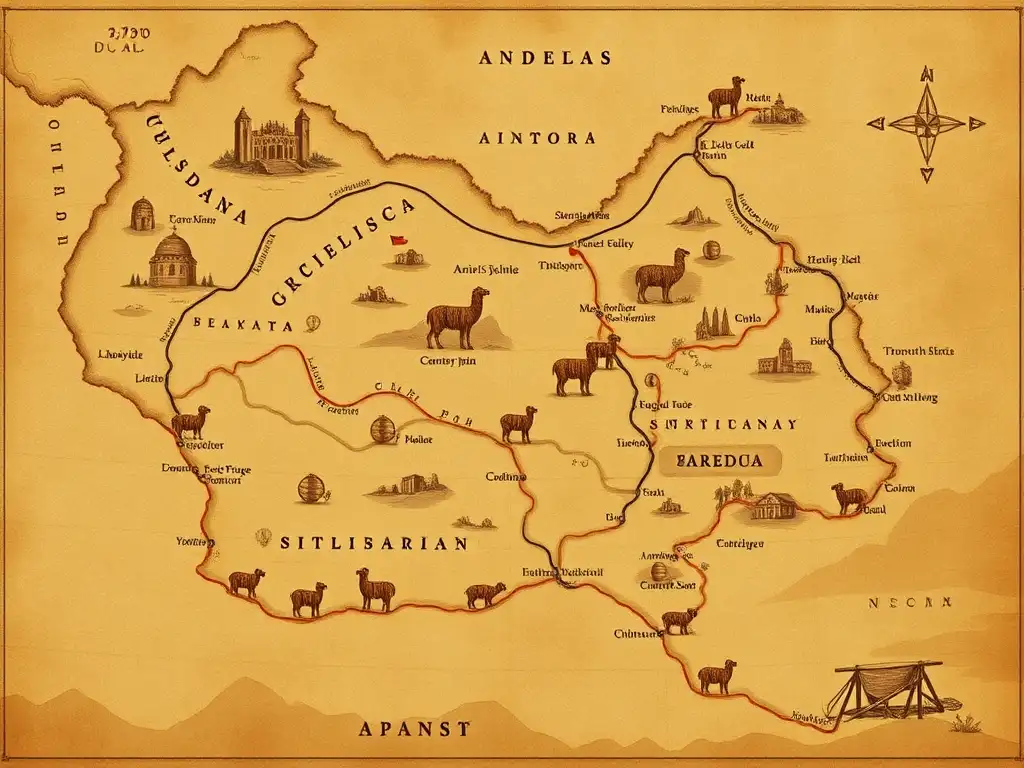
The intricate tapestry of Ancient Andean textile trade wasn't a haphazard affair; it was a carefully woven network of regional exchanges, reflecting complex social, political, and economic structures. Understanding this system requires examining the movement of textiles across diverse geographical zones, analyzing the specialized production centers, and recognizing the role textiles played in solidifying alliances and projecting power. The sheer variety of fibers, techniques, and styles found across the Andes underscores the scale and sophistication of this ancient trade. This section focuses on the key regional networks that facilitated the exchange of these valuable commodities.
The Movement of Textiles Between Highland and Coastal Areas
The dramatic geographical diversity of the Andes—from the arid coastal deserts to the high-altitude highlands—directly impacted textile production and exchange. Coastal regions, such as the Paracas and Nazca cultures, boasted access to cotton, a highly prized fiber prized for its softness and durability. In contrast, the highlands, inhabited by cultures like the Tiwanaku and Inca, relied on camelid fibers like alpaca and llama wool, known for their warmth and strength. This inherent geographical specialization fueled a robust exchange network.
Coastal cotton textiles, often characterized by intricate designs and vibrant colors, were highly sought after in the highlands. Conversely, highland wool textiles, with their distinctive textures and patterns, were crucial to coastal communities. This reciprocal exchange wasn't simply a matter of supply and demand; it represented a vital link between distinct cultural spheres, fostering interaction and potentially influencing artistic styles.
Archaeological evidence, such as the discovery of coastal cotton textiles in highland burial sites and vice-versa, strongly supports this inter-regional flow of goods. The precise mechanisms of exchange remain somewhat unclear, though likely involved a combination of direct trade, tribute systems, and possibly even specialized long-distance traders. Further research is needed to fully understand the logistical aspects of this trade.
Inter-regional Trade Routes and Textile Circulation
The movement of textiles across the Andes wasn't random; it followed established trade routes, many of which coincided with existing pathways for other goods, like food and metalwork. These routes weren't simply linear paths; they formed complex networks, branching out to connect diverse communities and regions. The Inca road system, while later in development, represents a sophisticated example of infrastructure designed to facilitate trade, including the transport of textiles. However, even before the Inca, effective trade routes existed, as evidenced by the widespread distribution of certain textile styles and techniques.
Analyzing the distribution patterns of specific textile types helps to reconstruct these ancient trade routes. For example, the presence of a particular type of woven cloth in multiple geographically distant locations suggests a significant trade network connecting those areas. The use of isotopic analysis on textile fibers can further reveal the origins of the raw materials, providing even more precise insights into the routes and the extent of the Ancient Andean textile trade.
The logistical challenges posed by the Andes' rugged terrain highlight the remarkable organizational capabilities of these ancient societies. Further research into the specific locations and characteristics of these routes is crucial to fully understanding the scope of the Ancient Andean textile trade.
The Textile Specializations of the Wari, Tiwanaku, and Inca Regions
The Wari, Tiwanaku, and Inca empires each left a distinctive mark on the Ancient Andean textile trade, developing specialized textile production and contributing unique styles to the regional networks. Each empire's textile production reflected its particular social and political structure, as well as its access to resources.
The Wari, known for their expansive empire, are associated with a standardized style of textiles, often featuring geometric designs and specific weaving techniques. This standardization might reflect centralized control over production and distribution, suggesting a significant role for textiles in Wari imperial power projection. The Tiwanaku, another powerful Andean civilization, produced textiles characterized by intricate knotting techniques and the use of high-quality camelid fibers.
Their textiles, often found in ceremonial contexts, suggest a strong connection between textile production and religious practices. Finally, the Inca, with their vast empire and sophisticated administrative systems, developed a highly organized textile production system, with specialized workshops and a clearly defined hierarchy of textile workers. Inca textiles are characterized by their fine quality, intricate designs, and the use of a wide range of colors and fibers.
The Inca's control over textile production was a key aspect of their imperial power, with textiles used as tribute, payment, and symbols of status. Further investigation is required to fully quantify the volume and economic significance of textile production under each empire.
The Economic Impact of Ancient Andean Textile Trade
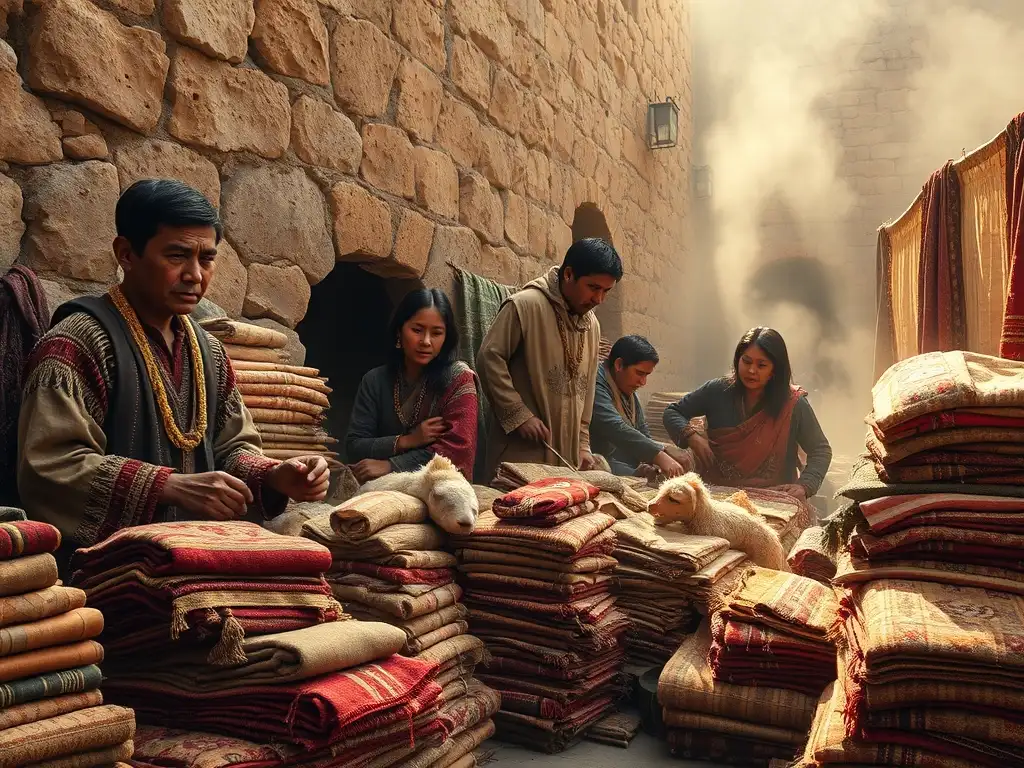
The economic impact of the ancient Andean textile trade was profound and multifaceted, shaping not only the economic landscape but also the social and political structures of the region. Textiles weren't merely clothing; they were a crucial form of currency, a symbol of status, and a powerful tool for diplomacy and control. Understanding this intricate system requires analyzing its influence on several key areas, from local village economies to the vast empires that dominated the Andes.
The sheer volume of textile production and exchange speaks volumes about its importance within the Ancient Andean economy. Archaeological findings consistently reveal vast quantities of textiles, indicating a sophisticated and highly productive textile industry that fueled much of the region's economic activity.
The intricate designs and high-quality materials also highlight the skill and artistry involved, further adding to their economic value. This wasn't simply a matter of subsistence production; the scale and sophistication suggest a highly organized system of production, distribution, and exchange, underpinning significant economic growth.
How Textile Barter Shaped Andean Power Structures
The control and distribution of textiles directly influenced Andean power structures. Elite classes, particularly within the Inca Empire, wielded significant power by controlling the production and distribution of high-quality textiles. These textiles, often adorned with intricate designs and made from luxurious materials like vicuña wool, served as symbols of authority and prestige. The ability to command the production and allocation of these textiles allowed rulers to reward loyal subjects, solidify alliances, and maintain control over their vast territories.
For example, the Inca qhapaq-ñuñu, the royal women, oversaw textile production in royal workshops, directly linking textile production to the imperial power structure. This wasn't simply about material wealth; the control of textiles represented symbolic power, solidifying the social hierarchy and legitimizing the rule of the elite. The visual language of textiles, through color, design, and material, reinforced social distinctions and political authority, demonstrating the direct link between textile production and political dominance.
This control extended beyond the Inca; other Andean societies, such as the Wari and Tiwanaku, also employed similar strategies to consolidate power through the control of textile production and distribution. The distribution of textiles also played a significant role in rewarding loyalty and reinforcing political alliances. The system acted as a complex web of political and economic exchange, where the flow of textiles reinforced existing power structures and shaped political landscapes.
The Role of Textiles in the Rise of Andean Empires
The rise of Andean empires was inextricably linked to their ability to control and manage textile production and trade. The vast quantities of textiles produced and traded facilitated the growth and consolidation of these empires. The ability to mobilize resources, including labor and raw materials, for textile production was key to the imperial expansion. Inca expansion, for example, was partly fueled by the efficient organization of textile production in different regions, leading to a standardized system of resource management and distribution.
This standardized production contributed to the empire’s overall economic strength and stability. The economic surplus generated through textile production was then used to fund military campaigns, public works projects, and the maintenance of the imperial bureaucracy. Moreover, the use of textiles as diplomatic gifts facilitated the integration of conquered territories and the establishment of alliances.
The exchange of textiles acted as a powerful tool for diplomacy and cultural exchange, promoting a sense of unity and shared identity within the vast empire. Control over the textile trade was, therefore, a crucial factor in the empire’s ability to maintain its power and control over its vast territories. The ability to manage and organize vast textile workshops and distribution networks demonstrates the sophisticated administrative capabilities of these empires, highlighting their organizational and economic prowess.
The ancient Andean textile trade played a crucial role in both fostering economic integration and exacerbating social stratification within Andean societies. The exchange of textiles across vast distances created extensive trade networks, connecting different regions and fostering economic interdependence. This interconnectedness facilitated the exchange not only of textiles but also of other goods and resources, leading to a more integrated Andean economy. However, this integration was not equally distributed.
The control of textile production and distribution often resulted in significant economic disparities, leading to a hierarchical social structure. Elite groups, who controlled the production of high-quality textiles, accumulated significant wealth and power, while those involved in the production of lower-quality textiles remained in a less privileged economic position. The disparity in access to resources and the varying levels of skill required for different textile production techniques contributed to the deepening of social stratification. The distribution networks themselves often favored elite groups, further reinforcing existing inequalities.
The intricate designs and symbolic meanings embedded in textiles also served to reinforce social distinctions and hierarchies, highlighting the complex interplay between economic activity and social stratification. This economic inequality, fueled by the textile trade, played a significant role in shaping the social and political landscape of the ancient Andes. The control of resources and the unequal distribution of benefits created a system where economic power translated directly into social and political influence.
Preserved Textiles: Insights into Ancient Andean Trade
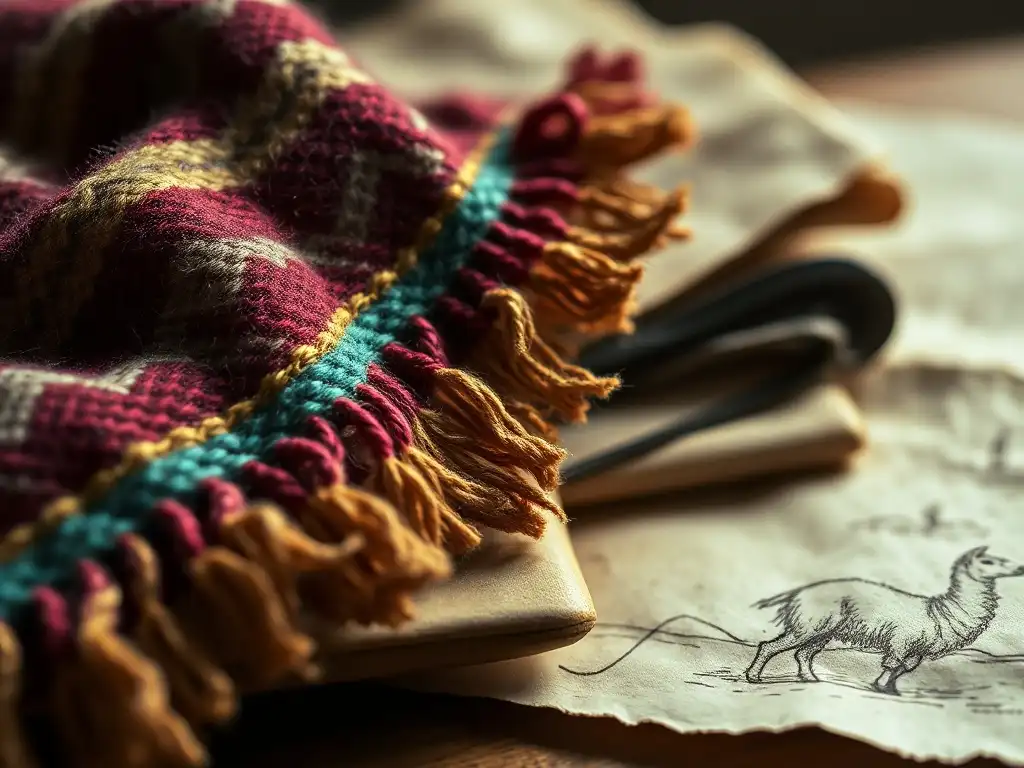
The remarkable preservation of textiles in the arid Andean highlands offers a unique window into the vibrant and extensive trade networks of ancient Andean civilizations. These textiles, often discovered in burial sites, ceremonial contexts, and even everyday domestic settings, provide invaluable evidence for understanding the scale, reach, and complexity of the Ancient Andean textile trade.
The sheer variety of materials, techniques, and styles represented in these finds highlights the sophisticated level of production and exchange that characterized these societies. Analyzing these artifacts allows us to reconstruct not only the economic aspects of textile production and trade but also the social and political implications of this crucial activity.
The presence of high-quality textiles in geographically distant locations speaks volumes about the power of established trade routes and the influence of elite groups who controlled these networks. Understanding the Ancient Andean textile trade requires a multi-faceted approach, combining archaeological evidence with analyses of textile materials and their geographic origins.
Archaeological Evidence of Woven Goods in Trade Contexts
Archaeological excavations across the Andes have unearthed numerous textiles in contexts strongly suggestive of trade. For example, the discovery of fine Peruvian cotton textiles in sites far from the cotton-growing regions of the coastal valleys indicates long-distance exchange. Similarly, the presence of camelid fibers (alpaca and llama) in coastal sites, where these animals were not native, further supports the existence of widespread trade networks.
The discovery of textiles in elite tombs, often accompanied by other luxury goods, suggests that these items held significant social and political value, functioning as symbols of status and power. Furthermore, the consistent stylistic elements found across geographically separated sites point to the circulation of ideas and techniques alongside the physical goods themselves.
The meticulous weaving techniques, intricate designs, and use of rare dyes all contribute to the story of the Ancient Andean textile trade, revealing the sophisticated organization and skilled labor involved. Careful documentation of these finds, including their precise location, associated artifacts, and dating, is crucial for reconstructing the patterns and dynamics of this ancient trade.
Analysis of Textile Materials and Their Geographic Origins
The scientific analysis of textile materials plays a crucial role in unraveling the mysteries of Ancient Andean textile trade. By identifying the type of fibers used (cotton, camelid wool, vicuña), the dyes employed, and the specific weaving techniques, researchers can trace the origins of these textiles and map out the trade routes. Isotopic analysis of fiber samples can pinpoint the geographic location where the animals were raised, providing further evidence of long-distance exchange.
Similarly, the analysis of dyes, some derived from rare minerals or plants found only in specific regions, can reveal the extent of the trade networks. For instance, the presence of specific pigments in textiles found in both coastal and highland sites indicates the movement of these valuable resources across significant distances.
Such detailed analysis allows researchers to build a more complete picture of the economic and social relationships forged through the exchange of textiles. This intricate network of production, transportation, and exchange created a complex and dynamic system of inter-regional interaction, shaping the cultural landscape of the Andes.
Examples of Tapestries from Paracas and Featherwork from the Moche Culture
The Paracas culture (ca. 800-100 BCE) is renowned for its exquisitely preserved textiles, characterized by vibrant colors, intricate designs, and the use of a wide range of techniques. Their tapestries, often featuring complex mythological scenes and geometric patterns, represent a pinnacle of Andean textile artistry. The sheer scale and quality of these tapestries suggest a significant investment of time, labor, and resources, demonstrating their importance within Paracas society and their likely role in trade networks.
The Moche culture (ca. 100-800 CE), on the other hand, is famous for its masterful featherwork, a craft that required exceptional skill and access to rare bird feathers. Moche featherwork, often used to adorn ceremonial garments and headdresses, represents another example of valuable goods that were likely traded across the Andes.
The intricate designs and the use of diverse colors and feathers showcase the remarkable artistic skill of Moche artisans and the importance of these items in their social and religious practices. Both Paracas textiles and Moche featherwork exemplify the high level of craftsmanship and the significant economic value of textiles in ancient Andean societies. Their discovery in diverse archaeological contexts underscores the significance of textiles as a vital component of the Ancient Andean textile trade.
The Legacy of Ancient Andean Textile Trade
The legacy of ancient Andean textile trade is profound and multifaceted, extending far beyond the mere exchange of goods. It represents a complex interplay of social structures, technological innovation, and artistic expression that continues to resonate in contemporary Andean societies. Understanding this legacy requires examining the textiles themselves – not just as commodities, but as repositories of cultural knowledge, indicators of social status, and powerful symbols of identity.
The sheer variety of techniques, materials, and designs employed across different Andean cultures reveals a sophisticated and decentralized trading network, one that spanned vast distances and connected diverse communities. The enduring value placed on these textiles highlights their importance not only in the ancient past, but also in shaping the cultural landscape of the Andes today. Analysis of archaeological finds consistently reveals the high value placed on textiles, with elaborate burial garments and finely woven cloths often accompanying elite individuals.
This points to textiles as significant markers of power and prestige within the Ancient Andean hierarchy. The intricate designs and masterful craftsmanship seen in surviving textiles speak to a highly developed artistic sensibility and a deep understanding of textile production techniques.
The Enduring Significance of Textiles in Andean Culture
Textiles were far more than just clothing or trade goods in Ancient Andean societies; they were deeply embedded in the fabric of daily life and religious practices. Their significance extended beyond mere utility, serving as powerful symbols of identity, social status, and spiritual connection. For instance, the vibrant colors and intricate patterns found in many textiles often represented specific deities, cosmological concepts, or clan affiliations.
The use of specific fibers, such as alpaca or vicuña wool, further signified social hierarchy, with finer materials reserved for the elite. The meticulous craftsmanship involved in creating these textiles was often a communal activity, reflecting the collective identity and social cohesion of Andean communities. Many surviving textiles tell stories – stories of mythology, history, and daily life – woven into their very fabric.
These narratives were passed down through generations, ensuring the continuity of cultural traditions and knowledge. Even today, many Andean communities continue to use traditional weaving techniques and designs, preserving this rich cultural heritage. The persistence of these traditions underscores the enduring significance of textiles in Andean culture, linking the past directly to the present.
The Influence of Ancient Techniques on Contemporary Weaving
The sophisticated weaving techniques developed by ancient Andean civilizations continue to influence contemporary textile production. From the intricate backstrap loom techniques used for centuries to the innovative dyeing methods utilizing natural pigments, the knowledge and skills passed down through generations are remarkable. While modern technologies have been introduced, many Andean weavers still rely on traditional methods, preserving ancient skills and knowledge.
The use of traditional tools, such as the spindle whorl and the loom, alongside contemporary innovations, reflects a dynamic interplay between the past and the present. The continuity of these techniques is not merely a matter of tradition; it also contributes to the economic viability of many Andean communities. The high demand for authentic Andean textiles, produced using traditional methods, provides a sustainable livelihood for many artisans.
Furthermore, the preservation of these ancient techniques ensures the continuity of a unique cultural heritage, fostering a sense of identity and pride among Andean communities. The intricate designs and patterns often found in contemporary Andean textiles are direct descendants of ancient motifs, reflecting a continuous thread of artistic expression throughout history.
The Connection Between Ancient Textile Practices and Modern Andean Identity
The connection between ancient textile practices and modern Andean identity is undeniable. The vibrant colors, intricate designs, and symbolic meanings embedded in Andean textiles are powerful expressions of cultural identity, connecting contemporary communities to their rich ancestral heritage. The act of weaving itself is often viewed as a spiritual practice, connecting the weaver to their ancestors and to the land.
The continued use of traditional weaving techniques and designs serves as a powerful reminder of the resilience and cultural continuity of Andean communities. Moreover, the economic significance of textile production in many Andean communities reinforces the importance of preserving these traditional practices. The tourism industry, for example, often relies on the production and sale of handcrafted Andean textiles, creating economic opportunities for artisans and supporting the preservation of their cultural heritage.
The ability to trace the origins of weaving techniques and designs back to ancient civilizations provides a powerful sense of continuity and belonging for Andean communities, solidifying their unique identity on the global stage. The ongoing preservation and revitalization of these ancient textile traditions are essential for maintaining the cultural vitality and economic well-being of many Andean communities. The vibrant tapestry of Andean culture is inextricably interwoven with the legacy of its ancient textile traditions.
Frequently Asked Questions
What role did textiles play in the ancient Andean economy?
Textiles were incredibly important, acting as a primary form of currency in the barter system. Their value varied based on material, craftsmanship, and cultural significance. High-quality textiles could be exchanged for food, tools, and other goods.
How did the ancient Andean textile trade operate?
Trade networks spanned vast distances, connecting different Andean civilizations. Textiles were exchanged both locally and regionally, facilitated by established trade routes and specialized artisans. Elite textiles, often used as diplomatic gifts, played a vital role in forging alliances.
What types of textiles were most commonly traded?
A wide variety of textiles were traded, ranging from basic everyday fabrics to elaborately decorated garments and ceremonial cloths. The materials used varied depending on geographic location, with alpaca and llama wool being particularly prized.
Were there any specialized textile production centers in the Andes?
Yes, several specialized workshops and communities focused on textile production. These centers often produced textiles for both local consumption and for long-distance trade, contributing to the economic and cultural integration of the Andean region.
Textile production and trade were closely linked to social hierarchy and political power. Elite classes often controlled access to resources and dictated styles, while the labor of skilled artisans was essential for the creation of these valuable commodities.
Final Reflection: The Enduring Threads of Andean Exchange
The vibrant tapestry of ancient Andean textile trade continues to resonate today, a powerful testament to the ingenuity and interconnectedness of past societies. Understanding this intricate system of barter and exchange offers not only a glimpse into a fascinating historical period but also provides valuable insights into the enduring power of craft, community, and globalized trade—themes that remain profoundly relevant in our modern, interconnected world.
The legacy of Andean textile production and trade is far more than just historical data; it's a living narrative woven into the cultural fabric of the region. The intricate designs, the sophisticated techniques, and the sheer artistry continue to inspire contemporary artisans and designers. These textiles speak volumes about the social structures, religious beliefs, and artistic achievements of ancient Andean civilizations. The textiles are not merely objects; they are repositories of knowledge, stories, and memories, passed down through generations.
This quote encapsulates the enduring power and significance of these ancient artifacts, reminding us of the rich cultural heritage they represent.
Consider the intricate patterns, the vibrant dyes, the sheer skill involved in creating these textiles. Now, consider how these same principles of craftsmanship, collaboration, and exchange continue to shape our own lives. You, the reader, are part of this ongoing narrative.
Take a moment to reflect on the connections between past and present, on the enduring power of human creativity, and on the importance of valuing both the tangible and intangible aspects of our cultural heritage. Let the threads of Andean history inspire you to appreciate the artistry and ingenuity that surrounds you, and to actively participate in building a future where creativity and cultural exchange thrive.
Unveiling the Rich Tapestry of Andean Barter
Thank you for exploring the fascinating world of textiles and trade in the ancient Andes! You've discovered how these vibrant materials served as more than just fabric; they were the lifeblood of a sophisticated economy within a rich civilization. Let's build on this knowledge with some suggestions for further exploration.
- Connect with Local Artisans: Seek out artisans in your community who continue the ancient traditions of Andean weaving. Supporting their work helps preserve these vital cultural practices.
- Join Our Online Community: Engage in discussions about ancient Andean trade and textiles by joining our dedicated online forum. Share your insights or ask questions; there's a wealth of knowledge to be shared!
- Host a Textile Appreciation Gathering: Organize a fun event with friends to exchange textiles and discuss the cultural significance of each piece.
What Andean textile or garment story captivates you most, and how might it inspire your own creative endeavors today?