
The Moche's Use of Negative Painting: A Unique Artistic Technique

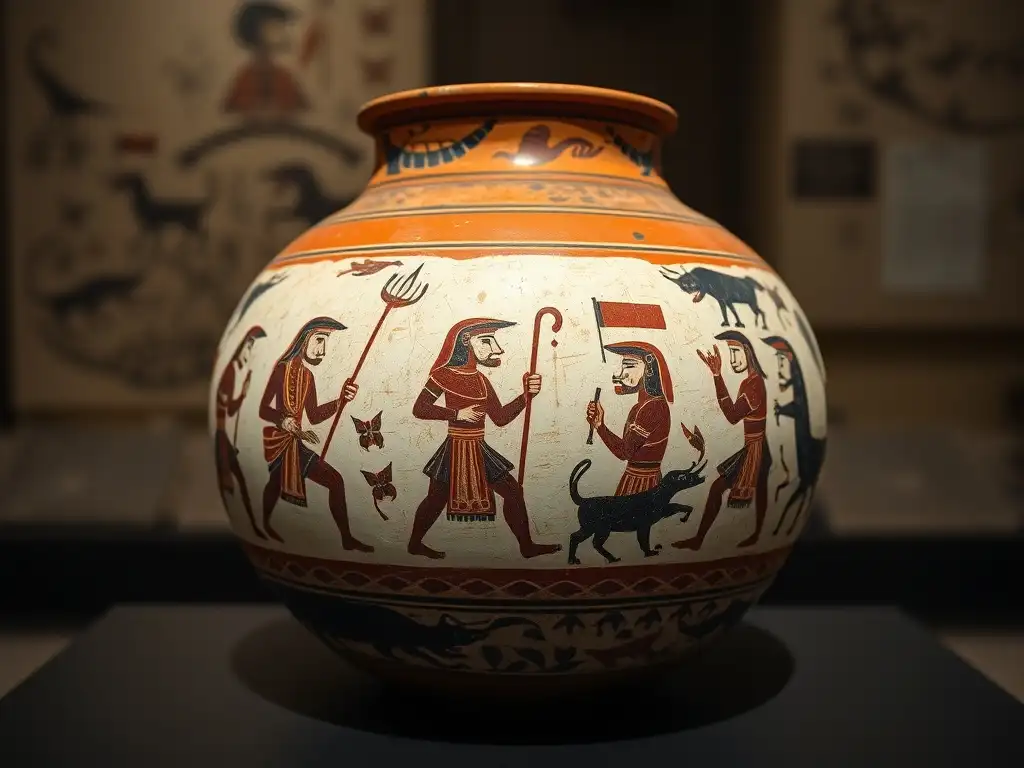
Step into a world lost to time, yet echoing with vibrant artistry. Prepare to be captivated by the ingenuity of the Andean civilizations, from the towering heights of the Inca empire to the breathtaking artistry of the Moche. But first, unravel the mystery behind the Moche negative painting technique – a sophisticated artistic process that continues to baffle and inspire. Discover how this unique style shaped their world and left an indelible mark on history. Dive in and uncover the secrets held within these ancient cultures.
The Moche civilization, flourishing along the northern coast of Peru from approximately 100 CE to 800 CE, left behind a remarkable legacy of artistic achievements. Among their most striking contributions is their masterful use of negative painting on ceramics. This innovative technique, far from being a mere decorative flourish, offers invaluable insights into Moche society, beliefs, and artistic capabilities.
This article delves into the intricacies of the Moche negative painting technique, exploring its processes, symbolism, and enduring significance in understanding this fascinating ancient culture. We will examine how this distinctive style reflects their sophisticated understanding of color, composition, and the symbolic representation of their world. The Moche negative painting technique stands as a testament to their artistic prowess and provides a unique window into their rich cultural tapestry.
Understanding the Moche Negative Painting Process
The Moche negative painting technique is a complex process requiring precision and skill. Unlike positive painting where pigment is directly applied to the surface, negative painting involves reserving areas of the clay's natural color by carefully applying a resist, usually a waxy substance, before applying the paint. Once the paint dries, the resist is removed, revealing the original clay color as a design element within the painted area. This creates a striking effect, with the unpainted areas forming an integral part of the overall image. Several stages were likely involved, beginning with the careful preparation of the ceramic vessel, followed by the meticulous application of the resist, the painting itself, and finally, the removal of the resist. The precision required speaks volumes about the expertise of the Moche artisans. Archaeological evidence suggests specialized workshops where these intricate pieces were created, indicating a high level of social organization and specialized labor.
Symbolic Representations in Moche Negative Painting
Moche negative painting wasn't simply a display of technical skill; it conveyed profound symbolic meaning. The imagery frequently depicted scenes from Moche mythology, rituals, and daily life. Common motifs include deities, mythical creatures, warriors, and scenes of hunting and feasting. The careful placement and interaction of these elements within the composition likely held specific religious or social significance.
For example, the depiction of a specific deity in conjunction with certain symbols could represent a particular ritual or belief system. Further research is needed to fully decipher the complex symbolism embedded within these intricate designs, but ongoing analysis of surviving artifacts continues to shed light on these interpretations. The use of color also played a significant role, with specific colors likely associated with particular meanings or entities within the Moche worldview.
The Significance of Moche Negative Painting in Art History
The Moche negative painting technique stands out as a unique and sophisticated artistic achievement in the context of ancient American art. Its innovative approach to painting, combined with its intricate and symbolic imagery, distinguishes it from the artistic styles of other contemporary cultures. The high level of skill and precision evident in these pieces demonstrates the advanced technological capabilities and artistic sophistication of the Moche.
The enduring legacy of Moche negative painting continues to inspire artists and researchers today, providing a valuable resource for understanding the artistic and cultural achievements of this remarkable civilization. The technique itself, as well as the themes and motifs it portrays, represent a significant contribution to the broader history of art and offer a fascinating glimpse into the complex world of the Moche people.
The continued study of these artifacts promises to further enrich our understanding of their culture and artistic practices. The ongoing discovery of new pieces only serves to strengthen the importance of this technique in the study of pre-Columbian art.
- Understanding the Moche Negative Painting Process
- Symbolic Representations in Moche Negative Painting
- The Significance of Moche Negative Painting in Art History
Introduction to Moche Art and Ceramic Techniques
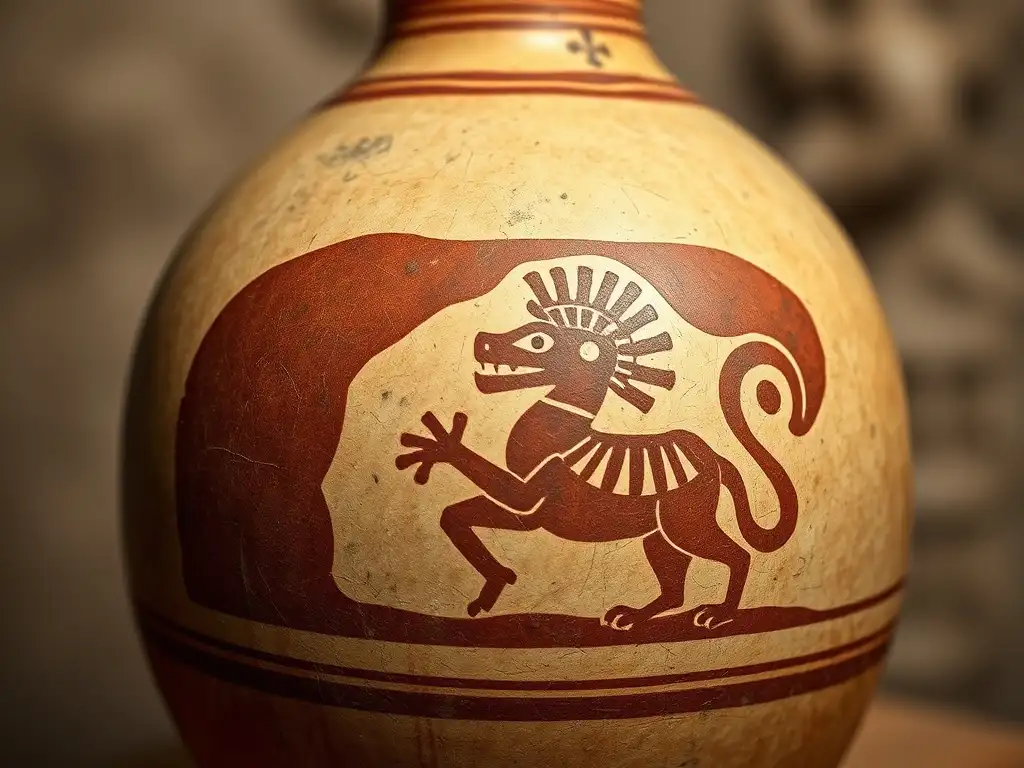
The Moche civilization (c. 100-800 CE), flourishing along the northern coast of Peru, left behind a remarkable legacy of artistic expression, most notably in their intricate and highly detailed ceramics. Moche pottery transcends mere utility; it's a vibrant window into their complex social structures, religious beliefs, and daily life. Understanding their artistic techniques is crucial to deciphering the narratives embedded within these stunning artifacts.
The Moche negative painting technique, in particular, stands out as a testament to their exceptional skill and innovative approach to artistic expression. This section will explore the broader context of Moche ceramic production before delving into the specifics of negative painting. The mastery of this technique, alongside other stylistic choices, showcases the sophisticated artistic development of the Moche culture, contributing significantly to our understanding of their worldview and societal organization.
The intricate detail and vibrant colors found in Moche ceramics are a testament to their advanced artistic skills and cultural significance. Analyzing these aspects helps us to better understand the Moche civilization and its rich artistic heritage.
The Significance of Moche Ceramics
Moche ceramics weren't simply functional vessels; they served crucial social and religious roles. Their production was likely a highly specialized activity, possibly undertaken by skilled artisans within specific workshops. The sheer volume of surviving pottery, coupled with the diversity of forms and decorative styles, points to a large-scale production system integrated into the social fabric of Moche society.
Many pieces depict scenes of warfare, ritual ceremonies, and daily life, offering invaluable insights into their social hierarchy, religious practices, and political organization. The presence of specific motifs, such as deities, mythical creatures, and elite figures, further underscores the role of ceramics in reinforcing social status and political power.
For example, the depiction of a powerful warrior on a large, elaborately decorated vessel might signify the importance of military prowess within Moche society. The meticulous detail and high-quality craftsmanship evident in these pieces suggest that ceramic production was a highly valued activity, potentially linked to elite patronage and control.
Overview of Moche Artistic Styles
Moche artists employed a range of techniques, including modeling, incising, painting, and the distinctive Moche negative painting technique. Their stylistic choices weren't arbitrary; they reflected a complex interplay of social, religious, and technological factors. Common stylistic elements include the use of vivid colors, often derived from natural pigments, and the depiction of both realistic and stylized figures. The artists' mastery of perspective and anatomical detail is remarkable, particularly in their representations of human figures and animals. Some common artistic motifs include:
- Human figures: Often depicted in elaborate costumes and engaged in various activities, reflecting the social hierarchy and daily life of the Moche.
- Mythological creatures: These fantastical beings, often depicted with human and animal characteristics, likely held significant religious meaning within Moche culture.
- Plants and animals: Representations of flora and fauna are common, suggesting the importance of the natural world to the Moche worldview.
- Geometric patterns: These patterns, often incorporated into the background or as decorative elements, add to the visual complexity of the ceramics.
The diversity of artistic styles and motifs across different Moche pottery pieces suggests regional variations and perhaps even the existence of distinct artistic workshops or schools. Further research into the stylistic variations across different Moche sites and time periods could provide valuable insights into the evolution of Moche artistic traditions and the broader social and political dynamics of the civilization.
The consistent high quality of the ceramics, however, points to a strong cultural emphasis on artistic excellence and the importance of skilled artisans within Moche society. The stylistic choices and the degree of detail incorporated into each piece reflect the artistry and skill of the Moche people and their deep understanding of their environment and culture.
Understanding the Moche Negative Painting Technique
The Moche civilization, flourishing on the northern coast of Peru from roughly 100 CE to 800 CE, left behind a remarkable artistic legacy. Among their most striking achievements is the mastery of negative painting, a technique that showcases their sophisticated understanding of pigments, ceramic production, and artistic expression. This section delves into the intricacies of this unique Moche negative painting technique, exploring its methods, its contrast with positive painting, and its significance within the broader context of Moche art. The precision and artistry involved in Moche reverse painting techniques are truly breathtaking.
What is Negative Painting in Moche Art?
Moche negative painting, also known as reverse painting, is a complex ceramic painting technique where the artist reserves a background color, typically a dark slip or pigment, while applying a lighter color or slip to create the design. Instead of directly painting the image onto the vessel, the artist carefully reserves the areas that will ultimately form the image, leaving them unpainted, or applying a contrasting slip. The design "appears" by the contrasting background color.
Think of it as a stenciling process, but far more intricate and detailed. The result is a striking visual effect, with the figures and scenes seeming to emerge from the background, enhancing the overall visual impact of the piece. This intricate process required considerable skill and patience, highlighting the advanced artistic capabilities of the Moche artisans.
The application of the slip itself needed to be precise, ensuring it didn't bleed into the reserved areas which would ruin the effect. The final result is a stunning interplay of light and dark that gives the artwork a sense of depth and intricacy. Many examples showcase mythical creatures, deities, and scenes of daily life, reflecting the rich cultural and religious beliefs of the Moche people.
Contrasting Negative Painting with Positive Painting
To fully appreciate the Moche negative painting technique, it's crucial to understand its contrast with positive painting. In positive painting, the artist directly applies pigment to the surface of the pottery to create the image. This is a more straightforward technique, requiring less precision in application. Positive painting was also widely used by the Moche, and often appears alongside negative painting on the same vessel, showcasing the versatility of Moche artists.
However, negative painting offers a distinct aesthetic quality. The reserved areas create a subtle halo effect around the figures, making them stand out dramatically against the darker background. This technique allows for greater detail and a sense of three-dimensionality that is less easily achieved through positive painting.
Consider this: in positive painting, a detail is created by adding color. In negative painting, the detail is created by removing or not adding color, making it a far more challenging and nuanced artistic approach. The subtle variations in tone and hue within the negative spaces further enhance the aesthetic appeal, demonstrating a high level of artistic sophistication and control. The contrast between the techniques highlights the Moche's experimental nature and their dedication to exploring diverse artistic expressions.
Defining the Moche Reverse Painting Method
The Moche reverse painting method involved a multi-step process. First, the artisans would prepare the ceramic vessel, ensuring a smooth and even surface. Then, a dark slip, often a black or dark brown, would be applied as the base coat. Once this dried, the artist would carefully apply a layer of a lighter-colored slip or pigment, strategically reserving the areas to form the design.
This required incredible dexterity and precision. Evidence suggests that the artists might have employed various tools, possibly including simple brushes made from natural materials or even sharpened sticks. After the lighter slip dried, the vessel might have received additional embellishments, such as incision or additional paint applications. The entire process was meticulous, demanding both technical skill and artistic vision.
The process also required a deep understanding of the properties of the pigments and slips used. The slips had to be of the correct viscosity to allow for precise application and to prevent bleeding into the reserved areas. The firing process itself was also critical, as it could affect the final appearance of the artwork.
The successful execution of the negative painting technique was a testament to the Moche artisans' mastery of materials and techniques. Further research is needed to fully understand the exact composition of the pigments and slips used in this unique technique. Analyzing existing artifacts using modern scientific methods could provide valuable insights into the specific materials and processes employed by the Moche artisans.
The Process of Moche Negative Painting
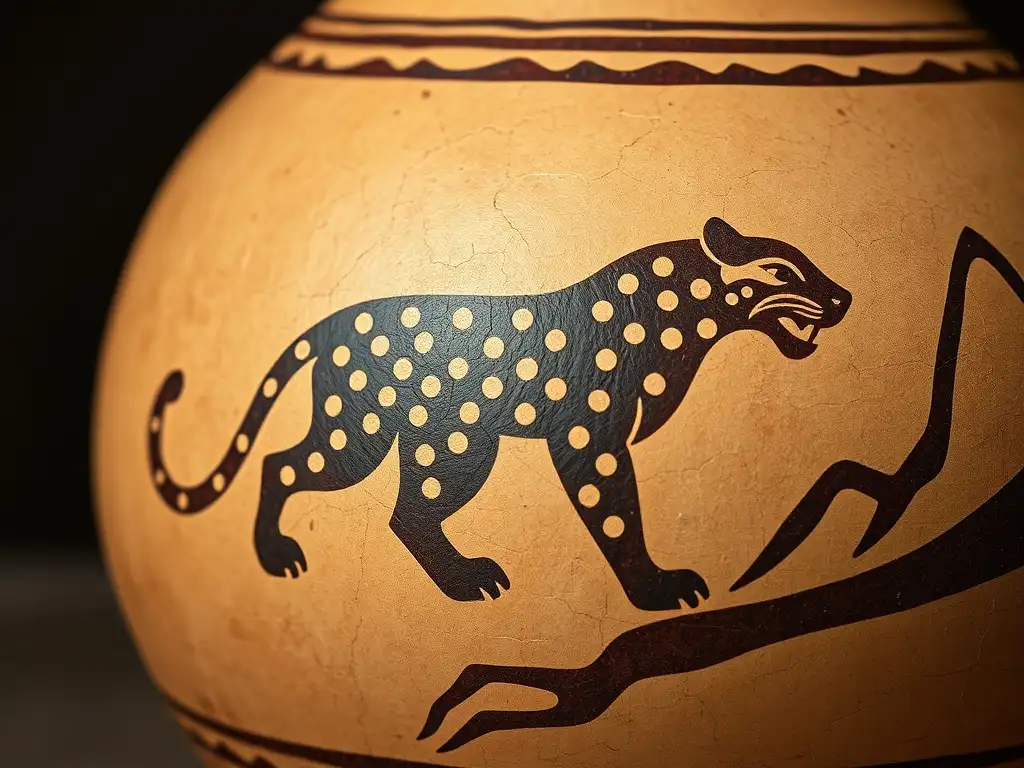
The Moche negative painting technique, a hallmark of their artistic prowess, stands as a testament to their sophisticated understanding of ceramics and pigments. This intricate process, far from being a simple application of color, involved meticulous preparation and a precise understanding of chemical reactions. The creation of these stunning, often haunting, images required a mastery of several key stages: preparation of the ceramic surface, application of the resist material, and finally, the dyeing and firing process.
Mastering the Moche negative painting technique demanded significant skill and patience, resulting in pieces that are both visually striking and historically significant. Understanding the process allows us to better appreciate the artistry and technology behind these remarkable artifacts.
Preparation of the Ceramic Surface
Before any artistic endeavor could begin, the Moche artisans meticulously prepared the ceramic surface. This wasn't a rushed process; instead, it involved several crucial steps to ensure the final product's quality and durability. First, the clay itself needed to be of the highest quality, carefully selected and prepared to ensure the proper consistency and strength for the intricate painting process. Impurities were meticulously removed, and the clay was kneaded and refined until it reached a smooth, uniform texture.
This painstaking attention to detail laid the foundation for the intricate artwork to come. The shaping of the vessel itself was also a critical step, with artisans employing various techniques to create the desired form. Once shaped, the vessel would undergo a preliminary firing to harden the clay, providing a stable base for the subsequent layers of paint and resist. This initial firing was crucial; it ensured the vessel's structural integrity and prevented cracking during the subsequent, higher-temperature firing process.
The surface was then smoothed to a flawless finish, often polished to a high sheen, providing an optimal surface for the application of the resist. This preparation, though unseen, was fundamental to the success of the negative painting technique. Evidence suggests that different clay types were used depending on the desired color and texture of the final piece, showcasing a deep understanding of material science.
Application of the Resist Material
With the ceramic surface perfectly prepared, the next stage involved the application of the resist material – the crucial element that defines the negative painting technique. The precise composition of this resist remains a subject of ongoing research, but evidence points towards a mixture of natural resins, possibly derived from plants, and finely ground minerals. The application itself was incredibly precise. Artisans used tools—possibly brushes made from animal hair or plant fibers—to meticulously apply the resist to the areas they wished to remain unpainted.
This required an exceptional level of skill and control, as any mistakes would be irrevocably imprinted on the final piece. The thickness and consistency of the resist were also carefully controlled, influencing the sharpness and definition of the final image. A thicker layer would create sharper lines, while a thinner application might lead to softer, more diffused edges.
The application of the resist was not a single step, often requiring multiple layers to achieve the desired opacity and ensure the dye did not penetrate the underlying ceramic. The complexity of the designs, often featuring intricate details and multiple layers of resist, highlights the incredible dexterity and artistic vision of the Moche artisans. The precision required in this stage is a clear indicator of the high level of skill and expertise involved in the Moche negative painting technique.
The Dyeing and Firing Process
The final stage in the Moche negative painting technique involved the dyeing and firing process. Once the resist was applied and completely dry, the entire vessel was immersed in a dye bath. The dye, likely derived from natural sources such as plants and minerals, would penetrate the un-resisted areas of the ceramic, permanently staining them. The color palette used by the Moche varied considerably, ranging from vibrant reds and oranges to deep blacks and browns, suggesting a diverse range of dye sources and methods.
After dyeing, the vessel underwent a second, high-temperature firing. This firing served a dual purpose: it permanently fixed the dye to the ceramic, creating a lasting image, and it also burned away the resist material, revealing the unpainted areas as a negative image. The temperature and duration of this firing were carefully controlled to prevent cracking or warping of the vessel and to ensure the desired color intensity.
The precision involved in controlling the temperature and duration of this process demonstrates a sophisticated understanding of material science and chemical reactions. The final result: a stunning ceramic vessel showcasing the intricate details of the design, achieved through the masterful application of the Moche negative painting technique. The surviving examples are testament to the artisans' skill and the enduring power of this unique artistic expression.
Revealing the Negative Design
The Moche negative painting technique, a hallmark of their artistic prowess, wasn't about applying paint directly onto the ceramic surface. Instead, it involved a meticulous process of removing paint to reveal the underlying color. Imagine a canvas pre-painted in a solid color—perhaps a rich, deep red, a vibrant ochre, or a striking black. The artisans, with incredible precision, would then carefully apply a layer of a contrasting color, often a creamy white slip. This layer acted as a temporary mask.
The true artistry lay in the subsequent removal of this white slip, using a sharp instrument, to create the desired image. This wasn't a simple scraping; it required a deft hand and a keen eye for detail to achieve the fine lines and intricate patterns characteristic of Moche negative painting. The process demanded immense patience and skill, a testament to the Moche's dedication to their craft. The result? A stunning image where the design appears as a negative space, defined by the surrounding color.
This technique allowed for a remarkable level of detail and sophistication, far beyond what could be achieved through simple positive painting. The contrast between the background and the revealed design is striking, enhancing the overall visual impact. The precision involved in this method is truly breathtaking, showcasing the advanced artistic capabilities of the Moche civilization. It's a technique that continues to fascinate and inspire art historians and archaeologists today. The skill required to execute this method flawlessly is remarkable, and it's a key element in understanding the Moche's artistic mastery and their sophisticated understanding of materials and techniques.
The Tools and Materials of the Moche Negative Painting Technique
The Moche's mastery of negative painting wasn't solely dependent on artistic skill; it also relied on a sophisticated understanding of the materials they used and the tools they employed. The process began with the careful selection of high-quality clay, prepared and shaped into the desired vessel. Then came the application of a base coat, typically a dark-colored slip, providing the backdrop for the negative design. The choice of slip color varied, reflecting the artistic preferences of the individual artisans and potentially influenced by the availability of specific pigments in the region.
After the base coat dried, a contrasting slip, usually a lighter color like white or cream, was carefully applied over the entire surface. This layer served as the resist, protecting the underlying base color during the next stage of the process. The tools used were likely simple yet effective. Sharp, pointed instruments, perhaps made from bone, shell, or even sharpened reeds, were used to painstakingly remove the resist layer, revealing the design underneath.
The precision required suggests a high level of skill and experience, acquired through years of training and practice. The final step often involved polishing the finished piece for a smooth, polished finish, further enhancing the vibrancy of the colors and the clarity of the design. The meticulous preparation, the careful application of slips, and the precise removal of the resist all contributed to the unique beauty and sophistication of Moche negative painting. This sophisticated approach to material selection and tool use underscores the advanced technological understanding that underpinned the Moche's artistic achievements.
Preserving the Moche Negative Painting Legacy
The exquisite examples of Moche negative painting that have survived to this day stand as a testament to the skill and artistry of this ancient civilization. However, preserving these fragile artifacts for future generations requires careful consideration and proactive measures. The passage of time, exposure to the elements, and even the handling of these artifacts can lead to degradation. Museums and archaeological institutions play a crucial role in preserving these masterpieces. They utilize specialized techniques for cleaning, restoration, and environmental control to minimize further deterioration.
These techniques include careful cleaning to remove surface dirt and grime, stabilization of cracked or fragile areas, and the creation of controlled environments to regulate temperature and humidity. This careful preservation ensures that these pieces remain accessible for study and appreciation by scholars and the public alike. Digital documentation, including high-resolution photography and 3D scanning, is also vital in preserving these artifacts for future researchers and generations. This allows for detailed study without physically handling the fragile originals.
Furthermore, ongoing research into the materials and techniques used in Moche negative painting provides valuable insights into the preservation challenges and potential solutions. The collaborative efforts of archaeologists, conservators, and museums are essential in safeguarding this significant aspect of the Moche cultural heritage. Protecting this artistic legacy is not just about preserving objects; it's about safeguarding a vital part of human history and artistic expression. The ongoing dedication to these preservation efforts ensures the Moche's artistic achievements continue to inspire and educate for centuries to come.
Motifs and Themes in Moche Negative Painting
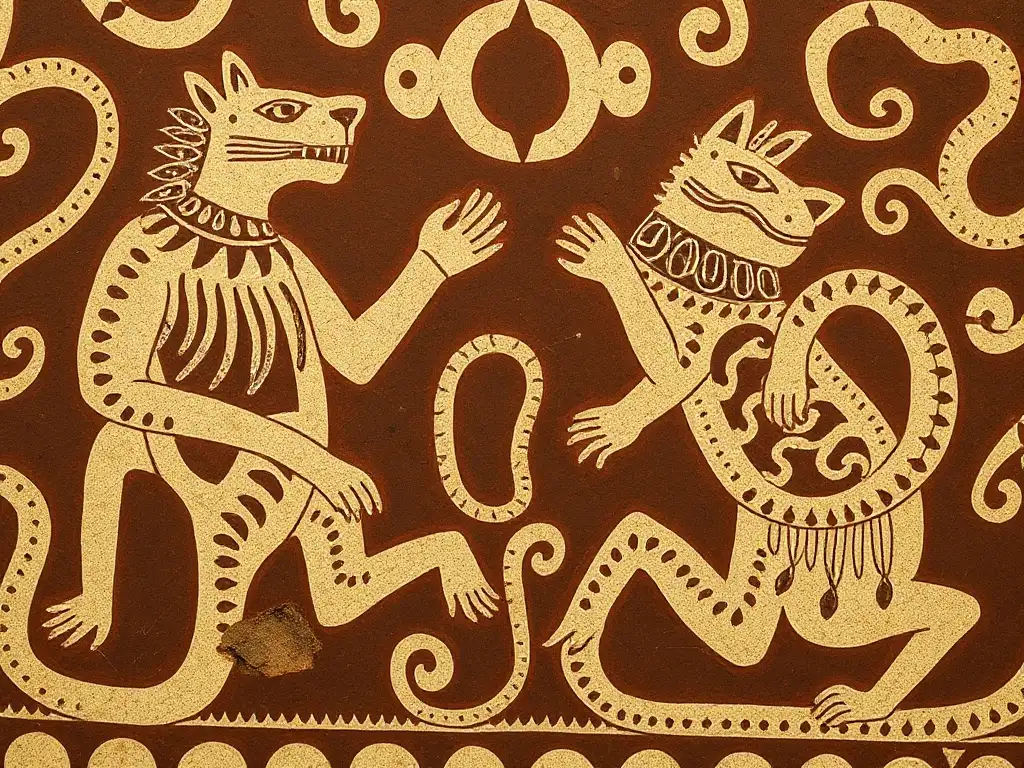
The Moche negative painting technique, a hallmark of their artistic prowess, wasn't simply a decorative flourish; it conveyed complex narratives and potent symbolism. The motifs depicted weren't random; they were carefully chosen to represent aspects of Moche cosmology, mythology, and daily life. Recurring themes include powerful depictions of deities, mythical creatures, scenes of ritual sacrifice, and representations of the natural world, particularly the ocean and its bounty.
The vibrant colors, achieved through this intricate method, further emphasized the importance and meaning of the imagery. Analyzing these motifs offers valuable insight into the Moche worldview and their sophisticated understanding of their environment and the supernatural. The precision and detail involved in the negative painting process highlight the skill and dedication of the Moche artisans, underscoring the cultural significance of these ceramic vessels.
Common Iconography in Moche Negative Ceramics
Moche negative painting ceramics frequently feature a standardized iconography. Common motifs include:
- Deities: Powerful figures, often depicted with elaborate headdresses, jewelry, and ceremonial attire, are prominent. These likely represent important gods or ancestral figures within the Moche pantheon. Specific details like facial features and regalia could indicate the deity’s specific role or power. Further research is needed to definitively identify all the deities represented. [Specific deity identification pending]
- Mythical Creatures: Hybrid creatures, combining elements from different animals and sometimes human characteristics, are another recurring element. These creatures often appear in scenes of ritual or combat, suggesting their significance in Moche mythology and belief systems. Examples include feline-like beings with human features, or creatures with bird-like wings and reptilian bodies. The symbolism of these hybrids remains a subject of ongoing scholarly debate.
- Scenes of Ritual Sacrifice: These depict ceremonies involving human sacrifice, a practice well-documented in Moche culture. These scenes are often highly detailed, showing the ritual process and the participants involved. The graphic nature of these depictions underscores the importance of ritual sacrifice in Moche society. Analysis of these scenes provides crucial information about their social structure and religious beliefs.
- Marine Life: Given the Moche's proximity to the Pacific Ocean, it's not surprising that marine life forms a significant part of their iconography. Fish, birds, and other sea creatures are frequently depicted, often with remarkable accuracy. These representations likely reflect the importance of fishing and the ocean in their economy and spiritual beliefs.
Symbolism in Moche Negative Painted Vessels
The symbolism embedded within Moche negative painting is multifaceted and requires careful interpretation. The colors themselves held meaning, with certain hues associated with specific deities or concepts. [Specific color symbolism pending] The arrangement of motifs within a scene could also be significant, potentially conveying a narrative or a specific message. For example:
| Motif | Possible Interpretation | Supporting Evidence |
|---|---|---|
| Feline Deity | Association with power, hunting, and the underworld. | Recurring presence in scenes of ritual and sacrifice. |
| Bird-Human Hybrid | Messenger between the earthly and spiritual realms. | Often depicted in flight or near celestial imagery. |
| Marine Life Abundance | Prosperity, fertility, and the bounty of the ocean. | Frequent depiction in association with celebratory scenes. |
The interpretation of these symbols is an ongoing process. New discoveries and analyses continually refine our understanding of Moche culture and the rich symbolism encoded in their art. Further research using advanced imaging techniques could reveal hidden details and enhance our understanding of the Moche negative painting technique and its symbolic significance.
Examples of Moche Negative Painting Designs
The Moche artisans displayed remarkable creativity in their negative painting designs. While common motifs recur, the specific compositions and arrangements varied greatly, showcasing their artistic skill and innovation. Some vessels feature intricate geometric patterns, others depict complex narrative scenes, and some combine both. For instance:
- Some vessels showcase a central deity surrounded by smaller figures or symbolic elements, creating a hierarchical composition that reinforces the deity's power.
- Others feature continuous narrative bands, unfolding a story across the vessel's surface. These narratives often depict scenes of ritual, warfare, or daily life, providing a glimpse into Moche society.
- Still others use negative painting to create striking visual effects, such as the illusion of depth or movement. The skillful use of color and space enhanced the impact of the designs.
The diversity of Moche negative painting designs underlines the versatility of the technique and the artisans' ability to adapt it to various themes and purposes. Each vessel represents a unique artistic achievement, reflecting the skill and creativity of the individual artist while simultaneously contributing to the wider artistic tradition of the Moche civilization. The study of these diverse designs continues to reveal new insights into the artistic practices and cultural values of this remarkable civilization.
Materials and Tools Used in Moche Negative Painting
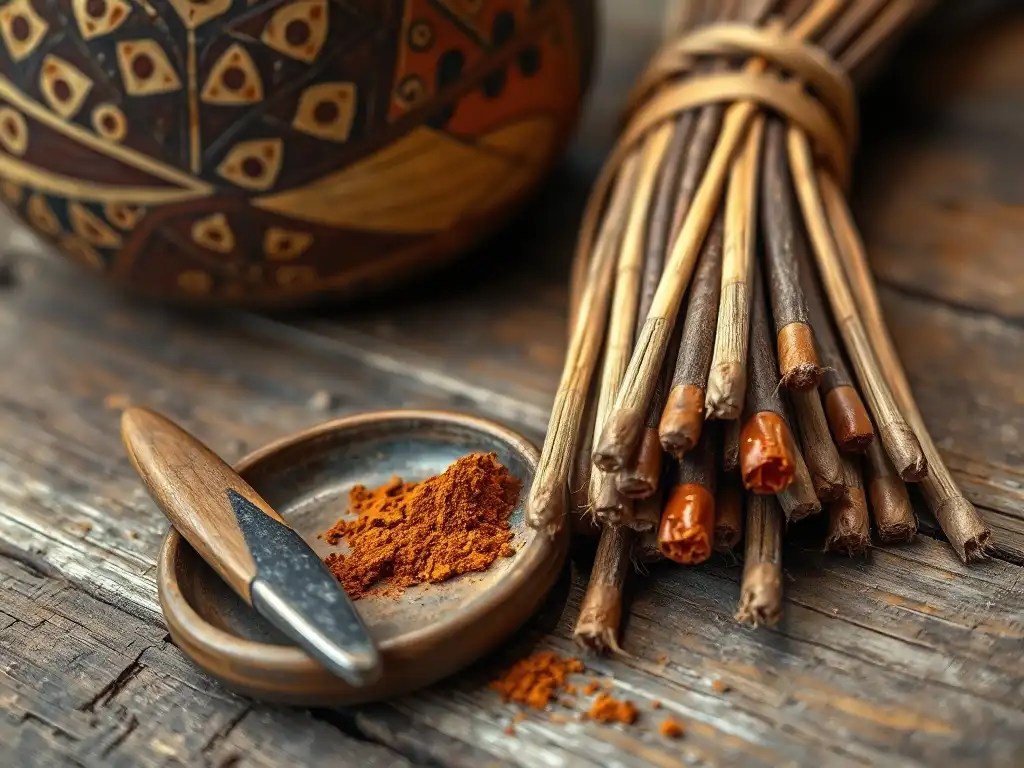
The Moche negative painting technique, a hallmark of their artistic prowess, relied on a sophisticated understanding of materials and tools. Mastering this intricate process demanded precision and a deep knowledge of the properties of pigments, resistants, and the firing process itself. While the exact recipes remain partially shrouded in the mists of time, archaeological evidence offers valuable insights into the materials employed by these skilled artisans. Their mastery of the Moche negative painting technique is a testament to their advanced technological capabilities.
Analysis of Moche Pigments and Dyes
Moche artists utilized a diverse palette of pigments, predominantly derived from natural sources. Analysis of excavated pottery reveals the presence of iron oxides for reds and browns, manganese oxides for blacks, and various clays for yellows and whites. The vibrant hues achieved through these pigments likely involved complex preparation techniques, including grinding, mixing with binding agents (possibly plant-based gums or resins), and careful application.
The precise formulas and ratios remain subjects of ongoing research, but the intense, long-lasting colors speak to the quality of the materials and the artists' skills. Further research is needed to fully understand the specific sourcing of these minerals and the processes used to refine them for use in the Moche negative painting technique.
For example, the exact type of clay used as a base for some colors is still under investigation. The intensity of the colors suggests a level of preparation beyond simple grinding, possibly involving processes like levigation (removing coarser particles) to improve the consistency and color saturation.
The Use of Resist Substances in Moche Pottery
The defining characteristic of Moche negative painting is the use of a resist substance, a material applied to the pottery surface to prevent the pigment from adhering. While the exact composition of these resists is still debated, evidence suggests the use of natural substances like beeswax, tree resins, or a mixture of both. The application of this resist was crucial: a thin, even layer was essential to create clean, sharp lines and prevent bleeding of the pigments.
The precision required for this step demonstrates a high level of skill and expertise. The resist was meticulously applied, often using tools like brushes made from plant fibers or possibly even fine reeds. The removal of the resist after painting, before firing, would have been a delicate process, requiring careful technique to avoid damaging the painted design.
The careful application of the resist is a key factor in the success of the Moche negative painting technique. Further research into organic residues on pottery fragments could reveal the precise composition of these resists.
The Firing Technology of Moche Ceramics
The final step in the Moche negative painting technique was firing the pottery in a kiln. The precise firing temperatures and techniques are still being investigated, but it's clear that the Moche possessed sophisticated knowledge of ceramic technology. The high-temperature firing process not only hardened the clay but also permanently fixed the pigments, ensuring the durability and longevity of the artwork.
The even firing required to avoid cracking or discoloration indicates a well-designed kiln and a mastery of the firing process. The survival of so many beautifully preserved examples of Moche negative painting is testament to the effectiveness of their firing techniques. Further study of kiln remains and the chemical analysis of the fired pottery can help provide more specific details on the temperatures and atmospheric conditions used during the firing process.
The relationship between the firing technology and the specific pigments used in the Moche negative painting technique is also a promising area for future research. Understanding these details could offer further insights into the broader context of Moche ceramic production.
The Archaeological Evidence of Moche Negative Painting
The Moche negative painting technique, a hallmark of Moche artistic expression, leaves behind compelling archaeological evidence that allows us to reconstruct their artistic processes and cultural significance. This unique style, characterized by the skillful application of paint to reserve a design, rather than directly painting the design itself, presents a fascinating case study in ancient Andean technology and artistic innovation. The survival of numerous examples, despite the fragility of the technique and the passage of centuries, provides invaluable insights into Moche society and artistry.
Analyzing this evidence allows us to understand not only how the Moche created their art but also why this particular technique held such importance. The meticulous nature of the process suggests a high level of skill and specialization within Moche society, hinting at a complex social structure supporting artistic production.
Sites Where Moche Negative Painted Pottery Has Been Found
Moche negative painted pottery has been discovered across a range of sites, providing geographical context for the technique's prevalence and evolution. Significant finds have been unearthed at major Moche centers, such as:
- Huaca de la Luna: This monumental adobe pyramid complex yielded a significant number of examples, showcasing the range of styles and motifs employed in negative painting. The sheer volume of artifacts found here suggests a possible connection between this site and the production or patronage of this artistic style.
- Huaca del Sol: Similarly, this massive adobe structure has also provided examples of negative painting, further confirming its widespread use within the Moche heartland. Comparative analysis of artifacts from Huaca del Sol and Huaca de la Luna may reveal regional variations in style or technique.
- El Brujo: This site, located on the northern coast of Peru, has also produced examples of Moche negative painted pottery, demonstrating the geographical reach of this artistic tradition. The presence of negative painting in different Moche regions underscores its importance across the civilization's territory.
- Other Coastal Sites: Numerous other smaller sites along the northern Peruvian coast have yielded smaller collections of negative painted pottery. These discoveries contribute to a broader understanding of the distribution and potential regional variations in the Moche negative painting technique. Further research is needed to fully map the geographical extent of this artistic style.
Insights into Moche Workshops and Production
The archaeological record offers glimpses into the Moche's artistic workshops and the production process of negative painting. While direct evidence of workshops dedicated solely to this technique is limited, the consistent quality and style of surviving pieces suggest a degree of standardization and potentially specialized artisans.
The meticulous nature of the process, requiring careful application of slip and paint to create the desired negative image, points towards a skilled workforce. Analysis of pottery fragments and discarded materials from Moche sites could provide further insights into the techniques employed, the tools used, and the organization of labor involved in the production of these artifacts. [Specific information pending: detailed analysis of pottery fragments and tools from Moche sites].
The discovery of multiple pieces with similar styles and motifs suggests either mass production or the existence of workshops with shared artistic styles and traditions. [Specific information pending: Analysis of stylistic variations and similarities across different sites]. The sheer number of surviving pieces indicates a considerable investment of time and resources in the production of this type of pottery, highlighting its importance within Moche society.
Dating Moche Negative Painting Styles
Dating Moche negative painting styles relies on several lines of evidence, including stylistic analysis, stratigraphic context, and radiocarbon dating of associated organic materials. Stylistic changes in the motifs, the use of color, and the level of detail provide a chronological framework for the evolution of the technique.
Early Moche negative painting, for instance, may exhibit simpler designs and a more limited palette compared to the later, more elaborate styles. The level of detail and the complexity of the motifs often increase over time, reflecting the evolution of artistic skill and possibly societal changes. [Specific information pending: Detailed chronological framework based on stylistic analysis of Moche negative painting].
By cross-referencing stylistic changes with the stratigraphic context of the finds—the position of artifacts within the archaeological layers of a site—archaeologists can refine the chronological sequence and improve the accuracy of dating. Radiocarbon dating of organic materials found in close proximity to negative painted pottery can further corroborate these estimations, offering a more precise timeline for the technique's development and decline. 📅 The combination of these methods allows for a more comprehensive understanding of the Moche negative painting technique's lifespan within the broader context of Moche civilization.
The Legacy of Moche Negative Painting
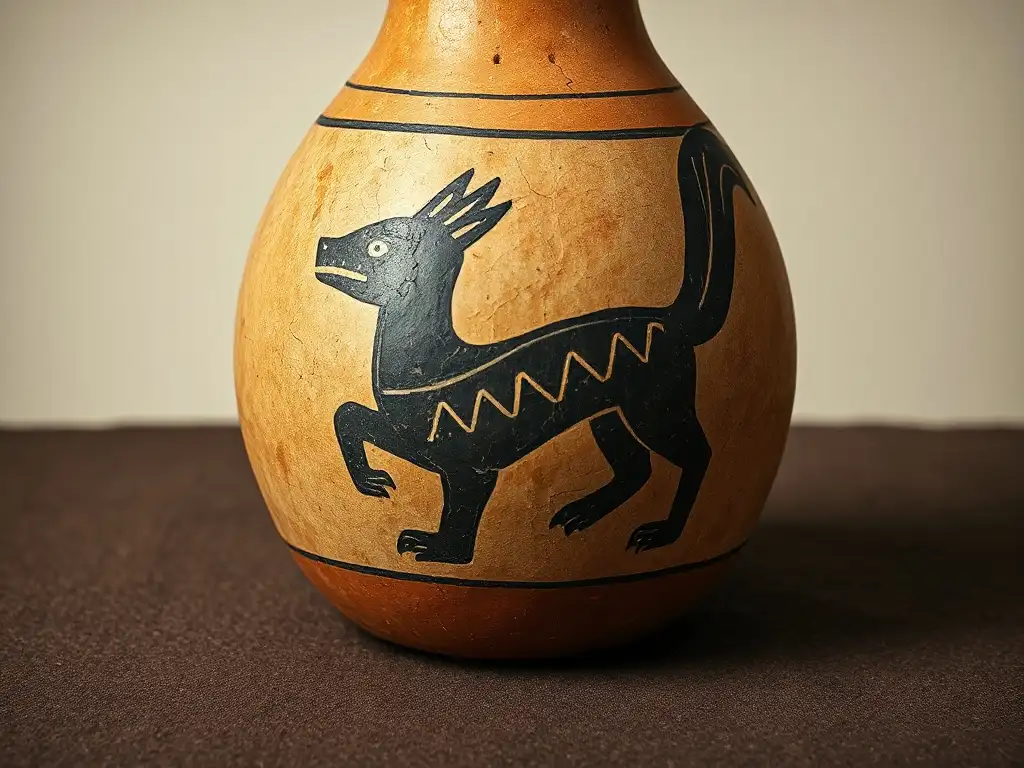
The Moche negative painting technique, a testament to the ingenuity of the ancient Moche civilization, left an indelible mark on Andean art and continues to fascinate and inspire today. Its influence resonates far beyond its initial context, shaping artistic expressions across centuries and influencing modern interpretations.
This unique artistic approach, characterized by its striking visual impact and intricate detail, stands as a powerful example of the Moche's advanced artistic capabilities and their profound understanding of color and composition. The legacy of this technique extends far beyond the realm of mere aesthetics; it speaks to the cultural significance of the Moche worldview and their sophisticated artistic traditions.
Influence on Later Andean Artistic Traditions
The Moche negative painting technique, while originating within a specific cultural context, wasn't confined to its time. Its impact reverberates through subsequent Andean artistic traditions, influencing styles and techniques across various cultures and periods. While direct lineages are difficult to definitively trace, certain stylistic elements and approaches evident in later Andean pottery and textiles suggest a clear connection to the Moche's innovative approach. For instance, the use of reserved spaces for design, a key element of negative painting, can be observed in certain ceramics from the Chimú and Inca periods, albeit with variations in style and complexity.
The precise nature of this influence requires further research, but it's undeniable that the Moche's mastery of negative painting contributed to a broader Andean artistic vocabulary. The impact isn't simply about copying; rather, it's about the adoption and adaptation of underlying principles – the understanding of how negative space can be just as powerful as positive space in creating compelling visual narratives.
This influence is a testament to the lasting power of innovative artistic techniques, even as they are transformed and reinterpreted by succeeding cultures. The enduring presence of the Moche's aesthetic legacy highlights the interconnectedness of Andean artistic traditions and the continuous dialogue between past and present.
Contemporary Appreciation of Moche Art
The Moche's sophisticated negative painting technique continues to garner significant appreciation in the contemporary art world. Museums worldwide showcase Moche pottery, attracting thousands of visitors annually. The intricate details, vibrant colors, and captivating imagery of these pieces capture the imagination of modern audiences. The technique's inherent elegance and technical skill are deeply admired, particularly in the context of the limited tools and materials available to the Moche artisans.
Furthermore, the Moche negative painting technique serves as inspiration for contemporary artists. Its unique aesthetic qualities and innovative approach to design inspire new works across various media. Many contemporary artists are explicitly referencing or reinterpreting Moche styles in their own creations, showcasing the technique's enduring relevance and its ongoing ability to spark creativity.
This contemporary appreciation underscores the timeless beauty and enduring cultural significance of Moche art, demonstrating its power to transcend time and continue to engage and inspire audiences across generations. The sustained interest in Moche negative painting is a testament to the artistry and innovation of this ancient civilization.
The Importance of Preserving Moche Artistic Heritage
Preserving Moche artistic heritage, including the exquisite examples of negative painting, is of paramount importance for several reasons. Firstly, these artifacts represent a vital link to the past, offering invaluable insights into the Moche civilization's worldview, social structures, and artistic capabilities. Each piece tells a story, revealing aspects of their daily life, religious beliefs, and artistic sensibilities. Losing these artifacts would mean losing a significant piece of our shared human history.
Secondly, the preservation of Moche art, especially the delicate negative painting technique, requires careful and ongoing efforts. The fragility of these pieces necessitates specialized conservation techniques to protect them from deterioration and damage. This requires collaborative efforts from archaeologists, conservators, and museums to ensure the longevity of these irreplaceable treasures.
The ongoing research and conservation efforts are essential in safeguarding this legacy for future generations. The preservation of Moche art is not simply about protecting objects; it is about preserving the cultural heritage of a remarkable civilization and the unique artistic techniques they developed. The Moche negative painting technique, in particular, stands as a powerful symbol of human creativity and ingenuity, a legacy worth protecting.
Conclusion: The Artistic Mastery of Moche Negative Painting
The Moche negative painting technique stands as a testament to the sophisticated artistic skills and technological prowess of the Moche civilization. This unique approach to ceramic decoration, involving the meticulous application of a resist to create intricate designs, showcases a level of precision and artistry rarely seen in other ancient cultures. The vibrant colors, detailed imagery, and remarkable preservation of these pieces across centuries highlight not only the Moche's artistic mastery but also their deep understanding of materials science and ceramic production techniques.
The enduring legacy of Moche negative painting continues to inspire awe and admiration, reminding us of the remarkable achievements of this ancient Andean society. Understanding this technique provides crucial insight into the Moche worldview, social structures, and artistic capabilities. Further study promises to reveal even more about the complexity and beauty of their artistic heritage.
The intricate details and vibrant hues of these ceramics offer a window into a rich and fascinating culture, a culture that thrived on innovation and artistic expression. The Moche negative painting technique remains a compelling example of the ingenuity and artistry found within the vast landscape of Andean civilizations.
Key Takeaways about Moche Reverse Painting
Several key takeaways emerge from the study of Moche negative painting. Firstly, the technique itself demonstrates a high level of skill and precision, requiring careful planning and execution. The artists had a deep understanding of the properties of pigments and slip, allowing them to achieve the sharp lines and vibrant colors characteristic of this style. Secondly, the imagery depicted in these pieces provides valuable insights into Moche mythology, religion, and daily life.
The recurring motifs of deities, animals, and ritual scenes offer a glimpse into their worldview and social structures. Thirdly, the relatively well-preserved nature of many Moche negative-painted ceramics highlights the effectiveness of the techniques employed in their creation and preservation. The use of durable pigments and firing processes ensured the longevity of these artistic masterpieces.
Finally, the consistent high quality of the artwork suggests a level of standardization and possibly specialized workshops dedicated to the production of these exceptional pieces. This level of organization and skill points to a sophisticated and well-developed artistic tradition within Moche society. Analyzing the stylistic variations across different Moche pottery pieces reveals subtle changes over time, reflecting shifts in artistic preferences and potentially even changes in social or religious practices.
The Unique Contribution of Moche Artists to Ceramic Technology
The Moche negative painting technique represents a significant contribution to ancient ceramic technology. It demonstrates a mastery of material science, going beyond simple decoration to a sophisticated process involving the precise application of a resist, careful layering of pigments, and controlled firing techniques. This process pushed the boundaries of ceramic art in the Andes, resulting in visually stunning and remarkably durable pieces.
The Moche's understanding of pigment properties and their ability to achieve such fine detail is particularly noteworthy. Unlike other techniques where pigment is applied directly, the negative painting method required a nuanced understanding of how pigments would react during firing and how to achieve the desired effect through the careful application of the resist. This advanced knowledge suggests a potential for specialized training and apprenticeship within Moche society, ensuring the continuity and refinement of this unique artistic tradition.
The innovation in ceramic technology demonstrated by the Moche negative painting technique is a testament to their creativity and ingenuity, significantly impacting the development of Andean ceramic art. Further research into the specific materials used and the firing processes employed could reveal even more about their technical expertise and the evolution of their techniques over time.
Further Research and Exploration of Moche Art
Further research into Moche negative painting could focus on several key areas. A more comprehensive analysis of the pigments used, including their chemical composition and sources, would provide valuable insights into Moche trade networks and resource management. Detailed stylistic analysis across different Moche sites and time periods could reveal regional variations and the evolution of the technique over time.
Comparative studies with other contemporary Andean ceramic traditions could shed light on the unique aspects of Moche negative painting and its relationship to broader artistic trends. Moreover, advanced imaging techniques, such as X-ray fluorescence spectroscopy, could be used to analyze the layers of pigment and resist more precisely, revealing further details about the artistic process. Finally, further archaeological excavations at Moche sites could uncover additional examples of negative-painted ceramics, potentially revealing new information about Moche art, culture, and technology.
The potential for new discoveries and the application of advanced research methodologies promises to significantly enhance our understanding of this remarkable artistic achievement. The continued study of Moche negative painting will undoubtedly lead to a richer and more nuanced appreciation of this fascinating ancient civilization.
Frequently Asked Questions
What is negative painting?
Negative painting is a unique technique where the artist paints around a design, leaving the background color as the design itself. The Moche mastered this technique, creating stunning images on their pottery. This resulted in striking visual effects.
How did the Moche achieve negative painting?
The Moche used a two-step process. First, they applied a layer of slip (a clay-based coating), then they painted around the design with a darker slip, revealing the lighter slip underneath as the image. This process required great skill and precision.
What kind of images did the Moche depict using negative painting?
Moche negative painting frequently featured mythological creatures, ritual scenes, and portraits of individuals, often reflecting their beliefs and societal structure. The detail is remarkable, even by modern standards.
What materials did the Moche use for negative painting?
The Moche primarily used clay pottery as their canvas, along with natural pigments derived from minerals and plants to create their slips and paints. The precise composition of these materials is still being researched.
Why is the Moche negative painting technique significant?
The Moche's mastery of negative painting demonstrates their advanced artistic skills and understanding of materials. It provides invaluable insight into their culture and worldview, making it a highly significant artistic achievement.
Final Reflection: The Enduring Legacy of Moche Negative Painting
The vibrant artistry of the Moche people, particularly their mastery of negative painting, continues to resonate today, a testament to their ingenuity and profound understanding of color and form. This ancient technique, far from being a relic of the past, offers a powerful lens through which to examine not only artistic innovation but also the complex social and cultural structures of a civilization that thrived centuries ago. Its enduring appeal speaks to a universal human appreciation for beauty and skill, transcending time and cultural boundaries.
The impact of Moche negative painting extends far beyond the realm of art history; it speaks to the enduring power of human creativity and the ability of art to communicate across vast stretches of time. The intricate detail and symbolic imagery found in these pieces offer invaluable insights into Moche beliefs, rituals, and daily life. Art washes away from the soul the dust of everyday life.
– Pablo Picasso. This quote, while not directly referencing Moche art, perfectly encapsulates the timeless power of art to connect us to something larger than ourselves, something that speaks to the human spirit across millennia. The Moche, through their innovative techniques, achieved just that.
Consider the implications of this ancient technique. Think about the patience, precision, and deep understanding of materials required to create such breathtaking works. You, too, can cultivate a deeper appreciation for the artistry and ingenuity of the past by actively seeking out examples of Moche negative painting and reflecting on the dedication and skill involved in their creation. Let the vibrant colors and intricate designs inspire you to appreciate the beauty in the world around you and to strive for excellence in your own endeavors. Let the legacy of the Moche continue to inspire and amaze.
Unveil Your Creativity: Explore Negative Painting Techniques!
Thank you for exploring the fascinating world of Moche art and their unique negative painting techniques! You've discovered how this artistic approach reflects both their skill and their rich culture. Now, let's put that inspiration into practice!
- Begin your own negative painting project: Gather your materials and create your first piece inspired by the Moche style. Experiment with colors and forms, letting your imagination guide you.
- Connect with other artists: Join a local art group or online community to share your work and learn from others. Collaboration can spark exciting new ideas and techniques.
- Seek further inspiration: Visit a museum or explore online galleries showcasing ancient and contemporary art. See how negative painting has influenced artistic expression across cultures and throughout history.
How do you typically express your creativity, and how might you integrate these ancient techniques into your own artistic style?