
Beyond the Marketplace: The Role of Barter in Andean Diplomacy

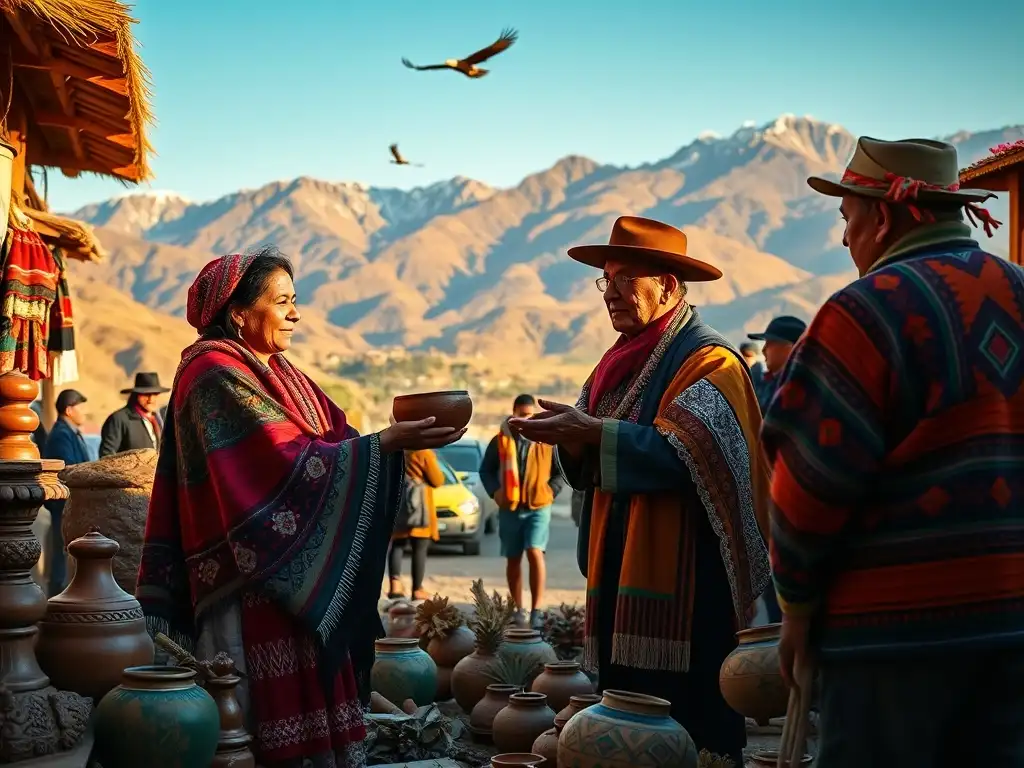
Uncover the secrets whispered on the windswept heights of the Andes! For centuries, these majestic mountains witnessed the rise and fall of incredible civilizations. But beyond the glittering gold and breathtaking artistry, a complex web of power and influence thrived. Discover how the seemingly simple act of barter played a pivotal role in Andean diplomacy, shaping alliances, fueling conflicts, and ultimately defining the fate of empires. Dive into the fascinating world of Andean civilizations barter diplomacy and unravel the untold story of trade and power in the heart of South America.
The vibrant tapestry of Andean civilizations, encompassing the Incas, Moche, Nazca, and Tiahuanaco, is often depicted through the lens of grand empires and monumental architecture. However, a deeper understanding reveals a sophisticated economic system built not solely on centralized control, but also on intricate networks of exchange and diplomacy, heavily reliant on barter.
This article delves into the crucial role barter played in shaping relationships and influencing power dynamics across these ancient Andean societies, exploring how the exchange of goods transcended mere economic transactions to become a cornerstone of political and social interaction. We will examine the various systems of barter employed, the importance of reciprocity, and the types of goods that fueled this complex web of Andean diplomacy.
Understanding this system offers a unique perspective on the complexities and nuances of these fascinating civilizations and their enduring legacy. The strategic use of barter in Andean diplomacy reveals a level of sophistication often overlooked in traditional narratives, highlighting the ingenuity and adaptability of these ancient societies.
Introduction: Andean Civilizations and the Significance of Barter
The Andean region, characterized by its diverse geography and challenging terrain, fostered a unique economic system where direct trade, particularly barter, played a vital role. Unlike societies with centralized monetary systems, Andean communities relied heavily on the exchange of goods and services to secure necessities and build alliances. This wasn't simply a matter of individual transactions; rather, it was a complex interplay of social obligations, political strategies, and economic necessities.
Barter wasn't just about acquiring goods; it was a powerful tool for establishing and maintaining relationships, forging alliances, and even resolving conflicts. The significance of barter in Andean diplomacy is underscored by its pervasiveness across various cultures and time periods, demonstrating its enduring importance in shaping the socio-political landscape of the region. The scale and complexity of these exchange networks reveal a remarkable understanding of resource management and strategic planning within these seemingly disparate societies.
Understanding Barter Systems in Ancient Andean Societies
The Andean barter system wasn't a haphazard affair; it operated within structured frameworks shaped by cultural norms, social hierarchies, and geographical constraints. Different regions specialized in producing specific goods, creating a natural impetus for trade. Coastal communities, for instance, offered fish and sea salt, while highland populations traded potatoes, llama wool, and other agricultural products.
This specialization and the subsequent need for exchange fostered the development of complex barter systems that extended far beyond immediate neighboring communities. The absence of a unified currency didn't hinder the efficiency of these systems; instead, it fostered a deep understanding of value based on the relative scarcity and desirability of various goods. The system demonstrated remarkable adaptability, adjusting to fluctuations in resource availability and responding to changing political landscapes.
Barter as a Foundation of Andean Economic Networks
The intricate networks established through barter were not merely economic; they were fundamental to the social and political fabric of Andean societies. These networks facilitated the flow of not only material goods but also information, ideas, and cultural practices. The exchange of goods often involved elaborate ceremonies and rituals, reinforcing social bonds and solidifying alliances.
The movement of goods along these established routes also contributed to the spread of technologies and innovations, fostering a degree of cultural exchange and technological diffusion across vast distances. These networks were not static; they adapted and evolved in response to environmental changes, political shifts, and the rise and fall of different power structures. The resilience of these networks showcases the adaptive capacity of Andean societies.
The Importance of Reciprocity in Andean Exchange
Reciprocity formed the bedrock of Andean barter systems. The exchange of goods wasn't solely a transactional event; it was embedded within a complex web of social obligations and reciprocal relationships. The concept of ayni, a Quechua term for reciprocity, highlights the importance of mutual exchange and balanced relationships within Andean communities.
Failure to reciprocate could lead to social sanctions and damage relationships, underscoring the social and political ramifications of economic transactions. This system fostered cooperation and solidarity, strengthening community bonds and ensuring the stability of the broader social network. The emphasis on reciprocity demonstrates a sophisticated understanding of social dynamics and the importance of maintaining balanced relationships.
Goods Traded: From Potatoes to Textiles
The goods exchanged in Andean barter systems were diverse, reflecting the rich biodiversity of the region and the specialized skills of its inhabitants. Potatoes, a staple crop, were widely traded, alongside other agricultural products like maize, quinoa, and beans. Llama and alpaca wool were highly prized for textile production, with intricately woven textiles serving as both clothing and important ceremonial items. Metals, such as copper and gold, were also traded, reflecting the advanced metallurgical skills of certain Andean cultures.
Coastal communities provided fish, shellfish, and sea salt, which were crucial commodities for inland populations. The diversity of goods exchanged showcases the complex economic interdependencies that characterized Andean societies. The value of specific items often varied based on factors such as craftsmanship, rarity, and cultural significance.
- Introduction: Andean Civilizations and the Significance of Barter
- Understanding Barter Systems in Ancient Andean Societies
- What role did barter play in Andean diplomacy beyond simple trade?
- How did the Incas utilize barter in their vast empire?
- Did all Andean civilizations use barter in the same way?
- How did the exchange of goods influence political relationships between Andean societies?
- What evidence exists to support the importance of barter in Andean diplomacy?
Barter Beyond Commerce: Diplomatic Applications in Andean Cultures
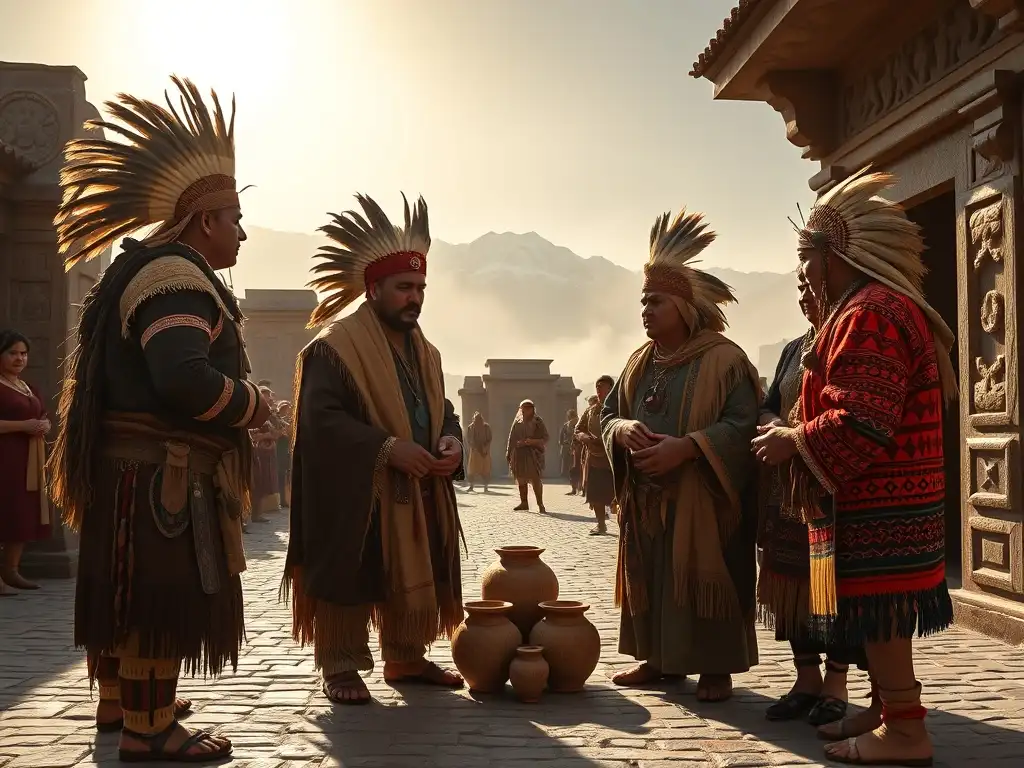
The Andean civilizations, renowned for their sophisticated agricultural techniques and intricate social structures, utilized barter systems not merely for economic transactions but also as a powerful tool in diplomacy. This section explores the multifaceted role of barter in forging alliances, resolving conflicts, and establishing enduring political relationships across vast geographical distances. Understanding this nuanced use of barter offers a richer perspective on the complexities of Andean political and social organization, revealing the intricate web of reciprocal obligations and strategic exchanges that underpinned their societies. The term "Andean civilizations barter diplomacy" encapsulates this critical aspect of their interactions.
Barter as a Tool for Establishing Alliances and Political Ties
Gift Exchange and the Creation of Political Bonds
Barter in Andean societies transcended simple commodity exchange; it was deeply embedded in rituals and ceremonies, fostering social cohesion and solidifying political alliances. The exchange of prestigious goods, such as finely crafted textiles, elaborate ceramics, or precious metals, symbolized mutual respect and established reciprocal obligations. These weren't simply transactions; they were carefully orchestrated performances designed to cultivate lasting bonds between different groups.
For instance, the exchange of khipus (complex knotted-string record-keeping devices) between ruling elites could represent the formalization of an alliance, signifying a shared understanding and commitment to mutual support. The act of gifting, therefore, was not just an economic act, but a powerful statement of political intent.
The Role of Barter in Conflict Resolution and Peace Treaties
Beyond alliance-building, barter played a crucial role in conflict resolution and the establishment of peace treaties. The exchange of goods could serve as a symbolic gesture of reconciliation, signifying a willingness to move beyond past grievances. The nature of the goods exchanged often held symbolic weight, reflecting the specific terms of the peace agreement.
For example, the offering of specific agricultural products might indicate a commitment to shared resource management, while the exchange of crafted objects could represent a pledge of mutual respect and non-aggression. This process, far from being a purely economic event, represented a profound shift in political relations, transforming adversaries into tentative allies. The successful negotiation of such barter agreements contributed significantly to the maintenance of regional stability and the avoidance of prolonged warfare.
Specific Examples of Barter in Andean Diplomatic Practices
Case Study: The Inca Empire and Mit'a Labor Exchange
The Inca Empire, known for its vast administrative capabilities, employed a sophisticated system of mit'a, a form of reciprocal labor exchange, as a key component of its imperial diplomacy. While often described as a form of tribute, mit'a also served as a mechanism for integrating conquered populations into the empire. By requiring labor contributions from different ethnic groups in the construction of infrastructure projects like roads and temples, the Inca fostered a sense of shared purpose and collective identity.
This system, though demanding, simultaneously built loyalty and facilitated the flow of goods and resources across the empire, strengthening political ties and minimizing the risk of rebellion. This illustrates how, even compulsory labor, could serve a crucial diplomatic function within the context of the Inca's broader imperial strategy.
Analyzing the Significance of Coca Leaves in Diplomatic Exchanges
Coca leaves held immense cultural and religious significance in Andean societies. Their use extended far beyond recreational purposes; they were frequently incorporated into diplomatic exchanges as symbols of respect, friendship, and shared ritual practices. The offering of coca leaves during negotiations or ceremonies demonstrated a willingness to engage in collaborative efforts and build trust. This subtle yet powerful form of diplomacy underscores the importance of understanding the symbolic value of goods in Andean interactions. The quantity and quality of coca leaves offered could further convey the relative importance of the diplomatic encounter and the strength of the desired relationship.
The Use of Barter to Establish Trade Routes and Diplomatic Corridors
The establishment and maintenance of trade routes were intrinsically linked to diplomatic efforts in Andean societies. Barter agreements facilitated the safe passage of goods and people across different territories, creating what could be considered "diplomatic corridors." The exchange of goods along these routes not only fostered economic interdependence but also encouraged cultural exchange and the dissemination of ideas, further solidifying political ties between distant communities.
The security of these routes often depended on reciprocal agreements between different political entities, highlighting the interconnectedness of economic and political spheres in the Andean world. This constant exchange of goods and services created a complex network of dependencies that reinforced the existing political order.
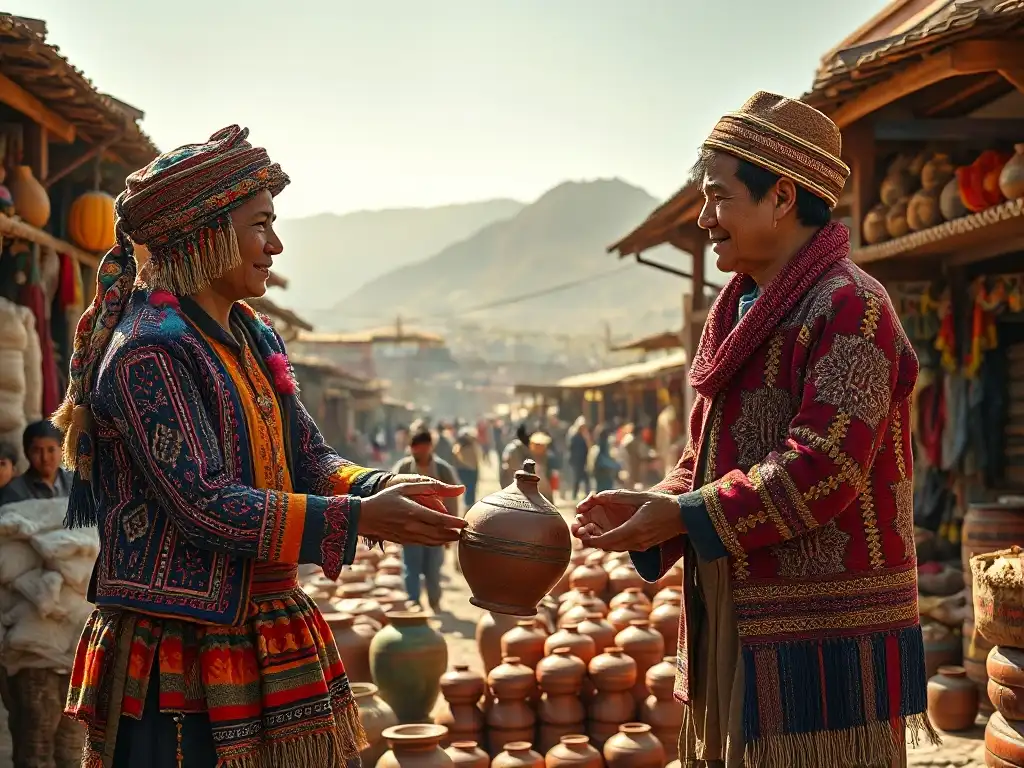
The practice of barter in Andean civilizations extended far beyond simple economic transactions; it deeply intertwined with social structures, cultural beliefs, and diplomatic strategies. Understanding the nuances of Andean barter requires moving beyond a purely economic lens and appreciating its significance as a powerful tool for establishing and maintaining relationships, solidifying alliances, and projecting power within the complex Andean world. This section delves into the cultural and social dimensions of this intricate system, revealing how seemingly straightforward exchanges played a pivotal role in shaping Andean societies. The keyword "Andean civilizations barter diplomacy" is central to understanding this multifaceted system.
Barter as a Reflection of Andean Worldviews
Andean worldviews, characterized by a deep respect for reciprocity and a complex understanding of social obligations, are reflected in their barter systems. The exchange of goods wasn't merely a transactional process; it was a ritualized act that reinforced social bonds and hierarchical structures. For instance, the careful selection of goods and the formality of the exchange itself often signaled the status and power of the participants.
The quality and rarity of the items exchanged, whether textiles, ceramics, precious metals, or coca leaves, communicated social standing and underscored the importance of the relationship being fostered. The act of giving and receiving was imbued with symbolic meaning, far exceeding the mere monetary value of the goods involved.
The Social Hierarchies Reflected in Barter Practices
The hierarchical nature of Andean societies is clearly evident in their barter systems. Elite classes often controlled access to high-value goods, using barter as a means to consolidate and maintain their power. The exchange of luxury items, such as finely crafted textiles or gold ornaments, served to reinforce social distinctions and solidify alliances between powerful individuals and groups.
Conversely, commoners engaged in different forms of barter, focusing on the exchange of everyday necessities. Archaeological evidence reveals distinct patterns in the types and quantities of goods exchanged, reflecting the social stratification within Andean societies. This wasn't a uniform system, but rather a system reflecting the diverse social structures of different Andean groups.
Barter and the Creation of Social Obligations
Barter in Andean societies wasn't just about immediate exchange; it created enduring social obligations. The act of receiving a gift, even in a barter context, instilled a reciprocal obligation on the recipient. This system of reciprocal exchange, often referred to as ayni, was fundamental to Andean social life.
Failure to reciprocate could lead to social sanctions and damage relationships, highlighting the importance of maintaining balance and reciprocity in these interactions. This emphasis on reciprocity extended beyond individual relationships to encompass broader social networks and alliances between communities and even different ethnic groups. This system of carefully managed obligations fostered cooperation and stability across a vast and diverse landscape.
The Enduring Legacy of Andean Barter Systems
The legacy of Andean barter systems extends far beyond the collapse of the Inca Empire. The principles of reciprocity and exchange embedded in these ancient practices continue to resonate in modern Andean societies. While monetary systems have largely supplanted direct barter, the underlying social and cultural values associated with exchange remain deeply ingrained in Andean communities.
The Influence of Ancient Barter on Modern Andean Trade
Despite the introduction of currency, the spirit of ayni and the importance of reciprocal relationships persist in contemporary Andean trade practices. Many aspects of modern Andean markets still reflect the emphasis on personal relationships and trust that characterized ancient barter systems. This enduring influence highlights the deep-rooted cultural significance of exchange in Andean societies. The informal exchange of goods and services, often based on personal networks and mutual obligations, continues to play a significant role in many Andean communities.
Lessons from Andean Barter Diplomacy for Contemporary Relations
The study of Andean barter diplomacy offers valuable insights for understanding contemporary international relations. The emphasis on reciprocity, the importance of building trust, and the strategic use of exchange to forge alliances are principles that transcend time and geography. Understanding the complexities of Andean barter systems can help us appreciate the multifaceted nature of diplomacy and the crucial role of cultural understanding in fostering successful international collaborations.
The enduring legacy of Andean civilizations' sophisticated approaches to diplomacy through barter provides a rich case study for contemporary global interactions. Analyzing the successes and failures of these ancient systems offers valuable lessons for navigating the complexities of modern international relations.
Frequently Asked Questions
What role did barter play in Andean diplomacy beyond simple trade?
Barter wasn't just about exchanging goods; it served as a crucial tool in Andean diplomacy. The exchange of luxury items and rare artifacts symbolized alliances, solidified peace treaties, and demonstrated power.
How did the Incas utilize barter in their vast empire?
The Inca Empire used a sophisticated system of state-controlled barter to manage resources and maintain control. Tribute systems, involving the exchange of goods and labor, were central to their imperial administration and diplomacy.
Did all Andean civilizations use barter in the same way?
No, the use of barter varied significantly across different Andean civilizations. While the Inca system was highly centralized, other groups like the Moche and Nazca likely employed more localized and less formalized systems of reciprocal exchange.
How did the exchange of goods influence political relationships between Andean societies?
The exchange of goods, especially prestige objects, helped to build and maintain diplomatic ties between different Andean groups. Strategic alliances were often forged through the careful negotiation and exchange of valuable resources.
What evidence exists to support the importance of barter in Andean diplomacy?
Archaeological evidence, such as the discovery of exotic artifacts in distant sites, and written accounts from Spanish chroniclers support the significant role of barter in inter-societal relations and diplomacy within the Andes.
Final Reflection: The Enduring Legacy of Andean Barter Diplomacy
The intricate systems of barter that defined Andean diplomacy weren't simply economic transactions; they were powerful tools of political maneuvering, social cohesion, and cultural exchange, a legacy that continues to resonate in contemporary understandings of international relations. The sophisticated networks of reciprocal gift-giving and resource sharing, far from being primitive, reveal a complex understanding of power dynamics and the strategic use of material culture to forge alliances and maintain peace.
The enduring impact of this barter-based diplomacy is evident in the continued importance of reciprocal relationships and community-building within Andean societies today. While the scale and specific mechanisms have evolved, the underlying principles of mutual benefit and trust remain crucial. The spirit of reciprocity, the essence of Andean worldview, is not merely a historical artifact but a living force shaping social interactions and political landscapes.
This quote encapsulates the enduring relevance of understanding these historical practices to comprehend the present-day dynamics of the region.
Consider the implications of this historical perspective for your own interactions. How can we cultivate a more reciprocal and mutually beneficial approach in our own relationships, both personal and professional? By understanding the sophisticated strategies employed by Andean civilizations, we can gain valuable insights into building stronger, more sustainable connections based on trust and shared value, rather than solely on transactional exchanges. Let the legacy of Andean barter diplomacy inspire you to build a more equitable and collaborative future.
Embrace the Power of Barter in Andean Diplomacy!
Thank you for exploring the fascinating interplay between barter and diplomacy in Andean civilizations. Your interest reveals not only valuable historical insights but also the potential for applying these principles to modern ethical negotiation and relationship-building.
Now, let's put that knowledge into practice! Here are some ways to get involved:
- Network: Connect with local community groups or online forums focused on barter systems to expand your network and share ideas.
- Organize: Consider hosting a community barter event to experience firsthand the benefits of exchange and cooperation.
- Learn More: Research contemporary barter systems worldwide and consider how they might enhance your personal life or business strategies.
Share your thoughts and experiences on how barter can influence relationships in your community!