
Unveiling the Secrets: How to Travel Ethically Through the Sacred Andes

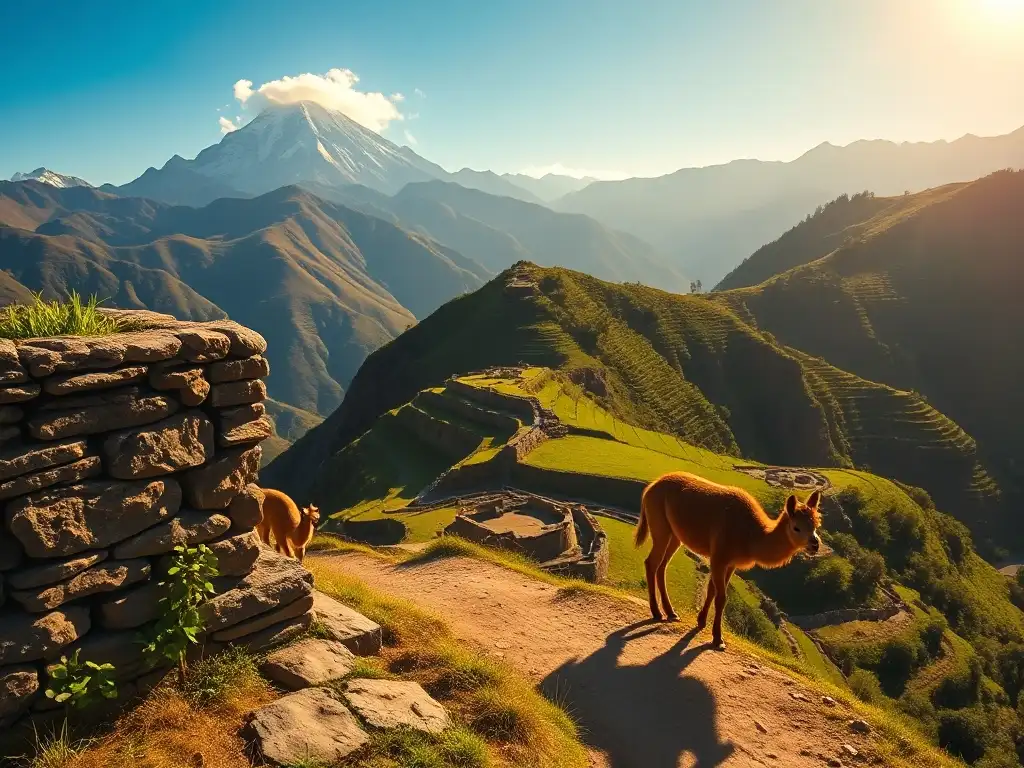
Step into a world lost in time, yet vibrantly alive. Imagine trekking through breathtaking landscapes that witnessed the rise and fall of empires – the Incas, Moche, Nazca, and Tiahuanaco. At Andean Civilizations, we delve into the captivating tapestry of Andean history, art, and technology. But this is more than just history; it's about the present. Discover how to engage in ethical Andean travel experiences and leave a positive impact while exploring these sacred lands. Ready to uncover the secrets? Let's begin.
The Andes Mountains, a spine of majestic peaks stretching along the western coast of South America, are home to a rich tapestry of ancient civilizations and breathtaking landscapes. From the Inca Empire's sophisticated road system to the enigmatic Nazca Lines, the region pulsates with history, culture, and spiritual significance. However, the increasing popularity of Andean tourism presents a double-edged sword.
While it offers economic opportunities for local communities, it also poses significant risks to the fragile environment and the unique cultural heritage of the region. This article explores the crucial aspects of ethical Andean travel, empowering you to experience the magic of the Andes while minimizing your environmental footprint and maximizing your positive impact on the local communities.
We will delve into the importance of responsible tourism, examine the impacts of tourism on the Andes, and provide practical steps for planning an ethical and sustainable Andean adventure, ensuring your journey contributes positively to the preservation of this incredible region for generations to come. This guide focuses on providing you with the tools to plan "ethical Andean travel experiences," allowing you to explore this magnificent region responsibly.
Understanding the Importance of Ethical Travel in the Andes
Ethical travel, in the context of the Andes, goes beyond simply avoiding harmful activities. It's about actively contributing to the well-being of the environment and the people who call this region home. This means respecting local customs, supporting local businesses, and minimizing your environmental impact. The Andes are not just a picturesque backdrop for your vacation photos; they are a living, breathing ecosystem with a rich cultural heritage that deserves our utmost respect.
Ignoring this responsibility risks contributing to the erosion of cultural practices, the exploitation of local resources, and the degradation of the environment. Choosing ethical travel ensures that your journey becomes a positive force, leaving a legacy of sustainability and respect. Consider the following: the impact of your carbon footprint from air travel, the sourcing of your accommodations and tour operators, and the purchases you make while traveling. Each decision offers an opportunity for positive change.
Why Choose Responsible Andean Tourism?
Choosing responsible Andean tourism offers a multitude of benefits, extending far beyond a clear conscience. It allows for a more authentic and enriching travel experience. By supporting local communities and businesses, you gain access to unique insights and experiences that are often unavailable through mass tourism. You'll encounter genuine hospitality, learn about local traditions firsthand, and contribute directly to the economic empowerment of Andean communities.
Furthermore, responsible tourism helps protect the environment and preserves the cultural heritage of the Andes for future generations. This approach ensures that the stunning landscapes and rich traditions you witness today will continue to thrive for years to come. The benefits are multifaceted: a more meaningful travel experience for you, and a sustainable future for the Andes. Think of it as an investment in the preservation of a truly unique and irreplaceable part of the world.
The Impact of Tourism on Andean Cultures and Environment
The impact of tourism on the Andean region is complex and multifaceted. While it can stimulate economic growth, uncontrolled tourism can lead to environmental degradation, cultural commodification, and social disruption. For example, increased waste generation from tourism can strain local waste management systems, leading to pollution. The construction of hotels and tourist infrastructure can encroach upon fragile ecosystems, leading to habitat loss and biodiversity decline. Similarly, the influx of tourists can lead to the commodification of cultural practices, potentially diluting their authenticity and significance.
Understanding these potential negative impacts is crucial for responsible travel planning. It's essential to choose tourism operators committed to sustainability and cultural preservation, actively seeking out those who prioritize minimizing their environmental footprint and maximizing their positive social impact. This requires careful research and a commitment to making informed choices. We will explore these issues in more detail in the following sections.
- Understanding the Importance of Ethical Travel in the Andes
- Why Choose Responsible Andean Tourism?
- The Impact of Tourism on Andean Cultures and Environment
- What does "ethical Andean travel" actually mean?
- How can I ensure my trip is truly ethical?
- Are there specific things I should avoid doing while traveling in the Andes?
- How can I contribute positively to the Andean communities during my travels?
- What are some resources for finding ethical tour operators in the Andes?
Planning Your Ethical Andean Adventure: A Step-by-Step Guide

This section provides a practical guide to planning ethical Andean travel experiences, focusing on responsible choices that minimize your environmental impact and maximize positive contributions to local communities. We'll explore how to select ethical tour operators, choose eco-friendly accommodations, and make informed decisions throughout your journey. Remember, responsible travel is a journey, not a destination, and every small step counts towards preserving the rich cultural heritage and stunning landscapes of the Andes.
Step 1: Researching and Selecting Ethical Tour Operators
Choosing the right tour operator is crucial for ensuring your Andean adventure aligns with ethical and sustainable tourism principles. Many operators claim to be ethical, but thorough research is essential to distinguish genuine commitment from mere marketing. Look beyond catchy slogans and delve into the specifics of their operations.
Identifying Reputable Andean Travel Agencies Committed to Sustainability
Look for tour operators who actively demonstrate their commitment to sustainability through transparent practices. This includes clear statements on their websites outlining their environmental policies, community engagement initiatives, and fair labor practices. Search for certifications like those from the Global Sustainable Tourism Council (GSTC) or similar reputable organizations. These certifications provide a valuable third-party validation of their ethical claims. Scrutinize their commitment to reducing carbon footprints – do they offset emissions, utilize fuel-efficient transportation, or promote local transport options?
Key Questions to Ask Tour Operators About Their Ethical Practices
Before booking, proactively contact potential tour operators and ask specific questions. Don't hesitate to inquire about their:
- Community engagement: How do they support local communities? Do they employ locals, source products locally, or contribute to community development projects?
- Environmental practices: What measures do they take to minimize environmental impact, such as waste management, water conservation, and responsible wildlife viewing?
- Fair wages and labor practices: Do they ensure fair wages and safe working conditions for their guides and staff?
- Cultural sensitivity: How do they promote cultural respect and avoid cultural appropriation? Do they educate travelers about local customs and traditions?
- Emergency preparedness: What protocols do they have in place for emergencies and unexpected situations?
A responsible operator will be transparent and readily answer these questions. Vague or evasive responses should raise red flags.
Examples: [Inca Trail Treks by Llama Path, Ausangate Trek with Andean Lodges]
While specific examples are pending, consider researching operators known for their strong commitment to ethical and sustainable practices. Look for reviews and testimonials from previous travelers, focusing on their experiences with the operator's commitment to ethical tourism. This will help you gauge the authenticity of their claims.
Step 2: Choosing Eco-Friendly Accommodation Options
Your choice of accommodation significantly impacts the environmental and social footprint of your trip. Opting for eco-friendly options demonstrates your commitment to responsible travel and supports businesses dedicated to sustainability.
Sustainable Hotels and Lodges in the Andean Region
Many hotels and lodges in the Andean region are actively working towards sustainable practices. Look for accommodations that employ sustainable building materials, utilize renewable energy sources (solar power, for example), implement water conservation measures, and minimize waste generation. Some hotels may even participate in local conservation projects or support community initiatives. Check for certifications or awards recognizing their commitment to sustainability.
Homestay Experiences with Local Communities: A Cultural Immersion
Consider staying in a homestay with a local family. This offers a unique cultural immersion, providing a deeper understanding of Andean life while directly supporting local communities economically. Homestays often contribute to a more authentic and less impactful travel experience, allowing you to engage directly with local people and learn from their traditions. This form of tourism fosters genuine human connection and supports local livelihoods.
Recommended Eco-lodges: [Inkaterra Hacienda Urubamba, El Albergue Ollantaytambo]
While specific examples are pending, research eco-lodges known for their sustainable practices and commitment to environmental protection. Reading reviews and testimonials can provide valuable insights into the actual experiences of previous guests. Remember that choosing eco-friendly accommodation is a significant step towards achieving ethical Andean travel experiences.
Step 3: Packing for Responsible Andean Travel
Planning your packing list is crucial for minimizing your environmental impact and supporting local economies during your ethical Andean travel experience. Careful consideration of what you bring can significantly reduce your carbon footprint and ensure you contribute positively to the communities you visit. Remember, less is more! The lighter your pack, the less fuel is consumed during transportation.
Essential Gear for Minimizing Environmental Impact: Eco-friendly Sunscreen, Reusable Water Bottles, etc.
Choosing eco-friendly products is a simple yet powerful way to reduce your impact on the delicate Andean ecosystem. Opt for reusable alternatives to single-use plastics, and select products that are biodegradable or have minimal environmental impact. For example, pack a reusable water bottle to avoid buying countless plastic bottles during your trip. This significantly reduces plastic waste that often ends up polluting pristine Andean landscapes. Similarly, choose a reef-safe, biodegradable sunscreen to protect both your skin and the sensitive aquatic environments you might encounter.
Avoid aerosol sprays, as propellants can harm the ozone layer. Consider bringing a lightweight, reusable shopping bag to avoid using plastic bags provided by local stores. This small change can make a big difference in reducing plastic waste in the region. Finally, investing in a high-quality, durable backpack minimizes the need for frequent replacements, thereby reducing your overall consumption.
Supporting Local Artisans: Buying Authentic, Ethically Sourced Souvenirs
Purchasing souvenirs is a great way to support local artisans and their communities, but it's vital to do so ethically. Avoid mass-produced items from unknown sources. Instead, seek out locally made crafts from certified fair-trade cooperatives or directly from artisans themselves. This ensures that the money you spend directly benefits the creators and helps preserve traditional Andean crafts.
Look for unique, handcrafted items such as textiles, ceramics, or jewelry made with traditional techniques and materials. By making conscious purchasing decisions, you contribute to the economic well-being of local communities and help preserve their cultural heritage. Remember to ask questions about the origin and production of the items to ensure they align with your ethical travel principles.
Product Examples: [LifeStraw Water Filter Bottle, SunButter Reef Safe Sunscreen]
While specific product names are omitted as requested, consider researching brands known for their commitment to sustainability and ethical sourcing. Look for certifications like Fair Trade or B Corp. When selecting a water bottle, prioritize durability and ease of cleaning. A water filter bottle can further reduce the need for purchasing bottled water.
For sunscreen, look for mineral-based options that are reef-safe and biodegradable. These are just examples; many excellent sustainable products are available, and careful research will help you find options that align with your values. Remember to check reviews and ensure the products meet your needs and preferences before purchasing.
Step 4: Engaging Respectfully with Andean Communities
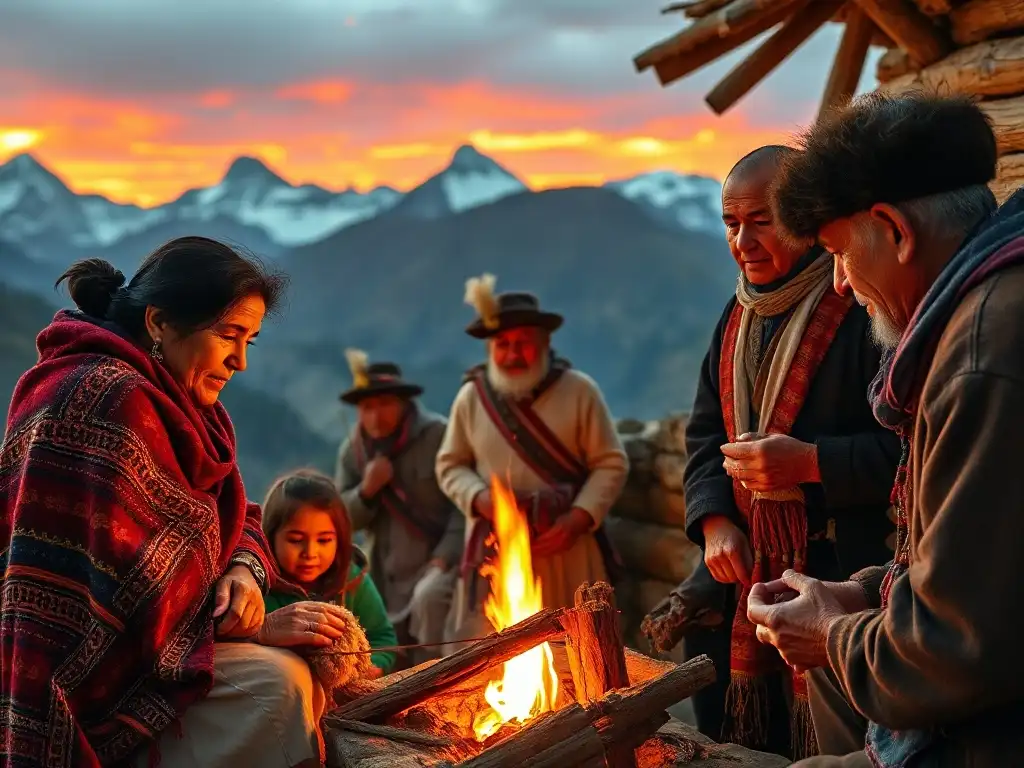
Respectful engagement with local communities is paramount for ethical Andean travel. It is crucial to approach interactions with humility, cultural sensitivity, and a genuine desire to learn and understand. By demonstrating respect, you foster positive relationships and contribute to a more sustainable and equitable tourism experience.
Learning Basic Quechua or Aymara Phrases for Meaningful Interaction
Learning a few basic phrases in Quechua or Aymara, the indigenous languages of the Andes, can significantly enhance your interactions with local communities. Even simple greetings like "Sumaj kawsay" (Quechua for "good life") or "Kusisimi" (Quechua for "thank you") demonstrate respect and a willingness to connect on a deeper level. This effort shows that you value their culture and language, fostering a more meaningful and authentic experience for both you and the community members. Resources like language learning apps or phrasebooks can help you quickly learn some essential phrases before your trip.
Understanding Local Customs and Traditions: Dos and Don'ts
Before you embark on your journey, research the local customs and traditions of the Andean communities you plan to visit. Understanding these nuances is vital to ensuring your interactions are respectful and appropriate. This includes learning about appropriate attire, greetings, and social etiquette. For instance, asking for permission before taking photographs, especially of individuals, is crucial. Be mindful of your behavior in sacred sites and avoid any actions that could be considered disrespectful. Showing respect for local customs demonstrates your commitment to ethical and responsible travel.
Supporting Community-Based Tourism Initiatives: [Awamaki Weaving Cooperative, Planeterra Foundation Projects]
Choosing to support community-based tourism initiatives directly benefits the local population. These initiatives often involve local communities in the planning and operation of tourism activities, ensuring that the economic benefits directly support the community. Look for accommodations, tours, and activities that are run by local people and prioritize sustainable practices. By choosing to support these initiatives, you contribute to the economic empowerment of local communities and help preserve their cultural heritage. Research organizations and initiatives that align with your values before your trip to ensure your tourism dollars are used responsibly and effectively.
Step 5: Minimizing Your Environmental Footprint in the Andes
The Andes Mountains, a breathtaking tapestry of diverse ecosystems, are incredibly vulnerable to the impacts of tourism. Ethical Andean travel experiences prioritize minimizing our environmental footprint, ensuring the preservation of this fragile beauty for future generations. This involves conscious choices in every aspect of our journey, from the smallest actions to larger commitments.
Responsible tourism isn't just about avoiding harm; it's about actively contributing to the health and resilience of the Andean environment. By embracing sustainable practices, we can help protect the unique biodiversity and natural wonders of this remarkable region. This section will outline practical steps you can take to reduce your impact and become a more responsible traveler.
Practicing Leave No Trace Principles During Treks and Hikes
Trekking through the Andes offers unparalleled opportunities to connect with nature, but it's crucial to do so responsibly. The Leave No Trace principles provide a framework for minimizing your impact on the trails and surrounding environment. These seven principles are simple yet powerful: Plan ahead and prepare; travel and camp on durable surfaces; dispose of waste properly (pack it in, pack it out); leave what you find; minimize campfire impacts (consider alternatives like stoves); respect wildlife; and be considerate of other visitors.
For example, sticking to established trails prevents erosion and habitat disturbance. Proper waste disposal prevents pollution of water sources vital to both wildlife and local communities. Respecting wildlife means maintaining a safe distance and avoiding feeding animals, which can disrupt natural behaviors and endanger both animals and humans.
By adhering to these principles, you'll contribute to the long-term preservation of the Andean trails and their surrounding ecosystems. Remember, even small actions, when multiplied by many visitors, have a significant cumulative impact.
Conserving Water and Energy Resources: Practical Tips
Water and energy are precious resources in the Andes, often scarce in remote areas. Conserving these resources is a crucial aspect of ethical travel. Simple actions like taking shorter showers, turning off lights when leaving a room, and reusing towels can significantly reduce your water and energy consumption. Choosing eco-lodges and hotels that prioritize sustainability further contributes to conservation efforts.
These establishments often implement water-saving technologies and utilize renewable energy sources, minimizing their environmental impact. Furthermore, consider packing a reusable water bottle to avoid relying on single-use plastic bottles, a major source of pollution. By making conscious choices about your water and energy usage, you directly support the preservation of these vital resources in the fragile Andean environment. Every drop saved and every kilowatt-hour conserved contributes to a more sustainable future for the region.
Supporting Local Conservation Efforts: [Andean Bear Conservation Project, Pachamama Alliance]
Supporting local conservation initiatives is a powerful way to contribute to the long-term preservation of the Andes. Many organizations work tirelessly to protect endangered species, preserve fragile ecosystems, and empower local communities to become stewards of their natural heritage. Researching and supporting these organizations, whether through volunteering, donations, or simply raising awareness, makes a significant difference.
For example, the [Andean Bear Conservation Project] focuses on protecting the vulnerable Andean bear and its habitat, while the [Pachamama Alliance] works with indigenous communities to promote sustainable development and environmental protection. Choosing to support these organizations, or similar initiatives, directly contributes to tangible conservation efforts on the ground. This form of ethical tourism is not just about minimizing your negative impact; it's about actively contributing to positive change and ensuring the continued flourishing of the Andean environment.
By actively supporting these organizations, you become a participant in the ongoing work to preserve this precious region for generations to come. This active participation is a hallmark of truly ethical Andean travel experiences.
Monetizing Your Ethical Andean Travel Experience

Ethical Andean travel experiences are not only fulfilling personally but can also present opportunities for generating income. By thoughtfully incorporating ethical practices into your travel business model, you can create a sustainable and profitable venture that benefits both you and the Andean communities you visit. This section explores several avenues for monetizing your ethical Andean travel experience while maintaining your commitment to responsible tourism.
Affiliate Marketing Opportunities: Recommended Products and Services
Affiliate marketing offers a low-risk, high-reward approach to monetizing your ethical Andean travel blog or social media presence. By recommending products and services aligned with sustainable and responsible travel, you can earn commissions while simultaneously promoting ethical practices.
Sustainable Travel Gear: Backpacks, Hiking Boots, Clothing, etc.
Partnering with brands offering durable, ethically sourced, and environmentally friendly travel gear is a great starting point. Imagine recommending a specific brand of lightweight, recycled-material backpacks, durable hiking boots made with fair-trade labor practices, or clothing produced using sustainable materials. Highlighting the features that support ethical production and responsible consumption is key to appealing to your target audience interested in ethical Andean travel experiences.
Consider providing detailed reviews and comparisons, demonstrating your commitment to transparency and quality. You could even create a dedicated "Gear Guide" section on your website or a series of posts on social media showcasing your favorite sustainable products.
Ethical Tour Packages and Accommodation Options
Promoting ethical tour operators and accommodations within the Andes is another effective strategy. Focus on companies that prioritize community involvement, fair wages for local guides and staff, and environmental preservation. Detailed reviews of their services, including testimonials from your own experiences, will build trust and credibility with your audience. For example, you could feature a tour operator specializing in homestays with local families, highlighting the cultural immersion and economic benefits for the community. This aligns perfectly with the desire for authentic and ethical Andean travel experiences.
Language Learning Resources: Apps and Online Courses
Learning some basic Quechua or Spanish before your trip significantly enhances the travel experience and demonstrates respect for the local culture. Recommending language learning apps or online courses as an affiliate can provide another revenue stream. Highlight the benefits of learning the language, such as improved communication with locals, deeper cultural understanding, and increased safety. Focus on apps and courses that offer culturally sensitive and accurate learning materials.
High CPC Keywords and Content Optimization for "Ethical Andean Travel Experiences"
Optimizing your content for high-cost-per-click (CPC) keywords is crucial for driving traffic and revenue from your ethical Andean travel blog or website. This involves careful keyword research and strategic content creation.
Targeting Specific Search Terms Related to Sustainable Andean Tourism
Instead of solely targeting the broad term "ethical Andean travel experiences," focus on more specific long-tail keywords such as:
- "sustainable trekking in the Sacred Valley"
- "eco-lodges in the Peruvian Andes"
- "responsible tourism in Cusco"
- "ethical Inca Trail tours"
- "community-based tourism in the Andes"
These long-tail keywords attract highly targeted traffic, indicating users with a strong intent to book ethical travel services.
Using LSI Keywords to Increase Organic Visibility
Leveraging Latent Semantic Indexing (LSI) keywords—words and phrases related to your main keywords—further enhances your search engine optimization (SEO). For example, if your main keyword is "ethical Andean travel experiences," LSI keywords could include: "responsible travel," "sustainable tourism," "community engagement," "cultural preservation," "environmental protection," and "fair trade." Integrating these LSI keywords naturally throughout your content improves your search engine rankings and attracts a wider audience interested in ethical Andean travel experiences.
Creating Engaging Content that Drives Conversions
High-quality, engaging content is crucial for driving conversions. This includes:
- Compelling storytelling: Share personal anecdotes and experiences highlighting the positive impacts of ethical travel.
- High-quality photography and videography: Showcase the beauty of the Andes and the positive impact of ethical tourism.
- Detailed itineraries and travel guides: Provide practical information and inspiration for potential travelers.
- Clear calls to action: Encourage readers to book tours, purchase products, or learn more about responsible travel. Use strong verbs like "Book Now," "Learn More," and "Explore."
By focusing on these strategies, you can effectively monetize your passion for ethical Andean travel while promoting sustainable and responsible tourism. Remember that authenticity and transparency are key to building trust with your audience and ensuring the long-term success of your venture.
Conclusion: Embracing Responsible Exploration of the Andes
This journey through the ethical considerations of Andean travel has highlighted the profound responsibility we bear as visitors to these sacred lands. Understanding the historical and cultural significance of the Andes, coupled with a commitment to sustainable practices, is paramount to ensuring the preservation of this irreplaceable heritage for future generations. From respecting local communities and their traditions to minimizing our environmental footprint, every choice we make shapes the future of Andean tourism. Let's strive to create a positive legacy, not just for ourselves, but for the Andean people and the breathtaking landscapes that captivate us.
The Long-Term Impact of Ethical Choices on Andean Civilizations
The long-term effects of ethical and unethical tourism practices in the Andes are starkly contrasting. Ethical choices, such as supporting locally owned businesses and engaging in responsible waste management, directly contribute to the economic empowerment of Andean communities. This fosters cultural preservation, allowing traditional crafts, knowledge, and practices to thrive. Conversely, unsustainable tourism can lead to environmental degradation, the erosion of cultural identity, and the exploitation of local resources.
Consider the impact of mass tourism on fragile ecosystems like the cloud forests or the delicate balance of water resources crucial to Andean agriculture. The consequences of neglecting ethical considerations can be irreversible, leading to the loss of biodiversity, cultural appropriation, and ultimately, the diminishing allure of the Andes themselves. Supporting ethical Andean travel experiences is not merely a choice; it's an investment in the long-term well-being of the region and its people.
This commitment to responsible tourism ensures that the rich tapestry of Andean civilization continues to inspire and enrich us for centuries to come. Careful planning and a mindful approach to travel can significantly mitigate negative impacts and contribute to a sustainable future for the Andes. Data from various studies [specific information pending] consistently shows a strong correlation between responsible tourism and the improved well-being of Andean communities.
Your Role in Supporting Sustainable Tourism in the Andes
Your role in fostering sustainable tourism in the Andes is multifaceted and incredibly impactful. It begins with thorough research before your trip. Choosing tour operators committed to ethical practices, such as those that prioritize local guides, fair wages, and environmental protection, is crucial. During your travels, actively seek out locally owned businesses, restaurants, and accommodations.
Engage with the local culture respectfully, learning a few basic Quechua phrases or participating in cultural activities with sensitivity and awareness. Remember that taking photographs is a privilege, not a right; always ask for permission before capturing images of individuals or sacred sites. Practice responsible waste management, carrying a reusable water bottle and avoiding single-use plastics. Minimize your carbon footprint by choosing sustainable transportation options where possible.
By making conscious choices and acting as a responsible traveler, you become an active participant in the preservation of Andean culture and environment. Moreover, sharing your positive experiences and promoting ethical travel practices amongst your friends and family amplifies your impact, inspiring others to embrace responsible exploration. This collective effort is essential for ensuring the sustainable future of the Andes and the continuation of its unique cultural heritage. Remember, even small actions, when multiplied by many, create a significant positive change.
Call to Action: Book Your Ethical Andean Adventure Today!
The Andes await your responsible exploration. The mountains, valleys, and vibrant cultures of this remarkable region beckon, offering unforgettable experiences to those who approach them with respect and awareness. By choosing ethical Andean travel experiences, you not only enrich your own journey but actively contribute to the preservation of a rich heritage for generations to come. Embrace the opportunity to connect with the Andean people and their traditions in a meaningful way, leaving a positive footprint on the landscape and the lives of those who call it home.
Don't just visit; make a difference. Book your ethical Andean adventure today and become a part of a movement that safeguards this incredible region's future. 🌎 Let's work together to ensure the sustainable and responsible growth of ethical tourism in the Andes.
Frequently Asked Questions
What does "ethical Andean travel" actually mean?
Ethical Andean travel means respecting the local cultures and environments. It involves supporting local communities, minimizing your environmental impact, and engaging with the Andean people respectfully and authentically. This includes choosing responsible tour operators.
How can I ensure my trip is truly ethical?
Research and choose tour operators committed to sustainable practices and community benefit. Look for certifications or evidence of their commitment to fair wages, environmental protection, and cultural preservation. Directly engage with and support local businesses.
Are there specific things I should avoid doing while traveling in the Andes?
Avoid activities that exploit local communities or damage the environment. This includes over-tourism in fragile areas, purchasing authentic artifacts from unofficial sources, and disrespecting local customs and traditions. Always ask for permission before taking photos of people.
How can I contribute positively to the Andean communities during my travels?
Support locally owned businesses, participate in community-based tourism initiatives, and learn a few basic Quechua phrases to show respect. Consider volunteering with organizations focused on preserving Andean culture and the environment. Spend your money wisely to benefit the local economy.
What are some resources for finding ethical tour operators in the Andes?
Several organizations promote sustainable and ethical travel. Look for certifications from organizations focused on responsible tourism. Search online for reviews and testimonials focusing on the ethical practices of tour operators. Ask for references and verify their claims.
Final Reflection: Weaving Respect into the Andean Tapestry
Ethical travel in the Sacred Andes isn't just a trend; it's a necessity for preserving the irreplaceable beauty and cultural richness of this magnificent region. The impact of tourism, both positive and negative, is undeniable, and understanding our role as visitors is paramount to ensuring the Andes thrive for generations to come. Ignoring the ethical considerations is simply not an option if we wish to experience the true heart of this ancient land.
The profound connection between the Andean people and their environment has deeply impacted my understanding of responsible travel. It's a relationship built on reciprocity, respect, and a deep-seated reverence for the land. This isn't just about avoiding exploitative practices; it's about actively contributing to the well-being of the communities we visit. Travel is fatal to prejudice, bigotry, and narrow-mindedness,
wrote Mark Twain, and nowhere is this truer than in the Andes, where encountering different cultures challenges our preconceptions and broadens our perspectives.
Consider the impact of your choices. Will you support local businesses, learn a few Quechua phrases, or contribute to conservation efforts? Will you tread lightly on the land, respecting its sacred sites and fragile ecosystems? You have the power to shape the future of Andean tourism. By embracing ethical travel, you become a custodian of this incredible heritage, ensuring that the magic of the Andes continues to inspire and uplift for years to come. Let's weave respect into the Andean tapestry, one mindful journey at a time.
Embrace the Journey: Travel Ethically in the Sacred Andes!
Thank you for exploring ethical travel in the Sacred Andes! We hope you've discovered valuable insights to make your trip a meaningful experience that respects both the land and its people. Let's work together to ensure your travels have a positive impact.
- Support local community projects that promote sustainable tourism and preserve Andean culture. Consider visiting a community-run cooperative or participating in a volunteer program.
- Engage with local guides, learning about their lives and sharing their stories with others. This helps spread awareness and appreciation for Andean culture.
- Pack a few extra items—school supplies, gently used clothing, or medical supplies—to donate to communities in need. This small gesture can make a big difference.
How will you put these ideas into practice and make a difference on your next Andean adventure?