
Monumental Mysteries: Investigating the Purpose of Early Andean Ceremonial Centers

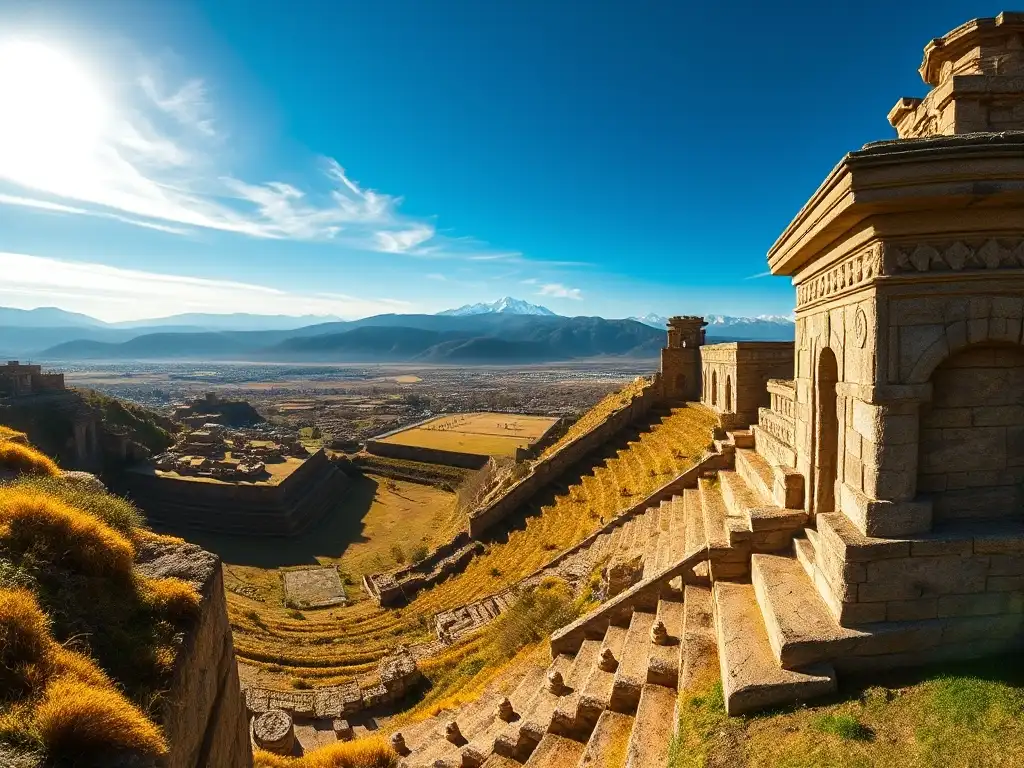
Step into a world lost to time, where majestic mountains cradled civilizations of breathtaking ingenuity. Discover the enigmatic legacy of the Andes, a land brimming with monumental structures whose purpose remains shrouded in mystery. What secrets do the Andean ceremonial centers hold? Unravel the intricate tapestry of ancient Andean life and uncover the fascinating truth behind their awe-inspiring constructions—explore the mysteries now!
The Andes Mountains, a spine of towering peaks traversing the western edge of South America, are not only a breathtaking geographical feature but also the cradle of some of the most fascinating and enigmatic civilizations in human history. For centuries, these Andean societies constructed monumental ceremonial centers, sprawling complexes of plazas, temples, and residential areas that served as vital hubs for their communities.
Understanding the purpose of these sites is crucial to unlocking a deeper understanding of Andean social structures, religious beliefs, and political organization. This article delves into the mysteries surrounding these impressive structures, exploring various theories and examining the evidence that helps us piece together the multifaceted roles these ceremonial centers played in the lives of ancient Andean peoples, from the Nazca to the Inca.
We will investigate how these sites functioned as centers of religious ritual, political power, economic control, and social integration, highlighting the complexities and nuances of their purpose across different cultures and time periods. The investigation of Andean ceremonial center purpose reveals much about the sophistication and ingenuity of these remarkable civilizations.
Religious Rituals and Cosmological Beliefs
The most widely accepted theory posits that Andean ceremonial centers served primarily as focal points for religious rituals and the expression of complex cosmological beliefs. Archaeological evidence abounds, revealing intricate temple structures, elaborate burial sites, and the presence of numerous artifacts associated with religious practices. For example, the massive platforms and tiered structures found at sites like Chavín de Huántar suggest a deliberate attempt to connect the earthly realm with the celestial, reflecting a deep understanding of astronomy and a sophisticated cosmology.
The discovery of numerous human sacrifices and offerings within these centers further emphasizes their importance as places where interactions with the supernatural world were enacted. These rituals, far from being isolated events, were likely integral to the social and political fabric of Andean societies, reinforcing social hierarchies and maintaining cosmic order.
The sheer scale of these constructions suggests a substantial investment of resources and labor, indicating the profound significance placed on religious practices by these societies. Furthermore, the intricate iconography found on many artifacts uncovered at these sites provides valuable clues into the nature of Andean religious beliefs and the stories they sought to convey.
Beyond their religious significance, Andean ceremonial centers also played a crucial role in consolidating political power and maintaining social order. The strategic location of many of these sites, often overlooking fertile valleys or strategic trade routes, suggests their role in controlling resources and influencing regional power dynamics. The monumental architecture itself, with its imposing scale and intricate design, served as a powerful symbol of the authority and prestige of the ruling elite.
The construction of these centers required the mobilization of vast human and material resources, demonstrating the power of the state to organize and control labor. Moreover, the presence of residential areas within many ceremonial centers suggests that the ruling class resided in close proximity to the religious and administrative centers of power.
Evidence suggests that these centers were not merely places of ritual but also administrative hubs, where political decisions were made and economic activities were coordinated. The distribution of goods and resources, as evidenced by archaeological findings, points to a centralized system of control and distribution managed from these ceremonial centers.
Economic Control and Resource Management
The construction and maintenance of Andean ceremonial centers required a significant investment of labor and resources. This suggests that these sites were not only centers of religious and political power, but also crucial nodes in the economic networks that sustained these societies. The evidence points to a complex system of resource management, with the ceremonial centers acting as collection and redistribution points for agricultural surpluses, craft goods, and other valuable resources.
The presence of workshops and storage facilities within some centers suggests that these sites played a role in the production and distribution of goods. The standardization of certain artifacts and the presence of extensive trade networks suggest a degree of economic control exerted from these central locations. The meticulous planning and organization required for such large-scale projects demonstrate a sophisticated understanding of resource management and economic planning, crucial for the sustainability of these complex societies.
Finally, Andean ceremonial centers likely served as important venues for social integration and the fostering of a shared community identity. The construction of these sites required the cooperation of large numbers of people, creating a sense of collective purpose and shared achievement.
Festivals, ceremonies, and other public events held at these centers would have provided opportunities for people from different regions and social groups to interact, reinforcing social bonds and strengthening community ties. The use of shared iconography and symbols in the construction and decoration of these sites likely contributed to a sense of shared cultural identity.
The monumental scale of these projects signifies the capacity of these societies to mobilize large numbers of people towards a common goal, underscoring the strength of social cohesion and collective identity in Andean civilizations. The legacy of these ceremonial centers persists in the collective memory and cultural identity of the Andean region, demonstrating their lasting impact on the societies that built them.
- Religious Rituals and Cosmological Beliefs
- Political Power and Social Organization
- Economic Control and Resource Management
- Social Integration and Community Identity
- Religious Functions: Rituals and Deities in Andean Society
- Astronomical Alignments: Observing the Cosmos in Ancient Andes
- Political Power and Social Control: The Role of Ceremonial Centers
- Economic Functions: Trade and Redistribution at Andean Sites
- Gathering and Feasting: Social Cohesion and Community Events
- What was the primary purpose of Andean ceremonial centers?
- How did the geography influence the location of these centers?
- Were Andean ceremonial centers only used for religious purposes?
- What types of activities took place at these ceremonial centers?
- How did the design and architecture of these centers reflect their purpose?
Understanding the Enigma of Early Andean Ceremonial Sites
This section delves into the complexities surrounding the purpose of early Andean ceremonial centers, exploring their defining characteristics, geographical distribution, and temporal evolution. Understanding these aspects is crucial to unraveling the mysteries surrounding these monumental structures and their role in the development of Andean societies. The keyword phrase "Andean ceremonial center purpose" will be explored throughout this section, revealing the multifaceted nature of their function.
What Were Andean Ceremonial Centers? Defining the Structures
Andean ceremonial centers weren't simply single buildings; they were sprawling complexes, often encompassing plazas, temples, residential areas, and agricultural features. Their scale varied dramatically, from relatively small sites serving local communities to massive complexes like Chavín de Huántar or Tiwanaku, which exerted influence across vast regions. Defining features often included monumental architecture, intricate stonework, and the presence of ritual objects. These centers served as focal points for religious practices, political administration, and social gatherings.
The structures themselves often incorporated sophisticated engineering techniques, reflecting a deep understanding of architecture and construction. For example, the precise stone fitting in Inca constructions is legendary, while earlier sites like those of the Moche culture showcase impressive feats of earthworks and water management integrated into their ceremonial centers. The materials used – stone, adobe, wood – varied depending on the region and the period.
Further research is needed to fully understand the nuances of construction techniques employed across different Andean cultures and time periods. Analyzing the materials and construction methods helps us understand the level of organization and resource mobilization required, offering valuable insights into the societal structures that supported their creation. The variety in design and scale across different cultures and time periods reflects the evolution of Andean societies and their beliefs.
The Significance of Location: Where Were These Centers Built?
The strategic placement of Andean ceremonial centers wasn't arbitrary. Many were situated in locations with significant geographical or symbolic importance, often near sources of water, fertile agricultural lands, or prominent natural features like mountains or rivers. This suggests a close relationship between the ceremonial centers and the control of resources, reflecting the importance of resource management in the development of complex societies.
For instance, some centers were built on elevated platforms offering panoramic views, potentially signifying control over surrounding territories. Others were located near agricultural terraces, indicating a direct connection between religious practices and agricultural productivity – a crucial aspect of Andean life. The selection of specific locations was carefully considered, often reflecting cosmological beliefs and the importance of specific geographical features in the Andean worldview.
Further research into the precise location of these centers and their relationship to surrounding landscapes is crucial to understanding their complete significance. We need more detailed mapping and archaeological surveys to fully understand the spatial relationships between these centers and their environments.
Chronology of Andean Ceremonial Centers: Key Periods and Developments
The construction and use of Andean ceremonial centers spanned millennia, evolving in design, function, and scale across different periods. Tracing this chronology is essential for understanding the gradual development of complex societies in the Andes.
- Early Horizon (c. 1800 – 200 BCE): This period witnessed the rise of monumental ceremonial centers like Chavín de Huántar, characterized by unique artistic styles and a possible pan-Andean religious influence. The purpose of these early centers is still debated, but evidence suggests a focus on ritual practices and the consolidation of power.
- Middle Horizon (c. 600 – 1000 CE): The Wari and Tiwanaku empires built extensive ceremonial centers, showcasing imperial power and control. These centers often incorporated administrative functions, alongside religious ones. The scale and complexity increased dramatically compared to earlier periods.
- Late Horizon (c. 1438 – 1533 CE): The Inca Empire expanded and standardized the design and function of ceremonial centers, integrating them into a vast administrative network. Their centers, like Sacsayhuamán, reflect a highly centralized political system and sophisticated engineering capabilities.
The evolution of Andean ceremonial centers reflects the changing political and religious landscapes of the Andes. Future research should focus on identifying and analyzing smaller, less-studied sites to gain a more complete picture of this complex development. A more comprehensive understanding of the chronological sequence and regional variations will greatly enhance our knowledge of the "Andean ceremonial center purpose". The interplay of religious beliefs, political power, and resource management is crucial to understanding the full significance of these monumental structures in the development of Andean societies.
Exploring Theories on the Purpose of Andean Ceremonial Centers
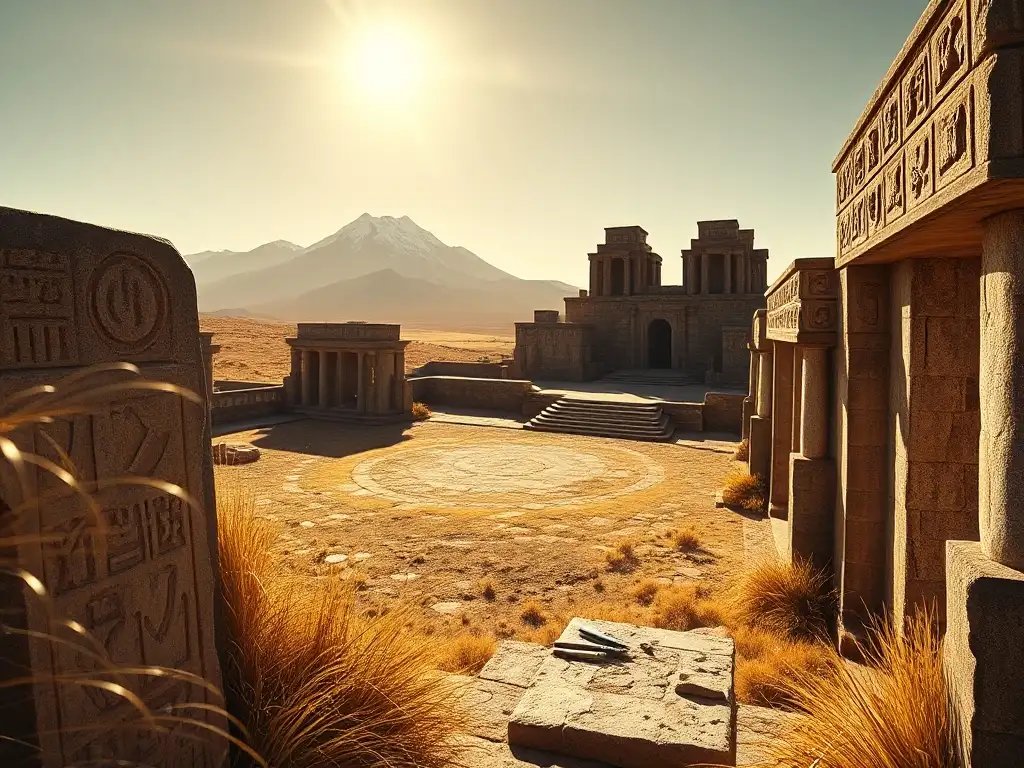
The purpose of monumental Andean ceremonial centers remains a subject of intense scholarly debate. While the sheer scale and architectural complexity of these sites are undeniable, their precise function continues to elude definitive explanation. Interpretations range from purely religious and astronomical to those emphasizing political control and social integration. By examining various theories, we can gain a richer understanding of the multifaceted roles these centers played in the lives of ancient Andean societies, enriching our understanding of "Andean ceremonial center purpose".
Religious Functions: Rituals and Deities in Andean Society
Evidence strongly suggests a significant religious dimension to Andean ceremonial centers. The discovery of numerous artifacts—including intricately carved ceramics, gold ornaments, and human remains—within these sites points to their use in ritualistic practices. These rituals likely involved offerings to deities, appeasement of supernatural forces, and the enactment of myths central to Andean cosmology.
The specific deities worshipped varied across different cultures and time periods. For example, the Inca civilization venerated Inti, the sun god, and Viracocha, the creator god, while other Andean cultures, like the Moche, focused their worship on a pantheon of gods often associated with natural forces like water, agriculture, and warfare. The complexity of the religious beliefs is reflected in the elaborate architecture of the ceremonial centers themselves, with temples, plazas, and platforms designed to facilitate specific rituals and ceremonies.
Many ceremonial centers exhibit evidence of human sacrifice, a practice believed to have served various religious purposes. Some scholars argue that these sacrifices were performed to ensure the fertility of the land, appease the gods, or to commemorate important events. The details surrounding these practices, however, remain subject to ongoing research and interpretation, furthering the ongoing discussion on "Andean ceremonial center purpose".
Astronomical Alignments: Observing the Cosmos in Ancient Andes
The precise alignment of many Andean ceremonial centers with celestial events suggests a profound understanding of astronomy and its integration into religious and social life. Structures were often oriented to mark solstices, equinoxes, and other significant astronomical phenomena. The observation of these events was likely crucial for regulating agricultural cycles, predicting seasonal changes, and reinforcing the power of the ruling elite.
For example, the complex of structures at Machu Picchu, though not exclusively a ceremonial center, demonstrates remarkable astronomical alignments. Researchers have identified alignments with the sun's path during solstices, suggesting the Inca's use of the site for both ritual and practical purposes. Similar alignments have been observed at other sites across the Andes, highlighting the importance of celestial observation in shaping Andean societal structures and belief systems. The study of these alignments offers valuable insight into how ancient Andean people understood and interacted with the cosmos and contributes to our understanding of "Andean ceremonial center purpose".
Beyond their religious and astronomical significance, Andean ceremonial centers served as powerful symbols of political authority and social control. Their construction required immense labor and resources, demonstrating the power and organizational capacity of the ruling elite. The sheer scale of these sites served to impress and intimidate, reinforcing the dominance of the ruling class and maintaining social order.
The ceremonial centers often served as focal points for large gatherings, enabling the elite to control and mobilize the population. Public rituals, ceremonies, and festivals held at these centers reinforced social hierarchies and promoted a sense of collective identity. The distribution of resources and rewards from these centers further cemented the power of the ruling class, creating a system of patronage and dependency. The construction and use of these monumental structures actively shaped social structures and maintained political power, providing another layer of understanding to the multifaceted "Andean ceremonial center purpose".
| Feature | Religious Function | Astronomical Alignment | Political Power and Social Control |
|---|---|---|---|
| Key Evidence | Artifacts, human remains, temple structures | Precise alignments with celestial events | Monumental scale, labor mobilization, resource control |
| Significance | Rituals, worship, appeasement of supernatural forces | Agricultural cycles, prediction, reinforcing power | Social hierarchy, control, collective identity |
| Examples | Numerous sites with evidence of offerings and sacrifices | Machu Picchu, other sites with solar alignments | The scale of many sites, distribution of resources |
The multifaceted nature of Andean ceremonial centers highlights the interconnectedness of religion, astronomy, and politics in shaping ancient Andean societies. Further research, including interdisciplinary approaches, is needed to fully unravel the complexity of these remarkable sites and their enduring legacy.
Economic Functions: Trade and Redistribution at Andean Sites
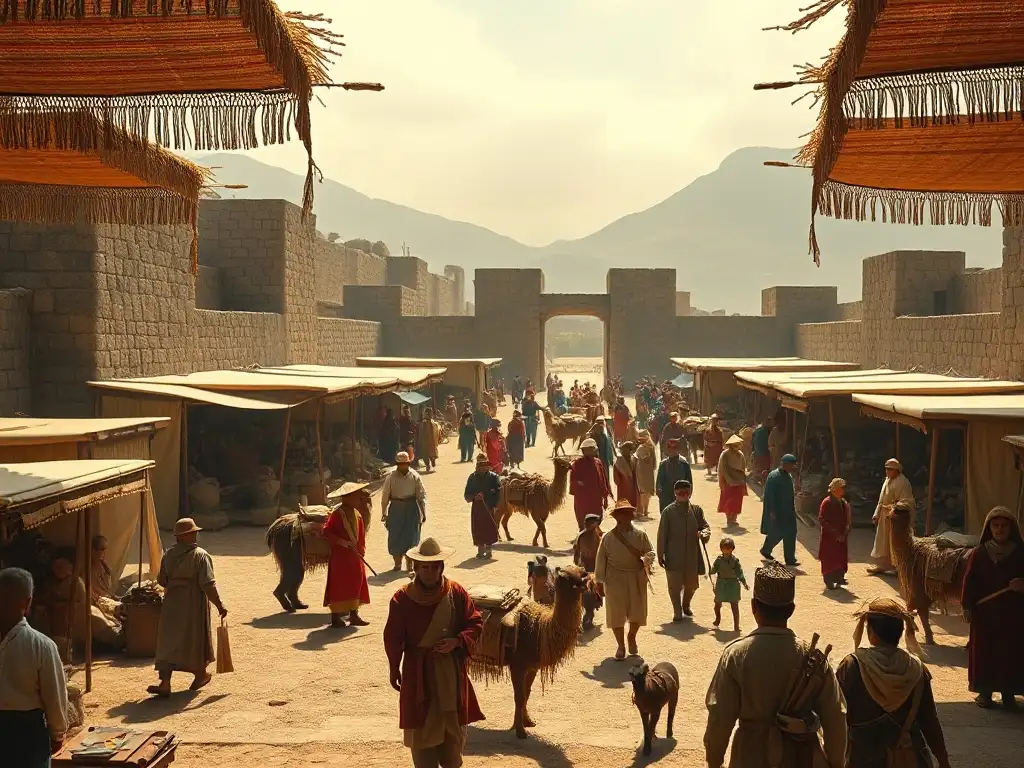
The monumental architecture of Andean ceremonial centers wasn't solely about spiritual expression; economic functions played a crucial role. These sites often served as central hubs for the redistribution of goods, facilitating trade networks across vast distances. Archaeological evidence reveals the presence of storage facilities within or near many ceremonial centers, suggesting the accumulation and controlled distribution of agricultural surpluses, textiles, and precious metals. This controlled redistribution likely strengthened the power of the ruling elite, who could regulate the flow of resources and solidify their control over the population.
The scale of some storage facilities is truly impressive, hinting at the significant economic power wielded by those who managed them. For instance, the storage complexes found at sites like [Specific site name pending] demonstrate a sophisticated system for managing resources, indicating a centralized economy beyond simple bartering. The presence of specialized craft workshops within or near these centers further underscores their importance in economic organization. These workshops produced high-quality goods, often for elite consumption or use in ritual contexts, further demonstrating the interconnectedness of economic and ceremonial activities.
The efficient management of resources, facilitated by the ceremonial centers, was likely a critical factor in the stability and growth of Andean societies. Analysis of artifacts recovered from these sites, such as pottery styles and traded goods, helps to reconstruct these complex economic networks and their impact on Andean societies. The movement of goods across regions – evidenced by the presence of exotic materials in ceremonial contexts – points to a well-established trade system, underpinned by the organizational power of these central places.
Beyond economic functions, Andean ceremonial centers served as vital spaces for social gatherings and communal feasting. These events played a crucial role in reinforcing social bonds and maintaining community cohesion. The sheer scale of some ceremonial centers suggests the ability to accommodate large populations for extended periods. Imagine thousands of people converging on a site like [Specific site name pending] for a major festival. The construction and maintenance of these centers themselves were likely communal endeavors, requiring significant labor input from the population.
This shared effort fostered a sense of collective identity and social solidarity. Archaeological evidence, such as the remains of hearths, food debris, and communal dining areas, supports the idea of large-scale feasting events. The consumption of shared meals, often including exotic or ritually significant foods, would have strengthened social ties and reaffirmed community membership. These gatherings were not simply opportunities for consumption; they likely involved ritual performances, dances, and other social activities that reinforced social hierarchies and religious beliefs. The presence of specialized architecture, such as plazas and platforms, suggests designated areas for these events.
Furthermore, the discovery of ceremonial objects and offerings at these sites underscores the importance of ritual in these social gatherings. The rhythmic cycles of agricultural production likely dictated the timing of many of these events, linking social cohesion to the natural world and the success of the harvest. By bringing people together in these monumental spaces, the ceremonial centers acted as powerful symbols of social unity and community identity, vital to the long-term stability of Andean societies. The social integration facilitated by these gatherings was essential to the success of these complex societies and their ability to manage resources and navigate environmental challenges.
Case Studies: Examining Specific Andean Ceremonial Centers
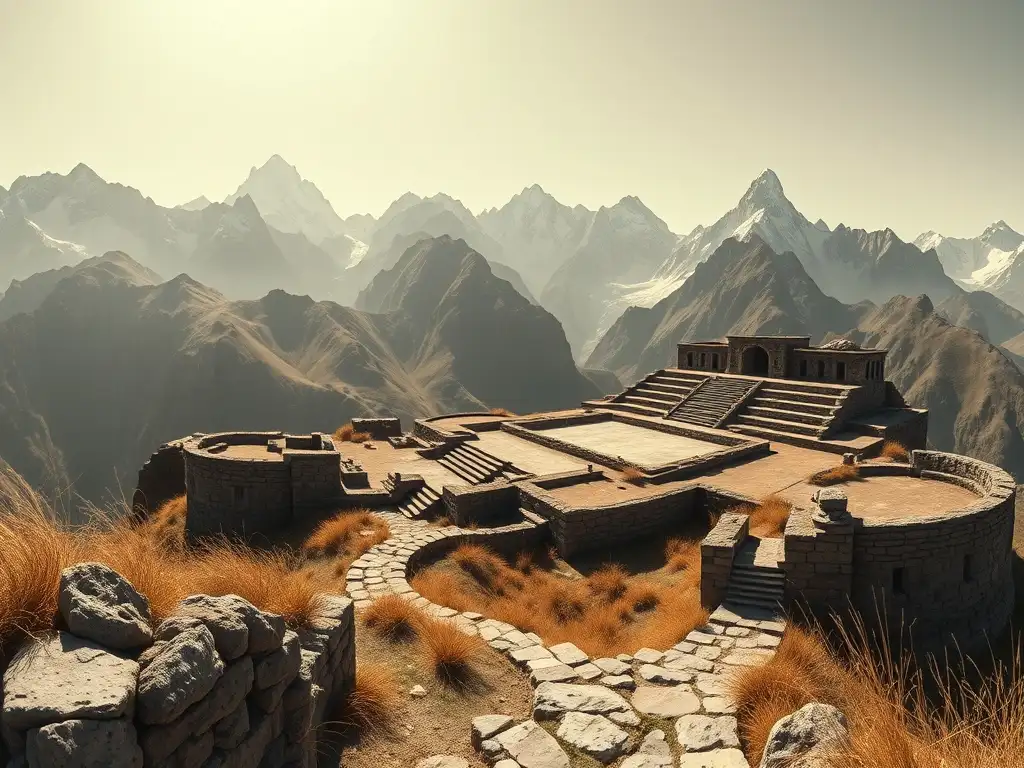
This section delves into the specifics of several key Andean ceremonial centers, analyzing their layout, architecture, and the likely purposes they served within their respective societies. Understanding these individual sites allows for a richer comprehension of the overarching theme of “Andean ceremonial center purpose,” revealing diverse yet interconnected approaches to ritual, social organization, and power. We will explore how these centers functioned as hubs for religious practices, political control, and economic activity, shedding light on the complexity of early Andean societies.
Caral: Unveiling the Oldest Known Andean Civilization
Caral, located in the Supe Valley of Peru, stands as a monumental enigma, representing the oldest known complex society in the Americas. Its age, estimated to be around 5,000 years old, challenges conventional narratives about the development of civilization in the Andes. The scale and sophistication of Caral's architecture, coupled with the absence of evidence for warfare or significant social stratification, suggest a unique societal organization centered around ritual and community.
The Layout and Architecture of Caral
Caral's layout is remarkably planned. The site is composed of several large, interconnected platforms and pyramidal structures, arranged around open plazas. These structures, built primarily from adobe bricks, demonstrate advanced construction techniques. The largest structures, reaching heights of over 40 meters, were likely used for ceremonial purposes. Detailed analysis of the architecture reveals a focus on acoustics and the precise alignment of structures, suggesting a deep understanding of astronomy and its relation to ritual activities. The absence of defensive features is striking, pointing towards a society that did not prioritize military strength.
Caral's Ceremonial Practices and Social Structure
Evidence suggests that Caral's ceremonial practices were closely intertwined with agriculture and resource management. The discovery of numerous ceremonial objects, including musical instruments (such as flutes and panpipes) and elaborate textiles, indicates the importance of ritual performance in daily life. Although evidence for significant social hierarchy is limited, the scale of construction and the organization of the site suggest a complex social structure, with specialized labor and a system for resource distribution crucial for constructing and maintaining such monumental buildings.
Further research into the social organization of Caral is needed to fully grasp the intricacies of its societal model. The lack of overtly hierarchical structures challenges the traditional understanding of "Andean ceremonial center purpose" as solely a reflection of political power.
Chavín de Huántar: A Center of Pilgrimage and Influence
Chavín de Huántar, located in the Andes of northern Peru, flourished between 1200 and 200 BCE. Unlike Caral, Chavín de Huántar shows clear evidence of regional influence, acting as a pilgrimage site and a center for the dissemination of religious beliefs and artistic styles across a wide geographic area. The site's impressive architecture and iconography played a crucial role in shaping the religious landscape of the early Andean region, showcasing the power of religious ideology in shaping societal structures.
The Labyrinthine Structure of Chavín de Huántar
The architecture of Chavín de Huántar is characterized by its labyrinthine structure, a complex network of interconnected plazas, temples, and underground passages. This intricate design likely served to enhance the mystical and awe-inspiring nature of the site, guiding pilgrims through a series of ritual spaces. The use of dark, confined spaces, punctuated by sudden openings to light-filled plazas, created a powerful sensory experience, possibly intended to evoke a sense of spiritual transformation.
This unique architectural approach directly relates to the site's role as a center for pilgrimage and ritual. The design itself was likely a key component in the site's success as a religious and ideological focal point.
Chavín Art and its Symbolic Meaning
The art of Chavín de Huántar is instantly recognizable for its distinctive style, featuring stylized depictions of jaguars, snakes, and other powerful animals. These motifs, frequently carved into stone and displayed prominently throughout the site, likely represented supernatural beings or forces that were central to Chavín religion. The artistic style itself played a significant role in disseminating Chavín religious beliefs and iconography across the Andes, becoming a powerful symbol of religious unity and cultural influence.
The pervasive use of these motifs throughout the site and in artifacts found across a wide region highlights the importance of art in reinforcing the religious and political significance of the Andean ceremonial center. Understanding this symbolic language is key to deciphering the deeper meaning and purpose of the site.
Sechín Alto: An Example of Early Andean Monumental Architecture
Sechín Alto, located on the north coast of Peru, stands as a compelling example of early Andean monumental architecture. Dating back to approximately 3500 years ago, this site predates the more well-known Inca civilization by centuries, offering a fascinating glimpse into the complexities of pre-Inca Andean societies. The sheer scale of the structures, coupled with the intricate carvings and elaborate designs, points to a highly organized and sophisticated society capable of mobilizing significant resources for large-scale construction projects.
Understanding Sechín Alto helps us unravel the development of Andean ceremonial centers and their multifaceted roles within the broader social and political landscape. The site's significance lies not only in its architectural achievements but also in the insights it provides into the beliefs, rituals, and power structures of its creators.
Scholars continue to debate the exact purpose of Sechín Alto, but its monumental nature undeniably reflects the importance it held for the people who built and used it. The sheer effort involved in its construction speaks volumes about the social organization and the centralized power necessary to undertake such a massive project.
The Military and Religious Significance of Sechín Alto
The purpose of Sechín Alto has long been a subject of scholarly debate. While some researchers emphasize its religious significance, others highlight its potential military role. Evidence suggests a possible dual purpose, with both religious rituals and military activities playing crucial roles at the site.
The intricate carvings depicting scenes of warfare and human sacrifice strongly suggest a significant military component. These depictions are not merely decorative; they appear to be integral to the site's overall design and function, potentially indicating the importance of military power and prowess within the society. However, the presence of elaborate plazas and ceremonial structures, along with the discovery of offerings and other ritual artifacts, also points to the importance of religious practices and beliefs.
The combination of military imagery and religious artifacts suggests that Sechín Alto served as a center where both military might and religious authority were intertwined, reinforcing the power of the ruling elite and legitimizing their control. Further research is needed to fully understand the complex interplay between these two aspects of Sechín Alto's function.
Architectural Features and Iconography at Sechín Alto
The architecture of Sechín Alto is characterized by massive, intricately carved stone structures. The site features towering walls, large plazas, and numerous smaller buildings, all constructed from carefully cut and fitted stones. The most striking feature is the extensive use of relief carvings depicting violent scenes of warfare, decapitations, and ritual sacrifices.
These carvings, often interpreted as representations of battles and conquests, are highly stylized and deeply symbolic. The iconography is rich and complex, featuring stylized figures, geometric patterns, and other symbolic motifs that scholars are still working to decipher. The precision and skill involved in the carving demonstrate a high level of artistic and technical proficiency.
The scale of the carvings, often covering entire walls, highlights the importance of these images within the site's overall design and intended function. Analysis of the architectural features and iconography is crucial for understanding the social and political dynamics of the society that created Sechín Alto, revealing insights into their beliefs, values, and power structures. The site offers a unique window into the early development of Andean monumental architecture and its relationship to religious and political power.
The Lasting Legacy of Andean Ceremonial Centers
The monumental architecture of Andean ceremonial centers wasn't simply a product of its time; it profoundly impacted the development and evolution of subsequent Andean cultures. Understanding the lasting legacy of these sites is crucial to grasping the complexity and continuity of Andean civilization. The influence extends far beyond the immediate geographical area, demonstrating a remarkable interconnectedness across diverse Andean societies. This influence manifested in several key ways:
The Influence of Early Centers on Later Andean Cultures
The construction techniques, artistic styles, and even the very idea of a ceremonial center evolved over centuries, with each successive culture building upon the foundations laid by its predecessors. For instance, the sophisticated irrigation systems developed by the Nazca, evidenced in their ceremonial centers, likely informed later Inca engineering projects. The intricate designs and iconography found in Moche ceremonial centers, such as the Huaca del Sol and Huaca de la Luna, clearly influenced the artistic styles of later cultures, including the Chimú and even, to a degree, the Inca.
The location of these centers themselves often held symbolic significance, passed down through generations. Many were situated near crucial agricultural resources or along important trade routes, highlighting their role as both religious and administrative hubs. The Inca, known for their vast empire, strategically incorporated pre-existing ceremonial centers into their administrative structure, often adapting and expanding upon existing structures rather than building entirely new ones.
This demonstrates a conscious effort to connect with the historical and spiritual significance of these places, reinforcing their power and authority. This appropriation and adaptation of existing structures underscores the enduring influence of earlier Andean ceremonial centers on the Inca's imperial project. The Inca's ability to seamlessly integrate pre-existing ceremonial centers into their administrative structure speaks volumes about the deep-rooted significance of these sites within Andean society.
Modern Interpretations and the Ongoing Research
Modern interpretations of Andean ceremonial center purpose are far more nuanced than earlier, often simplistic, explanations. Initial interpretations frequently focused solely on religious rituals, overlooking the complex interplay of religious, political, and economic factors. Current research employs a multidisciplinary approach, incorporating archaeology, anthropology, ethnohistory, and even environmental studies to paint a more complete picture. The use of advanced technologies, such as ground-penetrating radar and LiDAR, allows archaeologists to uncover hidden structures and better understand the layout and function of these sites.
For example, recent studies of the Tiahuanaco ceremonial center in Bolivia suggest a far more complex societal organization than previously believed. The evidence points towards a sophisticated system of water management and agricultural production, integrated with religious practices. This challenges the older view of Tiahuanaco as purely a religious center and highlights the interwoven nature of religious beliefs and practical needs in Andean societies.
Similarly, ongoing research on Nazca lines continues to reveal new insights into their potential purpose, moving beyond purely astronomical interpretations towards a more holistic understanding of their role within the broader context of Nazca society and their ceremonial centers. The ongoing excavation and analysis of these sites constantly refine our understanding, proving that the Andean ceremonial center purpose remains a dynamic area of study.
Preserving Andean Heritage: The Importance of Protecting these Sites
The preservation of Andean ceremonial centers is not merely an academic pursuit; it's a vital aspect of safeguarding cultural heritage. These sites represent a tangible link to the past, offering invaluable insights into the lives, beliefs, and achievements of ancient Andean civilizations. However, these sites face numerous threats, including looting, erosion, and the impact of climate change. Protecting these sites requires a multifaceted approach, combining archaeological research with community engagement and sustainable tourism practices.
Effective preservation strategies must prioritize the long-term well-being of these sites. This includes implementing strict regulations against looting and unauthorized excavation, employing conservation techniques to mitigate the effects of environmental damage, and educating local communities about the importance of these sites. Sustainable tourism initiatives can provide economic benefits to local communities while simultaneously safeguarding these invaluable cultural assets.
Moreover, fostering a sense of ownership and pride in Andean heritage among local populations is crucial for long-term preservation. The protection of these sites is not just about preserving stones and structures; it's about preserving the living legacy of Andean culture and ensuring that future generations can appreciate and learn from the achievements of their ancestors. The ongoing effort to preserve Andean ceremonial centers is a testament to the enduring significance of these sites and their importance in understanding the rich tapestry of Andean civilization.
Frequently Asked Questions
What was the primary purpose of Andean ceremonial centers?
Andean ceremonial centers served multiple purposes, but the primary function was likely religious and ritualistic. These sites were used for ceremonies, offerings, and interactions with the supernatural, reflecting the strong spiritual beliefs of these cultures.
How did the geography influence the location of these centers?
The location of Andean ceremonial centers was carefully chosen, often incorporating natural features like mountains, rivers, and springs. These features held symbolic significance and were believed to connect the earthly realm with the spiritual world.
Were Andean ceremonial centers only used for religious purposes?
While primarily religious, some centers also served administrative or political functions. Evidence suggests they were used for community gatherings, feasts, and potentially even astronomical observations, linking spiritual and practical life.
What types of activities took place at these ceremonial centers?
Activities included religious rituals, sacrifices, and processions. Evidence of feasting, craft production, and elite residences at some sites suggests a broader range of activities beyond strictly religious ones.
How did the design and architecture of these centers reflect their purpose?
The monumental architecture of these centers, including pyramids, platforms, and plazas, was designed to impress and inspire awe. This architecture reinforced the power of religious leaders and the importance of the ceremonies conducted within them.
Final Reflection: Unraveling the Echoes of Andean Ceremonial Centers
The enduring mystery surrounding the purpose of Andean ceremonial centers remains a powerful testament to the complexity and sophistication of pre-Columbian societies. These sites, far from being mere relics of a distant past, continue to resonate with profound implications for our understanding of social organization, religious belief, and the very nature of human civilization. Their silent stones whisper tales of ingenuity, community, and a deep connection to the Andean landscape, a legacy that continues to shape our world.
The impact of these ceremonial centers extends far beyond their physical presence; they represent a profound cultural shift, a move towards centralized power and complex social structures that laid the groundwork for future Andean civilizations. Their influence can still be felt in the vibrant cultural tapestry of the Andes today, a testament to the enduring power of tradition and the enduring spirit of the Andean people. The past is never dead. It's not even past.
- William Faulkner. This quote perfectly encapsulates the ongoing relevance of these sites and their continued influence on our understanding of history and culture.
Consider, for a moment, the echoes of these ancient rituals, the whispers of forgotten prayers, the weight of history embedded in every carefully placed stone. You, the reader, are now part of this ongoing conversation. Take a moment to reflect on the power of collective human endeavor, the enduring strength of community, and the profound connection between humanity and the natural world. Let the mysteries of the Andean ceremonial centers inspire you to seek deeper meaning in your own life and to appreciate the rich tapestry of human history that surrounds us.
Unveil the Secrets of the Past!
Thank you for exploring the fascinating world of early Andean ceremonial centers! We hope you've gained a deeper understanding of their purpose and significance. Now, let's build on that knowledge and further enrich your understanding of Andean civilizations.
Here are some ways to continue your exploration and connect with this captivating subject:
- Join an online forum or local historical society dedicated to Andean history. This will allow you to engage with other enthusiasts and share your insights.
- Visit a museum or cultural center with a significant collection of Andean artifacts. Seeing these objects firsthand will deepen your appreciation of this rich history.
- Host a discussion with friends about the intriguing mysteries of ancient civilizations. This is a fun way to share your newfound knowledge and spark curiosity in others.
What aspect of Andean ceremonial centers most captivated you, and how do you think it can inform our understanding of contemporary cultures?