
The Andean Awakening: Discovering the Power of Ethical Tourism

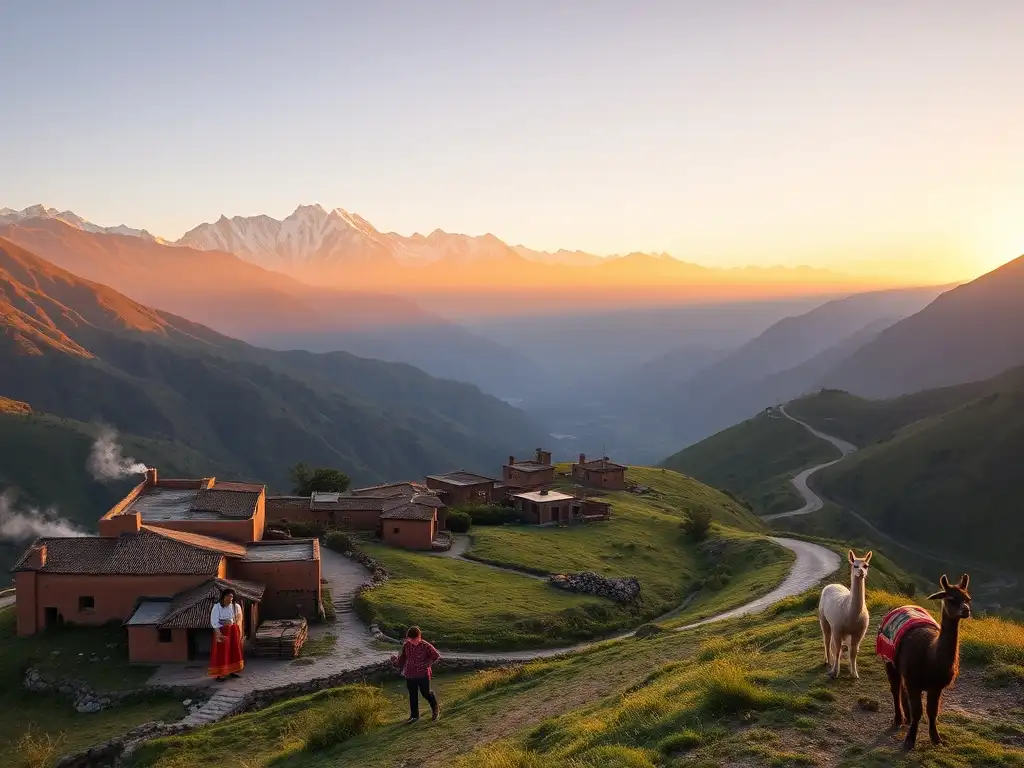
Uncover the mysteries of a lost world. For centuries, the Andes Mountains have guarded the secrets of remarkable civilizations – the Incas, Moche, Nazca, and more. But their legacy extends beyond ancient ruins; today, a new chapter unfolds. This is a journey into the heart of the Andes, exploring the vibrant tapestry of their past while discovering the crucial role of ethical tourism in safeguarding their future. Dare to delve deeper and understand how you can be part of this Andean awakening.
The majestic Andes Mountains, a spine of geological wonder running down the western coast of South America, are home to a rich tapestry of ancient civilizations. From the intricate artistry of the Nazca Lines to the sophisticated urban planning of the Inca Empire, the Andean region boasts a heritage of unparalleled significance.
However, the influx of tourism, while beneficial economically, has presented significant challenges to the preservation of this incredible legacy and the well-being of its indigenous communities. This article explores the critical need for ethical tourism in the Andes, examining the detrimental effects of unsustainable practices and outlining practical steps towards a more responsible and respectful approach to experiencing this breathtaking region.
We'll delve into how mindful travel can contribute to the preservation of Andean culture, environment, and the empowerment of local communities, ensuring that future generations can continue to appreciate the wonders of this unique part of the world. This is more than just a travel guide; it's a call to action for conscious travelers seeking to make a positive impact.
Understanding the Challenges of Traditional Tourism in the Andes
Traditional tourism in the Andes, while boosting local economies in some ways, often suffers from several significant drawbacks. One major issue is the overexploitation of resources. The increased demand for accommodation, transportation, and souvenirs often leads to unsustainable practices, such as deforestation, water depletion, and the generation of excessive waste. This negatively impacts the fragile Andean ecosystem, threatening biodiversity and the delicate balance of the region's natural beauty.
Furthermore, the benefits of tourism are not always equitably distributed. Often, profits primarily accrue to large corporations and international tour operators, leaving local communities with minimal economic gain. This can exacerbate existing inequalities and undermine the cultural integrity of indigenous groups. The influx of tourists can also lead to cultural commodification, where traditional practices and artifacts are reduced to mere spectacles for consumption, stripping them of their deeper meaning and significance. This can result in the erosion of cultural identity and the loss of traditional knowledge.
Another concern is the environmental impact. The increased traffic from tourists contributes to air and noise pollution, while the construction of hotels and infrastructure can lead to habitat destruction and the displacement of wildlife. The improper disposal of waste further contaminates the land and water sources, impacting both human and environmental health. It's crucial to acknowledge these negative consequences to pave the way for a more sustainable future.
The Solution: Embracing Ethical Tourism in the Andean Region
The solution lies in embracing ethical tourism, a travel approach that prioritizes the well-being of local communities and the preservation of the environment. Ethical tourism in the Andes necessitates a shift in mindset, moving away from a purely consumerist approach to a more conscious and responsible one. This means actively seeking out tour operators and accommodations that prioritize sustainability and community empowerment.
Ethical tourism involves supporting local businesses and artisans, ensuring that the economic benefits of tourism are fairly distributed. It means respecting local customs and traditions, engaging respectfully with indigenous communities, and avoiding practices that contribute to cultural commodification. It also involves minimizing your environmental footprint by reducing waste, conserving water, and opting for eco-friendly transportation. By actively seeking out and supporting ethical tourism initiatives, travelers can contribute to the preservation of Andean heritage and promote sustainable development in the region. This includes considering the carbon footprint of your journey and offsetting it where possible.
Practical Steps for Engaging in Ethical Andean Tourism
Choosing ethical tourism isn't just a matter of good intentions; it requires proactive engagement. Here are some practical steps to ensure your Andean adventure is both enriching and responsible:
- Research thoroughly: Before booking any tour or accommodation, research the operator's commitment to sustainability and community engagement. Look for certifications or testimonials that demonstrate their ethical practices.
- Support local businesses: Dine at locally-owned restaurants, purchase souvenirs from local artisans, and choose accommodations that employ local staff and source materials sustainably.
- Respect local customs and traditions: Learn basic phrases in the local language, dress respectfully, and be mindful of local customs and traditions. Avoid intrusive photography and always ask for permission before taking pictures of people.
- Minimize your environmental impact: Reduce your waste by using reusable water bottles and bags, and choose eco-friendly transportation options whenever possible. Respect wildlife and natural habitats, avoiding actions that could harm them.
- Engage with local communities: Participate in community-based tourism projects that offer authentic cultural experiences and directly benefit local people. Learn about the history and culture of the region from local guides and residents.
By following these practical steps, travelers can contribute to a more sustainable and equitable tourism industry in the Andes, ensuring that this remarkable region thrives for generations to come. The Andean awakening is not just about discovering the beauty of the landscape, but also about fostering a deeper understanding and appreciation of its rich cultural heritage and its people. 🤝
Recommended Products and Services for Ethical Andean Travel
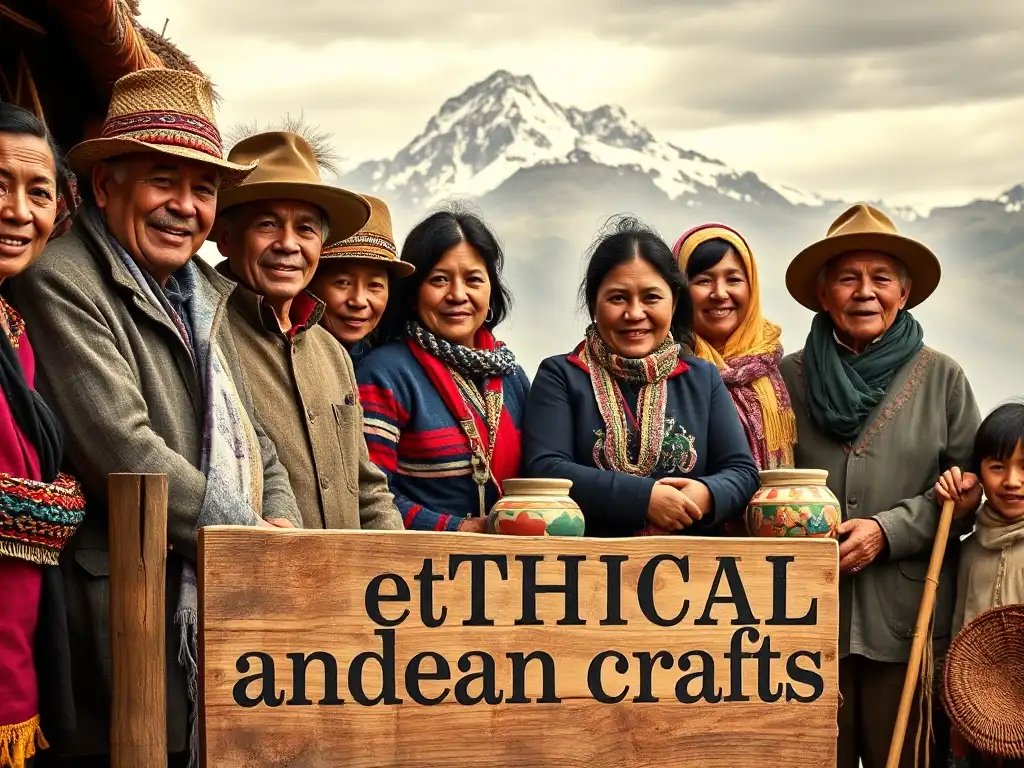
Choosing ethically sourced products and services is crucial for responsible Andean tourism. This means supporting local communities and businesses that prioritize sustainability and fair labor practices. Look for tour operators who actively engage with local communities, ensuring a fair share of profits benefits the people and environment. For example, consider companies that partner with indigenous artisans to sell their handcrafted goods, guaranteeing fair wages and preserving traditional crafts.
This ensures that your tourism dollars directly contribute to the well-being of the Andean people, fostering a more sustainable and equitable tourism industry. When purchasing souvenirs, opt for items made from sustainable materials and produced by local artisans, avoiding mass-produced goods that may exploit workers or harm the environment. Choosing accommodations that prioritize eco-friendly practices, such as reducing water and energy consumption, and employing local staff, further demonstrates your commitment to ethical tourism.
Remember, your choices as a traveler have a direct impact on the Andean communities and their environment. By consciously selecting ethical products and services, you become an active participant in sustainable tourism, promoting responsible travel and supporting local economies. This conscious consumerism is essential for the long-term preservation of Andean culture and heritage.
The Benefits of Ethical Tourism: A Win-Win for Everyone
Ethical tourism in the Andes offers a multitude of benefits, creating a positive impact on both the environment and local communities. For travelers, it provides a more authentic and meaningful experience, allowing for deeper connections with the local culture and environment. Instead of superficial interactions, ethical tourism fosters genuine engagement, offering opportunities to learn about local traditions, customs, and ways of life. This creates a richer, more rewarding travel experience, moving beyond the typical tourist traps and into the heart of Andean life.
For local communities, ethical tourism generates sustainable economic opportunities, supporting local businesses and preserving traditional livelihoods. Fair wages, equitable partnerships, and community involvement empower local people, fostering economic independence and community development. This contrasts sharply with exploitative forms of tourism that often leave local communities marginalized and economically disadvantaged. Furthermore, ethical tourism promotes environmental conservation.
By supporting sustainable practices and responsible resource management, it helps protect the fragile Andean ecosystems for future generations. This holistic approach ensures the long-term viability of tourism as a sustainable economic driver while safeguarding the natural beauty of the Andes. In essence, ethical tourism creates a win-win scenario, enriching the travel experience while simultaneously contributing to the social and environmental well-being of the Andean region. It's a powerful model for sustainable development, demonstrating that responsible tourism can be both economically viable and environmentally and socially responsible.
Taking the First Step Towards Ethical Andean Exploration
Embarking on an ethical Andean adventure requires careful planning and a commitment to responsible travel. Begin by researching tour operators and accommodations that prioritize ethical practices. Look for certifications or affiliations with organizations dedicated to sustainable tourism. Read reviews and testimonials to gauge the experiences of other ethical travelers. Engage directly with local communities whenever possible, respecting their customs and traditions.
Learn basic phrases in Quechua or other local languages to demonstrate your respect and enhance your interactions. Support local businesses by purchasing handcrafted goods directly from artisans, ensuring fair wages and contributing to the preservation of traditional crafts. Minimize your environmental impact by reducing waste, conserving water, and respecting wildlife. Travel sustainably by choosing eco-friendly transportation options whenever possible, such as walking, cycling, or using public transportation.
Remember that ethical tourism is not just about avoiding negative impacts; it's about actively contributing to positive change. By making conscious choices and supporting responsible businesses, you become a crucial part of the sustainable development of the Andean region. Your commitment to ethical travel creates a ripple effect, fostering a more equitable and sustainable future for the Andes and its people. This active participation transforms your trip from a simple vacation into a meaningful contribution to the preservation of a unique and invaluable cultural heritage.
- Understanding the Challenges of Traditional Tourism in the Andes
- The Solution: Embracing Ethical Tourism in the Andean Region
- Practical Steps for Engaging in Ethical Andean Tourism
- Recommended Products and Services for Ethical Andean Travel
- The Benefits of Ethical Tourism: A Win-Win for Everyone
- Taking the First Step Towards Ethical Andean Exploration
Frequently Asked Questions
What is ethical tourism in the Andes?
Ethical tourism in the Andes focuses on minimizing negative impacts and maximizing positive contributions to local communities and the environment. This includes respecting local cultures, supporting local businesses, and protecting the fragile Andean ecosystem.
How can I practice ethical tourism while visiting Andean sites?
Support locally owned businesses, avoid contributing to over-tourism, and engage with the local culture respectfully. Learn a few basic Quechua phrases, participate in community-based tourism projects, and purchase souvenirs directly from artisans.
What are some examples of unethical tourism practices in the Andes?
Unethical practices include exploiting local workers, damaging archaeological sites, contributing to pollution, and disrespecting local customs and traditions. Overcrowding popular sites is also a major issue.
How can I ensure my tour operator is committed to ethical tourism?
Research tour operators thoroughly, looking for certifications or statements outlining their commitment to sustainability and community engagement. Ask direct questions about their practices and seek out operators actively involved in community projects.
Why is ethical tourism important for the Andean region?
Ethical tourism is vital for the long-term preservation of the Andes' unique cultural heritage and fragile environment. It empowers local communities, generates sustainable income, and ensures that future generations can enjoy these incredible sites.
Final Reflection: Echoes of the Andes: A Legacy of Ethical Travel
The principles of ethical tourism, once a niche concept, are now crucial for the sustainable future of destinations like the Andes. The breathtaking landscapes and rich cultural heritage of this region are increasingly threatened by unsustainable practices, making responsible travel not just a preference, but a necessity. Ignoring this reality risks irrevocably damaging the very essence of what draws us to these magnificent places.
The Andean Awakening has shown me, and hopefully you, the profound interconnectedness between tourism and the well-being of local communities. The vibrant traditions, ancient knowledge, and unique ecosystems of the Andes are not merely tourist attractions; they are the lifeblood of a region. Protecting them requires a conscious shift in our approach to travel. Travel is fatal to prejudice, bigotry, and narrow-mindedness,
wrote Mark Twain, and this is especially true when exploring the Andes. We must strive to be travelers who leave a positive impact, not just footprints.
Consider your next journey. Will you choose to be a passive observer, or an active participant in preserving the beauty and cultural richness of the Andes? Will you seek out businesses that prioritize fair wages, environmental protection, and community empowerment? The future of ethical tourism in the Andes, and indeed globally, rests on the choices we make as travelers. Let us choose wisely, and let the echoes of our travels resonate with respect and responsibility for generations to come.
Awaken Your Adventure: Embrace Ethical Tourism Today!
Thank you for exploring the rewarding world of ethical tourism! You've learned about the importance of cultural preservation and supporting local communities; now let's put that knowledge into practice.
Here's how you can make a difference:
- Commit to ethical travel: Carefully choose your next destination and select tour operators, accommodations, and activities that prioritize sustainability and empower local communities.
- Share your experiences: Inspire others by documenting and sharing your ethical travel adventures on social media. Write a blog post or leave reviews of the places you visit to spread the word!
- Connect with local communities: Engage with organizations dedicated to ethical tourism. Participate in workshops, volunteer, or attend local events to deepen your cultural understanding.
What's your first step towards experiencing the transformative power of ethical tourism on your next trip? We'd love to hear your ideas!