
Andean Social Customs: Traditions that Defined Social Roles

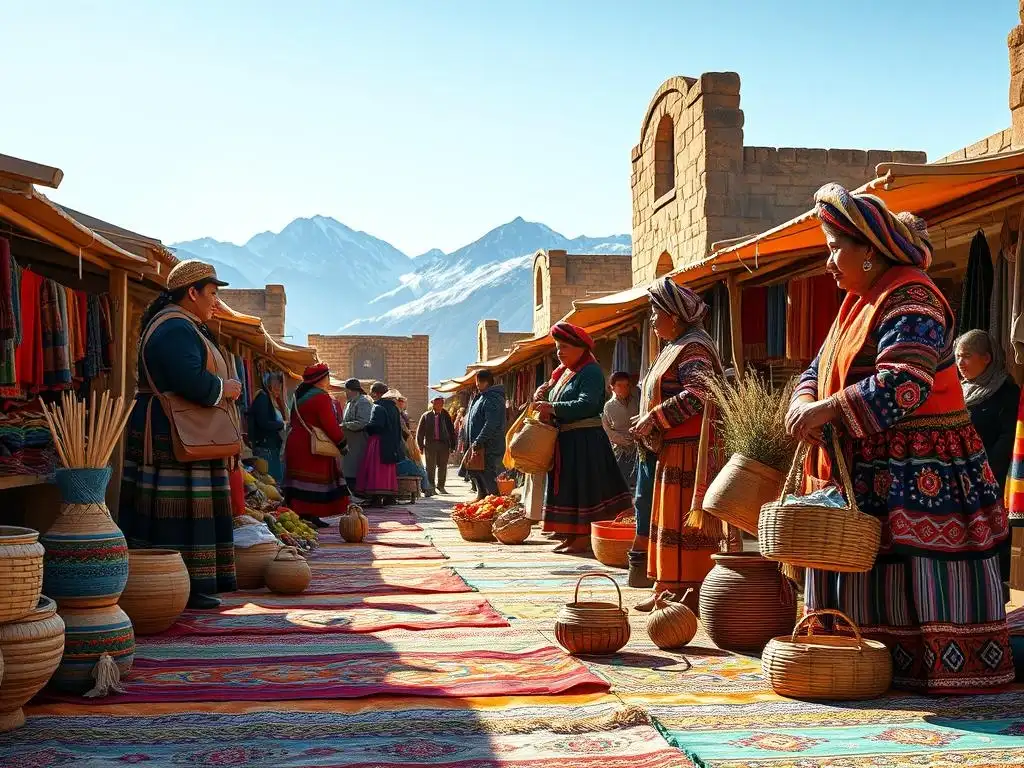
Step into a world lost to time, yet echoing with vibrant life. Uncover the secrets of the Andes, a land where towering mountains cradled civilizations as advanced as they were enigmatic. From the intricate artistry of the Nazca lines to the sophisticated engineering of Machu Picchu, we delve into the fascinating tapestry of Andean social customs examples. Prepare to be amazed as we unravel the intricate social structures that shaped these remarkable societies – a journey that will leave you questioning everything you thought you knew. Ready to explore?
The Andes Mountains, a spine of towering peaks and fertile valleys, nurtured a tapestry of vibrant civilizations for millennia. Understanding these ancient societies requires delving beyond their impressive architectural feats and artistic achievements. This article explores the intricate web of Andean social customs – the unwritten rules and traditions that profoundly shaped social roles, hierarchies, and daily life across diverse cultures like the Inca, Moche, Nazca, and Tiahuanaco.
We will examine how deeply ingrained customs defined social interactions, responsibilities, and the very fabric of Andean communities, providing concrete examples that illustrate the significance of these traditions in shaping their unique social structures. Understanding these customs is key to appreciating the complexity and richness of Andean civilizations and provides a deeper understanding of the keyword: "Andean social customs examples". We will be focusing on how these customs influenced social hierarchy and class divisions.
Andean social structures were not solely defined by formal laws or written decrees. Instead, a complex interplay of customs, rituals, and traditions dictated social behavior and determined individual roles within the community. These customs weren't static; they varied across different Andean societies and evolved over time.
However, common threads weave through them, revealing a deep-rooted emphasis on kinship, reciprocity, and community interdependence. For example, the ayllu, a fundamental social unit in many Andean societies, wasn't just a kinship group but a system of mutual support and shared responsibilities, reflecting the importance of collective well-being over individual gain. The intricate system of mita labor obligations, while sometimes exploitative, also highlighted the interconnectedness of the community and the shared responsibility for public works and resource management.
These customs, therefore, offer valuable insights into the values and beliefs that underpinned Andean social organization. The following sections will delve deeper into specific examples, illustrating how these traditions shaped social roles and hierarchies.
Kinship formed the bedrock of Andean social organization. Lineage and family ties determined social standing, access to resources, and even participation in religious ceremonies. The strength of family bonds influenced everything from economic activity to political power dynamics. The importance of ancestry and lineage is evident in the elaborate genealogical records kept by some Andean societies, showcasing a deep-seated respect for ancestral heritage and the continuity of family lines. This emphasis on kinship fostered strong community bonds and a sense of collective identity, which was crucial for survival in challenging Andean environments.
Family Units and Lineage in Andean Societies
Family units varied across different Andean cultures. While nuclear families existed, extended families often lived together, sharing resources and responsibilities. The concept of lineage was paramount; individuals traced their ancestry back through generations, often linking themselves to mythical ancestors or powerful figures. This sense of shared ancestry strengthened social cohesion and provided a framework for social hierarchy.
For instance, the Inca nobility traced their lineage back to the Inca ruler, reinforcing their privileged position within society. The precise structure of family units and lineage varied significantly across different groups, but the overarching importance of kinship remained constant. Further research is needed to fully understand the nuances of family structures within specific Andean societies. [specific information pending]
Extended Family Obligations and Responsibilities
Membership in an extended family network carried significant obligations and responsibilities. Individuals were expected to contribute to the well-being of their family members, providing support in times of need and participating in collective tasks. This reciprocal system of support played a crucial role in Andean societies, particularly in times of hardship. For example, during agricultural cycles, members of the extended family would cooperate in planting, harvesting, and processing crops, ensuring the survival of the entire unit.
Failure to fulfill these obligations could lead to social sanctions and ostracism, highlighting the importance of social harmony and reciprocal support within the extended family structure. This system served as a form of social security and risk management, promoting resilience within the community. The extent of these obligations and the consequences of non-compliance varied across different Andean societies, but the underlying principle of mutual support remained a cornerstone of Andean social life.
The Inca Social Pyramid and its Rituals
The Inca social structure resembled a pyramid, with the Sapa Inca, the emperor, at its apex. His authority was absolute, considered divinely ordained. Below him were the nobility (curacas and other high officials), who held significant power and land. These elites enjoyed privileges unavailable to the commoners, including access to the finest textiles, food, and religious ceremonies.
Elaborate rituals, often involving sacrifices and feasts, reinforced the Inca's power and solidified the social hierarchy. For example, the Inti Raymi, the festival of the sun, was a spectacular display of imperial power, showcasing the Inca's control over resources and the loyalty of his subjects. The commoners, or ayllus, were further divided into groups based on their roles within the community, such as farmers, artisans, and builders. Their lives revolved around agricultural production and fulfilling their obligations to the state through mita, a system of labor tribute.
These rituals and obligations were not simply administrative; they were deeply embedded in Inca cosmology and reinforced the social order. Failure to adhere to these customs could result in severe punishment, highlighting the rigid nature of the Inca social structure. Even seemingly minor infractions could have significant social consequences, emphasizing the importance of conformity.
Social Classes and Their Distinctive Practices
The Inca Empire, despite its centralized authority, showcased a surprisingly diverse range of social practices across its vast territory. While the Sapa Inca held supreme power, regional variations existed in social customs. The nobility, for instance, enjoyed different privileges depending on their proximity to the capital and their lineage.
Curacas, local leaders, maintained considerable influence within their ayllus, often mediating between the Inca administration and their communities. Their practices might involve unique ceremonies or forms of tribute specific to their region. Commoners, too, displayed regional variations in their customs, reflecting diverse agricultural practices and local traditions.
Clothing styles, for example, varied significantly across different regions of the empire, sometimes serving as markers of social status or regional identity. These variations in practices, while existing within the framework of the Inca system, highlight the complex interplay between centralized power and local autonomy. The Inca successfully integrated diverse groups, but regional customs and social nuances persisted, creating a vibrant tapestry of social practices.
The Role of the Kurakas
The Kurakas were crucial intermediaries in the Inca administrative system. They were local chiefs, often hereditary, responsible for governing their ayllus, the basic social and economic units. Their roles encompassed a wide range of responsibilities, including overseeing agricultural production, collecting taxes (in the form of labor or goods), and maintaining order within their communities.
They were also essential in relaying imperial decrees and ensuring compliance with Inca laws. The Kurakas acted as both local leaders and representatives of the Inca state, balancing the needs of their communities with the demands of the central government. Their power and influence varied depending on the size and importance of their ayllu and their proximity to the Inca capital, Cuzco.
Their position required a complex negotiation of power, demanding both loyalty to the Inca and the ability to maintain the well-being and stability of their communities. Evidence suggests that successful Kurakas were skilled negotiators and administrators, adept at managing resources and resolving conflicts within their ayllus while upholding the authority of the Inca Empire.
Women's Roles in Andean Society: Beyond the Domestic Sphere
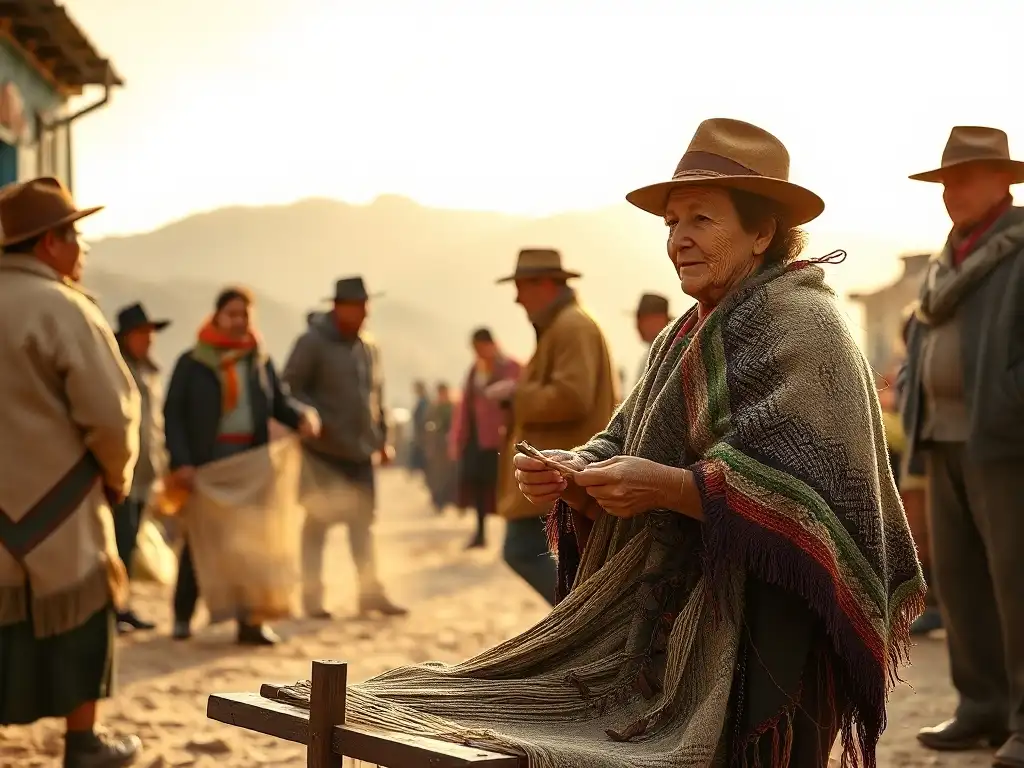
While often depicted primarily in domestic roles, Andean women held significant social and economic power. Their activities extended far beyond the home, encompassing agricultural production, textile weaving (a highly valued skill), and participation in religious ceremonies. Women played vital roles in textile production, creating intricate designs and clothing that indicated social status. These textiles were not merely clothing; they were important commodities, used for trade and tribute.
Their participation in religious practices suggests a significant role in the spiritual life of their communities. Furthermore, some women held positions of authority, especially within their households and extended families. The evidence suggests a complex system where women's contributions were crucial to the economic and social fabric of Andean societies, challenging the simplistic view of women solely as homemakers. The role and status of women varied across different Andean cultures and time periods, but their significance was undeniable.
Men's Roles and Responsibilities in Andean Communities
Men in Andean societies played crucial roles in various aspects of community life. Their primary responsibilities often revolved around agriculture, hunting, warfare, and leadership. Agricultural activities, demanding physical strength and endurance, were central to their lives. Hunting provided essential protein sources, while warfare, particularly for the Inca, was a key aspect of their imperial expansion and dominance.
Men often held positions of authority within the ayllus and the broader social structures, particularly in the political and military realms. However, it is crucial to understand that this division of labor did not equate to a rigid hierarchy of gender. Men's contributions were essential to the community's survival and prosperity, but their roles were intertwined with those of women, creating a system of interdependence rather than strict dominance. The significance of men's roles was deeply embedded in the social and economic life of Andean communities.
Complementary Gender Roles in Andean Traditions
Andean societies did not adhere to strictly defined gender roles in the way many Western societies might perceive them. Instead, the roles of men and women were often complementary, with each contributing essential skills and responsibilities to the well-being of the community. While men often focused on activities requiring physical strength, women's contributions in areas such as textile production and agricultural practices were equally vital. Their roles were not mutually exclusive; rather, they were interconnected and interdependent, reflecting a nuanced understanding of gender dynamics.
Religious ceremonies often involved both men and women, indicating a shared participation in spiritual life. This collaborative approach to gender roles ensured the successful functioning of Andean communities, highlighting a complex social system that valued the contributions of both genders. The concept of complementary roles, rather than hierarchical ones, offers a more accurate understanding of gender relations in Andean societies.
Andean agricultural practices weren't merely methods of food production; they were deeply ingrained in the social fabric of these civilizations. The success of agriculture directly impacted social standing and community cohesion. The intricate systems of terracing, irrigation, and crop diversification demanded collaboration and a sophisticated understanding of the environment.
This collaborative effort fostered strong social bonds and a shared sense of responsibility for the well-being of the community. The distribution of resources, often managed by community leaders or elites, played a crucial role in maintaining social order and preventing conflict over scarce resources like fertile land and water. The efficiency and productivity of agricultural systems were directly linked to the social stability and prosperity of Andean societies.
Failure of crops could lead to social unrest, highlighting the significant interplay between agriculture and social harmony. For example, the Inca's highly organized mit'a system, a form of labor tax, ensured the maintenance of irrigation canals and the cultivation of crops, strengthening social bonds through shared work and highlighting the importance of collective effort.
Collective Labor and Communal Farming Traditions
Collective labor was a cornerstone of Andean social life. The ayllu, a kinship-based community, was the fundamental social unit, and its members collaborated extensively in agricultural tasks. This wasn't merely a matter of efficiency; it reinforced social cohesion and mutual support.
Communal farming, often involving the ayllu's collective efforts in planting, weeding, and harvesting, fostered a strong sense of shared identity and responsibility. The success or failure of the harvest directly impacted the entire community, encouraging cooperation and mutual assistance. Specific tasks were often assigned based on age, gender, and experience, creating a structured yet flexible system of labor distribution.
This system not only ensured the successful cultivation of crops but also served as a critical mechanism for maintaining social order and stability within the ayllu. The sharing of resources and the mutual support provided during times of hardship further strengthened the social bonds within the community, making collective labor far more than simply a means of food production.
Andean Harvest Festivals and Social Gatherings
Harvest festivals held immense social significance in the Andes. These celebrations were more than just joyous occasions; they served as vital mechanisms for reinforcing social bonds and reaffirming community identity. Festivals provided opportunities for people from different ayllus to interact, fostering social cohesion and strengthening relationships beyond immediate kinship ties. The sharing of food and drink, often involving the fruits of the harvest, was a crucial element of these events.
Religious rituals and ceremonies were often interwoven with the festivities, further enhancing their social importance and providing a framework for reaffirming shared beliefs and values. These festivals were not only celebrations of abundance but also crucial occasions for strengthening social ties and reaffirming community unity. The Inti Raymi, the Inca festival celebrating the sun god, is a prime example of how religious and social elements intertwined to create a powerful expression of community identity.
The Importance of Land Ownership and Social Status
Land ownership held immense significance in the Andean social hierarchy. Access to fertile land directly correlated with social status and power. Elite classes often controlled vast tracts of land, while commoners had access to smaller plots allocated by the community. This system of land ownership played a crucial role in maintaining social stratification.
The control of resources, particularly fertile land and water sources, was a key factor determining power and influence within Andean societies. This unequal distribution of resources often led to a complex system of obligations and reciprocal relationships between different social groups. Control over land also influenced access to other resources and opportunities, reinforcing the existing social hierarchy. The Inca empire, for example, implemented a sophisticated system of land redistribution to ensure the stability and functionality of their vast agricultural production system.
Religious beliefs and practices were deeply intertwined with the social structures of Andean civilizations. The complex pantheon of deities, the elaborate rituals, and the widespread belief in the supernatural profoundly influenced social norms and behaviors. Religious authority often overlapped with political power, with priests and rulers wielding considerable influence over society.
Religious institutions played a critical role in maintaining social order and reinforcing existing hierarchies. The importance of religious beliefs and practices extended to virtually all aspects of Andean life, shaping social interactions, economic activities, and political structures. The close relationship between religion and the state further strengthened the power and authority of the ruling classes.
Andean Deities and Their Influence on Social Norms
The Andean pantheon of gods and goddesses played a significant role in shaping social norms and behavior. The worship of deities like Inti (the sun god), Viracocha (the creator god), and Pachamama (Mother Earth) influenced social customs and provided a framework for understanding the world and one's place within it. These beliefs often dictated social roles and responsibilities, reinforcing existing hierarchies and social structures.
For example, the importance of agricultural productivity in Andean societies was directly linked to the worship of Pachamama, emphasizing the interconnection between human actions and the forces of nature. The reverence for these deities provided a powerful moral compass, influencing ethical behavior and social interactions within the community.
Rituals and Ceremonies that Reinforce Social Order
Elaborate rituals and ceremonies served as crucial mechanisms for reinforcing social order and maintaining social cohesion in Andean societies. These rituals often involved community participation, reinforcing social bonds and reaffirming shared beliefs and values. Many ceremonies involved offerings and sacrifices, highlighting the importance of maintaining harmony between humans and the supernatural world.
The performance of rituals and ceremonies served as a powerful tool for maintaining social control and reinforcing the authority of religious and political leaders. The public nature of many of these events made them effective tools for communicating social norms and expectations to the broader community. These rituals often incorporated elements of storytelling, music, and dance, enhancing their emotional impact and reinforcing their social significance.
The Significance of the Inti Raymi
The Inti Raymi, the Inca festival honoring the sun god Inti, stands as a prime example of how religious and social aspects intertwined to create a significant cultural and social event. This grand celebration involved elaborate processions, offerings, and sacrifices, highlighting the importance of the sun god in Inca cosmology and society. The Inti Raymi wasn't merely a religious observance; it was a pivotal event that reinforced social hierarchy, showcased Inca power, and celebrated the harvest.
The participation of different social groups in the festivities reinforced social bonds and reaffirmed the legitimacy of the Inca rulers. The festival's scale and grandeur served as a powerful symbol of Inca power and cultural identity, uniting the empire through shared experience and reinforcing the authority of the Inca state. The Inti Raymi's significance extended far beyond a mere religious ceremony; it was a powerful expression of Inca identity and social cohesion.
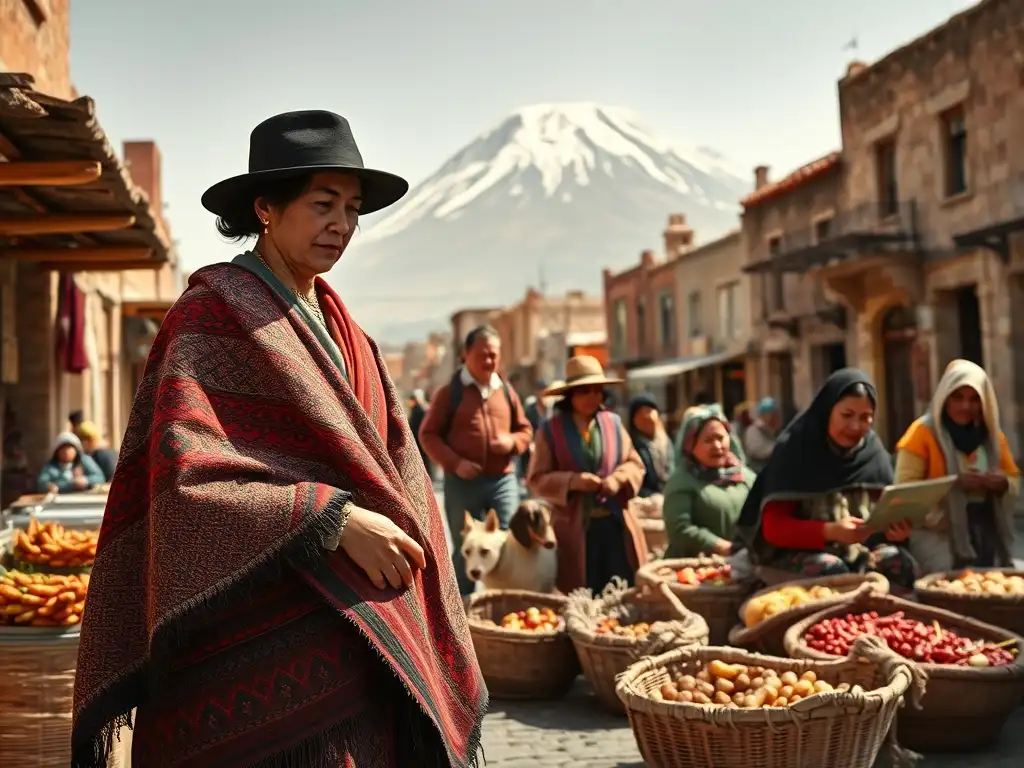
This section delves into specific examples of Andean social customs that profoundly shaped social roles and hierarchies across different cultures and time periods. Understanding these customs provides crucial insight into the complexities of Andean societies.
Marriage and Family Formation Practices
Marriage in Andean societies wasn't simply a union of two individuals; it was a crucial alliance between families, often involving complex negotiations and reciprocal obligations. For instance, among the Inca, royal marriages cemented political power and alliances between different ayllus (kinship groups). The selection of spouses often involved considerations of lineage and social standing, reinforcing existing hierarchies. In other Andean communities, such as those of the pre-Inca cultures, marriage practices varied, sometimes involving bride price or other forms of exchange between families.
These customs solidified social structures by linking families and reinforcing social stratification. The stability of the family unit was paramount, contributing to the overall social order. Detailed records of specific marriage practices across different Andean groups, however, require further research to provide more comprehensive examples.
Coming-of Age Rituals in Andean Communities
Coming-of-age rituals signified a transition from childhood to adulthood, often involving elaborate ceremonies and tests of endurance. These rites of passage not only marked a significant life stage but also reinforced social roles and expectations. For example, among some Andean groups, young men might undergo rigorous physical trials or participate in communal hunts to demonstrate their readiness for adult responsibilities. For young women, the focus might be on acquiring domestic skills and demonstrating their readiness for marriage and motherhood.
These rituals served to integrate young people into the community and solidify their place within the social hierarchy. The specific nature of these ceremonies varied significantly across different regions and cultures, reflecting the diversity of Andean social structures. More research is needed to detail the specific rituals of various Andean groups.
Funeral Rites and Ancestor Veneration
Andean cultures placed great emphasis on death and ancestor veneration. Elaborate funeral rites, often involving mummification and the construction of elaborate tombs, demonstrated the importance of maintaining connections with the deceased. The Inca, for example, mummified their rulers and kept them in special mausoleums, regularly offering sacrifices and tributes. Ancestor veneration was not simply a religious practice; it was deeply intertwined with social structures.
Ancestral lineages played a significant role in determining social status and power. The continued remembrance and veneration of ancestors reinforced social hierarchies and maintained social cohesion. The specific burial practices and rituals varied significantly across different Andean groups, offering a rich tapestry of funerary customs. Further research into specific examples from various cultures will illuminate this practice.
Despite centuries of colonial influence and modernization, many Andean social customs continue to thrive, showcasing the resilience of Andean cultural heritage.
Contemporary Expressions of Andean Social Traditions
Many traditional Andean social structures and practices persist in contemporary Andean communities. For example, the concept of the ayllu, a kinship-based community, remains relevant in many areas, influencing social organization and resource management. Traditional festivals and celebrations, often rooted in pre-Columbian rituals, continue to be observed, reinforcing social bonds and cultural identity. These practices demonstrate the enduring influence of Andean traditions on contemporary life. Specific examples of these practices, including variations across different contemporary Andean communities, would require further research.
The Impact of Modernization on Social Practices
Modernization has undoubtedly impacted Andean social customs. Globalization, migration, and economic changes have introduced new influences, leading to both adaptation and transformation of traditional practices. The integration of Western ideas and technologies has challenged some traditional social structures, particularly in urban areas. However, many Andean communities have successfully integrated modern elements while retaining core aspects of their cultural heritage. A more detailed analysis of the specific impacts of modernization on various Andean communities is required.
The Importance of Preserving Andean Cultural Heritage
The preservation of Andean social customs is crucial for maintaining cultural diversity and identity. These traditions represent a rich legacy of knowledge, social organization, and spiritual beliefs. Efforts to document, understand, and protect these customs are essential for ensuring their continued existence and transmission to future generations. Understanding the specific challenges to preservation and strategies for effective safeguarding of different Andean traditions would benefit from further research.
The intricate web of Andean social customs, woven through centuries of tradition and adaptation, left an indelible mark on the societies that flourished in the Andes Mountains. These customs, far from being mere historical relics, continue to resonate in the cultural practices and social structures of modern Andean communities.
While the rigid hierarchies and elaborate rituals of the Inca Empire, for example, may have been significantly altered, the underlying principles of community, reciprocity ( ayni ), and respect for elders persist. The emphasis on collective well-being, a core tenet of many Andean social customs, remains a powerful force shaping contemporary Andean life.
The enduring influence of ayni—the principle of reciprocal exchange—is particularly striking. This system, which underpinned many aspects of Andean social organization, from agricultural cooperation to craft production, continues to inform social relationships in many rural Andean communities today. While the specifics may have evolved, the fundamental concept of mutual support and collaboration remains a vital component of Andean social fabric. This highlights the remarkable adaptability of these customs, their ability to transcend historical shifts and persist in modified forms.
Furthermore, the profound respect for ancestral knowledge and traditions, evident in many Andean social customs, contributes to the preservation of a rich cultural heritage. The reverence for apus (mountain spirits) and the integration of ancient rituals into contemporary celebrations demonstrate the ongoing power of these customs to connect past and present generations. This continuity provides a strong sense of identity and belonging, fostering social cohesion and cultural resilience.
The study of Andean social customs, therefore, offers not only a glimpse into the past but also a valuable understanding of the enduring forces that continue to shape Andean societies. Their legacy is not confined to dusty museum exhibits; it is alive and evolving in the daily lives of the Andean people.
Understanding these customs provides a critical lens through which to appreciate the complexities and dynamism of Andean cultures, both historically and in the present day. The echoes of these ancient traditions continue to shape the social landscape of the Andes, offering a compelling testament to their enduring power and influence.
- Understanding Andean Social Structures Through Customs
- The Role of Kinship in Andean Social Life
- Social Hierarchy and Andean Customs
- Andean Social Customs and Gender Roles
- Agricultural Practices and Social Customs
- Religious Practices and Social Roles in the Andes
- Andean Social Customs Examples: Specific Cases
- The Persistence of Andean Social Customs
- Conclusion: The Lasting Legacy of Andean Social Customs
- What were some key Andean social customs related to family structure?
- How did social customs impact the Andean political system?
- What role did religion play in shaping Andean social customs?
- Can you give examples of Andean social customs related to agriculture?
- How did Andean social customs influence art and technology?
Frequently Asked Questions
Andean societies often emphasized extended family structures, with multiple generations living together. Ancestor veneration was also crucial, influencing social roles and responsibilities. This created strong community bonds.
Social customs, such as reciprocity (ayni) and collective labor (mita), were integral to the political system. These practices facilitated resource distribution and public works projects, strengthening the power of ruling elites.
Religion played a central role, influencing everything from daily routines to major ceremonies. Rituals and festivals reinforced social hierarchies and strengthened community ties. Sacred sites were also essential to social life.
Cooperative farming practices were common, reflecting the importance of agriculture. Rituals related to fertility and harvests ensured successful crop yields. Terracing and irrigation systems demonstrated sophisticated social organization for resource management.
Andean art often depicted social hierarchies and religious beliefs, reflecting social values. Technological advancements, like sophisticated textiles and metalwork, were also driven by social needs and customs, often showcasing social status through craftsmanship.
Final Reflection: Echoes of the Andes: A Legacy of Custom and Community
The intricate tapestry of Andean social customs, once woven through daily life, continues to resonate in contemporary society, reminding us of the enduring power of tradition and the importance of community. These customs, far from being relics of the past, offer valuable insights into social structures, power dynamics, and the human need for connection, lessons that remain profoundly relevant in our increasingly globalized world. Understanding these traditions allows us to appreciate the rich diversity of human experience and the enduring strength of cultural identity.
The influence of Andean social customs extends far beyond the Andes themselves, shaping not only the cultural landscape of South America but also influencing global discussions on social justice, environmental stewardship, and the preservation of indigenous knowledge. The past is never dead. It's not even past.
- William Faulkner. This quote perfectly encapsulates the enduring legacy of Andean traditions, which continue to inform present-day practices and perspectives, shaping how we understand community, reciprocity, and respect for the natural world. Their impact on modern social structures, particularly in relation to community-based initiatives and sustainable development, is undeniable.
Consider the ways in which these ancient customs, with their emphasis on collective responsibility and respect for elders, might enrich your own life. How can we, in our own communities, foster a stronger sense of belonging and mutual support? How can we learn from the Andean emphasis on reciprocity and sustainable living to build a more just and equitable future? Take a moment to reflect on the power of tradition and its ability to shape not only the past but also the future. Let the echoes of the Andes inspire you to build a more connected and meaningful world.
Embrace the Richness of Andean Traditions!
Thank you for exploring the fascinating world of Andean social customs with us! You've discovered the profound impact these traditions have had on community life and individual identities. Let's delve deeper into appreciating and engaging with these vibrant cultures.
- Immerse yourself in the enchanting world of Andean cultures by attending a local festival or community event. Experience the traditions firsthand!
- Share your newfound knowledge with friends and family by hosting a discussion or presentation. Inspire others to appreciate these unique customs!
- Join our community! Subscribe to our newsletter for exclusive content on Andean civilizations and stay updated on cultural events in your area.
Which aspect of Andean traditions resonates most with you, and how will you share this knowledge with others?