
Flavors of the Past: Experiencing Andean Cuisine and Culinary Traditions

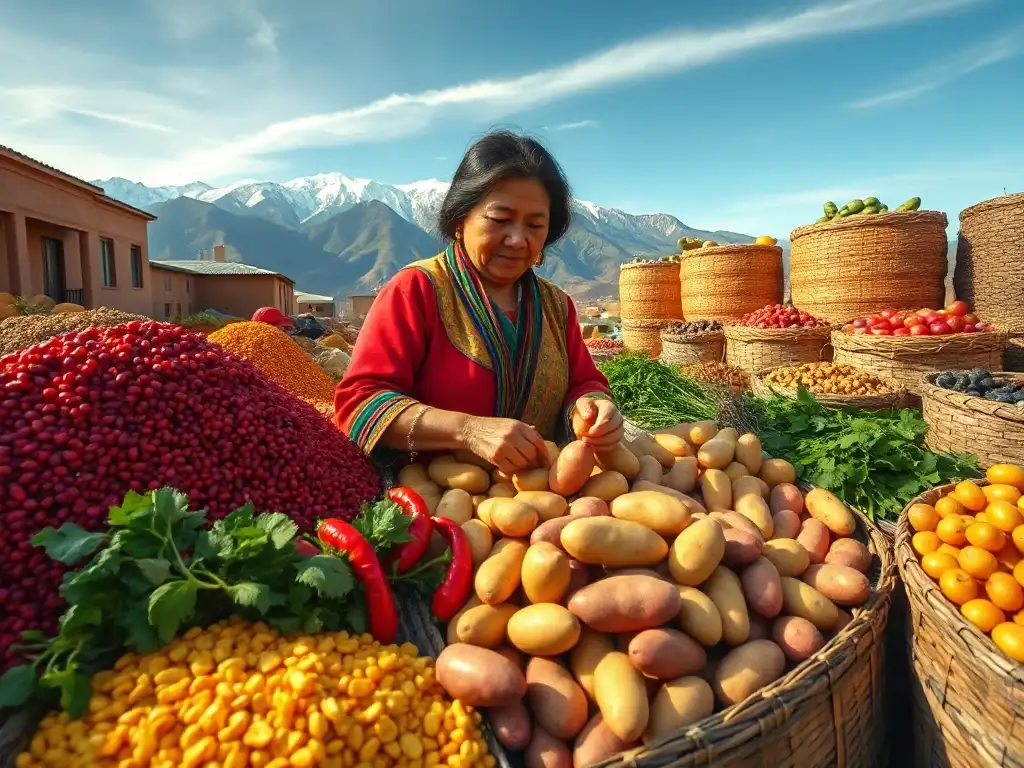
Uncover the enigmatic secrets hidden within the towering peaks and fertile valleys of the Andes! Andean Civilizations invites you on a captivating journey through time, exploring the breathtaking artistry, intricate societies, and remarkable innovations of ancient cultures. But what fueled these empires, shaping their beliefs and fueling their remarkable achievements? Prepare to be amazed as we delve into the fascinating history of Andean cuisine, a culinary legacy that continues to tantalize and inspire. Discover the vibrant flavors and rich traditions that await...
The Andes Mountains, a spine of towering peaks running down the western coast of South America, are home to a rich tapestry of civilizations whose legacy extends far beyond impressive architecture and intricate textiles. This article delves into the fascinating history of Andean cuisine, exploring the culinary traditions that have evolved over millennia, shaped by geography, ingenuity, and cultural exchange. From the humble potato to the vibrant flavors of chili peppers, we will journey through the history of Andean food, examining its impact on the cultures that thrived—and continue to thrive—in this remarkable region.
Understanding Andean cuisine is not merely about tasting exotic dishes; it's about connecting with the deep-rooted history and resilience of the Andean peoples, and appreciating the ingenuity of their agricultural practices and culinary innovations. This exploration of "Andean cuisine history" will illuminate the profound connection between food, culture, and the environment in the Andes.
Introduction to Andean Culinary Heritage
Andean culinary heritage is a vibrant and complex story, deeply intertwined with the region's diverse geography and the ingenuity of its inhabitants. The high altitude, varied climates, and unique ecosystems of the Andes presented both challenges and opportunities for food production. Early Andean civilizations, including the Incas, Moche, Nazca, and Tiahuanaco, developed sophisticated agricultural techniques, such as terracing and irrigation, to cultivate a variety of crops adapted to the harsh conditions.
These techniques allowed them to produce a surplus of food, supporting large populations and complex social structures. The staple crops of the Andean diet—potatoes, maize (corn), quinoa, and beans—formed the basis of a nutritious and varied culinary landscape. Beyond these staples, the Andean palette is rich with diverse fruits, vegetables, and spices, reflecting the region's biodiversity.
The use of native ingredients, combined with innovative cooking methods, resulted in a culinary tradition that is both unique and remarkably sustainable. Understanding this heritage requires appreciating the ingenuity and resilience of Andean farmers and cooks who, for centuries, have adapted and innovated, ensuring the continuity of their culinary traditions. This rich legacy continues to influence modern Andean cuisine, which blends ancient techniques with contemporary influences.
The Roots of Andean Cuisine: Ancient Food Practices
The foundation of Andean cuisine lies in its ancient food practices, shaped by the unique environment and the resourcefulness of its people. Early Andean civilizations developed advanced agricultural techniques to maximize food production in challenging conditions. For example, the Incas perfected the art of terracing, creating flat platforms on mountain slopes to cultivate crops. This allowed them to cultivate a greater variety of crops than would have been possible on steep, uneven terrain.
Irrigation systems, skillfully engineered to channel water from rivers and streams to fields, were crucial for ensuring consistent crop yields. The domestication of crops like potatoes, quinoa, and maize was a pivotal achievement, providing a reliable source of nutrition for growing populations. Archaeological evidence reveals sophisticated food processing techniques, such as fermentation and drying, which allowed for food preservation and extended the availability of seasonal produce. These techniques not only ensured food security but also contributed to the diversity and complexity of Andean cuisine.
Consider, for example, the vast array of potato varieties cultivated by the Incas, each with its unique flavor and texture, reflecting an intimate understanding of the plant's adaptability and potential. The careful selection and cultivation of these varieties underscore the deep connection between the Andean people and their environment, a connection that continues to shape their culinary practices today. Furthermore, the use of traditional cooking methods, such as earth ovens ( pachamanca) and stone grinding tools, showcases the ingenuity and sustainability of ancient Andean food practices.
Andean Staples: Ingredients that Define the Region's Gastronomy
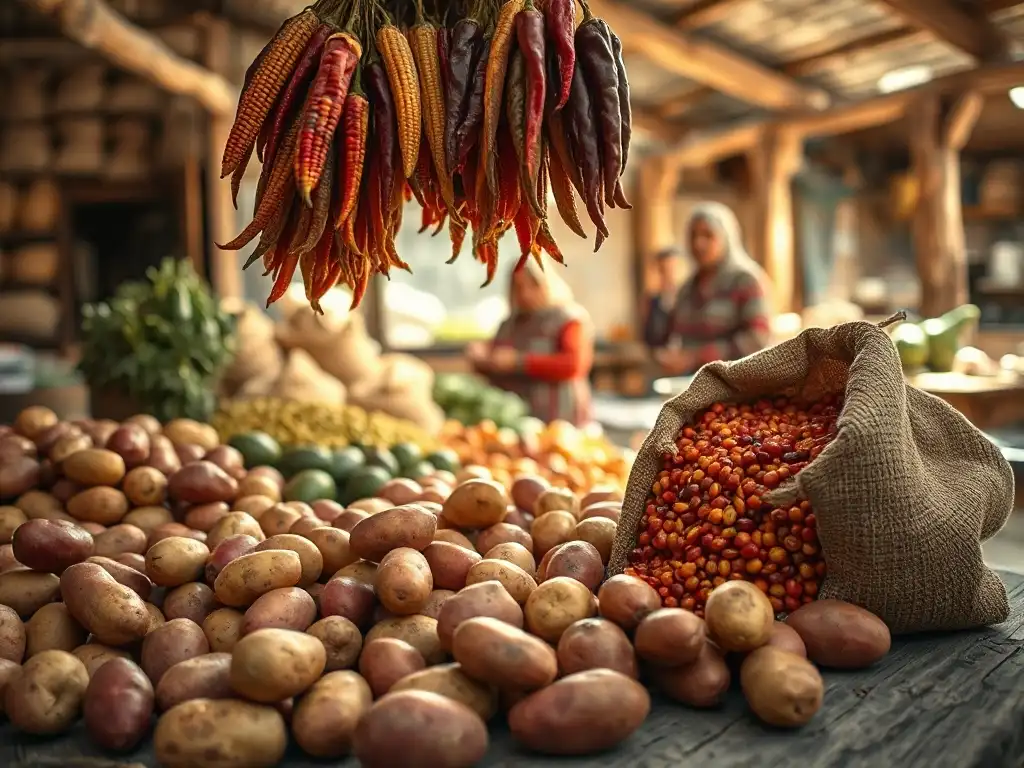
This section delves into the core ingredients that shaped and continue to define Andean cuisine, highlighting their historical significance and culinary versatility. Understanding these staples is key to appreciating the depth and complexity of Andean culinary traditions, a history intertwined with agricultural innovation and adaptation to challenging environments. The influence of these ingredients extends far beyond simple sustenance; they are integral to cultural identity, religious practices, and social structures. The exploration of Andean cuisine history reveals a sophisticated understanding of agriculture and food preparation, long predating European contact.
The Significance of Potatoes in Andean Cooking
The potato ( Solanum tuberosum) is arguably the most iconic symbol of Andean agriculture and gastronomy. Far from being a simple side dish, the potato holds immense cultural and historical significance. The Andes boast an astonishing diversity of potato varieties, numbering in the thousands, each with unique characteristics in terms of size, shape, color, taste, and nutritional profile.
This biodiversity reflects centuries of meticulous selection and adaptation by Andean farmers to diverse ecological conditions. From the tiny, intensely flavored papa negra (black potato) to the large, creamy papa amarilla (yellow potato), each variety lends itself to specific culinary applications. Potatoes are not only boiled, roasted, and fried but also used in stews, soups, and even fermented beverages like chicha.
The impact of the potato on Andean cuisine history cannot be overstated; it's a cornerstone of the diet and a symbol of resilience and adaptation. Its cultivation and consumption are deeply embedded in Andean social and cultural practices, shaping traditions that persist to this day. The potato's journey from the Andes to the rest of the world is a testament to its adaptability and nutritional value, but its true significance lies within the rich tapestry of Andean culture.
Corn: More Than Just a Grain in Andean Diets
Corn ( Zea mays) stands as another cornerstone of Andean cuisine, playing a vital role in both sustenance and cultural expression. Unlike the potato's diverse varietals, corn in the Andes is primarily represented by a few key types, each with its own uses. The most common are choclo (sweet corn), used in various dishes and as a fresh ingredient; cancha, toasted corn kernels; and mote, a type of boiled corn.
Beyond its culinary uses, corn has profound spiritual significance in many Andean communities. It features prominently in religious ceremonies and festivals, symbolizing abundance and fertility. Furthermore, corn is a crucial ingredient in the production of chicha, a fermented beverage with deep historical and cultural roots in Andean societies.
The preparation of chicha often involves communal participation, highlighting the social aspect of food production and consumption. The history of corn in the Andes is intertwined with the development of sophisticated agricultural techniques, including terracing and irrigation, which allowed for its successful cultivation in diverse environments. The versatility of corn, its nutritional value, and its profound cultural importance cemented its place as an essential element of Andean cuisine history.
Quinoa and Other Ancient Grains: Nutritional Powerhouses
Quinoa ( Chenopodium quinoa) is a pseudo-cereal that has recently gained global recognition for its nutritional profile, but its importance in Andean cuisine has been long established. Rich in protein, fiber, and essential amino acids, quinoa has been a staple food in the Andes for millennia. Unlike many grains, quinoa is a complete protein, making it a particularly valuable food source.
It is incredibly versatile, prepared in various ways, from simple side dishes to hearty soups and stews. Beyond quinoa, other ancient grains, such as amaranth and kiwicha, also played—and continue to play—significant roles in Andean diets. These grains offer a diverse range of flavors and textures, contributing to the richness and complexity of Andean gastronomy.
The cultivation of these grains showcases the ingenuity of Andean agricultural practices, showcasing the ability to cultivate nutritious crops in challenging environments. The resurgence of interest in these ancient grains is a testament to their nutritional value and their potential to contribute to food security and sustainable agriculture globally, but their impact on Andean cuisine history is undeniable and profound. They are not merely food sources; they are symbols of a resilient and innovative agricultural tradition.
Andean Tubers: Beyond the Potato
The potato, a global culinary staple, is often synonymous with Andean cuisine. However, the Andean region boasts a remarkable diversity of tubers far exceeding the humble potato. These root vegetables, cultivated for millennia, played, and continue to play, a crucial role in the sustenance and cultural identity of Andean peoples. Understanding this diversity is key to appreciating the depth and complexity of Andean cuisine history. Beyond the ubiquitous potato, oca, ulluco, mashua, and arracacha represent just a small fraction of the remarkable variety of tubers cultivated and consumed across the Andes.
The oca ( Oxalis tuberosa), for example, offers a tangy, slightly acidic flavor, available in a spectrum of colors ranging from pale yellow to deep reddish-purple. Its versatility in the kitchen is remarkable; it can be boiled, roasted, or even used to make a refreshing juice. Historically, oca played a significant role in Andean diets, providing not only sustenance but also essential vitamins and minerals. Its cultivation techniques, passed down through generations, demonstrate the deep connection between Andean communities and their environment.
Similarly, ulluco ( Ullucus tuberosus) presents a unique culinary profile. This tuber, with its subtly sweet and nutty flavor, comes in an array of vibrant colors, including yellow, orange, red, and purple. Ulluco is often boiled and served as a side dish, its slightly waxy texture making it a delightful accompaniment to various Andean stews and meats. Its nutritional value is considerable, making it a vital component of a balanced Andean diet. The diverse varieties of ulluco, adapted to different altitudes and climates, showcase the ingenuity of ancient Andean agricultural practices.
Mashua ( Tropaeolum tuberosum) stands out for its peppery, slightly bitter taste. It’s a tuber often used in traditional Andean recipes, adding a unique spicy dimension. Interestingly, mashua is also known for its medicinal properties, traditionally used to treat various ailments. This highlights the holistic approach to food in Andean cultures, where culinary practices are intertwined with medicinal knowledge and traditions. The cultivation and consumption of mashua represent a continuation of ancient practices, passed down through generations.
Finally, arracacha ( Arracacia xanthorrhiza) offers a delicate, sweet flavor, and a creamy texture similar to parsnip. It's a versatile ingredient used in soups, stews, and even desserts. The nutritional profile of arracacha is impressive, rich in vitamins and minerals, contributing significantly to the nutritional richness of Andean cuisine. Its cultivation requires specific conditions, reflecting the complex relationship between Andean agriculture and the unique environments of the region.
Understanding the cultivation and uses of these tubers is crucial to understanding the history and complexity of Andean cuisine. Their diversity and importance highlight the sophisticated agricultural practices and culinary traditions that have shaped Andean culture for centuries. The continued cultivation and consumption of these tubers demonstrates the resilience and ingenuity of Andean communities in preserving their culinary heritage.
Traditional Andean Cooking Techniques: Preserving Ancient Methods
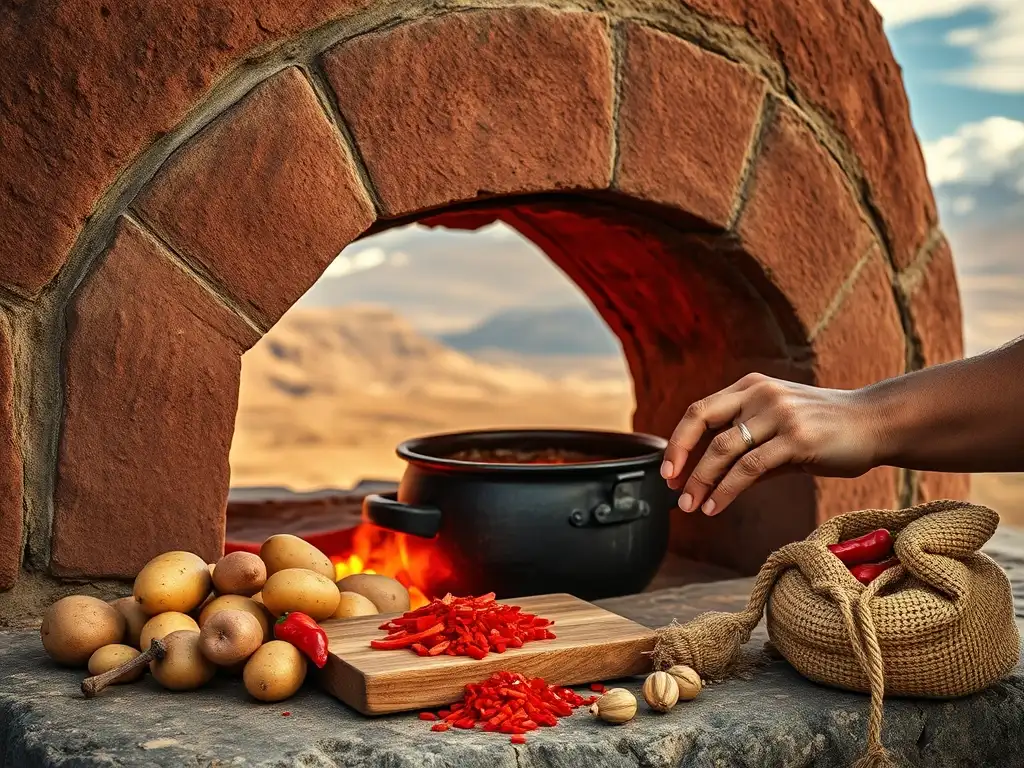
Andean cuisine history is deeply intertwined with the ingenious cooking techniques developed over millennia to utilize readily available resources and preserve food in challenging high-altitude environments. These methods, passed down through generations, remain relevant today, offering a unique window into the ingenuity and resourcefulness of Andean cultures. Understanding these techniques is key to appreciating the depth and complexity of Andean culinary heritage.
The focus on sustainable practices and respect for the land is evident in every step of the process, reflecting a profound connection between people and their environment. This section explores three key methods: Pachamanca, sun drying, and fermentation.
Pachamanca: Cooking with Earth and Fire
Pachamanca, meaning "hot earth" in Quechua, is a traditional Andean cooking method that showcases a harmonious blend of nature and culinary artistry. This ancient technique involves using a pit dug into the earth, heated with hot stones, to slowly cook food wrapped in leaves. The process begins with building a fire in the pit to heat smooth river stones.
Once the stones are glowing red-hot, they are carefully removed and layered at the bottom of the pit. Then, meat (often llama or alpaca), vegetables (potatoes, corn, squash), and other ingredients are placed on top, wrapped in layers of banana leaves or similar vegetation. More hot stones are added, and the pit is sealed with earth and left to cook for several hours, resulting in a tender, flavorful feast.
The slow, even cooking imparted by the earth creates unique flavors that are impossible to replicate with modern methods. This method not only cooks the food but also infuses it with the earthy aroma of the surrounding environment, adding a distinct character to the meal. The community aspect of preparing Pachamanca is also significant; it's often a communal event, reinforcing social bonds and cultural traditions.
The Art of Sun Drying and Food Preservation
Sun drying is a crucial element of Andean cuisine history, offering a vital method for preserving food in a region where refrigeration was unavailable. This technique extends the shelf life of a variety of products, from potatoes and corn to meats like llama and alpaca. The process typically involves slicing or chopping the food into thin pieces to maximize surface area, then spreading it out on mats or racks in direct sunlight.
The intense Andean sun, combined with the dry air at high altitudes, effectively removes moisture, preventing spoilage and concentrating flavors. The resulting dried foods are incredibly versatile, used in stews, soups, and other dishes throughout the year. This method significantly reduces food waste and ensures food security, especially during lean times.
Specific techniques vary based on the food being preserved – for instance, potatoes might be sliced thinly, while corn might be dried in its cob form before being ground into flour. The quality of the dried product depends heavily on factors like weather conditions, altitude, and the duration of sun exposure.
Fermentation Techniques in Andean Culinary Traditions
Fermentation, a process that uses microorganisms to break down food, plays a vital role in Andean cuisine history. It's a method that not only preserves food but also enhances its nutritional value and creates unique flavors. Chicha, a fermented beverage made from corn, is perhaps the most well-known example of Andean fermentation. The process involves soaking, grinding, and fermenting corn, resulting in a drink with varying levels of alcohol content.
However, fermentation extends beyond beverages. Various vegetables and even meats undergo fermentation processes, creating preserved products with extended shelf life and enhanced flavor profiles. For example, some communities ferment potatoes to create a tangy, slightly sour side dish.
These fermentation techniques represent a sophisticated understanding of microbiology and its application to food preservation, showcasing the depth of knowledge embedded within Andean culinary traditions. The specific microorganisms involved and the techniques used vary across different regions and communities, adding to the diversity of Andean fermented foods. Further research is needed to fully document the variety of fermentation techniques employed across the Andes.
Regional Variations in Andean Gastronomy
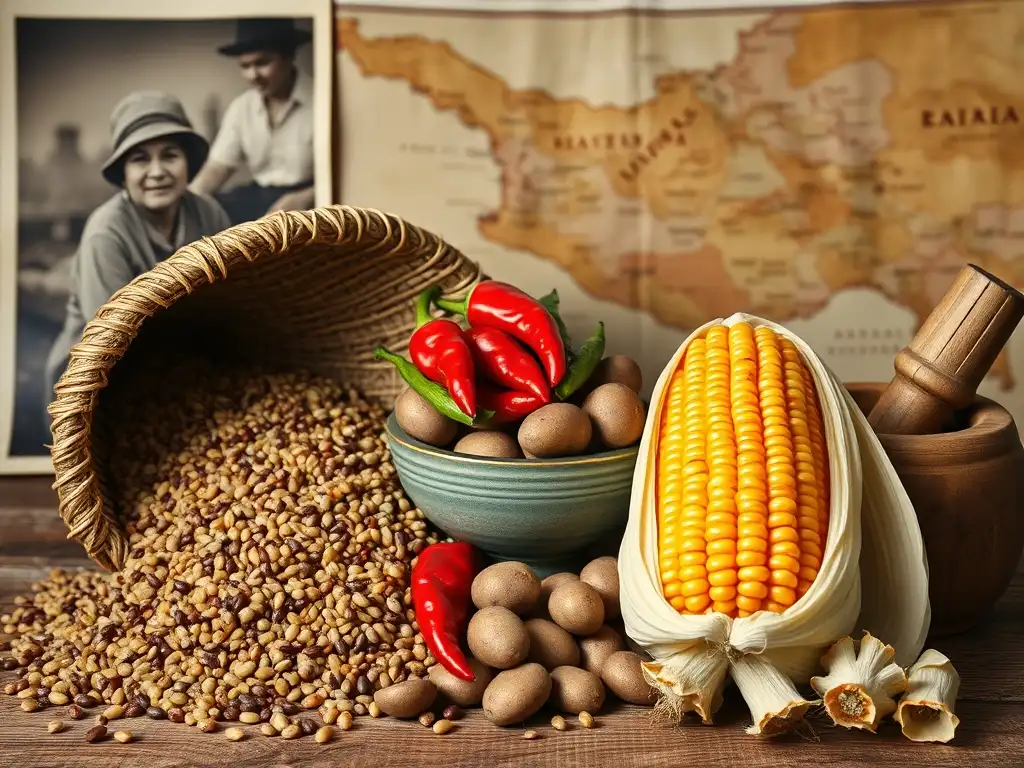
Andean cuisine, a tapestry woven from diverse geographical influences and cultural practices, isn't a monolithic entity. Understanding its rich history requires acknowledging the significant regional variations that shaped its unique character. The vast Andean region, encompassing coastal deserts, towering mountain ranges, and lush Amazonian foothills, fostered distinct culinary traditions, each reflecting the available resources and the ingenuity of its inhabitants.
This section explores the key regional differences in Andean gastronomy, highlighting the impact of geography and environment on the development of unique flavors and cooking techniques. A deep dive into "Andean cuisine history" reveals a fascinating interplay between nature and human adaptation.
Coastal Flavors: The Influence of the Pacific Ocean
The Pacific Ocean profoundly impacted the culinary landscape of the Andean coast. Abundant seafood, including fish like corvina and anchoveta, formed the backbone of coastal diets. These ingredients were often prepared using simple yet effective techniques, emphasizing freshness and natural flavors. Think of ceviche, the iconic marinated seafood dish, a testament to the coastal Andean ingenuity. The preparation of ceviche varies slightly across different coastal communities, reflecting subtle differences in taste preferences and available ingredients. Some versions might include ají limo (a type of chili pepper) for a spicier kick, while others opt for a milder flavor profile.
The use of sal, or salt, extracted from coastal salt pans, was crucial for food preservation and flavor enhancement. This readily available resource allowed for the development of diverse methods of preserving fish and other perishables, extending their shelf life and ensuring food security throughout the year. Additionally, coastal communities often incorporated seaweed and other marine algae into their diets, reflecting a deep understanding of the ocean's bounty and a sustainable approach to resource management. The unique blend of fresh seafood, simple preparation methods, and the readily available sal created a distinct culinary identity for the coastal Andean regions.
Furthermore, the coastal regions also cultivated crops like camote (sweet potato) and maíz (corn), which often complemented the seafood dishes. The combination of these coastal staples created a unique and balanced diet, perfectly adapted to the environment and rich in essential nutrients.
Highland Cuisine: Hearty Dishes from the Mountains
In stark contrast to the coastal regions, the Andean highlands presented a different set of culinary challenges. The harsh climate and high altitude limited the availability of certain ingredients, leading to the development of hearty and filling dishes designed to provide sustenance in challenging conditions. Potatoes, in their myriad varieties, became a staple food, forming the base of many traditional highland dishes. The diverse potato varieties, each with its unique flavor and texture, allowed for creative culinary experimentation.
Think of papa a la huancaína, a classic Peruvian dish featuring boiled potatoes covered in a creamy, spicy sauce made from ají amarillo (yellow chili pepper), cheese, and milk. This dish perfectly illustrates the resourcefulness and culinary skill of the highland Andean people. Other staple ingredients included quinua (quinoa), a highly nutritious grain that thrived in the challenging conditions, and various beans, providing essential protein.
The highland Andean cuisine also featured a wide variety of meats, including llama and alpaca, animals well-adapted to the high altitude. These meats were often prepared in slow-cooking methods, such as stewing or roasting, resulting in tender and flavorful dishes. The use of chicha, a fermented corn beverage, was also common in highland communities, adding another layer of complexity to their culinary traditions. The hearty and nourishing character of the highland Andean cuisine reflects a deep understanding of the environmental constraints and a remarkable adaptation to the challenges of life in the mountains.
Amazonian Influences on Andean Gastronomy
The Amazonian lowlands, bordering the Andes, significantly influenced the eastern Andean culinary landscape. The abundance of tropical fruits, vegetables, and river fish introduced a vibrant array of flavors and ingredients into the Andean culinary repertoire. Unlike the coastal and highland regions, the Amazonian influence brought a greater emphasis on fresh, raw ingredients and a more varied use of spices and herbs.
The Amazonian rainforest provided a bounty of fruits like aguaje, cocona, and camú camú, each contributing unique flavors and nutritional benefits. These fruits were often incorporated into refreshing drinks, desserts, and savory dishes, adding a tropical touch to the Andean culinary palette. The abundance of river fish, such as paiche and piranha, also provided a significant source of protein, diversifying the local diet.
Furthermore, the Amazonian influence introduced novel cooking techniques, such as the use of specific types of clay pots for cooking and preserving food, further demonstrating the diversity of Andean cooking methods. This regional variation underscores the dynamism and adaptability of Andean cuisine, reflecting the constant interaction between different environments and cultures. The integration of Amazonian ingredients and techniques expanded the flavor profiles and nutritional diversity of Andean cuisine, creating a truly unique and complex culinary landscape.
Modern Interpretations of Andean Cuisine
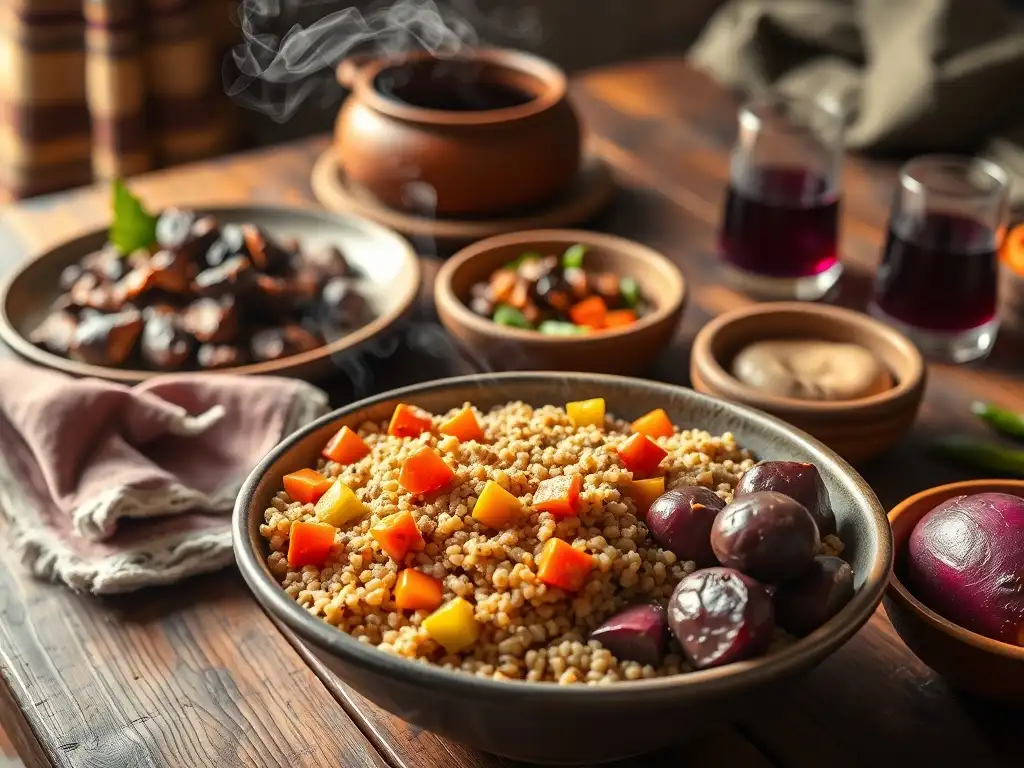
The vibrant tapestry of Andean cuisine, woven from centuries of tradition and ingenuity, continues to evolve in fascinating ways. While honoring the past, modern chefs and culinary innovators are breathing new life into ancient recipes and techniques, resulting in a dynamic culinary landscape that both celebrates heritage and embraces contemporary tastes. This evolution speaks volumes about the enduring power of Andean culinary traditions and their adaptability in the face of globalization and changing palates. Understanding this evolution is key to appreciating the full scope of Andean cuisine history.
Fusion and Innovation: New Takes on Traditional Flavors
Modern Andean cuisine isn't simply about replicating ancestral recipes; it's about creatively reinterpreting them. Chefs are skillfully blending traditional Andean ingredients with international culinary influences, resulting in exciting fusion dishes that both surprise and delight. For instance, the humble papa a la huancaína – potatoes in a creamy, spicy cheese sauce – might be reimagined with the addition of Asian-inspired spices or a modern twist on presentation.
Similarly, cuy (guinea pig), a traditional Andean delicacy, might be prepared using innovative cooking methods, such as sous vide, to enhance its texture and flavor profile, making it more palatable to a wider audience. This fusion approach demonstrates the adaptability and versatility of Andean culinary staples, showcasing their potential for endless creative exploration. The resulting dishes are a testament to the richness and depth of Andean cuisine history, offering new and exciting ways to experience its flavors.
Andean Chefs and the Preservation of Culinary Heritage
A crucial element in the ongoing evolution of Andean cuisine is the role of contemporary Andean chefs. These culinary artisans are not only masters of their craft but also passionate guardians of their culinary heritage. They actively seek to preserve traditional recipes and techniques, often learning from older generations and documenting their findings. Many are involved in initiatives to promote sustainable agriculture and the use of heirloom ingredients, ensuring the continuity of unique Andean flavors.
Their work extends beyond the kitchen; they frequently participate in culinary festivals and workshops, sharing their knowledge and inspiring future generations of chefs to continue this important work. This dedication ensures that the rich tapestry of Andean cuisine history remains vibrant and accessible. Their commitment is a vital component in the preservation and promotion of Andean culinary traditions for years to come.
Sustainable Practices in Modern Andean Cooking
Modern interpretations of Andean cuisine are increasingly emphasizing sustainability. This focus reflects a growing awareness of the importance of protecting the environment and preserving the biodiversity of the Andes region. Many chefs are incorporating sustainable practices into their cooking, such as sourcing ingredients locally and using traditional farming methods.
This commitment to sustainability not only ensures the availability of high-quality ingredients but also supports local communities and protects the fragile Andean ecosystem. For example, the use of quinoa, a highly nutritious and sustainable grain native to the Andes, is gaining popularity worldwide, highlighting the potential of Andean cuisine to contribute to a more sustainable food system.
This conscious approach underlines the broader impact of Andean cuisine history and its potential to inspire sustainable food practices globally. The integration of sustainable practices is not merely a trend; it's a crucial aspect of preserving the unique flavors and cultural heritage of the Andes for generations to come.
Experiencing Andean Cuisine: A Journey for the Senses
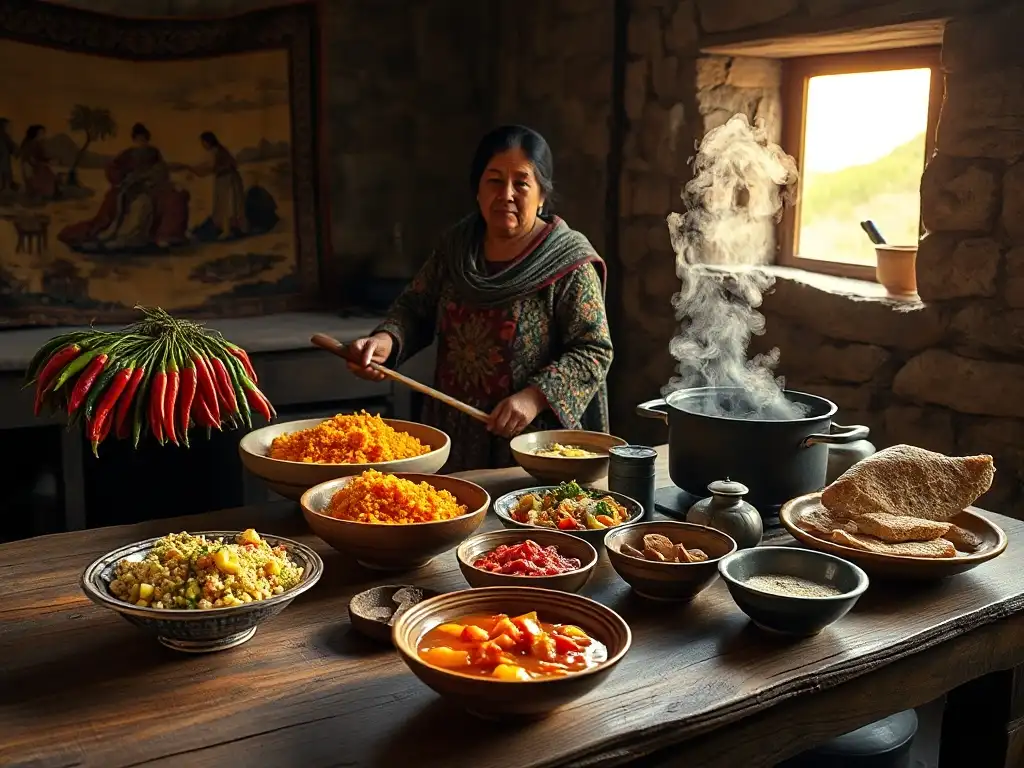
This section delves into the sensory experience of Andean cuisine, moving beyond simple descriptions to explore the sights, smells, and textures that define this unique culinary heritage. Understanding Andean cuisine history requires appreciating its holistic nature – a fusion of ingredients, techniques, and cultural significance passed down through generations. The vibrant colors of the markets, the earthy aromas of freshly tilled soil, and the satisfying textures of a perfectly cooked papa a la huancaína all contribute to a truly immersive experience.
The flavors themselves are as diverse as the Andean landscape, ranging from the fiery spice of ají amarillo to the subtle sweetness of chicha morada. It's a cuisine born of necessity and ingenuity, reflecting the ingenuity of Andean peoples in harnessing their environment's resources. This section will explore how to best engage with this rich culinary tradition.
Where to Find Authentic Andean Food: Markets and Restaurants
Finding authentic Andean food requires venturing beyond tourist traps and into the heart of local life. Markets, bustling with activity and overflowing with fresh produce, offer a glimpse into the daily life of Andean communities and a chance to sample truly authentic ingredients. Look for vibrant displays of colorful potatoes – hundreds of varieties exist!
– alongside plump tomatoes, pungent herbs, and a dazzling array of ajíes (chilies). These markets are not just places to buy food; they are social hubs, brimming with the sounds and smells of Andean life. The experience extends beyond the visual; the air itself is thick with the aromas of freshly ground spices and simmering stews.
Beyond the markets, numerous restaurants offer a more formal setting to savor Andean cuisine. However, discerning the truly authentic from the tourist-oriented can be challenging. Look for establishments frequented by locals, where the menu features traditional dishes rather than fusion options.
Ask about the origin of ingredients; a restaurant proud of its authenticity will gladly share information about its sourcing. Remember, the best Andean food is often found in unassuming places, where generations of culinary traditions are carefully preserved. The experience is enriched by the stories and insights shared by the cooks and owners, adding another layer to the understanding of Andean cuisine history.
Culinary Tours: Immersing Yourself in Andean Gastronomy
For a truly immersive experience, consider a culinary tour. These tours offer a unique opportunity to go beyond simply eating Andean food; they provide a deeper understanding of its cultural significance, historical context, and the techniques involved in its preparation. Many tours incorporate visits to local farms and markets, allowing participants to see firsthand where the ingredients originate and how they are grown. This provides valuable context, highlighting the deep connection between Andean cuisine and the environment.
Furthermore, hands-on cooking classes are often included, providing a chance to learn traditional recipes and techniques directly from experienced chefs. These experiences are invaluable for appreciating the nuances and complexities of Andean cuisine history, connecting the food to the land, the people, and the rich tapestry of Andean culture. They offer a truly unforgettable way to engage with this vibrant culinary heritage.
Rocoto Relleno: A Classic Andean Dish
Rocoto relleno, a classic Andean dish, perfectly exemplifies the region's culinary artistry. This dish features a large, fiery rocoto pepper, carefully cleaned and stuffed with a savory mixture of ground meat, rice, onions, raisins, and spices. The rocoto's intense heat is balanced by the richness of the filling and the sweetness of the raisins, creating a complex and satisfying flavor profile.
The preparation is laborious, reflecting the care and attention to detail integral to Andean cooking traditions. The dish's appearance is equally striking: the bright red of the rocoto contrasts beautifully with the vibrant colors of the filling. This visually appealing and deliciously complex dish offers a tangible representation of Andean culinary innovation and ingenuity, a testament to the region’s rich and enduring culinary heritage.
Understanding the ingredients and preparation of this signature dish provides valuable insight into the broader context of Andean cuisine history. It's more than just a meal; it's a story.
The Importance of Andean Food in Cultural Identity
Andean cuisine history is deeply intertwined with the cultural identity of the Andean peoples. Food wasn't merely sustenance; it was, and remains, a powerful symbol of community, tradition, and connection to the land. Understanding the historical evolution of Andean foodways provides crucial insight into the social structures, beliefs, and agricultural practices of these remarkable civilizations.
The diverse landscapes of the Andes, ranging from arid coastal deserts to high-altitude plains and lush Amazonian foothills, profoundly shaped the available ingredients and, consequently, the culinary traditions that developed. This geographical diversity is reflected in the astonishing variety of Andean cuisine, a testament to the ingenuity and resourcefulness of its creators. From the humble potato, cultivated for millennia, to the sophisticated techniques of llama herding and processing, every aspect of Andean food production speaks volumes about the ingenuity and resilience of the Andean people.
The study of ancient Andean foodways offers a window into the past, revealing a complex interplay between environment, culture, and culinary innovation. This rich tapestry of flavors and traditions continues to evolve, adapting to modern circumstances while retaining its essential character.
Food as a Reflection of Andean History and Society
The history of Andean cuisine is a mirror reflecting the social and political structures of the past. For example, the elaborate feasts and offerings associated with Inca ceremonies highlight the significance of food in reinforcing power structures and religious beliefs. The Inca Empire's sophisticated road network facilitated the movement of food and resources across vast distances, demonstrating the importance of trade and logistics in sustaining a large, complex empire.
The development of advanced agricultural techniques, such as terracing and irrigation, allowed the Incas to cultivate diverse crops at varying altitudes, ensuring food security and supporting a dense population. This control over food production was intrinsically linked to political power and social control. Analysis of archaeological remains, such as pottery shards and food residues found in tombs, provides valuable insights into the diets of different social classes, offering clues about social stratification and economic inequalities.
Even the preparation and presentation of food – the intricate designs on ceremonial pottery, for instance – communicate social status and cultural values. The meticulous cultivation of specific crops, like maize and quinoa, also demonstrates the deeply ingrained relationship between the Andean people and their environment, a connection that continues to shape their culinary heritage.
Shared meals in Andean cultures are not simply occasions for sustenance; they are powerful social rituals that reinforce community bonds and transmit cultural knowledge across generations. The act of preparing and sharing food together fosters a sense of belonging and strengthens social ties within families and communities. Traditional Andean celebrations, such as fiestas and religious festivals, often center around elaborate meals that bring people together, reaffirming collective identity and reinforcing social cohesion. These communal meals are opportunities for storytelling, transmitting oral histories, and sharing cultural values.
The preparation of these meals often involves collaborative efforts, with different members of the community contributing their skills and knowledge. This collective effort underscores the importance of cooperation and mutual support within Andean societies. Even everyday meals within the family often serve as a space for transmitting culinary skills and knowledge from elders to younger generations.
The passing down of recipes, techniques, and associated stories ensures the continuity of Andean culinary traditions. These shared meals are, therefore, far more than simple acts of eating; they are vital components of social life, cultural transmission, and the perpetuation of Andean identity. Further research into the specific rituals surrounding communal dining in different Andean communities could offer even richer insights into this fascinating aspect of Andean culture.
Protecting Andean Culinary Traditions for Future Generations
The preservation of Andean culinary traditions is crucial for safeguarding a vital part of the region's cultural heritage. Many traditional dishes and techniques are facing threats from globalization, modernization, and changing dietary habits. Efforts to protect these traditions include documenting traditional recipes and methods, promoting culinary tourism that supports local communities, and establishing educational programs that teach younger generations about the importance of preserving their culinary heritage. The documentation of traditional recipes, often passed down orally, is vital for preserving this intangible cultural heritage.
This process requires the collaboration of local communities, researchers, and culinary experts. Promoting sustainable agricultural practices is also essential, ensuring the continued availability of traditional ingredients. Moreover, supporting local farmers and producers through fair trade initiatives is critical to maintaining the economic viability of traditional food systems.
The promotion of culinary tourism, done responsibly, can provide a sustainable source of income for communities while raising awareness about Andean cuisine and its cultural significance. Ultimately, protecting Andean culinary traditions requires a multi-faceted approach, involving collaboration between various stakeholders to ensure the continuity of this invaluable aspect of Andean cultural heritage for future generations. The success of these preservation efforts depends on the active participation and commitment of local communities and broader society.
Frequently Asked Questions
What is the history of Andean cuisine?
Andean cuisine boasts a rich and diverse history, shaped by thousands of years of agricultural innovation and cultural exchange. From the early domestication of potatoes and maize to the sophisticated culinary practices of the Inca Empire, it reflects the ingenuity of Andean peoples.
How did geography influence Andean food?
The varied geography of the Andes Mountains – from coastal deserts to high-altitude plains – profoundly impacted food production and cuisine. Different altitudes and climates led to a wide array of crops and livestock, resulting in regional culinary specialties.
What were some staple foods of ancient Andean civilizations?
Potatoes, in countless varieties, were a dietary cornerstone. Maize (corn) featured prominently, along with quinoa, beans, and various root vegetables. These staples formed the foundation of their diets.
How did Inca influence Andean cuisine?
The Inca Empire's vast reach standardized some aspects of Andean cuisine, promoting the cultivation and consumption of certain crops. However, regional variations persisted, reflecting the empire's diverse geography and pre-existing culinary traditions.
Where can I learn more about Andean culinary traditions?
You can explore museums focusing on Andean cultures, read books and scholarly articles on Andean history and anthropology, and even take cooking classes specializing in traditional Andean recipes. Many resources are available online as well.
Final Reflection: A Legacy of Flavor, A Future of Discovery
The vibrant tapestry of Andean cuisine, woven from centuries of tradition and ingenuity, remains profoundly relevant today. Its resilience in the face of globalization and its increasing global recognition highlight the power of cultural heritage to nourish both body and soul. This enduring legacy speaks volumes about the ingenuity and resourcefulness of Andean communities, a testament to their ability to adapt and thrive while preserving their unique culinary identity.
The exploration of Andean cuisine is not merely a journey through flavors; it's a deep dive into the heart of a culture. It's a story of resilience, adaptation, and the profound connection between people and their environment. Food is symbolic of love when words are inadequate.
This quote resonates deeply as I reflect on the emotional weight carried by each dish, each ingredient, each carefully preserved technique. The enduring impact of Andean culinary traditions is a powerful reminder of the importance of preserving cultural heritage for future generations, ensuring that these stories continue to be told and tasted.
Consider, for a moment, the ingredients you consume daily. Where do they come from? What stories do they hold? I invite you to explore the rich history of Andean cuisine, not just as a culinary adventure, but as a journey of understanding and appreciation. By engaging with these traditions, we not only savor exquisite flavors but also deepen our connection to the past, present, and future of food and culture. Let the flavors of the Andes inspire you to explore your own culinary heritage and to champion the preservation of unique food traditions worldwide.
Savor the Adventure: Explore Andean Culinary Delights!
Thank you for exploring the rich tapestry of Andean cuisine with us! We hope you've discovered the unique flavors and vibrant traditions that make this culinary journey so special. Now, let's bring the essence of the Andes into your own kitchen and share it with others.
Here are some engaging ways to get started:
- Recreate your favorite Andean dish using the recipes and techniques you've learned. Gather family or friends for a fun cooking session and savor the authentic flavors together.
- Share your culinary creations on social media using the hashtag #AndeanCuisine, and connect with fellow enthusiasts who appreciate these cultural treasures.
- Attend a local cooking class specializing in Andean cuisine. This is a wonderful opportunity to meet other food lovers and learn directly from experienced chefs.
What Andean ingredient or dish are you most excited to try next? Let's start a delicious conversation!