
Unraveling the Mysteries of PreCeramic Andean Burial Practices

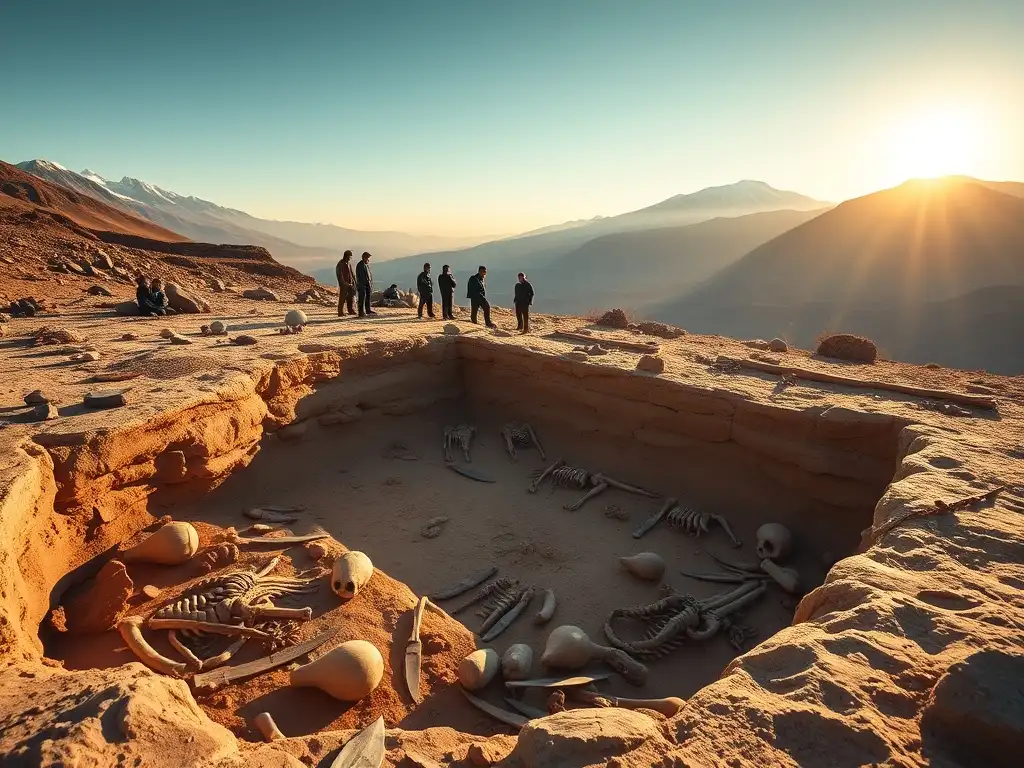
Step into a world lost to time, where the echoes of ancient Andean civilizations still whisper their secrets. Intrigued by the intricate lives and beliefs of societies that predate even the Incas? Prepare to be captivated by the fascinating world of Preceramic Andean burial rituals, a journey into a realm of elaborate ceremonies and profound spiritual significance. Discover the clues hidden within these ancient practices and unravel the mysteries of a civilization that shaped the Andes long before recorded history. Explore further to uncover the astonishing details...
The pre-ceramic period in the Andes (roughly 8000-1800 BCE) represents a crucial yet often overlooked chapter in the region's rich history. While the Inca Empire and its predecessors often dominate narratives of Andean civilization, the deeply rooted mortuary customs of these earliest Andean societies offer invaluable insights into their beliefs, social structures, and interactions with the environment.
This exploration delves into the fascinating world of preceramic Andean burial practices, revealing a complex tapestry of rituals and traditions that reflect the diverse cultures that flourished across the vast Andean landscape. We will examine the available archaeological evidence to understand the development and variation of funerary rites across different regions and time periods, shedding light on the spiritual beliefs and social organization of these early Andean communities.
Understanding these early burial rituals is key to unlocking a deeper understanding of the development of Andean civilization as a whole, providing a foundational layer upon which later, more complex cultures were built. The term "Preceramic Andean burial rituals" itself encapsulates the mystery and significance of these early practices, a topic ripe for exploration and further research.
Introduction to Preceramic Andean Mortuary Customs
The study of preceramic Andean mortuary customs presents unique challenges. The lack of written records necessitates a reliance on meticulous archaeological excavation and analysis of skeletal remains, grave goods, and the context of burial sites. Early Andean societies, unlike later empires, lacked the monumental architecture and elaborate iconography that often accompany later funerary rituals.
However, the careful examination of seemingly simple burials reveals a surprising complexity. Initial findings suggest a broad spectrum of burial practices, ranging from simple inhumations – the burial of bodies in the ground – to more elaborate arrangements involving the inclusion of grave goods, such as tools, food offerings, and even pigments, suggesting beliefs about the afterlife and the importance of providing for the deceased in their journey.
The careful placement of bodies, the orientation of skeletons, and the types of artifacts found within graves all provide clues to the social status of the deceased and the beliefs of the community. Further research is needed to fully understand the nuances of these early customs, but the existing evidence already challenges simplistic interpretations of these early Andean societies.
Early Andean Societies and Their Unique Burial Traditions
The diverse geography of the Andes directly influenced the development of distinct cultural traditions, and this is particularly evident in preceramic burial practices. Coastal communities, for example, often exhibited different burial practices than those in the highlands. Coastal sites might showcase evidence of marine resources included in the graves, reflecting a reliance on the sea for sustenance, while highland sites might feature agricultural products, reflecting a focus on agriculture.
Furthermore, the social organization of these societies likely played a crucial role in shaping burial customs. Evidence suggests that some individuals received more elaborate burials than others, hinting at a hierarchical social structure even in these early societies. This hierarchy might be reflected in the quantity and quality of grave goods, the size and location of the grave, and even the treatment of the body itself. The presence of multiple burials in a single site also suggests potential family groupings or community-based burial practices. Careful analysis of skeletal remains can also reveal information about diet, health, and even potential causes of death, offering further insight into the lives and circumstances of these early Andean peoples. The study of isotopic ratios in bones, for example, can help determine the mobility and diet of individuals, providing further insights into their social and economic roles.
Diverse Preceramic Funeral Rites Across the Andes
Preceramic Andean burial practices were not uniform across the vast Andean region. Different sites reveal a remarkable diversity of traditions. Some groups practiced primary burial – the burial of the body in its entirety – while others engaged in secondary burial, where the body was disarticulated and reburied, sometimes after a period of exposure to the elements.
The significance of these different practices remains a subject of ongoing research. Additionally, the use of pigments, such as ochre, in burials suggests symbolic meanings and potentially rituals associated with death and the afterlife. The presence of specific tools or artifacts in graves might indicate the deceased's occupation or social role within the community.
For example, the inclusion of fishing tools in a coastal burial might suggest the deceased was a fisherman, while the presence of agricultural implements in a highland burial might indicate a farmer's social status. Further research, including more extensive excavations and advanced analytical techniques, is essential to fully understand the rich diversity of preceramic Andean funerary rites and their significance within the broader context of Andean cultural development. The careful documentation and analysis of these practices are crucial to piecing together a more complete picture of these enigmatic early Andean societies and their complex relationship with death and the afterlife.
- Introduction to Preceramic Andean Mortuary Customs
- Early Andean Societies and Their Unique Burial Traditions
- Diverse Preceramic Funeral Rites Across the Andes
- What are Preceramic Andean burial rituals?
- How did Preceramic Andean burial practices differ from later traditions?
- What types of grave goods were commonly found in Preceramic Andean burials?
- Where can I find evidence of Preceramic Andean burial rituals?
- What can Preceramic Andean burial rituals tell us about their society?
Key Aspects of Preceramic Andean Burial Practices
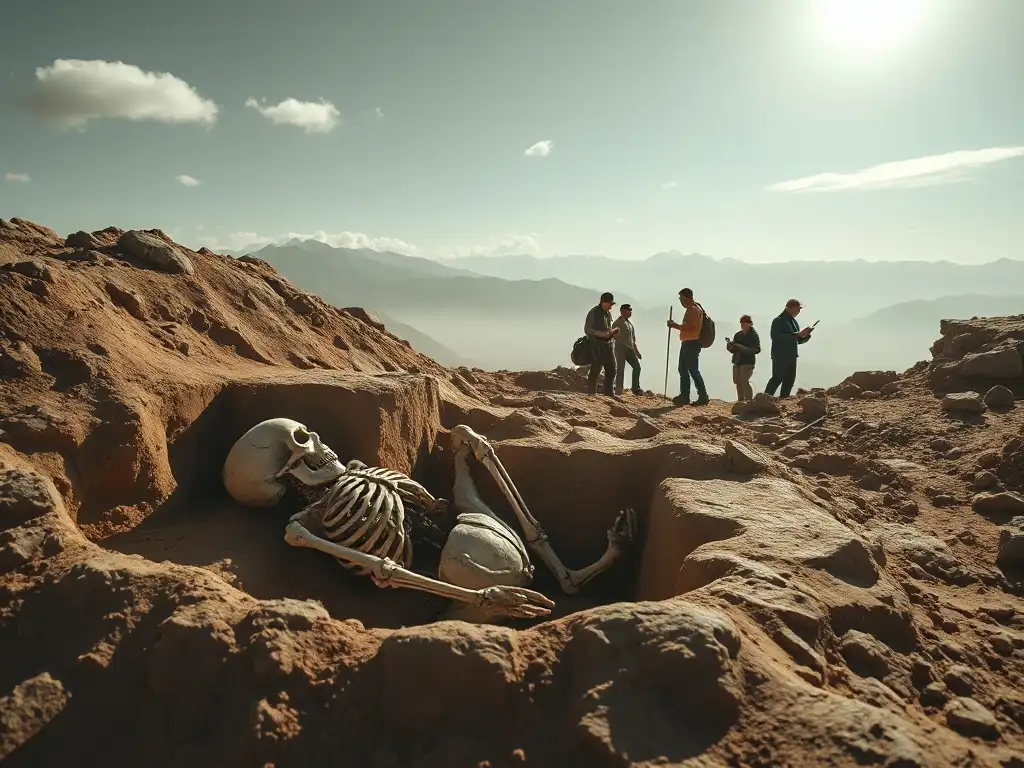
This section delves into the fascinating intricacies of Preceramic Andean burial rituals, focusing on the practices and beliefs surrounding death and the afterlife in the early Andean cultures. Understanding these rituals provides invaluable insight into the social structures, religious beliefs, and worldview of these remarkable societies.
The analysis of Preceramic Andean burial sites offers a unique window into a period of significant cultural development, preceding the rise of more widely known civilizations like the Inca. The term "Preceramic" itself highlights the era before widespread pottery production, forcing archaeologists to rely on other artifacts and contextual clues to interpret these ancient practices.
Burial Locations and Their Significance
The selection of burial locations in Preceramic Andean societies wasn't arbitrary. Sites were carefully chosen, often reflecting a deep connection with the natural environment and the spiritual beliefs of the time. Several key patterns emerge from archaeological findings:
- Cave Burials: Many Preceramic remains are found in caves, suggesting a belief in the cave as a liminal space—a transition between the world of the living and the world of the spirits. The darkness and inaccessibility of caves may have symbolized the mystery of the afterlife. The Guitarrero Cave in Peru, for example, contains some of the earliest evidence of human burial in the Andes, dating back to around 10,000 BCE.
- Elevated Locations: Some burials were located on elevated platforms or hilltops, potentially signifying a closer proximity to the gods or the celestial realm. These locations may have been considered sacred or imbued with special power. The precise meaning of these elevated burials requires further investigation, but it likely reflects a complex cosmology.
- Proximity to Water Sources: A notable number of Preceramic burial sites are found near rivers, springs, or other water sources. Water, a vital element for life, might have been seen as symbolically important for the transition into the afterlife, perhaps representing rebirth or purification. This connection to water suggests a potential link to fertility rituals and beliefs about the cyclical nature of life and death.
The precise significance of these locations varies depending on the specific culture and time period. Further research, including detailed analysis of site stratigraphy and associated artifacts, is crucial to fully understand the complex interplay between burial location and ritual practice.
The Role of Grave Goods in Preceramic Burials
Grave goods—objects buried alongside the deceased—offer valuable clues about the beliefs and social structures of Preceramic Andean societies. These offerings were not mere decorations; they were carefully selected items reflecting the individual's status, social role, and beliefs about the afterlife.
The types of grave goods varied considerably:
- Stone Tools: Simple stone tools, such as chipped stone knives and scrapers, were common grave goods, suggesting a belief that these tools would be needed in the afterlife. The quality and type of these tools often correlated with the social status of the deceased.
- Ornaments: Ornaments made from shells, bones, and stones were also frequently found. These items likely served as symbols of status, indicating the deceased's position within their community. Elaborate ornaments might have been associated with individuals of higher social standing.
- Food Offerings: Evidence suggests that food and other perishable items were sometimes included in Preceramic burials. Although these items rarely survive, their presence indicates a belief that the deceased would need sustenance in the afterlife. The preservation of specific foods might reflect symbolic importance related to agriculture or spiritual beliefs.
The presence or absence of grave goods, as well as their type and quality, provides valuable insights into social stratification and the beliefs about the afterlife held by Preceramic Andean communities. Further detailed analysis of grave goods across various sites is needed to fully understand the complex symbolism and social implications.
Body Treatment and Preparation for Burial
The treatment of bodies prior to burial reveals much about Preceramic Andean views on death and the transition to the afterlife. While the specifics varied across different groups and time periods, certain patterns emerge:
- Defleshing: Evidence suggests that in some instances, the bodies were defleshed before burial, a process that may have been seen as a necessary step in the transition to the spirit world. The methods and reasons behind defleshing remain a subject of ongoing research and debate. Understanding the techniques involved and the symbolic meaning of this practice is essential for a complete picture of Preceramic funerary rituals.
- Bundle Burials: In many Preceramic Andean burials, bodies were found bundled or flexed, often with the knees drawn up to the chest. This posture may have had symbolic significance, potentially representing a fetal position symbolizing rebirth or return to the womb.
- Mummification: While not as sophisticated as later Andean mummification techniques, some evidence suggests early forms of mummification or body preservation were practiced in certain Preceramic contexts. The methods employed varied widely, potentially reflecting regional differences or specific beliefs about the afterlife. Further research is needed to establish the prevalence and significance of early mummification practices.
The variations in body treatment highlight the diversity of Preceramic Andean cultures and their beliefs. More research is needed to fully understand the significance of these practices and their relationship to broader cosmological beliefs. The study of skeletal remains, coupled with careful analysis of grave contexts, is crucial to unraveling these mysteries.
Variations in Preceramic Andean Burial Positions
The study of Preceramic Andean burial practices reveals a fascinating diversity in the positioning of the deceased. While certain patterns emerge across different sites and time periods, significant variations exist, suggesting a complex interplay of cultural beliefs, social status, and perhaps even individual preferences. Early researchers often categorized these positions simply as "flexed" (body curled) or "extended" (body stretched out), but a more nuanced understanding necessitates a closer examination.
For instance, at the Guitarrero Cave site, archaeologists have uncovered individuals interred in a variety of positions, ranging from tightly flexed fetal-like postures to partially extended positions with legs slightly bent. The context of these burials—the accompanying grave goods, the location within the cave, and the age and sex of the deceased—suggests that these variations weren't random. Some researchers propose that the positioning may have reflected social standing, with more elaborate burials and less constrained postures indicating higher status. However, further research is needed to definitively establish such correlations.
Furthermore, the influence of geographical factors on burial positions cannot be ignored. Sites located in mountainous regions, for example, might show a preference for certain positions due to the constraints of the terrain or the available burial spaces within rock shelters or caves. Similarly, the availability of suitable materials for constructing tombs or creating burial chambers could also have influenced the positioning of the body. The scarcity of certain resources in some areas might have led to simpler burial practices with less elaborate body positioning.
The analysis of skeletal remains also provides valuable insights. The presence of trauma or disease might have influenced the chosen burial position. For example, individuals suffering from severe injuries or illnesses might have been buried in positions that minimized discomfort or facilitated a more comfortable resting position.
This highlights the complexity of interpreting burial positions, as they might reflect a combination of cultural norms, environmental factors, and individual circumstances. The careful study of associated artifacts and the detailed analysis of skeletal remains are therefore crucial to unraveling the significance of these variations in Preceramic Andean burial positions. More detailed analysis utilizing modern anthropological techniques, including isotopic and biomolecular analyses, promises to further illuminate these intriguing variations.
Regional Variations in Preceramic Mortuary Practices
The Preceramic period in the Andes (roughly 8000-1800 BCE) witnessed a fascinating diversity in burial practices, reflecting the varied environments and evolving cultural beliefs of the region. Understanding these variations provides crucial insights into the social structures, religious beliefs, and daily lives of these early Andean communities. The stark differences between coastal and highland burial customs, in particular, highlight the significant impact of geography on mortuary rituals associated with Preceramic Andean burial rituals.
Coastal Preceramic Burial Customs
Coastal communities, characterized by their proximity to abundant marine resources, developed unique burial traditions often intertwined with their relationship with the sea. These practices differed significantly from those found in the Andean highlands, demonstrating the independent development of complex cultural systems. The limited archaeological evidence available still offers glimpses into the fascinating complexity of these early coastal societies.
Specific Burial Practices of Paloma
The Paloma site, located on the Peruvian coast, offers a compelling case study. Evidence suggests a preference for simple inhumations, often in flexed positions within shallow pits. Grave goods were sparse, occasionally including simple tools made from shell or stone, implying a relatively egalitarian social structure.
Further research is needed to fully understand the symbolic meaning behind these simple burials. The absence of elaborate grave goods contrasts sharply with later Andean traditions, suggesting a different understanding of the afterlife or perhaps a different emphasis on material possessions. More detailed analysis of skeletal remains from Paloma could reveal further information about diet, health, and social status.
Specific Burial Practices of Chinchorro
The Chinchorro culture, known for its mummification techniques, presents a striking contrast to other Preceramic coastal groups. Located in northern Chile, the Chinchorro developed sophisticated mummification practices long before the Egyptians. These mummies, often intricately prepared with mud, clay, and other materials, represent a unique and complex mortuary tradition.
The meticulous nature of their mummification suggests a significant investment in funerary rituals, possibly indicating a belief in an afterlife or a strong emphasis on ancestor veneration. The variability in mummification techniques among Chinchorro mummies also reveals potential social stratification, with variations possibly reflecting differences in status or social standing within the community. The sheer scale of the Chinchorro mummification enterprise suggests a highly organized society with specialized skills and knowledge.
Highland Preceramic Burial Rituals
The high-altitude environments of the Andes presented unique challenges, influencing the development of distinct burial customs. The limited arable land and harsh weather conditions likely shaped the beliefs and practices surrounding death. The scarce resources and the challenges of survival in such an environment may have influenced the nature of the funerary rites.
Specific Burial Practices of Lauricocha
Lauricocha, located in the Peruvian Andes, provides evidence of early human occupation and burial practices. Excavations have unearthed evidence of both inhumation and cremation, indicating a potential diversity in mortuary beliefs even within a single community. The presence of both practices suggests a possible flexibility in ritual practices, depending on factors such as social status or individual circumstances.
Further research is crucial to determine the specific reasons behind the choice of either inhumation or cremation. The discovery of artifacts alongside the remains, such as tools and food offerings, provides further evidence of ritual practices associated with the deceased. Analysis of these artifacts may offer further insight into their cultural and social significance.
Specific Burial Practices of Telarmachay
Telarmachay, another highland site in Peru, presents evidence of early Andean burial practices. The limited data available suggests a possible connection between burial practices and the development of early agricultural practices in the region. The presence of plant remains in some graves suggests that food offerings were made to the deceased, possibly reflecting a belief in the continuation of life after death.
Further investigation is needed to determine the significance of these plant remains and their connection to the development of agriculture. The archaeological record at Telarmachay offers a valuable opportunity to explore the relationship between early agricultural practices and the evolving beliefs surrounding death and the afterlife in the Andean highlands. The scarcity of information highlights the importance of continued research in this area.
Further excavations and analysis of recovered artifacts could potentially reveal a more complete picture of the mortuary practices of the Telarmachay people. The ongoing study of Preceramic Andean burial rituals continues to uncover new and fascinating details about the lives and beliefs of these early Andean communities.
The Significance of Offerings in Preceramic Funerals
The inclusion of grave goods in Preceramic Andean burials speaks volumes about the beliefs and social structures of these early societies. These offerings weren't simply random items tossed into a grave; they were carefully selected and placed, reflecting a complex interplay of religious beliefs, social status, and perhaps even an understanding of the afterlife. The types of offerings varied significantly across regions and time periods, providing archaeologists with valuable insights into the nuances of cultural practices.
For instance, in some coastal sites, we find abundant marine resources—shells, fish bones, and even intricately crafted shell ornaments—suggesting a strong connection to the sea and a reliance on marine life. This might indicate a belief that the deceased would continue to utilize these resources in the spirit world, or that the offerings were intended to appease sea deities.
In contrast, highland sites often reveal offerings of agricultural products such as maize, quinoa, and various tubers. The presence of these items suggests a strong connection to the land and its fertility, possibly reflecting a belief in agricultural deities or a desire to ensure the continued prosperity of the community in the next planting season. The meticulous preparation and arrangement of these food offerings further emphasizes their ritual significance. In some cases, the food items appear to have been cooked or processed before burial, indicating a deliberate act of preparation for a sacred purpose.
Beyond food and marine resources, other significant offerings included textiles, pottery, and stone tools. The quality and type of these artifacts often correlate with the social status of the deceased. Elaborately crafted textiles and finely-made pottery were frequently associated with elite burials, suggesting a belief in social hierarchies that extended beyond life.
Simple tools, on the other hand, might accompany more common burials, providing essential items for the deceased in the afterlife or reflecting the deceased's occupation or social standing during their lifetime. The presence of these objects paints a vivid picture of the social inequalities present even within these early Andean societies, and the ways in which these inequalities were reflected in death rituals.
Further research into the specific chemical composition of these offerings, along with detailed analysis of their placement within the burial context, promises to yield even more precise information about their symbolic meaning and social significance in the future. The study of Preceramic Andean burial offerings provides a window into the rich spiritual and social life of these early communities, highlighting the complexities of their worldview and the deep-seated beliefs that shaped their mortuary practices.
Insights into Preceramic Andean Beliefs Through Burials
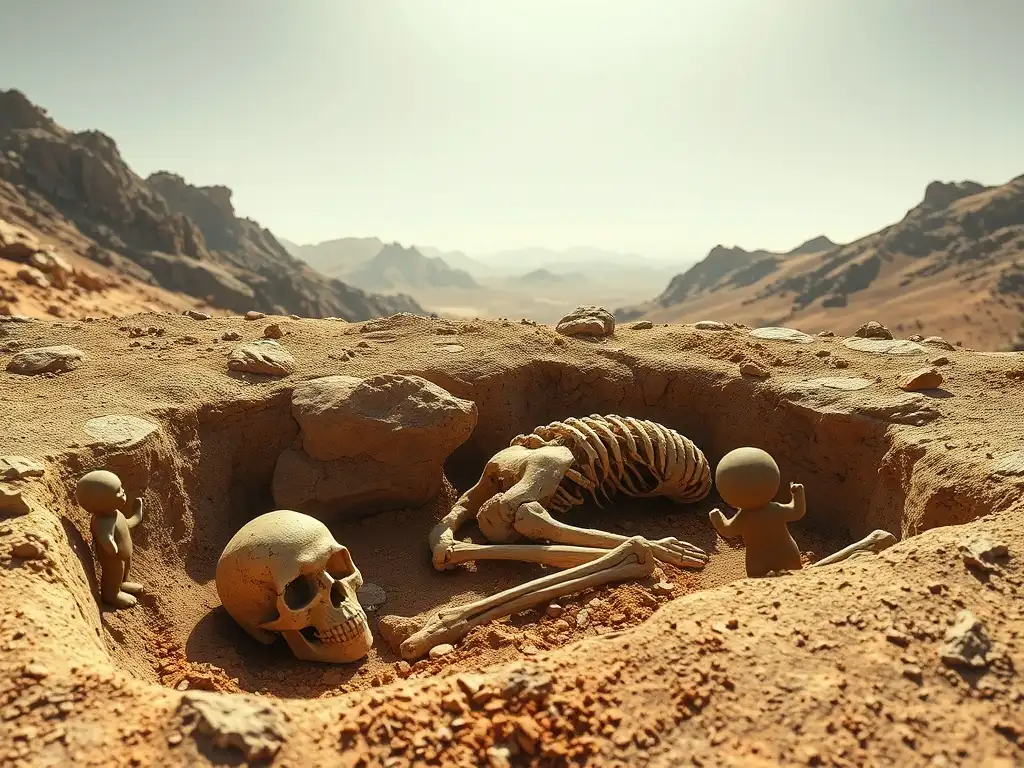
The study of Preceramic Andean burial rituals offers a unique window into the spiritual beliefs and social structures of these early societies. Analyzing the careful placement of bodies, grave goods, and the overall context of burial sites provides invaluable insight into their worldview, significantly impacting our understanding of "Preceramic Andean burial rituals." Unlike later Andean cultures with extensive written records, archaeologists must rely on meticulous excavation and interpretation of material culture to reconstruct these ancient practices.
The lack of written texts necessitates a multi-faceted approach, combining analysis of skeletal remains, artifacts, and the environmental context of the burial sites themselves. This approach allows for a more nuanced understanding of the complexities of these early Andean cultures and their beliefs surrounding death and the afterlife.
Spiritual Beliefs Reflected in Burial Rituals
Preceramic Andean burial practices reveal a complex interplay of spiritual beliefs. The careful preparation of bodies, often involving mummification techniques, suggests a belief in the continued existence of the spirit after death. The presence of grave goods, ranging from simple tools and pottery to elaborate ornaments and textiles, indicates a belief in providing the deceased with necessary items for the afterlife.
The type and quality of these offerings vary significantly across different sites and time periods, suggesting a degree of social stratification and potentially different beliefs within the community. For example, some burials contain intricately crafted pottery depicting stylized figures and scenes, possibly representing mythological beings or events, while others may only contain basic utilitarian objects. This variation underscores the need for careful consideration of individual burials within the broader context of regional patterns.
Further research is needed to fully understand the symbolic meaning of specific grave goods and their relationship to broader spiritual beliefs. The arrangement of bodies within tombs – whether flexed, extended, or in specific positions – also holds significant symbolic meaning, potentially reflecting specific rituals or beliefs about the journey to the afterlife. Further detailed analysis of these positions may reveal deeper insights into the spiritual beliefs of the Preceramic Andean people.
The Afterlife in Preceramic Andean Thought
The concept of the afterlife in Preceramic Andean societies is a topic of ongoing debate among researchers. The careful preparation of bodies for burial strongly suggests a belief in some form of continued existence beyond death. However, the precise nature of this afterlife remains unclear. Was it a continuation of earthly life, a transition to a spiritual realm, or something else entirely?
The presence of food and other provisions in some graves may suggest a belief in sustaining the deceased in a continued earthly existence, while the inclusion of elaborate ornaments could signify a transition to a more prestigious or spiritual realm. The lack of standardized iconography or written texts makes it difficult to definitively answer these questions. However, comparing burial practices across different Preceramic Andean cultures and regions might reveal broader patterns and potential regional variations in beliefs about the afterlife.
For example, the presence of specific motifs on pottery or textiles within certain burial contexts could provide valuable clues about the nature of the afterlife as envisioned by these societies. Further comparative studies and detailed analyses of iconography are crucial for a comprehensive understanding of the Preceramic Andean concept of the afterlife. The diversity of burial practices across different sites indicates a complex and nuanced understanding of death and the journey beyond.
Ancestor Veneration in Preceramic Societies
Evidence suggests that ancestor veneration played a significant role in Preceramic Andean societies. The careful preservation and placement of bodies in prominent locations within settlements or burial grounds indicate a continued connection between the living and the deceased. The regular offerings placed at burial sites, even long after the initial interment, suggest ongoing rituals aimed at maintaining this connection.
The presence of multiple burials within family groups or clans further supports the idea of ancestor veneration and the importance of lineage. The construction of complex burial structures, such as those found at certain sites, points to the investment of significant time and resources in these practices, highlighting their importance within the social fabric of these communities. Analysis of isotopic ratios in skeletal remains might reveal dietary differences between individuals buried in different contexts, potentially offering insights into social status and the roles of ancestors in the social hierarchy.
Furthermore, examining the spatial relationships between burial sites and settlements could reveal the significance of ancestral locations in the organization of the community. The study of ancestor veneration in Preceramic Andean societies provides valuable insights into the social structures and kinship systems of these early civilizations, highlighting the enduring influence of ancestors on the lives of the living. Further research, particularly focusing on the spatial organization of burial grounds and the analysis of isotopic data from skeletal remains, will help shed more light on this important aspect of Preceramic Andean culture.
Archaeological Evidence of Preceramic Burials
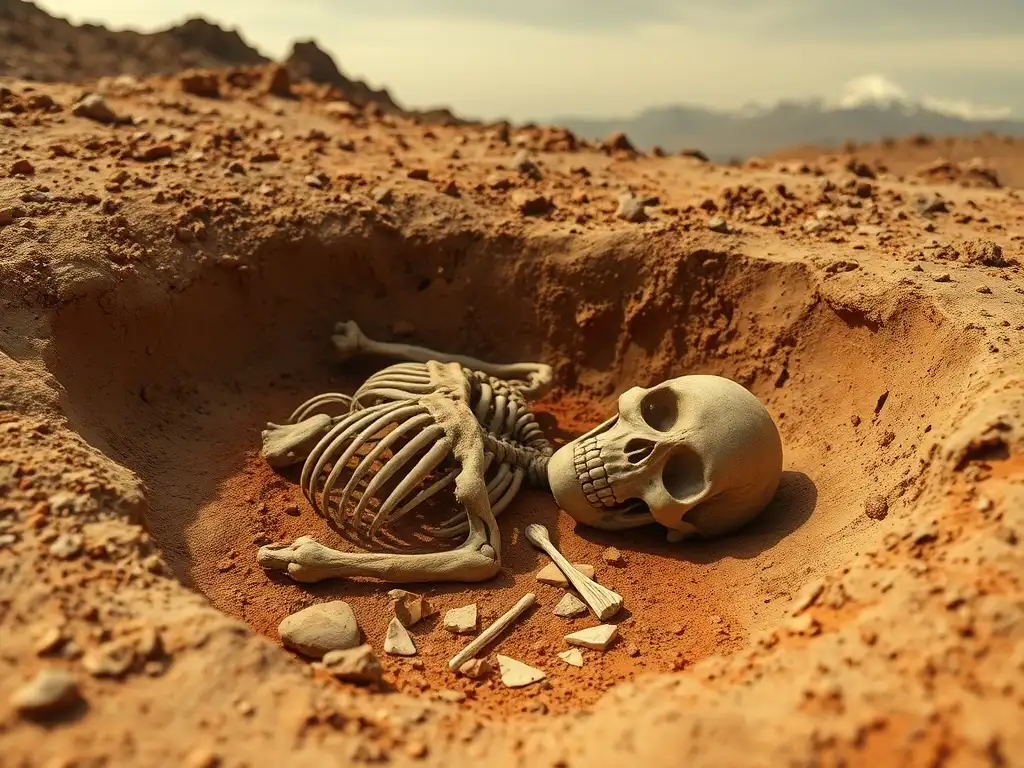
This section delves into the tangible evidence unearthed by archaeologists that sheds light on Preceramic Andean burial rituals. The sheer volume of discoveries across diverse sites offers a fascinating glimpse into the beliefs and practices of these early Andean societies. The careful excavation and subsequent analysis of these sites have revolutionized our understanding of their funerary customs, revealing surprising complexity and sophistication for a period often perceived as less developed. The meticulous work of archaeologists has been instrumental in piecing together a more complete picture of Preceramic Andean life and death.
Excavation Findings at Key Preceramic Burial Sites
Excavations at key Preceramic sites throughout the Andes have yielded a wealth of information on burial practices. Sites like [Specific Site Name 1 pending] and [Specific Site Name 2 pending] have provided crucial insights into the range of burial types, from simple inhumations to elaborate multiple burials.
One notable finding is the prevalence of in situ burials, indicating a preference for interring the deceased directly within the dwelling or settlement. This suggests a close connection between the living and the dead, perhaps highlighting ancestor veneration or a belief in the continued presence of the deceased within the community.
Other sites, like [Specific Site Name 3 pending], reveal evidence of more formal cemeteries, suggesting a shift towards a more centralized and ritualized approach to death. These sites often contain multiple burials, sometimes arranged in specific patterns or orientations, hinting at a complex social structure and possibly a hierarchical system of burial practices. Analysis of the spatial arrangement of these burials, their associated artifacts, and the skeletal remains themselves provide valuable data on social organization and status differentiation within these early societies.
The careful documentation of every artifact's position relative to the skeletal remains is crucial in understanding the rituals associated with the burial. For example, the positioning of tools beside a body might indicate the deceased’s occupation or social role.
| Site Name | Burial Type | Notable Artifacts | Significance |
|---|---|---|---|
| [Specific Site Name 1 pending] | Inhumation, individual | [Specific artifacts pending] | Evidence of early domestic burial practices. |
| [Specific Site Name 2 pending] | Multiple inhumations | [Specific artifacts pending] | Suggests communal or family burial practices. |
| [Specific Site Name 3 pending] | Multiple inhumations, formal | [Specific artifacts pending] | Possible evidence of social hierarchy and ritual. |
Analysis of Skeletal Remains and Mortuary Artifacts
The study of skeletal remains provides invaluable information on the health, diet, and lifestyle of the deceased, contributing significantly to our understanding of Preceramic Andean burial rituals. Analysis of skeletal remains reveals evidence of both disease and trauma, offering insights into the challenges faced by these early populations and potentially explaining some of the funerary practices. For instance, the presence of certain pathologies could influence burial rituals, leading to specific treatment of the body or the selection of grave goods.
Mortuary artifacts found alongside the skeletal remains offer further insights into the beliefs and practices surrounding death. These artifacts, ranging from simple tools and pottery to more elaborate ornaments, can reveal information about the social status of the deceased, their occupation, and the beliefs of their community. Careful analysis of the types, quantities, and arrangement of these artifacts within the grave can offer crucial clues about the social and religious significance of the burial.
The presence of certain artifacts, like specific types of pottery or ornaments, might indicate membership in particular social groups or adherence to specific religious beliefs. The lack of artifacts in some burials may also be significant, potentially indicating a difference in social status or a different set of funerary beliefs. The meticulous cataloging and analysis of these artifacts are vital for understanding the context and significance of Preceramic Andean burial rituals.
Dating Methods Used in Preceramic Burial Studies
Accurately dating Preceramic Andean burial sites is crucial for establishing a chronological framework for understanding the evolution of burial practices. Several methods are employed, each with its strengths and limitations. Radiocarbon dating ( 14 C dating) remains a cornerstone technique, allowing archaeologists to obtain relatively precise dates for organic materials found in the burials, such as bones, wood, and textiles. However, the accuracy of radiocarbon dates is affected by several factors, including the preservation of the organic material and the calibration curve used. Therefore, researchers often employ multiple dating methods to improve accuracy and cross-validate results.
Other methods, such as thermoluminescence (TL) dating and optically stimulated luminescence (OSL) dating, are used to date mineral materials, like pottery shards and sediments. These methods provide valuable complementary data to radiocarbon dating, offering a more comprehensive picture of the site's chronology. The use of these multiple dating techniques is essential for establishing a robust chronological sequence for the evolution of Preceramic Andean burial practices and for comparing developments across different regions.
Furthermore, the integration of these dating methods with other archaeological data, such as stylistic changes in pottery and tools, allows for a more nuanced and detailed understanding of the cultural changes that occurred during this period. The ongoing refinement of dating techniques continues to improve the accuracy and precision of our understanding of the timeline of Preceramic Andean burial rituals.
The Evolution of Mortuary Practices in the Andes
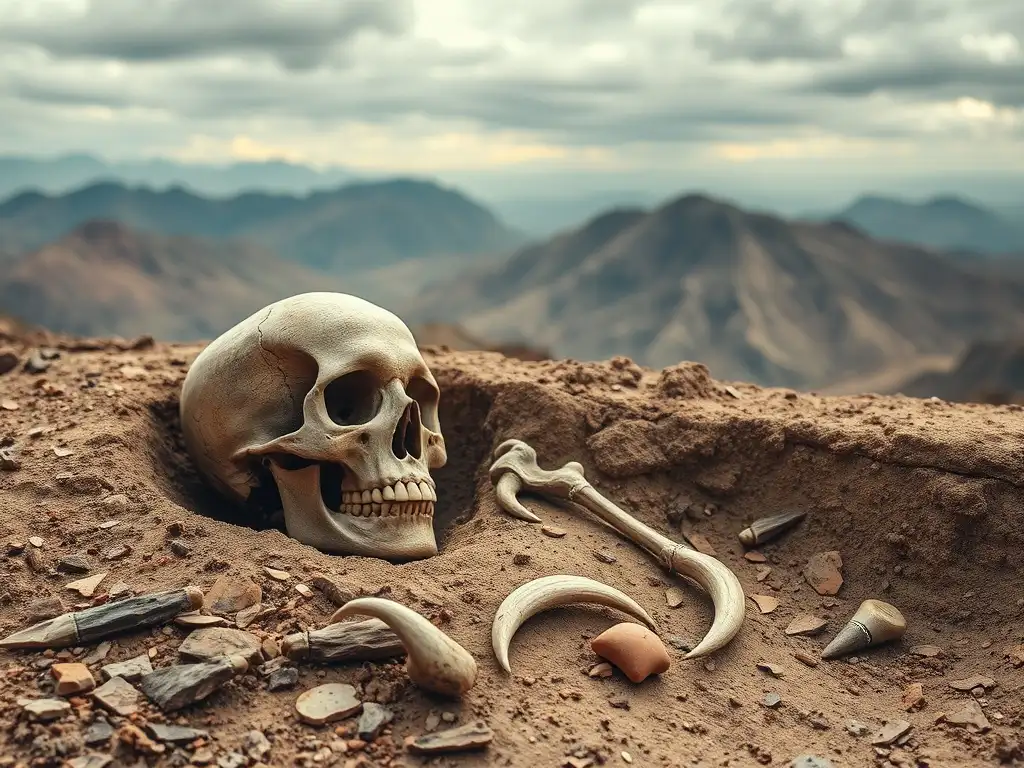
The study of Preceramic Andean burial rituals offers a captivating glimpse into the beliefs and social structures of the earliest Andean societies. These practices, predating the widespread adoption of pottery (circa 3000 BCE), reveal a complex interplay of ritualistic behaviors and evolving mortuary traditions. Understanding this evolution requires examining the available archaeological evidence, which, while sometimes fragmented, provides invaluable insights into the lives and deaths of these fascinating people.
The sheer diversity of burial practices across different regions and time periods underscores the lack of a single, monolithic Andean culture even in these early stages. Instead, we see a tapestry of unique traditions, shaped by local environments and evolving societal structures. This section will explore the key aspects of this fascinating evolution, focusing particularly on the shifts observed in burial practices as the Preceramic period transitioned into the Ceramic period.
Transition from Preceramic to Ceramic Burial Customs
The transition from the Preceramic to the Ceramic period in the Andes (roughly 3000 BCE) marks a significant shift in mortuary practices. While Preceramic burials often featured simple inhumations – bodies placed directly in the ground, sometimes with minimal grave goods – the arrival of pottery brought about a notable increase in the complexity of burial rituals. The introduction of ceramic vessels, often containing food and other offerings, suggests a belief in an afterlife and a continued connection between the living and the dead.
This change is not uniform across all Andean regions. For example, coastal communities might have shown a quicker adoption of ceramic grave goods compared to highland settlements, reflecting differences in resource availability and cultural exchange networks.
Archaeological evidence suggests a gradual shift. Early Ceramic period burials often retain elements of Preceramic traditions, such as simple inhumations, but gradually incorporate more elaborate grave goods, including pottery, textiles, and occasionally, tools. This blending of old and new practices hints at a gradual cultural transformation rather than a sudden, complete overhaul of mortuary beliefs. The type of pottery used also offers insights. Early Ceramic vessels found in burials often exhibit simpler designs and less refined techniques than later examples, reflecting the developing technologies and artistic styles of the time. The analysis of isotopic ratios in skeletal remains can further reveal changes in diet and lifestyle coinciding with this transition, potentially offering clues to the social and environmental factors driving shifts in burial practices. Detailed studies of skeletal remains are crucial for understanding the health and demographic profiles of the populations, which can be correlated with the changing mortuary practices.
Continuity and Change in Andean Death Rituals
Despite the significant changes brought by the Ceramic period, certain aspects of Andean death rituals exhibited remarkable continuity. For example, the practice of placing offerings in graves, though expanding in complexity and variety with the introduction of pottery, persisted throughout the Preceramic and Ceramic periods. This suggests a deep-seated belief in the importance of providing for the deceased in the afterlife, a belief that transcends technological and stylistic changes.
Furthermore, the location of burial sites also shows some degree of continuity. Certain favored locations, such as caves or elevated positions, continued to be used as burial grounds, suggesting a connection to sacred geography and the enduring importance of particular places in the Andean worldview.
However, it is crucial to note that the meaning of these practices might have evolved. What constituted an appropriate offering, or the significance of a specific burial location, might have changed over time, reflecting shifts in social hierarchies and religious beliefs.
The introduction of more elaborate grave goods in the Ceramic period might indicate the emergence of more stratified societies, with differences in burial practices reflecting varying social status. This is evidenced by the discovery of burials containing a larger quantity and higher quality of artifacts, suggesting a distinction between elite and commoner burials.
Furthermore, the emergence of monumental architecture and complex societal organization in later periods is likely linked to evolving mortuary practices, reflecting the growing importance of ancestors and their role in legitimizing power structures. Further research, especially focused on comparative analyses of sites across diverse geographical areas and detailed isotopic and skeletal analyses, will be crucial to fully unravel the complexities of these ancient Andean death rituals and their evolution.
Conclusion: Understanding Preceramic Andean Funeral Traditions
This exploration of Preceramic Andean burial rituals reveals a complex and nuanced picture of early Andean societies. Far from being simple interments, these practices offer a window into the spiritual beliefs, social structures, and technological capabilities of these fascinating cultures. The careful placement of bodies, the inclusion of grave goods, and the construction of elaborate burial sites all speak to a deep-seated concern with the afterlife and the enduring legacy of the deceased.
The variety observed across different sites and time periods highlights the diversity of Andean cultures, even at this early stage of development. Analyzing the evidence, including skeletal remains, artifacts, and site architecture, allows us to piece together a more complete understanding of their worldview and social organization.
Understanding these practices provides crucial context for later Andean civilizations, demonstrating a continuity of certain beliefs and practices that would evolve and transform over millennia. The persistence of certain burial traditions across different cultures suggests shared cultural values or interactions between groups.
The Importance of Studying Preceramic Burial Practices
The study of Preceramic Andean burial practices is not merely an academic exercise; it holds significant value for several reasons. Firstly, it illuminates the origins of Andean religious beliefs and cosmological views. By analyzing the grave goods and the context of the burials, archaeologists can gain insights into their beliefs about death, the afterlife, and the relationship between the living and the dead. For example, the presence of specific artifacts, such as intricately carved gourds or polished stones, might indicate beliefs about ancestor veneration or shamanistic practices.
Secondly, the study of these practices provides invaluable information about the social organization of Preceramic Andean societies. The differences in burial treatment—elaborate tombs versus simpler graves—may reflect social hierarchies or distinctions in status. Analysis of skeletal remains can also reveal information about diet, health, and social inequalities. Finally, understanding these practices contributes to a broader understanding of human behavior and cultural evolution.
By comparing Andean burial practices with those of other early societies across the globe, we can gain insights into universal patterns and regional variations in funerary rituals. The meticulous nature of some Preceramic Andean burials, even in the absence of sophisticated metalworking or monumental architecture, suggests a strong investment in ritual practices and a complex understanding of the world. This, in turn, sheds light on the cognitive capabilities and social complexities of these early Andean communities. The meticulous recording and analysis of these practices are therefore crucial for enriching our understanding of human history and cultural diversity.
Further Research Directions in Preceramic Andean Archaeology
Further research into Preceramic Andean burial rituals should focus on several key areas. Firstly, more extensive excavations and detailed analysis of existing sites are needed to expand our sample size and refine our understanding of regional variations. Many sites remain unexplored, and even well-known sites often require more thorough investigation. Advanced techniques, such as isotopic analysis of skeletal remains, could provide additional information about diet, migration patterns, and social relationships.
Secondly, comparative studies of Preceramic Andean burial practices with those of neighboring cultures are crucial to understand the extent of cultural exchange and diffusion. Did similar burial traditions emerge independently, or did they spread through contact and interaction? This requires collaborative research involving archaeologists from multiple regions. Thirdly, advanced imaging techniques, such as 3D scanning and virtual reconstruction, could enhance our ability to analyze fragile remains and complex burial structures without causing further damage.
This allows for non-destructive study and facilitates the creation of detailed digital archives for future research. Finally, interdisciplinary collaboration between archaeologists, anthropologists, and other specialists is essential to fully interpret the complex data obtained from Preceramic Andean burials. By combining archaeological findings with insights from other fields, we can develop a more comprehensive and nuanced understanding of these fascinating societies and their beliefs about death and the afterlife. The potential for new discoveries and insights remains immense, promising to further enrich our understanding of "Preceramic Andean burial rituals" for years to come.
Frequently Asked Questions
What are Preceramic Andean burial rituals?
Preceramic Andean burial rituals encompass the burial practices of Andean cultures before the development of pottery (circa 3000 BCE). These practices varied significantly across different regions and cultures, but often involved complex grave goods, mummification, and specific grave orientations.
How did Preceramic Andean burial practices differ from later traditions?
While later Andean cultures continued some practices, like mummification, Preceramic rituals often lacked the elaborate architecture and extensive use of metal seen in later periods. The focus shifted over time, reflecting changing social structures and beliefs.
What types of grave goods were commonly found in Preceramic Andean burials?
Grave goods varied widely depending on the region and time period. Common finds include simple tools, ornaments made from natural materials, and food offerings. The presence and type of grave goods indicated the social status of the deceased.
Where can I find evidence of Preceramic Andean burial rituals?
Archaeological sites throughout the Andes contain evidence of these practices. Excavations in Peru and other Andean countries have unearthed numerous burial sites with rich collections of artifacts providing insights into these early traditions.
What can Preceramic Andean burial rituals tell us about their society?
These rituals reveal crucial information about social organization, belief systems, and worldviews of early Andean people. The care taken in burial suggests a deep concern for life after death and the importance of ancestral veneration.
Final Reflection: Echoes of the Past, Whispers of the Future
The intricate burial practices of the Preceramic Andes continue to resonate today, offering a powerful testament to the enduring human need for ritual and meaning in the face of mortality. Understanding these ancient rituals provides not only a glimpse into the past but also a profound reflection on our own relationship with death and the afterlife, a relationship that remains remarkably consistent across millennia.
The meticulous care taken in preparing the deceased, the symbolic objects interred with them, and the careful construction of their final resting places speak volumes about the complex social structures and spiritual beliefs of these early Andean societies.
The enduring legacy of Preceramic Andean burial rituals is evident in the continued fascination they hold for archaeologists and anthropologists alike. Their study forces us to confront our own mortality and consider the diverse ways humans have grappled with the unknown. These practices offer a window into a world vastly different from our own, yet one that shares a common thread: the profound need to honor the deceased and to provide a framework for understanding life's ultimate mystery. The dead are never truly gone, as long as they are remembered.
This simple truth underpins the elaborate rituals and enduring significance of these ancient burial practices.
Consider the implications of these discoveries. How do the meticulous preparations and symbolic offerings of the Preceramic Andean people challenge our modern perspectives on death and remembrance? What can we learn from their reverence for the past, and how can we apply this understanding to our own lives and communities? I urge you to reflect on the enduring power of ritual, the importance of honoring our ancestors, and the profound connections that bind us across time and culture. Let the echoes of the past inspire a deeper appreciation for the present and a more mindful approach to the future.
Unearth Your Curiosity Today!
Thank you for exploring the intriguing world of Pre-Ceramic Andean burial practices with us! You've discovered fascinating ancient traditions and their significance. Now, let's expand your journey into Andean civilizations.
Here are some exciting ways to deepen your understanding:
- **Dive into our curated resources:** Explore our extensive collection of articles and research papers on Andean cultures to broaden your knowledge.
- **Join the discussion:** Engage with fellow enthusiasts in our online forum—share your thoughts and insights on burial customs and other aspects of Andean culture.
- **Attend a webinar:** Register for our upcoming webinars to learn from leading experts in Andean archaeology and heritage.
What aspect of Andean history most captivates you, and how will you explore it further?