
Quechua and the Andean Resistance: Language as a Tool of Rebellion


Step into a world lost in time, yet echoing powerfully through the ages. Discover the intricate tapestry of Andean civilization, where breathtaking artistry met ingenious engineering, and where the spirit of a people refused to be broken. We delve into the fascinating story of Quechua language Andean resistance, exploring how this ancient tongue became more than just a means of communication—it became a weapon in the fight for survival and cultural preservation. Uncover the secrets embedded within its words and the enduring legacy of rebellion it embodies. Prepare to be amazed.
The Quechua language, far from being a passive reflection of Inca dominance, played a crucial, and often overlooked, role in the Andean resistance against Spanish colonial rule and subsequent oppressive regimes. This article explores how the persistence and adaptation of Quechua served as a powerful tool for maintaining cultural identity, fostering community solidarity, and ultimately, resisting assimilation.
We will delve into specific historical examples demonstrating how Quechua's oral traditions, its evolving vocabulary, and even its very structure became integral to the ongoing struggle for Andean autonomy and self-determination. This exploration will move beyond a simple narrative of oppression and resistance, revealing the subtle yet significant ways in which language itself became a weapon in the fight for survival and cultural preservation.
Understanding this complex relationship between Quechua and Andean resistance offers invaluable insights into the resilience of Andean cultures and the enduring power of language in shaping identity and challenging power structures.
The Inca Empire and the Foundation of Quechua Dominance
Before the Spanish conquest, Quechua was already a language of power, albeit one tied to the expansive Inca empire. While not universally spoken across all Andean regions, its adoption as the lingua franca of the empire facilitated communication and administration across vast territories.
This initial dominance, however, laid the groundwork for its later use as a tool of resistance. The imposition of Quechua by the Inca did not completely erase other languages; rather, it created a linguistic landscape where Quechua existed alongside other indigenous tongues, a dynamic that significantly shaped its role in the post-conquest era.
The pre-existing linguistic diversity within the empire meant that the relationship between Quechua and the various Andean communities was complex and varied, setting the stage for future linguistic and cultural negotiations. The standardization of Quechua under Inca rule, while initially a tool of imperial control, ironically provided a common linguistic thread that would later bind together disparate communities in their resistance against the Spanish.
Quechua as a Vehicle for Oral Resistance During Colonial Times
Following the Spanish conquest, Quechua became a vital tool for preserving Andean cultural memory and facilitating resistance in the face of colonial oppression. The Spanish attempts to suppress indigenous languages and impose Spanish were met with determined resistance, with Quechua serving as a key element in this struggle. Oral traditions, passed down through generations, played a critical role in maintaining Andean identity and history.
These traditions, often encoded in Quechua, relayed stories of ancestral resistance, heroic figures, and cultural values—a powerful counter-narrative to the official Spanish accounts. This oral transmission of knowledge became a crucial form of resistance, ensuring the survival of cultural heritage in the face of systematic suppression. Furthermore, the use of Quechua in clandestine meetings and communications allowed Andean communities to organize resistance movements and coordinate actions against colonial authorities, demonstrating the language's crucial role in maintaining social cohesion and challenging colonial power.
The Evolution of Quechua Vocabulary: Adaptation and Subversion
The impact of the Spanish conquest on Quechua was profound, leading to significant linguistic changes. However, these changes were not simply passive appropriations; rather, they reflected a dynamic process of adaptation and subversion. The incorporation of Spanish loanwords into Quechua, a process known as code-switching, was not a sign of linguistic weakness but a strategic maneuver.
Andean speakers often imbued these borrowed words with new meanings or used them in ways that subverted their original colonial connotations. This creative use of language, blending Quechua with Spanish, became a form of linguistic resistance, allowing Andean communities to express themselves and maintain their identity within the context of colonial rule. The evolution of Quechua vocabulary, therefore, is not merely a linguistic phenomenon but a reflection of the ongoing struggle for cultural survival and linguistic autonomy.
Quechua in Modern Andean Resistance Movements
The role of Quechua in Andean resistance is not confined to the colonial period. Even today, the language continues to play a significant role in various social and political movements. The revitalization of Quechua, alongside efforts to promote bilingual education and cultural preservation, represents a contemporary form of resistance against linguistic imperialism and cultural homogenization. Many indigenous communities continue to actively utilize Quechua as a means of asserting their cultural identity and demanding recognition of their rights.
The continued use and promotion of Quechua in contemporary Andean society underscores its enduring significance as a symbol of resistance and a vital element in the ongoing struggle for self-determination. The language stands as a powerful testament to the resilience of Andean cultures and their enduring fight for autonomy. The study of Quechua, therefore, offers a compelling case study of how language can be weaponized for resistance and cultural preservation.
- The Inca Empire and the Foundation of Quechua Dominance
- Quechua as a Vehicle for Oral Resistance During Colonial Times
- The Evolution of Quechua Vocabulary: Adaptation and Subversion
- Quechua in Modern Andean Resistance Movements
- What role did the Quechua language play in Andean resistance against the Spanish?
- How did the Spanish attempt to suppress the Quechua language?
- Were there any successful uprisings led by Quechua-speaking communities?
- Beyond resistance, how else was Quechua used to preserve Andean culture?
- How is the Quechua language faring today in the Andean region?
The Enduring Power of Quechua: A Historical Overview

The Quechua language, far from being a relic of the past, stands as a powerful symbol of Andean identity and resilience. Its enduring presence throughout the centuries, despite colonial attempts at suppression, speaks volumes about its deep-rooted connection to the people who speak it. Understanding Quechua's journey requires examining its pre-Columbian roots, its role under Inca rule, and its subsequent adaptation and revitalization in the face of adversity.
This section will delve into these crucial aspects, highlighting Quechua's remarkable ability to not only survive but thrive as a vital element of Andean resistance. The tenacity of the Quechua language itself reflects the strength and determination of the Andean people. The very existence of Quechua today is a testament to the enduring spirit of resistance against colonial forces.
Quechua's Pre-Columbian Origins and Expansion
Before the Inca Empire's rise, various Quechua dialects already existed across the Andes. Archaeological and linguistic evidence suggests a gradual expansion from a central area, likely in the southern Peruvian highlands. This expansion wasn't a sudden conquest but a slow, organic process influenced by migration patterns, trade networks, and cultural exchange.
The dialects varied significantly, but shared core grammatical structures and vocabulary, forming a proto-Quechua language family. The precise timeline of this pre-Inca expansion remains a subject of ongoing research, but it is clear that Quechua, in its nascent forms, already held a significant place in the social and cultural fabric of various Andean communities long before the Inca's consolidation of power. Evidence from pre-Inca pottery, textiles, and even possibly early writing systems hints at the complexity and widespread use of these early Quechua dialects.
The rich tapestry of pre-Columbian Andean culture is inextricably woven with the threads of its evolving linguistic landscape. Analyzing these ancient artifacts offers crucial insights into the linguistic diversity and the social structures that supported the spread of early Quechua.
Quechua Under Inca Rule: Standardization and Lingua Franca
The Inca Empire's expansion dramatically impacted Quechua's trajectory. Under the Inca's rule (roughly 1438-1533 CE), one particular dialect, likely from the Cusco region, rose to prominence, becoming the lingua franca of the vast empire. This process of standardization, while arguably imposed from above, fostered a degree of linguistic unity across diverse Andean populations.
The Inca administration utilized Quechua for official communication, record-keeping, and education, contributing to its widespread adoption and solidifying its role as a unifying force within the empire. The standardization, however, wasn't absolute; numerous regional dialects persisted, reflecting the empire’s diverse linguistic heritage. The Inca's use of Quechua as an administrative tool demonstrates an understanding of its power as a means of political and social control, a pattern that would be repeated, albeit in a different way, by subsequent colonial powers.
The impact of Inca rule on Quechua is a complex interplay of standardization, adaptation, and the persistent presence of regional variations, laying the groundwork for its future evolution and resilience. The standardization of Quechua under Inca rule ultimately served as a foundation for its survival in the face of later colonial pressures.
The Impact of Spanish Colonization on Quechua Speakers
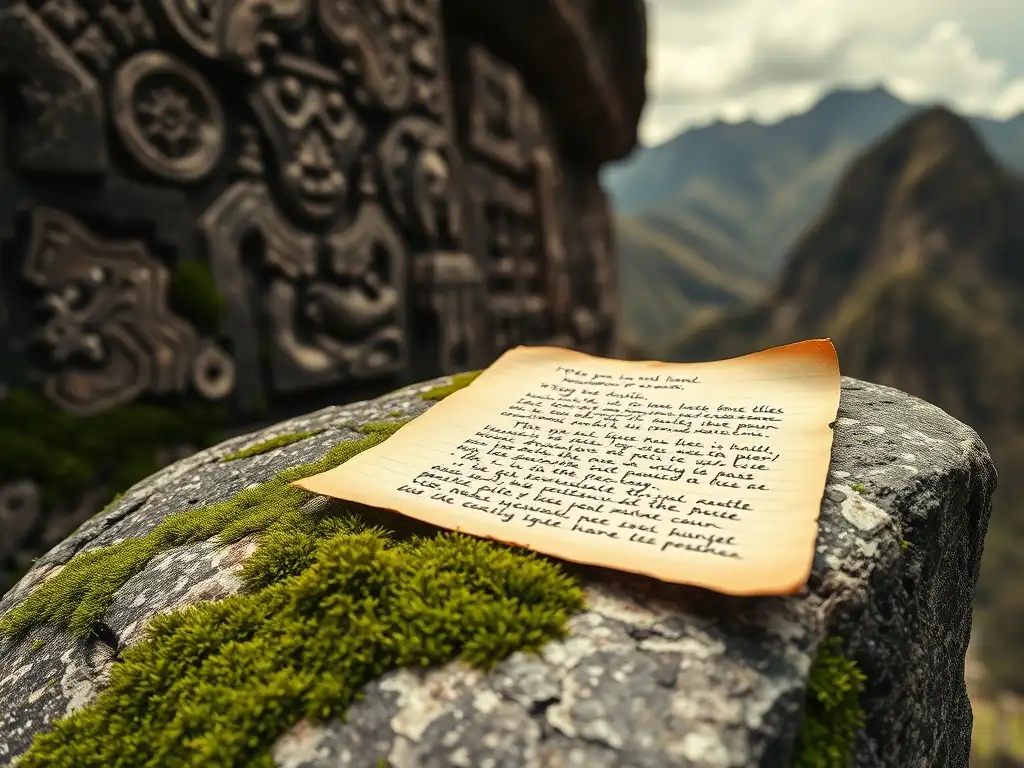
The Spanish conquest of the Inca Empire in the 16th century profoundly impacted the Quechua language and its speakers. Far from a passive process, the imposition of Spanish resulted in a complex interplay of suppression and adaptation, shaping the language's trajectory and contributing significantly to the development of Quechua's role in Andean resistance. The initial years of colonization saw a systematic attempt to eradicate indigenous languages and cultures, a process that profoundly affected Quechua's vitality and use. The impact wasn't solely linguistic; it was deeply intertwined with the socio-political control exerted by the colonizers.
Suppression of Indigenous Languages and Cultural Erasure
The Spanish crown implemented policies aimed at linguistic homogenization, prioritizing the spread of Spanish and suppressing indigenous languages like Quechua. This suppression manifested in various ways. Religious institutions, for instance, actively discouraged the use of Quechua in religious services and education, favoring Spanish as the language of God and official discourse.
This actively worked to undermine Quechua’s standing within society, contributing to its decline in official contexts. Furthermore, the implementation of the encomienda system and other forms of forced labor often separated Quechua speakers from their communities, limiting opportunities for intergenerational language transmission. The systematic destruction of indigenous texts and knowledge systems further exacerbated the situation, effectively severing connections to the rich cultural heritage embedded within the Quechua language.
The imposition of Spanish names, surnames, and even personal narratives further diluted Quechua's cultural significance, leading to a significant loss of oral traditions and ancestral knowledge. This cultural erasure had a devastating impact, forcing many Quechua speakers to adopt Spanish as a means of survival and social mobility. The long-term effects of this suppression are still felt today, despite the resurgence of Quechua in recent decades.
Quechua's Role in Secret Communication and Resistance
Despite the efforts to suppress Quechua, the language ironically became a crucial tool for resistance against Spanish rule. Its continued use in private spheres allowed Quechua speakers to maintain their cultural identity and communicate in ways that bypassed the colonial authorities. The very act of speaking Quechua, often secretly, became an act of defiance, a subtle yet powerful form of resistance against cultural assimilation. Furthermore, Quechua played a vital role in facilitating secret communication amongst indigenous communities.
The language's complexity and regional variations offered a degree of protection, allowing for the planning and execution of rebellions and uprisings that the Spanish found difficult to intercept. This covert communication was essential in coordinating resistance efforts, sharing information, and maintaining solidarity amongst dispersed communities. Oral traditions, preserved and passed down through generations in Quechua, also served as a repository of historical memory and resistance narratives, keeping the spirit of rebellion alive through generations.
The use of Quechua in this context highlights the language's resilience and its critical role in maintaining indigenous identity and agency in the face of oppression. The continued use of Quechua, therefore, represents not just linguistic survival, but a testament to the enduring spirit of Andean resistance. The language itself became a symbol of defiance, a powerful expression of cultural continuity in the face of colonial domination.
Quechua as a Language of Andean Rebellion
The Quechua language, far from being a passive observer of Andean history, played a crucial, active role in shaping resistance movements against colonial and later republican powers. Its enduring presence and cultural significance provided a powerful foundation for mobilizing populations and challenging oppressive regimes. The strategic use of Quechua in various uprisings underscores its importance not just as a means of communication, but as a potent symbol of Andean identity and a tool for preserving cultural heritage in the face of subjugation.
This section will delve into specific examples demonstrating Quechua’s role as a language of rebellion. Understanding this aspect enriches our comprehension of the complexities of Andean resistance and the enduring power of language in shaping social and political movements. The keyword "Quechua language Andean resistance" is central to this analysis, highlighting the inextricable link between linguistic identity and the fight for autonomy.
The Túpac Amaru II Rebellion: Quechua as a Rallying Cry
The Túpac Amaru II Rebellion (1780-1783) stands as a powerful example of Quechua's role in galvanizing resistance. While Spanish was the language of the colonial administration, Quechua remained the lingua franca of the vast majority of the indigenous population. Túpac Amaru II, a descendant of the Inca nobility, cleverly utilized this linguistic reality.
His proclamations and calls to action were disseminated primarily through Quechua, effectively bypassing the Spanish colonial authorities' attempts at control and communication. This allowed the rebellion to spread rapidly throughout the Andean region, uniting diverse indigenous communities under a shared linguistic and cultural banner. The use of Quechua fostered a sense of unity and collective identity, crucial for coordinating the rebellion's complex logistics and strategies.
Historians have documented the widespread use of Quechua in the rebellion's correspondence, songs, and oral traditions, demonstrating its importance in mobilizing support and disseminating revolutionary ideals. The rebellion, although ultimately unsuccessful, vividly illustrates the potent force of Quechua in challenging colonial power structures. The very act of using Quechua in defiance of the dominant language became a powerful act of resistance itself.
Quechua's Use in the 1920s Peasant Uprisings: A Case Study
The early 20th century witnessed renewed Andean resistance, often fueled by socio-economic inequalities and the continued marginalization of indigenous communities. The peasant uprisings of the 1920s, particularly in regions like Peru and Bolivia, provide another compelling case study. While the specific details vary across different uprisings, a common thread emerges: the widespread use of Quechua as a means of organizing, communicating, and solidifying community resistance.
These uprisings weren't solely about land rights or economic grievances; they were also about asserting indigenous cultural identity. Quechua served as a crucial linguistic tool in this assertion, fostering solidarity and shared purpose amongst participants.
The use of Quechua in songs, chants, and informal communication networks facilitated the coordination of protests and the dissemination of information, often bypassing official channels controlled by the state. While precise data on the extent of Quechua's use in these uprisings requires further research [specific information pending], anecdotal evidence and historical accounts strongly suggest its vital role in shaping the movement's dynamics and success.
The Linguistic Significance of Quechua in Andean Uprisings
The recurring use of Quechua in Andean uprisings throughout history transcends mere pragmatic considerations. It represents a powerful assertion of cultural identity and a deliberate act of resistance against linguistic imperialism. The imposition of Spanish as the official language of the colonial and republican states aimed not only at political control but also at cultural assimilation.
By stubbornly clinging to Quechua and actively using it in their resistance movements, Andean communities resisted this attempt at cultural erasure. Quechua became a symbol of their resilience, a testament to their enduring cultural heritage, and a vital tool in their fight for self-determination. The linguistic dimension of these uprisings is therefore inseparable from their political and social dimensions.
The very act of speaking, singing, and organizing in Quechua was – and continues to be – an act of defiance, a powerful affirmation of Andean identity in the face of oppression. This underscores the importance of analyzing the role of language in understanding the broader historical context of Andean resistance and the ongoing struggle for indigenous rights. The continued use and revitalization of Quechua today are a direct legacy of this long history of linguistic resistance.
Quechua in the Modern Era: Survival and Revival
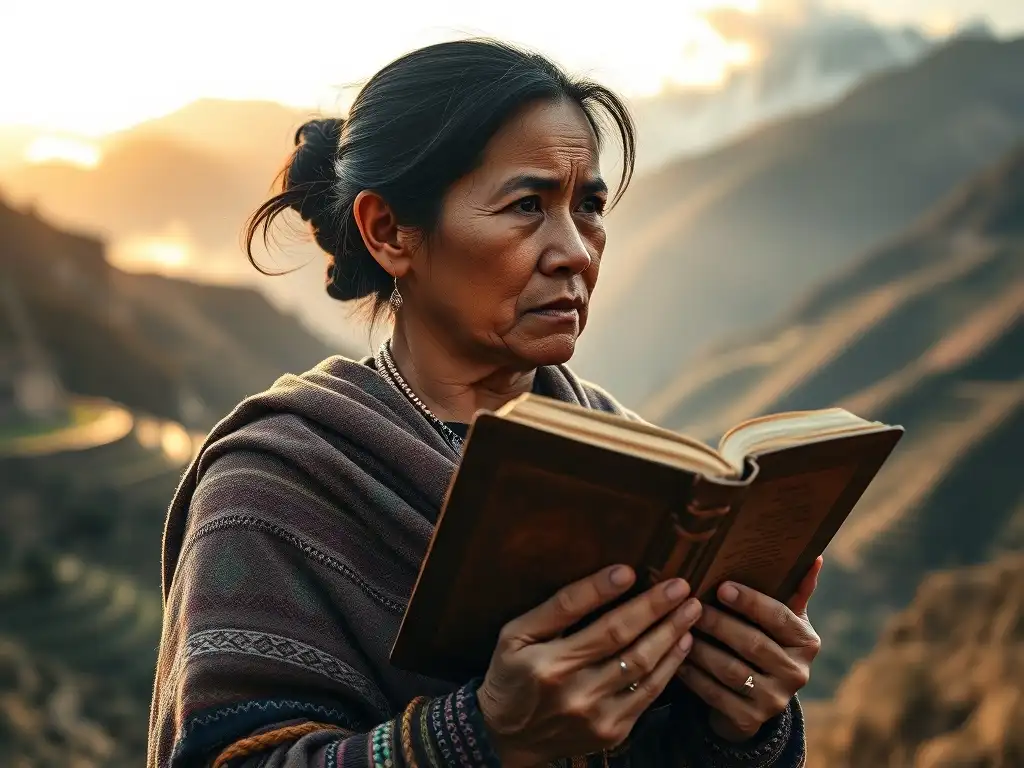
The Quechua language, far from being extinguished by centuries of colonial oppression, persists as a vibrant testament to the resilience of Andean cultures. While Spanish remains the dominant language in most Andean regions, Quechua continues to be spoken by millions, a powerful symbol of cultural identity and resistance. Its survival is a complex story intertwined with social, political, and economic factors, defying simplistic narratives of linguistic dominance and assimilation.
Understanding this survival requires acknowledging the multifaceted ways in which Quechua has adapted and thrived in the modern era, often in the face of significant adversity. The continued use of Quechua in daily life, particularly in rural communities, speaks volumes about its enduring value and the deep connection it holds for its speakers. This section will delve into the specific challenges and triumphs faced by Quechua speakers in the modern era.
Quechua's Persistence Despite Centuries of Discrimination
The history of Quechua is inextricably linked to a history of systemic discrimination. Following the Spanish conquest, Quechua was actively suppressed, often punished in favor of Spanish. This resulted in a significant decline in Quechua speakers, especially in urban areas. However, despite this oppression, Quechua demonstrated remarkable resilience.
Many indigenous communities maintained Quechua as their primary language, passing it down through generations within the family unit. This persistence wasn't merely passive; it represented an active resistance against cultural erasure. The continued use of Quechua in religious practices, traditional storytelling, and everyday interactions served as a vital means of preserving cultural identity and resisting the homogenizing forces of colonialism.
This subtle yet powerful form of resistance is a key factor in Quechua's survival. Quantitative data on the number of Quechua speakers is constantly evolving, and precise figures remain challenging to obtain due to the decentralized nature of the language and its various dialects. Nevertheless, the fact remains that millions still actively use Quechua, demonstrating its continued vitality.
The Ongoing Struggle for Quechua Language Rights
The fight for Quechua language rights is an ongoing battle for recognition and respect. While some progress has been made in recent decades—with several Andean nations recognizing Quechua as an official language—significant challenges remain. Access to education in Quechua is often limited, hindering the language's transmission to younger generations.
Furthermore, discrimination persists in many sectors, including employment and healthcare, where proficiency in Spanish is often prioritized over Quechua. This creates a disadvantage for Quechua speakers, reinforcing a cycle of marginalization. Advocacy groups and indigenous organizations continue to push for greater language rights, demanding increased representation in media, education, and government.
The struggle highlights the broader issue of linguistic justice and the importance of recognizing the value of indigenous languages in a globalized world. The fight for Quechua language rights is not just about preserving a language; it is about protecting cultural heritage and ensuring the full participation of indigenous communities in society.
Quechua Language Revitalization Efforts in the 21st Century
The 21st century has witnessed a surge in Quechua language revitalization efforts. These initiatives range from community-based language nests and immersion programs to the development of Quechua-language media and educational resources. Technological advancements have also played a crucial role, with online platforms and digital resources facilitating language learning and community engagement.
These efforts are not only focused on preserving the language but also on promoting its use in various contexts, including education, media, and government. Furthermore, there's a growing recognition of the economic and social benefits of linguistic diversity, leading to increased investment in Quechua language programs. These revitalization efforts are diverse and multifaceted, reflecting the complex needs and aspirations of Quechua-speaking communities.
The success of these initiatives will depend on continued community engagement, government support, and a broader societal shift towards valuing linguistic diversity. The future of Quechua hinges on the continued commitment to preserving and promoting this rich and significant language. The ongoing efforts showcase a determined commitment to ensuring that Quechua thrives for generations to come, a testament to the enduring power of language and culture.
Quechua Language and Contemporary Andean Identity

The Quechua language, far from being a relic of the past, remains a vibrant and powerful symbol of Andean identity in the 21st century. Its survival and resurgence represent a potent form of resistance against cultural assimilation and the erasure of indigenous heritage. This enduring presence is multifaceted, impacting everything from cultural pride to artistic expression and the very fabric of Andean communities. Understanding this contemporary role is crucial to appreciating the full weight of Quechua's historical and ongoing significance. The keyword "Quechua language Andean resistance" accurately reflects this powerful link between linguistic preservation and cultural survival.
Quechua as a Symbol of Cultural Pride and Heritage
For many Andean communities, speaking Quechua is a source of immense pride and a tangible connection to their ancestors. It represents a rejection of colonial narratives that sought to diminish or erase indigenous cultures. The revitalization efforts underway in various regions demonstrate this powerful sentiment. For example, initiatives promoting Quechua in education, media, and public life are gaining momentum, driven by a growing recognition of the language's value as a cornerstone of Andean identity.
The resurgence of Quechua isn't merely linguistic; it's a reclamation of cultural heritage, a conscious act of resistance against historical oppression. This is a powerful example of how language can be a tool for self-determination and cultural preservation, effectively countering the homogenizing forces of globalization. This cultural pride is not merely passive; it actively fuels initiatives to protect and promote the Quechua language, ensuring its continuity for future generations.
The Role of Quechua in Contemporary Andean Literature and Music
The Quechua language is experiencing a renaissance in Andean artistic expression. Contemporary writers, poets, and musicians are increasingly using Quechua to create powerful works that explore themes of identity, resistance, and social justice. This use of Quechua is not just a stylistic choice; it's a deliberate act of reclaiming the language as a vehicle for artistic creativity and cultural expression.
This artistic output serves as a vital tool for disseminating the language and its cultural significance to a wider audience. The rich tapestry of Andean literature and music, woven with the threads of the Quechua language, offers a compelling counter-narrative to the dominant languages and cultures, showcasing the vibrancy and resilience of Andean traditions. The use of Quechua in these art forms demonstrates a powerful form of "Quechua language Andean resistance," reclaiming artistic space and promoting cultural pride through linguistic assertion.
The Intergenerational Transmission of Quechua in Andean Communities
The continued existence of Quechua hinges on its successful transmission across generations. While challenges remain, particularly in urban areas where Spanish is dominant, many Andean communities are actively working to ensure that their children learn and speak Quechua. This involves initiatives within families, schools, and community organizations.
These efforts range from implementing bilingual education programs to creating immersive language learning environments. The success of these initiatives varies significantly depending on factors such as geographic location, access to resources, and community support. However, the commitment to intergenerational transmission represents a crucial aspect of Quechua language preservation and a powerful form of resistance against linguistic assimilation.
Data on the success of these intergenerational efforts is [specific information pending], but anecdotal evidence suggests a growing commitment to maintaining Quechua as a living language. This ongoing struggle to maintain the transmission of Quechua exemplifies the ongoing nature of "Quechua language Andean resistance," a battle fought not just in the past, but in the present and for the future.
The Future of Quechua: Challenges and Opportunities

The Quechua language, a testament to the resilience of Andean cultures, faces significant challenges in the 21st century. While its enduring presence in various Andean communities is undeniable, the persistent threat of language shift and loss necessitates proactive strategies for its preservation and revitalization. Understanding these challenges and capitalizing on emerging opportunities are crucial for ensuring the continued vitality of Quechua as a living language and a powerful symbol of Andean identity.
The future of Quechua hinges on a multifaceted approach that combines community-based initiatives, government policies, and technological innovation. The success of these efforts will not only safeguard a rich linguistic heritage but also contribute to the broader goal of linguistic diversity worldwide. The continued use of Quechua is intrinsically linked to the maintenance of cultural practices and traditions, making its survival a priority for the preservation of Andean heritage.
Addressing the Challenges of Language Shift and Loss
Language shift, the process by which speakers abandon their native language in favor of a more dominant one (often Spanish in the Andean context), poses a severe threat to Quechua's survival. This shift is often fueled by socioeconomic factors, such as limited access to education and employment opportunities in Quechua. The perceived lack of economic viability of being a monolingual Quechua speaker further exacerbates the problem. Furthermore, the influence of mass media, predominantly in Spanish, contributes to the gradual erosion of Quechua usage, particularly among younger generations. Combating language shift requires a multi-pronged approach:
- Strengthening community-based language programs: Investing in grassroots initiatives that promote Quechua within families and communities is paramount. This includes supporting language nests ( wasis), bilingual education programs, and community-based language learning opportunities. These initiatives should be designed to make learning Quechua fun and engaging, especially for children.
- Promoting Quechua in media and technology: Increasing Quechua's presence in radio, television, and online platforms is vital for normalizing its use and making it accessible to a wider audience. Developing Quechua-language apps and digital content can make learning and using the language more convenient and appealing.
- Economic incentives for Quechua speakers: Creating opportunities for Quechua speakers to thrive economically while using their language is crucial. This could involve initiatives that promote Quechua-based businesses, tourism, and cultural events.
The successful implementation of these strategies requires significant investment and collaboration between government agencies, educational institutions, and community organizations. Quantitative data on language shift rates across different Andean regions is needed to tailor interventions effectively. [Specific data on language shift rates pending].
Promoting Quechua in Education and Public Life
The role of education in language preservation cannot be overstated. Integrating Quechua into formal education systems is crucial for ensuring its transmission to future generations. This involves not simply teaching Quechua as a subject but also using it as a medium of instruction in certain subjects, creating a fully bilingual learning environment. Furthermore, teacher training programs specifically focused on bilingual education methodologies are necessary to equip educators with the skills and resources to effectively teach in Quechua.
Beyond formal education, promoting Quechua in public life is essential for its normalization and widespread use. This includes:
- Implementing bilingual signage: Displaying signs in both Spanish and Quechua in public spaces, including government buildings, schools, and businesses, can significantly increase the visibility and use of the language.
- Offering government services in Quechua: Providing access to essential services, such as healthcare and legal assistance, in Quechua ensures that Quechua speakers can fully participate in society.
- Encouraging the use of Quechua in official ceremonies and events: Including Quechua in official state functions and celebrations can reaffirm its importance and value within society. This could include incorporating traditional Quechua songs, dances, and speeches.
The Enduring Legacy of Quechua in Andean Societies
Despite the challenges, Quechua's enduring legacy in Andean societies is undeniable. Its continued use in various aspects of daily life, from religious practices to traditional music and storytelling, speaks to its deep-rooted connection with Andean identity. Quechua is not merely a language; it is a repository of knowledge, history, and cultural values. Its survival is inextricably linked to the preservation of Andean cultural heritage.
The ongoing efforts to revitalize and promote the Quechua language are not only crucial for linguistic diversity but also represent a broader commitment to cultural preservation and the empowerment of Andean communities. The vibrancy of Quechua in contemporary Andean life serves as a powerful reminder of the resilience and cultural richness of the Andean region. The future of Quechua is not just about preserving a language; it is about safeguarding a cultural legacy for generations to come. 🌎
Conclusion: Quechua as a Symbol of Andean Resilience
The Quechua language, far from being a relic of a bygone era, stands as a powerful testament to the enduring spirit of the Andean peoples. Its continued use, despite centuries of colonial oppression and attempts at linguistic assimilation, represents a remarkable act of cultural resistance.
This resistance isn't merely passive preservation; it's an active assertion of identity, a vibrant expression of a rich cultural heritage that refuses to be silenced. The vitality of Quechua today reflects the strength and resilience of its speakers, their unwavering commitment to their ancestral traditions, and their determination to shape their own future.
Understanding the role of Quechua in Andean resistance provides a crucial lens through which to appreciate the complex tapestry of Andean history and the ongoing struggle for cultural survival and self-determination. The very existence of Quechua is a powerful symbol of hope and a testament to the enduring strength of the human spirit in the face of adversity.
Quechua Language as a Powerful Tool for Cultural Preservation
The survival of the Quechua language has been intrinsically linked to the preservation of Andean culture. Quechua isn't simply a means of communication; it's the vessel that carries within it a wealth of knowledge, traditions, and beliefs passed down through generations. Oral traditions, intricate narratives, ancient songs, and agricultural practices are all deeply embedded within the language itself.
The loss of Quechua would represent an irreparable loss not only to linguistic diversity but also to the rich tapestry of Andean cultural heritage. For example, the intricate knowledge of Andean medicinal plants, often passed down through generations via Quechua oral traditions, is directly tied to the language's continued use. Similarly, many Andean artistic expressions, from weaving techniques to musical forms, are deeply intertwined with Quechua terminology and concepts.
Active efforts to revitalize and promote Quechua are, therefore, crucial not only for linguistic preservation but also for safeguarding the unique cultural identity of the Andean region. The continued use of Quechua serves as a bulwark against cultural homogenization, ensuring the survival of a unique and invaluable cultural heritage for future generations. This preservation effort is not only a matter of academic interest but a vital component of maintaining cultural diversity and respecting the rich history of Andean civilizations.
The Undying Spirit of Andean Resistance Embodied in Quechua
The enduring presence of Quechua serves as a powerful symbol of the Andean people's resistance against colonial domination and cultural erasure. Throughout centuries of oppression, attempts to suppress the language were consistently met with quiet but determined resistance. The continued use of Quechua in everyday life, despite the imposition of Spanish and other languages, signifies an unwavering commitment to cultural identity and self-determination.
This resistance wasn't always overt; it manifested in subtle yet significant ways – in the continued use of Quechua within families, communities, and religious practices. This quiet defiance, sustained over generations, underscores the profound importance of the language as a symbol of cultural pride and a testament to the resilience of the Andean spirit. Moreover, the resurgence of Quechua in recent decades, fueled by increased awareness of its cultural significance and the efforts of indigenous communities to reclaim their linguistic heritage, demonstrates the enduring power of cultural resistance.
The Quechua language, therefore, stands not only as a testament to linguistic survival but also as a living embodiment of the Andean people's unwavering fight for cultural autonomy and self-determination. The struggle to preserve Quechua is a powerful microcosm of the broader struggle for indigenous rights and cultural preservation globally. 🌎
Frequently Asked Questions
What role did the Quechua language play in Andean resistance against the Spanish?
The Quechua language served as a crucial tool for maintaining cultural identity and facilitating communication amongst resistance groups. It allowed for the clandestine organization and planning of rebellions against Spanish rule.
How did the Spanish attempt to suppress the Quechua language?
The Spanish implemented policies aimed at eradicating Quechua and imposing Spanish as the dominant language. This included suppressing its use in public and religious settings.
Were there any successful uprisings led by Quechua-speaking communities?
Yes, several significant rebellions and resistance movements were led by Quechua-speaking communities, though ultimately unsuccessful in fully overthrowing Spanish rule. These movements demonstrated the enduring strength of the language and culture.
Beyond resistance, how else was Quechua used to preserve Andean culture?
Quechua played a vital role in preserving Andean oral traditions, storytelling, and knowledge systems. It was used to transmit cultural values and beliefs across generations, even under oppressive conditions.
How is the Quechua language faring today in the Andean region?
While facing ongoing challenges, Quechua remains a living language spoken by millions across the Andes. Efforts to revitalize and promote the language are gaining momentum.
Final Reflection: Echoes of Resistance in the Quechua Tongue
The enduring power of the Quechua language is not merely a linguistic phenomenon; it is a testament to the unwavering spirit of Andean resistance. The revitalization efforts underway across the Andes today are not simply about preserving a language; they are about reclaiming a cultural identity, a history, and a future forged in the fires of oppression and resilience. This fight for linguistic survival mirrors the ongoing struggles for social justice and self-determination in the region.
The Quechua language, far from being a relic of the past, continues to shape the cultural landscape of the Andes, acting as a powerful symbol of indigenous identity and a vital tool for community building. Its survival, against centuries of suppression, is a profound act of defiance. A language is not just a collection of words; it is a carrier of culture, a repository of history, and a vehicle for the expression of identity.
This quote encapsulates the profound significance of Quechua's continued presence in the face of historical and ongoing challenges. The vibrant expressions of Quechua culture – from music and literature to community organizing – are a direct result of this linguistic tenacity.
You, the reader, are now equipped with a deeper understanding of the intricate relationship between the Quechua language and Andean resistance. Consider how this knowledge can inform your own perspectives on language preservation, cultural identity, and the ongoing fight for social justice. Let the echoes of this resistance inspire you to champion the preservation of diverse languages and cultures, recognizing their inherent value and their power to shape a more equitable and just world. Embrace the stories untold, the voices unheard, and the strength found in the resilience of a language that continues to thrive.
Empower Your Voice: Join the Andean Renaissance!
Thank you for exploring the rich history of Quechua and the Andean resistance. Your interest demonstrates a commitment to understanding and preserving this vital cultural heritage, which fosters both identity and resilience. Now, let's turn that understanding into action!
Here's how you can actively participate in this vibrant movement:
- Learn Quechua: Immerse yourself in the language that embodies the spirit of the Andes. Numerous online resources and local classes offer excellent starting points.
- Share your knowledge: Discuss the importance of cultural preservation with your friends and family—every conversation helps spread awareness and understanding.
- Engage with the community: Connect with others who share your passion by attending local events or joining online forums dedicated to Andean culture. Your voice is valuable to this growing movement.
How will you use your knowledge of Quechua to champion cultural resilience and foster stronger community engagement?