
Moche Art and the Afterlife: Vessels for the Journey Beyond

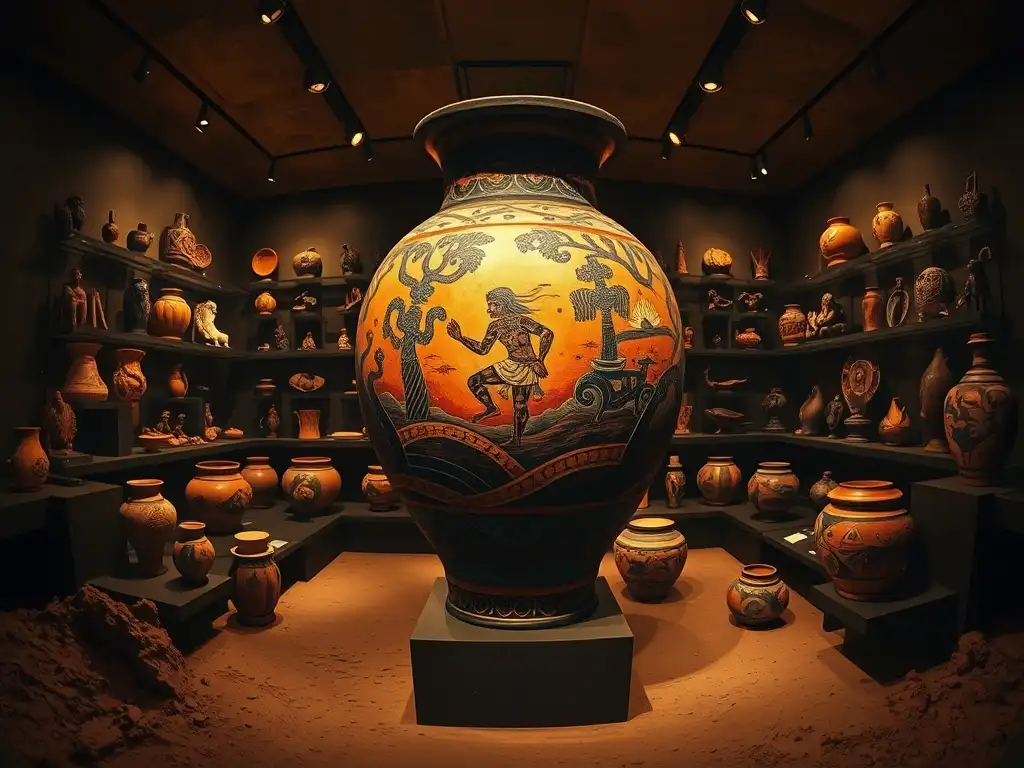
Step into a world lost to time, yet echoing with vibrant life. Dive into the captivating mysteries of the Andean civilizations, where intricate artistry unveils profound spiritual beliefs. Prepare to be amazed by the Moche pottery afterlife symbolism, a testament to their unique understanding of the journey beyond. Uncover the secrets hidden within these ancient vessels and embark on an unforgettable exploration of a culture unlike any other. What stories do these artifacts whisper from the grave? Read on to discover the answers...
The Moche civilization, flourishing along the northern coast of Peru from approximately 100 CE to 800 CE, left behind a remarkable legacy of artistic expression. Nowhere is this more evident than in their exquisite pottery, which serves as a captivating window into their beliefs, rituals, and understanding of the afterlife.
This article delves into the intricate symbolism embedded within Moche ceramics, specifically exploring how these vessels were not merely functional objects, but rather crucial components in the Moche conception of the journey beyond death. We will examine the recurring motifs, elaborate scenes, and stylistic choices that reveal the profound significance Moche artisans placed on preparing their deceased for a successful transition to the spirit world.
Understanding this complex interplay between artistry and funerary practices allows us to gain a deeper appreciation for the sophisticated worldview of this ancient Andean culture and its unique approach to death and the hereafter. The exploration of "Moche pottery afterlife symbolism" will reveal a fascinating blend of religious belief and artistic mastery.
Depictions of the Afterlife in Moche Pottery
Moche pottery frequently portrays scenes that seem to depict aspects of the afterlife. These are not simply abstract representations, but rather detailed narratives that offer glimpses into Moche cosmology. Many vessels show figures engaged in activities that appear to be related to the spirit world, such as shamanistic rituals, encounters with supernatural beings, and journeys through otherworldly landscapes.
The level of detail is astonishing; facial expressions, clothing, and even the textures of the depicted environments are meticulously rendered. For example, some vessels illustrate processions of figures moving towards a mountainous realm, potentially symbolizing the ascent to a celestial plane. Others depict individuals interacting with supernatural entities, possibly representing encounters with deities or ancestral spirits guiding the deceased.
The vibrant colors and dynamic compositions of these scenes contribute to their power and emotional impact, making them profoundly evocative representations of the Moche understanding of the afterlife. The recurring motifs of stylized plants, animals, and celestial bodies further enhance the mystical atmosphere, suggesting a complex interplay of natural and supernatural forces in the Moche worldview.
The Role of Sacrifice and Offerings in Funerary Practices
The Moche placed great importance on funerary rituals, and their pottery often reflects these practices. Many vessels are found within tombs, serving as containers for offerings intended to sustain the deceased in their journey to the afterlife. These offerings could include food, beverages, and precious artifacts.
The types of vessels used for these offerings are often elaborately decorated, reflecting the significance of the contents and their role in ensuring the successful passage of the deceased. Some vessels even depict scenes of sacrifice, emphasizing the importance of ritual acts in appeasing deities and securing a favorable afterlife for the departed. The careful selection and arrangement of these vessels within the tombs highlight the meticulous nature of Moche funerary rites and the central role of pottery in these ceremonies.
The sheer quantity of pottery found in some tombs underscores the importance of these objects in providing for the deceased's needs and facilitating their transition to the spirit world. Archaeological evidence suggests a clear correlation between the status of the deceased and the richness and quantity of the grave goods, including the pottery.
Stylistic Choices and their Symbolic Meaning
The stylistic choices employed by Moche artisans were far from arbitrary. The colors, shapes, and decorative motifs used on their pottery often carried specific symbolic meanings, contributing to the overall narrative of the vessels. For instance, the use of certain colors, such as red and black, might represent blood and darkness, alluding to aspects of sacrifice and the underworld.
Similarly, specific motifs, such as feline imagery or depictions of supernatural beings, could symbolize power, protection, or guidance in the afterlife. The meticulous attention to detail, the dynamic compositions, and the expressive use of color all contribute to the powerful impact of Moche pottery. The combination of these elements creates a visual language that speaks to the depth and complexity of Moche beliefs about the afterlife, offering a compelling glimpse into the spiritual world of this remarkable civilization.
Further research into the specific meanings of individual motifs and stylistic choices could unlock even more profound insights into Moche cosmology and funerary practices. Careful study reveals a sophisticated system of symbolic representation, demonstrating the high level of artistic skill and cultural understanding achieved by Moche artisans.
Conclusion: Moche Pottery as a Window into the Afterlife
The study of Moche pottery offers a unique and invaluable window into the beliefs and practices surrounding death and the afterlife in this ancient Andean culture. The intricate scenes, symbolic motifs, and careful craftsmanship displayed on these vessels reveal a sophisticated cosmology and a profound understanding of the spiritual realm. These artifacts are not merely decorative objects; they are powerful statements about Moche beliefs, reflecting a society deeply engaged with the mysteries of life and death.
By examining the "Moche pottery afterlife symbolism," we gain a deeper understanding of their worldview and their meticulous preparations for the journey beyond. The legacy of Moche art continues to inspire awe and wonder, offering a compelling testament to the creativity and spiritual depth of this ancient civilization. Further research and analysis of Moche pottery will undoubtedly reveal even more insights into their rich cultural heritage and spiritual beliefs.
- Depictions of the Afterlife in Moche Pottery
- The Role of Sacrifice and Offerings in Funerary Practices
- Stylistic Choices and their Symbolic Meaning
- Conclusion: Moche Pottery as a Window into the Afterlife
- What is the significance of Moche pottery in relation to the afterlife?
- How did Moche artists depict the afterlife in their pottery?
- What types of vessels were commonly used in Moche funerary practices?
- What materials were used in creating Moche funerary pottery?
- Where can I learn more about Moche pottery and its afterlife symbolism?
Understanding Moche Culture and Beliefs About Death
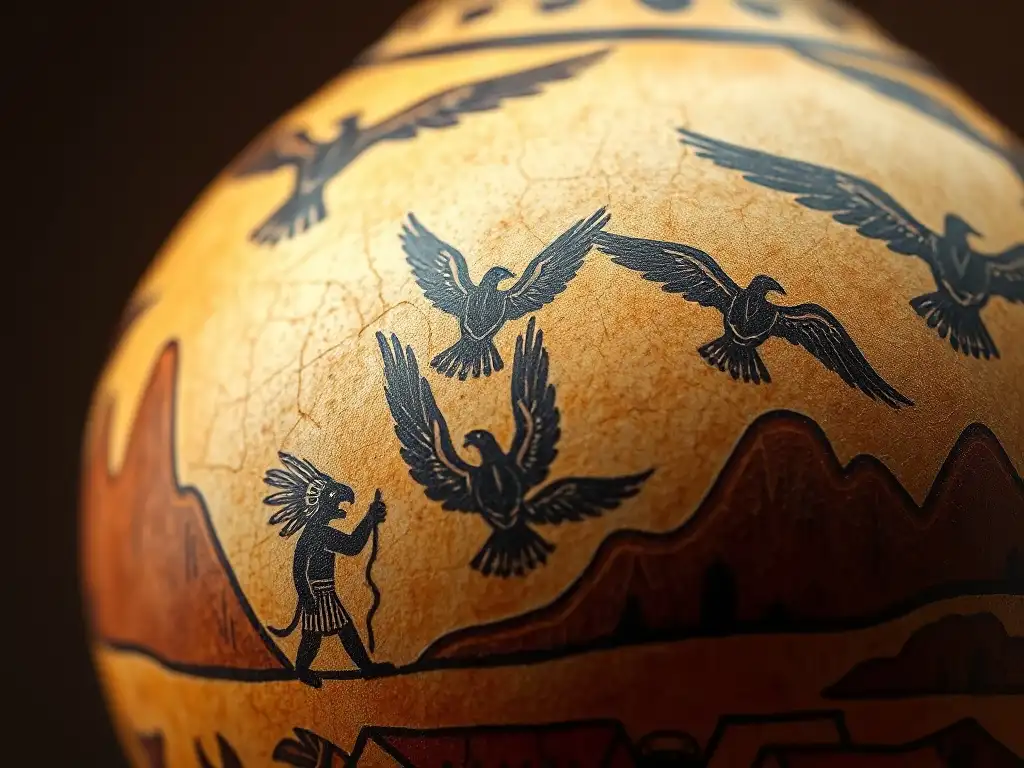
The Moche civilization (c. 100-800 CE), flourishing along the northern coast of Peru, held complex beliefs surrounding death and the afterlife, significantly reflected in their remarkable pottery. Unlike many other cultures that focus on a singular, easily defined afterlife, Moche beliefs seem to have encompassed a multifaceted journey beyond the mortal realm, a journey meticulously depicted in their elaborate funerary vessels.
Understanding these beliefs requires examining their societal structure, ritual practices, and the prominent role of their elite class in shaping funerary rites. The vibrant imagery on Moche pottery provides invaluable insight into these often-hidden aspects of their culture, offering a window into their spiritual world and their conceptions of the soul's destination.
Analyzing the iconography on these vessels, focusing on recurring motifs and symbolic representations, allows us to reconstruct a more complete picture of Moche funerary practices and their understanding of the afterlife – a journey fraught with challenges, supernatural beings, and potentially, rewards. The prevalence of "Moche pottery afterlife symbolism" in archaeological discoveries highlights the importance placed on preparing for this transition.
Moche society was hierarchical, with a powerful elite class controlling resources and religious practices. Death rituals, therefore, varied significantly depending on social status. Elite burials frequently included elaborate grave goods, including intricately decorated pottery depicting scenes of the afterlife, finely crafted textiles, gold ornaments, and even sacrificed human beings.
These lavish burials suggest a belief in a continued existence for the elite, possibly one mirroring their earthly power and influence. Conversely, commoner burials were significantly simpler, often lacking elaborate grave goods. This stark contrast reflects the social stratification inherent in Moche society and its impact on death rituals and beliefs about the afterlife.
Evidence suggests that communal burial sites also existed, indicating the possibility of shared beliefs about the journey to the next world, regardless of social standing, at least for some segments of the population. The study of these diverse burial sites provides crucial context for understanding the nuances of "Moche pottery afterlife symbolism," revealing a complex interplay between social status and funerary practices.
The Moche Concept of the Afterlife: A Journey to the Beyond
Moche pottery depicts a multifaceted afterlife, not a simple heaven or hell. Instead, the imagery suggests a perilous journey fraught with dangers and supernatural encounters. Common motifs include scenes of warriors battling monstrous creatures, individuals navigating treacherous landscapes, and interactions with deities and shamanistic figures. These scenes are not simply decorative; they represent the trials and tribulations faced by the deceased as they traversed the path to the next world.
The pottery often depicts both terrifying and awe-inspiring aspects of this journey, reflecting the unpredictable nature of the afterlife in Moche belief. Further analysis of the depictions of these supernatural beings and the challenges faced by the deceased will help illuminate the specific beliefs associated with this complex spiritual journey. The complexity and diversity of these scenes contribute significantly to our understanding of "Moche pottery afterlife symbolism," revealing a dynamic and nuanced view of the afterlife.
The Role of Moche Elites in Funerary Rituals
The elite played a central role in Moche funerary rituals. Their burials were elaborate affairs, reflecting their power and influence both in life and death. The elaborate pottery found in these burials, often depicting scenes of sacrifice, shamanistic rituals, and encounters with supernatural beings, suggests that the elite actively participated in, or at least oversaw, the rituals surrounding death and the preparation for the afterlife.
The intricacy and detail of the pottery suggest a high level of artistic skill and a significant investment of resources in these rituals. The sheer number of vessels found in elite tombs, often depicting different stages of the afterlife journey, underscores the importance of these rituals in Moche society. Furthermore, the presence of sacrificed individuals in some elite burials may indicate a belief in the necessity of human sacrifice to ensure a successful transition to the afterlife for the elite.
This aspect further complicates our understanding of "Moche pottery afterlife symbolism," revealing the complex relationship between power, ritual, and belief in the Moche world. Further research is needed to fully understand the specific roles and responsibilities of the Moche elite in relation to funerary rites and their impact on the beliefs surrounding death and the afterlife.
Moche Pottery: A Window into the Afterlife
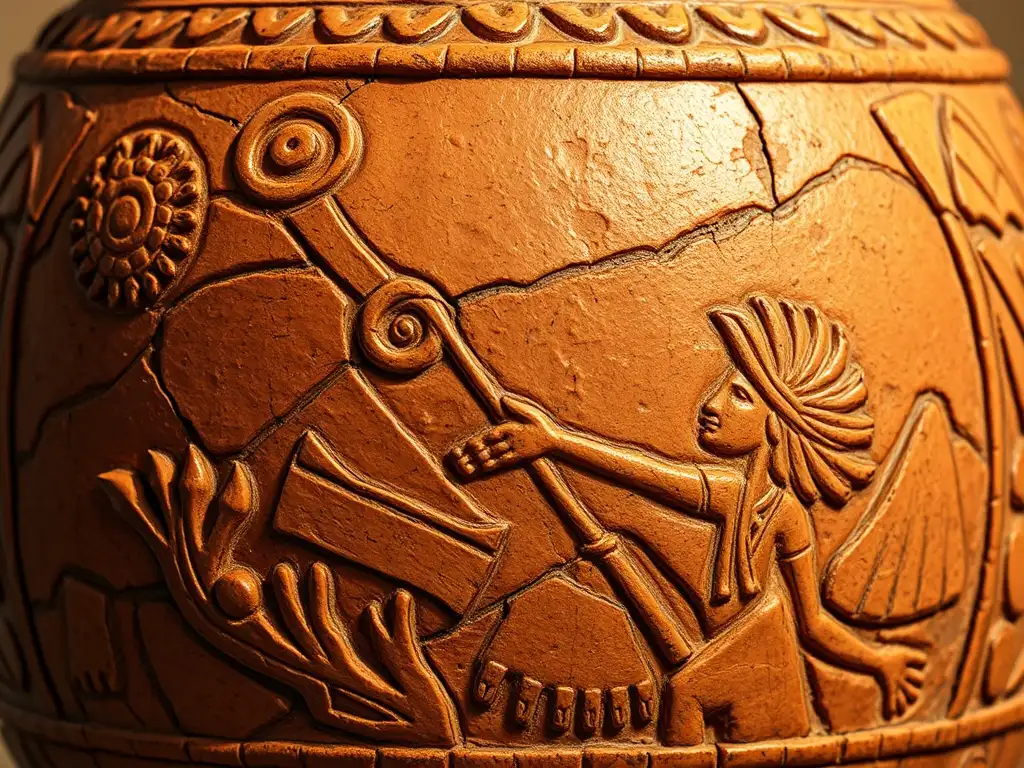
The Moche civilization (c. 100-800 CE), renowned for its sophisticated irrigation systems and impressive architecture, also left behind a remarkable artistic legacy. Their pottery, in particular, provides invaluable insight into their worldview, religious beliefs, and conceptions of the afterlife. Unlike many other ancient cultures, the Moche didn't create monumental tombs or elaborate burial structures. Instead, their beliefs about death and the journey to the underworld are vividly depicted on the surfaces of their intricately crafted ceramic vessels.
These aren't simply utilitarian objects; they are powerful statements about Moche cosmology and the spiritual beliefs that shaped their lives. The study of Moche pottery afterlife symbolism reveals a complex and fascinating understanding of death, the supernatural, and the continuity of life beyond the grave. Analyzing the iconography and context of these vessels allows us to reconstruct a more comprehensive picture of Moche funerary practices and beliefs.
Moche Ceramics as a Medium for Religious Expression
Moche artists were masters of their craft, employing diverse techniques to create incredibly detailed and lifelike representations. They used a variety of clays, often incorporating slip and pigments to achieve a wide range of colors. The sheer variety of forms—from simple bowls and jars to elaborate portrait vessels and stirrup-spout bottles—demonstrates a high level of artistic skill and specialization.
However, the artistic skill wasn't purely aesthetic; it served a deeply religious purpose. The creation of pottery was likely a ritualistic act, imbued with spiritual significance. Many vessels were crafted specifically for funerary purposes, serving as containers for offerings intended to accompany the deceased on their journey to the afterlife.
The precision and detail of the artwork underscore the importance of these objects in Moche religious practices. The meticulous depiction of scenes, figures, and symbols wasn’t accidental; each element carried symbolic meaning, contributing to the overall narrative of the vessel's purpose. For instance, the frequent depiction of deities and mythical creatures suggests a close connection between the artistic process and the realm of the supernatural.
The Significance of Moche Vessels in Funerary Contexts
The discovery of numerous Moche tombs containing elaborate ceramic assemblages reinforces the significance of pottery in funerary rituals. These vessels weren't simply placed haphazardly in the graves; they were carefully arranged, often alongside other grave goods such as textiles, jewelry, and food offerings. The contents of the graves, combined with the iconography on the pottery, provide clues about the social status and beliefs of the deceased.
For example, the presence of portrait vessels depicting individuals, often elites, suggests a personalized afterlife experience, with the vessel acting as a representation of the deceased’s identity in the next world. The inclusion of food and drink offerings, often contained within specific types of vessels, points to the belief in providing sustenance for the deceased in their journey.
The careful arrangement and selection of pottery within these tombs strongly suggest a structured and ritualized funerary process, emphasizing the importance of these objects in facilitating a successful transition to the afterlife. This deliberate placement and selection underscore the vessels' crucial role in the Moche understanding of death and the afterlife.
Iconography on Moche Pottery: Unveiling Afterlife Symbolism
The iconography on Moche pottery is rich with symbolic meaning, offering insights into their beliefs about the afterlife. Common motifs include depictions of deities, mythical creatures, and scenes of ritual and sacrifice. These images are not randomly placed; they often tell a story, narrating the deceased's journey or their interactions with the supernatural.
For example, the frequent depiction of the Aia Paec, a feline-like deity often associated with both life and death, suggests a complex relationship between these opposing forces within Moche cosmology. Furthermore, the presence of specific symbols, like stylized plants or specific animals, may represent particular beliefs or concepts related to the afterlife, perhaps hinting at a specific destination or experience in the underworld. Detailed analysis of these symbols, combined with contextual evidence from archaeological discoveries, allows for a more nuanced understanding of Moche beliefs about death and the journey beyond.
The study of Moche pottery afterlife symbolism continues to reveal new layers of meaning, providing a deeper understanding of this fascinating ancient culture. Further research, including detailed chemical analysis of the pigments and clays used, could provide additional insights into the production and significance of these remarkable artifacts.
Moche Pottery Afterlife Symbolism: Deciphering the Images
The Moche civilization, flourishing on the northern coast of Peru from approximately 100 to 800 CE, left behind a remarkable legacy of artistic expression, particularly in their intricate and evocative pottery. While Moche ceramics are renowned for their vibrant depictions of daily life, ritual practices, and warfare, a significant portion of their artistic output focuses on themes of death, the afterlife, and the journey of the soul. This section delves into the symbolism embedded within Moche pottery, specifically exploring how these vessels illuminate beliefs about the underworld and the deceased's passage into the next realm.
Understanding this symbolism provides crucial insights into the Moche worldview and their complex relationship with death and the spiritual world. Analyzing the iconography on these vessels reveals a nuanced understanding of Moche cosmology and their beliefs regarding the afterlife, enriching our understanding of "Moche pottery afterlife symbolism".
Key Moche Deities and Their Connection to the Afterlife
Moche religious beliefs were intricately woven into their daily lives and strongly reflected in their art. Specific deities, often depicted anthropomorphically or zoomorphically, played crucial roles in mediating the transition to the afterlife. For example, the Aia Paec, often represented as a feline deity, is frequently portrayed in funerary contexts, suggesting its role in guiding souls.
These depictions are not merely decorative; they are powerful statements about the Moche belief system. The presence of these deities on funerary vessels suggests a belief in divine intervention in the journey to the underworld. Further research is needed to fully understand the function of each deity in the context of the afterlife, but current scholarship suggests a complex pantheon with specific roles assigned to each entity.
The iconography often combines human and animal characteristics, reflecting a possibly shamanistic worldview where animal spirits played significant roles in the spirit world. The careful observation of these details reveals the layers of meaning embedded within the "Moche pottery afterlife symbolism". Detailed analysis of specific vessel styles and their associated deities is ongoing, revealing new information about the complex spiritual beliefs of the Moche.
Depictions of Moche Ancestors and Their Journey
Moche pottery frequently depicts scenes of ancestors undertaking their journey to the afterlife. These representations are not always straightforward, often requiring careful interpretation of gestures, clothing, and accompanying iconography. For instance, the portrayal of individuals descending into a subterranean realm, sometimes depicted as a cave or a dark, watery space, is a recurring motif.
These figures are often accompanied by symbolic elements such as snakes, jaguars, and birds of prey—creatures associated with both death and the underworld in many Mesoamerican cultures. The vessels themselves might be shaped to represent the body of the deceased, or a symbolic representation of the underworld. This artistic representation is not merely a record of funerary practices; it is a visual narrative of the spiritual journey.
The detailed depiction of clothing and adornments worn by the deceased suggests that aspects of their earthly identity continued into the afterlife. The careful analysis of these details allows researchers to piece together a more comprehensive understanding of the Moche concept of the afterlife and the significance of these funerary rituals. Further study of specific vessels and their stylistic variations are crucial to fully understand the nuances of the "Moche pottery afterlife symbolism" regarding the journey of the ancestors.
Symbolic Representations of the Moche Underworld
The Moche underworld, as depicted on their pottery, is a complex and multifaceted realm. It is not simply a place of darkness and oblivion, but rather a dynamic space with its own hierarchy, inhabitants, and dangers. Frequent motifs include aquatic creatures, such as fish and aquatic birds, suggesting a connection between the underworld and the sea or underground water sources.
Other common symbols include stylized plants, possibly representing the underworld's vegetation, and geometric patterns that may represent the structure of the underworld itself. The use of specific colors, like dark blues and greens, also adds to the overall representation of the underworld's mysterious nature. The portrayal of the underworld often involves scenes of ritual sacrifice and offerings, emphasizing the importance of appeasing the supernatural forces of this realm.
The interplay of these symbols within the vessels creates a visual tapestry that reveals much about the Moche worldview. Scholars continue to debate the precise meaning of many of these symbolic representations, highlighting the ongoing need for research and interpretation within the complex field of "Moche pottery afterlife symbolism". The study of these symbols promises to further illuminate the rich and nuanced spiritual beliefs of this fascinating ancient civilization.
Common Motifs in Moche Funerary Pottery: Felines, Owls, and Decapitator Figures
The Moche people, renowned for their sophisticated artistry, imbued their funerary pottery with potent symbolism reflecting their beliefs about the afterlife. Certain motifs appear repeatedly, hinting at a complex cosmology and understanding of the journey beyond death. Among the most prominent are felines, owls, and the striking decapitator figures.
Feline imagery, particularly jaguars and pumas, frequently adorns Moche funerary vessels. These powerful predators were likely associated with both earthly and supernatural realms. Their strength, agility, and nocturnal habits may have connected them to the shadowy world of the dead, representing either guardians of the underworld or perhaps even manifestations of powerful ancestral spirits.
The precise interpretation varies depending on the context within the scene depicted on the vessel, with some felines appearing aggressive and others more serene, suggesting a nuanced understanding of feline symbolism within their culture. Further research into the specific iconographic details accompanying these feline depictions could reveal more precise meanings.
Owls, with their nocturnal vision and association with wisdom, also held significant symbolic weight in Moche culture. Their presence on funerary pottery suggests a connection to the unseen world, perhaps representing guides or messengers to the afterlife. The owl's ability to see in the dark could symbolize the ability to navigate the mysteries of the underworld, guiding the deceased on their journey.
Furthermore, the owl's association with wisdom may indicate a belief that the deceased would gain greater knowledge or understanding in the afterlife. The specific pose and context of the owl within a given scene are key to interpreting its meaning accurately.
Perhaps the most striking and enigmatic motifs found on Moche funerary pottery are the decapitator figures. These figures, often depicted violently severing the heads of victims, are a source of ongoing scholarly debate. While their exact meaning remains elusive, several interpretations suggest they represent rituals, possibly sacrifices, associated with the underworld or the transition to the afterlife.
Some scholars propose that these scenes depict a symbolic conquest of death, while others suggest they represent shamanistic practices designed to ensure a safe passage to the next world. The graphic nature of these depictions underscores the importance of these rituals within Moche society's understanding of death and the journey beyond. The violent act of decapitation may represent a necessary step in the transition to the afterlife, a symbolic severance from the earthly realm.
Further research is needed to fully understand the complex social and religious contexts surrounding these unsettling yet fascinating images. The careful study of individual vessels showing these figures, considering the other elements depicted alongside them, remains crucial for unraveling their meaning.
Exploring Moche Pottery Forms and Their Afterlife Function
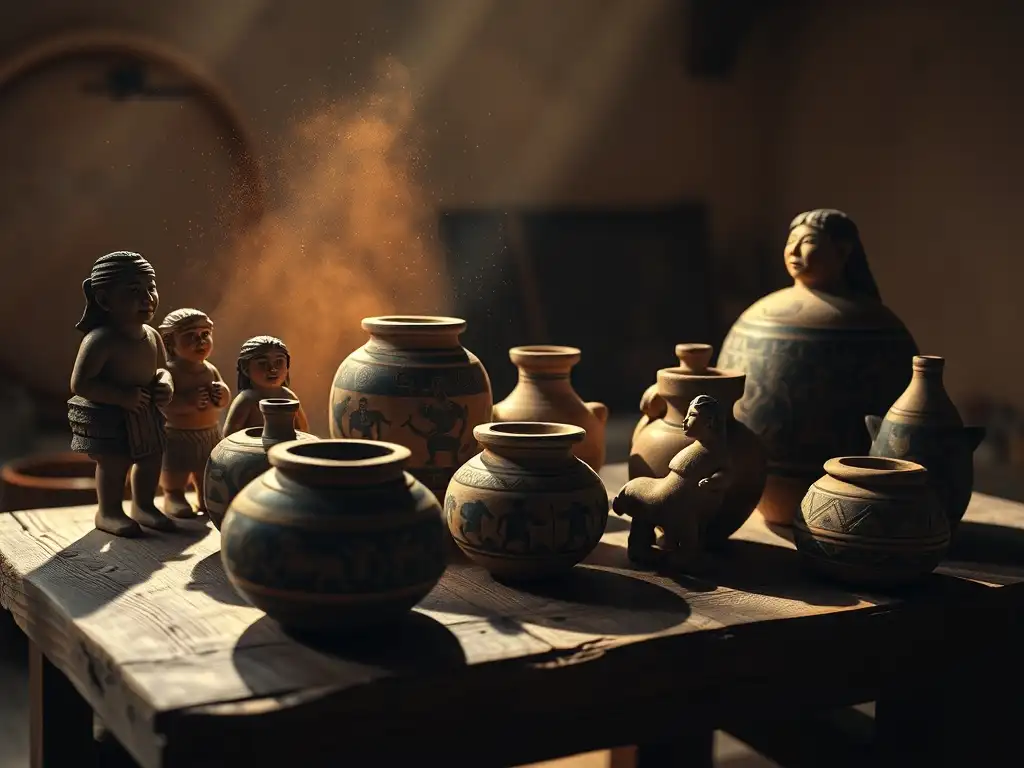
The Moche civilization (circa 100-800 CE) is renowned for its sophisticated artistry, particularly in its ceramic production. Moche pottery wasn't merely functional; it played a crucial role in their complex worldview, especially concerning beliefs about the afterlife. The elaborate designs and forms of Moche vessels reflect a deep engagement with death, ancestor veneration, and the journey to the spirit world.
Understanding the diverse forms of Moche pottery is key to deciphering their intricate afterlife symbolism. This section will examine several key vessel types and their specific roles in Moche funerary practices and beliefs about the afterlife. The prevalence of Moche pottery afterlife symbolism in archaeological finds underscores the importance of these objects in their culture.
Stirrup Spout Vessels: Their Role in Funerary Offerings
Stirrup spout vessels, perhaps the most iconic form of Moche pottery, were frequently included in funerary contexts. Their distinctive shape—a spout connected to the body of the vessel by a stirrup-like handle—is believed to symbolize a variety of things, including ritual offerings, fertility, and the cyclical nature of life and death. Analysis of tomb contents reveals that stirrup spouts often contained food, drink, and other offerings intended to sustain the deceased in the afterlife.
The intricate scenes depicted on these vessels—often featuring warriors, priests, and mythical creatures—further reinforce their importance in funerary rituals. The detailed imagery provides valuable insights into Moche beliefs about the afterlife journey and the preparations necessary for a successful transition. These depictions, rich in Moche pottery afterlife symbolism, aren't simply decorative; they are integral to the vessel's function as a conduit to the spirit world.
For example, a notable discovery in the Huaca de la Luna complex revealed a tomb containing a high-status individual buried with numerous stirrup spout vessels, each adorned with unique scenes depicting a complex narrative. The vessels' contents, meticulously analyzed by archaeologists, included traces of chicha (a fermented maize beverage) and other food substances, suggesting a ritual feast meant to accompany the deceased on their journey. The arrangement of the vessels themselves within the tomb also indicates a carefully planned ritual, further highlighting the significance of these objects in the funerary context.
Face Neck Jars and Their Connection to Ancestral Veneration
Face neck jars, another distinctive type of Moche pottery, are characterized by their human-like faces molded onto the neck of the vessel. These jars are strongly associated with ancestor veneration and the continuity of lineage. The meticulously rendered faces, often displaying a range of emotions and expressions, are believed to represent deceased ancestors or powerful figures.
The detailed features, including hairstyles, ornaments, and even subtle facial expressions, suggest a personalized representation, reinforcing the idea of a direct connection between the living and the deceased. The inclusion of these jars in tombs suggests that they served as receptacles for offerings made to ancestors, ensuring their continued presence and influence in the lives of the living. The symbolism in Moche pottery afterlife contexts is further enriched by the inclusion of these jars, showcasing the importance of ancestor veneration in the Moche worldview.
The use of these jars within the broader context of Moche funerary practices reveals a fascinating aspect of their beliefs. While stirrup spouts might represent the journey to the afterlife, face neck jars seem to embody the enduring presence of ancestors in the spirit world, acting as intermediaries between the living and the dead. The meticulous craftsmanship and personalized features of these vessels highlight the deep respect and reverence the Moche held for their ancestors.
Other Vessel Types and their Specific Afterlife Purposes: Bowls and Effigy Vessels
Beyond stirrup spouts and face neck jars, Moche artisans produced a wide range of other vessel types, each potentially carrying specific meanings related to the afterlife. Simple bowls, while seemingly less elaborate, often contained offerings in tombs. Their presence suggests that even utilitarian objects played a role in funerary rituals, providing sustenance for the deceased.
Effigy vessels, shaped like animals, humans, or mythical beings, represent another significant category. These vessels, often featuring intricate details and symbolic imagery, likely held specific significance in funerary contexts. The choice of animal or human form might have reflected the deceased's social status or personal beliefs.
For instance, an effigy vessel shaped like a jaguar might represent strength and power, while a vessel in the shape of a bird might signify connection to the spiritual realm. Further research is needed to fully understand the specific symbolism of each type of effigy vessel and their role in Moche funerary rituals and Moche pottery afterlife symbolism. The variety and complexity of these vessels underscore the richness and sophistication of Moche beliefs about the afterlife.
Detailed analysis of their iconography and contextual placement within burial sites is crucial for a comprehensive understanding of these fascinating artifacts. Unfortunately, [specific information pending] regarding the exact symbolic meaning of certain less common effigy vessel types. Further archaeological investigation and comparative studies are crucial to shed more light on this aspect of Moche culture.
The Materiality of Moche Pottery and its Symbolic Significance
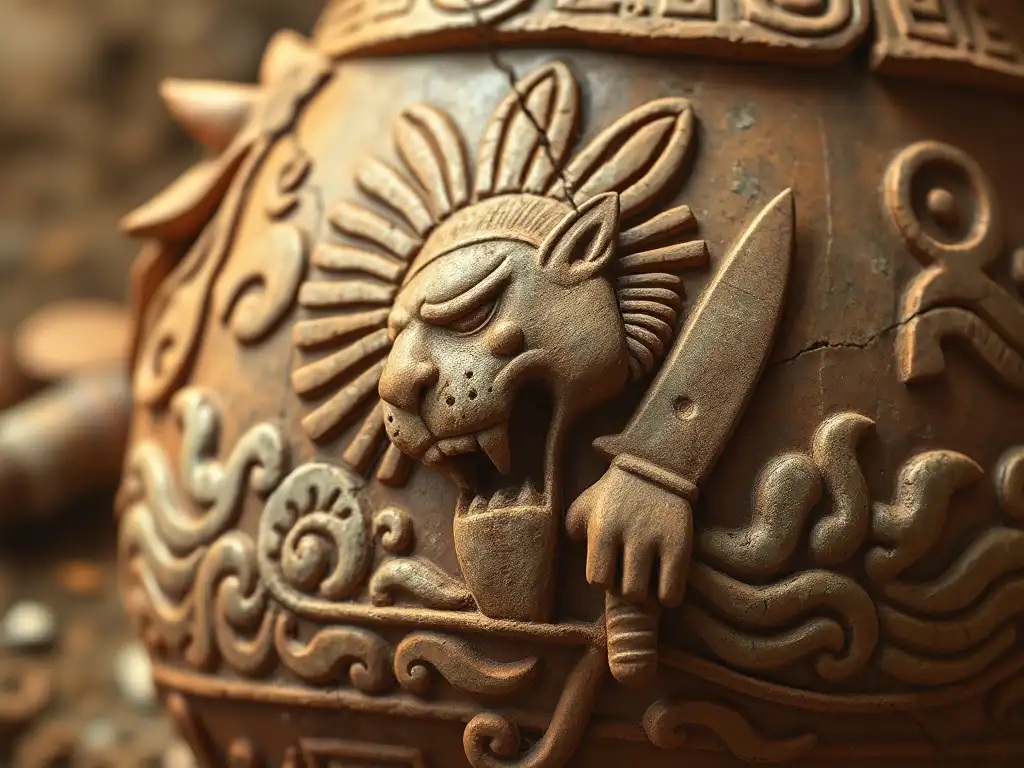
The Moche civilization's mastery of pottery wasn't merely a technical achievement; it was a deeply symbolic act, inextricably linked to their worldview and beliefs about the afterlife. Understanding the materiality of Moche ceramics—the specific clays, pigments, and crafting techniques—is crucial to deciphering the rich symbolism embedded within these vessels. The choice of materials wasn't arbitrary; it reflected the Moche's understanding of the world and their desire to create objects that would transcend the mortal realm.
This section delves into the materials themselves and explores how their properties contributed to the potent symbolism of Moche pottery, particularly in the context of funerary practices. The careful selection and application of materials reinforced the spiritual significance of the vessels, ensuring their effectiveness as conduits to the afterlife.
The Use of Clay and Pigments in Moche Ceramics
Moche artisans were incredibly skilled in selecting and utilizing diverse clays, resulting in a wide range of colors and textures in their pottery. The most common clay was a reddish-brown, sourced locally, providing a stable base for the vibrant pigments. However, evidence shows they also employed other clays, achieving variations from light beige to a deep, almost black hue. This diversity in clay types, itself, may hold symbolic meaning, potentially representing different aspects of the earth or underworld.
The pigments used in Moche pottery were equally significant. Analysis reveals the use of natural minerals and plant-based dyes, painstakingly ground and mixed to achieve an astonishing array of colors. Red, achieved from hematite, was a prominent color, likely associated with blood, sacrifice, and vitality. Yellow, possibly from goethite, often complemented the red, perhaps symbolizing the sun or the power of the elite.
Black, a color frequently used for intricate details and background designs, might have represented the night, the underworld, or the mystery of the afterlife. The meticulous application of these pigments, often layered for depth and brilliance, further emphasizes the ritualistic significance of the vessels. The precision required to achieve such nuanced color transitions speaks volumes about the dedication and expertise of Moche artisans and the importance they placed on these artifacts. The vibrant colors weren't merely decorative; they were integral to the vessels' symbolic power.
The Process of Crafting Vessels for the Afterlife
The creation of Moche funerary pottery wasn't a simple manufacturing process; it was a ritualistic act, imbued with spiritual intention. The painstaking process, from clay selection to the final firing, likely involved specialized artisans and may have been accompanied by specific ceremonies. Evidence suggests a multi-stage process, including modeling, smoothing, and painting, each step adding to the vessel's symbolic potency.
The use of molds, particularly for creating standardized shapes, doesn't diminish the artistry. Rather, it points to a sophisticated system of production capable of generating a large quantity of ceremonial vessels, each imbued with symbolic meaning. The skill and precision evident in the intricate details, even on mass-produced pieces, highlight the importance of these objects within Moche society.
The act of crafting itself, therefore, was a crucial aspect of the vessels' symbolic power, connecting the artisan's skill to the spiritual journey of the deceased. The time and effort invested in each piece underscores its value as a conduit to the afterlife.
The Importance of Moche Pottery as Burial Goods
Moche pottery's significance is powerfully illustrated by its presence in burials. These vessels weren't merely grave goods; they were essential components of the funerary ritual, intended to provide the deceased with sustenance, companionship, and access to the spiritual realm. The types of vessels found in burials—from elaborate portrait vessels depicting the deceased to intricately decorated jars containing food and drink—reveal the Moche's complex beliefs about the afterlife.
The inclusion of portrait vessels, meticulously crafted to resemble the deceased, is particularly striking. These vessels are not simply representations; they're believed to have been imbued with the individual's spirit, ensuring their continued existence in the afterlife. The detailed depictions, often including clothing, jewelry, and even physical features, suggest the importance of maintaining the individual’s identity beyond death.
This practice underscores the Moche belief in a continued existence after death, where the vessels played a vital role. The presence of food and drink in other vessels further indicates a desire to provide for the deceased's needs in their journey to the afterlife, highlighting the practical and spiritual significance of Moche pottery within their funerary practices. The study of Moche burial sites continues to reveal new insights into the profound connection between Moche pottery and their beliefs about the afterlife.
Further research is needed to fully understand the nuances of these burial practices and the symbolic meaning of the various types of vessels found within them. The analysis of organic residues within vessels could reveal further details about the types of food and drink offered to the deceased. The ongoing investigation of Moche pottery and its role in funerary rituals continues to enhance our understanding of this fascinating civilization’s beliefs about death and the afterlife.
Moche Funerary Practices: Contextualizing the Pottery
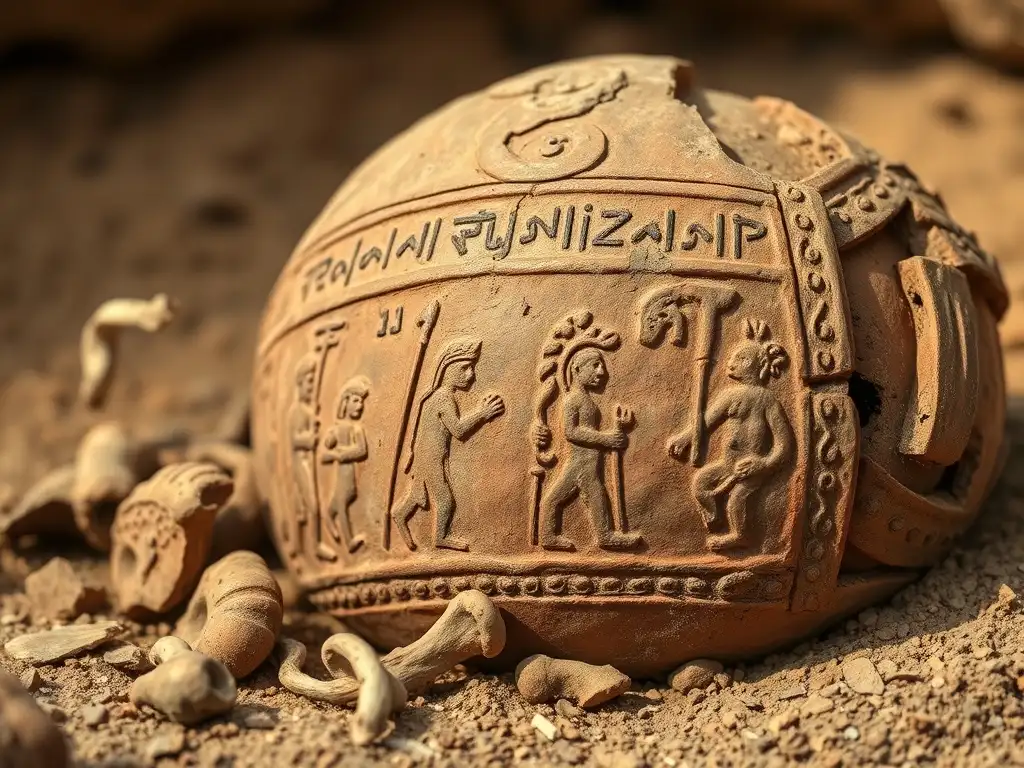
The vibrant and intricate artistry of Moche pottery wasn't merely decorative; it played a crucial role in their complex funerary practices and beliefs about the afterlife. Understanding Moche burial rituals is key to deciphering the symbolism embedded within their ceramic vessels. These weren't simply containers; they were integral components of a meticulously orchestrated ritual designed to ensure a successful transition to the next world.
The Moche, inhabiting the northern coast of Peru from approximately 100 CE to 800 CE, invested significant effort and artistry into preparing individuals for their final journey. This dedication is vividly reflected in the rich array of grave goods, with pottery forming a substantial and symbolically potent portion. The meticulous care taken in the creation and placement of these vessels suggests a deep-seated belief in the continued relevance of these objects in the afterlife.
Analysis of Moche tombs reveals a deliberate and often elaborate arrangement of funerary goods, highlighting the importance attributed to these items. The study of "Moche pottery afterlife symbolism" thus requires a thorough understanding of their burial customs.
Moche Burials and the Placement of Ceramics
Moche burials varied considerably in scale and complexity, ranging from simple interments to elaborate tomb complexes. However, the presence of ceramic vessels is a near-universal feature, regardless of the burial's grandeur. In simpler burials, one might find a single, relatively plain vessel containing food or drink offerings.
More elaborate tombs, however, often contain dozens, even hundreds, of vessels, showcasing a remarkable diversity in size, shape, and decorative style. These vessels were not haphazardly thrown into the grave; rather, they were carefully arranged, often reflecting specific rituals and beliefs. For example, some vessels might be placed near the head of the deceased, potentially representing sustenance for the journey, while others might be positioned near the feet, perhaps symbolizing a connection to the earthly realm.
The placement of the pottery itself, therefore, offers valuable clues to understanding its symbolic function within the funerary context. Detailed records of excavated Moche tombs consistently show this careful arrangement, demonstrating the deliberate and ritualistic nature of the burial process. Specific examples, such as the arrangement of vessels in the Huaca de la Luna complex, reveal intricate patterns and groupings that suggest complex social hierarchies and beliefs about the afterlife.
Evidence of Ritual Use of Moche Pottery in Burials
Beyond their placement, evidence suggests that some Moche pottery was actually used in ritual acts during the burial ceremony. Residue analysis of certain vessels has revealed traces of food and drink, confirming their use as containers for offerings. Furthermore, the presence of broken or damaged vessels in some tombs suggests that they might have been intentionally shattered as part of a ritual performance.
This intentional breakage isn't necessarily indicative of disrespect; instead, it might symbolize the destruction of the earthly vessel to allow the spirit to freely transition to the afterlife. The presence of miniature vessels within larger ones is also intriguing. These may represent offerings intended for the deceased's continued use in the spirit world.
Some scholars suggest that the act of creating and placing these vessels was itself a ritual, a way to symbolically transfer life force or energy to the deceased. The diversity of vessel types found in Moche tombs further supports the idea of ritualized usage, with specific forms possibly linked to specific rituals or stages of the funerary process. Further research into residue analysis and the context of broken pottery is needed to fully understand this aspect of Moche funerary rituals.
The Interconnection Between Moche Art, Ritual, and Beliefs
The intricate iconography adorning Moche pottery provides further insight into their beliefs about death and the afterlife. Depictions of supernatural beings, mythical creatures, and scenes of ritual sacrifice are common motifs. These images weren't merely decorative; they served as powerful visual representations of the Moche worldview and their understanding of the journey beyond death.
The artistic skill and technical mastery evident in these vessels highlight the importance attributed to this visual communication. The detailed scenes depicted on the pottery, often involving complex narratives, suggest a sophisticated understanding of the afterlife and the challenges faced by the deceased in their transition. The careful selection of specific motifs, such as specific deities or supernatural creatures, indicates a deliberate attempt to invoke their power and protection for the deceased.
Analyzing the specific iconography on the vessels, therefore, allows us to understand the beliefs and rituals surrounding death and the afterlife within Moche culture. The study of Moche pottery, therefore, offers a unique window into the complex interplay of art, ritual, and belief in a fascinating ancient civilization.
Conclusion: Moche Pottery as a Legacy of Afterlife Beliefs
The intricate artistry of Moche pottery offers a unique window into the cosmology and beliefs surrounding death and the afterlife in ancient Andean societies. More than mere vessels, these ceramics served as powerful symbolic representations of the Moche worldview, reflecting their complex understanding of the cosmos and their place within it. The detailed depictions of deities, mythical creatures, and scenes of daily life, often within the context of funerary rituals, provide invaluable insights into their spiritual beliefs and funerary practices.
The enduring presence of these artifacts allows us to engage with their beliefs in a tangible way, enriching our understanding of this fascinating civilization. The meticulous craftsmanship evident in each piece underscores the profound importance attributed to these objects and their role in facilitating the deceased's journey to the afterlife. Analyzing the iconography and context of these pieces allows us to piece together a more complete picture of Moche funerary rituals and their associated beliefs.
The vibrant colors, complex scenes, and intricate detailing are not mere aesthetic choices; they are integral components of a complex system of beliefs that continues to fascinate and inspire researchers today. The legacy of Moche pottery is not just one of artistic achievement, but also of profound spiritual significance.
The Enduring Significance of Moche Pottery Afterlife Symbolism
The symbolism present in Moche pottery related to the afterlife continues to resonate today. Scholars continue to decipher the intricate iconography, revealing new layers of meaning and further solidifying the understanding of Moche beliefs. The recurring motifs, such as the depiction of decapitated figures, ritual sacrifices, and shamanistic practices, highlight the importance these rituals played in their spiritual system.
These scenes, meticulously rendered on the pottery surfaces, are not merely decorative but serve as visual narratives, communicating complex ideas about the transition to the afterlife. The presence of food and drink vessels further emphasizes the provision of sustenance for the journey to the next world. The continuity of certain symbolic elements across different Moche pottery styles suggests a consistent and deeply rooted belief system, highlighting the enduring nature of these spiritual concepts.
The study of Moche pottery afterlife symbolism remains an active area of research, with ongoing discoveries continually refining our understanding of this fascinating aspect of Moche culture. The implications of these discoveries extend beyond the Moche themselves, shedding light on broader Andean religious practices and beliefs.
The Contribution of Moche Art to Understanding Andean Beliefs
Moche pottery provides crucial insights into the broader context of Andean beliefs surrounding death and the afterlife. While the Moche civilization is unique, comparisons with other contemporaneous Andean cultures reveal both similarities and differences in their spiritual practices. The depiction of deities and mythological creatures found on Moche pottery often shares common threads with iconography from other Andean cultures, suggesting a shared understanding of the supernatural realm.
However, the unique artistic style and specific iconographic elements of Moche pottery also highlight their distinct cultural identity. By studying Moche pottery alongside artifacts from other Andean civilizations, researchers can identify common themes and variations in their beliefs, contributing to a more comprehensive understanding of the religious landscape of ancient Andean societies.
The rich tapestry of Andean beliefs is further illuminated through the detailed analysis of Moche funerary practices and the symbolic objects found within their tombs. This interdisciplinary approach, combining art history, archaeology, and anthropology, provides a more holistic perspective on the significance of Moche pottery within the broader context of Andean spirituality.
Further Research and Exploration into Moche Funerary Practices and Art
Further research is crucial to enhance our understanding of Moche funerary practices and their connection to the symbolism depicted in their pottery. Future studies should focus on several key areas: a more comprehensive analysis of the geographical distribution of specific iconographic elements to better understand regional variations in beliefs; a detailed study of the materials used in the creation of the pottery and their possible symbolic significance; and a more thorough investigation into the relationship between the pottery and other funerary objects found in Moche tombs.
This interdisciplinary approach, involving collaboration between archaeologists, art historians, and anthropologists, promises to yield significant insights into the intricate relationship between Moche art, funerary rituals, and their beliefs about the afterlife. Technological advancements, such as advanced imaging techniques, can provide non-invasive ways to analyze the pottery and reveal hidden details, further enhancing our understanding of Moche art and its profound connection to their spiritual world.
The ongoing exploration of Moche funerary sites and the continued analysis of their artifacts will undoubtedly bring forth new discoveries and deepen our appreciation for the rich cultural legacy of this remarkable civilization. The potential for uncovering further information about "Moche pottery afterlife symbolism" is immense, promising a greater understanding of this fascinating and complex aspect of Andean history.
Frequently Asked Questions
What is the significance of Moche pottery in relation to the afterlife?
Moche pottery played a crucial role in their beliefs about the afterlife. Elaborate vessels depicted scenes of the journey to the underworld and were often included in funerary contexts, providing necessities and companionship for the deceased.
How did Moche artists depict the afterlife in their pottery?
Moche artists vividly portrayed their vision of the afterlife through complex scenes on their pottery. These scenes frequently featured deities, shamans, and otherworldly beings, reflecting their cosmological beliefs.
What types of vessels were commonly used in Moche funerary practices?
A variety of vessels were used, including stirrup-spout bottles, double-spout vessels, and figurative jars. These held food, drink, and other offerings intended for the deceased's use in the next world.
What materials were used in creating Moche funerary pottery?
Moche potters primarily used clay sourced locally. They were skilled in creating durable, finely finished vessels, often decorated with vibrant pigments and intricate designs.
Where can I learn more about Moche pottery and its afterlife symbolism?
You can explore further by visiting museums with significant Moche collections or researching scholarly articles and books on Moche culture and funerary practices. Many online resources also offer detailed information on this topic.
Final Reflection: Echoes of the Moche in Our Modern Search for Meaning
The vibrant artistry of the Moche civilization, as expressed through their funerary pottery, continues to resonate with us today, offering a powerful glimpse into humanity's enduring fascination with the afterlife. Their intricate depictions of deities, rituals, and the journey beyond the earthly realm are not simply historical artifacts; they are windows into a timeless human quest for understanding our mortality and our place in the cosmos. The meticulous detail and emotional intensity captured in these vessels transcend time, reminding us of the universal human experience of loss, remembrance, and the search for meaning beyond death.
The Moche's profound engagement with death and the afterlife, as evidenced in their pottery, profoundly impacts our understanding of ancient Andean cultures and their complex belief systems. Their artistic expressions weren't merely decorative; they were integral to their spiritual practices, offering a tangible link between the living and the deceased. This dedication to commemorating the dead speaks volumes about the value they placed on community, lineage, and the continuity of life. Art washes away from the soul the dust of everyday life.
– Pablo Picasso. This quote, while not directly about the Moche, perfectly encapsulates the power of their art to connect us to a deeper understanding of the human spirit, even across millennia.
Consider the enduring power of these images. How do the Moche's artistic expressions of their beliefs about death and the afterlife resonate with your own personal understanding of mortality? Take a moment to reflect on your own beliefs and values surrounding death and legacy. What rituals or expressions do you use, or would you use, to commemorate loved ones and to grapple with the mysteries of existence beyond our earthly lives? Let the legacy of the Moche inspire you to explore your own spiritual journey and to find meaningful ways to connect with the enduring power of human experience.
**Unveil the Mysteries of Moche Art! **
Thank you for exploring the fascinating world of Moche art and its profound connection to the afterlife! You've discovered that these unique vessels were far more than mere artifacts; they served as essential companions on the journey to the next world. Now, let's delve even deeper!
- **Dive deeper:** Visit a local museum to see authentic Moche pottery and artifacts up close, experiencing their artistry and craftsmanship firsthand. Alternatively, explore the many high-quality virtual museum exhibits available online.
- **Share your passion:** Discuss these remarkable artworks with friends, family, or within online communities dedicated to ancient Peruvian cultures. Help spread appreciation and understanding of Moche civilization.
- **Create your own:** Try your hand at pottery! Experiment with clay and let your creativity flow, connecting with the ancient traditions of the Moche through artistic expression. Even a simple attempt will foster a deeper appreciation for their skill.
Which aspect of Moche art most captivates you, and how might their unique perspective on the afterlife influence our contemporary understanding of mortality?