
Unearth Your Inner Andean Artist: A Guide to Moche Pottery Techniques

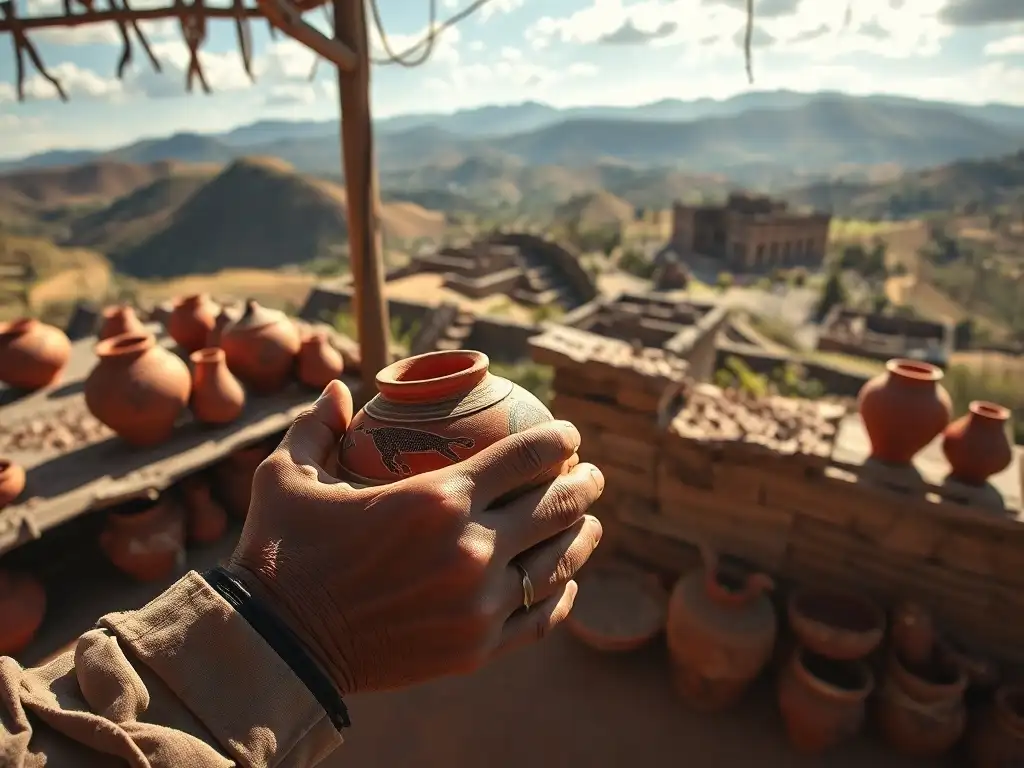
Step into a world lost to time, yet vibrantly alive through its artistry. Imagine the hands that shaped the earth, transforming clay into breathtaking masterpieces. This is the legacy of the Andean civilizations, a tapestry woven with threads of innovation and wonder. Prepare to be captivated as we delve into the secrets behind their enduring skill, starting with our comprehensive Moche pottery techniques guide. Unlock the mysteries of their techniques and discover the vibrant stories etched in clay—your journey into the heart of Andean artistry begins now.
- Introduction to Moche Pottery: A Legacy in Clay
- Essential Tools and Materials for Moche-Inspired Pottery
- Step-by-Step Guide to Moche Pottery Techniques
- Advanced Techniques and Moche Pottery Mastery
- Monetizing Your Moche Pottery Journey
- Conclusion: Embracing the Moche Artistic Spirit
- Frequently Asked Questions
- Final Reflection: Unearthing Creativity, Reconnecting with the Past
- Unleash Your Creativity in Andean Pottery!
Introduction to Moche Pottery: A Legacy in Clay
The Moche civilization, flourishing along the northern coast of Peru from approximately 100 CE to 800 CE, left behind a remarkable legacy: their intricately crafted pottery. More than mere vessels, these ceramic masterpieces offer a captivating window into their complex society, religious beliefs, and daily life. This guide delves into the fascinating world of Moche pottery techniques, providing you with the knowledge and inspiration to create your own Andean-inspired art.
We'll explore the historical context of this significant art form, examine the cultural nuances reflected in the pottery, and discuss the enduring relevance of learning these techniques in the modern era. Get ready to unearth your inner Andean artist and experience the rich artistry of the Moche people firsthand! This comprehensive guide, designed to help you master the intricacies of Moche pottery techniques, will equip you with the skills to appreciate and recreate this remarkable cultural heritage.
The Significance of Moche Ceramics in Andean History
Moche pottery holds an unparalleled position in Andean archaeology. Unlike many other ancient cultures, the Moche left behind a vast collection of ceramics depicting a wide array of subjects. These aren't simply utilitarian objects; they're vibrant narratives, meticulously crafted to portray scenes of daily life, religious rituals, warfare, and mythology. The level of detail and artistry is astonishing, showcasing the Moche's advanced technical skills and their profound understanding of ceramic production. The sheer volume of surviving pottery, found in both elite tombs and everyday contexts, provides an unparalleled insight into the social structure, beliefs, and artistic achievements of this remarkable civilization. Specific examples include the detailed depictions of human sacrifice in some vessels, the realistic portrayal of flora and fauna, and the intricate designs often featuring mythical beings and complex iconography. The sheer variety of forms, from simple bowls to elaborate portrait vessels, further underscores their mastery of the craft.
Understanding the Moche Culture and Their Artistic Prowess
The Moche were a highly sophisticated society with a complex social hierarchy. Their artistic prowess wasn't limited to pottery; they were also skilled metalworkers, weavers, and architects. However, their ceramics stand out for their exceptional realism and expressive power.
The Moche potters employed a variety of techniques, including modeling, molding, and the use of slip and paint to achieve stunning results. They utilized a range of colors, including reds, yellows, browns, and blacks, often creating intricate polychrome designs. Importantly, the iconography found on Moche pottery often reveals details about their religious beliefs, social structures, and daily life— offering a glimpse into a world largely lost to time.
The use of specific motifs, like the depiction of deities, warriors, and agricultural scenes, provides valuable clues about their worldview and societal values. Furthermore, the consistent high quality of the pottery across different time periods and social strata shows a widespread understanding and appreciation of this artistic tradition.
Why Learn Moche Pottery Techniques Today?
Learning Moche pottery techniques offers more than just a creative outlet; it's a journey into the past, a connection to a rich cultural heritage. By mastering these techniques, we gain a deeper appreciation for the ingenuity and skill of the Moche people. It allows for a hands-on engagement with history, fostering a deeper understanding of this fascinating civilization.
Furthermore, recreating these techniques can be a powerful way to preserve and celebrate Andean art. The process of learning involves meticulous attention to detail, promoting mindfulness and a sense of accomplishment. The final product, a piece of Moche-inspired pottery, becomes a tangible testament to the enduring power of ancient artistry and a celebration of a vibrant culture.
In a world increasingly dominated by technology, engaging with traditional crafts like Moche pottery offers a valuable counterpoint, connecting us to our creative potential and the rich tapestry of human history. The revival and continued exploration of Moche pottery techniques serve as a powerful reminder of the artistic legacy of the Andean civilizations and their continuing influence on art and culture today.
Essential Tools and Materials for Moche-Inspired Pottery
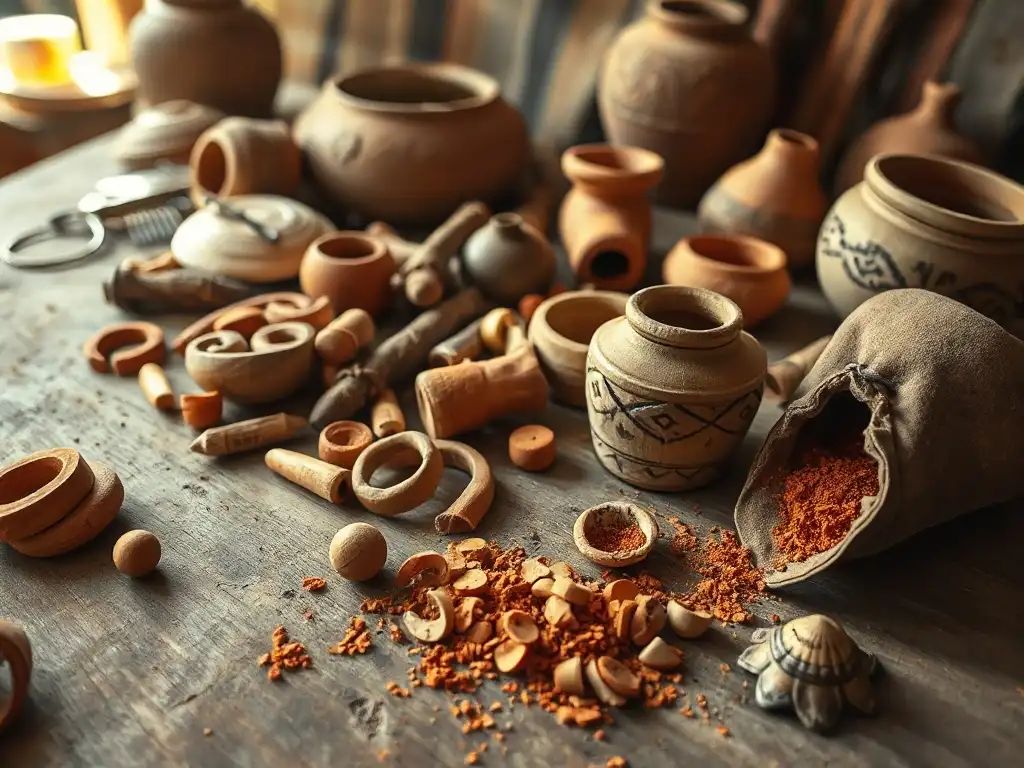
This section delves into the crucial tools and materials needed to embark on your Moche pottery journey. Understanding these fundamentals is key to replicating the unique aesthetic and techniques of the Moche civilization. Accurate material selection directly impacts the final product's quality and authenticity. This guide provides a detailed breakdown to ensure your success in creating your own Moche-inspired masterpieces.
Selecting the Right Clay for Moche Style Pottery
The Moche potters were masters of their craft, and their success stemmed partly from their careful selection of clay. The type of clay used significantly influenced the final piece's texture, color, and durability. While the exact clay compositions used by the Moche are not fully documented, we know they utilized locally sourced materials. This means that the specific clay you choose will depend on your geographic location and accessibility.
However, certain characteristics are key to achieving a Moche-like aesthetic:
- Color: Moche pottery is known for its vibrant colors, often achieved through the use of clays with naturally occurring pigments. Look for clays that are reddish-brown, beige, or even black, as these were common colors in Moche pottery. Consider incorporating additives for specific color variations.
- Texture: The texture of the clay is also important. Moche pottery often exhibits a smooth, refined surface, indicating a careful preparation process. Choose a clay that is relatively fine-grained and free of large impurities.
- Workability: The clay should be workable—that is, it should be easy to shape and mold without cracking or becoming too sticky. This often involves adding water and manipulating the clay until it reaches the correct consistency. Consider testing different clay types to find one that suits your skill level and preferred working style.
Remember that experimentation is key! Don't be afraid to try different clay types and blends to achieve your desired results. Document your findings to refine your technique over time. The journey of discovering the perfect clay is an integral part of understanding Moche pottery techniques.
Gathering Your Pottery Tools: A Beginner's Guide
Creating authentic-looking Moche pottery requires a thoughtful selection of tools. While the ancient Moche may have used rudimentary tools, modern techniques can help you achieve similar results with greater ease and precision. Here's a list of essential tools:
| Tool | Description | Importance |
|---|---|---|
| Modeling Tools | Wooden tools, sculpting tools, loop tools, rib tools | Shaping and refining the clay form |
| Sponges and Brushes | Natural sea sponges, soft-bristled brushes | Smoothing the surface and applying slip and paint |
| Slip | A mixture of clay and water, used as a sealant and adhesive | Creating a smooth surface and preventing cracking during firing |
| Paints | Natural pigments (ochre, hematite, etc.) or ceramic paints | Applying colors and designs, mirroring Moche stylistic choices |
| Kiln (or alternative) | A kiln for firing the pottery at high temperatures (or a safer alternative for beginners) | Essential for hardening the clay and making the pottery durable and water-resistant |
This list is not exhaustive, and you may find yourself adding other tools as you develop your skills. The key is to start with the basics and gradually expand your toolkit as needed. Remember that the Moche were inventive; don't be afraid to experiment and adapt tools to suit your needs.
Preparing Your Workspace: Setting Up for Success
Setting up a dedicated workspace is crucial for efficient and enjoyable pottery creation. A well-organized space minimizes distractions and allows for a smooth workflow. Consider these key aspects:
- Ventilation: Clay work can be dusty, and some paints may release fumes. Ensure adequate ventilation to maintain a healthy and comfortable working environment. Open windows or use a fan.
- Cleanliness: Maintaining a clean workspace is essential to prevent contamination of your clay and paints. Have a designated area for cleaning your tools and a system for disposing of waste materials.
- Organization: Keep your tools and materials organized and within easy reach. A well-organized workspace reduces frustration and improves efficiency. Consider using containers and shelves to store your supplies.
- Space: Ensure you have sufficient space to comfortably work with the clay and your tools. Consider the size of your projects and plan accordingly. A larger work surface is preferable to a cramped one.
By creating a dedicated and well-organized workspace, you set the stage for a positive and productive pottery experience. This attention to detail mirrors the care and precision the Moche potters employed in their own work. A well-prepared workspace fosters creativity and allows you to fully focus on mastering Moche pottery techniques.
Step-by-Step Guide to Moche Pottery Techniques
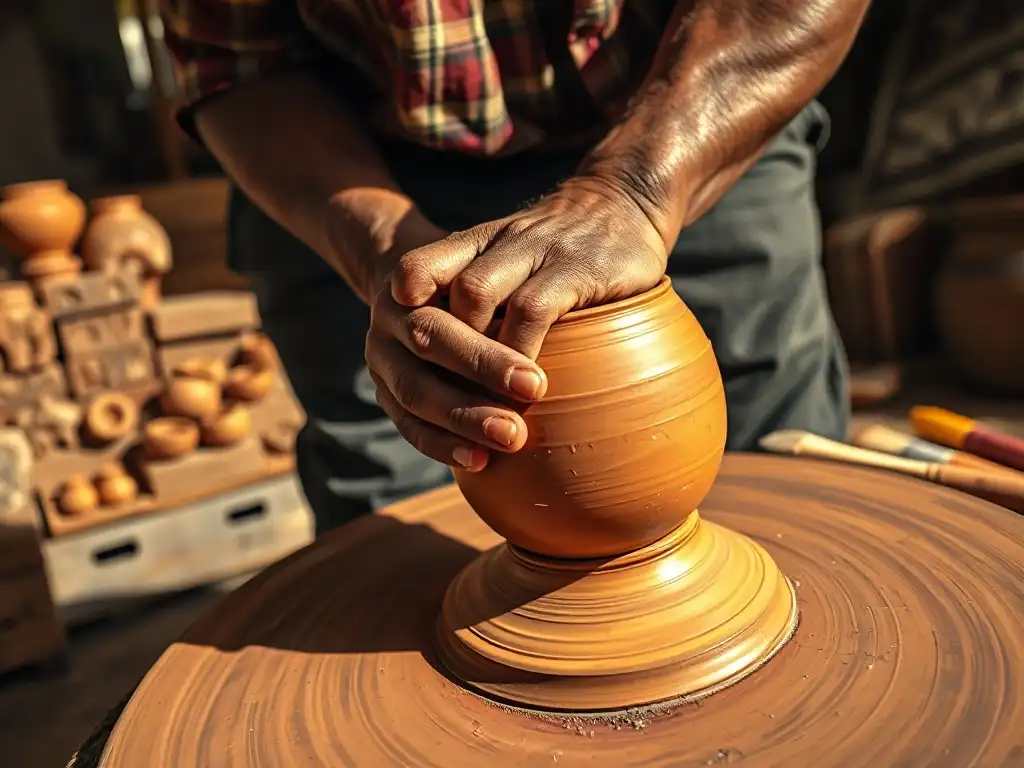
This section delves into the fascinating world of Moche pottery techniques, providing a detailed guide to recreate these ancient masterpieces. Understanding these methods allows for a deeper appreciation of the artistry and skill involved in creating the vibrant and intricate Moche ceramics. This guide focuses on three primary techniques: coil building, slab building, and sculpting/detailing. Mastering these will allow you to embark on your own Moche-inspired pottery journey. Let's begin!
Technique 1: Coil Building for Moche Vessels
Coil building is a fundamental Moche pottery technique. It involves creating long, rope-like coils of clay and layering them to form the desired shape. This method allowed Moche artisans to create vessels of varying sizes and forms, from simple bowls to complex, anthropomorphic figures.
The process begins with preparing the clay. Moche potters likely used locally sourced clay, carefully cleaning and tempering it with materials like sand or crushed rock to improve its workability and prevent cracking during firing. This is crucial for achieving the desired strength and durability.
- Coil Creation: Roll the clay into long, even coils, roughly the thickness of your pinky finger. Consistency is key; uneven coils will result in a bumpy surface.
- Base Construction: Create a small, flat base by pinching a lump of clay into a disc.
- Coil Layering: Carefully place the first coil onto the base, pressing it firmly to ensure adhesion. Continue adding coils, slightly overlapping each one and smoothing the junctions with a wet finger or tool.
- Shape Formation: As you build, gently shape the vessel using your hands or sculpting tools. Regularly check for symmetry and adjust as needed. Remember, the Moche were masters of creating smooth, elegant curves.
- Surface Smoothing: Once the desired shape is achieved, carefully smooth the surface using a wet sponge or a polishing tool. This creates a clean canvas for painting and detailing. The smoother the surface, the more effectively the paint will adhere.
- Drying and Firing: Allow the vessel to dry slowly, ideally in a shaded, well-ventilated area. Rapid drying can cause cracking. Firing is the final step, replicating the Moche's methods using a kiln or a controlled bonfire, achieving the characteristic colors and durability of their pottery.
This meticulous process required patience and skill, reflecting the deep-rooted connection the Moche had with their craft. The precision and elegance of their coil-built vessels are testaments to their mastery.
Technique 2: Slab Building for Moche Art Forms
Slab building, another vital Moche technique, involves creating flat sheets of clay and assembling them to form the desired shape. This method was particularly useful for making larger, more complex pieces or those with geometric designs. Unlike coil building's organic curves, slab building lends itself to sharper lines and more angular forms.
Consider the iconic Moche stirrup-spouted vessels. These often featured intricate designs and needed the precision of slab building to achieve their distinct shapes.
- Clay Preparation: Similar to coil building, prepare the clay thoroughly. The consistency should be firm but pliable, allowing for easy rolling and shaping.
- Slab Creation: Using a rolling pin or similar tool, roll out the clay into flat slabs of uniform thickness. The thickness should be consistent to avoid unevenness in the final piece.
- Cutting and Shaping: Use a sharp knife or wire cutter to cut the slabs into the necessary shapes and sizes. This might involve creating pre-determined sections for the body, spout, and handles of a vessel.
- Joining the Slabs: Carefully join the slabs by scoring the edges and applying slip (a diluted clay mixture) to ensure a strong bond. This is crucial to prevent cracking during drying and firing.
- Sculpting and Detailing: Once the slabs are joined, sculpt the vessel to its final form. This stage allows for adding intricate details and refining the overall aesthetic.
- Drying and Firing: As with coil building, allow the vessel to dry slowly before firing. The firing process is essential for achieving the desired hardness and durability.
Technique 3: Sculpting and Detailing Moche Motifs
The final stage, sculpting and detailing, transformed simple vessels into breathtaking works of art. Moche artisans were masters of depicting intricate scenes, powerful figures, and symbolic motifs, all meticulously rendered in clay. This stage required an exceptional level of skill and patience.
The artistry isn't limited to just shaping the clay. The Moche applied slips of different colors and used various techniques to create textures and patterns. Incising, carving, and applying paint all contributed to the distinctive aesthetic.
- Adding Features: Once the basic form is complete, the Moche artisans began adding features. This could involve sculpting facial features on a human figure, creating intricate patterns on a bowl, or shaping the spout of a stirrup vessel.
- Incising and Carving: Incising involves carving lines into the surface of the clay, creating detailed designs. This technique was often used to create geometric patterns or outlines for painted motifs. Carving allowed for deeper, more three-dimensional details.
- Applying Slip and Paint: Slips, thin coats of colored clay, were applied to create a base color or to highlight specific areas. Paints, often made from natural pigments, were then used to add intricate details and vibrant colors, showcasing their mastery of color and design. The layering of slips and paints contributed to the depth and richness of their work.
- Polishing: Finally, polishing the finished piece would enhance its luster and durability. This final touch completed the transformation of raw clay into a stunning piece of Moche art. Careful polishing would have been integral to the preservation and visual appeal of the finished product.
The Moche pottery techniques, meticulously developed and refined over generations, represent a remarkable achievement in ancient Andean art. By understanding these processes, we can gain a deeper appreciation for the skill, dedication, and artistic vision of the Moche people and their lasting legacy.
Technique 4: Burnishing and Smoothing Moche Pottery
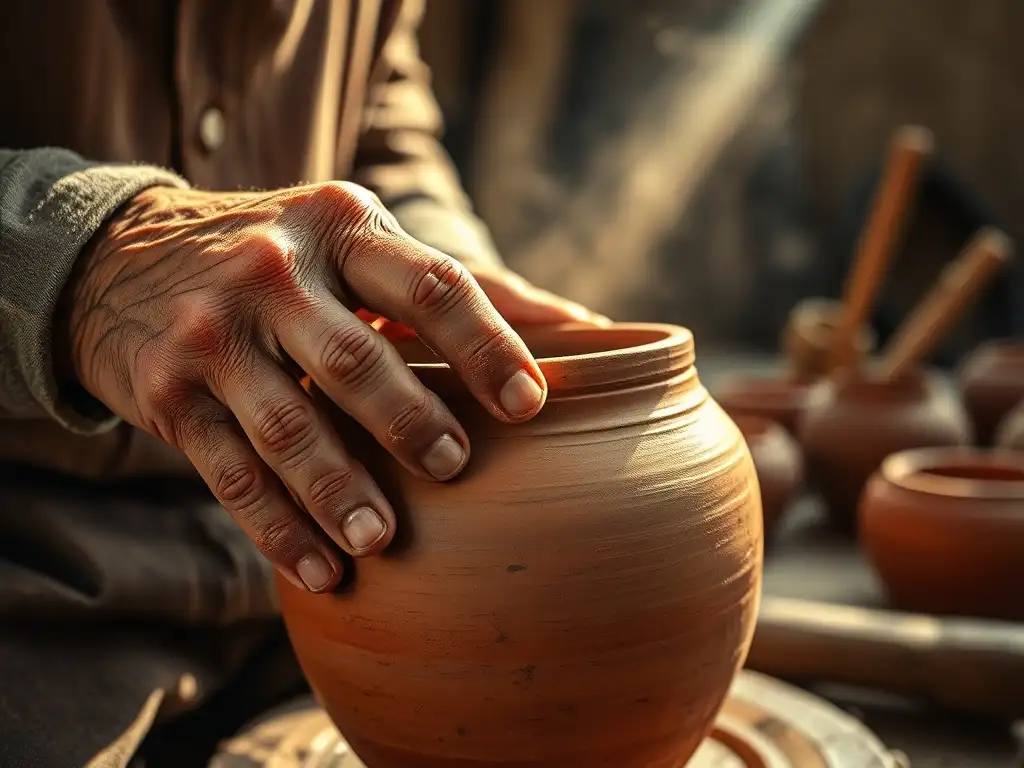
The burnishing process was crucial to achieving the characteristic smoothness and sheen of Moche pottery. This wasn't merely an aesthetic choice; the burnishing process also improved the pottery's durability and water resistance. Moche artisans meticulously smoothed the surface of their vessels using a variety of tools, likely including smooth stones, shells, or even carefully prepared pieces of wood. The process involved applying consistent pressure in a circular motion, gradually reducing the surface roughness.
Evidence suggests that different burnishing techniques might have been employed depending on the desired final effect—some pieces exhibit a high gloss, while others have a more subtle, matte finish. The skill involved in achieving a uniformly burnished surface is evident in the exceptional quality of surviving Moche pottery. Mastering this technique requires patience and a delicate touch, as too much pressure can damage the clay.
Experimentation with different tools and pressures is key to understanding the nuances of Moche burnishing. The resulting polished surface acted as a canvas for the vibrant colors and intricate designs that would later be applied. Achieving a comparable smoothness in your own Moche-inspired pottery will significantly enhance its overall appearance and authenticity.
Technique 5: Applying Moche-Style Decoration
Moche pottery is renowned for its vibrant colors and intricate designs, often depicting scenes of daily life, mythology, and ritual. The application of these decorations involved a multi-step process. Paints were likely made from natural pigments such as minerals and plant extracts, meticulously ground and mixed with a binding agent, possibly gum arabic or a similar substance. The application itself involved fine brushes made from animal hair or possibly even chewed plant fibers, allowing for incredibly detailed work.
Many Moche pieces showcase a mastery of negative space, with finely detailed lines creating intricate patterns and scenes. The use of slips – thin coats of clay – before painting was crucial for creating a smooth, even base for the colors and enhancing their vibrancy. Different techniques, such as layering colors or using resist techniques, allowed for a wide range of visual effects. The most common colors include reds, yellows, blacks, and whites, often combined to create striking contrasts and complex designs.
Replicating this level of detail requires careful attention to detail and a steady hand. Remember, the key is to observe examples of genuine Moche pottery to understand the principles of their decorative style and to practice your own hand at replicating the techniques. The patience and precision required are well worth the effort to recreate these stunning works of art.
Technique 6: Firing Your Moche Pottery
The final stage in creating Moche pottery involved firing the pieces in a kiln. While the exact construction of Moche kilns remains a subject of ongoing research, archaeological evidence suggests that they were likely open-air structures, possibly utilizing various fuels such as wood or dung. The firing process would have been carefully controlled to achieve the desired hardness and color of the pottery. The temperature and duration of the firing would have been critical factors, influencing not only the durability of the vessel but also the final color of the pigments.
Overfiring could lead to cracking or discoloration, while underfiring would result in a weaker, more porous piece. Achieving the correct firing temperature requires experience and careful monitoring, especially for replicating Moche techniques. Modern electric kilns offer precise temperature control, which can be helpful for beginners.
However, even with modern equipment, understanding the principles of the Moche firing process is essential for replicating the quality and appearance of their pottery. The final fired piece represents the culmination of a meticulous process, demonstrating the skill and artistry of the Moche people and the enduring legacy of their pottery techniques. The rich colors and durability of the final product are a testament to the mastery of this crucial stage in the creation of Moche pottery.
Advanced Techniques and Moche Pottery Mastery
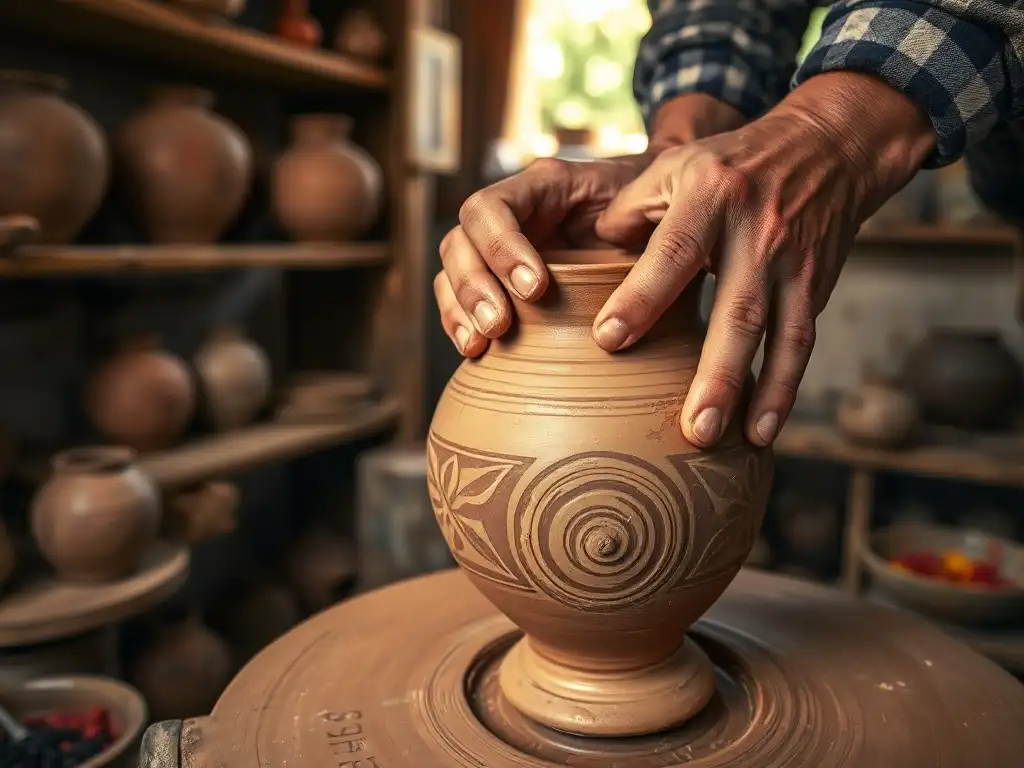
This section delves into the more sophisticated techniques employed by Moche artisans, moving beyond the basics of shaping and firing. Understanding these advanced methods provides a deeper appreciation for the artistry and technical skill involved in creating these remarkable pieces. Mastering these techniques will allow you to elevate your own Moche-inspired pottery to a new level of authenticity and complexity. We'll explore advanced sculpting, intricate iconography, and resources to further your learning journey.
Exploring Advanced Sculpting Techniques
Moche potters weren't just content with simple forms; they pushed the boundaries of ceramic sculpting, creating incredibly detailed and lifelike representations of humans, animals, and mythical beings. Their mastery extended beyond basic hand-building techniques. Let's examine some of these sophisticated approaches:
- Mold Making: Evidence suggests the Moche extensively used molds, particularly for mass-producing certain forms or creating intricate details. These molds, likely made from clay or other materials, allowed for precise replication and efficient production. Imagine the precision required to create a mold capable of capturing the delicate features of a hummingbird or the powerful musculature of a warrior.
- Slip Casting: While not definitively proven for all Moche pottery, the possibility of slip casting—pouring liquid clay into a mold—cannot be ruled out, especially considering the thinness and consistency of some vessels. This technique allowed for the creation of complex shapes and the incorporation of detailed surface decoration.
- Additive Sculpting: Many Moche pieces showcase intricate additions, such as modeled figures, appendages, or decorative elements applied to the vessel's surface after initial shaping. This required a high level of skill in seamlessly integrating these additions to maintain structural integrity and visual harmony. Consider the painstaking work of attaching tiny modeled figures to a larger vessel without compromising the overall piece.
- Inlay and Application: The Moche frequently used inlay techniques, embedding materials like shell, stone, or other clays into the surface of the pottery. This added vibrant color and texture, enhancing the visual impact of their work. This meticulous process required advanced planning and execution.
Mastering Moche Iconography and Design
The iconography found on Moche pottery is rich with symbolism and narrative. Understanding and replicating this imagery is key to creating truly authentic Moche-inspired pieces. The following aspects are crucial to consider:
- Mythological Creatures: Moche pottery frequently depicts fantastic creatures, often combining elements of different animals or incorporating supernatural attributes. Accurately portraying these mythical beings requires careful study of existing examples and a keen eye for detail. Think of the complexity of representing a creature with the head of a jaguar and the body of a serpent.
- Human Figures: The Moche created incredibly expressive and detailed representations of human figures, capturing a wide range of emotions and social statuses. Understanding the nuances of Moche portraiture, including clothing, hairstyles, and body language, is essential for achieving realism in your own work.
- Geometric Patterns: Geometric patterns and motifs are another prominent feature of Moche pottery. These designs, often intricate and complex, can be challenging to replicate accurately. Understanding the underlying principles of these patterns – repetition, symmetry, and variation – is crucial for successful reproduction. The precision and balance in these patterns are a testament to the Moche artisans' skill.
- Color and Pigment: The vibrant colors used by the Moche are a hallmark of their pottery. Reproducing these colors accurately requires careful research into the pigments used and the firing techniques employed. The deep reds, yellows, and blacks are not easily duplicated without an understanding of their creation.
Resources for Further Learning: Courses and Workshops
While this guide provides a foundational understanding of Moche pottery techniques, further exploration is encouraged. Seeking out specialized courses or workshops can significantly enhance your skills and provide hands-on experience. Look for opportunities that focus on pre-Columbian pottery techniques, Andean art history, and ceramic sculpting. These resources may offer in-depth instruction on specific techniques, access to specialized tools and materials, and the opportunity to learn from experienced instructors.
Remember that continued learning and practice are key to mastering the art of Moche-inspired pottery. Consider searching for workshops specifically focusing on the replication of ancient Andean artistic techniques. This immersive approach will provide invaluable experience and insights into the intricacies of the craft.
Monetizing Your Moche Pottery Journey
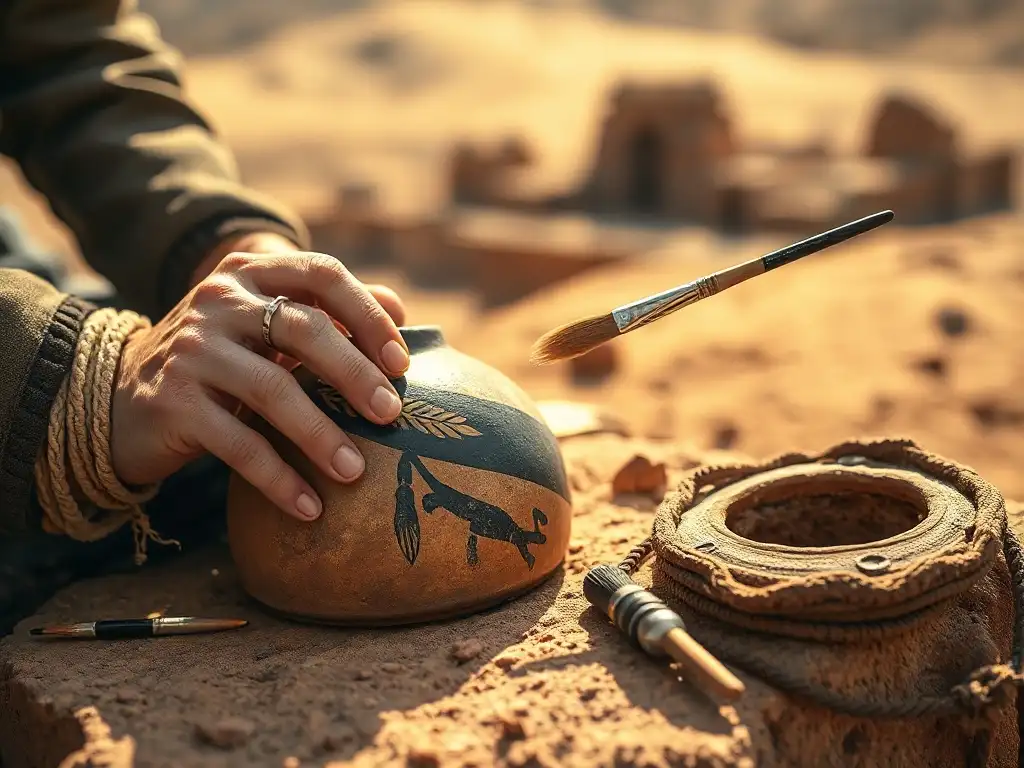
Creating beautiful Moche-inspired pottery can be a deeply rewarding experience, connecting you with a rich artistic heritage. But what if you could also turn your passion into a source of income? This section explores several avenues for monetizing your newfound skills and sharing the beauty of Moche pottery with a wider audience. Let's explore some practical steps you can take to transform your hobby into a profitable venture.
Selling Your Moche-Inspired Creations
The most direct route to monetizing your Moche pottery journey is by selling your creations. This can be achieved through various platforms, each with its own advantages and disadvantages. Consider factors like reach, fees, and the level of control you want over your brand.
Several options exist for selling your handmade pottery:
- Online Marketplaces: Sites like Etsy, Amazon Handmade, and specialized craft marketplaces offer a built-in audience and handle payment processing. However, they typically charge fees per sale. Success here depends on high-quality product photography, compelling descriptions highlighting your Moche inspiration, and competitive pricing. Research keywords like "Moche pottery replica" and "Andean ceramic art" to optimize your listings.
- Your Own Website: Building your own e-commerce website provides greater control over branding and pricing, but requires more upfront investment in website design, hosting, and marketing. This option offers the potential for higher profit margins but demands more technical expertise and marketing effort.
- Local Craft Fairs and Markets: Participating in local craft fairs and farmers' markets allows you to directly interact with potential customers, showcase your work personally, and build a local following. This approach requires less online marketing but more time commitment for event preparation and attendance. Consider using signage that incorporates keywords like "handmade Moche style pottery" to attract interested buyers.
Pricing your pottery strategically is crucial. Factor in the cost of materials, your time investment (including design, creation, and firing), and your desired profit margin. Research the prices of similar handmade pottery online to establish a competitive yet profitable pricing structure. Remember to clearly communicate the inspiration behind your pieces and the unique Moche techniques you've employed.
Developing Your Own Moche Pottery Workshops
Sharing your knowledge and passion for Moche pottery techniques can be a lucrative venture. Consider offering workshops, either in person or online, to teach others the art of creating Moche-inspired pottery.
- In-Person Workshops: Hosting in-person workshops allows for hands-on learning and personalized instruction. You'll need to secure a suitable venue, gather materials, and develop a comprehensive curriculum. Marketing your workshops through local community centers, art schools, and social media is essential. Using descriptive keywords such as "Moche pottery workshop near me" in your marketing materials can significantly improve your reach.
- Online Workshops: Online workshops provide greater flexibility and reach, allowing you to connect with students worldwide. Platforms like Skillshare, Udemy, and Teachable offer tools for creating and selling online courses. You'll need to create high-quality video tutorials, downloadable resources, and a system for student interaction and feedback. Keywords like "online Moche pottery tutorial" and "virtual Andean art class" should be integrated into your course descriptions.
Pricing your workshops should reflect the value you provide – your expertise, the quality of materials, and the time commitment involved. Research the prices of comparable workshops to ensure your pricing is competitive.
Affiliate Opportunities: Recommending Your Favorite Products
Affiliate marketing offers another avenue for generating income. By partnering with suppliers of pottery tools, clays, and other relevant materials, you can earn a commission on sales generated through your referrals.
This approach requires identifying reputable suppliers whose products align with your values and the quality standards you promote. Clearly disclose your affiliate partnerships to maintain transparency with your audience. Incorporate affiliate links naturally within your blog posts, social media updates, and workshop materials, focusing on products that genuinely enhance the Moche pottery creation experience. For instance, you could recommend specific types of clay ideal for replicating Moche textures, or specialized tools for achieving authentic Moche designs. Consider using keywords like "best clay for Moche pottery" or "recommended tools for Andean ceramic art" in your recommendations.
Remember, success in monetizing your Moche pottery journey requires dedication, creativity, and effective marketing. By combining your artistic talent with smart business strategies, you can share your passion for Moche pottery while building a sustainable income stream. The key is to consistently create high-quality work, engage with your audience, and explore diverse avenues for reaching potential customers.
Conclusion: Embracing the Moche Artistic Spirit
The intricate artistry of Moche pottery offers a captivating glimpse into the rich cultural landscape of ancient Peru. By understanding the techniques employed by these master artisans, we can not only appreciate their achievements but also unlock our own creative potential. This guide has explored the key aspects of Moche pottery techniques, from the meticulous preparation of the clay to the vibrant application of pigments.
The process itself is a testament to the dedication and skill of the Moche people, reflecting a deep connection to their environment and a profound understanding of their world. Mastering these techniques, even in a simplified modern context, allows us to connect with this ancient civilization on a deeper level, fostering a renewed appreciation for their artistic legacy. The Moche legacy continues to inspire artists today, demonstrating the timeless appeal of their unique aesthetic.
The Enduring Legacy of Moche Pottery
The influence of Moche pottery extends far beyond the dusty archaeological sites of ancient Peru. Their distinctive style, characterized by its vibrant colors, intricate details, and realistic depictions of both human and animal figures, continues to captivate audiences worldwide. Museums and private collections proudly display Moche pottery pieces, showcasing their remarkable artistry to generations of admirers.
The enduring popularity of these artifacts is a testament to the skill and creativity of the Moche artisans. Furthermore, their techniques have served as inspiration for contemporary artists, who draw upon the Moche aesthetic to create new and innovative works of art. The study of Moche pottery techniques provides valuable insight into the cultural and social structures of the Moche civilization, contributing significantly to our understanding of ancient Andean history.
This enduring legacy is a powerful reminder of the importance of preserving and celebrating cultural heritage. Indeed, the vibrant colors and detailed imagery continue to resonate with modern sensibilities, ensuring the Moche artistic spirit lives on.
Continuing Your Creative Journey
Having explored the foundational techniques of Moche pottery, the possibilities for creative exploration are vast. Experiment with different clay types, experimenting with variations in slip and pigment application to achieve unique textures and colors. Don't be afraid to deviate from traditional Moche motifs and incorporate your own personal style. Consider exploring different firing techniques, researching the effects of varying temperatures and atmospheres on the final product.
Remember, the Moche artisans were innovators themselves, constantly refining their techniques and experimenting with new approaches. The spirit of experimentation is key to unlocking your full creative potential. Furthermore, consider researching other Andean pottery styles for further inspiration, comparing and contrasting the techniques and aesthetics of different cultures.
This comparative approach will deepen your understanding of Andean artistry as a whole. This continued exploration will not only enhance your artistic skills but also broaden your understanding of the rich and diverse history of Andean civilizations. The journey of artistic creation is a continuous process of learning and growth.
Once you've created your own Moche-inspired pottery pieces, consider sharing your work with others. This could involve participating in local art fairs or exhibitions, showcasing your creations online through social media platforms or personal websites, or even teaching others about the techniques you've learned. Sharing your art not only allows you to connect with fellow enthusiasts but also helps to spread awareness and appreciation for the artistic heritage of the Moche civilization. Consider documenting your creative process through photography or video, sharing your techniques and insights with a wider audience.
This documentation can serve as a valuable resource for others interested in learning about Moche pottery. The act of sharing your work is a powerful way to connect with others who share a passion for art and history, fostering a sense of community and collaboration. Remember, the Moche artistic spirit thrives on the exchange of ideas and the celebration of creativity.
Sharing your creations is not just about showcasing your skills but about contributing to a broader conversation about art, history, and cultural heritage. Let your passion for Moche pottery inspire others to explore their own creative potential. 🎨
Frequently Asked Questions
What makes Moche pottery unique?
Moche pottery is renowned for its exceptional craftsmanship and realistic depictions of scenes from daily life, mythology, and rituals. The vibrant colors and intricate details are truly remarkable.
What were the primary materials used in Moche pottery?
The Moche primarily used clay sourced locally, often mixing it with temper like sand or crushed rock for strength. They then painted it with pigments derived from natural minerals.
How did the Moche achieve such realistic portrayals in their pottery?
The Moche employed advanced modeling techniques, skillfully shaping the clay to create three-dimensional figures and detailed scenes. They also used slips and pigments to add color and define features.
What are some common motifs found in Moche pottery?
Common motifs include depictions of powerful rulers, religious ceremonies, fertility symbols, animals, and everyday scenes reflecting Moche society. These often tell stories about their culture.
Where can I learn more about replicating Moche pottery techniques?
Many museums and archaeological sites offer resources and workshops focusing on ancient Andean art. You can also find books and online tutorials that provide step-by-step guides on Moche pottery techniques.
Final Reflection: Unearthing Creativity, Reconnecting with the Past
The intricate artistry of Moche pottery isn't just a relic of the past; it's a vibrant testament to human ingenuity that continues to inspire and challenge us today. The techniques employed by these ancient artisans, detailed throughout this guide, offer a tangible connection to a sophisticated civilization and a powerful reminder of the enduring human capacity for creative expression. Their mastery of form, color, and narrative remains a benchmark of artistic excellence, prompting us to consider the depth of skill and dedication required to achieve such breathtaking results.
The enduring legacy of Moche pottery extends far beyond museum walls; it permeates our understanding of ancient Andean cultures and continues to shape contemporary artistic movements. Their bold use of color, their innovative techniques, and their compelling narratives resonate deeply with modern artists and designers. The past is never dead. It's not even past,
wrote William Faulkner, and the Moche's artistic achievements powerfully illustrate this truth. Their work speaks across millennia, reminding us of the interconnectedness of human experience and the enduring power of artistic expression to transcend time and culture.
Consider, for a moment, the patience, precision, and passion that went into creating each Moche pot. Now, imagine applying that same dedication to your own creative pursuits. This guide is not just a collection of techniques; it's an invitation to explore your own inner Andean artist. Embrace the spirit of experimentation, the joy of discovery, and the power of your own unique creative voice. Let the legacy of the Moche inspire you to unearth your own potential and create something beautiful, something enduring, something truly your own.
Unleash Your Creativity in Andean Pottery!
Thank you for exploring the fascinating world of Moche pottery techniques! We hope you're feeling inspired to create your own stunning pieces using these ancient methods. Let's get started!
Here are some simple steps to begin your artistic journey:
- Start your own Moche-inspired pottery project: Gather your materials and let your imagination run wild as you experiment with the techniques you've learned. Don't be afraid to try new things!
- Connect with other artists: Join an online community or a local workshop to share your creations, exchange ideas, and find inspiration from fellow pottery enthusiasts.
- Share your progress: Use platforms like Instagram or TikTok to document your artistic journey and inspire others to explore their own creativity. Show off your beautiful work!
What unique element will you add to your pottery to make it truly your own?