
Aymara Clothing and Adornment: Styles and Meanings of Traditional Dress

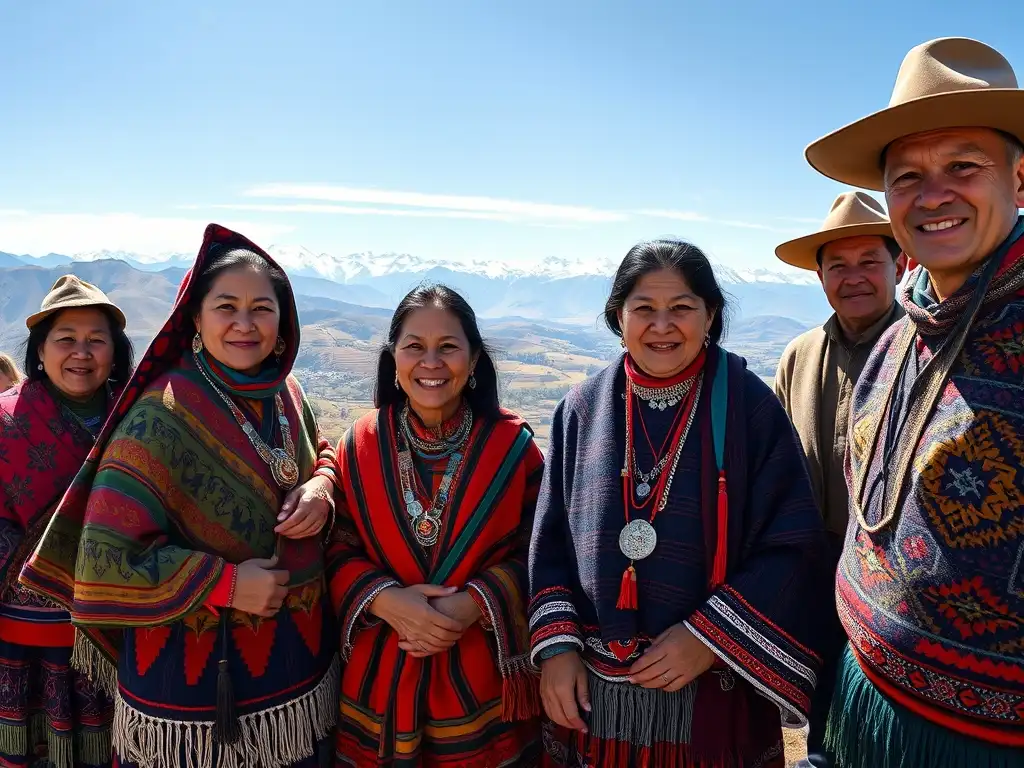
Dive into the mesmerizing world of Andean Civilizations, where vibrant cultures thrived for millennia. Beyond the iconic Incas, a tapestry of fascinating societies wove intricate stories through their traditions. Prepare to be captivated by the intricate symbolism and artistry of Aymara traditional clothing styles, a window into a rich cultural heritage waiting to be unveiled. Discover the hidden meanings woven into every thread – a journey through time and artistry awaits. Explore more now!
The Aymara people, inhabiting the Andean highlands of Bolivia, Peru, and Chile, possess a vibrant and deeply symbolic clothing tradition. Their attire, far from mere garments, serves as a powerful visual language, communicating social status, marital status, geographic origin, and even spiritual beliefs. This article delves into the intricate details of Aymara traditional clothing styles, exploring the diverse array of garments, adornments, and the rich meanings embedded within each piece.
We will examine the craftsmanship, materials, and the evolution of these styles over time, highlighting their enduring significance in contemporary Aymara society. Understanding Aymara clothing provides a window into the heart of their culture, revealing a complex tapestry woven from centuries of history and tradition. This exploration will illuminate the key characteristics that distinguish Aymara dress from other Andean cultures, while also showcasing the remarkable resilience and enduring beauty of their heritage.
The "Lliclla": A Versatile and Symbolic Garment
The lliclla, a rectangular shawl woven from alpaca or llama wool, is perhaps the most iconic piece of Aymara clothing. Its size and the colors and patterns woven into it often indicate the wearer's age, marital status, and community. For example, younger unmarried women might wear a brightly colored lliclla with intricate designs, while older married women might opt for darker, more subdued colors and simpler patterns.
The weaving itself is a testament to the skill and artistry of Aymara women, passed down through generations. The intricate designs often incorporate geometric shapes and symbolic motifs representing elements of nature, animals, or even spiritual concepts. Variations in the lliclla's style can be observed across different Aymara communities, reflecting regional distinctions in textile traditions.
Detailed studies of these variations are still ongoing, revealing new insights into the nuanced cultural significance of this seemingly simple garment. The process of creating a lliclla, from shearing the animals to the final weaving, is a communal effort, often involving multiple family members and reinforcing social bonds.
Headwear: More Than Just Decoration
Aymara headwear is equally significant, varying considerably based on age, gender, and social standing. Women frequently wear a chumpi, a type of headband, often adorned with colorful embroidery or beads. The chumpi not only serves a practical purpose, holding back hair, but also acts as a decorative element, showcasing the wearer's personal style and community affiliation. Older women may choose to wear a more elaborate head covering, perhaps incorporating elements of traditional jewelry or textiles.
Men's headwear is generally simpler, often consisting of a knitted cap or a simple hat, though regional variations exist. [Specific information pending] on the use of specific types of head coverings and their associated meanings in different Aymara communities. Further research is needed to fully document the diverse styles and their cultural implications.
Accessories and Adornments: Completing the Ensemble
Beyond the lliclla and headwear, Aymara clothing is often complemented by a variety of accessories and adornments. These include intricately woven belts, colorful necklaces made from beads or shells, and silver jewelry, often featuring traditional designs and motifs. These adornments are not merely decorative; they often hold symbolic meaning, reflecting the wearer's identity and social status. For example, certain types of jewelry might indicate membership in a particular community or participation in specific rituals.
The use of silver, a precious metal, is often associated with wealth and social standing, although the significance of this varies across different Aymara communities. [Specific examples of jewelry and their meanings pending]. The creation and use of these accessories demonstrates the profound importance of craftsmanship and artistic expression within Aymara culture.
Modern Influences and the Preservation of Tradition
While Aymara traditional clothing styles have persisted for centuries, they are not static. Modern influences, such as the availability of new materials and changing fashion trends, have inevitably impacted Aymara dress. However, there is a strong effort within Aymara communities to preserve and celebrate their traditional clothing, recognizing its profound cultural significance. This preservation is often linked to efforts to revitalize the Aymara language and cultural practices.
The continued use of traditional textiles, weaving techniques, and designs serves as a powerful symbol of cultural identity and resilience. The ongoing efforts to document and promote Aymara clothing traditions contribute to their preservation and ensure that this rich cultural heritage continues to thrive. This active preservation showcases the Aymara people's deep connection to their past and their commitment to maintaining their unique cultural identity in the face of modernization.
- The "Lliclla": A Versatile and Symbolic Garment
- Headwear: More Than Just Decoration
- Accessories and Adornments: Completing the Ensemble
- Modern Influences and the Preservation of Tradition
Understanding Aymara Traditional Clothing Styles
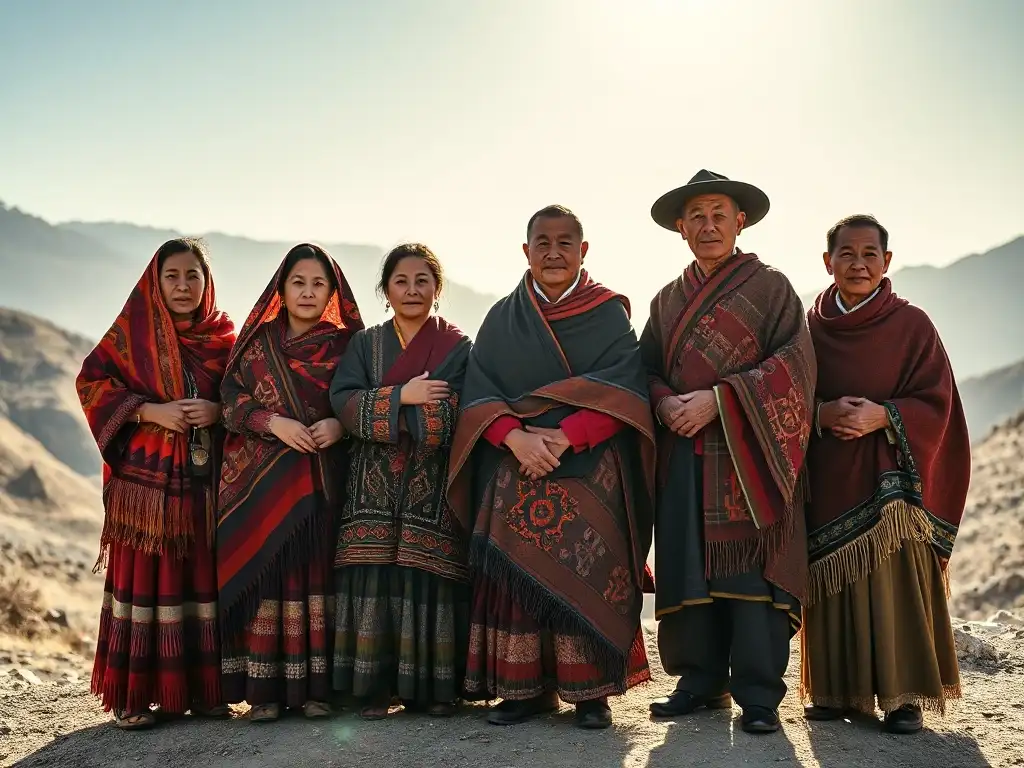
This section delves into the rich tapestry of Aymara traditional clothing styles, exploring the intricate details and symbolic meanings embedded within each garment. We will examine how these styles reflect social status, spiritual beliefs, and the unique environment of the Andean highlands. Understanding Aymara clothing provides a window into the vibrant cultural heritage of this remarkable indigenous group, offering insights into their history, beliefs, and enduring connection to their land.
The careful observation of textiles, colors, and adornments reveals a sophisticated system of communication and self-expression, far beyond mere functionality. This deep understanding of Aymara traditional clothing styles is crucial for appreciating the complexity and resilience of their cultural identity. Analyzing the evolution of these styles also helps us grasp the impacts of globalization and modernization on this ancient tradition.
The Significance of Dress in Aymara Culture
For the Aymara people, clothing is far more than just protection from the elements; it's a powerful symbol of identity, social standing, and spiritual connection. Traditional Aymara attire communicates a wealth of information about the wearer, including their marital status, age, community affiliation, and even their spiritual beliefs. The vibrant colors and intricate designs are not arbitrary; they hold deep symbolic meanings rooted in Aymara cosmology and worldview.
For example, the use of specific colors might represent the earth, the sky, or particular deities. The patterns woven into the textiles often depict sacred animals, plants, or celestial bodies, reflecting the close relationship between the Aymara and their environment. The process of creating these garments is itself a significant ritual, often involving entire families and reflecting the community's collective knowledge and skills passed down through generations.
The enduring significance of Aymara dress is a testament to the cultural resilience and the importance of maintaining traditional practices. Even in the face of modernization and globalization, Aymara communities continue to preserve and celebrate their unique clothing traditions, showcasing a deep-rooted connection to their heritage.
Key Elements of Aymara Attire
Aymara clothing is characterized by several key elements. The most prominent is the lliclla, a large, rectangular shawl typically woven from alpaca or llama wool. Women wear the lliclla draped over their shoulders, often securing it with a decorative pin. The colors and patterns of the lliclla vary greatly depending on the region and the wearer's social status. For example, brighter colors and more intricate designs might indicate higher social standing or a special occasion.
Men traditionally wear a poncho, often made from similar materials. Both men's and women's attire frequently incorporates hand-knitted or woven garments, showcasing exceptional craftsmanship and intricate designs. These designs often include geometric patterns, symbolic representations of Andean flora and fauna, and stylized representations of celestial bodies. Furthermore, the use of specific dyes, sourced from natural materials found in the Andes, adds another layer of cultural significance to the garments. These dyes, often derived from plants and minerals, are not only beautiful but also reflect the deep connection between Aymara people and their environment.
Accessories such as hats, belts, and jewelry further enhance the visual richness and symbolic meaning of Aymara attire. These adornments often incorporate precious metals, beads, and other materials, showcasing both artistic skill and social status. The meticulous construction and symbolic richness of Aymara clothing are a testament to the enduring cultural heritage of this Andean civilization. The careful preservation of these traditional styles represents a powerful assertion of cultural identity in the face of external pressures.
Further Exploration: Regional Variations in Aymara Clothing
While there are common elements in Aymara clothing, significant regional variations exist. These variations reflect the diverse ecological zones and local traditions within the Aymara territory. [Specific examples of regional variations pending]. This diversity highlights the richness and complexity of Aymara culture and the adaptability of their clothing traditions to different environments. Further research is needed to fully document these regional variations and their cultural significance.
Aymara Textile Techniques: Crafting Traditional Garments
The creation of Aymara traditional clothing is a testament to the ingenuity and artistry of the Andean people. Aymara textile production, deeply rooted in ancestral knowledge, involves a complex interplay of natural fibers, intricate weaving techniques, and symbolic dyeing processes. Understanding these techniques reveals a profound connection between the Aymara people and their environment, as well as their rich cultural heritage.
The vibrant colors and intricate designs are not merely decorative; they carry significant social, spiritual, and symbolic meanings, reflecting the wearer's status, identity, and connection to the Andean cosmology. This section delves into the specific techniques employed in crafting these remarkable garments, highlighting the unique characteristics that define Aymara textile artistry.
Mastering these techniques requires years of dedicated practice, passed down through generations of skilled artisans. The preservation of these traditions is crucial for maintaining the cultural identity of the Aymara people and ensuring the continuity of their artistic legacy.
Natural Fibers Used in Aymara Clothing Production
Aymara clothing production relies heavily on locally sourced natural fibers, reflecting a deep understanding and respect for the Andean ecosystem. The most commonly used fibers include alpaca, llama, and vicuña wool. Each fiber possesses unique qualities that influence the final product's texture, warmth, and durability.
- Alpaca: Known for its softness, fineness, and warmth, alpaca wool is highly prized for its luxurious feel and insulation properties. It's frequently used in creating delicate garments and intricate textiles.
- Llama: Llama wool is coarser than alpaca but still offers excellent warmth and durability. It's often used for outer garments and heavier textiles, providing protection from the harsh Andean climate.
- Vicuña: Considered the most luxurious and rarest of the Andean fibers, vicuña wool is exceptionally soft, lightweight, and warm. Due to its scarcity and high quality, vicuña garments are often reserved for special occasions or ceremonial purposes.
The choice of fiber often depends on the intended use of the garment and the wearer's social status. Furthermore, the use of these fibers demonstrates a sustainable approach to textile production, minimizing environmental impact and relying on renewable resources. [Specific data on the percentage of each fiber used in different types of Aymara garments pending].
Weaving Methods and Patterns in Aymara Textiles
Aymara weaving is characterized by its intricate patterns and complex techniques. Traditional backstrap looms are commonly used, a testament to the enduring legacy of ancient Andean weaving traditions. The process involves skillfully manipulating the warp and weft threads to create a variety of textures and designs.
The patterns woven into Aymara textiles are not arbitrary; they convey rich symbolic meaning. Geometric designs, often incorporating stylized representations of animals, plants, and celestial bodies, reflect the Aymara worldview and their connection to the natural world. These patterns can indicate the weaver's origin, social status, or even tell stories passed down through generations.
| Pattern Type | Description | Symbolic Meaning |
|---|---|---|
| Geometric | Repeating shapes like squares, triangles, zigzags | Represents order, balance, and cosmic forces |
| Animal Motifs | Stylized depictions of llamas, alpacas, condors | Symbolizes strength, fertility, and protection |
| Plant Motifs | Representations of Andean flora | Represents abundance, growth, and connection to the earth |
The skill and precision involved in Aymara weaving are remarkable. The intricate details and consistent quality demonstrate a high level of mastery and dedication to the craft. The use of traditional techniques ensures the preservation of a unique artistic heritage and the continuity of cultural practices.
Dyeing Techniques and Color Symbolism
The vibrant colors used in Aymara textiles are achieved through natural dyeing techniques, using plants, minerals, and insects found in the Andean region. These natural dyes not only produce a wide range of beautiful hues but also carry symbolic significance within Aymara culture.
Examples of Natural Dyes and their Corresponding Colors:
- Cochineal insects: Produce vibrant reds and purples.
- Various plants: Offer yellows, oranges, browns, and greens.
- Minerals: Provide blacks, grays, and other earthy tones.
The use of specific colors in Aymara clothing often conveys social status, marital status, or religious affiliation. For example, certain colors might be associated with specific ceremonies or festivals. [Specific examples of color symbolism and their cultural meanings pending].
The intricate dyeing process, combined with the symbolic meanings associated with each color, adds another layer of complexity and significance to Aymara textile art. The continued use of natural dyes not only preserves traditional practices but also highlights the Aymara people's connection to their environment and their deep understanding of the natural world. The vibrant colors and symbolic meanings embedded within Aymara textiles serve as a powerful expression of cultural identity and artistic heritage.
Traditional Aymara Clothing for Women
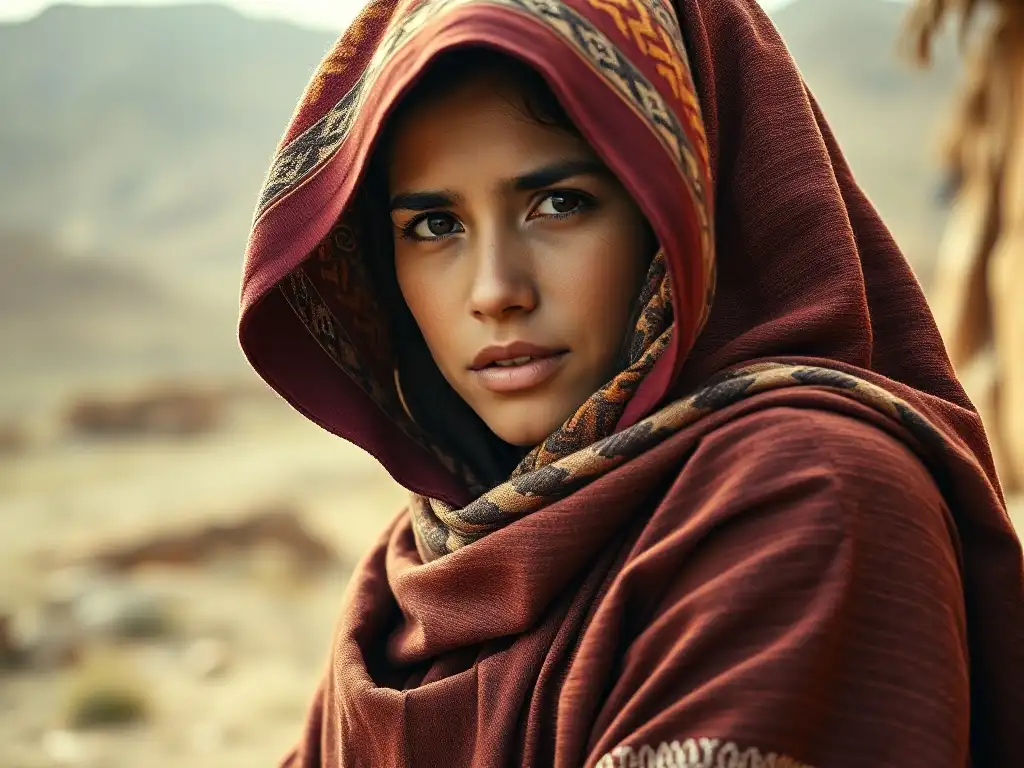
The vibrant and symbolic clothing of Aymara women is a testament to their rich cultural heritage and enduring traditions. The styles, colors, and adornments used tell a story, reflecting social status, marital status, and regional identity. Understanding the nuances of Aymara traditional clothing provides a deeper appreciation for this remarkable Andean culture.
This section focuses on key garments and their significance, exploring the intricate details and symbolism embedded within each piece. We will analyze how these clothing items have evolved and adapted over time while still retaining their core cultural essence. The enduring popularity of these traditional garments is a powerful indicator of the strength and resilience of Aymara identity.
The Awayu: A Multifunctional Textile
The awayu is arguably the most iconic and versatile piece of Aymara women's clothing. This rectangular woven textile, typically made from alpaca or llama wool, serves multiple functions. Its primary use is as a carrying cloth, enabling women to transport goods, children, or even firewood with ease.
The intricate weaving patterns, often featuring geometric designs and vibrant colors, are unique to specific regions and families, acting as visual identifiers. The awayu’s size and weight can vary depending on its intended use and the weaver's skill. Larger, heavier awayus are better suited for carrying heavier loads, while smaller ones might be used for personal adornment or ceremonial purposes.
The colors employed in awayu weaving hold significant meaning. For instance, deep reds might signify strength and vitality, while blues represent the sky and spiritual connection. The use of natural dyes further emphasizes the connection to the land and its resources. These dyes, derived from plants and minerals, add to the textile's unique beauty and longevity. Masterful weavers are highly respected within the community, and the creation of an awayu is often a collaborative process, passed down through generations. The awayu is not simply a functional item; it is a symbol of cultural continuity and female empowerment.
Many Aymara women still use awayus daily, showcasing their enduring relevance in contemporary Aymara life. This adaptability demonstrates the cleverness and practicality woven into the very fabric of Aymara culture. Further research is needed to fully document the regional variations in awayu designs and their associated meanings. [Specific information pending on regional variations in awayu designs].
Lliclla and Manta: Shawls and Wraps
The lliclla and manta are essential components of Aymara women's attire, serving both practical and symbolic purposes. The lliclla, a large rectangular shawl, is typically worn over the shoulders, providing warmth and protection from the elements. Its vibrant colors and intricate designs, often incorporating geometric patterns and stylized representations of Andean flora and fauna, add a layer of visual richness to the overall outfit. Like the awayu, the lliclla’s patterns can identify the wearer's region or family lineage.
The manta, a larger and heavier wrap, is often used as an outer garment, offering additional warmth during colder months. It can also serve as a blanket or a floor covering. The manta’s texture and weight can vary depending on the type of wool used and the weaving technique employed.
The use of alpaca wool, known for its softness and warmth, is particularly valued for manta production. These shawls and wraps are not just clothing; they are important elements of Aymara identity and cultural expression. The intricate weaving techniques represent generations of knowledge and skill passed down within Aymara families.
The lliclla and manta are integral to Aymara women's daily lives, reflecting their adaptability and resilience in the face of changing times. The continued use of these traditional garments underscores the enduring significance of Aymara cultural heritage. Further investigation into the specific symbolic meanings of different colors and patterns within lliclla and manta designs would enrich our understanding. [Specific information pending on symbolic meanings of colors and patterns].
Pollera and Anaco: Skirts and Dresses
The pollera and anaco form the foundation of Aymara women's lower garments, offering both comfort and aesthetic appeal. The pollera, a full, gathered skirt, is typically made from several layers of brightly colored fabric. These layers often consist of different textiles, creating a visually striking effect. The colors and patterns used in pollera construction often reflect regional variations and personal preferences. The length and fullness of the pollera can also vary, depending on age, marital status, and regional customs.
The anaco, a simpler, single-piece garment, is often worn underneath the pollera, providing additional warmth and support. It can be made from various materials, including cotton, wool, or a blend of both. The anaco’s simple design contrasts with the more elaborate pollera, creating a harmonious balance in the overall outfit. The pollera and anaco, together, form a practical and visually appealing ensemble that is both functional and aesthetically pleasing. The way these garments are layered and accessorized adds further complexity to Aymara women's attire.
The pollera and anaco are not merely functional garments; they are symbolic representations of Aymara womanhood and cultural identity. Their continued use in contemporary Aymara society demonstrates the resilience and enduring power of traditional clothing styles. Further research is needed to determine the precise regional variations in the styles and fabrics used for polleras and anacos. [Specific information pending on regional variations in pollera and anaco styles]. Understanding the subtle differences in these garments provides a deeper insight into the rich tapestry of Aymara cultural expression.
Montera: Traditional Aymara Hats for Women
The montera, a distinctive element of Aymara women's attire, is far more than just a hat; it's a symbol of identity, status, and cultural heritage. These handcrafted hats are typically made from felt, often in a vibrant, deep black, though variations in color can sometimes reflect regional differences or personal preference. The felt itself is usually made from sheep's wool, a testament to the close-knit relationship between the Aymara people and their livestock.
The process of creating a montera is laborious and time-consuming, passed down through generations of skilled artisans. This intricate process adds to the hat's cultural significance and elevates it beyond mere headwear.
The shape of the montera is also significant. It's generally round or slightly conical, often featuring a flat top. This classic design, refined over centuries, is not merely aesthetic; it's functional too, offering protection from the harsh Andean sun and the often-inclement weather conditions at high altitudes. The size and embellishments of the montera can also indicate the wearer's marital status or social standing within the community. For instance, a larger, more elaborately decorated montera might signify a woman of higher social standing or a married woman.
Beyond its practical and social implications, the montera holds deep symbolic meaning. It represents a connection to ancestral traditions and embodies the enduring spirit of Aymara culture. The meticulous craftsmanship involved in its creation mirrors the dedication and resilience of the Aymara women themselves.
Wearing a montera is not just a fashion statement; it's an act of cultural affirmation, a visible representation of identity and pride in one's heritage. The montera stands as a powerful symbol of Aymara cultural identity, a tangible link to the past that continues to thrive in the present. Its enduring popularity speaks volumes about the importance of tradition and the strength of Aymara cultural continuity.
Many younger Aymara women continue to wear the montera, ensuring that this iconic piece of traditional attire remains a vibrant part of their cultural landscape for generations to come. The montera is more than just a hat; it's a living testament to Aymara heritage.
Traditional Aymara Clothing for Men
The Aymara people, inhabiting the high Andes of Bolivia, Peru, and Chile, possess a rich textile tradition deeply interwoven with their cultural identity. Their clothing, far from being mere garments, acts as a powerful visual language communicating social status, marital status, and regional affiliation. Understanding Aymara traditional clothing styles requires examining the intricate details and symbolic meanings embedded within each piece.
This section focuses specifically on the traditional clothing items worn by Aymara men, highlighting their unique features and cultural significance. The enduring legacy of these garments underscores the resilience and continuity of Aymara culture across generations. The keyword "Aymara traditional clothing styles" is central to this exploration, allowing for a comprehensive understanding of this fascinating aspect of Aymara heritage.
The Poncho: A Symbol of Identity and Protection
The poncho, a quintessential garment of Andean cultures, holds a particularly significant place in Aymara men's attire. More than just a cloak, the poncho provides protection from the harsh Andean climate—shielding against the intense sun, biting winds, and unpredictable rain. Its construction, traditionally woven from alpaca or llama wool, reflects both practicality and artistry. The wool’s natural insulation provides warmth, while the intricate weaving patterns often incorporate symbolic designs representing ancestral beliefs, natural elements (like mountains and llamas), and even geometric patterns signifying specific Aymara communities.
The color of the poncho can also be highly significant, with deep, earthy tones frequently favored. For example, a deep brown might represent the earth, while vibrant reds or blues could signify specific celebrations or rituals. The size and style of the poncho can also indicate a man's age and social standing within the community.
Older men might wear larger, more elaborately woven ponchos, showcasing their experience and wisdom. Younger men often wear simpler designs, reflecting their ongoing journey within the community. The poncho is more than clothing; it is a tangible representation of Aymara identity and a testament to the enduring connection between the people and their ancestral lands.
Ch'ullu: Knitted Hats with Cultural Significance
The ch'ullu, a traditional knitted hat, is another essential element of Aymara men's attire. These hats are typically crafted from the same high-quality alpaca or llama wool as the ponchos, offering vital protection against the cold, high-altitude winds. The ch'ullu is not just functional; its design often incorporates intricate patterns and vibrant colors, reflecting regional variations and personal styles.
Some ch'ullus feature geometric designs, while others may incorporate animal motifs or symbolic representations of the Aymara worldview. The style and color of the ch'ullu can also communicate information about the wearer's age, marital status, and community affiliation. For example, a particular type of knot or a specific color combination might signal membership in a particular clan or indicate a significant life event.
The ch'ullu is a small but significant detail in the overall ensemble, contributing to the rich tapestry of Aymara cultural expression. The meticulous craftsmanship involved in creating these hats showcases the deep-rooted skills and traditions passed down through generations of Aymara artisans. The enduring popularity of the ch'ullu demonstrates its continued importance as a symbol of cultural identity and pride.
Unku: Tunics and Shirts
The unku is a traditional Aymara tunic or shirt, often worn beneath the poncho. While less visually prominent than the poncho or ch'ullu, the unku plays a vital role in providing warmth and comfort. Traditionally woven from natural fibers like alpaca or llama wool, the unku is often simpler in design than the poncho, featuring fewer intricate patterns.
However, the choice of color and the overall style can still convey meaningful information about the wearer. The unku provides an additional layer of insulation against the harsh Andean climate, ensuring comfort and protection for Aymara men throughout the year. While perhaps less visually striking than the other garments discussed, the unku is an essential component of the traditional Aymara attire, highlighting the practicality and functionality embedded within their clothing traditions.
Further research is needed to fully document the regional variations in unku styles and their associated symbolic meanings. [Specific information pending on regional variations of unku designs].
Pantalón: Traditional Trousers
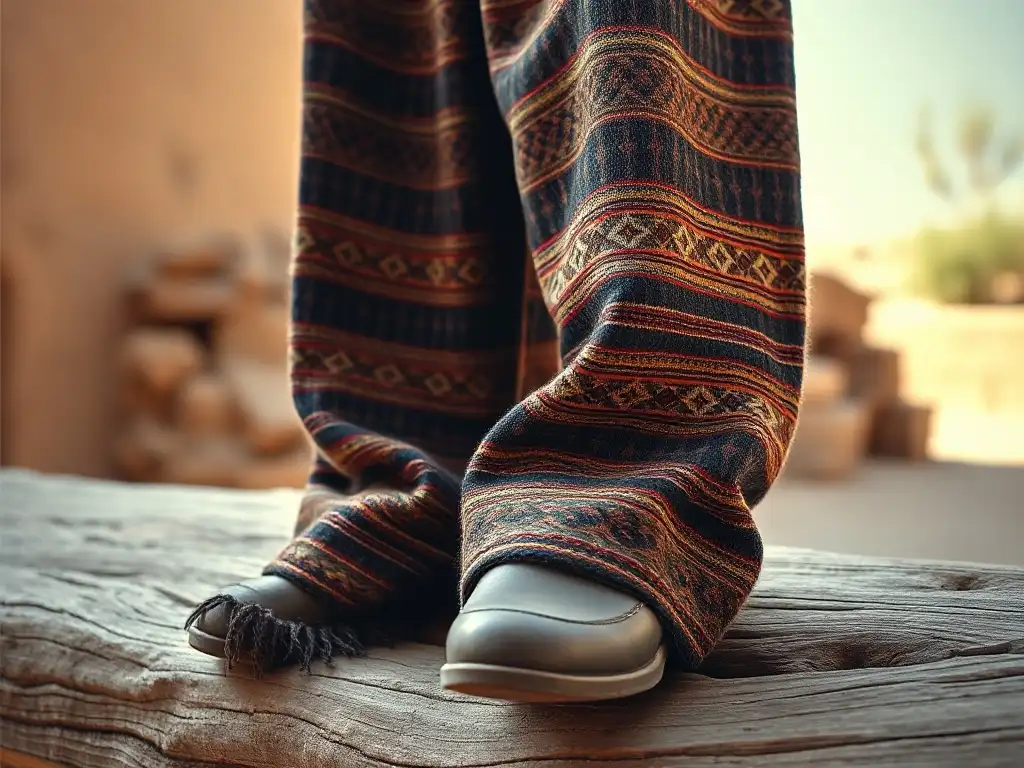
The pantalón, or trousers, forms a crucial element of traditional Aymara men's attire. Unlike the more brightly colored and often elaborately woven textiles used in other garments, the pantalón is typically made from a sturdy, dark-colored, and often homespun wool. This practicality reflects the Aymara lifestyle, prioritizing functionality and durability over ostentatious display. The dark hues, ranging from deep browns and blacks to muted grays, blend seamlessly with the Andean landscape, providing a camouflage effect during fieldwork.
The wool itself offers insulation against the harsh mountain climate, protecting against both the biting cold and the intense sun. The cut of the pantalón is generally straight and loose-fitting, allowing for freedom of movement crucial for agricultural tasks and daily life in the rugged terrain. Variations exist depending on the specific region and even family traditions, with some trousers being slightly wider or narrower at the leg opening. However, the overall design remains consistent across most Aymara communities, emphasizing practicality and longevity.
The trousers are often secured at the waist with a simple belt, usually made from the same dark wool or sometimes leather, depending on availability and personal preference. The simplicity of the pantalón contrasts sharply with the vibrant detail found in other pieces of Aymara clothing, highlighting its functional role within the ensemble. The durability of these trousers is remarkable, often lasting for years with proper care and repair. This reflects the Aymara value of resourcefulness and respect for handcrafted items.
Chumpi: The Significance of the Belt
The chumpi, or belt, is far more than just a functional item securing the pantalón; it's a significant element imbued with cultural and symbolic meaning within Aymara society. While often made of dark wool, mirroring the trousers, the chumpi can sometimes incorporate more vibrant colors and intricate weaving techniques, particularly in ceremonial contexts. The belt's width and length can also vary, sometimes reflecting the wearer's social standing or marital status. For instance, a wider, more elaborately woven chumpi might be worn by an elder or a respected community member.
The materials used can also carry symbolic weight; leather chumpi might be associated with strength and resilience, while those made from wool might represent connection to the land and ancestral traditions. Furthermore, the chumpi often serves a practical purpose beyond holding up the trousers. It can be used to carry small tools, personal items, or even money, acting as a rudimentary utility belt. This versatility reflects the practicality ingrained in Aymara culture, where items often serve multiple purposes.
The chumpi, therefore, transcends its purely functional role, becoming a potent symbol of identity, status, and connection to Aymara heritage. The careful selection of materials and the potential for intricate weaving patterns elevate the chumpi to a position of importance within the complete ensemble of traditional Aymara men's clothing. Its enduring presence across generations highlights its lasting cultural significance.
Aymara Jewelry and Adornment
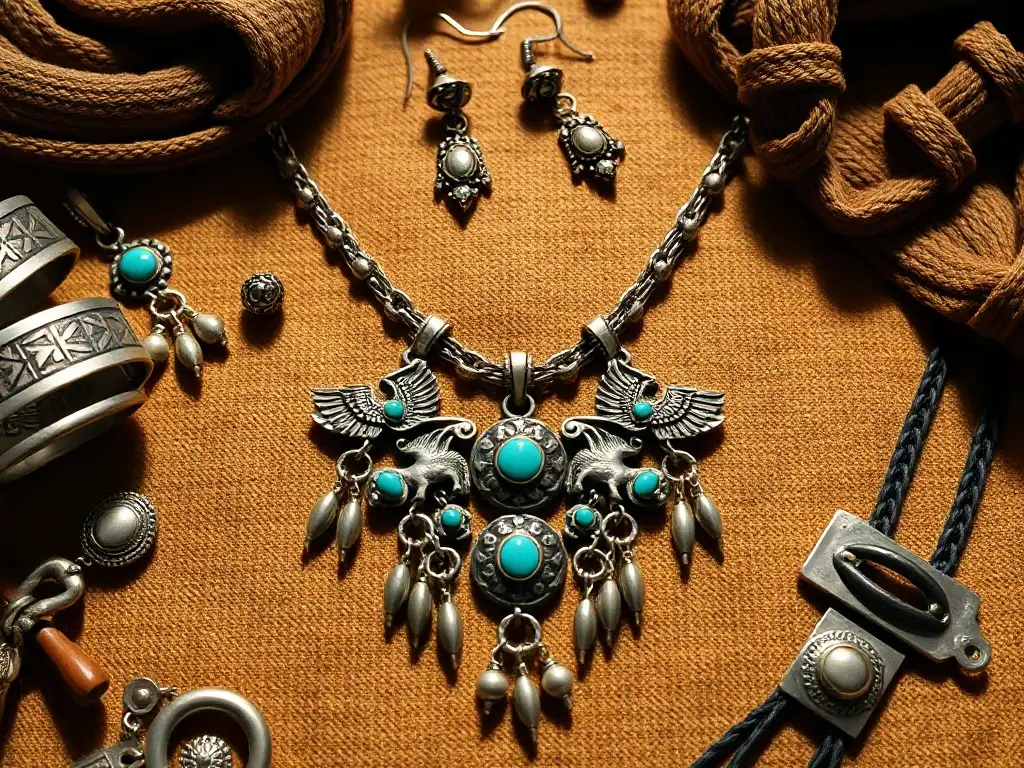
The Aymara people, inhabiting the Andean highlands of Bolivia, Peru, and Chile, possess a rich tradition of adornment deeply intertwined with their spiritual beliefs and social status. Their jewelry and decorative elements are not merely aesthetic choices; they are powerful symbols reflecting their connection to the land, their ancestors, and the cosmos. Understanding Aymara traditional clothing styles requires a close examination of these adornments, revealing a complex tapestry of meaning and artistry.
The use of specific materials, colors, and designs carries significant cultural weight, contributing to the overall visual narrative of Aymara identity. This section delves into the key components of Aymara adornment, showcasing the intricate craftsmanship and symbolic significance embedded within each piece.
Metalwork and Silver Jewelry
Silver, a precious metal readily available in the Andes, plays a central role in Aymara metalwork. Aymara silversmiths, often working within family traditions passed down through generations, create intricate pieces showcasing remarkable skill. These artisans employ techniques such as hammering, repoussé (raising designs from the back of the metal sheet), and chasing (smoothing and refining the surface details) to craft stunning jewelry.
Common motifs include stylized animals (such as llamas and condors), geometric patterns representing Andean cosmology, and representations of Pachamama (Mother Earth). The quality and quantity of silver jewelry often indicated a person's wealth and social standing within the community. For example, elaborate silver earrings, necklaces, and brooches were frequently worn by individuals of higher status during ceremonial occasions.
The intricate detail and the use of high-quality silver served as a visual display of their prosperity and social influence. Sadly, the exact techniques used in certain processes, particularly the creation of highly detailed miniatures, are [specific information pending] further research.
Beadwork and Decorative Elements
Beyond metalwork, beadwork constitutes another essential element of Aymara adornment. A wide array of materials is used, including glass beads (often imported), seeds, and shells. These beads are meticulously woven into intricate patterns on clothing, bags, and other accessories.
The colors and arrangements of the beads are not arbitrary; they often carry symbolic meanings related to specific events, beliefs, or social groups. For instance, certain color combinations might represent the four elements (earth, air, fire, water) or the cardinal directions, reflecting the Aymara worldview and their deep connection to nature. The use of brightly colored beads adds vibrancy to the traditional clothing, creating visually striking pieces that are both functional and aesthetically pleasing.
Furthermore, the meticulous craftsmanship involved in beadwork showcases the dedication and artistry of Aymara artisans, who tirelessly create stunning examples of this traditional craft. The detailed designs often include geometric patterns, floral motifs, and stylized animal representations, weaving together both geometric and organic forms.
Feathers and Natural Adornments
Feathers, especially those of birds of prey like the Andean condor, hold significant symbolic importance in Aymara culture. They are often incorporated into headdresses, clothing, and ceremonial objects. The use of feathers signifies power, prestige, and a connection to the spiritual realm.
Only certain individuals, typically those holding positions of authority or spiritual leadership, were permitted to wear elaborate feather adornments. Besides feathers, other natural materials like wool, alpaca hair, and cotton are extensively used in Aymara clothing and adornment. These natural fibers are often dyed with vibrant colors derived from plants and minerals found in the Andean region, resulting in a wide spectrum of hues that reflect the rich landscape of the Andes.
The use of natural dyes not only provides a wide palette of colors but also connects the Aymara people to the natural world, reflecting their deep respect for the environment and its resources. The intricate weaving techniques, combined with the use of natural materials and dyes, make Aymara textiles unique and visually stunning, showcasing a strong connection to the land and a profound appreciation for traditional craftsmanship. 🦙
Regional Variations in Aymara Dress
The vibrant and symbolic Aymara traditional clothing styles aren't monolithic; they exhibit fascinating regional variations reflecting diverse ecological adaptations and local cultural nuances. Understanding these differences provides a richer appreciation for the complexity and resilience of Aymara identity across its geographical expanse. This section will explore the key distinctions in Aymara dress across Bolivia, Peru, and Chile, highlighting the subtle yet significant details that mark each region.
The careful observation of these variations allows for a deeper understanding of the intricate relationship between Aymara communities and their environment, as well as the enduring strength of their cultural heritage. The term "Aymara traditional clothing styles" itself encompasses a spectrum of expressions, a testament to the dynamism of this Andean culture.
Clothing Styles in the Bolivian Altiplano
The Bolivian Altiplano, a high-altitude plateau, presents a harsh yet beautiful environment that has profoundly shaped Aymara clothing. The characteristic garments are designed for practicality and warmth. Women's attire typically includes a layered system: a long, hand-woven lliclla (a shawl), often in deep reds, browns, or blacks, draped over a lliclla or an aguayo (a larger, rectangular shawl used for carrying burdens). These shawls are frequently adorned with intricate geometric patterns, each carrying specific symbolic meanings often related to the earth, the cosmos, and agricultural cycles.
Underneath, they wear an anaco (a long skirt), usually dark in color. Their attire is often complemented by a bowler hat, a curious yet integral part of the ensemble, reflecting a blend of traditional and more recently adopted elements. Men's clothing generally consists of trousers and a poncho, frequently made from alpaca or llama wool, offering excellent insulation against the cold.
The colors and patterns in men's clothing are often simpler than women's, but still hold cultural significance reflecting their roles within the community. The use of natural dyes, derived from plants and minerals found in the region, further connects the clothing to the land. For example, cochineal insects provide a vibrant red, while various plant extracts yield shades of yellow, brown, and orange.
The intricate weaving techniques, passed down through generations, are a testament to the Aymara people's skill and artistry. Each community often has its own unique style of weaving, adding another layer of complexity to the variations in Aymara dress. The designs are not merely decorative; they are a visual language, communicating stories, beliefs, and social status. Detailed analysis of these patterns can reveal much about the history and worldview of the Aymara people. Further research into specific weaving techniques and their regional variations is needed to fully capture the richness of this aspect of Aymara culture.
Aymara Dress in Southern Peru
In Southern Peru, the Aymara traditional clothing styles retain many similarities to their Bolivian counterparts, but exhibit distinct regional characteristics. The climate, although still high-altitude, presents slightly different challenges. While the layering principle remains crucial, the specific types of textiles and the colors used often differ.
Women's llicllas might feature brighter hues and more elaborate designs, potentially reflecting a slightly different aesthetic sensibility or available resources. The aguayos, used for carrying goods, often display striking patterns and are essential to daily life. Men's clothing, while still consisting primarily of trousers and ponchos, might incorporate unique regional variations in the cut and style of these garments.
The integration of Spanish colonial influences is also more apparent in Southern Peru. While the core elements of traditional Aymara dress have been preserved, some garments might incorporate subtle details reflecting centuries of cultural exchange. This blending of indigenous and colonial elements is a testament to the adaptability and resilience of Aymara culture. More research is needed to fully document the specific ways in which Spanish colonial influences manifested in the clothing styles of this region. For example, [specific details on colonial influence pending].
Variations in Northern Chile
In the northern regions of Chile, the Aymara population faces a somewhat drier and more arid climate. This environmental factor has influenced the types of materials and styles used in Aymara traditional clothing. While the basic structure of layering remains, the focus on warmth might be slightly less pronounced than in the Altiplano regions. The llicllas and aguayos are still central to women's attire, but the choice of materials and colors might reflect the availability of resources in this unique environment.
Similarly, men's clothing might adapt to the drier climate with the use of lighter fabrics or different types of wool. The overall aesthetic might be characterized by a more subdued color palette, reflecting the natural tones of the surrounding landscape. This adaptation underscores the close relationship between the Aymara people and their environment, showcasing their remarkable ability to adapt their clothing to diverse ecological conditions.
Further investigation is needed to fully document the specific variations in textile production and dyeing techniques employed in this region. For instance, [specific information regarding textile production in Northern Chile pending]. The study of Aymara clothing in Northern Chile offers a valuable insight into the adaptive capacity of this enduring Andean culture.
The Evolution of Aymara Clothing: From Tradition to Modernity
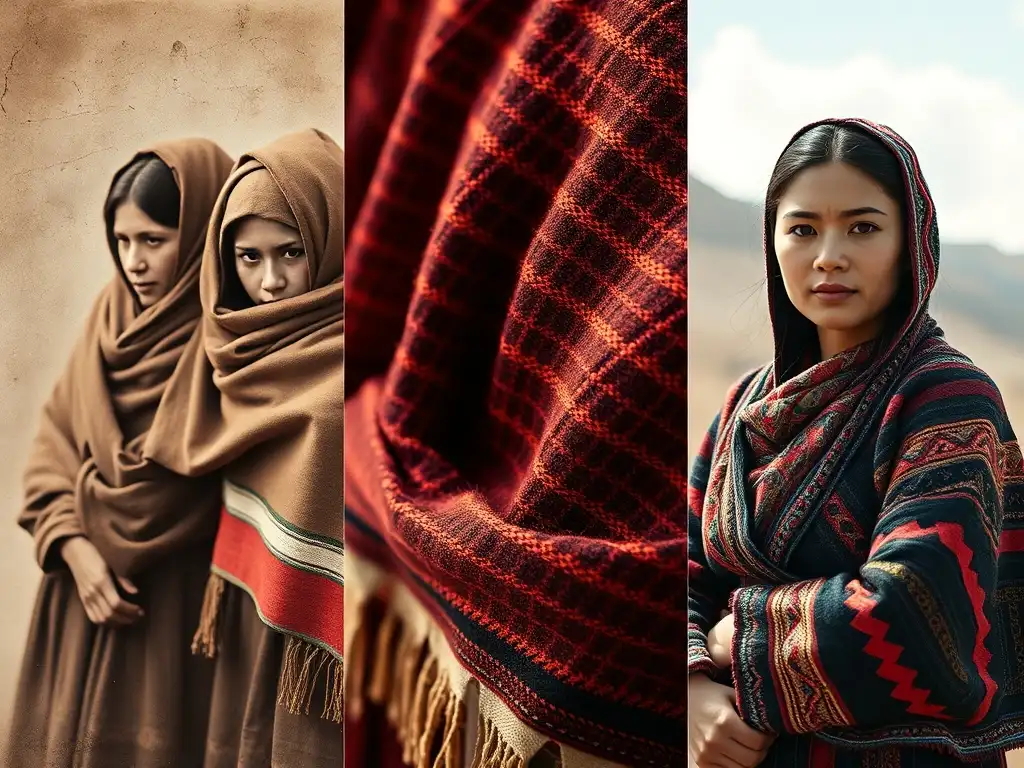
The vibrant textiles and distinctive styles of Aymara clothing represent a long and complex history, deeply intertwined with the Andean landscape and social structures. Understanding the evolution of Aymara dress requires examining both internal developments and external influences. While the core elements of Aymara attire have remained remarkably consistent over centuries, subtle yet significant changes reflect shifting economic realities, cultural exchanges, and evolving social roles.
The enduring legacy of traditional weaving techniques, passed down through generations, continues to inform contemporary Aymara fashion, creating a fascinating blend of ancient traditions and modern adaptations. Analyzing this evolution helps us appreciate the resilience and adaptability of Aymara culture in the face of historical and contemporary challenges.
Influence of External Factors on Aymara Dress
External influences have undeniably shaped Aymara clothing over time. The Spanish conquest, for example, introduced new textiles like wool from European sheep, gradually supplementing the traditionally used alpaca and llama fibers. This shift impacted both the availability of materials and the overall aesthetic of garments.
The introduction of new dyes also altered the color palettes seen in Aymara clothing, although traditional natural dyes derived from plants and minerals remain prevalent in many communities. The 20th and 21st centuries witnessed further changes, with the influx of mass-produced clothing impacting the demand for handcrafted garments. However, rather than a complete abandonment of traditional styles, we see a fascinating interplay: Aymara artisans often incorporate modern materials and techniques while retaining the core design elements and symbolic meanings embedded in their clothing.
This process of adaptation demonstrates the enduring strength of Aymara cultural identity. For instance, the incorporation of modern synthetic threads might enhance durability, but the intricate weaving patterns and symbolic colors remain consistent, ensuring the preservation of cultural heritage.
Preservation and Adaptation of Traditional Styles
Despite external pressures, Aymara communities have actively worked to preserve their traditional clothing styles. This preservation is not merely about maintaining a static aesthetic; it's about safeguarding the rich cultural knowledge embedded within the textiles. The intricate weaving techniques, often passed down through family lineages, represent a deep connection to the past and a commitment to cultural continuity.
Weaving workshops and community initiatives play a vital role in transmitting these skills to younger generations, ensuring the survival of these unique artistic traditions. Moreover, the symbolic meanings associated with specific colors, patterns, and garments are carefully preserved and taught, reinforcing the cultural significance of Aymara dress. The use of traditional techniques alongside the careful selection of dyes and materials is crucial to maintaining the authenticity of these garments and their cultural significance.
The Role of Aymara Clothing in Cultural Identity Today
Aymara traditional clothing continues to serve as a powerful symbol of cultural identity in the modern era. The distinctive styles, colors, and weaving techniques act as visual markers of ethnic belonging and community affiliation. In many communities, wearing traditional Aymara clothing is a way to express pride in one's heritage and maintain a connection to ancestral traditions.
This is especially significant in the context of globalization and the pressures of homogenization, where the preservation of distinct cultural expressions becomes increasingly crucial. For many Aymara people, their clothing is not merely attire; it is a tangible representation of their history, beliefs, and social standing. It is a visible affirmation of their cultural identity in a world that often seeks to erase or minimize indigenous cultures.
The continued use of Aymara traditional clothing styles is a testament to the resilience and vitality of this Andean culture. Furthermore, the growing interest in Aymara textiles and fashion among younger generations suggests that the tradition is not only being preserved but is also being reinterpreted and adapted to contemporary contexts, ensuring its continued relevance for future generations.
The vibrant textiles and distinctive styles of Aymara traditional clothing are not merely garments; they are powerful symbols deeply interwoven with the social fabric and spiritual beliefs of the Aymara people. Understanding Aymara clothing requires appreciating its multifaceted role in expressing identity, social standing, and spiritual connection. The intricate details, from the colors of the threads to the specific patterns woven into the cloth, communicate a wealth of information about the wearer and their place within the community.
This rich tapestry of meaning is passed down through generations, ensuring the continuation of Aymara cultural heritage. The study of Aymara clothing provides invaluable insights into their complex social structures and enduring spiritual traditions. This section will explore several key aspects of this intricate relationship between clothing and Aymara culture, focusing on how attire reflects social status, ceremonial practices, and deeply rooted symbolism.
Aymara traditional clothing styles served as a clear indicator of social status and role within the community. While the basic elements of dress—the lliclla (a shawl-like garment) and the aguayo (a larger rectangular cloth)—were common to most Aymara, subtle variations in materials, colors, and embellishments denoted differences in social standing. For instance, the fineness of the wool used, the intricacy of the weaving, and the presence of silver adornments all contributed to signaling wealth and prestige.
Individuals of higher social standing might wear clothing made from finer, softer wool, often featuring complex and elaborate patterns. These patterns could also indicate specific family lineages or clan affiliations, further reinforcing social hierarchy.
Consider the use of color: deep, rich reds and purples often signified affluence, while simpler, more muted tones might be associated with individuals of lower socioeconomic status. The inclusion of silver jewelry, such as brooches or earrings, further emphasized wealth and social standing. While precise details regarding the specific correlation between clothing and social hierarchy require further research [specific information pending], it is evident that clothing played a significant role in visually communicating social stratification within Aymara society. The careful observation of these details offered valuable insight into the social structure and power dynamics of the community.
Aymara Attire for Ceremonial Events
Aymara traditional clothing undergoes a transformation during ceremonial events, taking on even greater symbolic significance. The everyday lliclla and aguayo are often augmented with additional garments and adornments, reflecting the specific nature of the ceremony and the role of the participant. For example, during religious festivals or important community gatherings, individuals might wear more elaborate headwear, additional layers of clothing, and more intricate jewelry.
These ceremonial additions are not merely decorative; they represent a deeper engagement with the spiritual realm. Specific colors and patterns are associated with particular deities or spirits, and the careful selection of attire signifies respect and reverence. The use of vibrant colors, such as bright yellows and deep blues, frequently reflects the celebration of life and the abundance of the harvest.
In contrast, more subdued colors might be worn during mourning rituals or ceremonies commemorating ancestors. The meticulous preparation and selection of ceremonial attire underscore the importance of these events in the Aymara worldview, highlighting the deep connection between clothing, spirituality, and community. The ceremonial clothing acts as a powerful visual representation of the Aymara's profound respect for their traditions and their spiritual beliefs.
The Symbolism Embedded in Clothing Patterns
The intricate patterns woven into Aymara textiles are not merely aesthetic; they carry profound symbolic meaning, communicating narratives and beliefs through generations. These patterns, often geometric or representational, frequently depict elements of the natural world, such as mountains, animals, or celestial bodies. For example, the image of a condor might symbolize strength and power, while representations of llamas could signify prosperity and abundance. The specific arrangement and combination of these symbols within a pattern can convey complex messages, reflecting the wearer's identity, beliefs, and aspirations.
Furthermore, the colors used in the patterns also hold symbolic weight. As mentioned earlier, certain colors are associated with specific deities or spirits. For instance, red might represent the earth and fertility, while blue could symbolize the sky and water.
The skillful combination of colors and patterns allows for a nuanced expression of beliefs and values, creating a rich visual language that transcends mere decoration. Understanding this symbolic language requires careful study and collaboration with Aymara communities, respecting their cultural heritage and ensuring the accurate interpretation of these intricate designs. The preservation and study of these patterns are crucial for safeguarding Aymara cultural heritage and understanding the complex worldview reflected in their traditional clothing.
Frequently Asked Questions
What is the Aymara culture known for?
The Aymara are known for their rich cultural heritage, including their unique traditional clothing styles, intricate weaving techniques, and vibrant ceremonies. They are also renowned for their resilience and adaptation to the challenging Andean environment.
What are the key features of Aymara traditional clothing?
Aymara clothing is characterized by its vibrant colors, handwoven textiles, and distinct regional variations. Common garments include llicllas (shawls), aguayos (blankets), and distinctive hats and ponchos, often adorned with intricate designs.
The style, color, and materials used in Aymara clothing can indicate social status, marital status, and community affiliation. For example, the type of fabric or the presence of specific embellishments might signify wealth or social standing within the community.
What are the symbolic meanings in Aymara clothing designs?
The geometric patterns and motifs woven into Aymara textiles often hold deep symbolic meanings, representing spiritual beliefs, agricultural practices, or important historical events. These designs are passed down through generations and carry cultural significance.
Where can I learn more about Aymara traditional clothing styles?
You can find more information through ethnographic studies, museum exhibits, and academic publications focusing on Andean cultures and textiles. Many Aymara communities also offer cultural tours and workshops showcasing their traditional clothing and crafts.
Final Reflection: Weaving the Threads of Aymara Identity
The vibrant textiles and intricate adornments of Aymara clothing are not merely garments; they are living testaments to a rich cultural heritage that continues to resonate in the modern world. The enduring power of these traditional styles speaks volumes about the resilience and adaptability of the Aymara people, a community that has successfully navigated centuries of change while preserving the essence of its identity. This preservation is crucial, not just for the Aymara themselves, but for the broader understanding of Andean cultural diversity.
The enduring beauty and symbolism embedded within Aymara clothing deeply impacted my understanding of the intricate relationship between people and their environment. The meticulous craftsmanship, the use of natural dyes, and the symbolic meanings woven into each piece reveal a profound connection to the land and a deep-seated respect for ancestral traditions. As I researched, I was struck by the quote from an Aymara elder: Our clothes are not just clothes; they are our history, our stories, our connection to the Apus [mountain spirits].
This sentiment encapsulates the profound significance of these garments, extending far beyond mere aesthetics.
Now, consider the threads of your own life. What are the symbolic garments, the traditions, the stories that define your identity and connect you to your past? I invite you to reflect on the power of cultural expression and the importance of preserving the unique traditions that make our world so vibrant and diverse. Let the enduring legacy of Aymara clothing inspire you to appreciate the richness of cultural heritage in your own life and in the lives of others, fostering a deeper understanding and respect for the diverse tapestry of human experience.
Embrace the Richness of Aymara Tradition!
Thank you for exploring the fascinating world of Aymara clothing and adornment. You've discovered the beauty and significance embedded within this vibrant culture! Now, let's put that inspiration into practice.
Here are some meaningful ways to celebrate and engage with Aymara traditions:
- **Attend local cultural events** or festivals showcasing Aymara fashion—immerse yourself in the vibrant colors and rich stories!
- **Share your knowledge** with friends and family, or on social media—help spread awareness and appreciation for Aymara heritage.
- **Incorporate Aymara-inspired elements** into your wardrobe—a simple accessory or a bold statement piece can be a beautiful way to express your admiration for this culture.
How will you integrate Aymara-inspired styles into your life? We'd love to hear your ideas in the comments!