
Beyond the Inca Shadow: Discovering the Unique Societies of the PreIncan Highlands

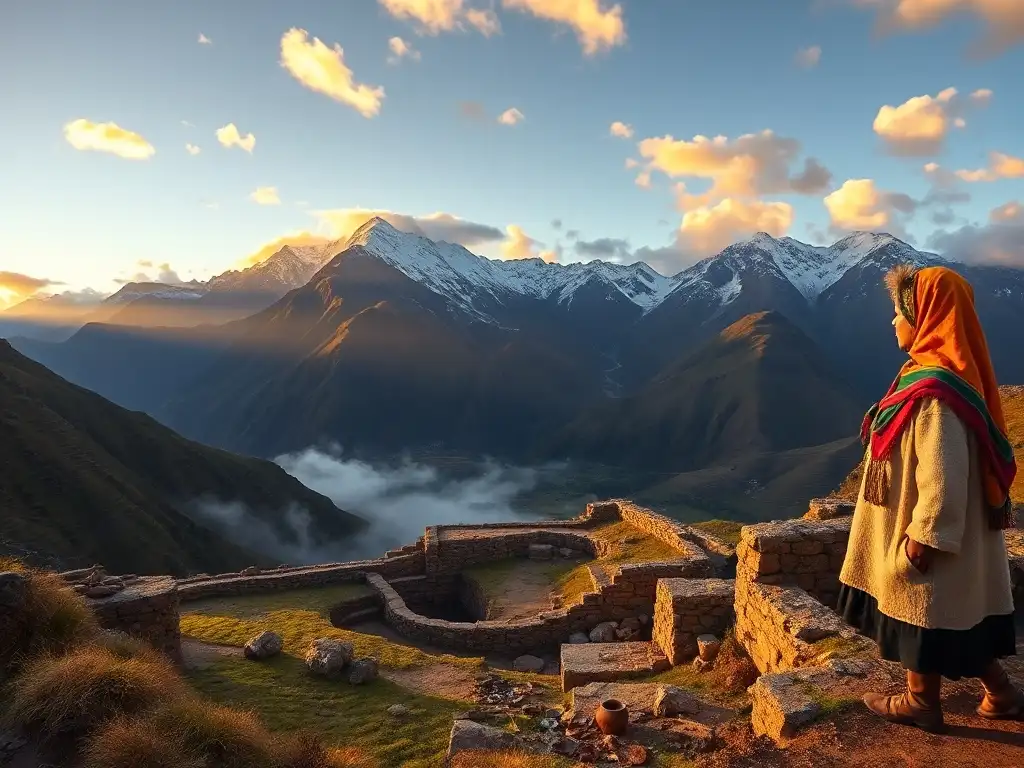
Step into a world lost to time, yet echoing with vibrant life. Forget everything you think you know about the Andes – Beyond the Inca shadow lie the captivating secrets of the PreInca Andean civilizations. Their intricate artistry, awe-inspiring engineering, and unique societal structures challenge conventional narratives. Dare to uncover the fascinating histories of the Moche, Nazca, and Tiahuanaco, and discover a legacy far richer than you ever imagined. Prepare to be amazed as we delve into the PreInca Andean civilizations and their enduring impact on the Andes.
The Andes Mountains, a spine of towering peaks running down the western coast of South America, cradle a history far richer and more complex than the Inca Empire alone can represent. While the Inca civilization rightfully commands attention for its impressive achievements in engineering, administration, and art, its dominance often overshadows the remarkable societies that flourished in the Andean highlands long before its rise.
This article delves into the fascinating world of PreInca Andean civilizations, exploring the diverse cultures, innovative technologies, and intricate social structures that shaped the region for millennia. We will journey beyond the well-trodden path of Inca history to uncover the unique contributions of civilizations like the Moche, Nazca, and Tiahuanaco, revealing a tapestry of human ingenuity and resilience that laid the groundwork for the Inca's later success.
Understanding these PreInca societies is crucial to grasping the full depth and breadth of Andean history, revealing a narrative far more nuanced and captivating than a single empire can convey. Prepare to be amazed by the ingenuity and complexity of these often-overlooked predecessors to the Inca.
Introduction to the PreInca Andean Civilizations
The term "PreInca" encompasses a vast array of distinct cultures, each with its own unique characteristics and achievements. These civilizations, flourishing across various ecological zones of the Andes, developed sophisticated agricultural techniques adapted to the challenging terrain, built impressive monumental architecture, and created breathtaking artistic expressions. While they lacked the centralized political organization of the Inca Empire, their accomplishments were equally remarkable, demonstrating a remarkable capacity for innovation and adaptation.
The timeline of these civilizations is vast, spanning several millennia and showcasing a continuous process of cultural evolution and exchange. We'll explore some key characteristics that unite these diverse groups, while also highlighting their individual contributions to the rich Andean heritage.
Many of these societies thrived through sophisticated irrigation systems, allowing them to cultivate crops at high altitudes. This mastery of water management enabled them to support substantial populations and create complex social structures. Archaeological evidence reveals their advanced understanding of astronomy, reflected in their monumental constructions carefully aligned with celestial events. Furthermore, their artistic achievements, particularly in pottery, textiles, and metalwork, are renowned for their exquisite craftsmanship and vibrant aesthetic expression.
The Complex Tapestry of Highland Cultures Before the Inca
The Andean highlands weren't a monolithic entity; instead, a diverse array of cultures thrived concurrently and interacted with each other in complex ways. We can identify several key players, each leaving behind a distinct legacy:
- The Chavín culture (c. 900 – 200 BCE): Known for its iconic Chavín de Huántar temple complex, this culture exerted significant influence across a wide area, evidenced by the widespread dissemination of its artistic motifs and religious iconography. Their sophisticated religious beliefs and artistic styles likely played a vital role in shaping subsequent Andean cultures. The unique style of their pottery, for example, is instantly recognizable and widely studied.
- The Nazca culture (c. 100 BCE – 800 CE): Famous for their astonishing geoglyphs etched into the desert plains, the Nazca people also developed impressive irrigation systems and created intricate textiles and ceramics. The scale and precision of their geoglyphs remain a source of wonder and debate, with ongoing research attempting to unravel their purpose and meaning. Their sophisticated understanding of hydrology is also remarkable, allowing them to flourish in an arid environment.
- The Moche culture (c. 100 – 800 CE): The Moche civilization is celebrated for its elaborate pottery, which depicts scenes of daily life, warfare, and religious rituals with remarkable detail and realism. Their metalworking skills were also advanced, producing intricate gold and silver artifacts. The Moche's highly stratified society, evident in their burial practices, provides valuable insights into their social organization and power structures.
- The Tiahuanaco culture (c. 500 – 1000 CE): This powerful civilization, centered around the monumental city of Tiahuanaco on the shores of Lake Titicaca, controlled a vast territory and exerted significant cultural influence. Their sophisticated agricultural techniques, monumental architecture, and distinctive artistic style left an indelible mark on the Andean region. The scale of their city and its intricate planning demonstrates advanced urban engineering capabilities.
This is just a glimpse into the rich tapestry of PreInca Andean civilizations. Further research and archaeological discoveries continue to unveil new facets of their complex societies, revealing a history far more intricate and fascinating than previously imagined. The next section will delve into the specific technological innovations of these cultures...
- Introduction to the PreInca Andean Civilizations
- The Complex Tapestry of Highland Cultures Before the Inca
Early Highland Societies and their Regional Developments
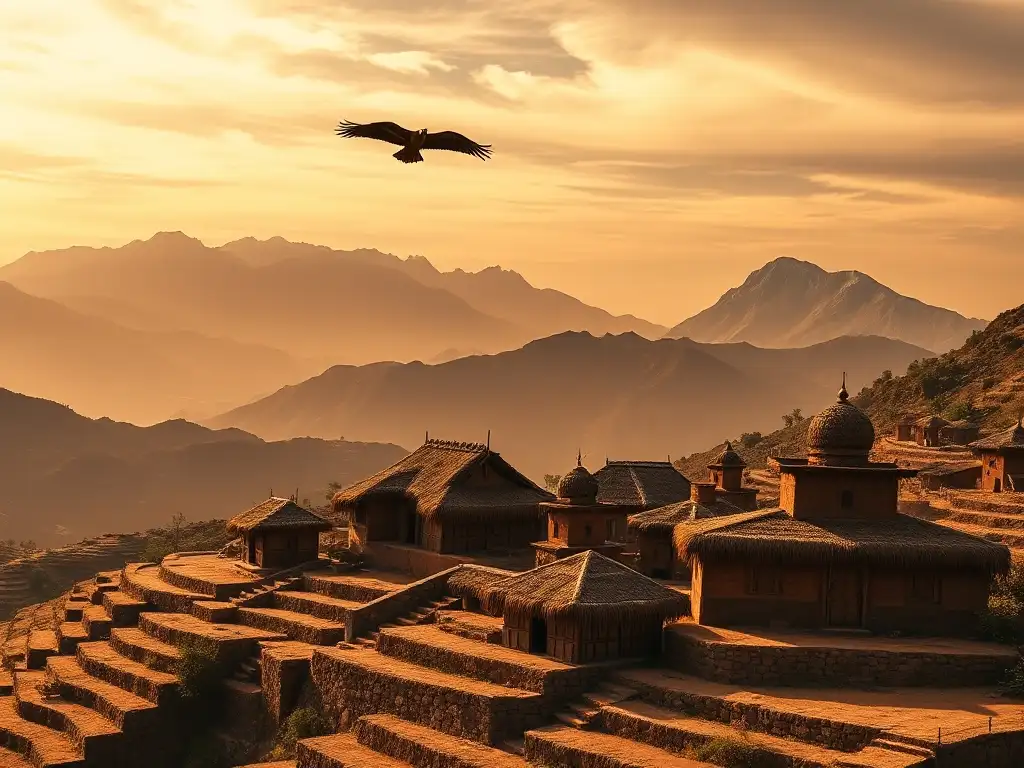
This section delves into the fascinating tapestry of PreInca Andean civilizations that flourished in the highlands before the Inca Empire's rise. We'll explore the unique societal structures, technological innovations, and cultural expressions that shaped these remarkable societies, focusing on key players and their lasting legacies. Understanding these pre-Inca cultures provides crucial context for appreciating the later Inca achievements and reveals the rich diversity of Andean history. The term "PreInca Andean civilizations" encompasses a broad spectrum of groups, each with its own distinct characteristics.
The Rise of the Chavín and its Influence
The Chavín culture (c. 900-200 BCE) stands as a pivotal early Andean civilization. Located in the northern Peruvian highlands, Chavín's influence spread remarkably across vast distances, impacting subsequent cultures through its distinctive artistic style and religious beliefs. Archaeological evidence reveals a sophisticated understanding of engineering and architecture, with the iconic Chavín de Huántar site showcasing monumental structures, intricate carvings, and complex water management systems.
The Chavín's artistic style, characterized by its distinctive feline and serpent motifs, is readily identifiable in artifacts found across a wide geographic area. This stylistic consistency suggests a strong degree of cultural interaction and possibly a centralized religious authority that exerted considerable influence. The exact nature of this influence – whether it was through direct political control, religious pilgrimage, or the diffusion of ideas – remains a subject of ongoing scholarly debate.
However, the widespread adoption of Chavín artistic conventions undeniably points to a powerful cultural force that shaped the development of later Andean societies. The Chavín's legacy is evident in the subsequent development of other PreInca Andean civilizations, including the Moche and Nazca. Further research is needed to fully understand the economic and social structures that underpinned Chavín's power and longevity.
The Tiwanaku and its Unique Adaptations to the Andean Environment
The Tiwanaku culture (c. 300-1100 CE), located near present-day Lake Titicaca in Bolivia, represents another significant PreInca Andean civilization. Remarkably adapted to the challenging altiplano environment, Tiwanaku developed sophisticated agricultural techniques, including raised field agriculture, to maximize crop yields in the harsh conditions. Their mastery of hydraulic engineering is evident in the intricate canals and water management systems that supported their intensive farming practices.
Beyond its agricultural prowess, Tiwanaku is also renowned for its impressive urban planning and monumental architecture. The city of Tiwanaku itself showcases impressive stonework, including the iconic Gate of the Sun, a testament to their advanced architectural skills and sophisticated understanding of stone construction techniques. Their religious beliefs, reflected in their art and architecture, appear to have centered on a complex cosmology involving deities related to water, the sun, and fertility.
The Tiwanaku's influence extended throughout the Andes, impacting neighboring cultures through trade, religious practices, and possibly political alliances. The decline of the Tiwanaku remains a subject of ongoing research, with various theories proposing factors such as climate change, internal conflict, or external pressures as potential contributing elements.
Lake Titicaca Basin and its Distinctive PreInca Traditions
The Lake Titicaca Basin, with its unique geographical features and rich resources, nurtured a number of distinct PreInca Andean civilizations. These societies, while influenced by larger cultural trends such as Chavín and Tiwanaku, also developed their own particular traditions and adaptations to the lake's environment. The region's abundant aquatic resources provided a foundation for fishing and other water-based economies, while the fertile valleys and highlands supported agriculture.
Several archaeological sites in the Lake Titicaca basin reveal the complexity of these pre-Inca societies. Evidence suggests sophisticated social organization, with evidence of specialized craft production, ceremonial centers, and elaborate burial practices. The development of unique ceramic styles, textiles, and other artistic expressions further emphasizes the distinct cultural identities of these communities.
Further research focusing on isotopic analysis of human remains and detailed analysis of ceramic styles could provide a more thorough understanding of the complex interactions between different groups inhabiting the Lake Titicaca Basin during the PreInca period. The investigation of previously unexplored sites in the basin is also crucial to build a more complete picture of the region's diverse pre-Inca heritage. Understanding these localized variations is crucial to avoid a homogenizing perspective on PreInca Andean civilizations and to appreciate the rich diversity of cultural expressions that existed before the Inca.
Key Characteristics of PreInca Highland Civilizations
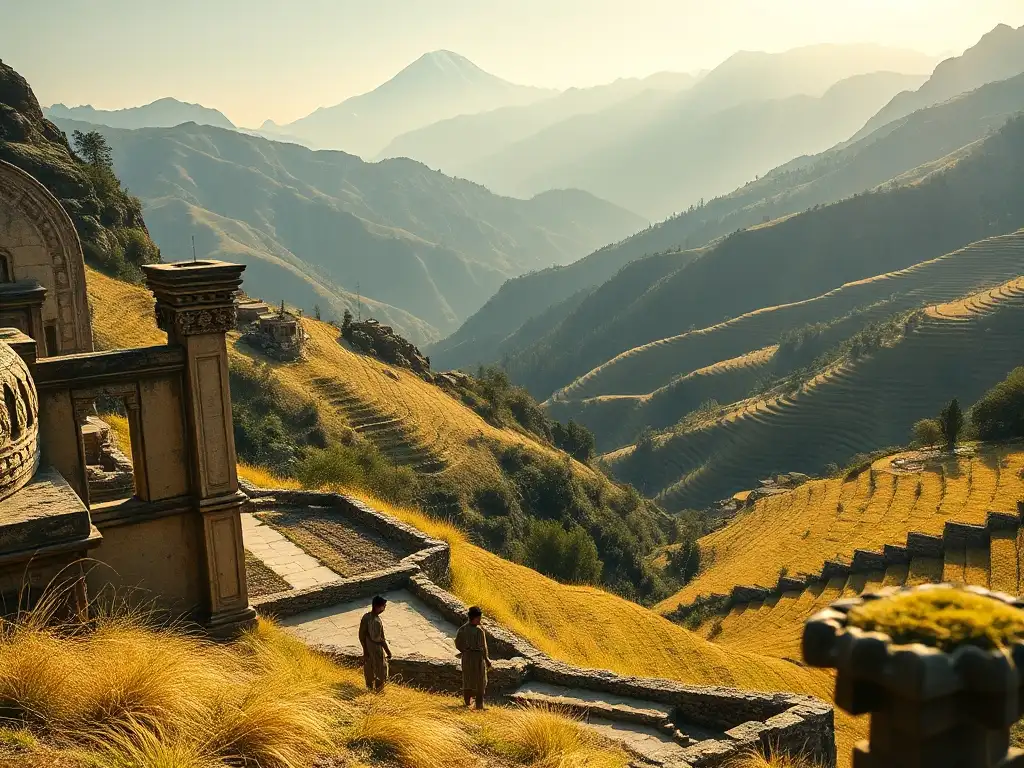
This section delves into the defining features of the diverse PreInca Andean civilizations that thrived in the challenging highlands before the Inca Empire's rise. Understanding these characteristics provides crucial context for appreciating the Inca's later achievements and reveals the sophisticated societies that preceded them. We will explore their mastery of agriculture, their impressive technological innovations, and the complex social and political structures they developed to survive and flourish in a demanding environment.
This exploration focuses on the unique adaptations and advancements that shaped the PreInca Andean experience, enriching our understanding of the broader tapestry of Andean history. The term "PreInca Andean civilizations" itself encompasses a rich tapestry of cultures, each leaving its unique mark on the region.
Agriculture and Resource Management in the PreIncan Andes
The PreInca Andean civilizations were masters of adapting to their environment. The challenging terrain, characterized by steep slopes, varying altitudes, and unpredictable weather patterns, demanded innovative agricultural techniques. Their success wasn't merely about survival; it was about creating thriving societies capable of supporting significant populations. This success was built on a sophisticated understanding of resource management and agricultural innovation.
Several techniques were employed to maximize agricultural yields. Terracing, the creation of flat areas on steep slopes, allowed for efficient irrigation and prevented soil erosion. Andenes, another crucial element, were extensive terraced fields that dramatically increased arable land.
These weren't simply cut into hillsides; they were carefully engineered systems incorporating drainage channels and retaining walls, showcasing impressive engineering skills. The use of fertilizers, such as guano (bird droppings) and compost, further enriched the soil and boosted crop production. This meticulous approach to agriculture allowed for the cultivation of a variety of crops, including potatoes, maize, quinoa, and beans, forming the cornerstone of their diet and sustaining their growing populations.
The efficient management of water resources, through irrigation canals and reservoirs, was equally vital, ensuring a reliable water supply for crops even during dry periods. This intricate system of agriculture and resource management was a defining feature of PreInca Andean societies, laying the groundwork for the later achievements of the Inca Empire.
Technological Innovations of PreInca Cultures
Beyond their agricultural prowess, PreInca Andean societies demonstrated remarkable technological innovation. Their achievements were not merely practical solutions but often reflected a deep understanding of engineering, mathematics, and astronomy. This section will explore some of the most notable technological advancements of these cultures, showcasing their ingenuity and problem-solving skills.
One striking example is their mastery of metallurgy. PreInca cultures, particularly the Moche, were skilled in working with metals such as gold, silver, and copper. They produced intricate jewelry, tools, and ceremonial objects, demonstrating a sophisticated understanding of smelting, casting, and alloying techniques.
The artistry and technical precision of their metalwork remain impressive even by today's standards. Moreover, their expertise extended to textiles, with intricate weaving techniques producing textiles of exceptional quality and complexity. The use of diverse fibers, such as cotton and alpaca wool, demonstrates their understanding of material properties and their ability to adapt to the available resources.
Furthermore, their sophisticated understanding of astronomy is evident in their architectural designs and ritual practices. The precise alignment of structures with celestial events suggests advanced astronomical knowledge, reflecting a deep connection between the cosmos and their daily lives. These innovations, far from being isolated achievements, were integrated into the fabric of their societies, contributing to their economic prosperity, social organization, and spiritual beliefs.
Understanding the social and political structures of PreInca Andean civilizations is crucial to comprehending their complexity and enduring legacy. While the Inca Empire is known for its centralized organization, PreInca societies exhibited a diverse range of political systems, from small-scale chiefdoms to more complex regional states. This section will examine the variations in social structures and political organization, highlighting the key features that shaped their societies.
The level of social complexity varied considerably across different PreInca cultures. Some societies were organized around kinship ties and local leadership, with relatively decentralized power structures. Others, like the Nazca and Moche, developed more centralized political systems with powerful rulers and specialized elites.
Evidence suggests the existence of sophisticated hierarchical structures, with distinct social classes and specialized roles within society. The nature of political power and authority also varied. While some societies may have relied on hereditary leadership, others may have employed more complex systems involving religious authority or military prowess.
Furthermore, the role of religion was often intertwined with political power, with religious leaders playing significant roles in social and political life. The diversity of these social and political arrangements underscores the richness and complexity of PreInca Andean societies, challenging simplistic generalizations about their organization and highlighting the unique characteristics of each culture. Further research into [specific information pending on internal political structures of specific PreInca groups] will provide a more complete picture of these fascinating societies.
Architectural Marvels of the PreInca Andean World
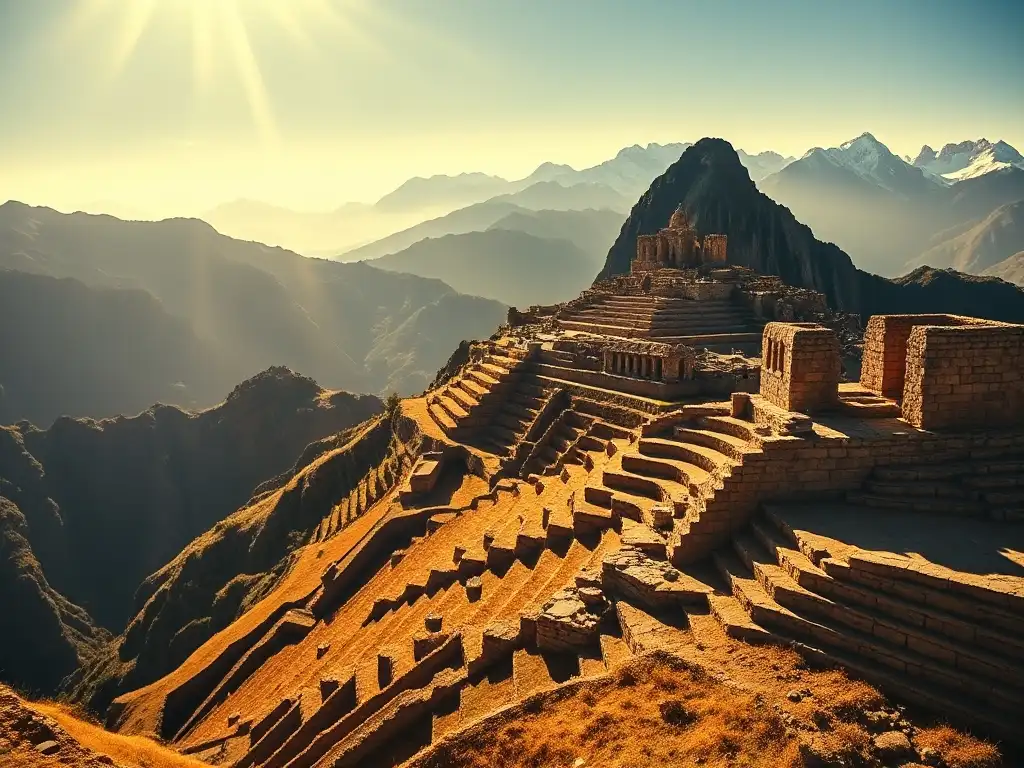
The Andes Mountains, a spine of towering peaks and fertile valleys, cradled a vibrant tapestry of PreInca Andean civilizations. While the Inca Empire often overshadows its predecessors, the architectural achievements of these earlier societies are equally remarkable, showcasing sophisticated engineering, complex social structures, and a deep connection to the Andean landscape. This section explores the monumental architecture and innovative building techniques employed by several key PreInca cultures, highlighting their unique contributions to the rich architectural heritage of the region.
Understanding these achievements provides crucial context for appreciating the later Inca constructions and reveals the long and complex evolution of Andean building practices. The ingenuity displayed in these PreInca structures, often built with limited technology, stands as a testament to the skill and organization of these remarkable societies. Keywords like PreInca architecture, Andean building techniques, and monumental constructions help clarify the focus of this section.
Monumental Architecture and Ceremonial Centers of Chavín
The Chavín culture (c. 1200-200 BCE), flourishing in the northern Andes, left behind a legacy of impressive monumental architecture, most notably the Chavín de Huántar site. This complex, nestled high in the Andes, features a massive, labyrinthine temple built from meticulously cut and fitted stones. The sheer scale of the structure, coupled with its intricate carvings and elaborate drainage systems, points to a high degree of centralized planning and sophisticated engineering capabilities.
The temple's design, incorporating numerous plazas, galleries, and underground passages, suggests a complex ceremonial function, likely serving as a pilgrimage site for communities across a wide region. The iconic Chavín style, characterized by its distinctive zoomorphic motifs and intricate carvings, is evident throughout the site, reinforcing its significance as a center of religious and political power. Analysis of the architectural features suggests a deep understanding of acoustics and the manipulation of light and shadow, further enhancing the site's ceremonial impact.
The construction techniques employed, including the use of large, precisely fitted stones, demonstrate a high level of skill and expertise in stone masonry. The Chavín de Huántar complex exemplifies the impressive architectural capabilities of PreInca Andean civilizations, showcasing their mastery of stonework and their ability to create awe-inspiring ceremonial centers.
The Ingenious Engineering of Tiwanaku's Constructions
Tiwanaku (c. 300-1000 CE), located on the shores of Lake Titicaca, is another testament to the advanced engineering skills of PreInca Andean cultures. Its monumental architecture, characterized by massive stone blocks precisely fitted together without mortar, continues to puzzle and inspire researchers. The precision of the stonework is truly remarkable, with many blocks weighing several tons.
The construction of structures like the Kalasasaya Temple and the Akapana Pyramid required a sophisticated understanding of engineering principles, including load-bearing capacity and stress distribution. Researchers are still exploring the techniques used to transport and erect these enormous blocks, with various hypotheses suggesting the use of ramps, levers, and possibly even advanced knowledge of astronomy to align structures with celestial events. The sophisticated water management systems integrated into the site, including intricate channels and reservoirs, highlight the culture's understanding of hydraulic engineering and its ability to harness water resources.
The impressive scale and precision of Tiwanaku's constructions underscore the organization and technological prowess of this influential PreInca society. The precise methods used to transport and erect these massive stones remain a topic of ongoing research and debate, making Tiwanaku a fascinating case study in PreInca Andean engineering.
Understanding the Purpose and Significance of PreIncan Sites
The purpose and significance of PreInca sites extend far beyond their aesthetic appeal. These structures served as much more than mere buildings; they were integral components of the social, political, and religious life of their respective cultures. Many sites functioned as ceremonial centers, attracting pilgrims and reinforcing social cohesion across vast territories.
The scale and complexity of the architecture reflect the centralized power structures and the sophisticated organizational capabilities of these societies. Analysis of the artifacts found within these sites, such as pottery, textiles, and religious iconography, provides further insights into their functions and the beliefs of the people who built and used them. Moreover, the location of these sites, often strategically situated within the Andean landscape, reveals a deep understanding of the environment and its resources.
Researchers continue to uncover new information about these fascinating sites, using a range of techniques including archaeological excavation, architectural analysis, and isotopic studies to unravel the mysteries of PreInca Andean civilizations. The ongoing research emphasizes the dynamic and complex nature of these societies and their remarkable contributions to the cultural heritage of the Andes. Understanding their purpose requires a multidisciplinary approach, combining archaeological evidence with anthropological and historical perspectives to paint a complete picture of PreInca life.
Art and Belief Systems of the PreInca Highland Peoples
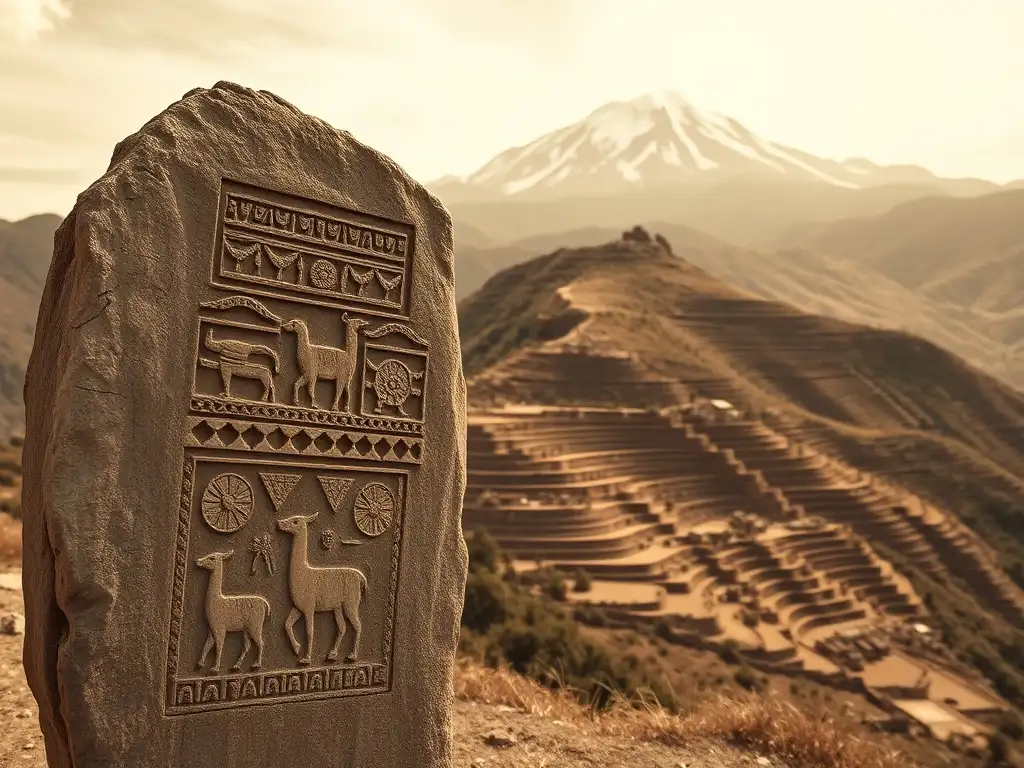
This section delves into the fascinating artistic expressions and belief systems of the diverse PreInca Andean civilizations, showcasing their unique approaches to art and religion. Understanding these aspects provides crucial insight into the complexities of these societies and their relationship with the Andean landscape. We'll explore the iconography, symbolism, religious practices, and the overall societal role of art in shaping their identities and worldviews. The keyword "PreInca Andean civilizations" will be explored through the lens of their artistic and spiritual legacies.
The Iconography and Symbolism of PreInca Art
PreInca Andean art is rich with symbolic meaning, often deeply intertwined with religious beliefs and cosmological concepts. The Moche culture, for example, is renowned for its intricate pottery depicting scenes of daily life, warfare, and mythological narratives. These depictions frequently feature stylized figures, often with exaggerated features, conveying power, fertility, and other essential aspects of their worldview. The use of specific colors also held significant meaning; for instance, red might symbolize blood and sacrifice, while yellow could represent the sun and its life-giving power.
The Nazca lines, a truly enigmatic phenomenon, are another prime example of PreInca artistic expression. While their precise purpose remains debated, many scholars believe these vast geoglyphs served a ceremonial or religious function, possibly related to astronomical observations or rituals connected to water sources. The sheer scale and precision of these designs highlight the sophisticated understanding of geometry and planning possessed by the Nazca people. Their creation required meticulous planning and a deep understanding of the landscape, reflecting a profound connection with their environment.
Religious Beliefs and Ritual Practices of Andean PreInca Societies
Religious beliefs formed the backbone of PreInca Andean societies. Evidence suggests a polytheistic system, with deities associated with natural forces like the sun, moon, mountains, and water. The worship of these deities often involved elaborate rituals, including offerings, sacrifices (sometimes human), and ceremonies designed to ensure good harvests, successful hunts, and the overall wellbeing of the community. We find evidence of these practices in archaeological discoveries like the Moche's sophisticated ceremonial centers and the Tiahuanaco's monumental architecture, which clearly served important religious functions.
The concept of pachamama, or Mother Earth, was central to the Andean worldview, representing the life-giving force of the land and its connection to the spiritual realm. This reverence for nature is clearly reflected in the art and architecture of many PreInca cultures. Understanding their religious beliefs and practices requires considering the close relationship between humans and the environment, highlighting the importance of maintaining balance and harmony within the cosmos. This deep-seated spiritual connection is a key element in understanding the motivations and behaviors of these "PreInca Andean civilizations".
The Role of Art in Society and Daily Life
Art wasn't merely a decorative element in PreInca Andean societies; it played a vital role in everyday life and social structure. Pottery, textiles, and metalwork were not only functional but also served as powerful mediums for expressing social status, political power, and religious beliefs. Elaborately decorated ceramics, for example, might indicate the wealth and prestige of their owners, while intricate textiles could signify social rank or membership in specific groups.
Furthermore, art served as a means of communication and storytelling. The intricate scenes depicted on pottery and textiles often conveyed historical events, myths, and legends, passing on cultural knowledge and traditions across generations. This demonstrates the integral role of art in shaping collective memory and maintaining social cohesion within these complex societies. The vibrant and diverse artistic traditions of the PreInca Andean civilizations provide invaluable insights into their social structures, beliefs, and daily lives, offering a compelling narrative of their rich cultural heritage and adding further depth to the understanding of "PreInca Andean civilizations".
Legacy of the PreInca Andean Cultures
This section delves into the profound and lasting impact of PreInca Andean civilizations, demonstrating how their innovations and societal structures laid the groundwork for later empires, particularly the Inca. Understanding these earlier societies is crucial to appreciating the full complexity and richness of Andean history. The term "PreInca Andean civilizations" itself encompasses a vast tapestry of cultures, each contributing unique threads to the overall Andean narrative. We will explore how their achievements continue to resonate even today.
How PreInca Societies Shaped Later Andean Civilizations
The Inca Empire, often perceived as the sole apex of Andean civilization, actually built upon a foundation meticulously laid by preceding cultures. The sophisticated irrigation systems developed by societies like the Nazca and the Tiahuanaco provided crucial agricultural infrastructure that the Inca later adapted and expanded. The Nazca's mastery of water management, exemplified by their intricate network of canals and aqueducts, allowed for intensive agriculture in an arid environment – a technology readily adopted and refined by subsequent Andean groups.
Similarly, the Tiahuanaco's sophisticated urban planning and administrative systems provided a model for later centralized states. Their monumental architecture and complex social organization influenced the Inca’s own urban design and imperial administration.
The intricate record-keeping systems, though differing in form, also show a clear lineage. While the Inca used quipus (knotted cords), earlier civilizations employed other methods of recording information, demonstrating a continuous need for administrative and historical documentation. The sophisticated agricultural techniques, including terracing and raised field agriculture, prevalent across various PreInca societies, allowed for increased food production and population density, setting the stage for the larger, more complex societies that followed. This consistent innovation in agriculture, water management, and urban planning is a testament to the ingenuity and adaptability of these PreInca Andean civilizations.
The Enduring Influence of PreInca Art and Technology
The artistic and technological achievements of PreInca Andean societies left an indelible mark on subsequent cultures. The Nazca's breathtaking geoglyphs, massive figures etched into the desert floor, remain a testament to their engineering prowess and artistic vision. These impressive works, visible only from the air, continue to fascinate and inspire, demonstrating a sophisticated understanding of land surveying and monumental construction techniques.
Furthermore, the intricate textiles and ceramics produced by various PreInca groups showcase a remarkable level of artistry and technical skill. The Moche, for example, are renowned for their highly detailed and expressive pottery, depicting scenes of daily life, mythology, and warfare with exceptional realism. These artistic traditions, refined over centuries, directly influenced the styles and techniques employed by later Andean cultures, including the Inca.
The vibrant colors, intricate designs, and sophisticated craftsmanship found in PreInca artifacts are echoed in later Andean art, highlighting the continuous evolution and adaptation of artistic practices. This continuity underscores the profound and enduring influence of PreInca artistic traditions.
Preserving and Studying the Rich Heritage of the PreInca Andes
Preserving and understanding the legacy of PreInca Andean civilizations requires a multifaceted approach. Archaeological excavations continue to uncover new insights into these fascinating societies, revealing previously unknown details about their daily lives, social structures, and technological achievements. Careful documentation of these findings is crucial for future research and understanding. Furthermore, the preservation of existing archaeological sites is paramount to protect these invaluable resources for future generations.
This includes implementing measures to prevent looting, erosion, and other forms of damage. Moreover, collaborative efforts between archaeologists, local communities, and governments are essential for ensuring the responsible management and preservation of these sites. This collaborative approach is crucial for respecting the cultural heritage and promoting sustainable tourism that benefits local communities.
The study of PreInca Andean civilizations is not simply an academic pursuit; it is a vital process for understanding the complexities of Andean history and celebrating the ingenuity and resilience of these fascinating societies. Ongoing research and preservation efforts are crucial for ensuring that the rich heritage of the PreInca Andes is not only protected but also shared with the world. The continued study of these cultures provides invaluable insights into the development of Andean societies and offers a deeper appreciation of the vibrant tapestry of human history.
Frequently Asked Questions
What are PreInca Andean civilizations?
PreInca Andean civilizations refer to the complex societies that flourished in the Andes region of South America before the rise of the Inca Empire. These include cultures like the Moche, Nazca, and Tiahuanaco, each with unique characteristics.
How did PreInca civilizations differ from the Inca?
PreInca civilizations developed independently, exhibiting distinct artistic styles, religious beliefs, and technological advancements. While the Inca later incorporated some elements, they were fundamentally different societies.
What were some of the significant achievements of PreInca cultures?
PreInca cultures achieved remarkable feats in agriculture, architecture, and metallurgy. They built sophisticated irrigation systems, monumental structures, and created intricate textiles and gold artifacts.
Which PreInca civilization is known for its Nazca Lines?
The Nazca civilization is renowned for its mysterious geoglyphs, known as the Nazca Lines, etched into the desert landscape. Their purpose remains a subject of ongoing debate and research.
How did the Inca interact with these earlier civilizations?
The Inca conquered and incorporated many PreInca populations into their empire. However, the Inca also adopted and adapted some aspects of PreInca culture and technology, showcasing the rich legacy of these earlier societies.
Final Reflection: Echoes of a Forgotten Past, Shaping Our Present
The vibrant tapestry of PreInca Andean civilizations, often overshadowed by the Inca Empire, continues to resonate in the cultural and archaeological landscape of South America. Their sophisticated agricultural techniques, intricate social structures, and unique artistic expressions offer invaluable lessons about human resilience, innovation, and the enduring power of community in the face of adversity. Understanding their stories is not merely an academic exercise; it's a crucial step in appreciating the full complexity of Andean history and the diverse legacies that shape modern Peru and beyond.
The more we uncover about these pre-Inca societies, the more we realize how deeply their influence permeates the region, from the terraced fields still visible on mountain slopes to the intricate weaving techniques passed down through generations. The past is never dead. It's not even past.
– William Faulkner. This quote perfectly encapsulates the enduring legacy of these remarkable cultures. Their innovations in agriculture, their sophisticated understanding of astronomy, and their unique artistic styles continue to inspire and inform our understanding of human potential and adaptability. The echoes of their achievements reverberate through the present day, reminding us of the richness and diversity of human experience.
Consider the ingenuity of these societies, their ability to thrive in challenging environments, and the intricate social systems they developed. You, too, possess the capacity for innovation and resilience. Take a moment to reflect on the challenges you face and the resources you have at your disposal. Draw inspiration from the ingenuity and perseverance of the PreInca Andean civilizations. Let their stories ignite your own creativity and empower you to build a more sustainable and equitable future, drawing strength from the enduring legacy of those who came before.
Unveil the Wonders of Pre-Incan Societies!
Thank you for exploring the fascinating world of the Pre-Incan Highlands! Your interest in these remarkable societies demonstrates a commitment to understanding and appreciating our ancient heritage. Now, let's put that knowledge to work!
Here are some ways you can further explore and engage with the rich history of these civilizations:
- **Join our community:** Subscribe to our newsletter for exclusive insights, stories, and resources from the Andean Highlands.
- **Spread the word:** Share this article with friends and family to spark conversations about the unique cultures that flourished before the Inca Empire.
- **Dive deeper:** Explore your local library or online resources for books and documentaries offering a more comprehensive understanding of Pre-Incan societies.
What new discoveries about the Pre-Incan Highlands will you share today?