
Tiahuanaco's Sonic World: Unearthing the Instruments of a Forgotten Civilization

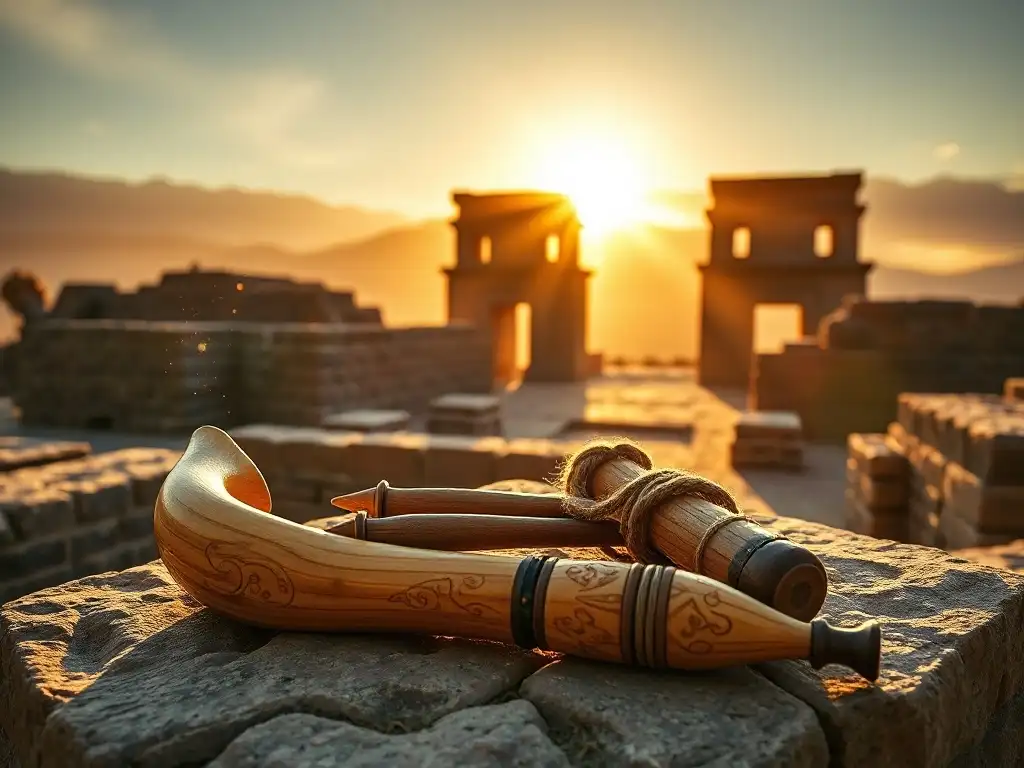
Step into the mesmerizing world of the Andes, where echoes of forgotten empires still resonate. For centuries, the mountains have guarded secrets, and now, we unveil one of the most intriguing: the sonic landscape of Tiahuanaco. Prepare to be captivated by the mysteries surrounding Tiahuanaco musical instruments, artifacts that whisper tales of a sophisticated civilization and its vibrant musical traditions. Uncover the rhythms of a lost world—your journey into the heart of Andean history begins now.
The echoes of a lost civilization resonate through the high plains of the Andes. Tiahuanaco, a pre-Columbian city that flourished between 500 and 1000 CE, remains shrouded in mystery, its monumental architecture and intricate artistry hinting at a complex society. But beyond the imposing stone structures and enigmatic carvings lies a less-explored facet of Tiahuanaco's legacy: its sonic world. This article delves into the fascinating realm of Tiahuanaco musical instruments, exploring the instruments archaeologists have unearthed and the insights they offer into the cultural practices, beliefs, and daily life of this remarkable civilization. By piecing together fragmented evidence and interpreting archaeological findings, we aim to reconstruct a sonic landscape that helps us understand Tiahuanaco's vibrant and sophisticated culture. The study of Tiahuanaco musical instruments provides a unique lens through which to appreciate the ingenuity and artistry of this Andean power, enriching our understanding of its social fabric and spiritual beliefs.
Unearthing the Evidence: Archaeological Discoveries of Tiahuanaco Instruments
Archaeological excavations at Tiahuanaco and surrounding sites have yielded a limited but significant collection of musical instruments, offering tantalizing glimpses into the city's musical traditions. While complete instruments are rare due to the fragility of organic materials over time, fragments of flutes, panpipes, and possibly drums have been discovered. These artifacts, often made from bone, wood, and possibly reeds, are painstakingly analyzed to determine their playing techniques and the types of music they may have produced.
The scarcity of complete instruments underscores the challenges faced by researchers, highlighting the need for further investigation and the importance of preserving the existing artifacts. Analysis of these fragments, combined with iconographic evidence from Tiahuanaco art depicting musical scenes, provides crucial clues.
For example, depictions on ceramics and textiles often show individuals playing instruments, offering valuable visual information about their form and use. The meticulous study of these fragmented remains and artistic representations allows researchers to piece together a more complete picture of Tiahuanaco's musical landscape.
The Panpipes of the Andes: Tiahuanaco's Potential Contribution
Panpipes, a quintessential Andean instrument, are strongly suspected to have been used in Tiahuanaco. Although no complete Tiahuanaco panpipes have been definitively identified, the presence of similar instruments in neighboring cultures and the widespread use of panpipes throughout the Andes strongly suggests their significance in Tiahuanaco's musical traditions. The diverse range of materials used in panpipe construction—from reeds to bone—suggests potential variations in sound and social context.
Furthermore, the iconography of Tiahuanaco frequently features depictions of musicians holding what appear to be wind instruments that strongly resemble panpipes in both form and size. This suggestive evidence, coupled with the prevalence of panpipes in adjacent Andean cultures, strengthens the hypothesis that they played a crucial role in Tiahuanaco's musical life. Further research, including detailed analysis of any newly discovered fragments and a comparative study with similar instruments from neighboring cultures, is needed to confirm this hypothesis.
The musical instruments of Tiahuanaco were not merely tools for entertainment; they were deeply intertwined with the social and ritual fabric of the civilization. Music likely played a vital role in religious ceremonies, agricultural rituals, and social gatherings. The grandeur of Tiahuanaco's architecture and the complexity of its social organization suggest a sophisticated musical culture, possibly involving specialized musicians and elaborate musical performances.
The precise nature of these rituals and performances remains largely unknown, but archaeological evidence and comparative studies with other Andean cultures offer hints. For instance, the presence of ceremonial centers and the discovery of artifacts associated with ritual practices suggest that music played a significant role in religious and political life. Future research focusing on the context of discovery of the instruments and their association with other artifacts will be crucial in unlocking the full significance of Tiahuanaco's musical heritage.
Further investigation into the iconography and the potential use of specific instruments in specific rituals will illuminate this aspect further. The study of Tiahuanaco's music is key to understanding the complex interplay between its art, religion, and society.
The Future of Research: Unlocking the Secrets of Tiahuanaco's Soundscape
The study of Tiahuanaco's musical instruments is an ongoing endeavor. Future research will undoubtedly rely on more advanced analytical techniques, such as 3D modeling and acoustic analysis, to glean further insights from the existing artifacts. Continued archaeological excavations at Tiahuanaco and surrounding sites hold the potential to uncover new instruments and provide further evidence of the civilization's musical practices. Furthermore, interdisciplinary collaborations involving archaeologists, musicologists, and anthropologists are crucial for a holistic understanding of Tiahuanaco's sonic world.
By combining archaeological findings with ethnomusicological studies of contemporary Andean music, researchers can potentially reconstruct the soundscapes of Tiahuanaco and gain a deeper appreciation for its rich cultural heritage. The quest to understand Tiahuanaco’s musical legacy is a journey of discovery, one that promises to unveil further secrets of this fascinating civilization. The more we learn, the clearer the picture of Tiahuanaco's vibrant musical life becomes.
- Unearthing the Evidence: Archaeological Discoveries of Tiahuanaco Instruments
- The Panpipes of the Andes: Tiahuanaco's Potential Contribution
- Beyond the Instruments: The Social and Ritual Significance of Music in Tiahuanaco
- The Future of Research: Unlocking the Secrets of Tiahuanaco's Soundscape
- What types of musical instruments have been found at Tiahuanaco?
- What materials were used to create Tiahuanaco musical instruments?
- What role did music play in Tiahuanaco society?
- How does the music of Tiahuanaco compare to other Andean cultures?
- Where can I learn more about Tiahuanaco musical instruments?
Introduction to Tiahuanaco Music and its Significance
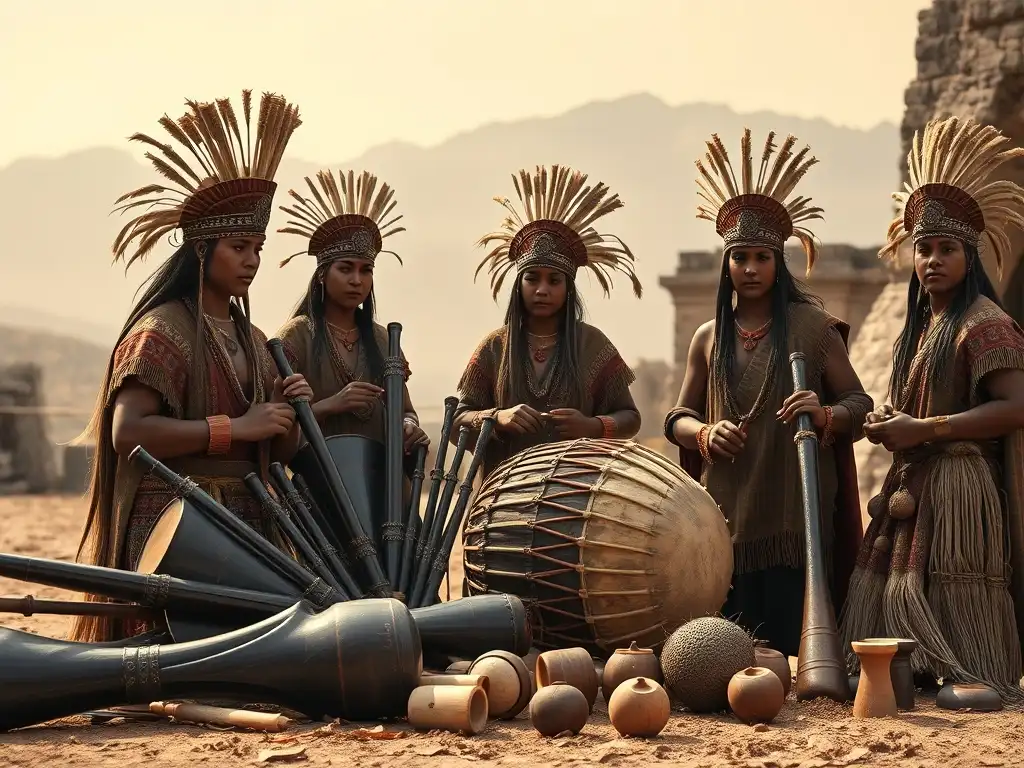
The echoes of Tiahuanaco's vibrant past extend beyond its monumental architecture and intricate textiles. A significant, yet often overlooked, aspect of this sophisticated civilization is its musical culture. While direct evidence is limited due to the organic nature of musical instruments, archaeological findings and anthropological inferences paint a picture of a society deeply intertwined with sound.
Understanding Tiahuanaco's sonic world allows us to gain a more complete appreciation for the complexity and richness of this pre-Columbian civilization. The study of Tiahuanaco musical instruments provides a unique lens through which to examine their social structures, religious beliefs, and daily life. This exploration delves into the few tangible remnants and the broader implications they hold for our understanding of Tiahuanaco's cultural landscape.
The scarcity of physical artifacts necessitates a multidisciplinary approach, integrating archaeological data with ethnographic parallels from related Andean cultures to reconstruct a plausible picture of their musical practices. This section will lay the groundwork for understanding the importance of music within Tiahuanaco society, setting the stage for a deeper examination of the instruments themselves.
The Importance of Music in Tiahuanaco Culture
Music played a vital role in the daily life and spiritual practices of the Tiahuanaco people. While written accounts are absent, evidence suggests its use in religious ceremonies, agricultural rituals, and social gatherings. The monumental scale of Tiahuanaco's architecture, particularly its plazas and temples, suggests the possibility of large-scale musical performances.
The precise nature of these performances remains a mystery, but it's reasonable to hypothesize that music served to enhance the ritualistic and communal aspects of life. Consider the intricate designs carved into Tiahuanaco artifacts – many exhibit patterns that could be interpreted as musical notations or representations of instruments, although this interpretation is still under debate among scholars. Furthermore, the presence of numerous ceremonial centers and the evident importance of ritual in Tiahuanaco society strongly implies the significant role music played in their religious beliefs.
The integration of music into their daily life and religious ceremonies speaks to its central position in their worldview. Further research is needed to fully understand the extent of its significance, potentially drawing parallels with the musical traditions of other Andean cultures. The search for further evidence, such as analyzing residue on recovered artifacts or studying the acoustics of Tiahuanaco structures, could shed further light on this important aspect of their culture.
Archaeological Evidence of Music in Tiahuanaco
Direct archaeological evidence of Tiahuanaco musical instruments is surprisingly scarce. The preservation of organic materials like wood, leather, and reeds is challenging in the Andean high altitude climate. However, some clues exist. Fragments of potential instruments, possibly made from bone or stone, have been unearthed at various sites within the Tiahuanaco complex.
These fragments are often too incomplete to definitively identify their function, but their shapes and materials suggest a possible musical purpose. Furthermore, depictions on ceramics and textiles sometimes show figures playing instruments, though the specifics are often difficult to interpret with certainty. These depictions, while not providing tangible instruments, offer valuable insights into the potential forms and styles of Tiahuanaco musical instruments.
The limited physical evidence underscores the need for further excavation and advanced analytical techniques, such as residue analysis, to identify and characterize the materials used in the construction of these instruments. Careful examination of existing artifacts, coupled with new discoveries, could substantially increase our understanding of Tiahuanaco's musical heritage. Moreover, comparative studies with neighboring cultures possessing better-preserved musical artifacts could help fill in the gaps in our knowledge.
Overview of Tiahuanaco Musical Instruments
Based on the limited archaeological evidence and comparisons with other Andean cultures, we can tentatively suggest several types of instruments that may have been used in Tiahuanaco. These include:
- Possible Panpipes (Antaras): The Andean region is known for its panpipes, and it is plausible that similar instruments were used in Tiahuanaco. The high altitude climate might have influenced the material used for construction, potentially favoring bone or stone over reeds.
- Percussion Instruments: Stone and bone rattles or drums are likely candidates, given their durability and the prevalence of percussion instruments in other Andean cultures. The large plazas of Tiahuanaco might have been ideal settings for larger percussion instruments.
- Stringed Instruments: Although less likely due to the challenges of preserving stringed instruments, the possibility of simple stringed instruments made from readily available materials cannot be entirely ruled out. Further research might uncover evidence supporting this hypothesis.
The exact sounds produced by these instruments remain largely unknown. However, by studying related cultures and analyzing the materials and forms of the few recovered fragments, we can begin to reconstruct a sonic landscape that reflects the cultural richness of Tiahuanaco. This reconstruction is an ongoing process, requiring further archaeological investigation and interdisciplinary collaboration to fully appreciate the musical world of this remarkable civilization. The lack of complete instruments necessitates relying on indirect evidence and informed speculation, making this area of research particularly challenging but also incredibly rewarding. 🎼
Unveiling the Tiahuanaco Musical Instruments
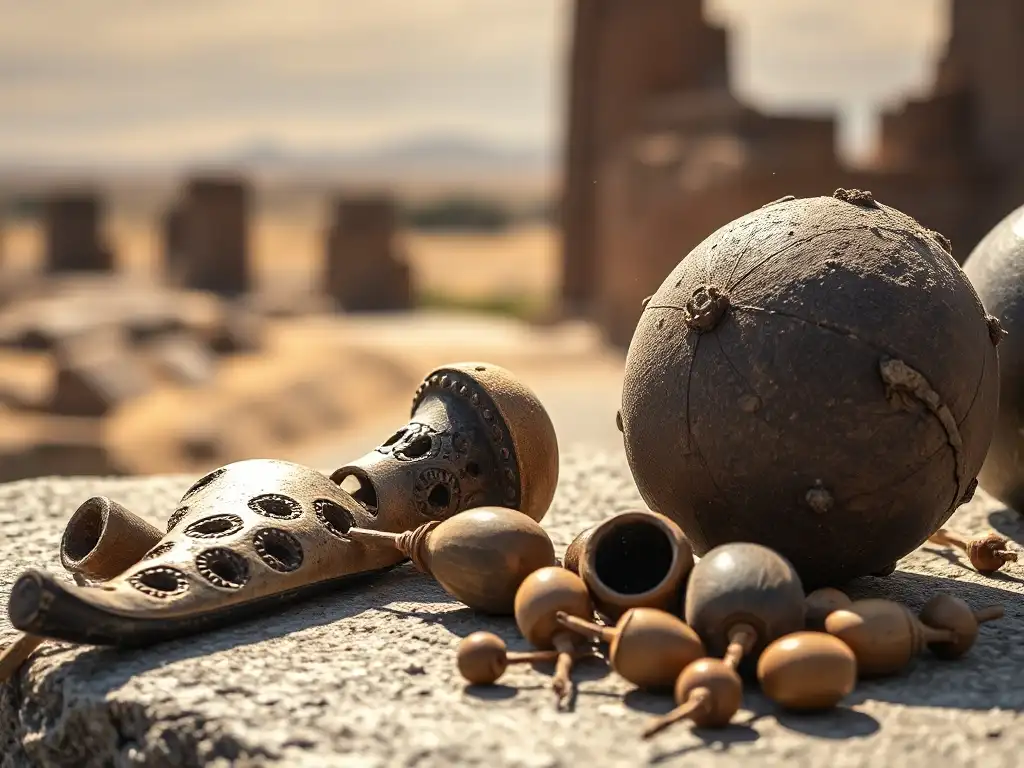
The Tiahuanaco culture, flourishing in the Andes between 500 and 1000 CE, left behind a rich legacy that extends beyond its impressive architecture and intricate textiles. A fascinating, yet often overlooked, aspect of their civilization is their musical tradition. While direct evidence is scarce due to the organic nature of musical instruments, archaeological findings and analyses of related cultures offer valuable insights into the soundscapes of Tiahuanaco.
Understanding their instruments provides a deeper appreciation for their social structures, religious practices, and daily lives. The study of Tiahuanaco musical instruments helps us piece together a more complete picture of this remarkable civilization and its sonic world. This section explores the various types of instruments likely used, focusing on aerophones and idiophones, two prominent categories in Andean musical traditions.
Aerophones: Wind Instruments of Tiahuanaco
Aerophones, instruments that produce sound by vibrating air columns, likely played a significant role in Tiahuanaco's musical landscape. Several types of wind instruments were prevalent throughout the Andes, and it's reasonable to assume their presence in Tiahuanaco society. The scarcity of well-preserved instruments makes definitive statements difficult; however, comparative analysis with other Andean cultures offers strong clues.
The Significance of Tiahuanaco Flutes
Simple flutes, made from bone, wood, or even reeds, were common throughout the Andes. These instruments, often featuring three to six finger holes, were likely used for both ceremonial and everyday music making. The discovery of similar flutes in nearby sites suggests their use in Tiahuanaco. Their portability and relative simplicity make them ideal for a variety of contexts, from intimate gatherings to large-scale public events. Further research is needed to determine the specific materials and styles of flutes used by the Tiahuanaco people.
Further Research Needed:
More detailed archaeological surveys are needed to confirm the presence and types of flutes used by the Tiahuanaco. Analysis of existing bone and wood fragments found at Tiahuanaco sites could reveal evidence of flute-making. Comparative studies of flute-making techniques across Andean cultures would enhance our understanding of Tiahuanaco flute construction.
Panpipes: A Common Tiahuanaco Instrument
Panpipes, consisting of multiple pipes of varying lengths bound together, are another likely candidate for Tiahuanaco's musical repertoire. The panpipes' ability to produce a range of melodic notes makes them suitable for both solo and ensemble performances. Their visual appeal and relatively simple construction suggest their possible use in both religious rituals and secular celebrations. While no direct evidence of Tiahuanaco panpipes has yet been uncovered, their widespread presence in neighboring cultures strongly suggests their existence within Tiahuanaco society.
Ocarinas and Their Role in Tiahuanaco Rituals
Ocarinas, ceramic wind instruments shaped like birds or other animals, were common in various Andean cultures. Their use in Tiahuanaco is plausible, given their presence in neighboring regions and their potential significance in religious ceremonies. The evocative sounds of the ocarina, capable of producing a wide range of pitches, could have been utilized to accompany rituals, creating an atmosphere conducive to spiritual experiences. The potential symbolic associations of the ocarina's animal forms would further enhance their ritualistic role.
Idiophones: Percussion Instruments Used by Tiahuanaco
Idiophones, instruments that produce sound through the vibration of the instrument itself, formed another crucial element of Tiahuanaco's musical culture. Their percussive sounds likely provided rhythmic accompaniment to dances, ceremonies, and other social activities.
Rattles and Shakers: Tiahuanaco Rhythmic Devices
Rattles and shakers, made from gourds, seeds, or other materials, provided rhythmic accompaniment to Tiahuanaco music and dance. Their simple construction and portability made them readily available and easily incorporated into various musical contexts. These instruments likely contributed significantly to the overall energy and dynamism of Tiahuanaco musical performances. The materials used would have varied depending on availability, reflecting the ingenuity and resourcefulness of the Tiahuanaco people.
Bells and Gongs: Their Function in Tiahuanaco
Bells and gongs, made from metal or ceramic, likely played an important role in Tiahuanaco's sonic landscape. Their resonant tones would have been effective in announcing important events, marking transitions within ceremonies, or simply adding a powerful dimension to musical ensembles. The size and material of these instruments would have varied, influencing the pitch and intensity of their sound. Further research is needed to determine the specific types of bells and gongs used by the Tiahuanaco.
The Use of Stone Clappers
Stone clappers, two stones struck together to produce a resonant sound, represent another possible percussion instrument in Tiahuanaco. Their use is supported by findings in other Andean cultures, where they served both musical and ritualistic purposes. The sound produced could have been used to punctuate important moments in ceremonies or to provide a rhythmic backdrop for dances. The specific types of stone used and the techniques employed in their creation would provide valuable insights into Tiahuanaco technology and artistic sensibilities. The potential symbolic meaning associated with the stones themselves warrants further investigation.
Membranophones: Drums in Tiahuanaco Culture
Membranophones, instruments that produce sound from a stretched membrane, played a significant role in the sonic landscape of Tiahuanaco. While the precise forms and materials used are still under investigation, archaeological evidence suggests a diverse range of drums were integral to their culture. The rhythmic pulse of these drums likely accompanied religious ceremonies, social gatherings, and perhaps even everyday life, shaping the auditory environment of this remarkable civilization.
The resonant sounds of these drums, echoing across the altiplano, would have been a powerful and evocative presence. Further research into the specific types of animal hides used and the construction techniques employed would provide a more complete understanding of their craftsmanship and the sounds they produced. The surviving fragments provide tantalizing glimpses into a lost musical world, hinting at the sophisticated techniques employed by Tiahuanaco artisans.
The careful analysis of these fragments, combined with ethnomusicological studies of contemporary Andean music, offers a promising avenue for reconstructing the sonic tapestry of Tiahuanaco society. The potential for uncovering more complete instruments in future excavations promises even richer insights into this fascinating aspect of their culture.
Drum Types Discovered in Tiahuanaco Sites
Archaeological excavations at Tiahuanaco have unearthed fragments of various drum types. While complete instruments are rare due to the fragility of organic materials, fragments of what appear to be both single-headed and double-headed drums have been recovered. These fragments, often made of wood and showing evidence of hide coverings, suggest drums of varying sizes and possibly different tonal qualities. The discovery of fragments with different types of decorative elements indicates potential variations in social function or status.
Some fragments show intricate carvings, suggesting a possible link to elite ceremonial practices. However, more detailed analysis and further excavations are needed to fully classify the various drum types and understand their roles within Tiahuanaco society. 🕵️♂️ The painstaking reconstruction of these fragments offers a unique opportunity to learn more about the sophisticated craftsmanship of Tiahuanaco drum makers.
The Use of Drums in Tiahuanaco Ceremonies
The rhythmic beat of drums was likely central to Tiahuanaco religious ceremonies. The powerful sounds would have served to create an atmosphere of reverence and heightened spiritual awareness. While we can only speculate on their precise function, the ceremonial context suggested by the archaeological finds strongly implies a vital role in religious rituals.
It's plausible that the drums accompanied processions, marked transitions within ceremonies, or provided rhythmic accompaniment to chants and vocalizations. The size and number of drums used might have varied depending on the scale and importance of the ceremony. Larger, more elaborate drums might have been reserved for major festivals or state rituals, while smaller drums might have been used in more intimate or private settings.
Ethnomusicological parallels with modern Andean traditions suggest that drums played a crucial role in communicating with the supernatural world and maintaining social cohesion. Further research is needed to understand the specific symbolic meanings associated with different types of drums and their rhythmic patterns within Tiahuanaco religious practices. 🥁
Soundscapes of Tiahuanaco: Reconstructing the Music
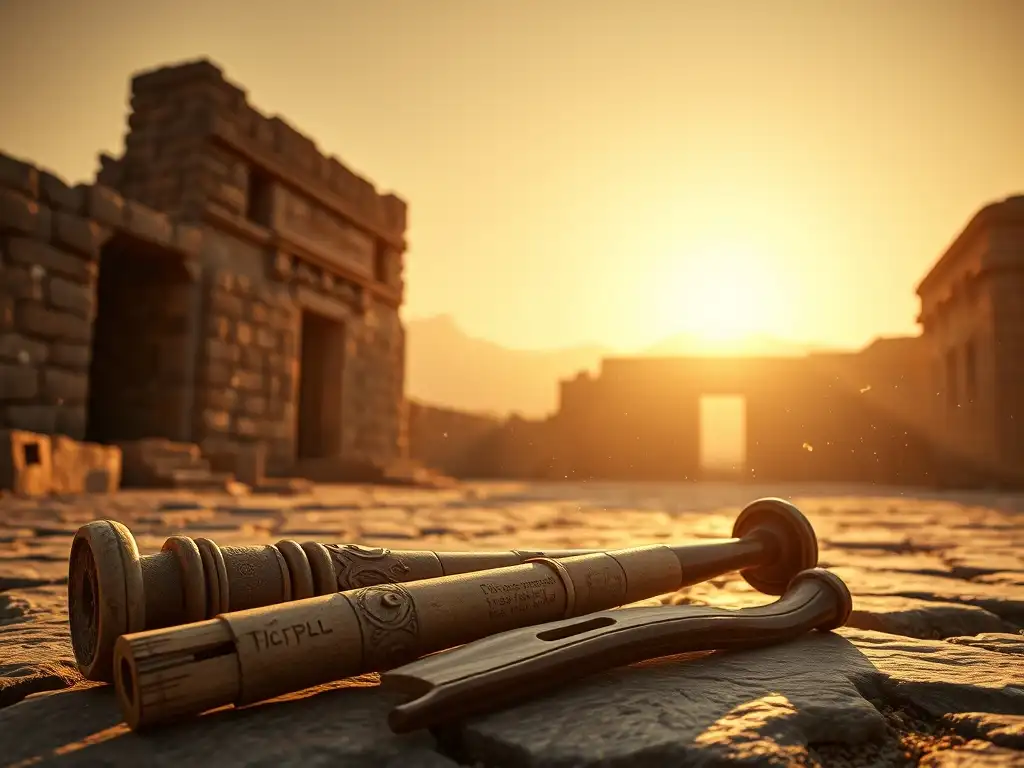
The reconstruction of Tiahuanaco's sonic world is a challenging but fascinating endeavor. While no recordings exist, archaeological evidence, coupled with ethnomusicological studies of surviving Andean musical traditions, allows us to piece together a tentative understanding of their musical practices. The scarcity of directly preserved Tiahuanaco musical instruments necessitates a multi-faceted approach, combining analysis of fragmented artifacts with inferences drawn from iconography found on ceramics and textiles.
This approach allows us to speculate on the types of instruments used, the potential musical scales employed, and the social context within which music played a vital role. The limited physical evidence available underscores the importance of interdisciplinary collaboration in unlocking the secrets of Tiahuanaco's sonic heritage. We are essentially conducting a sonic archaeology, meticulously assembling fragments of a lost musical landscape.
The Role of Tiahuanaco Instruments in Rituals
The limited evidence suggests that music in Tiahuanaco society was deeply intertwined with ritual and religious practices. Many depictions on pottery shards and monumental structures show figures engaged in musical performances, often within contexts clearly associated with religious ceremonies. These depictions frequently feature individuals playing instruments, suggesting their central role in these events.
For example, several ceramic fragments depict musicians playing what appear to be panpipes – a common Andean instrument still used today. The presence of these instruments in ritual contexts strongly suggests their use in communicating with deities, influencing the outcome of ceremonies, or enhancing the spiritual experience of participants. It is plausible that different instruments were associated with different deities or rituals, reflecting a complex and nuanced relationship between music and the spiritual life of the Tiahuanaco people.
Further research into the iconography could reveal more specific associations between instruments and particular rituals or deities. This would provide a richer understanding of the role of music in Tiahuanaco religious life.
Analyzing Tiahuanaco Musical Scales and Melodies
Determining the specific musical scales and melodies used in Tiahuanaco is inherently speculative due to the lack of preserved musical notation. However, by comparing Tiahuanaco artifacts with surviving Andean musical traditions, we can draw some informed conclusions. Many Andean cultures utilize pentatonic or diatonic scales, and it is likely that Tiahuanaco music shared similar characteristics.
The shapes of some fragmented instruments, particularly those resembling flutes or panpipes, hint at the potential for playing melodies with specific intervals. Furthermore, the rhythmic complexity depicted in some iconography suggests that Tiahuanaco music may have involved sophisticated rhythmic patterns.
The analysis of these patterns, combined with the study of similar instruments found in neighboring cultures, could help us understand the rhythmic structure and overall musical organization of Tiahuanaco music. Further research focusing on comparative musicology – analyzing the similarities and differences between Tiahuanaco musical practices and those of neighboring cultures – is crucial for refining our understanding of their unique musical system.
Exploring the Context of Tiahuanaco Music Performance
The context of Tiahuanaco music performance remains largely unknown, but archaeological evidence offers clues. The size and grandeur of Tiahuanaco structures suggest that musical performances might have taken place in large public spaces, perhaps during festivals or other significant community events. The presence of musicians depicted on ceremonial objects indicates that music was an integral part of elite rituals and ceremonies. However, it's also likely that music played a role in everyday life, accompanying work activities or social gatherings.
The discovery of smaller, more portable instruments could support this hypothesis. The social context of music performance is a crucial aspect to consider, as it influences our understanding of the function and meaning of music within Tiahuanaco society. More research is needed to determine whether music was primarily a tool for religious expression, a form of social cohesion, or a combination of both.
The exploration of this aspect requires careful consideration of the archaeological context of discovered musical artifacts. This includes the location of finds, associated artifacts, and the overall layout of the site. By piecing together these contextual clues, we can gain a more comprehensive understanding of how music functioned within Tiahuanaco society.
Speculations on the Sounds of Tiahuanaco Music
The sounds of Tiahuanaco remain largely a mystery, lost to the passage of time and the fragmentary nature of the archaeological record. However, by carefully examining the surviving instruments and considering the cultural context of the civilization, we can begin to speculate on the character of their music. The limited evidence suggests a musical landscape potentially quite different from what we might expect. The sheer scale of Tiahuanaco's monumental architecture hints at large-scale performances, perhaps involving numerous instruments and a large chorus of voices. Imagine the resonant sounds of large ensembles echoing across the plazas, a powerful auditory experience that would have reinforced the social and religious significance of the rituals.
The use of specific materials, such as shell, bone, and wood, in instrument construction likely produced distinctive timbres, perhaps contributing to a unique sonic palette. Furthermore, the intricate carvings found on some instruments suggest a sophisticated understanding of acoustics and sound manipulation. The potential use of these instruments in religious ceremonies suggests a profound connection between music and spirituality. The rhythmic complexity implied by the structure of some of the unearthed artifacts might have lent a powerful sense of dynamism to the music. While we can only speculate, it's clear that the music of Tiahuanaco held a significant place within the society, shaping their social, religious, and communal life.
Further research and analysis are crucial to refining our understanding of this fascinating aspect of their culture. The lack of extensive written records, however, continues to pose a significant challenge in reconstructing the soundscapes of Tiahuanaco. The sounds of Tiahuanaco, even in their speculated form, offer a glimpse into the cultural richness and complexity of this remarkable civilization. The investigation of these sounds is an ongoing process, relying on careful analysis of archaeological findings and informed speculation based on comparative studies of other Andean cultures.
Tiahuanaco Musical Instruments: Craftsmanship and Materials
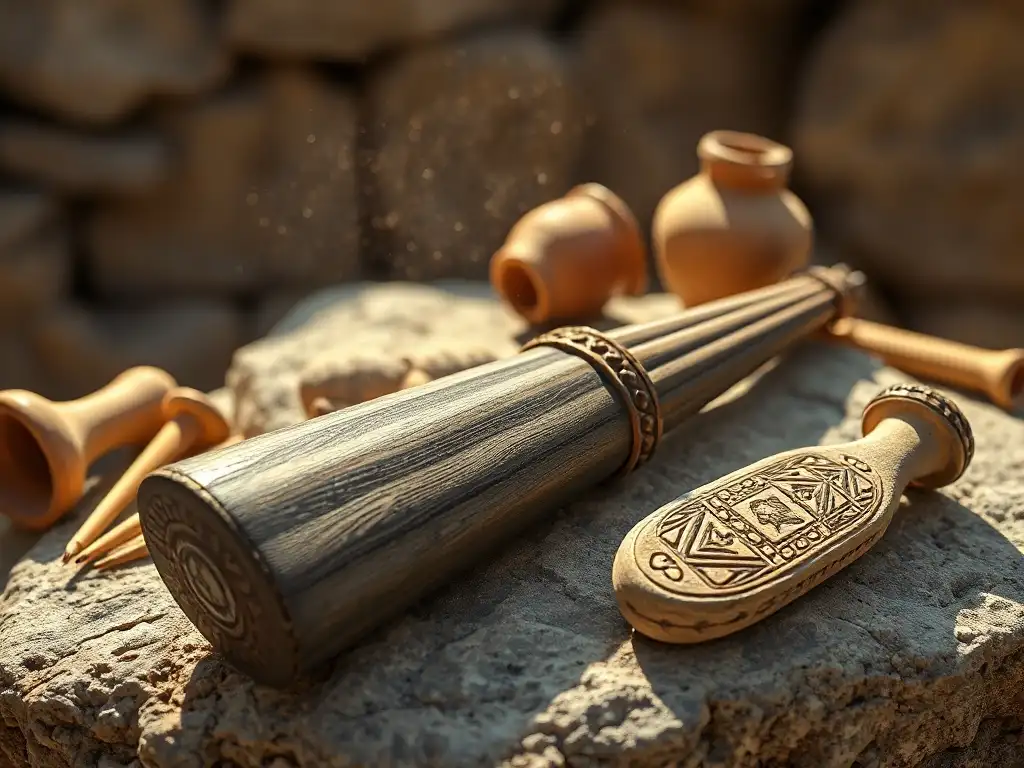
This section delves into the fascinating world of Tiahuanaco musical instruments, exploring the meticulous craftsmanship and the diverse materials employed by these skilled artisans. Understanding their techniques provides invaluable insight into the technological prowess and artistic sensibilities of this remarkable Andean civilization. The scarcity of surviving instruments makes each discovery incredibly significant, offering glimpses into their sonic world and the cultural importance of music in their society. Research into Tiahuanaco musical instruments is ongoing, and new discoveries continue to refine our understanding.
Materials Used in Tiahuanaco Instrument Making
Clay, Bone, and Metal: Tiahuanaco Instrument Materials
The creation of Tiahuanaco musical instruments relied on a range of readily available materials, reflecting both the ingenuity and the environmental context of the civilization. Archaeological evidence points to the prevalent use of clay, bone, and metal in instrument construction.
- Clay: Terracotta, a readily available material, was likely used extensively for creating various percussion instruments, such as ocarinas and possibly drums. The malleability of clay allowed for intricate designs and varied shapes, potentially reflecting different musical functions or aesthetic preferences. The firing process would have determined the instrument's durability and sound quality. Further research is needed to determine the specific clay types and firing techniques employed.
- Bone: Animal bones, particularly from camelids like llamas and alpacas, provided a denser and more resonant material suitable for flutes and possibly other wind instruments. The bone's natural density would have influenced the instrument's pitch and tone. The meticulous carving and shaping of bone required considerable skill and patience. Analysis of bone fragments found at Tiahuanaco sites could reveal more about the specific animal species used and the techniques involved in shaping the instruments.
- Metal: While less common than clay and bone, the use of metals like copper and bronze, suggests a higher level of technological sophistication. These materials would have allowed for the creation of more durable and potentially more sonorous instruments. The scarcity of metal instruments might reflect their status as elite objects or their use in specific ceremonial contexts. Further investigation is required to determine the extent of metalworking techniques used in instrument construction within the Tiahuanaco culture.
The selection of these materials wasn't arbitrary; each contributed unique sonic properties to the instrument. The interplay between the material's physical properties and the artisan's skill determined the final instrument's sound and aesthetic qualities. This careful selection underscores the sophisticated understanding of acoustics within Tiahuanaco society.
Crafting Techniques of Tiahuanaco Instrument Makers
The creation of Tiahuanaco musical instruments demanded a high level of craftsmanship. While the precise techniques remain partially shrouded in mystery due to the limited number of surviving artifacts, archaeological findings and comparative analysis with other Andean cultures offer valuable clues.
The process likely involved several stages: initial material preparation (e.g., shaping clay, carving bone), followed by the creation of the instrument's body, and finally, the addition of decorative elements. Evidence suggests that Tiahuanaco artisans employed techniques such as carving, molding, and possibly even casting (for metal instruments). The intricate designs found on some surviving fragments suggest the use of specialized tools and a deep understanding of material properties.
Further Research Needs
More detailed analysis of existing fragments, including chemical analysis of materials and microscopic examination of carving techniques, is crucial to enhance our understanding. Furthermore, excavations and surveys of Tiahuanaco sites may uncover more complete instruments or additional tools used in their creation. Comparative studies with similar instruments from other contemporary Andean cultures can also shed light on Tiahuanaco instrument-making practices.
The artistry involved extended beyond mere functionality. Many instruments likely featured decorative elements, reflecting the cultural and symbolic significance of music within Tiahuanaco society. These embellishments, whether incised patterns, painted designs, or the use of precious metals, highlight the deep integration of music into the fabric of Tiahuanaco life, transforming instruments into objects of both functional and ceremonial importance.
The surviving fragments hint at a rich tradition of musical expression, a testament to the artistic and technological achievements of this remarkable civilization. The quest to fully understand Tiahuanaco's sonic world continues, each new discovery enriching our appreciation of their cultural legacy.
The social standing of the artisans who crafted Tiahuanaco's musical instruments remains a subject of ongoing research and scholarly debate. While we lack direct written accounts from the Tiahuanaco culture itself, archaeological evidence offers some clues. The meticulous craftsmanship evident in surviving instruments suggests a high level of skill and specialization.
The intricate designs, precise inlay work, and the selection of rare and often exotic materials point to a dedicated and potentially highly-regarded group of artisans. It's plausible that these individuals held a respected position within Tiahuanaco society, perhaps comparable to other specialized craftspeople such as metallurgists or ceramicists. Their skills were vital to the creation of instruments used in religious ceremonies and social gatherings, suggesting a role that went beyond mere craft and touched upon the spiritual and social fabric of the community.
The discovery of workshops or specialized areas within Tiahuanaco settlements dedicated to instrument making could further illuminate their social standing. However, the precise location and organization of such workshops, if they existed, remain to be definitively identified. Further archaeological investigations, particularly focused on analyzing the spatial distribution of artifacts and the residues found within potential workshops, are crucial for a more complete understanding. The presence of specialized tools, discarded materials, and perhaps even apprentices' work could provide valuable insights into the social organization of instrument production and the social status of those involved.
Furthermore, the distribution of instruments themselves might offer clues. Were certain types of instruments exclusively crafted for the elite, suggesting a higher status for those who created them? Or was instrument making a more widespread craft, with different levels of skill and artistry resulting in varying social positions for the artisans? Analyzing the materials, the level of detail, and the contexts in which instruments were found could help answer these questions. The discovery of instruments in elite burials, for example, could strongly suggest a high social standing for the artisans who created them. The careful study of these patterns may reveal whether instrument makers occupied a specialized niche within the social hierarchy or held a more integrated role within the broader community. More research is needed to definitively answer these questions, but the available evidence suggests a nuanced picture, far from a simple dichotomy of high or low social standing.
Legacy of Tiahuanaco Music and Instruments
The legacy of Tiahuanaco's musical traditions extends far beyond the physical remnants of its instruments. While tangible artifacts are scarce, archaeological evidence, coupled with analyses of later Andean cultures, suggests a profound and lasting influence on the musical landscape of the region. The echoes of Tiahuanaco's sonic world resonate through centuries of Andean music, shaping its unique character and contributing to its rich diversity. Understanding this legacy is crucial to appreciating the full complexity of Andean musical history.
The Influence of Tiahuanaco Music on Later Andean Cultures
The Tiahuanaco culture's influence on subsequent Andean civilizations is undeniable, extending beyond their architectural marvels and sophisticated agricultural techniques to encompass their musical practices. While direct links are difficult to establish definitively due to limited surviving instruments, stylistic similarities between later Andean musical forms and potential Tiahuanaco practices suggest a strong connection. For instance, the use of panpipes, a prevalent instrument across various Andean cultures, may have its roots in Tiahuanaco's musical repertoire.
The intricate rhythms and melodic structures found in many contemporary Andean musical traditions could also be traced back to the sophisticated musical organization likely present in Tiahuanaco society. Further research focusing on comparative analysis of musical styles across different Andean periods is needed to fully unravel this complex relationship. The rhythmic complexity and use of specific scales found in later Andean music, particularly in ceremonial contexts, may reflect the advanced musical understanding present in Tiahuanaco.
This suggests a continuity of musical traditions, with later cultures inheriting and adapting elements from their predecessors. The discovery of new archaeological evidence, perhaps including more complete instruments or musical notation, could further illuminate this compelling connection.
Preserving Tiahuanaco Musical Heritage
Preserving the musical heritage of Tiahuanaco presents a unique challenge. The scarcity of physical instruments necessitates a multidisciplinary approach combining archaeological investigation with ethnomusicological research. Ethnomusicologists can study contemporary Andean musical traditions to identify potential links to Tiahuanaco practices, searching for echoes of ancient styles and techniques in modern music.
Careful excavation and preservation of any future archaeological finds are crucial. Digital archiving and documentation of existing Andean musical practices are also essential steps in preserving this fragile heritage. This holistic approach ensures that the intangible aspects of Tiahuanaco’s musical culture are not lost to time.
Furthermore, educational initiatives aimed at raising awareness of Tiahuanaco's musical legacy among local communities and researchers alike are essential for long-term preservation efforts. This involves not only preserving existing knowledge but also fostering new research and interpretation. The collaboration between archaeologists, ethnomusicologists, and local communities is vital for a comprehensive understanding and preservation of Tiahuanaco's musical past.
The Continuing Study of Tiahuanaco Musical Instruments
The study of Tiahuanaco musical instruments remains an ongoing and dynamic field. While limited physical evidence exists, new archaeological discoveries and advanced analytical techniques continue to shed light on this fascinating aspect of Tiahuanaco culture. The application of scientific methods such as acoustic analysis on fragmented instruments can reveal details about their sound and playing techniques.
Furthermore, interdisciplinary collaborations between archaeologists, musicians, and material scientists are proving invaluable in reconstructing and interpreting these ancient instruments. This collaborative approach is leading to a more nuanced understanding of the materials used, the construction techniques employed, and the potential sounds produced by these instruments. The use of 3D modeling and digital reconstruction allows for the creation of virtual models of the instruments, enabling researchers to experiment with different playing techniques and explore the potential sonic possibilities.
This research is not only crucial for understanding Tiahuanaco's musical culture but also for shedding light on the technological advancements of the civilization. The ongoing investigation of Tiahuanaco's musical instruments promises to reveal further insights into the sophisticated musical culture of this remarkable Andean civilization. The future holds the promise of more discoveries and a deeper understanding of the sounds that once filled the plazas and temples of Tiahuanaco.
Future Research into Tiahuanaco Musical Practices
Further investigation into Tiahuanaco's sonic landscape is crucial to paint a more complete picture of their culture. Several avenues of research promise exciting discoveries. Firstly, advanced acoustic analysis of surviving artifacts could reveal subtle details about their construction and intended sounds. For instance, applying modern techniques to ceramic instruments might uncover previously unknown playing techniques or reveal the intended pitch and timbre of these objects. This would move beyond simple visual observation and allow for a more nuanced understanding of their musical capabilities.
Secondly, a more thorough cross-cultural comparison with other Andean cultures could illuminate the unique aspects of Tiahuanaco's musical traditions. While some similarities undoubtedly existed with contemporary groups, identifying specific differences can highlight Tiahuanaco's innovation and cultural distinctiveness. This comparative analysis might also help us understand the potential influence of Tiahuanaco music on later Andean cultures, tracing the possible evolution of certain musical styles or instruments. Careful examination of iconography depicting musical scenes from neighboring cultures could provide crucial clues.
Thirdly, and perhaps most importantly, interdisciplinary collaboration is essential. Archaeologists, musicologists, anthropologists, and material scientists working together can bring a wealth of expertise to bear on the problem. The combined knowledge of these fields could lead to breakthroughs currently impossible through individual efforts alone. This collaborative approach is vital for interpreting the complex interplay of social, religious, and technological factors that shaped Tiahuanaco's musical practices.
For example, combining archaeological excavation data with ethnomusicological studies of modern Andean music could provide valuable insights into the possible social contexts of Tiahuanaco music making. This collaborative approach would allow for a deeper and more holistic understanding of the Tiahuanaco musical experience. The potential for new discoveries through interdisciplinary research on Tiahuanaco musical instruments is immense.
Frequently Asked Questions
What types of musical instruments have been found at Tiahuanaco?
While complete instruments are rare, archaeologists have unearthed fragments of pottery flutes, bone whistles, and possible percussion instruments made from stone. These suggest a diverse sonic landscape.
What materials were used to create Tiahuanaco musical instruments?
The instruments discovered were primarily made from bone, pottery, and stone. The choice of material likely reflected availability and desired sound qualities.
What role did music play in Tiahuanaco society?
Music likely played a significant role in Tiahuanaco's religious ceremonies, social gatherings, and potentially even in agricultural rituals. Its importance is suggested by the presence of instruments.
How does the music of Tiahuanaco compare to other Andean cultures?
While limited evidence exists, comparisons are difficult. However, the materials and potential types of instruments suggest some similarities to other Andean civilizations, indicating a shared musical heritage within the region.
Where can I learn more about Tiahuanaco musical instruments?
Further research requires exploring academic journals and archaeological publications focusing on Tiahuanaco and Andean music. Museums with relevant collections may also provide additional information.
Final Reflection: Echoes of Tiahuanaco: A Legacy of Sound
The rediscovery of Tiahuanaco's musical instruments isn't just an archaeological achievement; it's a powerful reminder of the vibrant, sophisticated cultures that thrived long before recorded history. These artifacts, painstakingly unearthed and meticulously studied, offer a tangible link to a past often relegated to dusty textbooks and fragmented narratives. Their existence challenges our preconceived notions of ancient civilizations and forces us to reconsider the depth and complexity of their societal structures.
The enduring mystery surrounding Tiahuanaco's sonic world continues to resonate today, shaping our understanding of Andean music and its evolution. The instruments themselves, with their unique designs and materials, speak volumes about the ingenuity and artistry of their creators. Their sounds, though lost to time, can be imagined, echoing in the vast landscapes of the Altiplano. The past is never dead. It's not even past.
- William Faulkner. This quote perfectly encapsulates the enduring power of Tiahuanaco's legacy, a legacy that continues to inspire and intrigue us centuries later. The echoes of their music still reverberate, influencing contemporary Andean musical traditions and reminding us of the interconnectedness of cultures across time.
Consider the implications of this rediscovery. What can we learn from the ingenuity and artistry of a civilization that flourished thousands of years ago? How can we apply the lessons of their resilience and cultural richness to our own lives?
You, the reader, are now part of this ongoing conversation. Take a moment to reflect on the power of sound, the importance of preserving cultural heritage, and the enduring legacy of civilizations lost to time. Let the echoes of Tiahuanaco's sonic world inspire you to explore your own cultural heritage and to appreciate the richness and diversity of human history.
Unveil the Secrets of Tiahuanaco's Sonic Heritage!
Thank you for exploring the captivating world of Tiahuanaco's musical instruments! Your interest in this ancient civilization enriches your understanding and helps revive its incredible legacy. Let's delve deeper!
- **Expand your knowledge by visiting local museums** showcasing Andean artifacts, or explore the sounds of Tiahuanaco through online resources and virtual exhibits.
- **Share your favorite discovery** from this article with friends and family, or post it on social media to inspire others to appreciate the beauty of ancient Andean music.
- Consider **attending workshops or cultural events** that celebrate Andean traditions and connect you with other enthusiasts.
Which Tiahuanaco instrument or sound resonates most with you, and how do you believe it reflects the spirit of its people?