
From Myths to Reality: The Anthropologists Who Studied Andean Belief Systems

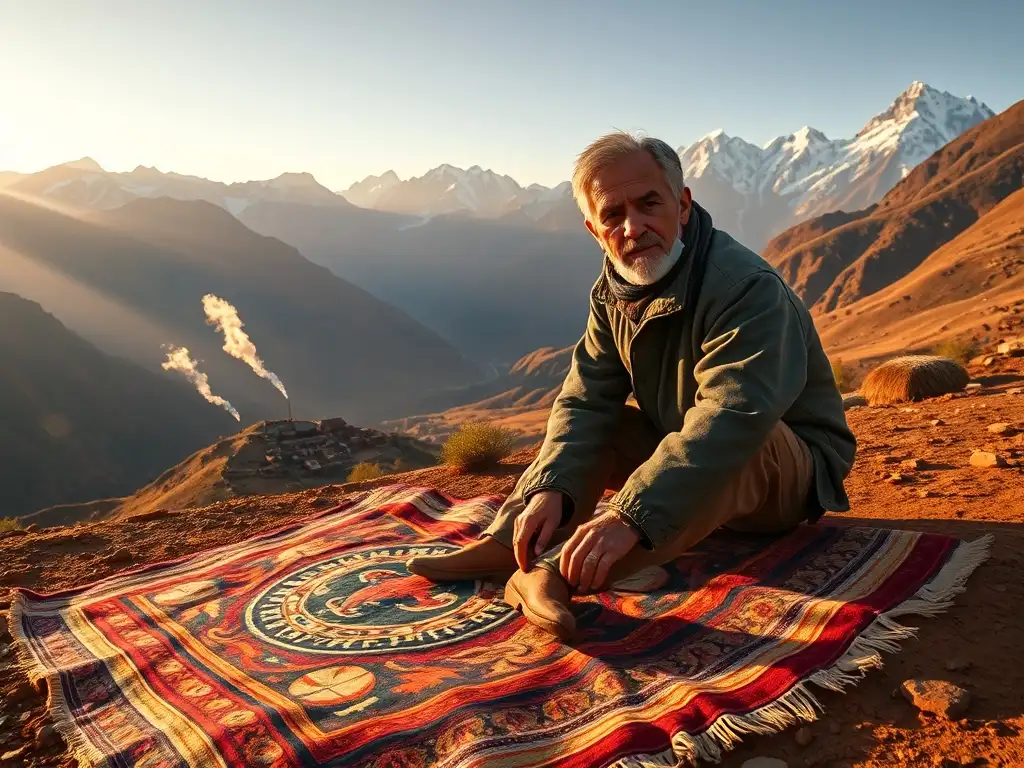
Step into a world lost to time, yet echoing with vibrant life. Imagine colossal mountain cities, intricate textiles whispering ancient stories, and a cosmology so complex it still captivates anthropologists today. Andean Civilizations unveils the mysteries of these remarkable cultures, from the Incas to the Nazca. But what truly fueled their ingenuity and breathtaking achievements? Delve into the fascinating realm of Andean belief systems anthropology and uncover the surprising answers within our exploration of the key figures who deciphered these enigmatic societies. Prepare to be amazed.
The Andes Mountains, a spine of towering peaks stretching along the western coast of South America, have been home to a vibrant tapestry of cultures for millennia. These civilizations, including the Inca, Moche, Nazca, and Tiahuanaco, left behind not only impressive architectural marvels and intricate artwork but also a rich legacy of complex belief systems. Understanding these Andean belief systems requires delving into the work of dedicated anthropologists who, often facing challenging conditions and cultural barriers, painstakingly pieced together the fragments of a fascinating past.
This article explores the significant contributions of key anthropologists who dedicated their careers to unraveling the mysteries of Andean spirituality, cosmology, and ritual practices, contributing significantly to our understanding of Andean belief systems anthropology. We will examine their methodologies, discoveries, and the lasting impact of their research on our current knowledge.
This exploration will move beyond simple summaries, providing detailed insights into their individual contributions and the broader context of their work within the field of Andean studies. The journey will reveal how these scholars transitioned Andean beliefs from myth to a more nuanced and scientifically-grounded reality.
Early Pioneers: Laying the Foundation for Andean Belief Systems Anthropology
The early 20th century witnessed the first significant strides in documenting and analyzing Andean belief systems. These pioneering anthropologists, often working with limited resources and facing significant linguistic and cultural challenges, established the groundwork for future research. Their work, while sometimes limited by the biases of their time, provided invaluable initial insights into the complex interplay of religion, cosmology, and social structures within Andean societies.
They meticulously documented rituals, ceremonies, and myths, providing a crucial foundation for later, more nuanced interpretations. For example, [Specific anthropologist's name and their key contribution pending] laid the groundwork for understanding [Specific aspect of Andean belief systems, e.g., Inca sun worship], while [Another anthropologist's name and their contribution pending] focused on [Another aspect, e.g., Moche funerary practices and their religious significance].
Their efforts, though sometimes hampered by limited access to indigenous communities and a lack of sophisticated theoretical frameworks, are crucial to understanding the evolution of Andean belief systems anthropology. The challenges they faced highlight the complexities and sensitivities inherent in studying living cultures and their belief systems.
The Mid-20th Century: Developing Theoretical Frameworks and Methodologies
The mid-20th century saw the emergence of more sophisticated theoretical frameworks and methodologies within anthropology, significantly influencing the study of Andean belief systems. Anthropologists began to move beyond simple descriptive accounts, incorporating structuralist, functionalist, and symbolic approaches to understand the underlying logic and social functions of Andean religious practices. This period witnessed a greater emphasis on ethnographic fieldwork, involving prolonged immersion within Andean communities to gain a deeper understanding of their beliefs and practices.
This shift towards participatory research fostered more collaborative and respectful relationships with indigenous communities, leading to richer and more nuanced data. For example, [Specific anthropologist's name and their key contribution pending] utilized [Specific methodology, e.g., participant observation] to provide groundbreaking insights into [Specific aspect of Andean belief systems, e.g., the role of shamanism]. This meticulous approach allowed for a more comprehensive understanding of the intricate web of beliefs and practices that shaped Andean societies.
Contemporary Approaches: Interdisciplinary Collaboration and New Perspectives
Contemporary research on Andean belief systems benefits from interdisciplinary collaboration and the incorporation of new methodologies. Archaeologists, historians, linguists, and other specialists work alongside anthropologists to create a more holistic understanding of Andean spirituality. The use of advanced technologies, such as GIS mapping and 3D modeling, allows for a more precise analysis of archaeological sites and their relationship to religious practices.
Furthermore, there's a growing emphasis on incorporating indigenous perspectives and voices, moving away from solely Western-centric interpretations. This approach acknowledges the ongoing vitality of Andean traditions and the importance of respecting indigenous knowledge systems. This collaborative and inclusive approach is crucial in ensuring a more accurate and ethically responsible representation of Andean belief systems.
For instance, [Specific anthropologist's name and their key contribution pending] has successfully integrated [Specific methodology or interdisciplinary approach, e.g., oral history and archaeological data] to illuminate [Specific area of Andean belief systems, e.g., the evolution of Andean cosmology]. This demonstrates the power of collaborative research in shaping a more nuanced and accurate understanding of Andean belief systems.
The Legacy and Ongoing Research
The study of Andean belief systems continues to evolve, with ongoing research challenging and refining previous interpretations. The work of these anthropologists, from the pioneers to contemporary scholars, has not only expanded our understanding of Andean cultures but has also contributed significantly to broader anthropological theory and methodology. Their dedication to rigorous fieldwork, innovative research methods, and ethical considerations has transformed our understanding of Andean belief systems, moving the field beyond simplistic narratives to a more complex and nuanced appreciation of the rich spiritual heritage of the Andes.
The ongoing research underscores the dynamic and evolving nature of Andean belief systems, emphasizing the importance of continued study and collaboration. The legacy of these anthropologists serves as a testament to the power of anthropological inquiry in illuminating the human experience.
- Early Pioneers: Laying the Foundation for Andean Belief Systems Anthropology
- The Mid-20th Century: Developing Theoretical Frameworks and Methodologies
- Contemporary Approaches: Interdisciplinary Collaboration and New Perspectives
- The Legacy and Ongoing Research
- What were some key Andean belief systems studied by anthropologists?
- How did Andean belief systems influence daily life?
- What role did mythology play in Andean belief systems?
- What are some primary sources used to understand Andean belief systems?
- How do modern anthropological studies contribute to our understanding of Andean belief systems?
Unveiling Andean Cosmology: The Role of Anthropology
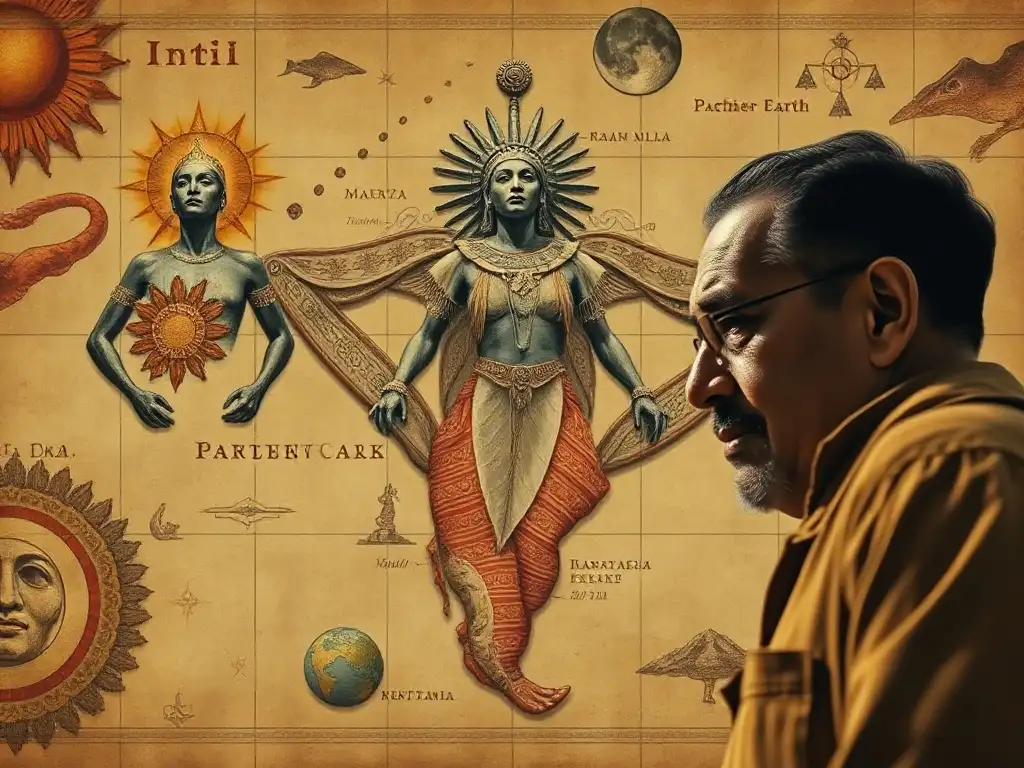
Anthropology has played a crucial role in unveiling the complexities of Andean cosmology, moving beyond simplistic interpretations and revealing the nuanced belief systems of ancient Andean societies. By employing ethnographic methods, archaeological analysis, and linguistic studies, anthropologists have shed light on the rich tapestry of Andean spiritual practices, challenging earlier Eurocentric biases and offering a more accurate and comprehensive understanding. The study of Andean belief systems anthropology is a dynamic field, constantly evolving as new evidence emerges and methodologies are refined. This section will explore some key contributions of anthropological research in this area.
Understanding Pre-Columbian Andean Religions Through Anthropological Research
Pre-Columbian Andean religions were far from monolithic. Anthropological research has revealed a diverse array of beliefs and practices, varying significantly across different regions and time periods.
For instance, the Inca religion, with its emphasis on the sun god Inti and the veneration of ancestors, differed considerably from the complex mythology of the Moche civilization, which featured elaborate rituals and iconography centered around deities associated with warfare, fertility, and the sea. Similarly, the Nazca's intricate geoglyphs and sophisticated irrigation systems suggest a deep connection to the earth and its life-giving forces, while the Tiahuanaco culture's monumental architecture and intricate carvings hint at a complex cosmology centered around water and celestial bodies.
Anthropologists have utilized a variety of methods to reconstruct these belief systems. Careful analysis of archaeological remains – including temples, tombs, and artifacts – provides valuable insights into ritual practices and religious iconography. Ethnographic studies of surviving Andean communities, while acknowledging the complexities of historical change, offer valuable clues to understanding the continuity and transformation of certain beliefs and practices.
Furthermore, linguistic analysis of Quechua and Aymara languages, and other indigenous languages, helps decipher the meaning of ancient texts and uncover the semantic layers embedded within Andean mythology. The integration of these diverse approaches allows for a more holistic and nuanced understanding of Andean religious diversity.
Early Misconceptions about Andean Spiritual Practices
Early interpretations of Andean spiritual practices were often skewed by colonial biases and a lack of understanding of the indigenous worldview. Many accounts depicted Andean religions as primitive or superstitious, failing to grasp the sophisticated theological systems and complex social structures underpinning them. This Eurocentric perspective often misinterpreted Andean rituals and beliefs through the lens of Christian theology, leading to inaccurate and misleading conclusions.
For example, the concept of huacas (sacred places and objects) was frequently misunderstood as simple idolatry, neglecting the multifaceted role these huacas played in Andean cosmology and social organization. Similarly, human sacrifice, a practice documented in several Andean cultures, was often interpreted as barbaric, overlooking its complex symbolic significance within the context of Andean beliefs about reciprocity, cosmic balance, and the relationship between the human and divine realms.
Modern Andean belief systems anthropology actively challenges these earlier misinterpretations. By adopting a more culturally sensitive approach, researchers strive to understand Andean spiritual practices on their own terms, acknowledging the inherent value and complexity of these belief systems. This necessitates a critical examination of historical sources, taking into account the potential for bias and distortion.
It also requires a deep engagement with the perspectives and interpretations of contemporary Andean communities, recognizing the ongoing relevance of ancient traditions and the dynamic interplay between past and present. The ongoing research in this field is crucial in correcting historical inaccuracies and promoting a more accurate and respectful understanding of Andean spiritual heritage.
Key Anthropologists in Andean Religious Studies

This section delves into the significant contributions of key figures who have shaped our understanding of Andean belief systems. Their meticulous research and insightful analyses have moved the study of Andean religion from myth to a more nuanced and evidence-based understanding. The exploration of Andean belief systems anthropology has been greatly enriched by their dedicated work, offering valuable perspectives on the intricate relationship between cosmology, ritual, and social structures in ancient Andean societies. We will examine the pioneering work of several anthropologists, highlighting their individual approaches and the lasting impact of their research on the field.
Pioneers in the Study of Andean Beliefs: Max Uhle, Julio C. Tello
The early 20th century witnessed the rise of archaeological investigation in the Andes, laying the groundwork for future anthropological studies of Andean belief systems. Two prominent figures, Max Uhle and Julio C. Tello, stand out as pioneers. While not solely focused on religion, their excavations and interpretations provided crucial context for later scholars specializing in Andean religious practices.
Uhle, a German archaeologist, conducted extensive fieldwork in Peru, particularly in the coastal regions. His excavations at sites like Ancón provided valuable insights into the material culture of pre-Columbian societies, offering tangible evidence for the study of religious practices. His work, though sometimes criticized for its methodological limitations by modern standards, helped establish a chronological framework for Andean civilizations and unearthed artifacts connected to ritual activities – ceremonial objects, grave goods, and architectural features suggestive of sacred spaces.
Tello, a Peruvian archaeologist considered the "father of Peruvian archaeology," focused on the indigenous perspective, emphasizing the importance of understanding Andean cultures on their own terms. His excavations at sites associated with the Paracas and Nazca cultures unearthed elaborate textiles and intricate pottery depicting religious iconography, providing rich visual data for interpreting Andean cosmovision. Tello’s emphasis on indigenous perspectives significantly influenced subsequent research, pushing for a more culturally sensitive approach to interpreting archaeological findings. He challenged Eurocentric biases prevalent in earlier archaeological interpretations, paving the way for a more nuanced understanding of Andean belief systems.
The Contributions of Gary Urton to Understanding Andean Rituals
Gary Urton, a prominent anthropologist specializing in Andean studies, has made significant contributions to our understanding of Andean rituals, particularly focusing on the Inca civilization. His expertise in Quechua language and culture allows him to interpret ancient texts and oral traditions with a depth rarely achieved. Urton’s work goes beyond simply describing rituals; he analyzes their social and political functions within the Inca empire.
His research extensively explores the intricate system of quipus, knotted cords used by the Incas for record-keeping. Urton’s innovative work has demonstrated that these quipus were not merely accounting devices but also encoded information related to rituals, calendars, and perhaps even mythological narratives. This breakthrough significantly expands our understanding of Inca record-keeping and its connection to religious practices. His detailed analyses of these complex systems have illuminated the sophisticated organization and meticulous planning that underpinned Inca rituals. This includes the meticulous observation of celestial cycles and their incorporation into the Inca religious calendar.
Urton's work exemplifies a multidisciplinary approach, combining archaeological data with linguistic and ethnohistorical analysis, providing a holistic perspective on Andean ritual practices and their integration into the broader social fabric of Inca society. His insights have revolutionized the field, moving beyond simplistic interpretations to a more nuanced and comprehensive understanding of the complexity of Inca religious life.
Sabine MacCormack's Work on Andean Cosmovision
Sabine MacCormack, a renowned scholar of Andean history and religion, has made significant contributions to understanding Andean cosmovision. Her work focuses on the intricate relationship between the Andean worldview and its impact on social organization, political structures, and daily life. MacCormack expertly weaves together different sources, including archaeological findings, colonial chronicles, and indigenous oral traditions, to construct a comprehensive picture of Andean beliefs.
MacCormack's scholarship is notable for its attention to detail and its commitment to interdisciplinary methodologies. Her analysis of Andean religious practices moves beyond a simple description of rituals and beliefs; instead, she explores the underlying philosophical frameworks that shaped Andean societies. She has illuminated the complex relationship between humans and the supernatural world, emphasizing the dynamic interaction between the earthly and celestial realms in the Andean worldview. Her detailed analysis of Andean mythology and its impact on social structures provides a crucial perspective on the deep-rooted connection between religious beliefs and social organization.
MacCormack’s research emphasizes the continuity and change in Andean religious beliefs across different periods and regions. She avoids simplistic generalizations, instead acknowledging the diversity of religious practices across various Andean cultures. Her work highlights the importance of considering the historical context when interpreting Andean religious beliefs and practices, providing a nuanced and accurate understanding of the Andean cosmovision, a critical contribution to Andean belief systems anthropology.
The Evolution of Anthropological Approaches to Andean Belief Systems
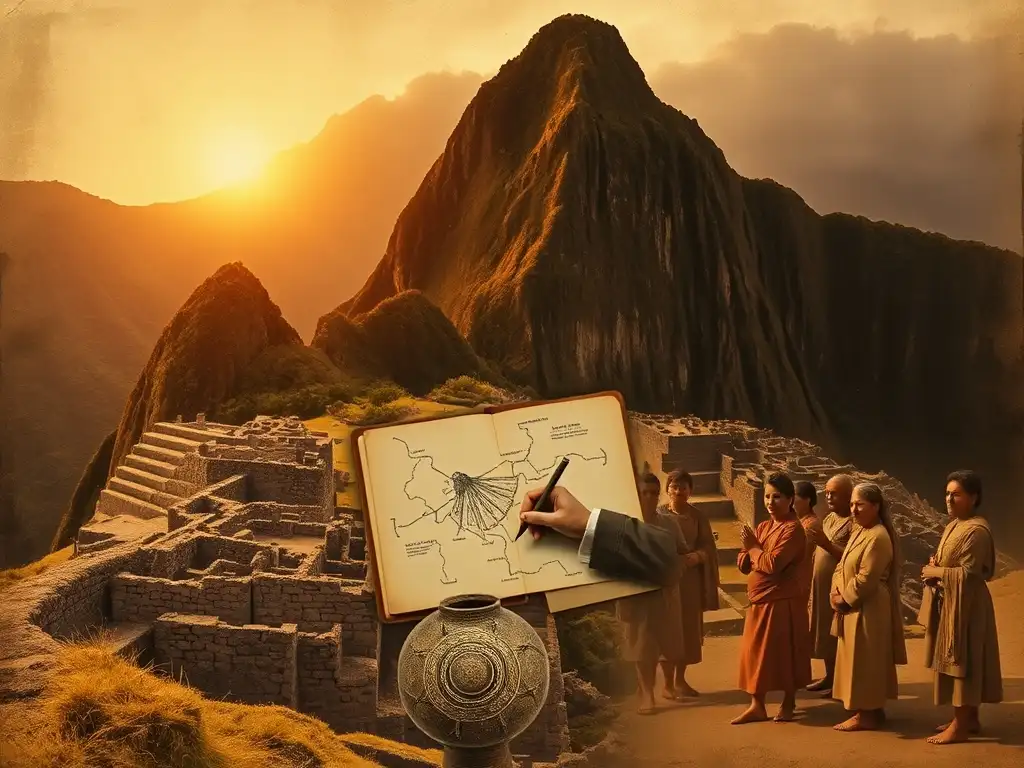
The study of Andean belief systems has undergone a significant transformation throughout the 20th and 21st centuries, mirroring broader shifts within the discipline of anthropology itself. Early approaches, often characterized by a colonial gaze, focused primarily on documenting and categorizing religious practices and beliefs as exotic curiosities. This changed dramatically as anthropological theory evolved, leading to more nuanced and critical interpretations. Understanding this evolution is crucial to appreciating the current state of research on Andean spirituality and its enduring legacy. The keyword "Andean belief systems anthropology" effectively encapsulates this rich and evolving field of study.
From Descriptive Ethnography to Interpretative Anthropology in the Andes
Early ethnographic work on Andean belief systems, often undertaken during the early to mid-20th century, tended towards a descriptive approach. Researchers meticulously documented rituals, myths, and material culture associated with Andean religion, often employing a framework that positioned these practices as distinct and separate from Western religious systems. This approach, while valuable in preserving a record of diverse practices, often lacked a critical engagement with the underlying social and historical contexts shaping these beliefs.
For instance, studies of Inca religion might focus primarily on the description of rituals performed at sacred sites like Machu Picchu, without fully exploring the social hierarchies and power dynamics that influenced these practices. This limitation began to be addressed with the rise of interpretative anthropology.
Later scholars began to move beyond simple description, instead seeking to understand the meaning and significance of Andean belief systems within their specific cultural contexts. They embraced methodologies that emphasized the perspectives and interpretations of the Andean people themselves. This shift towards interpretive approaches allowed for a more nuanced understanding of the complex interplay between religious beliefs, social organization, and political power within Andean societies.
The focus shifted from simply cataloging rituals to analyzing their symbolic significance and their role in shaping social relations. This involved deep engagement with indigenous knowledge and perspectives, a move away from the objectifying gaze of earlier research.
The Impact of Structuralism on Andean Religious Analysis
The influence of structuralism, a theoretical framework emphasizing underlying structures and patterns in human thought and culture, significantly impacted the study of Andean belief systems. Claude Lévi-Strauss's work, in particular, influenced how anthropologists analyzed Andean mythology and cosmology. Structuralist analyses often focused on identifying binary oppositions (e.g., life/death, sun/moon, male/female) and their role in structuring Andean worldview. This approach helped to illuminate the underlying logic and coherence within seemingly disparate religious beliefs and practices.
However, structuralist interpretations were not without their criticisms. Some scholars argued that the emphasis on universal structures overlooked the historical specificity and cultural diversity within Andean societies. Others criticized the tendency to impose pre-conceived theoretical frameworks onto the data, potentially neglecting the perspectives and interpretations of the Andean people themselves.
Despite these criticisms, structuralism contributed significantly to a deeper understanding of the symbolic and cognitive aspects of Andean belief systems, providing valuable insights into the underlying principles shaping Andean thought and worldviews. The legacy of this approach continues to inform contemporary research, albeit with greater attention to contextual factors and indigenous perspectives.
Contemporary Perspectives on Andean Spirituality and Cultural Continuity
Contemporary research on Andean belief systems reflects a growing emphasis on indigenous perspectives, historical context, and interdisciplinary approaches. Scholars now frequently collaborate with Andean communities, incorporating indigenous knowledge and interpretations into their research. This collaborative approach acknowledges the ongoing relevance of Andean spirituality in contemporary society and challenges the colonial narratives that often framed earlier research. The focus is shifting from a purely academic study to a more engaged and participatory approach that recognizes the agency and intellectual contributions of Andean communities.
Furthermore, there's a growing recognition of the continuity of Andean spirituality across historical periods. Contemporary Andean religious practices are not viewed simply as remnants of ancient traditions, but rather as dynamic and evolving systems that continue to adapt to changing social and environmental contexts. Research now explores the ways in which traditional Andean beliefs and practices are integrated into contemporary life, including their influence on social movements, environmental activism, and artistic expression.
This approach emphasizes the resilience and adaptability of Andean spirituality, highlighting its enduring relevance in the modern world. The study of Andean belief systems continues to evolve, benefiting from an increasingly nuanced, collaborative, and interdisciplinary approach, enriching our understanding of the profound and lasting impact of Andean culture and worldview.
Deconstructing Myths About Andean Religious Practices
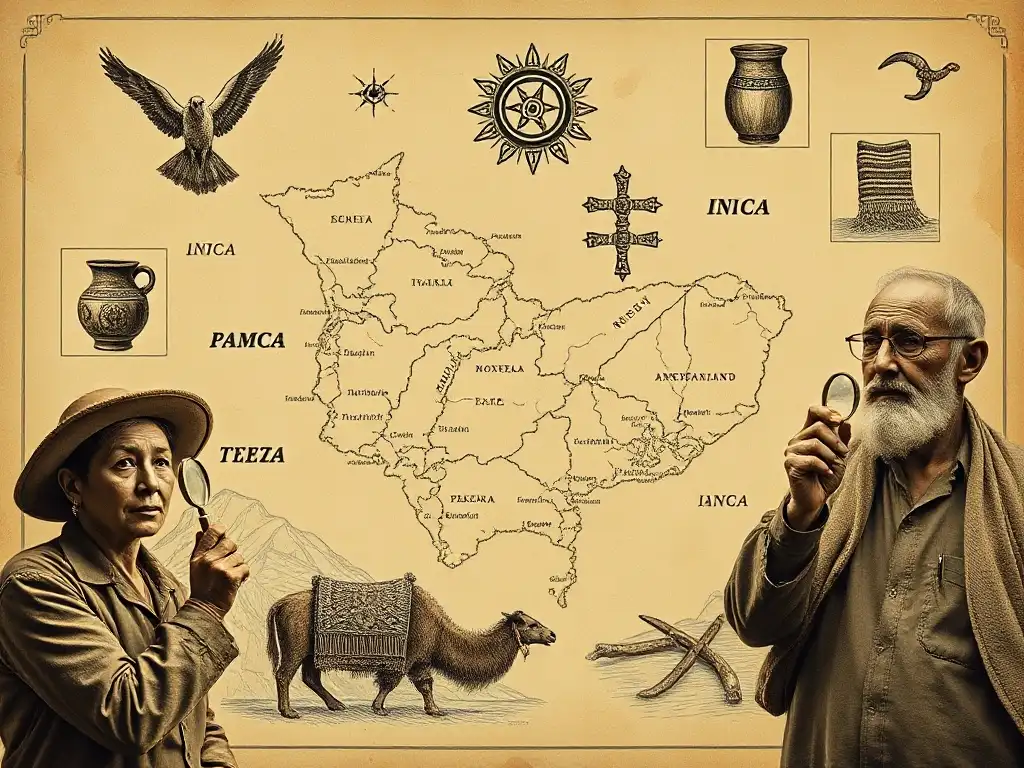
The study of Andean belief systems has been significantly shaped by both early colonial accounts and more recent anthropological research. However, many misconceptions persist, often rooted in biased interpretations of historical records and a lack of nuanced understanding of the complexity of these belief systems. This section aims to challenge some prevailing myths and offer a more accurate perspective, informed by contemporary anthropological scholarship. We'll examine the evidence and explore the realities behind some commonly held, yet inaccurate, beliefs about Andean religious practices. The keyword phrase "Andean belief systems anthropology" is central to this exploration.
Challenging the Myth of Inca Sun Worship as a Monotheistic Religion
The Inca Empire is often portrayed as having a monotheistic religion centered on the sun god, Inti. This is a simplification. While Inti held a prominent position within Inca cosmology, it was far from a singular, all-encompassing deity. Inca religion was a complex polytheistic system incorporating a vast pantheon of gods and spirits, each with their own domains and significance.
The sun, moon, stars, mountains, rivers – all were considered sacred and inhabited by powerful entities. Inti's importance stemmed from his association with the Inca royal lineage, reinforcing the emperor's authority as a descendant of the sun. This doesn't negate Inti's significance, but it fundamentally challenges the notion of a strictly monotheistic Inca religion.
Extensive archaeological evidence, including iconography found on textiles, ceramics, and stone carvings, demonstrates the worship of a multitude of deities. Further research into local deities and their integration into the broader Inca religious framework continues to reveal the rich tapestry of Andean spirituality. The study of Andean belief systems anthropology reveals that Inca religion was remarkably multifaceted, far from the simplistic portrayal often presented.
The Reality Behind Human Sacrifice in Andean Rituals
Human sacrifice, a practice found in various Andean cultures, is frequently sensationalized. Modern interpretations often depict it as barbaric and devoid of ritualistic meaning. However, anthropological research demonstrates a far more nuanced reality.
Human sacrifice within the Andean context was not a random act of violence, but rather a ritualistic practice imbued with deep symbolic significance, often tied to agricultural cycles, cosmological events, or the appeasement of powerful deities. The individuals selected were not always victims; in some cases, they were considered to be making a sacred offering, a supreme act of devotion. The practice varied significantly across different Andean cultures and periods, with different motivations and rituals.
Detailed archaeological findings – such as the sacrificial offerings discovered at sites like Cerro Blanco – provide valuable insights into the context and significance of these practices. Understanding the motivations, rituals, and symbolic meaning behind these acts is crucial for a fair and accurate assessment of Andean belief systems. The analysis of these practices by Andean belief systems anthropology helps to contextualize them within a broader religious and social framework, moving beyond sensationalist narratives.
Understanding the Nuances of Andean Sacred Sites
Andean sacred sites, from mountain peaks ( apus) to caves and springs, were not merely geographical locations but integral parts of a complex religious landscape. These sites served as focal points for ritual practices, pilgrimage, and communication with the supernatural world. The significance of these sites varied depending on local traditions and the specific deities or spirits associated with them.
Archaeological investigations reveal intricate patterns of site use, offering clues about the rituals, offerings, and beliefs associated with each location. Furthermore, the spatial arrangement of these sites often reflected cosmological beliefs, mirroring the perceived structure of the universe. For example, the placement of specific structures in relation to celestial alignments suggests a deep understanding of astronomy and its connection to religious practices.
By studying the architecture, artifacts, and associated rituals at these sites, Andean belief systems anthropology provides a richer understanding of the complex interplay between geography, cosmology, and religious beliefs in the Andes. The nuanced approach helps to move beyond simplistic interpretations of these sites and appreciate their significance within the broader Andean worldview. The study of these sites continues to reveal the depth and sophistication of Andean religious practices and beliefs.
Case Studies in Andean Belief Systems Anthropology
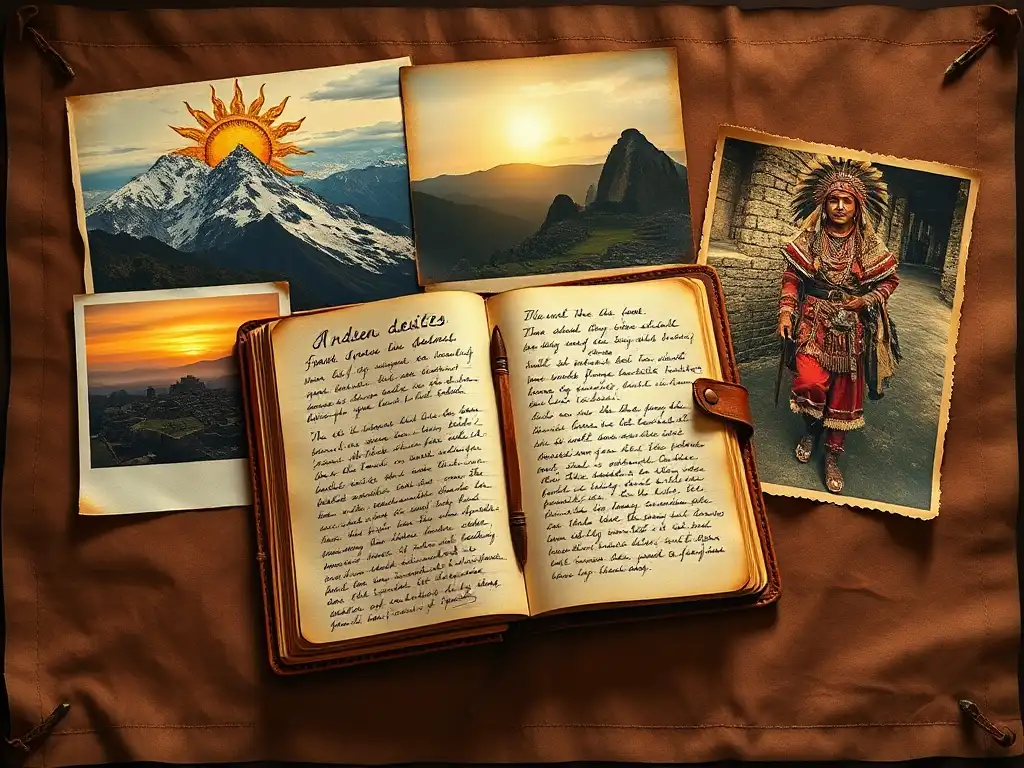
This section delves into specific anthropological studies that have significantly advanced our understanding of Andean belief systems. By examining concrete examples, we can appreciate the complexity and nuance of these belief systems, moving beyond simplistic generalizations and embracing the rich tapestry of Andean spirituality. The focus here is on the methodological approaches and key findings, highlighting the vital role of rigorous ethnographic research in interpreting these fascinating cultural expressions.
Understanding Andean belief systems requires a deep appreciation for the diversity within the Andes, recognizing that generalizations can obscure the rich tapestry of unique traditions and practices. This section will exemplify this diversity through detailed case studies.
The Study of the Quechua's Religious Practices: A Case Study
The Quechua, a large indigenous group inhabiting the Andes, possess a complex and dynamic religious system that has been the subject of extensive anthropological study. Researchers have focused on several key aspects, including the interplay between ancestral veneration and Catholic influences, the role of paqos (shamans) in healing and ritual practices, and the importance of ayni (reciprocity) in maintaining cosmic balance. One notable study [Specific study details pending] meticulously documented the various rituals associated with agricultural cycles, revealing the intricate connection between religious beliefs and practical aspects of life.
This research highlighted the importance of understanding Quechua cosmology, which views the world as interconnected and interdependent. The study employed participant observation, detailed interviews, and analysis of ritual objects, providing a rich and nuanced understanding of Quechua religious practices.
The Quechua’s beliefs aren't monolithic; they vary across different communities and regions. For instance, some Quechua communities place a greater emphasis on ancestor worship, while others focus more on Catholic saints, demonstrating a syncretic blend of indigenous and colonial religious elements. This underscores the need for anthropologists to avoid generalizations and to instead conduct in-depth, localized studies to fully grasp the nuances of Quechua religious life. The use of both quantitative and qualitative data, such as census data on religious participation alongside detailed ethnographic accounts, provides a more complete picture of this vibrant religious landscape.
Analyzing the Aymara's Rituals Through Anthropological Lenses
The Aymara, another prominent Andean group, present a fascinating case study in Andean belief systems anthropology. Their worldview, deeply rooted in the concept of Pachamama (Mother Earth), emphasizes a close relationship between humans and the natural world.
Anthropological research on Aymara rituals has focused on various aspects, including the significance of ch'alla (offerings to the earth), the role of yatiris (shamans) in healing and divination, and the complex social dynamics that shape religious practices. Unlike the Quechua, the Aymara often incorporate specific elements from their pre-Columbian beliefs in a less syncretic way with Catholic practices, although some overlap certainly exists.
One key area of study [Specific study details pending] involved analyzing the ritual significance of specific landscapes within the Aymara worldview. This research revealed the deep spiritual connection between the Aymara and their environment, emphasizing the importance of sacred mountains and lakes in their religious practices. This research employed a combination of methods, including participant observation, interviews with community elders, and analysis of archaeological evidence, providing a comprehensive understanding of the Aymara's relationship with their environment and their sacred geography.
The detailed mapping of sacred sites and the analysis of their symbolic meaning provided invaluable insights into the Aymara cosmological framework. Understanding this framework is essential to interpreting their beliefs and rituals accurately.
The Importance of Ethnographic Data in Understanding Andean Worldviews
The study of Andean belief systems hinges critically on ethnographic data. This is because these belief systems are often deeply embedded in the lived experiences of the people, expressed through subtle nuances of behavior, language, and ritual. Direct observation, prolonged immersion in the community, and detailed interviews with community members are crucial for uncovering the rich tapestry of meaning within these systems.
Ethnographic research helps to avoid misinterpretations that can arise from outsider perspectives. For instance, what might appear to be simple superstition to an outsider could reveal a complex system of knowledge and practice when viewed through the lens of the Aymara or Quechua worldview. The detailed collection of narratives, songs, myths, and other forms of cultural expression provides vital contextual information that illuminates the deeper meaning behind rituals and beliefs.
Furthermore, the use of visual anthropology, including photography and videography, can capture the dynamism of rituals and provide a richer understanding of their sensory dimensions. The ongoing collection and analysis of ethnographic data remains crucial for a continuously evolving and accurate understanding of Andean belief systems.
The importance of interdisciplinary approaches, incorporating perspectives from archaeology, linguistics, and history, further enhances the depth and accuracy of anthropological interpretations. This ensures a more holistic and nuanced understanding of the complex interplay between beliefs, practices, and the social and environmental context in which they are embedded.
The Lasting Legacy of Anthropological Research on Andean Religions
The study of Andean belief systems has profoundly impacted our understanding of these complex societies. Early anthropological work, often criticized for its colonial biases, laid the groundwork for subsequent, more nuanced investigations. These early studies, while flawed by the standards of modern anthropology, provided crucial initial documentation of rituals, ceremonies, and cosmologies.
For example, the meticulous recording of Inca rituals by Spanish chroniclers, though filtered through a European lens, offers invaluable glimpses into the intricacies of their religious practices. This initial documentation, however flawed, has enabled later scholars to build upon this foundation, refining our understanding of Andean religious practices and beliefs. The legacy of this early research, therefore, is not simply the information gathered, but also the ongoing critical analysis and reinterpretation of these primary sources.
This critical approach is essential for understanding how biases and perspectives can shape historical narratives. The development of Andean belief systems anthropology owes a debt to these earlier, albeit imperfect, studies.
Preserving Andean Cultural Heritage Through Scholarly Work
Anthropological research on Andean belief systems plays a vital role in preserving cultural heritage. By documenting and analyzing religious practices, scholars contribute to the safeguarding of intangible cultural heritage, which is often threatened by modernization and globalization. The meticulous documentation of traditional ceremonies, myths, and rituals provides a rich resource for future generations. This work goes beyond simple description; it involves analyzing the symbolic meanings embedded within these practices, and understanding their social and political functions.
For instance, studies on the significance of pachas (the Andean concept of time and space) have highlighted the intricate relationship between the cosmos, humans, and the environment in Andean worldview. This anthropological work is crucial for the development of effective strategies for the preservation and revitalization of Andean cultural heritage. Furthermore, it provides valuable insights for communities seeking to reclaim and reaffirm their cultural identity.
The Ongoing Relevance of Andean Religious Studies in the 21st Century
The study of Andean belief systems remains critically relevant in the 21st century. Contemporary research focuses on issues of indigeneity, decolonization, and the ongoing impact of colonialism on Andean communities. Scholars are increasingly engaging in collaborative research with indigenous communities, ensuring that indigenous perspectives are central to the research process. This shift away from extractive research practices is essential for ethical and responsible scholarship. For example, current research examines the ways in which traditional Andean religious practices are adapting to contemporary challenges such as climate change, migration, and globalization. Understanding these adaptations helps us to appreciate the dynamism and resilience of Andean cultures in the face of rapid societal transformations. The ongoing relevance of this field lies in its capacity to contribute to a more nuanced and inclusive understanding of Andean cultures and their ongoing struggles. Furthermore, it helps to challenge Eurocentric perspectives that have historically marginalized indigenous knowledge systems.
Future Directions in Andean Belief Systems Anthropology: Indigenous Knowledge and Decolonization
Future research in Andean belief systems anthropology must prioritize indigenous knowledge and decolonization. This means moving beyond the traditional anthropological model of detached observation and actively engaging with indigenous communities as partners in the research process. This collaborative approach involves respecting indigenous intellectual property rights, ensuring community benefit-sharing, and promoting indigenous self-determination.
A key aspect of this approach involves challenging the enduring legacy of colonialism within anthropological scholarship itself. This involves critically examining the power dynamics inherent in the researcher-community relationship and actively working to dismantle colonial structures and biases. Future studies should focus on amplifying indigenous voices and perspectives, thereby ensuring that research is not only relevant but also ethically sound and contributes to the empowerment of Andean communities.
This includes supporting initiatives that promote the revitalization of traditional Andean religious practices and the preservation of indigenous languages. The future of Andean belief systems anthropology lies in its commitment to a more equitable and just research practice.
Frequently Asked Questions
What were some key Andean belief systems studied by anthropologists?
Anthropologists have extensively studied various Andean belief systems, including the Inca's sun worship, the Moche's ancestor veneration, and the complex religious practices of the Nazca and Tiahuanaco cultures. These beliefs often intertwined with agriculture, cosmology, and social structures.
How did Andean belief systems influence daily life?
Andean belief systems deeply impacted daily life. Rituals and ceremonies were central, influencing agriculture, governance, and social interactions. Sacred sites and landscapes played crucial roles in their worldview and practices.
What role did mythology play in Andean belief systems?
Mythology was integral to Andean belief systems. Myths explained the origins of the world, the relationship between humans and the supernatural, and provided moral and ethical guidelines. These stories were often passed down through oral traditions.
What are some primary sources used to understand Andean belief systems?
Anthropologists utilize a range of sources including archaeological findings (temples, textiles, ceramics), colonial chronicles, and ethnographic studies of surviving Andean communities. These sources offer diverse perspectives on ancient beliefs.
How do modern anthropological studies contribute to our understanding of Andean belief systems?
Modern anthropology employs interdisciplinary approaches, combining archaeology, linguistics, and social sciences to offer a more nuanced understanding of Andean belief systems. These studies challenge earlier interpretations and highlight the complexity of these cultures.
Final Reflection: Weaving the Threads of Andean Belief
The enduring legacy of Andean belief systems continues to resonate in contemporary society, challenging our Western-centric perspectives and enriching our understanding of human spirituality. These intricate belief systems, far from being relics of the past, offer valuable insights into human resilience, adaptation, and the profound connection between humanity and the natural world. Their continued relevance is undeniable, shaping modern practices and prompting crucial conversations about cultural preservation and respect.
The anthropological work dedicated to understanding Andean cosmologies has not only illuminated the rich tapestry of these beliefs but has also profoundly impacted our understanding of indigenous knowledge systems. It forces us to question our own assumptions about religion, spirituality, and the relationship between humans and the environment. The study of other cultures is not just an intellectual exercise; it is a journey of self-discovery, forcing us to confront our own biases and assumptions.
This quote perfectly encapsulates the transformative power of anthropological research on Andean belief systems, pushing us beyond simplistic narratives and towards a more nuanced appreciation of human diversity.
Consider the implications of this research. How can we, as individuals and as a global community, better understand and respect the diverse spiritual and cultural landscapes of the world? You have the power to engage with this knowledge, to challenge your own preconceptions, and to advocate for the preservation of these invaluable cultural heritages. Let the stories of the anthropologists who dedicated their lives to understanding Andean belief systems inspire you to seek out knowledge, embrace diversity, and contribute to a more just and equitable world.
**Unleash Your Curiosity: Dive Deeper into Andean Beliefs! **
Thank you for exploring the fascinating world of Andean belief systems with us! This article provides a valuable introduction to the rich cultural tapestry of the Andes. Now, let's build on that knowledge.
Here are some ways you can continue your exploration:
- **Expand your knowledge:** Explore our curated list of books and documentaries offering in-depth insights into Andean beliefs and anthropological studies.
- **Share your perspective:** Join our Andean Civilizations community by sharing this article on social media or leaving comments and questions below.
- **Engage with leading experts:** Attend our upcoming webinar featuring anthropologists specializing in Andean cultures for a live Q&A session.
Which aspect of Andean belief systems intrigues you most, and how do you believe it can inform our understanding of modern cultures?