
Cultural Mosaic: Understanding the Regional Diversity in the PreIncan Andes

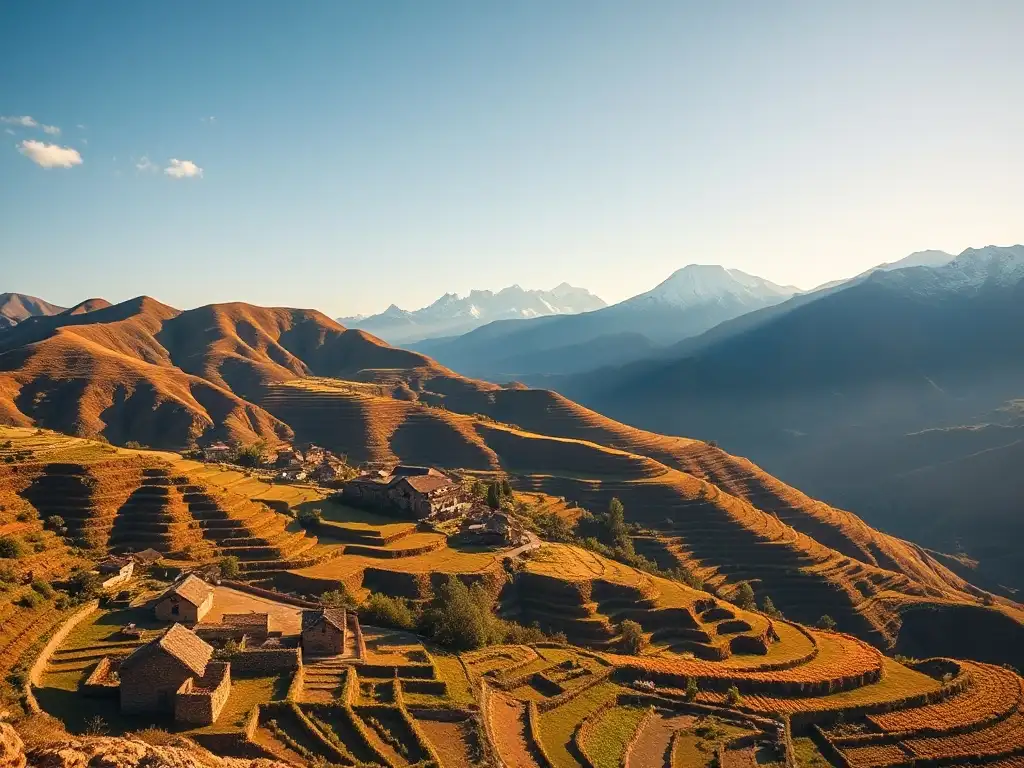
Unravel the mysteries of a lost world. Prepare to be captivated by the astonishing Andean civilizations cultural diversity, a vibrant tapestry woven from threads of ingenuity and innovation. From the towering heights of the Andes to the sun-baked coastal plains, discover how distinct cultures—the Moche, Nazca, Tiahuanaco, and more—shaped a legacy that continues to resonate today. Dive into the intricacies of the Pre-Incan cultures of the highlands and uncover the secrets behind their remarkable achievements. Are you ready to explore?
The Andes Mountains, a spine of towering peaks stretching along the western coast of South America, nurtured a vibrant tapestry of pre-Inca civilizations. For centuries, diverse cultures flourished in this challenging terrain, each developing unique adaptations to their environment and forging distinct identities. This article delves into the fascinating regional diversity that characterized the Andean world before the rise of the Inca Empire, exploring the complex interplay of geography, resources, and cultural exchange that shaped these remarkable societies.
Understanding this rich mosaic is crucial to appreciating the full scope of Andean civilizations and the legacy they left behind. We will examine how factors like altitude, climate, and access to resources significantly impacted the development of distinct cultural practices, artistic styles, and technological innovations across different regions.
The keyword "Andean civilizations cultural diversity" will be explored through specific examples, highlighting the unique contributions of various pre-Inca groups. This exploration will illuminate the remarkable complexity and dynamism of the Andean cultural landscape.
The Coastal Influence: From the Moche to the Nazca
The arid coastal regions of Peru presented unique challenges and opportunities. The Moche civilization (circa 100-800 CE), renowned for its intricate metalwork and sophisticated irrigation systems, thrived in the northern coastal valleys. Their elaborate ceramics vividly depict their daily life, religious beliefs, and warfare, providing invaluable insights into their society. Meanwhile, further south, the Nazca culture (circa 100 BCE – 600 CE) left behind a legacy of enigmatic geoglyphs etched into the desert floor, alongside intricate textiles and sophisticated ceramic artistry.
The contrasting styles and practices of the Moche and Nazca illustrate the significant regional variations in Andean culture, even within a relatively limited geographical area. Their distinct artistic expressions, reflecting differing religious beliefs and societal structures, highlight the multifaceted nature of the Andean cultural landscape. These differences, despite the proximity of these two cultures, underscore the importance of local adaptation and innovation.
The Highland Heartlands: Tiahuanaco and its Reach
The high-altitude Andean plains, characterized by challenging climates and diverse ecological zones, were home to powerful civilizations like Tiahuanaco (circa 500-1000 CE). This civilization, located near present-day Lake Titicaca, exerted considerable influence across a vast territory. Tiahuanaco's monumental architecture, sophisticated agricultural techniques, and distinctive ceramic styles are evidence of a highly organized and influential society. The spread of Tiahuanaco's cultural traits across the Andes, however, didn't result in cultural uniformity.
Instead, local groups adapted and integrated Tiahuanaco's influences into their existing cultural frameworks, resulting in a complex blend of traditions and innovations. This demonstrates the dynamic interplay between cultural diffusion and local adaptation, a recurring theme in the Andean world. The extent of Tiahuanaco's influence, and the subsequent regional variations in its adoption, provides a compelling example of the diverse responses to a powerful cultural force.
The Amazonian Foothills: A World Apart
The eastern slopes of the Andes, transitioning into the Amazon basin, supported yet another distinct set of cultures. While less well-known compared to their coastal and highland counterparts, these societies adapted to the rainforest environment, developing unique agricultural techniques and social structures. Limited archaeological evidence currently restricts a comprehensive understanding of these groups, highlighting the need for further research to fully illuminate the diversity of the Andean world.
The challenges of studying these cultures, due to the difficult terrain and dense vegetation, underscore the ongoing need for archaeological investigation to complete our understanding of the pre-Inca civilizations. The scarce available data points to unique cultural developments adapted to the Amazonian environment, underscoring the remarkable adaptability and diversity of Andean societies.
Weaving the Narrative: Understanding the Interconnectedness
The regional variations discussed above should not be interpreted as isolated developments. Evidence suggests a complex network of interactions and exchange between different groups, fostering both competition and cooperation. Trade routes, migratory patterns, and intermarriage contributed to the diffusion of ideas, technologies, and artistic styles across the Andes. This interconnectedness, while significant, did not erase regional identities.
Instead, it created a dynamic interplay of cultural influences, resulting in the rich mosaic of traditions that characterized the Andean world before the Inca Empire. This understanding of interconnectedness provides a more nuanced perspective on the Andean cultural landscape, moving beyond a simplistic view of isolated groups towards a recognition of complex interactions and exchanges that shaped the region's history. The ultimate legacy of this vibrant cultural tapestry is reflected in the subsequent Inca civilization and its enduring influence. 🎉
- The Coastal Influence: From the Moche to the Nazca
- The Highland Heartlands: Tiahuanaco and its Reach
- The Amazonian Foothills: A World Apart
- Weaving the Narrative: Understanding the Interconnectedness
The Rich Tapestry of Pre-Incan Andean Cultures
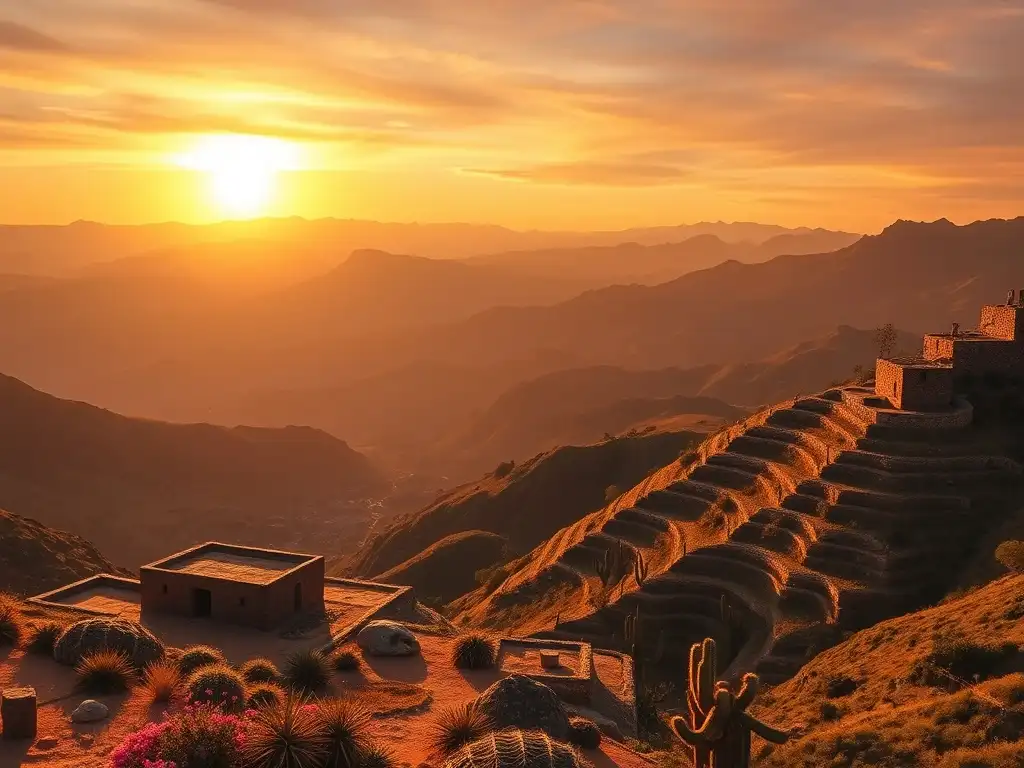
The Andean region, prior to the Inca expansion, wasn't a monolithic entity. Instead, a vibrant tapestry of distinct cultures flourished, each contributing unique threads to the overall Andean experience. Understanding the "Andean civilizations cultural diversity" requires moving beyond a generalized view and acknowledging the remarkable regional variations in social structures, religious beliefs, artistic expression, and technological advancements.
This diversity wasn't simply a matter of geographical separation; it stemmed from complex interactions between environment, resource availability, and independent cultural trajectories. The differing landscapes—from the arid coastal deserts to the high-altitude Andean plains—shaped the survival strategies and, consequently, the cultural identities of these fascinating societies. The impact of this diversity is still felt today in the rich cultural heritage of the Andes.
Exploring the Cultural Diversity of Ancient Andes
The pre-Inca Andean world was a fascinating mosaic of interconnected yet distinct cultures. The environmental diversity of the Andes fostered unique adaptations. Coastal societies, like the Moche, thrived on fishing and agriculture in fertile river valleys, developing sophisticated irrigation systems and elaborate artistic traditions reflected in their stunning ceramics and monumental architecture.
Their elaborate tombs and intricate metalwork showcased a highly stratified social organization. In contrast, the Nazca people, inhabiting the arid southern coast, developed ingenious water management techniques to survive in the desert, leaving behind iconic geoglyphs—vast lines etched into the desert floor—whose purpose remains a subject of ongoing debate and scholarly research. Their mastery of textile production is also noteworthy.
Meanwhile, in the highlands, cultures such as the Tiahuanaco and Wari exerted significant influence over vast territories. These societies developed complex urban centers, sophisticated agricultural practices, and powerful political structures. Their monumental architecture, like the enigmatic structures at Tiahuanaco, testifies to their advanced engineering skills and organizational capacity.
The intricate designs found in their pottery and textiles hint at a complex religious worldview and hierarchical social order. The spread of their influence and the interaction between these highland cultures and those of the coast significantly shaped the cultural landscape of the pre-Inca Andes. The extent of this interaction and the nature of power dynamics are areas of ongoing research, highlighting the complexity of understanding the "Andean civilizations cultural diversity."
Regional Variations Before the Inca Empire
The Inca Empire, though undeniably powerful, inherited a rich and diverse cultural landscape. The Inca's success involved both conquest and integration, absorbing aspects of pre-existing cultures while imposing their own administrative and ideological structures. However, the underlying regional variations persisted, even under Inca rule. For instance, while the Inca language, Quechua, became dominant, local languages and dialects continued to be spoken.
Similarly, Inca religious practices blended with existing beliefs and rituals. This cultural syncretism is evident in the architecture and artistic styles found throughout the empire, reflecting a complex interplay between Inca dominance and the enduring influence of pre-existing regional traditions. The Inca's ability to effectively govern this diverse population, while maintaining regional identities, is a testament to their administrative prowess.
Understanding the regional variations is crucial to avoiding a homogenized view of "Andean civilizations cultural diversity." While the Inca Empire imposed a degree of unity, the underlying tapestry of distinct cultural traditions persisted, shaping the social, political, and religious landscape of the Andean region long after the fall of the Inca Empire. This enduring legacy is reflected in the diverse cultural expressions of the Andes today, a testament to the rich and multifaceted heritage of the pre-Inca period.
Further research into specific regional variations, including detailed archaeological analysis and linguistic studies, will continue to refine our understanding of this intricate cultural mosaic. The study of Andean civilizations cultural diversity is an ongoing process of discovery and interpretation.
Early Horizons: Laying the Foundation for Andean Diversity
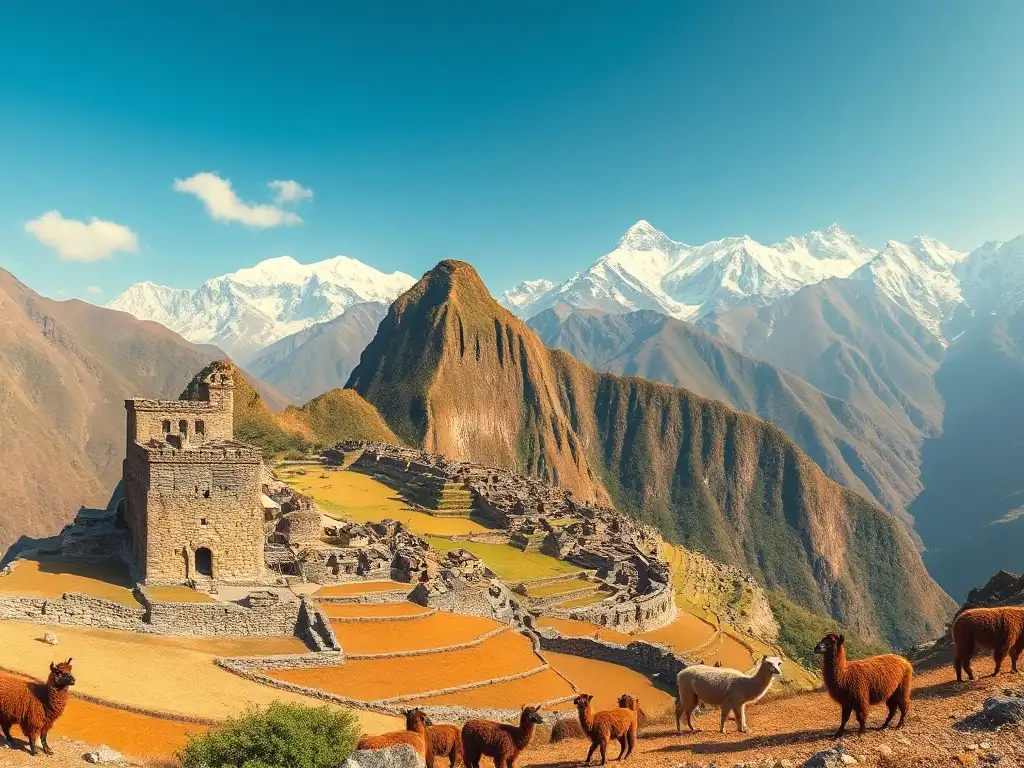
This section delves into the formative period of Andean civilizations cultural diversity, focusing on the Early Horizon (circa 1800-900 BCE). This era, preceding the rise of the major Andean empires, witnessed the development of distinct regional styles and traditions that would profoundly shape the cultural landscape for centuries to come. Understanding this foundational period is crucial to appreciating the complex tapestry of Andean civilizations cultural diversity that would later unfold. The seeds of the rich tapestry of Andean cultures were sown during this critical time.
The Initial Period and the Emergence of Regional Styles
The Early Horizon wasn't characterized by a single, unified culture. Instead, it saw the simultaneous blossoming of diverse artistic and technological innovations across the Andean region. While limited communication and interaction undoubtedly occurred, the lack of a centralized authority allowed for independent cultural trajectories to emerge. This resulted in a fascinating array of regional styles, each with its unique characteristics.
For instance, the coastal regions, with their access to marine resources, developed distinct pottery styles reflecting their environment and lifestyle. These styles, often featuring intricate depictions of marine life and stylized human figures, contrast sharply with the ceramic traditions of the highland cultures. Highland communities, on the other hand, focused more on agricultural practices and developed distinctive pottery characterized by different forms and decorative motifs related to their agricultural activities and their unique religious beliefs. The diversity in pottery styles alone reflects the significant Andean civilizations cultural diversity that existed during this time.
The development of sophisticated irrigation systems also varied regionally. While some areas adopted complex canal networks, others relied on simpler techniques adapted to their specific geographic conditions. This adaptation highlights the ingenuity and resourcefulness of different Andean communities, further contributing to the cultural mosaic of the region. The Andean civilizations cultural diversity is powerfully illustrated by these varying approaches to crucial aspects of life.
Defining Characteristics of Early Andean Cultures
Several key characteristics define the Early Horizon cultures and contributed significantly to the Andean civilizations cultural diversity. These include:
- Regional Variation in Architecture: Building styles varied dramatically. Some cultures favored monumental architecture, constructing large platforms and structures, while others focused on smaller, more domestic-scale buildings. This reflects not only differing engineering capabilities but also contrasting social structures and religious beliefs.
- Diverse Religious Beliefs: While evidence suggests some shared cosmological beliefs across the Andean region, specific rituals and iconography varied significantly. This points to independent development of religious practices and the expression of unique spiritual worldviews within different communities.
- Technological Innovations: Despite regional differences, the Early Horizon witnessed significant technological advancements, including advancements in metallurgy (with early evidence of copper working), textile production (with the development of complex weaving techniques), and agriculture (with improvements in irrigation and terracing). These innovations, while shared across some regions, were adapted and refined to suit local needs.
| Region | Primary Material Culture | Notable Characteristics |
|---|---|---|
| Coastal Peru | Elaborate pottery, textiles | Marine-themed imagery, complex weaving techniques |
| Highland Peru | Pottery, stone architecture | Agricultural motifs, monumental structures |
| Northern Andes | Metalwork, simple pottery | Early evidence of copper and gold working |
The Early Horizon serves as a crucial foundation for understanding the subsequent development of Andean civilizations cultural diversity. The emergence of distinct regional identities during this period laid the groundwork for the complex interactions and cultural exchanges that would shape the Andean world in later eras. This period highlights the incredible adaptability and creativity of the Andean peoples, setting the stage for the rich and varied cultural landscape that would follow.
Regional Powers and Their Unique Cultural Expressions
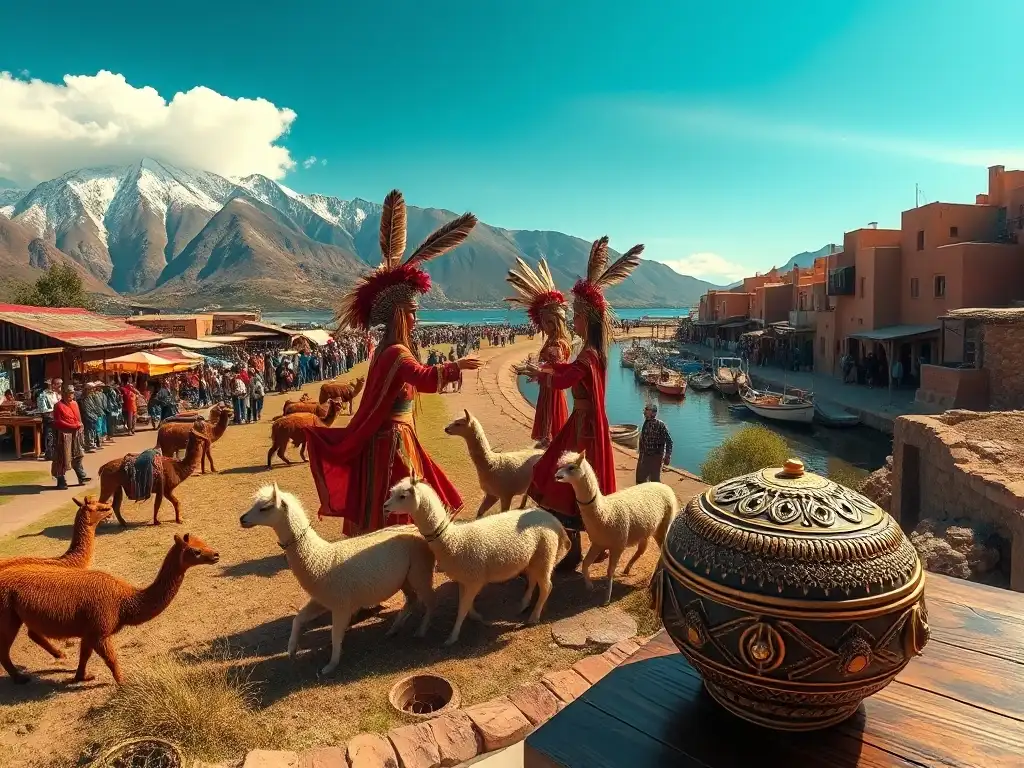
The Andean region, prior to Inca domination, wasn't a monolithic entity. Instead, a vibrant tapestry of distinct cultures flourished, each with its unique artistic expressions, social structures, and technological advancements. Understanding the Andean civilizations cultural diversity requires acknowledging this regional variation. This section explores the striking differences between two powerful pre-Inca societies: the Moche on the north coast and the Nazca on the south coast, highlighting their unique cultural contributions. The variations in their art, societal organization, and religious beliefs underscore the rich complexity of Andean civilization before the Inca expansion.
The North Coast: Moche and Their Artistic Prowess
The Moche civilization (c. 100-800 CE), situated along the arid north coast of Peru, is renowned for its remarkable artistic achievements. Their mastery of ceramics, metalwork, and monumental architecture speaks volumes about their sophisticated social organization and advanced technological capabilities. The Moche's artistic legacy offers invaluable insights into their worldview, religious beliefs, and daily life, providing a window into the vibrant cultural landscape of the Andean civilizations. Their artistic output wasn't merely decorative; it served as a powerful tool for communicating social hierarchies, religious narratives, and cosmological beliefs.
Moche Ceramics and Iconography as Cultural Indicators
Moche pottery is arguably their most iconic artistic achievement. Highly realistic depictions of daily life, ritual ceremonies, and mythological figures are common themes. The intricate detail and vibrant colors used in their ceramics are a testament to their skilled artisans. For example, the iconic portrait vessels, depicting individuals with remarkable realism, provide unique insights into Moche physical appearance and social status.
These portraits, often showing adorned individuals, suggest a hierarchical society with clear distinctions in power and prestige. The iconography found on Moche pottery, including stylized depictions of deities, mythical creatures, and war scenes, further illuminates their complex belief system and societal structures. Analysis of these visual narratives has revealed fascinating insights into Moche warfare, agriculture, and religious practices, contributing significantly to our understanding of Andean civilizations cultural diversity.
The Moche Society and its Regional Adaptations
The Moche successfully adapted to the challenging desert environment. Their sophisticated irrigation systems, evidenced by extensive canal networks, allowed them to cultivate fertile lands and support a large population. This agricultural success underpinned their social complexity and artistic flourishing.
Evidence suggests a hierarchical social structure, with a ruling elite controlling resources and religious practices. The construction of monumental architecture, such as the massive adobe pyramids at Huaca del Sol and Huaca de la Luna, further demonstrates the Moche's organizational prowess and ability to mobilize labor on a large scale. Their societal adaptations and sophisticated infrastructure highlight the ingenuity and resilience of this Andean civilization, showcasing their unique approach to managing resources and organizing society within the constraints of their environment.
The South Coast: Nazca and the Enigmatic Geoglyphs
The Nazca culture (c. 100 BCE – 800 CE), located on Peru's southern coast, is perhaps best known for its enigmatic geoglyphs—the massive Nazca Lines etched into the desert floor. However, their cultural expression extended far beyond these colossal earthworks. Their pottery, textiles, and sophisticated irrigation systems demonstrate a high level of artistic and technological skill, distinct from, yet equally impressive as, the Moche. The Nazca's adaptation to the arid environment, coupled with their unique artistic style, contributes significantly to the rich tapestry of Andean civilizations cultural diversity.
Nazca Lines: Decoding the Cultural Significance
The Nazca Lines, sprawling across hundreds of square kilometers, depict a variety of figures, including animals, plants, and geometric shapes. Their purpose remains a subject of debate, with theories ranging from astronomical observatories to ritual pathways. Regardless of their precise function, the sheer scale and precision of the Nazca Lines are astonishing.
The immense effort required to create these geoglyphs speaks to the organizational capacity and collective effort of the Nazca people. Recent research using advanced imaging techniques has revealed new details about the lines, potentially offering further clues to their meaning and the sophisticated understanding of geometry and engineering possessed by the Nazca. Their creation represents a unique expression of Andean cultural identity and technological skill.
Nazca Pottery and Textile Traditions
Nazca pottery is characterized by its polychrome style, with intricate designs and vibrant colors. Unlike the realistic depictions found in Moche pottery, Nazca pottery often features stylized representations of animals, plants, and mythical beings. Their textiles are equally impressive, featuring intricate weaving techniques and complex designs.
These textiles, often found in tombs, provide further insights into Nazca beliefs, rituals, and social structures. The vibrant colors and intricate designs of both their pottery and textiles are testaments to their artistic skill and understanding of dyes and weaving techniques. These artistic expressions, coupled with their unique geoglyphs, contribute significantly to the understanding of Andean civilizations cultural diversity, showcasing the remarkable range of artistic traditions within the pre-Inca era.
The Highlands: Tiahuanaco and its Architectural Marvels
Tiahuanaco, located on the shores of Lake Titicaca in modern-day Bolivia, stands as a testament to the ingenuity and sophisticated societal organization of the Andean highlands. Its monumental architecture, characterized by precisely cut stone blocks fitted together without mortar, continues to amaze archaeologists and visitors alike. The scale of the structures, the precision of the stonework, and the intricate carvings speak to a highly developed understanding of engineering and a centralized authority capable of mobilizing significant labor resources.
The city's layout suggests a planned urban center, with large plazas, monumental platforms, and residential areas, indicating a complex social hierarchy and a well-defined urban planning system. The very existence of Tiahuanaco, flourishing in the harsh altiplano environment, demonstrates a remarkable adaptation to a challenging landscape and a mastery of resource management. The city's prominence as a religious and political center is undeniable, as evidenced by the iconic Gate of the Sun and other intricately carved stone structures.
These artifacts showcase a sophisticated artistic style and a complex cosmology, providing valuable insights into their beliefs and worldview. The sheer scale and complexity of Tiahuanaco's architecture highlight the advanced capabilities of this pre-Inca civilization.
Tiahuanaco Urban Planning and Religious Centers
The urban planning of Tiahuanaco reveals a sophisticated understanding of city design and societal organization. Archaeological evidence suggests a carefully planned layout, with large plazas serving as central gathering spaces for religious ceremonies and public life. These plazas were often surrounded by monumental structures, such as the Kalasasaya platform and the Akapana pyramid, which likely held significant religious functions.
The precise alignment of buildings with astronomical events suggests a deep understanding of celestial movements and their importance in their religious practices. The intricate carvings found on the stone structures, including depictions of deities and mythical creatures, provide further evidence of the religious significance of the site. The city's layout also reveals a hierarchical social structure, with evidence of different residential areas reflecting varying levels of social status.
The presence of sophisticated irrigation systems and agricultural terraces demonstrates their ability to manage water resources effectively, crucial for survival in the high-altitude environment. The combination of religious centers and sophisticated urban planning showcases Tiahuanaco's advanced level of societal organization and its influence on subsequent Andean cultures. The precise nature of their social hierarchy and the functions of specific buildings are still areas of ongoing research, but the available evidence clearly points to a highly organized and complex society.
The Tiahuanaco Expansion and Cultural Influence
Tiahuanaco's influence extended far beyond its immediate surroundings, impacting a vast region of the Andes. Evidence suggests a period of significant expansion and cultural influence, with Tiahuanaco-style artifacts found across a wide geographic area. This spread of cultural traits, including distinctive pottery styles, architectural features, and religious iconography, points to either direct political control or significant cultural exchange.
The uniformity of certain stylistic elements across vast distances suggests a powerful central authority capable of maintaining cultural cohesion and imposing its artistic preferences. The influence of Tiahuanaco is particularly evident in the development of later Andean cultures, with many adopting aspects of its religious beliefs and artistic styles. The exact mechanisms by which Tiahuanaco exerted its influence remain a subject of debate, with possibilities ranging from military conquest to peaceful trade and cultural diffusion.
Further research is needed to fully understand the extent and nature of Tiahuanaco’s political and economic reach, but its impact on subsequent Andean civilizations is undeniable. The enduring legacy of Tiahuanaco's art and architecture showcases its lasting impact on the cultural landscape of the Andes.
The Central Andes: Wari and their Administrative Innovations
The Wari civilization, flourishing in the central Andes from approximately 600 to 1000 CE, developed a sophisticated administrative system that allowed them to control a vast territory. Unlike Tiahuanaco, which relied heavily on monumental architecture, Wari's power stemmed from its efficient administrative and logistical capabilities. They constructed a complex network of roads, administrative centers, and storage facilities, demonstrating a remarkable ability to manage resources and maintain control over a large and diverse population.
This sophisticated system allowed them to efficiently collect taxes, distribute resources, and maintain order across their expansive empire. The Wari's success hinges on their innovative approach to administration, rather than solely on military might.
Their administrative innovations, reflected in their urban planning and infrastructure, facilitated the management of a vast and diverse empire. The careful organization of their settlements and the efficient distribution of goods and services allowed for the sustained growth and stability of the Wari state.
Wari's Road System and Urban Centers
The Wari road system was a crucial component of their administrative infrastructure. These roads connected various parts of their empire, facilitating the movement of troops, officials, and goods. The strategic placement of administrative centers along these routes suggests a deliberate effort to maintain control and facilitate communication.
These centers were not merely military outposts; they also functioned as administrative hubs, overseeing the collection of taxes, the distribution of resources, and the enforcement of laws. The urban centers themselves were often characterized by a standardized layout, suggesting a deliberate effort to create uniformity and control across the empire. The construction of these roads and administrative centers required significant engineering skills and the mobilization of substantial labor resources.
This highlights the sophisticated organizational capabilities of the Wari state and their ability to coordinate large-scale projects across vast distances. The efficiency of their road system and the strategic placement of administrative centers contributed significantly to the stability and longevity of the Wari empire.
Wari's Influence on Later Andean Cultures
The Wari civilization's influence on subsequent Andean cultures is significant, particularly on the Inca Empire. Many aspects of Wari administrative practices, urban planning, and even artistic styles are evident in later Andean societies. The Inca's sophisticated road network and administrative system bear a striking resemblance to those of the Wari, suggesting a direct lineage or at least significant inspiration.
The standardization of certain architectural features and artistic motifs across the Wari empire also had a lasting impact on subsequent Andean cultures. The Wari's legacy is evident in the adoption of similar administrative strategies and artistic styles by later Andean civilizations, demonstrating the enduring impact of their innovations and cultural achievements.
The study of Wari's influence provides key insights into the development of Andean civilizations and the continuities and changes in cultural practices across different periods. Further research into the specific mechanisms of cultural transmission is needed to fully understand the extent of Wari's impact.
Interconnectivity and the Exchange of Cultural Ideas
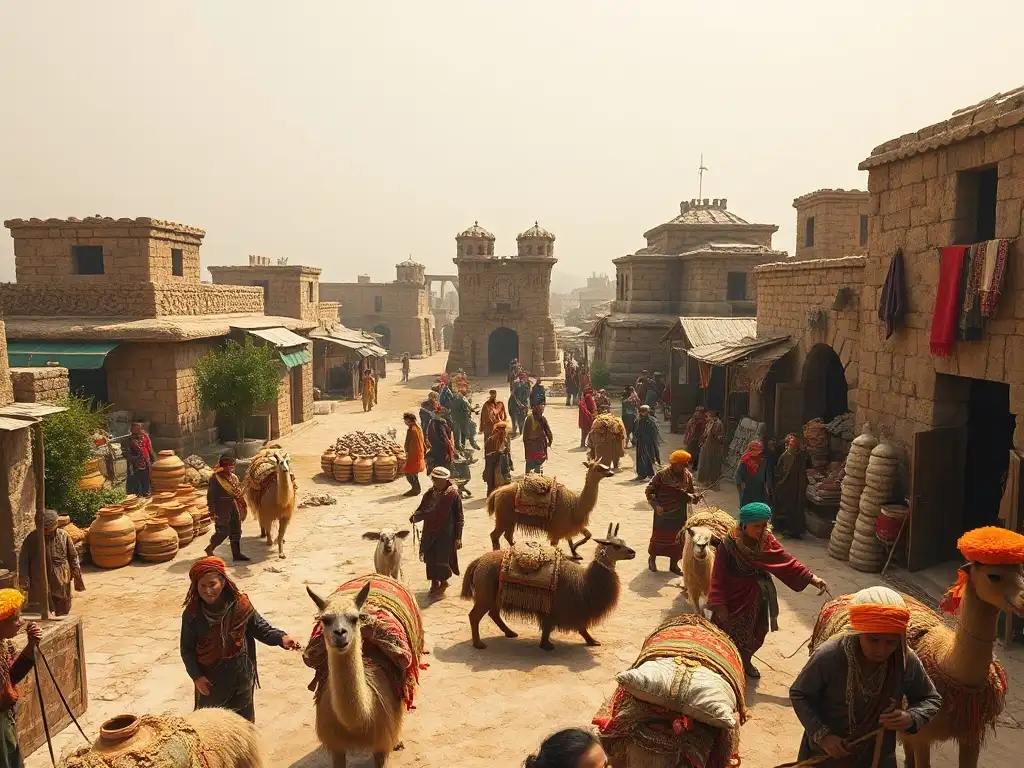
The Andean region, far from being a collection of isolated societies, was characterized by a complex network of interactions between different cultural groups. Understanding the Andean civilizations cultural diversity requires acknowledging the significant role played by the exchange of ideas, technologies, and artistic styles across vast geographical distances. This dynamic interplay shaped the unique character of each civilization while simultaneously forging common threads that connected them.
While distinct regional identities flourished, a constant flow of cultural exchange prevented complete isolation and fostered a rich tapestry of shared traditions. This section will explore the mechanisms facilitating this exchange, focusing on the crucial role of trade routes and the demonstrable impact of these interactions on the development of Andean cultures.
Trade Routes and the Diffusion of Cultural Traits
The rugged Andean terrain, characterized by towering mountains and deep valleys, might seem to have hindered communication. However, the ingenuity of pre-Inca societies manifested in the establishment of intricate trade routes that effectively connected distant communities. These routes, often traversing treacherous paths, served as conduits for the movement of goods, but equally importantly, for the dissemination of cultural ideas and practices.
For example, the coastal cultures, renowned for their mastery of ceramics and metallurgy, traded their exquisite wares with highland communities, leading to the adoption and adaptation of these techniques in new contexts. The exchange wasn't simply one-way; highland communities, skilled in agriculture and textile production, offered their expertise and products in return.
The spread of religious beliefs and iconography also benefited from these trade networks. Specific motifs, such as representations of deities or symbolic animals, can be traced across geographically distant sites, indicating the transmission of religious ideas through trade interactions. Archaeological evidence, such as the discovery of similar ceramic styles in widely separated regions, further supports this hypothesis.
The presence of unique artifacts from distant regions in elite tombs provides compelling evidence of long-distance trade and the associated cultural exchange. The meticulous record-keeping of these exchanges, though often indirect and inferred from archaeological findings, allows us to understand the complex web of relationships that interconnected Andean societies. Further research into specific trade items and their distribution patterns will undoubtedly reveal more details about this dynamic process.
The Impact of Interaction on Regional Andean Cultures
The impact of inter-regional interaction on the development of Andean cultures was profound and multifaceted. The exchange of ideas and technologies led to innovation and adaptation, enriching the cultural landscape of the entire region. For example, the adoption of irrigation techniques from one region could revolutionize agricultural practices in another, leading to increased food production and population growth. Similarly, the spread of metallurgical techniques allowed for the creation of sophisticated tools and weaponry, impacting both warfare and daily life.
The blending of cultural traditions resulted in a fascinating mix of styles and beliefs. While distinct regional identities persisted, the interaction between different groups often led to the synthesis of new cultural forms. This is evident in the art and architecture of many Andean civilizations, which frequently exhibit a combination of stylistic elements from different regions.
This cultural fusion wasn't always a harmonious process; it also involved conflict and competition, as different groups vied for resources and influence. However, even conflict contributed to cultural exchange, as the adoption of new warfare techniques or defensive strategies often involved the transmission of ideas and practices across regional boundaries.
Analyzing the specific ways different Andean civilizations interacted, the types of goods exchanged, and the resulting cultural transformations provides crucial insights into the complex processes that shaped the unique cultural mosaic of the pre-Inca Andes. Further investigation into specific case studies, such as the interaction between the Nazca and Moche cultures or the influence of Tiwanaku on surrounding societies, promises to provide a deeper understanding of this dynamic and multifaceted relationship between cultural exchange and regional development, further illuminating the Andean civilizations cultural diversity.
The Legacy of Pre-Incan Andean Cultural Diversity
The Andes Mountains, a spine of towering peaks stretching along the western coast of South America, fostered a remarkable tapestry of pre-Inca cultures. Each civilization, while contributing to the overarching Andean cultural identity, possessed unique characteristics shaped by its specific environment and historical trajectory. This regional diversity, far from being a fragmentation, represents a vibrant mosaic of innovation and adaptation, laying the groundwork for the later Inca empire.
Understanding this rich pre-Inca heritage is crucial to appreciating the complexity and sophistication of Andean civilizations cultural diversity. The legacy of these diverse cultures is profoundly visible in the Inca's later achievements, demonstrating not a simple conquest but a complex process of integration and adaptation. The intricate interplay between these groups shaped political structures, artistic expression, agricultural techniques, and religious beliefs across the Andes.
How Pre-Incan Cultures Shaped the Inca Empire
The Inca Empire, while undeniably powerful and expansive, didn't emerge in a vacuum. Its impressive achievements were built upon the foundations laid by centuries of preceding cultures. The sophisticated agricultural techniques of the Nazca, for example, their mastery of irrigation systems capable of sustaining large populations in arid environments, were undoubtedly adopted and refined by the Inca.
Similarly, the architectural prowess evident in the monumental structures of Tiahuanaco, with their precise stonework and intricate designs, influenced Inca construction methods. The Inca's administrative system, renowned for its efficiency, likely drew inspiration from the complex social organizations of earlier Andean societies. Analyzing the Inca's innovations through the lens of pre-Inca achievements highlights a process of cultural inheritance rather than a complete break with the past.
The Inca weren't simply conquerors; they were inheritors and synthesizers of a rich cultural legacy. They strategically integrated pre-existing knowledge and practices, adapting and expanding them to suit their imperial ambitions. This process of cultural exchange and adaptation is key to understanding the development and success of the Inca Empire, demonstrating the enduring impact of Andean civilizations cultural diversity.
Understanding Andean Civilizations through their Regional Diversity
Examining the Andean region through the lens of its regional diversity reveals a far more nuanced and captivating narrative than a simple chronological progression. Instead of viewing each culture in isolation, we see a network of interactions, exchanges, and influences. The Moche, known for their elaborate ceramics depicting vivid scenes of daily life and ritual practices, interacted with neighboring cultures, exchanging goods and ideas. This exchange is evident in the stylistic similarities and shared iconography found across different regions.
The Nazca, famous for their enigmatic geoglyphs etched into the desert floor, developed intricate irrigation systems that allowed them to thrive in a challenging environment. This technological ingenuity wasn't limited to the Nazca; similar systems, adapted to local conditions, were used by other cultures throughout the Andes. The Tiahuanaco culture, with its monumental architecture and widespread influence, contributed significantly to the religious and symbolic landscape of the region. Understanding the distinct characteristics of each culture, while simultaneously recognizing their interconnectedness, is essential for a comprehensive understanding of Andean civilizations cultural diversity.
This approach moves beyond a simplistic view of separate entities towards a more dynamic and holistic perspective, acknowledging the complex interplay of cultural exchange and adaptation that defined the pre-Inca Andes. The diversity wasn't a barrier to progress; it was a catalyst for innovation and cultural evolution. Analyzing the distinct characteristics of each culture alongside their shared elements provides a more complete and accurate picture of the Andean world.
Frequently Asked Questions
What makes the Andean region so culturally diverse?
The Andes' diverse geography, from coastal deserts to high altitude plains, fostered independent cultural development in isolated regions. Different environments led to unique adaptations and innovations. This resulted in the rise of distinct civilizations.
How did the environment influence Andean cultures?
The environment significantly shaped Andean societies. Coastal cultures focused on fishing, while highland groups relied on agriculture adapted to high altitudes. This environmental influence led to unique technologies and social structures.
What are some examples of Andean cultural diversity?
The Moche's elaborate ceramics, the Nazca's famous geoglyphs, and the Inca's sophisticated road system are prime examples. Each civilization had unique artistic expressions, religious beliefs, and social organizations. This variety highlights the region's rich cultural tapestry.
How did different Andean groups interact with each other?
Andean groups engaged in complex interactions, including trade, warfare, and cultural exchange. Some periods saw significant integration, while others were marked by conflict. This dynamic interplay shaped the development of Andean cultures.
What is the legacy of Andean cultural diversity today?
The diverse cultural heritage of the Andean region continues to influence modern societies. Traditional practices, artistic styles, and languages persist, demonstrating the enduring impact of pre-Columbian civilizations on the region's identity.
Final Reflection: Weaving the Threads of Andean Heritage
The vibrant tapestry of Pre-Incan Andean cultures continues to resonate today, reminding us of the power of diversity and the enduring legacy of human ingenuity. Understanding the intricate regional variations within these societies offers not only a fascinating glimpse into the past but also a crucial lens through which to examine contemporary issues of cultural preservation and global interconnectedness. The sheer scale of innovation and adaptation across the Andes, despite geographical challenges, stands as a testament to human resilience and the capacity for creative problem-solving.
The exploration of this rich cultural mosaic has profoundly impacted my understanding of the complexities of identity and the fluidity of cultural boundaries. The distinct artistic styles, agricultural practices, and social structures that emerged across the Andean landscape challenge simplistic narratives of a monolithic "Andean civilization." This diversity, far from being a weakness, was a source of strength and innovation. The diversity of cultures is a source of strength, not weakness. It is a source of creativity and innovation.
- Kofi Annan. This quote perfectly encapsulates the essence of the Pre-Incan Andean experience and its continuing relevance in a world increasingly focused on celebrating cultural differences.
Consider, for a moment, the echoes of these ancient Andean societies in your own life. How do you engage with the diverse cultures around you? What can we learn from the ingenuity and adaptability of these ancient peoples as we navigate the challenges of our own time? Let the legacy of the Pre-Incan Andes inspire you to embrace the richness of human diversity and to champion the preservation of cultural heritage for generations to come. Let us weave together the threads of our shared past to create a more vibrant and inclusive future.
Unveil the Rich Tapestry of Andean Cultures!
Thank you for exploring the vibrant world of the Pre-Incan Andes with us! We hope this article has deepened your appreciation for the cultural diversity and historical significance of this remarkable region. Now, let's delve even deeper into this fascinating tapestry of cultures.
Here are some ways you can continue your exploration:
- Expand your knowledge: Visit your local museum to examine artifacts from Pre-Incan civilizations, or explore online resources and virtual museum collections.
- Connect with others: Share your discoveries and insights with fellow history enthusiasts on social media using the hashtag #AndeanCivilizations. Join online forums or groups dedicated to Andean history and culture.
- Share your passion: Organize a discussion group, either in person or online, to share what you've learned and inspire others to appreciate the richness of these ancient cultures.
What aspect of Pre-Incan culture has captivated you the most, and how will you share your newfound knowledge with others?