
Inca Art as a Form of Communication: Messages in Materials

Unravel the mysteries of a lost world! Dive into the fascinating realm of Andean Civilizations, where vibrant cultures thrived and left behind a legacy of breathtaking artistry. But what secrets do their intricate designs hold? Discover how Inca art communication methods conveyed power, beliefs, and stories across the vast Inca Empire—a story waiting to be uncovered. Explore the ingenious ways they used materials to communicate, and prepare to be amazed.
The Inca Empire, renowned for its sophisticated social structures and impressive engineering feats, also possessed a vibrant artistic tradition. Unlike many other ancient civilizations that relied heavily on written language, the Inca communicated extensively through visual means, embedding intricate messages within their art. This article delves into the diverse ways Inca artists utilized materials and techniques to convey social status, religious beliefs, historical events, and even practical information.
We will explore how Inca art, encompassing textiles, ceramics, metalwork, and stone carving, served as a powerful and enduring form of communication, leaving behind a rich legacy that continues to fascinate and inspire us today. Understanding these communication methods offers a deeper appreciation for the complexity and sophistication of Inca society and their mastery of artistic expression. This exploration of Inca art communication methods reveals a civilization that skillfully weaved narratives into the very fabric of its artistic creations.
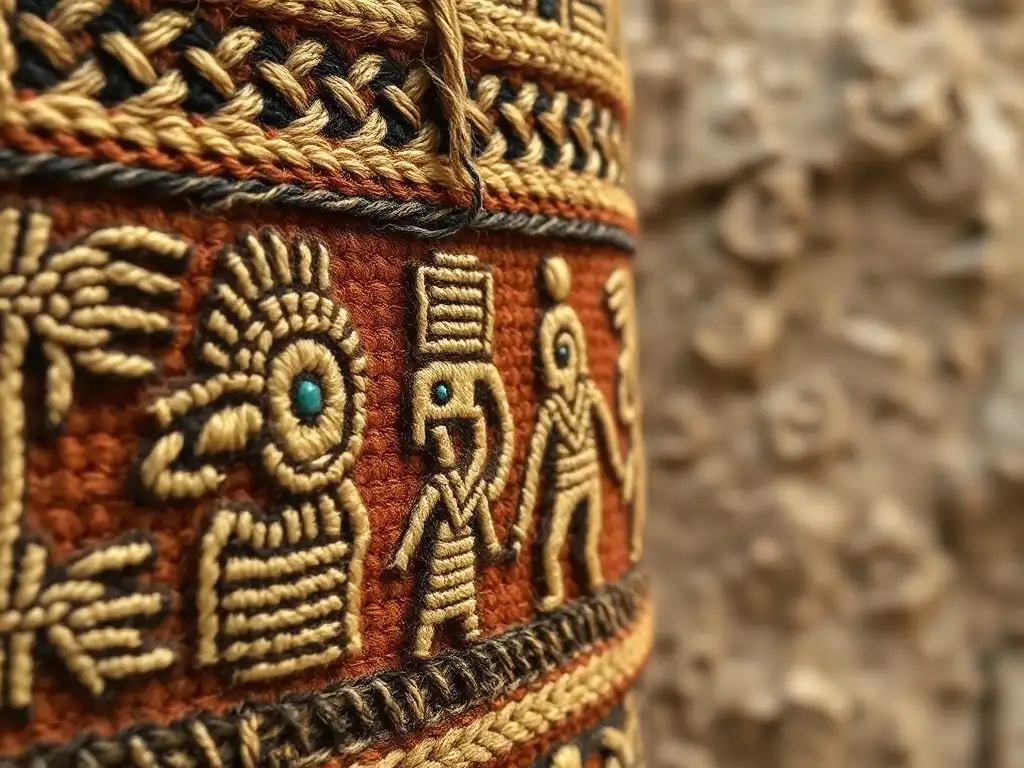
Inca textiles were far more than mere clothing; they were canvases upon which stories unfolded. The intricate weaving techniques, the vibrant dyes derived from natural sources, and the symbolic motifs all contributed to a complex system of visual communication. Different types of textiles, characterized by their weave, color, and design, denoted social status. For example, [specific examples of textile types and their associated social status pending].
Furthermore, the patterns themselves often conveyed narratives, depicting scenes from mythology, agricultural cycles, or historical events. The use of specific colors also held symbolic meaning, with [information on color symbolism pending]. The sheer artistry and detail involved in these textiles demonstrate the high level of skill and the importance placed upon this form of communication within Inca society. The preservation of these textiles provides invaluable insights into Inca worldview and social structures.
Ceramics: Vessels of Ritual and Daily Life
Inca ceramics, while seemingly functional, served as important communicative tools. The shapes, colors, and decorative motifs of pottery varied significantly depending on their intended use and social context. Ceremonial vessels often featured elaborate designs, incorporating religious iconography and symbolic representations of deities or mythical creatures. [Examples of specific ceramic designs and their associated meanings pending].
In contrast, everyday pottery might showcase simpler designs, reflecting the practical needs and daily routines of the Inca people. The production of ceramics itself was a highly specialized craft, with distinct regional styles reflecting variations in artistic traditions and cultural practices. The study of Inca ceramics provides a rich tapestry of information about their religious beliefs, social practices, and daily lives.
Metalwork: Gold, Silver, and the Power of Symbolism
The Inca's mastery of metalwork, particularly gold and silver, is legendary. These precious metals were not merely decorative; they held profound symbolic value and were used to communicate power, prestige, and religious authority. Elaborate gold and silver objects, such as ceremonial masks, jewelry, and religious paraphernalia, were often adorned with intricate designs and symbols.
[Specific examples of metalwork pieces and their symbolic meanings pending]. The use of these materials and the meticulous craftsmanship involved underscore the importance of these objects within Inca society and highlight their role in communicating power and religious beliefs. The techniques employed, such as hammering, casting, and alloying, showcase the Inca's advanced metallurgical knowledge and artistic skill.
Stone Carving: Monuments to Power and Legacy
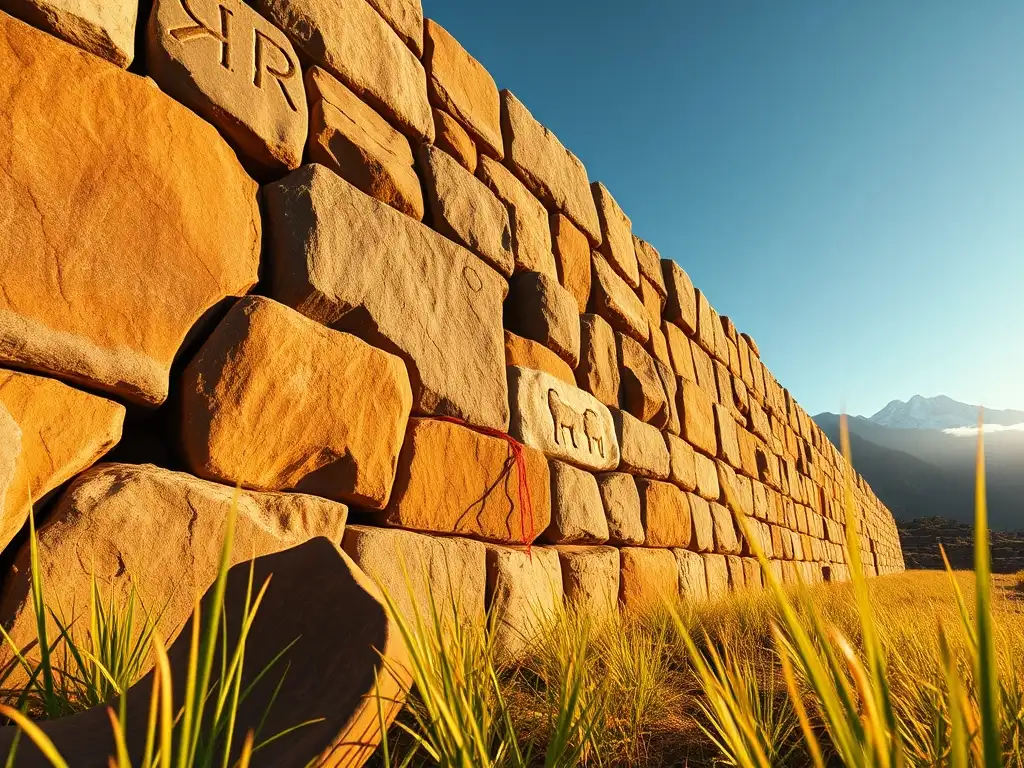
Inca stone carving, particularly evident in their monumental architecture, served as a powerful means of communicating imperial power and legitimacy. The precision and scale of Inca stonework, exemplified by structures such as Machu Picchu and Sacsayhuamán, are awe-inspiring. The placement of stones, the design of buildings, and the incorporation of symbolic motifs all contributed to the overall message conveyed.
[Specific examples of stone carving and their significance pending]. These monumental structures not only served practical purposes but also functioned as potent symbols of Inca power, leaving a lasting legacy that speaks volumes about the ingenuity and ambition of this remarkable civilization. The enduring nature of stone allowed the Inca to communicate their achievements and beliefs across generations.
- Textiles: Threads of Narrative and Social Status
- Ceramics: Vessels of Ritual and Daily Life
- Metalwork: Gold, Silver, and the Power of Symbolism
- Stone Carving: Monuments to Power and Legacy
Decoding Inca Art: Beyond Aesthetics
The Communicative Power of Inca Visual Culture
Inca art wasn't merely decorative; it served as a powerful tool for communication, conveying complex messages about social hierarchy, religious beliefs, political power, and historical events. Unlike written languages used by other civilizations, the Inca utilized a sophisticated system of visual communication through intricate textiles, meticulously crafted ceramics, imposing stonework, and impressive metalwork. These artistic expressions weren't randomly created; they followed established conventions and symbolic languages understood by the Inca population. The vibrant colors, recurring motifs, and specific techniques employed all held significant meaning, allowing for the transmission of information across vast distances and diverse social groups.
For example, the use of specific colors in textiles could denote social status, with royal purple signifying high rank, while simpler designs might be worn by commoners. Similarly, depictions of specific animals or deities on ceramics or textiles conveyed religious beliefs and narratives. The placement and size of structures, such as the impressive stonework of Machu Picchu, also communicated power and dominance.
Analyzing Inca art requires understanding these underlying cultural codes and appreciating the visual language used to transmit information effectively. This understanding allows us to move beyond a purely aesthetic appreciation to uncover the deeper meanings embedded within these remarkable artifacts. The study of Inca art, therefore, offers a unique window into the complexities of Inca society and its sophisticated communication systems.
Understanding Inca Art Communication Methods
The Inca communicated through their art using several distinct methods, each playing a crucial role in disseminating information. These methods were not mutually exclusive; rather, they often complemented and reinforced one another, creating a rich and layered system of visual communication.
One key method involved the use of symbolic imagery. Specific motifs, such as the khipu (knotted strings used for record-keeping), the condor, the puma, and the serpent, frequently appeared in Inca art, each carrying a distinct symbolic weight. The condor, for instance, represented power and royalty, often depicted in regal settings. The puma, symbolic of strength and leadership, frequently appeared in association with rulers and elite figures. These recurring motifs provided a visual shorthand, allowing for the rapid transmission of complex ideas.
Another crucial method was the strategic use of color. Different colors held distinct meanings within Inca society. Gold, signifying the sun and royalty, was reserved for the elite. Red, associated with power and war, was often used in depictions of warriors and military campaigns. The careful selection and combination of colors in textiles, ceramics, and other art forms played a significant role in conveying the intended message.
Furthermore, composition and scale played a critical role in Inca art communication. The size and placement of figures within a composition often indicated social hierarchy. Larger figures, prominently positioned, typically represented individuals of higher status. This was evident in monumental architecture and large-scale textiles.
Finally, the materials themselves held symbolic weight. The use of gold, silver, and precious stones in certain art forms highlighted the power and wealth of the Inca Empire. The choice of specific materials, therefore, was far from arbitrary; it was a deliberate act of communication, conveying messages about status, power, and religious significance.
Understanding these diverse communication methods allows us to appreciate the sophistication and complexity of Inca art and its role in shaping Inca society and culture. Further research is needed to fully understand the nuances of these methods and their interplay in creating a comprehensive system of visual communication. For instance, [specific information pending] regarding the precise symbolic meanings of less frequently used motifs.
Inca Textiles: Woven Narratives and Symbolic Language
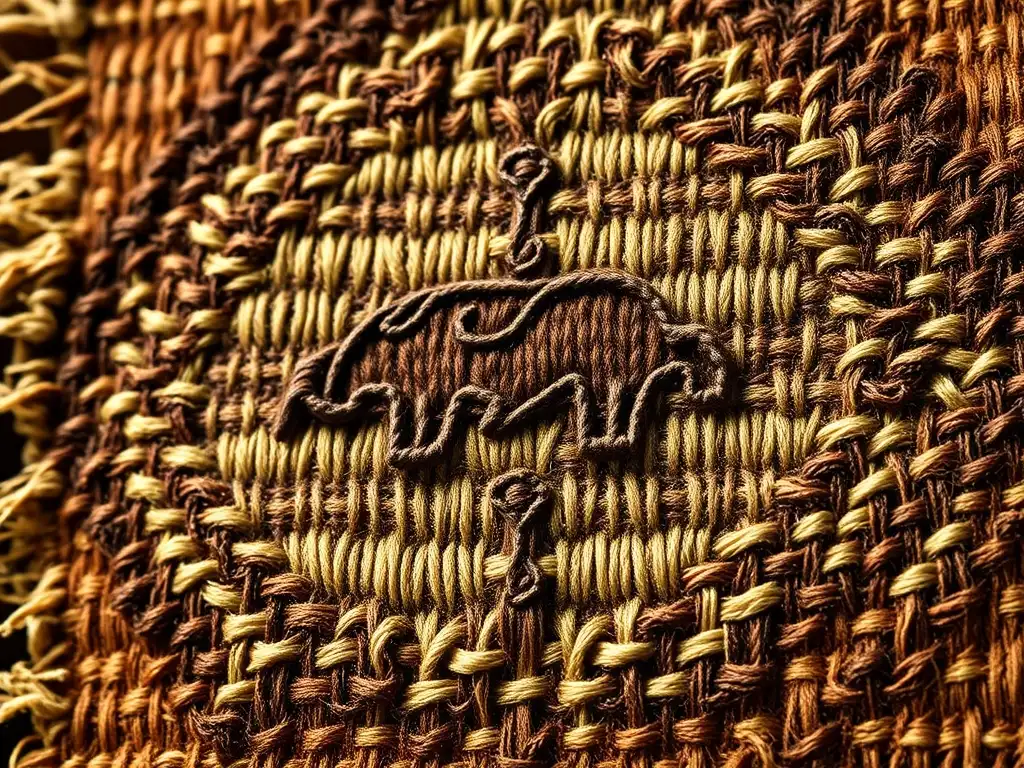
Inca textiles represent a sophisticated system of communication, far beyond mere decoration. These weren't simply beautiful fabrics; they were potent carriers of social, political, and religious messages, intricately woven into the very fabric of Andean society. The mastery of textile production among the Inca was unparalleled, employing advanced techniques like tapestry weaving and intricate dyeing processes to create vibrant and complex designs. The sheer variety of techniques, coupled with the symbolic richness of the motifs, reveals a remarkable level of artistic skill and a deep understanding of the power of visual communication. The Inca's understanding of color symbolism, for example, was profound, with specific hues representing different deities, social statuses, or even geographical locations. Studying Inca textiles provides invaluable insights into their worldview, social structures, and daily life. The survival of numerous examples allows modern researchers to decipher these woven narratives and understand the ingenuity of Inca art communication methods.
Inca Textile Art as a Medium of Communication
Inca textile art served multiple communicative functions. Firstly, it served as a powerful tool for social stratification. The complexity of a textile, the fineness of the weave, the rarity of the dyes, and the presence of specific motifs all indicated the wearer's social standing. Elaborately woven garments adorned with precious metals and rare feathers were reserved for the elite, while simpler textiles were worn by the common people.
This visual distinction reinforced the hierarchical structure of Inca society. Secondly, textiles played a crucial role in religious ceremonies and rituals. Specific designs and colors were associated with particular deities or ceremonies, and textiles were often used as offerings or worn by priests and other religious figures. For instance, certain patterns might represent agricultural cycles or celestial events, reflecting the Inca's deep connection to the natural world and their sophisticated understanding of astronomy.
Finally, textiles served as a form of historical record. Certain designs and patterns might commemorate important events or victories, preserving the Inca's history in a tangible and visually compelling way. This is similar to how other ancient civilizations used monumental architecture or written scripts, but the Inca utilized their mastery of textile production to achieve a similar effect.
Motifs and Patterns in Inca Textiles: Decoding Symbolic Meanings
The motifs and patterns found in Inca textiles are rich in symbolic meaning. Researchers have identified recurring themes, such as geometric shapes (squares, triangles, zigzags), stylized animals (condors, jaguars, llamas), and anthropomorphic figures. The interpretation of these symbols is an ongoing process, but several key patterns have been identified.
For instance, the khipu, a complex system of knotted strings used for record-keeping, has influenced interpretations of some textile patterns. Some scholars argue that certain repeating patterns reflect the structure of the khipu itself, suggesting a connection between textile production and record-keeping. Further research is needed to fully understand the nuanced meanings of these symbols, but the complexity and variety of patterns found in Inca textiles undoubtedly reflect a sophisticated system of visual communication.
Detailed studies of these motifs, including their placement and arrangement within larger textile pieces, are crucial for a deeper understanding of Inca art communication methods. Analyzing the frequency of specific motifs in different contexts—ceremonial versus everyday wear—can also reveal valuable insights into their symbolic significance.
Inca textile production wasn't merely a craft; it was a highly organized and socially significant activity. Textile workshops, often linked to state-sponsored institutions, employed specialized weavers who possessed highly valued skills. The production of textiles was deeply interwoven with the Inca's social and economic systems.
The distribution of textiles, from the finest garments for the elite to the everyday clothing of the commoners, was carefully controlled by the state, demonstrating a clear understanding of the communicative power of textiles in maintaining social order. Furthermore, the raw materials used in textile production—alpaca and llama wool, cotton, and various plant dyes—were themselves valuable resources, controlled and distributed by the Inca state. The acquisition and processing of these materials were integral aspects of the Inca economy, highlighting the economic importance of textile production.
The social significance of Inca textile production is further emphasized by the sheer scale of textile production evident in archaeological finds, demonstrating the importance of textiles in the daily life and social structure of the Inca Empire. The intricate interplay between social organization, economic control, and artistic expression in Inca textile production reveals a sophisticated understanding of the power of visual communication in shaping and maintaining a complex society.
Inca Textile Colors and Their Symbolic Connotations
Inca textile colors weren't merely aesthetic choices; they held profound symbolic meaning, acting as a visual language interwoven into the very fabric of their society. The vibrant hues, derived from natural sources like plants, insects, and minerals, conveyed a complex system of social status, religious beliefs, and even historical events.
For example, the deep crimson red, obtained from the cochineal insect, often symbolized royalty and power, frequently adorning the clothing of the Sapa Inca and high-ranking officials. This wasn't simply a matter of personal preference; the use of this particular color served as a powerful visual assertion of authority and divine connection.
Beyond red, other colors played equally significant roles. The rich, earthy tones of brown and beige, derived from natural clays and minerals, were often associated with the land itself, representing fertility, abundance, and connection to the Pachamama, the Earth Mother. These colors were commonly seen in textiles used in agricultural ceremonies and everyday clothing of the common people, underlining their deep reverence for nature and its life-sustaining properties.
Conversely, bright yellows, often extracted from various plants, could represent the sun god, Inti, a crucial deity in the Inca pantheon. Textiles featuring prominent yellow designs or borders often indicated a connection to religious practices or held ceremonial significance. The intricate patterns and color combinations weren't arbitrary; they were carefully planned and executed, reflecting a sophisticated understanding of color symbolism and its ability to convey complex messages.
Researchers continue to uncover new nuances in Inca color symbolism, demonstrating the depth and complexity of this visual language. The precise meanings, however, often depend on the specific context and combination of colors and patterns, adding another layer of complexity to the study of Inca textiles. Furthermore, the sourcing of specific dyes would also have contributed to the meaning, with rarer dyes conferring greater symbolic weight.
The sophisticated use of color in Inca textiles wasn't limited to symbolic representation; it also served practical purposes. The durability and colorfastness of the dyes were crucial, reflecting the high level of technological skill and knowledge possessed by Inca artisans. This attention to detail underscores the importance placed on both the aesthetic and communicative aspects of their textile production, highlighting the deep integration of art and meaning within Inca culture. The legacy of Inca textile colors continues to fascinate scholars and inspire contemporary artists, demonstrating the enduring power of their visual language.
Metalwork: Expressing Power and Status through Inca Art
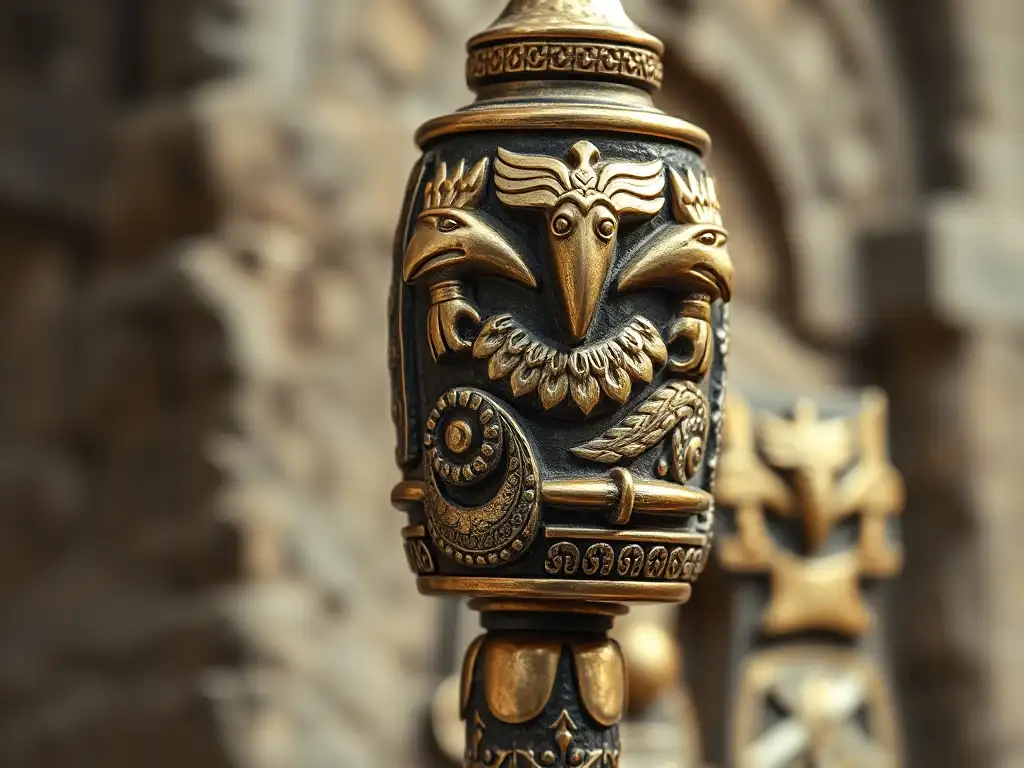
Inca metalwork stands as a powerful testament to the empire's sophisticated artistry and its ability to communicate complex social structures and ideologies. Unlike many other ancient cultures, Inca metalworking wasn't solely focused on practical applications. Instead, it served primarily as a tool for expressing power, status, and religious beliefs, intricately woven into the fabric of Inca society. The sheer skill involved in crafting these objects, combined with the precious materials used, amplified their symbolic weight, making them potent instruments of communication.
The meticulous detail and the sheer artistry involved ensured that these weren't just objects; they were statements. The Inca art communication methods employed here were subtle yet profoundly effective. Analyzing these artifacts reveals much about the social hierarchy and the worldview of the Inca civilization.
The distribution and types of Inca metalwork artifacts directly reflected the hierarchical structure of the empire. Items crafted from gold and silver, the most precious metals, were reserved for the Sapa Inca (emperor) and the elite members of his court. These pieces, often intricately decorated with religious motifs or symbolic imagery, served as powerful visual representations of their authority and divine right to rule.
For example, elaborate gold and silver tumi (ceremonial knives) were not merely tools; they were symbols of power, wielded only by high-ranking officials during religious ceremonies. Less precious metals, such as copper and bronze, were used for items intended for the common people, though even these objects often displayed remarkable craftsmanship and attention to detail. The sheer artistry demonstrates the widespread skill level throughout Inca society, but the materials themselves communicated social standing with unmistakable clarity.
The use of specific alloys and the degree of ornamentation further reinforced this message. [Specific examples of varying metalwork based on social status pending].
The Use of Gold and Silver in Inca Art Communication
Gold and silver held profound religious significance for the Inca, representing the sun and the moon respectively. Their use in metalwork wasn't merely decorative; it served to communicate a direct connection to the divine. Gold, associated with the sun god Inti, was used to craft objects meant to embody the sun's power and life-giving energy.
Silver, linked to the moon goddess Mama Killa, was incorporated into objects associated with fertility and the cycles of nature. The Inca art communication methods employed here transcended mere aesthetics; they were deeply rooted in cosmology and religious beliefs. The careful selection and placement of these metals within a piece further emphasized their symbolic importance.
For instance, a gold sun disc adorning a silver ceremonial vessel would represent the harmonious relationship between the sun and moon, reflecting the Inca understanding of cosmic balance. The sheer quantity of gold and silver used in certain pieces also communicated the empire's immense wealth and power, reinforcing its dominance throughout the Andes. This was a deliberate and strategic use of materials to convey a message of unparalleled authority.
Inca Metalworking Techniques and Their Symbolic Importance
The Inca mastered a range of sophisticated metalworking techniques, including hammering, casting, and repoussé. These weren't just technical skills; they were integral to the symbolic meaning embedded within the artifacts. The intricate details achieved through hammering, for example, demonstrated the dedication and skill of the artisans, underscoring the importance of the object itself.
Casting allowed for the creation of complex shapes and forms, often depicting mythical creatures or religious figures, further reinforcing the sacred nature of the piece. Repoussé, a technique involving hammering from the back to create raised designs, added another layer of complexity and artistry, demonstrating the Inca's mastery of their craft. The Inca art communication methods were not limited to the materials used; the techniques themselves conveyed a message of skill, dedication, and divine connection.
Each technique held a specific cultural and symbolic significance, contributing to the overall meaning of the artifact. The combination of these techniques, along with the selection of materials, created a powerful visual language that effectively communicated the Inca worldview and social structure. [Further detailed analysis of specific techniques and their associated symbols pending].
Ceramics and Pottery: Inca Art Forms for Daily Life and Ritual
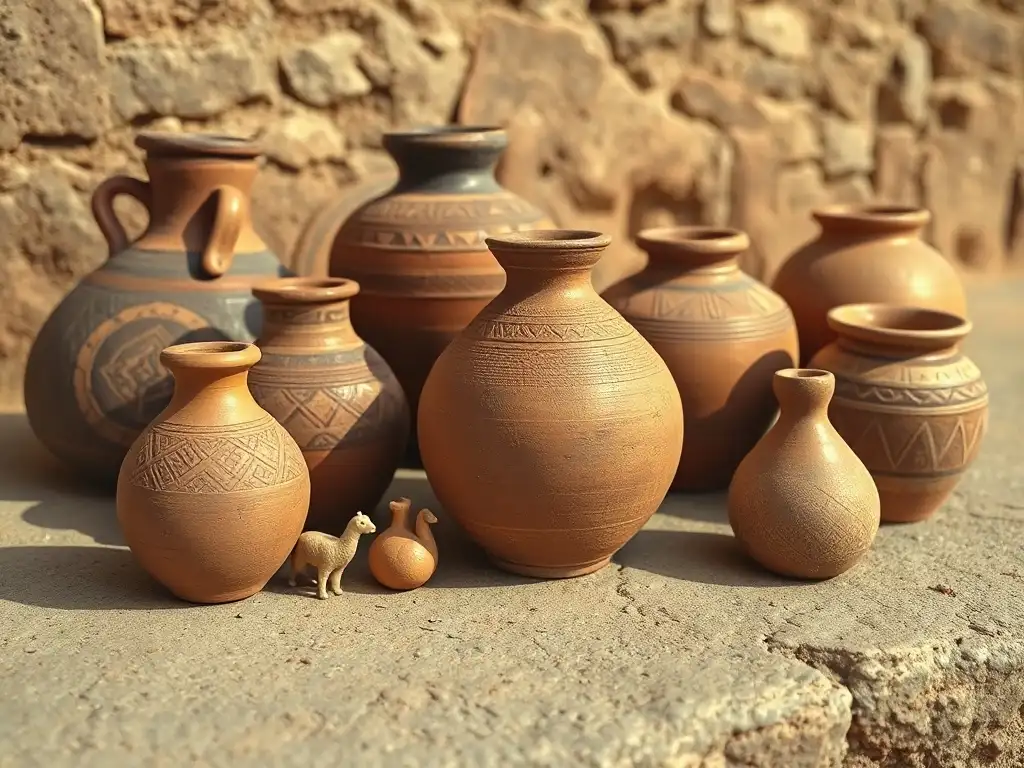
Inca ceramics and pottery represent a significant aspect of Inca art communication methods, serving both practical and symbolic purposes within their society. Going beyond mere utilitarian objects, these artifacts offer invaluable insights into the daily lives, beliefs, and social structures of the Inca Empire. The production and decoration of pottery were highly regulated, reflecting the centralized nature of the Inca state and its control over resources and artistic expression.
The sheer volume of surviving pottery, discovered across diverse archaeological sites, testifies to its widespread use and importance. Analysis of these pieces reveals a sophisticated understanding of materials, techniques, and artistic expression, reflecting a mastery of craftsmanship rarely seen in other contemporaneous cultures.
The careful consideration given to form, color, and decoration showcases the Inca's appreciation for aesthetics and their ability to convey complex messages through seemingly simple objects. This section will delve into the multiple layers of communication embedded within Inca ceramics, exploring their historical significance, functional roles, and regional variations.
Inca Pottery as a Source of Historical Information
Inca pottery acts as a rich archive of historical information, providing clues about Inca society, economy, and daily life. The styles and motifs depicted on pottery pieces changed over time, reflecting evolving cultural practices and beliefs. For example, changes in the depiction of agricultural scenes might correlate with fluctuations in climate or agricultural techniques.
The presence of specific symbols or iconography on pottery can indicate social status, religious beliefs, or regional affiliations. Archaeologists carefully analyze the types of clay used, the firing techniques employed, and the decorative elements present to understand the historical context of the pottery. The presence of certain pigments, like the vibrant reds and yellows achieved through the use of mineral oxides, can also help date a piece and understand the geographical location of its creation.
Furthermore, the discovery of pottery shards in specific contexts, such as burial sites or ceremonial centers, provides crucial information about ritual practices and social hierarchies. The detailed analysis of these seemingly mundane objects provides a window into the complex social and political dynamics of the Inca Empire. Careful study reveals a sophisticated system of artistic production and distribution, reflecting the central control over resources and the standardized production of goods within the Inca empire.
The Function and Symbolism of Inca Ceramic Art
Inca ceramic art served a multitude of functions, extending beyond simple containers for food and drink. While many pieces were undoubtedly functional, serving everyday needs, many others held significant symbolic meaning, reflecting religious beliefs and social status. For instance, the shapes and sizes of vessels could indicate their intended use: large jars for storing grains, smaller bowls for serving food, and intricately decorated vessels for ceremonial purposes.
The use of specific colors and motifs further enhanced the symbolic meaning. Red, for example, often symbolized blood and sacrifice, while yellow could represent the sun god Inti. Geometric patterns, zoomorphic representations (animals), and anthropomorphic figures (human-like forms) were skillfully woven into the designs, often conveying complex narratives or religious beliefs.
The presence of specific deities or mythical creatures on pottery pieces underscores the importance of religion in Inca society and the use of art to reinforce religious ideology. The careful selection of materials, techniques, and decorative elements shows the intended purpose and the significance attached to each object. The artistry embedded within these seemingly ordinary objects highlights the Inca's sophisticated understanding of symbolism and its use in communicating complex ideas.
Regional Variations in Inca Ceramic Styles
While the Inca Empire imposed a degree of standardization on many aspects of life, regional variations in ceramic styles are readily apparent. Different regions developed distinct styles of pottery, reflecting local traditions and access to resources. The diversity in clay types, firing techniques, and decorative motifs demonstrates the interplay between imperial control and local autonomy.
For instance, pottery from the coastal regions often exhibits different characteristics than those found in the highlands, reflecting the availability of different types of clay and the influence of pre-Inca traditions. This regional diversity adds another layer to the understanding of Inca communication through art. The variations in styles highlight the cultural richness of the empire and the ability of local artisans to adapt imperial artistic styles to their own unique contexts.
Further research into these regional variations could unveil a more nuanced understanding of the diverse cultural landscape within the Inca Empire, revealing how local traditions and imperial styles interacted and coexisted. The study of these regional differences provides a more complete picture of Inca art and its role in communication across the vast expanse of the empire. Analyzing these variations allows us to appreciate the empire's complexity and the agency of its diverse populations.
Architecture and Public Spaces: Communicating Imperial Power

Inca art wasn't confined to textiles and metalwork; their architecture and urban planning served as powerful communication tools, broadcasting imperial power and control across the vast Andean empire. The very layout of cities, the design of buildings, and the strategic placement of infrastructure all conveyed specific messages, solidifying Inca dominance and influencing the lives of their subjects. Understanding these aspects offers crucial insight into Inca communication methods, revealing a sophisticated system of nonverbal messaging that reinforced their authority. This section will explore how the Inca utilized architecture and public spaces to communicate their imperial power.
Inca Architecture as a Form of Nonverbal Communication
Inca architecture, characterized by its precise stonework, imposing structures, and monumental scale, was a potent form of nonverbal communication. The meticulous fitting of stones, often without mortar, demonstrated the Inca's mastery of engineering and their ability to mobilize vast labor forces – a clear display of their organizational prowess and control over resources. This precision wasn't merely functional; it conveyed a message of stability, permanence, and the enduring power of the Inca state.
Temples, palaces, and administrative buildings, built on a grand scale, visually asserted Inca dominance over their subjects. The sheer size and complexity of these structures implicitly communicated the power and wealth of the empire, inspiring awe and respect.
For example, the impressive stonework at Sacsayhuamán near Cusco speaks volumes about Inca engineering capabilities and their ability to command large-scale construction projects, a message clearly intended for both the Inca population and potential rivals. This was a potent form of visual propaganda, effectively communicating imperial might without the need for written words.
The Design of Inca Cities and Their Message of Control
The strategic planning and design of Inca cities further served as a powerful communication tool. Cities like Cusco, the imperial capital, were meticulously planned, reflecting a hierarchical social structure and emphasizing the central authority of the Inca ruler. The layout of streets, the placement of significant buildings (like the Coricancha or Temple of the Sun), and the organization of residential areas all contributed to a carefully crafted urban landscape that reinforced Inca control.
The radial design of many Inca cities, with roads emanating from a central point, symbolically represented the emperor's power radiating outwards to the furthest reaches of the empire. This deliberate urban planning served as a constant, visual reminder of the Inca's centralized authority and their ability to organize and control vast populations.
The placement of administrative buildings and storage facilities within easy reach of the main thoroughfares further reinforced this message of control, demonstrating the Inca's ability to efficiently manage resources and oversee their subjects. Data on the precise measurements and alignments of Inca cities is still being gathered, but the existing evidence strongly suggests a deliberate design intended to communicate imperial authority.
Inca Roads and Infrastructure: Symbols of Imperial Reach
The extensive network of Inca roads, spanning thousands of kilometers across challenging terrain, stands as a remarkable testament to their engineering skills and administrative capabilities. These roads weren't just transportation routes; they were powerful symbols of imperial reach and connectivity, visually demonstrating the Inca's ability to unify and control their vast empire. The strategic placement of waystations, bridges, and other infrastructure along these routes further underscored this message.
The roads themselves connected distant provinces, facilitating trade, communication, and the movement of troops, thereby reinforcing the Inca's control over the entire empire. The sheer scale of this infrastructure project, along with its logistical complexity, communicated the resources and organizational power at the Inca's disposal.
This was a clear demonstration of their ability to overcome geographical barriers and unite diverse populations under a single, unified rule – a message powerfully communicated through the very existence of this impressive network of roads and infrastructure. The Inca's road system is a powerful example of how infrastructure itself can be a form of visual communication, broadcasting imperial power and control across the entire Andean region.
The Legacy of Inca Art Communication Methods
The Inca Empire, despite lacking a written language in the conventional sense, developed sophisticated methods of communication through art. Their artistic expressions, far from being merely decorative, served as powerful vehicles for transmitting complex social, political, and religious messages. This intricate system of visual communication continues to fascinate and challenge researchers today, offering valuable insights into the Inca worldview and societal structure. Understanding Inca art as a form of communication requires analyzing the materials used, the techniques employed, and the symbolic meanings embedded within the artwork itself.
The enduring power of Inca art lies in its ability to transcend linguistic barriers, conveying information across generations and cultures. This legacy is evident in the continued study and appreciation of Inca artifacts worldwide. The intricate detail and masterful craftsmanship showcase not only artistic skill but also a deep understanding of symbolic representation.
The Enduring Influence of Inca Artistic Traditions
Inca artistic traditions, particularly in textiles and ceramics, continue to inspire contemporary artists and designers. The vibrant colors, intricate patterns, and symbolic motifs found in Inca art resonate deeply with modern sensibilities. Many contemporary Andean artists draw inspiration from Inca designs, adapting traditional techniques and motifs to create new works that reflect both their heritage and their own unique perspectives.
This enduring influence is testament to the power and artistry of Inca craftsmanship. For instance, the use of geometric patterns, often associated with specific deities or social status, continues to appear in contemporary textiles and ceramics. This isn't mere imitation; rather, it's a dynamic process of reinterpreting and reimagining Inca aesthetics within a modern context.
The legacy is not static; it's a living tradition that evolves and adapts while maintaining a connection to its roots. The enduring appeal of Inca artistic traditions highlights the timeless quality of their aesthetic and the lasting impact of their cultural legacy.
Preserving and Interpreting Inca Art for Future Generations
The preservation and interpretation of Inca art are crucial for understanding their culture and history. Museums and archaeological sites play a vital role in safeguarding these invaluable artifacts, employing advanced conservation techniques to protect them from deterioration. However, preservation efforts must also consider the ethical implications of exhibiting and interpreting cultural heritage.
Collaboration with indigenous communities is essential to ensure that the presentation of Inca art respects their cultural sensitivities and reflects their perspectives. Moreover, ongoing research and technological advancements are vital for improving our understanding of Inca art and its communication methods. Detailed analysis of pigments, fibers, and manufacturing techniques provides crucial information about the materials and processes used in creating Inca art.
The use of advanced imaging techniques, such as X-ray fluorescence, allows researchers to analyze the composition of pigments and identify the sources of raw materials. This information helps us understand the trade networks and economic systems of the Inca Empire. The challenge lies in balancing preservation with accessibility, ensuring that these artifacts remain available for study and appreciation while minimizing the risks of damage or deterioration.
Current Studies on Inca Art and Communication
Current research on Inca art and communication methods employs interdisciplinary approaches, combining archaeological findings with anthropological and art historical perspectives. Scholars are increasingly focusing on the social and political contexts in which Inca art was produced and consumed. For example, studies are examining the role of art in reinforcing Inca power structures, in conveying religious beliefs, and in regulating social interactions.
Ethnoarchaeological studies, which involve comparing Inca artistic techniques with those of contemporary Andean communities, provide valuable insights into the cultural practices and beliefs surrounding Inca art production. Furthermore, ongoing research continues to refine our understanding of the symbolic meanings embedded in Inca motifs and patterns. The development of new analytical techniques allows for a more nuanced interpretation of the complex messages encoded within Inca art.
This research is not only enriching our understanding of Inca culture but also challenging existing interpretations and opening up new avenues of investigation. The field is dynamic, with new discoveries and interpretations constantly emerging, enriching our understanding of Inca art as a powerful form of communication.
Frequently Asked Questions
What forms of art did the Inca use to communicate?
The Inca utilized various art forms for communication, including textiles, ceramics, and stonework. These mediums conveyed messages about social status, religious beliefs, and historical events.
How did Inca textiles communicate information?
Inca textiles were incredibly detailed, using colors, patterns, and fibers to represent different clans, deities, and events. Specific symbols within the designs held significant meaning.
What role did ceramics play in Inca communication?
Inca pottery, often decorated with geometric designs and figurative representations, served both practical and communicative purposes. Styles and motifs often indicated regional origins or social hierarchies.
How did the Inca use stonework to communicate?
Massive stone structures like Machu Picchu communicated Inca engineering prowess and religious significance. The precise placement and intricate carvings also conveyed messages of power and control.
What are some examples of symbolic communication in Inca art?
Many Inca art pieces featured symbolic representations of animals, plants, and celestial bodies. These symbols conveyed religious beliefs, ancestral connections, and cosmological understandings important to Inca culture.
Final Reflection: Echoes of the Andes: Inca Art's Enduring Message
The intricate artistry of the Inca civilization continues to resonate today, a powerful testament to the enduring capacity of art to transcend time and communicate profound truths. Their mastery of materials, from meticulously crafted goldwork to breathtaking stone architecture, wasn't merely decorative; it was a sophisticated system of communication, conveying social hierarchies, religious beliefs, and a deep connection to the Andean landscape. This legacy speaks volumes about the ingenuity and cultural richness of a civilization that continues to fascinate and inspire.
The impact of Inca art extends far beyond museum walls; it shapes our understanding of pre-Columbian societies and challenges Eurocentric narratives of history. The vibrant colors, symbolic imagery, and intricate techniques employed by Inca artisans offer a window into a complex worldview, one that prioritized community, reciprocity, and a harmonious relationship with the natural world. Art washes away from the soul the dust of everyday life.
– Pablo Picasso. This quote, while not directly about Inca art, perfectly encapsulates the power of art to cleanse and inspire, a power undeniably present in the legacy of Inca artistic expression. Their art continues to inspire contemporary artists and designers, reminding us of the enduring power of creativity and cultural expression.
Consider, for a moment, the intricate detail in a single Inca textile, the precision of a carved stone, the symbolism woven into a piece of pottery. These are not merely objects; they are stories, whispers from a distant past that continue to speak to us today. You, the reader, are now part of this ongoing conversation. Engage with Inca art, explore its nuances, and allow its enduring message to enrich your understanding of human creativity, cultural expression, and the enduring power of communication across time and space. Let the echoes of the Andes inspire your own creative journey.
Unveil the Stories of Inca Art: Take Action Today!
Thank you for exploring the fascinating world of Inca art and its profound messages! You've discovered how these exquisite objects serve as powerful forms of communication, transmitting stories and beliefs across generations. Now, let's delve deeper and engage meaningfully with this captivating culture.
Here are some ways you can further connect with Inca art:
- Participate in a hands-on workshop to learn traditional crafting techniques and uncover the rich history behind the artistry. You'll gain a deeper appreciation for the skill and cultural significance involved.
- Share your newfound knowledge with friends and family, sparking conversations about the symbolism and materials used in Inca art. Discuss the stories these artifacts tell and what they reveal about Inca society.
- Visit a museum showcasing Andean art to experience these masterpieces firsthand. Immerse yourself in the intricate details and expand your understanding of their historical and cultural context.
How has your perspective on Inca art evolved, and how will you share your insights with others?