
The Moche's Use of the Press Mold Technique: Reproducing Images

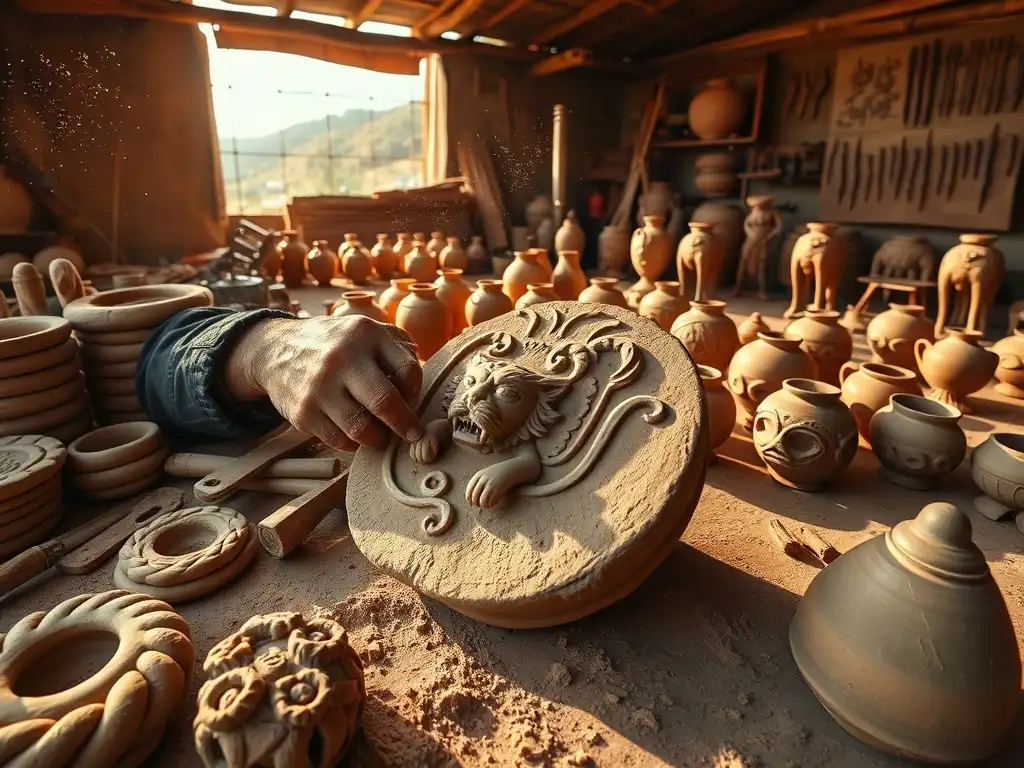
Step into a world lost to time, yet echoing with the artistry of a forgotten empire. Prepare to be captivated by the ingenuity of the Andean civilizations, where breathtaking achievements in art and technology continue to astound. Discover the secrets behind the Moche's mastery of the press mold pottery technique, a revolutionary process that allowed them to reproduce intricate images with unparalleled precision. Unravel the mysteries of this ancient civilization and prepare to be amazed by what you uncover.
The Moche civilization (circa 100-800 CE), renowned for its sophisticated artistry and technological advancements, left behind a remarkable legacy of ceramic work. This article delves into one of their most impressive techniques: the press mold method for pottery production. This innovative approach allowed the Moche artisans to create highly detailed and intricately decorated vessels, efficiently replicating complex designs and images across multiple pieces.
Understanding the Moche press mold pottery technique reveals not only their artistic prowess but also their remarkable organizational skills and mastery of industrial-scale ceramic production. We will explore the process itself, the types of imagery reproduced, and the societal implications of this advanced ceramic technology.
The mastery of this technique allowed for the mass production of high-quality pottery, contributing significantly to the cultural and economic flourishing of the Moche civilization. This detailed examination of the Moche press mold technique will illuminate the ingenuity and sophistication of this remarkable ancient society and will highlight how their artistic endeavors reflect their social structures and worldview.
The Mechanics of the Moche Press Mold Technique
The Moche press mold technique involved the creation of a mold, typically made from clay or a similar material, into which wet clay was pressed. This mold acted as a negative, allowing the artisan to create a positive replica of the design. The process likely involved multiple steps, beginning with the careful carving of the mold itself, a task requiring considerable skill and precision.
Archaeological evidence suggests that these molds could be quite intricate, with detailed carvings that precisely replicated the desired image. Once the mold was prepared, the Moche artisans would carefully press the wet clay into the mold, ensuring it filled all the crevices and details. Excess clay would then be trimmed away, and the resulting piece would be allowed to dry before firing.
This process allowed for the efficient reproduction of complex designs, leading to mass production of standardized pottery. The consistency in imagery across many vessels suggests a level of standardization and possibly even specialized workshops dedicated to this technique. The creation of these molds themselves represents a significant investment of time and skill, underscoring the importance of the press mold technique in Moche society.
Common Imagery Reproduced Using Press Molds
Moche press mold pottery frequently depicts a wide range of imagery, reflecting the cultural values and beliefs of the civilization. Common motifs include stylized representations of deities, mythical creatures, and scenes of daily life. Frequently encountered are depictions of the Aia Paec, a powerful Moche deity often associated with warfare and fertility; images of priests performing rituals; and representations of scenes from Moche mythology, such as battles or hunting expeditions.
These images are often highly detailed, showcasing the skill of the artisans and the precision of the press mold technique. The use of press molds allowed for the wide dissemination of these important cultural narratives, ensuring that key aspects of Moche belief and society were readily accessible across different social strata.
The consistency of these images across different vessels also suggests a level of centralized control or standardization in the production of this pottery. Further research into the iconography could reveal additional insights into Moche social structure, religion, and belief systems.
Societal Implications of the Press Mold Pottery Technique
The widespread use of the press mold technique by the Moche had profound societal implications. The ability to mass-produce high-quality pottery likely contributed to the economic prosperity of the civilization. The standardization of designs facilitated trade and exchange, further strengthening social networks and economic ties. The prevalence of specific images on the pottery indicates the importance of these motifs in Moche culture and their role in reinforcing social hierarchies and beliefs.
The Moche press mold pottery technique wasn't merely a technological achievement; it was a crucial element in the social and cultural fabric of the civilization. It demonstrates a sophisticated understanding of production, distribution, and the powerful role of art in shaping social structures and beliefs. The longevity and widespread adoption of the technique speaks volumes about its importance in the Moche world. Further investigation into the societal aspects of the press mold technique is vital for a comprehensive understanding of this fascinating civilization.
- The Mechanics of the Moche Press Mold Technique
- Common Imagery Reproduced Using Press Molds
- Societal Implications of the Press Mold Pottery Technique
- What is the Moche press mold pottery technique?
- How did the Moche use press molds to reproduce images?
- What kind of images were commonly reproduced using this technique?
- What materials were used in the Moche press mold pottery technique?
- Why was the press mold technique so important to the Moche culture?
Understanding Moche Ceramic Production and the Press Mold
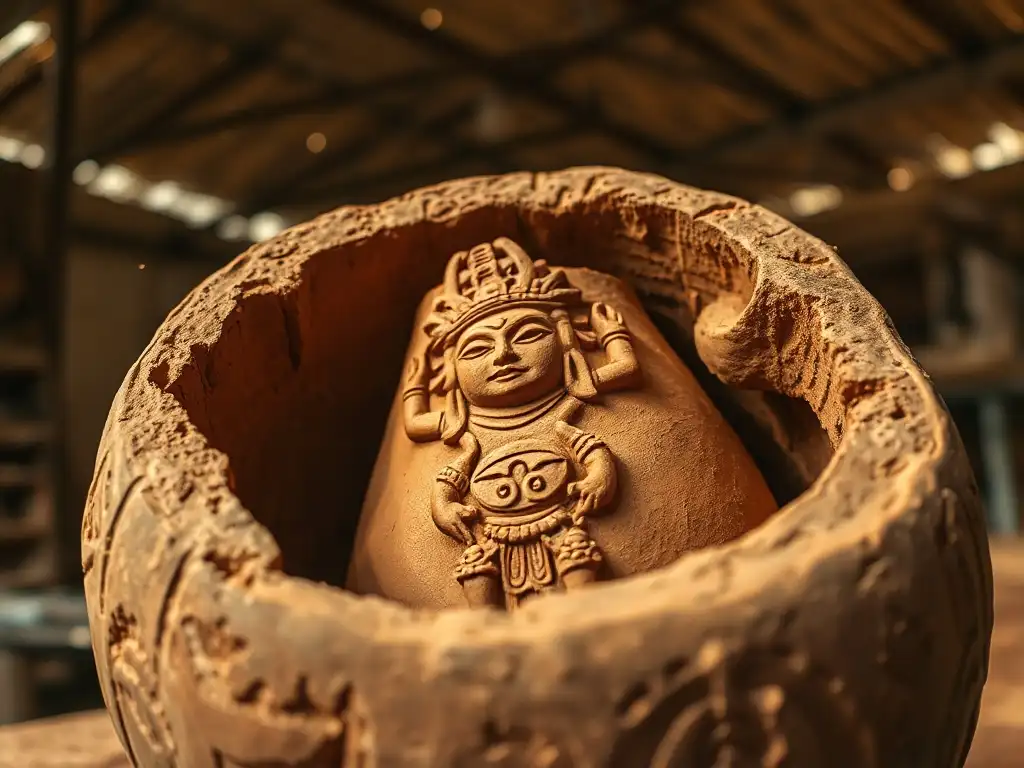
The Moche civilization (c. 100 – 800 CE) in present-day northern Peru is renowned for its highly sophisticated ceramic artistry. Their pottery wasn't merely functional; it was a powerful medium for expressing religious beliefs, social structures, and daily life. Understanding their ceramic production techniques, particularly the innovative use of the press mold, is crucial to appreciating the scale and artistry of their achievements.
The Moche weren't just creating individual pieces; they were engaging in mass production, a feat rarely seen in pre-Columbian societies. This mass production, facilitated by the press mold technique, allowed for the widespread dissemination of imagery and iconography, solidifying the power of the Moche elite and their worldview. The meticulous detail and consistent quality achieved through this technique highlight the advanced level of their technological and artistic skills.
This section delves into the specifics of the Moche press mold pottery technique and its societal implications. The sheer volume of Moche pottery unearthed underscores the efficiency and importance of this method within their culture. Further research continues to reveal the nuances of this remarkable process, highlighting the ingenuity of the Moche artisans.
The Significance of Mass-Produced Ceramics in Moche Society
The Moche press mold pottery technique wasn't just about artistic expression; it was deeply intertwined with the social and political fabric of their society. The ability to mass-produce ceramics allowed for the widespread distribution of standardized imagery, reinforcing the power and ideology of the ruling elite. Imagine the impact of identical, intricately decorated vessels appearing throughout Moche territory – a powerful symbol of unified control and shared cultural identity.
This standardization, however, didn't stifle creativity. While the basic mold provided a consistent framework, Moche artisans still incorporated individual touches, demonstrating their skill and adding subtle variations to the final product. This blend of mass production and individual artistry is a testament to the sophisticated organization and skilled labor force within Moche society.
Analysis of the distribution patterns of these mass-produced ceramics across different social strata could provide further insights into the Moche social hierarchy and the role of pottery in reinforcing social structures. Archaeological evidence suggests that certain types of vessels, produced using this technique, were associated with specific rituals or social events, further highlighting their significance within Moche society. The use of press molds allowed for efficient production, enabling the creation of large quantities of pottery for both elite consumption and broader distribution across the population.
Introduction to the Moche Press Mold Pottery Technique
The Moche press mold pottery technique involved creating a mold, usually from clay, and then pressing a prepared clay slab into it to form the vessel. This isn't simply a matter of slapping clay into a mold; it required a precise understanding of clay properties, moisture content, and pressure application to achieve the desired result. The molds themselves were often meticulously carved with intricate designs, showcasing the high level of artistic skill involved in their creation. After pressing the clay into the mold, the excess was trimmed away, and the vessel was then carefully finished and fired.
The process allowed for the creation of highly detailed and consistent ceramic pieces, with complex designs replicated across numerous vessels. This efficiency is remarkable, considering the level of detail often present in the resulting pottery. Consider the intricate depictions of deities, warriors, and scenes of daily life frequently found on Moche press-molded ceramics. The ability to reproduce these complex images on a large scale speaks volumes about the Moche's mastery of this technique.
Furthermore, the use of different clay types and firing techniques likely contributed to the variations in color and texture observed in surviving examples of Moche press mold pottery. The study of these variations offers further insights into the Moche's technological expertise and their understanding of material properties. The development and refinement of this technique demonstrate a sophisticated understanding of materials science and manufacturing processes far ahead of its time.
The Mechanics of the Moche Press Mold Technique
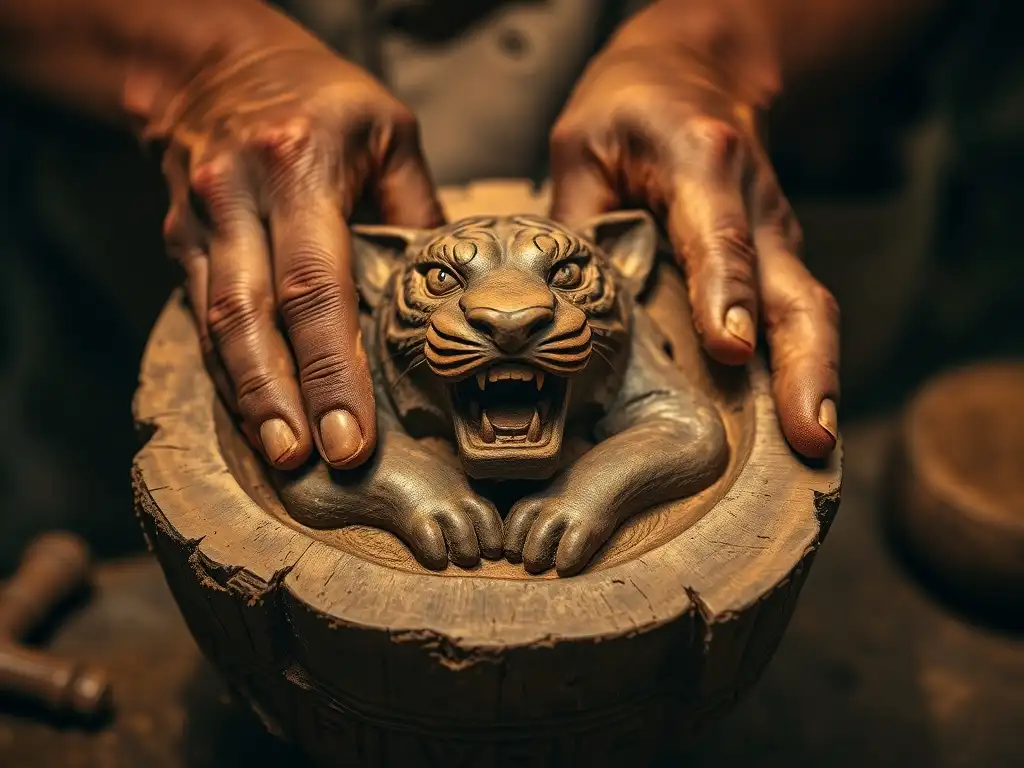
The Moche press mold pottery technique represents a significant advancement in ceramic production within the ancient Andes. This sophisticated method allowed for the mass production of intricately decorated pottery, showcasing the Moche's exceptional artistic skill and technological prowess. Understanding the mechanics of this technique reveals a complex process requiring specialized knowledge and precise execution.
The efficiency and consistency achieved through press molding significantly impacted the distribution and standardization of Moche iconography, leaving behind a rich legacy for archaeologists to study and admire. The Moche press mold pottery technique, a testament to their ingenuity, ensured the widespread dissemination of their vibrant artistic expressions.
Creating the Initial Mold: Materials and Methods
The creation of the initial mold was a crucial first step in the Moche press mold pottery technique. Moche artisans likely utilized readily available materials, prioritizing durability and ease of manipulation. Evidence suggests that they employed a two-part mold system, often created using a combination of materials. The primary material was likely clay, possibly a coarser, less refined variety than that used for the final vessel. This clay would have been carefully prepared, possibly incorporating tempering materials such as sand or crushed rock to enhance strength and prevent cracking during the molding process.
The mold itself was not a single, monolithic piece. Instead, it was likely composed of two halves, carefully carved or shaped to create the desired vessel form. Intricate details, including the fine lines and complex imagery characteristic of Moche pottery, were meticulously impressed into the mold's inner surface. This required an advanced understanding of sculptural techniques and considerable skill in manipulating the clay.
The two halves of the mold were designed to fit together precisely, creating a seamless cavity for the clay vessel. Archaeological finds sometimes reveal traces of organic materials, such as plant fibers or resins, used as binding agents to strengthen the mold and ensure a tight seal between the two halves. The exact composition of these binding agents, however, remains a subject of ongoing research.
The Process of Forming Clay Vessels Using Molds
Once the mold was prepared, the Moche artisans began the process of forming the clay vessels. This involved carefully preparing a slip of finely ground clay, likely mixed with water to achieve a smooth, workable consistency. This slip, often exhibiting a different color or texture than the mold itself, was then pressed firmly into the mold cavity.
The process required a significant amount of pressure to ensure that the slip filled all the details and crevices of the mold, perfectly replicating the design. Excess slip was carefully removed, and any air bubbles trapped within the clay were expelled to prevent imperfections in the final product.
This careful application of slip was essential for achieving the high-quality results characteristic of Moche molded pottery. The precision required speaks volumes about the artisans’ skill and expertise. The process would have been repetitive, demanding patience and a steady hand.
The use of tools, such as wooden or bone implements, may have assisted in smoothing the surface and ensuring a uniform application of the slip. After the slip had been pressed into the mold, it was likely left to dry partially before being carefully removed. The resulting vessel, a near-perfect replica of the mold's design, would then undergo further finishing processes, such as smoothing, polishing, and firing.
Advantages of Molded Pottery: Speed and Replication
The Moche press mold pottery technique offered several distinct advantages over other methods of ceramic production. The most significant advantage was the increased speed and efficiency of production. Unlike hand-building or wheel-throwing techniques, molding allowed for the rapid replication of identical vessels. This was crucial for the Moche, who produced vast quantities of pottery for a variety of purposes, from everyday use to elaborate funerary offerings. The standardization achieved through molding also facilitated the mass production of vessels with consistent size, shape, and decorative motifs.
Furthermore, the press mold technique facilitated the widespread dissemination of Moche artistic styles and iconography. The ability to rapidly produce multiple copies of a single mold allowed for the distribution of complex images and designs across vast geographical areas. This efficient reproduction contributed to the cultural unity and artistic consistency observed within Moche society.
The intricate details and high-quality finish of Moche molded pottery demonstrate the effectiveness and sophistication of their press mold technique, a testament to their advanced understanding of materials science and artistic production. The enduring legacy of their pottery serves as a powerful reminder of their remarkable artistic and technological achievements. The consistent quality across numerous examples found throughout Moche territory further underlines the effectiveness of their refined Moche press mold pottery technique.
Moche Iconography and the Press Mold: Reproducing Complex Designs
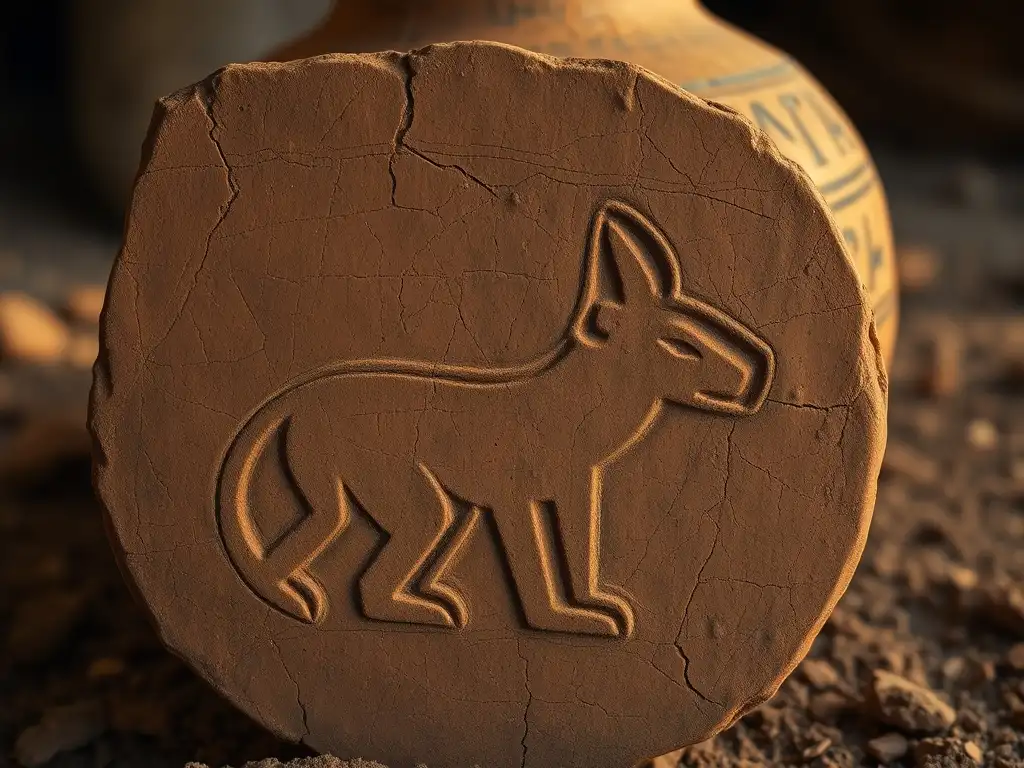
The Moche press mold pottery technique revolutionized the production of their intricate and evocative ceramics. This method allowed for the mass production of standardized vessels, while simultaneously enabling the reproduction of highly detailed and complex iconographic designs. The Moche, masters of ceramic artistry, leveraged this technique to disseminate their rich visual narratives across their vast society.
Understanding the Moche press mold technique is key to appreciating the scale and sophistication of their artistic achievements and the widespread dissemination of their cultural beliefs and narratives. The efficiency of the press mold allowed Moche artisans to create a large number of vessels decorated with consistent imagery, suggesting a level of social organization and control over artistic production previously unseen in the region. This section will explore the popular motifs, the standardization achieved through molds, and showcase examples of the complex imagery reproduced using this innovative method.
Popular Motifs in Moche Molded Ceramics
Moche molded ceramics frequently featured a recurring set of iconic motifs, reflecting the civilization's cosmology, social structures, and daily life. These motifs, often appearing in combinations, provide valuable insights into Moche beliefs and values. Some of the most commonly depicted motifs include:
- Deities and Supernatural Beings: Powerful figures, often anthropomorphic or zoomorphic, representing deities associated with fertility, warfare, or the natural world. These frequently included representations of Ai Apaec, a fearsome deity often depicted with fangs and a fanged headdress.
- Mythological Creatures: Hybrid creatures, blending characteristics of different animals and humans, often symbolizing power, magic, and the interconnectedness of the natural world. Examples include creatures with feline features combined with human attributes.
- Humans in Ritual Contexts: Depictions of individuals engaged in ceremonies, offerings, or sacrifices, offering glimpses into Moche religious practices and social hierarchies. These scenes frequently involved elaborate headdresses, costumes, and ritual paraphernalia.
- Plants and Animals: Realistic representations of native flora and fauna, reflecting the importance of agriculture and the natural environment in Moche society. These depictions often exhibited a high degree of anatomical accuracy, showcasing the artisans' keen observation skills.
- Geometric Patterns: Intricate geometric designs, often used as background elements or to complement figurative representations, showcasing the Moche's mastery of geometric design and their understanding of symmetry and balance.
The frequency and consistency of these motifs across different vessels and mold types demonstrate the importance of these images within Moche culture. Their widespread dissemination via the press mold technique ensured that these powerful symbols were visible throughout Moche society, reinforcing shared beliefs and values. Further research is needed to fully understand the nuanced meanings of each motif and their interrelationships, but the sheer volume of surviving examples provides a rich resource for future study.
The Role of Molds in Standardizing Iconographic Representations
The Moche press mold technique played a crucial role in standardizing the iconographic representations found on their ceramics. By creating reusable molds, artisans could efficiently produce numerous vessels with nearly identical designs. This standardization wasn't merely about efficiency; it suggests a deliberate effort to control and disseminate specific images and narratives across Moche society. This control might have served several functions:
- Religious Propaganda: The consistent reproduction of religious imagery could have served to reinforce Moche religious beliefs and practices among the population.
- Social Control: Standardized imagery might have been used to project power and control, reinforcing social hierarchies and conveying specific messages to different social groups.
- Economic Efficiency: The standardization of production through molds allowed for greater efficiency and possibly specialization of labor, boosting economic output.
The level of detail preserved in many of the molded ceramics is remarkable, demonstrating the advanced skill and precision of Moche artisans. The molds themselves were likely made from clay, allowing for flexibility and durability during the molding process. The creation and utilization of these molds involved a complex organizational structure and a high level of technical skill, illustrating a sophisticated understanding of production processes.
Furthermore, the discovery of multiple molds with variations in the same designs suggests a possible system of mold production and distribution within the Moche state. Further investigation into the distribution patterns of specific molds and their associated iconographic styles could help illuminate the organization and scale of Moche ceramic production.
Examples of Complex Imagery Reproduced with Press Molds
The Moche press mold technique allowed for the reproduction of remarkably complex imagery, surpassing the capabilities of hand-painting or other techniques of the time. Several examples highlight this remarkable achievement:
- Elaborate depictions of warriors: Molded vessels often feature detailed representations of warriors adorned with elaborate headdresses, weaponry, and body paint, exhibiting a level of detail rarely seen in other contemporary cultures. These depictions often include intricate details of the warriors' attire, weaponry, and facial expressions, showcasing the skill and precision of the artisans.
- Scenes of ritual sacrifice: Some molded vessels depict complex scenes of ritual sacrifice, including multiple figures and intricate details of the setting and action. These scenes offer rare glimpses into Moche religious practices and social hierarchy. The level of detail in these scenes is astonishing, accurately capturing the expressions and postures of the figures involved.
- Portrayals of mythological creatures: Moche artisans masterfully reproduced complex mythological creatures through the press mold technique. These often hybrid beings, combining features of different animals and humans, are depicted with remarkable anatomical accuracy and detail. The intricate designs of these creatures demonstrate the artisans' deep understanding of both the natural world and the supernatural realm.
The ability to reproduce such intricate and complex images on a large scale through the use of press molds significantly impacted the dissemination of Moche iconography and culture. It allowed for the widespread distribution of their religious beliefs, social structures, and worldview, leaving a lasting legacy in the archaeological record. The study of these molded ceramics continues to reveal new details about Moche artistic techniques, cultural beliefs, and social organization.
The enduring appeal of Moche pottery lies not only in its aesthetic beauty but also in its ability to communicate rich cultural narratives across time. The meticulous detail and consistent reproduction of complex imagery via the press mold technique is a testament to the Moche's sophisticated artistic and technological capabilities.
The Impact of the Press Mold on Moche Art and Society
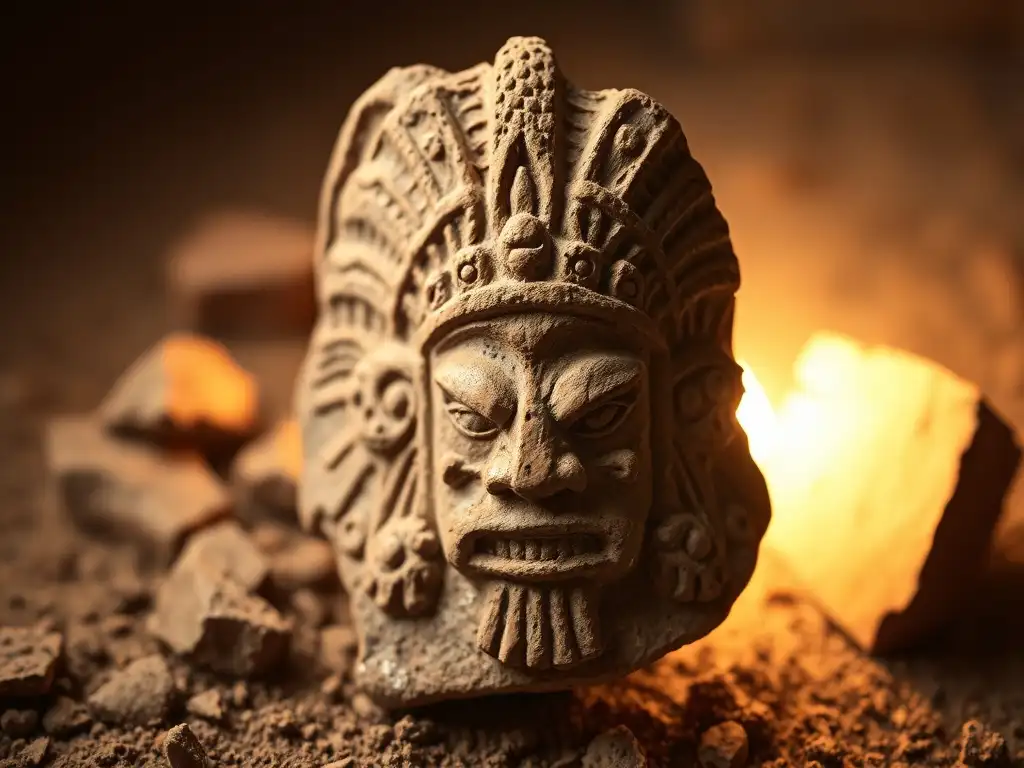
The Moche press mold pottery technique revolutionized Moche art production and profoundly impacted their society. This innovative method, allowing for the mass production of intricately detailed ceramic vessels, went far beyond mere technological advancement; it had significant social and economic consequences. The widespread adoption of press molds facilitated the dissemination of Moche artistic styles and iconography, contributing to a shared cultural identity across their expansive territory.
Furthermore, the increased efficiency in pottery production had a direct effect on the Moche economy, influencing trade, resource allocation, and potentially even social stratification. This section will explore these key aspects of the press mold's influence on Moche civilization.
The Accessibility of Moche Art Through Molded Ceramics
The Moche press mold pottery technique dramatically increased the accessibility of their distinctive artistic style. Prior to its widespread adoption, ceramic production was likely a more laborious and time-consuming process, limiting the quantity of pottery available. The press mold method, however, allowed artisans to create numerous identical or near-identical pieces efficiently.
This resulted in a significant increase in the availability of decorated pottery, potentially making it accessible to a broader segment of Moche society. Imagine the impact – previously, only elites might have owned finely crafted ceramics. With press molding, more commoners could own vessels showcasing the iconic Moche imagery of warriors, deities, and animals, fostering a stronger sense of shared cultural identity and pride.
The standardization facilitated by press molds also ensured a consistency of style, disseminating Moche artistic motifs across vast distances and different social groups. This widespread dissemination of art through increased accessibility ultimately contributed to the cohesiveness and strength of Moche culture.
The Economic Implications of Mass Production in Moche Society
The efficient mass production enabled by the Moche press mold pottery technique had profound economic implications. The increased output of ceramics likely stimulated trade, both within Moche territory and with neighboring cultures. The standardization of pottery shapes and designs might have simplified trade transactions, reducing the need for extensive bartering negotiations. [Specific data on trade routes and pottery distribution pending].
The surplus of pottery could have been used as a form of currency or tribute, further integrating the economy. Furthermore, the specialization of labor likely increased with the adoption of press molds. While some artisans specialized in creating the molds themselves, others focused on the actual production of the pottery.
This division of labor likely increased overall productivity and potentially led to greater economic efficiency within Moche society. The economic benefits of mass production likely contributed to the overall prosperity and stability of the Moche civilization, allowing for the investment in other areas such as infrastructure and monumental architecture. The economic impact of this technology was, therefore, far-reaching and crucial to Moche success.
How the Press Mold Technique Influenced Moche Artistic Development
While the press mold technique facilitated the mass production of ceramics, it didn't stifle artistic innovation within the Moche culture. Instead, it arguably allowed for a different kind of artistic development. The standardization achieved through molds provided a baseline, a foundation upon which artisans could build.
While the basic form and design were replicated, artisans could still introduce variations in painting styles, color palettes, and the addition of unique details. This suggests a system where both standardization and individual artistic expression coexisted. Think of it as a "factory" approach where the base product was consistent, but each piece retained a unique character, much like modern mass-produced items can exhibit subtle differences.
The press mold technique may have even encouraged experimentation with new designs and motifs, as the ease of replication reduced the risk associated with creating innovative forms. The readily available supply of pottery created by this technique may have also spurred experimentation with new forms of artistic expression using ceramics as a base, leading to a flourishing of Moche artistic innovation in spite of – or perhaps because of – the mass-production methods. This demonstrates the complex interplay between technology and artistic expression in the Moche civilization.
Variations and Adaptations of the Press Mold Technique
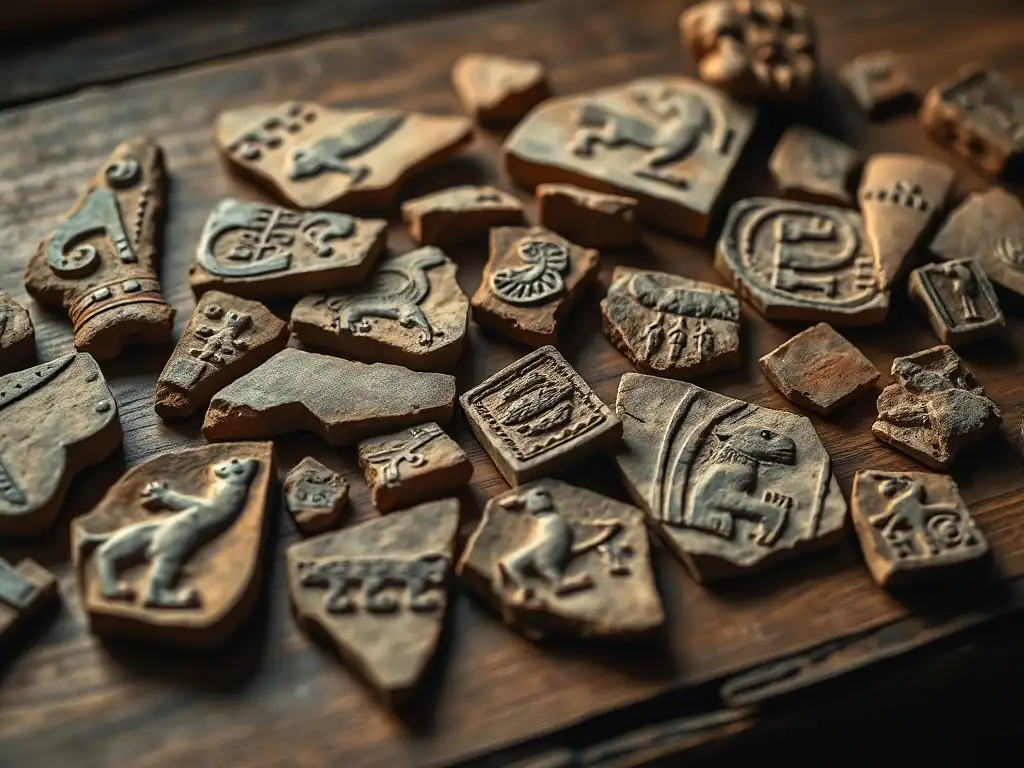
The Moche press mold pottery technique, a cornerstone of their artistic production, wasn't static. Instead, it evolved and adapted over time and across different regions, showcasing the ingenuity and artistic flexibility of Moche artisans. Understanding these variations provides crucial insights into the social organization and artistic development within the Moche culture.
The consistent high quality of the pottery, regardless of regional differences, suggests a degree of standardization in training and techniques, possibly indicating centralized control or widespread knowledge sharing within the Moche society. This standardization, combined with regional stylistic variations, paints a complex picture of a sophisticated and interconnected civilization. Analyzing these variations allows us to appreciate the nuance and complexity of Moche artistic expression, going beyond a simple understanding of the Moche press mold pottery technique itself.
Regional Variations in Mold Designs and Styles
Significant differences exist in the decorative motifs and styles employed in press molds across various Moche regions. For example, molds found in the northern coastal valleys often feature elaborate depictions of mythical beings and complex geometric patterns, reflecting a distinct artistic sensibility compared to those discovered in the southern regions. Southern Moche molds tend to exhibit simpler designs, focusing more on stylized representations of flora and fauna, and less complex geometric patterns.
This regional diversity is not solely aesthetic; it likely reflects variations in local beliefs, artistic traditions, and perhaps even social structures. Further research is needed to definitively correlate specific stylistic elements with particular Moche settlements or social groups. Analyzing the distribution of these stylistic variations across different archaeological sites can provide valuable data on the extent of interaction and exchange between different Moche communities. The differences may also hint at distinct artistic schools or workshops operating in different regions, each with its own unique style and preferences. The following table summarizes some observed differences:
| Region | Dominant Motifs | Color Palette | Mold Complexity |
|---|---|---|---|
| Northern Coast | Mythical beings, complex geometric patterns | Vibrant, often including multiple colors | High |
| Southern Coast | Stylized flora and fauna, simpler designs | More muted tones, fewer color combinations | Moderate to Low |
| Interior Valleys | [Specific information pending] | [Specific information pending] | [Specific information pending] |
The presence of similar motifs across geographically distant sites, however, suggests some degree of cultural exchange and shared artistic traditions. This balance between regional distinctiveness and broader cultural coherence underscores the complexity of Moche society and its artistic production.
The Evolution of Moche Molds Over Time
The Moche press mold pottery technique wasn't static; it underwent a significant evolution throughout the Moche period (approximately 100-800 CE). Early Moche molds exhibit relatively simpler designs and less refined techniques compared to later examples. As the culture developed, so did the sophistication of their mold-making techniques. This progression is evident in the increasing intricacy of the designs, the finer details achieved, and the broader range of ceramic forms produced using molds.
The evolution is not simply a linear progression; it also shows periods of stylistic experimentation and innovation. Some periods saw a focus on realistic depictions of flora and fauna, while others emphasized abstract geometric patterns or highly stylized representations of human figures and deities. This dynamic evolution reflects the changing cultural values, artistic trends, and potentially even technological advancements within the Moche civilization.
Further research into the chronological placement of molds found in different contexts is crucial to fully understand this evolution. Detailed stratigraphic analysis of archaeological sites containing Moche pottery is essential for establishing a more precise timeline for these stylistic shifts. The development of the Moche press mold pottery technique mirrors the broader growth and change within Moche society.
Specialized Molds for Unique Ceramic Forms
The versatility of the Moche press mold technique is further highlighted by the existence of specialized molds designed for creating unique ceramic forms. While many molds were used to produce standardized vessels, others were crafted for specific, often ritualistic or elite contexts. These specialized molds allowed for the creation of highly individualized pieces, demonstrating the Moche's ability to adapt and refine their techniques for a wide variety of purposes.
For instance, some molds were specifically designed to produce effigy vessels depicting various figures, such as deities, rulers, or animals. These pieces were likely used in religious ceremonies, or held significant symbolic value within the Moche social hierarchy. Other specialized molds produced complex shapes such as stirrup-spout vessels, characterized by their unique spout design.
The intricate detailing and precision required for these forms highlight the high level of skill and expertise possessed by Moche artisans. The existence of these specialized molds suggests a high degree of craftsmanship and division of labor within Moche society, with specialized artisans creating molds for specific purposes, and other artisans responsible for using them to produce the finished ceramic pieces. The diversity of these specialized forms underscores the multifaceted nature of the Moche press mold pottery technique, extending beyond simple mass production into the realm of artistic expression and ritual practice.
The Legacy of the Moche Press Mold Technique
The Moche press mold pottery technique, a hallmark of Moche artistry, wasn't simply a fleeting innovation. Its impact reverberated through subsequent Andean ceramic traditions, leaving an indelible mark on the artistic landscape for centuries. Understanding this legacy requires examining how the technique's efficiency and reproducibility influenced both stylistic choices and the very production of pottery in later cultures. The Moche's mastery of creating standardized, high-quality pieces using molds drastically changed the scale and scope of ceramic production, paving the way for mass production of certain forms and designs, a significant departure from earlier, more individualized approaches.
Influence on Later Andean Ceramic Traditions
The Moche press mold technique's influence is clearly visible in the ceramics of later Andean cultures, particularly those of the Chimú and Inca civilizations. While the specific techniques might have evolved, the underlying principle of using molds to reproduce images and create standardized forms remained central. The Chimú, for example, adopted and adapted the Moche mold-making techniques, incorporating them into their own distinctive artistic styles.
They refined the process, sometimes combining mold-made elements with hand-modeled details, resulting in hybrid pieces that blend tradition with innovation. Evidence suggests a direct lineage, with Chimú artisans possibly learning from or even inheriting Moche techniques and workshops. Similarly, the Inca, while known for their distinctive pottery styles, also likely benefited from the established principles of mass production enabled by mold-making, demonstrating the long-term implications of the Moche's innovation.
The sheer efficiency and scalability of the Moche press mold technique fundamentally altered the way subsequent Andean cultures approached ceramic production, impacting not only artistic styles but also the economic and social organization of pottery-making communities. The legacy is not merely stylistic; it's a testament to the enduring impact of technological innovation on cultural development.
Recent archaeological research continues to shed light on the intricacies of the Moche press mold pottery technique. New discoveries of molds themselves, along with associated workshops and kiln sites, are providing unprecedented insights into the Moche's production process. High-resolution imaging techniques, including 3D scanning and X-ray fluorescence, are revealing subtle details of mold construction and the materials used, allowing researchers to better understand the craftsmanship involved.
For example, studies have revealed the use of various materials in mold construction, ranging from simple clay to more sophisticated mixtures incorporating tempering agents to enhance durability and prevent cracking. Furthermore, analysis of pottery fragments found in association with molds is providing valuable information about the types of vessels produced and the scale of production at different workshops. The ongoing research not only expands our understanding of the Moche's technical proficiency but also enriches our appreciation for the complexity of their artistic endeavors.
This meticulous analysis allows us to appreciate the Moche's understanding of materials science and their ability to adapt their techniques to produce consistent, high-quality ceramics. The ongoing discoveries promise to further refine our understanding of this important aspect of Moche culture.
Notable Collections of Moche Molded Pottery
Several museums worldwide house significant collections of Moche molded pottery, offering unparalleled opportunities to study this remarkable aspect of their artistic heritage. These collections represent a vast array of forms, styles, and subject matter, showcasing the breadth and depth of Moche artistic expression. The [Museum Name Pending] boasts a particularly impressive collection, including [Specific examples of Moche molded pottery pending].
Similarly, the [Museum Name Pending] houses a noteworthy collection, featuring [Specific examples of Moche molded pottery pending], providing a comprehensive overview of the diverse applications of the press mold technique. These collections not only serve as invaluable resources for researchers but also offer the public a captivating glimpse into the sophisticated artistry and technological prowess of the Moche civilization. Studying these artifacts in situ allows for a deeper understanding of the context of production and the cultural significance of the molded pottery within Moche society.
The careful preservation and cataloging of these collections are crucial for safeguarding this irreplaceable legacy for future generations. The accessibility of these collections contributes significantly to our ongoing appreciation and understanding of the Moche press mold pottery technique.
Frequently Asked Questions
What is the Moche press mold pottery technique?
The Moche press mold technique was a sophisticated method used to mass-produce pottery. It involved pressing clay into a mold to create intricate designs and consistent shapes, speeding up production significantly. This allowed for the creation of large quantities of similar items.
How did the Moche use press molds to reproduce images?
Moche artisans created detailed molds from various materials, often pressing clay into these molds to reproduce complex designs and figures. This technique allowed for accurate replication of images, facilitating the creation of large numbers of similar pottery pieces.
What kind of images were commonly reproduced using this technique?
The Moche press mold technique was used to reproduce a wide range of images, including mythological beings, portraits, and scenes of daily life. These images often depicted religious iconography and provided insights into Moche beliefs and society.
What materials were used in the Moche press mold pottery technique?
Moche potters used a variety of materials, including clay, plant fibers, and possibly organic materials to create their molds. The clay itself was carefully prepared and mixed to achieve the desired consistency and strength.
Why was the press mold technique so important to the Moche culture?
The press mold technique was crucial for the Moche because it enabled mass production of pottery, which was essential for both religious ceremonies and everyday use. It allowed for the widespread dissemination of artistic motifs and imagery throughout their society.
Final Reflection: Echoes of the Moche: A Legacy in Clay
The Moche press-mold pottery technique, a marvel of ancient Andean ingenuity, remains a powerful testament to the artistic and technological prowess of a civilization lost to time. Its sophisticated application, detailed in this article, continues to inspire awe and serves as a potent reminder of the enduring human capacity for innovation and artistic expression. The precision and artistry involved in replicating complex imagery across numerous vessels speaks volumes about the social organization and cultural values of the Moche people.
The impact of the Moche's mastery of the press-mold technique extends far beyond the realm of archaeology; it resonates deeply within the contemporary art world and our understanding of ancient societies. Their ability to mass-produce intricate designs, while maintaining a high level of quality, speaks to a level of societal organization and artistic standardization rarely seen in other pre-Columbian cultures. The past is never dead. It's not even past.
– William Faulkner. This quote perfectly encapsulates the enduring relevance of the Moche and their artistic legacy, a legacy that continues to shape our understanding of ancient Andean civilizations and inspire contemporary artists.
Consider, for a moment, the implications of this ancient technique. The Moche's ability to reproduce images efficiently allowed for the widespread dissemination of their beliefs, stories, and artistic styles. You, the reader, now possess a deeper understanding of this remarkable process and its significance.
Take this knowledge with you, and let it fuel your curiosity about the rich tapestry of human history. Explore further, delve deeper into the world of ancient artistry, and appreciate the enduring power of human creativity across millennia. Let the echoes of the Moche inspire your own creative endeavors and your appreciation for the ingenuity of past civilizations.
Unveil the Art of Moche Craftsmanship!
Thank you for exploring the fascinating world of the Moche civilization with us! You've discovered how the intricate press-mold technique brought their vibrant culture to life through art and imagery. Now, let's delve even deeper into this rich history!
Here are some engaging next steps:
- Create your own press-mold artwork at home! Experiment with clay and see what designs you can reproduce. Sharing your creations with friends can inspire them to explore their own artistic talents.
- Learn more about Andean cultures by exploring our extensive archive. Discover how other ancient societies, such as the Nazca or Tiwanaku, utilized similar techniques to express their artistic visions.
- Join our community and share your thoughts on the importance of art in preserving cultural heritage. Engage in discussions with fellow enthusiasts on our social media platforms.
What ancient art form or technique inspires you? Share your ideas in the comments below!