
Seeds of Change: How Your Travel Choices Can Empower Andean Communities

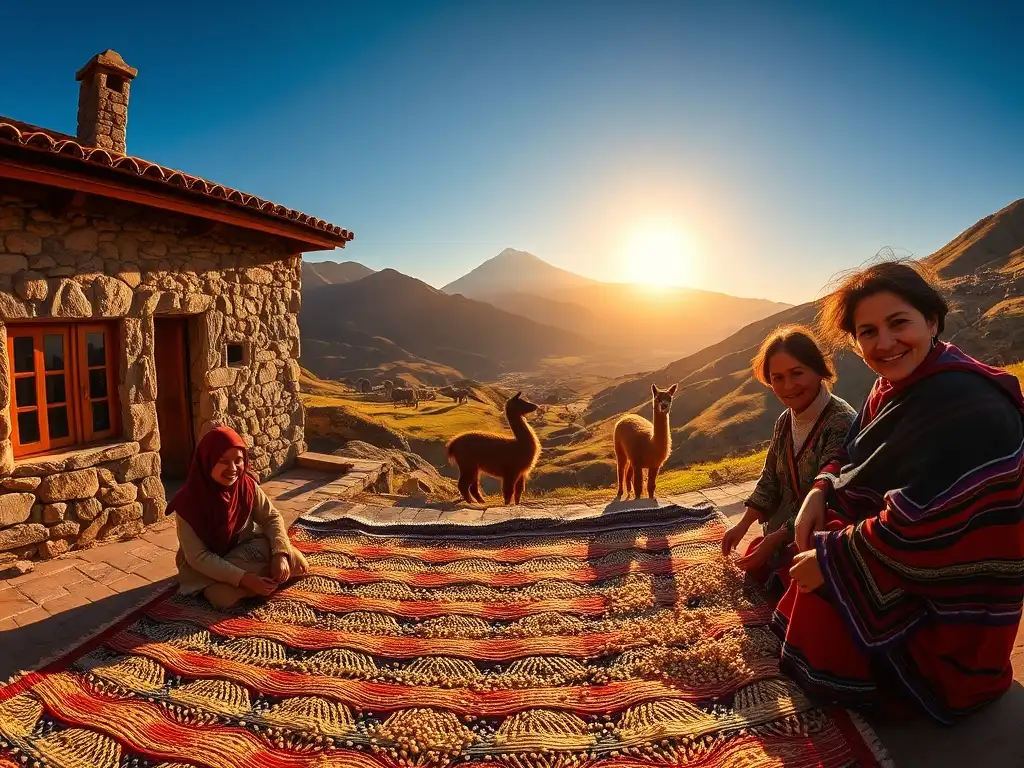
Step into a world lost in time, yet vibrantly alive. Imagine the soaring peaks of the Andes, echoing with the whispers of the Incas, Moche, Nazca, and Tiahuanaco. But their legacy extends beyond ancient ruins; it thrives in the hearts of the communities that call this breathtaking landscape home. Discover how your travel choices can directly impact these communities – explore the profound ways that Andean travel impacts local communities, and uncover the seeds of positive change you can sow with your next adventure.
The breathtaking landscapes of the Andes, steeped in the rich history of the Incas, Moche, Nazca, and Tiahuanaco, attract millions of visitors each year. But the impact of this tourism on the local Andean communities is a complex issue, one that demands careful consideration. This article explores the challenges of unsustainable tourism practices in the Andes and highlights how conscious travel choices can be a powerful force for positive change, directly impacting the lives and livelihoods of the people who call this majestic region home.
We'll delve into the negative consequences of irresponsible tourism, examine the underlying causes, and ultimately, offer practical solutions for travelers seeking to make a meaningful difference. Understanding the interconnectedness between tourism and Andean communities is crucial for ensuring a sustainable future for both.
By choosing to travel responsibly, you can actively contribute to the preservation of this incredible cultural heritage and the empowerment of its people. Let's explore how your travel choices can truly make a difference – becoming seeds of change in the Andean landscape.
The Challenge: Negative Impacts of Tourism on Andean Communities
The influx of tourists, while boosting the Andean economy in some ways, also presents significant challenges. Unsustainable tourism practices often lead to environmental degradation, cultural commodification, and economic inequality. For example, the increased demand for resources can strain local ecosystems, leading to deforestation and water scarcity.
Furthermore, the pressure to cater to tourist demands can lead to the erosion of traditional practices and cultural authenticity, often replacing genuine cultural experiences with staged performances designed solely for tourists. This can lead to a sense of cultural alienation among locals and a loss of their unique identity. Moreover, the economic benefits of tourism are often not evenly distributed, with large corporations and international tour operators reaping the majority of the profits while local communities receive only a small fraction.
This disparity can exacerbate existing inequalities and hinder sustainable development within Andean communities. The effects are far-reaching, impacting everything from access to clean water and sanitation to educational opportunities and healthcare. 😞
Understanding the Root Causes of Unsustainable Tourism in the Andes
Several factors contribute to the unsustainable nature of tourism in the Andes. One key issue is a lack of effective regulation and enforcement of environmental and cultural protection laws. This creates an environment where unsustainable practices can thrive. Another significant factor is the lack of community involvement in tourism planning and management.
Too often, decisions about tourism development are made by external actors without adequately considering the needs and perspectives of local communities. This lack of participation can lead to resentment and conflict. Furthermore, the pressure to maximize profits often overrides considerations of environmental and social sustainability.
This can lead to a “race to the bottom,” where businesses compete by offering ever-lower prices, often at the expense of fair wages and sustainable practices for local workers. Finally, a lack of awareness among tourists about the potential negative impacts of their travel choices contributes to the problem. Many tourists are unaware of the environmental and social consequences of their actions, and therefore, are not motivated to choose more sustainable options.
Solutions: Empowering Andean Communities Through Conscious Travel
Fortunately, there are ways to mitigate the negative impacts of tourism and empower Andean communities. Supporting community-based tourism initiatives is crucial. These initiatives ensure that local communities directly benefit from tourism revenues, preserving their cultural heritage and promoting sustainable practices.
Choosing to stay in locally-owned accommodations, eating at locally-owned restaurants, and participating in tours led by local guides are all excellent ways to directly support local economies. Furthermore, educating yourself about the environmental and cultural sensitivities of the region before your trip is essential. Respecting local customs, minimizing your environmental footprint, and supporting businesses committed to sustainability are all crucial aspects of responsible tourism.
By actively seeking out and supporting businesses that prioritize fair wages, environmental protection, and cultural preservation, you can help create a more equitable and sustainable tourism sector in the Andes. Remember, your travel choices have power; use them wisely to create positive change. 🌎 Let's work together to ensure that tourism in the Andes benefits both visitors and local communities for generations to come.
Products and Services that Support Positive Andean Travel Impact
Choosing to support businesses that prioritize ethical and sustainable practices significantly impacts Andean communities. This means looking beyond the cheapest option and considering the broader consequences of your spending. For example, opting for locally owned hotels and tour operators directly injects money into the local economy, creating jobs and supporting families. These businesses often reinvest their profits within the community, funding infrastructure improvements or social programs.
Look for businesses that actively engage in community development initiatives, such as providing educational opportunities for local children or supporting local artisans. This conscious consumerism is crucial for fostering sustainable tourism. Consider, for instance, the impact of choosing a tour operator that employs local guides and uses locally sourced materials for their tours.
This not only supports local livelihoods but also ensures a more authentic and immersive experience for the traveler. Furthermore, selecting accommodations that prioritize environmentally friendly practices, such as water conservation and waste reduction, contributes to the preservation of the Andean environment, benefitting the communities that rely on it. The ripple effect of these choices is substantial; supporting ethical businesses creates a virtuous cycle of economic growth and environmental stewardship within Andean communities.
Case Studies: Real-World Examples of Positive Andean Travel Impact
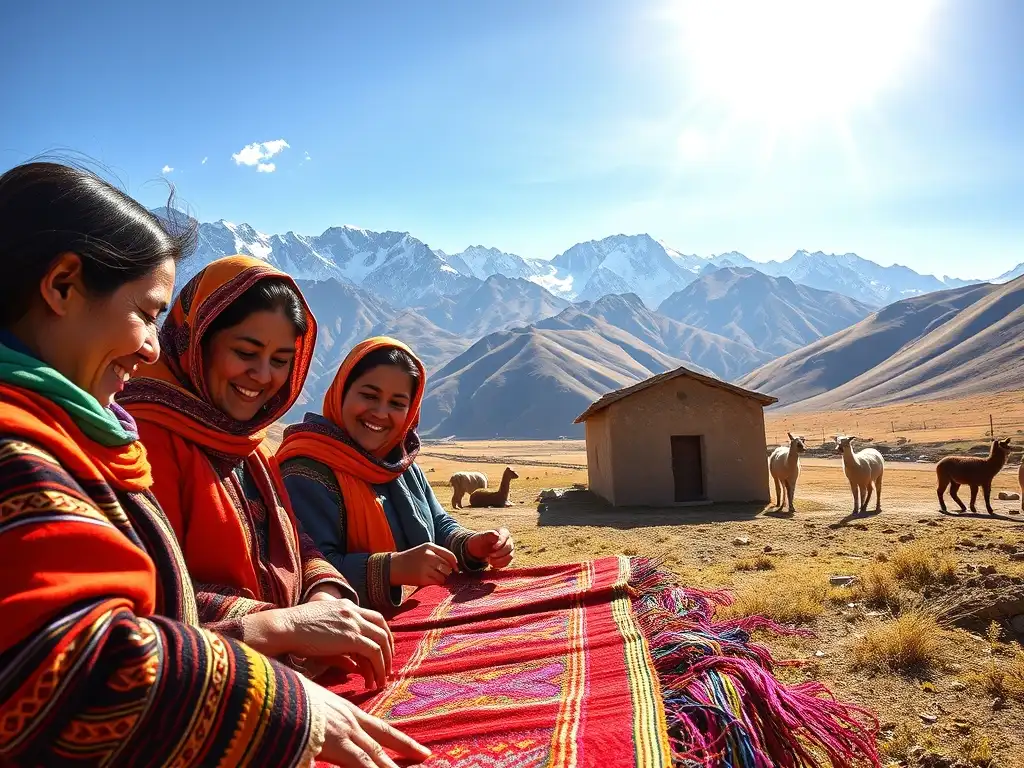
Several successful initiatives demonstrate the positive impact of responsible Andean travel. One example involves a community-based tourism project in the Sacred Valley of Peru, where local families offer homestays and cooking classes, sharing their traditions and culture with visitors. This project has empowered women in the community by providing them with economic independence and a platform to showcase their skills.
Another successful case study is a cooperative of artisans in Ecuador that produces high-quality textiles using traditional techniques. By working directly with these cooperatives, tourists can ensure that their purchases directly benefit the artisans and contribute to the preservation of their cultural heritage. These initiatives are not only economically beneficial but also foster cultural exchange and mutual understanding between visitors and local communities.
Furthermore, many eco-lodges in the Andes actively engage in reforestation projects and support local conservation efforts, demonstrating the synergy between sustainable tourism and environmental protection. These real-world examples show that responsible travel can be a powerful tool for positive social and environmental change in the Andes. The success of these projects highlights the importance of collaboration between travelers, businesses, and local communities to create a more sustainable and equitable tourism industry.
Your Role: Making Informed Choices for Sustainable Andean Travel
Your choices as a traveler have a direct impact on the Andean communities you visit. By making informed decisions, you can contribute to positive change. Researching tour operators and accommodations beforehand is crucial. Look for businesses that are transparent about their practices and demonstrate a commitment to sustainability and ethical labor practices.
Engage with local communities respectfully, learning about their customs and traditions and supporting local businesses whenever possible. Avoid contributing to exploitative practices, such as purchasing souvenirs made from endangered species or supporting businesses that employ questionable labor practices. Consider the environmental impact of your travel, opting for modes of transportation that minimize your carbon footprint. Remember that sustainable travel is not just about minimizing your negative impact but also about maximizing your positive contributions.
Supporting local artisans, participating in community-based tourism initiatives, and learning about the local culture all contribute to a more enriching and responsible travel experience. By making conscious choices, you can help ensure that Andean communities benefit from tourism while preserving their unique cultural heritage and natural environment. Let's work together to ensure Andean travel leaves a positive and lasting legacy. ✈️
Conclusion: Traveling with Intention, Building a Better Future for Andean Communities
The impact of tourism on Andean communities is a complex tapestry woven with threads of both challenge and opportunity. While uncontrolled tourism can lead to environmental degradation and cultural commodification, responsible travel offers a powerful pathway to positive change. By choosing to support locally-owned businesses, engaging with community-based tourism initiatives, and respecting local customs and traditions, travelers become active participants in building a more sustainable and equitable future for the Andes. This isn't just about minimizing harm; it's about actively contributing to the economic empowerment and cultural preservation of these vibrant communities.
Think of the ripple effect: a purchase from a local artisan supports their family, their craft, and their community’s heritage. Staying in a family-run guesthouse provides direct income, contributing to the local economy far more effectively than a large, international hotel chain. Learning a few basic Quechua phrases, or simply showing genuine respect for local customs, demonstrates a cultural sensitivity that fosters meaningful connections and breaks down barriers.
The future of Andean communities is inextricably linked to the choices we make as travelers. By prioritizing ethical and sustainable tourism practices, we can contribute to a future where the rich cultural heritage and breathtaking landscapes of the Andes are preserved, not just for tourists, but for the generations of Andean people who call it home. Every mindful travel decision—from choosing your accommodation to selecting your tour operator—is a seed planted in the fertile ground of responsible tourism, nurturing a future where both travelers and Andean communities thrive. Let's cultivate that future, together.
The Andes await, ready to share their wonders with those who approach them with respect and intention. The experience will be far more enriching for both the traveler and the community. This intentional approach ensures that the positive impact of Andean travel on local communities is not just a fleeting moment, but a lasting legacy.
- The Challenge: Negative Impacts of Tourism on Andean Communities
- Understanding the Root Causes of Unsustainable Tourism in the Andes
- Solutions: Empowering Andean Communities Through Conscious Travel
- Products and Services that Support Positive Andean Travel Impact
- Case Studies: Real-World Examples of Positive Andean Travel Impact
- Your Role: Making Informed Choices for Sustainable Andean Travel
- Conclusion: Traveling with Intention, Building a Better Future for Andean Communities
- How does tourism impact Andean communities?
- What are some positive impacts of responsible tourism in the Andes?
- What are some negative impacts of irresponsible tourism in the Andes?
- How can I be a responsible tourist in the Andean region?
- What organizations are working to promote sustainable tourism in the Andes?
Frequently Asked Questions
How does tourism impact Andean communities?
Tourism can have a dual impact. While it can bring economic benefits through jobs and infrastructure development, it can also lead to cultural commodification and environmental damage if not managed sustainably.
What are some positive impacts of responsible tourism in the Andes?
Responsible tourism can boost local economies, preserve cultural heritage, and improve infrastructure while minimizing environmental damage. It empowers communities by providing them with ownership of tourism initiatives.
What are some negative impacts of irresponsible tourism in the Andes?
Irresponsible tourism can lead to environmental degradation, cultural exploitation, and economic inequality, benefiting mainly large corporations rather than local communities. Overcrowding at popular sites is also a major concern.
How can I be a responsible tourist in the Andean region?
Support locally owned businesses, learn a few basic phrases in the local language, respect local customs and traditions, and minimize your environmental impact by reducing waste and choosing eco-friendly accommodations.
What organizations are working to promote sustainable tourism in the Andes?
Many organizations work to promote sustainable tourism practices in the Andes. Research and support local initiatives and community-based tourism projects to ensure your travel dollars directly benefit the communities.
Final Reflection: The Ripple Effect of Responsible Andean Travel
The choices we make as travelers hold immense power, directly impacting the lives and livelihoods of Andean communities. A seemingly small decision – choosing a locally owned hotel over a multinational chain, purchasing handicrafts directly from artisans, or supporting sustainable tourism initiatives – can create a ripple effect of positive change across entire villages and ecosystems. This isn't just about a pleasant vacation; it's about actively participating in a more equitable and sustainable future.
The enduring legacy of tourism in the Andes is a complex tapestry woven from both exploitation and empowerment. The impact of our travel choices resonates far beyond the immediate experience; it shapes the economic stability, cultural preservation, and environmental health of these unique communities. Travel is fatal to prejudice, bigotry, and narrow-mindedness,
wrote Mark Twain, and this rings truer than ever when considering the potential for responsible travel to break down barriers and foster understanding. It's a privilege to witness the vibrant cultures and breathtaking landscapes of the Andes, and with that privilege comes a profound responsibility to ensure our presence leaves a positive mark.
Consider the impact of your next trip. Will you choose convenience, or will you actively seek out opportunities to support local businesses, engage with the culture respectfully, and minimize your environmental footprint? You have the power to be a force for good, to contribute to the preservation of Andean heritage, and to empower the communities that call these majestic mountains home. Let the seeds of change you plant through responsible travel blossom into a future where tourism benefits all.
Empower Communities: Take Action Today!
Thank you for exploring how your travel choices can positively impact Andean communities. Conscious travel empowers local cultures and promotes sustainability. Let's turn this awareness into action!
Here are some simple steps to make a difference:
- Support local tour operators committed to community engagement and environmental protection. Choose operators who prioritize the well-being of the communities they serve.
- Share this information with friends and family to spread awareness about responsible travel.
- Consider volunteering your time or skills with organizations supporting Andean communities, perhaps through cultural exchange programs or environmental conservation projects.
How will you use your travel experiences to create positive change in the communities you visit?