
The Significance of Scale: Symbolic Meanings in Andean Art Dimensions

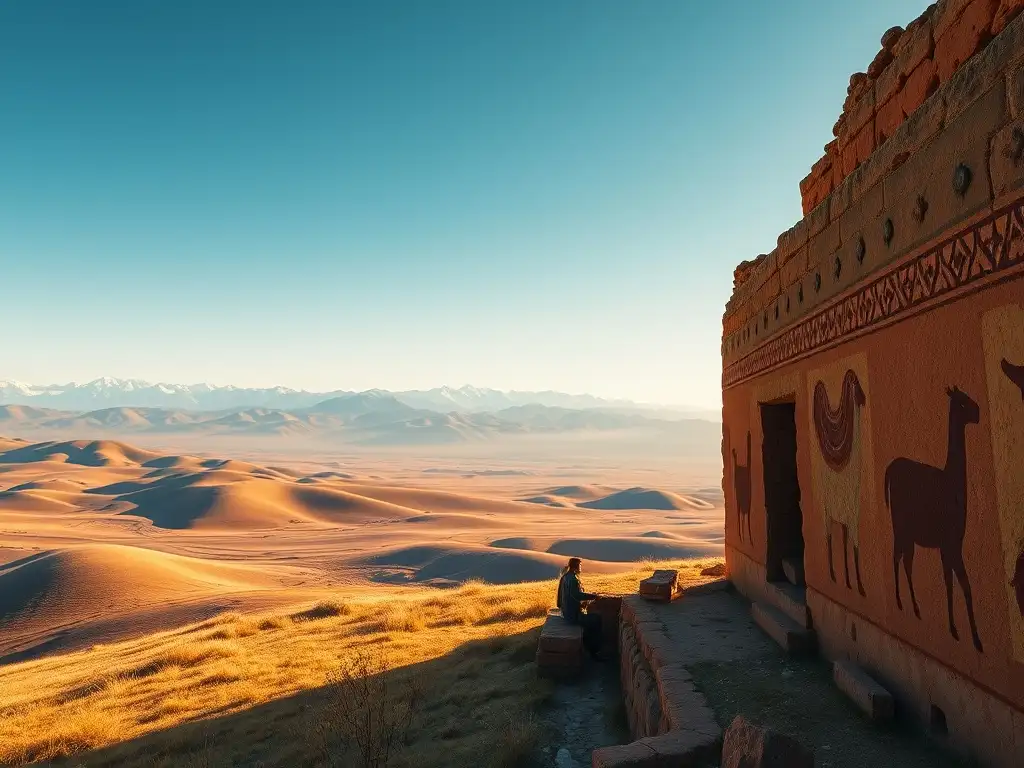
Welcome, explorer! Prepare to journey into the breathtaking world of the Andes, where towering mountains held secrets as profound as their altitude. Ancient civilizations, like the Incas, Moche, and Nazca, left behind a legacy of artistry that continues to baffle and inspire. But what stories do the dimensions of their art tell? Discover the hidden meanings behind Andean art scale symbolism—a key to unlocking the enigmatic power of their creations. Delve deeper and unravel the mysteries that await.
The Andes Mountains, a spine of colossal proportions running down the western coast of South America, served as more than just a geographical feature for the ancient civilizations that thrived there. This imposing landscape profoundly influenced the worldview and artistic expressions of cultures like the Inca, Moche, Nazca, and Tiahuanaco.
Understanding Andean art requires recognizing the profound significance placed on scale and dimension—elements that weren't merely aesthetic choices but powerful symbols imbued with complex meanings reflecting social hierarchies, religious beliefs, and cosmological understandings. This article delves into the intricate relationship between scale and symbolism in Andean art, exploring how size, proportion, and the relative dimensions of figures and objects within a composition conveyed potent messages about power, divinity, and the Andean worldview.
We will examine specific examples across different Andean cultures to illustrate the nuanced ways in which scale functioned as a crucial component of their artistic language, enriching our understanding of "Andean art scale symbolism."
Inca art frequently employed scale to represent social status. Larger figures, often depicted in more detail and with finer craftsmanship, typically represented rulers, deities, or individuals of high social standing. Smaller figures, conversely, often depicted commoners or individuals of lesser importance. This hierarchical representation wasn't arbitrary; it served to visually reinforce the Inca's strict social structure and the power dynamics within their empire.
For example, [specific examples of Inca artwork showcasing this hierarchy pending], demonstrating the deliberate use of scale to communicate social order. The meticulous detail and superior materials used in the creation of larger figures further emphasized their elevated status. This careful manipulation of scale wasn't just a visual cue; it was a powerful statement about social stratification ingrained within Inca society. The size difference wasn't subtle; it was a bold declaration of power and authority.
Cosmological Representations in Nazca and Paracas Textiles
The Nazca and Paracas cultures, renowned for their intricate textiles, used scale in a different, yet equally significant manner. Their textiles often depict complex mythological scenes, with the scale of figures reflecting their importance within the cosmological order. Deities or supernatural beings were typically represented larger than humans, emphasizing their power and connection to the divine realm. These textiles, often featuring vibrant colors and intricate designs, served as visual narratives, expressing their understanding of the universe and their place within it.
[Specific examples of Nazca and Paracas textiles and their interpretations pending]. The careful arrangement of figures, their relative sizes, and the overall composition of these textiles reveal a sophisticated understanding of visual storytelling, where scale played a crucial role in conveying complex cosmological ideas. The use of scale in these textiles wasn't merely decorative; it was a fundamental aspect of their religious and cosmological beliefs.
Monumental Architecture and Divine Power: The Case of Tiahuanaco
The monumental architecture of Tiahuanaco provides a striking example of the use of scale to represent divine power. The sheer size of structures like the Kalasasaya and the Akapana pyramids, along with the massive stone carvings, powerfully communicated the authority and sacredness of the Tiahuanaco state. The scale of these structures dwarfs human beings, creating a sense of awe and reverence, emphasizing the power of the gods and the rulers who commissioned these monumental works.
[Specific dimensions and analysis of Tiahuanaco structures pending]. The monumental scale of Tiahuanaco's architecture wasn't simply a feat of engineering; it was a deliberate and powerful statement about the relationship between humanity and the divine.
The imposing size of these structures served to inspire awe and reinforce the power of the ruling elite and their connection to the supernatural. The sheer magnitude of these constructions served as a constant visual reminder of the power and authority of the Tiahuanaco state and its divine connections.
Moche Pottery and the Depiction of Mythological Narratives
Moche pottery, celebrated for its intricate detail and realistic depictions, also employed scale to convey narrative and symbolic meaning. While not always strictly hierarchical in the same way as Inca art, the size of figures in Moche pottery often reflects their importance within a specific mythological scene or narrative. Larger figures might represent powerful deities or key actors in a story, while smaller figures might depict supporting characters or elements of the setting.
[Specific examples of Moche pottery and their analysis pending]. The skillful use of scale in Moche pottery allows for a deeper understanding of their complex mythology and the way they visually represented their stories and beliefs. The careful attention to detail and the effective use of scale in their pottery showcase the Moche's sophisticated artistic skills and their insightful understanding of visual communication.
- Scale and Social Hierarchy in Inca Art
- Cosmological Representations in Nazca and Paracas Textiles
- Monumental Architecture and Divine Power: The Case of Tiahuanaco
- Moche Pottery and the Depiction of Mythological Narratives
Understanding Scale in Andean Art: An Introduction to Size Symbolism
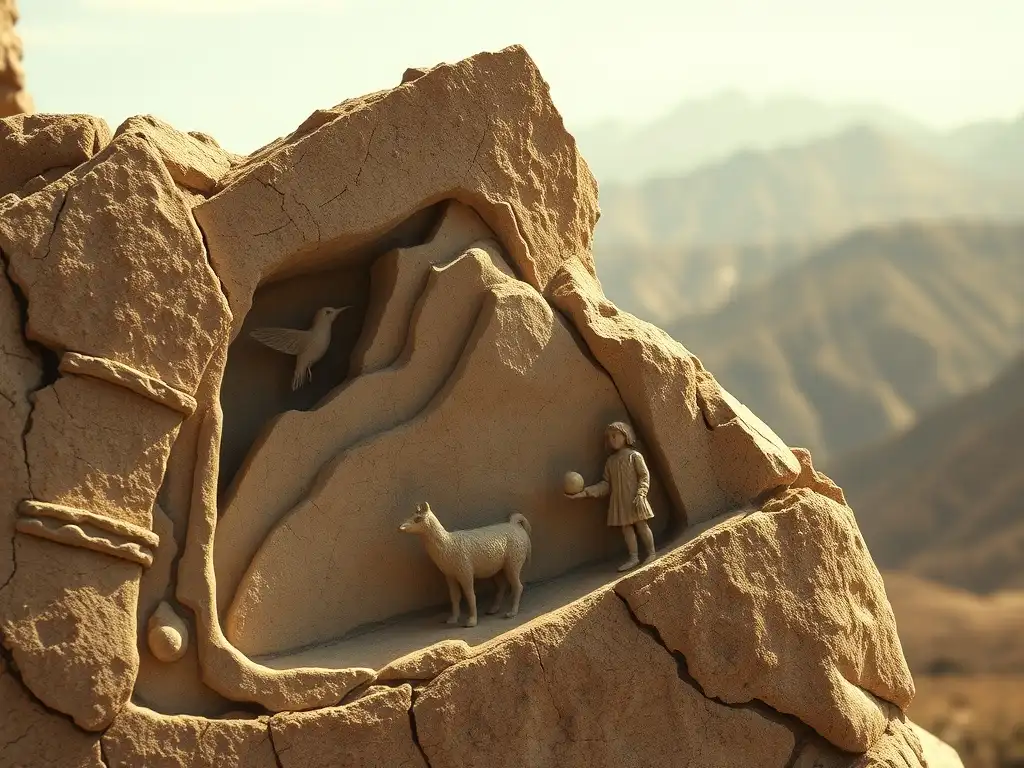
This section delves into the fascinating world of Andean art scale symbolism, exploring how size and dimension played a crucial role in conveying meaning and power within ancient Andean societies. We will move beyond simply observing the physical dimensions of artifacts and instead examine the symbolic significance inherent in their size, considering how artists strategically manipulated scale to communicate complex social, religious, and political messages. Understanding this deliberate use of scale is key to unlocking a deeper appreciation of Andean art and its rich cultural context.
The deliberate manipulation of scale wasn't arbitrary; it was a powerful tool used to reinforce existing hierarchies and communicate important ideologies. This intentional use of size in Andean art provides a unique lens through which we can understand the complexities of these ancient civilizations.
We’ll examine specific examples to illustrate this point, highlighting the nuanced ways in which scale conveyed meaning. The study of Andean art scale symbolism offers a compelling case study in the use of visual language to express complex social structures and beliefs.
The Role of Size in Visual Communication within Andean Cultures
Andean cultures, including the Inca, Moche, Nazca, and Tiahuanaco, communicated extensively through visual means. While intricate iconography and stylistic choices carried significant weight, the scale of an artwork often played an equally important, if not more dominant, role. Consider, for example, the monumental architecture of the Inca Empire.
The sheer size of structures like Machu Picchu, with its towering stone walls and expansive terraces, immediately communicates power, authority, and the impressive engineering capabilities of the Inca. This wasn't simply a practical matter of building for functionality; the scale itself served as a powerful symbol of imperial might and divine connection.
Similarly, the colossal statues and sculptures found in various Andean sites, like the monumental heads of the Olmec civilization (though not strictly Andean, they offer a comparative example), were not created simply to be seen; their immense size amplified their symbolic significance. These monumental works served as powerful visual statements, reinforcing religious beliefs, commemorating rulers, or marking important territorial boundaries. The size itself became intrinsically linked to the meaning of the image.
Smaller artifacts, conversely, often held intimate or personal significance, potentially representing individual deities, ancestral figures, or aspects of the natural world. The nuanced interplay between large-scale public works and smaller, more private objects reveals a complex system of visual communication deeply embedded within Andean culture.
The careful consideration of scale in Andean art wasn't limited to monumental constructions. Even in smaller-scale artifacts, such as pottery or textiles, the relative size of depicted figures or motifs often held symbolic meaning. Larger figures could represent deities or ancestors, while smaller figures might symbolize lesser beings or elements of the natural world. This delicate balance of scale within individual pieces further highlights the sophisticated understanding of visual communication present in Andean societies.
Why Scale Matters: Decoding Power and Hierarchy in Andean Art
The deliberate use of scale in Andean art directly reflects the social and political hierarchies prevalent in these societies. Larger representations, whether in monumental architecture or smaller artifacts, often signified higher status, greater power, or closer proximity to the divine. For instance, the larger-than-life depictions of Inca rulers on textiles and ceramics emphasize their authority and divine right to rule. This visual reinforcement of power served to legitimize their rule and solidify their position within the social structure.
Conversely, smaller representations were often associated with subordinate groups or less important aspects of Andean cosmology. The relative size of figures in a scene often dictated their social standing within the narrative depicted. This hierarchical representation through scale wasn't merely decorative; it was a powerful tool used to reinforce and reproduce social inequalities. Analyzing the scale of figures within a given artwork can provide valuable insights into the social dynamics and power structures of the Andean civilizations.
Furthermore, the scale of religious objects often reflected their importance within the Andean pantheon. Larger representations of deities suggested greater power and influence, while smaller figures might represent lesser spirits or aspects of the natural world. The size of the object itself became a visual marker of its spiritual significance.
This systematic use of scale in religious iconography underscores the integral role of visual communication in the Andean religious worldview. Understanding these subtle yet powerful cues within Andean art provides crucial insights into the complexities of their social, religious, and political systems. The interplay of size and meaning in Andean art provides a rich and nuanced understanding of the worldviews and social structures of these fascinating civilizations.
Analyzing Scale as a Symbolic Language in Andean Iconography
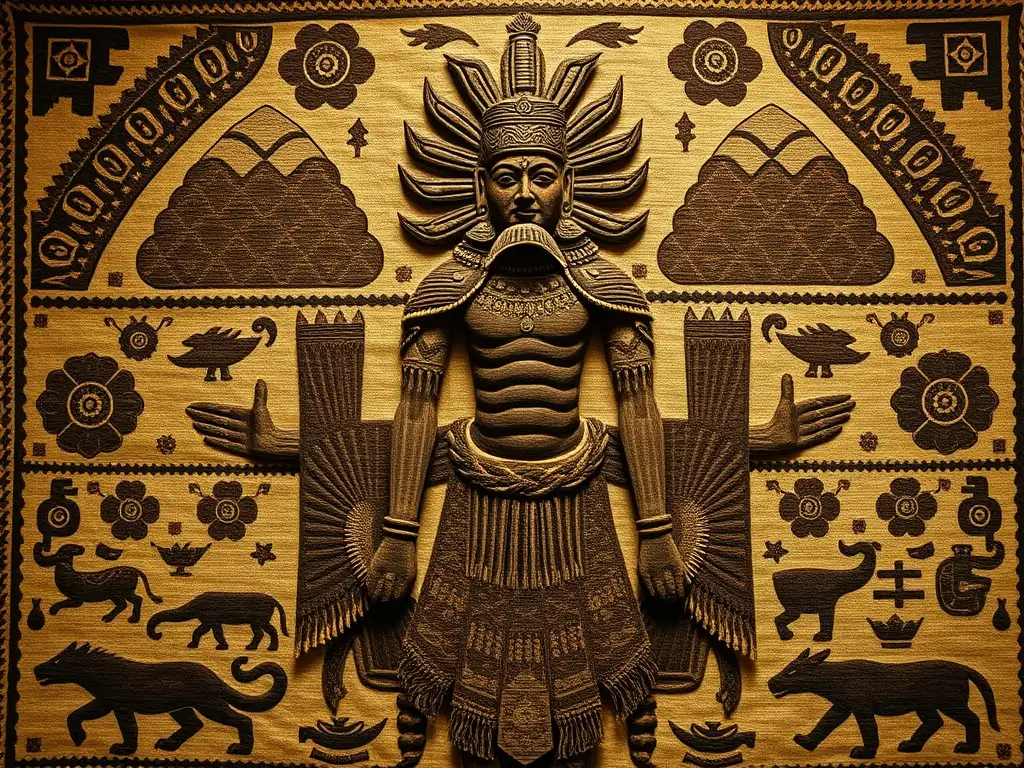
The deliberate manipulation of scale in Andean art wasn't merely a practical consideration; it served as a potent symbolic language, conveying complex social, religious, and cosmological meanings. Understanding the significance of scale in Andean art provides crucial insights into the worldview and societal structures of these remarkable civilizations. This section will explore how variations in size, from monumental structures to miniature artifacts, functioned as powerful visual metaphors reflecting the Andean understanding of power, divinity, and the human experience.
Analyzing Andean art scale symbolism reveals a sophisticated system of communication deeply embedded within the artistic output of these cultures. We will examine how size directly correlated with the perceived importance of the depicted subject, be it a deity, a ruler, or a specific event.
Monumental Scale: Representing Gods and Deities in Andean Art
Monumental scale in Andean art, exemplified by massive stone structures like those at Ollantaytambo and Sacsayhuamán, served to visually reinforce the power and presence of the gods and the rulers who claimed divine legitimacy. The sheer size of these structures dwarfed the human observer, literally and figuratively placing the divine realm beyond the reach of ordinary mortals. This wasn't just a matter of engineering prowess; it was a calculated strategy to instill awe and reverence.
The colossal statues and intricately carved reliefs found in many Andean sites further emphasized this connection between scale and divinity. For example, the large-scale depictions of deities on textiles and ceramics often dominated the composition, visually asserting their supremacy over other elements. The imposing size of these representations served to reinforce their power and influence within the Andean cosmology. Careful observation reveals that the scale of these depictions often correlates with the perceived importance of the deity within the pantheon. Larger figures typically represent more powerful or central figures in the Andean religious system.
Consider the monumental stone heads found at the Rapa Nui (Easter Island), although geographically distinct, they offer a parallel example of using monumental scale to represent powerful entities, likely signifying ancestral figures or deities, reflecting a similar principle of using size to convey significance. While not strictly Andean, the comparison highlights the cross-cultural understanding of using scale to express power and reverence.
Beyond the divine realm, scale played a crucial role in representing social hierarchy within Andean societies. The size of a depicted individual, particularly in textiles and ceramics, often directly correlated with their social standing. Rulers and elites were frequently represented at a larger scale than commoners, visually reinforcing their elevated status and authority. This visual hierarchy wasn't subtle; it was a clear and deliberate assertion of power.
This principle can be observed in various forms of Andean art. For instance, in depictions of ceremonial processions or feasts, the rulers are consistently depicted larger than the participants, clearly indicating their superior position. Similarly, the size of funerary objects found in elite tombs often reflects the status of the deceased. Larger and more elaborate objects suggest a higher social standing.
The consistent application of this principle across different artistic media demonstrates its importance as a system of visual communication within Andean society. Further research could quantify the precise differences in scale used to represent different social strata, providing more concrete data to support this claim. [Specific data on scale variations in Andean art depicting social status pending].
Miniature Art and Scale: Exploring Intimacy and Detail in Andean Craftsmanship
While monumental scale conveyed power and authority, miniature art in Andean civilizations held a different, equally significant, symbolic value. The meticulous detail and craftsmanship evident in these small-scale objects—such as miniature figurines, intricately woven textiles, and finely carved bone tools—suggest a focus on intimacy and precision. These miniature works were not simply smaller versions of larger pieces; they often served distinct symbolic purposes.
The creation of miniature objects required exceptional skill and patience, highlighting the artistry and dedication of the Andean artisans. The small scale allowed for an intense focus on detail, creating objects of exquisite beauty and complexity. This detail, in itself, can be seen as a symbol of the value placed on craftsmanship and the spiritual significance embedded within the objects.
Some scholars suggest that miniature objects may have been used in private rituals or held special significance within domestic settings, representing a more intimate connection to the spiritual world than monumental public art. Further research is needed to fully understand the specific contexts in which these miniature objects were used and their symbolic meanings within Andean society.
The intricate nature of these pieces, combined with their small size, suggests a degree of secrecy or private devotion, contrasting with the public display of power conveyed through monumental art. The contrast between these two scales underscores the multifaceted nature of Andean art and its symbolic language.
Specific Examples of Scale Symbolism Across Andean Civilizations
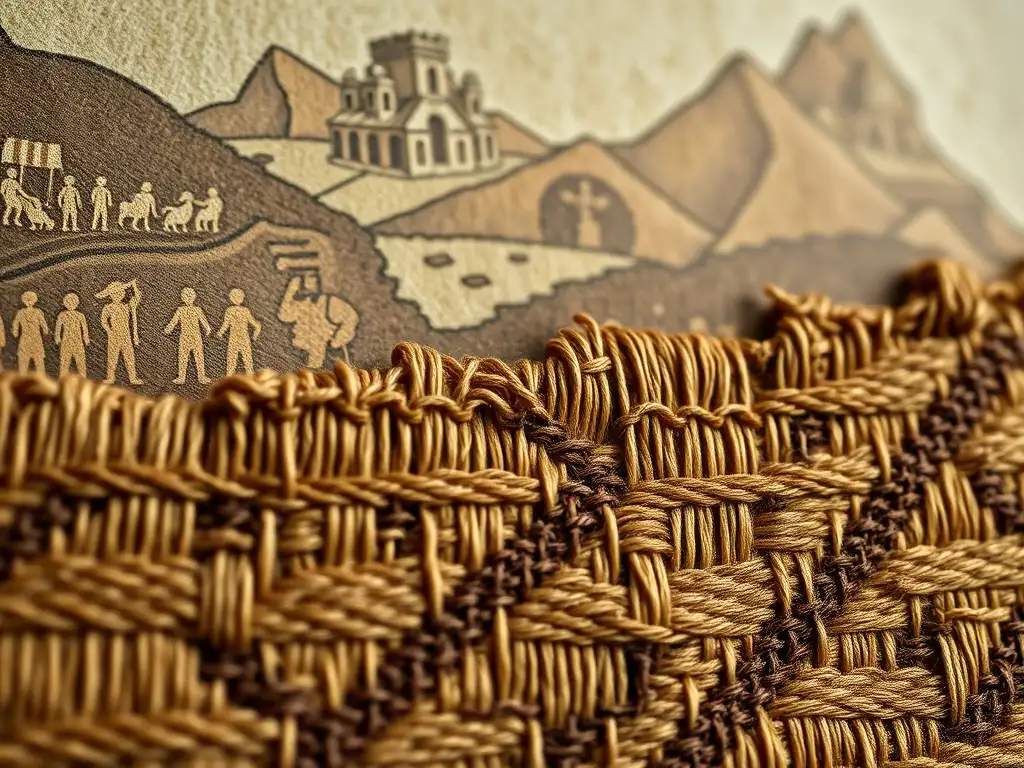
This section delves into the specific ways Andean civilizations employed scale in their art to convey symbolic meaning, focusing on the Moche, Nazca, and Inca cultures. Understanding the deliberate choices in size and proportion reveals profound insights into their worldview, social structures, and religious beliefs. The deliberate manipulation of scale in Andean art, a key aspect of "Andean art scale symbolism," wasn't arbitrary; it actively participated in the construction of meaning and power.
Scale in Moche Art: Depicting Warriors and Mythological Beings
Moche artists masterfully manipulated scale to emphasize hierarchy and power within their artistic representations. Their ceramic vessels, renowned for their intricate detail and vibrant depictions of daily life and mythology, frequently showcase a deliberate variation in the size of figures. For instance, depictions of warriors are often larger than commoners, clearly indicating their social standing and importance within Moche society. This disparity in size isn't just about realism; it's a symbolic representation of power dynamics.
Furthermore, the scale of mythological beings further underscores their significance within the Moche cosmology. Deities and supernatural creatures are often portrayed as significantly larger than human figures, highlighting their immense power and influence. The sheer size of these figures commands attention and reinforces their spiritual authority. Consider, for example, the oversized depictions of feline deities, often shown towering over human sacrifices, visually emphasizing the power of the supernatural realm over the mortal one. This deliberate use of scale underscores the deep religious beliefs that permeated Moche culture, making it a crucial element of "Andean art scale symbolism."
The meticulous attention to detail, combined with the strategic use of scale, elevates Moche pottery beyond mere decoration. It becomes a powerful visual narrative, illustrating the complex interplay of social structures, religious beliefs, and the Moche understanding of the world. The consistent application of this technique across numerous artifacts solidifies its significance as a deliberate artistic choice, rather than a random occurrence.
The Use of Scale in Nazca Lines: Monumental Geoglyphs and Their Meaning
The Nazca Lines, a series of massive geoglyphs etched into the desert landscape, present a unique and awe-inspiring example of scale in Andean art. These colossal figures, some stretching hundreds of meters in length, dramatically alter the perception of the landscape itself. Their sheer size defies easy comprehension, suggesting a monumental undertaking that speaks volumes about the Nazca people's organizational capabilities and their deep connection to the land.
The monumental scale of the Nazca Lines is not just a testament to engineering prowess; it also holds profound symbolic meaning. The gigantic scale of these figures, compared to the human scale, suggests a desire to interact with the cosmos, to leave a mark on the earth that transcends human life. The effort involved in creating these massive figures—a testament to the dedication and collective effort of the Nazca people—further enhances their symbolic weight.
The scale, therefore, becomes a powerful statement of communal identity and spiritual aspiration. The size of these geoglyphs directly relates to their symbolic power, making scale a critical component of "Andean art scale symbolism" in this context. Further research is needed [specific information pending] to fully understand the precise symbolic meaning behind the specific figures and their relative sizes.
Scale and Proportion in Inca Architecture: Displaying Imperial Power
Inca architecture provides another compelling example of how scale was used to project imperial power. The massive stone structures, such as Machu Picchu and Sacsayhuamán, are characterized by their imposing size and precise proportions. The sheer scale of these structures, built with immense precision and incorporating massive stones, served to visually communicate the power and grandeur of the Inca Empire.
The Inca's mastery of stonework, combined with the monumental scale of their constructions, was not merely a feat of engineering; it was a deliberate display of power. The perfectly fitted stones, some weighing many tons, visually emphasize the Inca state's control over resources and its ability to mobilize a large workforce. The size and precision of the buildings served as a powerful symbol of Inca dominance and control over their vast empire.
The scale of these structures, therefore, served as a powerful visual tool for consolidating and projecting imperial power, a key aspect of Andean art scale symbolism. The consistent use of this technique across different Inca sites reinforces its symbolic significance.
The deliberate use of scale in Inca architecture, alongside other symbolic elements, created a powerful visual language that reinforced the authority of the Inca rulers and the strength of their empire. [Data on specific stone weights and workforce sizes in various Inca constructions pending].
Scale in Tiahuanaco Art: The Significance of Large-Scale Sculptures
The monumental scale of Tiahuanaco sculptures is arguably their most striking feature, deeply intertwined with their symbolic meaning and the worldview of the Tiahuanaco culture. These colossal statues, often depicting anthropomorphic figures or stylized animals, weren't simply larger versions of smaller artifacts; their immense size actively contributed to their power and meaning. The sheer physicality of these works—their imposing presence and the effort required to create them—reinforced the authority and power of the ruling elite or the deities they represented.
Consider, for instance, the Gateway of the Sun, whose massive dimensions and intricate carvings command attention and awe, suggesting a connection to the cosmos and the power of the sun god. The scale itself becomes a powerful symbol, conveying ideas of strength, permanence, and divine authority far beyond what smaller representations could achieve.
The creation of these large-scale sculptures also involved significant logistical challenges, requiring the mobilization of substantial resources and labor. This collective effort further enhanced the symbolic significance of these works, representing the unified power and organizational capacity of the Tiahuanaco state. The immense scale of the sculptures served as a tangible manifestation of the state's power and control over its resources and population. This is not simply a matter of aesthetics; the sheer effort involved in their construction directly contributed to their potent symbolic weight, representing the might and reach of the Tiahuanaco civilization.
Furthermore, the monumental scale of Tiahuanaco art likely played a crucial role in religious rituals and ceremonies. The imposing presence of these sculptures may have been used to inspire awe and reverence in participants, enhancing the effectiveness of religious practices. The size itself could have acted as a conduit for spiritual power, further amplifying the symbolic meaning of the figures depicted.
While the precise nature of these rituals remains a subject of ongoing research, the scale of the sculptures suggests a significant role in shaping the religious experience and reinforcing the social hierarchy within Tiahuanaco society. The physical impact of these massive works undoubtedly played a crucial role in the religious and social life of the Tiahuanaco people. The scale, therefore, is not just a matter of artistic choice but a fundamental aspect of their religious and political ideology.
The Interplay Between Scale, Context, and Meaning in Andean Art
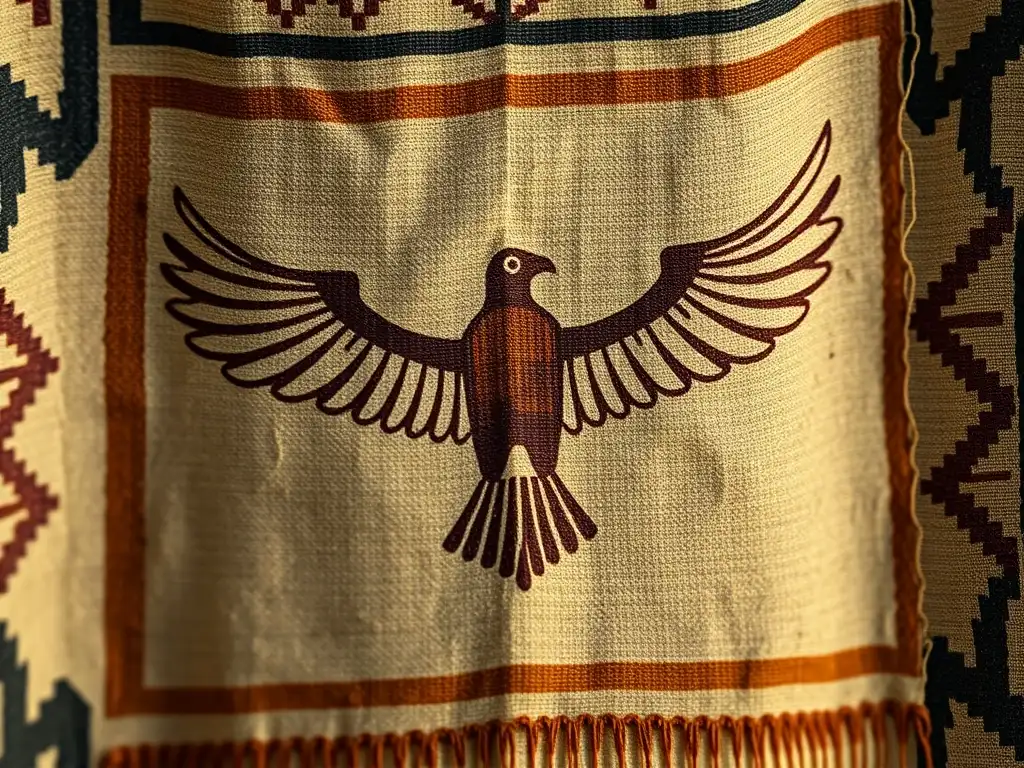
The Andean region's diverse artistic expressions, ranging from monumental architecture to intricately crafted textiles, reveal a sophisticated understanding of scale and its symbolic power. Analyzing Andean art scale symbolism requires moving beyond a simple consideration of size; it necessitates understanding the intricate interplay between scale, the artwork's context, and the intended meaning. Size wasn't just a matter of practicality; it was a deliberate choice laden with cultural and religious significance.
Giant sculptures, for example, often served to reinforce the power of a deity or ruler, while smaller, more intimate objects held personal or ritualistic importance. The scale of an artwork, therefore, directly influenced its function and its interpretation within the broader Andean worldview. This nuanced approach allows us to appreciate the depth and complexity of Andean artistic communication.
How the Location of Art Affects the Interpretation of Scale
The location of an artwork dramatically impacts the viewer's perception of its scale and, consequently, its meaning. A colossal stone head discovered high in the Andes, for instance, takes on a different symbolic weight than a similar-sized piece found in a valley settlement. The sheer inaccessibility of the high-altitude location could amplify the perceived power and divinity associated with the sculpture.
The monumental scale, combined with the challenging environment, might suggest a connection to the celestial realm or the power of nature itself. Conversely, a smaller artifact discovered within a domestic setting might represent a more personal or familial significance, perhaps a ritual object used in daily life or a symbol of lineage.
The context – the environmental setting and the social function of the artwork's location – is crucial to understanding how its scale contributes to its overall symbolic meaning. Data on the specific locations of various Andean artifacts and their corresponding sizes is still being collected and analyzed, revealing increasingly sophisticated understandings of this complex relationship.
The Relationship Between Scale and Materials in Andean Artistic Expression
The choice of materials profoundly affected the achievable scale of Andean art and, in turn, its symbolic implications. The use of massive stone blocks for monumental architecture, for example, inherently limited the size and shape of the structures, influencing the overall design and conveying a sense of permanence and power. The sheer effort required to quarry, transport, and assemble such enormous stones served as a potent statement of collective strength and organizational capacity, further reinforcing the symbolic weight of the structures.
In contrast, the use of smaller, more readily available materials like clay, textiles, or precious metals allowed for greater artistic flexibility and a wider range of scales. Smaller scale items, such as intricately woven textiles or meticulously crafted gold ornaments, often held significant personal or ceremonial value, representing intricate narratives or symbolic representations.
The relationship between scale, material, and meaning is a crucial aspect of comprehending Andean artistic expression. Further research into the specific material properties and the associated labor involved in creating different sized works of Andean art could shed more light on this important area.
Scale and the Viewer's Perspective: Creating Impact and Awe
Andean artists masterfully manipulated scale to create specific emotional responses in the viewer. Monumental structures like Machu Picchu, with its imposing terraces and strategically placed buildings, were designed to evoke feelings of awe and reverence. The sheer scale of the architecture, coupled with its breathtaking setting, served to emphasize the power and sophistication of the Inca civilization.
In contrast, smaller, more intimate objects, like miniature ceramic figurines or intricately carved bone tools, could have been designed to inspire a sense of wonder or personal connection. The careful consideration of the viewer's perspective is evident in the positioning and arrangement of Andean art, demonstrating a deep understanding of how scale influences emotional impact.
[Specific examples of Andean art pieces and their intended impact on the viewer pending]. The strategic use of scale for emotional effect is a testament to the artists' understanding of visual psychology and their ability to manipulate the viewer's experience.
Contemporary Interpretations of Scale Symbolism in Andean Art
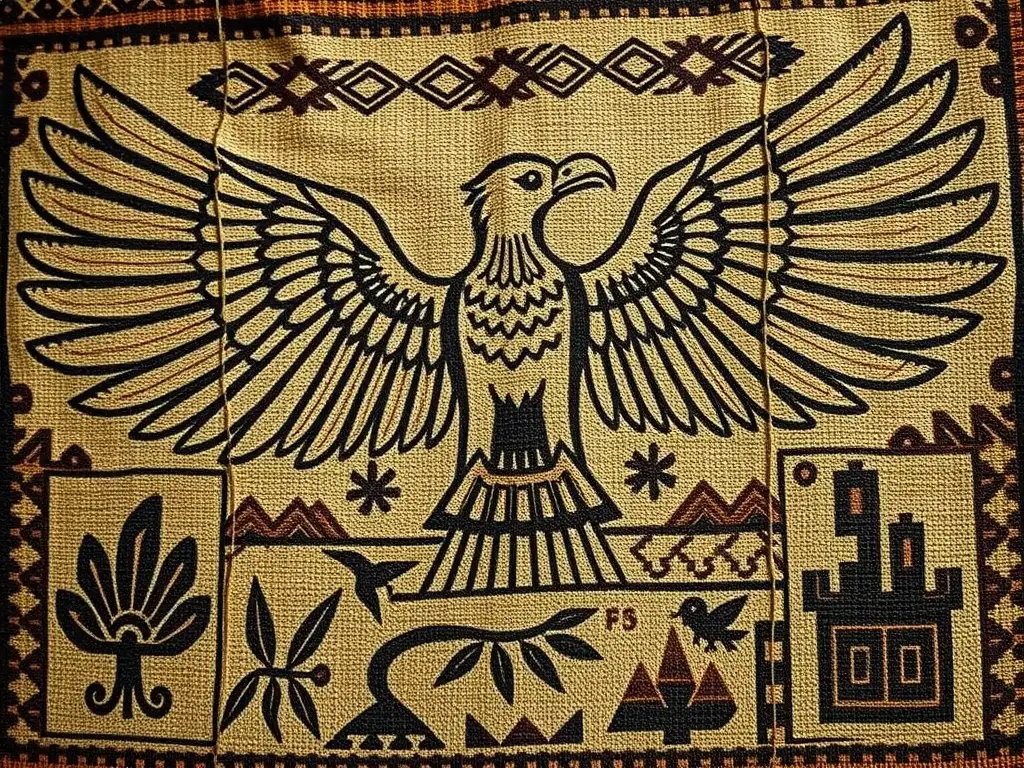
Contemporary scholarship offers diverse interpretations of scale in Andean art, moving beyond simplistic notions of size equating directly to power or importance. While monumental structures like Machu Picchu undeniably convey grandeur and imperial might, a nuanced understanding requires examining the context of each artifact and its intended audience. The relative scale of figures within a textile, for instance, can indicate social hierarchy, but also narrative importance or spiritual significance.
A small, meticulously rendered deity might hold more power than a larger, less detailed representation of a ruler. This highlights the complexity of Andean artistic communication, where size is but one element within a broader system of symbolic representation. The interplay of scale with other visual cues – color, material, iconography – provides a richer tapestry of meaning.
Further research is needed to fully understand the subtle variations in scale employed across different Andean cultures and time periods. For example, the use of scale in Moche pottery, compared to the scale used in Nazca textiles, reveals fascinating cultural differences in artistic conventions and symbolic systems. Careful comparative analysis across different media and cultures is crucial for a comprehensive interpretation of Andean art's use of scale.
Modern Perspectives on Andean Art Dimensions and Symbolism
Modern perspectives on Andean art dimensions and symbolism emphasize the interconnectedness of scale with other visual elements. Size isn't a standalone indicator; it's integrated within a complex system of representation. Scholars now analyze scale in relation to:
- Materiality: The material used (e.g., gold, silver, stone, textiles) influences the perceived value and significance of the artwork, regardless of its size. A small gold object, for example, might hold more symbolic weight than a large clay one.
- Iconography: The specific imagery depicted alongside variations in scale further enriches the meaning. A small, detailed representation of a deity might be more significant than a larger, less detailed depiction of a human figure.
- Context of Discovery: The location where an artifact was found—a temple, a tomb, a domestic setting—significantly impacts the interpretation of its scale and symbolic meaning. A large sculpture found in a temple might represent a powerful deity, while a smaller one found in a home might represent a household god.
- Cultural Context: Understanding the specific cultural and historical context of the artwork is paramount. This includes considering the beliefs, rituals, and social structures of the Andean society that created it.
The ongoing investigation into Andean art is constantly refining our understanding of the relationship between scale and meaning. New discoveries and advanced analytical techniques continue to shed light on the sophisticated artistic language of these ancient cultures. The multi-faceted nature of Andean art's scale symbolism demands a holistic approach, integrating archaeological, anthropological, and art historical perspectives.
The Enduring Significance of Scale in Understanding Andean Worldviews
The study of scale in Andean art offers invaluable insights into the worldview and cosmology of these ancient civilizations. The relative sizes of figures and objects within a given artwork often reflect hierarchical relationships within their society and their understanding of the cosmos. Monumental architecture, for example, not only served practical purposes but also served as powerful statements of political and religious authority, reflecting a hierarchical social structure and a belief in the power of the elite to interact with the divine.
Smaller, more intimate objects, such as miniature figurines or intricately woven textiles, offer glimpses into daily life and personal beliefs, revealing a complex interplay between the macrocosm and the microcosm. The careful consideration of scale allows us to unravel the intricate layers of meaning embedded within Andean art, revealing a profound understanding of the cosmos and the human place within it. The use of scale in Andean art is not merely aesthetic; it's a fundamental aspect of their symbolic language, allowing us to better understand their worldview, social structures, and spiritual beliefs.
By examining the interplay between size and symbolic meaning, we gain a deeper appreciation for the sophistication and complexity of Andean art and its enduring legacy. Further research focusing on specific Andean artistic traditions and their unique uses of scale promises to even further enrich our understanding of Andean art and culture.
Conclusion: The Enduring Legacy of Scale in Andean Art
The deliberate manipulation of scale in Andean art wasn't merely a stylistic choice; it served as a powerful tool for communicating complex social, religious, and political messages. From the monumental architecture of the Inca empire to the meticulously crafted miniature figurines of the Moche culture, the size of an artifact profoundly impacted its meaning and interpretation. This intentional use of scale underscores the sophisticated understanding of visual communication held by Andean artists and underscores the importance of considering dimensions when analyzing Andean art.
Understanding this intentional manipulation of size allows for a richer, more nuanced appreciation of the cultural context surrounding these pieces. The enduring legacy of this practice continues to fascinate and inspire researchers today, prompting further investigation into the intricate relationship between size and meaning in Andean visual culture.
Summarizing the Importance of Scale in Andean Visual Culture
The significance of scale in Andean art can be summarized across several key aspects. Firstly, size often reflected social status. Larger representations, whether in pottery, textiles, or monumental structures, frequently depicted elite figures, deities, or significant events, emphasizing their power and importance within the society. For instance, colossal statues of rulers or gods served to reinforce their authority and divine legitimacy. Conversely, smaller scale objects might represent commoners or less significant aspects of daily life.
Secondly, scale played a crucial role in religious practices. The immense size of certain structures, such as the monumental platforms at Tiahuanaco, likely served to enhance the spiritual power of the site and create a sense of awe and reverence in participants. Similarly, the carefully considered dimensions of ritual objects, like ceremonial vessels, could have been directly linked to specific rituals and beliefs.
Thirdly, scale was a powerful tool for narrative construction. Through the juxtaposition of figures of varying sizes, Andean artists could create complex narratives that conveyed social hierarchies, power dynamics, and mythological stories. The relative sizes of figures within a scene could dramatically alter the interpretation of the events depicted. This is particularly evident in the intricate textiles and ceramics where smaller figures might represent subservient roles or secondary events within a broader narrative.
Finally, the consistent use of specific scales across different media suggests a standardized system of symbolic representation. This points to a highly developed understanding of visual communication and the deliberate use of scale as a semiotic code within Andean societies. Further research is needed to fully decipher this code and unlock the full potential of Andean art scale symbolism.
Further Research and Exploration of Andean Art Scale Symbolism
While considerable progress has been made in understanding the significance of scale in Andean art, much remains to be explored. Future research should focus on several key areas. Firstly, a more comprehensive comparative analysis across different Andean cultures is needed. While individual studies have examined scale in specific cultures (like the Inca or Moche), a broader comparative framework could reveal common patterns and variations in the use of scale across different regions and time periods. This would allow for a more nuanced understanding of the evolution and diffusion of these symbolic practices.
Secondly, further investigation into the technical aspects of art production is crucial. Understanding the tools and techniques used to create artifacts of different scales could provide insights into the intentions and processes behind the choices made by Andean artists. For example, the challenges involved in creating monumental sculptures compared to miniature figurines likely influenced the symbolic meaning associated with each scale.
Thirdly, interdisciplinary approaches are essential. Collaboration between art historians, archaeologists, anthropologists, and other specialists can provide a more comprehensive understanding of the cultural context surrounding the use of scale in Andean art. Integrating archaeological findings with art historical analyses can shed light on the social, religious, and political factors that influenced the use of scale in specific contexts.
The potential to uncover further insights into the nuanced meanings embedded within Andean art through a collaborative approach is significant and should be pursued vigorously. The ongoing exploration of Andean art scale symbolism promises to reveal even more about the rich and complex world of Andean civilizations.
Frequently Asked Questions
What is the significance of scale in Andean art?
The scale of objects in Andean art is not arbitrary; it carries symbolic meaning. Larger figures often represent greater power or importance, while smaller ones may symbolize subservience or lesser deities. Size directly relates to social status and spiritual power.
How did the Incas use scale in their art?
Inca art utilized scale to emphasize the divine authority of the Sapa Inca. Monumental architecture and large-scale depictions of the ruler reinforce his power and connection to the gods. Smaller figures surrounding him highlight their subordinate roles.
What role does scale play in representing deities in Andean art?
Scale often reflects the relative power and importance of different deities. Major gods are typically depicted on a larger scale than lesser deities or spirits. This visual hierarchy reinforces their place within the Andean cosmology.
Are there examples of scale symbolism in Nazca art?
Yes, the Nazca lines themselves, though not strictly "art" in the traditional sense, demonstrate scale symbolism through their immense size. This monumental scale suggests a connection to the cosmic order and the power of the earth.
How does understanding scale enhance our appreciation of Andean art?
Recognizing the symbolic use of scale allows for a deeper understanding of Andean art. It reveals the complex social, political, and religious ideas embedded within the artwork, enriching our interpretation and appreciation of these remarkable creations.
Final Reflection: Echoes of the Andes: Scale and the Enduring Power of Symbolism
The deliberate manipulation of scale in Andean art isn't merely an aesthetic choice; it's a powerful tool that continues to resonate with us today, revealing profound insights into the worldview and spiritual beliefs of ancient Andean cultures. Understanding these symbolic dimensions allows us to connect with a rich history and appreciate the enduring legacy of a civilization that profoundly shaped the landscape and culture of South America.
The impact of Andean art's scale-based symbolism extends far beyond the museum walls; it permeates our understanding of power dynamics, spiritual beliefs, and the relationship between humanity and the cosmos. The deliberate exaggeration or minimization of figures and objects speaks volumes about the Andean worldview, reflecting a complex cosmology where the human realm intersects with the divine and the natural world. Art is not what you see, but what you make others see.
– Edgar Degas. This quote, while not directly about Andean art, perfectly captures the power of artistic interpretation and the way scale manipulates our perception, ultimately shaping our understanding of the represented subject.
Consider the implications of these findings in your own life. How do you perceive scale and proportion in the art and objects that surround you? What stories do they tell? I invite you to look beyond the surface of art, to delve into the symbolic language embedded within its dimensions, and to discover the profound narratives waiting to be unearthed. By engaging with the subtle yet powerful messages encoded in Andean art, we can cultivate a deeper appreciation for the diverse ways in which humans express their understanding of the world and their place within it.
Unveil the Depths of Andean Art: Take Action Now!
Thank you for exploring the rich symbolism and significance of scale in Andean art! Your interest demonstrates a deep understanding of the profound narratives woven into each piece. Let's build on this knowledge and further explore this vibrant culture.
Here are some ways you can continue your journey:
- Visit a local museum or gallery showcasing Andean art to experience these symbolic dimensions firsthand. Sharing this experience with friends will enhance the cultural exploration.
- Join an online community dedicated to Andean civilizations and share your insights on the meanings you've discovered. Connecting with fellow enthusiasts will enrich your understanding.
- Create your own artwork inspired by Andean styles, expressing your interpretation of scale. Sharing your creation on social media using #AndeanArtChallenge will connect you with a wider community.
What aspect of Andean art resonates most with you, and how will you integrate it into your own creative endeavors?