
The Cultural Crossroads: How the Spanish Conquest Led to a Fusion of Cultures

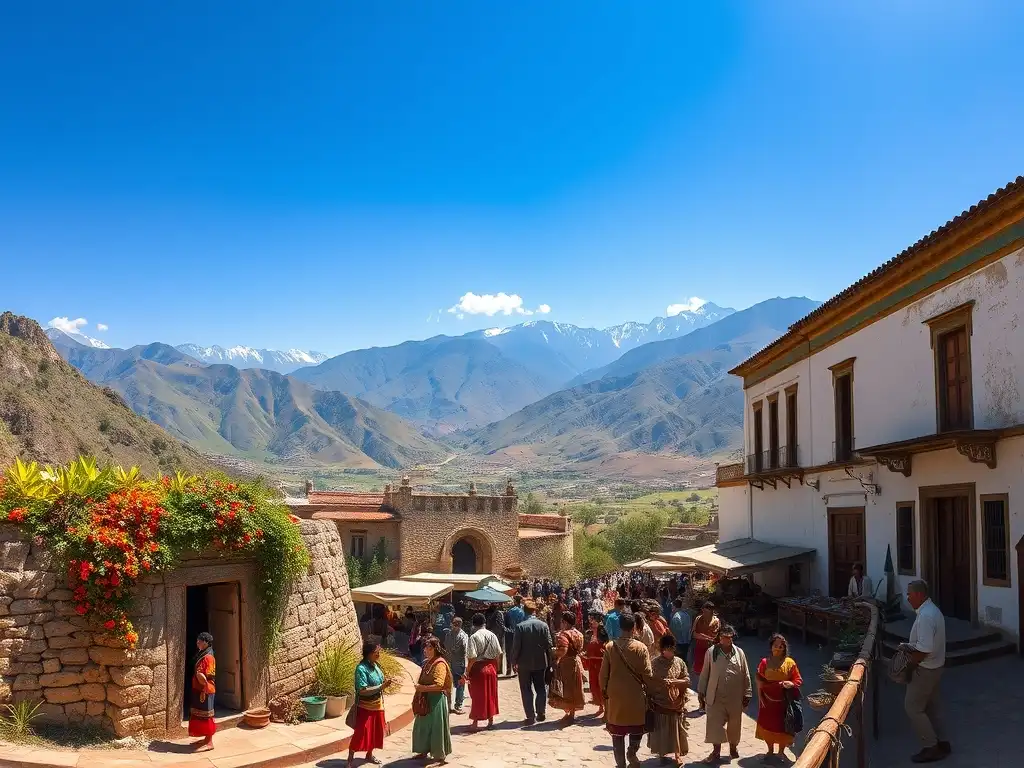
Step into a world lost to time, yet echoing through the ages. Imagine a tapestry woven from the threads of vibrant Andean cultures – the Incas, Moche, Nazca, and Tiahuanaco – suddenly disrupted by the arrival of the Spanish. The Spanish Conquest Andean cultural fusion wasn't simply a clash; it was a crucible, forging a new identity from the ashes of empires.
Discover the surprising and often heartbreaking legacy of this transformative period – a story of resilience, adaptation, and the enduring power of cultural exchange. Explore the fascinating details and unravel the mysteries of this pivotal moment in history.
The Spanish conquest of the Andes, beginning in the early 16th century, marked a profound turning point not only in the political landscape of South America but also in its cultural fabric. This wasn't simply a violent overthrow of existing power structures; it was a complex process of interaction, adaptation, and ultimately, fusion, resulting in a unique cultural blend that persists to this day.
This article explores the intricate ways in which the pre-Columbian Andean world collided with Spanish colonialism, leading to a lasting and multifaceted cultural exchange—a process often overlooked amidst the narratives of conquest and oppression. We will examine the vibrant tapestry of indigenous Andean cultures before the arrival of the Spanish, analyze the initial shock of the conquest, and delve into the subsequent synthesis of traditions, beliefs, and practices that shaped the Andean identity we know today.
Understanding this complex interplay is crucial to appreciating the rich and layered heritage of the Andean region. The keyword, "Spanish Conquest Andean cultural fusion," encapsulates this very process of transformation and enduring legacy.
The Pre-Conquest Andean World: A Tapestry of Indigenous Cultures
Before the arrival of the Spanish, the Andes were home to a diverse array of sophisticated civilizations, each with its own unique cultural expressions. From the intricate textiles of the Nazca to the monumental architecture of the Tiahuanaco and the highly organized Inca Empire, the Andean region boasted a remarkable level of cultural complexity. These societies developed advanced agricultural techniques, sophisticated astronomical knowledge, and intricate systems of social organization.
Their artistic achievements, reflected in pottery, metalwork, and textiles, reveal a deep understanding of their environment and a profound spiritual worldview. The Inca Empire, for example, had a highly centralized political system that unified a vast territory, while other groups, like the Moche, developed distinct artistic styles and religious practices.
This diversity, however, did not preclude interaction and exchange; there was significant cultural contact and exchange between different Andean groups before the arrival of Europeans. The arrival of the Spanish would irrevocably alter this intricate balance.
The Arrival of the Spanish: A Clash of Civilizations
The Spanish conquest was not a swift and decisive victory but a protracted process involving military campaigns, disease, and cultural disruption. The initial encounter between the Spanish conquistadors and the indigenous populations was marked by both conflict and collaboration. While the Spanish possessed superior weaponry and military tactics, the indigenous populations were not passive victims.
They fiercely resisted the invaders, employing guerilla warfare and leveraging their knowledge of the terrain. However, the introduction of European diseases, such as smallpox and measles, had a devastating impact on the indigenous population, weakening their resistance and dramatically altering the demographic landscape. This initial clash of civilizations set the stage for the subsequent cultural fusion, a process characterized by both the imposition of Spanish culture and the tenacious resilience of indigenous traditions.
The subsequent centuries witnessed a complex interplay of dominance, resistance, and adaptation, resulting in a new cultural synthesis. The impact of the Spanish conquest on the Andean world is a story of both destruction and creation, a complex narrative that requires careful examination to fully understand its lasting consequences.
Initial Encounters and the Imposition of Spanish Rule
The initial encounters between the Spanish conquistadors and the diverse Andean societies were marked by a complex interplay of conquest, resistance, and adaptation. The arrival of Pizarro in 1532, for example, capitalized on internal conflicts within the Inca Empire, exploiting existing power struggles to facilitate their takeover. This wasn't a uniform process, however. Different Andean groups responded in diverse ways, some offering fierce resistance while others attempted negotiation or accommodation.
The subsequent imposition of Spanish rule involved the dismantling of existing political structures and the establishment of a colonial administration based on the Spanish model. This involved the creation of new administrative units, the appointment of Spanish officials, and the imposition of Spanish law and governance. The initial years were characterized by brutal subjugation, with widespread violence and the destruction of many aspects of Andean life.
However, the Spanish were also pragmatic, realizing that complete annihilation of the indigenous population wasn't feasible for effective resource extraction and control. This initial phase laid the groundwork for the long and complex process of cultural fusion that followed. The Spanish Conquest, therefore, wasn't a single event but rather a prolonged process of domination and adaptation, setting the stage for significant cultural transformations.
The Impact of Spanish Colonization on Andean Societies
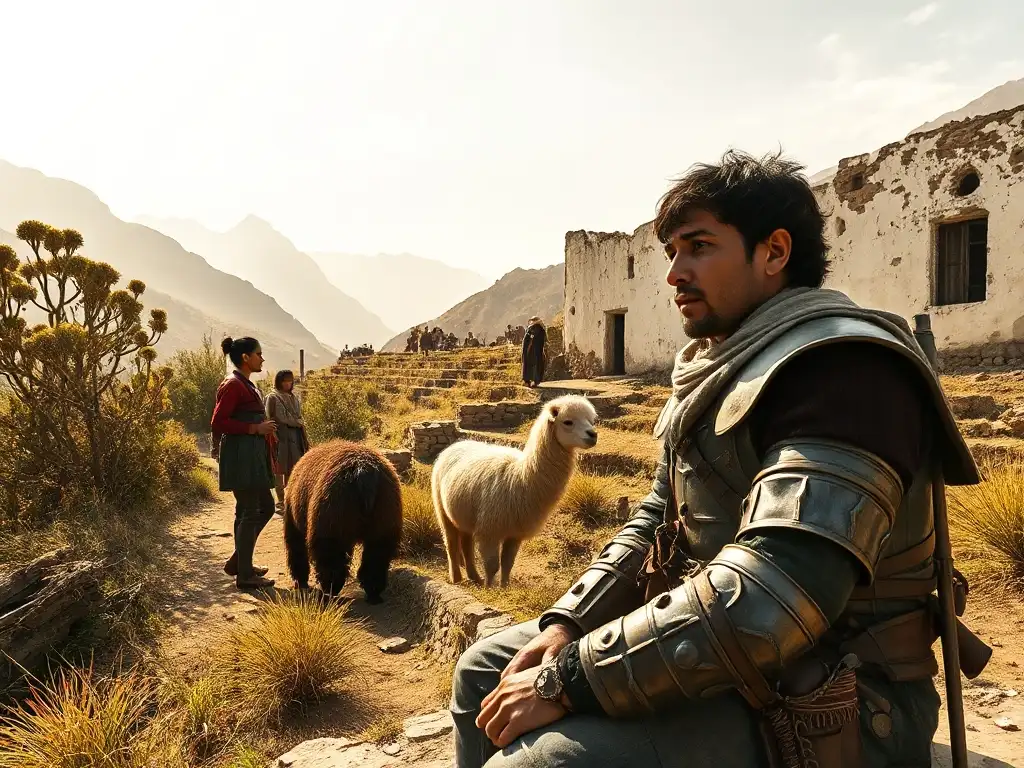
The Spanish colonization of the Andes had a profound and lasting impact on Andean societies, leaving an indelible mark on their social structures, religious beliefs, economic systems, and daily lives. The consequences were multifaceted, ranging from the catastrophic loss of life due to disease and warfare to the gradual erosion of indigenous traditions and the imposition of European cultural norms.
This period witnessed a dramatic shift in power dynamics, with the indigenous population being subjected to a system of forced labor and exploitation that fundamentally altered the social and economic landscape. The Spanish imposed their language, religion, and laws, leading to a complex process of cultural exchange, resistance, and adaptation, resulting in a unique hybrid culture that still shapes the region today.
Understanding this impact requires examining the specific ways in which Spanish colonization affected various aspects of Andean life, from the social fabric to the spiritual beliefs of the people.
Disruption of Traditional Andean Social Structures
The traditional social structures of Andean societies were profoundly disrupted by Spanish colonization. The Inca Empire's highly centralized system, with its intricate network of officials and tribute obligations, was dismantled. The ayllu, the traditional community-based system of social organization, was weakened as land was redistributed and indigenous leaders were replaced by Spanish officials.
This led to the breakdown of established social hierarchies and the creation of new power dynamics, often based on racial and ethnic distinctions. The Spanish system favored a rigid social hierarchy with peninsulares (Spaniards born in Spain) at the top, followed by creoles (Spaniards born in the Americas), mestizos (people of mixed Spanish and indigenous ancestry), and finally, indigenous populations at the bottom.
This new social order fundamentally altered the existing relationships within Andean communities, leading to social stratification and conflict that persists to this day. The disruption of the ayllu system, in particular, had a devastating impact on the social fabric of Andean communities, leading to economic hardship and social instability.
Religious Conversion and the Suppression of Indigenous Beliefs
The Spanish conquest involved a forceful campaign of religious conversion, aimed at replacing indigenous beliefs and practices with Catholicism. The destruction of Andean temples, the suppression of indigenous rituals, and the persecution of religious leaders were common occurrences. While some elements of indigenous spirituality survived, often syncretically blended with Catholic practices, the imposition of Catholicism resulted in a significant loss of traditional knowledge and religious practices.
The introduction of the Catholic faith, with its emphasis on a single God and a hierarchical church structure, directly challenged the complex and diverse spiritual world of the Andes. This religious transformation was not simply a matter of changing religious beliefs; it was intertwined with broader political and social control. The suppression of indigenous religions aimed not only to convert the population but also to undermine the authority of traditional leaders and consolidate Spanish control.
Introduction of New Economic Systems and Labor Practices
The Spanish introduced new economic systems and labor practices that profoundly reshaped the Andean economies. The encomienda system, which granted Spanish conquistadors control over indigenous labor and resources, initially exploited indigenous populations through forced labor in mines, agriculture, and other sectors. Later, the repartimiento system, while ostensibly offering some improvements, still involved coerced labor.
These systems led to the exploitation of indigenous communities and the depletion of natural resources. The introduction of new crops, livestock, and technologies from Europe also altered agricultural practices and land use. While some crops, such as wheat and barley, were adopted, the introduction of livestock often led to conflict over land and resources, further impacting indigenous economies.
This economic transformation, driven by the Spanish pursuit of wealth, had a devastating impact on the Andean environment and indigenous livelihoods, leading to long-term economic inequalities. The legacy of this exploitative system continues to shape economic disparities in the region.
The Emergence of a New Cultural Landscape: Andean Cultural Fusion
The Spanish conquest of the Andes, while a devastating event for the indigenous populations, irrevocably altered the cultural fabric of the region, leading to a complex and fascinating fusion of Andean and European traditions. This process, often described as cultural syncretism, resulted in the emergence of a new cultural landscape that blended indigenous beliefs, practices, and artistic expressions with those introduced by the Spanish. The impact was profound and far-reaching, affecting everything from language and religion to art, architecture, and music.
The blending wasn't a simple overlay; instead, it was a dynamic interaction, with indigenous elements often adapting and reinterpreting Spanish influences, and vice versa, creating something entirely new. This process continues to shape Andean culture to this day, making it a rich tapestry woven from threads of both indigenous and Spanish heritage. Understanding this fusion is key to understanding the modern Andes.
The Blending of Indigenous and Spanish Languages
The arrival of the Spanish brought with it the Spanish language, which gradually became the dominant language in many parts of the Andes. However, the process wasn't a simple replacement. Indigenous languages, such as Quechua and Aymara, persisted and continued to evolve, often incorporating Spanish loanwords and grammatical structures. This resulted in the development of unique creole languages, reflecting the complex linguistic interplay between the two cultures.
For example, Quechua speakers often seamlessly blend Quechua and Spanish words within a single sentence, demonstrating a linguistic flexibility born from this cultural exchange. The persistence of indigenous languages, even in the face of Spanish dominance, highlights the resilience of Andean culture and its ability to adapt and integrate foreign influences. The linguistic landscape of the Andes today is a testament to this enduring fusion.
The Evolution of Andean Art and Architecture Under Spanish Influence
Andean art and architecture underwent a significant transformation following the Spanish conquest. While pre-Columbian styles continued, they were often adapted and combined with European artistic conventions. The introduction of new materials, techniques, and artistic themes resulted in a unique hybrid style. For instance, the imposing cathedrals built in Andean cities often incorporated indigenous building techniques alongside European architectural styles.
Similarly, Andean textiles, renowned for their intricate designs and vibrant colors, began to incorporate European motifs and patterns, creating a fascinating blend of old and new. This fusion is evident in the religious art produced during the colonial period, where indigenous imagery and iconography were often incorporated into Christian religious art. This artistic exchange illustrates how the Spanish conquest didn't simply erase indigenous art but instead fostered a dynamic process of creative adaptation and innovation.
The Transformation of Andean Music and Dance
The Spanish conquest also profoundly impacted Andean music and dance. While traditional Andean musical instruments and dance forms continued, they were often adapted and combined with European musical styles and instruments. The introduction of European instruments, such as the guitar and the violin, enriched the Andean musical palette, leading to the development of new musical genres that blended indigenous rhythms and melodies with European harmonies and structures.
Similarly, traditional Andean dances were often adapted to incorporate European dance steps and movements, resulting in a vibrant and eclectic mix of cultural expressions. The persistence of traditional musical instruments alongside the adoption of European ones reflects the enduring nature of Andean musical traditions and their ability to absorb and integrate external influences. This fusion continues to shape Andean music and dance to this day.
Syncretism in Andean Religious Practices
One of the most significant aspects of cultural fusion in the Andes was the syncretism that occurred in religious practices. Indigenous religious beliefs and practices were often blended with Catholic Christianity, resulting in unique religious expressions that combined elements of both traditions. Indigenous deities were often assimilated into the Catholic pantheon, and traditional Andean rituals were adapted to incorporate Christian elements.
This syncretism is evident in many religious festivals and celebrations, where indigenous and Catholic traditions are interwoven. The Virgin Mary, for example, often became associated with indigenous earth goddesses, reflecting the blending of Andean and European religious beliefs. This religious syncretism demonstrates the remarkable capacity of Andean culture to adapt and integrate external influences while preserving its core values and beliefs.
Examples of Cultural Fusion: Specific Case Studies
The fusion of Andean and Spanish cultures wasn't a uniform process; it manifested differently in various regions and contexts. Examining specific case studies provides a deeper understanding of the complexity and diversity of this cultural exchange.
The Transformation of Cusco: A Case Study in Urban Development
Cusco, the former Inca capital, underwent a dramatic transformation following the Spanish conquest. The Spanish rebuilt the city, imposing a Spanish urban plan on the existing Inca infrastructure. While many Inca structures were destroyed, others were adapted and incorporated into the new Spanish city. This resulted in a unique urban landscape that reflects the overlay of both Inca and Spanish urban planning principles. The integration of Inca stonework into colonial buildings is a striking visual testament to this fusion. Cusco's urban fabric is a tangible representation of the cultural crossroads created by the Spanish conquest.
The Cusco School of Painting: A Reflection of Artistic Fusion
The Cusco School of painting, a distinct artistic style that emerged during the colonial period, exemplifies the fusion of Andean and European artistic traditions. Cusco school paintings often combined European artistic techniques with Andean iconography and stylistic elements, resulting in a unique artistic expression that blended both cultures. The use of vibrant colors, detailed depictions of Andean landscapes, and the incorporation of indigenous figures into religious scenes are hallmarks of this artistic fusion. The Cusco School stands as a powerful symbol of the creative dialogue between Andean and Spanish artistic sensibilities.
The Fiesta de la Virgen del Carmen: A Demonstration of Religious Syncretism
The Fiesta de la Virgen del Carmen, a major religious festival celebrated in many Andean communities, provides a compelling example of religious syncretism. This festival blends Catholic traditions celebrating the Virgin Mary with indigenous Andean rituals and beliefs. The celebration often incorporates traditional Andean music, dance, and food, alongside Catholic religious ceremonies. This fusion of religious practices demonstrates the enduring presence of Andean traditions within the context of Catholic Christianity, highlighting the complex interplay between indigenous and Spanish religious beliefs. The festival is a living testament to the enduring legacy of cultural fusion in the Andes.
The Lasting Legacy of the Spanish Conquest and Cultural Fusion
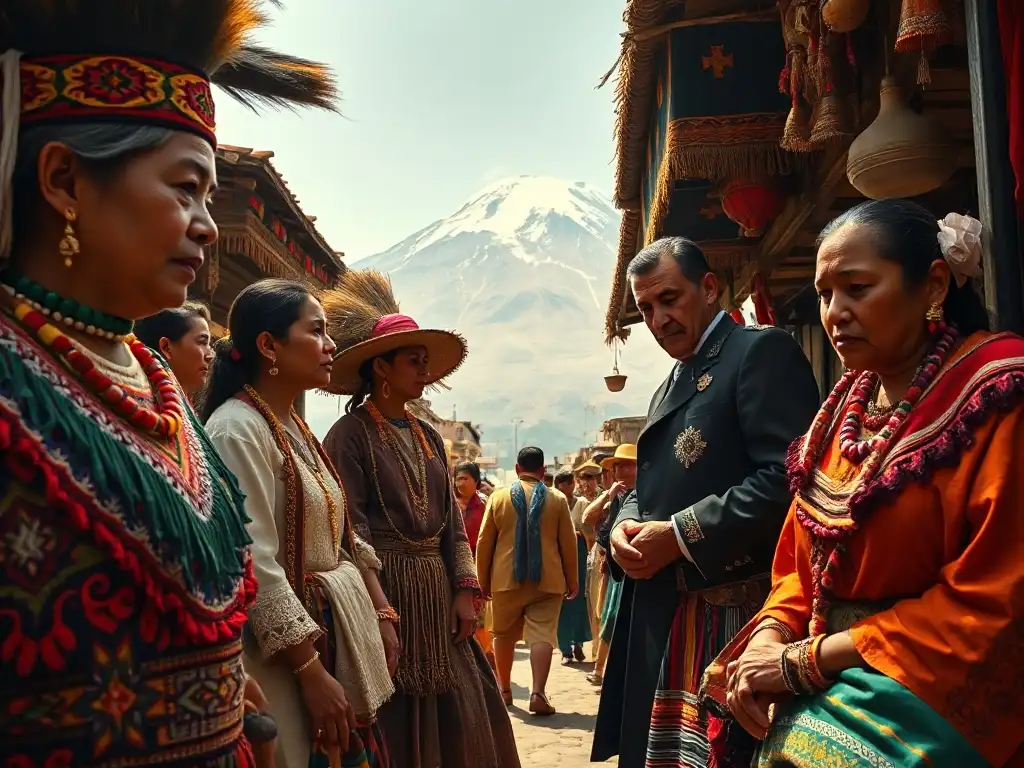
The Spanish conquest of the Andes, while undeniably a devastating event marked by violence and exploitation, also irrevocably altered the cultural landscape, leading to a complex fusion of Indigenous and European traditions. This fusion, far from being a simple overlay of one culture onto another, resulted in a dynamic interplay of influences, creating a unique cultural blend that persists to this day. The introduction of new crops, livestock, and technologies profoundly impacted Andean agriculture and daily life.
For example, the introduction of wheat and cattle significantly altered farming practices and dietary habits, while the use of horses revolutionized transportation and warfare. However, this integration wasn't without its costs. The imposition of Catholicism, often through forceful conversion, led to the suppression of many Indigenous religious practices and beliefs, although syncretism—the blending of religious beliefs and practices—was also a significant outcome, with many Indigenous beliefs and rituals subtly incorporated into Catholic practices.
This intricate weaving of cultures continues to shape the social fabric and cultural expressions of the Andean region. The effects are visible in everything from language and cuisine to art and architecture.
The Continuities and Changes in Andean Culture
Despite the profound impact of the Spanish Conquest, many aspects of Andean culture survived and continue to thrive. Traditional weaving techniques, for example, remain integral to Andean identity, although the materials and designs have evolved over time, incorporating new influences. Similarly, while the Spanish introduced new musical instruments and musical styles, traditional Andean music, with its unique rhythms and instruments, continues to be performed and cherished.
However, the Spanish conquest also led to significant changes in social structures, political systems, and economic activities. The pre-Columbian hierarchical systems were dismantled and replaced with a colonial structure that favored the Spanish elite. This resulted in a profound shift in power dynamics and social stratification, impacting Andean communities for centuries.
Understanding these continuities and changes is crucial to comprehending the complexity of Andean cultural heritage and its ongoing evolution. The resilience of Andean cultures in the face of such profound upheaval is a testament to their enduring strength and adaptability.
The Ongoing Struggle for Indigenous Rights and Recognition
The legacy of the Spanish conquest continues to manifest in the ongoing struggle for Indigenous rights and recognition in the Andes. For centuries, Indigenous communities have faced discrimination, marginalization, and land dispossession. The fight for self-determination, cultural preservation, and land rights remains a central issue in many Andean countries. Indigenous communities actively work to reclaim their ancestral territories, revive traditional practices, and assert their cultural identity in the face of persistent challenges. This struggle involves advocating for legal reforms, promoting Indigenous languages and education, and challenging historical narratives that often minimize or distort the contributions of Indigenous peoples. The fight for recognition is not merely a political struggle but a deeply cultural one, rooted in the desire to preserve a unique heritage and ensure its continuity for future generations. The continued advocacy highlights the enduring impact of the colonial past and the ongoing need for social justice and cultural recognition.
Understanding the Complexities of Andean Cultural Heritage
Understanding Andean cultural heritage requires acknowledging its complexity and multifaceted nature. The Spanish conquest did not simply erase or replace Indigenous cultures; it fostered a complex process of cultural exchange and adaptation. The resulting cultural fusion is not a monolithic entity but a tapestry woven from diverse threads, reflecting the unique histories and experiences of various Andean communities. Each region and ethnic group experienced the conquest and its aftermath in different ways, leading to a rich diversity of cultural expressions.
This diversity is reflected in the variations in language, dress, cuisine, and artistic traditions across the Andes. To fully appreciate the richness of Andean cultural heritage, it's essential to move beyond simplistic narratives of conquest and colonization and embrace the complexities of cultural interaction and adaptation. A nuanced understanding must consider the resilience, adaptability, and agency of Indigenous communities in shaping their own destinies.
The Importance of Preserving Indigenous Knowledge and Traditions
The preservation of Indigenous knowledge and traditions is crucial for maintaining the cultural richness and diversity of the Andes. Indigenous communities possess a wealth of knowledge related to agriculture, medicine, environmental management, and spiritual practices that have been passed down through generations. This knowledge is not only valuable in its own right but also holds potential benefits for sustainable development and environmental conservation.
Efforts to preserve this knowledge are underway, often involving initiatives to document traditional practices, establish community-based museums, and promote Indigenous languages and education. These initiatives are not merely about preserving the past but also about empowering Indigenous communities to participate actively in shaping their future, utilizing their ancestral wisdom to address contemporary challenges. The preservation of this knowledge is essential not just for the Andean region but also for the global community, offering valuable lessons in sustainable living and cultural resilience.
Acknowledging the Dual Heritage of the Andes
The Andes today represent a space of dual heritage, a testament to the enduring legacy of both Indigenous and Spanish cultures. This dual heritage is not a simple dichotomy but a complex interplay of traditions, beliefs, and practices. The fusion of Indigenous and European influences is evident in various aspects of Andean life, from the blending of culinary traditions to the syncretism of religious beliefs.
Acknowledging this dual heritage requires a nuanced understanding of the historical processes that shaped the region, recognizing both the devastating impact of colonization and the remarkable resilience and adaptability of Andean communities. This acknowledgement is crucial for fostering a more inclusive and equitable society that celebrates the richness and diversity of its cultural heritage.
It is essential to move beyond narratives that position these heritages in opposition and instead embrace the dynamism and complexity of their interwoven relationship. This understanding fosters respect for the diverse identities and experiences that constitute the vibrant cultural landscape of the Andes.
Conclusion: The Enduring Impact of the Spanish Conquest on Andean Culture
The Spanish conquest of the Andes was a watershed moment, irrevocably altering the course of Andean civilization. While the destruction and disruption caused by the conquistadors are undeniable—the decimation of populations, the suppression of indigenous religions and practices, and the imposition of a new political and economic system—the impact of the conquest extended far beyond simple subjugation.
It resulted in a complex and enduring fusion of cultures, a process that continues to shape Andean societies today. The blending of Spanish and indigenous traditions created a new cultural landscape, a synthesis of beliefs, practices, and artistic expressions that is uniquely Andean.
The imposition of Catholicism, for instance, didn't entirely eradicate indigenous religious beliefs. Instead, a syncretism emerged, with indigenous deities and practices often subtly incorporated into Catholic rituals and celebrations. This syncretism is visible in many aspects of Andean life, from the veneration of certain saints who are seen as embodying indigenous spiritual figures to the continued practice of ancestral rituals alongside Catholic masses. This complex interplay of belief systems highlights the resilience of indigenous cultures and their ability to adapt and integrate new influences.
Similarly, the introduction of Spanish language and artistic styles didn't lead to the complete disappearance of Quechua and Aymara languages and artistic traditions. Rather, a vibrant hybridity developed, with indigenous languages continuing to be spoken widely and influencing Spanish itself. Andean artistic traditions, such as textile weaving and pottery, also adapted to incorporate Spanish influences, resulting in unique and hybrid forms of artistic expression that reflect the fusion of cultures. This fusion is not simply a matter of overlaying one culture onto another; it's a dynamic process of interaction, adaptation, and transformation.
The legacy of the Spanish conquest is therefore multifaceted and complex. It is a story not only of destruction and oppression, but also of adaptation, resilience, and the creation of a new, hybrid culture. Understanding this cultural fusion is crucial to comprehending the richness and complexity of contemporary Andean societies.
The enduring impact of the Spanish Conquest on Andean culture is a testament to the dynamism of cultural exchange and the capacity of indigenous societies to adapt and survive in the face of immense challenges. The "Spanish Conquest Andean cultural fusion" is not a simple narrative of dominance and erasure, but a far more nuanced story of survival, adaptation, and the creation of a new, vibrant cultural identity. The effects are still felt today, shaping the very fabric of Andean life.
- The Pre-Conquest Andean World: A Tapestry of Indigenous Cultures
- The Arrival of the Spanish: A Clash of Civilizations
- Initial Encounters and the Imposition of Spanish Rule
- The Impact of Spanish Colonization on Andean Societies
- The Emergence of a New Cultural Landscape: Andean Cultural Fusion
- Examples of Cultural Fusion: Specific Case Studies
- The Lasting Legacy of the Spanish Conquest and Cultural Fusion
- Understanding the Complexities of Andean Cultural Heritage
- Conclusion: The Enduring Impact of the Spanish Conquest on Andean Culture
- What was the most significant impact of the Spanish Conquest on Andean cultures?
- How did the Spanish Conquest affect Andean art and architecture?
- What role did religion play in the cultural fusion following the Spanish Conquest?
- How did the Spanish Conquest influence Andean agriculture and technology?
- What lasting effects of the "Spanish Conquest Andean cultural fusion" remain today?
Frequently Asked Questions
What was the most significant impact of the Spanish Conquest on Andean cultures?
The most significant impact was the forced fusion of Indigenous Andean and Spanish cultures. This resulted in a complex blend of traditions, beliefs, and practices that persists to this day, significantly altering the social, religious, and economic fabric of the region. This process involved both resistance and adaptation.
How did the Spanish Conquest affect Andean art and architecture?
The Conquest led to a syncretism in Andean art, blending indigenous styles with European aesthetics. New architectural forms emerged, combining Spanish techniques with Inca building materials and designs. This resulted in unique hybrid styles reflecting the cultural clash.
What role did religion play in the cultural fusion following the Spanish Conquest?
The imposition of Catholicism led to a complex interplay between Indigenous beliefs and Christian practices. Many Andean religious rituals and traditions were subtly integrated into the new religious framework, creating a unique syncretic religious landscape. This is evident in numerous surviving practices.
How did the Spanish Conquest influence Andean agriculture and technology?
The Spanish introduced new crops and agricultural techniques, leading to both positive and negative consequences. While some new crops thrived, traditional Andean agricultural practices were often disrupted, leading to changes in land use and food production. New technologies were also introduced, such as livestock and metalworking techniques.
What lasting effects of the "Spanish Conquest Andean cultural fusion" remain today?
The impact of the Spanish Conquest is still evident in modern Andean societies. The linguistic landscape, religious practices, artistic styles, and even culinary traditions all reflect this enduring cultural fusion. This complex legacy continues to shape the identity and culture of the Andean region.
Final Reflection: Echoes of Conquest, Harmonies of Culture
The legacy of the Spanish Conquest in the Andes continues to resonate today, shaping not only the region's cultural landscape but also our understanding of globalization and cultural exchange. The impact of this historical event transcends mere political dominance; it represents a complex interplay of power, resistance, and ultimately, a profound and enduring fusion of disparate worlds. This fusion, while born from violence and oppression, has resulted in a vibrant and unique cultural tapestry that continues to evolve.
The enduring influence of the Spanish Conquest on Andean culture is undeniable, a constant reminder of the transformative power of intercultural contact, even when that contact is fraught with conflict. The blending of indigenous traditions with European customs created a new syncretic identity, one that is both a testament to resilience and a reflection of the enduring human capacity for adaptation. Culture is not inherited; it is learned, and it is learned through participation.
This quote highlights the active role Andean communities played, and continue to play, in shaping their own cultural destinies, even within the context of imposed change.
Consider the enduring impact of this historical process on your own life. How have you witnessed the blending of cultures in your own community? What can we learn from the Andean experience about navigating the complexities of cultural exchange and building bridges across differences? Let the echoes of the Spanish Conquest inspire you to appreciate the richness of cultural fusion and to actively participate in creating a more inclusive and understanding world. Embrace the ongoing dialogue between cultures, for it is in this dialogue that we find both our past and our future.
Embrace the Fusion: Take Your Next Step Toward Cultural Exploration!
Thank you for exploring the rich tapestry of cultures shaped by the Spanish conquest of South America! Your interest highlights the extraordinary blend of traditions and influences that emerged, a testament to the power of cultural exchange. Let's build on that curiosity by taking meaningful steps to connect with this vibrant heritage.
- Visit local museums showcasing pre-Columbian Andean artifacts; immerse yourself in the art and stories of these fascinating cultures.
- Participate in a community event or workshop that celebrates Andean traditions—experience firsthand the music, dance, or culinary arts of the region.
- Share your newfound knowledge with friends and family, or spark a conversation about cultural fusion on social media.
What aspect of Andean culture are you most eager to learn more about, and how do you think it might enrich your understanding of the world today?