
The Color Code: How Andean Dyes Conveyed Meaning and Identity

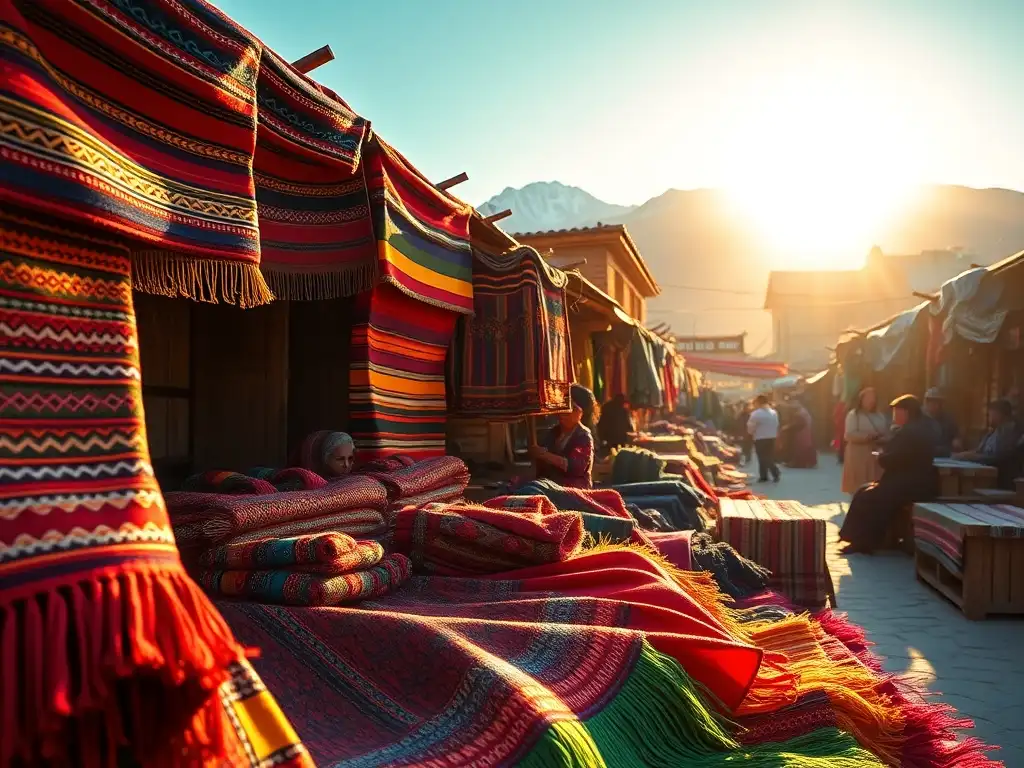
Dive into a world lost in time, yet vibrantly alive in its legacy. For centuries, the Andean civilizations wove not just textiles, but stories—stories encoded in the very colors of their threads. Discover the secrets hidden within the mesmerizing hues of Andean textiles dye symbolism, a language of power, spirituality, and identity that continues to fascinate and inspire. Unravel the mysteries behind these ancient dyes and unlock the vibrant tapestry of Andean artistry. Explore further to uncover the rich meaning behind every shade.
The vibrant textiles of the Andean civilizations, from the intricate weavings of the Inca to the striking designs of the Nazca, are far more than just aesthetically pleasing objects. They represent a sophisticated system of communication, where color played a crucial role in conveying social status, religious beliefs, and even political power.
This article delves into the fascinating world of Andean textile dye symbolism, exploring the rich palette of natural dyes used, their origins, and the profound meanings associated with specific colors. We'll uncover how the careful selection and application of dyes served as a powerful form of visual storytelling, reflecting the complex social and cultural fabric of these ancient societies.
Understanding the color code embedded within Andean textiles provides invaluable insight into the worldview and identity of these remarkable civilizations. This exploration of "Andean textiles dye symbolism" will reveal the intricate relationship between color, meaning, and identity in the Andean world.
Introduction to Andean Textile Dye Symbolism
Andean textile production wasn't merely a craft; it was a deeply symbolic practice interwoven with religious beliefs, social structures, and political power. The colors used in the textiles weren't randomly chosen; they carried specific meanings, often varying across different cultures and time periods. For example, red, frequently obtained from cochineal insects, could signify royalty and power among the Inca, while other cultures might associate it with fertility or blood sacrifice.
Similarly, the intricate patterns and the combinations of colors further enriched the narrative embedded within the fabric. Analyzing these visual codes provides a window into the rich tapestry of Andean thought and society, allowing us to interpret the messages woven into these remarkable artifacts.
The careful study of Andean textiles reveals a sophisticated understanding of color symbolism that continues to fascinate and inspire researchers today. The precision and artistry involved underscore the high social standing of textile production and its practitioners within Andean societies.
The Rich Palette of Andean Dyes: Natural Sources
The remarkable range of colors found in Andean textiles is a testament to the ingenuity and resourcefulness of the Andean people. Unlike many cultures that relied on imported or synthetic dyes, the Andean civilizations harnessed the resources available in their diverse environment, creating a vibrant palette from natural sources.
This rich palette, derived primarily from plants, minerals, and insects, speaks to a deep understanding of their environment and a masterful ability to extract and utilize the color-producing properties of these materials. The development and refinement of these techniques over centuries resulted in a consistent and remarkable quality in their textiles.
Plant-Based Dyes: Colors from Flora
A wide variety of plants provided the foundation for Andean textile dyes. Different species yielded different shades, from the deep blues of indigo to the earthy browns and yellows derived from various barks, roots, and flowers. [Specific plant species and the colors they produced are pending].
The precise methods of dye extraction and application varied depending on the desired color and the specific plant material used, demonstrating a high level of technical expertise. The knowledge of these techniques was often passed down through generations, maintaining a continuity of practice and tradition. The use of plant-based dyes speaks to a sustainable approach to textile production, utilizing readily available resources and minimizing environmental impact.
Mineral Pigments: Earth's Contribution to Andean Colors
In addition to plant-based dyes, Andean artisans also utilized mineral pigments to achieve a wider range of colors and effects. These pigments, derived from various rocks and minerals, often produced vibrant and long-lasting colors. [Specific mineral sources and the colors they produced are pending]. The use of mineral pigments added another layer of complexity to the Andean color palette, allowing for greater variation and nuance in the textiles. These minerals often imparted a unique luminosity and depth to the colors, contributing to the overall richness and beauty of the finished product.
Animal-Derived Dyes: Cochineal and Beyond
While plants and minerals formed the bulk of the Andean dye palette, animal sources also played a significant role. Perhaps the most famous example is cochineal, a scale insect that produces a brilliant crimson dye. Cochineal was highly valued and often associated with royalty and power, particularly within the Inca empire.
[Information on other animal-derived dyes and their symbolism is pending]. The use of animal-derived dyes further highlights the comprehensive approach of Andean civilizations in harnessing the resources available to them, creating a truly unique and expressive textile tradition. The rarity of some animal-derived dyes also contributed to their symbolic significance.
The Significance of Color in Andean Textiles
The vibrant hues of Andean textiles weren't merely decorative; they carried profound social, religious, and regional meanings. Understanding the symbolism embedded within these colors provides crucial insight into the complex societies that created them. The careful selection and application of dyes reflected a sophisticated understanding of color's power to communicate status, belief, and origin. This wasn't a haphazard process; the choice of color was deliberate, reflecting a deep-seated cultural understanding.
From the imperial purple of Inca royalty to the earthy tones of everyday garments, each shade held a specific connotation, contributing to the rich tapestry of Andean life. The intricate interplay of colors within a single textile often communicated multiple layers of meaning, requiring careful study to fully decipher their significance. This deliberate use of color showcases the advanced level of symbolic thinking present in Andean cultures.
Color as a Marker of Social Status
In many Andean societies, color served as a potent indicator of social standing. For instance, the Inca elite frequently wore garments dyed with deep purples and reds, derived from rare and costly sources. These vibrant colors, often requiring complex and time-consuming dyeing processes, signified wealth, power, and proximity to the ruling class. In contrast, commoners typically wore clothing in more muted tones, reflecting their position within the social hierarchy.
The use of specific colors, therefore, wasn't just a matter of personal preference; it was a visible display of social stratification, reinforcing the existing power structures. Archaeological evidence consistently supports this interpretation, revealing distinct color palettes associated with different social groups. For example, the discovery of richly dyed textiles in elite tombs contrasts sharply with the simpler, less vibrant colors found in burials of commoners.
Color and Religious Symbolism
Beyond social status, color played a crucial role in Andean religious beliefs. Specific colors were associated with particular deities, rituals, and cosmological concepts. For example, certain shades of red might have been linked to the sun god, while other colors were associated with fertility, the underworld, or ancestor veneration. The use of these colors in ceremonial textiles and religious objects reinforced their sacred significance.
The intricate patterns and color combinations within these textiles often depicted mythical narratives or represented symbolic elements of the Andean worldview. This symbolic use of color underscores the deep integration of religious beliefs into the fabric of Andean life, highlighting the profound spiritual meaning embedded within everyday objects. Further research into Andean iconography continues to illuminate the complex religious symbolism conveyed through color in textiles.
Color and Regional Identity in Andean Weaving
The diverse geography of the Andes fostered distinct regional styles in textile production, with color playing a significant role in marking regional identity. Access to specific dye sources, local traditions, and stylistic preferences contributed to the development of unique color palettes associated with different regions. This regional variation in color usage allowed for the easy identification of a textile's origin, reflecting the strong sense of local pride and cultural distinctiveness within Andean communities.
Textiles, therefore, served as visual markers of regional affiliation, reinforcing social bonds and distinguishing between different groups. This regional variation in color usage is clearly evident in the diversity of Andean textile traditions, showcasing the rich cultural tapestry of the region. The distinctive color palettes of various Andean regions serve as a testament to the vibrant cultural diversity of the area.
Techniques for Dyeing Andean Textiles
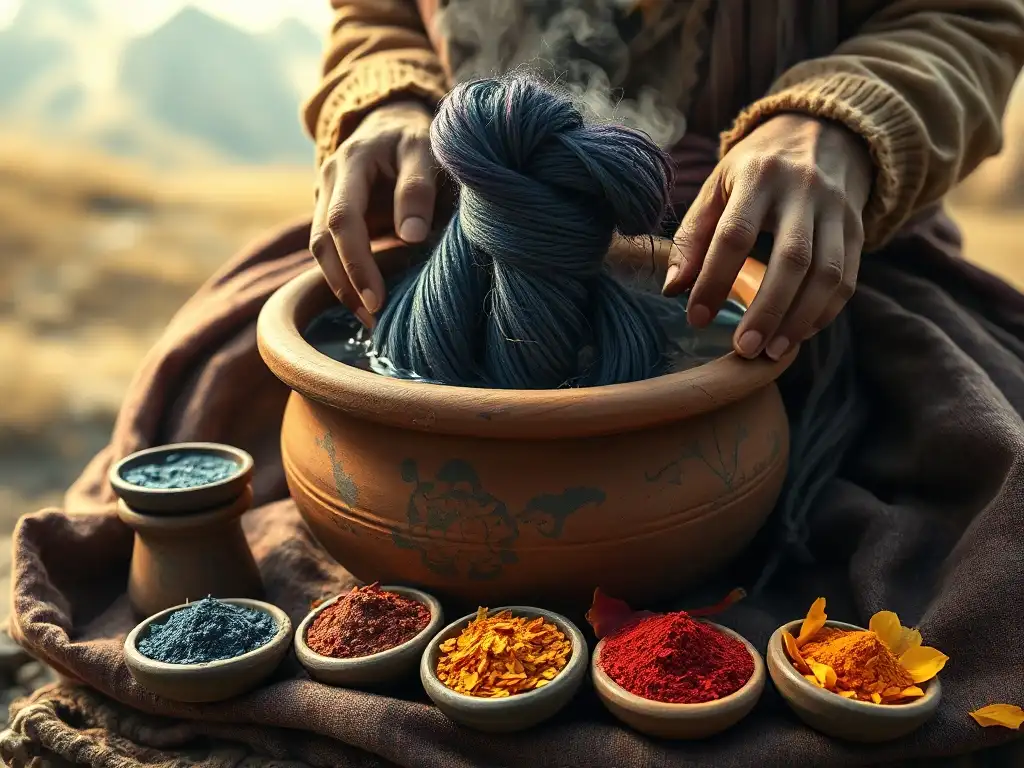
The creation of Andean textiles involved sophisticated dyeing techniques that ensured both vibrant colors and the durability of the finished product. Mastering these techniques required specialized knowledge and skill, passed down through generations of artisans. The process wasn't simply a matter of applying dye; it involved a careful understanding of natural dyes, mordants, and dyeing processes to achieve the desired results. The impressive quality and longevity of many surviving Andean textiles bear witness to the mastery of these ancient techniques.
Mordants: Essential for Color Fastness
Mordants, substances that help dye bind to fibers, were crucial in Andean dyeing. These substances, often derived from natural sources like minerals or plants, acted as fixatives, preventing the dye from fading or washing out. The selection of the appropriate mordant depended on both the dye being used and the type of fiber, demonstrating a sophisticated understanding of chemical processes.
The effectiveness of the mordant determined the vibrancy and longevity of the final color, showcasing the Andean artisans' detailed knowledge of chemistry and material science. Without the proper mordant, the colors would quickly fade, rendering the textile less durable and less symbolically meaningful.
Dyeing Processes: Traditional Methods
Andean dyeing processes were largely based on traditional methods, passed down through oral and practical instruction. These techniques involved a variety of steps, from preparing the fibers to applying the dye and then rinsing and drying the finished product. The methods varied according to the specific dye being used and the desired color, demonstrating a nuanced understanding of the dyeing process.
The techniques were often intricate and time-consuming, reflecting the value placed upon the finished textiles. These traditional methods, combined with the use of natural dyes, resulted in textiles with unique textures and colors, reflecting the artistry and skill of Andean artisans. The preservation and study of these traditional dyeing processes are essential for understanding the richness and complexity of Andean textile production.
Interpreting Andean Textile Dye Symbolism
The vibrant hues of Andean textiles weren't merely decorative; they were a sophisticated system of communication, conveying intricate social, religious, and political messages. Understanding this symbolism requires a nuanced approach, considering not only the individual colors but also their combinations, placement, and the overall context of the textile itself. For example, the use of specific dyes could indicate the wearer's social standing, clan affiliation, or even their participation in specific rituals.
Scholars have painstakingly analyzed thousands of surviving textiles, meticulously documenting the recurring motifs and color palettes to decipher their meaning. This work has shed light on the complex social structures and belief systems of these ancient cultures. The research is ongoing, with new discoveries continually enriching our understanding of this fascinating aspect of Andean civilization.
The complexity of the symbolism highlights the sophisticated understanding of color and its social implications within these cultures. Furthermore, the survival of these textiles provides invaluable insights into the lives and beliefs of the people who created them.
Decoding Color Combinations in Textiles
The meaning of a color often shifted depending on its combination with other colors. A simple red thread, for instance, might signify one thing, while a red thread paired with yellow could convey a completely different message. Researchers have identified numerous recurring combinations, each with its own specific interpretation.
For example, the combination of red and black frequently symbolized fertility and the cycle of life and death. The interplay of colors created rich layers of meaning, allowing for a level of complexity rarely seen in other ancient textile traditions. The meticulous attention to detail in these color combinations demonstrates the advanced understanding of color theory and its symbolic potential within Andean societies.
Further research into the specific chemical composition of the dyes used in different combinations might reveal additional layers of meaning related to the availability and sourcing of materials. This adds another layer of complexity to the study of Andean textile dye symbolism.
The Longevity and Legacy of Andean Dye Traditions
The techniques and symbolism associated with Andean textile dyes have persisted, albeit in altered forms, to the present day. Many communities continue to produce textiles using traditional methods, passing down knowledge and techniques through generations. While the precise meanings of some color combinations may have shifted or been lost over time, the fundamental importance of color in Andean textile art remains.
The enduring legacy of these traditions is a testament to their cultural significance and the resilience of Andean communities. The vibrant textiles produced today serve as a living link to the rich past, demonstrating the continuity of cultural practices and belief systems. The study of these contemporary textiles offers valuable insights into the evolution and adaptation of Andean dye traditions.
This continued practice and adaptation provide a unique opportunity to understand the enduring power of color symbolism in Andean culture. Furthermore, the preservation of these traditions is crucial for understanding the cultural heritage of the Andean region.
Conclusion: The Enduring Power of Color in Andean Textiles
The study of Andean textile dye symbolism reveals a sophisticated system of visual communication that reflected the complex social, religious, and political landscape of these ancient societies. From the individual meanings of colors to the intricate combinations and patterns, every aspect of Andean textile production conveyed specific messages. The enduring power of color in Andean textiles lies not only in their aesthetic appeal but also in their ability to connect us to the rich cultural heritage of the Andean region.
The ongoing research into these textiles continues to uncover new layers of meaning, enriching our understanding of these remarkable civilizations and their enduring legacy. The vibrant colors of Andean textiles continue to inspire and captivate, serving as a powerful reminder of the ingenuity and artistry of the Andean people.
Further research and preservation efforts are vital to ensure the continued understanding and appreciation of this significant cultural heritage. The legacy of Andean textile dye symbolism continues to resonate today, demonstrating the enduring power of color and its role in shaping cultural identity.
- Introduction to Andean Textile Dye Symbolism
- The Rich Palette of Andean Dyes: Natural Sources
- The Significance of Color in Andean Textiles
- Techniques for Dyeing Andean Textiles
- Interpreting Andean Textile Dye Symbolism
- Conclusion: The Enduring Power of Color in Andean Textiles
Frequently Asked Questions
What role did color play in Andean textile traditions?
Color in Andean textiles wasn't just decorative; it held deep symbolic meaning. Different colors represented social status, religious beliefs, and even geographical origins, conveying complex messages through intricate designs.
How were the vibrant dyes for Andean textiles created?
Andean cultures utilized a wide range of natural sources for their dyes, including plants, insects, and minerals. Cochineal insects produced brilliant reds, while various plants yielded yellows, blues, and greens, creating a stunning palette.
What is the significance of specific colors in Andean textile symbolism?
The meaning varied across cultures and time periods, but some common associations include red representing power and royalty, while purple symbolized divinity. White often signified purity, and black could represent the underworld.
The complexity and quality of the dyes and the textiles themselves directly reflected social standing. Elaborate designs and rare colors indicated high social rank and access to resources. Simpler textiles signified lower social positions.
Where can I learn more about Andean textile dye symbolism?
You can explore museums with Andean collections, research academic articles on Andean textile art and archaeology, and delve into books dedicated to the subject for deeper understanding of the rich symbolism.
Final Reflection: Weaving Threads of Meaning Through Time
The vibrant hues of Andean textiles, far from mere decoration, served as potent symbols of identity, social status, and spiritual connection—a legacy that continues to resonate today. These intricate dye patterns, painstakingly created using natural pigments, weren't simply aesthetic choices; they were powerful visual narratives, communicating complex stories across generations. The enduring impact of this ancient knowledge is undeniable, a testament to the enduring power of cultural expression.
The enduring influence of Andean dye symbolism on contemporary art, fashion, and even tourism is a powerful reminder of the rich cultural heritage embedded in these textiles. The intricate designs, imbued with meaning drawn from the Andean worldview, continue to inspire artists and designers worldwide. The colors themselves are a language, a way of communicating stories and beliefs that transcend time.
This quote, while hypothetical, encapsulates the profound impact of these dyes, speaking to their ability to connect us to a past rich in tradition and innovation. Understanding this legacy allows us to appreciate the depth and complexity of Andean culture, fostering a deeper respect for its enduring contributions.
Consider, for a moment, the stories whispered by the vibrant reds, the earthy browns, the deep indigos. Each hue, each pattern, holds a piece of history, a fragment of a worldview that continues to shape the Andean identity. You, the reader, are now part of this ongoing conversation.
Take a moment to reflect on the power of visual communication, and how seemingly simple elements can carry such profound meaning. Seek out the stories woven into the textiles you encounter, and allow yourself to be captivated by the enduring legacy of Andean dye symbolism. Let the vibrant colors inspire you to explore the rich tapestry of human expression, and to appreciate the enduring power of cultural heritage.
Unveil the Vibrancy of Andean Culture!
Thank you for exploring the vibrant world of Andean dyes! You've gained valuable insights into how color not only enhances aesthetics but also conveys deep cultural identity and meaning within Andean civilizations.
Let's delve deeper into this fascinating cultural aspect. Here are some ways to connect with it:
- Embrace your creativity: Experiment with natural dyes to create unique textiles, artwork, or even eco-friendly home décor.
- Share your passion: Discuss your newfound knowledge about the significance of color in Andean culture with friends, family, or online communities. Consider hosting a dyeing workshop to share your enthusiasm.
- Seek out authentic experiences: Visit museums or connect with local artisans specializing in Andean textiles for an immersive cultural experience.
What colors resonate with you personally, and how can you express that through art?