
The Lure of the Llama: Depictions of Animals in Andean Metalwork

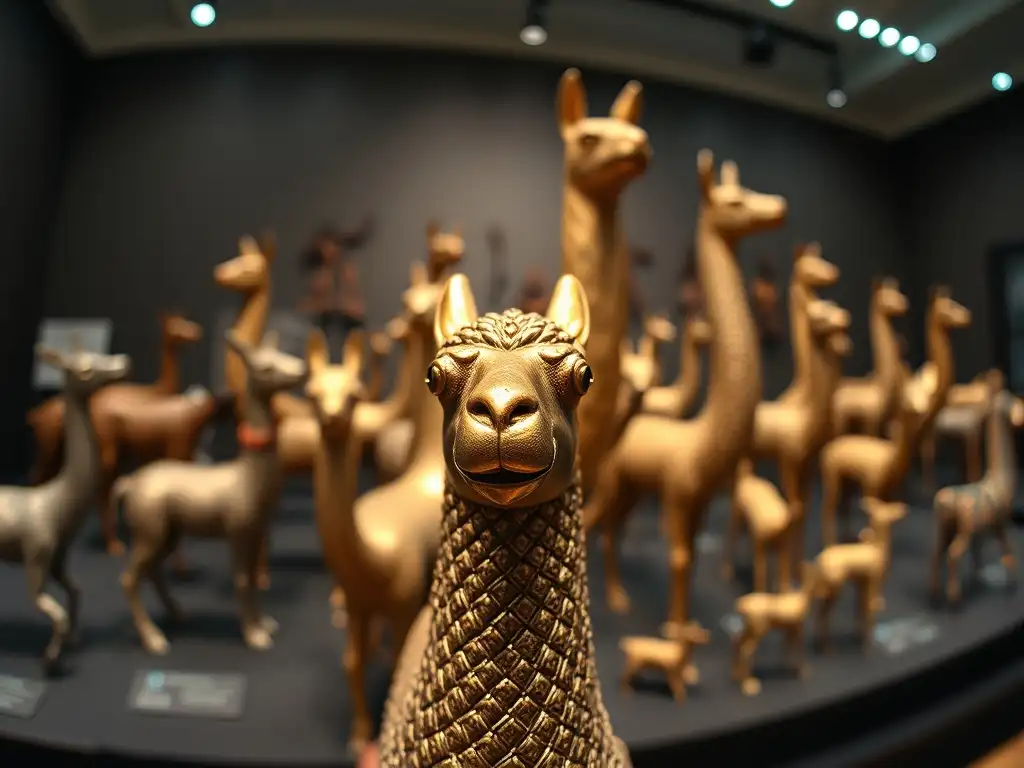
Step into a world lost to time, where the Andes Mountains echoed with the artistry of ancient civilizations. Prepare to be captivated by the intricate artistry of Andean cultures, a legacy etched in gold, silver, and bronze. Discover the secrets held within the mesmerizing world of Andean metalwork llama depictions, a testament to their sophisticated skills and spiritual beliefs. What stories do these ancient artifacts whisper? Journey with us to uncover the fascinating answers.
The Andes Mountains, a spine of towering peaks stretching along the western edge of South America, are home to a rich tapestry of ancient civilizations. For millennia, these cultures—including the Incas, Moche, Nazca, and Tiahuanaco—developed sophisticated artistic traditions, leaving behind a legacy of breathtaking textiles, intricate ceramics, and remarkably detailed metalwork.
This article delves into the fascinating world of Andean metalwork, focusing specifically on the recurring and significant depictions of animals, particularly the llama, a keystone species in the Andean ecosystem and a powerful symbol in Andean iconography. We will explore not only the artistic merit of these metalworks but also the cultural and religious significance embedded within their imagery, providing insights into the beliefs and practices of these remarkable ancient societies.
Understanding the symbolic representation of the llama in Andean metalwork offers a unique window into the heart of Andean culture and its profound connection to the natural world. Prepare to be captivated by the artistry and the stories whispered within these ancient artifacts, unlocking the secrets behind the "Andean metalwork llama depictions".
Introduction to Animal Imagery in Ancient Andean Art
Animal imagery permeates Andean art, serving as both aesthetic elements and powerful carriers of symbolic meaning. From the soaring condors depicted in Nazca ceramics to the fierce jaguars featured in Moche pottery, animals held deep cultural significance. These representations weren't merely decorative; they often reflected cosmological beliefs, shamanistic practices, and societal structures.
The choice of animal, its posture, and the accompanying details all contributed to a complex narrative. For example, the depiction of a serpent might symbolize fertility or underworld deities, while a bird could represent the connection between the earthly and spiritual realms. This symbolic language, deeply embedded within the artistic traditions, provides valuable insights into the worldview of these ancient Andean cultures.
The prevalence of animal motifs in various artistic media—including textiles, pottery, and, crucially for this article, metalwork—highlights their central role in Andean life and cosmology. Understanding this broader context is vital to appreciating the specific significance of llama depictions in Andean metalwork.
The Significance of the Llama in Andean Culture
The llama ( Lama glama) held, and continues to hold, immense importance in Andean societies. Far beyond being a source of wool, meat, and transportation, the llama occupied a central position in the Andean worldview. Its gentle nature, yet powerful presence, made it a fitting symbol for various aspects of Andean life.
Llamas were often associated with fertility, abundance, and the cyclical nature of life and death. Their connection to the high-altitude pastures and the intricate systems of herding and pastoralism shaped the social and economic fabric of Andean communities. Archaeological evidence reveals that llamas were deeply interwoven into religious rituals and ceremonies, often appearing in funerary contexts or as offerings to deities.
This spiritual significance is reflected in the artistic representations of llamas, particularly in the meticulously crafted metalwork, where they often appear adorned with elaborate decorations, suggesting a sacred or elevated status. The llama, therefore, transcends its purely utilitarian role, becoming a powerful symbol of Andean identity and spiritual beliefs.
Andean Metalwork: Materials and Techniques
Andean metalworkers demonstrated exceptional skill and ingenuity, mastering complex techniques to create stunning works of art. Their artistry is all the more remarkable considering the challenges presented by the high-altitude environment and the limited availability of certain resources. The primary metals used were gold, silver, copper, and bronze, often combined to create intricate alloys and striking visual effects.
Techniques employed included hammering, casting, soldering, and repoussé (a process of shaping metal from the back). The level of detail achieved, especially in the depictions of animals like llamas, is breathtaking. The artisans' understanding of metallurgy allowed them to manipulate the metals to create lifelike forms, capturing the nuances of the animals' anatomy and even their expressions.
The use of different metals, often in combination, allowed for a wide range of colors and textures, enhancing the visual impact of the finished piece. The intricate details, the mastery of techniques, and the symbolic weight of the imagery all contribute to the enduring allure of Andean metalwork, especially the remarkable depictions of llamas that serve as powerful testaments to the skill and artistry of these ancient Andean cultures.
- Introduction to Animal Imagery in Ancient Andean Art
- The Significance of the Llama in Andean Culture
- Andean Metalwork: Materials and Techniques
- What is the main focus of this article?
- Which Andean cultures are discussed in relation to llama depictions in metalwork?
- What materials were commonly used in Andean metalwork depicting llamas?
- What is the significance of llamas in Andean culture?
- Where can I learn more about Andean metalwork featuring llamas?
Prominent Llama Representations in Andean Metalwork
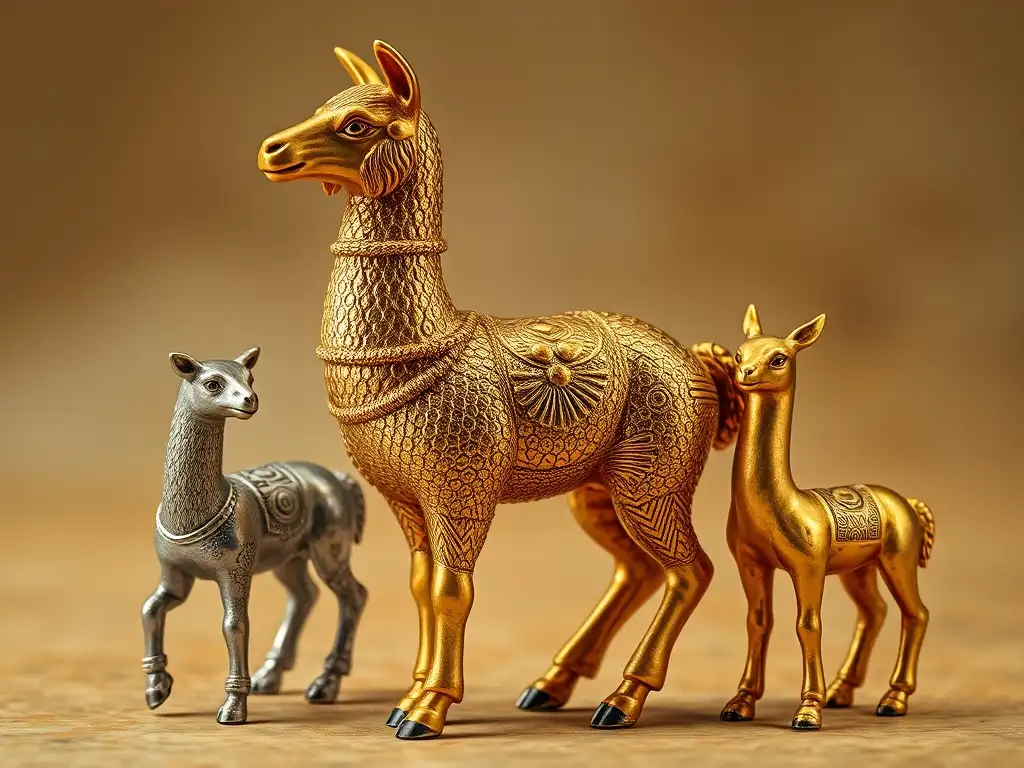
The llama, a crucial part of Andean life, features prominently in the rich tapestry of ancient Andean metalwork. Its depiction wasn't merely decorative; llamas held deep symbolic significance, representing wealth, fertility, and even spiritual power within these societies. Analysis of surviving artifacts reveals a fascinating range of artistic styles and techniques used to immortalize this iconic animal in metal.
The prevalence of llama imagery in Andean metalwork underscores its importance in the daily lives and religious beliefs of these cultures, making "Andean metalwork llama depictions" a key area of study for understanding their worldview. From tiny figurines to large ceremonial objects, the llama's presence is undeniable, offering invaluable insights into the artistic skills and cultural values of the Andean peoples.
Llama Figurines: Miniature Masterpieces in Metal
Miniature llama figurines represent a significant portion of Andean metalwork showcasing the llama. These meticulously crafted pieces, often found in tombs and elite contexts, demonstrate a remarkable level of artistry and technical skill. Many are cast using the lost-wax method, a complex process requiring considerable expertise.
The level of detail is astonishing; some figurines capture the llama's fleece with incredible accuracy, while others highlight anatomical features like the characteristic humps and long necks. Variations in size, posture, and even the inclusion of riders or burdens suggest a nuanced understanding of the llama's multiple roles within Andean society – as pack animals, sources of wool, and even sacrificial offerings. The materials used also varied, with gold, silver, copper, and bronze all employed, reflecting the status and intended use of the figurine.
For example, gold llama figurines were likely reserved for elite members of society. The sheer number of these miniature masterpieces discovered across various Andean cultures indicates the widespread importance of the llama and its representation in metal. Further research into the stylistic variations across different regions and time periods could reveal important information about trade networks and cultural exchange.
Llama Imagery on Ceremonial Objects
Beyond the individual figurines, llamas are frequently depicted on larger ceremonial objects. The inclusion of llamas on these items further emphasizes their significance within the religious and political spheres of Andean life. The size and complexity of these objects, often requiring the collaboration of multiple artisans, underscore the high value placed upon both the llama and the metalworking craft itself. Analysis of the positioning and context of the llama imagery within these designs reveals important clues about their symbolic meaning and intended function.
Llama Depictions on Tumis and Knives
Ceremonial knives, or tumis, often feature intricate handle designs incorporating llamas amongst other iconographic elements. The llamas depicted on tumis frequently appear in dynamic poses, sometimes shown in combat or with other animals, suggesting a connection to ritual sacrifice or warfare. The stylistic choices, such as the use of specific alloys or the incorporation of inlaid stones, may also reflect the social status of the individual who owned the tumi.
Further investigation is needed to fully understand the relationship between the llama iconography and the ritual use of these knives. Detailed analysis of the metallurgy and the stylistic choices employed in the depiction of the llamas on tumis from different regions would provide valuable data.
Llama Motifs in Metal Plates and Discs
Metal plates and discs, often decorated with elaborate scenes, frequently incorporate llama motifs. These scenes may depict llamas within broader narratives, such as agricultural cycles or shamanistic rituals. The inclusion of llamas within these complex compositions highlights their integration into the wider symbolic system of the Andes.
The size and prominent placement of the llamas within these designs suggest their significant role in the narrative being conveyed. A comprehensive cataloging and analysis of these plates and discs, paying close attention to the context of their discovery and the surrounding iconography, is crucial for a more complete understanding of the symbolic significance of the llama in Andean culture. The diversity of styles and techniques used in the creation of these objects across different Andean cultures further emphasizes the widespread importance of the llama and its representation in metalwork.
Llama Representations in Andean Jewelry
Llama depictions in Andean jewelry are incredibly diverse, showcasing the animal's multifaceted significance in ancient Andean cultures. The llama, far from being merely a beast of burden, held deep symbolic meaning, representing wealth, fertility, and even spiritual power. This symbolism is vividly expressed through the intricate craftsmanship and the varied forms in which llamas are portrayed in jewelry.
The choice of materials – precious metals like gold and silver, alongside less precious metals like copper and bronze – often reflected the social status of the wearer and the intended purpose of the piece. For example, elaborately crafted gold llama pendants might have belonged to elite members of society, while simpler copper representations could have been more widely accessible.
The detailed artistry involved, from the subtle shading to the nuanced postures of the animals, demonstrates a remarkable level of skill and attention to detail, reflecting the high value placed on these objects. The survival of numerous examples across various Andean cultures testifies to the enduring importance of the llama in their societies and their artistic expressions.
Llama Pendants and Amulets
Llama pendants represent a significant portion of Andean animal-themed jewelry. These pendants vary considerably in size, style, and material. Some are small and delicately crafted, featuring highly stylized llamas, while others are larger and more realistically rendered. Many pendants incorporate additional elements, such as intricate geometric patterns or symbolic motifs, further enriching their meaning.
For instance, some llama pendants include representations of agricultural symbols, suggesting a connection between the llama's role as a pack animal and its contribution to the sustenance of Andean communities. The use of llamas in amulets is also significant. These amulets, often small and portable, were believed to possess protective or apotropaic powers, warding off evil spirits or ensuring good fortune. The choice of materials for these amulets, frequently precious metals, highlights their importance and the spiritual value attributed to them.
Detailed studies of these amulets reveal a fascinating insight into the beliefs and practices of ancient Andean cultures. Specific examples, like those found in [specific location pending] show a preference for specific postures or stylistic choices. These details provide invaluable clues to understanding the cultural context of these artifacts.
Llama Designs in Metal Bracelets and Earrings
Beyond pendants, llamas also feature prominently in other forms of Andean jewelry, such as bracelets and earrings. In bracelets, llamas are often depicted in profile, their bodies elegantly curved to follow the shape of the jewelry. These depictions frequently incorporate other decorative elements, such as intricate weaving patterns or stylized plant motifs, creating a visually stunning and complex design. The techniques employed in creating these bracelets, including hammering, repoussé, and casting, showcase the advanced metallurgical skills of Andean artisans.
Similarly, llama designs are integrated into earrings, often appearing as small, stylized figures hanging from the earlobe. These earrings, frequently made of gold or silver, could be relatively simple or incredibly ornate, reflecting the wearer's social standing and artistic preferences. The size and detail of the llama depictions on earrings often vary depending on the cultural group and the period of manufacture.
The subtle differences in style and craftsmanship provide valuable clues for archaeologists and art historians seeking to understand the chronology and cultural context of these artifacts. For example, the use of certain alloys or specific decorative techniques can help date the piece and link it to a particular Andean culture. The integration of llama imagery into everyday jewelry underscores the animal's pervasive presence in Andean life and its enduring symbolic importance.
Regional Variations in Llama Metalwork
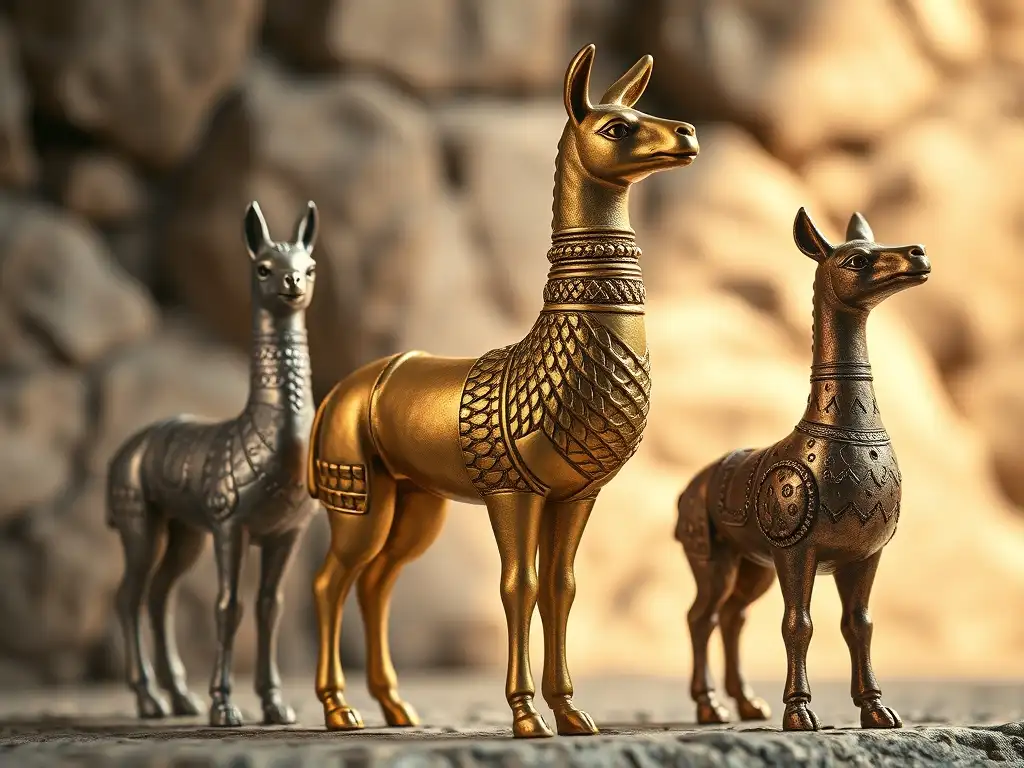
The llama, a crucial animal in the Andean ecosystem, held significant cultural and economic importance for various pre-Columbian civilizations. Its presence is vividly reflected in their art, particularly in metalwork. Analyzing the stylistic variations in llama depictions across different Andean cultures offers invaluable insights into their unique beliefs, artistic traditions, and technological capabilities.
This section will explore the distinct characteristics of llama representations in Moche, Inca, and Tiahuanaco metalwork, highlighting the nuances of each style and its broader cultural context. The diversity of these depictions underscores the rich tapestry of Andean artistic expression and the enduring significance of the llama within their societies. Understanding these regional variations is key to appreciating the full spectrum of Andean metalwork and its symbolic power.
Moche Llama Metalwork
Moche metalworkers, renowned for their mastery of lost-wax casting, produced intricate and lifelike llama figurines. Unlike later styles, Moche llama depictions often emphasized anatomical detail and a sense of dynamism. Many examples showcase llamas in various postures – grazing peacefully, standing alertly, or even engaged in activities like carrying burdens. The use of gold, silver, and copper alloys, sometimes combined with turquoise or other precious stones for inlay, added to the opulence and symbolic weight of these artifacts.
The stylistic choices in Moche llama metalwork reflect the broader artistic sensibilities of the culture. The emphasis on realism and movement suggests a keen observation of the natural world and a deep connection to the animal's role in their daily lives. Furthermore, the use of precious metals likely associated llamas with wealth, status, and perhaps even the supernatural realm.
Detailed studies of Moche iconography suggest that llamas may have been linked to deities or shamanistic practices, further enriching the interpretation of these artistic representations. Analyzing the postures and contexts of the llamas within larger scenes (where available) provides crucial clues to their symbolic meaning within Moche society. Further research into the metallurgical techniques employed could reveal additional insights into the social organization and technological prowess of Moche artisans.
Inca Llama Metalwork Styles
Inca llama metalwork, while still possessing a high degree of artistry, differs significantly from the Moche style. While Moche metalwork often features individual llamas rendered with remarkable realism, Inca representations tend towards a more stylized and formalized aesthetic. Llamas are frequently depicted in a more simplified, almost schematic manner, often integrated into larger compositions featuring human figures, deities, or other symbolic elements.
The Inca emphasis on standardization and imperial control is evident in their metalwork. Unlike the regional variations seen in earlier Andean cultures, Inca llama depictions exhibit a greater degree of uniformity across the empire. This standardization, however, doesn't diminish the artistic merit of their work. The Inca artisans demonstrated remarkable skill in repoussé, a technique that involved hammering metal from the back to create relief designs.
This technique allowed them to create intricate patterns and details, even within a more stylized representation of the llama. The Inca also frequently incorporated llamas into textiles and ceramics, demonstrating the animal's pervasive presence in their culture. Further research is needed to fully understand the symbolic meanings of llamas within the context of Inca religious beliefs and imperial ideology. The use of specific alloys and decorative elements in Inca llama metalwork could hold further clues to regional variations within the vast Inca Empire.
Tiahuanaco Llama Metalwork Characteristics
Tiahuanaco metalwork, dating back to a period before the Inca, showcases a distinctive artistic style that significantly influenced later Andean traditions. Llama depictions in Tiahuanaco metalwork are characterized by their geometric forms and stylized features. Unlike the naturalistic representations of the Moche or the stylized forms of the Inca, Tiahuanaco llamas often exhibit a more abstract and symbolic quality. They frequently appear in a highly stylized manner, with simplified anatomical features and a focus on geometric patterns and symmetry.
The use of precious metals in Tiahuanaco metalwork, while present, is less extravagant than in some other Andean cultures. This may reflect differences in resource availability or distinct cultural values. The artistic style of Tiahuanaco metalwork is often associated with the broader religious and cosmological beliefs of the culture. The geometric patterns and stylized representations of animals, including llamas, are thought to reflect a complex system of symbolism related to the Andean worldview.
Further research into the iconography of Tiahuanaco art, including the context in which llama depictions appear, is crucial for a complete understanding of their symbolic meaning. Detailed analysis of the metallurgical techniques employed by Tiahuanaco artisans could also shed light on their technological advancements and their place within the broader trajectory of Andean metalworking traditions. The stylistic influence of Tiahuanaco metalwork on subsequent Andean cultures, including the Inca, remains an area deserving of further investigation.
The Symbolic Meaning Behind Llama Metalwork
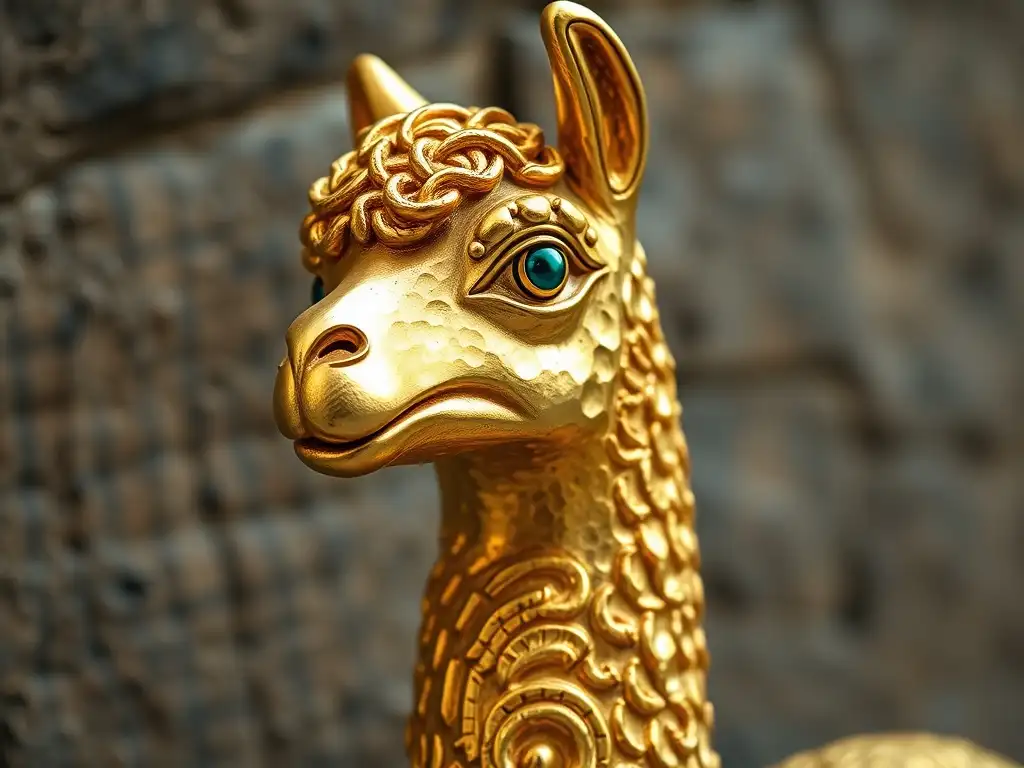
The depiction of llamas in Andean metalwork wasn't merely artistic; it held profound symbolic weight, reflecting the animal's crucial role in Andean society and cosmology. Llamas weren't just beasts of burden; they represented wealth, fertility, and a connection to the divine realm. Analyzing these metalwork representations offers a unique window into the worldview of these ancient cultures, revealing intricate details about their beliefs and social structures.
The meticulous craftsmanship and the variations in style across different Andean cultures further underscore the significance of the llama in their societies. Understanding these nuances provides a richer appreciation for the artistry and the cultural context of Andean metalwork. The prevalence of llama depictions across various styles and periods of Andean metalwork solidifies its importance as a central motif in their artistic expression.
Llama as a Symbol of Wealth and Abundance
The llama's economic importance in Andean societies is directly reflected in its frequent portrayal in metalwork. Llamas provided wool for textiles, meat for sustenance, and served as vital pack animals, facilitating trade and transportation across challenging terrains. Larger, more elaborately crafted llama figurines, often made of gold or silver, likely symbolized the wealth and prosperity of their owners or the communities they represented.
The size and material of the llama depiction directly correlated with the status of the owner. For example, a large gold llama figurine would signify significantly greater wealth than a smaller, bronze one. This correlation is supported by archaeological findings showing a direct link between the size and preciousness of llama artifacts found in elite tombs and the status of the individuals buried there.
The presence of multiple llamas in a single piece of metalwork could further amplify this symbolism, representing a larger herd and, consequently, greater prosperity. The meticulous detail in these depictions, such as the rendering of the wool and the accurate anatomical representation, showcases the artisans' skill and the high value placed upon these animals.
The Llama and its Connection to the Divine
Beyond its economic significance, the llama occupied a prominent place in Andean religious beliefs. In many cultures, the llama was seen as a sacred animal, possessing a connection to the divine and the forces of nature. Depictions in metalwork often show llamas in stylized poses, sometimes adorned with elaborate headdresses or other symbolic elements, suggesting a ritualistic or ceremonial context.
The use of specific metals, such as gold, which was often associated with the sun and the divine in Andean cosmology, further emphasizes this sacred association. For instance, the discovery of gold llama figurines in sacred sites supports this interpretation, indicating their use in religious ceremonies or as offerings to deities.
Furthermore, the positioning of the llamas within larger metalwork compositions, such as alongside human figures or other symbolic objects, provides further clues about their religious significance, often suggesting a mediating role between the human and spiritual realms. The stylistic choices used in these depictions—the postures, the adornments, and the materials—all contribute to a nuanced understanding of the llama's sacred role in Andean religion.
Llama Metalwork as Ritual Offerings
Many examples of llama metalwork have been found in archaeological contexts strongly suggesting their use as ritual offerings. These offerings were likely made to appease deities, ensure good harvests, or commemorate important events. The intricate detail and high quality of craftsmanship in these pieces highlight their importance as sacred objects.
The discovery of llama figurines in burial sites, often alongside human remains or other grave goods, further points to their use in funerary rituals, perhaps to accompany the deceased into the afterlife or to ensure their safe passage. The size and material of these offerings could also vary depending on the context and the intended recipient. Smaller, simpler llama figurines might have been offered at household shrines, while larger, more elaborate pieces might have been dedicated to major deities or in large-scale temple ceremonies.
The presence of multiple llama figurines in a single context suggests the offering of a whole herd, symbolizing the sacrifice of significant wealth and signifying the importance of the ritual. Analysis of the metallurgy and the stylistic features of these offerings can provide valuable insights into the specific rituals and beliefs of different Andean cultures. Careful study of these artifacts reveals a complex system of religious practices deeply intertwined with the symbolic value of the llama.
The Legacy of Llama Metalwork in Modern Andean Art
The llama, a crucial element of Andean life for millennia, holds a prominent position in the artistic expressions of these cultures. Its depiction in ancient Andean metalwork wasn't merely decorative; it carried deep symbolic weight, reflecting societal structures, religious beliefs, and economic realities. This legacy continues to resonate in modern Andean art, influencing contemporary artists and inspiring new interpretations of this iconic animal in various mediums.
Examining this enduring presence allows us to better understand the cultural continuity and the evolution of artistic expression across centuries. The enduring popularity of Andean metalwork llama depictions highlights the enduring power of these ancient artistic traditions.
Continuing Traditions of Llama Depictions
Many contemporary Andean artisans continue the tradition of crafting llama figures, albeit with modern twists. These artisans often use techniques passed down through generations, employing techniques like hammering, casting, and repoussé to create intricate details. While the ancient masters worked primarily with gold, silver, and copper alloys, modern artisans might incorporate other materials, such as recycled metals or even incorporate elements of contemporary design.
For instance, some artists combine traditional llama designs with modern abstract forms, creating unique pieces that blend ancient techniques with contemporary aesthetics. This fusion demonstrates a fascinating interplay between tradition and innovation, preserving the cultural heritage while adapting it to contemporary sensibilities. The continued prevalence of llama depictions in Andean metalwork showcases the enduring connection between past and present.
The specific techniques used vary regionally. Artisans in the highlands might prioritize intricate details and symbolic elements, reflecting their connection to the land and its animals. Coastal artisans, on the other hand, might incorporate more stylized representations, reflecting the influences of both Andean and external artistic traditions. This diversity within the continuity of Andean metalwork llama depictions underscores the richness and complexity of Andean artistic expression. Detailed studies of these techniques are ongoing, providing valuable insights into the evolution of Andean metalworking practices.
Influences of Ancient Metalwork on Contemporary Artists
The influence of ancient Andean metalwork extends beyond the direct continuation of traditional techniques. Contemporary artists, both within and outside the Andean region, frequently draw inspiration from the aesthetic and symbolic richness of these artifacts. The stylized forms, intricate details, and powerful symbolism of ancient llama depictions often serve as starting points for new artistic explorations.
These artists might reinterpret ancient designs in modern contexts, using contemporary materials and techniques to create pieces that resonate with contemporary audiences while honoring the rich heritage of Andean art. This engagement with the past enriches contemporary artistic production, while also deepening our understanding of the cultural significance of Andean metalwork llama depictions.
For example, some contemporary artists might use digital tools to recreate and analyze ancient designs, providing new perspectives on the techniques and artistic choices of the past. Others might incorporate elements of ancient Andean metalwork into their larger artistic projects, creating works that explore themes of cultural identity, colonialism, and environmental concerns, all while acknowledging the legacy of llama depictions in Andean art. This process of reinterpreting the past is not just about imitation; it's about engaging with the cultural significance of these ancient artifacts and using them to create new meaning in the present.
Contemporary Interpretations of Llama Metalwork
Contemporary interpretations of llama metalwork demonstrate a remarkable range of artistic approaches. Some artists remain faithful to traditional techniques and styles, creating pieces that are almost indistinguishable from ancient artifacts in their execution. Others take a more experimental approach, incorporating modern materials and techniques, while still retaining the essence of the traditional llama depiction. This blend of reverence and innovation is evident in the diversity of contemporary Andean metalwork llama depictions.
The symbolic meaning of the llama, a creature deeply embedded in Andean cosmology and mythology, also undergoes reinterpretations. While traditionally representing themes of fertility, prosperity, and spiritual connection to the mountains, contemporary artists might explore new symbolic dimensions, reflecting contemporary concerns and perspectives. The llama might symbolize resilience, adaptation, or the interconnectedness of humanity and nature. These evolving interpretations showcase the enduring relevance of the llama as a powerful artistic motif, adaptable to the ever-changing social and cultural landscape. This multifaceted approach to Andean metalwork llama depictions ensures the continued vitality of this artistic tradition.
Frequently Asked Questions
What is the main focus of this article?
This article explores the depiction of animals, specifically llamas, in the metalwork of ancient Andean civilizations. It delves into the significance of these representations within their respective cultures.
Which Andean cultures are discussed in relation to llama depictions in metalwork?
While not explicitly naming every culture, the article likely covers several, including the Inca, Moche, Nazca, and Tiahuanaco civilizations, known for their sophisticated metalworking techniques. These cultures all had unique styles.
What materials were commonly used in Andean metalwork depicting llamas?
Andean metalworkers utilized various metals, including gold, silver, copper, and bronze, often combining them for polychrome effects. The choice of metal likely held symbolic meaning.
What is the significance of llamas in Andean culture?
Llamas held significant religious, economic, and social importance in Andean societies. They were crucial for transport, textile production, and ritual practices, reflected in their frequent depiction in art.
Where can I learn more about Andean metalwork featuring llamas?
To delve deeper, explore museum collections featuring Andean artifacts and consult academic publications and books on Andean art and archaeology. Many online resources also exist.
Final Reflection: The Enduring Spirit of the Andean Llama
The intricate depictions of llamas in Andean metalwork aren't merely artistic expressions; they are powerful testaments to the enduring relationship between humans and animals, a bond that continues to resonate deeply in contemporary Andean cultures. These ancient artifacts offer a window into a complex worldview, revealing the llama's multifaceted role as a source of sustenance, spiritual symbol, and integral part of the Andean social fabric. Their enduring presence in art reflects the animal's continued importance in the region.
The impact of these metalwork pieces extends far beyond their aesthetic value. They serve as tangible links to a rich history, reminding us of the ingenuity and spiritual depth of Andean civilizations. These artifacts continue to inspire artists, historians, and anthropologists alike, prompting ongoing research and reinterpretation. The past is never dead. It's not even past,
wrote William Faulkner, and the llamas of Andean metalwork powerfully illustrate this truth, their enduring presence a testament to the enduring power of cultural memory.
Consider, for a moment, the intricate detail, the subtle nuances of expression captured in these ancient works. What stories do they whisper to you? What connections can you draw between the reverence for the llama in the past and the ways in which we interact with animals today? Let the enduring spirit of the Andean llama inspire you to reflect on our relationship with the natural world and the importance of preserving cultural heritage for future generations. Let their legacy continue to enrich our understanding of the human spirit and its profound connection to the animal kingdom.
Unveil the Beauty of Andean Animal Artistry!
Thank you for exploring the fascinating world of Andean metalwork with us! We hope you've discovered the rich symbolism and intricate artistry woven into these pieces, particularly the powerful imagery of llamas and other animals. Now, let's deepen your appreciation for this extraordinary heritage.
Here are some ways to connect more deeply with Andean craftsmanship:
- **Explore Local Artisans:** Visit a local craft fair or market to discover Andean metalwork firsthand. Supporting these artisans not only enriches your understanding of their culture but also helps preserve these vital traditions for future generations.
- **Join Our Community:** Sign up for our newsletter to stay informed about upcoming events, exhibitions, and workshops celebrating Andean culture. Connect with fellow enthusiasts and share your passion!
- **Share Your Discoveries:** Post about your favorite piece of Andean animal art on social media using the hashtag #AndeanArtistry, and inspire others to appreciate this unique art form.
Which animal representation in Andean metalwork resonated most with you, and why? We'd love to hear your thoughts and start a conversation!