
The Importance of Water Management in Andean Agriculture: A Lifeline for Survival

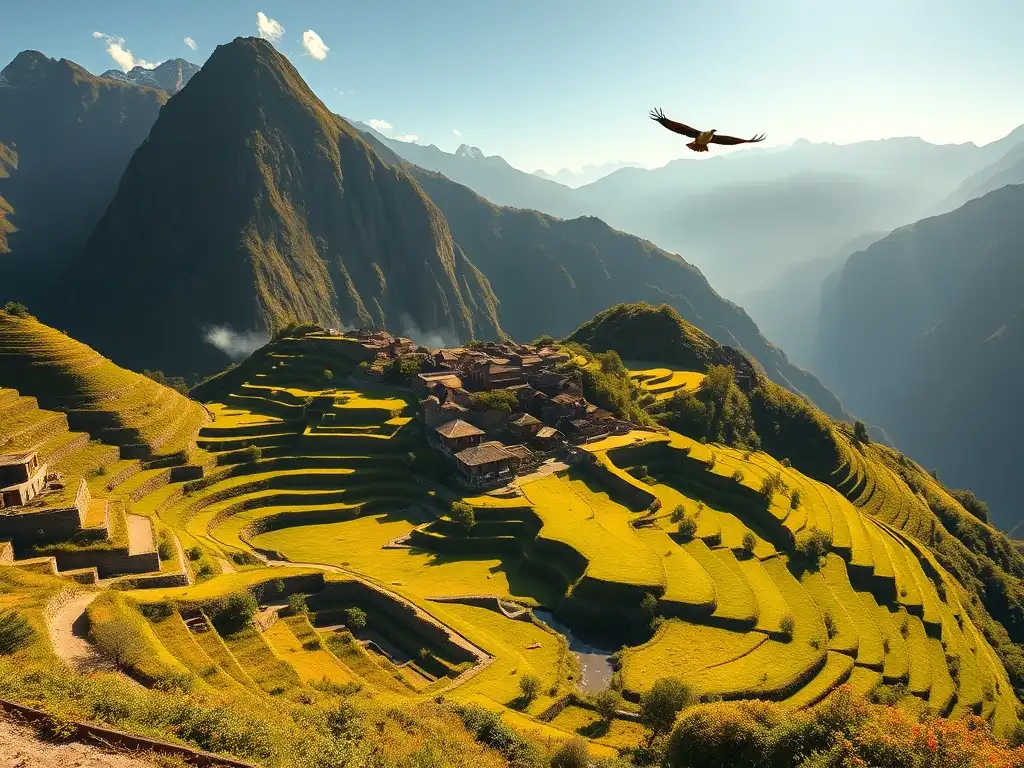
Step into a world lost to time, yet echoing with the ingenuity of ancient masters. For centuries, the towering Andes Mountains presented a formidable challenge, yet the Andean civilizations thrived. Their success hinged on something far more precious than gold: water. Discover the secrets behind their remarkable Andean civilizations water management systems—a testament to human resilience and a lifeline that sustained entire empires. Uncover the intricate network of canals, aqueducts, and sophisticated techniques that allowed these remarkable cultures to flourish against all odds. Prepare to be amazed.
The Andes Mountains, a formidable and breathtaking landscape, presented ancient civilizations with a unique set of challenges and opportunities. While the towering peaks and fertile valleys offered potential for agriculture, the unpredictable nature of water availability—from torrential rains to prolonged droughts—made successful farming a constant struggle for survival.
This article explores the crucial role of water management in the agricultural practices of the Andean civilizations, highlighting its significance in shaping their societies, economies, and cultural identities. We will examine the ingenious techniques employed by cultures like the Inca, Nazca, and Tiwanaku, demonstrating how their mastery of water resource management was not merely a technological achievement but a cornerstone of their existence.
Understanding their sophisticated systems provides valuable insights into the resilience and ingenuity of these remarkable Andean civilizations and offers lessons for sustainable agriculture today. The success of these ancient societies hinged on their ability to harness and control water, proving that effective water management was the very lifeline for their survival and prosperity.
Ingenious Irrigation Systems: Canals, Terraces, and Aqueducts
The Andean civilizations weren't simply passive recipients of rainfall; they actively engineered their environment to maximize water availability. Their ingenuity is evident in the remarkable irrigation systems they developed, adapted to the diverse topography of the Andes. These systems ranged from simple canals diverting water from rivers and streams to elaborate networks of aqueducts and terraced fields that captured and stored water with remarkable efficiency.
The Nazca, for example, are renowned for their intricate canal systems, some stretching for miles across arid landscapes, demonstrating an advanced understanding of hydraulic engineering and surveying. These canals, often built along contours to minimize erosion and maximize water flow, allowed them to cultivate crops in otherwise unproductive areas. Similarly, the Inca constructed extensive terraced fields, often on steep slopes, creating a series of level platforms that captured rainwater and reduced soil erosion.
These terraces not only increased arable land but also improved water retention, allowing for more consistent crop yields even during periods of drought. The combination of these techniques provided a remarkable level of agricultural security and boosted food production.
Water Storage and Management Techniques: Reservoirs and Underground Channels
Beyond sophisticated irrigation networks, the Andean civilizations employed a range of techniques to store and manage water resources. This included the construction of reservoirs, both large and small, which served as vital buffers against periods of drought. These reservoirs, often integrated into the irrigation systems, provided a reliable source of water for crops during dry spells.
Moreover, many cultures utilized underground channels, or qanats, to tap into groundwater sources. These ingenious systems allowed for the extraction of water from underground aquifers, providing a consistent supply of water even in arid regions. The construction of qanats required advanced engineering knowledge and considerable labor, showcasing the value placed on water security within these societies.
The effectiveness of these combined strategies is demonstrated by the longevity and success of these civilizations in challenging environments. Evidence suggests that many of these systems continued to function for centuries, a testament to their resilience and the skill of their builders.
The importance of water in Andean agriculture extended far beyond its purely practical applications. Water was deeply embedded in the cosmology and religious beliefs of these civilizations, often seen as a sacred and life-giving force. Many Andean cultures held elaborate rituals and ceremonies related to water, seeking to appease the spirits associated with water sources and ensure a bountiful harvest.
Water management was therefore not simply a technological endeavor but a deeply spiritual one, reflecting the interconnectedness of human society and the natural world. This profound respect for water and its life-sustaining power is reflected in the careful planning and maintenance of their water systems, highlighting the holistic approach these cultures adopted towards resource management.
This spiritual dimension underscores the profound influence of water on all aspects of Andean life, from agriculture to religious practices. The integration of the spiritual and the practical in their water management reveals a sophisticated understanding of their environment and its influence on their culture.
The Legacy of Andean Water Management: Lessons for the Present
The remarkable achievements of the Andean civilizations in water management offer invaluable lessons for contemporary societies facing challenges related to water scarcity and climate change. Their innovative techniques, developed over centuries of adaptation, demonstrate the potential for sustainable agriculture even in harsh environments. The emphasis on water conservation, efficient irrigation, and integrated water resource management remains highly relevant in today’s world, where sustainable practices are crucial for food security and environmental protection.
Understanding the ingenuity and resilience of these ancient cultures can inspire innovative solutions to modern water challenges, showcasing the importance of learning from the past to shape a more sustainable future. The legacy of Andean water management serves as a powerful reminder of human adaptability and the crucial role of water in shaping civilizations. Their sophisticated systems continue to inspire researchers and engineers seeking to develop sustainable water management solutions for the 21st century and beyond.
- Ingenious Irrigation Systems: Canals, Terraces, and Aqueducts
- Water Storage and Management Techniques: Reservoirs and Underground Channels
- The Social and Religious Significance of Water: Beyond Practicality
- The Legacy of Andean Water Management: Lessons for the Present
- How did Andean civilizations manage water given the challenging terrain?
- What role did water play in the success of Andean agriculture?
- Did different Andean cultures have unique approaches to water management?
- What evidence exists to show the advanced nature of Andean water management?
- What impact did climate change have on Andean water management systems?
Andean Civilizations and the Crucial Role of Water in Agriculture
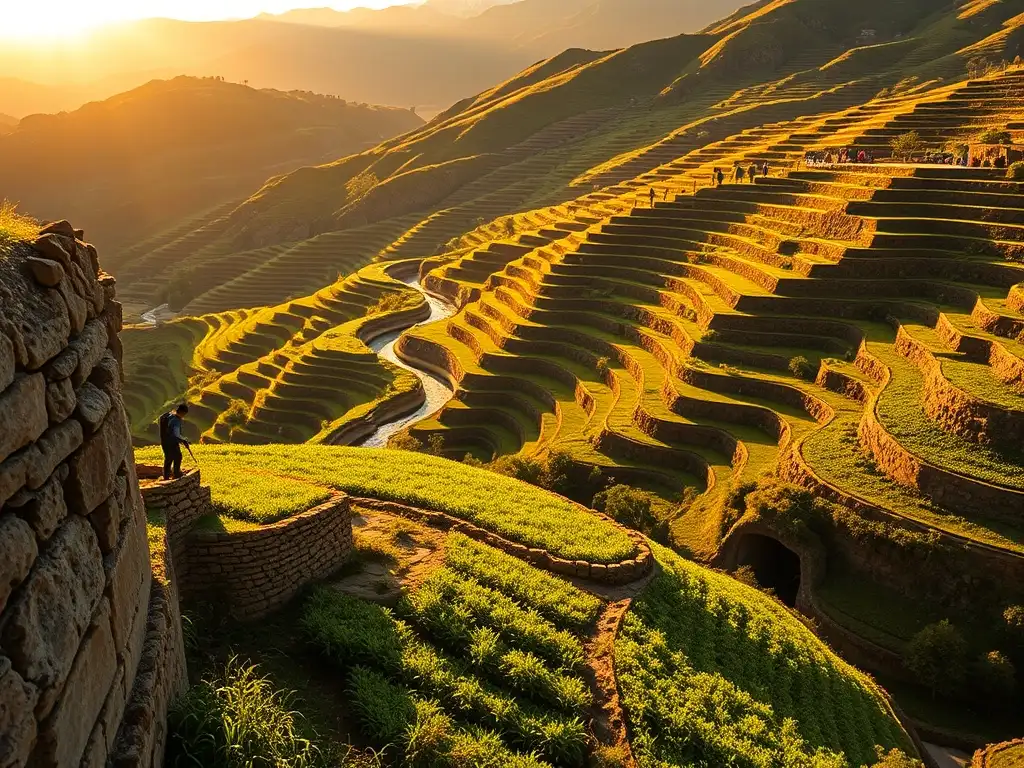
The Andean region, home to a diverse array of ancient civilizations, presented unique challenges and opportunities for agricultural development. The dramatic altitude variations, ranging from arid coastal deserts to high-altitude plains and lush cloud forests, created diverse microclimates with varying water availability. Understanding how Andean civilizations overcame these obstacles is crucial to appreciating their ingenuity and resilience.
Their sophisticated water management systems were not merely technological achievements; they were fundamental to their social structures, religious beliefs, and overall survival. The effective management of water resources directly impacted the success of their agricultural practices, shaping the very fabric of these remarkable societies. This section will delve into the specific challenges faced by Andean farmers and the ingenious solutions they implemented.
Analyzing these strategies reveals a deep understanding of hydrology, environmental adaptation, and community organization that continues to inspire awe and admiration. The term "Andean civilizations water management" encapsulates the vital connection between their survival and their mastery of water resources.
Understanding the Challenges of Andean Agriculture
Andean agriculture faced significant hurdles. The mountainous terrain resulted in steep slopes, making soil erosion a constant threat. Rainfall patterns were unpredictable, with variations between wet and dry seasons often extreme. Furthermore, the altitude significantly impacted growing seasons, limiting the types of crops that could be successfully cultivated.
Many areas experienced prolonged droughts, while others suffered from flash floods. The scarcity of arable land further intensified the pressure on existing resources. For instance, the Nazca civilization, known for its intricate geoglyphs, thrived in a remarkably arid coastal region, where water scarcity was a paramount concern.
Their sophisticated techniques for water harvesting and canal construction allowed them to overcome these limitations, supporting a surprisingly complex society. The challenges faced were not uniform across all Andean civilizations; however, the need for innovative water management strategies was a common thread uniting them all. These challenges spurred the development of remarkable agricultural innovations, many of which are still studied and admired today.
The Significance of Water Resources for Andean Societies
Water was far more than a mere resource for Andean civilizations; it was a lifeblood, deeply intertwined with their spiritual beliefs and social structures. Many Andean cultures revered water sources as sacred entities, associating them with deities and incorporating them into their religious rituals. Access to water often determined social standing and political power, with control over irrigation systems frequently wielded by elites.
The construction and maintenance of canals, reservoirs, and other water management infrastructure were often communal endeavors, highlighting the importance of cooperation and social organization. The Inca Empire, for example, developed an extensive network of canals and aqueducts that efficiently distributed water across vast distances, supporting a large and densely populated empire. The efficient redistribution of water was directly proportional to the empire's strength and stability.
The effective management of water resources was not only crucial for agriculture but also for domestic use, providing drinking water and supporting urban centers. The impact of water on their society was far-reaching, shaping their social structures, religious practices, and political systems.
The Interdependence of Water and Agricultural Practices
Andean agricultural practices were inextricably linked to their water management systems. Terracing, a technique used to create level platforms on steep slopes, was crucial for preventing soil erosion and maximizing water retention. The construction of intricate irrigation canals allowed farmers to divert water from rivers and streams to their fields, ensuring a reliable water supply even during dry periods.
Different crops were cultivated based on altitude and water availability, demonstrating a nuanced understanding of agro-ecology. The development of drought-resistant crops further enhanced their resilience to unpredictable rainfall patterns. The integration of water management into their agricultural systems was a testament to their deep understanding of their environment and their ability to adapt to its challenges.
This intricate interplay between water and agriculture underscores the sophisticated knowledge and ingenuity of these ancient Andean societies. The effectiveness of their integrated system, where water management was deeply intertwined with agricultural practices, allowed for the successful cultivation of diverse crops and the sustenance of large populations in challenging environments. This complex relationship between water and agriculture is a key factor in understanding the success and longevity of Andean civilizations.
Ancient Andean Water Management Techniques: Ingenuity in Action
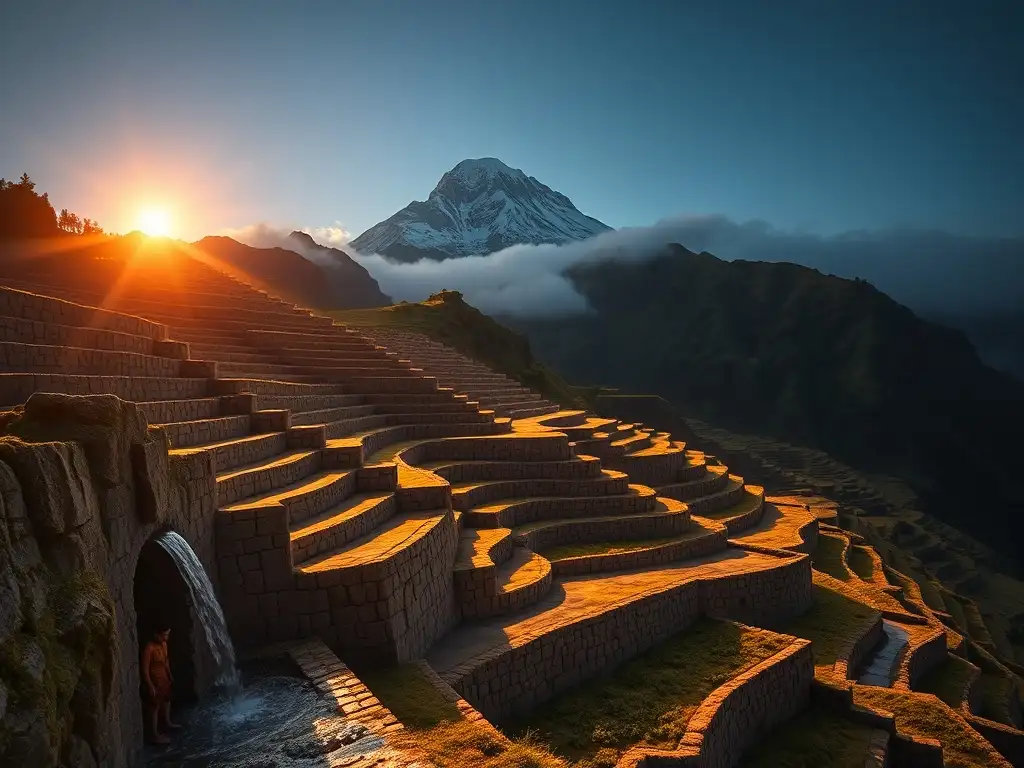
The survival and prosperity of Andean civilizations hinged critically on their mastery of water management. Facing challenging terrains, including steep slopes, arid deserts, and high altitudes, these cultures developed sophisticated techniques to harness and conserve water, enabling intensive agriculture and supporting large populations. Their ingenuity in adapting to diverse environments stands as a testament to their deep understanding of their surroundings and their remarkable ability to overcome environmental limitations.
Understanding their water management strategies provides crucial insights into the resilience and adaptability of Andean civilizations, showcasing their advanced knowledge in engineering, resource management, and societal organization. The efficient use of water was not merely a practical necessity; it was deeply intertwined with their religious beliefs and worldview, reflecting a profound respect for this vital resource. This section will explore some of the key techniques employed.
Terracing and Water Conservation in Andean Agriculture
Andean agricultural success was significantly shaped by the widespread implementation of terracing. This technique involved carving hillside slopes into a series of level platforms, creating a series of steps that effectively slowed the runoff of rainwater. This drastically reduced soil erosion, a major challenge in mountainous regions. The terraces themselves acted as reservoirs, capturing and retaining precious water for crops.
Furthermore, the flat surfaces created optimal conditions for planting and cultivating various crops. The scale and precision of these terracing projects are astonishing, reflecting a high level of organizational capacity and engineering skill. Evidence suggests that different Andean cultures developed variations of this technique, adapting it to the specific topography and climatic conditions of their regions. For instance, the Incas perfected the technique, using sophisticated drainage systems within the terraces to prevent waterlogging.
The efficiency of water use in terraced fields was significantly higher than in non-terraced areas, allowing for a greater yield of crops even in relatively dry climates. The impact of terracing extended beyond immediate agricultural benefits. It also contributed to landscape stability, preventing landslides and maintaining soil fertility over extended periods. The careful planning and execution of terracing systems demonstrate a long-term perspective on resource management, reflecting a deep understanding of ecological principles.
Irrigation Systems: Channels, Canals and Reservoirs
Beyond terracing, Andean civilizations constructed extensive irrigation systems to channel water from rivers and streams to their fields. These systems varied in complexity depending on the scale of the agricultural project and the availability of water resources. Simple systems involved diverting water through gravity-fed channels, while more complex networks incorporated canals, aqueducts, and reservoirs. The Nazca culture, renowned for its intricate geoglyphs, also built impressive canals that transported water across considerable distances, often traversing challenging terrain.
These canals were meticulously engineered, employing techniques to minimize water loss through evaporation and seepage. The use of carefully selected materials and construction methods ensured the longevity of these systems. The construction of reservoirs played a crucial role in water storage, providing a buffer against seasonal variations in rainfall. These reservoirs were often strategically located near agricultural fields, facilitating efficient water distribution.
The integration of these systems with terracing further enhanced their efficiency, creating a comprehensive water management strategy. The construction of these complex irrigation systems required significant collaborative effort, reflecting the strong social organization and communal spirit characteristic of Andean societies. The intricate networks of canals and reservoirs served not only as a lifeline for agriculture but also as symbols of social cohesion and engineering prowess.
Innovative Water Storage Methods of Andean Civilizations
The ingenuity of Andean civilizations in water management extended beyond large-scale irrigation projects. They also developed various innovative methods for storing and conserving water at a smaller scale. These included the use of qochas, artificial ponds or reservoirs, often constructed near settlements to provide a readily accessible water source for domestic use and irrigation of smaller plots. These qochas were often lined with stone or clay to prevent water loss.
Another notable technique was the construction of andenes, which are essentially terraced fields, but on a smaller scale, often integrated into the landscape around houses and villages. These served as both agricultural plots and mini-reservoirs, collecting rainwater and providing a local source of irrigation. Furthermore, they employed techniques to improve soil water retention, such as adding organic matter to the soil and using mulch to minimize evaporation. These smaller-scale water management strategies complemented the larger-scale systems, providing a more resilient and diversified approach to water resource management.
The emphasis on both large-scale infrastructure and small-scale techniques reflects a holistic approach to water management, demonstrating an understanding of the interconnectedness of different scales of agricultural production. These diverse methods highlight the adaptability and resourcefulness of Andean cultures in their pursuit of sustainable agriculture. The widespread adoption of these techniques across different Andean cultures underscores their importance in ensuring food security and societal stability.
Specific Examples of Water Management Across Andean Cultures
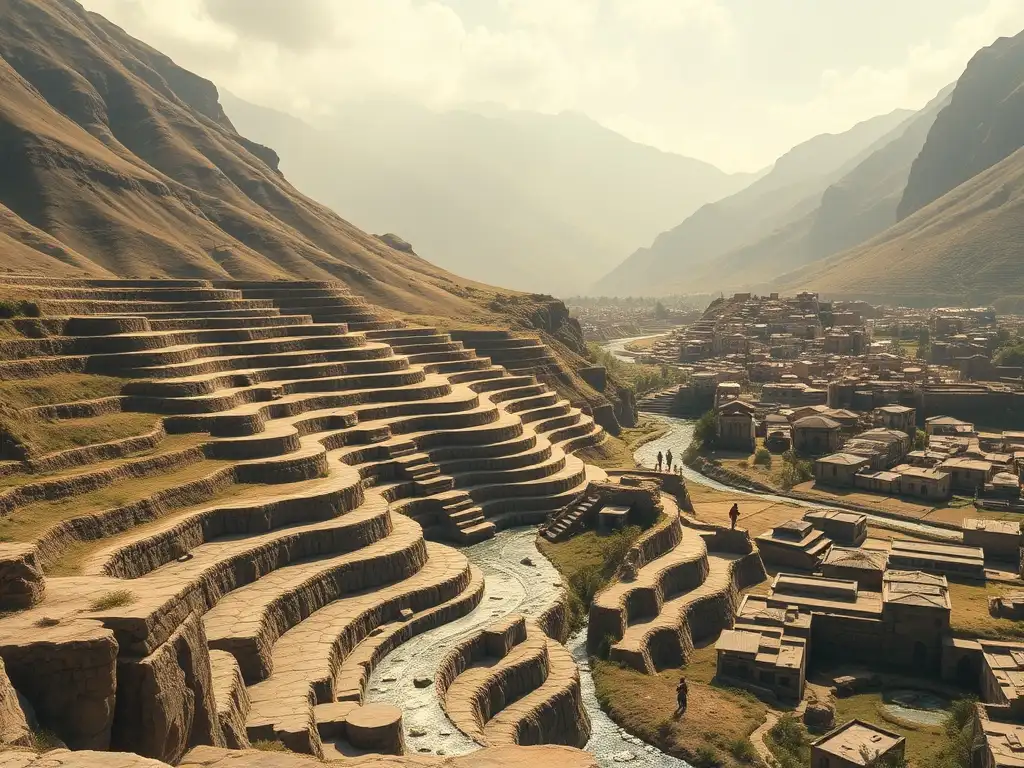
Andean civilizations water management was not a uniform practice; it varied significantly depending on the specific culture, geography, and available resources. Different groups developed ingenious techniques tailored to their unique environments, showcasing remarkable adaptability and engineering prowess. Understanding these diverse approaches reveals the crucial role water played in shaping Andean societies and their agricultural success.
The ingenuity of these systems allowed for thriving agricultural production in often challenging terrains, demonstrating a deep understanding of hydrology and a sophisticated approach to resource management. This section will explore specific examples of water management techniques employed by some of the most prominent Andean cultures.
Water Management in the Inca Empire: A Model of Efficiency
The Inca Empire, renowned for its administrative efficiency, also displayed exceptional skill in water management. Their mastery extended beyond simple irrigation; it encompassed a comprehensive system involving canals, reservoirs, and sophisticated redistribution networks. This wasn't merely about providing water; it was about controlling its flow and ensuring equitable distribution across diverse agricultural landscapes. The Inca's extensive road network played a crucial supporting role, allowing for rapid communication and maintenance of the complex water infrastructure.
The Inca system prioritized terraced agriculture, which maximized land use on steep slopes. These terraces weren't just haphazardly built; they were carefully designed with intricate drainage systems to prevent erosion and optimize water retention. The use of waru waru agriculture, raised beds surrounded by water channels, further enhanced water efficiency and soil fertility.
This method, still practiced today in some areas, exemplifies the Inca's long-term perspective on sustainable resource management. Furthermore, the Inca Empire implemented a complex social organization that ensured the proper maintenance and distribution of water resources, demonstrating a strong connection between social structure and effective water management. Evidence suggests that water rights were carefully regulated, possibly through a system of communal ownership and collective responsibility.
The Inca's success in water management wasn't solely due to technological prowess; it also stemmed from a deep understanding of their environment and a sophisticated approach to resource allocation. Their approach serves as a valuable case study for modern water management strategies, highlighting the importance of integrated systems and community involvement in ensuring sustainable water resource utilization.
The Moche Culture and their Sophisticated Irrigation Systems
The Moche civilization, flourishing on the arid northern coast of Peru, developed remarkably sophisticated irrigation systems to overcome the challenges of their desert environment. Their success is evident in the extensive agricultural production that supported their large population and complex social structure. Their mastery of canal construction is particularly impressive, with canals stretching for kilometers, carrying water from rivers and streams to distant fields. These canals were not merely ditches; they were carefully engineered structures, often incorporating sophisticated techniques to manage water flow and prevent erosion.
The Moche utilized a combination of surface and subsurface irrigation techniques. Surface canals, often lined with stone or clay to reduce water loss, were the backbone of their system. However, they also employed subsurface techniques, possibly involving porous materials to filter and distribute water more effectively.
The construction of these systems required a high degree of engineering skill and coordinated labor, highlighting the importance of collective effort in Moche society. The scale and complexity of their irrigation networks are a testament to their advanced understanding of hydraulic engineering and their ability to adapt to a challenging environment. Their legacy is not just in the impressive ruins but also in the enduring impact of their innovative water management practices on subsequent Andean cultures.
Water Use in the Nazca Culture: Subterranean Aqueducts
The Nazca culture, known for their enigmatic geoglyphs, also demonstrated remarkable ingenuity in their water management techniques. Facing a similarly arid environment to the Moche, they developed a unique solution: subterranean aqueducts known as puquios. These ingenious structures tapped into underground water sources, bringing water to the surface through a network of cleverly designed shafts and tunnels. The puquios were not merely simple wells; they were sophisticated systems that involved careful planning, construction, and maintenance.
The construction of puquios required a detailed understanding of the local hydrology and geology. The Nazca people identified underground water sources and strategically located the shafts to maximize water flow. The tunnels were often lined with stone to prevent collapse and maintain water quality. The design of the puquios allowed for the collection and distribution of water even during periods of drought, ensuring a reliable water supply for agriculture.
The sustainability of this system is particularly noteworthy, highlighting the Nazca's long-term perspective on resource management. The puquios represent a remarkable feat of engineering and a testament to the adaptability and resilience of the Nazca people in the face of environmental challenges. Their ingenious water management techniques continue to inspire awe and admiration, demonstrating the profound connection between Andean civilizations and their environment.
Tiahuanaco and their Advanced Water Control Techniques
The Tiahuanaco civilization, flourishing in the Altiplano region of the Andes from approximately 500 CE to 1000 CE, developed sophisticated water management systems crucial to their agricultural success in a high-altitude, arid environment. Their ingenuity is evident in the intricate network of canals, aqueducts, and artificial reservoirs they constructed to harness and distribute water resources efficiently. This wasn't simply a matter of digging ditches; the Tiahuanaco engineers demonstrated a deep understanding of hydrology and hydraulic engineering, adapting their techniques to the challenging terrain and climate. Their mastery is particularly impressive considering the limitations of their tools and technology.
One of the key features of Tiahuanaco's water management was the creation of extensive canal systems that channeled meltwater from the surrounding mountains down to their agricultural fields. These canals weren't haphazardly dug; they were carefully planned and constructed, with varying slopes and sizes designed to optimize water flow and minimize erosion.
Evidence suggests that they used sophisticated techniques to manage water pressure and prevent flooding, including the construction of spillways and sediment traps. The precise methods used remain a subject of ongoing archaeological research, but the effectiveness of their systems is undeniable, as evidenced by the large-scale agricultural production that supported their sizable population.
Furthermore, the Tiahuanaco people built artificial reservoirs, often integrated into their canal systems, to store water during periods of scarcity. These reservoirs played a crucial role in ensuring a consistent water supply for irrigation, particularly during the dry season. The construction of these reservoirs, often involving considerable earthworks, demonstrates a significant level of engineering skill and community organization.
The scale of these projects suggests a highly organized society capable of mobilizing large numbers of people for coordinated labor. The successful implementation of these water management strategies is a testament to their social and technological capabilities. The enduring legacy of their sophisticated techniques continues to inspire modern water management practices in the region.
Understanding their successes offers valuable insights into sustainable water resource management in challenging environments, highlighting the importance of community organization and technological innovation in addressing water scarcity. Archaeological evidence continues to reveal the complexity and sophistication of their engineering skills, reinforcing the significance of their approach to Andean civilizations water management.
The Impact of Effective Water Management on Andean Agriculture
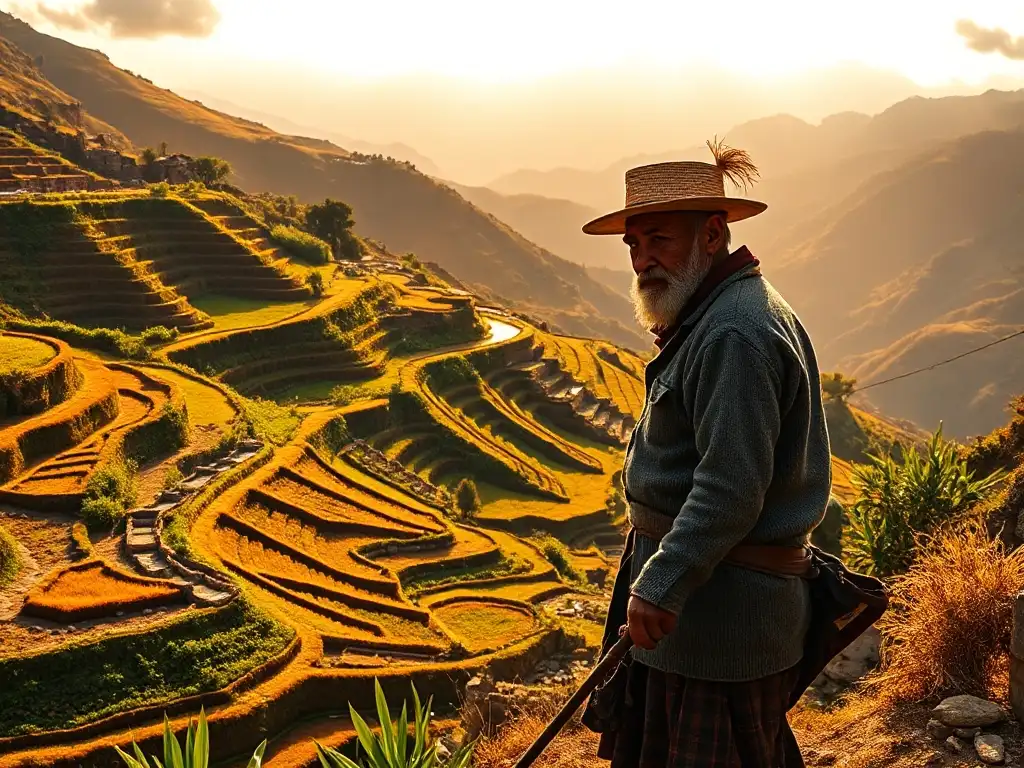
Andean civilizations, renowned for their ingenuity and adaptation to challenging terrains, developed sophisticated water management systems crucial for their agricultural success. The impact of these systems on their societies was profound, shaping everything from population density and social structures to economic stability and cultural practices. Understanding the role of water management in Andean agriculture is key to appreciating the remarkable achievements of these civilizations and their lasting legacy.
The efficient harnessing of water resources allowed for the cultivation of diverse crops, supporting large populations in otherwise arid and mountainous regions. This section will delve into the specifics of this impact, exploring the direct correlation between effective water management and the prosperity of Andean societies. The keyword "Andean civilizations water management" is central to understanding this complex interplay between human ingenuity and environmental adaptation.
Enhanced Crop Yields through Andean Irrigation Methods
The success of Andean agriculture hinged on innovative irrigation techniques. These weren't simply rudimentary canals; they were complex systems reflecting a deep understanding of hydrology, topography, and seasonal variations. The Nazca, for example, are famous for their intricate network of canals, some stretching for kilometers across the desert, transporting water from distant sources to their fields. These canals, often built with meticulous precision, employed ingenious methods like subterranean channels ( qanats) to minimize water loss through evaporation.
The Incas, similarly, developed impressive systems of terraces, canals, and aqueducts, adapting their techniques to the varied altitudes and landscapes of their vast empire. These methods dramatically increased crop yields, allowing for surpluses that sustained population growth and supported specialized labor. Consider the impact of a reliable water supply on crop yields: a single well-designed irrigation system could increase yields by 50% or more compared to rain-fed agriculture, a critical advantage in a region prone to droughts.
This efficiency directly translated into increased food availability and economic prosperity. The ingenuity of these irrigation systems showcases the deep understanding of Andean civilizations in manipulating their environment for agricultural success. The careful planning and construction of these systems are a testament to their advanced engineering and organizational capabilities.
Food Security and Sustainability in the Andean Region
Effective water management was not merely about boosting crop yields; it was fundamental to ensuring food security and long-term sustainability in the Andean region. The unpredictable climate, with its periods of drought and intense rainfall, demanded resilient agricultural practices. The sophisticated water management systems acted as a buffer against these climatic fluctuations, providing a reliable water supply even during periods of scarcity. This resilience was vital for the stability of Andean societies, preventing widespread famine and social unrest.
Furthermore, the sustainable practices employed by Andean civilizations demonstrate a remarkable understanding of environmental conservation. Techniques like terracing minimized soil erosion, and the careful management of water resources prevented depletion. This contrasts sharply with unsustainable agricultural practices that have led to environmental degradation in many parts of the world.
The Andean approach provides a valuable lesson in sustainable agriculture, demonstrating how careful planning and resource management can ensure both food security and environmental protection. The long-term sustainability of their agricultural practices is a key factor in understanding the longevity and success of Andean civilizations. Their legacy serves as a powerful reminder of the importance of integrating environmental concerns into agricultural planning.
The Legacy of Andean Water Management for Modern Agriculture
The legacy of Andean water management continues to resonate today. Many of the techniques developed by ancient Andean civilizations are still relevant and applicable in modern agriculture, particularly in arid and mountainous regions. The principles of terracing, for example, are still used to cultivate slopes and reduce erosion, while the concept of water harvesting remains a crucial strategy for conserving water resources.
Modern agricultural engineers and researchers are increasingly drawing inspiration from Andean techniques to develop sustainable and efficient irrigation systems. The study of Andean water management offers valuable insights for addressing contemporary challenges such as climate change and water scarcity. The sophisticated systems employed by Andean civilizations serve as a powerful reminder of the importance of integrating environmental considerations into agricultural practices.
Furthermore, understanding their innovations can help us develop more resilient and sustainable agricultural systems for the future, securing food supplies in the face of growing environmental pressures. The study of Andean water management is not just a historical exercise; it is a crucial resource for improving agricultural practices and ensuring food security for generations to come. The enduring relevance of these ancient techniques underscores their ingenuity and adaptability.
Challenges and Future of Water Management in the Andes
The Andes, a region renowned for its breathtaking landscapes and vibrant ancient civilizations, faces significant challenges in maintaining its water resources, crucial for both its population and its agricultural heritage. Effective Andean civilizations water management has always been paramount for survival, but modern pressures are testing the limits of traditional and innovative approaches alike. The intricate systems developed by past Andean cultures, while impressive, are now struggling to cope with the escalating effects of climate change and population growth. Understanding these challenges is vital for securing the future of Andean agriculture and the well-being of its communities.
Modern Threats to Andean Water Resources
Modern threats to Andean water resources are multifaceted and interconnected. Climate change, manifested in altered precipitation patterns—including increased frequency of droughts and floods—poses a significant risk. Glacial melt, a primary source of water for many Andean communities, is accelerating at an alarming rate, threatening future water availability. This is particularly critical considering the uneven distribution of water resources across the Andes, with some regions experiencing chronic water scarcity while others face devastating floods.
Furthermore, unsustainable agricultural practices, including deforestation and overuse of fertilizers and pesticides, contribute to water pollution and degradation. The increasing demand for water from expanding urban centers further exacerbates the pressure on already strained resources. Specific examples include the shrinking glaciers in the Cordillera Blanca in Peru, directly impacting water supply for communities in the region, and the increased salinity of coastal aquifers in northern Chile due to unsustainable irrigation practices.
These factors combine to create a complex web of challenges that demand urgent attention and innovative solutions. The need for comprehensive water resource management strategies that address both immediate and long-term needs is clear. Detailed hydrological modeling and improved water infrastructure are crucial to mitigate future risks.
The Importance of Preserving Traditional Andean Water Management Knowledge
Despite the modern challenges, the ingenuity of Andean civilizations water management systems offers valuable lessons for the future. For centuries, Andean communities developed sophisticated techniques for water harvesting, storage, and distribution, adapting to the unique environmental conditions of the region. These systems, often integrated into the landscape, demonstrated remarkable resilience and sustainability.
Examples include the qanatos (underground canals) of the Nazca culture and the intricate irrigation systems of the Inca Empire. These systems weren't just technical marvels; they were deeply embedded in the social and spiritual fabric of Andean communities, illustrating the importance of collective action and resource stewardship. Preserving this invaluable knowledge, often passed down through generations via oral traditions, is crucial for developing sustainable water management practices today.
Ethnobotanical studies exploring traditional water management techniques, coupled with participatory approaches involving local communities, are vital to adapting this knowledge to modern challenges. Ignoring this legacy risks losing a treasure trove of practical solutions and cultural heritage. The integration of traditional knowledge with modern scientific approaches presents a powerful pathway towards sustainable water security in the Andes.
Sustainable Water Management Practices for Andean Agriculture Today
Sustainable water management for Andean agriculture requires a holistic approach that integrates traditional knowledge with modern technologies. This involves implementing water-efficient irrigation techniques such as drip irrigation and rainwater harvesting, promoting drought-resistant crops, and improving soil health to enhance water retention. Diversification of crops and farming systems is essential to reduce vulnerability to climate variability.
Furthermore, community-based water management initiatives, empowering local communities to participate in the planning and implementation of water resource management projects, are crucial for ensuring equity and sustainability. The adoption of water-saving technologies and practices should be supported by policy frameworks that incentivize sustainable water use and protect water resources from pollution. Investing in education and training programs to build capacity within Andean communities is also essential.
A multi-pronged strategy, combining careful monitoring of water resources, the implementation of water-efficient technologies, and the active participation of local communities, is the key to ensuring long-term water security and agricultural sustainability in the Andes. The future of Andean agriculture depends on a responsible and innovative approach to water management that respects both the region's rich heritage and the urgent demands of the present.
Frequently Asked Questions
How did Andean civilizations manage water given the challenging terrain?
Andean civilizations developed sophisticated water management systems adapted to their diverse environments. These included canals, aqueducts, and reservoirs, often built on steep slopes and across vast distances.
What role did water play in the success of Andean agriculture?
Water was essential for survival in the Andes. Efficient irrigation systems allowed for intensive agriculture, supporting large populations and complex societies. Without it, farming would have been impossible in many areas.
Did different Andean cultures have unique approaches to water management?
Yes, each culture developed techniques suited to its specific environment and needs. The Nazca's intricate canal systems differ significantly from the Inca's terraced farming and sophisticated reservoirs, for example.
What evidence exists to show the advanced nature of Andean water management?
Archaeological findings reveal the scale and complexity of Andean water projects. The remains of canals, aqueducts, and sophisticated irrigation systems are still visible today, showcasing their engineering prowess.
What impact did climate change have on Andean water management systems?
Climate change significantly impacted water availability, leading to challenges for Andean agriculture. The effectiveness of ancient systems is being studied to inform modern water management strategies in the face of modern climate change.
Final Reflection: A Legacy of Water, A Future of Sustainability
The ingenious water management systems of Andean civilizations remain a powerful testament to human ingenuity, yet their relevance today is more critical than ever before. Facing the escalating challenges of climate change and population growth, the lessons learned from these ancient cultures offer a vital roadmap for securing a sustainable future, particularly in the fragile Andean ecosystem. Their innovative techniques, from intricate canal systems to sophisticated terraces, serve as a potent reminder of the intricate relationship between human civilization and the natural world.
The enduring legacy of Andean water management continues to shape the cultural and social landscape of the region, influencing agricultural practices and community structures to this day. The ingenuity of these ancient systems is not merely a historical curiosity; it represents a profound understanding of ecological balance and resource management. Water is the lifeblood of the Andes, and its wise management is the key to our survival.
This simple truth, echoed across generations, underscores the urgent need to protect and revitalize these vital systems in the face of modern pressures.
Consider the intricate balance between human needs and environmental preservation. The challenges faced by Andean communities today – drought, desertification, and the impacts of climate change – demand a renewed commitment to sustainable water management practices. You, the reader, hold the power to contribute to this vital cause. By supporting initiatives that promote sustainable agriculture, advocating for responsible water use, and educating others about the importance of water conservation, you can help ensure that the legacy of Andean water wisdom continues to flourish for generations to come.
**Transform Your Impact: Embrace Sustainable Water Practices! **
Thank you for exploring the crucial role of water management in Andean agriculture. You've gained valuable insights into a topic vital to sustaining livelihoods and shaping the future of our environment and communities. Let's use this knowledge to make a real difference!
Here are some immediate actions you can take:
- **Conserve water:** Implement rainwater harvesting or drip irrigation in your garden or farm.
- **Join a local community group** focused on sustainable agriculture to share your experiences and learn from others.
- **Raise awareness:** Share this information with friends, family, and on social media to encourage discussion about responsible water management.
What innovative water management techniques have you encountered that could benefit Andean farmers and their communities?