
Moche Metallurgy Techniques: Shaping Metals with Precision

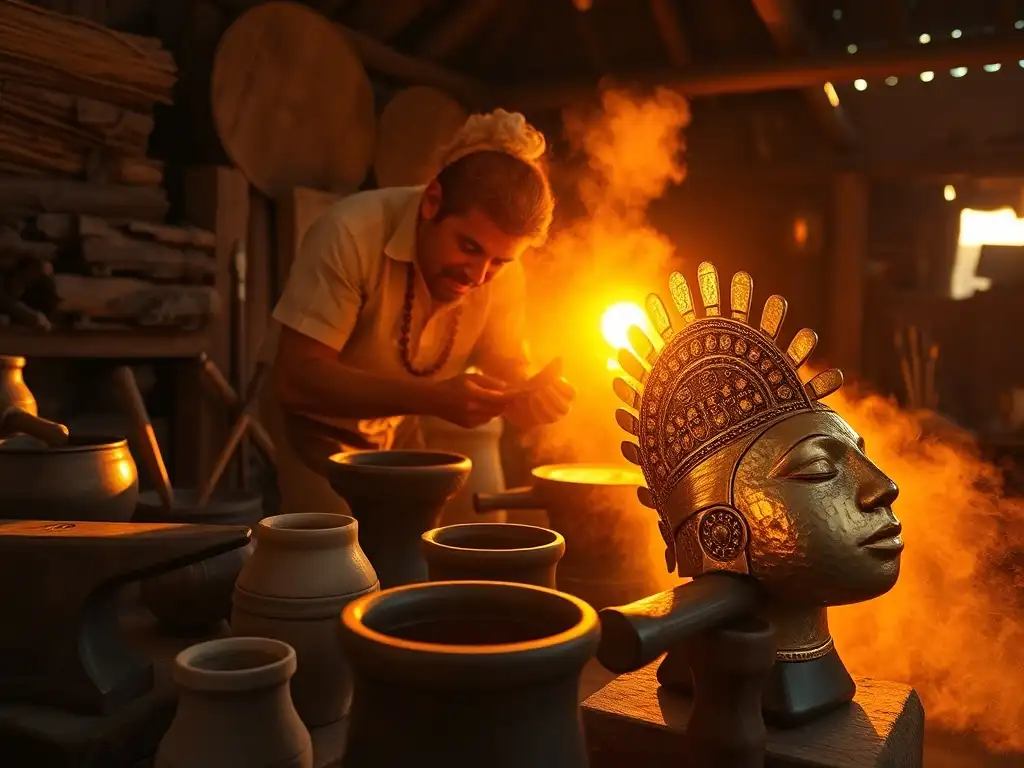
Step into a world lost to time, yet echoing with the artistry and ingenuity of the Andes. Prepare to be amazed by the unparalleled sophistication of ancient Andean cultures, from the Incas to the Nazca. But first, let's delve into the secrets of the Moche, a civilization whose mastery of metalworking remains a source of wonder. Discover the intricate details of their Moche metalworking techniques – a testament to their advanced technology and artistic vision. Are you ready to uncover the mysteries hidden within these breathtaking artifacts?
The Moche civilization (c. 100 – 800 CE), flourishing along the arid northern coast of Peru, left behind a remarkable legacy of artistic and technological achievements. Among their most impressive contributions is their mastery of metallurgy, a testament to their sophisticated understanding of materials science and their highly developed craftsmanship.
This article delves into the fascinating world of Moche metalworking techniques, exploring the processes they employed to shape metals with astonishing precision and create objects of both practical and ceremonial significance. We will examine the societal importance of these metalworks and the innovative techniques that allowed the Moche to produce such exquisitely detailed artifacts, solidifying their place as one of the most advanced metalworking cultures of pre-Columbian South America.
Understanding their metalworking techniques offers a unique window into the complexity and artistry of Moche society, revealing insights into their social structures, religious beliefs, and daily lives. This exploration will illuminate the ingenuity and skill behind the creation of iconic Moche artifacts, revealing the secrets behind their enduring appeal.
Introduction to Moche Metal Craftsmanship
Moche metalworkers demonstrated an exceptional level of skill in a variety of techniques. Their expertise extended beyond simple shaping; they were masters of intricate casting, hammering, repoussé (hammering from the back to create relief), and soldering. They utilized a variety of metals, primarily gold, silver, copper, and alloys like tumbaga (a gold-copper alloy).
The Moche's ability to create complex forms and highly detailed surface decorations is truly remarkable. Consider the intricate details found on their iconic portrait vessels, depicting individuals with remarkable realism, adorned with headdresses, jewelry, and other accoutrements. The precision involved in creating these pieces, often less than an inch in height, speaks volumes about the sophistication of their tools and techniques.
Furthermore, the Moche weren't simply replicating existing forms; they were constantly innovating, developing new techniques and expanding the possibilities of metalworking. Their experimentation led to the creation of unique alloys and the development of highly refined casting methods, resulting in objects of exceptional quality and artistry. The survival of numerous examples of their work allows us to study and appreciate the nuances of their craftsmanship, revealing a level of skill that continues to amaze and inspire.
The Importance of Metal in Moche Society
Metal objects in Moche society held significant cultural and religious value. They were not merely functional tools; they served as potent symbols of power, status, and religious authority. Elaborate gold and silver ornaments, such as necklaces, earrings, and headdresses, were worn by elites, signifying their high social standing.
The intricate designs often featured deities, mythical creatures, and scenes from Moche mythology, reinforcing their religious significance. Metal objects were also integral to funerary rituals. Tombs of elite individuals often contained a wealth of metal artifacts, including ceremonial objects, weapons, and personal adornments, reflecting the belief that these items would accompany the deceased into the afterlife.
The presence of these objects suggests a strong connection between metalwork and the Moche worldview, underscoring the importance of metals in their religious and spiritual practices. The careful craftsmanship displayed in these funerary objects demonstrates the high regard in which metalworking was held within Moche society, and the skilled artisans who produced them held positions of considerable respect and influence. The sheer quantity and quality of surviving Moche metal artifacts provide compelling evidence of the crucial role metal played in all aspects of Moche life.
Moche Metalworking: Materials and Sources
The Moche, renowned for their sophisticated metalworking, skillfully utilized readily available materials from their environment. Their mastery extended to a variety of metals, primarily gold, silver, and copper, each presenting unique challenges in extraction and processing. The geographical location of Moche settlements played a crucial role in determining the accessibility of these resources.
Coastal regions provided access to copper deposits, while gold and silver sources were often located in the Andean highlands, requiring elaborate trade networks or expeditions to acquire these precious metals. The Moche's ability to establish and maintain these supply chains is a testament to their organizational prowess and economic sophistication. Interestingly, the Moche didn't limit themselves to pure metals; they also employed alloys, combining metals to achieve desired properties like hardness or color.
This sophisticated understanding of metallurgy allowed them to create a wide range of artifacts, from intricate jewelry and ceremonial objects to functional tools and weapons. The quality and variety of their metalwork demonstrate a deep understanding of both the material properties and the techniques necessary to manipulate them. Evidence suggests that the sourcing and acquisition of these materials were closely controlled, possibly by a ruling elite or specialized guilds, reflecting the importance of metalworking within Moche society.
Extraction and Preparation of Metals by the Moche
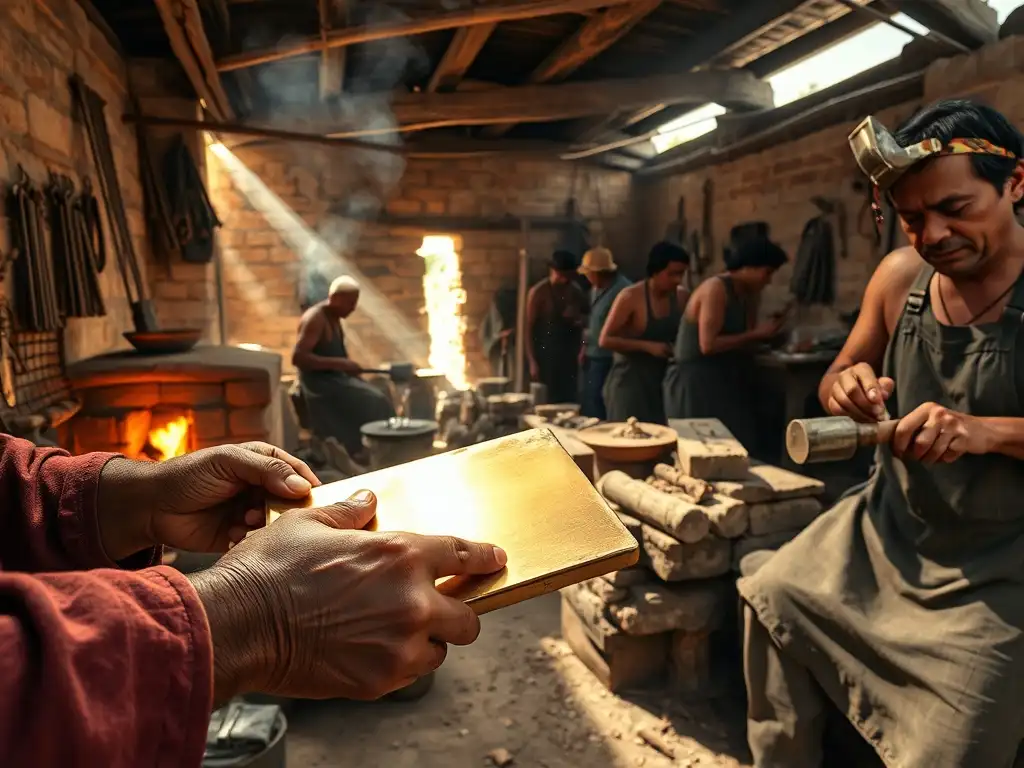
Moche metalworking involved a complex series of steps, beginning with the extraction of raw materials from their natural sources. This process varied significantly depending on the metal in question. The transformation of raw ore into workable metal required considerable skill and knowledge of metallurgical techniques.
The Moche employed various methods to refine and purify their metals, including techniques like smelting, annealing, and hammering. These processes were often carried out in specialized workshops or areas, potentially indicating a division of labor within Moche society, with specialized artisans responsible for different stages of metal production. The precise methods utilized by the Moche remain a subject of ongoing research, but archaeological evidence, such as the remnants of furnaces and tools, provides valuable insights into their techniques.
The level of sophistication evident in their finished products suggests a high degree of expertise and a well-established metallurgical tradition. Furthermore, the consistent quality of Moche metalwork implies a degree of standardization and control over the entire production process, from resource acquisition to the final shaping of the artifact.
Moche Gold Mining Practices
Moche gold mining practices were likely influenced by the geographical distribution of gold deposits in the Andes. While the precise locations of their mines remain partially unknown, evidence suggests that they may have engaged in both alluvial mining (collecting gold from riverbeds) and possibly some form of hard-rock mining in higher elevations. The extraction of gold would have involved considerable labor, requiring tools like picks, shovels, and possibly even rudimentary water-management systems to facilitate the extraction process.
Once extracted, the gold ore would have needed to be processed to separate the gold from other materials. While the exact techniques employed by the Moche are not fully understood, methods like panning, amalgamation (using mercury), or fire-assaying may have been used to refine the gold to a high degree of purity.
The resulting gold would then be ready for shaping into the diverse range of artifacts for which the Moche are famous. The scale of gold production and the quality of the finished gold objects highlight the significant investment of resources and expertise dedicated to this crucial aspect of Moche metalworking.
Moche Silver Acquisition and Processing
Similar to gold, silver acquisition likely involved trade networks extending to areas with known silver deposits in the Andes. The Moche may have obtained silver through trade or direct acquisition, possibly utilizing similar mining techniques as for gold, adapting to the specific geological conditions of silver deposits.
The processing of silver ore involved methods to separate the silver from other minerals present in the ore. Again, the exact techniques remain a subject of ongoing research, but methods similar to those used for gold, such as fire-assaying or other chemical processes, are plausible. The refined silver was then ready to be shaped and crafted into a variety of objects, often combined with other metals or inlaid with other materials, showcasing the Moche's advanced metalworking capabilities.
The presence of silver in Moche artifacts demonstrates their ability to access and effectively process this valuable metal, further illustrating their sophisticated metallurgical skills and economic networks.
Copper Sources and Treatment in Moche Metallurgy
Copper, readily available in coastal regions, formed a significant component of Moche metalworking. The Moche likely mined copper ores from surface deposits or near-surface veins, a process less labor-intensive than high-altitude gold or silver mining. Copper smelting, the process of extracting copper from its ore, was a crucial step.
The Moche likely employed furnaces, possibly fueled by charcoal, to heat the ore to high temperatures, causing the copper to melt and separate from impurities. The molten copper would then be cast into ingots or directly shaped using various techniques. The presence of copper artifacts, including tools, weapons, and decorative elements, throughout Moche sites demonstrates the widespread use and importance of this metal in their society.
Their ability to consistently produce high-quality copper objects underscores their mastery of metallurgical techniques, reflecting a deep understanding of both the material's properties and the processes required to manipulate it effectively. The abundance of copper in Moche metalwork is a testament to the accessibility of this resource and the Moche's skill in utilizing it.
Moche Metalworking Techniques: A Detailed Look
The Moche, a pre-Columbian civilization flourishing on the northern coast of Peru from approximately 100 to 800 CE, were renowned for their sophisticated metalworking techniques. Their mastery of metallurgy allowed them to create stunning and intricate artifacts, showcasing their advanced technological capabilities and artistic sensibilities. The Moche developed a diverse range of techniques, from hammering and annealing to casting, gilding, plating, and soldering, reflecting a deep understanding of material properties and manipulation.
These skills were not merely technical achievements; they were integral to their religious beliefs, social structures, and political power. The precision and artistry displayed in their metalwork are testament to a highly skilled and specialized artisan class, whose expertise contributed significantly to the Moche's cultural identity. The development of these techniques likely involved generations of knowledge transfer and refinement, leading to increasingly complex and aesthetically pleasing results.
The longevity and impact of their metalworking traditions are evident in the surviving artifacts and their continued influence on later Andean cultures. Understanding their techniques provides invaluable insights into the ingenuity and sophistication of this remarkable civilization.
Moche Hammering and Annealing Methods
Moche artisans employed hammering as a primary metal shaping technique. They used various types of hammers, likely made from stone or wood, to gradually shape malleable metals like gold, silver, and copper. The process involved repeated strikes, often with progressively smaller hammers, to achieve the desired form.
Annealing, a crucial step in the hammering process, involved heating the metal to a specific temperature and then allowing it to cool slowly. This process softened the metal, making it more pliable and less prone to cracking during hammering. The Moche likely controlled the annealing process carefully, using various types of fuel and ovens to achieve the optimal temperature and cooling rate.
Evidence suggests that they may have used charcoal or other organic materials as fuel, employing techniques that allowed for precise temperature control. The combination of hammering and annealing allowed the Moche to create intricate shapes and designs with remarkable precision, particularly evident in the delicate details of their gold ornaments and headdresses. The absence of readily available written records means that the precise details of their methods remain largely inferred from the objects themselves.
Moche Metal Casting Procedures
Lost-wax casting was a central technique in Moche metalworking. This sophisticated method involved creating a wax model of the desired object, covering it in clay, and then melting out the wax to leave a mold. Molten metal was then poured into this mold, solidifying to create a perfect replica of the original wax model.
The Moche's mastery of this technique is demonstrated by the intricate details and thinness of many of their cast artifacts. They were able to cast objects of various sizes and complexities, from small figurines to large ceremonial vessels. The selection of appropriate alloys and the precise control of the casting temperature were vital for achieving high-quality castings.
Evidence suggests they may have used crucibles made of clay or other heat-resistant materials to melt the metals. The process likely required significant skill and experience, reflecting a high level of specialization within Moche society. The precision of their casting is a testament to their advanced metallurgical knowledge and expertise.
Moche Gilding and Plating Techniques
The Moche were skilled in applying thin layers of gold or other precious metals to base metals, using techniques of gilding and plating. Gilding involved applying a thin layer of gold leaf to a surface, often using an adhesive. Plating involved a more complex process, potentially employing electroplating or a similar technique to bond a thicker layer of gold or other precious metals to a base metal object.
These techniques enhanced the appearance and value of their artifacts, and were commonly used to decorate ceremonial objects, weapons, and jewelry. The thinness and evenness of the applied gold layers in many Moche artifacts indicate a high degree of skill and precision.
The exact methods used remain a subject of ongoing research, but analysis of surviving artifacts suggests a sophisticated understanding of metallurgical processes. The use of gilding and plating reflects the Moche's appreciation for precious metals and their ability to integrate these materials into their artistic creations.
Moche Soldering and Joining Processes
The Moche skillfully joined different pieces of metal using soldering techniques. They used a variety of alloys, likely containing copper and other metals, as solder to fuse metal components together. The precise temperature control required for soldering suggests a sophisticated understanding of metallurgy. The strength and precision of the solder joints in many Moche artifacts demonstrate their mastery of this technique.
The use of soldering allowed them to create complex, multi-part objects, such as elaborate headdresses and intricate jewelry. The soldering process, combined with other techniques like hammering and casting, permitted the creation of highly complex and detailed metalwork. The Moche's ability to seamlessly join different metal pieces highlights their advanced metallurgical skills and their capacity to create durable and aesthetically pleasing artifacts.
Moche Metal Artifacts: Examples and Significance
The surviving Moche metal artifacts provide compelling evidence of their advanced metallurgical capabilities and their rich cultural practices. These objects, ranging from utilitarian tools to elaborate ceremonial items, offer insights into their social structures, religious beliefs, and artistic achievements. The careful craftsmanship and artistry evident in these artifacts underscore the importance of metalworking in Moche society.
Moche Gold Masks and Their Ritualistic Use
Moche gold masks are among the most striking examples of their metalworking prowess. These masks, often depicting stylized faces or deities, were likely used in religious ceremonies and rituals. Their intricate detail and use of precious materials highlight their importance in Moche religious practices. The masks' size and weight suggest they may have been worn during ceremonies or used as offerings. The gold itself held symbolic significance, representing wealth, power, and the sun. Their discovery in tombs and ceremonial contexts reinforces their sacred nature and their role in the afterlife beliefs of the Moche.
Moche Silver Ornaments and Status Symbols
Moche silver ornaments, including earrings, necklaces, and pendants, were often used as status symbols. The intricate designs and high quality of the silverwork suggest that these items were worn by elite members of society. The use of silver, a precious metal, further emphasizes their importance as markers of social standing. The designs often incorporated symbolic motifs, reflecting Moche religious beliefs and iconography. The discovery of silver ornaments in tombs and elite contexts underscores their association with power and prestige within Moche society.
Moche Copper Tools and Utilitarian Objects
Moche artisans also produced a wide range of copper tools and utilitarian objects, reflecting their practical application of metalworking techniques. These included axes, knives, needles, and other tools used in everyday life. While less ornate than their ceremonial artifacts, these objects demonstrate the Moche's ability to adapt their skills to practical needs. The durability and functionality of these copper tools highlight their understanding of material properties and their ability to create effective tools for various purposes. The presence of copper tools in a variety of archaeological contexts underscores their widespread use within Moche society.
The Ai Apaec Gold Headdress: A Study in Moche Metalwork
The Ai Apaec gold headdress is a prime example of Moche metallurgical mastery. This elaborate headdress, featuring a complex design and intricate details, showcases the Moche's expertise in hammering, casting, gilding, and soldering. The headdress, likely worn by a high-ranking individual during important ceremonies, symbolizes their mastery of metalworking and their sophisticated understanding of religious iconography.
Its complex construction demonstrates the collaboration of multiple skilled artisans and the significant time and resources invested in its creation. The Ai Apaec headdress stands as a testament to the peak of Moche metalworking achievements, showcasing their technical skill, artistic vision, and the importance of metalwork in their culture.
Moche Metalworking: Innovation and Skill
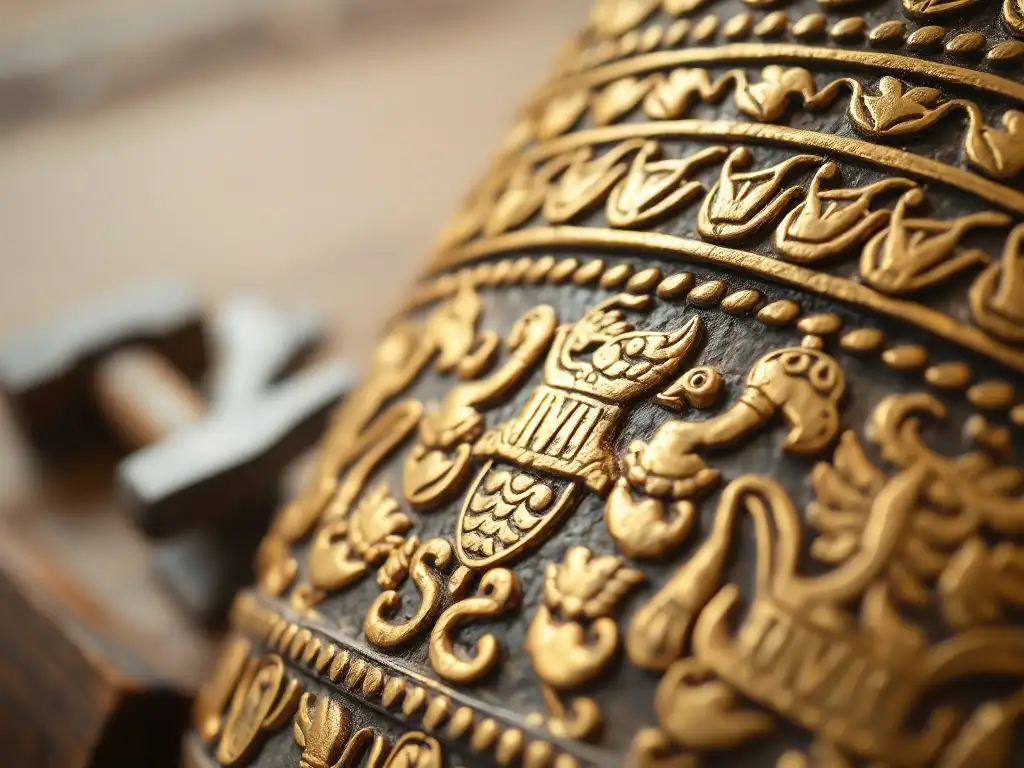
The Moche civilization (circa 100-800 CE) displayed remarkable prowess in metalworking, surpassing many contemporary cultures in the Andes. Their achievements weren't simply about crafting functional objects; they created intricate and aesthetically stunning pieces, showcasing a sophisticated understanding of metallurgy. This mastery wasn't accidental; it was the result of centuries of accumulated knowledge, passed down through generations of skilled artisans.
The Moche weren't just shaping metal; they were manipulating it into complex forms, reflecting their deep understanding of its properties. The precision and detail evident in their work are testament to their exceptional skills and innovative techniques. Their success stemmed from a combination of factors including access to high-quality ores, the development of specialized tools, and a highly organized system of craft production.
The sheer variety of metal objects produced—from intricate jewelry to elaborate ceremonial items—demonstrates both their technical skill and their artistic vision. The Moche metalworkers were true innovators, constantly pushing the boundaries of what was possible with the materials at their disposal. They weren't limited to simple techniques; they employed advanced methods like lost-wax casting, hammering, and soldering to create their masterpieces.
The Development of Specialized Tools
The Moche metalworking process relied heavily on the development and refinement of specialized tools. Archaeological evidence reveals a wide range of instruments, meticulously crafted to facilitate different stages of the metalworking process. These tools included various types of hammers, for shaping and smoothing the metal; crucibles, for melting and refining ores; and tongs, for manipulating hot metal.
The precision of the Moche metalwork suggests a high degree of control over the tools and the metal itself. The design and construction of these tools reflected an intimate understanding of the materials' properties and the forces involved in shaping them. For example, the hammers varied in size and weight, tailored to the specific task at hand, from the delicate shaping of fine jewelry to the more forceful work involved in creating larger objects.
Furthermore, the development of specialized tools allowed the Moche to increase both the efficiency and the quality of their metalwork. This technological advancement was crucial to their success in producing the large quantities and diverse range of metal objects found in Moche sites. The sophistication of these tools speaks volumes about the Moche's advanced understanding of engineering and their dedication to refining their craft.
Moche Artisans: Masters of Metal
The Moche metalworkers were not merely skilled laborers; they were highly respected artisans within their society. Their expertise required years of training and practice to master the complex techniques involved in metalworking. The dedication and precision required for the intricate details found in Moche metalwork suggest a high level of specialization and a hierarchical organization within the workshops.
Evidence suggests that these artisans held a significant social status, reflected perhaps in their burial practices or the prestige associated with their creations. The level of artistry displayed in their work suggests that these individuals possessed not only technical skill but also a strong aesthetic sensibility. They were able to translate their understanding of the natural world into their artistic creations, using metal to represent animals, deities, and other significant elements of their culture.
The Moche metalworkers were more than just craftsmen; they were artists who played a vital role in shaping the cultural identity of their civilization. Their skills and artistry left an enduring legacy that continues to fascinate and inspire today. Their work provides invaluable insights into the social organization, beliefs, and artistic sensibilities of this remarkable civilization.
The Influence of Moche Metalworking on Later Andean Cultures
The sophisticated metalworking techniques developed by the Moche had a profound and lasting impact on subsequent Andean cultures. Their innovations in lost-wax casting, alloying, and decorative techniques were adopted and adapted by later civilizations, such as the Chimú and Inca. The Moche's mastery of metalwork is clearly evident in the stylistic elements and technical approaches employed by these later groups.
For instance, the intricate designs and high level of detail found in Moche metalwork are echoed in the work of later Andean metalworkers. The transmission of these skills likely occurred through a combination of factors, including trade, migration, and cultural exchange. The continuity of metalworking traditions across different Andean cultures highlights the significant role of the Moche as innovators and pioneers in the field.
Their influence extended far beyond their own time and geographic location, leaving an indelible mark on the history of Andean metallurgy. Studying the evolution of Moche metalworking techniques allows us to trace the development of this important craft and understand its enduring influence on the cultures that followed. This legacy demonstrates the power of cultural transmission and the long-term impact of technological innovation.
Conclusion: The Legacy of Moche Metalworking
The Moche legacy in metalworking is undeniable. Their innovative techniques, highly skilled artisans, and the sheer artistry displayed in their creations continue to amaze and inspire. The sophistication of their metalwork reflects not only their technological prowess but also their rich cultural and spiritual beliefs.
From the intricate details of their jewelry to the powerful imagery depicted in their ceremonial objects, the Moche metalworkers left behind a treasure trove of artifacts that offer valuable insights into their society and worldview. Their influence extended far beyond their own time, shaping the development of metalworking in the Andes for centuries to come. The study of Moche metalworking techniques provides a fascinating glimpse into the ingenuity and artistry of this remarkable civilization, underscoring the enduring power of human creativity and innovation.
Their achievements serve as a testament to the enduring legacy of a culture that mastered the art of shaping metal with precision and artistry. The meticulous craftsmanship and artistic vision of the Moche metalworkers remain a source of wonder and inspiration, continuing to captivate audiences and researchers alike.
Further Reading on Moche Metalworking
To delve deeper into the fascinating world of Moche metalworking techniques, several avenues for further research exist. Academic journals often publish in-depth analyses of newly discovered artifacts and refined dating techniques, offering crucial insights into the evolution of Moche metallurgical practices. These publications frequently feature detailed chemical analyses of the metals used, revealing the sources of the raw materials and shedding light on the sophistication of their smelting processes. Look for keywords such as "Moche metallurgy," "ancient Andean metalworking," and "pre-Columbian metallurgy" in academic databases like JSTOR and Project MUSE.
Beyond academic journals, museum catalogs and exhibition materials provide valuable access to curated collections of Moche metalwork. These catalogs often include high-resolution images, detailed descriptions of the objects, and scholarly essays contextualizing the artifacts within their socio-cultural and historical frameworks. Many museums now also offer virtual tours and online databases of their collections, making access to these resources easier than ever before. Searching for specific museums known for their holdings of pre-Columbian artifacts, such as the Larco Museum in Lima, Peru, will yield significant results.
Finally, engaging with reputable books on Andean archaeology and pre-Columbian cultures offers a broader understanding of the context in which Moche metalworking flourished. These books often provide comprehensive overviews of the Moche civilization, placing their metallurgical achievements within a larger narrative of their social organization, religious beliefs, and technological advancements. Look for books that specifically discuss Moche art and technology, as these will likely dedicate substantial sections to their remarkable metalworking skills.
Remember to critically evaluate the sources you consult, paying attention to the author's credentials and the publication date to ensure the information is accurate and up-to-date. By exploring these resources, you can gain a comprehensive understanding of the intricate and sophisticated world of Moche metalworking.
- Introduction to Moche Metal Craftsmanship
- The Importance of Metal in Moche Society
- Moche Metalworking: Materials and Sources
- Extraction and Preparation of Metals by the Moche
- Moche Metalworking Techniques: A Detailed Look
- Moche Metal Artifacts: Examples and Significance
- Moche Metalworking: Innovation and Skill
- Conclusion: The Legacy of Moche Metalworking
- Further Reading on Moche Metalworking
- What materials did the Moche primarily use for their metalwork?
- What were some of the Moche's most impressive metalworking achievements?
- How did the Moche achieve such fine detail in their metalwork?
- What role did metalworking play in Moche society?
- Where can I see examples of Moche metalwork today?
Frequently Asked Questions
What materials did the Moche primarily use for their metalwork?
The Moche primarily used gold, silver, copper, and bronze, often combining them in intricate alloys to achieve specific colors and properties. They also incorporated shells and stones into their metalwork.
What were some of the Moche's most impressive metalworking achievements?
The Moche created incredibly detailed figurines, jewelry, tools, and weapons, demonstrating mastery of lost-wax casting, hammering, repoussé, and gilding techniques. Their work is renowned for its high quality and artistic skill.
How did the Moche achieve such fine detail in their metalwork?
Their success stemmed from a combination of advanced techniques like lost-wax casting and sophisticated tools. Careful planning and execution, along with a deep understanding of metallurgy, allowed them to create remarkably intricate pieces.
What role did metalworking play in Moche society?
Metalworking held significant religious and political importance in Moche society. Elite status was often reflected in the use of precious metals, and metal objects were frequently used in ceremonial contexts.
Where can I see examples of Moche metalwork today?
Many examples of Moche metalwork are housed in museums around the world, including Peru. Major collections can be found at the Larco Museum in Lima and the National Museum of Archaeology, Anthropology, and History of Peru.
Final Reflection: The Enduring Legacy of Moche Metalworking
The intricate artistry of Moche metallurgy continues to resonate today, a testament to the ingenuity and cultural depth of a civilization lost to time. Their mastery of lost-wax casting, hammering, and gilding remains a source of wonder and inspiration for modern metallurgists and art historians alike, showcasing a level of technical skill that surpasses many contemporary expectations for a pre-Columbian society. The precision and artistry displayed in their work are truly remarkable.
The impact of Moche metalworking extends far beyond the realm of archaeology; it speaks to the enduring power of human creativity and innovation. Their techniques, though developed centuries ago, continue to inform our understanding of material science and artistic expression. The sheer beauty and complexity of their artifacts—from delicate gold ornaments to imposing ceremonial objects—reveal a sophisticated understanding of both the physical properties of metals and the symbolic power they held within their society. The Moche were not simply artisans; they were alchemists, transforming base metals into objects of profound spiritual and social significance.
This quote encapsulates the deeper meaning embedded within their craft.
Consider the legacy of the Moche for a moment. Their skill, their dedication, their artistry—all preserved in the shimmering gold and intricate silver that survives to this day. You too can find inspiration in their dedication to craft and precision.
Take a moment to appreciate the beauty of skilled craftsmanship in your own life, whether it's in the design of a building, the creation of a piece of art, or even the simple act of building something with your own hands. Let the enduring spirit of Moche metalworking inspire you to strive for excellence and appreciate the enduring power of human creativity.
Unveil the Art of Moche Metallurgy Today!
Thank you for exploring the fascinating world of Moche metallurgy! Discovering their intricate techniques offers invaluable insight into the precision of these ancient artisans. Now, let's delve deeper into this rich heritage.
Here are some ways to continue your journey:
- Explore Moche Artifacts: Visit a local museum or explore online exhibitions showcasing Moche metalwork. Seeing these pieces firsthand will deepen your appreciation for their exceptional craftsmanship.
- Connect with other enthusiasts: Join online forums or social media groups dedicated to ancient civilizations. Sharing your discoveries and insights with fellow history buffs is a rewarding experience.
- Try metalworking: Consider taking a beginner's metalworking class to experience the techniques firsthand. You might even discover a hidden talent!
Reflect on your experience: What aspect of Moche metallurgy captivates you most, and how will you share this knowledge with others?