
Moche Ceramic Collections: Where to See the Ancient Treasures

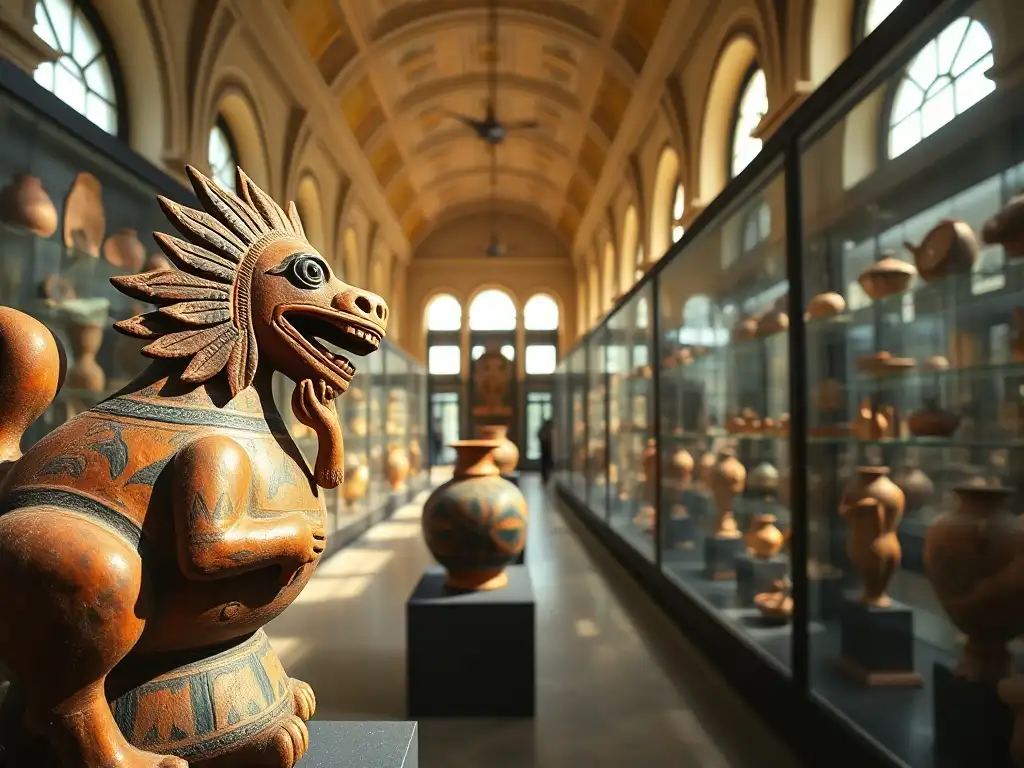
Uncover the secrets whispered by the sands of time! Dive into the vibrant world of the Andean civilizations, where majestic empires rose and fell, leaving behind a legacy of breathtaking artistry. Intrigued by intricate designs and powerful symbolism? Then prepare to be amazed by our exploration of Moche pottery museum collections, a window into the fascinating artistry and beliefs of this ancient culture. Journey with us to discover the hidden stories etched in clay and unlock the mysteries of the Moche.
The Moche civilization, flourishing along Peru's northern coast between 100 and 800 CE, left behind a breathtaking legacy of artistry and innovation. Nowhere is this more evident than in their exquisite ceramic collections, which offer a captivating window into their complex social structures, religious beliefs, and daily life. This article serves as a guide to some of the most significant museum collections showcasing Moche pottery, allowing you to embark on a journey through time and appreciate the mastery of these ancient artisans.
From intricate depictions of deities and rituals to stunning portraits of individuals and scenes of daily life, Moche ceramics are unparalleled in their detail and expressiveness. Understanding these collections is key to understanding the Moche themselves, their worldview, and their enduring impact on Peruvian culture. We'll explore where to find these treasures and what makes each collection unique, providing you with the information you need to plan your exploration of Moche pottery.
This guide focuses specifically on museum holdings, providing a curated list of the best places to experience the beauty and historical significance of Moche ceramic art firsthand. Prepare to be amazed by the skill and artistry of a civilization that continues to fascinate and inspire us today.
Discovering Moche Pottery: A Journey Through Time
Moche pottery is renowned for its exceptional craftsmanship and vivid depictions of their world. The artisans employed a variety of techniques, including modeling, molding, and painting, to create incredibly detailed and lifelike representations. The pottery wasn't merely functional; it served as a vital component of their rituals, ceremonies, and social interactions.
Many pieces depict scenes of warfare, religious ceremonies, and daily life, offering invaluable insights into Moche society. The use of vibrant colors, intricate designs, and realistic portrayals of humans, animals, and mythical creatures showcases the high level of artistic skill achieved by Moche potters. These weren't mass-produced items; each piece displays a level of individuality and artistic expression that demonstrates the potters’ mastery and the importance of their craft within the community.
We can even see evidence of stylistic changes and regional variations throughout the different phases of the Moche culture, reflected in the pottery's designs and techniques. The evolution of their ceramic styles mirrors the evolution of their society itself, providing a tangible record of their history. Studying these changes allows researchers to understand the social and political shifts within Moche society over time.
Understanding Moche Ceramics: Art and Culture
The iconography found on Moche pottery is incredibly rich and complex, providing a wealth of information about their beliefs and practices. Many pieces depict powerful figures, likely priests or rulers, engaged in ritualistic activities. These depictions often include elaborate headdresses, jewelry, and other regalia, highlighting the importance of social hierarchy and religious authority within Moche society.
Other pieces portray scenes of daily life, including fishing, agriculture, and warfare, offering a glimpse into the everyday activities of the Moche people. The level of detail in these scenes is remarkable, allowing us to understand their tools, clothing, and social interactions. Furthermore, the presence of certain motifs, such as the "decapitated man" and various supernatural beings, reveals clues about their religious beliefs and worldview.
The study of Moche ceramics is an ongoing process, with new discoveries and interpretations continually enriching our understanding of this fascinating civilization. Researchers continue to analyze the iconography, stylistic variations, and technological advancements reflected in these ancient artifacts, providing ever-deeper insights into the Moche culture and their place in the broader history of the Andes. The meticulous attention to detail and the artistic skill displayed in Moche pottery solidify its place as one of the most significant artistic achievements of ancient South America.
- The Larco Museum, Lima: A Comprehensive Moche Ceramic Display
- The National Museum of Archaeology, Anthropology, and History of Peru, Lima
- The Art Institute of Chicago: Moche Ceramics Beyond Peru
- The Metropolitan Museum of Art, New York: Showcasing Moche Ceramic Masterpieces
- The Museo Tumbas Reales de Sipán, Lambayeque: Royal Moche Artifacts
- The Museo Arqueológico Rafael Larco Herrera, Trujillo: Regional Moche Styles
Major Museums Housing Moche Pottery Collections
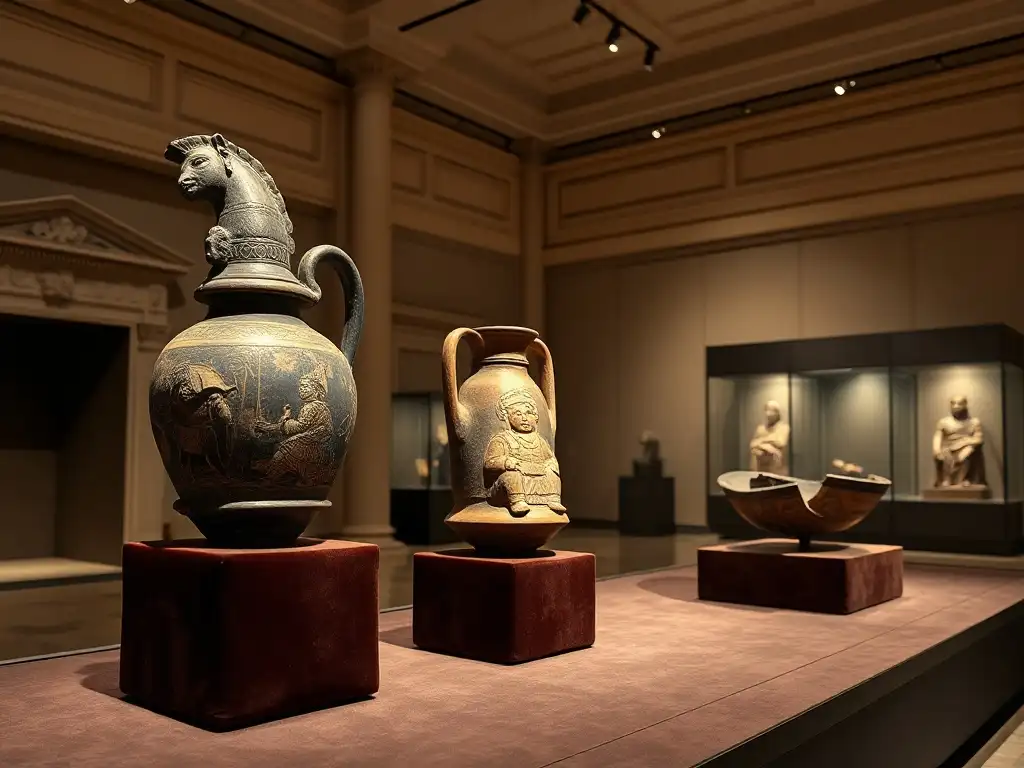
This section details some of the most significant museums globally that house impressive collections of Moche pottery, offering a glimpse into the artistry and cultural significance of this ancient Andean civilization. These institutions provide invaluable insights into Moche society, religion, and daily life, as reflected in the intricate details and vibrant colors of their ceramic works. Finding a museum with a substantial Moche pottery collection is key to understanding the artistic achievements of this remarkable culture. The sheer volume and diversity of Moche pottery museum collections are testament to the civilization's advanced ceramic techniques and artistic expression.
The Larco Museum, Lima: A Comprehensive Moche Ceramic Display
The Larco Museum in Lima boasts one of the most extensive and well-curated Moche pottery collections in the world. Its collection is renowned for its exceptional preservation and the breadth of styles and themes represented. The museum's commitment to showcasing the artistry and cultural significance of Moche ceramics makes it a must-visit for anyone interested in Andean art history.
Exploring the Larco Museum's Moche Pottery Collection
The Larco Museum's Moche pottery collection is not merely a display; it's a chronological journey through the evolution of Moche ceramic production. The museum meticulously organizes its artifacts, allowing visitors to trace stylistic changes and technological advancements throughout the different phases of the Moche culture. Many pieces showcase incredibly detailed depictions of daily life, religious rituals, and mythological creatures, offering a window into the beliefs and practices of this ancient civilization.
The museum's commitment to detailed cataloging and research makes it a vital resource for scholars and enthusiasts alike. They even have dedicated areas focusing on specific Moche pottery types, like the iconic portrait vessels.
Key Pieces and Iconography at the Larco Museum
Among the numerous highlights, several pieces stand out for their exceptional artistry and cultural significance. One example is a large stirrup-spout vessel depicting a complex mythological scene, showcasing the Moche mastery of three-dimensional modeling and vibrant polychromy. Another notable piece is a portrait vessel depicting a high-ranking individual, providing valuable insights into Moche social hierarchy and clothing styles.
The recurring motifs of feline deities, warriors, and ritualistic scenes offer crucial information about Moche religion and worldview. The sheer variety of iconography found within the Larco Museum's Moche pottery collection is truly remarkable, reflecting the richness and complexity of their culture. Detailed descriptions and contextual information accompany each piece, enhancing the visitor's understanding and appreciation.
The National Museum of Archaeology, Anthropology, and History of Peru, Lima
The National Museum of Archaeology, Anthropology, and History of Peru in Lima also holds a significant collection of Moche pottery. While perhaps not as extensive as the Larco Museum's, the National Museum's collection complements the Larco's, offering a broader perspective on Moche ceramic production and artistic expression. This museum provides a vital context for the Moche pottery within the wider history of Peruvian art.
Moche Ceramic Exhibits at the National Museum of Archaeology
The Moche pottery exhibits at the National Museum are often integrated within broader displays showcasing the history of Peruvian pre-Columbian cultures. This approach emphasizes the Moche civilization's place within the larger context of Andean artistic development and technological innovation. The museum's curatorial approach often focuses on the social and political implications of the ceramic art, emphasizing its role in Moche society. This integration allows for a deeper understanding of the cultural significance of the artifacts.
Significant Moche Pottery Artifacts in the National Collection
While specific details of individual pieces require further research [specific information pending], the National Museum's Moche pottery collection includes examples of various ceramic types, including the characteristic stirrup-spout vessels, as well as less common forms. These artifacts often showcase different aspects of Moche artistry, from intricate painted designs to finely modeled figures. The collection's strength lies in its representation of the diversity of Moche ceramic production, highlighting the range of techniques and styles employed by the artisans of this remarkable civilization.
The museum's ongoing research and cataloging efforts continue to shed light on the significance of these artifacts within the broader context of Andean archaeology. The National Museum's collection is an essential complement to other Moche pottery museum collections, offering a different lens through which to appreciate the artistic achievements of this ancient Andean civilization.
The Art Institute of Chicago: Moche Ceramics Beyond Peru
The Art Institute of Chicago houses a surprisingly robust collection of Moche pottery, offering visitors a glimpse into the artistic achievements of this pre-Columbian civilization far from its Andean origins. This collection, though perhaps not as extensive as those found in Peruvian museums, provides valuable insights into Moche artistic techniques and iconography, enriching the understanding of this fascinating culture.
The museum's commitment to showcasing diverse global art ensures that Moche ceramics receive the attention they deserve, allowing for a broader appreciation of their significance within the context of world art history. The strategic placement of these pieces within the museum's broader collection also allows for interesting comparative studies, highlighting the similarities and differences between Moche artistry and that of other cultures.
The accessibility of the collection, coupled with the museum's educational resources, makes it a valuable resource for both scholars and the general public interested in learning more about Moche pottery and the civilization that produced it. The careful curation and informative labels further enhance the visitor experience, ensuring a comprehensive understanding of the historical and artistic context of the displayed artifacts.
Moche Art and Pottery in the Art Institute's Collection
The Art Institute's Moche pottery collection is characterized by its diversity, showcasing a range of styles, techniques, and subject matter representative of the Moche artistic canon. From intricately detailed portrait vessels depicting individuals with distinctive features and elaborate headdresses to the more stylized representations of mythical beings and scenes from daily life, the collection reflects the breadth and depth of Moche artistic expression. The use of diverse colors, textures, and modeling techniques, a hallmark of Moche pottery, is clearly evident in the pieces on display. The museum's collection also includes examples of stirrup-spout vessels, a distinctive Moche innovation, showcasing their technical mastery and artistic ingenuity. These vessels are not merely functional objects but rather complex works of art, reflecting the Moche worldview and societal structures. The collection's careful arrangement allows visitors to trace the evolution of Moche artistic styles over time, highlighting the changes and continuities in their artistic traditions.
Notable Moche Ceramic Pieces at the Art Institute of Chicago
While a comprehensive list of every piece would be extensive, certain Moche ceramics in the Art Institute's collection stand out for their exceptional artistry and historical significance. One example might be a particularly well-preserved portrait vessel depicting a high-ranking individual, showcasing the meticulous detail and realistic portrayal characteristic of Moche portraiture. Another noteworthy piece could be a large stirrup-spout vessel depicting a complex mythological scene, providing valuable insights into Moche religious beliefs and cosmology.
The museum's detailed catalog and online resources can provide further information on specific pieces, allowing for a more in-depth exploration of the collection's highlights. The museum's curatorial efforts in highlighting these key pieces ensure that visitors can appreciate the pinnacle of Moche ceramic artistry. The contextual information provided alongside these artifacts further enhances their educational value, allowing visitors to connect the pieces to the broader history and culture of the Moche civilization.
The Metropolitan Museum of Art, New York: Showcasing Moche Ceramic Masterpieces
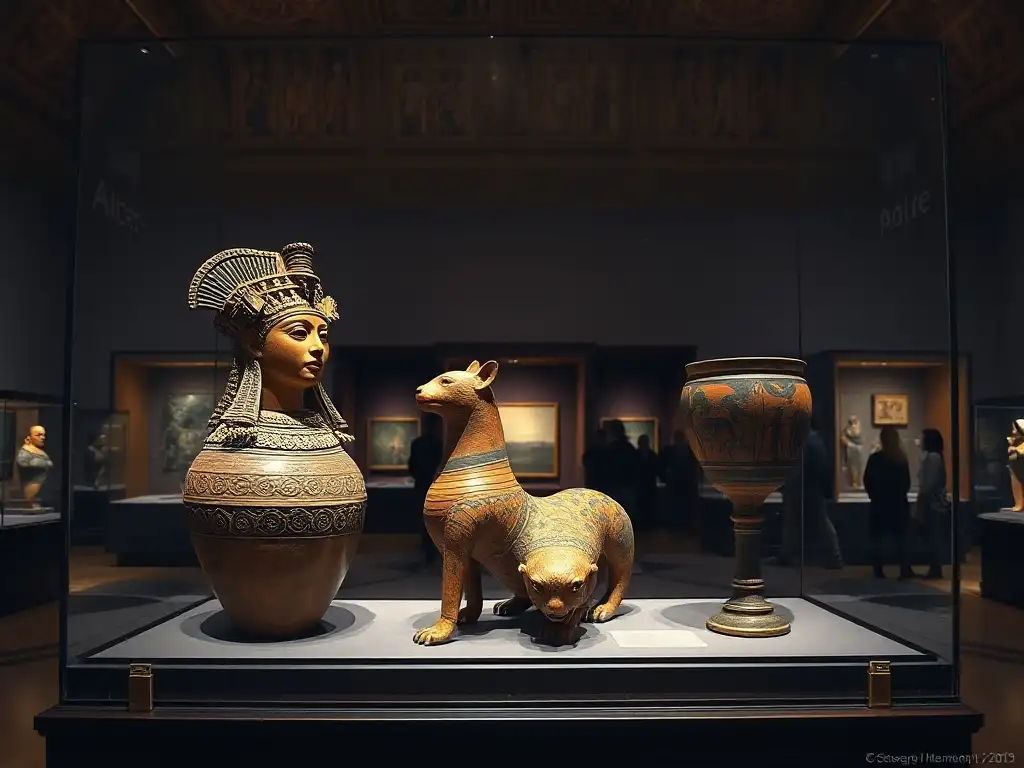
The Metropolitan Museum of Art in New York City boasts a significant collection of Moche pottery, representing a substantial portion of the museum's pre-Columbian holdings. This collection offers a valuable opportunity to study the artistic achievements of the Moche culture within a globally recognized museum setting. The Met's commitment to showcasing diverse art from around the world ensures that the Moche collection receives significant attention and resources, contributing to both research and public engagement. The museum's comprehensive catalog and online database allow researchers and enthusiasts alike to access detailed information about the collection's individual pieces. Furthermore, the museum's educational programs and public lectures often feature the Moche collection, promoting a deeper understanding and appreciation of this ancient civilization's artistry. The integration of the Moche collection within the broader context of the Met's pre-Columbian holdings provides visitors with a comparative framework to appreciate the unique artistic characteristics of the Moche civilization.
Exploring the Moche Pottery Collection at the Met
The Moche pottery collection at the Met is renowned for its diversity and high quality. It includes a wide range of vessels, from simple utilitarian objects to elaborate ceremonial pieces. The collection showcases the Moche's mastery of various ceramic techniques, including modeling, painting, and the use of diverse pigments. The variety of subjects depicted on the vessels, ranging from portraits of individuals to scenes of warfare and ritual, reflects the complexity of Moche society and its beliefs.
Visitors can observe the evolution of Moche artistic styles over time, tracing the changes in techniques and iconography. The museum’s layout and informative displays enhance the visitor experience, providing context and interpretation for the artifacts. The collection also highlights the social and political implications of Moche pottery, emphasizing its role in religious ceremonies and social status.
Key Moche Vessels and Sculptures in the Metropolitan Museum
The Met's Moche collection features several iconic pieces that are particularly noteworthy for their artistic merit and historical significance. These might include a particularly finely crafted portrait vessel depicting a ruler or priest, showcasing the Moche's skill in realistic representation. Another significant piece could be a large, intricately decorated stirrup-spout vessel illustrating a complex mythological narrative, offering insights into Moche religious beliefs and cosmology.
The museum's online resources and publications provide detailed descriptions and analyses of these key pieces, allowing visitors to delve deeper into their artistic and cultural significance. The careful arrangement of these pieces within the museum's galleries ensures that they are presented in a way that maximizes their impact and educational value. The museum's curatorial expertise brings these significant pieces to life, providing visitors with a richer understanding of the Moche civilization and its artistic legacy.
The Museo Tumbas Reales de Sipán, Lambayeque: Royal Moche Artifacts
The Museo Tumbas Reales de Sipán in Lambayeque, Peru, houses an unparalleled collection of Moche pottery, primarily excavated from the Sipán royal tombs. These artifacts offer an exceptional glimpse into the lives, beliefs, and artistic achievements of the Moche elite. The museum's careful curation and presentation allow visitors to appreciate the intricate detail and vibrant colors of these ancient ceramics.
The sheer volume of pottery found in the Sipán tombs, coupled with the remarkably preserved state of many pieces, makes this museum a must-see for anyone interested in Moche pottery and the broader context of ancient Andean culture. The collection is not limited to pottery; it includes an array of gold and silver artifacts, textiles, and other objects that provide a richer understanding of the Moche civilization's sophistication and artistry.
The museum actively engages in research and conservation efforts, ensuring the long-term preservation of these invaluable cultural treasures for future generations. This proactive approach underscores the museum's commitment to safeguarding and sharing its significant Moche pottery collection.
Moche Pottery and Royal Burials at Sipán
The Moche pottery found at Sipán is intimately linked to the royal burials discovered at the site. Elaborately decorated vessels, often depicting scenes of warfare, ritual ceremonies, and daily life, were placed within the tombs as grave goods. These ceramics were not merely functional objects; they served as powerful symbols of status, reflecting the power and prestige of the Moche elite.
The sheer quantity and quality of the pottery discovered in the tombs indicate the importance placed on these objects in Moche funerary practices. Some vessels were crafted with exceptional skill, showcasing intricate designs and sophisticated techniques. The presence of specific motifs and iconography in the pottery provides further insights into the beliefs and worldview of the Moche people.
The careful arrangement of the pottery within the tombs also suggests a deliberate and ritualistic approach to burial practices. Analysis of the pottery provides valuable information about the social hierarchy and religious beliefs of the Moche civilization.
The Significance of the Sipán Moche Ceramics
The Sipán Moche ceramics are significant for several reasons. First, they offer a unique window into the artistic skills and technological capabilities of the Moche. The intricate detail and vibrant colors demonstrate a high level of mastery in ceramic production.
Second, the iconography depicted on the pottery provides valuable insights into Moche mythology, religious beliefs, and social structures. Scenes of warfare, ritual sacrifice, and daily life offer a glimpse into different aspects of Moche society. Third, the sheer quantity of pottery found in the royal tombs underscores the importance placed on these objects in Moche culture.
They were not merely functional items but also served as symbols of power, status, and religious significance. Finally, the well-preserved condition of many pieces allows for detailed study and analysis, contributing significantly to our understanding of Moche civilization. The scientific analysis of the pigments and materials used in the production of these ceramics continues to reveal new information about Moche technology and artistry.
The Museo Arqueológico Rafael Larco Herrera, Trujillo: Regional Moche Styles
The Museo Arqueológico Rafael Larco Herrera in Trujillo boasts a vast and diverse collection of Moche pottery, representing a wide range of regional styles and artistic expressions. Unlike the Sipán collection focused on royal artifacts, the Larco Herrera museum showcases the broader artistic landscape of Moche ceramic production across different regions. This allows for a comparative study of regional variations in style, technique, and iconography, providing a more comprehensive understanding of Moche artistic practices.
The museum's collection is renowned for its completeness and the exceptional condition of many pieces. Its extensive archives and research facilities make it a vital center for the study of Moche art and culture.
The museum's commitment to public education through engaging exhibits and educational programs ensures that the rich legacy of Moche pottery is accessible to a wide audience. The sheer scale of the collection, coupled with its detailed cataloging, makes it a treasure trove for researchers and enthusiasts alike.
Regional Variations in Moche Pottery at Trujillo
The Moche pottery at the Larco Herrera museum demonstrates significant regional variations in style and technique. While certain motifs and iconographic elements are common throughout the Moche territory, distinct regional styles emerge, reflecting local artistic traditions and preferences. Some regions favored particular vessel shapes, while others excelled in specific decorative techniques. The use of color and the types of pigments employed also varied across different regions.
These regional differences highlight the decentralized nature of Moche artistic production and the autonomy of local workshops. The museum's collection facilitates a comparative analysis of these regional styles, revealing the richness and diversity of Moche artistic expression. Careful study of these variations helps researchers identify the geographic origins of specific pieces and understand the complex network of exchange and interaction between different Moche communities.
Unique Moche Ceramic Forms from the Trujillo Region
The Trujillo region is particularly notable for certain unique Moche ceramic forms. For example, the museum showcases vessels with distinctive shapes and decorations not commonly found in other regions. Some vessels exhibit highly stylized representations of human figures, animals, or mythical beings, reflecting specific local artistic traditions.
Others are characterized by unique decorative techniques, such as the use of intricate mold-made designs or the application of elaborate polychromes. The museum's collection includes examples of these unique forms, highlighting the regional diversity within Moche pottery production. Careful study of these unique forms allows researchers to better understand the cultural and artistic identities of different Moche communities.
The museum's collection serves as a valuable resource for scholars and enthusiasts interested in exploring the regional variations and unique artistic expressions within the broader context of Moche ceramic production. The ongoing research conducted by the museum continues to uncover new insights into the significance of these unique forms.
Exploring Moche Pottery Styles and Themes
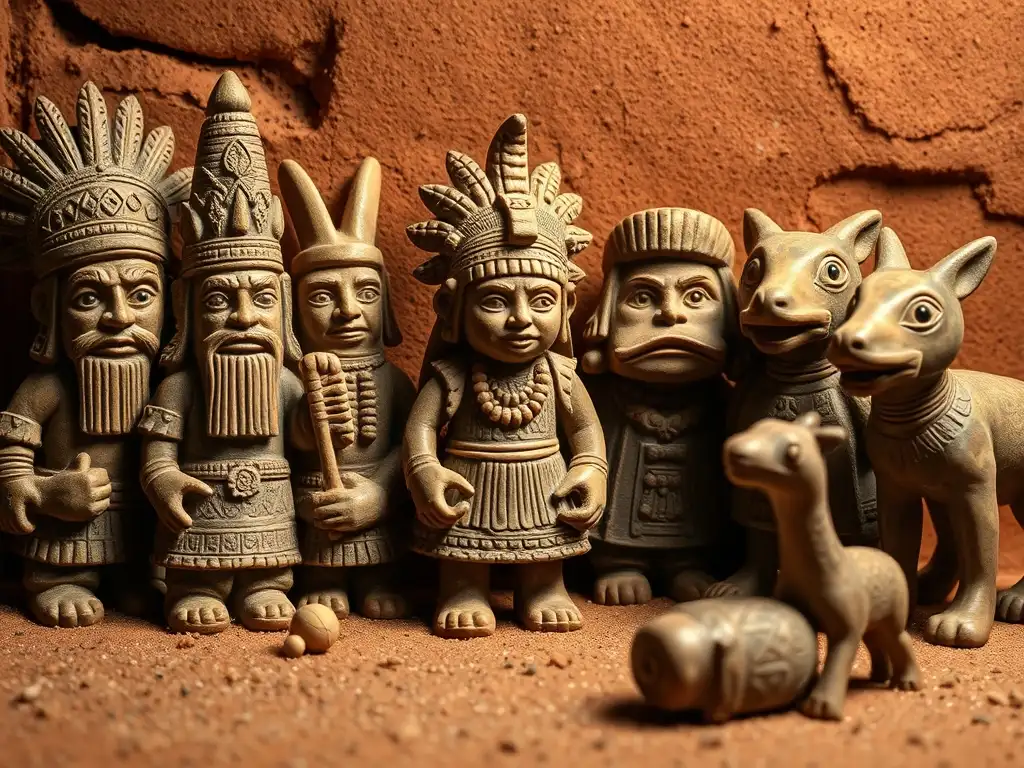
The Moche civilization, flourishing along the northern coast of Peru between 100 and 800 CE, left behind a remarkable legacy: their exquisite pottery. These aren't mere vessels; they are intricate works of art, showcasing sophisticated techniques and narrating compelling stories. Understanding the styles and themes prevalent in Moche pottery is crucial to appreciating the depth and complexity of their culture.
Moche pottery museum collections worldwide offer a glimpse into this vibrant artistic tradition, allowing us to analyze the diverse forms, techniques, and iconographic elements employed by these masterful artisans. The sheer volume of surviving pieces – a testament to their prolific production and cultural significance – continues to fascinate and inspire researchers and enthusiasts alike.
Studying these collections allows us to delve into the intricate details of Moche society, beliefs, and daily life. The survival of such a vast amount of Moche pottery reflects not only their skilled craftsmanship but also the importance placed on these objects within their society.
Moche Pottery: A Variety of Forms and Techniques
Moche potters demonstrated exceptional skill in a range of techniques. They mastered the creation of diverse vessel forms, from simple bowls and jars to elaborate stirrup-spout vessels, often adorned with intricate details and vibrant colors. The stirrup-spout vessels, in particular, are iconic examples of Moche artistry. Their unique shape, with a spout resembling a stirrup, is believed to have had both practical and symbolic significance.
The manufacturing process involved meticulous steps: preparing the clay, shaping the vessel, applying slip, painting the designs, and finally, firing the piece in kilns. Evidence suggests the use of various clay types, depending on the desired color and texture. Some vessels boast highly polished surfaces, while others exhibit a more textured finish.
The precision and artistry involved in creating these pieces highlight the potters' mastery and the high value placed on their craft within Moche society. Analyzing the techniques used—from the type of clay to the firing methods—allows researchers to gain a deeper understanding of the Moche production processes and the level of technological advancement they achieved. The diversity of forms and the sophistication of techniques demonstrate the high level of artistic skill and technological expertise within the Moche civilization.
Moche Iconography: Deciphering the Ceramic Narratives
Moche pottery is not just visually stunning; it's also a rich source of information about their culture and beliefs. The iconography depicted on these vessels offers valuable insights into their social structure, religious practices, and daily life. Many vessels depict scenes of warfare, hunting, rituals, and everyday activities, providing a visual record of Moche society. The use of color is also significant, with different colors often associated with specific deities or events. For example, red often symbolizes blood and sacrifice, while yellow might represent the sun or maize. The intricate detail and realism of the depictions are remarkable, allowing us to observe elements like clothing, hairstyles, and even facial expressions with remarkable clarity. This level of detail provides a wealth of information for researchers seeking to understand the Moche worldview. The careful study of Moche pottery iconography allows for a deeper understanding of their complex social structures and spiritual beliefs.
Common Motifs in Moche Pottery
Several recurring motifs appear across numerous Moche ceramic pieces. These include depictions of deities, mythical creatures, and scenes of ritual sacrifice. The caviar style, characterized by small, closely spaced dots, is frequently found on Moche pottery, often forming intricate patterns. Other common motifs include stylized representations of plants, animals, and human figures. The repeated use of these motifs suggests their importance within Moche culture.
Some motifs may have had symbolic meanings related to fertility, power, or the afterlife. For example, the depiction of a specific bird or plant might symbolize a particular deity or event. The frequency and consistency of these motifs across various Moche pottery museum collections underscore their significance in the cultural context. Further research is needed to fully decipher the meaning of all the motifs, but their prevalence offers a window into the beliefs and values of this ancient civilization.
Moche Ceramic Depictions of Daily Life and Rituals
Moche pottery also provides valuable insights into daily life and religious rituals. Many vessels depict scenes of fishing, agriculture, and other everyday activities, offering a glimpse into the economic and social fabric of Moche society. The depiction of elaborate rituals, including sacrifices and feasts, reveals the importance of religion in their lives.
For instance, some vessels depict scenes of human sacrifice, reflecting the role of ritual sacrifice in Moche religious practices. Careful analysis of these scenes allows researchers to infer information about social hierarchy, political power, and religious beliefs. These depictions, often highly detailed and realistic, provide a unique and invaluable perspective on daily life within the Moche civilization.
The meticulous representation of details, like clothing, tools, and even facial expressions, enhances our understanding of their cultural practices. The study of these scenes in Moche pottery museum collections provides a compelling visual narrative of Moche culture and daily life. The combination of realistic depictions and symbolic motifs offers a multifaceted understanding of their society and beliefs.
Planning Your Visit to See Moche Pottery
This section focuses on practical advice for planning a trip to view impressive Moche pottery museum collections. Successfully navigating these collections requires preparation and understanding of what to expect. The sheer volume and artistry of Moche ceramics can be overwhelming without a plan. Let's explore how to best experience these ancient treasures.
Tips for Visiting Museums with Moche Collections
Visiting museums housing Moche pottery requires more than just showing up. Prioritize your time by checking the museum's website beforehand. Many museums offer online catalogs or virtual tours, allowing you to preview the collection and identify pieces of particular interest. This will help you focus your in-person visit and avoid feeling rushed. For example, the [Museum Name Pending] boasts a comprehensive online catalog with high-resolution images and detailed descriptions of their Moche pottery holdings. This allows for targeted exploration, focusing on specific styles or iconographic themes that pique your interest.
Furthermore, consider the museum's layout. Some museums arrange their collections chronologically, while others organize by theme or geographical origin. Understanding the organizational structure will dramatically improve your experience. A well-structured visit maximizes your appreciation of the artistry and cultural significance of the Moche pottery. Remember to check for any special exhibitions or temporary displays featuring Moche ceramics; these often showcase unique pieces not permanently on view.
Finally, don't forget the practicalities! Check the museum's opening hours, admission fees, and accessibility information. Many museums offer guided tours or audio guides specifically on Moche pottery, which can greatly enrich your understanding. These tours often provide deeper insights into the creation techniques, iconography, and social context of the artifacts, transforming a simple viewing into a truly enriching experience.
Remember to be respectful of the artifacts and museum environment. Photography policies vary, so check before snapping pictures. This ensures you enjoy a seamless and rewarding visit to these incredible collections of Moche pottery.
Preparing for Your Moche Pottery Exploration
Beyond museum-specific preparation, broader research enhances your appreciation of Moche pottery. Familiarize yourself with the key characteristics of Moche ceramic art. Understanding the distinct styles, iconography, and techniques employed by Moche artisans will allow you to engage more deeply with the pieces you encounter. Consider the significance of common motifs, such as the deity Ai Apaec, or the recurring imagery of warriors, priests, and everyday life scenes.
Think about the historical context. Research the Moche civilization itself; its social structure, religious beliefs, and technological advancements all influenced the artistry and iconography of their pottery. This understanding adds a layer of depth to your appreciation. For example, understanding the role of Moche ceramic vessels in rituals and ceremonies dramatically changes how you view the artifacts. Learning about the sophisticated techniques of slipware, mold-making, and painting employed by Moche artisans adds another dimension to your appreciation of their skill and artistry.
Before your visit, create a personal checklist. This could include specific pieces or themes you wish to focus on, questions you want answered, or notes on specific aspects of Moche culture you'd like to learn more about. This structured approach will make your museum visit more productive and rewarding, turning a passive viewing experience into an active and engaging exploration of Moche culture and artistry. A well-prepared visit translates to a much richer and more meaningful experience.
Further Research on Moche Ceramics
After your visit, continue your exploration! Numerous resources exist to deepen your understanding of Moche pottery. Academic journals, books, and online databases offer extensive information on the subject. Look for scholarly articles detailing specific aspects of Moche ceramic production, iconography, and social function. Many online resources offer detailed images and descriptions of Moche pottery from various collections worldwide.
Consider exploring related topics. The study of Moche pottery is intertwined with broader studies of Andean archaeology and pre-Columbian art. Researching related topics, such as the social structures of the Moche civilization, their religious beliefs, and their technological advancements, will provide a more comprehensive understanding of the context in which their ceramic art was created and used. This broader perspective enhances the appreciation for the artistry and cultural significance of the Moche pottery.
Don't hesitate to visit other museums or online resources that showcase Moche pottery. Comparing different collections can reveal fascinating insights into the diversity of Moche ceramic styles and techniques. Engage with online communities and forums dedicated to Andean archaeology and pre-Columbian art. These communities provide opportunities to share your findings, ask questions, and learn from others who share your interest. This continued engagement ensures your passion for Moche pottery continues to flourish long after your museum visit. Remember, the exploration of Moche pottery is a journey of discovery, and the learning never truly ends.
Frequently Asked Questions
Where can I see the largest collections of Moche pottery?
Several museums boast significant Moche pottery collections. The Larco Museum in Lima, Peru, is renowned for its extensive and well-preserved collection, while regional museums near the ancient Moche sites also hold important pieces. Look for museums in Trujillo and Chiclayo.
What makes Moche pottery so unique?
Moche pottery is distinctive for its exceptional artistry and realism. The artisans depicted scenes of daily life, religious rituals, and mythology with incredible detail, often using vibrant colors and sophisticated techniques. This offers unparalleled insight into their society.
Are there any online resources to view Moche pottery?
Yes! Many museums, including the Larco Museum, have online catalogs and virtual tours showcasing their Moche pottery collections. You can also find high-quality images and information through academic databases and reputable websites dedicated to Andean archaeology.
What are some of the common themes depicted in Moche pottery?
Moche pottery frequently portrays scenes related to daily life, warfare, religious ceremonies, and mythology. Portraits of rulers and elites, as well as depictions of agricultural practices and marine life, are also commonly found. These offer a window into their beliefs and social structure.
How can I learn more about the techniques used in Moche pottery creation?
Researching Moche ceramic production techniques will reveal their mastery. You'll find information on their use of mold-making, slip painting, and firing techniques in scholarly articles, books, and museum exhibits. Many museums offer detailed explanations of these processes.
Final Reflection: Unearthing the Legacy of the Moche
The vibrant artistry of the Moche civilization continues to resonate today, a testament to their enduring creativity and sophisticated understanding of the world. These aren't just ancient artifacts; they are windows into a complex society, offering invaluable insights into their beliefs, rituals, and daily lives. The meticulous detail and powerful imagery found in Moche pottery challenge our modern perspectives and ignite our imaginations, reminding us of the rich tapestry of human history.
The enduring power of Moche pottery lies not only in its aesthetic beauty but also in its ability to connect us across millennia. These pieces speak to a shared human experience, transcending time and culture. Their presence in museums worldwide fosters a sense of global heritage, reminding us that we are all part of a larger narrative. The past is never dead. It's not even past.
– William Faulkner. This quote perfectly encapsulates the ongoing relevance of Moche pottery; it continues to shape our understanding of the past and inform our present.
Consider the impact of these ancient treasures. You've explored where to find them, but now, I urge you to go further. Visit a museum, engage with the pieces, and let their stories unfold before you. Allow yourself to be transported to a time long past, to connect with the skilled hands that crafted these masterpieces, and to reflect on the enduring legacy of the Moche people. Let their artistry inspire you, and let their story become a part of your own.
Unveil the Mysteries of Moche Ceramics!
Thank you for exploring the fascinating world of Moche ceramics with us! You've already discovered the beauty and significance of these ancient treasures. Now, let's delve deeper into this exciting journey!
Here are some ways to further connect with the rich heritage of Moche ceramics:
- Visit a Local Museum: Many museums feature exhibits on Moche culture and other Andean civilizations. Seeing these artifacts firsthand is an unforgettable experience.
- Join an Online Community: Connect with fellow enthusiasts in online forums or social media groups dedicated to pre-Columbian art and Andean cultures. Share your insights and learn from others' discoveries.
- Share Your Discoveries: If you encounter Moche ceramics or related exhibitions, take a picture and share your experience using the hashtag #MocheTreasures to inspire others!
As you continue to learn about this ancient civilization, consider this: What aspect of Moche culture captivates you the most, and how will you deepen your understanding?