
The Magic of the Andes: How Textiles Encapsulated Cultural Beliefs

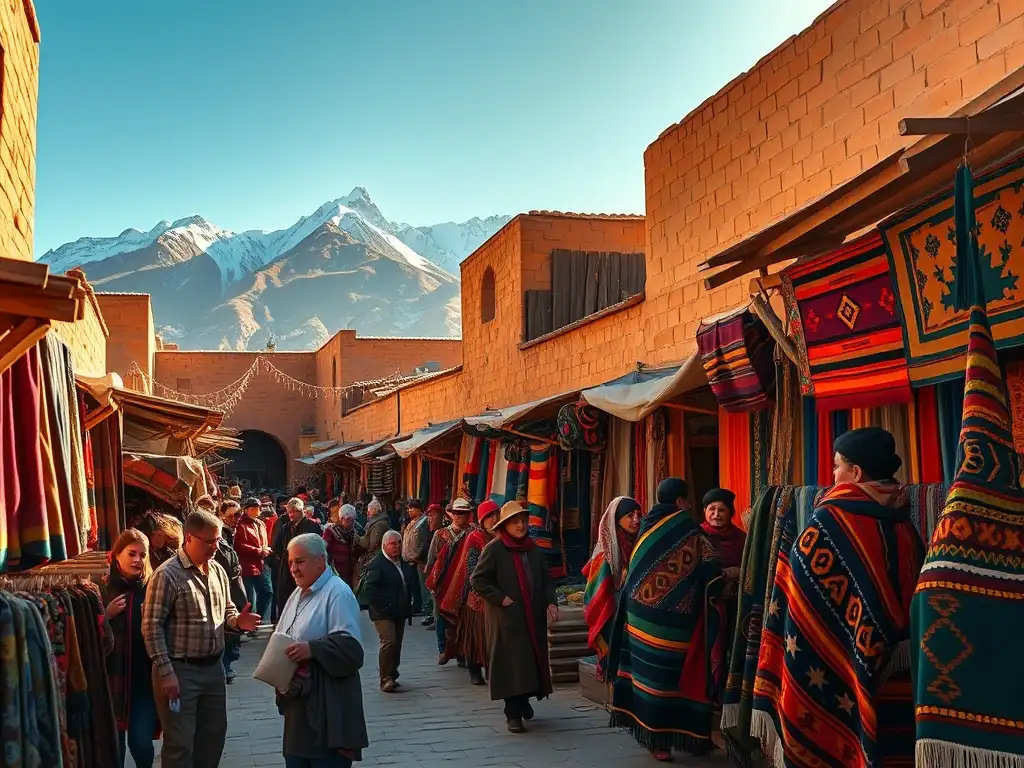
Unravel the mysteries woven into the very fabric of Andean history. For centuries, Andean textiles have whispered secrets of a vibrant civilization, intricately connecting cultural beliefs with breathtaking artistry. Prepare to be captivated by the stunning artistry and profound symbolism embedded within these ancient threads—a journey into the heart of the Andes awaits. Discover how Andean textiles cultural beliefs intertwined in the article, "The Magic of the Andes: How Textiles Encapsulated Cultural Beliefs," and unlock the powerful narratives held within these extraordinary creations.
The Andes Mountains, a majestic spine running down the western coast of South America, are home to a rich tapestry of ancient civilizations. For millennia, these cultures—including the Incas, Moche, Nazca, and Tiahuanaco—developed sophisticated techniques and intricate designs in textile production, far exceeding mere utilitarian purposes.
Andean textiles weren't simply clothing; they were powerful mediums for expressing cultural beliefs, social status, and spiritual narratives, weaving together threads of mythology, cosmology, and daily life. This exploration delves into the fascinating world of Andean textiles, revealing how these vibrant fabrics served as tangible embodiments of deeply held cultural values and beliefs, reflecting a profound connection between the human world and the Andean landscape.
Understanding Andean textiles offers a unique perspective on the complex beliefs and practices of these remarkable societies, bringing us closer to deciphering the magic woven into every thread. The intricate designs, vibrant colors, and sophisticated techniques reveal a level of artistry and spiritual significance that continues to captivate and inspire.
The Significance of Fiber Selection in Andean Textiles
The choice of fiber itself held immense cultural significance. Alpaca and llama wool, for example, were not simply chosen for their warmth and softness. The different qualities of these fibers—the fineness of alpaca wool, the strength of llama wool—were associated with specific social classes and spiritual meanings.
[Specific details on social class associations with fiber types pending]. Cotton, cultivated in warmer valleys, also held symbolic importance, often associated with fertility and abundance. The meticulous preparation of the fibers, involving careful washing, carding, and spinning, was a ritualistic process, imbued with prayers and offerings to ensure the success of the textile creation.
This wasn't just about creating a garment; it was about engaging in a sacred act that connected the weaver to the spiritual world and the land. Even the dyes, often derived from natural sources like plants and minerals, held symbolic meaning, with certain colors representing specific deities or events. For example, [Specific color and deity association pending].
Andean Textile Designs: A Visual Language of Beliefs
Andean textile designs weren't random; they were carefully constructed visual narratives, teeming with symbolic representations of their cosmology and beliefs. Geometric patterns, often intricate and complex, represented the Andean worldview, reflecting their understanding of the cosmos, the relationship between the human and spiritual worlds, and their connection to the natural environment. [Specific examples of geometric patterns and their meanings pending]. Zoomorphic and anthropomorphic figures, depicting animals and human-like forms, also played a significant role, often representing deities, mythical beings, or ancestors.
These weren't merely decorative elements; they were powerful symbols that conveyed deep-seated spiritual beliefs and stories. The positioning of these elements within the textile also held significance, with certain locations communicating different meanings or hierarchies. For example, [Specific example of design placement and its meaning pending].
The complexity and quality of Andean textiles often served as markers of social status. Elaborate garments, adorned with intricate designs and rare fibers, were worn by the elite, signifying their high standing within the community. [Specific examples of elite garments and their distinguishing features pending].
Simple textiles, on the other hand, were worn by the common people. This distinction wasn't just about aesthetics; it was a visible representation of the social hierarchy and the distribution of power within Andean societies. The creation of these textiles was often a specialized skill, passed down through generations within families or guilds.
This expertise added another layer to the social significance of the textiles, further emphasizing their role as markers of status and identity. The intricate weaving techniques themselves could also indicate social standing, with certain knotting styles or weaving patterns associated with specific groups or classes. [Specific examples of weaving techniques indicating social status pending].
The Legacy of Andean Textiles: A Continuing Inspiration
The legacy of Andean textiles continues to resonate today. Their exquisite craftsmanship, symbolic richness, and enduring beauty serve as a testament to the ingenuity and spiritual depth of the Andean civilizations. Modern artisans continue to draw inspiration from ancient techniques and designs, keeping the traditions alive and ensuring that the magic woven into these remarkable textiles is passed down through generations.
The study of Andean textiles provides invaluable insights into the cultural beliefs and practices of these fascinating societies, highlighting the powerful role that textiles played in shaping their identities and worldviews. 👩🎨🧵🦙 The vibrant colors and intricate designs continue to captivate and inspire, reminding us of the enduring power of art to express the deepest human experiences and beliefs.
- The Significance of Fiber Selection in Andean Textiles
- Andean Textile Designs: A Visual Language of Beliefs
- Textiles and Social Status in Andean Societies
- The Legacy of Andean Textiles: A Continuing Inspiration
Andean Textile Art: A Woven Tapestry of Beliefs
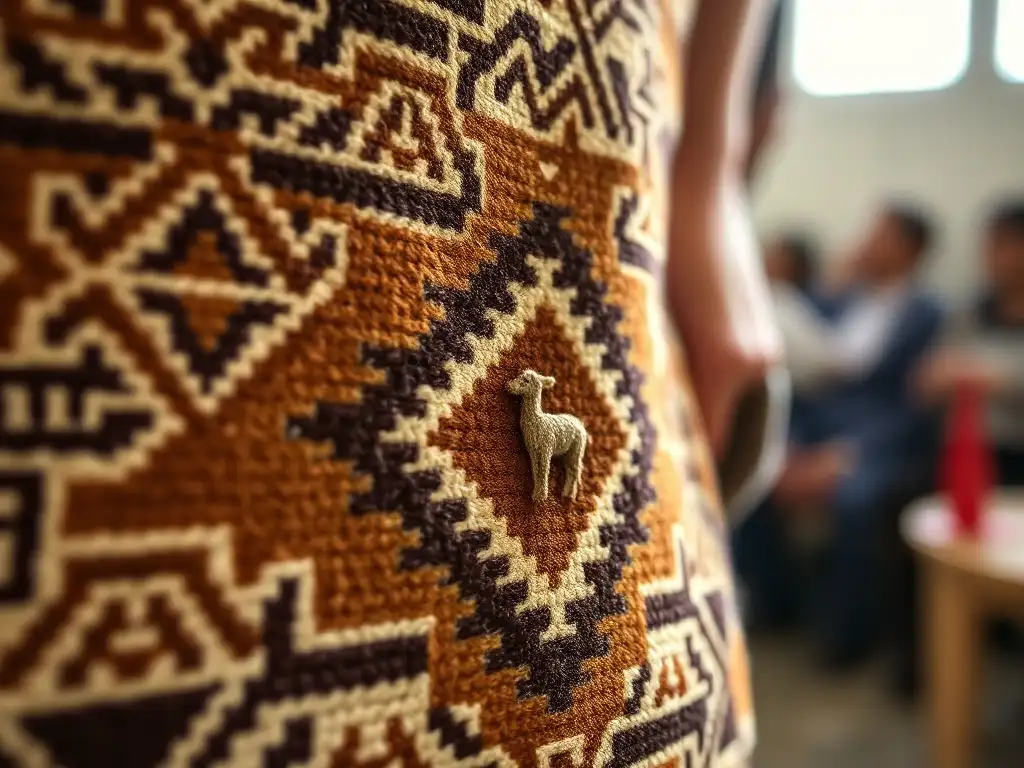
This section delves into the profound connection between Andean textile art and the cultural beliefs of the various civilizations that thrived in the Andes Mountains. We'll explore how textiles weren't merely decorative items, but rather powerful mediums for expressing spiritual beliefs, social structures, and cosmological understandings. The intricate designs, vibrant colors, and unique techniques employed in Andean weaving all contributed to a rich tapestry of symbolic meaning, reflecting a deep-seated relationship between humanity and the natural world.
Understanding these textiles provides invaluable insight into the worldview and daily life of these ancient Andean societies. The sheer artistry involved, combined with the enduring spiritual significance, elevates Andean textiles to a level beyond mere craftsmanship; they are potent expressions of cultural identity. The persistence of these traditions, even in modified forms, into modern times, underscores their enduring importance.
The Significance of Textiles in Andean Cultures
Andean textiles held immense significance across various cultures, from the Inca Empire to the preceding Moche and Nazca civilizations. They served multiple purposes, far exceeding their practical function as clothing or household items. Textiles were integral to religious ceremonies, social status markers, and even political power. For example, the Inca qhapaq ñan (royal road) system facilitated the distribution of textiles throughout the empire, demonstrating their crucial role in maintaining social order and imperial control.
The intricate weaving techniques, often passed down through generations, represented a profound connection to ancestral knowledge and spiritual traditions. The use of specific fibers, colors, and patterns held symbolic meaning, reflecting the Andean worldview and their understanding of the cosmos. The quality and intricacy of the textiles often indicated the wearer's social standing, with elite individuals adorned in the finest garments.
Consider the vibrant colors employed: deep reds from cochineal insects, rich yellows from minerals, and the deep blues from plants. These weren't just aesthetic choices; each color carried specific symbolic weight, often representing celestial bodies, deities, or natural elements. For example, red often symbolized blood, fertility, and the sun, while yellow might represent gold, the sun, and power.
The meticulous craftsmanship itself was a form of prayer and devotion, connecting the weaver to the spiritual realm. The creation of a textile was not simply a task but a sacred act, imbued with intention and meaning. This careful attention to detail and symbolic representation underscores the profound cultural importance assigned to Andean textiles.
Beyond Decoration: The Symbolic Language of Andean Weavings
The symbolic language woven into Andean textiles is incredibly rich and complex. Designs frequently depicted mythical creatures, celestial bodies, agricultural motifs, and geometric patterns that encoded a wealth of information about Andean cosmology, mythology, and social structures. For instance, the recurring use of feline imagery in Moche textiles might represent powerful deities or shamans, while intricate geometric designs in Nazca textiles could represent their sophisticated astronomical knowledge or the organization of their social hierarchy.
Interpreting these patterns requires a deep understanding of the specific cultural context and iconography. Analysis of surviving textiles, combined with archaeological evidence, reveals the intricate narratives encoded within these seemingly simple designs.
The use of specific techniques, such as spindle whorls and different weaving styles, further enhanced the symbolic meaning of the textiles. These techniques weren't merely functional; they were integral to the overall symbolic message. Changes in weaving techniques and designs over time reflect evolving cultural beliefs and social structures. For example, the shift in Inca textile production following the Spanish conquest demonstrates the impact of colonization on Andean cultural practices.
Even today, the persistence of traditional weaving techniques and designs in many Andean communities bears witness to the enduring power of these cultural traditions. The continued creation and use of textiles with traditional patterns and techniques demonstrates the continued importance of this ancient knowledge. The study of Andean textiles continues to reveal new insights into the rich tapestry of Andean cultural beliefs, providing a window into the past and a celebration of enduring traditions.
Decoding the Threads: Cultural Beliefs Woven into Andean Textiles
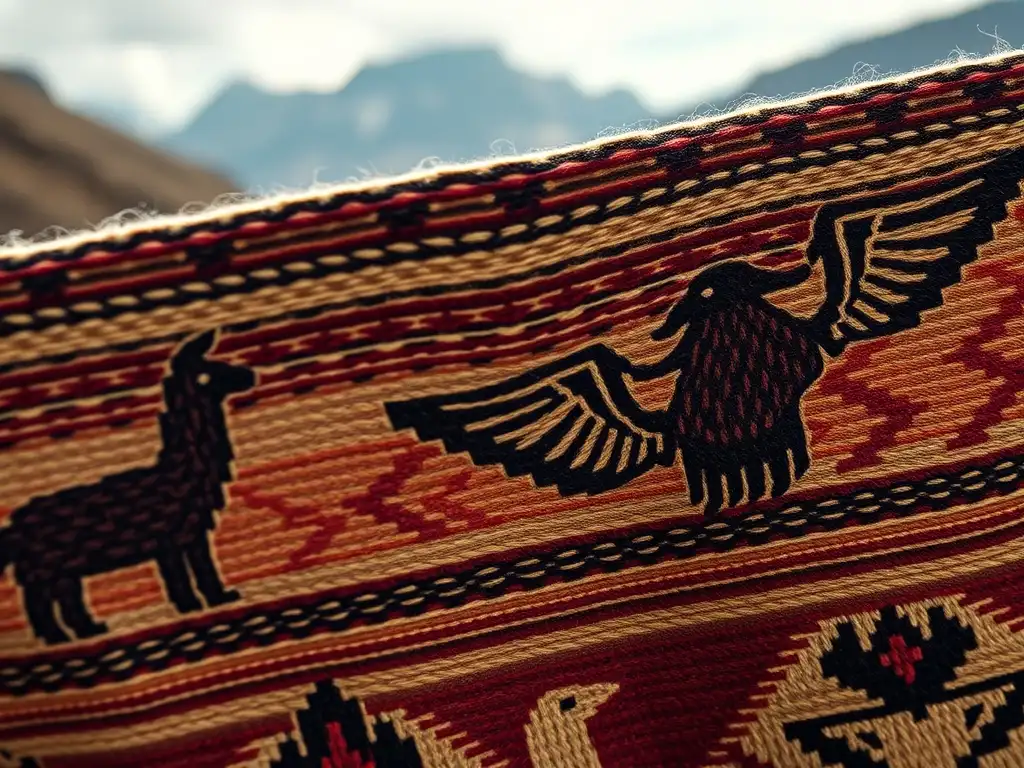
This section delves into the intricate relationship between Andean textiles and the cultural beliefs of the ancient civilizations that produced them. We will explore how textile motifs, colors, and techniques served as powerful mediums for expressing complex cosmological views, religious practices, and social hierarchies. Understanding these textiles provides a unique window into the minds and societies of the Andean people, offering a compelling narrative woven into every thread.
The study of Andean textiles cultural beliefs reveals a fascinating interplay between artistry and spirituality, where the practical act of weaving became a sacred ritual. The analysis of these textiles allows us to reconstruct a rich tapestry of ancient Andean life.
Andean Cosmovision and Textile Motifs
Andean cosmovision, a worldview encompassing a profound connection between the earthly and spiritual realms, is vividly reflected in textile motifs. The recurring imagery found in textiles—such as jaguars, condors, snakes, and stylized representations of mountains and celestial bodies—were not merely decorative elements. They were powerful symbols representing deities, ancestors, and the forces of nature that shaped Andean life.
For instance, the jaguar, a powerful predator, often symbolized strength and shamanistic power, while the condor, soaring high above the Andes, represented the connection between the earthly and celestial realms. The intricate designs were not randomly placed; their arrangement and interaction often conveyed complex narratives relating to Andean myths and creation stories. Analysis of these patterns reveals a sophisticated understanding of the cosmos and the place of humanity within it.
Detailed studies of specific textile pieces from different Andean cultures (like the Moche and Nazca) show variations in these motifs, reflecting regional differences in beliefs and practices. These variations highlight the rich diversity of Andean cosmovision, not a monolithic belief system.
Religious Symbolism in Ancient Andean Cloth
Religious symbolism is deeply embedded within the structure and design of Andean textiles. Specific colors held significant religious meaning; for example, red was often associated with blood, sacrifice, and fertility, while yellow symbolized the sun and its life-giving power. The use of specific knotting techniques, like the intricate khipu system, went beyond mere decoration; they served as mnemonic devices for recording religious narratives, historical events, and astronomical observations.
The very act of weaving was often considered a sacred ritual, connecting the weaver to the spiritual world. Archaeological evidence suggests that textiles played a central role in religious ceremonies, with elaborate garments and tapestries used in rituals and offerings. These textiles, imbued with religious significance, were often interred with the deceased, reflecting the belief in a continued existence in the afterlife.
The careful preservation of these textiles in burial sites underscores their importance in Andean religious practices. Furthermore, the symbolic use of certain fibers (like llama wool versus alpaca wool) might have held additional religious connotations, reflecting the perceived spiritual value of different animal sources.
Beyond their religious and cosmological significance, Andean textiles also served as powerful markers of social status and identity. The complexity of the weave, the quality of the materials used, and the intricacy of the designs all indicated the social standing of the wearer. Elaborate garments adorned with precious metals, beads, and feathers were reserved for elites, while simpler textiles were worn by commoners.
Furthermore, specific textile motifs or colors could identify individuals with particular social groups or lineages. The use of specific dyes, which were often sourced from rare and valuable plants, further reinforced this connection between textiles and social hierarchy. For instance, the use of certain rare purple dyes was restricted to the elite classes, highlighting their privileged position within Andean society.
This social stratification, clearly visible through textile analysis, reveals a complex social structure with clearly defined hierarchies and distinct social identities. The study of these textiles helps historians understand the intricacies of power dynamics and social organization within ancient Andean societies. Furthermore, the preservation of these textiles across different time periods allows researchers to trace changes in social structures and the evolution of social identities.
Techniques and Materials: Reflecting Andean Worldviews
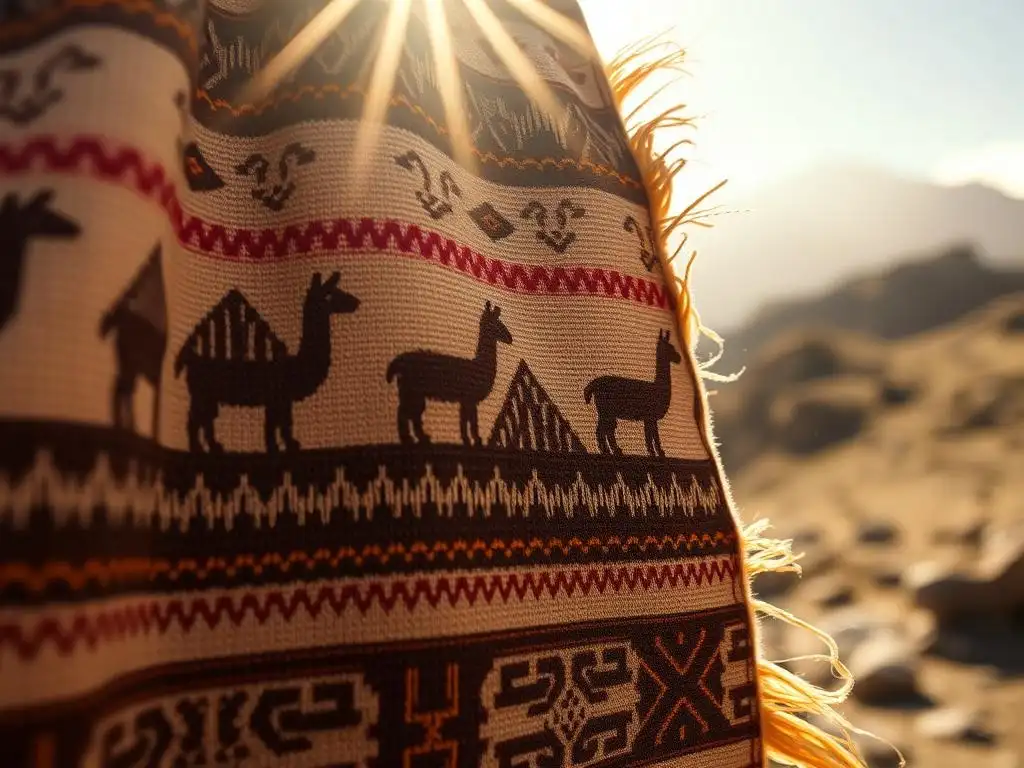
This section delves into the techniques and materials used in Andean textile production, highlighting how these choices weren't merely practical but deeply intertwined with the spiritual and cosmological beliefs of the Andean peoples. The selection of fibers, dyes, and weaving techniques all held symbolic meaning, reflecting a worldview deeply connected to the natural world and the cyclical nature of life. Understanding these choices provides crucial insight into the cultural beliefs embedded within Andean textiles, offering a window into their rich spiritual tapestry.
The intricate artistry wasn't just decorative; it was a powerful expression of their beliefs, passed down through generations. Analyzing these aspects allows us to better understand the profound significance of Andean textiles and their role in Andean society.
Natural Dyes and their Spiritual Significance
The vibrant colors adorning Andean textiles weren't accidental; they were meticulously achieved using natural dyes derived from plants, insects, and minerals. Each dye held a specific spiritual significance, reflecting the Andean worldview that saw the natural world as imbued with sacred power. For instance, the deep crimson obtained from the cochineal insect was associated with royalty and divinity, often used in garments worn by elites or in sacred objects.
The rich yellows derived from various plants, like the Tara tree, symbolized the sun and its life-giving energy. Similarly, the earthy browns and greens, extracted from plants like achiote and various barks, represented the connection to the land and its fertility. The careful selection and application of these dyes weren't solely aesthetic decisions; they were ritualistic acts, imbuing the textiles with spiritual potency.
The process itself was often imbued with ritual. The collection of plant materials, the preparation of the dyes, and the dyeing process itself were often accompanied by prayers and offerings, ensuring the successful transference of the plant's spiritual essence into the textile.
This infusion of spiritual energy further enhanced the textile's significance, transforming it from a mere garment into a powerful symbol of Andean cultural beliefs. Detailed studies of ancient dyeing practices reveal a sophisticated understanding of both the chemical properties of natural dyes and their spiritual connotations, a testament to the Andean people's deep connection with their environment and their beliefs.
The Art of Weaving: Andean Techniques and Traditions
Andean weaving techniques were as diverse as the cultures themselves. From the intricate tapestry weaving of the Nazca to the highly specialized techniques of the Inca, each method reflected specific cultural practices and beliefs. The most common techniques included backstrap loom weaving, which allowed for portability and adaptability to diverse terrains, and the more complex techniques employed in creating intricately patterned textiles. The precision and complexity of these techniques underscore the high value placed on textile production and its importance within Andean society.
The patterns themselves weren't random; they were highly symbolic, often depicting mythological beings, celestial events, and agricultural cycles. These patterns served as visual narratives, communicating complex stories and beliefs across generations. For example, the repetition of geometric motifs often represented the cyclical nature of life, death, and rebirth, reflecting the Andean worldview that embraced the cyclical nature of time and the interconnectedness of all things.
The use of specific colors and patterns in particular contexts further reinforced their symbolic meaning, highlighting the deep understanding and mastery of symbolic language within Andean textile traditions. Analyzing these patterns provides invaluable insights into the cosmological and social structures of Andean societies.
The Importance of Andean Fibers in Textile Creation
The choice of fiber itself held significant cultural meaning. The Andean region boasted a rich variety of fibers, each with its unique properties and symbolic associations. Alpaca and llama wool, prized for their softness and warmth, were often reserved for elite garments and ceremonial textiles, symbolizing status and prestige. Cotton, grown in warmer regions, represented fertility and abundance, often incorporated into textiles associated with agricultural rituals. Vicuña fiber, incredibly rare and fine, was the most prized of all, associated with royalty and divinity, underscoring the intricate relationship between material resources and social hierarchy.
The careful selection and preparation of these fibers were integral to the process, further enhancing their symbolic value. The shearing of animals, the spinning of the fibers, and the preparation of the yarn were all imbued with ritual significance, ensuring the successful transfer of the animal’s energy and essence into the textile.
This attention to detail highlights the holistic approach of Andean textile production, where every stage of the process was infused with spiritual meaning, reflecting a deep respect for both the natural world and the intricate relationship between humans and the environment. The variety of fibers and their associated symbolic meanings showcase the adaptability and ingenuity of Andean textile artisans in harnessing the resources of their environment to create culturally significant artifacts.
Specific Examples: Exploring Cultural Beliefs through Andean Textiles
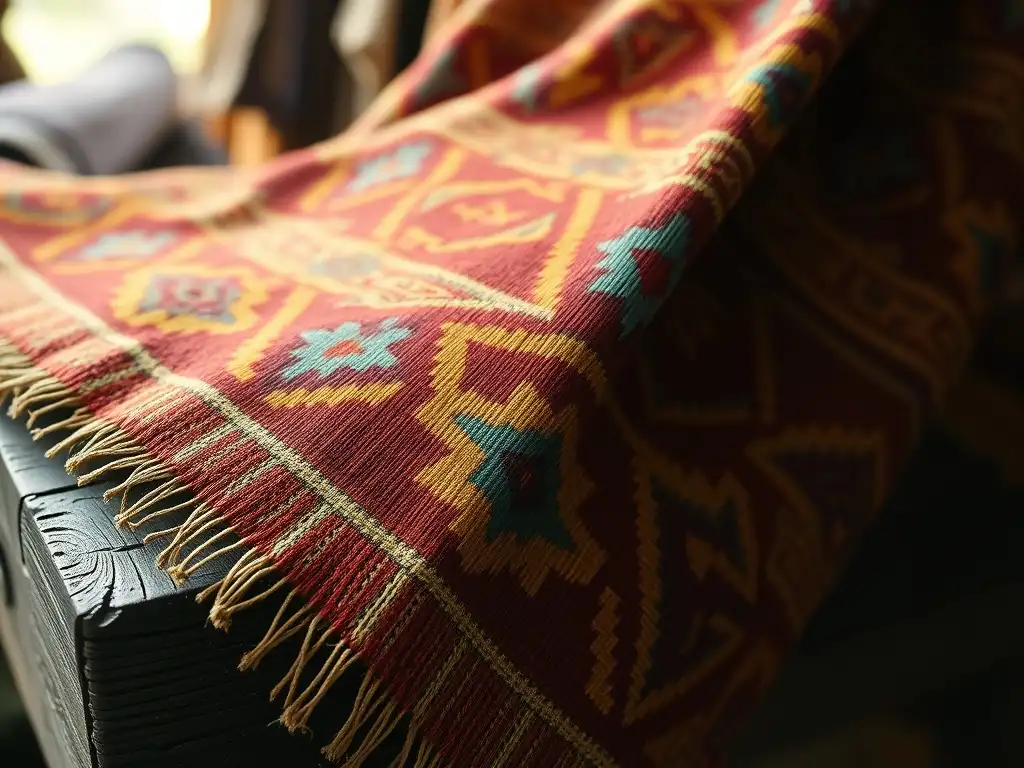
This section delves into specific examples of how Andean textiles served as powerful mediums for expressing and preserving cultural beliefs. We'll examine the intricate designs and techniques employed by different Andean cultures, revealing the rich tapestry of their spiritual and social worlds. Understanding these textiles allows us to gain a deeper appreciation for the Andean worldview and the profound significance they attached to their clothing and adornments.
The analysis will focus on the Paracas, Moche, and Inca civilizations, highlighting the unique ways each culture utilized textiles to communicate their beliefs. The vibrant colors, complex iconography, and sophisticated weaving techniques all speak volumes about the sophisticated societies that created them. Analyzing Andean textiles cultural beliefs reveals a civilization deeply connected to its environment and spiritual realm.
The Paracas Textiles: Elaborate Burials and Beliefs
Paracas textiles, originating from the Paracas Peninsula in southern Peru (circa 200 BCE – 200 CE), are renowned for their exceptional quality and vibrant colors. Their burial practices provide invaluable insights into their beliefs. The elaborate textiles found within these tombs, often adorning mummies, reveal a complex cosmology and a deep reverence for the afterlife. The intricate designs, frequently featuring anthropomorphic figures, stylized animals, and geometric patterns, likely represented deities, shamans, and ancestors.
Paracas textiles frequently employed techniques like tapestry weaving, embroidery, and gauze weaving, demonstrating a high level of technical skill. The use of natural dyes derived from plants and minerals further underlines the importance of the natural world in their belief system. The sheer quantity of textiles used in a single burial, coupled with their exquisite craftsmanship, suggests a strong belief in a continued existence beyond death, where the deceased would require such adornments in the afterlife. Detailed analysis of the iconography shows recurring motifs, suggesting a pantheon of deities and a sophisticated understanding of the cosmos. For example, the frequent depiction of feline figures might represent powerful spirit animals or intermediaries between the living and the spirit world. The use of specific colors also likely held symbolic meaning, potentially representing different spiritual energies or social statuses. Further research is needed to fully decipher the complex symbolism of these extraordinary textiles.
Moche Textiles: Depictions of Rituals and Deities
The Moche civilization (circa 100 CE – 800 CE), known for its sophisticated metalwork and pottery, also produced stunning textiles. Unlike the Paracas, Moche textiles often depict scenes of daily life, rituals, and mythological narratives. These depictions offer a window into their religious practices, social structures, and worldview. The textiles, frequently found in tombs and associated with elite burials, often showcased warriors, priests, and mythological beings engaged in various activities.
The Moche were master weavers, utilizing a variety of techniques, including weft-faced plain weave, tapestry, and brocade. Their textiles frequently feature bold colors and intricate designs, illustrating scenes of warfare, hunting, religious ceremonies, and agricultural activities. The depiction of specific deities, such as the Ai Apaec (a powerful Moche deity often depicted with fangs and a flayed face), provides insights into their religious beliefs and the importance of ritual in their society.
The use of specific colors and patterns likely held symbolic meaning, reflecting the complex social hierarchy and religious beliefs of the Moche people. For example, certain colors might have been reserved for the elite, while others were associated with specific deities or rituals.
The dynamic and often violent scenes depicted on the textiles suggest a society that placed great importance on warfare and ritual sacrifice. Further research into the specific iconography and color symbolism is crucial to fully understand the narratives embedded within these remarkable textiles.
Inca Textiles: Power, Hierarchy, and the State
Inca textiles (circa 1438 – 1533 CE) represent the pinnacle of Andean textile production. The Inca Empire’s vast size and centralized administration led to a standardized style and production of textiles used to reinforce the power and authority of the Inca state. Textiles served not only as clothing but also as symbols of status, wealth, and power, clearly indicating social hierarchy. The intricate designs and use of rare materials, like vicuña and alpaca wool, were reserved for the elite, while commoners wore simpler garments made from coarser fibers.
The Inca state controlled the production of textiles, utilizing a complex system of workshops and skilled artisans. The use of tocapus (headbands) and llantas (tunics) as markers of social rank is well documented. Specific designs and colors were associated with different social groups and the Inca royalty.
The use of khipus (knotted cords) for record-keeping further demonstrates the importance of textiles in Inca administration. The Inca's mastery of weaving techniques, including intricate tapestry and brocade, allowed them to create highly sophisticated and visually stunning textiles. Their designs, often featuring geometric patterns and stylized representations of animals and plants, reflected the Inca worldview and their deep connection to the natural world.
The meticulous standardization of textile production across the vast empire is a testament to the Inca's organizational abilities and their use of textiles as a tool for social control and the assertion of imperial power. Further research can reveal more subtle variations in design and material use that could further illuminate the nuances of Inca social hierarchy.
Tiahuanaco Textiles: The Cosmic Vision of the Andes
The Tiahuanaco culture, flourishing in the Bolivian Altiplano between 500 and 1000 CE, left behind a legacy of intricate textiles that reflect their profound cosmological beliefs. Unlike many other Andean cultures whose textile traditions focused on readily identifiable motifs, Tiahuanaco textiles often incorporate complex geometric patterns and stylized figures interpreted as representations of their sophisticated understanding of the cosmos. Researchers have painstakingly analyzed these textiles, uncovering evidence of a worldview deeply connected to celestial bodies, the cyclical nature of life and death, and the powerful forces of nature.
The use of specific colors in Tiahuanaco textiles is particularly significant. Deep reds, often achieved through the use of cochineal dye extracted from insects, likely symbolized the life-giving blood and the sun's energy. Similarly, the vibrant blues, possibly derived from minerals, might have represented the vastness of the sky and the celestial realm.
The precise combination and arrangement of these colors within a textile design would have held specific meaning, conveying a complex message about the wearer's status, relationship to the cosmos, and spiritual beliefs. Further research is needed to definitively decipher the full range of color symbolism, but existing studies suggest a nuanced system far beyond simple aesthetics.
The geometric patterns found in Tiahuanaco textiles are equally compelling. Repeated motifs, such as stepped pyramids, intricate grids, and stylized feline figures, are believed to represent the sacred landscape, the celestial order, and the powerful deities worshipped by the Tiahuanaco people. These patterns were not randomly arranged; they followed specific rules and proportions, suggesting a sophisticated mathematical and astronomical understanding underpinning their artistic creations.
The precision and complexity of these designs highlight the advanced level of technical skill and artistic vision possessed by Tiahuanaco weavers. The creation of these textiles was not merely a craft; it was a sacred act, a way of connecting with the spiritual world and embodying their cosmic worldview. Analysis of these patterns using modern computer modeling techniques is currently underway, which may shed further light on the astronomical and mathematical principles embedded within them.
Finally, the very act of creating these textiles was likely imbued with ritual significance. The careful selection of materials, the meticulous execution of the weaving techniques, and the incorporation of symbolic designs all point to a deeply spiritual process. It is plausible that the creation of Tiahuanaco textiles was a communal activity, involving specialists and perhaps even shamans, contributing to the overall sacred significance of the finished product.
These textiles served not only as clothing and adornment, but also as powerful tools for expressing and reinforcing their profound cosmological beliefs – a tangible manifestation of their cosmic vision of the Andes. Archaeological evidence continues to provide further insight into this fascinating aspect of Andean textile traditions.
Andean Textiles Today: A Living Legacy of Cultural Beliefs
The vibrant tapestry of Andean textile traditions, far from being relegated to museums, continues to thrive in the 21st century. The intricate designs, vibrant colors, and masterful techniques employed in creating these textiles remain powerful expressions of cultural beliefs and identity. These aren't merely decorative items; they are living embodiments of Andean worldview, carrying forward ancestral knowledge and spiritual significance.
The persistence of these traditions speaks volumes about the enduring power of cultural heritage and its ability to adapt and flourish in a changing world. Understanding Andean textiles today requires acknowledging their role not just as historical artifacts, but as dynamic and evolving cultural practices.
The Preservation of Traditional Textile Techniques
The survival of Andean textile techniques is a testament to the dedication and resilience of Andean communities. While modernization presents challenges, many communities actively work to preserve their ancestral knowledge. This preservation often takes place within family structures, with skills and knowledge passed down through generations. For example, in the Peruvian highlands, women continue to use ancient backstrap looms, a testament to the enduring value of these traditional tools.
These looms, often simple yet ingenious in their design, allow for the creation of incredibly intricate textiles. Furthermore, initiatives aimed at supporting and promoting traditional weaving techniques are gaining traction. These range from workshops and training programs to the establishment of cooperatives that provide economic opportunities for artisans while safeguarding their craft.
The commitment to preserving these techniques is not merely about maintaining a tradition; it’s about safeguarding a vital part of Andean cultural identity and ensuring its continuity for future generations. The intricate techniques, passed down orally and through practical demonstration, often include symbolic knots and unique dyeing methods reflecting specific regional variations and beliefs. The continued use of natural dyes, such as cochineal and indigo, underscores a profound connection to the Andean landscape and its resources.
The Cultural Significance of Andean Textiles in Contemporary Society
Andean textiles continue to hold immense cultural significance in contemporary Andean society. They are not simply decorative items; they are integral to various aspects of life, from ceremonial practices to everyday attire. The designs woven into these textiles often tell stories, conveying myths, legends, and social hierarchies.
Specific patterns, colors, and symbols can represent different communities, clans, or even individual identities. For instance, the use of specific geometric patterns might signify a particular lineage or affiliation with a specific deity. Moreover, textiles play a vital role in ceremonies and rituals, with specific pieces used during important life events, such as weddings, funerals, and religious festivals.
The vibrant colors and intricate designs are not merely aesthetic choices; they are imbued with spiritual meaning, reflecting the Andean worldview and connection to the sacred. The continued use of textiles in contemporary society demonstrates their enduring relevance and their continued capacity to transmit cultural values and beliefs across generations. The ongoing demand for authentic Andean textiles also highlights their value within the global market, providing economic support to Andean communities while simultaneously celebrating their rich cultural heritage.
The Enduring Legacy of Andean Weaving Traditions
The legacy of Andean weaving traditions is one of resilience, adaptation, and enduring cultural significance. These textiles are more than just beautiful objects; they are living archives of knowledge, belief, and identity. The intricate designs, the mastery of technique, and the deep cultural meanings embedded within them continue to inspire awe and admiration.
The survival of these traditions speaks to the enduring power of cultural heritage and the importance of preserving ancestral knowledge. The fact that Andean textiles remain a vibrant and evolving art form, adapting to contemporary contexts while retaining their core values, underscores their remarkable resilience and enduring legacy. From the intricate designs of the Paracas textiles to the bold geometric patterns of the Incas, the legacy of Andean weaving continues to enrich the world's cultural landscape, reminding us of the power of art to transcend time and space.
The continued study and appreciation of Andean textiles are crucial not only for understanding the past but also for safeguarding this invaluable cultural heritage for future generations. The preservation of these traditions is a shared responsibility, demanding the collaborative efforts of communities, researchers, and organizations dedicated to celebrating and protecting this remarkable legacy.
Frequently Asked Questions
What role did textiles play in Andean cultures?
Textiles were incredibly important, serving not only as clothing and adornment, but also as symbols of status, power, and religious beliefs. They were integral to daily life and ritual practices.
How did Andean textile designs reflect cultural beliefs?
Designs frequently depicted mythological figures, deities, and cosmological elements, reflecting the Andean worldview and spiritual beliefs. Specific patterns and colors held symbolic meaning, varying across different cultures.
What materials were used in Andean textile production?
Andean textiles primarily utilized alpaca, llama, and vicuña wool, along with cotton. The quality and type of fiber often indicated the social status of the wearer.
What techniques were employed in Andean weaving?
Andean weavers mastered intricate techniques such as backstrap loom weaving, creating incredibly detailed and complex patterns. Dyeing techniques using natural pigments also played a crucial role.
How did Andean textile traditions endure through time?
Despite the impact of colonization, Andean textile traditions persisted, adapting and evolving while retaining many ancient techniques and symbolic meanings. Contemporary Andean weavers continue to practice these skills, preserving their cultural heritage.
Final Reflection: Weaving the Past into the Present
The vibrant threads of Andean textiles aren't merely decorative; they are living testaments to a rich cultural heritage that continues to resonate today. These intricate designs, passed down through generations, offer a powerful glimpse into the beliefs, cosmology, and social structures of Andean civilizations, a legacy that remains profoundly relevant in the 21st century. Their enduring beauty serves as a potent reminder of the enduring power of cultural expression.
The influence of Andean textile traditions extends far beyond museums and academic studies; it permeates contemporary Andean life, influencing fashion, art, and tourism. These textiles are not static artifacts of the past, but dynamic expressions of a culture that continues to evolve while honoring its roots. Their enduring appeal speaks to a universal human need for connection to our history and a sense of belonging. The past is never dead. It's not even past.
- William Faulkner. This quote perfectly encapsulates the ongoing relevance of Andean textiles and their ability to bridge the gap between past and present.
Consider the intricate symbolism woven into each piece – the vibrant colors, the geometric patterns, the representations of animals and deities. These are not merely aesthetic choices; they are powerful narratives, carrying the weight of centuries of tradition and belief. You, the reader, are now invited to reflect on the power of cultural expression in your own life. What stories do your personal traditions tell? How can you contribute to the preservation and celebration of your own cultural heritage? Let the magic of the Andes inspire you to explore the rich tapestry of your own cultural identity.
Unveil the Culture of the Andes Today!
Thank you for exploring the vibrant world of Andean textiles and their cultural significance! We hope you've gained a deeper understanding of how these beautiful creations reflect the beliefs and traditions of Andean civilizations. Now, let's put your newfound knowledge into practice!
Here are some ways you can engage with the rich legacy of the Andes:
- Support Andean artisans by purchasing their textiles directly from local markets or reputable online retailers. Each piece carries a unique story, reflecting the skill and artistry of its creator.
- Share this article with your friends and family to spread awareness of the cultural significance of Andean textiles and the artistry behind them.
- Connect with others who share your passion for Andean culture by joining online forums or local groups dedicated to Andean history or textile arts. This is a wonderful way to deepen your understanding and learn from others.
What aspect of Andean culture has resonated most with you, and how will you integrate it into your life?