
Inca Road System: The Silent Witness of the Inca Empire's Grandeur


Welcome to Andean Civilizations, where the echoes of a lost world whisper tales of ingenuity and power. Prepare to be captivated by the breathtaking achievements of ancient Andean cultures, from the intricate artistry of the Nazca lines to the sophisticated engineering of the Moche. But today, we delve into the heart of the Inca Empire's legacy – its astounding Inca road system history.
Discover how this remarkable network of pathways not only connected a vast empire, but also shaped the very fabric of Andean society. Dare to uncover the secrets embedded within these silent witnesses to a bygone era? Read on...
The Inca Empire, a civilization that flourished in the Andes Mountains from the 15th to the 16th century, left behind a legacy of breathtaking ingenuity and architectural prowess. Beyond the iconic Machu Picchu and the intricate stonework of their cities, lies a testament to their organizational skills and logistical capabilities: their extensive road system. This network of pathways, stretching thousands of kilometers across treacherous terrain, served as the lifeblood of the empire, facilitating communication, trade, and military movement.
Understanding the Inca road system is crucial to grasping the true scale and sophistication of this remarkable civilization, a silent witness to their grandeur and a key element in their ability to control and govern such a vast and diverse territory. This article delves into the history, construction, and significance of this remarkable feat of Andean engineering, exploring its impact on the Inca Empire and its enduring legacy.
We will examine the ingenuity of its design, the challenges overcome in its construction, and its lasting influence on the region. By understanding the Inca road system, we gain a deeper appreciation for the complexities and achievements of this fascinating civilization, significantly enhancing our knowledge of "Inca road system history."
Construction Techniques and Materials
The construction of the Inca road system was a monumental undertaking, requiring sophisticated engineering skills and a deep understanding of the Andean landscape. Inca engineers expertly adapted their techniques to the varied terrain, utilizing locally sourced materials and employing innovative methods. They skillfully carved pathways into mountain slopes, bridging chasms with sturdy structures, and paving sections with meticulously fitted stones. The roads were not merely paths; they were meticulously planned and constructed infrastructure.
Different types of roads were built depending on their function and location. For example, some roads were narrow and winding, suitable for foot traffic and llamas carrying goods, while others were wider and more substantial to allow for larger groups or even chariots. The use of stone, earth, and wood varied depending on the terrain and available resources. In mountainous regions, stone was the primary material, often expertly fitted without mortar, showcasing the precision of Inca stonemasonry.
In flatter areas, earth and wood were more commonly used. The durability and longevity of these roads are a testament to the skill and knowledge of the Inca builders. Archaeological evidence continually reveals the sophistication of their techniques, adding further layers to our understanding of "Inca road system history."
The Strategic Importance of the Inca Road System
The Inca road system was far more than a simple transportation network; it was a crucial element in the empire's military, political, and economic strategies. Its strategic importance is undeniable. The swift movement of troops along these well-maintained pathways allowed the Inca army to rapidly respond to rebellions or threats from neighboring groups, maintaining control over the vast empire.
The roads also facilitated the efficient distribution of resources, enabling the movement of food, textiles, and other essential goods between different regions. This efficient logistics system was vital for the Inca Empire's economic stability and social cohesion. Furthermore, the network of roads connected the various provinces and allowed for effective communication between the emperor and his governors.
This enabled the centralized administration of the empire and the efficient dissemination of imperial decrees and messages. The strategic placement of chasquis, relay runners, at intervals along the road network ensured rapid communication across vast distances, a key factor in the empire's success. The impact of this system on the political and economic landscape of the Inca Empire cannot be overstated, solidifying its role in "Inca road system history."
The Inca Road System and its Lasting Legacy
Even after the Spanish conquest, remnants of the Inca road system continued to be used, and their influence on subsequent road networks in the Andes is undeniable. Many sections of the original pathways are still visible today, serving as a powerful reminder of the Inca Empire's remarkable achievements. The ingenuity and resilience of the Inca road system have inspired generations of engineers and historians.
Its construction techniques, adapted to the challenging Andean geography, continue to be studied and admired. The road system's impact extended beyond its practical functionality; it also played a significant role in shaping the cultural and social landscape of the Andes. The roads facilitated the exchange of ideas and cultural practices, contributing to the rich tapestry of Andean culture.
The preservation and study of the Inca road system are crucial for understanding the history and legacy of the Inca Empire, enriching our knowledge of "Inca road system history" and its enduring impact on the region. The meticulous planning and execution of this massive undertaking continues to fascinate and inspire, highlighting the ingenuity of the Inca civilization.
- Construction Techniques and Materials
- The Strategic Importance of the Inca Road System
- The Inca Road System and its Lasting Legacy
The Genesis of the Inca Road System: A Historical Overview
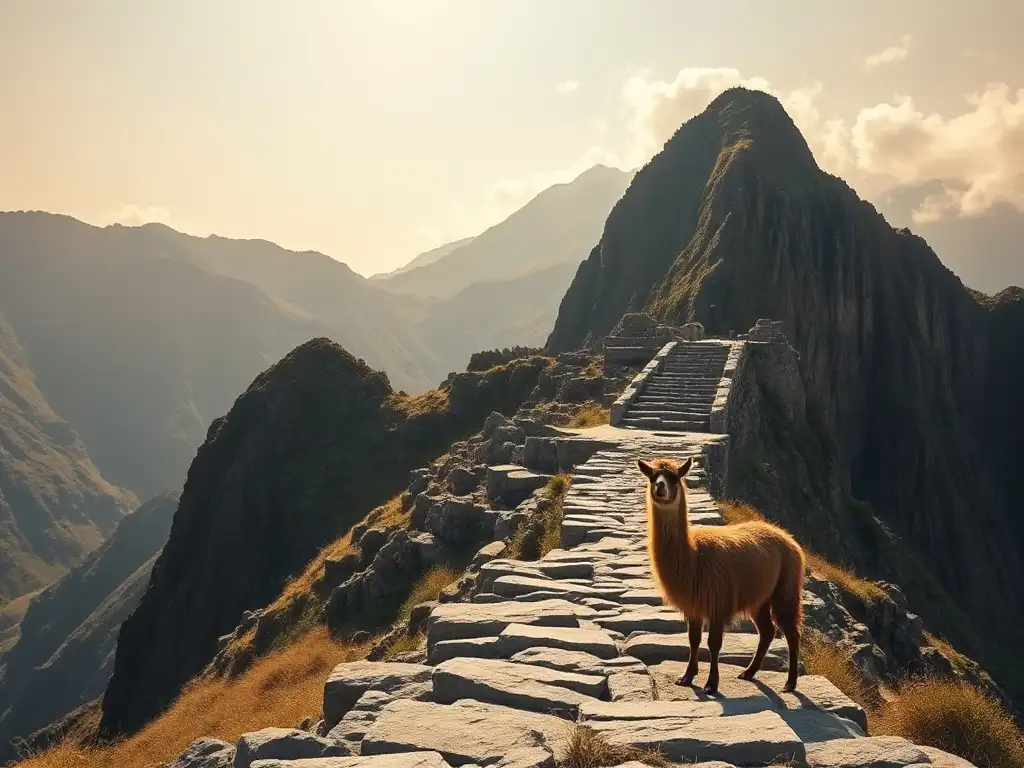
The Inca road system, known as the Qhapaq Ñan, wasn't built in a vacuum. Its impressive scale and sophisticated engineering were the culmination of centuries of road building traditions within the Andes, combined with the Inca's unique organizational prowess and imperial ambitions. Understanding its genesis requires examining pre-Inca influences and the specific pressures that fueled its expansion under Inca rule. This section delves into the historical context of this remarkable feat of Andean engineering, crucial to understanding the Inca road system history.
Pre-Inca Roads and Their Influence on the Qhapaq Ñan
Long before the Inca Empire rose to prominence, various Andean cultures constructed their own trail networks. These weren't necessarily the grand, meticulously engineered highways we associate with the Inca, but they laid the groundwork. The Wari and Tiwanaku civilizations, for instance, possessed extensive networks connecting settlements across significant distances. These earlier roads, often carved into mountain slopes or traversing challenging terrain, provided valuable experience and knowledge that the Inca undoubtedly drew upon.
The Inca inherited a practical understanding of Andean geography and construction techniques, adapting and improving upon existing routes. Evidence suggests that many sections of the Qhapaq Ñan were built upon or incorporated pre-existing pathways, demonstrating a pragmatic approach to infrastructure development. The Inca weren't starting from scratch; they were building upon a legacy of Andean road building expertise. This continuous evolution is a key aspect of Inca road system history.
The Inca Expansion and the Need for a Unified Road Network
The Inca Empire's rapid expansion across the Andes presented a logistical challenge of unprecedented scale. Controlling such a vast and diverse territory necessitated a highly efficient system for communication, transportation of goods, and military movement. The Qhapaq Ñan directly addressed this need. As the Inca conquered new territories, they extended and improved the existing road network, creating a unified system that connected the empire's farthest reaches.
This wasn't simply a matter of connecting existing trails; the Inca implemented standardized construction techniques, ensuring a consistent level of quality and functionality across the entire network. The strategic placement of tambos (roadside inns) along the routes further facilitated travel and communication, showcasing the sophisticated logistical planning that underpinned the empire's success. The expansion of the Inca Empire is intrinsically linked to the evolution of the Inca road system history.
Historical Context of the Inca Road System Construction
The construction of the Qhapaq Ñan was a massive undertaking, requiring the mobilization of significant labor resources. The Inca employed a system of mita, a form of rotational labor service, to organize the workforce. While the mita system is often viewed negatively due to its potential for exploitation, it was also a key mechanism for the construction of large-scale public works projects like the road network. Thousands of workers, organized into specialized teams, were responsible for different aspects of construction, from quarrying stone and shaping it into paving stones to building bridges and tunnels.
The construction itself wasn't a continuous process; it likely involved periods of intense activity followed by periods of maintenance and repair. Archaeological evidence suggests a degree of standardization in construction methods, with similar techniques employed across different regions of the empire. This standardization, along with the use of locally sourced materials, reflects a sophisticated understanding of engineering principles and regional variations in terrain and resources. The efficient organization of labor and resources was critical to the success of the project and is a crucial element in understanding the Inca road system history.
The meticulous planning and execution of this project remain a testament to the engineering prowess and organizational capabilities of the Inca Empire. Further research is needed to fully understand the nuances of the mita system's impact on construction timelines and worker conditions. [Specific information pending on detailed worker demographics and project timelines].
Key Features of the Inca Road Network: Engineering Marvels

The Inca road system, or Qhapaq Ñan, wasn't merely a collection of paths; it was a meticulously planned and executed network that served as the lifeblood of the vast Inca Empire. Its strategic design facilitated efficient communication, trade, and military mobilization across diverse and challenging Andean terrains. Spanning over 40,000 kilometers (25,000 miles) – a truly astonishing feat for its time – the network connected the far-flung corners of the empire, linking major cities, agricultural regions, and resource-rich areas.
This intricate web of roads, characterized by its remarkable engineering and adaptability to the landscape, stands as a testament to the Inca's advanced understanding of infrastructure development. The Inca road system history is rich with innovation and speaks volumes about the sophistication of their civilization.
Its impact resonates even today, influencing modern road construction and inspiring awe in its sheer scale and ingenuity. The enduring legacy of the Qhapaq Ñan is a powerful reminder of the Inca's organizational prowess and their ability to overcome significant geographical obstacles.
The Qhapaq Ñan: Main Routes and Branching Paths
The Qhapaq Ñan wasn't a single, continuous road, but rather a complex network of main routes and numerous branching paths. The main arteries typically followed valleys and relatively flat terrain, while smaller, secondary roads climbed steep mountainsides and crossed treacherous passes. This intricate system allowed for flexibility in travel and ensured connectivity even in remote areas.
For instance, the main north-south route, arguably the backbone of the system, ran along the Andes, connecting Cusco, the imperial capital, to Quito in modern-day Ecuador. This crucial route facilitated the movement of goods, troops, and messengers across vast distances. Branching off this main route were countless smaller paths, creating a spiderweb-like network that reached into every corner of the empire.
These secondary roads were often adapted to the local topography, utilizing natural features like mountain passes and river valleys to minimize construction challenges. The careful planning and execution of this extensive network demonstrate a deep understanding of geography and logistical management, unparalleled for its era. Understanding the branching paths helps us to appreciate the sheer scale and complexity of the Inca road system history and its crucial role in the empire's administration.
Construction Techniques of Inca Roads: Stones, Paving, and Drainage
The construction of Inca roads showcases remarkable engineering skills and a deep understanding of materials science. Inca engineers skillfully adapted their techniques to the diverse landscapes they encountered. The roads were primarily paved with meticulously fitted stones, often without mortar, demonstrating incredible precision and craftsmanship. Larger stones were used in areas prone to erosion or heavy traffic, while smaller stones were employed in less demanding sections.
The stones were carefully selected for their durability and shape, ensuring a smooth and stable road surface. Furthermore, sophisticated drainage systems were integrated into the road design. This included channels and ditches constructed alongside the roads to divert water and prevent erosion, ensuring the longevity of the infrastructure.
The integration of drainage systems demonstrates an advanced understanding of hydrology and its critical role in infrastructure maintenance. These techniques, combined with the careful selection and placement of stones, allowed the Inca roads to withstand the harsh Andean climate and heavy usage for centuries. The meticulous nature of the Inca road construction is a testament to their dedication to quality and their profound understanding of engineering principles.
Inca Bridges: Suspension and Pontoon Engineering Feats
The Inca road system's ingenuity extended beyond its terrestrial components. To overcome the numerous rivers and gorges that crisscrossed their empire, Inca engineers developed sophisticated bridge designs. They employed two primary types: suspension bridges and pontoon bridges.
Suspension bridges, often constructed using strong fibers such as ichhu (a type of Andean grass) and ropes made from plant materials, were remarkably resilient, spanning significant distances across deep ravines. Pontoon bridges, on the other hand, were built using bundles of reeds or logs secured together and anchored to the riverbanks. These floating bridges were adaptable to fluctuating water levels and could be easily disassembled and reassembled as needed.
The design and construction of these bridges required a deep understanding of materials science, engineering principles, and the properties of the local environment. The Inca's ability to build these structures in challenging locations further underscores their advanced engineering capabilities and their commitment to maintaining a well-connected empire. The innovative bridge designs are a critical aspect of the Inca road system history, demonstrating their ability to overcome seemingly insurmountable geographical obstacles.
Tambos: The Role of Inca Rest Stops and Supply Centers
The Inca road system, a testament to their advanced engineering capabilities, wasn't merely a network of pathways; it was a meticulously planned logistical masterpiece. Central to its functionality were the tambos, strategically positioned rest stops and supply centers that played a vital role in maintaining the empire's communication, trade, and military strength. These weren't simple roadside inns; they were multifaceted facilities designed to serve a variety of crucial purposes.
One key function of the tambos was to provide lodging and sustenance for travelers traversing the vast Inca empire. Imagine the arduous journeys undertaken by messengers, officials, or even common citizens navigating the challenging Andean terrain. The tambos offered respite from the harsh elements, providing shelter, food, and a place to rest before continuing their travels.
These facilities varied in size and complexity, ranging from small, basic structures to larger complexes capable of accommodating numerous individuals. The provision of food and supplies was essential, ensuring travelers could replenish their energy and continue their journeys safely. The tambos acted as vital hubs within the intricate network of the Inca road system, facilitating the movement of people and goods across the empire.
Beyond their role as waystations, the tambos served as crucial administrative and military outposts. They functioned as centers for collecting taxes, storing goods, and managing resources. Local officials resided in many tambos, overseeing the surrounding area and ensuring the smooth operation of the road system within their jurisdiction.
In times of conflict, tambos could quickly be converted into defensive positions, providing strategic vantage points and shelter for soldiers. Their strategic placement along the roads allowed for rapid mobilization of troops and resources in response to threats or emergencies. This dual purpose – facilitating trade and enabling swift military response – highlights the ingenious integration of logistical and military planning within the Inca road system.
The construction of tambos itself reflected the Inca's sophisticated understanding of architecture and engineering. Many were built using locally sourced materials, demonstrating an adaptation to the diverse environments encountered along the roads. The architectural styles varied, reflecting regional differences and the specific needs of each location.
Some tambos featured sophisticated water management systems, highlighting the Inca's mastery of hydraulic engineering, crucial for providing a reliable water supply in often arid environments. The careful planning and construction of these facilities showcases the level of organization and resource management that characterized the Inca empire. The enduring legacy of the tambos serves as a powerful reminder of the logistical sophistication that underlay the Inca road network's effectiveness and longevity.
Their strategic placement, diverse functions, and robust construction ensured the seamless operation of the Inca road system, a key factor in the empire's success and expansion. The very existence of these structures speaks volumes about the Inca's meticulous planning and their deep understanding of the needs of their vast empire.
The Inca Road System's Impact on the Inca Empire
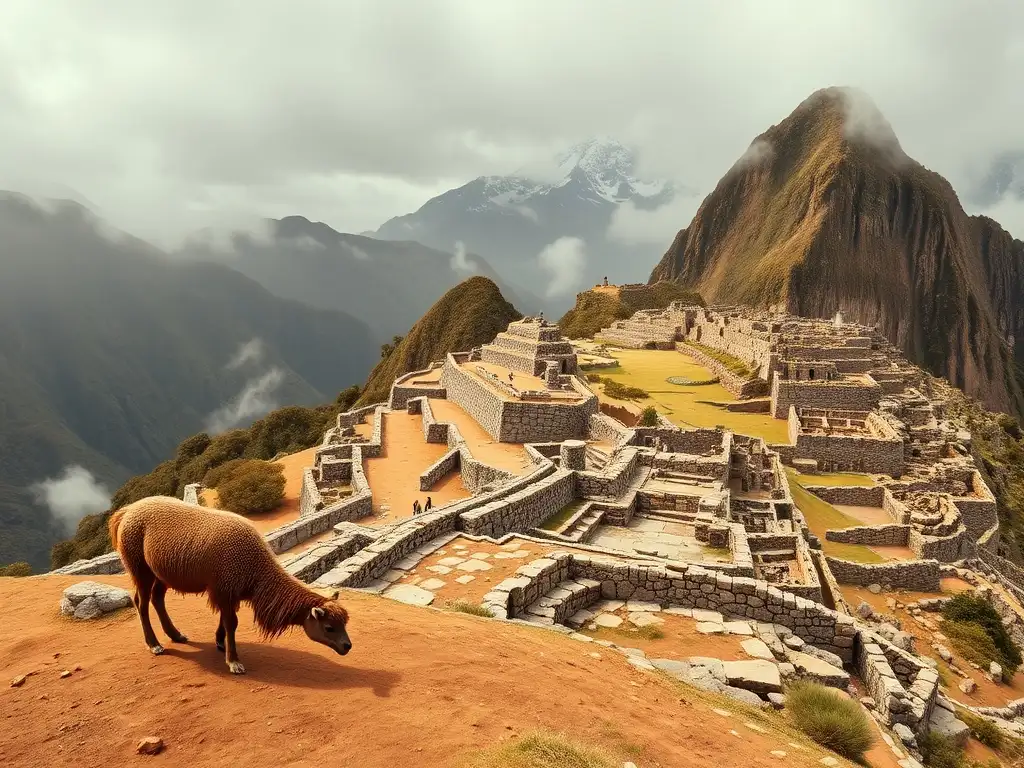
The Inca road system, a marvel of ancient engineering, wasn't merely a network of paths; it was the very artery of the Inca Empire, profoundly impacting its administration, military might, and economic prosperity. Its strategic design and meticulous construction facilitated seamless communication, efficient troop deployment, and the smooth flow of goods across vast and challenging terrains. Understanding the Inca road system's impact is crucial to grasping the true scale and sophistication of this remarkable civilization.
The sheer scale of the undertaking – spanning thousands of miles across diverse landscapes – speaks volumes about the Inca's organizational prowess and their ability to mobilize vast human resources. This intricate network, often referred to as the Qhapaq Ñan, significantly contributed to the Inca Empire's unprecedented expansion and enduring legacy. Analyzing its influence on different facets of Inca life reveals the ingenuity and foresight behind its creation.
Communication and Control: Facilitating Inca Administration
The Inca road system was instrumental in consolidating and maintaining control over the vast empire. The network facilitated rapid communication, allowing the Inca government to efficiently transmit orders, collect taxes, and respond to emergencies across diverse regions. Relay runners, known as chasquis, strategically positioned along the roads, could transmit messages with incredible speed, covering vast distances in remarkably short periods.
This swift communication system allowed the central government in Cusco to maintain a firm grip on its far-flung provinces, ensuring compliance and suppressing any potential rebellion. The roads also served as vital arteries for the movement of administrative officials, inspectors, and tax collectors, ensuring the smooth functioning of the bureaucratic apparatus. Without this efficient communication network, the centralized administration of the Inca Empire would have been practically impossible.
Consider the logistical challenge of governing a territory encompassing modern-day Ecuador, Peru, Bolivia, parts of Chile and Argentina without a robust communication infrastructure – the Inca road system solved this problem brilliantly. The placement of tambos (roadside inns) provided rest stops for messengers and travelers, further enhancing the efficiency of the system. This intricate web of communication, supported by the physical infrastructure of the roads and tambos, was a cornerstone of Inca governance and a testament to their sophisticated administrative capabilities.
Military Logistics and the Movement of Inca Armies
The Inca road system provided a critical advantage in military operations. Its strategic design allowed for the rapid movement of troops and supplies across the empire's diverse terrain. The strategically placed tambos along the roads served as vital supply depots and resting points for soldiers, ensuring that Inca armies could march long distances without logistical bottlenecks.
This efficient system enabled the Inca to respond swiftly to rebellions, quell internal conflicts, and expand their territory with remarkable speed. The roads facilitated the swift deployment of troops to remote areas, allowing the Inca to maintain control over conquered territories and suppress any resistance effectively. Imagine the Inca army, equipped and supplied via this efficient road network, swiftly quelling a rebellion hundreds of miles from Cusco.
The system's impact on Inca military dominance is undeniable, giving them a significant strategic advantage over their adversaries. The ability to move large armies and their supplies quickly was a key factor in the Inca Empire's successful conquests and the maintenance of its vast territories. This military efficiency, directly linked to the road system, solidified the Inca Empire's position as a dominant force in the Andes.
Trade and the Circulation of Goods within the Inca Empire
The Inca road system played a crucial role in facilitating trade and the circulation of goods throughout the empire. The roads connected diverse regions, enabling the exchange of agricultural products, textiles, metals, and other valuable commodities. This facilitated economic integration and fostered specialization within different regions.
The mit'a system, a form of mandatory labor, contributed significantly to the construction and maintenance of the roads, but it also facilitated the movement of goods and labor along these routes. The Inca Empire wasn't based on a market economy in the traditional sense; instead, it relied on a redistribution system. The road network ensured that goods produced in one region could be efficiently transported to other areas where they were needed, supporting the empire's complex system of resource allocation and social welfare.
For example, surplus agricultural products from fertile valleys could be transported to higher-altitude regions with less arable land, preventing famines and maintaining social stability. This efficient distribution system, enabled by the road network, was a key element in the Inca Empire's long-term stability and prosperity, underscoring the profound economic impact of this remarkable infrastructure. The Qhapaq Ñan wasn’t just a road system; it was a backbone of Inca economic life, ensuring the flow of resources and maintaining social equilibrium across the vast empire.
The Inca road system, far from being merely a logistical network, profoundly impacted Inca society and culture. Its influence permeated daily life, shaping social structures, religious practices, and the very fabric of Inca identity. The roads facilitated the movement of people, fostering a sense of unity and shared identity across the vast empire. Regular travel between different regions allowed for the exchange of ideas, customs, and traditions, creating a more homogenous cultural landscape despite the empire's geographical diversity. This constant interaction helped solidify loyalty to the Inca emperor and the imperial ideology.
The chaca bridges, ingenious feats of engineering often incorporated into the road system, are a prime example of this cultural integration. Their construction required collaborative efforts from different communities, strengthening social bonds and emphasizing the shared responsibility for maintaining imperial infrastructure. These bridges weren't just functional; they were also imbued with symbolic meaning, representing the connectivity and strength of the Inca Empire. Religious ceremonies and rituals often took place at strategically located points along the road network, further reinforcing the system's social and spiritual significance.
Furthermore, the road system played a crucial role in the dissemination of Inca religious beliefs and practices. Pilgrimages along sacred routes became common, with travelers visiting significant religious sites and participating in ceremonies. The efficient transport network facilitated the spread of religious knowledge, ensuring consistency in worship and maintaining the power of the Inca state religion. The movement of priests, religious officials, and even mummies along these pathways helped solidify religious orthodoxy and maintain control over religious practices across the empire. The impact of the Inca road system on Inca religion is undeniable, shaping its beliefs and practices in profound and lasting ways. The very act of traveling these roads became a deeply spiritual experience, demonstrating the interwoven nature of infrastructure, religion and social life. The system fostered a shared cultural identity that bound the diverse populations of the empire together, creating a powerful sense of belonging and shared purpose.
Exploring the Inca Trail: A Modern Perspective
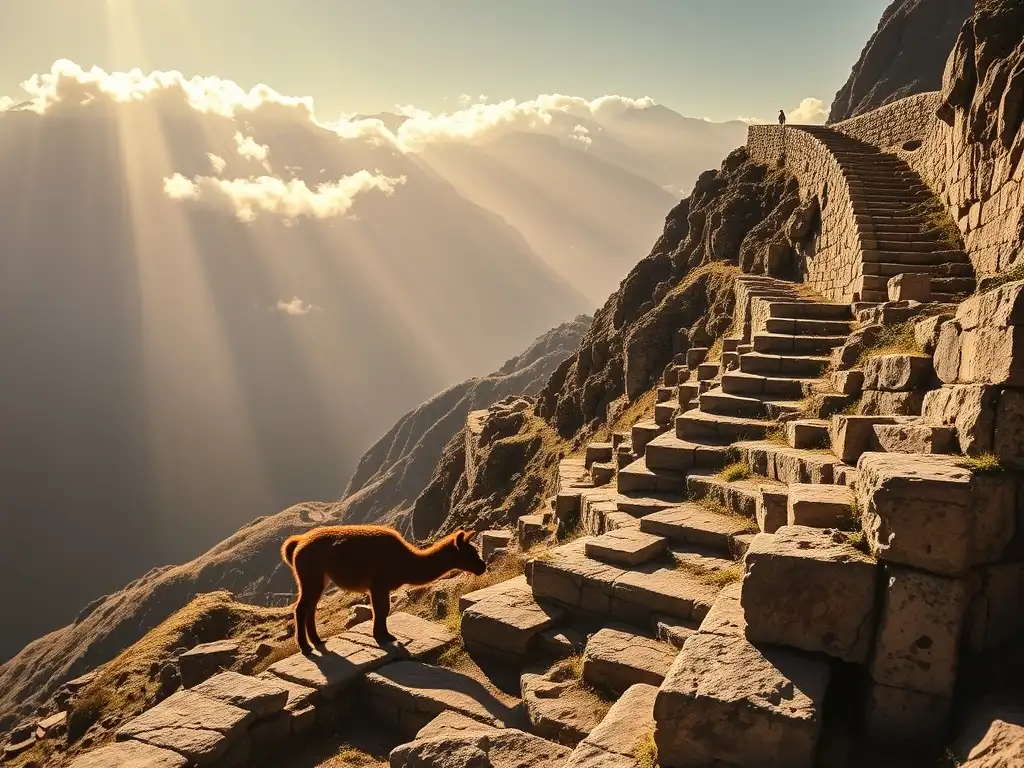
The Inca road system, or Qhapaq Ñan, remains a testament to the Inca Empire's sophisticated engineering prowess and its ability to connect a vast and diverse territory. While the network's historical significance is undeniable, its continued relevance in the 21st century is equally compelling. Understanding the Qhapaq Ñan today requires examining its impact on modern tourism, infrastructure planning, and our broader comprehension of Inca civilization. The system's influence transcends its historical context, shaping contemporary landscapes and perspectives.
The Inca Trail to Machu Picchu: A Popular Hiking Route
The Inca Trail, a specific section of the broader Qhapaq Ñan network, has become a globally recognized trekking destination. The iconic journey to Machu Picchu attracts thousands of hikers annually, generating significant revenue for local communities and contributing to Peru's tourism economy. However, this popularity also presents challenges. The high volume of hikers necessitates stringent regulations to mitigate environmental damage and ensure the trail's long-term preservation.
Sustainable tourism practices, including limited permits and organized trekking groups, are crucial for balancing economic benefits with environmental protection. The management of the Inca Trail serves as a case study for balancing the preservation of historical sites with the demands of modern tourism. The Inca Trail's success is a double-edged sword: it boosts the Peruvian economy but also puts immense pressure on a fragile ecosystem and a priceless historical site. Careful planning and sustainable practices are vital for its continued existence.
Conservation Efforts and the Preservation of the Qhapaq Ñan
UNESCO's recognition of the Qhapaq Ñan as a World Heritage Site underscores its global importance. International collaboration is essential for the ongoing conservation of this remarkable network. Efforts focus on several key areas: archaeological research to better understand the system's construction and use; the stabilization and restoration of damaged sections of the road; and the development of sustainable tourism strategies to minimize environmental impact and protect the fragile Andean ecosystem.
These initiatives require significant financial investment and coordinated efforts between governments, international organizations, and local communities. The long-term preservation of the Qhapaq Ñan is a complex undertaking that requires a multifaceted approach, balancing preservation with sustainable development and community involvement. Failure to properly conserve the Qhapaq Ñan would represent a significant loss to both our understanding of Inca history and the world's cultural heritage.
Archaeological Discoveries Along the Inca Road Network
Ongoing archaeological research continues to reveal new insights into the Inca road system. Recent excavations have unearthed settlements, storage facilities, and other structures associated with the Qhapaq Ñan, providing valuable information about the logistics, administration, and daily life of the Inca Empire. These discoveries enrich our understanding of the Inca's organizational capabilities and their mastery of engineering and resource management.
The road network wasn't simply a transportation system; it was an integral part of the empire's social, economic, and political fabric. Further research promises to uncover even more details about this fascinating aspect of Inca civilization. Each new discovery adds another layer of understanding to this complex and impressive network, revealing the ingenuity and organizational prowess of the Inca civilization.
The ongoing archaeological work along the Qhapaq Ñan is a testament to the enduring mystery and significance of this ancient infrastructure. The potential for future discoveries remains vast, promising to further illuminate the intricacies of Inca society and its remarkable achievements.
Experiencing the Legacy of the Inca Road System Today
The Inca road system, a marvel of ancient engineering, continues to resonate in the 21st century. While much of the original network has succumbed to the passage of time and the forces of nature, significant portions remain, offering modern travelers a tangible connection to the Inca past. Sections of the Qhapaq Ñan are remarkably well-preserved, allowing hikers and researchers alike to walk in the footsteps of Inca messengers and soldiers. These trails, often traversing breathtaking Andean landscapes, provide a unique opportunity to appreciate the ingenuity and scale of the Inca infrastructure project. The sheer audacity of constructing such a vast network across challenging terrain is a testament to the Inca's organizational prowess and understanding of their environment.
Their mastery of stonework, evident in the meticulously crafted pathways, is still a source of wonder and inspiration for modern engineers. Many sections have been carefully restored and integrated into modern tourism infrastructure, providing safe and accessible routes for visitors wishing to experience this ancient heritage. The Inca Trail to Machu Picchu remains the most famous example of this, attracting thousands of trekkers annually. However, numerous other less-traveled trails offer equally rewarding experiences, allowing for a more intimate encounter with the legacy of the Inca road system.
The experience is not only a physical journey but also a journey through time, connecting the present to a vibrant and sophisticated past. It's a powerful reminder of the enduring impact of the Inca civilization and their profound understanding of engineering, logistics and the land itself. Furthermore, the ongoing preservation efforts and archaeological research continue to unveil further insights into the complexity and significance of this remarkable network. The Inca road system is not merely a historical artifact; it is a living legacy, constantly reinterpreted and re-experienced by each new generation.
The Inca Road System in Comparison to Other Ancient Road Networks

The Inca road system, a marvel of ancient engineering, stands as a testament to the Inca Empire's organizational prowess and technological capabilities. Understanding its unique characteristics requires comparing it to other prominent ancient road networks, such as the Roman road system. While both were extensive and strategically important, their construction methods, materials, and overall purposes differed significantly.
This section will delve into these contrasts, highlighting the specific strengths and limitations of each system. This comparative analysis helps us better appreciate the ingenuity and sophistication behind the Inca road system's design and construction, contributing to our understanding of "Inca road system history."
Contrasting Inca Roads with Roman Roads
Roman roads, renowned for their durability and straight lines, were primarily constructed using meticulously laid stone slabs, bound together with mortar. This approach prioritized longevity and facilitated the rapid movement of legions and trade goods across the vast Roman Empire. The focus was on creating straight, easily navigable routes, often disregarding the natural terrain. This resulted in impressive feats of engineering, such as bridges and viaducts, but also required significant labor and resources.
In contrast, the Inca road system, while equally extensive, embraced a more adaptive approach. Inca engineers skillfully utilized the existing topography, winding their roads along mountain slopes and across valleys. They employed a variety of materials, including stone, earth, and wood, adapting their techniques to the specific challenges of the Andes' diverse landscapes.
While less durable in some respects than the Roman roads, the Inca system prioritized efficient, sustainable construction, minimizing environmental impact and maximizing the use of readily available materials. The flexibility of the Inca approach, compared to the Roman emphasis on straight lines, is a key factor in understanding the differences in "Inca road system history".
| Feature | Roman Road System | Inca Road System |
|---|---|---|
| Materials | Primarily stone slabs, mortar | Stone, earth, wood, adapted to local resources |
| Construction | Straight lines, emphasis on durability | Adaptive to terrain, winding routes |
| Purpose | Military movement, trade, administration | Communication, trade, pilgrimage, administrative control |
| Maintenance | Extensive, organized system | Evidence suggests a decentralized, adaptive approach |
Similarities and Differences in Ancient Road Building Techniques
Despite their differences, both the Roman and Inca road systems share some surprising similarities. Both employed sophisticated drainage systems to prevent erosion and maintain road stability. Both also understood the importance of strategic placement, connecting major population centers and facilitating communication and trade.
However, the scale of their engineering challenges differed greatly. The Romans faced relatively flat terrains in many parts of their empire, while the Inca engineers tackled the formidable Andes Mountains, requiring innovative solutions to overcome steep inclines, treacherous cliffs, and unpredictable weather conditions. The Inca's mastery of suspension bridges, for instance, stands as a unique testament to their ingenuity within the context of "Inca road system history."
Another key difference lies in the level of standardization. Roman roads adhered to standardized dimensions and construction techniques across the empire, ensuring consistency and facilitating maintenance. The Inca system, while showcasing remarkable engineering expertise, demonstrated greater regional variation in construction methods, reflecting the diverse environments and readily available resources. This adaptability, while seemingly less efficient, proved to be crucial for the system’s long-term viability and resilience.
The Unique Aspects of Inca Engineering in Road Construction
The Inca road system's unique aspects stem from its integration with the natural environment and the ingenuity of its construction methods. The use of qhapaq ñan (the royal road) as a central artery, branching out into a network of smaller roads, facilitated efficient communication and transportation across the vast empire. The incorporation of waystations (tambos) along the routes provided essential rest stops for travelers, demonstrating a sophisticated understanding of logistical needs and traveler well-being.
Furthermore, the Inca's mastery of stonework is evident in their road construction. They were able to perfectly fit stones together without mortar, creating incredibly durable and stable surfaces. This technique, combined with their understanding of drainage and the strategic use of retaining walls, allowed them to build roads that withstood the test of time and the harsh Andean environment. The Inca road system, therefore, represents not just a network of paths, but a complex, integrated system reflecting a deep understanding of engineering principles and the needs of their empire.
This nuanced approach is crucial to understanding the true significance of "Inca road system history." Further research is needed to fully understand the long-term maintenance strategies employed by the Inca, as well as the precise techniques used in different regions of the empire. This would undoubtedly provide further insights into the sophistication of their road-building practices.
The Enduring Legacy of the Inca Road System
The Inca road system, also known as the Qhapaq Ñan, stands as a testament to the ingenuity and organizational prowess of the Inca Empire. Its impact extends far beyond its initial purpose of facilitating communication and trade across a vast and challenging terrain. The Qhapaq Ñan's enduring legacy is evident in its influence on modern infrastructure, the lessons it offers in engineering, and the ongoing efforts to preserve this remarkable achievement for future generations.
Studying the Inca road system history reveals not only impressive feats of engineering but also profound insights into the Inca worldview and their sophisticated societal structure. The system's construction involved meticulous planning, resource management, and a deep understanding of Andean geography, all contributing to its remarkable longevity and effectiveness. The scale of the project, spanning thousands of miles across diverse landscapes, is truly awe-inspiring.
Consider the sheer logistical challenge – transporting materials, organizing labor, and navigating treacherous terrain – all without the benefit of modern technology. This speaks volumes about the Inca's ability to mobilize resources and their dedication to building a unified empire.
The Inca Road System's Influence on Modern Infrastructure
The Inca road system's influence on modern infrastructure is surprisingly direct. While modern roads utilize advanced technologies like asphalt and heavy machinery, the fundamental principles of route planning and construction employed by the Inca continue to resonate today. The Inca’s masterful selection of routes, prioritizing natural features like valleys and avoiding steep inclines, remains a cornerstone of modern road design, especially in mountainous regions.
This emphasis on minimizing gradients and maximizing ease of travel directly translates into improved efficiency and reduced maintenance costs for modern roads. Furthermore, the Inca's use of locally sourced materials and their understanding of drainage systems are still relevant. Their construction techniques, often employing stone paving and retaining walls, highlight the importance of durability and adaptability to various environmental conditions—key considerations in modern road engineering.
Many modern road systems, particularly in mountainous areas, directly benefit from the lessons learned from the Inca’s ingenuity. For instance, the strategic placement of bridges and the careful consideration of drainage, principles deeply rooted in Inca practices, are crucial for the longevity and safety of modern road infrastructure. The Qhapaq Ñan serves as a powerful reminder that sustainable infrastructure design is not a modern invention but rather a principle that has been successfully implemented for centuries.
Lessons Learned from Inca Engineering Practices
The Inca's engineering achievements offer valuable lessons for modern society. Their mastery of stonework, particularly in the construction of bridges and retaining walls, is a testament to their understanding of materials science and structural engineering. Their use of local materials, minimizing environmental impact and reducing transportation costs, provides a sustainable model for modern construction projects.
The Inca's innovative techniques, such as the use of interlocking stones without mortar, demonstrate a remarkable understanding of structural integrity and load-bearing capacity. Analyzing their techniques can inform the development of more sustainable and environmentally friendly construction methods. Moreover, the Inca's ability to organize and manage vast labor forces, efficiently allocating resources and completing projects on a massive scale, is a crucial lesson in project management and logistics.
Their organizational skills, combined with their deep knowledge of the Andean environment, allowed them to create a road system that not only functioned efficiently but also integrated seamlessly with the surrounding landscape. This integration highlights the importance of considering environmental factors in infrastructure planning, a lesson often overlooked in modern large-scale projects.
Future Research and Preservation of the Qhapaq Ñan
The preservation and continued study of the Qhapaq Ñan are crucial for understanding the Inca Empire and its enduring legacy. Future research should focus on several key areas. Detailed archaeological surveys are needed to fully map the remaining sections of the road system and to uncover further insights into construction techniques and the social organization of Inca road building. Advanced technologies like GIS mapping and remote sensing can significantly aid in this endeavor.
Furthermore, research into the environmental impact of the road system is essential. Studies investigating the effects of the Qhapaq Ñan on the Andean ecosystem, both positive and negative, will enhance our understanding of the Inca’s relationship with their environment. Preservation efforts must also prioritize sustainable tourism practices. Developing responsible tourism strategies that minimize environmental damage while providing economic benefits to local communities is critical for the long-term sustainability of the Qhapaq Ñan.
This includes educating visitors about the historical significance of the site and promoting responsible behavior. The Qhapaq Ñan's preservation is not just about protecting a historical artifact; it’s about safeguarding a remarkable testament to human ingenuity and understanding a crucial part of Inca road system history. Continued investment in research and preservation efforts is essential to ensure that this silent witness to the Inca Empire’s grandeur remains accessible and inspiring for generations to come.
Frequently Asked Questions
What was the purpose of the Inca road system?
The Inca road system, or Qhapaq Ñan, served multiple purposes. It facilitated communication and trade across the vast empire, allowing for swift movement of armies, messengers, and goods. It also connected sacred sites and fostered cultural exchange.
How extensive was the Inca road network?
The Inca road system was incredibly extensive, spanning over 25,000 miles across the Andes Mountains. It connected the far reaches of the empire, linking together diverse regions and populations. This extensive network is a testament to Inca engineering prowess.
What materials were used to construct the Inca roads?
Inca roads were built using locally sourced materials, adapting to the diverse terrain. They utilized stone, earth, and wood, employing sophisticated techniques to ensure durability and stability, especially across challenging mountainous landscapes.
How did the Inca maintain such a vast road system?
The Incas maintained their road system through a highly organized system of labor. They employed mita, a form of mandatory labor, and established strategically placed tambos (roadside stations) for rest and supplies. Regular inspections ensured the roads remained in good condition.
What is the significance of the Inca road system today?
The Inca road system is a UNESCO World Heritage site, highlighting its immense historical and cultural significance. Its legacy continues to inspire awe and serves as a powerful testament to the advanced engineering and organizational skills of the Inca civilization. It also provides valuable insights into Inca history and culture.
Final Reflection: Echoes of the Inca Road: A Legacy of Ingenuity and Resilience
The Inca road system, a marvel of ancient engineering, remains a powerful testament to human ingenuity and the enduring strength of interconnectedness. Its intricate network, stretching thousands of miles across treacherous terrain, continues to inspire awe and serves as a stark reminder of the sophisticated civilization that once thrived in the Andes. This intricate system wasn't merely a means of transportation; it was the very artery of the Inca Empire, a living testament to their organizational prowess and vision.
The impact of the Inca road system extends far beyond its historical significance. It represents a profound understanding of environmental adaptation and sustainable infrastructure, lessons that resonate deeply in our modern world grappling with climate change and the need for resilient infrastructure. The roads were not just paths; they were the threads that bound the empire together, a testament to the Inca's ability to overcome geographical challenges and forge a unified nation.
This quote encapsulates the enduring power of the Inca's achievement, a legacy that continues to shape our understanding of ancient civilizations and inspire innovative solutions to contemporary challenges.
Consider the ingenuity of the Inca engineers, their deep understanding of their environment, and the sheer scale of their undertaking. Now, consider how you can apply this spirit of innovation and resilience in your own life. What challenges can you overcome with the same dedication and vision? Embrace the legacy of the Inca road system – not just as a historical artifact, but as a source of inspiration, a call to action to build connections, overcome obstacles, and create a more interconnected and sustainable future.
Unveil the Secrets of the Inca Road System!
Embark on a journey to discover the remarkable Inca road system, a feat of engineering that once connected a vast empire. Exploring this historical marvel reveals the ingenuity and sophistication of Inca civilization. Now, let's put that newfound knowledge to use!
- **Explore** the Inca Road System firsthand! Plan a trip to Peru to walk sections of the ancient pathways and experience the history beneath your feet. Consider visiting sites like Ollantaytambo or Machu Picchu, which are situated along significant portions of the network.
- **Share** your knowledge of the Inca road system with friends and family, or post about it on social media. Inspire others to learn about this fascinating aspect of Andean history.
- **Connect** with local history groups or archaeological societies to delve deeper into the stories behind these roads. You might even discover local events or lectures related to Inca history.
How will you continue to explore the legacy of the Inca road system and connect with its rich history?