
Moche Painted Vessels: Colors and Pigments of the Past

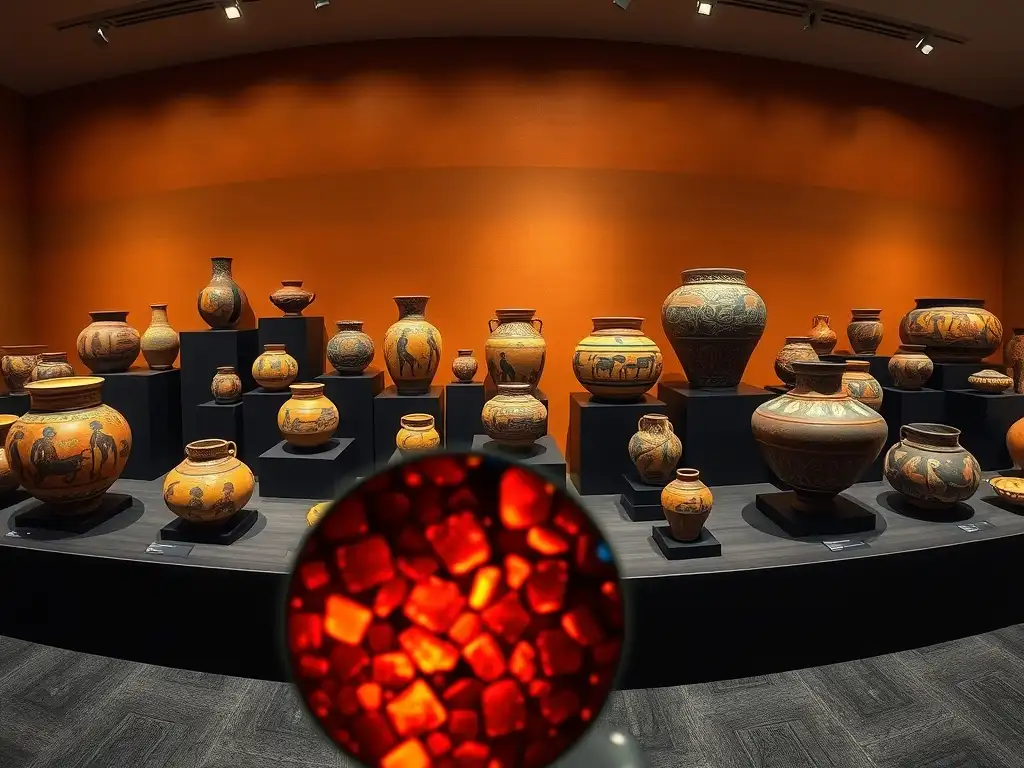
Step into a world lost to time, where vibrant hues whisper tales of ancient power and artistry. Imagine the meticulous craftsmanship of the Moche people, their hands shaping clay into breathtaking vessels, and their pigments painting stories onto these enduring works. Uncover the secrets behind the dazzling colors of Moche pottery paint pigments, a testament to their sophisticated technology and unique cultural expression. Prepare to be captivated by the artistry and ingenuity of a civilization that continues to astound and inspire.
The vibrant and intricate artistry of Moche pottery is renowned throughout the world. These painted vessels, unearthed from the arid coastal deserts of northern Peru, offer a captivating glimpse into the beliefs, rituals, and daily lives of this fascinating pre-Columbian civilization (c. 100-800 CE).
This article delves into the fascinating world of Moche pottery paint pigments, exploring the techniques used to create the stunning range of colors that adorn these remarkable artifacts. We'll examine the sources of these pigments, the methods of their application, and the enduring significance of color in Moche ceramic art, providing insight into the technical skill and symbolic meaning behind this ancient art form.
Understanding the Moche pottery paint pigments helps us connect with the ingenuity and artistic expression of a culture that thrived centuries ago, leaving behind a legacy of breathtaking artistry. The exploration of these pigments provides a unique window into the scientific and artistic achievements of the Moche civilization, solidifying their position as masters of ceramic production.
Unveiling the Palette of Moche Pottery: An Introduction
Moche artisans displayed a remarkable mastery of color, achieving a vibrant and diverse palette on their ceramic vessels. Their color range extended far beyond simple hues, exhibiting subtle gradations and complex blends. The pigments themselves were derived from a variety of natural sources, including minerals, plants, and insects.
Some of the most commonly used pigments included:
- Red: Often derived from iron oxides, providing a range from deep crimson to a lighter, brick red. The intensity of the red varied depending on the specific type of iron oxide used and the firing process.
- Yellow: Typically obtained from goethite, another iron oxide mineral, resulting in a range of yellows, from pale lemon to a deeper, golden hue.
- Black: Achieved using manganese oxides, creating a range from deep charcoal to softer, grayish black.
- White: Derived from various sources, including kaolin clay, providing a bright, opaque white which served as a base for many painted designs.
- Green: A less common color, possibly derived from a combination of pigments or from specific minerals, though the exact composition remains a topic of ongoing research.
The application of these pigments was a meticulous process, often involving multiple layers and techniques to achieve the desired effects. Analysis of Moche pottery reveals the use of both positive and negative painting techniques, showcasing the sophisticated skill of the artisans. The longevity of these colors, considering the harsh environmental conditions of their burial sites, is a testament to the quality of the pigments and the mastery of the Moche painting techniques.
The Significance of Color in Moche Ceramic Art
The colors used in Moche pottery were not merely decorative; they held significant symbolic meaning within their culture. Color played a crucial role in representing different aspects of Moche society, from depicting deities and mythological creatures to illustrating social status and everyday life.
For example:
| Color | Potential Symbolic Meaning | Example in Moche Art |
|---|---|---|
| Red | Blood, sacrifice, power, divinity | Depiction of blood sacrifices or powerful deities |
| Yellow | Sun, maize, fertility, wealth | Representation of the sun god or abundant harvests |
| Black | Night, underworld, mystery, death | Images associated with death rituals or nocturnal scenes |
| White | Purity, cleanliness, sacredness | Use in depictions of rituals or important ceremonies |
| Combinations | Complex interplay of meanings depending on the context | Numerous examples in intricate polychrome decorations |
Further research is needed to fully understand the nuanced symbolism of each color and its combinations within the context of specific Moche ceramic pieces. Ongoing analysis of Moche pottery, combined with archaeological discoveries and anthropological studies, continuously reveals new insights into the rich cultural significance embedded within their vibrant artistry. The study of Moche pottery paint pigments is therefore not only a scientific endeavor but also a journey into the heart of a fascinating ancient civilization. The vibrant hues and intricate designs continue to inspire awe and wonder, reminding us of the enduring legacy of the Moche people.
Sources of Moche Pottery Paint Pigments
The vibrant hues adorning Moche pottery weren't conjured from thin air; they stemmed from a sophisticated understanding of pigment sources, both mineral and organic. The Moche artisans skillfully harnessed the readily available materials of their environment to create their breathtaking palette. Their mastery lay not only in the identification and extraction of these resources but also in their ability to manipulate them to achieve specific colors and intensities.
This understanding of the natural world directly translated into the stunning visual impact of their ceramic art. The careful selection and combination of pigments contributed significantly to the longevity and vibrancy of the colors that continue to amaze us today.
The ingenuity of the Moche in sourcing and utilizing these materials highlights their advanced technological skills and artistic sensibilities. Further research into the specific geological locations where they sourced their materials would greatly enhance our understanding of their artistic practices and trade networks.
Mineral-Based Pigments in Moche Ceramics
Many of the striking colors in Moche pottery derive from mineral-based pigments. Hematite, for instance, provided various shades of red and brown, depending on its concentration and processing. Goethite, another iron oxide, offered yellows and ochres.
The Moche also utilized manganese oxides for blacks and dark browns, while clays themselves contributed to a range of earth tones from beige to deep browns. The precise mineral composition of each pigment likely varied depending on the specific location of its source and the degree of processing involved. Analysis of pigment samples from different Moche sites reveals slight variations in color and composition, suggesting a complex system of pigment sourcing and preparation.
This careful attention to detail, even in the seemingly mundane task of pigment sourcing, underscores the Moche's dedication to their craft. The skillful use of these mineral pigments, combined with their expertise in firing techniques, resulted in remarkably durable and visually stunning ceramics.
Organic Pigments: Exploring Moche Colorants from Nature
Beyond minerals, the Moche also employed organic pigments derived from plants and animals. While the precise identification of all organic pigments remains a subject of ongoing research, evidence suggests the use of plant-based dyes such as those from various fruits, berries, and roots. These organic pigments likely provided a wider range of colors, including yellows, greens, and blues, which are less readily available from mineral sources.
The use of insect-derived pigments, such as carmine from cochineal insects, is also a possibility, although further research is needed to confirm their widespread use. The use of organic pigments adds another layer of complexity to the Moche's artistic process, highlighting their deep understanding of both the mineral and biological world around them. The fragility of many organic pigments compared to their mineral counterparts presents challenges in their preservation, making their identification and study more difficult.
The Techniques of Applying Moche Pottery Paint Pigments
The application of pigment to the Moche vessels was a meticulous process, requiring skill and precision. The Moche artisans developed sophisticated techniques to ensure the vibrancy and longevity of their painted designs. The preparation of pigments, the application methods, and the firing processes all played crucial roles in the final appearance of the pottery. Understanding these techniques provides valuable insight into the Moche's artistic capabilities and their technological prowess. The remarkable preservation of many pieces further demonstrates the effectiveness of their methods.
Preparation of Pigments for Moche Painted Vessels
Before application, Moche pigments underwent a process of preparation to achieve the desired consistency and color. This likely involved grinding the raw materials into fine powders, often mixing them with a binder such as gum arabic or a clay-based medium. The specific binder used may have varied depending on the type of pigment and the desired effect.
The careful preparation of the pigments would have significantly influenced the final color and texture of the painted surface. The fineness of the grinding, for example, would have affected the smoothness and evenness of the application, while the choice of binder would have influenced the adhesion and durability of the paint. Further research into the residue analysis of Moche pottery could shed light on the specific binders and additives used in the preparation of pigments.
Methods of Application: Brushes and Tools in Moche Pottery
The application of pigments was achieved using various tools, most likely brushes made from natural materials such as plant fibers or animal hair. The Moche artisans likely employed brushes of varying sizes and textures to create the different effects seen in their artwork, from fine lines and details to broad washes of color. In addition to brushes, other tools may have been used for specific techniques, such as stamping or incising.
The precision and control evident in the painted designs suggest a high level of skill and experience on the part of the Moche artisans. The variety of techniques employed, ranging from delicate linework to bold, sweeping strokes, demonstrates their mastery of the medium. The development of these tools and techniques speaks volumes about their artistic innovation.
Firing Processes and Color Stabilization in Moche Pottery
The final step in the creation of Moche painted vessels was the firing process, which played a crucial role in stabilizing the colors and ensuring the durability of the pottery. The Moche likely used kilns, although the exact types of kilns and firing techniques remain a topic of ongoing research. The temperature and duration of the firing process would have had a significant impact on the final color and appearance of the painted vessels.
Too low a temperature might have resulted in insufficient color fixation, while too high a temperature could have damaged the pigments or the pottery itself. The Moche's mastery of the firing process is evident in the remarkable preservation of the vibrant colors on many of their surviving pieces.
The effectiveness of their firing techniques ensured that their artistic creations would withstand the test of time. Further research on kiln remains and the analysis of fired pottery can reveal more about the Moche's firing techniques and their impact on color stabilization.
The Iconography and Meaning of Moche Colors
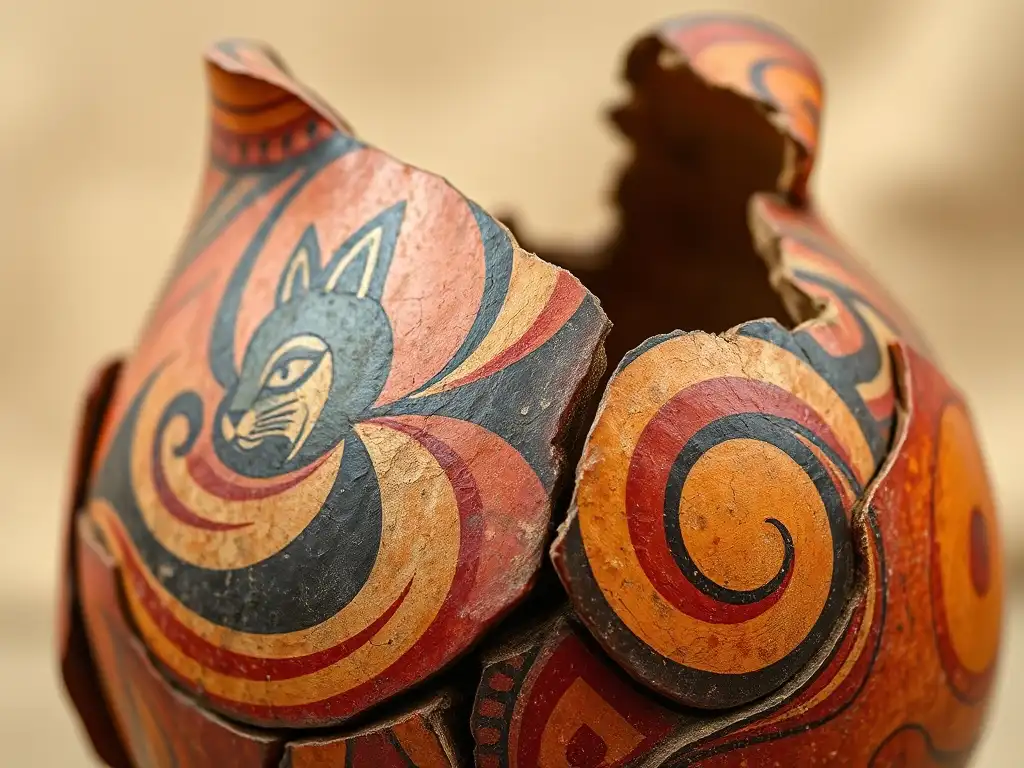
The vibrant hues adorning Moche pottery are not merely decorative; they are integral to the narratives depicted. Scholars have dedicated considerable effort to deciphering the symbolic language embedded within these colors, revealing a complex system reflecting cosmological beliefs, social hierarchies, and ritual practices. Red, for instance, frequently represents blood, sacrifice, and perhaps even the life force itself, often associated with powerful deities or elite figures.
Its presence on a vessel might indicate a connection to ritual contexts or highlight the importance of the depicted scene. Conversely, the use of yellow, often linked to maize and agricultural fertility, suggests abundance, prosperity, and the cyclical nature of life and death.
The interplay of these colors within a single vessel can create a multi-layered meaning, requiring careful analysis to fully understand the artist's intended message. For example, a vessel depicting a warrior in red battling a mythical creature in yellow might represent the struggle between earthly forces and the supernatural realm, highlighting the importance of maintaining balance.
Color Symbolism in Moche Visual Narratives
Moche artists masterfully employed color to convey complex narratives within their pottery. The use of color wasn't arbitrary; it played a crucial role in enriching the stories depicted on the vessels. For example, the combination of red and black frequently appeared in scenes depicting warfare or ritual sacrifice, with red often representing blood and black symbolizing death or the underworld. In contrast, scenes depicting feasts or celebrations often incorporated bright yellows, oranges, and whites, signifying abundance and joy. The strategic use of color allowed the artists to create dynamic compositions that conveyed multiple layers of meaning, prompting ongoing scholarly discussions about the interpretations. Further research is needed to fully unlock the complex symbolism embedded within these visual narratives, as the subtle variations in hue and intensity likely held specific meanings. The exploration of Moche color symbolism requires a holistic approach, considering the context of the imagery alongside the pigments used.
Chemical Analysis of Moche Pottery Pigments: Scientific Insights
Modern scientific techniques offer invaluable insights into the materials and methods employed by Moche artisans. Chemical analysis of Moche pottery pigments has revealed a sophisticated understanding of material science. By utilizing techniques like X-ray diffraction (XRD) and various spectroscopic methods, researchers have identified the specific mineral components of these pigments, shedding light on their sourcing and preparation.
This analysis provides a window into the economic and social organization of Moche society, revealing trade networks and access to resources. The identification of specific pigments, such as hematite for red and goethite for yellow-brown, has also provided clues about the technological sophistication of Moche artisans, who skillfully processed and blended minerals to create a wide range of colors.
X-Ray Diffraction Analysis of Moche Pottery Pigments
X-ray diffraction (XRD) analysis is a powerful tool used to identify the crystalline structure of materials. Applied to Moche pottery pigments, XRD helps determine the precise mineralogical composition of the colors used. This analysis allows researchers to distinguish between naturally occurring pigments and those that might have been artificially modified.
For instance, XRD can help determine if a red pigment is composed solely of hematite or if other minerals have been added to alter its shade or properties. This level of detail provides crucial information about the Moche artists' technical expertise and their understanding of material properties. The results from XRD studies often complement data obtained from other analytical methods, providing a more comprehensive understanding of the Moche pigment palette.
Insights from Spectroscopic Analysis of Moche Pigments
Spectroscopic techniques, such as Raman spectroscopy and X-ray fluorescence (XRF) spectroscopy, provide complementary information to XRD analysis. These methods allow for the non-destructive analysis of pigments, revealing their elemental composition and molecular structure. Raman spectroscopy can identify specific organic molecules used as binders or additives in the pigments, providing insights into the preparation techniques used by Moche artisans. XRF spectroscopy can quantify the elemental composition of the pigments, allowing researchers to trace the sources of the raw materials used in their creation.
This information can be linked to geographic locations, providing evidence of trade routes and the extent of the Moche empire's reach. The combined use of these spectroscopic techniques with XRD analysis paints a clearer picture of the Moche's mastery of pigment technology and the complexity of their artistic practices. The data helps contextualize the pigments within the broader cultural and societal structures of the Moche civilization.
Preservation and Conservation of Moche Painted Vessels
The vibrant colors adorning Moche pottery are a testament to the sophisticated artistry and technological prowess of this ancient civilization. However, the very materials that create these stunning hues also contribute to the fragility and vulnerability of these artifacts. Time, environmental factors, and even the inherent chemical properties of the pigments themselves pose significant challenges to the long-term preservation of Moche painted vessels.
Understanding these challenges is crucial for developing effective conservation strategies. The delicate balance between preserving the original artwork and preventing further deterioration requires careful consideration of various factors, including temperature, humidity, and light exposure. Improper handling can lead to irreversible damage, highlighting the need for specialized training and expertise in the handling and storage of these irreplaceable pieces of history.
Furthermore, the materials used in the original creation of the pottery, such as the clay itself and the specific binding agents used with the pigments, play a critical role in the overall stability and longevity of the vessel. Research into the exact composition of these materials is ongoing, offering crucial insights into developing more effective preservation techniques.
Challenges in Preserving Moche Painted Pottery
One of the primary challenges in preserving Moche painted pottery lies in the inherent instability of the pigments themselves. Many of the pigments used by the Moche were organic, derived from natural sources like plants and minerals. These organic pigments are susceptible to fading, discoloration, and even complete loss of color over time due to exposure to light, particularly ultraviolet (UV) light.
Furthermore, the chemical interactions between the pigments and the clay substrate can lead to degradation and flaking of the paint layer. This is exacerbated by fluctuations in temperature and humidity, causing expansion and contraction of the pottery which can further stress the already delicate paint layer.
The presence of salts within the clay body can also contribute to the deterioration of the painted surface through efflorescence, a process where salts migrate to the surface and crystallize, causing cracking and damage. Dealing with these complex interactions demands a multi-faceted approach, combining scientific analysis with careful environmental control.
Stabilization and Cleaning Methods for Moche Pottery
Stabilization and cleaning methods for Moche pottery require a meticulous and scientific approach. The goal is to arrest further deterioration while minimizing any potential damage caused by the conservation process itself. This frequently involves careful cleaning to remove accumulated dirt, grime, and other surface contaminants using gentle methods such as dry brushing and the application of specialized cleaning solutions.
The choice of cleaning agents is critical, as some chemicals can react negatively with the pigments or the clay body. In some cases, consolidation treatments may be necessary to strengthen weakened areas of the painted surface. This might involve the application of consolidants, carefully selected to be compatible with the original materials and to provide structural support without obscuring the artwork.
The use of specialized imaging techniques, such as X-ray fluorescence (XRF) and multispectral imaging, can aid in understanding the composition of the pigments and the condition of the pottery, informing the choice of conservation treatments. These techniques provide invaluable insights into the artwork's structure and composition, guiding conservators in choosing appropriate and effective methods.
Conclusion: The Legacy of Moche Pottery Paint Pigments
The study of Moche pottery paint pigments offers a fascinating glimpse into the artistic and technological achievements of this ancient civilization. The vibrant colors and intricate designs found on these vessels continue to captivate and inspire researchers and art enthusiasts alike. However, the preservation of this remarkable artistic legacy requires ongoing research and careful conservation efforts.
Understanding the challenges posed by the inherent instability of the pigments and the environmental factors affecting their survival is paramount. By employing advanced analytical techniques and developing innovative conservation strategies, we can strive to protect these invaluable artifacts and ensure that their beauty and historical significance are enjoyed for generations to come.
The ongoing research into the exact composition of the pigments and the development of new preservation techniques promise to reveal even more about the Moche's mastery of color and their lasting impact on the world of art and archaeology. The legacy of Moche pottery paint pigments continues to inspire awe and underscores the importance of preserving our cultural heritage for future generations.
- Unveiling the Palette of Moche Pottery: An Introduction
- The Significance of Color in Moche Ceramic Art
- Sources of Moche Pottery Paint Pigments
- The Techniques of Applying Moche Pottery Paint Pigments
- The Iconography and Meaning of Moche Colors
- Chemical Analysis of Moche Pottery Pigments: Scientific Insights
- Preservation and Conservation of Moche Painted Vessels
- Conclusion: The Legacy of Moche Pottery Paint Pigments
- What pigments did the Moche use to create their vibrant pottery?
- How durable are the Moche pottery paint pigments?
- Where did the Moche obtain the materials for their pigments?
- What techniques did the Moche employ to apply the pigments to their pottery?
- What can the colors and pigments on Moche pottery tell us about their culture?
Frequently Asked Questions
What pigments did the Moche use to create their vibrant pottery?
The Moche utilized a range of natural pigments derived from minerals and plants. These included iron oxides for reds and yellows, manganese oxides for blacks and browns, and azurite for blues. They also used organic materials, like plant-based dyes.
How durable are the Moche pottery paint pigments?
The durability of Moche pigments varies depending on the specific pigment and the environment. Many have remarkably survived centuries, though some colors have faded more than others due to factors such as exposure to sunlight and humidity.
Where did the Moche obtain the materials for their pigments?
The Moche sourced their pigments from various locations throughout their territory. Some materials, like clays and minerals, were likely locally available, while others may have been traded over long distances. This shows a complex trade network.
What techniques did the Moche employ to apply the pigments to their pottery?
The Moche employed a range of application techniques, including painting directly onto the clay, and sometimes applying multiple layers for depth and richness of color. They also likely used brushes made from natural materials.
What can the colors and pigments on Moche pottery tell us about their culture?
The vibrant colors and intricate designs on Moche pottery reflect their sophisticated artistic skills and offer insights into their religious beliefs, social structures, and daily life. Color symbolism likely played a significant role in their culture.
Final Reflection: Echoes of Color, Whispers of History
The vibrant hues of Moche painted vessels, once adorning the tombs and temples of a vanished civilization, continue to resonate with us today, a testament to the enduring power of artistic expression and technological innovation. Their intricate designs and masterful use of pigment not only offer a glimpse into the Moche worldview but also provide invaluable insights into their sophisticated understanding of chemistry and material science. The meticulous research into these pigments reveals not just the colors themselves, but a complex society capable of harnessing natural resources to create breathtaking works of art.
The enduring legacy of Moche pottery transcends mere aesthetics; it speaks to the human impulse to create, to leave a mark on the world, to communicate across millennia. The vibrant reds, yellows, and blues are more than just colors; they are the echoes of a culture, a story painted onto clay. As we examine these ancient vessels, we are not simply observing artifacts, but engaging in a dialogue with a lost civilization. The past is never dead. It's not even past.
– William Faulkner. This quote perfectly encapsulates the ongoing relevance of studying Moche pottery and its enduring influence on our understanding of ancient Andean cultures.
Consider the artistry, the dedication, the sheer skill involved in creating these pieces. Now, consider how that same creative spirit lives within you. You, too, possess the power to create, to leave your own mark on the world. Let the vibrant legacy of the Moche inspire you to explore your own creative potential, to find your own voice, and to leave behind a legacy that will resonate through time, just as the colors of their pottery continue to resonate with us today. Embrace your creativity, and let your own unique colors shine.
**Unveil the Vibrant Legacy of Moche Artistry! **
Thank you for exploring the rich world of Moche painted vessels! We hope you've been inspired by the vibrant colors and masterful techniques that bring this ancient artistry to life. Now, let's put your newfound knowledge into practice!
Here are some ways to further engage with this fascinating subject:
- **Visit local museums and galleries** showcasing Moche artifacts to experience the stunning colors firsthand.
- **Share your discoveries** with friends and family, or create a social media post or blog entry about Moche pigments and their cultural significance.
- Consider **experimenting with Moche-inspired designs** using traditional techniques—your creativity might surprise you!
Which aspect of Moche art captivated you most, and how will you share this newfound knowledge with others?