
A Tapestry of Symbols: Exploring the Richness of Andean Iconography

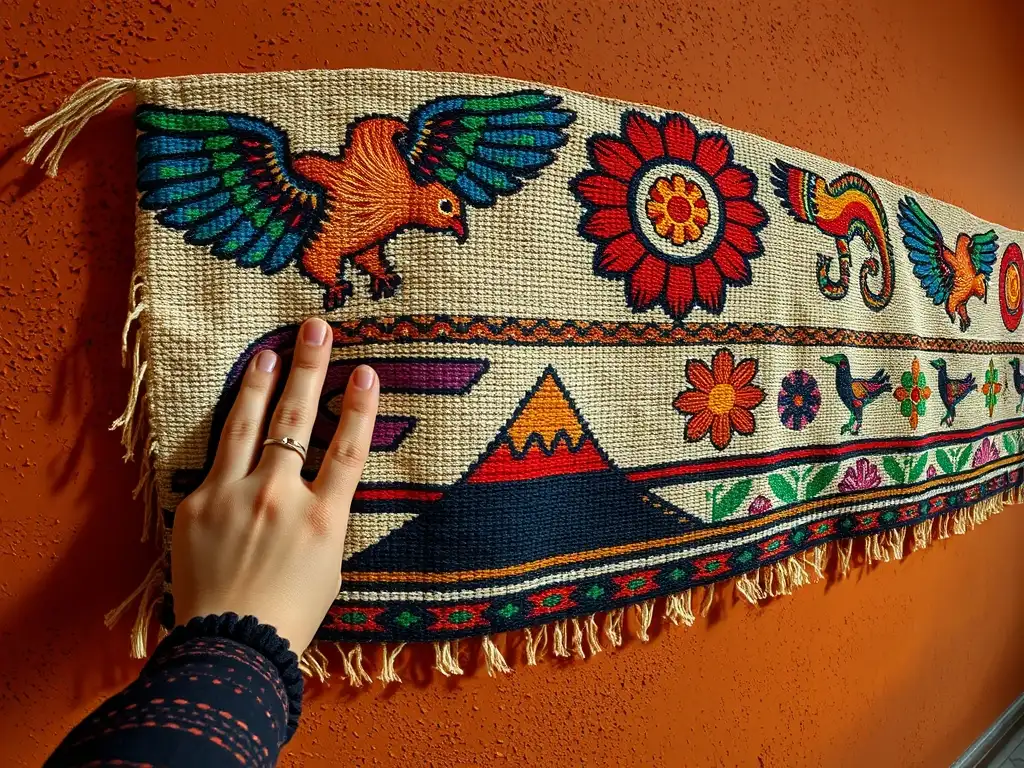
Welcome, explorer! Prepare to unravel the mysteries woven into the vibrant tapestry of Andean civilization. For centuries, their intricate artistry has captivated the world, leaving behind a legacy of breathtaking monuments and enigmatic symbols. Discover the hidden meanings behind the fascinating world of Andean iconography symbols, and unlock the secrets of a culture that continues to inspire awe. Journey with us as we decipher the stories etched in stone, metal, and textiles – a journey that will leave you pondering the ingenuity and profound spirituality of these remarkable ancient societies.
The Andes Mountains, a spine of towering peaks running down the western coast of South America, are home to a rich tapestry of ancient cultures. For millennia, these civilizations—including the Incas, Moche, Nazca, and Tiahuanaco—developed intricate systems of belief and social organization reflected powerfully in their art. This article delves into the fascinating world of Andean iconography, exploring the symbols, motifs, and designs that served as potent vehicles for communication, storytelling, and religious expression.
Understanding these symbols provides a crucial key to unlocking the secrets of these enigmatic societies and appreciating the depth and complexity of their worldview. We will explore the meanings behind various Andean iconography symbols, examining their cultural context and revealing the intricate layers of meaning embedded within them.
This journey will illuminate how Andean iconography provides invaluable insight into the beliefs, rituals, and social structures of these remarkable ancient cultures, offering a window into a vibrant and sophisticated past. Prepare to unravel the mysteries hidden within the vibrant colors and intricate designs of Andean art, and discover the profound significance of its symbolic language.
Understanding the Significance of Andean Symbols
Andean iconography wasn't merely decorative; it was a complex system of communication imbued with deep spiritual and social meaning. Symbols weren't randomly chosen; they were carefully selected and arranged to convey specific messages, often relating to cosmology, mythology, social status, or political power. The interpretation of these symbols is a multifaceted process, requiring careful consideration of the specific context in which they appear—the type of artifact (pottery, textiles, architecture), the time period, and the geographical location.
For example, a particular symbol might represent fertility in one context but power in another. This complexity highlights the richness and sophistication of Andean symbolic systems. The following sections will explore some key symbols and their diverse interpretations, showcasing the nuanced and multifaceted nature of Andean iconography.
We will examine how scholars use a combination of archaeological evidence, ethnographic studies, and historical accounts to decipher these visual narratives. The process is ongoing, with new discoveries and interpretations constantly enriching our understanding. The study of Andean iconography is therefore a dynamic and evolving field, constantly revealing new facets of these remarkable civilizations.
Understanding Andean iconography requires a nuanced approach. It’s not simply a matter of assigning a single meaning to each symbol. Instead, the meaning is often layered and contextual, changing depending on the specific artifact, its location, and the time period.
Consider, for instance, the recurring motif of the feline: in some contexts it represents a powerful deity, while in others it might symbolize a shamanic journey or even a specific clan. This multifaceted nature makes the study of Andean iconography both challenging and rewarding, continually revealing new layers of meaning. The careful study of these symbols allows us to piece together a more complete picture of the beliefs, practices, and social structures of these ancient Andean cultures.
This detailed analysis reveals a world rich in symbolism, where every detail holds potential clues to a deeper understanding. The journey of deciphering these visual narratives is ongoing, a testament to the enduring power and mystery of Andean art.
Key Andean Iconography Symbols and Their Meanings
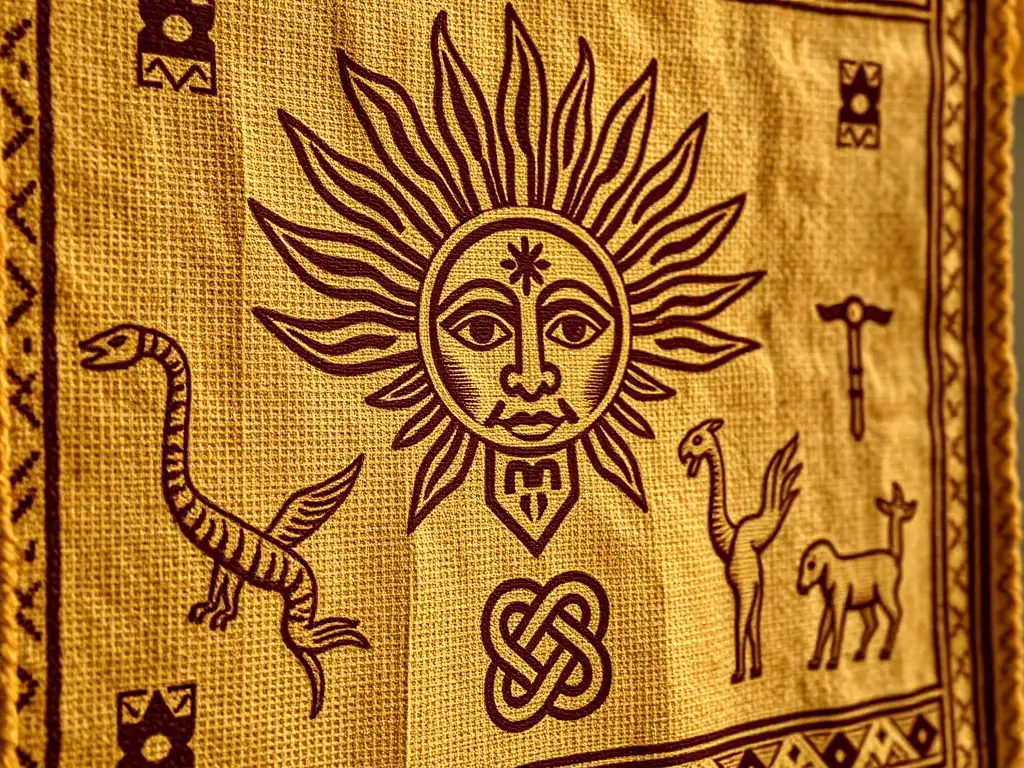
This section delves into the core symbolic elements frequently encountered in Andean art, exploring their multifaceted meanings and cultural significance. Understanding these symbols provides crucial insight into the worldview and beliefs of the ancient Andean civilizations. We'll examine the prevalent symbolism associated with animals, celestial bodies, and abstract forms, focusing on their interpretations across different Andean cultures.
This exploration aims to illuminate the rich tapestry of Andean iconography and its enduring legacy. The analysis will highlight the consistent themes and variations in meaning across different regions and time periods, demonstrating the complexity and nuance embedded within these seemingly simple images. The objective is to provide a detailed understanding of Andean iconography symbols meaning, enriching your appreciation of Andean art and culture.
The Condor: Symbol of Power and the Upper World
The condor, a majestic bird of prey native to the Andes, holds a prominent place in Andean iconography. Its powerful presence in the high altitudes symbolized its connection to the hanan pacha, the upper world, the realm of the gods and celestial forces. Depictions of condors in Andean art often showcase their impressive wingspan and sharp gaze, reinforcing their association with power, strength, and spiritual authority.
In Inca iconography, the condor frequently appears alongside the sun god, Inti, further solidifying its association with divinity and the celestial realm. The bird's ability to soar to great heights was interpreted as a connection to the spiritual world, making it a potent symbol of shamanistic journeys and communication with the divine. Furthermore, the condor's keen eyesight was believed to grant it the ability to perceive hidden truths and possess superior wisdom.
Beyond its association with the divine, the condor also represented leadership and royal power. Inca rulers were often associated with the condor, with its image appearing on textiles, ceramics, and gold artifacts associated with the elite. This connection emphasized the ruler's divine right to rule and their ability to oversee their vast empire from a position of strength and authority.
The condor's imagery, therefore, served as a visual reinforcement of political power and spiritual legitimacy. Variations in depiction, such as the condor's posture or the accompanying symbols, offered subtle nuances in meaning, requiring careful analysis to fully appreciate their significance within a specific context.
The Serpent: Representation of the Underworld and Fertility
The serpent, a ubiquitous symbol across numerous cultures, takes on a similarly significant role in Andean iconography. However, unlike some cultures where serpents are primarily associated with evil, Andean cultures often depicted serpents as symbols of the ukhu pacha, the underworld, but also as powerful forces linked to fertility, regeneration, and the life-giving waters that sustained Andean civilizations.
The serpent’s association with the underworld stemmed from its subterranean habitat and its ability to shed its skin, symbolizing renewal and transformation. This connection to the underworld is not necessarily negative; rather, it represents the cyclical nature of life, death, and rebirth, a central theme in Andean cosmology. The serpent's connection to water, a vital resource in the arid Andean landscape, elevated its importance as a symbol of fertility and abundance.
Many Andean cultures depicted serpents coiled around agricultural symbols, emphasizing their role in ensuring bountiful harvests. The serpent's movements, often depicted in a sinuous, flowing manner, also symbolized the life-giving power of water flowing through the land. The varied interpretations of the serpent symbol highlight the complexity of Andean beliefs, demonstrating the integration of seemingly opposing forces – the underworld and the life-giving waters – into a cohesive worldview. The use of different serpent species in Andean art may also indicate regional variations in symbolism, underscoring the need for context-specific analysis of Andean iconography symbols meaning.
The Puma: Embodiment of Strength and the Earthly Realm
The puma, a powerful feline native to the Andes, represents the earthly realm, kay pacha, in Andean iconography. Its strength, agility, and predatory prowess made it a fitting symbol of power and authority within the human world. Unlike the condor and serpent, which are associated with the celestial and underworld realms, the puma embodies the terrestrial sphere, representing the balance between the human and natural worlds.
Depictions of pumas in Andean art often emphasize their muscular physique and sharp claws, highlighting their strength and hunting prowess. This association with strength linked the puma to leadership and protection. In some cultures, the puma was seen as a guardian spirit, protecting communities and ensuring their prosperity. The puma's nocturnal habits also connected it to the mysteries of the night and the unseen forces that shape the human world.
The puma's symbolism varied across different Andean cultures, with some emphasizing its connection to royal power, while others highlighted its role as a protector of the community. However, the consistent theme across these interpretations is the puma's association with strength, power, and its connection to the earthly realm. Understanding the context of the puma's depiction—the accompanying symbols, the artistic style, and the cultural group—is crucial for accurately interpreting its meaning within a given work of Andean art. Careful study of Andean iconography symbols meaning reveals a nuanced and complex system of beliefs and values reflected in their artistic expressions.
The Sun God Inti: Central Deity in Andean Beliefs
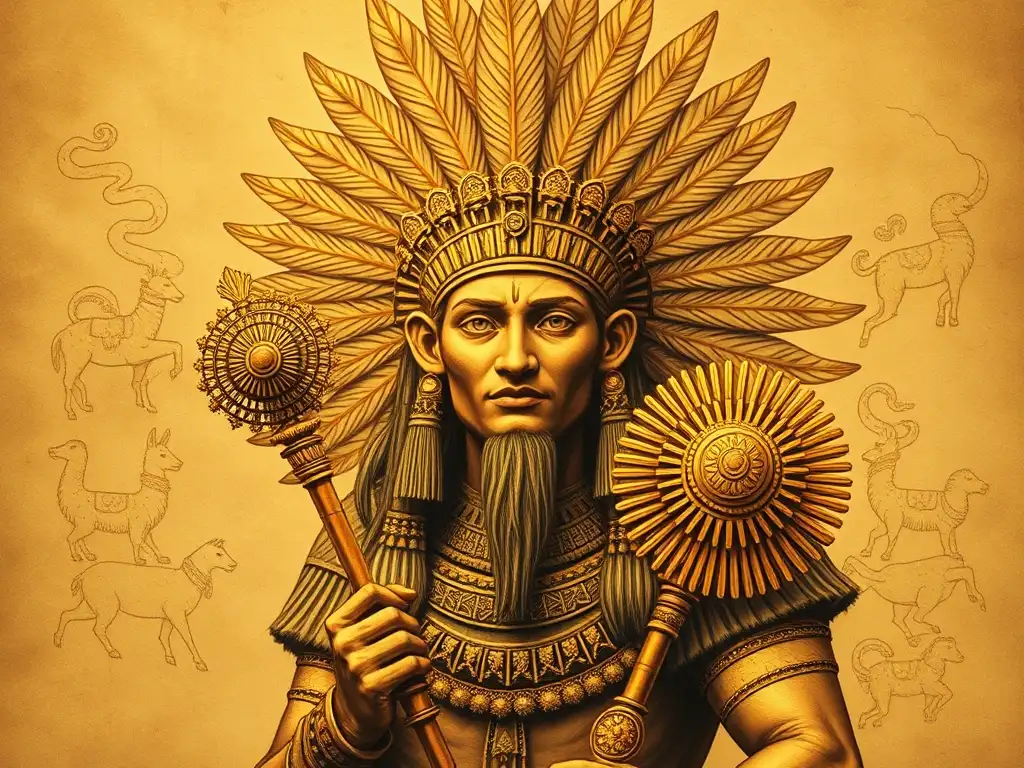
Inti, the sun god, held paramount importance in the Andean worldview, particularly within the Inca civilization. He wasn't merely a celestial body; Inti was considered the supreme deity, the source of life, warmth, and prosperity. His influence permeated every aspect of Inca society, from agriculture and governance to religious practices and daily life.
Temples dedicated to Inti, such as the Coricancha in Cusco, were lavishly adorned with gold and served as the epicenter of religious ceremonies. The Inca emperors traced their lineage directly to Inti, solidifying his position as the ultimate authority. This divine connection legitimized their rule and fostered unwavering loyalty among their subjects.
The worship of Inti involved elaborate rituals, including sacrifices of llamas and other offerings, performed by specialized priests. These rituals aimed to ensure a bountiful harvest, favorable weather conditions, and the continuation of the Inca empire's power. The annual Inti Raymi festival, a grand celebration honoring the sun god, remains a significant cultural event in the Andean region even today, showcasing the enduring legacy of Inti's importance.
The symbolism of Inti extended beyond the religious sphere; Inca art and architecture frequently depicted the sun god, often in association with other deities and celestial bodies, reinforcing his central role in their cosmology. Understanding Inti's significance unlocks a deeper appreciation for the Inca worldview and its profound impact on their culture. His enduring presence in Andean iconography speaks volumes about his lasting influence on the region's history and traditions.
The representation of Inti often involved stylized representations of the sun's rays, sometimes depicted as faces or figures emanating light. These visual cues served as powerful reminders of Inti's life-giving power and his continuous presence in the lives of the Andean people.
The Chakana: The Andean Cross and its Cosmological Significance
The Chakana, often referred to as the Andean Cross, is a powerful symbol deeply embedded in the cosmology and spirituality of several Andean cultures, notably the Inca. More than just a simple cross, the Chakana represents a complex interplay of cosmic forces and the interconnectedness of different realms. Its three-tiered structure is often interpreted as symbolizing the three levels of the cosmos: the upper world (Hanan Pacha), the human world (Kay Pacha), and the underworld (Ukhu Pacha). Each level is believed to hold specific significance and interact with the others in a delicate balance.
The four arms of the Chakana frequently represent the cardinal directions, further emphasizing its connection to the cosmos. Some interpretations link the Chakana to the Southern Cross constellation, a prominent feature in the Andean night sky. This astronomical connection strengthens its role as a cosmological symbol, guiding and orienting Andean peoples in their understanding of the universe.
The Chakana’s presence in Inca textiles, pottery, and stone carvings underscores its widespread use and profound cultural meaning. It served not only as a religious symbol but also as a representation of Inca societal structure and the harmonious relationship between humanity and the cosmos. The Chakana’s enduring presence in contemporary Andean culture, where it is frequently used in ceremonies and artwork, highlights its persistent relevance as a symbol of identity, spirituality, and connection to the ancestral past.
Its enduring power lies in its ability to encapsulate a complex worldview within a visually striking and memorable form, making it a key element in understanding Andean iconography and its profound spiritual significance. The intricate details and varying interpretations of the Chakana highlight the rich complexity of Andean symbolism and the enduring mystery surrounding its origins and meaning.
Andean Iconography Across Different Cultures
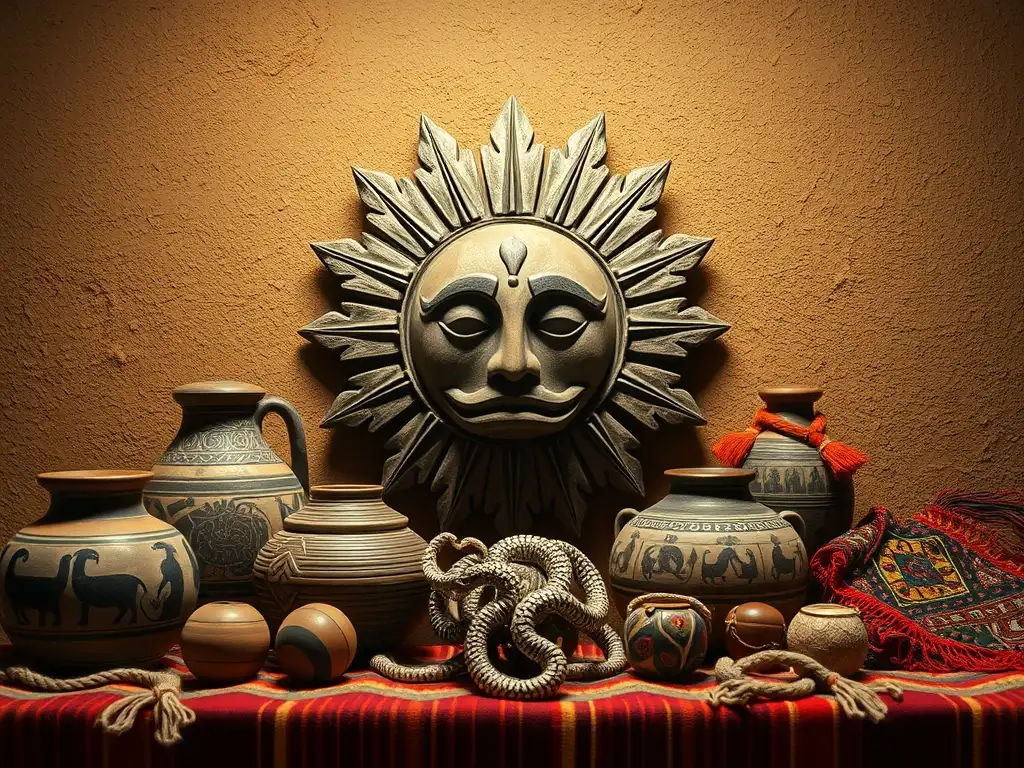
This section delves into the diverse and fascinating world of Andean iconography, exploring how different cultures utilized symbols to express their beliefs, societal structures, and daily lives. Understanding Andean iconography symbols and their meaning requires recognizing the unique artistic styles and symbolic systems employed by each civilization. The rich tapestry of Andean art reveals a complex interplay of religious beliefs, social hierarchies, and cosmological understandings, all woven together through intricate designs and powerful imagery.
We will examine specific examples from prominent Andean cultures to illustrate this complexity. The sheer variety of symbols used across the Andes showcases the ingenuity and depth of these ancient societies' symbolic systems.
This exploration will highlight the importance of context in interpreting these symbols, emphasizing that meaning varied depending on the specific culture, time period, and the object or medium in which the symbol appeared. The study of Andean iconography, therefore, necessitates a nuanced approach that appreciates the multifaceted nature of these ancient traditions.
Moche Iconography: Depicting Daily Life and Rituals
The Moche culture (100-800 CE), known for its sophisticated metalwork and ceramics, left behind a rich legacy of iconography that vividly portrays aspects of their daily life and religious rituals. Their art provides invaluable insights into their social structures, political organization, and spiritual beliefs. The use of vibrant colors, detailed imagery, and dynamic compositions sets Moche iconography apart.
Moche Pottery and its Symbolic Representations
Moche pottery serves as a primary source for understanding their iconography. Elaborate scenes depicting hunting, warfare, feasting, and religious ceremonies are frequently found on their vessels. For example, depictions of warriors adorned with elaborate headdresses and weaponry often symbolize power and prestige within Moche society. These scenes are not merely decorative; they are carefully crafted narratives that communicate complex social and religious messages.
The recurring motif of the feline in Moche iconography is particularly intriguing. While the exact meaning remains a subject of ongoing scholarly debate, it is widely believed that feline imagery symbolized power, fertility, and perhaps a connection to the supernatural world. The stylistic representation of felines, often depicted with exaggerated features, further enhances their symbolic significance. Similarly, serpents and birds of prey frequently appear in Moche art, likely representing different aspects of their cosmology and worldview.
Analyzing Moche pottery reveals a systematic use of symbolic elements. The placement of figures, the use of color, and the details of the ornamentation all contribute to the overall meaning of the scene. For example, the size and positioning of a particular figure may indicate their social status or importance within the narrative. Further research into the specific pigments and techniques used in Moche pottery could reveal additional insights into the symbolic meaning of their art. Detailed studies of individual pieces, along with careful consideration of their context of discovery, are crucial for a complete understanding of Moche iconography.
Nazca Lines: Decoding Geoglyphs and their Astronomical Significance
The Nazca Lines, a series of geoglyphs etched into the desert plains of southern Peru, represent another significant aspect of Andean iconography. These enormous figures, ranging from simple lines to complex representations of animals and plants, have captivated researchers and the public alike. Their scale and precision are astonishing, and their purpose remains a source of ongoing investigation.
While the exact meaning of many Nazca Lines remains elusive, their astronomical significance is increasingly recognized. Some scholars believe that the lines served as a giant astronomical calendar, aligning with celestial events such as solstices and equinoxes. The precise orientation of certain lines suggests a sophisticated understanding of astronomy and mathematics. This interpretation is supported by evidence of astronomical observations in other aspects of Nazca culture. Furthermore, the lines' creation may have been tied to ritual practices, possibly reflecting a connection between earthly and celestial realms.
The diversity of forms represented in the Nazca Lines—from stylized animals like hummingbirds and monkeys to geometric shapes and lines—suggests a multifaceted symbolic system. The hummingbird, for example, might have symbolized speed, agility, and perhaps a connection to the spirit world. Similarly, other animals depicted may have held specific significance within Nazca cosmology and beliefs.
Further research, incorporating advanced technologies like satellite imagery and GIS analysis, is needed to fully understand the creation, purpose, and meaning of these extraordinary geoglyphs. The Nazca Lines underscore the depth and complexity of Andean iconography, challenging us to continue exploring the mysteries of this remarkable civilization.
Tiahuanaco Iconography: Religious Motifs and Mythological Beings
Tiahuanaco iconography, deeply rooted in religious beliefs and cosmology, presents a fascinating array of symbolic motifs and mythological beings. The culture's artistic expression reveals a complex worldview, where the interplay between the earthly and spiritual realms is central. Religious rituals, agricultural practices, and ancestor veneration heavily influenced their artistic choices.
We see recurring themes of duality, represented by contrasting figures and symbols, reflecting a belief in the balance of opposing forces in nature and the cosmos. The emphasis on water and fertility is evident in depictions of stylized serpents, feline deities, and figures associated with water sources, reflecting the importance of these elements in their agricultural society. Furthermore, the intricate carvings and designs often incorporate geometric patterns, suggesting a sophisticated understanding of mathematics and astronomy.
These patterns may have held ritual significance or served as a way to represent their understanding of the universe's structure. The Tiahuanaco people's belief system is intricately woven into their art, making it a vital key to understanding their culture and worldview. Further research into the specific meanings of individual motifs is ongoing, with scholars continuously uncovering new interpretations based on archaeological findings and comparative studies of Andean iconography.
The Gate of the Sun and its Symbolic Carvings
The Gate of the Sun, a monumental structure at Tiahuanaco, stands as a prime example of their intricate iconography. Its central figure, often interpreted as a deity, is surrounded by meticulously carved panels depicting various mythological beings and symbolic elements. The central figure itself is a subject of ongoing debate among scholars, with interpretations ranging from a sun god to a creator deity or a representation of a powerful ruler.
The surrounding panels display a complex array of figures, including stylized birds, felines, and human-like figures, each potentially representing specific deities or cosmological concepts. The intricate carvings also feature geometric patterns, including stepped pyramids and concentric circles, which are frequently found in Tiahuanaco art and may relate to their astronomical knowledge or ritual practices. The Gate of the Sun’s symbolic carvings are not merely decorative; they represent a complex narrative reflecting the Tiahuanaco worldview and their cosmology.
Deciphering the full meaning of the carvings requires further interdisciplinary research combining archaeological evidence, anthropological studies, and comparative analysis of similar iconography from other Andean cultures. The intricate detail and the scale of the Gate of the Sun underscore the importance of these symbolic representations in their society. It served not only as an architectural marvel but also as a powerful visual expression of their religious beliefs.
Inca Iconography: Royal Power and Cosmic Order
Inca iconography is heavily influenced by the concept of royal power and cosmic order, reflecting their highly centralized and stratified society. The Inca emperor was considered a divine intermediary between the earthly and spiritual realms, and this divine status is reflected in many aspects of their artistic expression. Royal imagery, often featuring the emperor himself or symbols of his authority, is prominent in various forms of Inca art, including textiles, ceramics, and metalwork. The use of gold and other precious materials further emphasized the emperor's divine status and the power of the Inca state.
Inca iconography also reflects their profound understanding of the cosmos and their belief in a structured universe. They incorporated celestial bodies, such as the sun and moon, into their artistic representations, often linking them to royal power and the Inca's legitimacy to rule. The use of specific colors and patterns also held symbolic significance, often conveying messages related to power, status, and religious beliefs.
This symbolic language was not only reserved for the elite; it permeated various aspects of Inca society, influencing everyday objects and artistic expressions. Understanding Inca iconography provides invaluable insights into their social structure, religious beliefs, and the Inca worldview. Further research is needed to fully understand the nuances of their symbolic language and the specific meanings of different motifs.
Inca Textiles and the Language of Symbols
Inca textiles represent a particularly rich source of information regarding Inca iconography. The intricate weaving techniques and the symbolic use of colors, patterns, and motifs reveal a complex system of communication and social hierarchy. Textiles were not merely functional garments; they were imbued with symbolic meanings reflecting the wearer's status, social role, and connection to the Inca worldview. The use of specific colors, such as red (associated with power and the sun) and yellow (associated with gold and royalty), conveyed messages about social standing and spiritual significance.
Geometric patterns, such as stepped pyramids and zigzags, often represented celestial bodies or cosmological concepts, reflecting the Inca's deep connection to the cosmos. Furthermore, the depiction of animals, such as condors and jaguars, and stylized human figures further enriched the symbolic language of Inca textiles. The intricate designs and complex symbolism in Inca textiles demonstrate a sophisticated understanding of art and its communicative power.
These textiles served not only as clothing but also as a powerful means of expressing social identity, religious beliefs, and the Inca worldview. The analysis of Inca textiles remains an active field of research, with new discoveries constantly shedding light on the rich symbolic language embedded within these remarkable artifacts. The preservation and study of these textiles are crucial to understanding the Inca civilization's complexity and artistic achievements.
Interpreting the Deeper Meanings of Andean Art
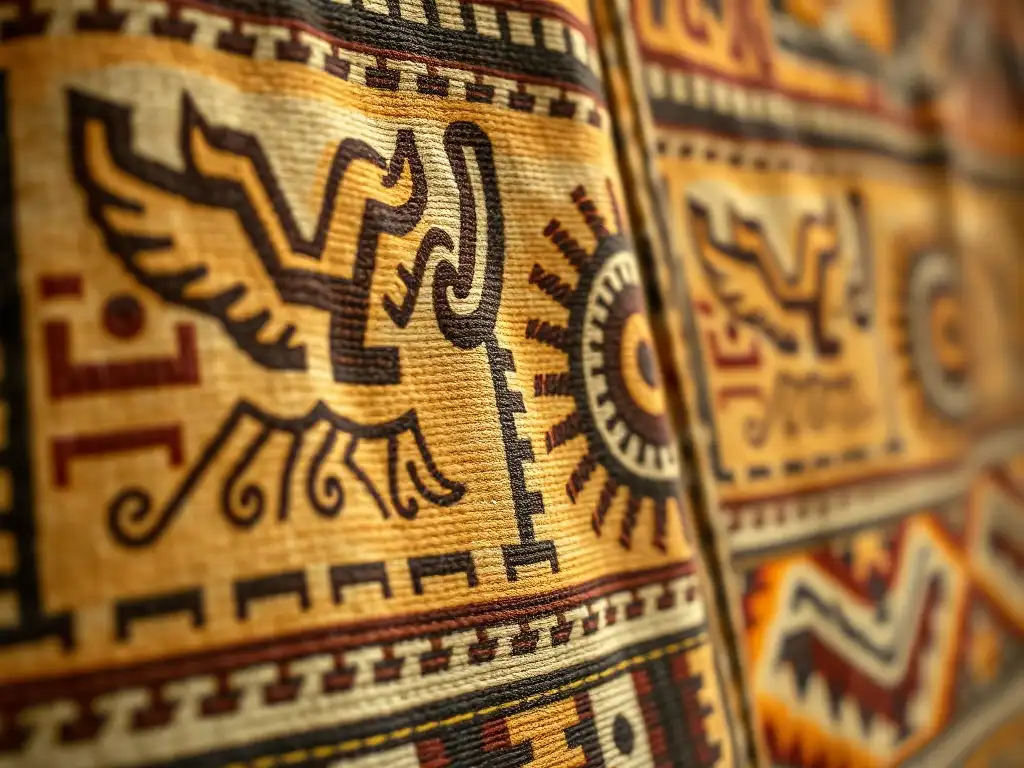
This section delves into the fascinating world of Andean iconography, exploring the methods and interpretations used to understand the rich symbolism embedded within the art of these ancient civilizations. Understanding Andean iconography symbols meaning requires a multi-faceted approach, combining art historical analysis with anthropological insights and a deep respect for the cultural context. The seemingly simple depictions of animals, plants, and human figures often conceal complex narratives, religious beliefs, and social structures.
Deciphering Andean Iconography: Methods and Approaches
Deciphering Andean iconography is not a simple task. It requires a careful and nuanced approach, drawing on several methodologies. Scholars employ a range of techniques, including:
- Stylistic Analysis: Examining the artistic style, including the use of color, line, and form, to identify regional variations and chronological changes. For example, the distinct styles of Moche pottery differ significantly from those of Nazca textiles, reflecting unique cultural practices and artistic traditions.
- Comparative Analysis: Comparing similar motifs across different Andean cultures and time periods to identify common themes and variations in meaning. The recurring motif of the feline, for example, holds different symbolic significance across various Andean cultures, sometimes representing power and sometimes representing the underworld.
- Iconographic Analysis: Identifying and interpreting individual symbols and their combinations within a broader artistic context. This involves meticulous documentation and cataloging of recurring motifs, their variations, and their spatial relationships within a given artwork.
- Ethnoarchaeological Studies: Studying contemporary Andean communities and their traditions to gain insights into the possible meanings and functions of ancient artifacts. This approach recognizes the continuity of certain cultural practices and beliefs that might inform the interpretation of ancient iconography.
The process is often iterative, with new discoveries and interpretations constantly refining our understanding of Andean symbolism. While some symbols have relatively established meanings, others remain enigmatic, requiring further research and analysis. The study of Andean iconography is a continuous journey of discovery, constantly revealing new layers of meaning and complexity.
The Role of Context in Understanding Andean Art
Context is paramount in understanding Andean iconography symbols meaning. The meaning of a symbol can vary significantly depending on its location, the object it adorns, and the surrounding imagery. Consider, for instance, a textile depicting a condor. The condor's significance might differ depending on whether it appears on a royal mantle, a domestic textile, or a funerary shroud. In the first instance, it could represent imperial power; in the second, it might represent protection; and in the third, it could relate to notions of the afterlife.
Similarly, the spatial arrangement of symbols within a piece of art is crucial. The position of a particular motif relative to others can significantly alter its interpretation. For example, a specific symbol placed near a deity might suggest its connection to that deity's power or domain.
Analyzing the materials used in creating an artwork is also essential. The choice of materials, such as gold, silver, feathers, or specific types of stones, often carries symbolic weight, reflecting the social status of the patron or the ritual significance of the object. This attention to detail helps us uncover the layers of meaning embedded within seemingly simple images. The meticulous consideration of context allows for a more comprehensive and nuanced understanding of Andean iconography.
Andean Symbolism: A Link to Ancient Beliefs and Practices
Andean symbolism is deeply intertwined with the ancient beliefs and practices of these cultures. Many motifs reflect cosmological ideas, religious rituals, and social hierarchies. For example, depictions of snakes often relate to water sources, fertility, and the underworld, reflecting the importance of these elements in Andean life and cosmology. Similarly, representations of mountains and celestial bodies reflect the Andean people's profound connection to the natural world and their understanding of the cosmos.
The study of Andean iconography offers a unique window into the spiritual world of these ancient civilizations. By analyzing the recurring motifs and their contexts, researchers can gain insights into their religious beliefs, rituals, and worldview. This includes understanding the roles of different deities, the significance of ancestor veneration, and the importance of shamanistic practices. The intricate symbolism provides clues to their complex social structures, political organization, and their relationship with the environment. The detailed study of these symbols illuminates the rich tapestry of Andean thought and belief systems, enriching our understanding of these remarkable civilizations.
The Enduring Legacy of Andean Iconography
The vibrant tapestry of Andean iconography continues to resonate deeply within contemporary society, transcending its ancient origins to influence art, fashion, and cultural expressions globally. Understanding the meaning behind these symbols provides a crucial link to the past, enriching our appreciation of Andean civilizations and their enduring legacy. This section delves into the pervasive influence of Andean iconography in the modern world, exploring its diverse manifestations and the ongoing efforts to preserve this invaluable cultural heritage.
Influence of Andean Symbols on Contemporary Art and Culture
Andean symbols, with their inherent power and aesthetic appeal, have become a significant source of inspiration for contemporary artists and designers. The intricate designs found on ancient textiles, pottery, and metalwork serve as a rich palette for modern interpretations. We see this influence manifested in various ways:
- Textiles: Modern textile designers frequently incorporate traditional Andean motifs, such as the chakana (Andean cross), geometric patterns, and stylized representations of animals, into their creations. This reimagining of ancient designs gives them new life and relevance in contemporary fashion and home decor. The vibrant colors and intricate detail continue to capture the imagination, creating unique and visually striking pieces.
- Jewelry: Andean-inspired jewelry is increasingly popular, featuring motifs such as the hummingbird, condor, and various deities. These pieces often combine traditional craftsmanship techniques with modern materials, resulting in stunning and meaningful adornments. The use of silver, gold, and semi-precious stones echoes the materials used by ancient Andean artisans, creating a tangible connection to the past.
- Visual Arts: Contemporary artists frequently draw inspiration from Andean iconography, incorporating ancient symbols into their paintings, sculptures, and installations. This allows for a dialogue between past and present, exploring themes of identity, spirituality, and cultural heritage. The symbolic richness of Andean art provides endless possibilities for creative expression, leading to unique and thought-provoking works.
Preserving the Heritage of Andean Iconography
The preservation of Andean iconography is crucial for maintaining cultural identity and understanding the complexities of these ancient societies. This involves a multi-faceted approach:
- Archaeological Research: Ongoing archaeological excavations and studies continue to unearth new artifacts, revealing more about the meaning and context of Andean symbols. Careful documentation and analysis of these findings are essential for expanding our knowledge and ensuring the accurate interpretation of these significant pieces.
- Museum Collections: Museums play a vital role in preserving and exhibiting Andean artifacts, including those rich in iconography. These institutions provide spaces for researchers and the public to engage with these objects, fostering a deeper understanding and appreciation of Andean culture. Proper cataloging, conservation, and accessibility are key components of effective museum practices.
- Community Involvement: Engaging local communities in the preservation efforts is crucial. Their knowledge and traditions are invaluable in understanding the meaning and significance of the symbols within their cultural context. Collaborative projects involving community members in the documentation and interpretation of Andean iconography are essential for ensuring its long-term preservation.
- Digital Archiving: The digitization of Andean artifacts and their associated documentation creates accessible archives for researchers and the public worldwide. This facilitates the sharing of knowledge and promotes greater understanding of Andean iconography, ensuring its survival for future generations.
Key Sites and Museums Showcasing Andean Iconography
Several key sites and museums offer unparalleled opportunities to witness the richness and diversity of Andean iconography firsthand:
| Site/Museum | Location | Notable Iconography |
|---|---|---|
| Museo Larco | Lima, Peru | Extensive collection of Moche pottery with intricate iconography. Emphasis on erotic imagery and deity representations. |
| Machu Picchu | Cusco, Peru | Inca architecture and stone carvings featuring solar symbols, animal representations, and geometric patterns. |
| Museo Nacional de Antropología | Mexico City, Mexico | While not solely Andean, it houses significant collections of pre-Columbian artifacts, including some with Andean influences. |
| [Specific information pending] | [Location pending] | [Description pending] |
The study of Andean iconography provides a window into the beliefs, values, and social structures of ancient Andean societies. Its enduring influence on contemporary art and culture underscores its continued relevance and the importance of ongoing preservation efforts. By understanding the meaning behind these symbols, we gain a deeper appreciation for the complexity and richness of Andean civilizations and their enduring legacy.
Frequently Asked Questions
What is Andean iconography?
Andean iconography refers to the visual symbols and imagery used by the ancient Andean civilizations. It includes a wide range of motifs found in textiles, pottery, and architecture, reflecting their beliefs, rituals, and social structures. Understanding these symbols provides insight into their complex world.
What are some common Andean symbols and their meanings?
Common symbols include the condor, representing power and royalty; the puma, symbolizing strength and the earthly realm; and the snake, often associated with fertility and the underworld. Many symbols held multiple meanings depending on context.
How did the Incas use iconography?
Inca iconography was highly sophisticated, using knotted strings (quipus) for record-keeping and complex designs in textiles and ceramics to represent lineage, power, and religious beliefs. These images often featured the sun, moon, and stars.
How did Andean iconography differ between cultures?
While some symbols were shared, Andean iconography varied significantly between cultures like the Nazca, Moche, and Tiahuanaco. For example, Nazca lines and pottery depict unique deities and motifs, distinct from the imagery of the Incas or Moche.
Where can I learn more about Andean iconography symbols and their meanings?
You can explore museums with Andean collections, academic journals, and reputable online resources. Books on Andean art and archaeology often delve into the detailed meanings and interpretations of these fascinating symbols.
Final Reflection: Weaving the Threads of Andean Legacy
The vibrant tapestry of Andean iconography, far from being a relic of the past, continues to resonate powerfully in contemporary society. Its enduring symbols, imbued with deep spiritual and cultural meaning, offer a potent lens through which to understand not only ancient civilizations but also the enduring power of visual storytelling and its impact on identity formation. The intricate designs, once adorning textiles and ceramics, now serve as a powerful reminder of the rich heritage and resilience of Andean cultures.
The exploration of these symbols has profoundly impacted my understanding of the interconnectedness of art, history, and spirituality. The sheer depth of meaning embedded within seemingly simple forms is breathtaking. The past is never dead. It's not even past,
wrote William Faulkner, and this rings profoundly true when considering the enduring influence of Andean iconography. These symbols continue to inspire artists, designers, and scholars alike, reminding us of the enduring power of cultural heritage and its ability to transcend time and space. Their presence in modern art, fashion, and even political discourse speaks volumes about their continued relevance and the ongoing need to understand their significance.
Consider the intricate details, the symbolic animals, the geometric patterns – each element holds a story, a piece of a larger narrative waiting to be uncovered. You, the reader, are now invited to engage with this legacy. Look closer at the world around you; perhaps you’ll find echoes of Andean iconography in unexpected places.
Let the enduring power of these symbols inspire you to delve deeper into your own cultural heritage, to appreciate the richness of visual storytelling, and to recognize the enduring legacy of those who came before us. The threads of this tapestry are waiting to be woven into your own understanding of the world.
Unveil the Beauty of Andean Symbols Today!
Thank you for exploring the vibrant world of Andean iconography! Discovering these rich symbols is a significant step towards understanding the deep cultural heritage of this remarkable region. Now, let's put that knowledge to use!
Here's how you can continue your journey:
- Share your discoveries! Post on social media about the Andean symbols that resonate most with you, using #AndeanCivilizations to connect with others who share your interest in this fascinating culture.
- Attend a local cultural event or workshop. Immerse yourself in Andean art and traditions to experience these symbols firsthand. Many museums and community centers offer such opportunities.
- Deepen your knowledge. Explore online exhibitions or virtual museum tours focused on Andean civilizations to further enhance your understanding and appreciation.
What aspect of Andean iconography has captivated you the most, and how will you integrate it into your life?