
The Andean Compass: Finding Your Way to Authentic and Ethical Experiences

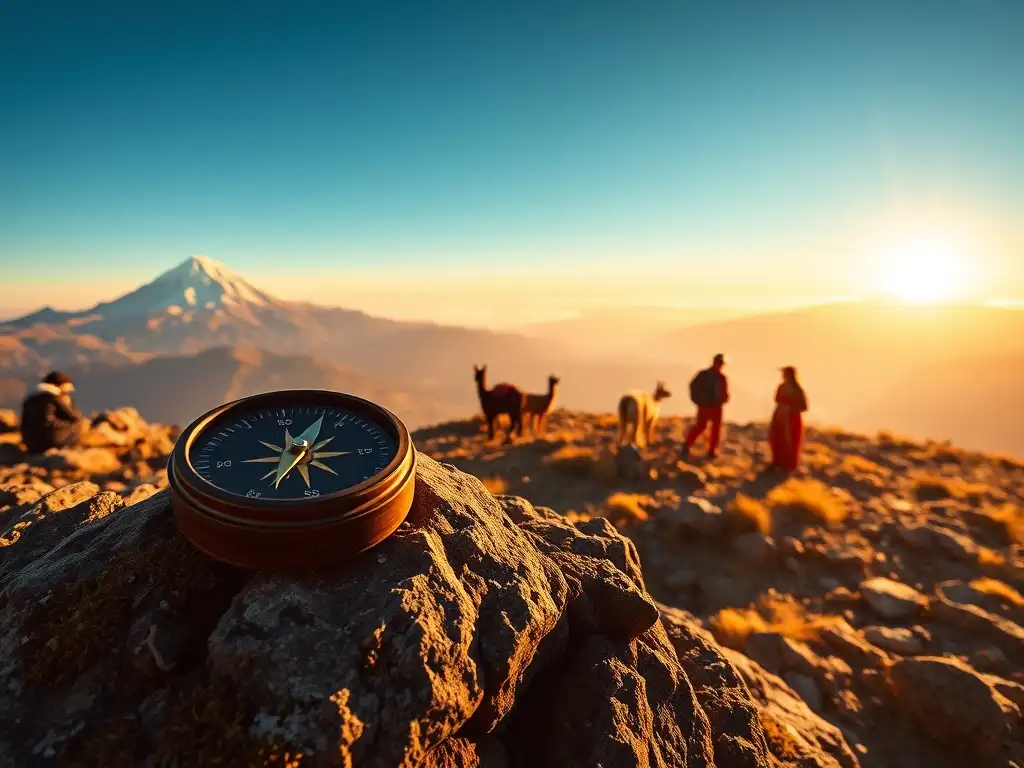
Uncover the mysteries of the Andes, a land sculpted by empires and echoing with forgotten voices. From the breathtaking artistry of the Nazca Lines to the ingenious engineering of Machu Picchu, the Andean legacy is vast and compelling. But beyond the iconic ruins lies a deeper story, one of vibrant cultures thriving today. Are you ready to discover how to experience the Andes ethically, leaving a positive impact while immersing yourself in its rich heritage? This journey begins with exploring ethical Andean travel experiences – your compass to authentic encounters.
The Andes Mountains, a spine of majestic peaks stretching along the western coast of South America, are home to a rich tapestry of ancient civilizations and breathtaking landscapes. For centuries, these lands have captivated explorers, adventurers, and researchers, drawing visitors from across the globe.
However, the increasing popularity of Andean tourism presents a critical challenge: ensuring that the profound cultural heritage and delicate ecosystems of this region are protected and respected. This article serves as your guide to navigating the complexities of Andean travel, focusing on how to plan and participate in ethical Andean travel experiences that benefit both the traveler and the local communities.
We will explore what constitutes ethical travel in this unique context, examining the crucial elements of responsible tourism and highlighting the challenges faced by the Andean region in balancing cultural preservation with economic growth. By understanding these factors, you can become a more informed and conscientious traveler, contributing to the sustainable future of the Andes.
Understanding the Importance of Ethical Andean Travel
Ethical travel in the Andes goes far beyond simply visiting stunning sites. It's about engaging with the local culture in a respectful and meaningful way, ensuring that your presence leaves a positive impact. This includes supporting local businesses, respecting indigenous traditions, and minimizing your environmental footprint.
The Andean region boasts a vibrant cultural heritage, with diverse indigenous communities maintaining unique languages, customs, and artistic expressions for millennia. Mass tourism, if not managed responsibly, can threaten these traditions through cultural commodification and the erosion of local autonomy. Ethically minded travelers actively seek out opportunities to learn about and appreciate these cultures, fostering mutual respect and understanding.
Consider the impact of your choices: purchasing handicrafts directly from artisans ensures fair wages and supports their livelihoods, while avoiding exploitative souvenir shops protects cultural integrity. Furthermore, choosing eco-friendly accommodations and transportation options demonstrates a commitment to preserving the fragile Andean ecosystem. By prioritizing ethical considerations, you contribute to the long-term preservation of the Andean heritage and its unique beauty.
What Does Ethical Travel in the Andes Really Mean?
Ethical travel in the Andes encompasses several key principles. It's not a checklist, but a mindset that guides your decisions throughout your journey. Here are some crucial elements:
- Respecting Indigenous Cultures: This involves learning about the local customs, traditions, and beliefs before your trip. Avoid intrusive photography, and always ask for permission before taking pictures of people. Support community-based tourism initiatives that empower local communities and preserve their cultural heritage.
- Environmental Sustainability: Minimize your impact on the environment by choosing eco-friendly accommodations, reducing your carbon footprint through responsible transportation choices (consider trains over flights where possible), and practicing responsible waste management. Avoid activities that damage sensitive ecosystems, such as off-trail hiking or disturbing wildlife habitats.
- Supporting Local Economies: Spend your money at locally owned businesses, restaurants, and artisan shops. This ensures that your tourism dollars directly benefit the local community and contribute to their economic well-being. Avoid companies that exploit workers or engage in unsustainable practices.
- Fair Wages and Working Conditions: Inquire about the working conditions and wages of those involved in the tourism industry you're engaging with. Look for companies and organizations that prioritize fair labor practices and employee well-being.
- Responsible Consumption: Be mindful of your consumption habits. Avoid purchasing souvenirs made from endangered species or that contribute to unsustainable practices. Support businesses that use sustainable materials and ethical production methods.
Challenges of Tourism in the Andean Region
The Andean region faces significant challenges in managing the growing influx of tourists. Balancing the economic benefits of tourism with the need to protect the environment and cultural heritage is a delicate act. Overtourism can lead to infrastructure strain, environmental degradation, and the commodification of local cultures. Furthermore, the uneven distribution of tourism benefits often marginalizes local communities, leaving them with little control over the development process. Some specific challenges include:
| Challenge | Description | Potential Solutions |
|---|---|---|
| Overcrowding of Sites | Popular tourist destinations can become overcrowded, leading to damage to sites and a diminished visitor experience. | Implement visitor management strategies, such as timed entry systems and promoting less-visited sites. |
| Environmental Degradation | Increased tourism can lead to pollution, habitat destruction, and depletion of natural resources. | Promote sustainable tourism practices, educate visitors about environmental responsibility, and invest in conservation. |
| Cultural Commodification | Local cultures may be exploited for profit, leading to the loss of authenticity and cultural integrity. | Support community-based tourism initiatives and ensure that local communities benefit from tourism development. |
| Infrastructure Strain | The influx of tourists can strain local infrastructure, such as roads, sanitation systems, and accommodation. | Invest in sustainable infrastructure development and plan for future growth. |
| Unequal Distribution of Benefits | The economic benefits of tourism may not be evenly distributed, leading to social inequality. | Implement policies that ensure that local communities benefit from tourism development and participate in decision-making. |
The future of Andean tourism depends on a collective effort to address these challenges and prioritize ethical and sustainable practices. By choosing to travel responsibly, you can make a significant contribution to the preservation of this remarkable region and its vibrant culture. 🟡
How to Plan an Authentic Andean Adventure
Planning an ethical and authentic Andean adventure requires careful consideration and a commitment to responsible travel. It's not just about ticking off tourist hotspots; it's about immersing yourself in the culture respectfully and contributing positively to the communities you visit. This involves more than simply choosing a tour operator that claims to be ethical; it demands proactive engagement and research.
One crucial step is researching community-based tourism initiatives. These initiatives often involve local communities directly in the tourism process, ensuring that the economic benefits stay within the region and empower local people. Look for organizations that prioritize fair wages, environmental protection, and cultural preservation. Don't hesitate to contact these organizations directly to learn more about their practices and the impact of their tourism programs. Many offer detailed information about their sustainable practices and community involvement on their websites. Authenticity shines through when you see the direct impact of your tourism dollars on the community.
Beyond community-based tourism, consider the type of experiences you seek. Do you want to learn traditional weaving techniques from a local artisan? Participate in a traditional Andean ceremony? Hike through breathtaking landscapes with a guide who deeply understands the region's history and ecology? The possibilities are vast, but choosing experiences that prioritize cultural exchange and respect for local traditions is paramount. This means being mindful of your interactions, respecting local customs, and avoiding activities that exploit or commodify cultural heritage.
Remember that ethical Andean travel extends beyond the experiences you choose. It's also about your environmental impact. Opt for eco-friendly accommodations, minimize your waste, and support local businesses that prioritize sustainable practices. Consider the carbon footprint of your journey and choose transportation options that minimize environmental impact, such as trains or buses over flights whenever feasible.
Choosing sustainable transportation is not only better for the environment but also allows for a more immersive travel experience, providing opportunities to observe the stunning landscapes of the Andes. By thoughtfully planning your trip, you can ensure that your adventure leaves a positive impact on the environment and the communities you visit. This responsible approach to travel will guarantee a far richer, more meaningful experience than simply visiting popular tourist sites.
- Understanding the Importance of Ethical Andean Travel
- What Does Ethical Travel in the Andes Really Mean?
- Challenges of Tourism in the Andean Region
- How to Plan an Authentic Andean Adventure
- What makes an Andean travel experience "ethical"?
- How can I ensure I'm choosing an ethical tour operator?
- What are some ways I can minimize my environmental impact while traveling in the Andes?
- Are there specific communities I can support directly during my trip?
- How can I learn more about the Andean cultures before and during my trip?
Step 1: Researching and Choosing Your Destinations

Planning ethical Andean travel experiences requires meticulous research. It's not just about ticking off famous sites; it's about contributing positively to the communities you visit. This initial step sets the tone for your entire journey, ensuring you're supporting sustainable practices and fostering genuine cultural exchange, rather than contributing to exploitative tourism. Let's delve into the crucial aspects of this phase.
Selecting Communities for Genuine Interactions, not just Tourist Traps
Choosing your destinations wisely is paramount for ethical Andean travel. Avoid locations overly saturated with mass tourism, which often leads to environmental degradation and the commodification of local culture. Instead, seek out smaller, less-visited communities that genuinely benefit from responsible tourism. This requires proactive research beyond typical travel guides.
Look for communities actively involved in sustainable initiatives, such as community-based tourism projects focused on preserving their heritage and environment. For example, consider researching villages known for their traditional textile production or unique agricultural practices. Engaging with these communities directly provides a far more authentic and impactful experience than simply visiting a well-trodden tourist spot.
Remember, the goal is to contribute to the well-being of the community, not just to observe it from a distance. This approach ensures your travel aligns with the principles of ethical and sustainable tourism. Consider the environmental impact too; choose destinations accessible by less polluting methods of transportation whenever possible.
Identifying Responsible Tour Operators: Look for Fair Trade Tourism Certifications
Once you've identified potential destinations, the next crucial step is selecting a responsible tour operator. Don't simply choose the cheapest option; instead, prioritize operators committed to ethical and sustainable practices. Look for certifications like Fair Trade Tourism, which verifies that the operator adheres to strict standards of social and environmental responsibility. These certifications ensure that local communities receive a fair share of the profits, that environmental protection is prioritized, and that cultural sensitivity is maintained. Researching reviews from previous travelers can also provide valuable insights into the operator's commitment to ethical practices.
Pay attention to details – does the operator highlight their commitment to fair wages for employees and guides? Do they support local businesses and initiatives? Do they actively involve local communities in the design and execution of their tours? These are key indicators of a truly responsible operator dedicated to providing authentic and ethical Andean travel experiences.
Prioritizing Local Guides and Family-Run Businesses
Choosing to work with local guides and family-run businesses is another cornerstone of ethical Andean travel. These individuals are deeply connected to their communities and possess invaluable knowledge and insights that enhance the traveler's experience significantly. By supporting them, you directly contribute to their livelihoods and help preserve traditional knowledge and skills. Furthermore, employing local guides supports the local economy, creating a more sustainable and equitable tourism model.
Unlike larger corporations, these smaller businesses are more likely to reinvest profits directly into the community, fostering further development and preservation. Look for guides who are passionate about sharing their culture and who are committed to responsible tourism practices. Their insights will transform your journey from a simple sightseeing trip into a truly enriching and meaningful cultural exchange. Supporting these local businesses is a tangible way to ensure your "ethical Andean travel experiences" are genuine and have a positive impact.
Step 2: Booking Accommodations that Benefit Local Communities
Choosing your lodging is a crucial step in ensuring your Andean adventure aligns with ethical and sustainable tourism principles. By selecting accommodations that prioritize local communities and environmental protection, you directly contribute to the preservation of Andean culture and the well-being of its people. This means moving beyond simply finding a comfortable bed and actively seeking out businesses that give back. This section will guide you through making informed decisions that support authentic and ethical Andean travel experiences.
Considering Homestays for Immersive Cultural Experiences
Homestays offer an unparalleled opportunity to experience Andean culture firsthand. Instead of staying in a generic hotel, you're immersed in the daily life of a local family. This provides a unique perspective, allowing you to learn about their traditions, cuisine, and way of life. The economic benefits are direct and significant; your payment directly supports the family's livelihood, contributing to their economic stability. Moreover, you'll often find that homestays are smaller-scale operations with a lower environmental footprint than larger hotels.
Consider these factors when choosing a homestay:
- Authenticity: Look for homestays run by local families, not large corporations masquerading as such. Reviews can often highlight this authenticity.
- Community Involvement: Does the homestay participate in local initiatives or support community projects?
- Environmental Practices: Inquire about their waste management and water conservation efforts. Even small steps towards sustainability make a difference.
- Language: Be prepared for a potentially language barrier and embrace the opportunity to learn a few basic phrases in Quechua or Aymara. This shows respect and enhances your experience.
Choosing Eco-Lodges and Sustainable Hotels in the Andes
Eco-lodges and sustainable hotels are increasingly common throughout the Andes, offering a balance between comfort and ethical tourism. These establishments prioritize environmental responsibility and often incorporate local materials and designs into their construction. They frequently invest in renewable energy sources, implement water conservation strategies, and support local employment. By choosing these accommodations, you support businesses actively committed to minimizing their environmental impact and contributing positively to the Andean ecosystem.
When selecting an eco-lodge or sustainable hotel, ensure they have verifiable certifications or clear documentation of their sustainable practices. Look for these indicators:
| Feature | Description | Importance |
|---|---|---|
| Eco-certification | Certifications like LEED or Green Globe demonstrate a commitment to environmental standards. | Provides independent verification of sustainable practices. |
| Local sourcing | Use of locally sourced building materials, food, and amenities reduces transportation emissions and supports local businesses. | Minimizes carbon footprint and boosts the local economy. |
| Waste management | Effective recycling and composting programs minimize environmental impact. | Shows commitment to responsible waste disposal. |
| Water conservation | Strategies to reduce water consumption, such as low-flow fixtures. | Conserves precious resources in water-scarce regions. |
| Community engagement | Support for local communities through employment opportunities and community development projects. | Demonstrates a commitment to social responsibility. |
Avoiding All-Inclusive Resorts that Don’t Benefit Local Economies
While all-inclusive resorts might seem appealing for their convenience, they often fall short in terms of ethical and sustainable tourism. These large-scale operations frequently source goods and services from outside the local community, limiting the economic benefits for Andean people. Their environmental impact can also be significant due to high energy and water consumption. Choosing to avoid these resorts directly supports smaller, locally-owned businesses that contribute more meaningfully to the Andean economy and environment.
Instead of opting for all-inclusive resorts, consider exploring smaller, locally-owned hotels or guesthouses. These establishments often offer a more authentic experience and directly contribute to the economic well-being of the local community. Remember, your travel choices have a direct impact; choose wisely to make a positive difference. Choosing ethical Andean travel experiences means actively seeking out options that prioritize local communities and minimize environmental damage. 🌍
Step 3: Engaging Respectfully with Andean Culture

This step focuses on fostering genuine connections with Andean communities through respectful engagement and cultural sensitivity. Ethical Andean travel experiences are not just about seeing the sights; they're about understanding and appreciating the living culture that shapes the landscape. By actively participating and learning, you contribute to a more sustainable and mutually beneficial form of tourism. Remember, the goal is to leave a positive impact, not just take memories away.
Learning Basic Quechua or Aymara Phrases for meaningful interactions
Learning a few basic phrases in Quechua or Aymara, the indigenous languages of the Andes, can significantly enhance your interactions with locals. It demonstrates respect for their culture and opens doors to more meaningful conversations. Even simple greetings like "Sumaj alliña" (Quechua for "Good morning") or "Kusisqa kanki?" (Quechua for "How are you?") can go a long way. Imagine the difference between simply asking for directions and doing so in the local language – the response will likely be warmer and more helpful.
Beyond greetings, consider learning phrases related to thank you ("Gracias" is universally understood, but the local equivalents are appreciated), please ("por favor"), and excuse me ("disculpe"). These simple words can transform transactional interactions into more personal and respectful exchanges. Many online resources and language learning apps offer basic Quechua and Aymara courses, making it easier than ever to acquire these valuable skills before your trip.
The effort you put into learning even a few words will be richly rewarded with more authentic and fulfilling interactions. Think of the smiles you'll receive and the stories you'll hear! This small act speaks volumes about your commitment to ethical and respectful travel.
Participating in Workshops: Textile Weaving, Pottery, or Traditional Cooking Classes
Immersing yourself in traditional Andean crafts offers a unique opportunity to learn about their artistry and techniques while directly supporting local artisans. Participating in workshops focusing on textile weaving, pottery, or traditional cooking provides a hands-on experience that fosters cultural understanding and appreciation. These workshops are often led by community members who are passionate about sharing their heritage.
For instance, a textile weaving workshop might involve learning about the intricate designs and symbolism woven into traditional textiles. You'll not only learn a new skill, but you'll also gain insight into the history, beliefs, and social structures reflected in these beautiful creations. Similarly, a pottery class might introduce you to ancient techniques and the significance of specific clay types and firing methods.
And a traditional cooking class allows you to learn about local ingredients, recipes passed down through generations, and the cultural significance of food in Andean communities. This type of participation supports local economies and fosters genuine connections with the people who are keeping these traditions alive. It transforms your travel experience from passive observation to active participation, creating a much more meaningful and ethical journey.
Understanding and respecting local customs and traditions
Respecting local customs and traditions is paramount for ethical Andean travel. This involves understanding and adhering to local norms and etiquette. Researching common customs beforehand is essential. For example, some communities may have specific protocols regarding photography, dress codes, or interactions with sacred sites. Always ask permission before taking photographs of people, especially in sensitive areas. Be mindful of noise levels, especially near sacred sites or during religious ceremonies. Learn about appropriate greetings and body language. Remember that showing respect is not just about following rules; it's about demonstrating genuine consideration for the local culture and its values.
Consider these examples: In some regions, direct eye contact might be considered disrespectful, while in others, it is expected. Understanding these nuances can prevent unintentional offenses. Similarly, some communities may have specific customs surrounding the sharing of food or drink, which should be observed respectfully. By demonstrating awareness and sensitivity to these cultural nuances, you contribute significantly to fostering positive relationships and ensuring a more ethical and rewarding travel experience. This commitment to cultural sensitivity is a cornerstone of ethical Andean travel. Remember, mindful and respectful behavior leaves a lasting positive impact.
Step 4: Supporting Fair Trade and Local Artisans
This step is crucial for ensuring your Andean travel experiences are truly ethical. By actively choosing to support fair trade and local artisans, you directly contribute to the economic well-being of Andean communities and help preserve their unique cultural heritage. This isn't just about buying souvenirs; it's about fostering sustainable development and respectful cultural exchange. Let's explore some practical ways you can make a difference.
Purchasing Crafts Directly from Andean Artists: Alpaca Textiles, Ceramics, Carved Wood Items
When purchasing handicrafts, prioritize buying directly from the artisans themselves. This ensures a larger portion of the sale price reaches the creators, providing them with a fair income and supporting their livelihoods. Look for markets and workshops where artisans sell their work directly, rather than relying on intermediaries who often take a significant cut.
Many Andean communities are renowned for their exceptional craftsmanship. Alpaca textiles, for example, are incredibly intricate and represent generations of traditional knowledge. Similarly, the ceramics and carved wood items often tell unique stories, reflecting the rich symbolism and artistic expressions of the region. By purchasing these items directly from the artists, you're not only acquiring beautiful and unique souvenirs but also contributing to the preservation of these invaluable skills and traditions.
Remember to ask about the creation process; engaging in conversation with the artisans adds another layer of cultural exchange to your experience. This direct interaction fosters a deeper appreciation for their work and the cultural context behind it. The vibrant colors of the textiles, the intricate designs of the ceramics, and the smooth texture of the carved wood – these are all tangible representations of Andean artistry and cultural identity, deserving of your ethical and conscious support.
Seeking Out Fair Trade Organizations: The Fair Trade Federation, World Fair Trade Organization
Supporting fair trade organizations offers a reliable way to ensure your purchases benefit Andean artisans fairly. These organizations establish standards that guarantee fair wages, safe working conditions, and environmentally sustainable practices. Look for products certified by reputable organizations like the Fair Trade Federation (in the US) or the World Fair Trade Organization (WFTO). Their certifications provide assurance that the products you buy were produced ethically and sustainably, contributing to the economic empowerment of Andean communities.
These organizations rigorously audit their members, providing consumers with the confidence that their purchases are directly impacting positive change. The impact goes beyond financial gain; fair trade practices help maintain traditional skills and cultural heritage, preventing the erosion of unique Andean artistry and craftsmanship. Choosing fair trade is an investment in the future of Andean communities and their rich cultural heritage.
Avoiding Mass-Produced Souvenirs that Harm Local Economies
While tempting, avoid purchasing mass-produced souvenirs, particularly those made outside the Andes region and simply labeled with Andean motifs. These items often undercut local artisans, flooding the market with cheap imitations and harming the economic viability of the traditional crafts sector. These mass-produced items often lack the unique artistry and cultural significance of authentic Andean crafts, and purchasing them contributes to a system that undermines the livelihood of dedicated artisans. By choosing authentic, ethically sourced handicrafts, you are not only supporting individual artisans but also contributing to the preservation of Andean cultural heritage and its sustainable future.
This conscious choice actively promotes ethical and sustainable tourism, reflecting your commitment to responsible travel and cultural respect. Remember, every purchase is a vote; vote for ethical and sustainable practices every time you buy a souvenir. 🌎
Step 5: Packing for Responsible Andean Travel

This step is crucial for minimizing your environmental impact and supporting local communities during your ethical Andean travel experiences. Careful packing choices directly contribute to sustainable tourism, reducing waste and promoting responsible consumption. Let's explore how to pack light while maximizing your positive impact.
Essential Gear for Sustainable Travel: Reusable Water Bottles, Biodegradable Sunscreen
One of the simplest ways to reduce your environmental footprint is by bringing reusable items. Plastic waste is a significant problem in many Andean communities, lacking adequate recycling infrastructure. Therefore, packing reusable alternatives is essential for an ethical Andean adventure.
Consider these essentials:
- Reusable water bottles: Carry a durable, high-quality reusable water bottle to stay hydrated throughout your journey. This eliminates the need for single-use plastic bottles, significantly reducing plastic waste. Choose a bottle made from sustainable materials like stainless steel or BPA-free plastic.
- Biodegradable sunscreen: Protect your skin from the strong Andean sun with biodegradable sunscreen. Traditional sunscreens often contain chemicals harmful to coral reefs and aquatic life. Opting for biodegradable alternatives ensures you're not contributing to environmental damage in sensitive ecosystems. Look for products labeled "reef-safe" or "biodegradable."
- Reusable shopping bags: Andean markets offer a vibrant array of local products. Bring your own reusable shopping bags to avoid contributing to plastic bag waste. A foldable, lightweight bag is ideal for easy carrying.
- Reusable cutlery and containers: If you plan on picnics or packing lunches, reusable cutlery and food containers are excellent choices to reduce waste.
Choosing sustainable and reusable options showcases your commitment to ethical Andean travel experiences, minimizing your impact on the environment and promoting responsible tourism practices. Remember, even small actions collectively make a significant difference.
Choosing Durable and Ethically Produced Clothing for the Andean Climate
The Andean climate can be unpredictable, varying significantly between altitudes and regions. Packing durable, versatile clothing is essential for comfort and practicality. However, it's equally crucial to consider the ethical and environmental impact of your clothing choices.
Prioritize these points when selecting your wardrobe:
- Natural fibers: Opt for clothing made from natural, sustainable fibers such as organic cotton, alpaca wool, or llama wool. These materials are often produced locally, supporting Andean artisans and reducing the environmental impact associated with synthetic fabrics.
- Durable and versatile items: Choose versatile clothing items that can be layered to adapt to changing weather conditions. Investing in high-quality, durable garments will reduce the need for frequent replacements, minimizing textile waste.
- Ethically sourced clothing: Look for brands committed to fair labor practices and sustainable production methods. Supporting ethical brands ensures that the clothing you wear reflects your values of responsible tourism and ethical Andean travel experiences. Look for certifications and labels indicating ethical production.
- Avoid fast fashion: Fast fashion contributes significantly to environmental pollution and unethical labor practices. Avoid purchasing cheap, disposable clothing and instead invest in a few high-quality, durable pieces that will last.
By choosing durable, ethically produced clothing, you contribute to supporting local economies and minimizing the negative environmental consequences of the fashion industry. Your clothing choices reflect your commitment to ethical and sustainable tourism.
Reducing your Environmental Footprint: Solar Chargers, Reusable Shopping Bags
Beyond reusable items, consider technology that minimizes your reliance on non-renewable energy sources. The Andes can offer breathtaking landscapes, but access to electricity might be limited in certain areas.
Here's how to minimize your impact:
- Solar chargers: A solar charger is an excellent way to reduce your reliance on disposable batteries and charge your electronic devices without contributing to carbon emissions. Solar chargers are particularly useful in remote areas with limited access to electricity.
- Reusable water purification tablets: Instead of buying bottled water, consider investing in reusable water purification tablets or a water filter. This significantly reduces the amount of plastic waste you generate and helps ensure access to safe drinking water.
- Travel-sized toiletries: Pack travel-sized, solid toiletries (shampoo bars, conditioner bars, soap) to reduce the use of plastic bottles. This also makes packing easier and more environmentally friendly.
- Offline maps and guides: Download offline maps and guidebooks to reduce your reliance on data, minimizing your energy consumption and environmental impact.
By consciously choosing sustainable travel gear and adopting environmentally friendly practices, you contribute to preserving the beauty and integrity of the Andes while enjoying authentic and ethical Andean travel experiences. Remember, responsible tourism is a shared responsibility – your choices matter.
Step 6: Staying Connected Responsibly

Staying connected while exploring the Andes is crucial for safety and communication, but it's equally important to do so responsibly and ethically. Over-reliance on technology can detract from the immersive experience and potentially harm local communities. This section outlines strategies for maintaining contact while minimizing your environmental and social impact, ensuring your Andean adventure aligns with principles of ethical and sustainable tourism.
Using Local SIM Cards for Communication: Claro, Movistar
Instead of relying on expensive international roaming charges, consider purchasing a local SIM card upon arrival. Major providers like Claro and Movistar offer affordable data plans and call options, allowing you to stay connected with loved ones back home and access necessary information while supporting local businesses. This is a simple yet impactful way to contribute to the local economy and reduce your carbon footprint compared to constantly using international roaming data. The process is generally straightforward; you can purchase a SIM card at most airports, convenience stores, and mobile phone retailers.
Remember to check your phone's compatibility with local frequencies beforehand. A local SIM card also grants access to local maps and navigation apps, reducing your reliance on data-heavy international applications, further contributing to ethical and sustainable Andean travel experiences. For example, using a local navigation app will help you avoid unnecessary fuel consumption by optimizing your routes.
Minimizing Wi-Fi Usage to Engage with your Surroundings
While convenient, excessive Wi-Fi usage can hinder your ability to fully engage with the incredible Andean landscape and culture. Consciously limiting your screen time encourages deeper interactions with your surroundings, fostering a more meaningful and authentic travel experience. Instead of constantly checking social media or email, embrace the opportunity to connect with local people, observe breathtaking scenery, and appreciate the unique rhythms of Andean life. This mindful approach is key to ethical Andean travel experiences.
Consider designating specific times for checking emails and social media, perhaps only during the evenings or in designated areas with reliable Wi-Fi access. This intentional disconnect will allow you to fully appreciate the beauty and tranquility of the Andes, fostering a more genuine and respectful experience. Remember, the goal is to create lasting memories, not just digital content.
Sharing your Andean adventure on social media can be a wonderful way to inspire others, but it's essential to do so responsibly. Avoid posting anything that could compromise the privacy or security of local communities. Respect the cultural sensitivities of the region and refrain from sharing images or information without the consent of individuals or communities depicted. When posting photographs, be mindful of the potential for cultural appropriation or misrepresentation. Instead of focusing solely on picturesque landscapes, highlight the richness of Andean culture and the warmth of its people.
Using appropriate hashtags like #ethicaltravel #sustainabletourism #responsibletravel can further amplify the positive message and encourage others to adopt similar practices. Ethical and sustainable Andean travel experiences are about respectful engagement, and this includes how you share your story online. Remember, your online presence plays a role in shaping perceptions and influencing future travelers. Let's promote responsible tourism together!
Step 7: Giving Back to the Andean Communities
This step is crucial for ensuring your Andean journey contributes positively, fostering sustainable and ethical Andean travel experiences. It's about moving beyond simply observing and actively participating in the well-being of the communities you visit. Leaving a positive impact goes beyond financial transactions; it’s about genuine engagement and reciprocal benefit. Choosing to give back demonstrates respect for the Andean culture and its people.
Volunteering with Local Organizations: Andean Alliance, Threads of Peru
Engaging with established organizations offers a structured way to contribute meaningfully. Two examples showcasing different approaches are the Andean Alliance and Threads of Peru. The Andean Alliance often focuses on larger-scale projects like infrastructure development in remote villages, improving access to education or healthcare. Their initiatives frequently involve long-term commitments and require specific skill sets. Volunteers might assist with building projects, teaching English, or providing medical support – contributing expertise while learning about Andean life firsthand. Their work directly addresses community needs and promotes sustainable development, making it a cornerstone of ethical Andean travel experiences.
Threads of Peru, on the other hand, typically concentrates on preserving traditional textile arts. Volunteers might assist with workshops, helping to teach traditional weaving techniques or assisting in the production process. This approach not only supports the preservation of a vital part of Andean cultural heritage but also empowers local artisans economically. By participating, you contribute to the economic sustainability of communities while gaining a deep appreciation for their artistry and traditions. The hands-on experience provides a unique perspective on ethical and sustainable tourism.
Donating to Community Projects that support sustainable development
Direct donations to carefully vetted community projects offer another powerful avenue for contributing to ethical Andean travel experiences. Researching organizations focused on sustainable initiatives is essential. Look for projects with transparent financial reporting and clear goals aligned with community needs. This could include supporting initiatives focused on:
- Environmental conservation: Protecting Andean biodiversity through reforestation projects or sustainable agriculture practices.
- Educational programs: Providing access to quality education, especially for marginalized communities.
- Healthcare improvements: Supporting initiatives that improve access to healthcare and sanitation.
- Economic empowerment: Funding projects that support local businesses and entrepreneurship, particularly those focused on fair trade practices.
Remember, responsible giving involves researching the organization thoroughly to ensure your donation reaches its intended purpose and contributes to long-term sustainable development. A small donation can have a significant ripple effect, especially when channeled through efficient and transparent organizations. This direct support is a tangible way to show your commitment to ethical tourism in the Andes.
Participating in Community Tourism Initiatives
Community tourism initiatives offer a unique blend of cultural immersion and direct economic support. By choosing to stay in locally owned accommodations, eat at family-run restaurants, and participate in tours led by community members, you directly contribute to the economic well-being of the local population. This approach fosters genuine cultural exchange and avoids contributing to exploitative tourism practices. It's a key element of ethical Andean travel experiences.
These initiatives often involve engaging in activities that showcase local traditions, such as cooking classes, weaving demonstrations, or guided hikes led by community members. This not only supports local livelihoods but also provides a more authentic and enriching travel experience. By choosing community-based tourism, you directly support sustainable development and contribute to preserving Andean cultural heritage. It’s a win-win situation, fostering meaningful connections and ensuring a positive impact on the communities you visit. It showcases the best of ethical Andean travel experiences.
Step 8: Reflecting on Your Ethical Andean Adventure

This final step isn't just about concluding your trip; it's about solidifying your commitment to ethical Andean travel experiences. Reflecting on your journey allows you to fully appreciate the impact of your choices and to plan for future responsible travel. Did your actions align with your intentions? What could you have done differently? These introspective questions are crucial for personal growth and for ensuring your future travel remains genuinely ethical and sustainable. Analyzing your experiences, both positive and negative, is key to becoming a more informed and responsible traveler.
Understanding the Impact of Your Travel Choices
Your journey through the Andes, hopefully filled with breathtaking landscapes and enriching cultural encounters, has inevitably left a footprint. Understanding the extent and nature of this impact is crucial for future responsible travel planning. Consider the following:
- Environmental Impact: Did your travel choices contribute to pollution (e.g., carbon emissions from flights, vehicle use)? Did you minimize waste generation? Did you respect the natural environment and avoid disturbing fragile ecosystems? Remember that even small actions, like choosing reusable water bottles, can cumulatively make a significant difference.
- Socio-economic Impact: Did your spending directly benefit local communities? Did you support locally owned businesses and artisans? Did you interact respectfully with local people, acknowledging their culture and traditions? Supporting local economies is paramount to ensuring that tourism benefits the Andean communities rather than exploiting them.
- Cultural Impact: Did you engage with the local culture respectfully and authentically? Did you avoid cultural appropriation or insensitive behavior? Did you learn from and appreciate the richness of Andean cultures, rather than simply observing them as a spectacle? Authentic engagement requires sensitivity, respect, and a willingness to learn.
Consider creating a simple journal entry or a short reflective essay summarizing your trip. This will help crystallize your understanding of your travel's impact. For example, you might quantify your carbon footprint using online calculators, or reflect on how much of your spending went directly to local businesses. This process of self-assessment is a crucial step in becoming a truly responsible traveler.
Your experience is valuable, not just for you, but for others who are planning their own ethical Andean travel experiences. Sharing your learnings and inspiring others to travel responsibly is a powerful way to amplify the positive impact of your journey. Consider these options:
- Word-of-mouth: Share your experiences with friends and family, emphasizing the importance of ethical and sustainable tourism. Your personal stories can be more persuasive than any marketing campaign.
- Online platforms: Share your reflections on social media, travel blogs, or online forums. Use relevant hashtags like #ethicaltravel, #responsibletourism, #AndeanAdventures, to reach a wider audience. Share photos and stories that highlight the positive aspects of your responsible travel choices.
- Reviews: Leave thoughtful reviews on platforms where you booked your tours or accommodations, highlighting the ethical practices of businesses you supported. This helps other travelers make informed choices.
Remember to be specific in your sharing. Instead of just saying "I had a great time," describe specific examples of how you supported local communities, minimized your environmental impact, and engaged respectfully with the culture. The more detail you provide, the more impactful your message will be.
Continuing your support for Andean communities even after you leave
Ethical Andean travel experiences shouldn’t end when you leave the Andes. Consider these ways to continue your support for the communities you visited:
- Financial contributions: Donate to organizations that support sustainable development, community empowerment, or environmental conservation in the Andes. Research reputable organizations carefully before making a contribution.
- Advocacy: Support policies and initiatives that promote ethical and sustainable tourism in the Andes. Write to your elected officials, sign petitions, or support organizations working on these issues.
- Continued learning: Continue to learn about Andean cultures and issues, and share your knowledge with others. This will keep your commitment to ethical travel alive long after your journey ends.
By continuing to engage with Andean communities and issues even after your trip, you demonstrate a long-term commitment to responsible tourism. This sustained engagement is the ultimate measure of a truly ethical and impactful travel experience. Your journey doesn't end with your departure; it continues in your actions and your advocacy for a better future for the Andean region. This ongoing commitment is the hallmark of a truly responsible traveler.
The Journey Continues: Furthering your Commitment to Ethical Andean Travel
This section delves into actionable steps you can take beyond your initial trip to continue supporting ethical and sustainable tourism in the Andean region. It's about fostering long-term commitment and ensuring your positive impact resonates far beyond your vacation. Remember, ethical Andean travel experiences are not just about a single trip; it's about a sustained relationship with the region and its people.
Staying updated on ethical travel practices in the Andes
The landscape of ethical tourism is constantly evolving. New challenges emerge, and best practices are refined. Staying informed is crucial to ensure your actions remain aligned with the principles of responsible travel. Here are some strategies:
- Follow reputable organizations: Seek out organizations dedicated to sustainable tourism in the Andes. Their websites and publications often feature updates on best practices, emerging issues, and impactful initiatives. Look for organizations with a strong track record and transparent operations.
- Engage with local communities: Maintain contact with the communities you visited. Many offer newsletters or social media updates sharing their perspectives and needs. This direct connection provides valuable insights into current issues and opportunities for ongoing support.
- Read academic research and publications: Scholarly articles and reports can provide in-depth analyses of the challenges and successes of sustainable tourism in the Andes. This deeper understanding will inform your future choices and advocacy efforts.
- Participate in online forums and discussions: Connect with other ethical travelers and experts through online communities dedicated to responsible tourism. This collaborative environment facilitates the sharing of knowledge and resources.
Promoting responsible tourism among your network
Your personal experience can inspire others to embrace ethical Andean travel. Sharing your knowledge and positive experiences will amplify the message of responsible tourism. Consider these avenues:
- Word-of-mouth recommendations: Share your experiences with friends, family, and colleagues. Highlight the positive aspects of your trip, emphasizing the cultural exchange, environmental stewardship, and community engagement you encountered.
- Social media advocacy: Use platforms like Instagram, Facebook, and Twitter to share your stories and photos, tagging relevant organizations and promoting ethical travel operators. Use relevant hashtags like
#EthicalAndeanTravel,#ResponsibleTourism,#SustainableTravel. - Travel blogs and reviews: Share detailed accounts of your trip, focusing on the ethical aspects of your journey. Your honest review can help inform other travelers and guide them toward responsible choices. Be specific – mention the names of ethical tour operators and highlight their commitment to sustainability.
- Presentations and workshops: Share your experiences through presentations or workshops within your community or professional networks. This can be particularly effective in reaching a broader audience and inspiring collective action.
Advocating for sustainable development in the Andean region
Beyond individual travel choices, supporting sustainable development initiatives directly contributes to the long-term well-being of the Andean region. Consider the following:
- Supporting fair trade products: Choose to purchase handicrafts and other products directly from Andean artisans, ensuring fair wages and supporting their livelihoods. Look for fair trade certifications to guarantee ethical sourcing.
- Donating to relevant organizations: Support organizations working on environmental conservation, community development, and cultural preservation in the Andes. Research organizations carefully to ensure transparency and impact.
- Participating in citizen science projects: Contribute to research efforts aimed at understanding and addressing environmental challenges in the Andean region. This can range from monitoring biodiversity to participating in data collection initiatives.
- Contacting your elected officials: Advocate for policies that support sustainable tourism and environmental protection in the Andes. Your voice can contribute to shaping legislation that promotes responsible development. This could involve writing letters, participating in public forums, or supporting organizations engaged in policy advocacy.
Remember, your commitment to ethical Andean travel experiences extends beyond the duration of your trip. By actively engaging in these actions, you become a vital part of a movement that safeguards the cultural heritage and environmental integrity of the Andes for generations to come. 🌎
Frequently Asked Questions
What makes an Andean travel experience "ethical"?
An ethical Andean travel experience prioritizes respect for local cultures and environments. This includes supporting local communities, minimizing your environmental impact, and ensuring fair wages and working conditions for those involved in tourism. It's about leaving a positive impact.
How can I ensure I'm choosing an ethical tour operator?
Look for operators who are transparent about their practices, actively engage in community development projects, and commit to sustainable tourism principles. Check reviews and certifications, and consider smaller, locally-owned businesses.
What are some ways I can minimize my environmental impact while traveling in the Andes?
Reduce your carbon footprint by choosing sustainable transportation options. Support eco-lodges and businesses committed to environmental protection, and practice responsible waste management by reducing, reusing, and recycling.
Are there specific communities I can support directly during my trip?
Yes! Many Andean communities offer homestays and participate in community-based tourism initiatives. Research opportunities to engage directly with local artisans, farmers, and guides, ensuring you contribute directly to their livelihoods.
How can I learn more about the Andean cultures before and during my trip?
Engage with educational resources before your trip to gain a better understanding of the region's history and cultures. During your travels, be respectful, ask permission before taking photos of people, and actively listen to and learn from locals.
The ethical considerations surrounding travel, particularly in regions like the Andes, are no longer a niche concern; they are a fundamental aspect of responsible global citizenship. Ignoring the impact of our wanderlust on local communities and fragile ecosystems is simply unsustainable. The future of travel hinges on our ability to embrace mindful exploration.
The Andes, with their breathtaking landscapes and rich cultural heritage, offer a powerful lens through which to examine our relationship with the world. The vibrant tapestry of indigenous traditions, often interwoven with hardship and resilience, demands respect and understanding. We must move beyond the superficial allure of postcard-perfect images and engage with the complexities of these communities. Travel is fatal to prejudice, bigotry, and narrow-mindedness,
wrote Mark Twain, and this rings truer than ever in the context of Andean travel. Our choices as travelers directly influence the well-being of the people and places we visit, shaping their future for better or worse.
Consider the impact of your next trip. Will you choose experiences that prioritize profit over people? Or will you actively seek out opportunities to support local economies, protect the environment, and foster genuine cultural exchange? You have the power to shape a more ethical future for Andean travel. Choose wisely, travel consciously, and let your journey be a testament to the transformative power of responsible exploration.
**Embark on Your Journey to Authentic Andean Experiences! **
Thank you for joining us in exploring the rich tapestry of Andean cultures and ethical travel. Reading this article is the first step towards discovering impactful and authentic experiences. Now, let's turn that interest into action!
- **Begin your adventure** by planning a trip to a local Andean community, immersing yourself in their culture and supporting ethical tourism. Consider visiting a village known for its traditional weaving or a community actively involved in sustainable agriculture.
- **Share your experiences** on social media using #AndeanCompass, and inspire others to seek out authentic adventures. Highlight the unique aspects of your journey and encourage responsible travel.
- **Participate in local workshops or virtual tours** focusing on Andean traditions to deepen your understanding and appreciation. Learning about Andean music, textiles, or culinary arts offers a richer travel experience.
Which Andean experience are you most excited about, and how do you anticipate it will change your approach to travel?