
Andean Social Control: Laws and Customs That Maintained Order

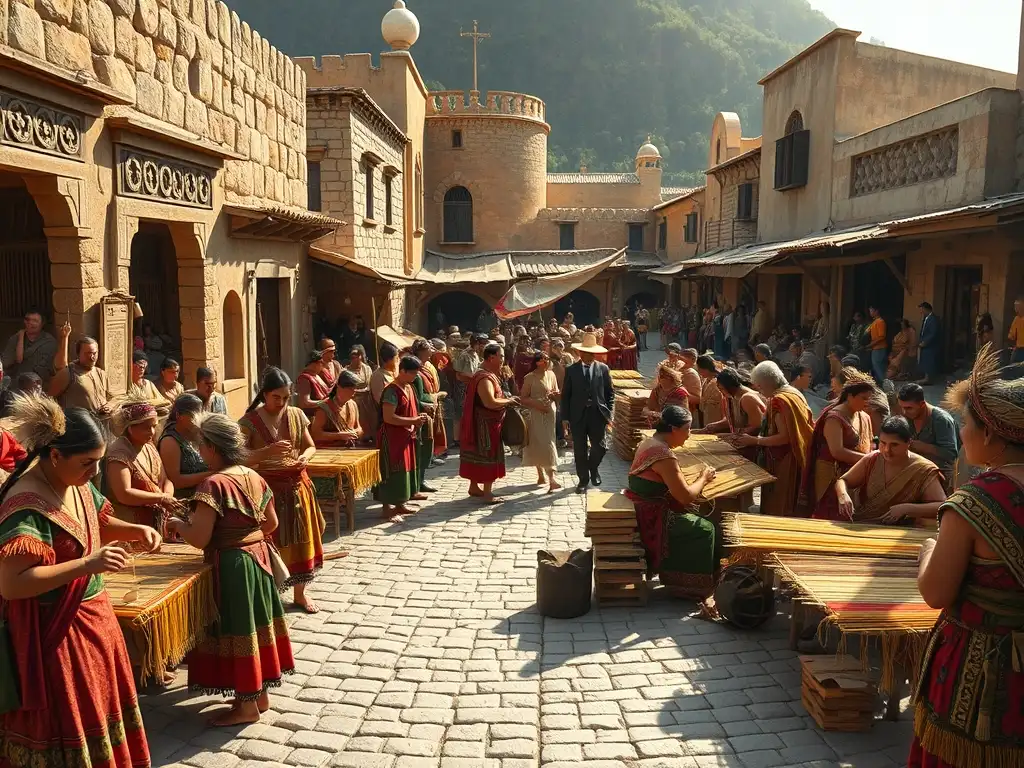
Step into a world lost to time, yet echoing with power and intrigue. Discover the secrets behind the enduring legacy of the Andean civilizations – a legacy built not just on breathtaking artistry and advanced engineering, but on a complex system of social control. What ingenious laws and customs governed the daily lives of the Incas, Moche, Nazca, and Tiahuanaco? Unravel the mysteries surrounding Andean social control laws and uncover the fascinating mechanisms that maintained order in these remarkable societies. Prepare to be amazed.
The Andes Mountains, a spine of towering peaks and deep valleys, nurtured a vibrant tapestry of ancient civilizations. From the sophisticated irrigation systems of the Nazca to the monumental architecture of the Inca, these societies developed intricate social structures demanding robust systems of control to maintain order and stability. This article delves into the fascinating world of Andean social control, exploring the laws and customs that governed daily life and ensured the smooth functioning of these remarkable societies.
We will examine the foundations of Andean social order, investigate pre-Inca mechanisms of social control, and analyze the role of customary law in shaping Andean communities. Understanding these systems provides crucial insight into the enduring legacy of these civilizations and their remarkable ability to organize complex societies across vast and challenging terrains.
The keyword "Andean social control laws" will be explored throughout this article, examining both formal legal systems and informal social customs that contributed to maintaining social harmony. The study of Andean social control offers a compelling case study in the development and implementation of governance structures in diverse and challenging environments.
Andean social order wasn't solely based on codified laws; it was a complex interplay of religious beliefs, kinship ties, and reciprocal obligations. The concept of ayni, reciprocal exchange of goods and labor, was fundamental. This system fostered interdependence and social cohesion, mitigating potential conflict through mutual support.
The mita, a form of mandatory labor service, while potentially exploitative, also contributed to large-scale projects like road building and agriculture, binding communities together through shared effort. Religious beliefs played a crucial role, with powerful deities and elaborate rituals reinforcing social norms and maintaining the existing power structures. The Inca, for example, used their religious authority to legitimize their rule and enforce social control.
Evidence suggests that religious leaders played a key role in mediating disputes and upholding social order, often using religious sanctions to influence behavior. This intricate web of social, economic, and religious elements formed the bedrock of Andean social control, far more nuanced than simply a set of written laws. The effectiveness of this system is evident in the longevity and complexity of Andean societies.
Before the rise of the Inca Empire, diverse Andean societies employed various mechanisms to regulate social behavior. The Moche civilization, known for its elaborate artistry and sophisticated irrigation systems, likely relied on a hierarchical system of authority, with elites controlling resources and enforcing social norms. Archaeological evidence suggests that Moche society was stratified, with distinct social classes and varying levels of access to resources.
While specific laws are difficult to ascertain from the archaeological record, the impressive scale of their public works projects hints at a sophisticated system of social organization and labor management. Similarly, the Nazca, renowned for their enigmatic geoglyphs, likely had their own methods of social control, although the specifics remain largely unknown. Further research into pre-Inca societies is needed to fully understand the diversity of social control mechanisms employed across the Andean region.
The available evidence points towards a range of strategies, from religious rituals to economic incentives, which maintained social order in these pre-Imperial societies. One key area needing further research is the relationship between social stratification and the development of pre-Inca social control systems.
Customary Law in Andean Societies
Customary law played a significant role in maintaining social order in Andean societies. These unwritten rules, passed down through generations, governed various aspects of life, from land ownership and inheritance to marriage and conflict resolution. While the Inca Empire introduced its own legal code, customary law persisted alongside it, especially in rural areas.
The Inca's legal system, while centralized, often incorporated elements of pre-existing customary practices, demonstrating the resilience of traditional norms. These customs, often intertwined with religious beliefs, provided a framework for resolving disputes and maintaining social harmony within communities. The lack of extensive written legal codes makes the understanding of Andean customary law challenging; however, ethnohistorical accounts and archaeological findings offer valuable insights into the role of these unwritten rules in regulating social life.
Further research into Andean languages and oral traditions is crucial to reconstruct the intricacies of customary law in different Andean regions. The study of customary law sheds light on the adaptive nature of Andean social control, highlighting the interplay between formal and informal systems of governance.
The Role of Kinship in Maintaining Order
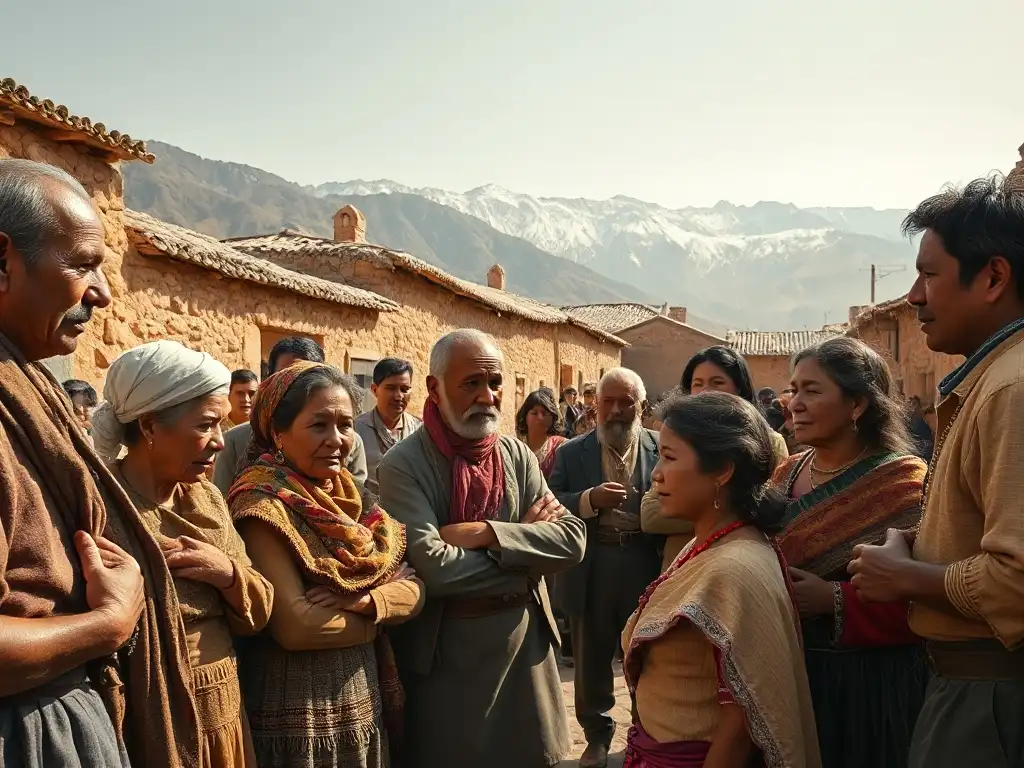
Kinship played a crucial role in Andean social control, acting as a fundamental building block of social organization and a powerful mechanism for maintaining order. The ayllu, a community based on kinship ties, was the primary social unit in many Andean societies, including the Inca. Membership in the ayllu conferred both rights and obligations, fostering a strong sense of collective responsibility. Individuals were accountable not only to the state but also to their ayllu members, creating a layered system of social control.
Disputes within the ayllu were often resolved through community-based mechanisms, such as mediation by elders or community leaders. This emphasis on kinship fostered cooperation and mutual support, minimizing conflict and enhancing social cohesion. The strong social bonds within the ayllu served as a powerful deterrent against antisocial behavior, as the consequences of violating community norms extended beyond legal penalties to include social ostracism and the loss of crucial support networks. This system of social control, deeply rooted in kinship, was remarkably effective in maintaining order within the ayllus and contributed significantly to the overall stability of Andean societies.
Furthermore, the inheritance of land and resources within the ayllu further solidified these bonds, creating a vested interest in maintaining social harmony and preventing disruptive behaviors. This intricate web of kinship obligations effectively complemented formal legal systems in ensuring social order. The system was not without its limitations, of course, and disputes did arise, but the inherent strength of kinship ties provided a robust framework for conflict resolution and social regulation.
The Inca Empire implemented a sophisticated and centralized system of social control that extended far beyond the kinship-based mechanisms of smaller Andean communities. While the ayllu remained a vital social unit, the Inca state exerted significant influence over all aspects of life, establishing a comprehensive legal framework and a powerful bureaucracy to enforce it. The Inca state's power rested on its control over resources, particularly land and labor. The mita system, a form of mandatory labor service, obliged individuals to contribute to public works projects and state activities. This system not only facilitated large-scale infrastructure development but also served as a tool for social control, keeping the population occupied and under the watchful eye of the state.
In addition to the mita, the Inca maintained a complex system of laws and regulations, covering various aspects of life, from agriculture and trade to religious practices and social conduct. These laws were enforced by a hierarchical bureaucracy of officials, who acted as both administrators and enforcers. The Inca state also employed a sophisticated system of surveillance and intelligence gathering, ensuring that potential threats to order were quickly identified and addressed. Religious beliefs and practices played a significant role in reinforcing social control. The Inca's elaborate religious system emphasized the importance of obedience to the state and its authorities, presenting the Inca ruler as a divine figure whose commands were to be obeyed without question.
This combination of centralized authority, comprehensive legal frameworks, and effective enforcement mechanisms created a potent system of social control that contributed significantly to the empire's stability and longevity. The effectiveness of this system can be seen in the empire's remarkable expansion and its relatively peaceful administration of a vast and diverse population. However, the system also faced challenges, with rebellions and resistance occasionally erupting despite the Inca's considerable power. The study of Inca social control provides valuable insights into the complex interplay between centralized authority and local customs in maintaining social order in a pre-industrial empire.
- The Foundations of Andean Social Order
- Pre-Inca Social Control Mechanisms
- Customary Law in Andean Societies
- The Role of Kinship in Maintaining Order
- Inca Social Control: A Centralized System
- How did Andean civilizations maintain social order without a formal, written legal system like those in Europe?
- What role did religion play in Andean social control?
- What were some common forms of punishment for breaking social norms in Andean societies?
- How did the Inca Empire's social control mechanisms differ from those of earlier Andean civilizations?
- What is the significance of ayllu in understanding Andean social control?
Inca Laws and Regulations

The Inca Empire, renowned for its sophisticated infrastructure and administrative prowess, maintained order through a complex system of laws and regulations that intertwined with deeply ingrained customs and traditions. Understanding Andean social control laws requires recognizing that formal written codes were absent; instead, a combination of oral traditions, religious beliefs, and the authority of the Sapa Inca (emperor) shaped social behavior and ensured compliance.
This system, while seemingly less structured than written law, was remarkably effective in governing a vast and diverse population. The concept of ayni (reciprocity) and mita (labor tribute) formed the bedrock of this social contract, underpinning the empire’s economic and social stability, and acting as powerful tools of Andean social control.
The Inca Legal Code: Principles and Enforcement
While no single, codified Inca legal code exists, anthropological research and surviving accounts reveal key principles guiding their legal system. Justice was heavily influenced by religious beliefs, with the Inca worldview deeply intertwined with the concept of mamapacha (Mother Earth) and the cosmic order. Offenses were often viewed as disruptions to this sacred balance, demanding ritualistic resolutions or punishments intended to restore harmony.
The Sapa Inca, considered a divine ruler, held ultimate authority, delegating judicial powers to local officials, kurakas (chiefs), and other appointed authorities. These officials were responsible for mediating disputes, imposing penalties, and ensuring compliance with customary laws and expectations.
Enforcement varied depending on the severity of the offense. Minor infractions might be resolved through community mediation, involving restorative justice practices emphasizing reconciliation and community repair. More serious crimes, such as theft, rebellion, or treason, could result in severe punishments, ranging from public shaming and exile to death.
Capital punishment, however, was reserved for the most egregious offenses and often involved ritualistic sacrifices aimed at appeasing the gods and restoring cosmic balance. The effectiveness of this system stemmed not only from the fear of punishment but also from the strong social pressure to conform to community norms and maintain the established order. This intricate web of social control ensured the smooth functioning of the Inca state, demonstrating a sophisticated understanding of maintaining social order without the need for a formalized written legal code.
Land ownership in the Inca Empire was fundamentally different from Western concepts of private property. The Sapa Inca was considered the ultimate owner of all land, distributing it amongst the population based on the ayllu system. The ayllu, a kinship-based community, collectively managed and worked the land, ensuring its equitable distribution and preventing individual accumulation of wealth.
This system, while seemingly communal, had inherent controls. Regulations governed land use, agricultural practices, and crop distribution, preventing misuse and ensuring sufficient food production for the entire community. Failure to adhere to these regulations could result in penalties ranging from community service to expulsion from the ayllu.
The mita system, a form of mandatory labor service, was another crucial aspect of Inca social control. All able-bodied individuals were required to contribute a certain amount of labor to public works projects, such as road construction, temple building, or agricultural production for the state. This system ensured the maintenance of the empire's infrastructure and provided a workforce for essential projects.
While seemingly coercive, the mita also provided social benefits, such as shared meals and community solidarity. However, abuses of the mita system were documented, particularly during the later years of the empire, highlighting the challenges in maintaining equitable distribution of labor burdens. The interplay of land regulations and the mita system demonstrates the Inca's capacity for large-scale social engineering and the intricate mechanisms employed to maintain social control and economic stability within their vast empire.
The Inca social hierarchy significantly influenced the administration of justice. The Sapa Inca, at the apex of the social pyramid, enjoyed absolute authority and was exempt from the application of ordinary laws. Those closer to the Sapa Inca in the hierarchy also enjoyed more leniency in legal proceedings, reflecting the hierarchical nature of Inca society. Lower classes faced harsher penalties for similar offenses committed by members of the elite. This disparity in the application of justice reinforced the existing social order and perpetuated the power structure.
Disputes were often resolved within the ayllu system, with community leaders mediating conflicts and imposing penalties. However, serious crimes or disputes involving individuals from different ayllus or social strata might be brought before higher authorities, reflecting the hierarchical structure of the judicial system. The kurakas and other appointed officials played a critical role in interpreting customary laws and applying appropriate sanctions, maintaining social order and ensuring compliance with the expectations of their respective communities.
This hierarchical structure, while contributing to social stability, also presented potential for abuse and injustice, highlighting the complexities of Andean social control. Further research is needed to fully understand the nuances of legal processes and the extent of social mobility within the Inca judicial system. [Specific information pending on documented cases of judicial disparity].
Punishments and Their Application in the Inca Empire
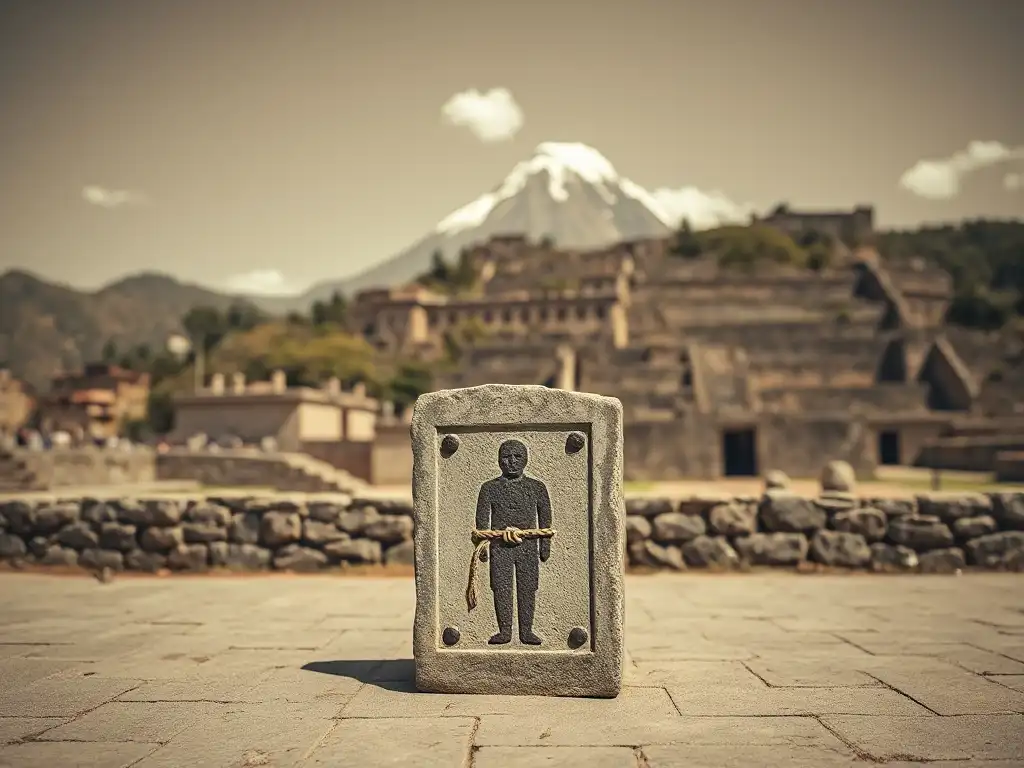
The Inca Empire, renowned for its sophisticated administrative system, employed a complex system of punishments to maintain social order and uphold its laws. These punishments weren't arbitrary; they were carefully calibrated to the severity of the crime and the social standing of the offender. Minor infractions, such as petty theft or public disorder, might result in fines, community service (like mita labor intensification), or public shaming.
More serious crimes, like murder, treason, or rebellion, faced far harsher penalties. These could include flogging, mutilation (such as the cutting off of a hand or ear), or even death. Death sentences were not commonplace, however, and were often reserved for cases of extreme transgression against the Sapa Inca or the state itself.
The application of these punishments was not always straightforward. The Inca system considered mitigating circumstances, such as the age or mental state of the offender, and the intent behind the crime. Evidence suggests a degree of judicial discretion existed, allowing for variations in sentencing based on individual cases.
Furthermore, the Curacas, local leaders, often played a significant role in administering justice within their communities, sometimes resolving disputes before they escalated to higher authorities. This decentralized approach allowed for a more tailored response to local circumstances, though it also potentially created inconsistencies in the application of Inca laws across the vast empire.
The effectiveness of the Inca system of punishment stemmed not only from its severity but also from its integration into the broader social fabric, reinforcing the authority of the Inca state and promoting compliance with its laws. Records of specific punishments are scarce, but archaeological evidence, coupled with Spanish chronicles, paints a picture of a system that aimed for both deterrence and rehabilitation, reflecting the nuanced nature of Andean social control.
While the Inca legal system played a crucial role in maintaining order, Inca social control extended far beyond formal laws and punishments. A complex web of interconnected strategies worked in tandem to ensure stability and cohesion within the vast empire. One key element was the ayllu, the communal system that formed the foundation of Inca society.
Strong kinship ties and communal responsibilities fostered a sense of collective responsibility and mutual support, minimizing individualistic behaviors that might disrupt social harmony. The ayllu acted as a primary mechanism of social control, with community members monitoring each other's behavior and enforcing social norms. This system of peer pressure and collective accountability proved highly effective in maintaining order at the local level.
Beyond the ayllu, the Inca state employed sophisticated propaganda and ideological mechanisms to reinforce its authority and promote compliance. The Sapa Inca was presented as a divine ruler, with religious rituals and ceremonies constantly reaffirming his legitimacy and the sacred nature of the Inca state. This carefully cultivated image fostered loyalty and obedience among the population.
State-sponsored festivals and public works projects also served as important tools for social control, providing opportunities for collective participation and reinforcing a sense of shared identity and purpose. The Inca state's mastery of infrastructure, particularly its road network, facilitated communication and the swift movement of troops and officials, ensuring that even remote communities felt the weight of the Inca's authority.
This multifaceted approach to social control, combining legal mechanisms with powerful social and ideological tools, represents a sophisticated and effective system for managing a vast and diverse empire. The Inca's success in maintaining order for centuries is a testament to the ingenuity and effectiveness of their strategies.
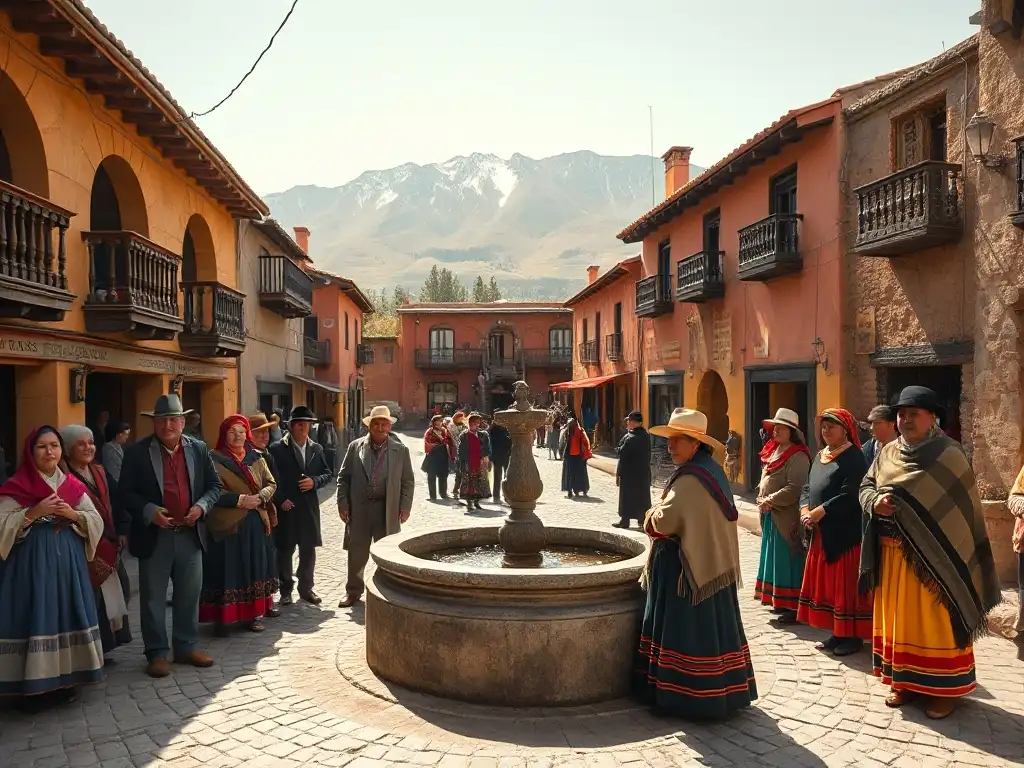
The intricate tapestry of Andean social control wasn't solely woven from codified laws; rather, it was a complex interplay of deeply ingrained customs, religious beliefs, and community-based mechanisms. Understanding these nuanced aspects is crucial to grasping the effectiveness of Andean social control systems, particularly in the absence of a centralized, formalized legal structure akin to those found in many Old World societies. The concept of "Andean social control laws" thus needs to be understood as encompassing far more than written statutes.
It included a powerful system of social pressure and expectations, enforced through a blend of informal and formal methods, all working in concert to maintain order and stability within Andean communities. This section will delve into the key elements of this system.
Community-Based Justice Systems
Andean communities often relied on decentralized justice systems rooted in the principle of ayni, the concept of reciprocity and mutual obligation. Dispute resolution wasn't solely the purview of designated officials; rather, it frequently involved the entire community. Offenses, whether minor infractions or more serious crimes, were typically addressed through community discussions, mediation, and restorative justice practices.
This approach prioritized repairing harm and restoring social harmony rather than simply meting out punishment. For example, a dispute over land might be resolved through community mediation, with elders playing a key role in finding a solution that satisfied all parties and reinforced the importance of collective well-being. The goal wasn't just to punish the offender but to reintegrate them into the community and prevent future conflict.
This system, while seemingly informal, was highly effective in maintaining social cohesion, especially in smaller, tightly knit communities. The effectiveness of these systems varied depending on factors like the size and complexity of the community, the nature of the offense, and the social standing of the individuals involved. Further research is needed to fully quantify the effectiveness of these systems across different Andean societies and time periods.
Reciprocity, or ayni, wasn't merely a principle of justice; it was a cornerstone of Andean social life. It permeated all aspects of society, from everyday interactions to large-scale public works projects. The expectation of mutual aid and support fostered strong social bonds and discouraged antisocial behavior. Failure to reciprocate could lead to social ostracism, a severe punishment in a society where collective well-being was paramount.
This system of reciprocal obligations created a powerful incentive for individuals to behave in ways that benefited the community. For instance, a farmer who received help during harvest season would be expected to reciprocate by assisting their neighbors in the future. This constant exchange of goods, services, and labor created a strong sense of interdependence and community solidarity.
The success of this system depended greatly on the trust and mutual respect within the community. Breaches of trust, such as failure to fulfill reciprocal obligations, could severely damage social relationships and weaken community cohesion. The concept of ayni extended beyond simple exchanges, influencing social hierarchies and even the distribution of resources.
Religious beliefs played a significant role in shaping Andean social norms and influencing behavior. The reverence for deities and ancestors created a strong moral framework that reinforced social order. The belief in divine retribution for wrongdoing, coupled with the importance of maintaining harmony with the supernatural world, provided a powerful deterrent against antisocial behavior.
For example, the Inca believed that the emperor was a descendant of the sun god Inti, and disobedience to the emperor was considered an affront to the divine order. Similarly, many Andean societies had elaborate rituals and ceremonies aimed at maintaining a balance between the human and supernatural worlds. These rituals reinforced social norms and values, emphasizing the importance of community, reciprocity, and respect for authority.
The fear of supernatural consequences, combined with the social pressure to conform to community expectations, created a powerful system of social control that extended beyond the reach of formal legal systems. The specific religious beliefs and practices varied across different Andean cultures, but their influence on social control remained a constant factor in shaping Andean societies. Further research into specific religious beliefs and their impact on social control in various Andean communities would provide a more comprehensive understanding of this intricate relationship.
Conflict Resolution Mechanisms in Andean Cultures
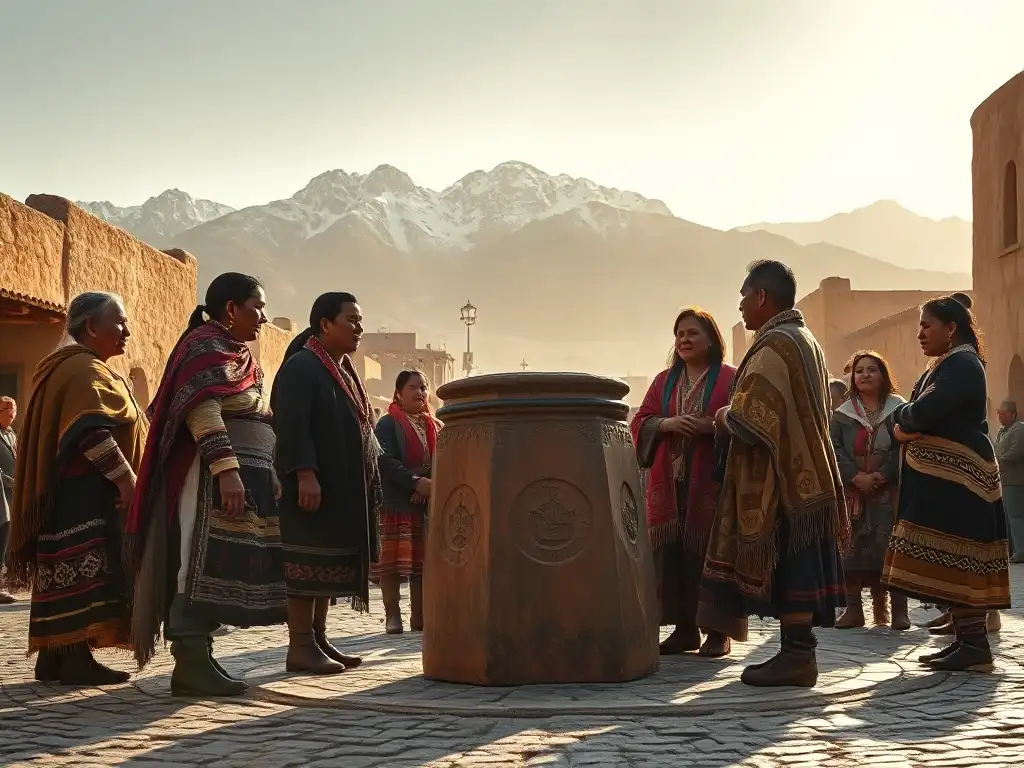
Andean societies, despite their variations across different cultures and time periods, developed sophisticated mechanisms for resolving conflicts. These weren't simply about punishing wrongdoers; they were deeply embedded in the social fabric, aiming to maintain harmony and balance within the community. The specific methods varied depending on the severity of the offense and the involved parties' social standing.
For minor disputes, community elders, often respected individuals with extensive knowledge of customary law and social norms, played a crucial role in mediation. They would hear both sides of the argument, considering local customs and traditions to reach a mutually agreeable solution. This emphasis on negotiation and reconciliation aimed to prevent escalation and preserve social cohesion. The process often involved community participation, with the goal of restoring balance within the social group rather than simply assigning blame. Shaming, public apologies, and community service were common forms of restitution.
More serious crimes, such as theft or violence, might involve more formal procedures. While evidence of codified laws is limited for some Andean cultures, oral traditions and archaeological findings suggest the existence of structured judicial processes. These might have involved specific officials or courts responsible for investigating offenses, gathering evidence, and determining appropriate punishments.
Punishments could range from fines and community service to exile or even death, depending on the severity of the crime and the social standing of the offender. The severity of the punishment often reflected the Andean worldview, which emphasized restoring balance and harmony within the community. For instance, a theft might be punished by requiring the offender to return the stolen goods and perform a significant act of service for the community.
The concept of ayni, reciprocal exchange, was central to Andean social control. The expectation of mutual support and cooperation fostered a sense of shared responsibility and discouraged antisocial behavior. Violation of ayni could lead to social sanctions, including ostracism or loss of access to vital resources. This system effectively reinforced social norms and promoted cooperation, reducing the need for strict legal enforcement.
The systems of social control in the Andes weren't static; they evolved over time, adapting to changing circumstances and the influence of different cultures. While certain core values, such as the importance of community harmony and reciprocity ( ayni), remained consistent across various Andean societies and periods, the specific mechanisms used to enforce these values varied considerably.
For example, the Inca Empire, with its vast territory and complex bureaucracy, developed a more centralized and formalized system of social control compared to smaller, less centralized societies like the Nazca or Moche. The Inca employed a hierarchical administrative structure, with officials at various levels responsible for maintaining order and enforcing laws. While oral traditions and customary law continued to play a significant role, the Inca also implemented written records and a formal judicial system.
This allowed for greater efficiency in managing a large population spread across a diverse landscape. However, even within the Inca Empire, local customs and traditions were often accommodated, demonstrating a degree of flexibility and adaptation.
The arrival of the Spanish conquistadors marked a dramatic turning point, leading to the disruption and eventual dismantling of traditional Andean social control mechanisms. The imposition of Spanish law and administration drastically altered the social landscape, replacing many indigenous institutions with colonial ones. However, aspects of traditional Andean social norms and customs persisted, often blending with and adapting to the new colonial realities.
This process of adaptation and change continued after independence, with indigenous communities striving to retain elements of their cultural heritage while navigating the complexities of modern nation-states. The legacy of Andean social control can still be observed in contemporary Andean societies, influencing community governance, conflict resolution, and social relations. The enduring strength of communal values and reciprocal exchange highlights the resilience and adaptability of Andean social structures.
The Andean region, encompassing modern-day Peru, Bolivia, Ecuador, Colombia, Argentina, and Chile, boasts a rich tapestry of pre-Columbian civilizations. These societies, while diverse, shared a common thread: sophisticated systems of social control that ensured order and stability for centuries. Understanding these systems—a blend of formal laws and informal customs—is crucial to grasping the complexities of Andean societies.
The concept of "Andean social control laws" encompasses a broad spectrum of mechanisms, ranging from the intricate legal codes of the Inca Empire to the deeply ingrained social norms of smaller, independent communities. These weren't simply sets of rules; they were integral to the very fabric of Andean life, shaping everything from agricultural practices to religious rituals. The effectiveness of these systems stemmed from their integration into the daily lives of the people, fostering a strong sense of community and shared responsibility.
This wasn't solely about punishment; it was about maintaining harmony and balance within the social order, a concept deeply rooted in Andean cosmology. The study of Andean social control reveals a nuanced understanding of how societies, without formal written laws in many cases, achieved remarkable levels of social cohesion.
While the Inca Empire's centralized system of mita (labor tribute) and its complex bureaucracy might seem distant from modern governance, echoes of its principles can be found in contemporary Andean societies. The concept of reciprocal obligation, a cornerstone of Andean social control, continues to influence community dynamics. For example, the ayllu, a traditional Andean community structure based on kinship and mutual support, persists in many rural areas.
The ayllu's internal mechanisms for conflict resolution and resource management reflect a long-standing tradition of community-based social control. Even in urban settings, Andean values of communal responsibility and respect for elders continue to play a role in shaping social interactions. Furthermore, the emphasis on collective well-being over individual gain, evident in many aspects of Andean social control, offers valuable insights for contemporary societies grappling with issues of inequality and social fragmentation.
The legacy of Andean social control isn't just about historical interest; it presents relevant models for addressing modern challenges. A deeper understanding of these historical systems can inform the development of more effective and equitable social structures, particularly in contexts where traditional community structures remain strong. The study of Andean social control provides a compelling case study in the interplay between formal and informal mechanisms of social order, offering valuable lessons for contemporary governance and community development.
Analyzing Andean social control reveals several key lessons applicable to contemporary societies. Firstly, the integration of social control into the cultural and religious fabric of society fostered a strong sense of shared identity and responsibility. This contrasts with many modern systems that rely heavily on punitive measures rather than promoting proactive community engagement. Secondly, the emphasis on restorative justice, prioritizing reconciliation and community healing over retribution, offers a valuable alternative to purely punitive approaches.
Thirdly, the Andean systems demonstrate the importance of considering the cultural context when designing social control mechanisms. A "one-size-fits-all" approach is unlikely to be effective, especially in diverse societies. Finally, the success of Andean social control, even in large empires like the Inca, highlights the crucial role of local leadership and community participation in maintaining order and resolving conflicts.
Many modern societies, particularly in urban areas, struggle with a sense of detachment between citizens and governing bodies. The Andean experience suggests that strengthening community engagement and promoting local participation in governance could be key to building more cohesive and resilient societies. The Andean model emphasizes the importance of integrating social control into the broader cultural and spiritual life of a community, a lesson often overlooked in modern, secular societies.
Further Research on Andean Legal Traditions
Further research on Andean legal traditions should focus on several key areas. Firstly, a more comprehensive comparative analysis of social control mechanisms across different Andean societies is needed, moving beyond the often-dominant focus on the Inca Empire. This would provide a richer understanding of the diversity of approaches to social order in the region. Secondly, further investigation into the role of oral traditions and indigenous knowledge systems in preserving and transmitting legal norms is essential.
Much of the Andean legal tradition was unwritten, relying on customary practices and oral transmission. Thirdly, research should explore the ways in which Andean social control systems adapted to changing environmental conditions and demographic shifts. The resilience of these systems over centuries suggests a remarkable capacity for adaptation and flexibility.
Finally, interdisciplinary research, drawing on anthropology, archaeology, history, and law, is crucial to gain a more holistic understanding of Andean legal traditions and their relevance to contemporary issues. The study of Andean social control offers a valuable opportunity to understand how different societies have approached the complex task of maintaining social order, providing insights that could inform the development of more effective and equitable social structures in the modern world. Further investigation into these complex systems will undoubtedly yield valuable lessons for the future.
Frequently Asked Questions
Andean civilizations relied on a complex system of customs, traditions, and religious beliefs to maintain order. Social pressure and community involvement played a significant role, alongside the authority of local leaders and religious figures. Enforcement often focused on restoring balance rather than punishment.
Religion was deeply intertwined with social control. Religious beliefs and rituals reinforced social norms and instilled a sense of community responsibility. Fear of supernatural consequences and the authority of priests and shamans helped maintain order.
Punishments varied depending on the severity of the offense and the specific culture. They ranged from public shaming and ostracism to forced labor or even death in extreme cases. The focus was often on restoring balance to the community.
The Inca Empire, with its vast territory, implemented a more formalized system of administration and control. While still relying on traditional methods, the Inca developed a sophisticated bureaucracy and extensive road network to enforce laws and maintain order across their empire.
The ayllu, a kinship-based community, was crucial to Andean social structures. Social control within the ayllu was largely based on collective responsibility and reciprocal obligations. Members were expected to uphold community norms to maintain harmony and support within the group.
The intricate systems of Andean social control, far from being relics of a bygone era, offer crucial insights into effective community governance and conflict resolution that remain strikingly relevant today. Our exploration of the interplay between formal laws and deeply ingrained customs reveals a sophisticated approach to maintaining order, one that prioritized community well-being and collective responsibility over punitive measures alone. This understanding is particularly vital in a world grappling with issues of social inequality and the search for sustainable community models.
The enduring power of Andean social control lies not just in its historical significance, but in its continued influence on contemporary Andean communities and beyond. The emphasis on reciprocity, dialogue, and restorative justice resonates deeply with modern discussions surrounding social justice and conflict resolution. Justice is not merely the punishment of the guilty, but the restoration of harmony within the community.
This sentiment, though not explicitly Andean, perfectly encapsulates the spirit of their social control mechanisms, highlighting the importance of repairing social fabric rather than simply inflicting retribution. The principles of Ayni and Mink'a, mutual aid and collective labor, continue to shape social interactions and economic practices, demonstrating the lasting impact of these ancient traditions.
Consider the ways in which these principles – community responsibility, restorative justice, and the prioritization of collective well-being – might enrich your own approach to conflict resolution and community engagement. How can we learn from the wisdom of the Andes to build more just and sustainable societies? Let the legacy of Andean social control inspire you to seek collaborative solutions, to prioritize dialogue over retribution, and to cultivate a sense of shared responsibility for the well-being of your community. The past holds valuable lessons for the future; let us embrace them.
Embrace the Wisdom of Andean Order!
Thank you for exploring the fascinating laws and customs that shaped social control in Andean civilizations. Your interest in this rich history demonstrates a valuable understanding of the importance of community and order. Now, let's build on that knowledge!
- Delve deeper into Andean culture: Explore more articles on our site to discover the enduring influence of these ancient customs on contemporary societies.
- Share your newfound knowledge: Discuss this article with friends and family, or share it on social media, to spread awareness of the remarkable achievements of Andean civilizations.
- Join our vibrant community: Participate in our forum to connect with others who share your passion and offer insightful perspectives on Andean social structures.
What aspects of Andean social customs resonate most with you, and how might these principles be applied to contemporary society?