
The Surprising Durability of Andean Food Preservation Methods

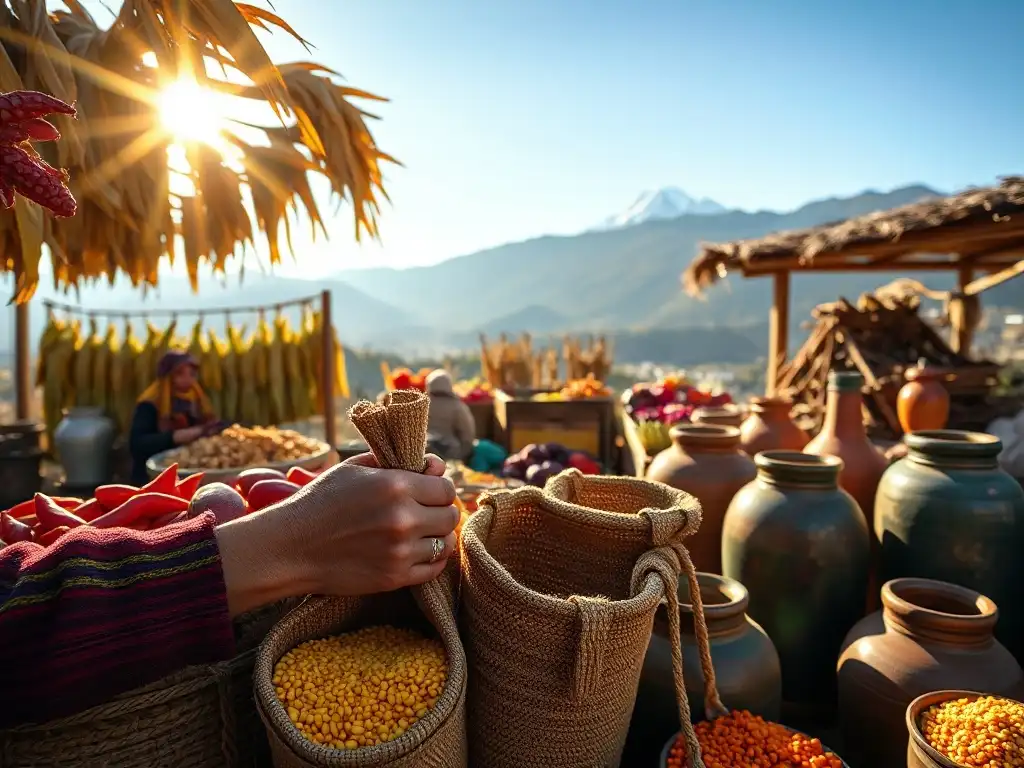
Step into a world lost in time, yet echoing with innovation. For centuries, the Andes Mountains have witnessed the rise and fall of remarkable civilizations. But their legacy extends beyond magnificent cities and intricate textiles; it lies also in their ingenuity. Discover the secrets behind Andean food preservation techniques, methods so effective they defied the harsh Andean environment. Uncover the surprising durability of these ancient practices and prepare to be amazed by the resourcefulness of the Andean people. Are you ready to unlock the mysteries of their culinary past?
The Andes Mountains, a spine of towering peaks running down the west coast of South America, presented ancient civilizations with a unique set of challenges. Harsh, fluctuating climates, coupled with varied altitudes, demanded innovative solutions for food preservation. This article delves into the surprisingly effective and durable food preservation techniques developed by Andean cultures, exploring their ingenuity and lasting impact.
We'll examine why these methods remain remarkable even by today's standards, showcasing the deep connection between Andean societies and their environment. Understanding these techniques offers a fascinating glimpse into the resourcefulness and adaptability of these ancient peoples, highlighting their sophisticated knowledge of agriculture and food systems, a crucial element for their survival and prosperity.
We will focus on several key techniques employed by cultures including the Incas, Moche, Nazca, and Tiahuanaco, demonstrating the diversity and effectiveness of Andean food preservation strategies. This exploration will reveal how these techniques not only ensured food security but also shaped the social and economic structures of these remarkable civilizations.
Introduction to Ancient Andean Food Storage
Ancient Andean food preservation wasn't simply a matter of keeping food edible; it was a complex system interwoven with their cosmology, social structures, and agricultural practices. The sheer variety of climates across the Andes – from arid coastal deserts to high-altitude grasslands – necessitated a diverse range of preservation methods. These weren't haphazard techniques; they were carefully developed and refined over millennia, demonstrating a profound understanding of natural processes and materials.
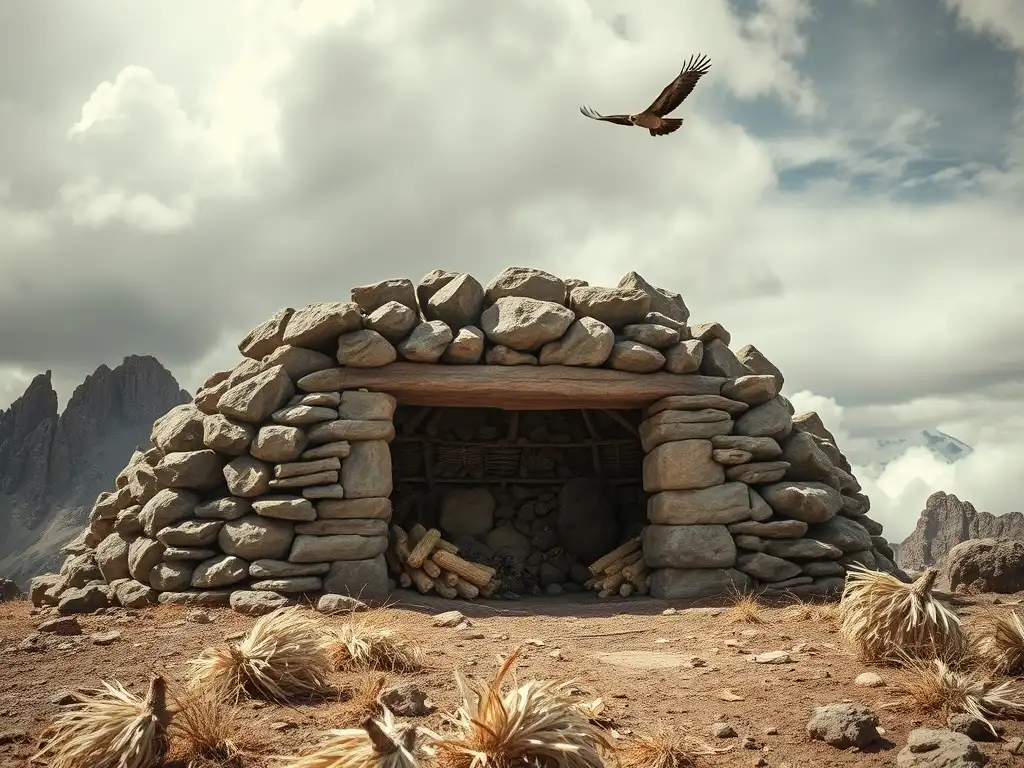
Consider, for instance, the chullpas – towering, stone funerary towers – which sometimes also served as storehouses for food, particularly in the high-altitude regions. Their strategic placement and design played a role in maintaining optimal storage conditions. Additionally, the use of natural refrigeration in caves and underground cellars was common, leveraging the consistent cool temperatures to extend the shelf life of perishable goods.
The meticulous organization of storage facilities, reflecting a sophisticated understanding of logistics and planning, further underscores the importance of food preservation in Andean societies. This careful approach ensured the availability of food throughout the year, mitigating the risks associated with unpredictable harvests and harsh weather.
Why Andean Food Preservation Techniques Are Remarkable
The ingenuity of Andean food preservation techniques is striking. Many methods, such as sun-drying, freeze-drying (naturally occurring at high altitudes), and fermentation, are still used today, demonstrating their enduring effectiveness. The use of q’ocho (a type of raised field agriculture) not only increased crop yields but also facilitated natural drying processes, illustrating the integration of agricultural practices with preservation strategies.
Furthermore, the development of specialized storage containers, crafted from materials like clay, wood, and woven fibers, further enhanced the longevity of stored foods. These containers were often designed to control humidity and airflow, optimizing the preservation process. The remarkable aspect lies not only in the effectiveness of these techniques but also in their sustainability.
Unlike modern methods that often rely on energy-intensive processes and potentially harmful chemicals, Andean techniques were environmentally friendly, relying on natural resources and processes. The long-term sustainability of these methods highlights a deep respect for the environment and a holistic approach to food production and preservation. The lasting impact of these techniques is evident in the continued use of many of them in modern Andean communities, a testament to their practicality and resilience.
- What ancient Andean cultures employed sophisticated food preservation techniques?
- What were some common Andean food preservation methods?
- How did the Andean climate influence food preservation strategies?
- What role did food preservation play in Andean societal structure?
- Are any traditional Andean food preservation methods still practiced today?
Traditional Andean Methods for Preserving Food
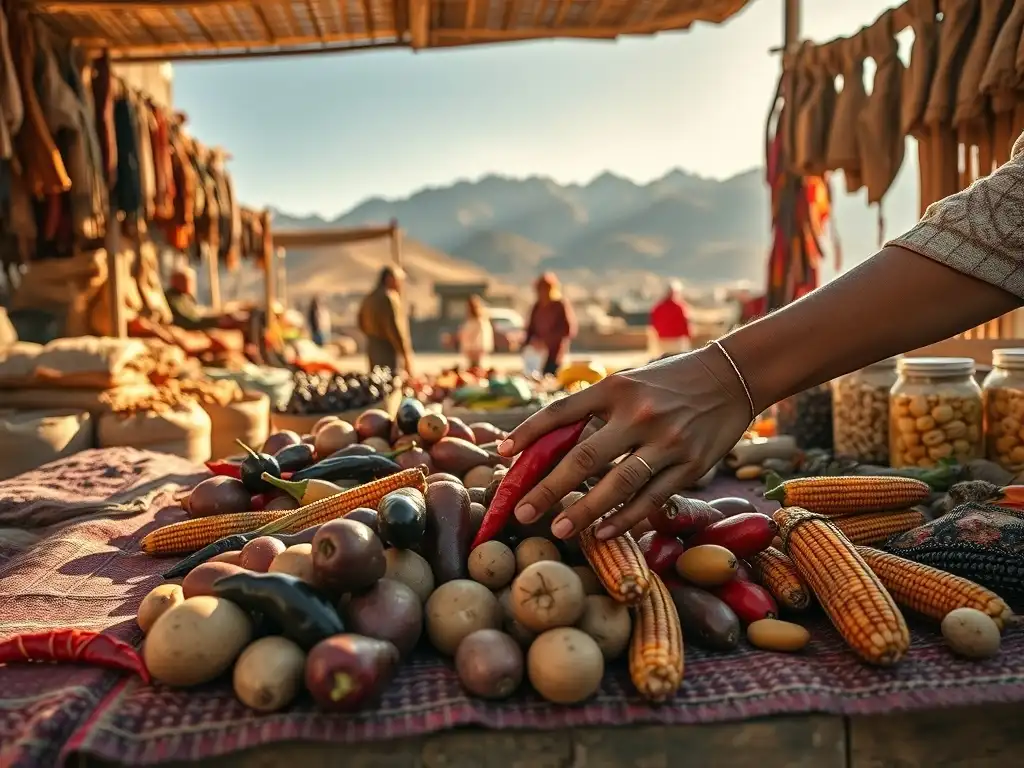
Andean food preservation techniques represent a sophisticated and surprisingly durable system developed over millennia to ensure food security in challenging high-altitude environments. These methods, passed down through generations, leveraged readily available resources and a deep understanding of the Andean ecosystem. The techniques weren't merely about extending shelf life; they also transformed the nutritional profile and palatability of food, creating unique culinary traditions that persist to this day. This section will delve into two primary methods: drying and fermentation.
Drying: The Power of the Sun and Air in Andean Food Storage
Drying, a remarkably effective Andean food preservation technique, relies on the natural power of the sun and air to reduce moisture content, inhibiting microbial growth and preventing spoilage. This method was crucial for preserving surplus harvests and ensuring food availability during lean seasons. The effectiveness of sun-drying varied depending on altitude, climate, and the specific food being preserved. Higher altitudes, with their intense solar radiation and lower humidity, were particularly advantageous for this process.
Sun-Drying Meats: Charqui and its Longevity
Charqui, a sun-dried meat traditionally made from llama, alpaca, or vicuña, exemplifies the ingenuity of Andean food preservation. The meat is carefully butchered, sliced thinly, and then salted generously before being laid out to dry under the intense Andean sun. This process not only removes moisture but also inhibits bacterial growth, significantly extending the meat's shelf life.
Charqui could be stored for months, even years, providing a vital source of protein during times of scarcity. The preparation and drying times varied depending on the weather conditions, with ideal conditions leading to a longer-lasting, higher-quality product. The process was also crucial in minimizing spoilage, a critical factor in the high-altitude, often arid Andean climate.
Freeze-Drying: The Andean Technique of Chuño
Chuño, a freeze-dried potato, represents a unique and highly effective Andean food preservation technique. This method takes advantage of the freezing temperatures experienced at high altitudes. Potatoes are initially subjected to a freeze-thaw cycle, which breaks down the cell structure. They are then repeatedly trodden upon to remove excess moisture before being left to dry in the sun.
The resulting chuño is remarkably durable and can be stored for years without spoiling. The process significantly reduces the potato's weight and volume, making it easier to transport and store. Different types of chuño exist, depending on the processing methods and the variety of potato used, each with its own unique texture and flavor profile. This technique highlights the sophisticated understanding of Andean farmers regarding the interplay between temperature, moisture, and preservation.
Drying Andean Grains and Tubers: Quinoa and Potatoes
Beyond meats, drying was extensively used to preserve grains like quinoa and tubers like potatoes. Quinoa, a staple crop of the Andes, was often sun-dried after harvesting to reduce its moisture content and prevent spoilage. Similarly, potatoes, a cornerstone of the Andean diet, were sun-dried, creating a product that could be stored for extended periods.
Different potato varieties were better suited to drying, with some being more resistant to spoilage than others. The process involved careful selection, cleaning, and slicing or cutting before sun-drying, with the drying time varying depending on the weather and the thickness of the slices. This widespread practice ensured a continuous supply of these essential food staples throughout the year.
Fermentation: Transforming and Preserving Andean Food
Fermentation, another cornerstone of Andean food preservation techniques, uses microorganisms to transform food, increasing its shelf life and enhancing its nutritional and organoleptic properties. This process wasn't merely about preservation; it also created unique flavors and textures, enriching the Andean culinary landscape.
Fermented Beverages: Chicha and its Preservation
Chicha, a fermented beverage made from maize or other grains, is a quintessential example of Andean fermentation. The fermentation process, often involving chewing the grain to initiate the process, not only preserved the beverage but also altered its chemical composition, producing alcohol and other compounds. Different types of chicha existed, each with its own unique flavor profile and fermentation method.
The preservation of chicha varied depending on the method used, with some versions lasting longer than others. The fermentation process itself acted as a preservative, inhibiting the growth of spoilage organisms. This drink held significant cultural and ritualistic importance in Andean societies.
Fermented Vegetables: Tocosh
Tocosh, a fermented potato product, showcases the versatility of Andean fermentation techniques. Potatoes are left to ferment naturally, often in underground pits, resulting in a pungent and intensely flavored product. Tocosh, while not visually appealing to those unfamiliar with it, represents a highly nutritious and long-lasting food source, rich in proteins and vitamins.
The fermentation process not only preserved the potatoes but also enhanced their nutritional value and created a unique taste. The precise fermentation methods and duration varied between regions, reflecting the diverse culinary traditions of the Andes. The process was a testament to the deep knowledge of Andean farmers on utilizing natural processes to enhance food security.
Salting: An Ancient Method for Preserving Meats and Fish
Salting, a deceptively simple yet profoundly effective Andean food preservation technique, played a crucial role in ensuring food security across diverse climates and altitudes. The process involves drawing moisture from food items, creating an environment inhospitable to microbial growth. This method was particularly vital for preserving perishable goods like meats and fish, especially in regions lacking refrigeration.
The effectiveness of salting stemmed from its ability to lower the water activity (aw) of the food, inhibiting the growth of bacteria, yeasts, and molds responsible for spoilage. The concentration of salt also created a hypertonic environment, causing microorganisms to lose water and die through osmosis. This simple yet powerful method allowed Andean communities to store vital protein sources for extended periods, mitigating food shortages during lean seasons or after successful hunts and fishing expeditions.
The prevalence of salt in Andean diets, often obtained from natural salt deposits or evaporated saltwater, further cemented its significance in food preservation and overall health. The technique varied depending on the specific food item, with adjustments made to salt concentration and drying methods to optimize preservation.
Salted Fish: Challua
Challua, a traditional salted and dried fish, represents a prime example of the ingenuity of Andean food preservation. This method, predominantly employed in coastal regions, involved carefully cleaning and gutting the fish before generously salting them. The salt concentration was key; it needed to be high enough to inhibit bacterial growth but not so high as to make the final product inedible. After salting, the fish were typically left to dry in the sun, a process that further reduced water activity and aided in preservation.
The duration of drying varied depending on weather conditions and the desired level of preservation. Challua provided a crucial source of protein, particularly in areas where fresh fish was not readily available year-round. Its portability also made it an essential food source for travelers and those involved in long-distance trade.
Different types of fish were used depending on regional availability, each yielding a unique flavor profile in the final product. The process of making Challua showcases the deep understanding Andean communities had of the relationship between salt concentration, drying time, and the prevention of spoilage. The longevity of Challua as a food staple highlights the remarkable effectiveness of this ancient preservation method.
Salted Meats: Chalona
Chalona, another testament to the efficacy of Andean salting techniques, is a cured and dried meat, primarily lamb or alpaca, prized for its intense flavor and long shelf life. The process began with selecting high-quality meat, carefully trimmed and cleaned. The meat was then generously rubbed with salt, often incorporating additional spices for flavor enhancement. The salting process was crucial, ensuring proper dehydration and preventing bacterial contamination.
After salting, the meat was often hung to dry in a well-ventilated area, allowing for even dehydration and preventing mold growth. The sun played a significant role in the drying process, but careful attention was paid to avoid excessive direct sunlight which could lead to spoilage. The drying time for Chalona varied depending on factors like climate, altitude, and meat thickness. The final product, Chalona, was a highly valued and nutritious food source, providing a vital source of protein and sustenance during periods of scarcity.
Its long shelf life made it ideal for storage and transport, playing a significant role in Andean trade and food security. The preparation of Chalona demonstrates the detailed knowledge of Andean communities regarding meat curing and the careful balance between salt concentration, drying, and preventing spoilage. The enduring popularity of Chalona today speaks volumes about the effectiveness and enduring legacy of this traditional Andean food preservation method.
The Science Behind the Endurance of Andean Food Storage
The remarkable longevity of Andean food preservation techniques is a testament to the ingenuity and deep understanding of their environment possessed by ancient Andean cultures. These methods, honed over millennia, leveraged natural conditions and readily available materials to extend the shelf life of essential foodstuffs, ensuring community survival through challenging seasons and unpredictable harvests. Understanding the scientific principles behind these techniques reveals not only their effectiveness but also their remarkable adaptability and sustainability. This section will delve into the environmental factors and chemical processes that contributed to the success of Andean food preservation.
Understanding the Environmental Factors
The Andean region's unique geography played a crucial role in the development and efficacy of its food preservation methods. The high altitude, cold temperatures, and low humidity created a natural environment conducive to slowing down the processes of spoilage. Let's examine each of these factors in detail.
High Altitude and its Impact on Preservation
High altitude significantly impacts microbial growth. The lower atmospheric pressure at high altitudes reduces the availability of oxygen, hindering the growth of aerobic bacteria responsible for much of food spoilage. Additionally, the intense UV radiation at these elevations can also contribute to microbial inactivation. This combination of reduced oxygen and increased UV exposure created a less hospitable environment for microorganisms, extending the shelf life of stored food. Studies have shown that [specific data on microbial growth rates at varying altitudes pending] further illustrating this point.
Cold Temperatures and Natural Refrigeration
The cold temperatures prevalent in many Andean regions, particularly at higher altitudes, provided a natural form of refrigeration. This naturally low temperature slowed down enzymatic activity within the food itself and reduced the rate of microbial growth. This effect was further enhanced by utilizing natural cold storage techniques such as underground cellars or storage pits, which maintained a consistently cool temperature year-round. These methods were crucial in preserving perishable goods like potatoes, quinoa, and various meats.
Low Humidity and its Role in Food Drying
The naturally low humidity levels in many parts of the Andes played a significant role in the effectiveness of sun-drying and air-drying techniques. These methods were widely employed for preserving fruits, vegetables, and meats. The low humidity accelerated the evaporation of water from the food, creating an environment unsuitable for microbial growth. The reduced water activity significantly inhibited the growth of microorganisms, extending the shelf life of dried foods for months, even years, in some cases.
The Chemical Processes Involved in Andean Preservation
Beyond the environmental factors, the Andean civilizations employed several chemical processes to enhance food preservation. These techniques, often combined with the natural environmental advantages, created a powerful synergy that maximized the shelf life of their food stores.
Dehydration and its Effect on Microbial Growth
Dehydration, whether through sun-drying, air-drying, or freeze-drying (in certain high-altitude areas), is a fundamental principle in food preservation. Removing water from food dramatically reduces water activity (a w ), a key factor in microbial growth. Microorganisms require a certain level of water activity to survive and reproduce; by reducing a w below this threshold, the growth of spoilage organisms is significantly inhibited. This principle is central to the long-term preservation of many Andean staples.
Salt's Role in Inhibiting Spoilage
Salt (sodium chloride) has been used for millennia as a powerful preservative. The high osmotic pressure exerted by salt draws water out of microbial cells, leading to dehydration and ultimately, cell death. This process, known as plasmolysis, effectively inhibits microbial growth and spoilage. Salt was commonly used in Andean food preservation, particularly for meats and fish, extending their shelf life considerably. The concentration of salt used varied depending on the food and the desired shelf life.
Fermentation and its Impact on Food Shelf Life
Fermentation, a process that involves the anaerobic breakdown of carbohydrates by microorganisms, was another crucial technique in Andean food preservation. This process produces organic acids, such as lactic acid, which create an acidic environment that inhibits the growth of many spoilage bacteria. Fermentation not only extended the shelf life of foods but also enhanced their flavor and nutritional value.
Examples of fermented Andean foods include chicha (a fermented corn beverage) and various fermented dairy products. The specific microorganisms and conditions used varied according to the food being preserved, reflecting the sophisticated understanding of microbial ecology possessed by the ancient Andean cultures.
The Lasting Legacy of Andean Food Preservation
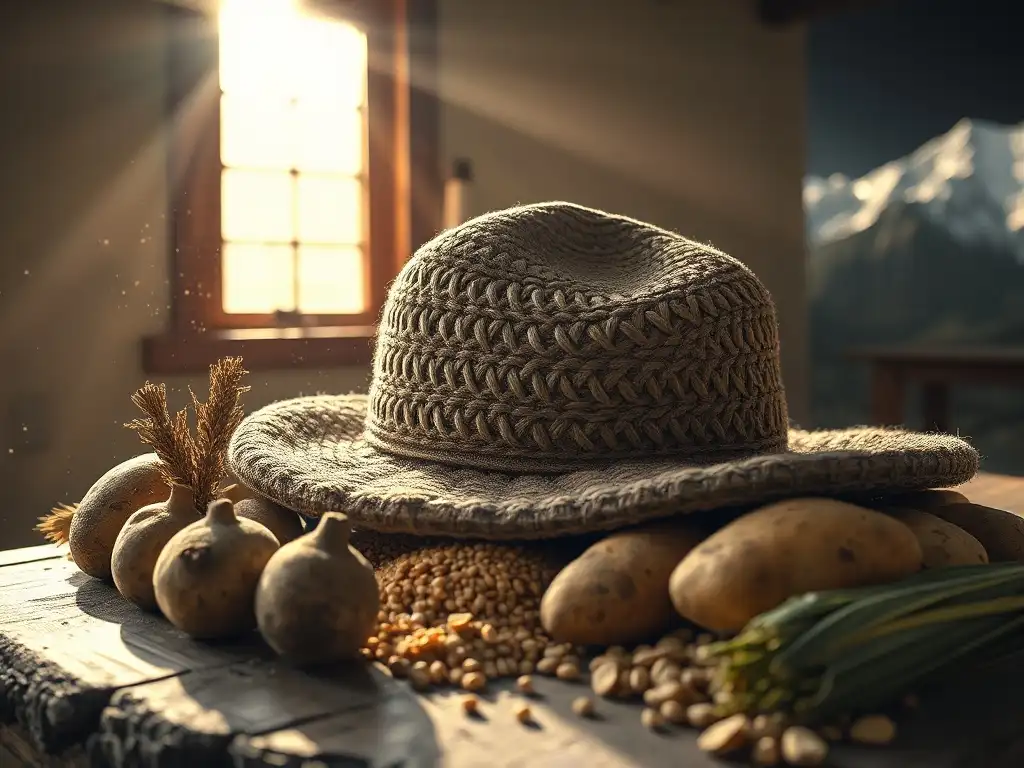
The ingenuity of Andean civilizations in developing effective food preservation techniques is remarkable, considering the challenging environmental conditions they faced. High altitudes, variable climates, and limited access to resources necessitated innovative solutions for storing and preserving food to ensure survival and societal stability. These techniques, honed over millennia, weren't simply about extending shelf life; they were integral to the cultural fabric and economic stability of these societies.
Understanding these methods provides valuable insights into the resourcefulness and adaptability of Andean peoples and offers surprising parallels to modern food preservation strategies. The enduring legacy of these techniques is evident in their continued relevance today, inspiring modern approaches to sustainable food production and highlighting the importance of cultural heritage in shaping food systems. This section will explore the lasting impact of these Andean food preservation techniques, examining their modern applications and their profound cultural significance.
Modern Applications of Ancient Andean Techniques
Use of Freeze-Drying in Modern Food Production
Andean civilizations employed a form of natural freeze-drying, particularly in the high-altitude regions. While not precisely the same as modern industrial freeze-drying, the principle of removing moisture from food to inhibit microbial growth was remarkably similar. The extreme cold and low humidity at high altitudes provided a natural environment conducive to this process.
Modern freeze-drying technology, while technologically advanced, shares a fundamental principle with these ancient methods: sublimation of ice, removing water without significantly altering the food's nutritional value or flavor profile. This technique is now widely used in the food industry for preserving a vast range of products, from fruits and vegetables to meats and pharmaceuticals, demonstrating the timeless efficacy of the underlying concept pioneered by Andean cultures. The efficiency and preservation quality achieved through freeze-drying highlight the sophistication of Andean food preservation knowledge.
Inspiration for Sustainable Food Practices
The Andean food preservation techniques offer valuable lessons for sustainable food systems in the 21st century. Their emphasis on minimizing waste and maximizing resource utilization is particularly relevant in the face of growing global concerns about food security and environmental sustainability. Methods like chuño (freeze-dried potatoes) and moraya (sun-dried potatoes) exemplify efficient preservation strategies that require minimal external energy input.
These practices are now being studied and re-evaluated as potential models for sustainable food production, particularly in regions with limited access to modern technologies. The focus on local resources and traditional knowledge offers a powerful counterpoint to energy-intensive industrial food preservation methods, promoting environmental responsibility and community resilience.
The Cultural Significance of Andean Food Storage
The Role of Food Preservation in Andean Society
Food preservation was not merely a practical necessity in Andean societies; it was deeply intertwined with their social structures and religious beliefs. The successful preservation of food ensured the survival of communities, influencing social hierarchies, economic systems, and religious rituals. The ability to store surplus food allowed for the development of complex social organizations, including centralized governance and specialized labor.
The storage of food was often linked to religious ceremonies and festivals, reflecting the spiritual significance of food security and abundance. For instance, the Inca's vast storehouses ( qollqas) served not only as practical storage facilities but also as symbols of state power and control over resources. The management and distribution of stored food played a crucial role in maintaining social order and stability.
The Importance of Food Security in Ancient Andes
Food security was paramount to the survival and prosperity of Andean civilizations. The unpredictable nature of the Andean climate, coupled with the challenges of mountainous terrain, made effective food preservation crucial for mitigating the risks of famine and ensuring the continuity of their societies. The development of sophisticated techniques, such as the construction of underground storage facilities and the utilization of diverse preservation methods, reflects the high value placed on food security.
These systems were not only effective in preserving food but also in managing the distribution of resources within communities, preventing social unrest and ensuring equitable access to food. The ingenuity of these systems underscores the deep understanding of Andean peoples regarding the critical link between food preservation and societal well-being.
Andean Food Preservation as a Cultural Heritage
Andean food preservation techniques represent a valuable part of the region's cultural heritage. These practices, passed down through generations, embody a wealth of knowledge about local resources, environmental adaptation, and sustainable living. The preservation of these traditions is not merely a matter of historical interest; it is essential for maintaining the cultural identity of Andean communities and promoting the sustainable use of local resources.
Efforts to document and preserve these techniques are crucial for ensuring their continuity and for utilizing the wisdom embedded within them for the benefit of future generations. The preservation of these methods is a testament to the enduring legacy of Andean ingenuity and a valuable contribution to the global understanding of sustainable food systems. Their continued practice is a vital aspect of maintaining cultural identity and promoting food sovereignty.
Frequently Asked Questions
What ancient Andean cultures employed sophisticated food preservation techniques?
The Inca, Moche, Nazca, and Tiahuanaco cultures all developed ingenious methods for preserving food, adapting to the diverse Andean environments and ensuring food security throughout the year. Their techniques were crucial for survival in challenging terrains.
What were some common Andean food preservation methods?
Common methods included freeze-drying (chuño), sun-drying, storage in underground cellars (qollqas), and fermentation. These techniques extended the shelf life of staple crops like potatoes and grains.
How did the Andean climate influence food preservation strategies?
The high altitude, varied temperatures, and arid conditions of the Andes shaped preservation techniques. Freeze-drying (chuño) was particularly effective at high altitudes, while sun-drying was ideal in drier regions.
What role did food preservation play in Andean societal structure?
Food preservation was vital for social stability and economic prosperity. Reliable food supplies supported large populations, facilitated trade, and contributed to the power and influence of ruling elites.
Are any traditional Andean food preservation methods still practiced today?
Yes, many traditional techniques like chuño production, sun-drying, and fermentation remain in use in modern Andean communities. These methods are increasingly recognized for their sustainability and nutritional value.
Final Reflection: A Legacy of Ingenuity in the Andes
The ingenious food preservation techniques of the Andes, honed over millennia, remain strikingly relevant in our era of climate change and food insecurity. These methods, far from being relics of the past, offer valuable lessons and sustainable solutions for a world grappling with the challenges of feeding a growing population while minimizing environmental impact. Their continued use speaks volumes about the wisdom embedded within traditional practices.
The enduring power of Andean food preservation lies not just in its practicality, but in its deep cultural significance. It represents a profound connection to the land, a testament to human adaptability, and a vital link to ancestral knowledge. These techniques are more than just methods of food storage; they are a living cultural heritage. The food we eat is not just nourishment; it is a reflection of our history, our values, and our relationship with the natural world.
This quote encapsulates the profound connection between Andean food preservation and the cultural identity of the region.
Consider the implications of this knowledge for your own life. Can you incorporate principles of sustainability and resourcefulness, inspired by Andean ingenuity, into your own food choices and practices? Perhaps you can explore local, seasonal produce, reduce food waste, or experiment with simple preservation techniques. The legacy of the Andes offers a powerful invitation: to learn from the past, to adapt to the present, and to build a more sustainable future, one mindful meal at a time.
Unveil the Secrets of Andean Food Preservation!
Thank you for exploring the fascinating world of Andean food preservation! You've discovered the remarkable techniques that have sustained Andean cultures for centuries. Now, let's put this knowledge to use and explore the richness of these traditions.
Here are some ways to delve deeper:
- **Experiment with a traditional Andean recipe:** Try a preservation technique like freeze-drying or fermentation in your own kitchen. Share your culinary creations with friends and family!
- **Join a local workshop or online course:** Find classes focusing on Andean cooking or preservation methods to enhance your skills and connect with other enthusiasts.
- **Share your newfound knowledge:** Spread the word about these incredible preservation methods by sharing this article with your network, or even start a blog to document your experiences!
How will you incorporate Andean food preservation into your life? We'd love to hear your thoughts and ideas!