
The Nazca Geoglyphs: Cosmic Maps or Time Markers?

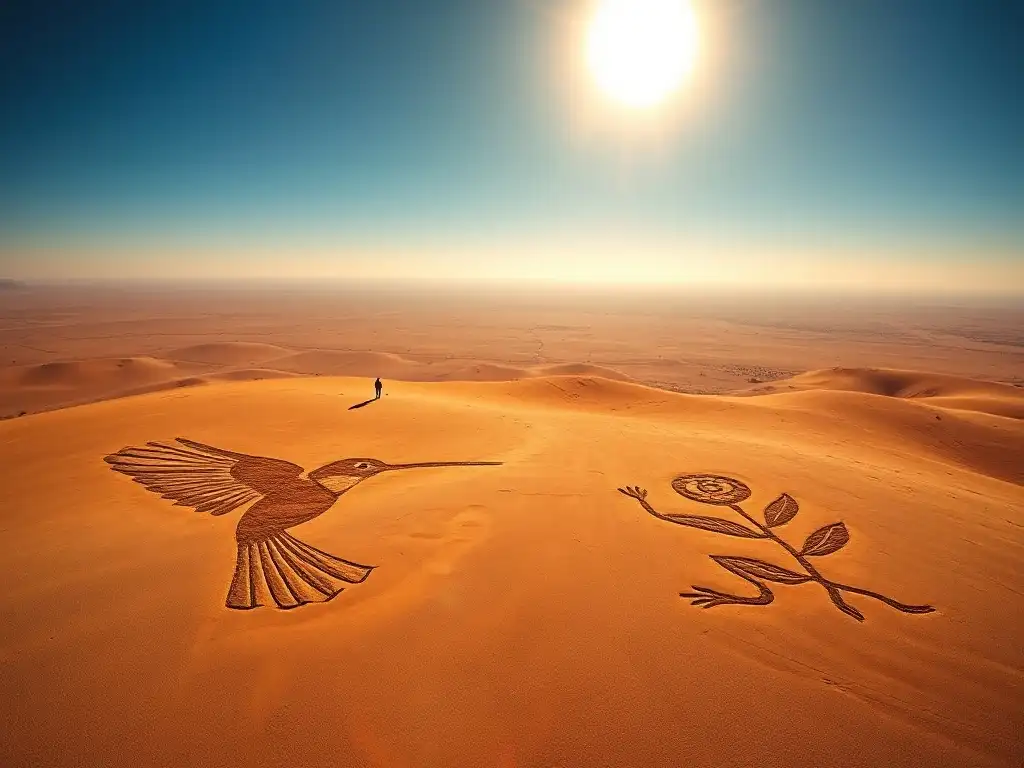
Welcome to Andean Civilizations! Prepare to be captivated by the mysteries of a lost world. For centuries, the breathtaking Nazca geoglyphs have baffled researchers – are they cosmic maps, ancient time markers, or something far more enigmatic? Journey with us as we delve into the meaning behind these colossal earthworks and unravel the secrets of Andean cosmology. Discover the astonishing ingenuity and spiritual beliefs of these remarkable civilizations. Ready to explore?
The Nazca Lines, a collection of geoglyphs etched into the Peruvian desert, stand as one of the most enigmatic archaeological mysteries of the world. These vast, intricate figures—depicting animals, plants, geometric shapes, and even humanoid forms—stretch for miles across the arid landscape, visible only from the air. For centuries, their purpose has remained a subject of intense debate and speculation, sparking countless theories ranging from astronomical calendars to elaborate rituals.
This article delves into the ongoing discussion surrounding the Nazca geoglyphs meaning, exploring the leading hypotheses and considering the broader context of Andean cosmology and worldview. Understanding these enigmatic markings offers a crucial window into the sophisticated knowledge, beliefs, and societal structures of the Nazca culture, a civilization that thrived in the southern coastal region of Peru between 500 BC and 500 AD.
We will examine the evidence supporting different interpretations, highlighting the complexity of deciphering their true significance and the enduring fascination they continue to inspire. The question of their meaning is not merely an academic exercise; it is a journey into the heart of a lost civilization, one that challenges our understanding of ancient technology, spiritual beliefs, and the human relationship with the cosmos.
Astronomical Alignments and Celestial Events
Many researchers believe the Nazca geoglyphs are intricately linked to astronomical events and celestial movements. The precise alignments of certain figures with the solstices and equinoxes suggest a sophisticated understanding of astronomy. Detailed studies have shown correlations between the positioning of specific geoglyphs and the rising and setting points of stars and constellations, potentially indicating the use of the geoglyphs as a giant astronomical observatory or calendar.
This hypothesis aligns with evidence suggesting the Nazca people possessed a deep understanding of the celestial cycles and their impact on agriculture and daily life. Further research is needed to fully understand the extent of this astronomical connection, but the evidence strongly suggests that the heavens played a pivotal role in the creation and meaning of the geoglyphs. The precision involved in their construction, considering the limited technology available to the Nazca, speaks volumes about their advanced knowledge and meticulous planning.
Ritual and Ceremonial Practices
Another prominent theory posits that the geoglyphs served a primarily ritualistic or ceremonial purpose. The scale and complexity of the figures suggest a massive undertaking, requiring significant manpower and organization. This implies a centralized authority and a society capable of mobilizing resources for large-scale projects. The act of creating the geoglyphs itself may have been a ritual, a collective act of devotion or a means of communicating with the supernatural.
Some scholars propose that the geoglyphs were part of pilgrimage routes or served as focal points for religious ceremonies. The presence of other archaeological artifacts near the geoglyphs, such as pottery and textiles, further supports this interpretation, suggesting that the lines were integrated into broader ritualistic practices. The sheer size and visual impact of the geoglyphs may have been intended to inspire awe and reverence, reinforcing the power and authority of the ruling class.
Water Management and Resource Control
The Nazca region is characterized by an extremely arid climate, making access to water a critical factor for survival. Some scholars suggest that the geoglyphs may be related to water management and resource control. The lines might have served as markers for underground water sources or channels, guiding the population to vital resources.
This theory is supported by the observation that some geoglyphs appear to align with features of the landscape potentially related to water flow. Although more research is needed to definitively link the geoglyphs to water management, the hypothesis highlights the ingenuity of the Nazca people in adapting to their harsh environment and managing precious resources. The lines, therefore, may represent not only a spiritual but also a practical aspect of Nazca civilization, showcasing their resourcefulness and adaptability.
A Synthesis of Interpretations 🤔
Ultimately, the true meaning of the Nazca geoglyphs may be multifaceted, encompassing elements of astronomy, ritual, and resource management. It is unlikely that a single explanation fully captures their significance. Instead, the geoglyphs likely served multiple purposes, reflecting the complex interplay of religious beliefs, social structures, and practical needs within Nazca society.
Further research, employing advanced technologies and interdisciplinary approaches, is crucial to unveiling more of their secrets. The ongoing investigation into the Nazca geoglyphs meaning represents not only a quest to understand a lost civilization but also a testament to the enduring power of human creativity and ingenuity. The mystery surrounding these enigmatic figures continues to captivate and inspire, reminding us of the boundless capacity of human imagination and the enduring quest for knowledge.
- Astronomical Alignments and Celestial Events
- Ritual and Ceremonial Practices
- Water Management and Resource Control
- A Synthesis of Interpretations 🤔
Unveiling the Mystery of the Nazca Lines

Introduction to the Nazca Culture and Their Enigmatic Geoglyphs
The Nazca geoglyphs, sprawling across the arid coastal plains of southern Peru, remain one of archaeology's most enduring enigmas. Understanding their meaning requires delving into the Nazca culture itself, a sophisticated society flourishing from approximately 100 BCE to 800 CE. This pre-Inca civilization, known for its intricate pottery depicting deities, ritual scenes, and everyday life, developed advanced irrigation systems to cultivate the harsh desert landscape.
Their mastery of ceramics and textiles suggests a complex social structure, likely organized around religious elites and specialized artisans. The Nazca people were deeply connected to their environment, as evidenced by their agricultural ingenuity and their seemingly profound understanding of celestial events, reflected in their astronomical alignments and the intricate designs themselves. The creation of the geoglyphs, vast figures and lines etched into the desert surface, represents a significant investment of time, resources, and collective effort, pointing towards a profound cultural and possibly religious significance.
The very act of creating these monumental works, often requiring coordinated teams, suggests a highly organized society with a shared belief system driving this immense undertaking. Further research into Nazca social structures and religious practices is crucial to deciphering the intended meaning of these enigmatic lines, exploring the "Nazca geoglyphs meaning" from a cultural and societal perspective. Many theories posit that these weren't just random markings but carefully planned designs with a deeper meaning tied to their worldview.
Location and Description of the Nazca Lines
The Nazca Lines are located in the Nazca Desert of southern Peru, a remarkably flat and arid expanse ideally suited for preserving these immense works of art. Spanning an area of approximately 500 square kilometers, the geoglyphs are best viewed from the air, revealing their colossal scale and intricate detail. They consist of a diverse range of figures, including animals (hummingbirds, monkeys, spiders, lizards, whales), plants (trees, flowers), geometric shapes (triangles, spirals, trapezoids), and lines that stretch for kilometers. The lines themselves are created by removing the dark reddish-brown surface stones to reveal the lighter subsoil beneath, creating a stark contrast visible from above.
The sheer size of some figures is astounding; the hummingbird, for example, measures over 90 meters in length. The precision and complexity of the designs, especially considering the tools and techniques available to the Nazca, continue to impress researchers and visitors alike. The precise methods of construction remain a subject of debate, but evidence suggests that they used simple tools, like stakes and ropes, to meticulously plan and execute these monumental earthworks.
Careful observation from aerial perspectives reveals subtle details and variations within the lines, suggesting a level of artistry and planning that goes beyond mere decorative purposes. This careful construction further supports the idea that the "Nazca geoglyphs meaning" is far more intricate than initially perceived. The diversity of the figures and their sheer number – over 300 figures have been identified – only adds to the mystery, hinting at a rich and complex symbolic language yet to be fully deciphered.
Diverse Interpretations of the Nazca Geoglyphs' Purpose
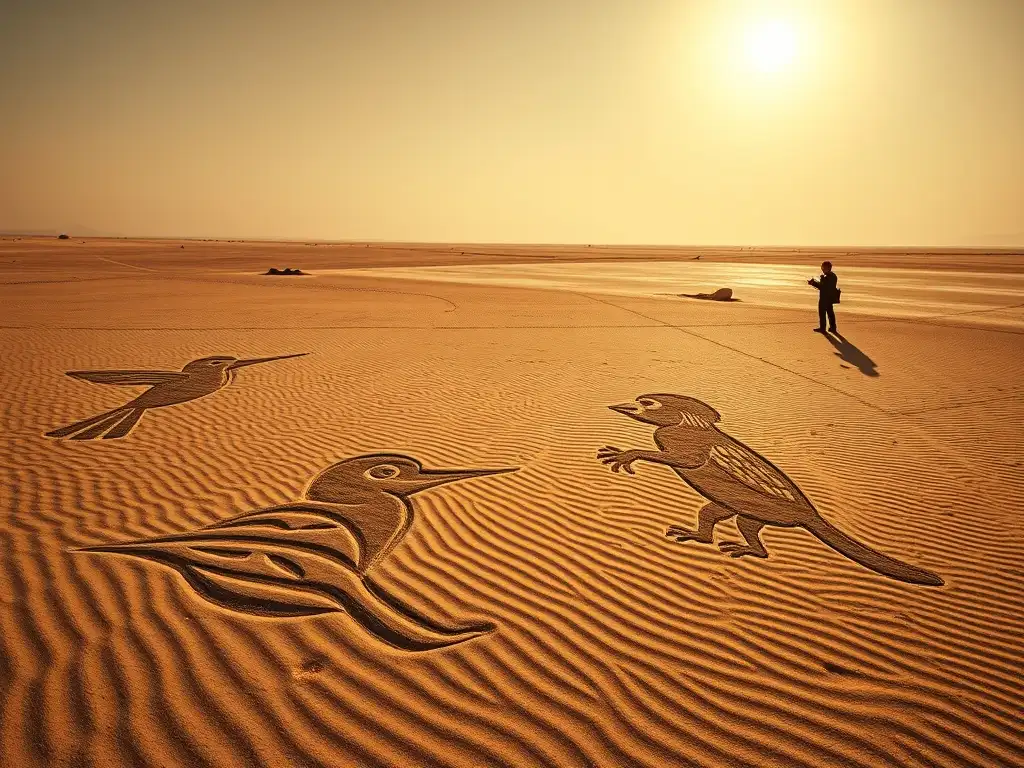
The enigmatic Nazca geoglyphs, etched into the Peruvian desert millennia ago, continue to fascinate and baffle researchers. Their sheer scale and intricate detail defy easy explanation, leading to a plethora of interpretations regarding their purpose. Understanding the Nazca geoglyphs meaning requires examining the diverse theories proposed, ranging from astronomical alignments to complex calendrical systems.
This section explores some of the most prominent hypotheses, focusing on the debate between cosmic mapping and temporal marking. The lack of definitive written records from the Nazca culture necessitates relying heavily on circumstantial evidence and careful analysis of the geoglyphs themselves, their orientation, and their relationship to the surrounding landscape.
Astronomical Theories: The Nazca Lines as Cosmic Maps
Many researchers believe that the Nazca geoglyphs reflect a sophisticated understanding of astronomy, suggesting a possible function as a vast cosmic map. This hypothesis centers on the alignment of certain geoglyphs with celestial bodies, particularly constellations and the sun's path throughout the year.
Alignment with Celestial Bodies: Evidence and Analysis
Evidence for astronomical alignments is primarily based on meticulous surveying and astronomical modeling. Studies have shown correlations between the orientations of certain lines and animal figures with the rising and setting points of stars and constellations at specific times of the year. For example, some researchers argue that the hummingbird geoglyph aligns with the heliacal rising of certain stars, while others propose links between specific animal representations and constellations. However, the exact methods used by the Nazca to achieve such alignments, and the level of precision involved, remain subjects of ongoing debate.
Further research is needed to confirm these correlations and rule out the possibility of coincidental alignments. Data on precise stellar positions at the time of the geoglyphs' creation is crucial for robust analysis. The complexity of the calculations required to establish these alignments, even with modern technology, highlights the potential sophistication of Nazca astronomical knowledge.
The Geoglyphs and the Solstices and Equinoxes
Another intriguing aspect of the astronomical hypothesis is the potential connection between the geoglyphs and the solstices and equinoxes. Some researchers suggest that the arrangement of certain lines and figures might have been designed to mark the sun's position on these crucial dates in the solar year. This would align with evidence suggesting the Nazca's deep connection to agricultural cycles and the importance of precise seasonal knowledge for successful farming.
However, pinpointing specific solstice and equinox alignments requires careful consideration of the changing position of the sun over millennia due to precession. More rigorous analysis incorporating this precession effect is necessary to conclusively support or refute this aspect of the astronomical hypothesis. The precision required to accurately reflect these astronomical events across such large distances further strengthens the argument for a deliberate, sophisticated design.
The Calendar Hypothesis: Geoglyphs as Time Markers
An alternative, yet not mutually exclusive, interpretation proposes that the Nazca geoglyphs served as a giant calendar system, marking the passage of time and significant agricultural or ritual events. This hypothesis emphasizes the potential functional role of the geoglyphs within the Nazca society, focusing on their practical applications rather than purely symbolic or astronomical representations.
The Nazca Lines as a Giant Calendar System
This hypothesis suggests that the various geoglyphs, their placement, and possibly even their designs, might represent different points in a complex calendrical system. The arrangement of figures and lines could indicate specific dates or periods within the agricultural cycle, perhaps signaling planting seasons, harvesting times, or important ritual occasions. The intricate network of lines could represent a sophisticated system for tracking time, mirroring the complex calendrical systems used by other ancient civilizations.
However, deciphering the specific meaning of each element within such a system requires further research and detailed analysis of the spatial relationships between the geoglyphs. This necessitates a multidisciplinary approach, combining archaeological findings with astronomical and anthropological insights. The potential for multiple overlapping calendrical systems, reflecting both solar and lunar cycles, cannot be excluded.
Ritual and Agricultural Significance of Time Markers
The significance of accurate timekeeping for an agricultural society like the Nazca cannot be overstated. A reliable calendar would have been crucial for planning planting and harvesting, ensuring optimal yields and minimizing the risk of crop failure. Moreover, the Nazca culture likely had elaborate ritual practices tied to the agricultural cycle and the natural rhythms of the environment.
The geoglyphs, therefore, could have played a central role in these rituals, marking significant dates and reinforcing the community's collective understanding of time and the cosmos. The sheer size of the geoglyphs suggests a public function, possibly used for communal ceremonies or as a focal point for community gatherings related to important agricultural or ritual events. Further investigation into the relationship between the geoglyphs and the surrounding archaeological context is crucial to elucidate their role in the Nazca people's daily lives.
Other Theories Surrounding the Nazca Geoglyphs
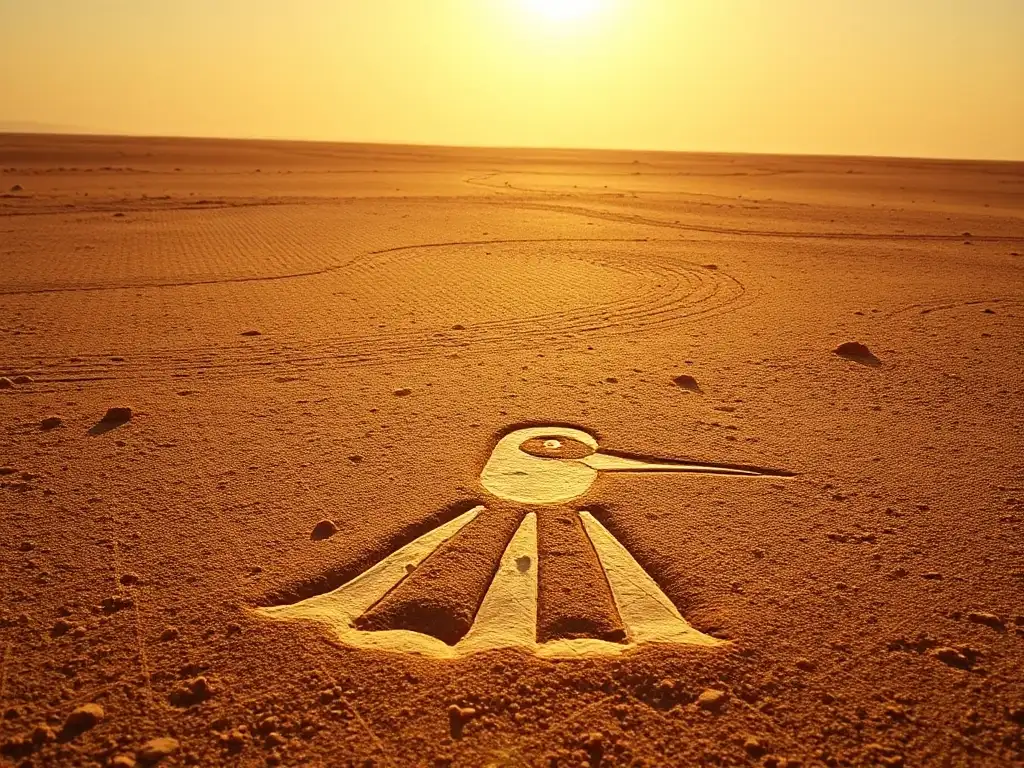
The prevailing theories regarding the Nazca geoglyphs often center around astronomical alignments and ritualistic practices. However, several alternative interpretations exist, each offering unique perspectives on the purpose and meaning of these enigmatic figures. Exploring these diverse theories enriches our understanding of the Nazca culture and their complex worldview, adding layers to the ongoing debate surrounding the "Nazca geoglyphs meaning".
The Nazca Lines as Ritual Pathways
Beyond astronomical significance, some researchers propose that the Nazca lines served as ritual pathways, integral to ceremonial practices and processions. This theory suggests that the geoglyphs weren't merely viewed from above, but were actively engaged with on the ground.
Processional Routes and Ceremonial Practices
Evidence supporting this hypothesis includes the strategic placement of certain geoglyphs along known ancient pathways. These routes, potentially used for pilgrimages or religious processions, may have incorporated the geoglyphs as significant markers or focal points within the journey. Imagine the Nazca people walking along these paths, witnessing the gradual unveiling of the colossal figures as they approached.
The scale and grandeur of the geoglyphs would have undoubtedly amplified the spiritual experience. Furthermore, the presence of smaller, less prominent figures interspersed amongst the larger ones suggests a potentially complex, multi-layered ceremonial route. The arrangement of these elements may encode a narrative or map out a specific ritual sequence, although deciphering this remains a challenge.
Further investigation into the geographic distribution of artifacts along these supposed pathways might yield valuable insights into the ceremonial practices connected to the geoglyphs. We need more detailed archaeological surveys of these potential routes to fully test this theory. [Specific information pending: archaeological survey data along suspected processional routes].
Water Management and the Nazca Geoglyphs
Another intriguing theory links the creation of the Nazca geoglyphs to sophisticated water management techniques. This perspective proposes that the lines, or aspects of their creation, may be connected to the remarkable aqueducts and underground canals developed by the Nazca people to navigate their arid environment.
Connection to Aqueducts and Water Sources
The Nazca civilization thrived in an extremely dry climate, necessitating innovative solutions for water management. Their ingenious underground canal systems, known as puquios, are a testament to their engineering prowess. Some scholars suggest a potential link between the geoglyphs' location and the placement of these puquios. It's hypothesized that certain lines might indicate water sources, underground channels, or even serve as markers for maintaining and monitoring these vital water systems.
The precise alignment of some geoglyphs with known puquios could support this connection, though further research is needed to solidify this hypothesis. A detailed comparative study mapping the geoglyphs' locations onto known puquio networks would be crucial. Furthermore, analysis of soil samples along the geoglyphs could reveal evidence of water activity, potentially reinforcing the theory.
[Specific information pending: detailed mapping of geoglyph locations relative to puquio networks and soil analysis results]. The possibility that the geoglyphs played a role in the complex water management system of the Nazca people adds another fascinating layer to our understanding of their ingenuity and resourcefulness in the face of environmental challenges. This theory highlights the interconnectedness of different aspects of Nazca life, suggesting that the seemingly esoteric geoglyphs might have had a practical function alongside their symbolic or ritualistic purposes.
This exploration of alternative theories significantly expands our understanding of the "Nazca geoglyphs meaning," shifting the focus beyond solely astronomical interpretations. The integration of ritual pathways and water management theories adds depth and complexity, reflecting the multifaceted nature of Nazca society and their intricate relationship with their environment.
The Role of Shamanism in Nazca Geoglyph Creation
The creation of the Nazca geoglyphs has been linked to shamanistic practices prevalent in the Nazca culture. Many scholars propose that the immense scale and intricate detail of the figures suggest a level of spiritual significance beyond simple artistic expression. The arduous process of creating these geoglyphs, involving the painstaking removal of dark pebbles to reveal the lighter subsoil, points to a deep-seated commitment and possibly ritualistic significance.
This wasn't a casual artistic endeavor; it required considerable time, planning, and community involvement, all indicative of a culturally important activity. The sheer scale of the project itself could have served as a powerful display of collective power and spiritual unity, further solidifying the shaman's role as a conduit between the earthly and spiritual realms.
The complex imagery, often depicting stylized animals and plants, may represent shamanistic journeys or visions, reflecting a cosmology deeply intertwined with nature and the spirit world. Some interpretations suggest that the geoglyphs served as a kind of "map" for these spiritual journeys, guiding shamans through transformative experiences.
Altered States of Consciousness and Symbolic Meanings
The hypothesis that altered states of consciousness played a crucial role in both the creation and interpretation of the Nazca geoglyphs is compelling. The repetitive nature of the task of creating the geoglyphs, coupled with the vastness of the desert landscape, may have induced altered states in the creators. This, combined with the probable use of entheogenic plants known to have been used in Andean cultures, could have significantly influenced the visual and symbolic content of the figures.
The apparent lack of a clear, single, easily decipherable meaning for the geoglyphs lends weight to this theory. The symbolic meanings likely held multiple layers of significance, only fully accessible through a specific cultural context and altered state. For example, a seemingly simple representation of a hummingbird might have held complex meanings related to specific myths, rituals, or even astronomical alignments, only understood by those who experienced them in a visionary context.
The interpretation of these symbols would have been inextricably tied to the shaman's role as an interpreter of these altered states, making the geoglyphs not just artistic creations but also powerful tools for navigating the spiritual world. Further research into the psychoactive plants used in the Nazca region and their impact on perception could shed more light on this fascinating aspect of the geoglyphs' meaning. The intricate details and seemingly illogical compositions suggest a visual language fundamentally shaped by non-ordinary states of consciousness.
Deciphering the Nazca Geoglyphs' Meaning
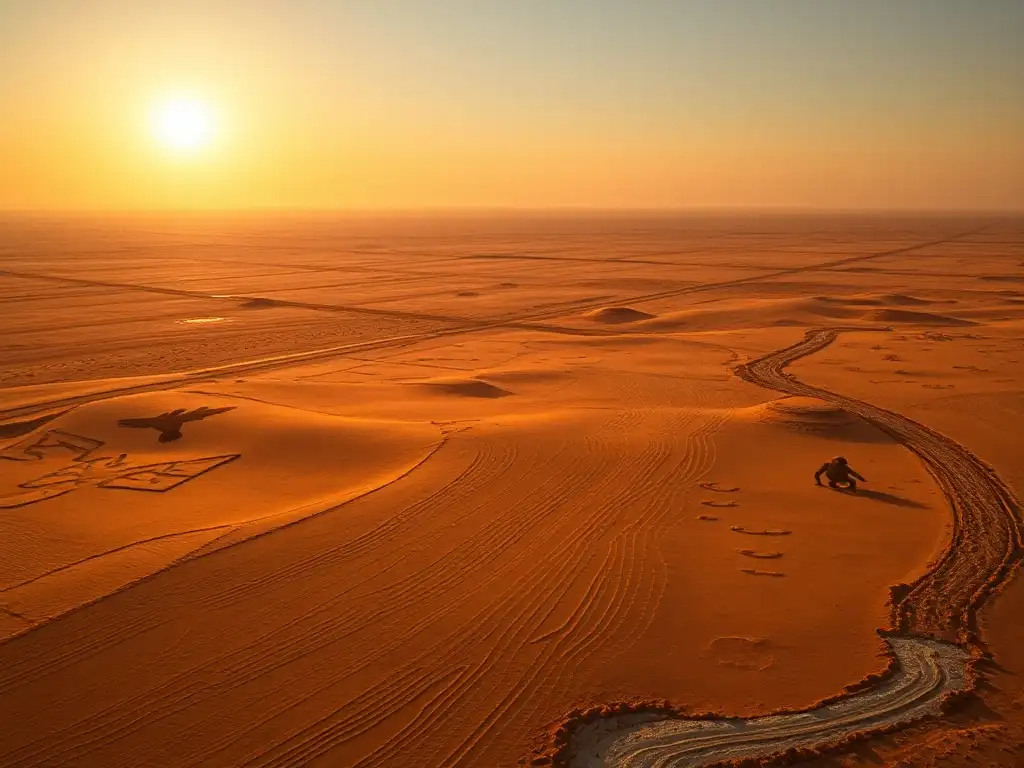
The enigmatic Nazca geoglyphs, sprawling across the Peruvian desert, continue to captivate researchers and the public alike. Understanding their meaning requires a multi-faceted approach, combining analysis of their visual characteristics with insights into the Nazca culture's worldview. While definitive answers remain elusive, investigating the symbolism, iconography, and the broader cultural context offers valuable clues towards unraveling the mystery behind these colossal earthworks. The quest to decipher the "Nazca geoglyphs meaning" is a journey through time, culture, and the human fascination with interpreting ancient symbols.
Symbolism and Iconography in Nazca Geoglyphs
Common Motifs and Their Possible Interpretations
The Nazca geoglyphs feature a diverse array of motifs, predominantly animals, plants, and geometric shapes. The sheer scale and complexity of these designs suggest a profound symbolic significance within Nazca society.
- Animals: Many geoglyphs depict animals native to the region, such as hummingbirds, monkeys, spiders, and lizards. Their stylized representations, however, often deviate from strict realism, suggesting a focus on symbolic rather than purely representational imagery. For example, the hummingbird, a creature associated with swiftness and agility, might symbolize spiritual messengers or the ephemeral nature of life. The spider, with its intricate web, could represent creation, interconnectedness, or the cyclical nature of time.
- Plants: Depictions of plants, like cacti and trees, are also common. These might represent the vital role of the natural environment in Nazca life, signifying fertility, abundance, or the connection between the earthly and spiritual realms. The precise meaning of specific plant representations, however, requires further investigation.
- Geometric Shapes: Straight lines, spirals, triangles, and other geometric patterns are frequently found, either independently or integrated within more complex figures. These shapes could have represented cosmological concepts, mathematical principles, or even calendrical systems, reflecting the Nazca's sophisticated understanding of astronomy and mathematics. The precise mathematical ratios present in some designs are still under investigation by researchers. This requires further analysis of the data obtained from aerial surveys and ground-level studies.
The interpretation of these motifs is often debated. Some scholars suggest a connection to religious rituals and shamanistic practices, with the geoglyphs serving as a focus for ceremonies or pilgrimage sites. Others propose a connection to water management systems, with certain lines and shapes potentially representing channels or aquifers. Further research is necessary to fully comprehend the symbolic language employed by the Nazca. [Specific examples of iconographic interpretations pending further research]
The Ongoing Debate: Reconciling Different Theories
The diverse range of interpretations surrounding the Nazca geoglyphs highlights the complexity of the challenge. Several prominent theories exist, each offering a different perspective on their purpose and meaning:
- Astronomical Alignment: Some researchers believe that the geoglyphs are aligned with celestial events, such as solstices and equinoxes, suggesting a sophisticated understanding of astronomy and a potential use as a giant calendar or observatory. The precise astronomical alignments of some geoglyphs are still under investigation.
- Religious and Ritualistic Significance: Others propose a religious or ritualistic purpose, suggesting the geoglyphs were used as part of ceremonies, processions, or shamanistic practices. Evidence of ritual activity near some geoglyphs could support this interpretation.
- Water Management: Another theory links the geoglyphs to water management systems, with lines and shapes potentially representing channels or aquifers. This theory requires further investigation of the hydrological conditions of the region during the Nazca period.
Reconciling these different perspectives requires a holistic approach, considering the cultural, social, and environmental context of Nazca society. It's possible that the geoglyphs served multiple purposes, reflecting the multifaceted nature of Nazca culture and worldview. The ongoing debate underscores the richness and complexity of this ancient civilization.
Challenges in Understanding the Nazca Culture's Worldview
Understanding the Nazca geoglyphs' meaning is inextricably linked to understanding the Nazca worldview. However, several factors hinder a complete understanding of their cosmology and beliefs:
- Limited Written Records: The Nazca did not possess a developed writing system comparable to that of other Andean cultures. This lack of written records presents a significant obstacle to interpreting their symbols and beliefs.
- Fragmented Archaeological Evidence: While archaeological excavations have yielded valuable insights into Nazca material culture, the evidence remains fragmented, making the reconstruction of their worldview a complex task.
- Interpretative Bias: Researchers' own cultural backgrounds and perspectives can influence the interpretation of the geoglyphs, potentially leading to biased conclusions. A critical and multidisciplinary approach is crucial to mitigate this risk.
Despite these challenges, ongoing research, combining archaeological fieldwork, advanced imaging techniques, and interdisciplinary collaborations, continues to shed light on the Nazca culture and the possible meaning of their remarkable geoglyphs. The quest to understand the "Nazca geoglyphs meaning" is a testament to the enduring power of ancient mysteries and the human drive to decipher the past.
Future Research and Exploration of the Nazca Lines
The Nazca geoglyphs remain a captivating enigma, and much work lies ahead in unlocking their secrets. Further research is crucial to refine our understanding of their creation, purpose, and significance within the broader context of Nazca society and Andean cosmology. Ongoing archaeological investigations, coupled with advancements in technology, offer exciting possibilities for future discoveries. Researchers are constantly refining dating techniques, providing more precise timelines for the creation of individual geoglyphs and potentially revealing patterns in their construction across different periods.
This chronological data could shed light on evolving societal structures, beliefs, and rituals associated with the lines. Detailed analysis of the surrounding landscape, including the study of ancient settlements and water management systems, is also essential to fully contextualize the geoglyphs within their environment. By understanding the daily lives of the Nazca people, we can gain a more nuanced perspective on the cultural significance of these monumental works.
Moreover, interdisciplinary approaches, combining archaeology, anthropology, astronomy, and even remote sensing, will likely be key to future breakthroughs. The collaborative effort of experts from diverse fields will allow for a more holistic and comprehensive interpretation of the Nazca geoglyphs. The potential for new discoveries is immense, and future research will undoubtedly continue to reshape our understanding of these fascinating works.
New Technologies and Methodologies in Geoglyph Analysis
Technological advancements are revolutionizing our ability to study the Nazca geoglyphs. High-resolution aerial photography, including drone technology, allows for detailed mapping and analysis of the geoglyphs, revealing subtle features previously unseen from the ground. This improved imaging provides a more accurate representation of the geoglyphs' complexity and allows for the detection of previously unknown figures. Furthermore, the use of Geographic Information Systems (GIS) enables researchers to integrate diverse datasets, such as aerial imagery, ground surveys, and archaeological findings, into a single, comprehensive spatial database.
This allows for sophisticated spatial analysis, revealing patterns and relationships between the geoglyphs and their environment that would be difficult, if not impossible, to discern using traditional methods. Advances in spectral imaging and remote sensing techniques offer the potential to detect subsurface features and materials related to the geoglyphs' construction. This could uncover additional information about the techniques used by the Nazca people, revealing details about their artistic processes and the materials they employed. The application of 3D modeling and virtual reality (VR) technologies is also transforming our understanding of the geoglyphs.
These techniques allow researchers and the public to explore the Nazca lines in immersive detail, enhancing our appreciation of their scale and complexity and offering new avenues for interpretation and analysis. The integration of these cutting-edge technologies promises to unlock even more of the mysteries surrounding the Nazca geoglyphs, potentially revealing their true meaning and purpose. The possibilities are vast, and the future of Nazca geoglyph research is bright with technological innovation.
Conclusion: The Enduring Fascination with the Nazca Geoglyphs
The Nazca geoglyphs, enigmatic figures etched into the Peruvian desert, continue to captivate researchers and the public alike. Their sheer scale, intricate detail, and mysterious purpose fuel ongoing debate surrounding their meaning and creation.
While definitive answers remain elusive, the accumulated research allows us to appreciate these colossal works as a testament to the advanced understanding of geometry, engineering, and possibly cosmology, possessed by the Nazca culture. The very act of creating these vast images, visible only from the air, challenges our assumptions about ancient technological capabilities and societal organization.
The quest to decipher the Nazca geoglyphs meaning isn't merely an academic pursuit; it's a journey into the heart of a lost civilization, a window into their worldview, and a reflection of our own enduring fascination with the unknown. Understanding the Nazca geoglyphs meaning requires considering not just the individual figures, but also their collective arrangement and the broader cultural context in which they were created.
The Legacy of the Nazca Culture and Their Masterpieces
The Nazca culture, flourishing from approximately 100 BC to 800 AD, left behind a rich legacy far beyond the geoglyphs. Their mastery of irrigation systems, sophisticated ceramics, and intricate textiles showcase a society with advanced technological and artistic skills. The geoglyphs themselves represent a pinnacle of this achievement, demanding significant labor and organizational prowess. The precise methods used to create these figures, involving the removal of the reddish-brown surface layer to expose the lighter subsoil, remain a subject of ongoing investigation.
However, evidence suggests a meticulous planning process, involving surveying the land, designing the images, and coordinating large teams of workers. The scale of this undertaking underscores the importance of these creations within Nazca society. Were they primarily religious symbols, astronomical calendars, or perhaps a combination of both? This question remains central to understanding the deeper meaning embedded within these remarkable artworks.
Further research into Nazca social structures, religious beliefs, and astronomical knowledge is crucial to fully unraveling the secrets behind these enigmatic lines. The intricate detail in some figures, like the hummingbird or the spider, suggests a sophisticated understanding of both the natural world and artistic representation. This level of detail, combined with the sheer scale of the project, demonstrates a level of societal organization and technical expertise that was remarkable for its time.
The Importance of Preserving the Nazca Lines for Future Generations
Preserving the Nazca geoglyphs for future generations is paramount. The fragility of the desert surface, coupled with the impact of human activity and climate change, poses significant threats to their long-term survival. Erosion caused by wind and rain gradually degrades the lines, while unauthorized access and off-road driving can cause irreversible damage. Therefore, implementing effective conservation strategies is crucial.
This involves not only restricting access to sensitive areas but also educating the public about the importance of protecting this unique cultural heritage. International collaboration and technological advancements play a vital role in monitoring the condition of the geoglyphs and developing innovative preservation techniques. The use of drones and satellite imagery allows for comprehensive monitoring, detecting early signs of damage and facilitating timely interventions. Moreover, public awareness campaigns are essential to fostering a sense of responsibility and stewardship towards this invaluable historical treasure.
The Nazca geoglyphs represent more than just impressive artwork; they are irreplaceable sources of information about a lost civilization and their complex relationship with their environment. Their preservation is not just a matter of protecting ancient artifacts; it's about safeguarding a crucial part of humanity's shared heritage and ensuring that future generations can continue to marvel at and learn from these extraordinary achievements. The ongoing efforts dedicated to the preservation of the Nazca Lines are a testament to the global recognition of their significance and the commitment to ensuring their survival for centuries to come.
Frequently Asked Questions
What are the Nazca Geoglyphs?
The Nazca geoglyphs are large-scale designs etched into the desert surface of the Nazca plateau in southern Peru. These massive figures and lines, visible only from the air, were created by the Nazca culture between 500 BC and 500 AD.
What is the purpose of the Nazca Geoglyphs?
Their purpose remains a mystery. Theories range from ceremonial sites and astronomical calendars to water rituals or messages to the gods. There is no single, universally accepted explanation.
Why are the Nazca Geoglyphs only visible from the air?
Their immense scale and the flat, featureless landscape make them virtually invisible from the ground. Only from a significant height can the full extent and forms of the geoglyphs be appreciated.
What is the most popular theory about the meaning of the Nazca geoglyphs?
Many scholars suggest a link to religious or ritual practices, possibly involving water management or astronomical observations. The designs might represent deities, animals significant to their culture, or celestial bodies.
How were the Nazca Geoglyphs created?
The Nazca people removed the dark reddish-brown surface stones to reveal the lighter subsoil, creating the contrast that defines the images. The precise methods used and the organization involved remain topics of ongoing research.
Final Reflection: Deciphering the Enigma of the Nazca Lines
The Nazca geoglyphs remain a potent symbol of humanity's enduring quest for meaning, a testament to our innate desire to leave a mark on the world and connect with something larger than ourselves. Their continued mystery, despite decades of research, underscores the power of the unknown and the enduring fascination with ancient civilizations. The very act of contemplating these colossal figures etched into the Peruvian desert speaks to our shared human experience of searching for answers in the vastness of time and space.
The impact of the Nazca lines extends far beyond their physical presence; they serve as a powerful reminder of the ephemeral nature of human civilizations and the enduring legacy of artistic expression. They challenge us to consider the motivations and beliefs of the Nazca people, prompting us to question our own assumptions about the past and the meaning we ascribe to ancient artifacts. The past is never dead. It's not even past.
- William Faulkner. This quote resonates deeply with the enduring mystery surrounding the Nazca lines, highlighting how their meaning continues to evolve with each new interpretation and discovery.
Consider the vastness of the desert, the scale of these creations, and the enduring questions they pose. You too, can embark on a journey of discovery, not just by studying the Nazca lines, but by seeking meaning in the world around you. What marks will you leave on the landscape of your life? What stories will you tell through your actions and creations? Let the enduring enigma of the Nazca geoglyphs inspire you to create your own lasting legacy, a testament to your unique journey and perspective.
Unveil the Mysteries of the Nazca Geoglyphs!
Thank you for exploring the enigmatic world of the Nazca Geoglyphs with us! We've considered various interpretations of these fascinating symbols, from cosmic maps to ancient calendars. Now, let's delve deeper into this captivating topic.
Here are three ways to further your exploration:
- Join a community discussion: Connect with fellow enthusiasts on social media or online forums dedicated to Andean civilizations. Share your insights and theories about the geoglyphs!
- Plan a visit: If possible, consider a trip to Peru to witness the Nazca Lines firsthand. Seeing these marvels up close will significantly enhance your understanding of their significance.
- Create a project: Research and develop your own interpretations of the geoglyphs, or create geoglyph-inspired artwork! Share your creations with others to spark interest in this remarkable culture.
What aspect of the Nazca Geoglyphs captivates you most—their astronomical alignments or their cultural significance? We'd love to hear your thoughts in the comments below!