
The Weight of Metal: Examining the Trade and Exchange of Metal Goods

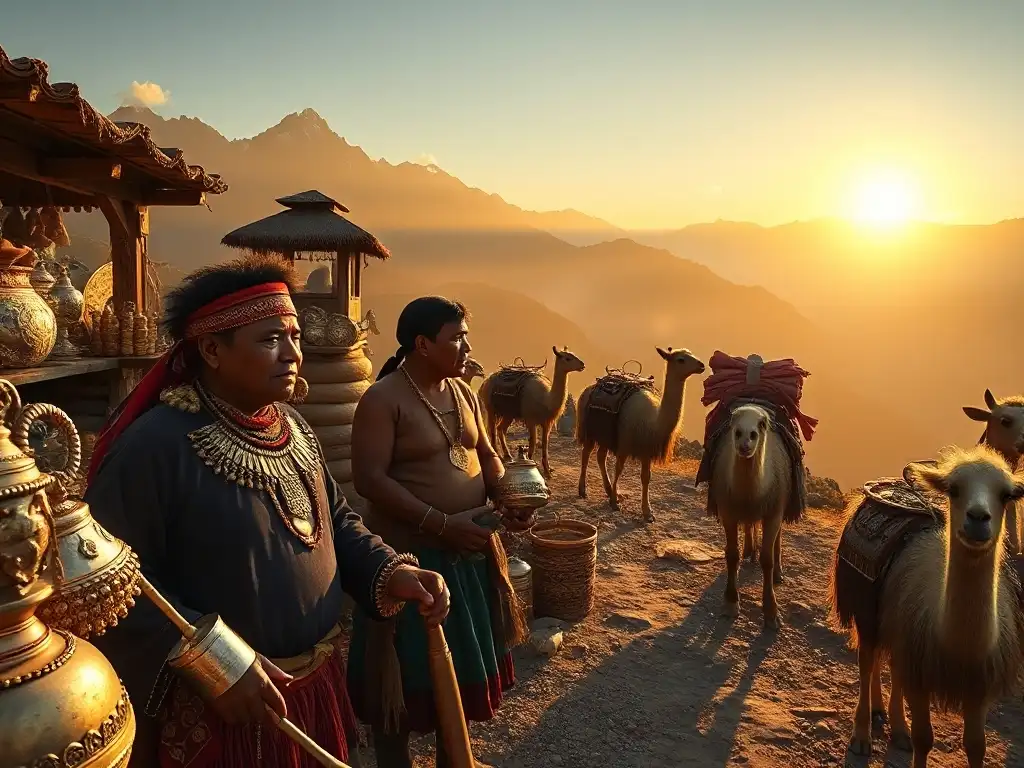
Step into a world lost to time, yet echoing with the clang of hammers and the gleam of gold. Imagine a network spanning mountains and deserts, a vast system fueled by the insatiable desire for precious metals. This is the story of the Andean metal trade routes, a captivating tale of ingenuity, power, and exchange that shaped the destinies of ancient civilizations. Unravel the mysteries behind this intricate web of commerce and discover how it fueled the rise and fall of empires – begin your journey now.
- The Weight of Metal: Examining the Trade and Exchange of Metal Goods in the Andes
- The Origins of Metalworking in the Andes
- Andean Metal Trade Routes: Networks of Exchange
- Types of Metal Goods Traded in the Andes
- The Economic Impact of Andean Metal Trade
- Case Studies: Specific Examples of Andean Metal Trade
- Challenges and Innovations in Andean Metal Trade
- The Legacy of Andean Metal Trade
- Frequently Asked Questions
- Final Reflection: The Enduring Legacy of Andean Metal
- Unveil the Value of Metal Trade in Your Community!
The Weight of Metal: Examining the Trade and Exchange of Metal Goods in the Andes
The Andes Mountains, a spine of towering peaks running down the western coast of South America, were not just a geographical barrier but also a crucible of innovation and exchange. For centuries, the diverse Andean cultures – including the Incas, Moche, Nazca, and Tiahuanaco – developed sophisticated metallurgical techniques, transforming readily available metals into tools, weapons, ornaments, and ritual objects.
This article delves into the fascinating world of Andean metal trade routes, exploring the intricate networks that facilitated the movement of these valuable goods across vast distances and diverse ecological zones. We will examine the significance of metal in Andean societies, the logistical challenges of transporting these goods, and the economic and social implications of this extensive trade, providing insights into the complexity and interconnectedness of Andean civilizations.
Understanding the Andean metal trade routes reveals a sophisticated system of resource management, social organization, and economic interaction that significantly shaped the trajectory of these remarkable societies. The journey through this intricate system will illuminate the ingenuity and resilience of Andean peoples, highlighting their mastery of metallurgy and their ability to create a vibrant exchange network across challenging terrain.
Introduction to Andean Metallurgy and its Significance
Andean metallurgy wasn't merely a technological achievement; it was deeply interwoven with the social, religious, and political fabric of Andean societies. The ability to work with metals like copper, gold, silver, and bronze conferred significant prestige and power. The earliest evidence of Andean metallurgy dates back to approximately 2000 BCE, with the development of simple copper tools. However, it was the later mastery of alloying techniques, particularly the creation of bronze (an alloy of copper and tin), that marked a significant leap forward.
This allowed for the production of stronger, more durable, and more versatile tools and weapons. The significance of metal in Andean culture is undeniable, reflected in the elaborate gold and silver ornaments found in royal tombs and ceremonial contexts. These precious metals were not simply decorative; they symbolized power, divinity, and access to the supernatural.
The production and distribution of metal goods involved specialized labor, complex organizational structures, and extensive trade networks, all of which contributed to the overall complexity and sophistication of Andean societies. The sheer scale of metalworking operations and the widespread distribution of metal artifacts across vast geographical areas speaks volumes about the importance of metal in shaping Andean civilizations. The control and trade of these materials played a significant role in the rise and fall of various Andean empires.
Mapping the Andean Metal Trade Routes: Challenges and Solutions
The sheer geographic challenges presented by the Andes posed a significant hurdle to the movement of metal goods. Steep mountain passes, treacherous terrain, and unpredictable weather conditions made transportation difficult and dangerous. Despite these obstacles, Andean societies devised ingenious solutions.
Evidence suggests the use of various transport methods, including llamas for carrying smaller quantities and potentially more complex systems involving human porters for larger shipments. [Specific information pending on the capacity and organization of porter systems]. The precise routes of these trade networks are still being uncovered through archaeological research, but evidence suggests that major pathways followed river valleys and interconnected settlements, forming a complex web of exchange.
The location of metal mines and workshops, often situated at high altitudes, further complicates the logistical picture, highlighting the ingenuity and effort required to move these valuable resources. The strategic placement of storage facilities and waystations along these routes also hints at the sophisticated organization and planning involved in managing these complex trade networks.
The trade in metal goods had profound social and economic consequences for Andean societies. Control over metal resources and the production of metal artifacts conferred significant power and prestige. Elites often amassed large quantities of metal objects, reflecting their wealth and status.
[Data on the relative value of different metals in various Andean societies is pending]. The exchange of metal goods fostered alliances and facilitated interactions between different groups, contributing to the integration and interconnectedness of Andean societies. This exchange, however, was not always peaceful.
Competition for control of metal resources likely led to conflict and warfare between different groups, shaping the political landscape of the Andes. The distribution of metal artifacts and the presence of specific alloys in different regions reveal patterns of exchange and interaction, indicating the complex economic and political relationships that existed within the Andean world. The trade routes themselves became vital arteries of communication and cultural exchange, further enriching the vibrant tapestry of Andean life.
The Decline of Andean Metal Trade and its Legacy
The Spanish conquest in the 16th century marked a turning point in the history of Andean metalworking. The influx of European technology and the disruption of traditional social structures led to a significant decline in Andean metal production and trade. However, the legacy of Andean metallurgy remains profound.
The mastery of metalworking techniques, the sophisticated trade networks, and the rich artistic traditions associated with metal artifacts continue to inspire awe and admiration. The study of Andean metal trade routes offers valuable insights into the ingenuity, resilience, and interconnectedness of Andean civilizations, reminding us of their enduring contribution to the history of human innovation and exchange.
The legacy of this sophisticated system lives on not only in the surviving artifacts but also in our understanding of the remarkable achievements of these ancient cultures. The enduring allure of Andean metalwork continues to fascinate and inspire researchers, artists, and the public alike, highlighting the long-lasting impact of these ancient practices.
The Origins of Metalworking in the Andes
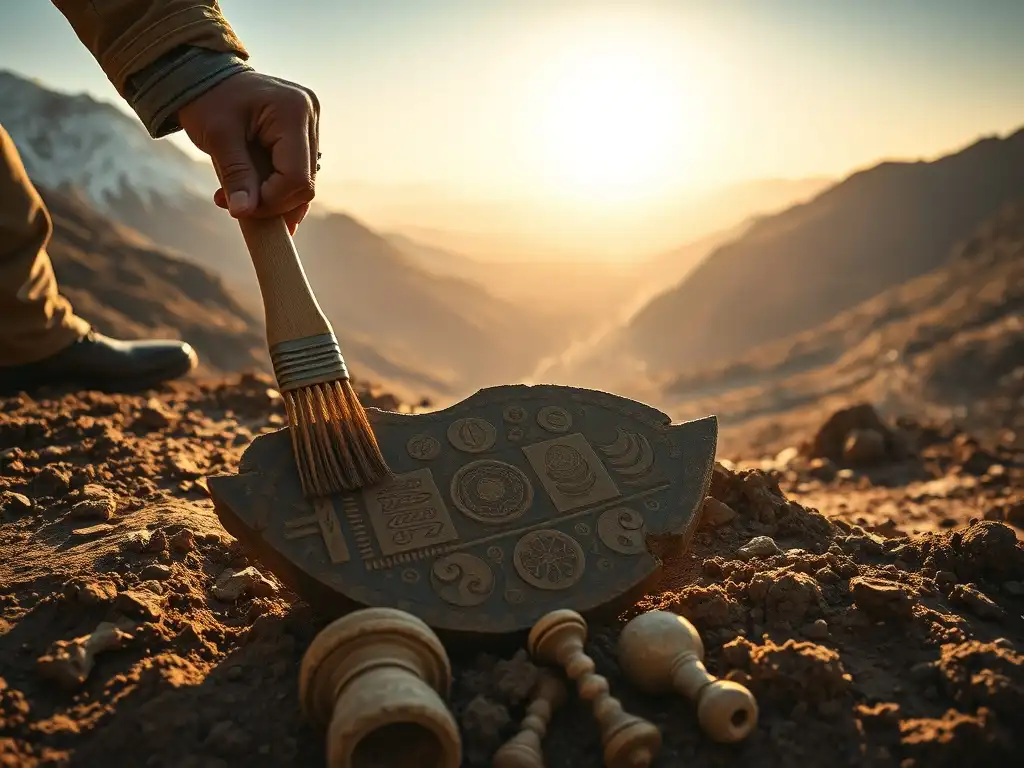
The Andean region's journey into metalworking wasn't a sudden explosion but a gradual process spanning centuries, significantly impacting the Andean metal trade routes. Understanding this evolution is crucial to appreciating the sophistication achieved by later Andean cultures. The earliest evidence of metalworking, primarily involving gold and copper, dates back to approximately 2000 BCE in the northern Andes.
This initial phase was characterized by a rudimentary hammering and annealing process, resulting in simple ornaments and tools. The scarcity of readily available metal sources, however, limited the widespread adoption of metalworking during this early period. Access to these resources was often geographically restricted, influencing the initial patterns of the Andean metal trade routes.
Early Metalworking Techniques and Materials
Early Andean metalworkers primarily used malleable metals like gold and copper, readily shaped through hammering. They lacked the advanced techniques for smelting ores, relying instead on naturally occurring nuggets and pieces of metal. This meant that the location of metal deposits directly influenced the development of early metallurgical centers. The process involved heating the metal to make it more pliable, then shaping it using stone hammers and anvils.
Simple designs, often reflecting natural forms, dominated this era. Gold, due to its inherent beauty and malleability, was frequently employed for adornment, creating items such as ear spools and small figurines. Copper, while less visually striking, proved useful for creating practical tools, albeit limited by its softness. The limited availability of these materials and the rudimentary techniques naturally restricted the scale and reach of early Andean metal trade routes.
The discovery of new metal sources and the gradual development of more sophisticated techniques would later transform this scenario. Evidence suggests that early techniques involved the use of simple stone molds for casting, though this was less common than hammering and annealing. The development of more advanced alloys would occur later, significantly altering the potential of Andean metalworking and the scope of the Andean metal trade routes.
The Development of Specialized Metal Crafts
By the Early Intermediate Period (approximately 200-600 CE), Andean metalworking had undergone a significant transformation. The development of more sophisticated techniques, including lost-wax casting and alloying, allowed for the creation of complex and intricate objects. This period witnessed the emergence of specialized metalworking workshops and a corresponding increase in the volume and variety of metal goods produced. The increased complexity of the objects created demanded a higher level of skill and specialization among the artisans.
This specialization, in turn, fostered the development of more extensive and well-established Andean metal trade routes, connecting diverse regions and facilitating the exchange of both raw materials and finished products. The production of intricate gold and silver objects, such as elaborate headdresses, ceremonial vessels, and finely crafted tools, became hallmarks of this period. The emergence of powerful regional states also played a significant role in stimulating the growth of metalworking and the expansion of the Andean metal trade routes. These states often controlled access to metal resources and supported the development of large-scale workshops, further contributing to the increased production and exchange of metal goods.
The rise of powerful elites further fueled the demand for elaborate metalwork, driving innovation and specialization within the craft. This period laid the groundwork for the even more impressive metallurgical achievements of later Andean civilizations, particularly the Inca. The sophistication of Andean metalwork during this era is a testament to the ingenuity and skill of Andean artisans and the crucial role played by the Andean metal trade routes in the exchange of knowledge and resources.
Andean Metal Trade Routes: Networks of Exchange

The intricate networks facilitating the Andean metal trade played a crucial role in shaping the social, political, and economic landscapes of the region. Understanding these routes requires examining the geographical distribution of metal resources, the established pathways of exchange, and the impact of this trade on regional integration. This section will delve into the key aspects of Andean metal trade, highlighting its complexity and significance. The term "Andean metal trade routes" encompasses a dynamic system, not just static paths, but rather a constantly evolving web of interactions influenced by environmental factors, political power, and social structures.
Key Geographical Areas in Andean Metal Production
The Andes Mountains were not uniformly endowed with metal resources. Certain regions emerged as crucial centers for metal production, primarily due to the geological presence of copper, gold, silver, and other valuable metals. The most prominent areas included:
- The Central Andes (Peru): This region, encompassing the highlands and coastal areas, was exceptionally rich in copper deposits, particularly in the areas around Cerro de Pasco and Junín. These deposits fueled extensive copper production and trade, impacting regions far beyond their immediate vicinity. The availability of copper significantly influenced the development of sophisticated metallurgical techniques and the production of intricate metalwork.
- Northern Andes (Colombia and Ecuador): This area, though less extensively studied compared to the central Andes, also contributed significantly to the metal trade. Gold, in particular, was a highly sought-after commodity, with evidence suggesting substantial gold production and exchange throughout the region. The specific locations and extent of mining operations in this area require further research, but existing archaeological evidence points to a considerable contribution to the overall Andean metal trade.
- Southern Andes (Bolivia, Argentina, Chile): The southern Andes also possessed significant metal deposits, including silver and copper. However, the specifics of their contribution to the broader Andean metal trade network require more investigation. [Specific information pending on the extent of southern Andes metal production and trade routes]. Initial findings suggest a less centralized system compared to the central Andes, potentially involving smaller-scale exchanges and localized trade networks.
Major Andean Trade Routes for Metal Goods
Metal goods weren't simply produced and consumed locally; they moved across considerable distances, facilitated by established trade routes. These routes weren't necessarily straight lines; they often followed existing geographical features like rivers and mountain passes. The precise paths are still being uncovered, but archaeological evidence and ethnographic studies offer significant insights:
| Trade Route Segment | Primary Commodities Traded | Key Geographic Features Utilized | Potential Cultural Interactions |
|---|---|---|---|
| Coastal Route (Pacific Coast) | Gold, Spondylus shells, textiles, ceramics | Pacific Ocean, coastal settlements | Interactions between coastal and highland cultures |
| Highland Route (Andean Mountains) | Copper, silver, alpaca wool, obsidian | Mountain passes, river valleys | Exchange between different highland communities, potential for political alliances |
| Amazonian Route (Eastern Slopes) | Gold, feathers, exotic woods, medicinal plants | Amazon River tributaries, jungle trails | Interaction between Andean and Amazonian cultures |
It's important to note that these routes weren't mutually exclusive. Goods often changed hands multiple times, moving along different segments of the network, leading to a complex and intertwined system of exchange. The effectiveness of these routes was heavily influenced by political stability and the power dynamics between different Andean societies.
The Role of Andean Metal Trade in Regional Integration
The Andean metal trade wasn't merely an economic activity; it played a crucial role in fostering regional integration. The exchange of goods facilitated the diffusion of ideas, technologies, and artistic styles. The widespread distribution of certain metal objects, like specific types of tools or ornaments, suggests shared cultural practices and potentially even political alliances between distant communities.
The presence of exotic metals in distant locations demonstrates the reach and impact of these trade networks. For example, the discovery of copper artifacts in regions far from known copper deposits speaks volumes about the extensive trade routes and the sophisticated organizational capabilities of Andean societies. This exchange not only supported economic growth but also fostered a sense of shared identity and interconnectedness across diverse cultural groups.
The Andean metal trade, therefore, represents a powerful example of how resource exchange can shape regional integration and cultural interaction. Further research into the precise chronology and dynamics of these trade routes will undoubtedly reveal even more about their crucial role in shaping Andean civilization.
Types of Metal Goods Traded in the Andes
The Andean metal trade routes were not simply pathways for raw materials; they were arteries pulsating with a diverse range of finished metal goods, reflecting the sophisticated metallurgical skills and complex social structures of the Andean civilizations. The sheer variety of objects traded, from everyday tools to opulent ceremonial items, speaks volumes about the interconnectedness of these societies and the importance of metal in their lives.
The scale of this trade, evidenced by archaeological finds across vast distances, highlights the remarkable organizational capacity and logistical prowess required to manage such extensive networks. Understanding the types of metal goods exchanged is crucial to comprehending the dynamics of Andean metal trade and its impact on the region's development.
Copper and Bronze Artifacts: Their Use and Distribution
Copper, readily available in certain Andean regions, formed the basis of much early metalworking. Copper artifacts, initially simple in design, evolved into more complex forms over time. The distribution of copper goods reveals much about early trade networks. For instance, while copper sources were concentrated in specific areas, copper tools like adzes and chisels have been found far from these sources, suggesting extensive exchange across significant geographical distances. The earliest copper artifacts often appear in elite contexts, suggesting that access to metal was initially restricted to the powerful.
Later, the introduction of bronze – an alloy of copper and tin – marked a significant technological advancement. Bronze allowed for the creation of stronger, more durable tools and weapons. The sourcing of tin, a less common element in the Andes, further complicates the understanding of Andean metal trade routes, pointing to potential long-distance exchange networks extending beyond the Andes themselves.
Analysis of bronze artifacts reveals varying tin concentrations, indicating that different alloys were produced, perhaps reflecting regional variations in metalworking techniques or the availability of tin sources. The distribution of bronze objects, like ornate weapons and ceremonial items, often mirrors, and sometimes expands upon, the patterns seen in copper trade, indicating the continued importance of existing exchange routes and the development of new ones.
Gold and Silver Objects: Symbols of Power and Prestige
Gold and silver, rarer and more visually striking than copper and bronze, held immense symbolic value in Andean cultures. These precious metals were often associated with divinity, power, and prestige. The trade of gold and silver objects, therefore, reveals much about the social hierarchy and political dynamics of Andean societies. Elaborate gold and silver ornaments, such as masks, headdresses, and jewelry, have been discovered in elite tombs and ceremonial sites across the Andes, demonstrating the widespread distribution of these luxury goods.
The techniques used to work gold and silver were highly sophisticated, often involving intricate designs and techniques like hammering, repoussé, and gilding. The creation of these objects required specialized skills and considerable time and effort, underscoring their high value. The distribution patterns of these high-status items suggest that they were often exchanged as gifts or tributes between elites, reinforcing alliances and solidifying political power.
The trade in gold and silver is a key element in understanding the Andean metal trade routes, providing insights into the social, political, and religious systems of the time. The sheer artistry and craftsmanship involved in these pieces also highlight the remarkable skills of Andean metallurgists.
The Trade of Tools, Weapons, and Agricultural Implements
Beyond ceremonial objects, the Andean metal trade routes also facilitated the exchange of utilitarian metal goods. Tools, weapons, and agricultural implements played a critical role in daily life, and their distribution highlights the practical impact of metalworking on Andean societies. Metal tools, such as axes, adzes, and chisels, significantly improved efficiency in various tasks, from woodworking and construction to agriculture. The widespread dissemination of these tools across different Andean regions speaks to the importance of metalworking technology in shaping the economic and social landscape.
Similarly, the trade of metal weapons, such as spears and knives, had significant implications for warfare and social control. Access to superior weaponry could confer a military advantage, influencing the balance of power between different groups. Archaeological evidence suggests that the distribution of metal weapons followed patterns reflecting both political alliances and conflicts. Finally, the exchange of agricultural implements, such as hoes and sickles, played a crucial role in enhancing agricultural productivity.
Improved farming tools likely contributed to increased food production and supported larger, more complex societies. The trade of these essential tools underlines the crucial role of metalworking in the development of Andean agriculture and the overall prosperity of the region. The distribution of these everyday tools provides a compelling counterpoint to the more glamorous gold and silver objects, offering a more complete picture of the Andean metal trade routes' impact on daily life.
The Economic Impact of Andean Metal Trade
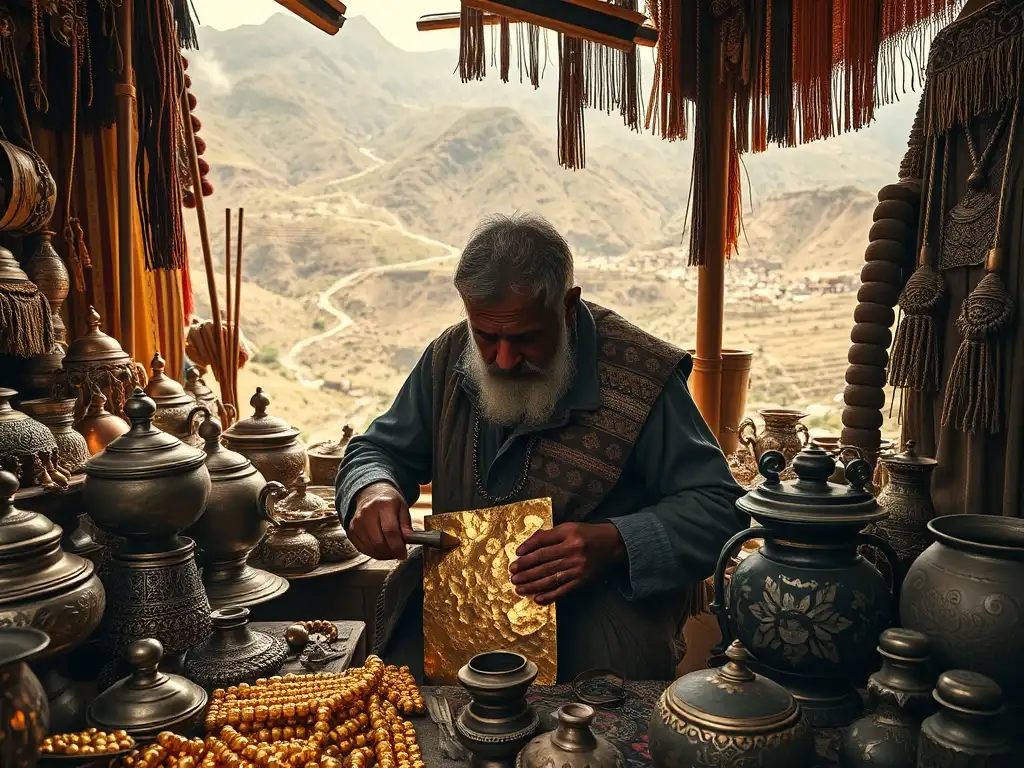
The flourishing Andean metal trade profoundly impacted the economies of various pre-Columbian societies. The exchange of metallic goods, primarily gold, silver, copper, and bronze, wasn't merely a commercial activity; it formed the bedrock of economic systems, influencing production, distribution, and consumption patterns across vast geographical areas. The scale of this impact varied depending on the specific civilization and period, but its pervasive nature is undeniable.
Analyzing the economic repercussions reveals a complex interplay of factors including resource availability, technological advancements in metallurgy, and the evolving social structures that shaped these ancient economies. Understanding this economic influence is crucial to comprehending the overall development and interconnectedness of Andean civilizations.
The Value of Metal Goods in the Andean Economy
Metal goods held immense symbolic and practical value within the Andean economy. Gold, often associated with the sun and divinity, represented power and prestige, frequently adorning elite burials and religious artifacts. Silver, while less overtly symbolic, played a significant role in crafting utilitarian objects and served as a medium of exchange, albeit likely less frequently than other goods.
Copper and bronze, essential for tools and weapons, were equally crucial for daily life and military strength. The value of these metals fluctuated depending on factors like availability, craftsmanship, and cultural significance. For instance, intricately crafted gold figurines would command a higher value than simple copper tools, reflecting both the skill of the artisan and the social standing of the recipient.
We can infer the relative value of these metals by examining their presence in different contexts, such as grave goods, temple offerings, and everyday tools. Further research into the specific ratios of metal exchange in different regions and time periods would provide a more precise understanding of the Andean monetary system, or lack thereof. [Specific information pending: Quantitative data on metal ratios in archaeological finds].
The Andean metal trade played a pivotal role in shaping social hierarchies. Control over metal resources and the production of metal goods conferred significant power and prestige. Elite classes often monopolized access to high-value metals like gold and silver, using them to reinforce their status and authority.
The artisans who possessed the specialized skills to work these precious metals also occupied privileged positions within society. This control over production and distribution created a system where economic power translated directly into social influence. The intricate metalwork found in elite tombs and ceremonial centers vividly illustrates this connection, with elaborate headdresses, jewelry, and weaponry serving as powerful symbols of social rank.
The distribution patterns of metal goods, evident in archaeological discoveries, also highlight the stratification of Andean societies. For example, the concentration of gold artifacts in certain regions and within specific burial contexts indicates a clear hierarchical structure, where access to these precious materials was restricted to the ruling classes.
Metal Exchange and its Impact on Andean Settlements
The Andean metal trade spurred the growth and development of specific settlements. Mining sites, metallurgical workshops, and trading centers flourished as hubs of economic activity. These locations often became strategically important settlements, attracting populations drawn to the opportunities presented by metal production and exchange.
The establishment of these settlements, in turn, influenced the overall landscape of the Andes, with settlements strategically located near metal deposits or along established trade routes. The growth of these centers fostered population growth, specialized labor, and enhanced infrastructure, including roads and communication networks, all vital elements in facilitating the efficient movement of goods across the vast Andean terrain. Archaeological evidence suggests a strong correlation between the presence of metalworking centers and the development of larger, more complex settlements, highlighting the transformative impact of the Andean metal trade on the region's urban landscape.
The study of these settlements reveals a dynamic interplay between economic activity, social organization, and environmental factors in shaping the Andean world. The extent of this influence is still under investigation, but the existing data strongly suggests a significant correlation between Andean metal trade routes and the growth of key settlements across the region.
Case Studies: Specific Examples of Andean Metal Trade

This section delves into specific examples of Andean metal trade routes, showcasing the diverse networks and the significant role metal played in the economic and social structures of different Andean cultures. Analyzing these case studies illuminates the complexity and sophistication of these ancient trade systems, highlighting the strategic importance of metal resources and the resulting power dynamics. The movement of metal goods wasn't simply a matter of economic exchange; it was deeply intertwined with political influence, religious beliefs, and social status.
The Chimor Kingdom's Control of Coastal Copper Trade
The Chimor Kingdom (c. 900-1470 CE), a powerful coastal civilization in northern Peru, exerted considerable control over copper resources and their distribution. Their dominance stemmed from access to vital copper deposits in the Andes mountains and their ability to effectively manage trade routes along the Pacific coast. This control wasn't merely about resource extraction; it was a crucial element of their political and economic power. The Chimor controlled access to copper, a vital metal for tools, weapons, and prestigious artifacts, giving them a significant advantage over neighboring groups.
The Chimor likely employed a complex system of tribute and taxation to acquire copper from inland mines. Evidence suggests that they established strategically located settlements and administrative centers along the coast to facilitate trade and control the flow of goods. Archaeological findings, such as the abundance of copper artifacts in Chimor sites and the presence of copper smelting workshops, confirm their mastery of metallurgy and their extensive trade network.
This control over the Andean metal trade routes facilitated the creation of a large, centralized state, with the trade itself being a key factor in the kingdom's wealth and influence. The extent of their influence is evidenced by the widespread distribution of Chimor-style copper objects throughout the coastal region.
Further research into Chimor administrative records (if any survive) could provide more detailed insights into the specific mechanisms of copper trade, including pricing systems, taxation policies, and trade partnerships. Analysis of isotopic signatures in Chimor copper artifacts could also shed light on the specific sources of copper ore and the geographical extent of their trade network.
The Moche's Use of Spondylus Shells in Metalwork Trade
The Moche civilization (c. 100-800 CE), known for their sophisticated metalworking techniques and elaborate iconography, engaged in extensive trade networks that extended beyond their core territory. While not solely focused on metal, their trade in metal goods was significantly influenced by the incorporation of spondylus shells, a highly valued resource from the Ecuadorian coast.
The Moche utilized spondylus shells in various ways within their metalwork. These shells were often inlaid into copper and gold objects, serving as both aesthetic embellishments and symbolic elements. The presence of spondylus in Moche metalwork clearly indicates long-distance trade connections, linking the Moche heartland in northern Peru to the distant Ecuadorian coast. This trade wasn't a simple exchange of goods; it involved complex social and political interactions, reflecting the importance of these shells as prestige items.
The use of spondylus shells in Moche metalwork suggests a sophisticated understanding of exchange networks and the symbolic value of exotic materials. The inclusion of these shells in high-status artifacts underscores their role in reinforcing social hierarchies and political power within Moche society. This interweaving of metalwork and spondylus shells in Moche trade reveals a complex system of exchange that transcended simple economic transactions, reflecting the cultural and symbolic significance of both materials.
Further research, including detailed analysis of spondylus shell sourcing and distribution patterns, is needed to fully understand the extent and complexity of this trade network. The strategic importance of these Andean metal trade routes in shaping Moche society remains a subject of ongoing investigation. 🤔
Challenges and Innovations in Andean Metal Trade
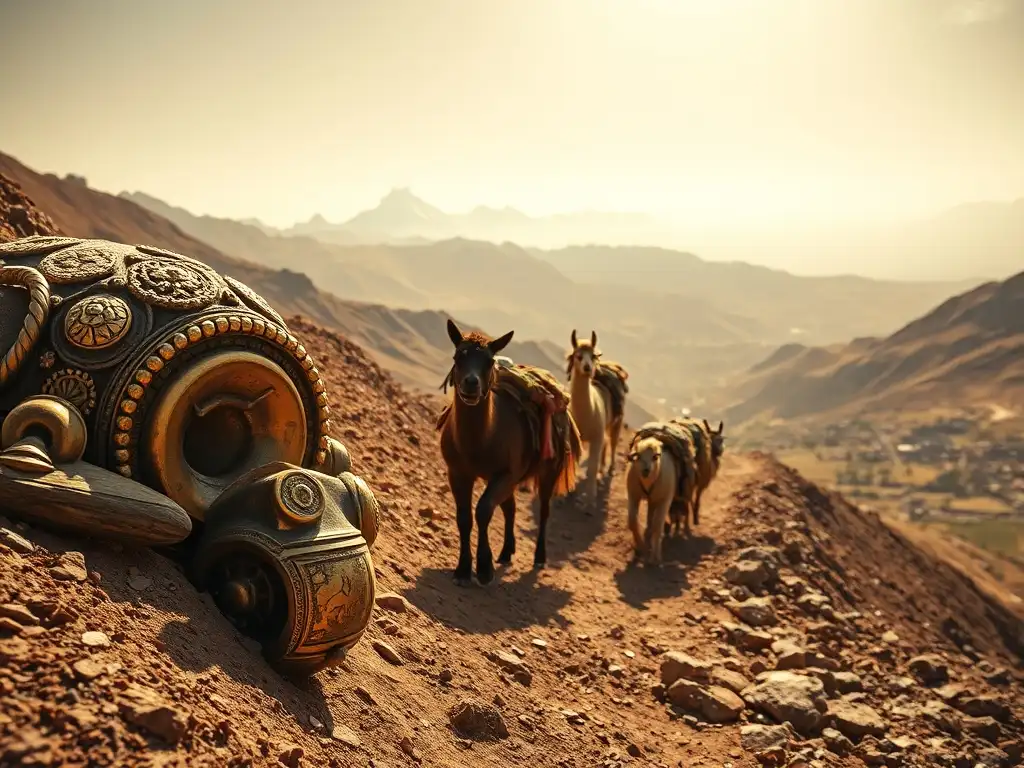
The flourishing Andean metal trade, a testament to the ingenuity and organizational prowess of pre-Columbian societies, wasn't without its considerable hurdles. The sheer geographical diversity of the Andes, with its towering mountains, dense jungles, and arid coastal deserts, presented significant logistical challenges to the movement of precious metals and crafted goods. Understanding these challenges and the innovative solutions employed is crucial to appreciating the scale and sophistication of the Andean metal trade routes.
This section will explore the obstacles faced and the technological and organizational responses that facilitated the extensive exchange networks spanning vast distances. The impact of these trade routes on the development of Andean societies cannot be overstated, influencing political power, economic prosperity, and cultural exchange.
Overcoming Geographical Barriers in Metal Transport
Transporting heavy metal objects across the rugged Andean terrain required significant planning and ingenuity. The sheer weight of copper, silver, and gold artifacts, often intricately crafted, posed a major problem. While porters played a vital role, carrying goods on their backs along established trails, the use of pack animals, such as llamas and alpacas, was also essential, particularly for larger quantities.
Evidence suggests the strategic placement of storage facilities and relay stations along key trade routes to facilitate the movement of goods and provide rest for both porters and animals. The organization and management of these networks were complex, requiring sophisticated systems of communication and coordination, likely involving a hierarchical structure with specialized personnel overseeing different aspects of the trade. The development of advanced road systems, including suspension bridges and carefully engineered pathways, further eased transport, showcasing an understanding of engineering principles well ahead of their time.
The location of these routes often followed existing natural features like river valleys, reducing the need for extensive construction in challenging terrain. This efficient system contributed to the success of the Andean metal trade, allowing for the wide distribution of valuable metal goods.
Innovations in Metalworking Techniques for Trade
The success of the Andean metal trade was intrinsically linked to advancements in metalworking techniques. The ability to produce high-quality, durable, and aesthetically pleasing metal objects was paramount to their value in exchange networks. The development of sophisticated smelting techniques allowed for the extraction of metals from ore with greater efficiency, leading to increased production.
Innovations in alloying, the process of combining metals to create new materials with enhanced properties, played a key role. For example, the creation of tumbaga, an alloy of gold and copper, allowed for the production of objects with a distinctive color and enhanced durability. The intricate designs and detailed craftsmanship evident in many Andean metal artifacts demonstrate a high level of skill and artistic mastery.
These techniques, passed down through generations of skilled artisans, ensured the consistent production of high-quality goods that were highly sought after within and beyond Andean regions. The standardization of certain forms and styles of metal objects may have further facilitated trade, creating easily recognizable and valued commodities.
The Evolution of Andean Metal Trade Practices
The Andean metal trade wasn't a static phenomenon; it evolved significantly over time, adapting to changing political landscapes, technological innovations, and economic demands. Early forms of exchange likely involved localized bartering systems, with metal goods being exchanged for other valued commodities such as textiles, agricultural products, or exotic feathers. However, as Andean societies grew in complexity and political power consolidated, the scale and organization of metal trade expanded dramatically.
The rise of powerful empires, such as the Inca, significantly influenced trade routes and practices, often establishing state-controlled monopolies over the production and distribution of certain metals. The Inca, for instance, utilized their extensive road network (the Qhapaq Ñan) to facilitate the transport of metal goods throughout their vast empire, further solidifying their economic and political dominance. The development of a standardized system of weights and measures may have also played a role in ensuring fair and efficient trade practices.
While specific details on the precise evolution of Andean metal trade practices are still under investigation by archaeologists and historians, it's clear that the system adapted and expanded in response to the changing social, political, and technological context of Andean societies. The legacy of this sophisticated system continues to fascinate and inspire researchers today.
The Legacy of Andean Metal Trade
This section delves into the enduring impact of Andean metal trade routes on the modern cultures of the Andes. The intricate networks established centuries ago continue to resonate in various aspects of contemporary Andean life, shaping cultural identities, artistic expressions, and even economic practices. Understanding this legacy provides crucial context for appreciating the richness and complexity of Andean societies, past and present.
The Influence on Modern Andean Cultures
The legacy of Andean metalworking is profoundly visible in modern Andean cultures. The skills and artistry involved in crafting metal objects, passed down through generations, are still practiced today, albeit often adapted to contemporary aesthetics and demands. Many contemporary Andean artisans continue to utilize traditional techniques and designs, creating jewelry, tools, and decorative items that reflect a direct lineage to pre-Columbian metalworking.
This continuity signifies not only the preservation of ancient knowledge but also the enduring value placed on the craftsmanship and symbolism associated with metal in Andean societies. For instance, the use of silver and gold in ceremonial objects and personal adornment remains significant, echoing the importance these metals held in Inca and pre-Inca societies. The symbolic associations tied to specific metals – for example, gold often representing the sun and power, silver the moon and fertility – persist in contemporary interpretations and practices.
Even the geographical distribution of specific metalworking traditions, influenced by historical trade routes, continues to shape the specialization of artisans in different regions. This vibrant continuation of ancient practices underscores the enduring significance of Andean metal trade routes in shaping cultural identity.
The Importance for Understanding Andean Economic Systems
Analyzing Andean metal trade routes is fundamental to comprehending the complex economic systems that underpinned ancient Andean civilizations. The movement of precious metals like gold and silver, as well as copper and bronze, was not merely a matter of exchanging goods; it was a vital component of the socio-political structures that governed these societies. The control and distribution of these resources were often linked to power and prestige, with elites accumulating wealth and solidifying their authority through access to and control over metal production and trade.
The exchange of metal goods also facilitated broader economic interactions, fostering interconnectedness between different regions and fostering specialization in production. For example, the availability of specific ores in certain areas led to specialized metalworking centers, which in turn traded their products across vast distances. This intricate network of production, distribution, and exchange highlights the sophistication of Andean economic systems and their reliance on well-established trade routes.
Further research into the volume and value of traded goods, along with the identification of specific trade routes, can provide a more nuanced understanding of the economic dynamics that shaped these civilizations. Understanding the economic implications of Andean metal trade is crucial to fully grasping the complexities of Andean societies.
Further Research into Andean Metal Trade Networks
Further research is crucial to refine our understanding of Andean metal trade networks. While significant progress has been made, many questions remain unanswered. For instance, more detailed analysis of archaeological finds is needed to better understand the scale and scope of metal production and trade. This includes a more precise mapping of the trade routes themselves, the identification of intermediary settlements and marketplaces, and a more thorough examination of the technological processes involved in metalworking.
Isotopic analysis of metal artifacts could provide valuable insights into the origins of the raw materials and the geographical extent of the trade networks. Furthermore, a more comprehensive understanding of the social and political structures that governed metal trade is essential. This requires a more integrated approach, combining archaeological data with ethnohistorical sources and analyses of iconography and symbolism.
Specifically, detailed studies focusing on the role of specific metallurgical centers, the nature of exchange systems (barter, tribute, etc. ), and the impact of metal trade on social stratification are needed to paint a complete picture of Andean metal trade and its profound influence on the region. The potential discoveries and insights await further investigation.
Frequently Asked Questions
What role did metal play in Andean societies?
Metal was incredibly important, signifying wealth, power, and prestige. Gold, silver, and copper were used for religious objects, tools, and adornments, reflecting social status. Access to these metals shaped political relationships.
How did the Andean metal trade operate?
The trade involved complex networks spanning vast distances. Metal goods moved along established routes, connecting different regions and societies through exchange and tribute systems. Control over these routes often conferred significant political power.
What were the main Andean metal trade routes?
Precise routes are still being researched, but evidence suggests networks extended along the coastal regions, through the Andean highlands, and possibly across the Amazon basin. Specific paths varied depending on the metal and the time period.
Which civilizations were most involved in the Andean metal trade?
Many Andean civilizations participated, including the Inca, Moche, Nazca, and Tiahuanaco. Each civilization had its own specialized skills and preferred metals, leading to a diverse and dynamic exchange. Inter-regional interaction was key.
What evidence exists to support the existence of Andean metal trade routes?
Archaeological findings such as metal artifacts found far from their source materials, and stylistic similarities in metalwork across vast distances, are strong evidence. Analysis of metal composition further confirms the exchange of goods.
Final Reflection: The Enduring Legacy of Andean Metal
The intricate networks of Andean metal trade routes, once vital arteries of pre-Columbian societies, continue to resonate in our understanding of ancient civilizations and global exchange. Their impact extends far beyond the mere movement of goods; they represent a sophisticated system of cultural interaction, technological innovation, and economic power that shaped the very fabric of Andean societies. The sheer scale and complexity of these trade routes remain a testament to human ingenuity and the enduring power of interconnectedness.
The legacy of Andean metalwork is not confined to museum displays; it continues to inspire artists, archaeologists, and historians alike. Its influence permeates our understanding of ancient economies, social structures, and artistic expression. The artistry and craftsmanship evident in these artifacts are breathtaking, showcasing a mastery of metallurgy that was unparalleled in its time. The metal objects are not merely artifacts; they are voices from the past, whispering tales of power, ritual, and exchange.
This quote encapsulates the profound significance of these objects and the stories they hold.
Consider the implications of this rich history. How can we, in our modern world, learn from the ingenuity and interconnectedness demonstrated by these ancient Andean societies? You, the reader, are invited to reflect on the enduring power of trade and exchange, not just in the context of ancient history, but in your own life and community. What connections do you forge, and what bridges do you build? Let the legacy of Andean metal inspire you to explore the power of collaboration and the enduring strength of human connection.
Unveil the Value of Metal Trade in Your Community!
Thank you for exploring the fascinating world of metal trade and exchange in Andean civilizations. This article highlights the intricate relationships and economic impact of metal goods in these ancient societies. Let's use this knowledge to take meaningful action!
Here are some suggestions to further explore this captivating subject:
- Join a local historical society or online forum to discuss the importance of metal trade in ancient cultures and its lasting impact.
- Share your discoveries on social media! Post about what most surprised you about metal exchanges in Andean civilizations and tag friends who might be interested.
- Visit a local museum with artifacts from Andean cultures. Consider volunteering or organizing a group visit for others interested in history.
What aspect of metal trade most inspires you to learn more or take action in your community?