
Stone Carvings: Symbolic Narratives in Andean Monumental Art

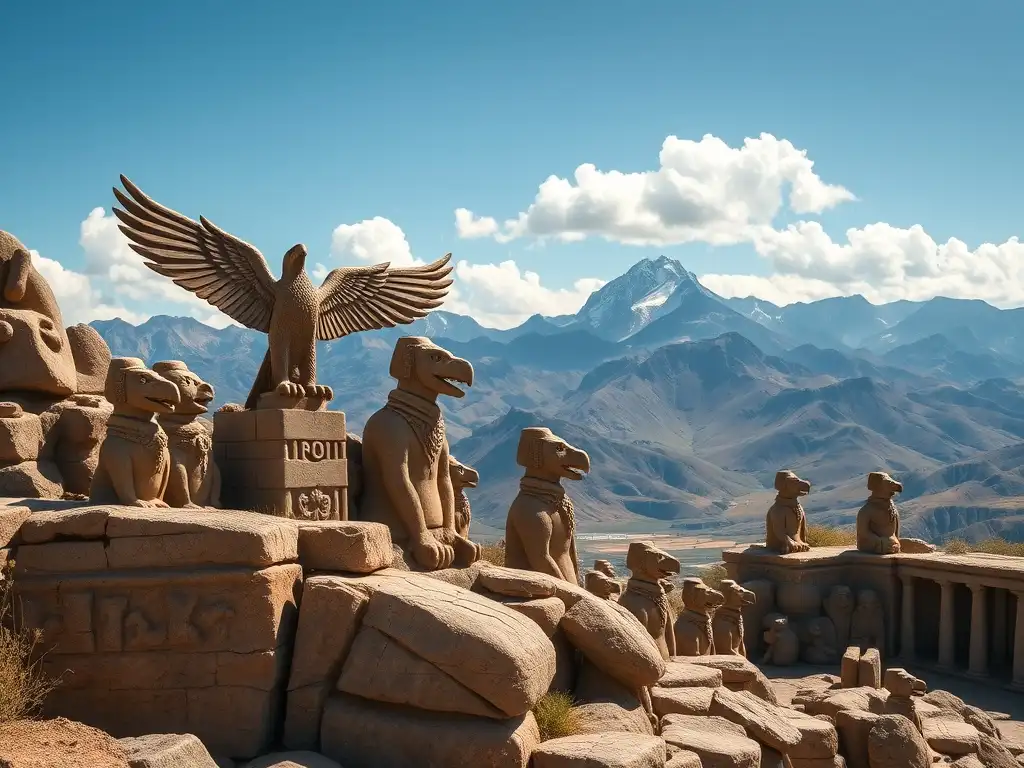
Step into a world lost to time, yet echoing with untold stories. Uncover the secrets hidden within the breathtaking artistry of the Andes, where ancient civilizations carved their histories into stone. Prepare to be mesmerized by the profound Andean stone carving symbolism, a language etched in rock that speaks volumes about their beliefs, power, and daily lives. Journey with us to decipher these enigmatic narratives and unlock the mysteries of Andean monumental art. What secrets do these ancient stones hold? Read on to discover more...
The Andes Mountains, a spine of towering peaks traversing South America, are not just a geographical feature; they are a cradle of civilization, home to a rich tapestry of ancient cultures whose artistry continues to fascinate and inspire. This article delves into the captivating world of Andean stone carving, exploring the profound symbolism embedded within these monumental works.
From the intricate carvings of the Nazca Lines to the imposing structures of Machu Picchu, Andean stone carving offers a unique window into the beliefs, rituals, and social structures of these remarkable societies. We will examine the symbolism inherent in these carvings, exploring how they served as powerful mediums for communicating complex narratives and cosmological beliefs.
Understanding this symbolism is key to unlocking a deeper appreciation for the ingenuity and spiritual depth of Andean civilizations, and this exploration will specifically focus on how the choice of materials, techniques, and the imagery itself contributed to the meaning and impact of these remarkable works of art. This journey will illuminate the enduring legacy of Andean stone carving and its enduring relevance to our understanding of Andean "Andean stone carving symbolism".
Understanding Andean Stone Carving Symbolism
Andean stone carving symbolism is incredibly rich and varied, reflecting the diverse cultures and belief systems that flourished across the Andes. Unlike many other artistic traditions, Andean stone carvings weren't simply decorative; they served crucial roles in religious rituals, social organization, and the expression of cosmological beliefs. Interpreting this symbolism requires careful consideration of several factors, including the specific iconography depicted (e.g., animals, deities, geometric patterns), the context in which the carving was found (e.g., temple, tomb, ceremonial site), and the materials and techniques used in its creation.
For instance, the depiction of a specific animal, such as a puma or a condor, might symbolize power, strength, or a connection to the spirit world, depending on the cultural context and the specific artistic conventions employed. Similarly, geometric patterns, often intricate and complex, may represent cosmological concepts, agricultural cycles, or social hierarchies. Deciphering these symbolic languages requires a multidisciplinary approach, drawing on archaeological evidence, ethnographic studies, and a deep understanding of Andean mythology and history.
The meticulous study of these carvings reveals a sophisticated system of visual communication that speaks volumes about the worldview and cultural practices of these ancient Andean societies. Understanding the nuances of this symbolism allows us to appreciate the depth and complexity of their artistic and intellectual achievements.
The Significance of Stone in Andean Cultures
The choice of stone as the primary medium for monumental art in the Andes was far from arbitrary. Stone held profound symbolic significance in many Andean cultures, representing permanence, durability, and a connection to the earth itself. Mountains, often personified as deities, were revered as sacred spaces, and stone, as a material intrinsically linked to the mountains, shared in this sacredness.
The act of carving stone was not merely a technical process but a ritualistic one, imbued with spiritual meaning. The laborious process of shaping stone, often involving sophisticated tools and techniques, reflected the reverence accorded to the material and the importance of the message being conveyed. Furthermore, the permanence of stone ensured that the symbolic narratives embedded within the carvings would endure for generations, serving as powerful reminders of cultural identity, religious beliefs, and historical events.
The use of specific types of stone, their colors, and their geological origins also likely carried symbolic weight, adding layers of meaning to the carvings. For instance, the use of a particular type of red stone might have been associated with blood, sacrifice, or the sun, while a different type of stone could have been associated with water, fertility, or the underworld. Further research is needed to fully understand the nuances of stone selection in Andean stone carving.
Materials and Techniques of Andean Stone Carving
Andean stone carvers demonstrated remarkable mastery of their craft, employing sophisticated techniques to create intricate and durable carvings. The choice of stone varied depending on the geographical location and the intended purpose of the carving. Common materials included andesite, basalt, and diorite, all known for their hardness and resistance to weathering. The process of carving often involved a series of stages, beginning with the selection of suitable stone blocks.
These blocks were then shaped and refined using a variety of tools, including stone hammers, chisels, and abrasives. The precision and detail achieved in some carvings are truly astonishing, demonstrating a high level of skill and patience. Different techniques were employed depending on the desired effect. Some carvings were highly polished, while others were left with a rougher texture.
The use of intricate relief carving, intaglio, and other techniques allowed Andean artists to create stunning visual effects, conveying complex narratives and symbolic meanings through subtle variations in texture and form. The development of these techniques, often passed down through generations, showcases the continuity and innovation within Andean artistic traditions. Detailed studies of these techniques, and the tools used, are needed to fully appreciate the ingenuity and skill of these ancient Andean artisans.
- Understanding Andean Stone Carving Symbolism
- The Significance of Stone in Andean Cultures
- Materials and Techniques of Andean Stone Carving
- What is the significance of Andean stone carving?
- What symbols are commonly found in Andean stone carvings?
- How did Andean civilizations create such intricate stone carvings?
- What is the connection between Andean stone carving and the environment?
- Where can I see examples of Andean stone carvings today?
Major Andean Cultures and Their Stone Carvings
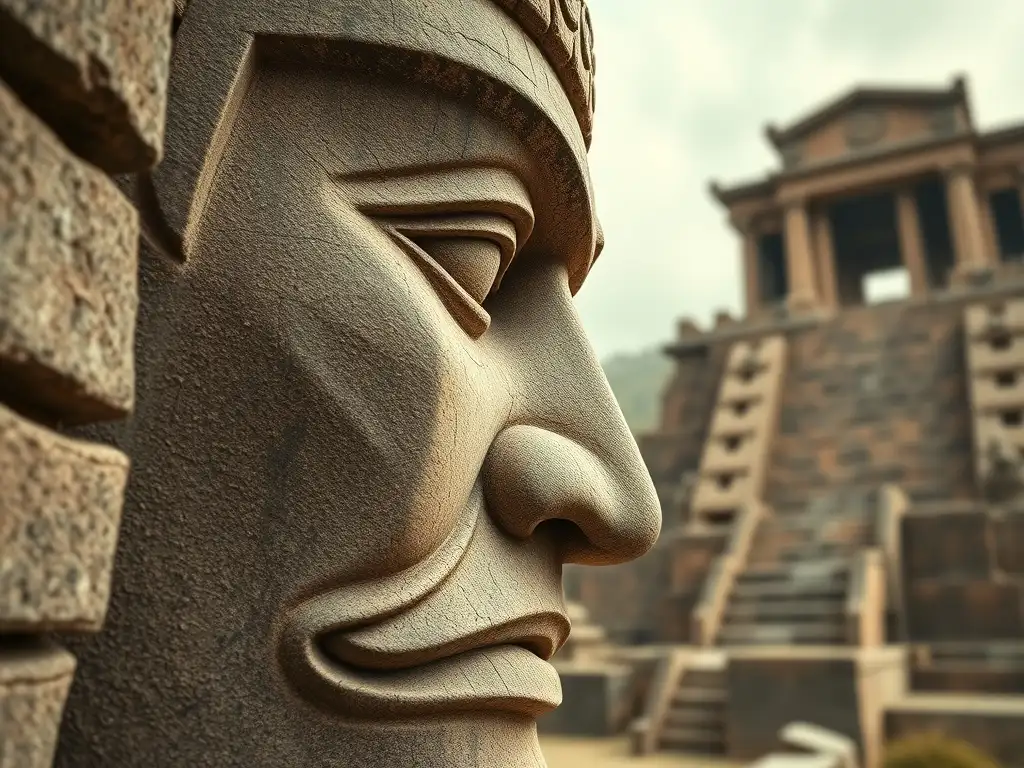
This section delves into the unique styles and symbolic narratives expressed through stone carving by major Andean cultures. We will explore how these civilizations utilized stone not merely as a building material, but as a powerful medium for communicating religious beliefs, social structures, and historical events. Understanding Andean stone carving symbolism unlocks a deeper appreciation for the artistry and complexity of these ancient societies. The analysis will focus on the Inca and Moche cultures, two of the most prolific creators of monumental stone art.
Inca Stone Carving: Imperial Power and Deities
Inca stone carving, characterized by its precision and monumental scale, served as a powerful tool for expressing imperial power and religious beliefs. The Inca Empire, spanning a vast territory across the Andes, left behind a legacy of intricately carved stones that continue to fascinate and inspire awe. Their mastery of stonework is evident in the perfectly fitted blocks of structures like Sacsayhuamán and the sophisticated carvings adorning Machu Picchu. The symbolism embedded within these works provides valuable insights into the Inca worldview.
Key Motifs in Inca Stone Art
Several key motifs recur throughout Inca stone art, reflecting their cosmology and ideology. The condor, a powerful bird of the Andes, often appears, symbolizing royal power and connection to the upper world. The serpent, representing fertility and the underworld, is another prevalent motif.
Geometric patterns, such as interlocking spirals and stepped frets, likely held symbolic significance, possibly representing the cosmos or agricultural cycles. Furthermore, representations of deities, such as the sun god Inti and the moon goddess Mama Killa, were frequently incorporated into stone carvings, reinforcing the importance of religious beliefs in Inca society. Detailed analysis of these motifs reveals a sophisticated system of symbolic representation, demonstrating the Inca's profound understanding of their environment and their place within the cosmos.
Examples of Inca Stone Carvings: Machu Picchu, Sacsayhuamán
Machu Picchu, the iconic "Lost City of the Incas," showcases the Inca's skill in stonework. The precise fitting of stones, without mortar, is a testament to their advanced engineering and architectural prowess. While many stones bear relatively simple geometric designs, the sheer scale and precision of the construction itself communicate imperial power and control over the landscape.
Sacsayhuamán, a massive fortress near Cusco, provides another striking example. The cyclopean stones, some weighing many tons, were meticulously carved and fitted together, creating a formidable defensive structure that also served as a powerful symbol of Inca military might and dominance. The sheer size and complexity of these structures serve as powerful visual representations of Andean stone carving symbolism related to the Inca state's power and authority.
Moche Stone Carving: Representing Ritual and Myth
The Moche civilization (c. 100-800 CE), flourishing on the northern coast of Peru, developed a distinct style of stone carving that vividly depicted scenes from their daily lives, religious rituals, and mythological narratives. Unlike the Inca emphasis on monumental architecture, Moche stone carving often focused on smaller-scale reliefs and sculptures, showcasing intricate details and a remarkable sense of dynamism. Their art provides a fascinating window into the beliefs, practices, and worldview of this sophisticated pre-Columbian society.
Iconography in Moche Stone Reliefs
Moche stone reliefs frequently depict scenes of ritual sacrifice, warfare, and mythological figures. The iconography is often complex, requiring careful interpretation to understand its full meaning. For example, representations of decapitated figures may symbolize ritual sacrifice or warfare, while depictions of supernatural beings and mythical creatures reflect Moche religious beliefs.
The use of distinct stylistic elements, such as exaggerated features and dynamic poses, adds to the narrative power of these carvings. The attention to detail in these reliefs indicates a high level of artistic skill and a deep understanding of symbolic representation. Analyzing the iconography reveals a rich tapestry of Moche beliefs and practices.
Depictions of the Moche World in Stone
Moche stone carvings vividly depict various aspects of their world, from everyday activities to elaborate rituals. Scenes of fishing, agriculture, and warfare are commonly depicted, providing insights into their social organization and economic activities. Representations of elite figures, often adorned with elaborate headdresses and jewelry, highlight the importance of social hierarchy within Moche society.
The inclusion of both mundane and extraordinary events within the same artistic context suggests a holistic view of the world, where the sacred and the profane were intertwined. These carvings provide invaluable evidence of the Moche worldview and their understanding of their place within the cosmos. The careful study of these depictions allows for a comprehensive understanding of Andean stone carving symbolism within the Moche culture.
Nazca Stone Carving: Geoglyphs and Their Meanings
The Nazca culture, renowned for its enigmatic geoglyphs etched into the desert plains of southern Peru, also left behind a legacy of stone carving, albeit less extensively studied than their famous ground drawings. While not as monumental as the Tiahuanaco structures, Nazca stone carvings offer valuable insights into their worldview and artistic expression. These carvings, often found in association with burial sites and ceremonial contexts, typically depict stylized animals, plants, and human figures.
The stylistic conventions are distinct from other Andean cultures, characterized by a focus on linear designs and a preference for smooth, polished surfaces. The materials used were primarily volcanic stones readily available in the region, showcasing a mastery of stone-working techniques.
Further research is needed to fully understand the range and diversity of Nazca stone carving, as many sites remain unexplored and many carvings are yet to be properly documented and analyzed. The limited available evidence suggests a strong connection between their geoglyphs and their smaller-scale stone carvings, suggesting a cohesive system of symbolic representation across different media.
The Nazca Lines as a Form of Stone Art
While not technically “stone carvings” in the traditional sense, the Nazca Lines' creation involved the manipulation of the earth's surface to create vast images. This process can be considered a form of monumental land art, akin to large-scale stone arrangements found in other cultures. The immense scale and precision involved in creating the lines, which depict various animals, plants, and geometric shapes, suggests a sophisticated understanding of geometry and spatial planning.
The lines themselves could be viewed as a colossal stone carving, albeit one carved into the earth rather than individual stone blocks. The use of contrasting tones in the desert landscape to define the lines further enhances this interpretation.
The labor-intensive nature of their creation points towards a collaborative effort involving a substantial portion of the Nazca population, emphasizing the communal significance of these massive artworks. The choice of the desert surface itself is also significant, highlighting the Nazca people's deep connection to their environment and their ability to adapt their artistic expression to the unique characteristics of their landscape.
Interpretations of Nazca Stone Representations
Interpretations of Nazca stone carvings are often linked to their broader cosmological beliefs and ritual practices. Many carvings depict stylized representations of animals, such as hummingbirds, jaguars, and snakes, which likely held symbolic significance within their culture. These animals might represent deities, shamanic power, or aspects of the natural world.
The recurring motifs suggest a structured system of iconography, requiring further detailed study to fully decipher their meaning. Some scholars suggest connections to water sources and fertility rites, given the arid environment of the Nazca region. The intricate details and stylistic choices within these carvings also reveal a sophisticated understanding of artistic techniques and aesthetics.
Unfortunately, a lack of written records leaves much of the interpretation open to scholarly debate, highlighting the need for further interdisciplinary research combining archaeological findings with anthropological and iconographic analyses. The discovery of new sites and more comprehensive cataloging of existing carvings will be essential for a more complete understanding of Nazca stone carving symbolism.
Tiahuanaco Stone Carving: Cosmological Visions
The Tiahuanaco culture, flourishing in the Bolivian altiplano, is famous for its monumental stone architecture and intricate carvings. Their mastery of stone-working techniques is evident in the precision and scale of their constructions, revealing a highly organized society with advanced technological capabilities. The stone carvings of Tiahuanaco are deeply intertwined with their complex cosmology, reflecting their beliefs about the cosmos, deities, and the relationship between humanity and the supernatural world.
They employed a variety of stones, including andesite and red sandstone, demonstrating an understanding of different stone properties and their suitability for various purposes. The use of sophisticated tools and techniques allowed them to create highly detailed and intricate carvings, showcasing their artistic skill and technical expertise.
The Gateway of the Sun and its Symbolism
The Gateway of the Sun, a massive stone structure located at the Tiahuanaco site, is arguably the most iconic example of their stone carving. This monolithic gateway features a central figure, often interpreted as a deity, surrounded by intricate carvings depicting various mythical creatures and symbols. The intricate details of the carvings, including the stylized figures and geometric patterns, suggest a complex system of beliefs and rituals centered on the worship of these figures.
The central figure itself is often associated with Viracocha, a creator god in Andean mythology, representing the creation of the world and the cosmic order. The surrounding figures and symbols are interpreted differently by various scholars, highlighting the complexity and multifaceted nature of Tiahuanaco cosmology. The use of precise measurements and geometric principles in the Gateway's design further emphasizes the advanced knowledge and technical capabilities of Tiahuanaco artisans.
The Role of Stone Sculptures in Tiahuanaco
Stone sculptures played a crucial role in Tiahuanaco society, serving both religious and secular functions. Beyond monumental structures like the Gateway of the Sun, numerous smaller sculptures and carvings have been discovered, depicting various deities, animals, and human figures. These smaller sculptures may have been used in rituals, placed in temples, or served as grave goods.
Their presence in various contexts suggests a widespread use of stone carving in different aspects of Tiahuanaco life, reflecting the importance of this art form within their culture. The style of these sculptures, characterized by stylized figures and intricate details, is consistent with the larger monumental structures, suggesting a unified artistic vision.
The careful selection of stones, the precision of the carvings, and the symbolic meaning embedded within these sculptures highlight the significance of stone carving as a means of expressing religious beliefs, social status, and artistic expression within Tiahuanaco society. Further research is needed to fully understand the complete range and meaning of these sculptures, as many remain undiscovered or inadequately studied.
Common Symbols in Andean Stone Art
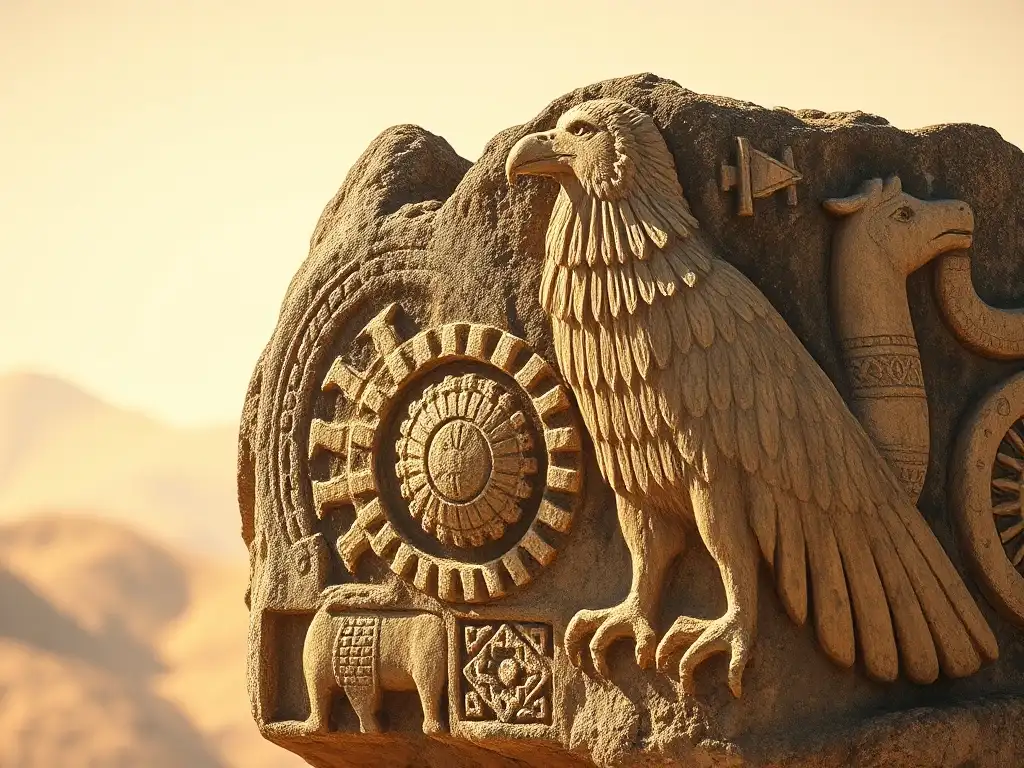
Andean stone carving symbolism is rich and multifaceted, reflecting the complex belief systems and societal structures of the various Andean cultures. Analyzing these carvings provides invaluable insights into their worldview, religious practices, and daily life. The enduring nature of stone ensured the preservation of these symbols, allowing us to decipher their meaning centuries later.
The meticulous craftsmanship evident in many pieces underscores the cultural significance placed upon these artistic expressions. The prevalence of certain motifs across different cultures and time periods highlights shared cosmological beliefs and artistic traditions within the Andes. This section will explore some of the most prevalent symbols found in Andean stone carvings, examining their potential interpretations and significance.
Animal Symbolism in Andean Carvings
Animals played a crucial role in Andean cosmology and mythology, frequently appearing as prominent symbols in stone carvings. Their representation often transcended mere depiction, carrying deep symbolic weight related to power, fertility, and the forces of nature. The careful observation of posture, detail, and context within the carvings is crucial for a nuanced understanding of their meaning. Variations in style and representation across different Andean cultures offer valuable comparative insights into their respective belief systems.
The Significance of the Condor
The condor, a majestic bird of the Andes, frequently appears in stone carvings, often depicted in a powerful and commanding pose. Its symbolic significance is often linked to the realm of the gods, representing power, strength, and the ability to traverse between earthly and celestial planes. Some carvings show condors in association with deities or ritualistic scenes, further reinforcing their sacred status. The size and prominence given to the condor in certain carvings indicate its importance within the Andean worldview. Further research is needed to [specific information pending] on regional variations in condor depictions and their specific meanings.
The Jaguar and its Symbolic Power
The jaguar, a powerful predator of the Andean rainforest, holds a significant place in Andean iconography. In stone carvings, jaguars are often depicted with intense features, emphasizing their strength and ferocity. Their symbolic meaning frequently relates to power, shamanism, and the underworld. The jaguar’s association with the night and the supernatural world is evident in many carvings, where it is shown in contexts suggesting nocturnal activities or connections to the spirit realm. [Specific examples of jaguar carvings and their contexts pending].
The Serpent and its Representations
Serpents appear in diverse forms in Andean stone carvings, often symbolizing fertility, water, and the earth's life-giving forces. Some carvings depict feathered serpents, suggesting a link to celestial deities and the power of transformation. The intricate details in these carvings, such as scales and patterns, add to their symbolic richness. The presence of serpents in agricultural contexts suggests their role in ensuring bountiful harvests and the prosperity of the community. The varied representations of serpents – from stylized forms to realistic depictions – reflect the multifaceted nature of this powerful symbol.
Anthropomorphic Figures and Deities in Stone
Anthropomorphic figures, representing both deities and ancestors, are frequently found in Andean stone carvings. These carvings often display intricate details, including clothing, adornments, and symbolic attributes, which help identify the represented figures and their roles within the Andean pantheon. The size and placement of these figures within larger compositions often indicate their relative importance. The stylistic variations across different Andean cultures provide valuable information about regional differences in religious beliefs and artistic practices.
Depictions of Andean Gods and Goddesses
Many stone carvings depict Andean gods and goddesses, identifiable through their specific attributes and iconography. For example, the deity Viracocha is often represented with a staff and a long beard, while Pachamama, the Earth Mother, is frequently associated with fertility symbols. The portrayal of these deities reveals insights into the Andean pantheon and the attributes associated with each divine figure. The context in which these deities are depicted – such as in ritual scenes or alongside other symbolic elements – provides further clues to their meaning and function. [Specific examples of deity carvings and their attributes pending]
The Role of Ancestors in Stone Carvings
Ancestors played a crucial role in Andean societies, and their presence is frequently reflected in stone carvings. These carvings often depict ancestral figures in a dignified manner, emphasizing their continued influence on the living. The inclusion of ancestral figures in ritual scenes suggests their active participation in religious ceremonies and their role as intermediaries between the living and the spirit world. The stylistic conventions used to represent ancestors, such as specific clothing or adornments, may vary across different Andean cultures. [Further research is needed on regional variations in the depiction of ancestors].
Geometric Patterns and their Symbolic Meanings
Geometric patterns represent a significant aspect of Andean stone carving symbolism. These aren't merely decorative elements; they carry profound cosmological and social meanings, reflecting the worldview and beliefs of the different Andean cultures. The meticulous precision and the recurrence of specific motifs across vast geographical areas and different time periods suggest a shared symbolic language, a visual vocabulary that transcended tribal boundaries. The prevalence of these patterns in monumental architecture, ceramics, textiles, and, of course, stone carvings, underscores their importance in Andean societies.
Understanding these geometric patterns offers a key to unlocking the complex tapestry of Andean beliefs. Their placement within a particular context—a temple, a tomb, or a domestic setting—further enriches their interpretation, providing deeper insights into their intended meaning and function. The study of geometric patterns in Andean art requires a multidisciplinary approach, integrating archaeological findings, anthropological interpretations, and ethnohistorical accounts to achieve a comprehensive understanding.
The Use of Geometric Shapes in Andean Art
Andean artisans skillfully employed a range of geometric shapes, including triangles, squares, circles, and stepped trapezoids, often combining them in intricate and layered compositions. Triangles, for example, frequently symbolized mountains, the connection between the earthly and celestial realms, or perhaps even the duality present in the Andean worldview. Squares and rectangles, on the other hand, often represented agricultural fields or the structured organization of Andean society, reflecting the importance of agriculture and social hierarchy.
The circle, a ubiquitous symbol across cultures, in Andean contexts frequently represented the sun, cyclical time, or the completeness of a system. Stepped trapezoids, a hallmark of Inca architecture, possibly represented agricultural terraces or the stratified social structure, mirroring the terraced landscapes that characterized many Andean regions. The precise meaning, however, varied depending on the cultural context, the specific arrangement of shapes, and the other elements present in the design.
The masterful execution of these shapes, evident in the precision and balance of the carvings, further highlights the sophisticated artistry and the symbolic significance embedded within them. The use of these shapes wasn't arbitrary; rather, it followed established conventions and guidelines, reflecting a deep understanding of symbolic language and artistic principles.
Interpretations of Geometric Motifs
Interpreting these geometric motifs requires careful consideration of several factors. Firstly, the cultural context is crucial. A particular pattern might hold a different meaning for the Nazca civilization compared to the Inca. Secondly, the spatial arrangement of the motifs significantly impacts their interpretation.
The placement of a geometric pattern within a larger composition, such as a frieze or a panel, provides further clues to its meaning. Thirdly, associated iconography, such as animal or human figures, can further illuminate the symbolic significance of the geometric patterns. For instance, a stepped trapezoid flanked by feline figures might suggest a connection between social hierarchy and the power of feline deities. Finally, the materials used in the carving and the techniques employed in their creation also offer valuable insights into the symbolic meaning.
The meticulous craftsmanship and the use of specific materials might indicate the importance and the sacred nature of the carving. While definitive interpretations are sometimes elusive, a careful and holistic analysis allows us to approach a more nuanced understanding of the rich symbolism encoded in Andean geometric motifs, enriching our appreciation of Andean stone carving symbolism. Ongoing research and new discoveries continue to refine our understanding of these captivating visual narratives.
The Legacy of Andean Stone Carvings
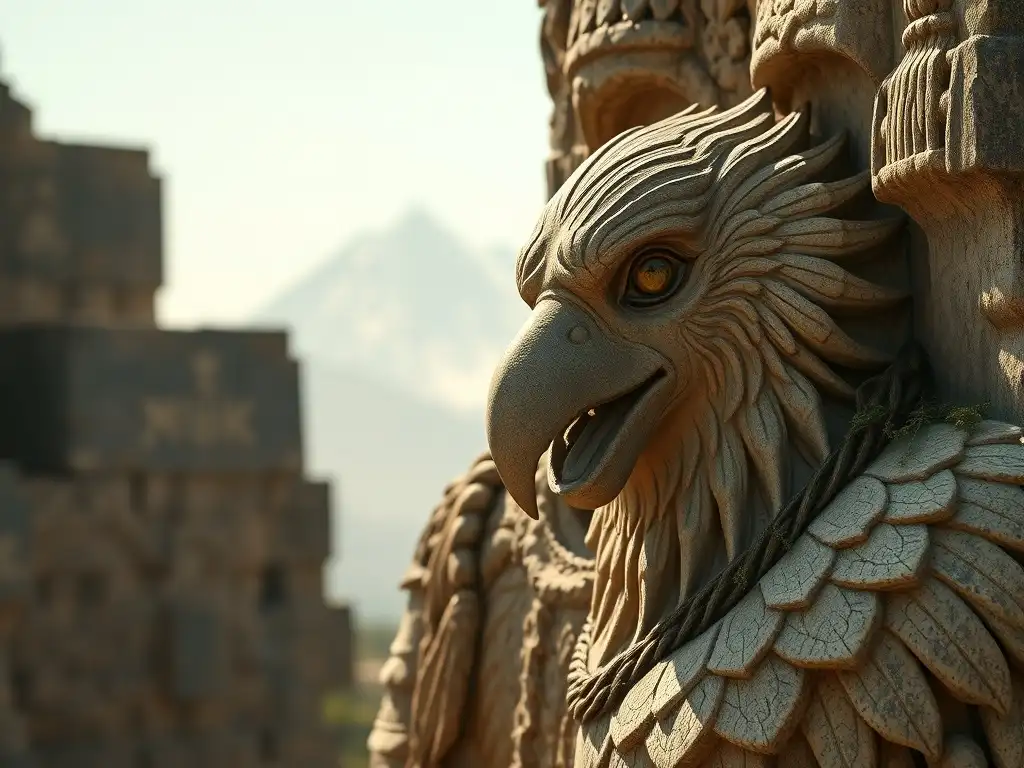
The legacy of Andean stone carvings extends far beyond their aesthetic appeal. These meticulously crafted works, often monumental in scale, serve as invaluable windows into the complex belief systems, social structures, and daily lives of ancient Andean civilizations. From the intricate depictions of deities and mythical creatures found in Tiahuanaco's Gate of the Sun to the subtly nuanced representations of agricultural practices visible in Nazca's smaller carvings, these artifacts offer a rich tapestry of symbolic narratives.
The enduring power of Andean stone carving symbolism lies in its ability to transcend time, continuing to inspire awe and spark scholarly debate centuries after their creation. Understanding this symbolism requires a nuanced approach, considering not only the individual elements within a carving but also its broader context within the civilization's cultural and religious landscape.
The sheer variety in style and subject matter across different Andean cultures further underscores the importance of regional and chronological analysis in interpreting their meaning. The meticulous detail and enduring nature of these carvings are a testament to the skill and dedication of Andean artisans and the profound importance of their artistic expression.
Andean Stone Carving as a Form of Communication
Andean stone carving wasn’t merely decorative; it was a sophisticated form of communication, conveying complex messages across generations. Consider the iconic Chavin de Huantar style, characterized by its highly stylized depictions of feline and serpent deities. These weren't random choices; the specific iconography likely encoded religious beliefs, social hierarchies, and perhaps even astronomical observations.
The positioning of carvings within sacred sites further enhances their communicative function, with strategically placed monuments potentially acting as narrative sequences or ritual pathways. Moreover, the use of specific materials, such as obsidian or diorite, may have held symbolic significance, adding layers of meaning to the carvings themselves. Evidence suggests that the creation and interpretation of these carvings were not confined to an elite class but were integrated into the social fabric of Andean societies, with communal participation in rituals and ceremonies centered around these monumental works.
This widespread understanding of the symbolism embedded within the carvings ensured their effectiveness as a powerful tool for communication and social cohesion. The diversity of styles across different Andean cultures, from the Moche's realistic portrayals to the Inca's more abstract representations, highlights the adaptability and enduring power of stone carving as a means of communication.
The Preservation and Study of Andean Stone Art
The preservation and study of Andean stone art present unique challenges and opportunities. Many carvings have suffered significant damage from erosion, looting, and the ravages of time. Conservation efforts are crucial to safeguard these invaluable pieces of cultural heritage and ensure their accessibility for future generations.
Furthermore, ethical considerations regarding the repatriation of artifacts and the involvement of indigenous communities in research and interpretation are paramount. Modern techniques, such as 3D scanning and digital modeling, are revolutionizing the study of Andean stone carvings, allowing for detailed analysis without causing further damage to delicate surfaces. These technologies are not only aiding in conservation efforts but also enabling researchers to create virtual reconstructions of damaged or fragmented pieces, providing a more complete understanding of the original artwork.
The ongoing development of these technologies, coupled with interdisciplinary collaborations between archaeologists, art historians, and indigenous communities, promises to unlock even more secrets hidden within these enduring monuments. The application of scientific methods alongside careful historical analysis is vital for responsible and accurate interpretation of Andean stone carving symbolism.
Modern Interpretations of Andean Stone Symbolism
Modern interpretations of Andean stone carving symbolism are continually evolving. While early studies often focused on a single, dominant narrative, current research emphasizes a more nuanced and multi-layered approach. Scholars increasingly recognize the importance of considering the cultural context, the social dynamics of the time, and the potential for multiple interpretations.
For example, what might appear to be a simple depiction of a llama could actually represent a complex interplay of agricultural practices, religious beliefs, and social status. The inclusion of indigenous perspectives is crucial to avoid imposing external frameworks onto these complex symbolic systems. By engaging with descendant communities and incorporating their traditional knowledge, researchers can gain a deeper understanding of the meaning and significance of these carvings.
This collaborative approach not only enriches our understanding of Andean stone carving symbolism but also fosters a more respectful and ethical approach to the study of cultural heritage. The ongoing dialogue between academic research and indigenous perspectives is vital for a holistic and responsible interpretation of this rich artistic legacy.
Frequently Asked Questions
What is the significance of Andean stone carving?
Andean stone carving held immense religious and social significance. It served as a powerful means of communication, expressing beliefs, narrating history, and reflecting the social hierarchy. Many carvings depicted deities, ancestors, and important events.
What symbols are commonly found in Andean stone carvings?
Common symbols include stylized animals (e.g., condors, jaguars, snakes), geometric patterns, and anthropomorphic figures. These symbols often represent spiritual concepts, deities, or aspects of the natural world. The specific meaning varied across cultures and time periods.
How did Andean civilizations create such intricate stone carvings?
Andean civilizations employed sophisticated stoneworking techniques, including quarrying, shaping, and polishing. They utilized various tools, from simple hammers to more advanced chisels and abrasives. The precision and artistry demonstrate a high level of skill and craftsmanship.
What is the connection between Andean stone carving and the environment?
Andean stone carvings often reflect a deep connection to the natural environment. Many depict animals and plants that were crucial to their survival and spirituality. The carvings also frequently incorporate landscape features, demonstrating a close relationship between humans and their surroundings.
Where can I see examples of Andean stone carvings today?
Many examples of Andean stone carvings are found in museums around the world and in situ at archaeological sites throughout the Andes region. Sites like Machu Picchu and Sacsayhuamán in Peru are particularly rich in examples of this impressive art form.
Final Reflection: Echoes of the Andes: A Legacy in Stone
The intricate narratives etched into Andean stone carvings remain powerfully relevant today, a testament to the enduring strength of human expression and the cyclical nature of cultural memory. These ancient symbols, far from being relics of a distant past, offer profound insights into the complexities of human experience, reminding us of our shared capacity for creativity, spirituality, and the enduring search for meaning. Their continued study allows us to better understand not only the past, but also the present, revealing surprising parallels in our own symbolic language and artistic expression.
The impact of Andean stone carving extends far beyond the archaeological sites where they reside; their influence permeates the cultural landscape of the Andes, inspiring contemporary artists and shaping a sense of collective identity. These carvings are more than just aesthetically pleasing; they are powerful vehicles for storytelling, transmitting beliefs, values, and historical accounts across generations. The past is never dead. It's not even past.
- William Faulkner. This quote resonates deeply with the enduring power of these ancient carvings, their messages echoing across centuries, shaping our understanding of Andean civilizations and their enduring legacy.
Consider the intricate detail, the powerful symbolism, the sheer scale of these monumental works. What stories do they whisper to you? Take a moment to reflect on the enduring power of human expression, the ways in which we strive to leave our mark on the world, and the profound connections we can forge with those who came before us. Let the echoes of the Andes inspire you to explore your own creative potential, to seek meaning in the world around you, and to appreciate the rich tapestry of human history woven into the very stones themselves.
Unveil the Stories of Andean Stone Carvings!
Thank you for exploring the rich and intricate world of Andean monumental art with us! You've gained invaluable insights into the symbolic narratives behind these remarkable stone carvings. Now, let's deepen your connection with this fascinating culture.
- Visit a museum featuring a collection of Andean art and artifacts to experience the beauty and artistry firsthand. The intricate detail and powerful symbolism will leave a lasting impression.
- Join a cultural group or online forum dedicated to Andean cultures. Connecting with others passionate about this heritage provides opportunities for learning and sharing perspectives.
- Share your newfound appreciation of Andean stone carving with friends, family, and on social media. Let others experience the wonder and rich history these carvings represent!
How do these ancient artistic expressions continue to shape our understanding of Andean civilizations today? Their enduring power speaks volumes about the ingenuity and cultural depth of these remarkable societies.