
Dance With the Gods: Participating in Ancient Ceremonies Through Music and Movement

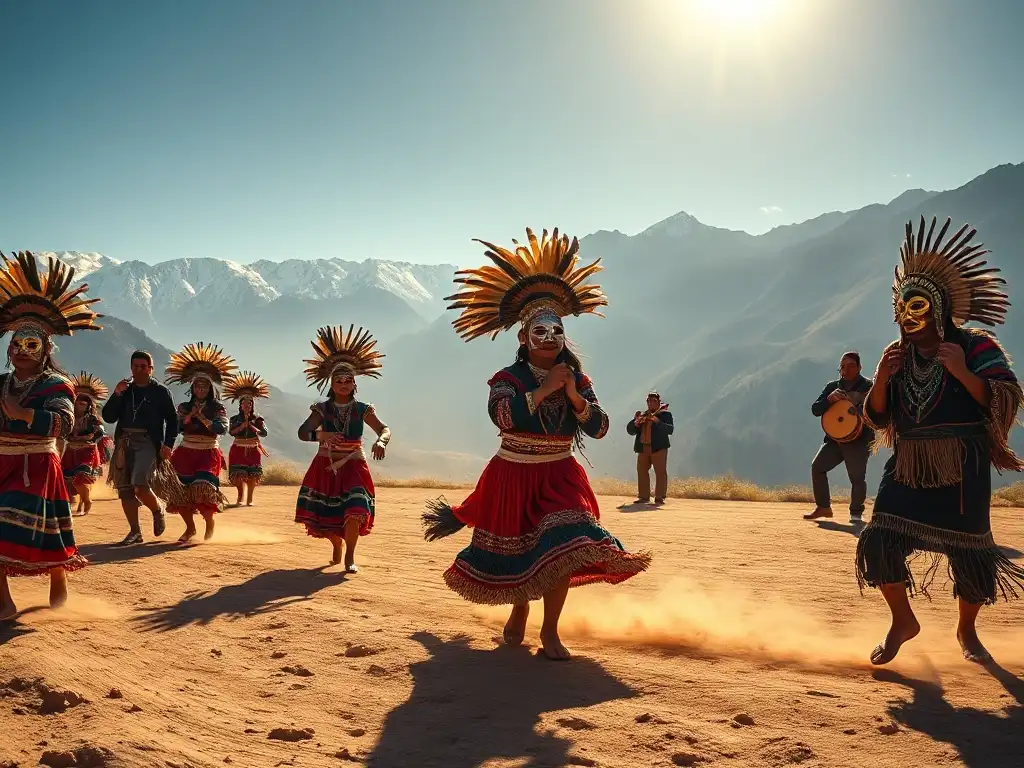
Step into a world lost to time, where vibrant cultures flourished amidst breathtaking Andean landscapes. Imagine the echoes of ancient rhythms, the mesmerizing sway of Ancient Andean ceremonial dances, and the profound connection these rituals forged with the divine. Prepare to be captivated by the intricate tapestry of Andean civilization – a journey through history, art, and spirituality awaits. Discover how music and movement unlocked a deeper understanding of these powerful cultures, and uncover the secrets held within their sacred dances.
The Andes Mountains, a spine of towering peaks stretching along the western edge of South America, are not just a geographical feature; they are the cradle of vibrant and sophisticated civilizations that flourished for millennia. This article delves into the captivating world of Ancient Andean ceremonial dances, exploring how music and movement served as vital components of religious practices, social structures, and daily life for cultures like the Inca, Moche, Nazca, and Tiahuanaco. We will uncover the profound spiritual significance embedded within these dances, examining their intricate choreography, musical accompaniments, and the powerful connection they fostered between the human and divine realms.
Understanding these ancient practices offers a window into the rich tapestry of Andean culture, revealing the enduring legacy of their beliefs and traditions. Prepare to journey through time and experience the echoes of these powerful ceremonies.
The Spiritual Significance of Dance in Andean Cultures
Ancient Andean societies deeply intertwined their religious beliefs with their daily lives. Ceremonies weren't simply isolated rituals; they were integral parts of the social fabric, influencing everything from agriculture and governance to community cohesion and individual well-being. Dance played a central role in these ceremonies, acting as a powerful medium for communicating with the gods, honoring ancestors, and ensuring the prosperity of the community. Many dances were performed to appease deities associated with specific aspects of life, such as the harvest, weather patterns, or fertility.
The movements themselves were often symbolic, mimicking agricultural processes, animal behaviors, or celestial events, enriching the spiritual experience. For example, the Inca Capac Apu festival involved dances representing the sun's power and agricultural cycles. These weren't just performances; they were active participations in the cosmic order.
Musical Instruments and Rhythms: The Soundtrack of the Sacred
The music accompanying Andean ceremonial dances was as significant as the choreography itself. A diverse array of instruments, including panpipes ( antara), drums ( tinku), flutes ( quena), and rattles ( chachas), created complex and evocative soundscapes. The rhythms and melodies were not arbitrary; they were carefully structured to evoke specific emotions and connect with the spiritual realm.
Different instruments were associated with different deities or aspects of nature, enhancing the symbolic power of the performance. The precise combinations and variations of instruments and rhythms varied across different cultures and ceremonies, reflecting the unique beliefs and traditions of each group. [Specific information pending on the precise musical scales and modes used].
Choreography and Costumes: Expressing Divine Narratives
The choreography of Andean ceremonial dances was far from random; it often told stories, reenacted myths, or represented the interactions between humans and the spirit world. Intricate steps, precise formations, and symbolic gestures conveyed complex narratives and spiritual meanings. Costumes played a crucial role in reinforcing these narratives.
Elaborate headdresses, masks, and clothing often depicted deities, animals, or other significant figures, further immersing the dancers and the audience in the spiritual realm. The vibrant colors and intricate designs of the costumes were themselves imbued with symbolic meaning, adding another layer to the overall performance. [Specific examples of dances and their corresponding narratives are pending].
The Legacy of Andean Ceremonial Dances Today
While many ancient Andean traditions have been lost or transformed over time, the legacy of their ceremonial dances continues to resonate in contemporary Andean culture. Many communities still perform variations of these ancient dances during festivals and celebrations, maintaining a vital link to their ancestral heritage. These modern performances often incorporate elements of both ancient and contemporary styles, reflecting the ongoing evolution of Andean cultural expression.
The enduring popularity of these dances speaks to their enduring power and the profound connection they foster between the past, present, and future. The vibrant colors, mesmerizing movements, and evocative music of these dances continue to captivate audiences worldwide, offering a glimpse into the rich spiritual tapestry of the Andes. 🎉
- The Spiritual Significance of Dance in Andean Cultures
- Musical Instruments and Rhythms: The Soundtrack of the Sacred
- Choreography and Costumes: Expressing Divine Narratives
- The Legacy of Andean Ceremonial Dances Today
- What role did dance play in ancient Andean societies?
- Were there specific dances for particular occasions?
- How did music accompany these ancient Andean ceremonial dances?
- What can we learn about Andean culture from studying their ceremonial dances?
- Where can I learn more about ancient Andean ceremonial dances today?
Understanding the Significance of Ancient Andean Ceremonial Dances
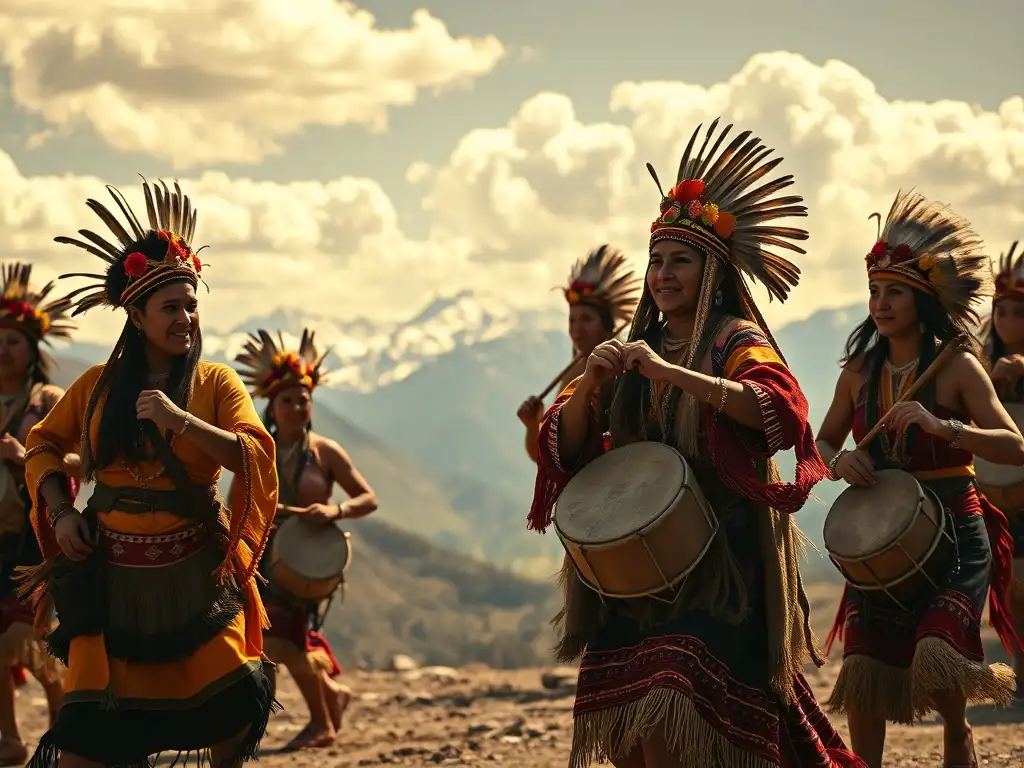
Ancient Andean ceremonial dances weren't merely entertainment; they were deeply embedded in the fabric of Andean life, serving as vital links between the human and spiritual realms. These dances, performed with intricate choreography and vibrant costumes, played a crucial role in maintaining cosmic balance, ensuring bountiful harvests, and appeasing powerful deities. Understanding their significance requires delving into their spiritual underpinnings, the connection to ancestral veneration, and the integral role of music.
This section explores the multifaceted nature of these ancient practices, highlighting their enduring legacy in contemporary Andean culture. The study of "Ancient Andean ceremonial dances" reveals a sophisticated system of beliefs and practices.
The Spiritual Roots of Andean Ritual Dances
The spiritual roots of Andean ritual dances are deeply intertwined with the Andean worldview, which perceives the world as a dynamic interplay of forces – the sacred and the profane, the human and the divine. These dances weren't arbitrary movements; they were carefully choreographed performances designed to interact with the spiritual world. For example, the capac hucha (royal dance) of the Inca Empire was believed to invoke the power of the Inca ruler, connecting him directly to the sun god Inti and ensuring his legitimacy.
Other dances, often associated with specific agricultural cycles or deities, were believed to influence the weather, the fertility of the land, and the overall well-being of the community. The dancers, often trained from a young age, weren't simply performers; they were intermediaries between the human and spiritual worlds, their movements enacting powerful narratives and pleas to the gods. The costumes themselves, often adorned with feathers, precious metals, and symbolic imagery, further amplified the sacred nature of the performance, visually representing the power and majesty of the deities being invoked.
Detailed anthropological studies have uncovered evidence of specific gestures and postures within these dances, each carrying a symbolic meaning related to specific deities or agricultural practices. The precision and symbolism evident in these dances underscore their profound spiritual significance.
Connecting with Ancestors Through Movement and Music
Beyond communicating with the gods, Andean ceremonial dances served as crucial mechanisms for connecting with ancestors. The belief in the continuity between the living and the dead was central to Andean cosmology. Many dances involved the reenactment of ancestral myths and legends, allowing the living to participate in these powerful stories and reaffirm their connection to the past.
Through these performances, the community reaffirmed their identity and heritage, strengthening the bonds that united them across generations. This connection to ancestry wasn't merely sentimental; it was a practical means of accessing ancestral knowledge, wisdom, and spiritual power. For example, certain dances might incorporate specific steps or gestures passed down through generations, representing techniques for agriculture, healing, or other essential aspects of life.
The music accompanying these dances often served as a conduit for ancestral voices, with specific rhythms and melodies believed to channel the spirits of the ancestors, guiding and protecting the community. The continuity of these traditions, even in modern-day celebrations, underscores the enduring importance of this ancestral connection. The legacy of these dances continues to shape the cultural identity and practices of many Andean communities today.
The Role of Music in Andean Sacred Rituals
Music was not merely an accompaniment to Andean ceremonial dances; it was an integral and inseparable part of the ritual itself. The sounds of panpipes, drums, and other instruments created an atmosphere conducive to spiritual communion, helping to transport participants to another realm. Specific rhythms and melodies were associated with different deities and ceremonial occasions. The intricate musical structures, often reflecting the complex social and cosmological order of Andean societies, served to amplify the power and intention of the dances.
Furthermore, the music itself was believed to possess inherent power, capable of influencing the natural world and the spirits inhabiting it. Detailed accounts from Spanish chroniclers, though sometimes biased, provide valuable insights into the types of instruments used and the role they played in these ceremonies. For example, the pututu, a long shell trumpet, was often used to announce important events or to summon spirits. The careful crafting of these instruments, often incorporating precious materials and intricate designs, further underscored their sacred significance.
The study of surviving musical instruments and fragments of ancient Andean music provides crucial evidence for understanding the role of music in shaping the experience and effectiveness of these sacred rituals. The interplay between music and movement created a holistic experience that profoundly impacted both the individual and the community. The rhythmic pulse of the music synchronized the dancers' movements, creating a unified force that channeled spiritual energy and reinforced social cohesion.
Preparing for Your Immersive Experience in Andean Dance
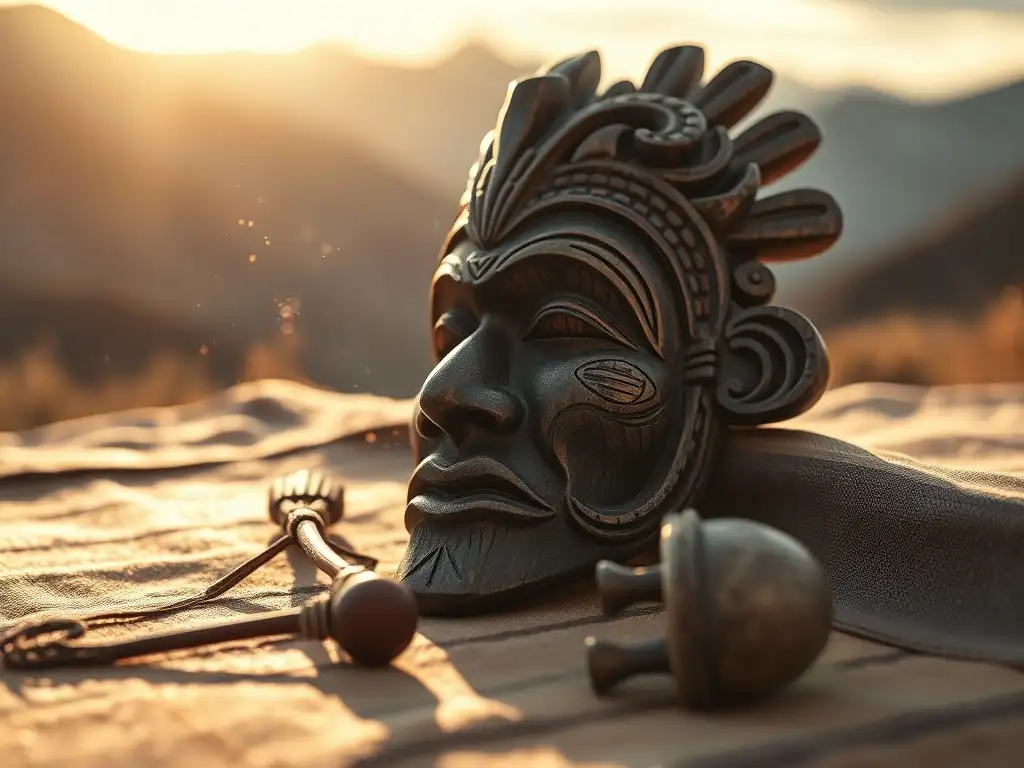
Embarking on a journey to participate in Ancient Andean ceremonial dances is a deeply enriching experience, connecting you to millennia of tradition and spiritual practice. However, respectful and informed participation requires preparation. This section outlines key steps to ensure your experience is both meaningful and culturally sensitive. Understanding the nuances of these dances allows for a more profound appreciation of their significance within Andean culture. This guide will help you navigate the process of finding authentic experiences and preparing yourself physically and mentally for this unique adventure.
Researching Authentic Andean Ceremonial Dances
Before actively participating, thorough research is crucial. Ancient Andean ceremonial dances weren't merely entertainment; they were integral to religious practices, agricultural cycles, and community life. Different Andean cultures – Inca, Moche, Nazca, Tiahuanaco, and many others – developed unique dance styles with distinct costumes, rhythms, and symbolic meanings. For example, the Inca huayno, a lively paired dance, differs significantly from the more solemn ritual dances associated with the Nazca lines.
Understanding the historical context adds depth to your experience. You'll appreciate the intricate movements, the vibrant costumes, and the accompanying music with a richer understanding of their origins and purpose. Seek out reputable sources like anthropological studies, ethnographic films, and academic publications on Andean cultures to avoid superficial representations. Look for information that describes the specific dances you're interested in, noting their regional variations and potential spiritual significance. This will help you choose workshops and performances that are authentic and respectful. The more you learn, the more meaningful your participation will become.
Finding Local Workshops and Cultural Centers
Once you've researched specific Ancient Andean ceremonial dances, the next step is finding opportunities to learn and participate. Many communities in the Andes offer workshops and classes focusing on traditional dances. These are often led by experienced dancers and instructors who can teach you the proper movements, rhythms, and cultural protocols. Look for organizations and cultural centers that emphasize authenticity and respect for Andean traditions. These institutions often prioritize teaching the dances within their proper cultural context, not just as a performance but as a living tradition.
Consider the location of your chosen workshops carefully. Some regions are known for preserving specific dance traditions more accurately than others. Direct engagement with local communities, when done respectfully, can provide an invaluable learning experience. Avoid commercially driven events that might trivialize the cultural significance of the dances. Seek out recommendations from reputable travel agencies specializing in cultural tourism in the Andes or connect with researchers and academics who work with Andean communities. The emphasis should always be on learning and respecting the traditions, not just performing them.
Essential Gear for Andean Dance Participation: A Pair of Ojotas, A Woven Chumpi Belt
While participation in Ancient Andean ceremonial dances doesn't require elaborate costumes initially, certain items can enhance your experience and demonstrate respect for the tradition. A pair of ojotas, simple leather sandals, are a practical and appropriate footwear choice. They are comfortable for the often-earth-based movements involved in many dances and are a traditional part of Andean attire. Furthermore, a woven chumpi belt, a traditional Andean textile belt, can add to the experience. The chumpi has symbolic significance, representing strength, identity, and connection to the land.
While you might not need a full traditional costume for initial participation in workshops, wearing comfortable, modest clothing is recommended. Avoid revealing or overly modern attire. The focus should always be on respectful participation, not fashion. Remember, the authenticity of your experience comes from understanding and respecting the cultural context, not from elaborate costumes. Simple, comfortable clothing that allows for freedom of movement is ideal. By preparing with appropriate attire, you demonstrate respect for the rich history and cultural significance of Ancient Andean ceremonial dances. This thoughtful preparation will contribute to a more meaningful and enriching experience.
Step-by-Step Guide to Participating in Andean Ritualistic Dances
This section provides a practical guide for those interested in experiencing the vibrant world of Ancient Andean ceremonial dances. Understanding the nuances of these rituals requires more than just learning steps; it involves immersing oneself in the culture, music, and spiritual significance of the dances. This guide will equip you with the knowledge to respectfully participate in these powerful expressions of Andean heritage.
Step 1: Learning Basic Andean Dance Steps
Learning the fundamental steps of Andean dances is crucial for respectful participation. While specific steps vary greatly depending on the region and the specific ceremony (e.g., Inca, Moche, Nazca, or Tiahuanaco traditions all have unique styles), several common elements exist. Many dances incorporate a shuffling gait, often accompanied by rhythmic movements of the arms and upper body. The huayno, for instance, a popular Andean dance, features a swaying motion and a distinctive footwork pattern. Other dances may involve more intricate footwork, jumps, and spins.
Finding qualified instructors is key. Look for workshops or classes led by experienced dancers with a deep understanding of Andean culture. Avoid simplistic tutorials that lack cultural context; genuine understanding requires learning from those who carry the tradition. Observe experienced dancers closely, paying attention to their posture, footwork, and the subtle nuances of their movements.
Remember that these dances are not just about physical execution; they are expressions of cultural identity and spirituality. Practice regularly, focusing on precision and grace, but also on the feeling and intention behind the movements. The goal isn't just to perform the dance, but to inhabit it.
Example of a Basic Andean Step Sequence
1. Begin with feet shoulder-width apart. 2. Step to the right with your right foot, slightly bending your knee. 3. Bring your left foot to meet your right, maintaining a slight bend in your knees. 4. Repeat steps 2 and 3, this time stepping to the left with your left foot. 5. Continue this sequence, gradually increasing the tempo and incorporating arm movements.
Step 2: Understanding the Music and Rhythms
The music that accompanies Ancient Andean ceremonial dances is integral to the experience. The rhythms, melodies, and instruments used vary significantly across different Andean cultures and ceremonies. Instruments like the zampoña (panpipes), charango (a small Andean lute), and tarka (a type of flute) are commonly used, each contributing unique soundscapes. The music often follows specific structures and patterns that reflect the narrative or spiritual meaning of the dance.
Understanding the rhythm is paramount. Many Andean dances are characterized by complex rhythmic patterns that require careful listening and practice. Listening to recordings of traditional Andean music is a good starting point. Pay close attention to the percussion, the interplay between different instruments, and the overall tempo. Try to identify the main rhythmic motifs and practice moving your body to the music. This will help you internalize the rhythm and improve your coordination during the dance itself. Learning to play a traditional Andean instrument can further deepen your understanding and appreciation of the music.
| Instrument | Sound Characteristics | Role in Dance |
|---|---|---|
| Zampoña | High-pitched, melodic, often layered | Creates the main melody, sets the mood |
| Charango | Bright, twangy, intricate melodies | Provides countermelodies, rhythmic accents |
| Tarka | Clear, resonant, often used in duets | Adds depth and texture to the melodic lines |
| Percussion (e.g., drums) | Driving rhythms, varied tempos | Provides the rhythmic foundation for the dance |
Step 3: Choosing the Right Ceremony or Festival
Participating respectfully in Ancient Andean ceremonial dances requires careful consideration. Not all ceremonies are open to public participation. Some are deeply sacred rituals reserved for community members. Therefore, it's vital to research thoroughly before attending any ceremony or festival. Respect for local customs and traditions is paramount.
Seek out festivals and events that explicitly welcome respectful participation from visitors. Many communities organize events specifically designed to share their cultural heritage with tourists. These events often include workshops, demonstrations, and opportunities to participate in dances under the guidance of experienced instructors. Remember that participating is a privilege, not a right. Approach the experience with humility, respect, and a genuine desire to learn and appreciate the rich cultural heritage of the Andes.
Observe the customs and etiquette carefully, and avoid any actions that could be considered disrespectful or disruptive. Always prioritize the cultural integrity of the event over personal enjoyment. And, remember to be mindful of the environment and leave no trace of your visit. 🌎
Step 4: Respecting Andean Traditions and Protocols
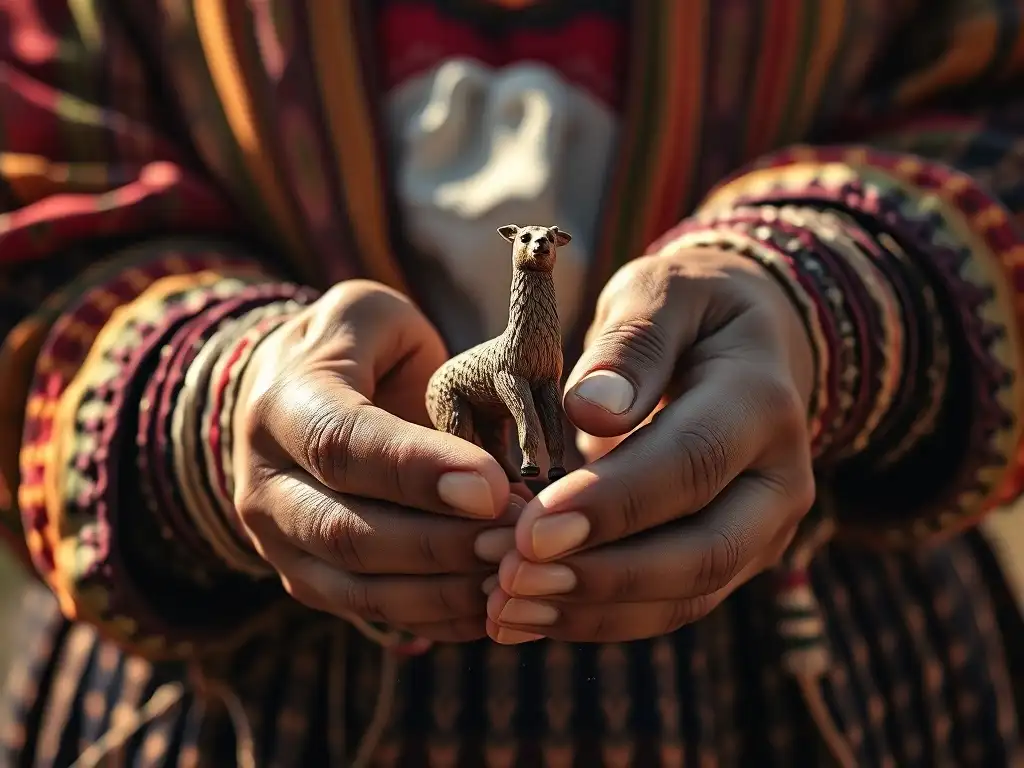
Participating in ancient Andean ceremonial dances requires a deep respect for the traditions and protocols involved. These dances are not merely performances; they are deeply spiritual acts connecting participants with the ancestors and the Andean worldview. Understanding this fundamental aspect is crucial for a meaningful and respectful experience.
One key element is dressing appropriately. While specific attire varies depending on the region and ceremony, modesty is generally valued. Bright, vibrant colors are often favored, reflecting the Andean appreciation for life's vibrancy. However, avoid overly revealing clothing. Researching the specific traditions of the ceremony you intend to participate in will ensure you dress respectfully. For instance, some ceremonies might require specific headdresses or adornments, while others might have specific color codes.
Furthermore, maintaining respectful behavior throughout the ceremony is paramount. This includes refraining from disruptive actions such as loud talking, taking unnecessary photographs, or interrupting the flow of the ritual. Observe the actions of experienced participants and emulate their respectful demeanor. Remember, these dances are sacred acts, and your participation should reflect a genuine appreciation for their significance.
Silence and mindful observation are often as important as active participation. Many ceremonies involve offerings to the Apus (mountain spirits) or Pachamama (Mother Earth), and understanding the significance of these offerings will further enhance your respect for the traditions. For example, coca leaves are frequently used in ceremonies; understanding their symbolic importance will allow you to participate more meaningfully.
Step 5: Immersing Yourself in the Experience
Beyond the formal steps and protocols, truly immersing yourself in the experience of an ancient Andean ceremonial dance involves engaging all your senses and opening your heart to the spiritual energy of the event. It's about more than just mimicking the movements; it's about feeling the rhythm, understanding the history, and connecting with the spirit of the Andes.
Active listening is crucial. Pay close attention to the music – its rhythms, its melodies, its subtle shifts in tempo. These are not just musical accompaniments; they are integral parts of the ceremonial experience, guiding the movements and evoking specific emotions and spiritual states. The instruments themselves—panpipes, drums, and others—often hold deep symbolic meaning. Learning about these instruments beforehand will deepen your understanding and appreciation.
Allow the movements to flow through you. Don't strive for perfect execution; instead, focus on feeling the energy of the dance, letting your body respond naturally to the rhythm and the music. Let go of self-consciousness and embrace the communal aspect of the experience. These dances are often performed in groups, fostering a sense of unity and shared purpose.
The energy generated by collective participation is a powerful and transformative force. Engage with other participants; share smiles, exchange glances, and feel the collective energy building as you move together. Many ceremonies incorporate elements of storytelling or chanting, and actively listening and participating in these aspects will further enhance your immersion. Finally, take time for quiet reflection after the ceremony to process the experience and integrate its lessons into your life.
Enhancing Your Andean Dance Experience with Authentic Products
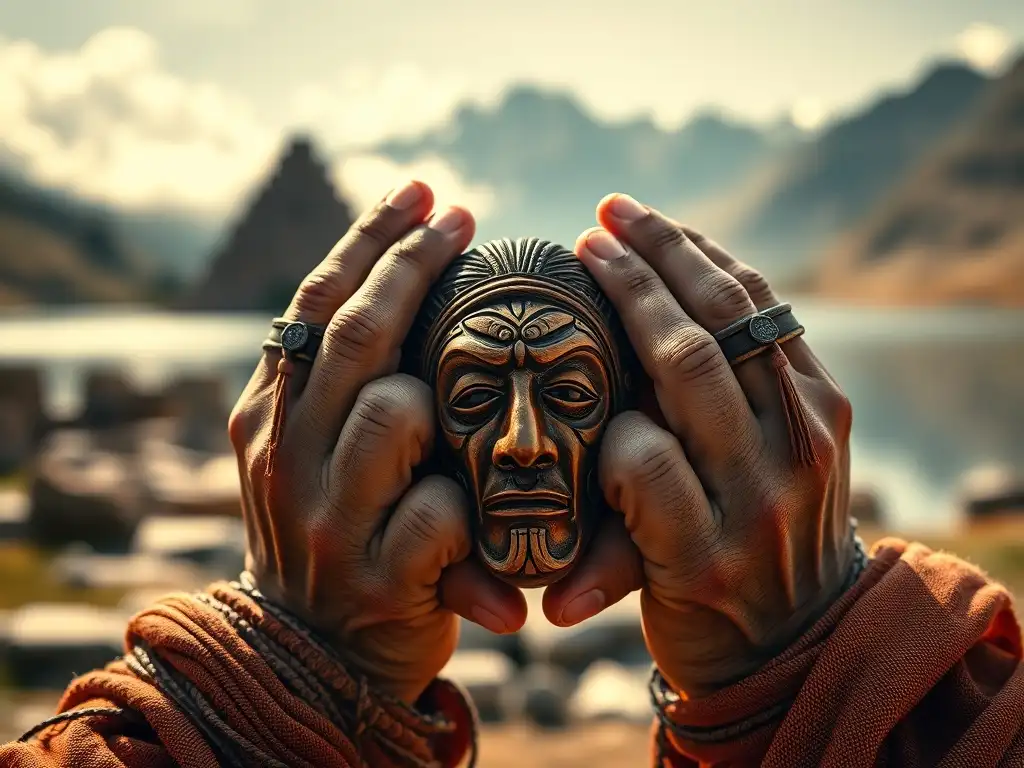
Participating authentically in recreations of Ancient Andean ceremonial dances requires more than just learning the steps; it's about immersing yourself in the culture through the senses. Using authentic instruments, clothing, and resources significantly enhances the experience, allowing for a deeper connection with the traditions and the spirits they invoked. This section explores ways to acquire genuine Andean products to enrich your dance practice and understanding of Ancient Andean ceremonial dances.
Purchasing Traditional Andean Musical Instruments: A Professional Siku Set
The siku, a panpipe instrument central to many Andean ceremonies, is more than just a musical instrument; it's a conduit to the spiritual realm. A high-quality siku significantly improves the experience of recreating ancient Andean music. When selecting a siku, consider the following:
- Material: Traditional sikus are made from various materials, including cane and wood. Cane sikus offer a brighter, clearer tone, while wood sikus may have a warmer, richer sound. The quality of the material directly impacts the instrument's resonance and overall sound quality.
- Number of Pipes: Sikus vary in the number of pipes, affecting the range and complexity of melodies possible. A larger number of pipes allows for more intricate musical expressions.
- Tuning: Ensuring the siku is properly tuned is crucial for a pleasant and harmonious playing experience. An expertly crafted siku will be meticulously tuned to produce accurate and resonant notes.
- Craftsmanship: Look for a siku made by experienced artisans. The quality of the craftsmanship is reflected in the instrument's durability, playability, and overall aesthetic appeal. Examine the pipes for evenness, the joints for tightness, and the overall finish for polish and precision.
Investing in a professional siku set, ideally from a reputable artisan or supplier specializing in Andean instruments, is a worthwhile investment. It allows for a more authentic and fulfilling experience when participating in or studying Ancient Andean ceremonial dances. The precise intonation and rich sound will enhance your performance and deepen your understanding of the music's role in the ceremonies.
Wearing Genuine Andean Clothing: A Hand-Woven Poncho, Lliclla
The clothing worn during Ancient Andean ceremonial dances was not merely for protection from the elements; it held symbolic significance, reflecting social status, spiritual beliefs, and regional identity. Wearing traditional Andean clothing during practice or performances adds another layer of authenticity and connection to the cultural heritage. A hand-woven poncho or lliclla (a type of shawl) can be a powerful addition.
Consider these aspects when choosing your garments:
- Material: Traditional Andean textiles often utilize alpaca or llama wool, known for its softness, warmth, and durability. The fiber's quality influences the drape, texture, and longevity of the garment. Look for naturally dyed textiles, as these were common in pre-Columbian times.
- Weaving Techniques: The intricate weaving techniques used in Andean textiles are often symbolic, with different patterns representing specific meanings or geographical origins. Understanding the techniques used in your chosen garment adds another layer of appreciation.
- Design and Symbolism: The designs and colors of Andean textiles often carry symbolic meaning related to nature, mythology, and spirituality. Researching the symbolism of the designs in your chosen garment can enhance its significance and your understanding of Ancient Andean ceremonial dances.
- Authenticity: Prioritize purchasing garments from reputable sources that support Andean artisans and promote sustainable practices. Avoid mass-produced imitations that lack the cultural integrity and quality of handcrafted pieces.
Wearing a genuine hand-woven poncho or lliclla during your dance practice allows you to connect with the rich textile traditions of the Andean civilizations. The tactile experience of the wool, the weight of the garment, and the vibrant colors all contribute to a more immersive and meaningful experience.
Accessing Online Resources for Andean Music and Dance: A Digital Andean Music Library
While physical instruments and clothing are essential, access to reliable digital resources can profoundly enhance your understanding and practice of Ancient Andean ceremonial dances. A digital Andean music library, curated with accuracy and respect for the cultural heritage, can offer invaluable support. Look for online resources that:
- Offer High-Quality Audio and Video: Access to recordings of authentic Andean music and dance performances is crucial. High-quality recordings allow for detailed analysis of musical phrasing, rhythmic patterns, and dance movements.
- Provide Contextual Information: A good library should provide detailed information about the historical context, cultural significance, and regional variations of the music and dances. This contextual knowledge is vital for a nuanced understanding of Ancient Andean ceremonial dances.
- Respect Intellectual Property Rights: Ensure the resources you access respect the intellectual property rights of Andean communities and artists. Support initiatives that fairly compensate those involved in preserving and sharing this cultural heritage.
- Feature Diverse Representations: Seek out resources that represent the diversity of Andean musical styles and dance traditions. Avoid resources that present a homogenized or simplified view of this rich cultural landscape.
A well-curated digital library complements physical resources, offering a comprehensive approach to learning and practicing Ancient Andean ceremonial dances. It provides access to a wider range of materials, allows for repeated study, and facilitates deeper engagement with the music and dance traditions. The combination of physical and digital resources fosters a holistic and respectful approach to understanding and appreciating Ancient Andean ceremonial dances.
The Benefits of Experiencing Ancient Andean Rituals Firsthand
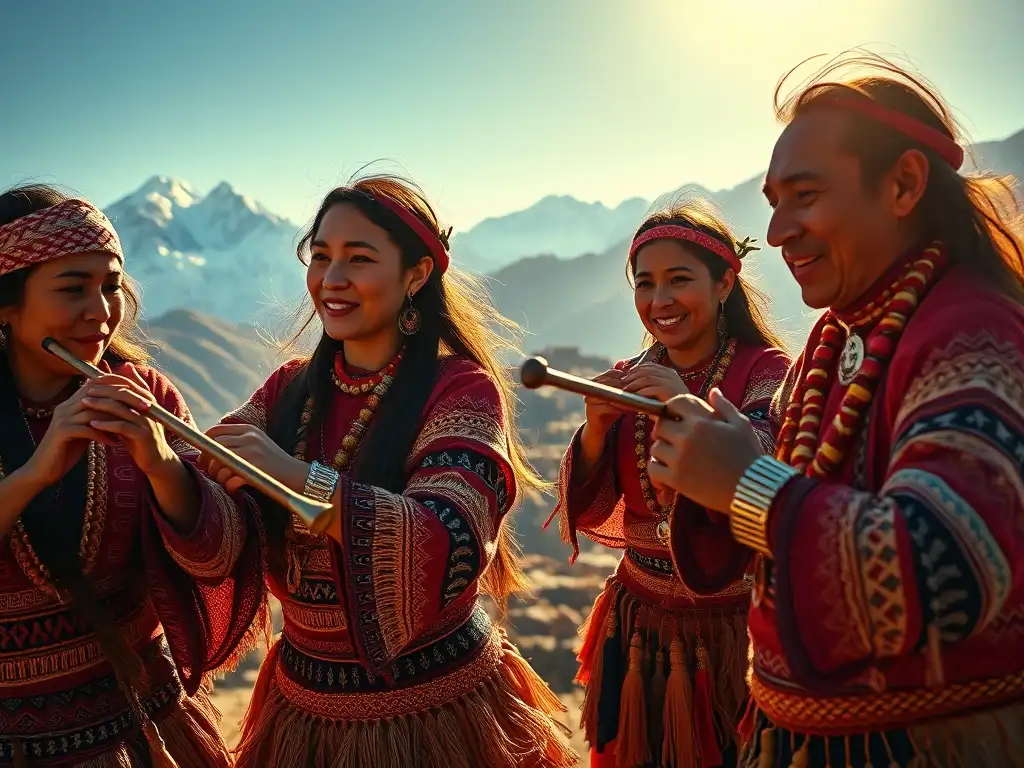
Participating in recreations of Ancient Andean ceremonial dances offers a wealth of benefits beyond mere entertainment. It's a journey into the heart of a vibrant and complex culture, providing unique opportunities for personal growth and cultural understanding. By engaging with these rituals responsibly, we can also contribute positively to the communities that have preserved this rich heritage for millennia. This section will explore the multifaceted advantages of experiencing these ceremonies firsthand.
Connecting with Andean Culture on a Deeper Level
Immersion in Ancient Andean ceremonial dances provides an unparalleled connection to the Andean worldview. Moving to the rhythms of ancient music, observing intricate costumes and choreography, and understanding the symbolism embedded within the performances offers a profound insight into the beliefs and values of these civilizations. It's more than just watching a show; it's about feeling the pulse of a culture that has thrived for centuries.
For example, the precise movements in a huayno dance, a genre with roots in the Andes, aren't just steps; they tell a story, often reflecting agricultural cycles or courtship rituals. The vibrant colors of the costumes, often made with locally sourced materials, represent the Andean landscape and its abundance. Understanding these nuances transforms the experience from passive observation to active participation in a living cultural tradition.
This level of engagement fosters a deeper appreciation for the ingenuity and resilience of Andean cultures, challenging preconceived notions and promoting cross-cultural understanding. The rhythmic complexity of many Ancient Andean ceremonial dances is also a testament to the sophisticated musical traditions of the region.
Fostering Spiritual Growth and Self-Discovery
Beyond the cultural aspect, participating in recreations of Ancient Andean ceremonial dances can be a powerful catalyst for personal growth and spiritual exploration. The repetitive movements and meditative aspects of many dances can induce a state of mindfulness, promoting relaxation and stress reduction. The connection with nature, often emphasized in these rituals, can foster a sense of grounding and connection to something larger than oneself.
Many ceremonies incorporate elements designed to encourage introspection and self-reflection, allowing participants to connect with their inner selves and explore their own spiritual journeys. The communal aspect of these dances, where individuals move together in harmony, can also foster a sense of belonging and shared purpose. This shared experience can be deeply moving, providing a sense of community and connection that transcends cultural boundaries.
The feeling of unity and shared purpose, often expressed through the collective movements and chants, can be incredibly powerful and transformative for participants. This is a significant aspect of the spiritual dimension of many Ancient Andean ceremonial dances.
Supporting Local Andean Communities Through Ethical Tourism
Ethical tourism plays a crucial role in the preservation of Ancient Andean ceremonial dances and the well-being of the communities that perpetuate them. By choosing to participate in ceremonies organized and led by local communities, you directly contribute to their economic sustainability. This support ensures the continuation of these traditions for future generations and empowers local artisans and performers.
Choosing to purchase locally-made handicrafts and supporting community-based tourism initiatives are tangible ways to make a positive impact. This conscious choice helps to ensure that the profits from tourism remain within the community, benefitting the people who work tirelessly to keep these traditions alive. It's a vital contribution to the preservation of Ancient Andean cultural heritage, ensuring that these ceremonies continue to thrive for generations to come.
By prioritizing ethical tourism, we can actively participate in the preservation of these valuable cultural treasures, ensuring their continued vibrancy and relevance in the modern world. This mindful approach to travel is crucial for the long-term sustainability of Ancient Andean ceremonial dances and the communities that cherish them. Remember, responsible tourism is not just about visiting a place; it's about contributing to its well-being.
Continuing Your Journey in Andean Dance
This section delves into the possibilities for continued learning and practice after your initial introduction to Ancient Andean ceremonial dances. The beauty and complexity of these dances are such that a lifetime of study can be dedicated to mastering even a fraction of their repertoire. We'll explore avenues for deepening your understanding and skill, fostering a connection that extends beyond a single workshop or festival.
Exploring Advanced Techniques in Andean Dance
Once you've grasped the fundamental steps and rhythms of basic Andean dances, numerous opportunities exist to refine your technique and explore more intricate movements. Consider these avenues for continued growth:
- Specialized Workshops: Look for advanced workshops focusing on specific dance styles or regions. These may cover complex rhythmic patterns, intricate footwork, or the use of specific ceremonial instruments. For example, a workshop focusing on huayno from the central Andes will differ dramatically from one focusing on yaraví from the southern highlands. The nuances are significant and contribute to the rich tapestry of Andean dance.
- Mentorship Programs: Seek out experienced dancers who can provide personalized guidance and feedback. A mentor can help you identify areas for improvement, refine your technique, and develop your own unique style. This personalized approach is invaluable for mastering the subtle details that differentiate skilled dancers from casual participants.
- Online Resources: The digital age offers unprecedented access to learning materials. Videos, tutorials, and online courses can provide supplementary instruction and allow you to practice at your own pace. However, remember that the human element of in-person instruction is crucial for truly mastering the nuances of these dances. Online resources should complement, not replace, direct instruction.
- Immersion Programs: Consider spending an extended period in the Andes, immersing yourself in the culture and learning directly from local communities. This offers an unmatched opportunity to understand the cultural context of the dances and their significance within Andean traditions. This level of immersion can profoundly impact your understanding and appreciation of Ancient Andean ceremonial dances.
Your journey with Ancient Andean ceremonial dances doesn't end with personal growth. Sharing your knowledge and passion can contribute to the preservation and appreciation of this rich cultural heritage. Here are some ways to give back:
- Teaching: Once you've reached a certain level of proficiency, consider teaching others. Sharing your knowledge helps to perpetuate these traditions for future generations. This can involve teaching formal classes, leading workshops, or simply sharing your skills with friends and family.
- Performance: Participate in cultural events and performances to showcase Andean dance to wider audiences. This helps to raise awareness and appreciation of this beautiful art form.
- Community Engagement: Connect with Andean communities and organizations to support their efforts in preserving and promoting their cultural heritage. This could involve volunteering your time, donating resources, or simply raising awareness through social media and other channels. Active participation in the global Andean community is vital.
- Documentation: Document your learning journey, sharing your experiences and insights through writing, photography, or videography. This helps to preserve the knowledge and beauty of Ancient Andean ceremonial dances for future generations. Consider creating a blog or sharing your experiences on social media platforms.
Returning to the Andes for Further Immersion
For the truly dedicated student of Ancient Andean ceremonial dances, a return trip to the Andes offers unparalleled opportunities for deepening your understanding and connection with the culture. This isn't just about refining your technique; it's about experiencing the dances within their authentic cultural context.
Consider these aspects of a return trip:
- Attending Festivals: Participate in local festivals and celebrations where these dances are performed traditionally. Observe experienced dancers, learn about the rituals associated with the dances, and experience the vibrant atmosphere of Andean communities.
- Studying with Masters: Seek out opportunities to study with master dancers and musicians in their home communities. This provides access to invaluable knowledge and insights that are often lost in translated workshops.
- Participating in Rituals: With appropriate respect and guidance, consider participating in traditional ceremonies where dance plays a significant role. This offers a profound and deeply moving experience, connecting you to the spiritual heart of Andean culture. Remember to always approach such opportunities with humility and respect for local customs and traditions. Improper participation could be incredibly disrespectful.
This continued exploration will enrich your understanding and appreciation of Ancient Andean ceremonial dances, fostering a deeper connection with this vibrant and significant cultural heritage. The journey is ongoing, filled with opportunities for growth, sharing, and deeper immersion.
Frequently Asked Questions
What role did dance play in ancient Andean societies?
Dance was integral to Andean life, serving religious, social, and political functions. Ceremonial dances honored deities, celebrated harvests, and reinforced social hierarchies.
Were there specific dances for particular occasions?
Yes, different dances were performed for specific ceremonies and seasonal events. For example, some celebrated agricultural cycles, while others honored ancestors or appeased gods.
How did music accompany these ancient Andean ceremonial dances?
Music, often played on instruments like panpipes, drums, and shell trumpets, was essential to Andean dances. It set the rhythm, enhanced the spiritual atmosphere, and guided the dancers' movements.
What can we learn about Andean culture from studying their ceremonial dances?
Studying these dances reveals insights into Andean cosmology, social structures, and belief systems. The movements, costumes, and music all provide valuable clues.
Where can I learn more about ancient Andean ceremonial dances today?
You can find information in museums, archaeological sites, and academic publications. Many cultural centers also offer recreations of these ancient dances.
Final Reflection: Echoes of the Andes in Our Modern World
The vibrant rhythms and intricate movements of ancient Andean ceremonial dances continue to resonate today, offering a powerful connection to a rich cultural heritage and a profound understanding of humanity's enduring spiritual quest. These dances weren't merely performances; they were—and in some ways, still are—sacred acts, weaving together music, movement, and spirituality to forge a powerful link between the human and divine realms. Their enduring legacy challenges us to consider the enduring power of ritual and the importance of preserving cultural traditions.
The impact of these dances extends far beyond the Andes themselves. Their influence can be seen in contemporary art, music, and even spiritual practices worldwide. The intricate symbolism, the communal nature of the performances, and the deep connection to the land and its spirits speak to universal human experiences. The dance is a mirror of the soul,
a wise elder once told me, and in the ancient Andean ceremonies, this reflection is particularly clear and compelling. The echoes of these dances remind us of the importance of community, the power of ritual, and the enduring human need to connect with something larger than ourselves.
Consider the legacy of these dances. Consider the stories they tell, the beliefs they embody, and the communities they unite. You, too, can find your own rhythm, your own way to connect with the ancient spirits and the enduring power of movement and music. Let the echoes of the Andes inspire you to explore your own cultural heritage, to find your own ways of expressing your spirituality, and to build community through shared experience. Embrace the dance, embrace the music, and embrace the enduring power of human connection.
Reconnect and Dance With the Gods!
Thank you for exploring the vibrant world of ancient Andean ceremonies! You've discovered the rhythm and meaning behind sacred music and movement that have transcended time. Now, let's bring this knowledge into your life.
Here are some inspiring ways to connect with these enduring traditions:
- Join a local dance or music class focusing on traditional Andean styles. Experience the joy and community of honoring this rich cultural heritage firsthand.
- Create a playlist of traditional Andean music and let it inspire you. Dance to it at home, or even host a ceremonial dance night with friends!
- Share this article with friends who appreciate culture and dance. Start a conversation and perhaps even plan a gathering to celebrate these ancient practices together.
What ancient tradition inspires you—perhaps one you'd like to experience through dance, music, or another creative expression?