
The Art of Remembering: Techniques Used in Andean Oral Transmission

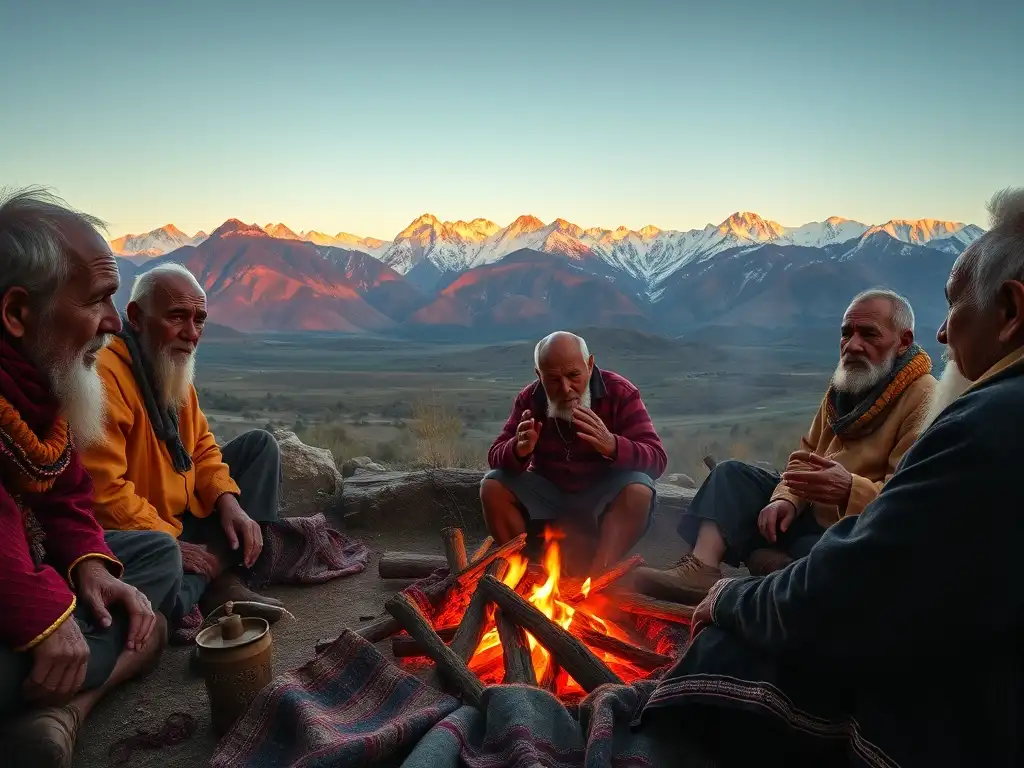
Step into a world lost to time, yet echoing with vibrant voices. For centuries, the Andes mountains held secrets whispered through generations, preserved not in stone, but in the intricate tapestry of Andean oral history techniques. Discover how these remarkable civilizations, from the Incas to the Nazca, transmitted their rich legacy across millennia. Unravel the mysteries behind their masterful storytelling and the ingenious methods they employed – a journey into the heart of their enduring culture awaits. Prepare to be amazed.
- The Art of Remembering: Quechua Oral Transmission Techniques
- The Significance of Oral Tradition in Quechua Cultures
- Core Quechua Oral History Techniques
- Key Elements of Quechua Oral Transmission
- The Transmission of Quechua Cultural Knowledge
- Challenges and Modern Relevance of Quechua Oral History
-
Frequently Asked Questions
- What role did oral tradition play in Andean societies?
- How did the Andean people preserve their history without writing?
- What are some examples of Andean oral history techniques?
- How did oral history influence Andean art and technology?
- Why is studying Andean oral history techniques important today?
- Final Reflection: Weaving the Threads of Memory in the Andes
- Unveil the Power of Memory: Take Action Today!
The Art of Remembering: Quechua Oral Transmission Techniques
The Andes Mountains, a spine of towering peaks and deep valleys stretching along the western coast of South America, are home to a rich tapestry of cultures and histories. For centuries, before the advent of widespread writing systems, Andean civilizations relied heavily on oral traditions to preserve their knowledge, beliefs, and histories. This article delves into the fascinating world of Andean oral history, focusing specifically on the techniques employed by Quechua-speaking communities to transmit vital information across generations.
We'll explore the sophisticated methods used to ensure the accurate and vivid preservation of their ancestral heritage, demonstrating the remarkable ingenuity and resilience of these ancient cultures. Understanding these techniques is crucial to appreciating the depth and complexity of Andean oral history and its continuing relevance today.
We will uncover how these methods not only preserved factual information but also served as powerful tools for social cohesion, cultural transmission, and the maintenance of identity in the face of both internal and external pressures. The survival and adaptation of these oral traditions highlight the enduring power of human memory and the importance of storytelling in shaping cultural narratives.
Mnemonic Devices and Memory Aids
Quechua oral traditions relied heavily on sophisticated mnemonic devices to aid memory and ensure accurate transmission of information. These weren't simply rote memorization; they involved elaborate systems of association, visualization, and rhythmic repetition. For example, quipus, knotted cords used for record-keeping, served as visual aids, triggering memories associated with the specific knots and their arrangement.
Furthermore, oral narratives frequently incorporated repetitive phrases, songs, and rhythmic patterns that enhanced memorability. The use of vivid imagery and metaphorical language also helped embed information in the minds of listeners, transforming complex historical accounts or genealogies into memorable stories. Consider the intricate details preserved in Quechua creation myths, passed down through generations with remarkable consistency – a testament to the effectiveness of these memory techniques.
The use of mnemonic devices facilitated not only the preservation of factual information but also the transmission of complex concepts and abstract ideas. Detailed studies of surviving Quechua oral traditions reveal a remarkable understanding of memory techniques, reflecting a deep appreciation for the power of the human mind.
The Role of Storytelling and Performance
Storytelling wasn't simply a form of entertainment in Andean cultures; it was a vital mechanism for transmitting knowledge and values. Oral narratives served as repositories of history, law, cosmology, and social norms. The performance aspect of storytelling was crucial. Trained storytellers, often elders within the community, employed dramatic techniques such as intonation, gestures, and facial expressions to engage their audience and enhance the memorability of their narratives.
The use of songs, chants, and musical accompaniment further amplified the impact of the stories. These performances weren't passive listening experiences; they were active engagements, involving participation from the audience through responses, questions, and interjections, ensuring a dynamic and interactive learning process. The communal nature of these storytelling events fostered social cohesion and strengthened community bonds. The performance aspect of oral transmission highlights the importance of social context in the preservation and interpretation of cultural knowledge.
Intergenerational Transmission and Apprenticeship
The transmission of oral traditions wasn't a one-time event; it was a continuous process involving careful mentorship and intergenerational learning. Younger generations learned from elders through prolonged periods of apprenticeship, actively participating in storytelling events and memorizing narratives. This apprenticeship model ensured the continuity of oral traditions and the preservation of cultural knowledge across generations. This process wasn't simply about memorization; it involved a deep understanding and internalization of the cultural values and beliefs embedded within the stories. The active participation of the younger generation in the storytelling process ensured that the narratives were not just passively received but actively engaged with and interpreted within their own contexts. The success of this system lies in its emphasis on active participation, repetition, and the deep integration of knowledge within a social and cultural framework. The sustained nature of this transmission process underscores the enduring strength and resilience of Andean oral traditions.
The Impact of Colonialism and Modernization
The arrival of the Spanish conquistadors in the 16th century dramatically altered the landscape of Andean societies, significantly impacting oral traditions. While the Spanish attempted to suppress indigenous languages and cultural practices, Quechua oral traditions demonstrated remarkable resilience. The adaptation of oral traditions to incorporate new realities and challenges is a testament to their flexibility and the ingenuity of Quechua communities. However, modernization and globalization continue to pose significant threats to the preservation of these invaluable cultural heritages.
The increasing dominance of written media and the migration of Quechua speakers to urban areas have contributed to a decline in the practice of oral traditions in some communities. Efforts to document and preserve these traditions are crucial to ensuring their survival for future generations. Understanding the challenges faced by Andean oral traditions is vital for the development of effective strategies for their preservation and revitalization.
The Significance of Oral Tradition in Quechua Cultures
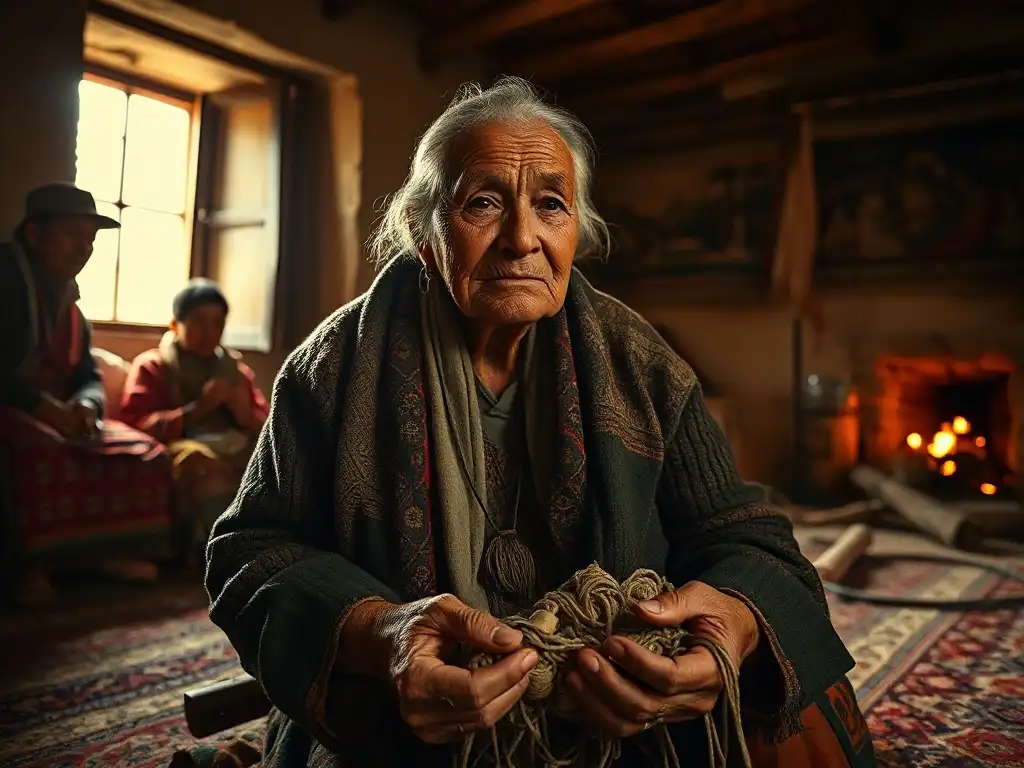
Quechua, a family of languages spoken across the Andes, didn't rely solely on written records. For centuries, the transmission of knowledge, history, and cultural values depended heavily on oral traditions. This wasn't simply a matter of storytelling; it was a sophisticated system of preserving and transmitting vital information across generations.
Understanding the significance of oral tradition in Quechua cultures requires appreciating its intricate mechanisms and the profound impact it had – and continues to have – on Andean societies. The strength and resilience of Quechua culture are, in large part, a testament to the effectiveness of these time-honored techniques.
The enduring legacy of Andean oral history techniques is evident in the continued use of Quechua today, demonstrating the remarkable power of spoken word to preserve cultural identity across vast stretches of time and geographical locations. The vitality of Quechua language and its associated oral traditions highlight the crucial role of oral history in maintaining cultural continuity in the face of external pressures.
Preserving Quechua History Through Spoken Word
The preservation of Quechua history wasn't a passive process. It involved active engagement from community members of all ages. Elders played a crucial role, acting as repositories of knowledge and carefully passing down historical accounts, myths, and legends. This wasn't a simple recitation; it was a performance, often imbued with dramatic flair and mnemonic devices to aid memory and understanding. These performances often incorporated songs, poems, and dramatic storytelling techniques, making the information more memorable and engaging.
Consider, for example, the harawi, a Quechua poetic form often used to narrate historical events or express personal experiences. The rhythmic structure and emotional resonance of the harawi made it a powerful tool for transmitting information across generations. Similarly, the use of yaravis, melancholic songs often dealing with themes of love, loss, and social injustice, served as a powerful means of preserving social history and cultural memory.
The oral transmission of these forms, passed down through generations of storytellers and musicians, ensured the survival of these important cultural expressions. Many of these narratives, although not explicitly documented in written form until relatively recently, preserve details of social structures, economic practices, and even cosmological beliefs.
Furthermore, the use of mnemonic devices, such as repetition, alliteration, and association, aided in the retention and accurate transmission of information. These techniques, combined with the social context of storytelling – often within the community or during specific ceremonies – enhanced the learning and remembering process. This wasn't simply rote learning; it was an active process of participation and engagement.
The Role of Memory in Quechua Societies
Memory wasn't just an individual capacity in Quechua societies; it was a collective responsibility. The community played a vital role in ensuring the preservation of historical knowledge. Regular gatherings, ceremonies, and festivals provided opportunities for the recounting and reinforcement of historical narratives. This constant repetition and communal reinforcement solidified the collective memory and ensured the accuracy of transmitted information.
The emphasis on collective memory fostered a strong sense of shared identity and cultural continuity. It bound generations together, creating a sense of belonging and shared history. This communal approach to remembering was crucial for maintaining social cohesion and cultural integrity in the face of external influences. This collective responsibility extended beyond simply remembering; it encompassed the interpretation and re-interpretation of the past, ensuring that historical narratives remained relevant and meaningful to successive generations. The dynamic nature of oral tradition allowed for adaptations and reinterpretations, reflecting the changing social and political landscape while still maintaining the core essence of the cultural heritage. The study of these evolving narratives provides invaluable insight into the adaptive capacity of Quechua communities and their ability to negotiate and reinterpret their past in light of present realities. This constant process of retelling and reinterpretation underscores the living and breathing nature of Andean oral history techniques.
Core Quechua Oral History Techniques
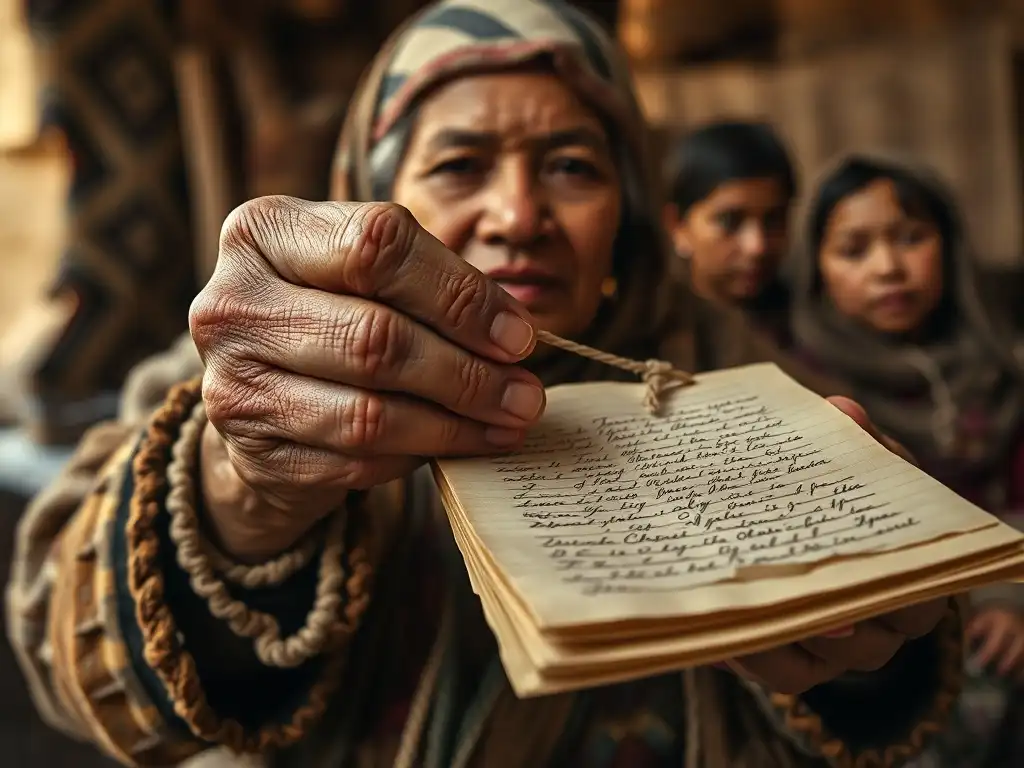
The Quechua language, spoken across the Andes for centuries, boasts a rich oral tradition that has successfully preserved historical accounts, cultural knowledge, and ancestral wisdom across generations. The lack of widespread literacy among the Andean populations before the Spanish conquest necessitated sophisticated techniques for memorizing and transmitting information. These techniques, far from being haphazard, were meticulously developed and refined, showcasing the ingenuity and intellectual prowess of Andean cultures. Understanding these methods provides crucial insight into the enduring power of Andean oral history and the sophisticated strategies employed to maintain cultural continuity. This section will explore some core techniques that facilitated the preservation and transmission of Andean oral history. The effectiveness of these methods is evident in the survival of rich narratives and genealogies that continue to inform Quechua communities today. Analyzing these techniques allows us to appreciate the resilience and adaptability of oral traditions in the face of historical challenges.
Mnemonic Devices in Quechua Storytelling
Quechua storytellers employed a wide array of mnemonic devices to aid memorization and recall. These weren't simply rote learning; rather, they involved intricate systems that linked narrative elements to memorable images, sounds, and physical actions. For instance, the use of quipus, knotted strings, is well-documented. While their precise function remains a subject of ongoing research, it's clear that they served as memory aids, potentially representing numerical data, genealogical information, or even narrative elements through a complex system of knots and colors.
Beyond the quipu, however, were more abstract mnemonic techniques. Storytellers might incorporate vivid imagery, creating memorable scenes with striking details to facilitate recall. Consider the description of a powerful warrior: "His eyes were like the burning sun, his hair black as the midnight sky, and his muscles rippled like the Amazon River in flood." Such imagery, deeply rooted in the Andean landscape and experience, served as powerful anchors for the narrative.
Furthermore, songs and poems were integral to storytelling, embedding key information within memorable melodies and rhythmic patterns. The musicality of the language itself further aided memorization, with specific sounds and intonations associated with particular events or characters. This intricate interplay of visual, auditory, and kinesthetic elements created a robust system for preserving and transmitting oral narratives effectively across generations. The effectiveness of these methods is demonstrated by the longevity of Quechua oral traditions.
The Use of Repetition and Rhythm in Oral Narratives
Repetition and rhythm were fundamental to Andean oral storytelling techniques. These weren't mere stylistic choices but integral components of the memorization process. Key phrases, names, or events would be repeated strategically throughout the narrative, reinforcing their importance and embedding them more firmly in the listener's memory. This repetition wasn't monotonous; rather, it often involved subtle variations or elaborations on the repeated elements, keeping the narrative engaging while strengthening memory.
Beyond repetition, the rhythmic structure of the narratives themselves played a crucial role. Many Quechua stories exhibit a clear rhythmic pattern, often incorporating parallel structures, antiphonal call-and-response elements, or rhythmic chanting. This rhythmic structure provided a scaffolding for the narrative, making it easier to memorize and recall.
The use of specific rhythmic patterns could also serve to distinguish different types of narratives or to mark transitions between sections of a longer story. The combination of repetition and rhythm created a synergistic effect, enhancing both memorability and the overall aesthetic appeal of the oral performance. This carefully constructed rhythmic structure, combined with the inherent musicality of the Quechua language, ensured that the narratives were not only easily remembered but also deeply engaging for the audience.
Quechua Techniques for Memorizing Genealogies
Genealogies held immense significance in Andean societies, defining social structures, land rights, and spiritual lineages. Preserving these complex genealogical records required specialized techniques. One crucial method involved the use of mnemonic devices specifically tailored for genealogical information. These might involve associating ancestors with specific geographical locations, significant events, or distinctive physical characteristics.
For example, an ancestor known for their prowess in weaving might be linked to a particular type of cloth or a specific weaving technique. Another method employed was the creation of songs or poems specifically dedicated to recounting genealogies. These songs not only provided a structured framework for memorizing the lineage but also imbued it with cultural and emotional significance. The rhythmic and melodic aspects of these songs would have further aided in memorization.
Finally, the use of intergenerational storytelling played a vital role. Elders would actively teach genealogies to younger generations, often through repetitive storytelling sessions and interactive questioning, ensuring the accurate transmission of this crucial information. The emphasis on oral transmission and the sophisticated mnemonic techniques employed highlight the importance placed on preserving lineage and cultural continuity within Quechua communities. The meticulous nature of these techniques demonstrates a deep understanding of memory and learning processes.
The Power of Performance in Oral Transmission
The Quechua, like many indigenous cultures, understood that effective oral transmission wasn't merely about reciting facts; it was about performing the history. Storytelling wasn't a passive activity; it was a vibrant, dynamic event demanding skilled performers. These weren't simply narrators; they were actors, singers, and even dancers, weaving together words, music, and movement to create a captivating experience that ensured memorization and cultural transmission. The power of performance lay in its ability to engage multiple senses, strengthening memory retention significantly more than a simple recitation.
Consider the yaravis, melancholic songs often used to recount historical events or personal narratives. The haunting melodies and emotionally resonant lyrics served as powerful mnemonic devices. The rhythmic structure and melodic patterns helped listeners remember the story's details, while the emotional depth fostered a deeper connection to the narrative, ensuring its preservation across generations.
These weren't just songs; they were living repositories of history, passed down through generations, each performance adding a layer of personal interpretation and collective memory. The emotional investment strengthened the bond between the storyteller and the audience, ensuring the information was not just heard but truly felt, thus solidifying its place in collective memory.
Furthermore, the use of dramatic pauses, changes in vocal tone and pitch, and the incorporation of gestures and facial expressions all contributed to the overall impact of the performance. These elements weren't merely embellishments; they were essential tools used to emphasize key points, create suspense, and evoke specific emotions, enhancing the audience's engagement and memory retention. A skilled performer could manipulate the audience's emotional response, ensuring the narrative’s impact resonated long after the performance concluded.
This active engagement fostered a deeper understanding and appreciation of the history being shared, ensuring its preservation and transmission to future generations. The performance itself became a powerful mnemonic device, etching the story into the collective memory of the community. The art of performance was, therefore, integral to the success of Andean oral history techniques.
Key Elements of Quechua Oral Transmission
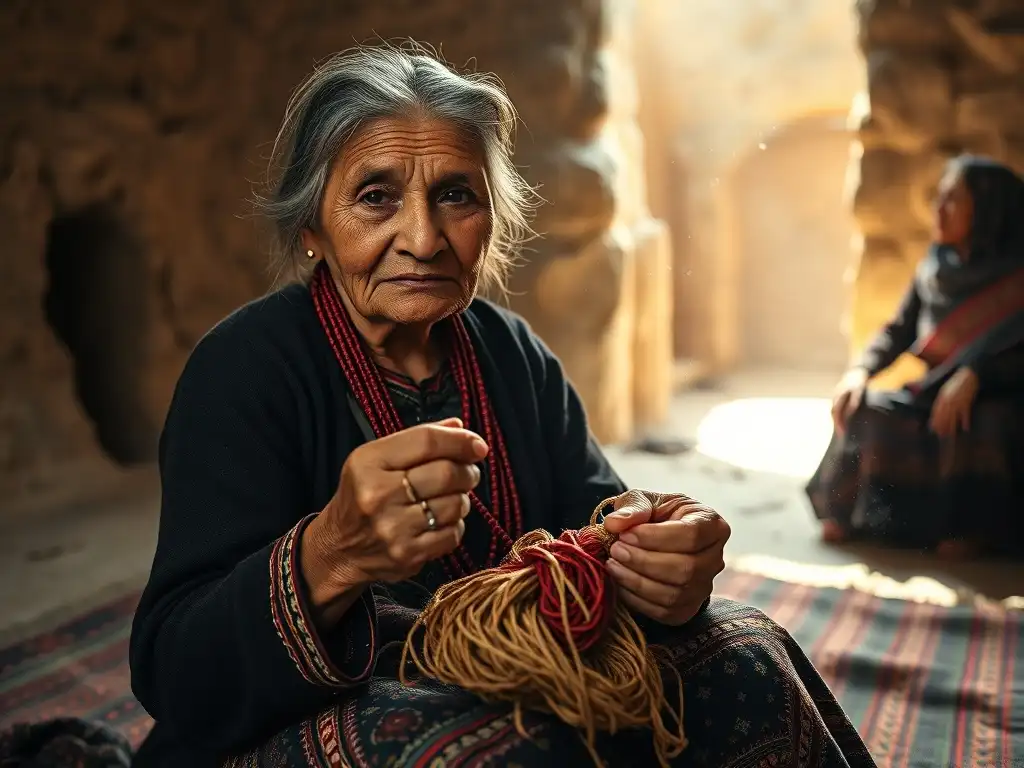
This section delves into the core components that underpinned the effective transmission of knowledge and history through oral traditions in Quechua communities. Understanding these elements is crucial to appreciating the richness and resilience of Andean oral history techniques. The system wasn't simply memorization; it was a sophisticated network of social practices, mnemonic devices, and deeply ingrained cultural values. We will explore some of the key pillars supporting this remarkable system.
The Role of Elders as Knowledge Keepers
The preservation of Andean oral history rested heavily on the shoulders of the elders – the yachachiq (teachers). These weren't simply old people; they were repositories of ancestral wisdom, carefully selected and trained within their communities. Their role transcended mere storytelling; it involved a deep understanding of the intricate web of social structures, historical events, and cosmological beliefs. They acted as living archives, meticulously preserving and transmitting generational knowledge.
Their authority stemmed not just from age, but from proven expertise and a demonstrated commitment to upholding the integrity of their cultural heritage. The training process often involved years of apprenticeship, where younger generations would observe, participate, and gradually absorb the vast amount of information. This wasn't a passive process; active engagement and rigorous testing were integral to ensuring accuracy and understanding. The elders also played a crucial role in interpreting and contextualizing historical events, ensuring that the narrative remained relevant and meaningful to successive generations.
Their ability to adapt the stories to the current social and political context was essential for the ongoing vitality of the oral tradition. The passing of knowledge was not a mere transfer of facts, but rather a transmission of cultural values and a way of life. The respect afforded to elders within Quechua communities was paramount to the success of this system.
The Importance of Community in Oral History
Andean oral history techniques weren't solely reliant on individual memory; they were deeply embedded within the fabric of community life. The collective nature of remembering was essential. Storytelling wasn't a solitary activity but a shared experience, often taking place during communal gatherings, festivals, or rituals.
This communal setting provided opportunities for multiple individuals to contribute, verify, and refine the narratives, ensuring accuracy and continuity. The repetition of stories within the community acted as a form of cross-checking and validation, minimizing the risk of distortion or loss of information over time. Furthermore, the social context provided a framework for understanding the significance of the stories within the broader cultural and historical context.
Discussions and debates following storytelling sessions served to further clarify and solidify understanding, making the process dynamic and interactive. This collective approach to remembering ensured the longevity and resilience of Andean oral traditions, demonstrating the power of shared memory and its contribution to cultural preservation. The community's active participation in the transmission process was vital for the success of these techniques.
Quechua Storytelling and its Connection to Rituals
Quechua storytelling was not merely entertainment; it was intrinsically linked to ritual and ceremony. Many stories served as vehicles for transmitting religious beliefs, moral codes, and practical knowledge related to agriculture, medicine, and social customs. The performance of these narratives during rituals reinforced their significance and ensured their continued relevance within the community. The ritual context provided a powerful framework for memorization and understanding, embedding the stories deep within the cultural psyche.
For instance, stories of origin myths or heroic figures were often recounted during harvest festivals or initiations, connecting the narrative to specific events and reinforcing their importance. The use of songs, chants, and dances further enhanced the memorability and impact of these stories. These performances often involved elaborate costumes, props, and symbolic actions, enriching the narrative and strengthening its connection to the ritual context.
The intertwining of storytelling and ritual ensured the preservation of both cultural knowledge and religious beliefs, highlighting the integral role of oral tradition in shaping Andean identity and worldview. The use of mnemonic devices within the ritualistic setting further aided in remembering and transmitting complex information across generations. The deeply symbolic nature of these rituals enhanced the impact and longevity of the oral history.
The Transmission of Quechua Cultural Knowledge
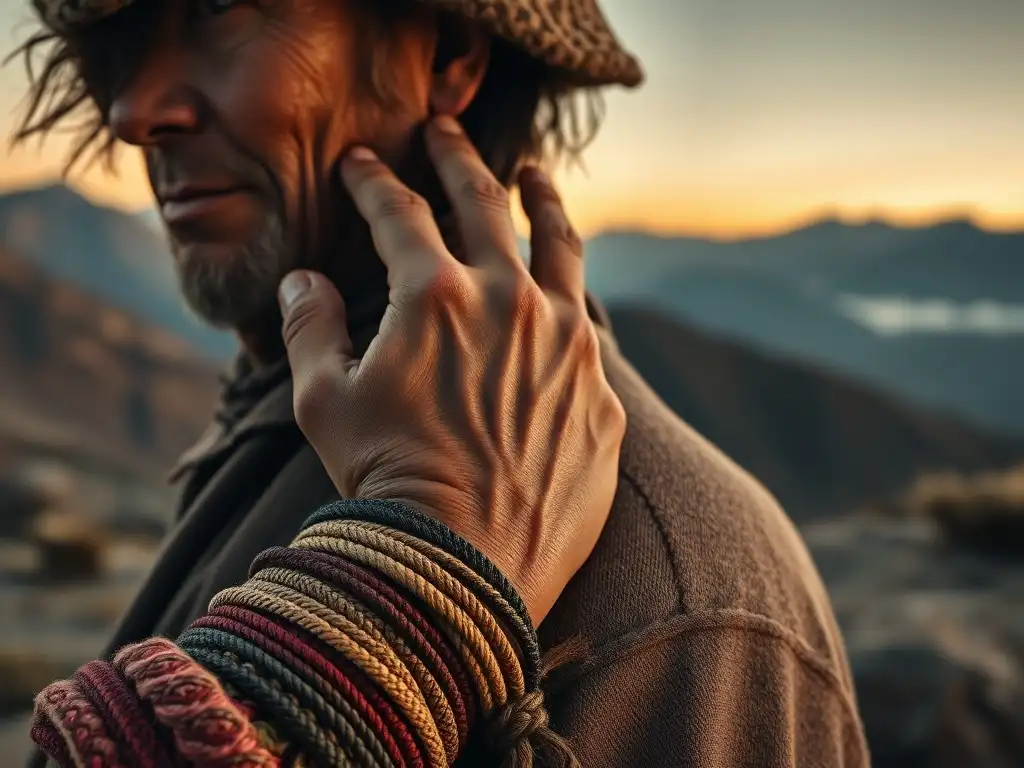
The Quechua language, far from being merely a vehicle for everyday communication, served as the cornerstone of a vibrant oral tradition that meticulously preserved and transmitted generations of cultural knowledge across the Andes. This wasn't simply a matter of storytelling; it was a sophisticated system involving mnemonic devices, structured narratives, and communal participation, all working in concert to ensure the survival of their rich heritage. Understanding these techniques offers crucial insights into the resilience and adaptability of Andean societies.
The meticulous preservation of Andean oral history techniques is crucial for understanding the depth and richness of their culture. This section delves into the specific methods employed to pass down Quechua traditions.
Passing Down Quechua Traditions Through Oral Narratives
Oral narratives formed the bedrock of Quechua cultural transmission. These weren't haphazard tales; they were carefully crafted narratives with specific structures and functions. Think of them as living encyclopedias, woven into compelling stories. For example, the creation myths, explaining the origins of the world and the Quechua people, were not just entertaining stories; they served as a framework for understanding their place in the cosmos and their relationship with the natural world.
These narratives were often accompanied by songs, dances, and rituals, enhancing memorization and reinforcing their cultural significance. The use of repetition, alliteration, and rhythmic patterns further aided memorization. These weren't static stories; they evolved and adapted over time, reflecting changing social and environmental contexts, yet retaining their core message.
The oral tradition’s flexibility allowed it to accommodate new experiences while preserving the essential elements of Quechua identity. The effectiveness of these narratives was further enhanced by the active participation of the community. Storytelling events were communal affairs, fostering a sense of shared identity and collective memory.
Safeguarding Quechua Ancestral Wisdom
Beyond narratives, Quechua communities developed other ingenious methods for preserving their ancestral wisdom. These included the use of quipus, complex knotted cords used for recording numerical data and, some argue, also narrative information. While the exact nature of quipu's narrative capabilities remains a subject of ongoing research, their significance in Andean record-keeping is undeniable. Furthermore, the intricate system of ayllus, kinship-based social groups, played a crucial role in maintaining and transmitting knowledge.
Each ayllu had its own designated keepers of tradition, responsible for preserving and sharing specific aspects of their cultural heritage. This decentralized approach ensured the survival of knowledge even in the face of adversity. The knowledge wasn't confined to a single individual; it was distributed across the community, enhancing its resilience.
This system also facilitated the adaptation and evolution of traditions, allowing for the incorporation of new experiences and interpretations without compromising the core values and beliefs. The interconnectedness of the ayllus also ensured a continuous flow of information and a sense of shared cultural identity. The effectiveness of this system demonstrates the ingenuity and foresight of Andean societies in safeguarding their heritage.
The Legend of Inkarrí and Pachamama
The legend of Inkarrí, the mythical Inca emperor who will return to restore order and justice, and Pachamama, the Earth Mother, are prime examples of how Quechua oral traditions conveyed complex social and environmental messages. The Inkarrí legend served as a potent symbol of hope and resistance during times of hardship, reinforcing social cohesion and cultural continuity. The story of Pachamama, on the other hand, underscored the importance of respecting and maintaining harmony with nature.
These narratives weren’t just stories; they were powerful tools for social control, environmental stewardship, and cultural preservation. Their enduring presence in Quechua society testifies to their effectiveness in transmitting crucial values and beliefs across generations. The repeated telling of these legends served to reinforce the importance of these values and to transmit them to new generations, ensuring the continuity of Quechua culture.
The adaptability of these narratives allowed them to be relevant across time and different contexts, demonstrating the dynamism and resilience of the Andean oral tradition. The continued relevance of these legends today highlights the power of oral tradition in shaping cultural identity and providing a sense of continuity across generations.
Challenges and Modern Relevance of Quechua Oral History
The preservation of Andean oral history techniques, particularly those associated with the Quechua language, faces significant challenges in the modern era. The rapid pace of globalization and technological advancement has led to a decline in the use of Quechua in daily life, impacting the transmission of oral traditions. This shift from a primarily oral culture to one increasingly reliant on written and digital media poses a serious threat to the vitality of Quechua oral history. The younger generations, often more fluent in Spanish, are less likely to actively participate in and preserve these valuable traditions.
This generational gap threatens the continuity of knowledge transfer and the rich tapestry of stories, songs, and historical accounts embedded within Quechua oral culture. The loss of this living history would be an immense cultural loss, erasing centuries of accumulated wisdom and experience. Understanding the challenges is crucial to developing effective strategies for preservation.
The Impact of Modernity on Oral Traditions
Modernity's influence on Andean oral traditions is multifaceted. The introduction of formal education systems, predominantly using Spanish, often marginalizes Quechua, leading to a decline in its use and the subsequent weakening of its oral traditions. The allure of urban life and the associated opportunities frequently draws younger generations away from rural communities where traditional oral practices are most prevalent.
This migration contributes to the geographic dispersal of knowledge holders, making it difficult to maintain the cohesive transmission of oral history. Furthermore, the pervasive influence of mass media – television, radio, and the internet – offers alternative forms of entertainment and information, potentially overshadowing the importance of traditional oral narratives within the community. The shift to digital communication also presents a challenge to the very nature of oral tradition, which thrives on face-to-face interaction and the subtle nuances of voice and body language.
This isn't solely a Quechua phenomenon; the impact of globalization on indigenous oral traditions worldwide is a significant concern for cultural preservationists. Quantifying this impact precisely is difficult, lacking comprehensive data on Quechua speaker demographics across various age groups and their engagement with oral traditions. However, anecdotal evidence and observations from linguistic and anthropological studies strongly suggest a concerning downward trend.
Efforts to Preserve Quechua Oral History Techniques
Despite the challenges, significant efforts are underway to preserve Quechua oral history techniques. These initiatives often involve collaborations between linguists, anthropologists, community members, and educators. One key strategy involves documenting oral narratives through audio and video recordings, creating valuable archives that can be accessed by future generations. These recordings not only preserve the spoken word but also capture the accompanying gestures, expressions, and contextual elements that enrich the narratives.
Furthermore, community-based projects focus on revitalizing Quechua language education within schools and community centers. These programs aim to instill pride in the language and its associated traditions, encouraging younger generations to learn and participate in the oral transmission of knowledge. Other efforts include the creation of digital platforms and online resources that make Quechua oral histories accessible to a wider audience. This includes translating stories into other languages, making them available to a broader global community.
The effectiveness of these preservation efforts varies depending on the specific community and the resources available. However, the collective commitment to safeguarding Quechua oral history demonstrates a resolute determination to maintain this vital aspect of Andean cultural heritage. The long-term success depends on continued investment in these initiatives and the sustained engagement of communities themselves.
The Enduring Legacy of Quechua Oral Transmission
Despite the threats posed by modernization, the legacy of Quechua oral transmission remains remarkably strong. The inherent resilience of oral traditions, passed down through generations, ensures that certain key narratives and knowledge continue to be shared. The profound importance of storytelling within Quechua culture ensures that narratives remain central to social cohesion and cultural identity.
These stories transmit not only historical information but also moral values, social norms, and practical knowledge related to agriculture, medicine, and daily life. The continued use of Quechua in religious ceremonies and traditional festivals also contributes to the preservation of oral traditions. These events provide opportunities for older generations to share their knowledge with younger participants, maintaining a vital link between the past and the present.
While the form and frequency of oral transmission may be changing, its essence persists. The challenge lies in adapting preservation strategies to meet the evolving context while upholding the integrity and authenticity of this rich cultural heritage. The strength and longevity of Quechua oral traditions underscore the profound cultural significance and enduring power of oral history within Andean societies.
Frequently Asked Questions
What role did oral tradition play in Andean societies?
Oral tradition was paramount in Andean societies, serving as the primary means of transmitting knowledge, history, and cultural values across generations before the widespread use of writing. It shaped their worldview and social structures.
How did the Andean people preserve their history without writing?
Andean cultures employed sophisticated memory techniques, including mnemonic devices, storytelling, songs, and ritual performances. These methods ensured the accurate transmission of important information.
What are some examples of Andean oral history techniques?
Examples include quipus (knotted cords used for record-keeping), memorization of long genealogies and myths, and the use of dramatic performances to recount historical events. These were integral to their cultural identity.
How did oral history influence Andean art and technology?
Oral histories directly influenced artistic expression and technological advancements. Narratives inspired designs, and knowledge of past innovations guided technological development. This created a dynamic interplay.
Why is studying Andean oral history techniques important today?
Studying these techniques provides valuable insights into cognitive processes, cultural preservation, and the diverse ways humans have historically transmitted knowledge. It also offers valuable lessons for modern societies.
Final Reflection: Weaving the Threads of Memory in the Andes
The enduring power of oral tradition in the Andes continues to resonate today, a testament to the ingenuity and resilience of its people. These ancient techniques, far from being relics of the past, offer invaluable lessons in community building, knowledge preservation, and the very nature of memory itself. Understanding these methods provides a crucial lens through which to view not only Andean history but also the challenges and opportunities facing all societies striving to preserve their cultural heritage.
The artistry of Andean oral transmission profoundly impacted my understanding of storytelling and its social function. It's not simply about recounting events; it's about weaving a collective narrative that binds generations together, shaping identity and fostering a sense of belonging. The intricate mnemonic devices, the rhythmic poetry, the communal participation – all contribute to a vibrant tapestry of shared experience. Memory is not a container to be filled, but a fire to be kindled.
This quote, though not directly from Andean tradition, perfectly encapsulates the dynamic and ever-evolving nature of oral history.
Consider the ways in which you preserve your own memories and stories. How can you actively participate in the transmission of knowledge within your own community? Embrace the power of storytelling, the importance of listening, and the enduring strength of shared experience. Let the wisdom of the Andes inspire you to cultivate your own traditions, to safeguard your heritage, and to kindle the fire of memory for generations to come.
Unveil the Power of Memory: Take Action Today!
Thank you for exploring the fascinating world of Andean oral traditions! You've discovered valuable insights into how these communities preserve their history and culture through their unique memory techniques. Now, let's put this knowledge into practice.
Here's how you can deepen your understanding and share the wisdom of Andean oral transmission:
- Practice a memory technique: Incorporate visualization or storytelling into your daily life to improve your memory. For example, try vividly imagining details of your day before bed to recall them more easily.
- Engage your community: Share your newfound knowledge by hosting a gathering to discuss Andean memory techniques and encourage others to explore oral traditions. Consider inviting a local historian or storyteller to enhance the experience.
- Share your experiences: Discuss your discoveries online or with friends. Detail which techniques resonate most with you and how they could be applied to modern challenges of information retention.
How can we adapt the effective memory techniques of the Andes to preserve our own stories and histories in today's fast-paced world? What approaches do you believe would be most beneficial?